Author: Mei Ling Tan

  • Yum China Ends FY25 Strong: Delivery Boom and Store Expansion Fuel 9% Q4 Revenue Surge

    Yum China Ends FY25 Strong: Delivery Boom and Store Expansion Fuel 9% Q4 Revenue Surge

    Yum China Holdings ended the 2025 fiscal year on a strong note, with an increase in delivery orders and expedited store openings fueling a rise in sales and profits, even amidst muted consumer spending in China.

    Performance Overview

    During the quarter that concluded on December 31, Yum China, the operator of KFC, Pizza Hut, and other dining brands throughout mainland China, recorded a revenue of US$2.8 billion, a 9% increase compared to the previous year.

    The company saw a 3% growth in same-store sales, the third consecutive quarter of positive growth, while system sales experienced a 7% increase.

    Delivery service played a crucial role in driving growth, with delivery sales surging by 34% and contributing to around 53% of the total revenue. Yum China’s emphasis on digital ordering and convenience due to fluctuating dine-in customer counts across regions remains an integral part of its strategy.

    Store Expansion & Sales

    Store expansion significantly contributed to the company’s performance. Yum China inaugurated an astonishing 587 new stores in the fourth quarter, with franchise partners opening nearly 36% of these stores. Over the year, the group opened 1706 additional stores, raising its total to more than 18,100 restaurants across the nation.

    For the 2025 fiscal year, Yum China reported a revenue of US$11.8 billion, a 4% increase from the previous year, while the operating profit climbed 11% to approximately US$1.3 billion.

    Words from the CEO

    Joey Wat, CEO of Yum China, praised the hardworking team for ending 2025 on a high note by delivering growth in same-store sales for three consecutive quarters and same-store transaction growth for twelve quarters in a row.

    Wat noted that KFC had discovered new consumption opportunities via its KCoffee cafe format and Kpro side-by-side modules. Meanwhile, Pizza Hut enhanced its value proposition and launched its Wow model to extend its presence to previously untapped locations, particularly in lower-tier cities.

    Future Plans

    In terms of future plans, the company aims to operate more than 20,000 restaurants by the end of the current year, supported by the opening of over 1900 new stores. Yum China predicts that franchised outlets will represent 40-50% of all new openings across KFC and Pizza Hut, as it continues to extend its hybrid ownership model.

    Questions & Answers

    What was the revenue of Yum China for the 2025 fiscal year?
    The revenue was reported to be US$11.8 billion, a 4% year on year increase.

    What role did delivery service play in Yum China’s growth?
    Delivery service was a major growth driver, with delivery sales rising by 34% and making up around 53% of the total revenue.

    What are the company’s future expansion plans?
    Yum China aims to operate over 20,000 restaurants by the end of the year, supported by the opening of more than 1900 new stores.

  • SOTI Research Reveals the Need for Retail Tech to Deliver a More Immersive Experience

    SOTI Research Reveals the Need for Retail Tech to Deliver a More Immersive Experience

    SOTI, a proven innovator and industry leader for simplifying business mobility solutions, launched its latest annual global research, “Retail Tech Assessment: Opportunities for Enhanced Consumer Experiences,” which revealed Australian consumers are increasingly making shopping decisions based on security, trust and the quality of their digital experience. The findings reveal that while retailers are investing in technology, many still fall short of delivering truly personalised and immersive interactions.

    Retailers Need to Enhance Consumer Engagement with Technology

    The report found that there is progress to be made in enhancing consumer shopping experiences with the technology currently available. Consumers use retail apps for convenience, with 55% using them for exclusive offers, savings and points, and 53% enjoying benefits such as faster checkout. However, engagement is not growing at the pace retailers would expect, and further incentives may be needed to encourage deeper use of digital touchpoints. Additionally, greater emphasis could be placed on augmented reality (AR) and visualisation to create more immersive experiences.

    “Most of the technology does exist, but it is not being leveraged properly. Consumers want experiences that feel more relevant and forward-thinking than what they are receiving today,” said Michael Dyson, VP of Sales APAC at SOTI. “Engagement and loyalty can deepen as this technology becomes more central to the retail experience. Secure and connected devices and apps are the starting point for building brand trust.”

    Consumers Are More Cost-Conscious Than Ever Amid Economic Uncertainty

    Rising economic pressures are forcing Australian consumers to prioritise value, convenience and local purchasing, as 33% are now checking product origin or choosing to buy domestically made products. Furthermore, 86% are taking cost-cutting measures to adapt to changing economic conditions and 63% say economic factors have influenced their ability to purchase their usual items in the past 12 months.

    “Consumers now know exactly when and where to find the best value, and they’re using digital tools at every step of the buying journey,” added Dyson. “Retailers are working hard to meet expectations for smooth, connected experiences, yet issues with real-time tracking and fulfilment highlight that some foundational supply chain processes still need strengthening.”

    Security and Privacy Are Growing Concerns

    While 55% of consumers want to see more technology-enhanced shopping, research found that security and trust are critical. In fact, 87% of consumers are concerned about data privacy or security issues when shopping online or in-store, and 69% think twice before shopping with a retailer that has suffered a cyberattack. Much of this sentiment stems from the fact that 42% of consumers have been victims of retail-related fraud.

    “Finding the right balance between smarter, tech-enabled shopping and protecting consumer privacy has become critical,” Dyson said. “Shoppers are open to personalisation, provided they trust how their data is managed. Maintaining that trust requires transparency and robust security, especially at a time when major brands are facing increasing cyber threats.”

    SOTI’s latest report, “Retail Tech Assessment: Opportunities for Enhanced Consumer Experiences,” can be downloaded here.

    Report Methodology

    SOTI’s research expanded its scope to cover 13,000 consumers, uncovering key insights into the evolving retail landscape across 11 countries, including Italy and Spain for the first time. The sample split is as follows: U.S. (2,000), Canada (1,000), Mexico (1,000), UK (2,000), Germany (1,000), France (1,000), Sweden (1,000), the Netherlands (1,000), Italy (1,000), Spain (1,000) and Australia (1,000).

    About SOTI

    SOTI is a proven innovator and industry leader for simplifying business mobility solutions by making them smarter, faster and more reliable. With SOTI’s innovative portfolio of solutions, organisations can trust SOTI to elevate and streamline their mobile operations, maximise their ROI and reduce device downtime. Globally, with over 17,000 customers, SOTI has proven itself to be the go-to mobile platform provider to manage, secure and support business-critical devices. With SOTI’s world-class support, enterprises can take mobility to endless possibilities. For more information, visit soti.net.

  • Acclaimed Brix Distillers Enters Voluntary Administration: Future of Australia’s First Craft Rum Distillery Uncertain

    Acclaimed Brix Distillers Enters Voluntary Administration: Future of Australia’s First Craft Rum Distillery Uncertain

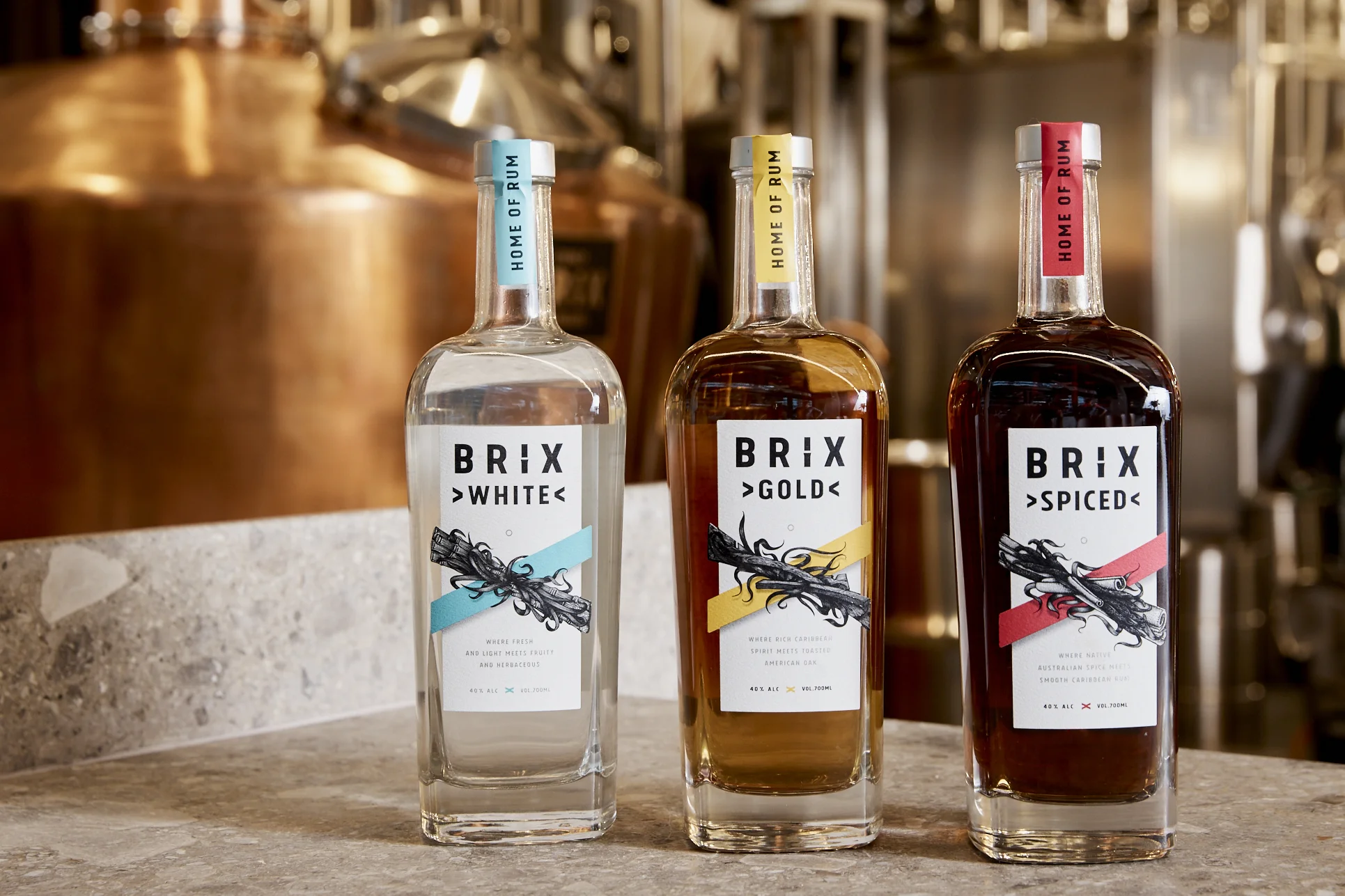
    The boutique rum manufacturer, Brix Distillers, formerly known as Sydney Distilling Co, has opted for voluntary administration.

    Appointing an Administrator

    RSM Australia has been appointed to manage the administration for the pioneer craft rum distillery in the country. The firm is presently considering all possible alternatives, including liquidating the company’s assets through a deed of company arrangement.

    Brix Distillers, which was established in 2017, ran a bar in Surry Hills.

    Exploring Options for the Distillery

    The primary responsibility of the administrators is to explore and identify all potential solutions to ensure the most favourable outcome not only for the creditors but also for the legacy of this Australian distillery brand. This includes exploring the sale of the business and its assets, according to Ben Carson, director at RSM.

    The administrators are currently in discussion with several parties who have shown interest in the future of this premium craft rum brand and its business operations.

    Seeking Potential Buyers

    Carson noted that the company boasts one of the largest private stockpiles of Australian rum in the country. He encouraged those who are interested in the business to get in touch with their proposals.

    Questions & Answers

    What is the current status of Brix Distillers?

    Brix Distillers has gone into voluntary administration, and RSM Australia has been appointed as the administrator.

    What are the future plans for the business and its assets?

    The administrators are currently exploring all potential solutions, which includes the possible sale of the business and its assets.

    Who could potentially acquire the business?

    The administrators are in talks with several parties who have expressed interest in the business. Interested parties are encouraged to get in touch with their proposals.

  • Marcus Raward: Steering Noosa Chocolate Factory Towards New Commercial Heights Amid Market Challenges

    Marcus Raward: Steering Noosa Chocolate Factory Towards New Commercial Heights Amid Market Challenges

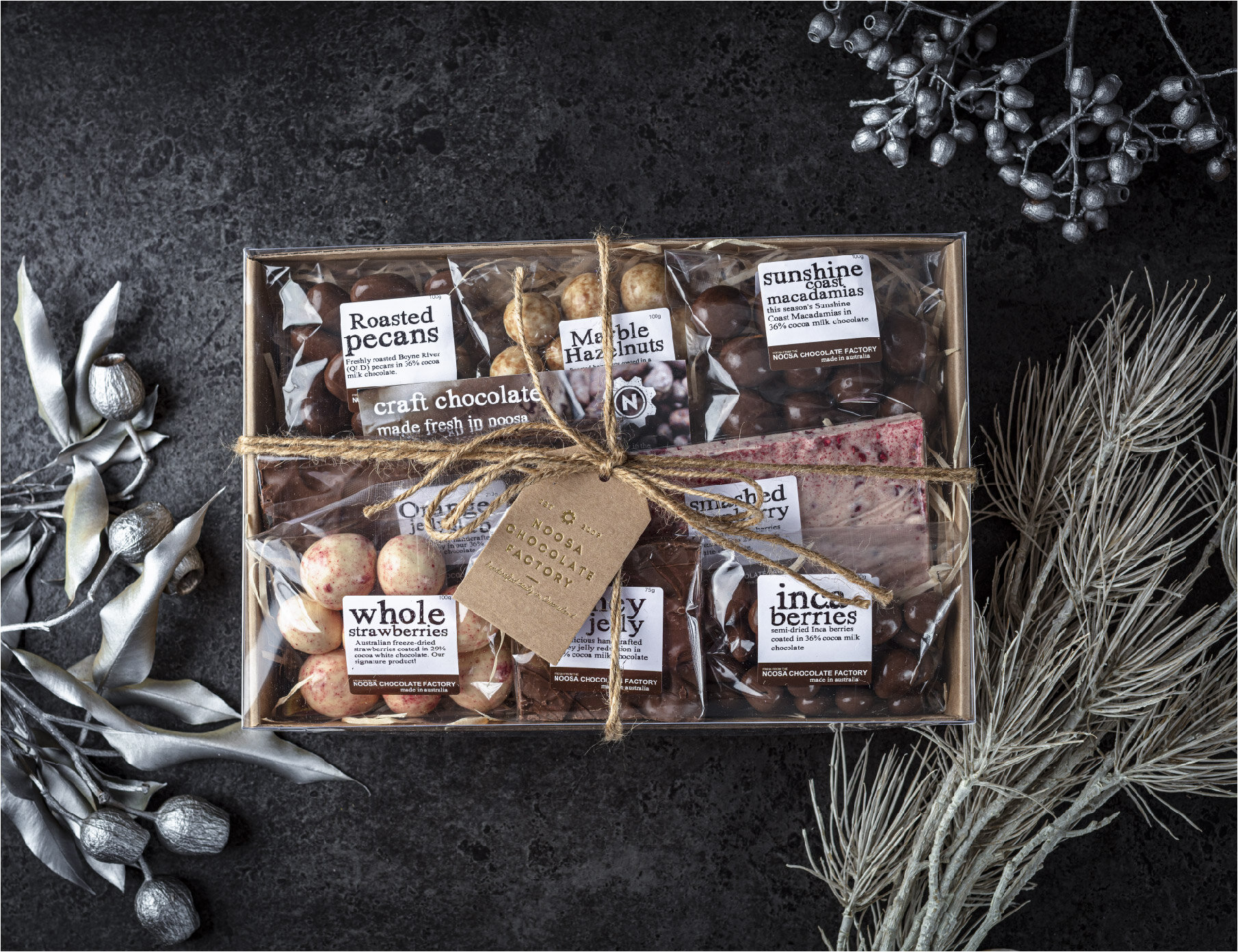
    Marcus Raward has been appointed as the new Chief Executive Officer of Noosa Chocolate Factory, marking a new era in the company’s top leadership.

    Delivering Growth Through Strategic Leadership

    Known for his commercial strategy and business growth expertise, Raward is set to steer the company through its current operational phase. His responsibilities include honoring the company’s rich heritage while readily adapting to the prevailing economic landscape.

    Raward expressed his vision for the company, stating, “The goal is to honor the roots of our brand, highlight the unique qualities that set our products apart from other chocolate and confectionery brands, while propelling the business into a stronger commercial position.”

    Addressing Market Challenges and Opportunities

    The chocolate industry is currently undergoing a transition as it rebounds from significant price volatility in the global cocoa market. Raward pointed out that the market is beginning to stabilize, a shift that has been felt by manufacturers worldwide.

    Addressing this issue, Raward commented, “Cocoa prices have posed a tough challenge for the entire sector, but now we’re seeing signs of a plateau. Simultaneously, the demand for quality chocolate continues to be robust, which opens up a real opportunity for a brand like Noosa Chocolate Factory.”

    Expansion Plans

    As part of its growth strategy, Noosa Chocolate Factory has inaugurated a new outlet at Westfield Chermside and refurbished its store at Sunshine Plaza, which is anticipated to reopen early this month.

    Questions & Answers

    What is Marcus Raward’s vision for Noosa Chocolate Factory as its new CEO?
    Raward’s vision is to honor the brand’s roots, highlight its unique product qualities, and propel the company into a stronger commercial position.

    How is the global cocoa market impacting the chocolate industry?
    Significant price volatility in the global cocoa market has posed challenges for the chocolate industry. However, signs of a stabilizing market present new opportunities for brands like Noosa Chocolate Factory.

    What are some of Noosa Chocolate Factory’s recent expansion efforts?
    As part of its growth strategy, Noosa Chocolate Factory has opened a new store at Westfield Chermside and renovated its Sunshine Plaza store.

  • Woolworths NZ Kick-starts Innovative Drive-Thru Home Burger Trial: A Fresh Take on Convenient Dining

    Woolworths NZ Kick-starts Innovative Drive-Thru Home Burger Trial: A Fresh Take on Convenient Dining

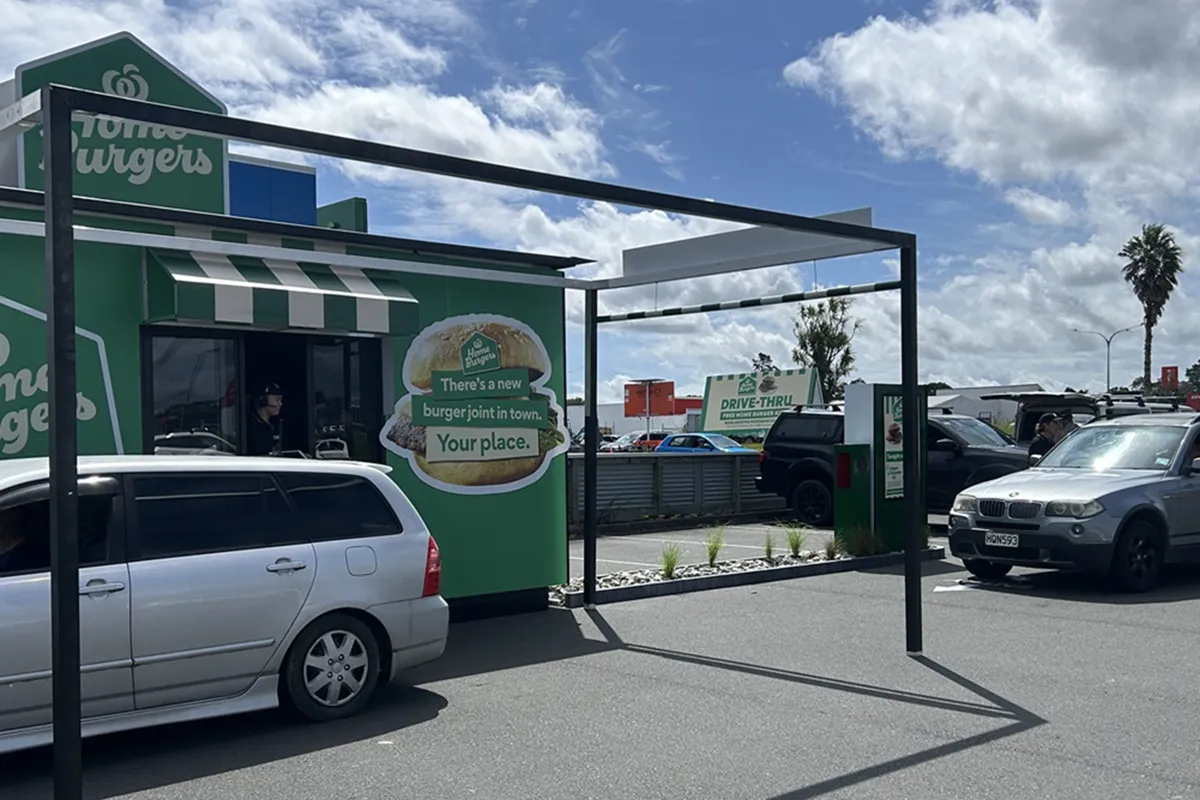
    Woolworths New Zealand recently conducted a drive-thru experiment in a supermarket parking lot to promote its new line of beef burger patties. The event, which occurred from January 26 to 28 at Woolworths Pukekohe South, underscored the importance of own-brand products during the busy summer season.

    Drive-Thru Experiment

    Approximately 4,500 Home Burger kits were handed out free of charge during the trial. With queues of vehicles observed throughout the event and stocks depleted each night, the results pointed towards a strong consumer demand for home-cooked meals that mimic the convenience of takeaways.

    Conrad Webber, Woolworths NZ’s marketing manager for fresh food and own brand, spoke about the innovative drive-thru concept. He explained that it offered a platform to showcase restaurant-style meals intended for home cooking, while also experimenting with a novel customer engagement strategy.

    “The drive-thru allowed us to translate a typical dining-out experience into a retail environment,” said Webber. He further added that “the positive reception over the three nights reaffirmed our belief that New Zealanders appreciate restaurant-quality cuisine they can easily replicate at home, and confirmed that own-brand products can deliver on flavor, quality, and convenience in a manner that resonates with our customers’ lifestyles.”

    Home Burger Kits

    Customers participating in the trial drove through the store’s parking lot to collect a Home Burger kit. The kits, which featured Woolworths Own Brand products including beef patties, brioche buns, sliced cheese, salad ingredients, and condiments, were packaged in reusable Woolworths bags complete with preparation instructions for home use.

    The drive-thru event was part of Woolworths’ more extensive Home Burgers launch. It positioned the beef burger patty range as a viable alternative to takeaway-style burgers.

    The initiative catered to households seeking quick and familiar meal solutions, particularly in light of ongoing cost-sensitivity. The campaign’s focus was on providing bundled meal solutions rather than individual item purchases.

    Questions & Answers

    What was the purpose of the Woolworths drive-thru experiment?
    The Woolworths drive-thru experiment was designed to promote its new line of beef burger patties, with a focus on demonstrating the convenience and quality of own-brand products.

    What did the Home Burger kits include?
    The Home Burger kits featured Woolworths Own Brand products including beef patties, brioche buns, sliced cheese, salad ingredients, and condiments. They were packaged in reusable Woolworths bags, with home preparation instructions included.

    What was the primary target audience for this initiative?
    The primary target audience for this initiative was households seeking quick, familiar, and cost-effective meal solutions that could easily be prepared at home.

  • Facing Tough Tides: Synlait Milk Anticipates Half-Year Loss Amid Manufacturing Hurdles

    Facing Tough Tides: Synlait Milk Anticipates Half-Year Loss Amid Manufacturing Hurdles

    Synlait Milk, a company based in New Zealand and listed on the Australian Securities Exchange (ASX), anticipates reporting a loss for the six months ending on January 31. The company has attributed this forecast to manufacturing challenges at its Dunsandel facility. Synlait owns Dairyworks, a supplier of cheese, butter, and ice cream to Australian supermarkets.

    Financial Projections

    Synlait anticipates an underlying net loss after tax of NZ$33 million to $38 million, as well as a reported net loss after tax of $77 million to $82 million for the six-month period. This is a significant drop from the previous year, which saw an underlying net profit after tax (NPAT) of $8.7 million and a reported NPAT of $4.8 million.

    The company expects its underlying earnings before interest, taxes, depreciation, and amortization (EBITDA) for the half year to range from breakeven to $5 million, with a projected reported EBITDA loss of $28 million to $33 million.

    Manufacturing Challenges and Cost Impacts

    While Synlait has primarily resolved the manufacturing issues at the Dunsandel site, it is still grappling with related cost and operational effects. The necessity to rebuild inventory across product segments entailed substantial adjustments to Synlait’s manufacturing plans for the current dairy season. To facilitate these adjustments, the company increased its raw milk sales, which negatively affected margins and operating costs.

    Low returns from the commodities portfolio also adversely impacted Synlait’s half-year performance. Furthermore, the company took a cautious approach, choosing not to recognize additional deferred tax assets stemming from unused tax losses beyond those recorded at the end of July.

    Effects on the Company’s Future

    Synlait’s CEO, Richard Wyeth, expressed disappointment with the results and the subsequent slowdown in the company’s recovery. Nevertheless, he affirmed that progress has been made in operations, including the establishment of a revitalized executive leadership team (ELT) in Canterbury and the forthcoming sale of Synlait’s North Island assets.

    This sale, slated for completion on April 1, is expected to substantially reinforce Synlait’s financial position, with the proceeds being used to reduce debt. The sale will also allow Synlait to concentrate its primary operations in Canterbury, with an emphasis on continual operational excellence and customer diversification to bolster long-term profitability.

    However, both Wyeth and Synlait acknowledge that the company’s recovery will take time, with a minimum of 12 months projected. Further details will be provided when Synlait releases its half-year results on March 23.

    Questions & Answers

    What contributed to Synlait’s projected financial loss?
    Manufacturing challenges at its Dunsandel facility, the need to rebuild inventory, increased raw milk sales, and low returns from the commodities portfolio all contributed to Synlait’s projected losses.

    What is the company’s current strategy for recovery and long-term profitability?
    Synlait’s recovery strategy includes the sale of its North Island assets to reduce debt, focusing its core operations on Canterbury, pursuing operational excellence, and diversifying its customer base.

    When does Synlait expect to see a recovery?
    The company anticipates that the recovery will take at least 12 months.

  • Kettle Chips Ignites Taste Buds with New FireMasters Range Inspired by Fire-Based Cooking Methods

    Kettle Chips Ignites Taste Buds with New FireMasters Range Inspired by Fire-Based Cooking Methods

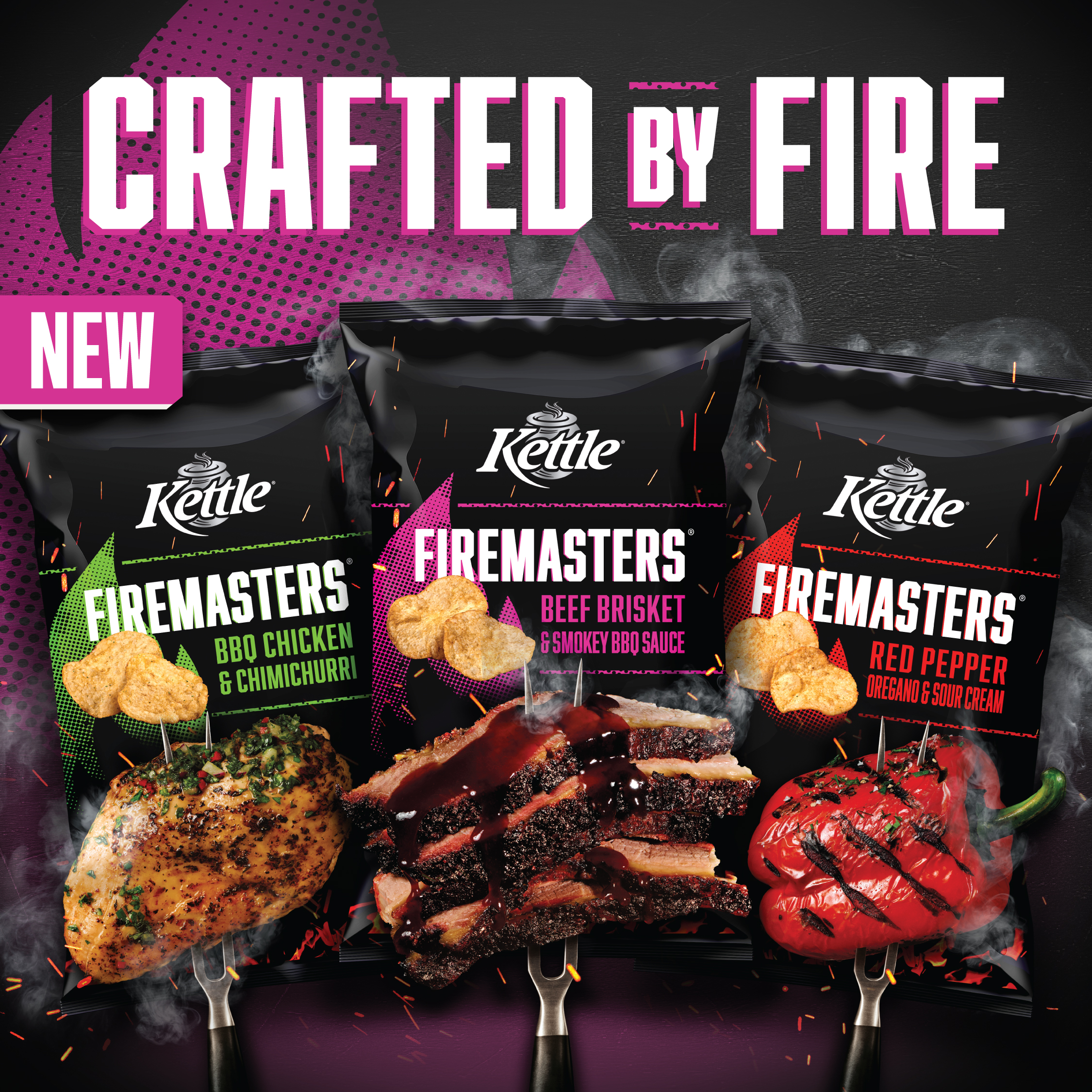
    Kettle Chips is broadening its spectrum of offerings with the introduction of a premium new range called Kettle FireMasters Potato Chips. This unique collection draws its inspiration from various fire-based culinary techniques.

    The FireMasters Range

    The FireMasters range features a trio of distinct variants: Firepit Beef Brisket & Smokey BBQ Sauce, Woodfired BBQ Chicken & Chimichurri, and Chargrilled Red Pepper, Oregano & Sour Cream. These flavours are a testament to the diverse and captivating methods of fire pit, wood-fired, and chargrilled cooking. This range caters to the increasing consumer preference for bold, smoky, and genuinely authentic taste profiles.

    According to Snackbrands Australia, the Kettle team has worked diligently to create a daring new range that allows customers to select their preferred fire and flavour. Every flavour is meticulously crafted to provide an immersive snacking encounter, whether it’s the charred richness of flame-kissed vegetables or the deep, slow-cooked warmth of firepit meats.

    Availability

    The Kettle FireMasters range is currently being launched across major retailers. This includes Woolworths and is retailed at $6 for a 150g bag.

    In addition to this new range, Kettle Chips also joined forces with Bundaberg Brewed Drinks last year to introduce a limited-edition offering – Bundaberg Ginger Beer Potato Chips.

    Questions & Answers

    What is the new range launched by Kettle Chips?
    Kettle Chips has launched a new range known as Kettle FireMasters Potato Chips.

    What are the three variants in the FireMasters range?
    The three variants are Firepit Beef Brisket & Smokey BBQ Sauce, Woodfired BBQ Chicken & Chimichurri, and Chargrilled Red Pepper, Oregano & Sour Cream.

    What is the retail price of the Kettle FireMasters range?
    A 150g bag of the Kettle FireMasters range is retailed at $6.

  • Sugar-Free Sweet Sensation: Funday Debuts Exciting New Chocolate Range with Fruity Center

    Sugar-Free Sweet Sensation: Funday Debuts Exciting New Chocolate Range with Fruity Center

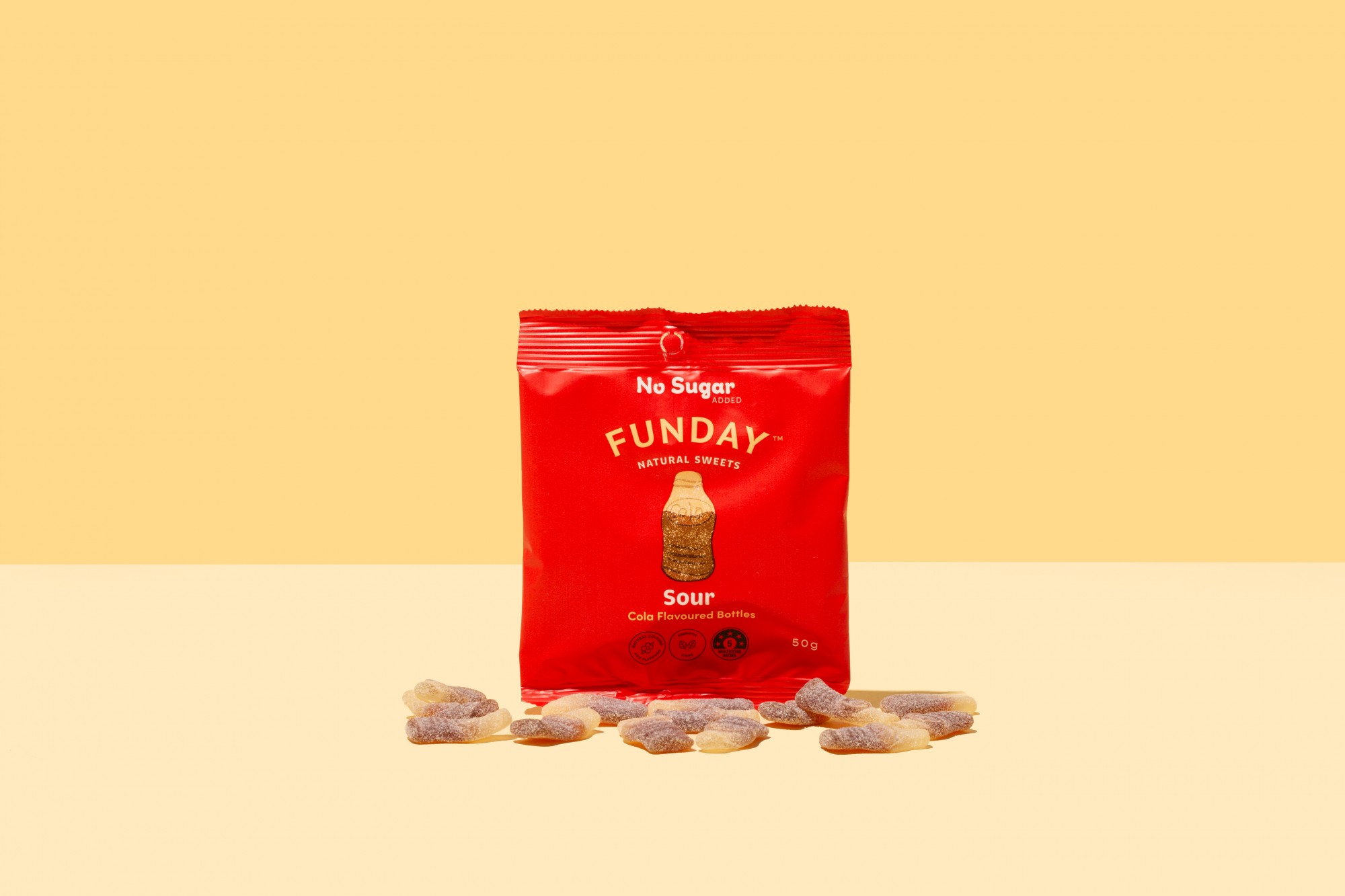
    Funday, known for its well-loved sugar-free confectioneries, is expanding its product line with the introduction of a new chocolate range. This launch sees the company entering the chocolate sector for the first time, continuing their commitment to create sweets that do not contain added sugar or sugar alcohols.

    Product Features

    The newly released chocolate products are manufactured in Funday’s local factory. This range offers a unique twist to traditional chocolates, featuring milk chocolate enveloping a delectable fruity, gummy center. There are four product varieties to cater to different chocolate preferences: Milk Chocolate Raspberry Bullets, White Chocolate Raspberry Bullets, Milk Chocolate Banana Bites, and Dark Chocolate Strawberry Bites.

    Funday’s founder, Daniel Kitay, expressed that the addition of chocolate to their product selection was a response to customer demand. “It has been our most requested product among consumers,” Kitay stated, “We took our time to ensure that we got it right.”

    Spreading Joy Through Chocolate

    The launch of Funday’s new chocolate range aligns with the brand’s mission to spread joy through their products. “We’re excited to finally share this new product with our fans,” said Kitay, “It’s all about adding a bit more fun and happiness with our chocolate.”

    Availability & Pricing

    The Funday Chocolates are available in convenient 50g bags, priced at $6 each. Consumers can find these new offerings in prominent retail chains such as Woolworths and Chemist Warehouse, as well as independent stores across the country.

    Questions & Answers

    What is unique about Funday’s new chocolate range?
    The unique factor of Funday’s new chocolate range is the fruity, gummy center featured in each item. Plus, they continue Funday’s tradition of creating sweets without added sugar or sugar alcohols.

    What are the different variants of Funday’s chocolate range?
    Funday’s new chocolate product line includes four variants: Milk Chocolate Raspberry Bullets, White Chocolate Raspberry Bullets, Milk Chocolate Banana Bites, and Dark Chocolate Strawberry Bites.

    Where can consumers purchase Funday’s new chocolate range?
    Funday’s new chocolate range can be purchased at Woolworths, Chemist Warehouse, and independent stores nationwide.

  • Red Bull Spices up Australian Market with Exclusive New Flavours: Lilac and Winter Editions

    Red Bull Spices up Australian Market with Exclusive New Flavours: Lilac and Winter Editions

    Red Bull, the globally recognized energy drink brand, is broadening its Australian beverage range with the introduction of two novel flavors. The new flavours, dubbed Lilac Edition and Winter Edition, are set to hit the market this month.

    The Lilac Edition

    The Lilac Edition is an exclusive offering earmarked for Woolworths stores and will come in a 473ml can size, to be available solely at Ampol outlets. The new variant presents a unique blend of grapefruit and blossom flavors. This flavor profile was initially presented to consumers at the prestigious Australian Open, where it was well received.

    The Winter Edition

    On the other hand, the Winter Edition is a limited-edition product that will be available in two sizes: 250ml and 473ml cans. The exclusive retailer for this novel flavor will be 7-Eleven stores. Red Bull has characterized this product as a passionfruit-flavored concoction, specifically crafted to complement the Australian winter season.

    Each can of both the Lilac and Winter Editions will contain 80mg of caffeine, providing the energy boost that Red Bull is renowned for.

    Questions & Answers

    What new flavours is Red Bull introducing in Australia?
    Red Bull is introducing two new flavours – Lilac Edition and Winter Edition – to its Australian market this month.

    Where can these new flavors be purchased?
    The Lilac Edition will be exclusively available at Woolworths and Ampol outlets, whereas the Winter Edition can be found at 7-Eleven stores.

    What is the main flavor profile of these new products?
    The Lilac Edition features a unique blend of grapefruit and blossom flavors. The Winter Edition, on the other hand, is infused with a passionfruit flavor.

  • Hong Kong Retail Boom: December Sales Surge in 8th Consecutive Monthly Increase

    Hong Kong Retail Boom: December Sales Surge in 8th Consecutive Monthly Increase

    In December, retail sales in Hong Kong rose by 6.6% compared to the previous year, marking the eighth consecutive month of growth. This trend indicates a steady economic recovery in the region, according to recent government data.

    This increase amounted to a total of HK$35 billion (US$4.48 billion) in retail sales. In November, there was a similar rise in retail sales, with a 6.5% year-on-year increase.

    Retail Sales Volume

    In terms of volume, December’s retail sales saw a 5.1% increase from the previous year, showing a slight acceleration compared to the 4.4% rise witnessed in November.

    Looking forward, the value of total retail sales in 2025 is projected to rise by 1% from the previous year. Meanwhile, the volume is expected to remain at a similar level as compared to 2024.

    Consumer Sentiment and Tourism

    A government spokesperson highlighted the positive local consumption sentiment, backed by robust economic growth momentum. Coupled with the continued surge in inbound visitors, this is expected to support the retail businesses in the region.

    Tourist arrivals in December saw a significant upturn, with 4.65 million visitors, a 9.2% increase from the previous year, according to data from the Hong Kong Tourism Board.

    Mainland Chinese visitors made up the majority of these arrivals, accounting for 3.35 million. This represents an 8.2% increase year-on-year.

    Sales Across Various Retail Sectors

    In December, certain retail sectors saw remarkable growth. Sales of jewellery, watches, clocks, and valuable gifts surged by 14.3% year-on-year, a significant jump from the 3.6% rise in November.

    However, not all sectors experienced growth. The sales of clothing, footwear, and allied products fell by 10.3% year-on-year in December, despite a 2% increase in November.

    Questions & Answers

    What was the percentage increase in retail sales in Hong Kong in December?

    In December, retail sales in Hong Kong increased by 6.6% compared to the same period in the previous year.

    What is the projected increase in the value of total retail sales in 2025?

    The value of total retail sales in 2025 is projected to increase by 1% from the previous year.

    How did the sales of jewellery, watches, clocks, and valuable gifts perform in December?

    In December, sales of jewellery, watches, clocks, and valuable gifts surged by 14.3% year-on-year.

  • Olive Young’s K-Beauty Brands Set to Conquer Europe with New Gabona Partnership

    Olive Young’s K-Beauty Brands Set to Conquer Europe with New Gabona Partnership

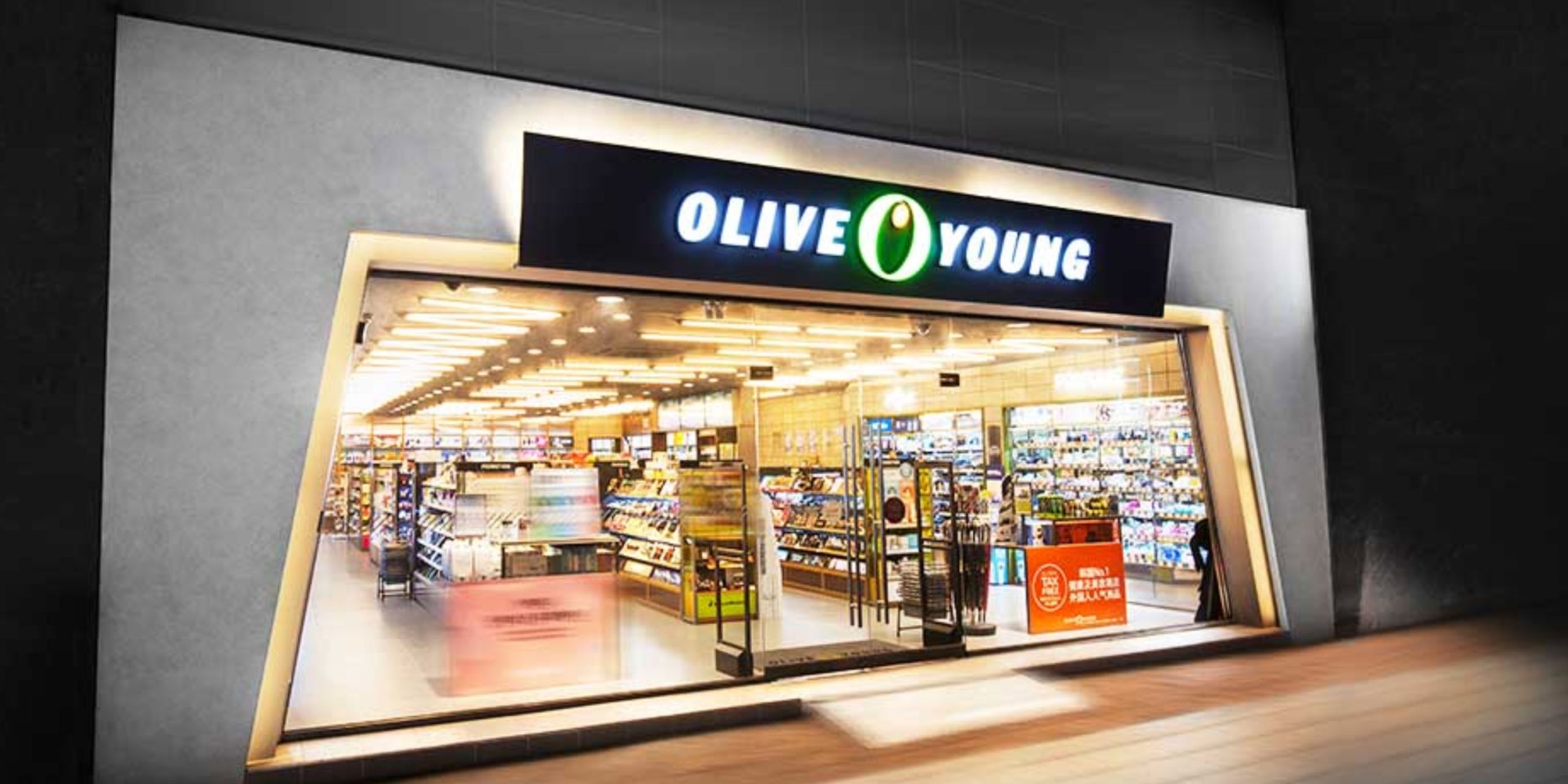
    Korean cosmetics firm, Olive Young, has recently revealed its collaboration with Poland’s Gabona, aiming to steer its product distribution across Europe. Gabona is now set to manage the distribution network of three of Olive Young’s signature brands: Bioheal Boh, Bringgreen, and Colorgram. Initially, the distribution will be centered in Poland, and then it will gradually expand its reach to other European countries.

    Olive Young has clarified that each brand will still preserve its current market position. This collaboration is a significant move in Olive Young’s overarching strategy to enhance the accessibility of its private brands to consumers beyond Korea. Moreover, it presents Gabona with an opportunity to augment its K-beauty collection in Europe via a well-planned, long-term distribution model.

    In 2025, Olive Young witnessed an unprecedented growth, with the firm’s Q3 sales skyrocketing to as high as US$1.07 billion. The company had earlier revealed that about 88% of the domestic cosmetic purchases under the Global Tax Free (GTF) program, generally done by tourists, were carried out at Olive Young stores in 2025.

    Questions & Answers

    What is the aim of Olive Young’s partnership with Gabona?
    The collaboration aims to facilitate the distribution of Olive Young’s products across Europe, starting with Poland.

    What impact will this partnership have on Olive Young and Gabona?
    This collaboration is a strategic move by Olive Young to enhance the global accessibility of its private brands, and it also allows Gabona to expand its K-beauty collection in Europe.

    What was Olive Young’s performance in the year 2025?
    The company saw record-breaking growth in 2025, with Q3 sales reaching US$1.07 billion.

  • Miniso Unleashes IP-Led Expansion with New ‘Miniso Land’ Stores Across the Globe

    Miniso Unleashes IP-Led Expansion with New ‘Miniso Land’ Stores Across the Globe

    Chinese lifestyle retailer Miniso is amplifying its commitment to intellectual property (IP), identifying IP creation and immersive retail experiences as essential aspects of its future worldwide growth.

    During its Global Partner Conference, Miniso announced plans to ramp up investments in both licensed and self-owned IP. This announcement marks a significant departure from the company’s original focus on affordable lifestyle products, as it now moves towards an IP-centric business model.

    Since 2020, Miniso has established partnerships with over 180 external IP owners, encompassing a broad range of international entertainment and pop culture identities.

    Miniso’s founder and CEO, Ye Guofu, stated that intellectual property embodies emotion, culture, and significance. He asserted that the next phase of competition would hinge on who has a more profound understanding of culture and IP.

    Guofu also expressed that Miniso aspires to craft globally-acclaimed, original IP and introduce hundreds of IPs to international markets in the coming decade.

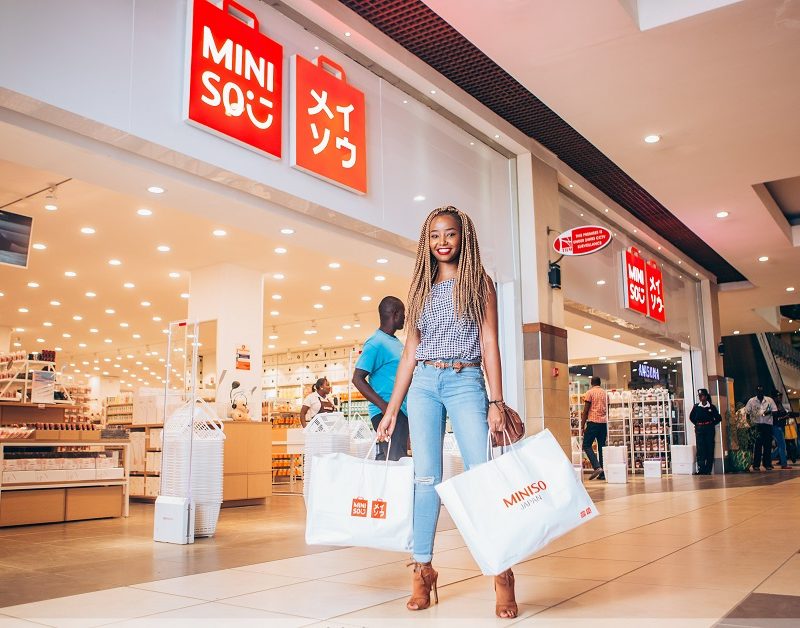
    This strategic direction is strongly supported by Miniso Land. This large-scale store concept is built around engaging IP experiences unlike the typical Miniso stores. Miniso Land locations showcase theme-oriented environments and character-based merchandise, with the majority of the product range being IP-related.

    Miniso recently inaugurated a new Miniso Land flagship store in Guangzhou’s Grandview Mall. This is the city’s second such store, where approximately 90% of the merchandise is IP-related. This unique store format has also been introduced in other locations such as Shanghai, Beijing, and certain international markets like Thailand.

    As a component of its global expansion strategy, Miniso has plans to expedite the worldwide introduction of the Miniso Land concept this year.

    Questions & Answers

    What is Miniso’s new focus in its business approach?
    Miniso is moving away from its traditional focus on affordable lifestyle products towards an IP-centric business model, with a significant investment in both licensed and proprietary IP.

    What is the role of Miniso Land in the company’s new strategy?
    Miniso Land supports the company’s new strategy as a large-scale store concept built around engaging IP experiences. Unlike standard Miniso stores, these locations showcase themed environments and character-based merchandise.

    What are Miniso’s plans for the Miniso Land concept this year?
    As a part of its global expansion strategy, Miniso plans to expedite the worldwide rollout of the Miniso Land concept this year.

  • Hong Kong’s Tam Jai Mixian Makes a Splash in the Philippines with Innovative ‘Mala Tang’ Concept

    Hong Kong’s Tam Jai Mixian Makes a Splash in the Philippines with Innovative ‘Mala Tang’ Concept

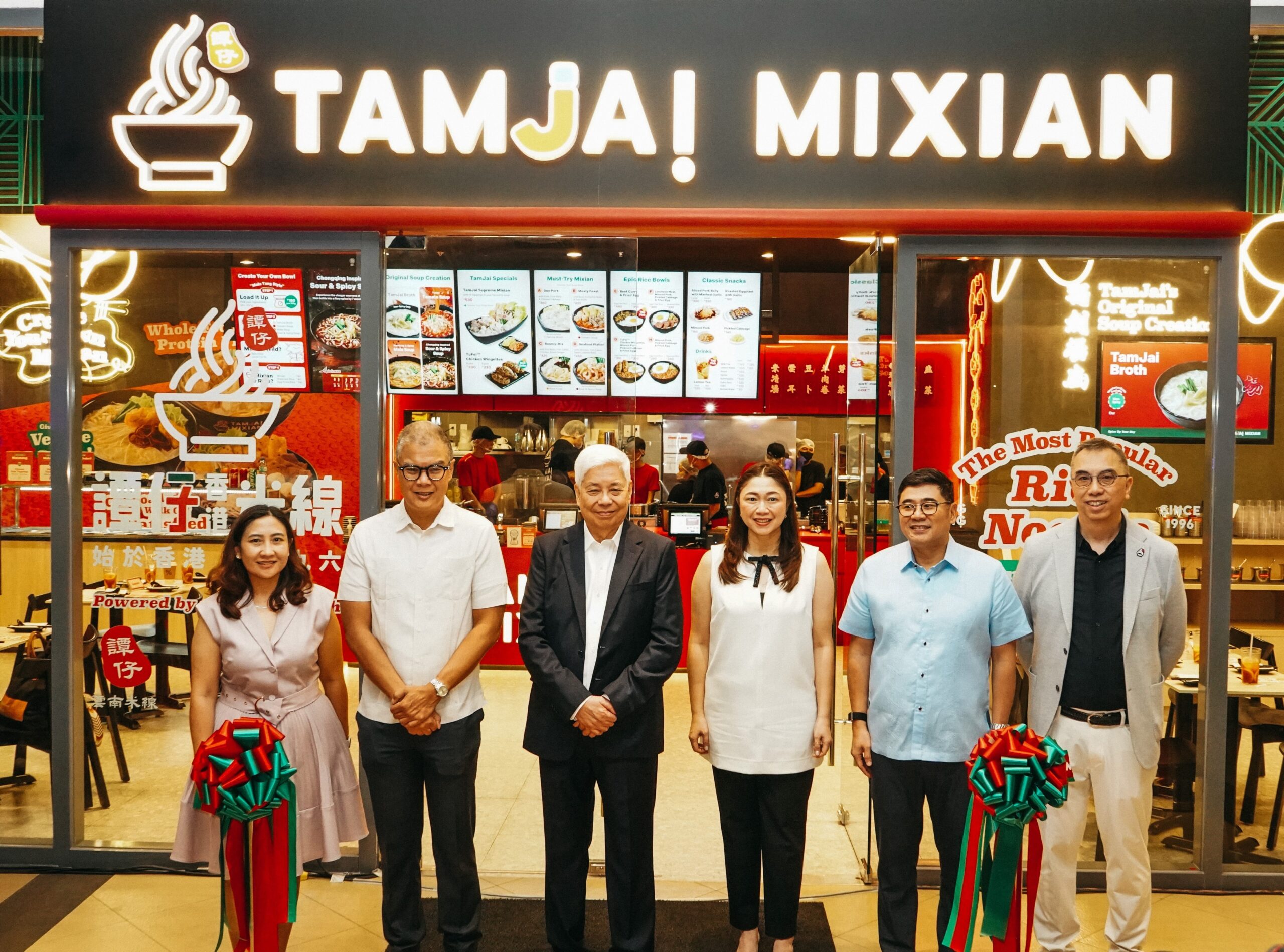
    Renowned Hong Kong-based noodle franchise, Tam Jai Mixian, has successfully expanded its operations to the Philippines, marking another key milestone in its regional growth strategy. This expansion was made possible through a franchise partnership with Suyen Corporation.

    Tam Jai Mixian’s new location is in the bustling Bonifacio Global City in Taguig, where it serves the brand’s signature soups, snacks, and rice bowls to the delight of local food enthusiasts. Aside from these classic offerings, this new location is also pioneering the brand’s ‘Mala Tang’ concept overseas for the first time. This innovative concept allows customers to personalize their meal by choosing their preferred soup base and spice level from Tam Jai’s 10-point scale.

    Daren Lau, the Chairman and CEO of Tam Jai International (TJI), expressed optimism about the brand’s debut in the Philippines. He emphasized that this new expansion not only strengthens the group’s regional influence but also enriches their already extensive restaurant network. Including this new location in the Philippines, Tam Jai boasts more than 250 stores spread across the Asia-Pacific region, spanning countries such as Hong Kong, Mainland China, Singapore, Japan, Australia, and Malaysia.

    Mr. Lau further indicated that the company is eager to continue its expansion efforts in key markets and grow TJI’s restaurant network. He credited the brand’s success in these ventures to its strategic partnerships with robust local partners, which have been instrumental in ensuring the successful establishment and growth of its branches in different regions.

    Questions & Answers

    What is unique about Tam Jai Mixian’s new location in the Philippines?
    It is the first overseas branch to introduce the brand’s ‘Mala Tang’ concept, which enables customers to customize their bowls by selecting a soup base and spice level from Tam Jai’s 10-point scale.

    How does the company view its expansion to the Philippines?
    The company regards its expansion into the Philippines as a key step in strengthening its regional presence and enriching its extensive restaurant network.

    What strategy does Tam Jai International (TJI) employ for its ongoing expansion?
    TJI has attributed its successful expansion to its partnerships with robust local partners, which have been vital in establishing and growing its restaurant network in key markets.

  • DHL Group’s Bold Strides Towards Sustainability: Green Innovations Across Asia Pacific

    DHL Group’s Bold Strides Towards Sustainability: Green Innovations Across Asia Pacific

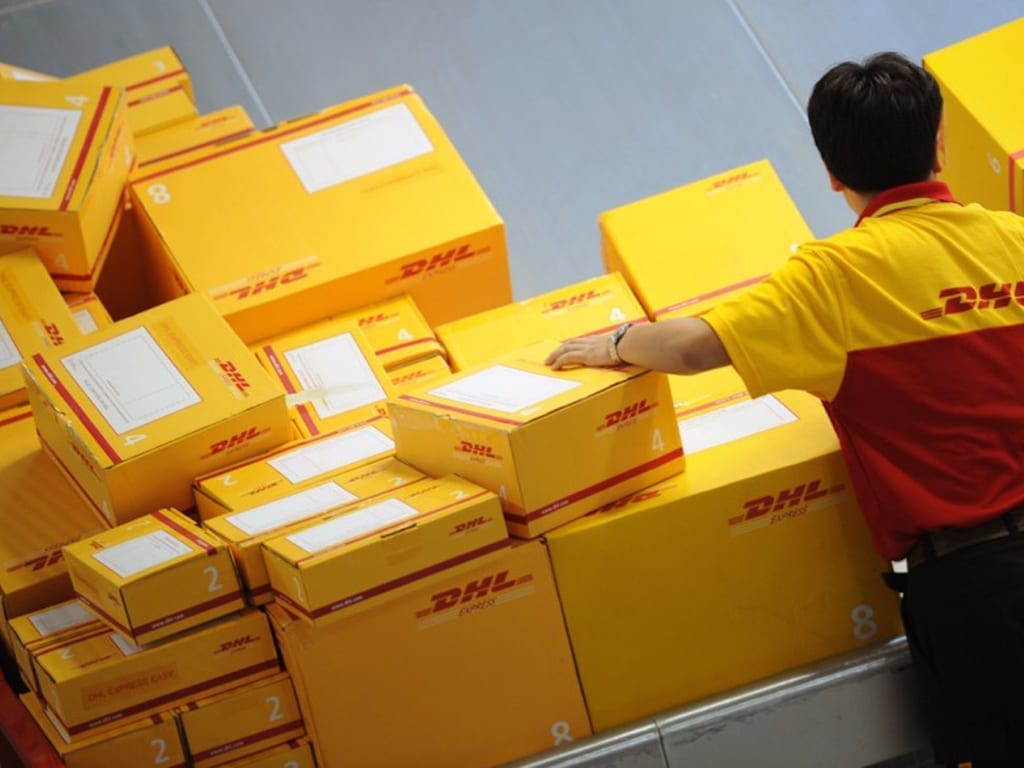
    DHL Group has made substantial progress in its commitment to environmental sustainability across the Asia Pacific region. This comes as part of their initiative to meet the region’s increasing need for reduced-emission logistics solutions. By 2025, DHL has put forth an array of initiatives to advance its sustainability roadmap, with five notable examples being sustainable fuel agreements, the deployment of electric vehicles, and the establishment of carbon-neutral facilities.

    Focusing on Sustainable Fuels

    In spite of the challenges in decarbonizing the aviation industry, DHL is taking considerable strides towards achieving a 30% usage of sustainable aviation fuel (SAF) by 2030. In 2025, DHL Express entered into critical SAF agreements with notable partners in Asia, increasing the demand and adoption of SAF for air cargo flights. These agreements contributed to nearly 20 million litres of SAF being supplied to DHL Express flights departing from Narita, Incheon, and Singapore, solidifying DHL as a leading SAF user in the logistics industry.

    Furthermore, DHL’s GoGreen Plus service has facilitated the adoption of SAF by numerous customers in the Asia Pacific region. In 2025 alone, over 153,000 customers utilized this service, thereby reducing their international air shipments’ Scope 3 emissions. This system allows DHL to substitute fossil fuels with sustainable fuels across its network, attributing the resulting environmental benefits to customers who opt for GoGreen Plus.

    Global Partnerships for a Sustainable Future

    DHL Global Forwarding collaborated with CMA CGM, purchasing 8,800 metric tons of UCOME second-generation biofuel. This partnership aims to reduce roughly 25,000 metric tons of greenhouse gas emissions and reaffirms DHL’s commitment to enhancing the demand for sustainable marine fuel, thereby enabling low-carbon maritime transport.

    Growth of Electric Vehicle Fleet

    In its endeavor to transition to reduced-emission ground transport, DHL has expanded its fleet of electric vehicles and introduced hydrogen-powered vehicles. DHL Supply Chain has deployed hydrogen-powered trucks in Japan for long-haul operations and supported the launch of an all-electric vehicle fleet to service over 250 stores across Thailand. Meanwhile, DHL Express has incorporated more than 100 electric vehicles into its Asia Pacific fleet, contributing significantly to its target of operating two-thirds of its final-mile fleet with electric vehicles by 2030.

    Carbon-Neutral Facilities

    In a bid to further its ‘Green Logistics of Choice’ agenda, DHL Group has constructed new facilities to operate in a carbon-neutral manner. In Thailand, DHL Supply Chain unveiled its first fully renewable energy-powered warehouse, which relies solely on on-site solar systems. This innovative move eliminates the need for fossil-fuel-based grid power. Similarly, new DHL Express service centers in Thailand and the Philippines were designed to minimize energy consumption.

    Questions & Answers

    What is DHL’s objective with its sustainability initiatives in the Asia Pacific region?

    DHL is committed to meeting the region’s increasing demand for reduced-emission logistics solutions and aims to achieve net-zero emissions by 2050.

    What is the significance of DHL’s sustainable fuel agreements and how do they work?

    DHL’s sustainable fuel agreements aim to increase the demand and adoption of sustainable aviation fuel (SAF) in the logistics industry. They allow DHL to substitute fossil fuels with SAF across its network, attributing the resulting environmental benefits to customers who opt for their GoGreen Plus service.

    What steps has DHL taken to encourage the use of electric vehicles and reduce emissions?

    DHL has expanded its fleet of electric vehicles and introduced hydrogen-powered vehicles in an endeavor to transition to reduced-emission ground transport. They aim to operate two-thirds of their final-mile fleet with electric vehicles by 2030.

  • Malaysia’s Luxury Car Crackdown: Over 1,050 High-End Vehicles Seized Amid Traffic Violation Storm

    Malaysia’s Luxury Car Crackdown: Over 1,050 High-End Vehicles Seized Amid Traffic Violation Storm

    Since July 2025, Malaysia’s Road Transport Department has confiscated over 1,050 high-end vehicles, including brands such as Rolls-Royce, Lamborghini, Mercedes-Benz, and BYD. The total value of these seized vehicles exceeds RM200 million (US$50.9 million). The operation aimed to address traffic violations committed by luxury car owners, including unpaid road taxes, lack of sufficient insurance coverage, and expired or invalid driving licenses.

    Strict Enforcement of Traffic Rules

    The Road Transport Department launched the ‘Ops Luxury’ operation to underscore its commitment to enforcing traffic regulations without exceptions. The department emphasized that owning an opulent vehicle does not exempt one from adhering to traffic rules.

    Datuk Muhammad Kifli Ma Hassan, the department’s Senior Enforcement Director, stated that the enforcement actions have heightened awareness among vehicle owners. He highlighted a decrease in the number of luxury vehicles found with invalid road taxes, indicating improved compliance. The strict operations have led to fewer vehicles being seized in recent times.

    Ongoing Surveillance

    Hassan noted that some owners have cited forgetfulness or financial limitations as reasons for their failure to renew their road taxes, even with cars that have a market value of RM3 million to RM5 million.

    He added that the department’s monitoring efforts persist, especially in Kuala Lumpur and Penang, and several vehicles remain under the department’s watchful eye.

    Previously, the department would only issue fines as low as RM300, which proved ineffective as a deterrent. However, since the department began seizing vehicles and requiring owners to clear their outstanding road tax dues, compliance rates have significantly improved. According to a local news source, about 90% of vehicle owners have settled their arrears.

    Questions & Answers

    What was the focus of the ‘Ops Luxury’ operation launched by Malaysia’s Road Transport Department?
    The operation targeted high-end vehicle owners who were in violation of traffic regulations, such as unpaid road taxes, lack of insurance coverage, and expired or invalid driving licenses.

    What impact has the operation had on compliance with road tax regulations among luxury vehicle owners?
    The operation has led to improved compliance, with fewer luxury vehicles found with invalid road taxes. Since the department started impounding vehicles, about 90% of vehicle owners have settled their outstanding road tax dues.

    What was the approach of the Road Transport Department towards traffic violations before the operation?
    Before launching the operation, the department would only issue fines as low as RM300 for traffic violations, which proved ineffective as a deterrent.