Author: Mei Ling Tan

  • Thailand Sparkles as Southeast Asia’s Gold Demand Hotspot, Dethrones Vietnam

    Thailand Sparkles as Southeast Asia’s Gold Demand Hotspot, Dethrones Vietnam

    In 2025, Thailand outperformed all Southeast Asian nations in the purchase of gold bars and coins, signaling a surge in demand. According to the World Gold Council, total purchases in the country amounted to 51.4 tonnes, which represented approximately 36% of the region’s overall demand. This significant uptake in gold was the highest the country had seen in seven years, valued at over US$6 billion. As a result, Thailand surpassed Vietnam, the previous leading gold market in the region, which had recorded a demand of 42.1 tonnes in 2024.

    Regional Uptake of Gold

    Collectively, five prominent Southeast Asian gold markets witnessed a more than 15% surge in the purchase of bars and coins last year. The total demand reached a new nine-year high at 139 tonnes. Vietnam trailed Thailand, securing second place with a demand of 36.1 tonnes. However, it was the sole country to report a downturn in gold sales, with a 14% decrease.

    During the last quarter of 2025, Vietnam’s gold trading shrank for the sixth consecutive quarter, hitting its lowest point in almost half a decade. Supply shortages were identified as a principal reason for this downturn. The country experienced a scarcity of gold bars and a sudden increase in 24K ring demand, causing prices to escalate dramatically and widen the disparity with international rates. Consequently, Vietnam’s gold prices soared by 81% in the previous year and 13.5% in the current year.

    Regional Gold Demand

    Despite these circumstances, Thailand and Vietnam combined accounted for two-thirds of Southeast Asia’s gold demand. The third highest demand was from Indonesia, which saw a 29% surge in sales to 31.6 tonnes, marking an unprecedented volume in 12 years.

    Malaysia claimed the fourth position, with a demand increase of 37% to 10.3 tonnes, likewise a 12-year record. Singapore, ranking fifth, marked the most significant growth in the region at 48%, with a record volume of 9.6 tonnes sold.

    Globally, the demand for gold bars and coins reached 1,374 tonnes or $154 billion. China and India consistently remained the two primary gold markets. There was a 28% rise in demand for gold bars and coins in China in 2025 compared to 2024, while India registered a 17% increase during the same period. Together, these two nations represented more than half of the total global demand for bars and coins.

    Questions & Answers

    Which country led Southeast Asia in gold demand in 2025?
    Thailand led Southeast Asia in gold demand in 2025, with purchases totaling 51.4 tonnes.

    What factors contributed to the decline in Vietnam’s gold trading?
    A shortage in the supply of gold bars and an increase in demand for 24K rings were key factors that contributed to the decline in Vietnam’s gold trading.

    Which countries were the two largest global markets for gold in 2025?
    China and India were the two largest global markets for gold in 2025, accounting for more than half of the total global demand for bars and coins.

  • Experiential Retail: The Resilient Future Of Physical Stores Amidst E-commerce Surge

    Experiential Retail: The Resilient Future Of Physical Stores Amidst E-commerce Surge

    Despite the rise of e-commerce, physical retail continues to retain a strong appeal among consumers. According to Savills latest survey of its global expert network on occupier outlooks, physical retail is proving resilient with responses leaning 65% towards anticipating rental growth, 26% forecasting stable rents, and 9% anticipating declines; a clear shift from previous years. In 2024, only half of the experts polled projected rising rents, and one in five expected rental decreases.

    Sarah Brooks, Associate Director, Savills World Research, stated that across Asia Pacific, India, Malaysia and Viet Nam are expected to see robust retail rent rises and improved take-up. These markets benefit from rapidly increasing consumer affluence, growing tourism and an influx of international brands. In addition, the supply of high-quality retail space has not kept pace with demand, pushing vacancy rates down and driving competition.

    Experiential retail as a key growth driver

    According to Matthew Powell, Director of Savills Ha Noi, Viet Nam has a distinctive traditional market culture, where grocery stores and physical retail spaces are essential in daily life. Retail spaces are not just transactional; they also provide connection and community building. As such, retail stores will continue to maintain a significant presence in the market.

    In this context, experiential retail has become a key strategy for shopping centres seeking to remain competitive. By shifting the focus from purchasing to experience-led environments that are engaging, such as interactive stores, pop-ups, workshops, and curated F&B concepts, it creates compelling reasons for visitors to stay longer, return more often, and ultimately drive footfall beyond products alone.

    The importance of this shift has increased as online channels continue to change consumer behaviour. Physical retail can no longer rely solely on product offerings, especially in Viet Nam, as Gen Z and Millennials account for 60–70% of urban mall traffic and care more about discovery, interaction and social engagement.
    According to research conducted by Censuswide, 62% of Gen Z consumers and 68% of Millennials believe that luxury is defined not only by the product but also by the experience. This shift in consumer expectations is reshaping how shopping centres operate and select tenants, with operators moving beyond occupancy-led strategies to curate tenant mixes that enhance the overall customer experience.

    Tenant selection is therefore no longer based only on brand names or rental levels, but also on a brand’s ability to encourage interaction, create immersive experiences, and match lifestyle expectations.

    Looking ahead, the future of physical retail is experiential. In markets such as Viet Nam, where consumption, tourism, and lifestyle spending continue to grow, shopping centres that embrace experiential retail will not only remain relevant but strengthen their role as community and commercial hubs, supporting long-term value for occupiers and investors alike.

  • Vietjet Announces One-day-only 30% Discount On Deluxe Fares For 2026 Travel

    Vietjet Announces One-day-only 30% Discount On Deluxe Fares For 2026 Travel

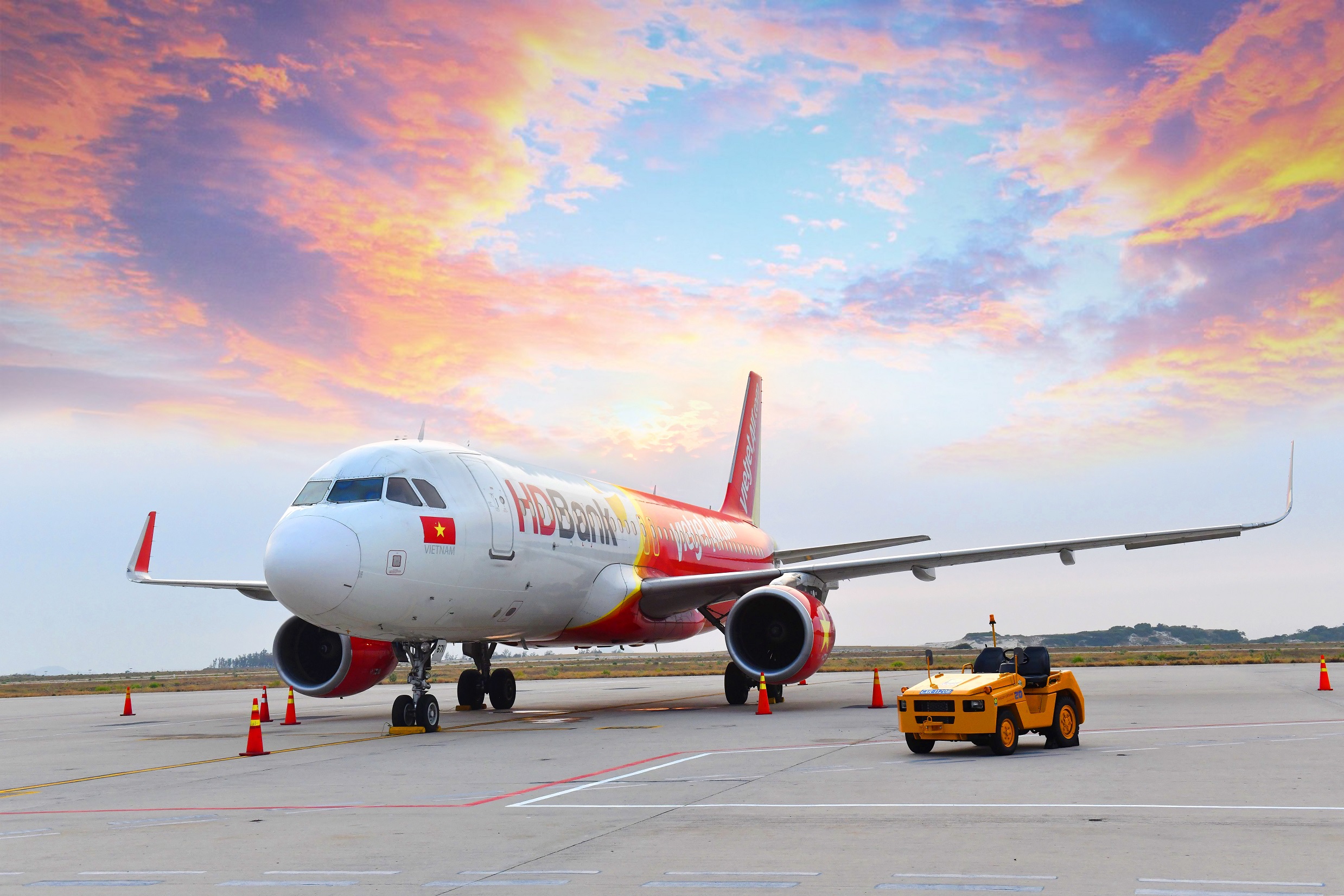
    Vietjet is welcoming the New Year with a one-day-only 30% discount on Deluxe fares across all domestic and international routes on 15 January 2026, giving travellers in Singapore the perfect opportunity to plan their 2026 Vietnam adventures—whether it’s a beach escape to Phu Quoc or Da Nang, or a city break in Hanoi, Ho Chi Minh City, and more at affordable prices.

    From 01:00 on 15 January to 00:00 on 16 January (GMT+8), travellers booking Deluxe tickets via www.vietjetair.com or the “Vietjet Air” mobile app can enjoy 30% off base fares (excluding taxes and fees) by entering the promo code DELUXE2026. The offer applies to flights operated from 1 February to 31 December 2026 (Travel periods may vary by route and blackout dates apply), giving travellers plenty of time to plan ahead for holidays, long weekends, and year-end trips.

    Designed for added comfort and flexibility, Vietjet’s Deluxe fare includes 20kg of checked baggage, free seat selection, free itinerary changes, and other value-added benefits (terms and conditions apply).

    Vietnam continues to be a favourite year-round destination for global travellers, offering a vibrant mix of culture, cuisine and landscapes. From Hanoi’s vibrant streets and ancient cultural heritage to Ho Chi Minh City’s electric energy, to the misty mountain splendours of Ha Giang, Sa Pa, and the pristine beaches of Da Nang, Phu Quoc, and Nha Trang, the country weaves an irresistible tapestry of world-class cuisine, rich traditions, stunning nature, and genuine hospitality.

    Onboard, passengers can enjoy fresh, hot Vietnamese favourites such as Pho, Banh Mi, and Vietnamese iced milk coffee, alongside a selection of international options, served by Vietjet’s professional and attentive cabin crew on a new, modern fleet.

  • KK Super Mart Eyes $750M IPO Boost: A New Milestone in Malaysia’s Thriving Equity Markets

    KK Super Mart Eyes $750M IPO Boost: A New Milestone in Malaysia’s Thriving Equity Markets

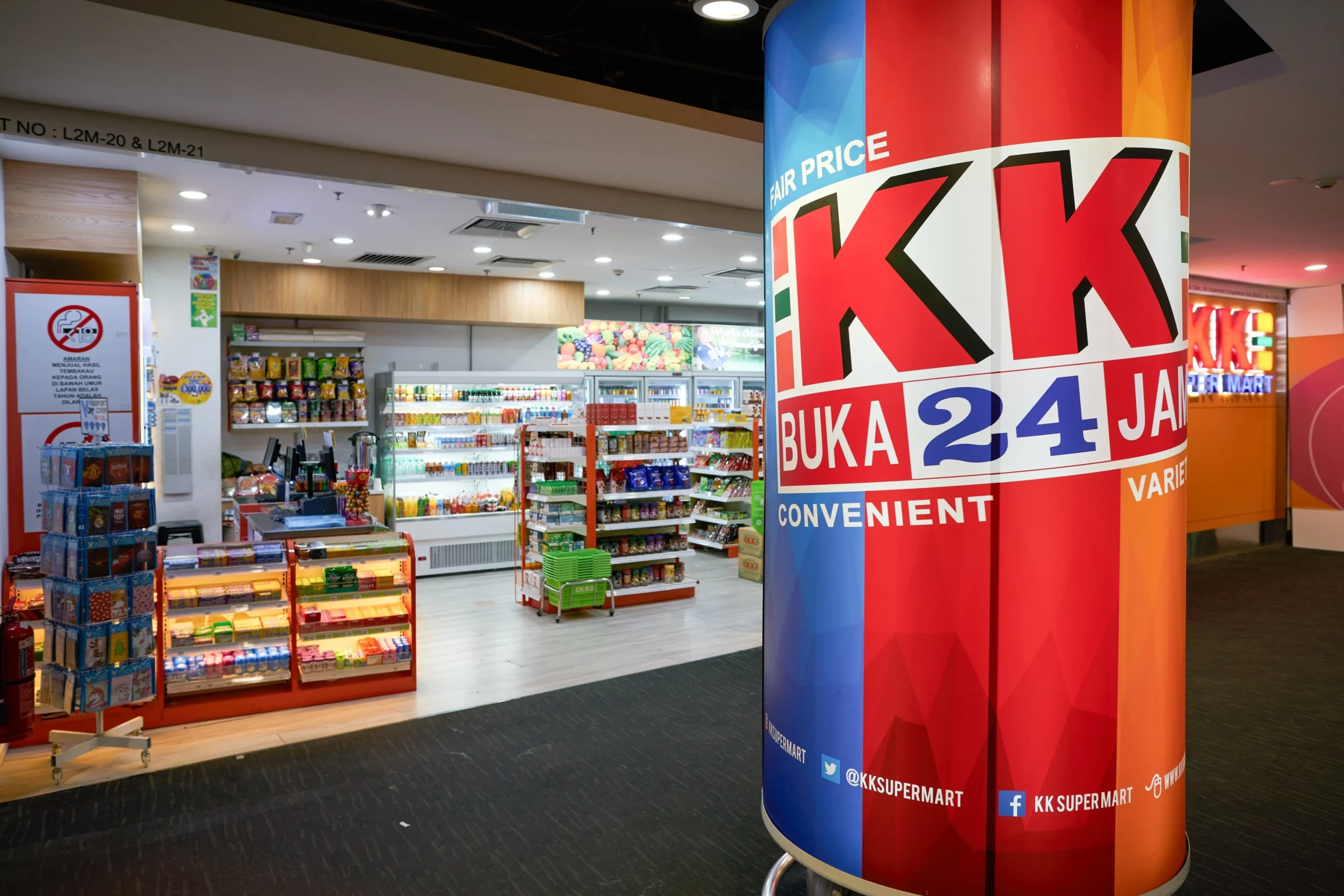
    KK Super Mart, a prominent convenience-store chain in Malaysia, is purportedly preparing for an initial public offering (IPO) that could potentially reach a staggering US$750 million in the latter half of this year.

    Company Ownership and Valuation

    The anticipated IPO is estimated to encompass over 25 percent of the company’s total valuation. A significant 95 percent stake in the business is held by the Chairman, KK Chai. The remaining 5 percent is owned by his spouse and fellow director, Loh Siew Mui. This proposed IPO is predicted to play a significant role in shaping the company’s financial future and market standing.

    KK Super Mart’s Presence and Operations

    Known to many as KK Mart, the company operates an impressive network of more than 900 stores across Malaysia, India, and Nepal. Their broad geographical presence has established them as a significant player in the retail sector in these regions.

    Malaysia’s Equity Market Resurgence

    This revelation emerges amidst a resurgence in Malaysia’s equity markets. The Kuala Lumpur Composite Index has reached its highest trading levels since 2018. Moreover, the country listed a record 60 companies in the previous year, marking the highest number in over two decades.

    Market Position and Competition

    As Malaysia’s second-largest minimarket chain, KK Super Mart holds a substantial presence in the retail industry. A successful listing could place it in direct competition with other publicly traded counterparts like 99 Speedmart, boasting over 3000 stores, and Eco-Shop Marketing with upwards of 400 outlets.

    Questions & Answers

    What is the projected value of KK Super Mart’s IPO?
    The company’s IPO is rumored to be worth up to US$750 million.

    Who holds the majority stake in KK Super Mart?
    KK Chai, the Chairman of the company, holds a commanding 95 percent stake.

    Where does KK Super Mart operate?
    KK Super Mart has a network of over 900 stores spread across Malaysia, India, and Nepal.

  • Ikea Japan Bids Farewell to Harajuku and Shinjuku Outlets: A New Chapter in Urban Retail Strategy

    Ikea Japan Bids Farewell to Harajuku and Shinjuku Outlets: A New Chapter in Urban Retail Strategy

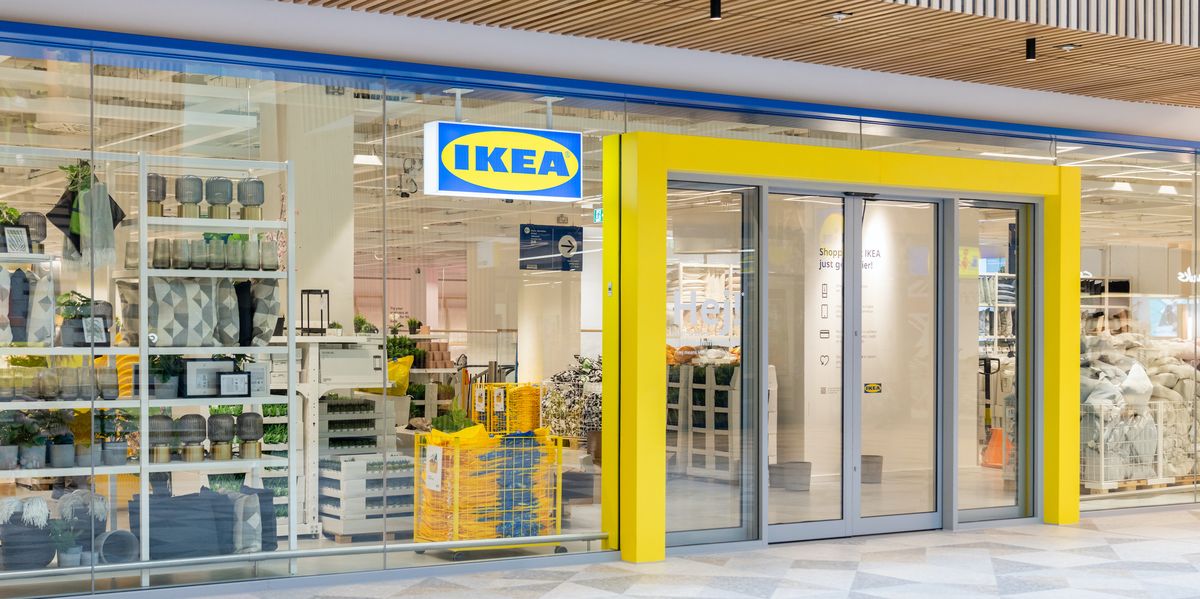
    IKEA Japan is set to shut down its Harajuku and Shinjuku city-format stores later this month. This brings an end to the retailer’s brief yet notable venture in two of Tokyo’s bustling shopping districts.

    Details of the Store Closures

    The renowned Swedish home furnishings group has confirmed that operations at both locations will cease on February 8, with doors shutting at 6 pm. This decision is part of a larger examination of IKEA Japan’s urban store network and its multichannel strategy.

    The Harajuku store was inaugurated in 2020, followed by the Shinjuku store in 2021. IKEA’s objective was to engage with younger, urban consumers by introducing smaller-format stores.

    IKEA’s Future Plans

    Despite the closures, IKEA has expressed plans to further solidify its presence in central Tokyo. The IKEA Shibuya will serve as the main city store, supplemented by larger suburban stores and its digital platform.

    In addition to these changes, IKEA also declared last month that it plans to close seven stores in China as of February 2. The list includes one suburban Shanghai location, another in Guangzhou, and multiple others in the second-tier Chinese cities of Nantong, Xuzhou, and Harbin.

    Questions & Answers

    When are the IKEA stores in Harajuku and Shinjuku closing?
    The stores are scheduled to close on February 8, with operations ending at 6 pm.

    What is the reason behind IKEA’s decision to close these stores?
    The decision to close the Harajuku and Shinjuku stores is part of a comprehensive review of IKEA Japan’s urban store network and omnichannel strategy.

    What are IKEA’s plans for its presence in Tokyo following these closures?
    IKEA plans to enhance its presence in central Tokyo, with the IKEA Shibuya serving as the main city store. This will be supplemented by larger suburban stores and the company’s online platform.

  • Zegna’s Power Duo: Brothers Edoardo and Angelo Take the Helm as Co-CEOs of Luxury Fashion Giant

    Zegna’s Power Duo: Brothers Edoardo and Angelo Take the Helm as Co-CEOs of Luxury Fashion Giant

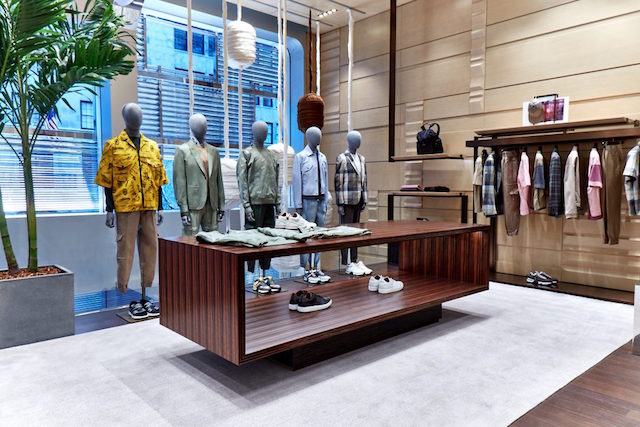
    Italian luxury fashion label Zegna recently appointed Edoardo and Angelo Zegna as its co-CEOs. The appointment is effective immediately and represents a significant shift in the company’s leadership structure.

    Former CEO Gildo Zegna has transitioned into an executive chairman role in the company. In this new capacity, Gildo Zegna will oversee the management of the three major brands under the company’s umbrella: Zegna, Thom Browne, and Tom Ford Fashion. His responsibilities will also include supervising the textile division, the general counsel’s office, which includes internal audit, as well as the external relations department. The latter encompasses sustainability, investor relations, and corporate communications.

    Gildo Zegna expressed his confidence in the new co-CEOs, stating, “Edoardo and Angelo’s complementary strengths and clear vision will make them a highly effective team to lead the Zegna brand. They continue the family legacy and have demonstrated their business leadership in recent years. Together, they will not only carry forward the brand’s timeless heritage but will further strengthen it.”

    In his role as co-CEO, Edoardo Zegna, who previously served as the group’s chief marketing and digital officer and group chief sustainability officer, will now lead the brand’s strategy. His responsibilities will include overseeing everything from brand image to marketing, as well as looking after design elements, including store design, alongside artistic director Alessandro Sartori.

    Angelo Zegna, the former CEO of Zegna’s Emea region and global client strategy director, will handle product development, merchandising, and commercial strategy as a co-CEO.

    Regarding their new roles, the brothers commented, “Our father passed the baton to lead a brand and protect its integrity, values, and long-term vision. As the fourth generation, our role is not to rewrite this story, but to move it forward with clarity, respect, and ambition.”

    Zegna, established in 1910 in Trivero, Italy, is celebrated for its high-quality tailoring and textiles. The brand is also recognized for its innovative fabrics, such as the Oasi cashmere and Trofeo wool.

    Questions & Answers

    Who are the new co-CEOs of Zegna?
    Edoardo and Angelo Zegna have been named as the new co-CEOs of the Italian luxury fashion brand.

    What role will Gildo Zegna play in the new leadership structure?
    Gildo Zegna will now serve as the executive chairman of the group, overseeing multiple brands and departments including sustainability, investor relations, and corporate communications.

    What is Zegna known for?
    Established in 1910 in Italy, Zegna is renowned for its premium tailoring and textiles, and for producing innovative fabrics like Oasi cashmere and Trofeo wool.

  • Starbucks Eyes Major Global Expansion: China in Spotlight Despite Market Challenges

    Starbucks Eyes Major Global Expansion: China in Spotlight Despite Market Challenges

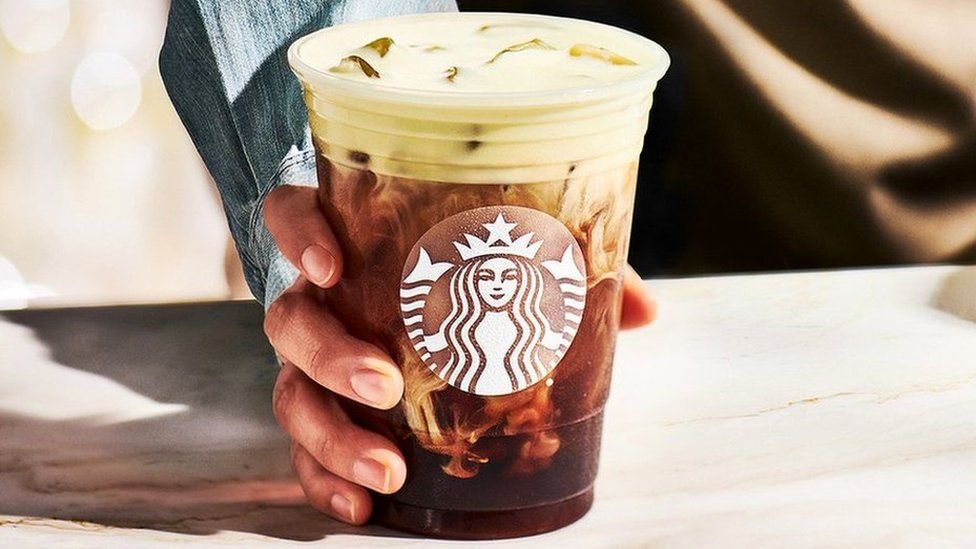
    Starbucks, the renowned coffee chain, is fast-tracking global expansion plans that extend beyond fiscal year 2028. The company considers China as the bedrock of its long-term development strategy, notwithstanding the increasingly competitive landscape and looming economic challenges.

    During the 2026 Investor Day, the coffee behemoth announced plans for significant expansion in both domestic and international markets.

    International Growth

    Starbucks intends to double its international cafe presence over time, aiming for nearly 40,000 non-US stores. China is anticipated to play a major role in this planned growth. Starbucks plans to open between 15,000 and 20,000 additional stores in the Chinese market over the long term.

    Brady Brewer, CEO at Starbucks International, provided insights on the company’s international strategy. He stated, “Our international business fills a very clear role. We are an asset-light growth driver for Starbucks that bolsters the company’s margins.”

    Challenges and Opportunities in China

    China, while being a strategic priority, continues to be one of the most challenging markets for Starbucks. Local competitors such as Luckin Coffee and Cotti Coffee are gaining traction via aggressive pricing strategies, swift expansion, and localized innovation. Simultaneously, economic slowdown is causing increased price sensitivity, challenging Starbucks’ premium positioning.

    In response to these challenges, Starbucks has reorganized its operations in China. The company has established a joint venture with Boyu Capital, transitioning to a licensed business model while maintaining a 40% stake.

    First Quarter Financials

    For the first quarter of fiscal 2026, Starbucks reported a revenue of US$9.9 billion. This shows an upward sales trajectory and continuous growth across the coffee giant’s global network of stores.

    Questions & Answers

    What is Starbucks’ plan for international growth?
    Starbucks intends to double its international store presence, targeting nearly 40,000 non-US locations.

    What role does China play in Starbucks’ expansion strategy?
    China is expected to account for a major portion of Starbucks’ international expansion. The company plans to open between 15,000 and 20,000 additional stores in the Chinese market.

    What changes has Starbucks made in its China operations?
    In response to increasing competition and economic challenges, Starbucks has restructured its China operations through a joint venture with Boyu Capital, transitioning to a licensed business model and retaining a 40% stake.

  • Chagee Debuts First Thai Flagship Store at IconSiam Featuring Exclusive Drinks & Merchandise

    Chagee Debuts First Thai Flagship Store at IconSiam Featuring Exclusive Drinks & Merchandise

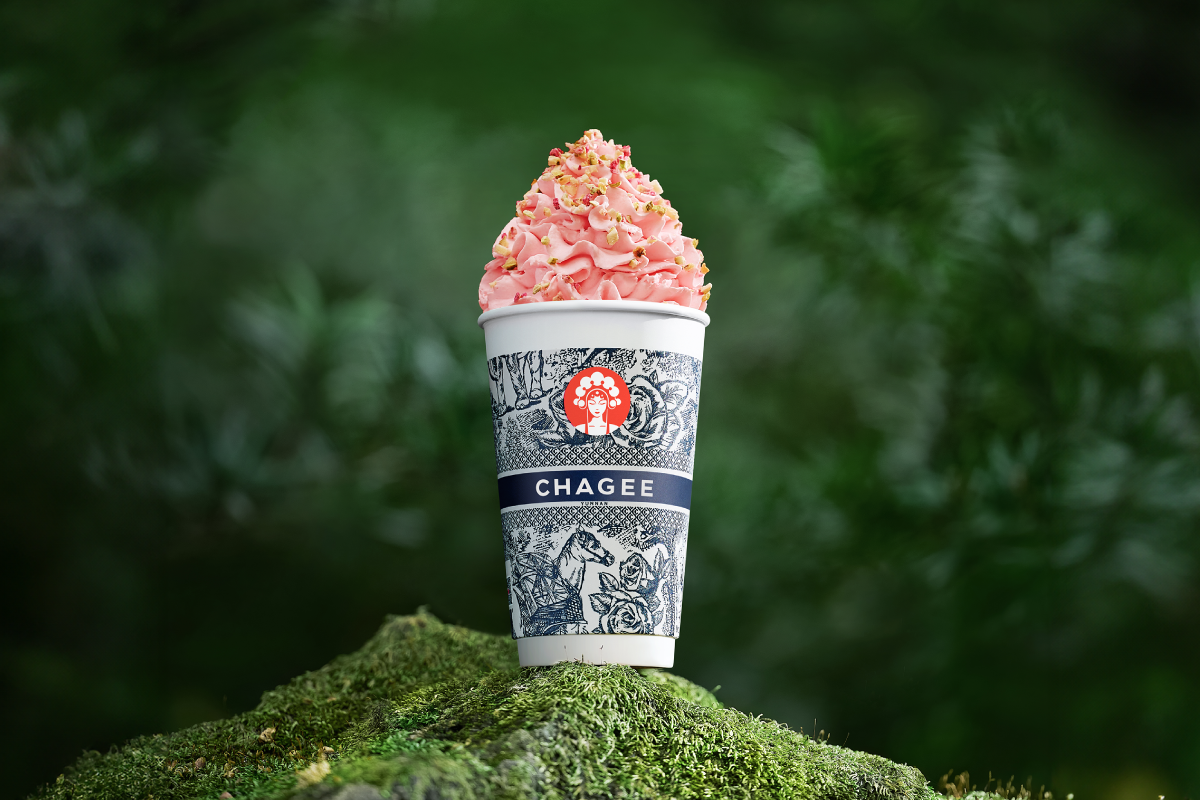
    Chinese tea chain, Chagee, has expanded its presence in Thailand with the launch of its flagship store at IconSiam. This addition increases the brand’s store count in the country to a total of 26 outlets.

    The newly opened store, comfortably situated on the G Floor, Veranda Zone of the Bangkok shopping complex, is designed as a destination-style outlet. It also features an exclusive beverage, Ceylon Black Milk Tea, that is unique to this specific location.

    Store Design and Special Features

    The IconSiam store incorporates a mezzanine level, which significantly increases the seating capacity beyond what is available on the ground floor. The interior design is characterized by contemporary elements and warm-toned materials, complemented by a subdued color scheme. The exterior of the store is marked by an intricate metal-chain installation referred to as the “Golden Chain.”

    Intriguingly, the interior of the store also features a large mural. This piece of art, created in collaboration with Bangkok-based artist Pomme Chan, visually narrates the journey of tea across different regions and cultures. It includes references to trade routes, depictions of everyday life, and several Thai visual motifs.

    Additionally, this location offers exclusive merchandise. Among the items available are a Mini Vacuum Cup and a Tumbler Cup, both presented in a striking Starry Red finish.

    Expanding Presence in Southeast Asia

    The opening of this flagship store is a strategic move in Chagee’s plans to hasten its expansion across Southeast Asia. In the previous year, the tea chain broke new ground by opening its first pet-friendly outlet in the region. This innovative concept store is located in Eastwood City, Manila, Philippines.

    Questions & Answers

    What is unique about the new Chagee store in IconSiam, Thailand?
    The new store introduces an exclusive beverage, Ceylon Black Milk Tea, and also features a large mural created in collaboration with a Bangkok-based artist. Additionally, it offers unique merchandise like the Mini Vacuum Cup and Tumbler Cup in a Starry Red finish.

    What design elements are noteworthy in the new Chagee store?
    The store features a contemporary design with warm-toned materials and a muted color palette. It also has a mezzanine level for extra seating capacity and a metal-chain installation, dubbed the “Golden Chain,” on its exterior.

    How does the opening of a new store in Thailand align with Chagee’s business strategy?
    The opening of the new store in Thailand is in line with Chagee’s plan to accelerate its expansion in Southeast Asia. Last year, the brand unveiled its first pet-friendly store in the region, further showcasing its innovative approach to expansion.

  • Hollister Boosts Hong Kong Presence with New Store at K11 Art Mall: A Fusion of American Vintage and Chinese New Year Collections”

    Hollister Boosts Hong Kong Presence with New Store at K11 Art Mall: A Fusion of American Vintage and Chinese New Year Collections”

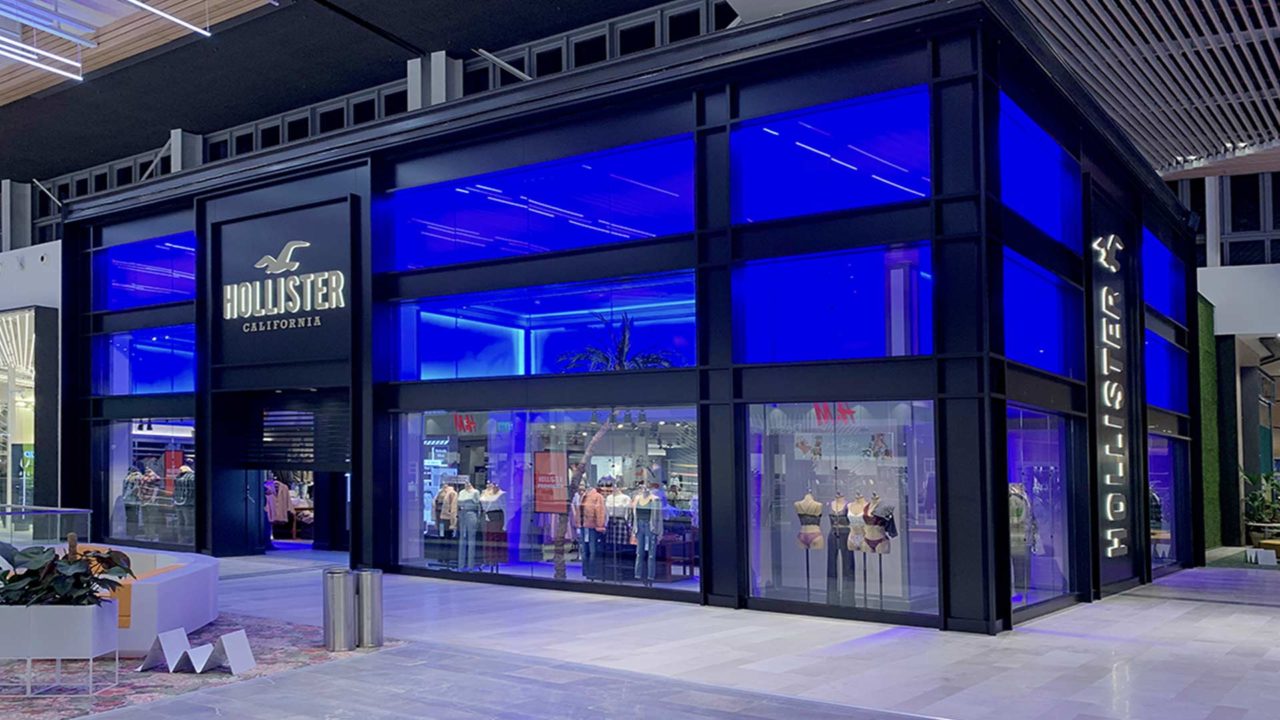
    Hollister, an offspring of Abercrombie & Fitch Co., has broadened its physical retail footprint in Hong Kong with the launch of a new store at K11 Art Mall.

    Store Design and Offerings

    The store’s interior design is a reflection of Hollister’s American-vintage theme, featuring wooden floors, navy accents, and an open layout. The window displays are currently showcasing Chinese New Year merchandise, and the festive design elements can also be observed in the fitting-room areas.

    Hollister’s new store offers a wide range of its core apparel lines, inclusive of denim, casual wear, and seasonal collections. Denim continues to be a major focus at the K11 Art Mall store, boasting a diverse offering of baggy, flare, and straight-leg fits available in multiple sizes.

    In addition to the standard offerings, the store has stocked up on new seasonal ranges. This includes the Love Hollister collection and a Chinese New Year capsule designed to celebrate the Year of the Horse. The latter features hoodies and sweatshirts adorned with red-toned updates.

    Hollister’s Growing Presence in Hong Kong

    The launch of the K11 Art Mall store highlights Hollister’s continued commitment to expanding its brick-and-mortar presence in Hong Kong. This comes at a time when international fashion brands are sustaining their investments in physical stores, parallel to their digital channels.

    Abercrombie & Fitch experienced a surge in sales last year, posting record second-quarter numbers. Hollister played a significant role in this growth, contributing a 19 per cent increase in sales.

    Questions & Answers

    What is the design concept of Hollister’s new store at K11 Art Mall?
    The store follows Hollister’s American-vintage concept with wooden flooring, navy accents, and an open layout.

    What clothing lines does the new Hollister store carry?
    The store carries Hollister’s core apparel lines, including denim, casual wear, and seasonal collections. It also offers a Chinese New Year capsule and the Love Hollister collection.

    How did Hollister contribute to Abercrombie & Fitch’s growth last year?
    Hollister significantly contributed to Abercrombie & Fitch’s growth last year, accounting for a 19 per cent increase in sales.

  • Gong Cha Steers Growth With Major Leadership Shake-Up Across Key Global Markets

    Gong Cha Steers Growth With Major Leadership Shake-Up Across Key Global Markets

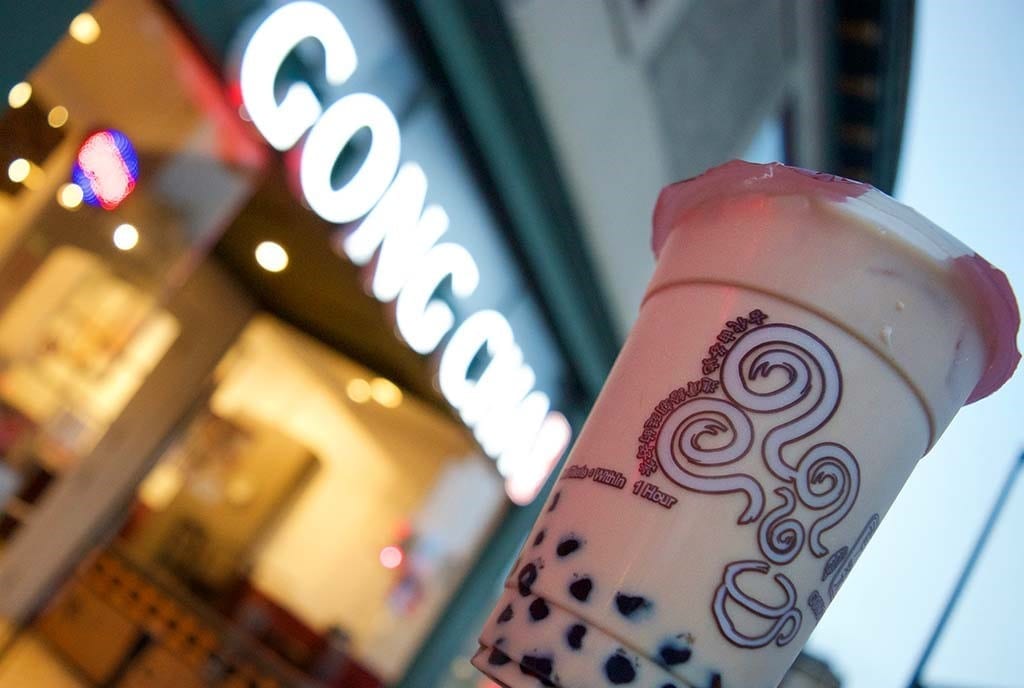
    Popular bubble tea franchise, Gong Cha, has recently undergone a significant restructuring of its top-tier management. This move is intended to bolster the company’s framework, enabling it to better support continued growth across its principal markets.

    New Leadership Assignments

    Keaton Myburgh, who joined Gong Cha in 2023, has been appointed as the new General Manager for the Asia-Pacific region (APAC). In his time with Gong Cha, Myburgh has shown exceptional leadership in assisting franchise partners and managing regional operations. His new role will extend his responsibility to ensuring operational excellence, regional development, and brand consistency across the APAC region.

    For the Europe, Middle East, and Africa (EMEA) region, Gong Cha has appointed Jemma Smoker as the General Manager. Smoker, who also joined the company in 2023, will assume responsibility for overseeing regional operations and the development of the brand within the region.

    Marketing Team Expansion

    On a similar note, Gong Cha has also broadened its marketing team. Sepanta Bagherpour has taken on the role of Chief Marketing Officer for the Americas and EMEA regions. Bagherpour brings to the table over two decades of experience in marketing and communications, working with global brands.

    Moreover, Gong Cha has announced the promotions of Maya Murasawa and Jina Jeeyoung C. Murasawa will now serve as the Head of Marketing in Japan while Jeeyoung C has been named the Chief Marketing Officer for South Korea and APAC. These appointments underscore Gong Cha’s commitment to customer-focused, locally relevant marketing strategies.

    These reshuffles come on the back of the company’s launch of Gong Cha 2.0, a global revamp of the company’s business model. This new model aims to bolster efficiency across its franchise network.

    Questions & Answers

    What is the goal of Gong Cha’s recent leadership restructuring?
    Gong Cha has reshaped its senior leadership team to strengthen its organizational structure and support its growth across key markets.

    Who are the newly appointed leaders in Gong Cha’s team?
    Keaton Myburgh has been appointed as the General Manager for the APAC region and Jemma Smoker for the EMEA region. Sepanta Bagherpour has joined as the Chief Marketing Officer for the Americas and EMEA. Maya Murasawa and Jina Jeeyoung C have been promoted within the marketing department in Japan and South Korea and APAC respectively.

    What is Gong Cha 2.0?
    Gong Cha 2.0 is a global update to the company’s operating model aimed at improving efficiency across its franchise network.

  • Kuaishou’s E-commerce Branch Slapped with $3.8M Fine for Illegal Acts: Is Consumer Protection at Stake?

    Kuaishou’s E-commerce Branch Slapped with $3.8M Fine for Illegal Acts: Is Consumer Protection at Stake?

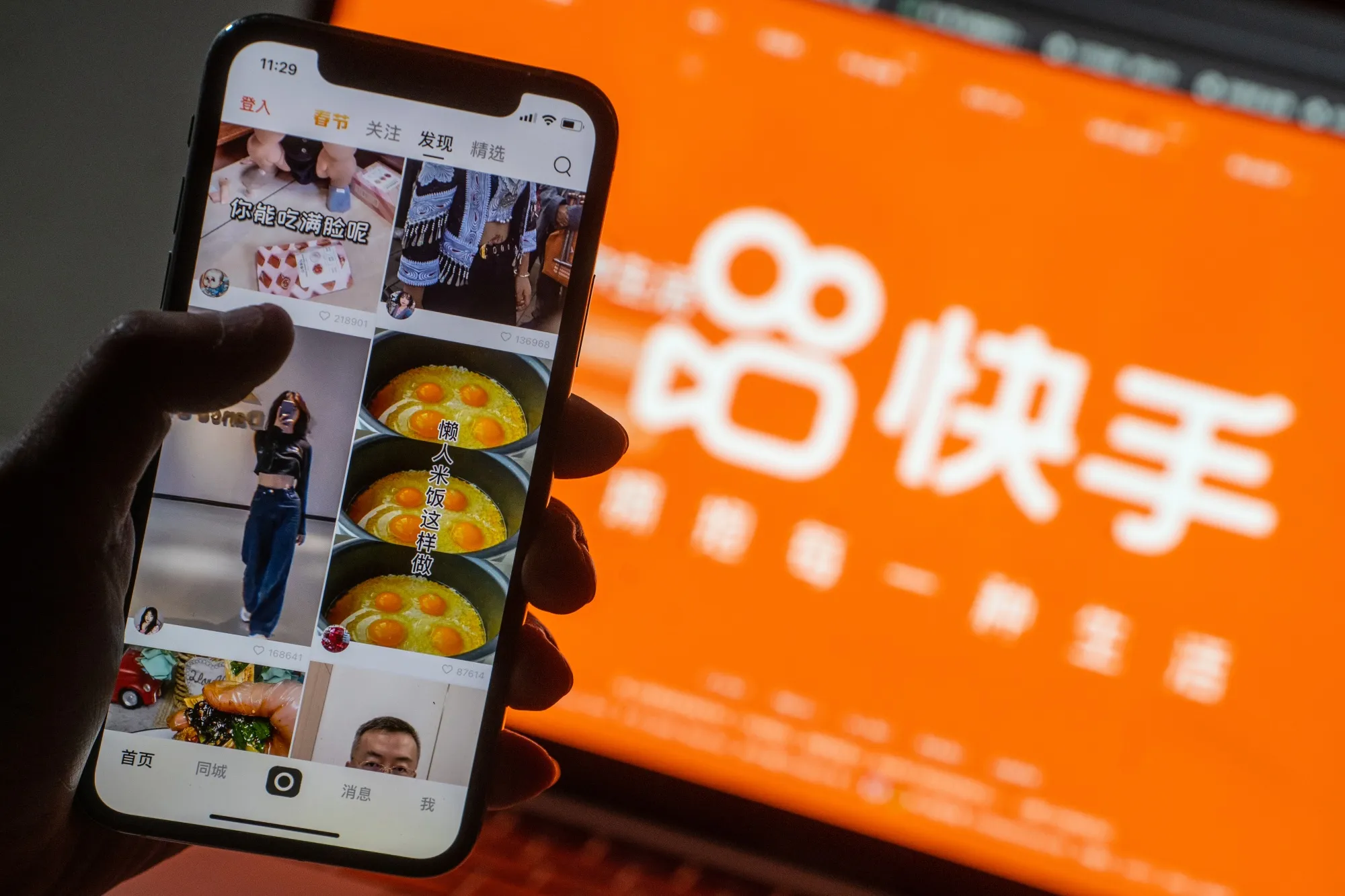
    Chinese e-commerce entity Kuaigou, a branch of live-streaming tech corporation Kuaishou Technology, has been fined 26.7 million yuan (approximately US$3.84 million) by the Chinese regulatory authority. The regulator cited a series of “illegal actions” as the reasoning behind the substantial penalty.

    Kuaigou’s Alleged Malpractices

    The market regulator in China accused Kuaigou of levying “unreasonable” charges and failing to provide proper consumer protection. Additionally, the company was accused of not taking appropriate measures against the sale of counterfeit goods on its platform. The regulator also faulted Kuaigou for allowing misleading or false marketing practices to occur on its platform.

    Investigation by State Administration for Market Regulation

    The hefty fine was the result of an investigation initiated by the State Administration for Market Regulation in September. The investigation was sparked due to supposed “illegal and irregular activities,” including false marketing and the distribution of counterfeit goods, particularly prevalent in the live-streaming e-commerce industry.

    The regulator also accused the company of publishing “illegal advertisements” and failing to disclose mandatory information. The company was further implicated in facilitating services for the “illegal sales or purchase of wild animals, their products, or prohibited hunting tools,” according to the regulator.

    Kuaigou Accepts Penalties

    In response to the fine and allegations, Kuaigou released a statement indicating its acceptance of and compliance with the regulator’s decision and penalty. The company stated, “We sincerely accept and will resolutely obey the regulator’s decision and penalty.”

    The company further pledged to improve its operations in accordance with the law and enhance its compliance level. It also committed to working in collaboration with the businesses on its platform to provide improved services to consumers.

    Questions & Answers

    Why was Kuaigou fined by the Chinese regulator?
    Kuaigou was fined 26.7 million yuan for several “illegal activities,” including charging unreasonable fees, failing to protect consumers, not taking action against counterfeit products on its platform, and allowing false or misleading marketing practices.

    What other accusations were leveled against Kuaigou?
    The company was also accused of publishing “illegal advertisements,” failing to disclose required information, and facilitating services for the illegal sale or purchase of wild animals and their products or prohibited hunting tools.

    How has Kuaigou reacted to the regulator’s decision and penalty?
    Kuaigou released a statement expressing its acceptance of the regulator’s decision and penalty, pledging to improve its operations according to the law, enhance its level of compliance, and work with businesses on its platform to provide improved services to consumers.

  • Vietnam’s Motorbike Market Accelerates, Topping Southeast Asia with Electric Bike Boom

    Vietnam’s Motorbike Market Accelerates, Topping Southeast Asia with Electric Bike Boom

    The Vietnamese motorcycle market experienced a significant expansion of 14.9% in the previous year, marking the most substantial growth rate within Southeast Asia. This surge was, in part, propelled by a substantial increase in sales of electric motorcycles.

    Vietnam reportedly sold 3.4 million units, positioning it as the second-largest market in the region, with Indonesia leading at 6.5 million units. This sales volume also marks Vietnam as the fourth largest global motorcycle market and the third largest market for electric motorcycles.

    Reshaping the Two-Wheeler Market

    The landscape of the motorcycle market in Vietnam is undergoing a significant transformation due to investments in electric two-wheelers. This shift is not only fueled by China’s major manufacturers but also by domestic producers.

    In parallel with this market transformation, a mature market is also experiencing growth, characterized by discerning consumer demand and steadfast brand loyalty. Honda, in particular, continues to enjoy a strong consumer base.

    Adopting Electric Vehicles Amid Environmental Policies

    The adoption of electric vehicles is accelerating in response to strict environmental policies. A notable factor expediting this shift towards electrification is the announcement by Hanoi authorities of a prohibition on internal combustion engine vehicles by July 2026.

    Pressure on Traditional Manufacturers

    Traditional motorcycle manufacturers are increasingly feeling the heat from specialists in electric scooters. Honda, a market leader for over seven decades, reported a meager growth of 1.3%. Their long-standing competitor, Yamaha, experienced a decline of 17.3%, subsequently losing its second-place standing.

    Interestingly, VinFast, a domestic electric mobility brand, has claimed the second spot, with a remarkable 532% growth. This development underscores the swift rise of domestic electric mobility.

    Several other players focused on electric models are also reporting robust growth. China’s Yadea, for example, has seen a 61.6% increase. Local manufacturers Pega and Dibao reported growth rates of 60% and 75% respectively, ranking them fourth, fifth, and sixth.

    Questions & Answers

    What was the growth rate of the Vietnamese motorcycle market last year?
    The Vietnamese motorcycle market grew by 14.9% last year, the highest growth rate in Southeast Asia.

    What are some factors that are reshaping the motorcycle market in Vietnam?
    Investments in electric two-wheelers by both domestic and Chinese manufacturers are significantly reshaping the Vietnamese motorcycle market.

    What is the impact of environmental policies on the adoption of electric vehicles in Vietnam?
    Tightening environmental policies, such as Hanoi’s ban on internal combustion engine vehicles from July 2026, are accelerating the adoption of electric vehicles in Vietnam.

  • Singapore’s Food Delivery Market Growth Lags Behind Southeast Asia Peers

    Singapore’s Food Delivery Market Growth Lags Behind Southeast Asia Peers

    Last year saw Singapore experiencing the second-slowest growth rate in its food delivery market among prominent Southeast Asian nations, according to recent research. The Food Delivery Platforms in Southeast Asia report by Momentum Works reveals that Singapore’s food delivery gross merchandise value rose by 13% in 2025, totaling US$2.9 billion.

    Regional Growth Rates

    This growth rate is notably slower than the average 18% growth recorded across six Southeast Asian markets. Only the Philippines saw a slower growth rate than Singapore, at 12%, which was explained by the frequent disruptions caused by tropical cyclones.

    Thailand led the way as the fastest-growing market, with its gross merchandise value increasing by 22%. This rapid growth was attributed to the affordability of delivery platforms, heightened competition, and the government’s “half-half” subsidy scheme, which offsets a portion of consumers’ food costs.

    Following Thailand, Indonesia, Malaysia, and Vietnam each reported growth rates of around 18% to 19%. Indonesia, the most populated market in the region, experienced the largest absolute increase, approximately $1 billion.

    Singapore’s Market Challenges

    Momentum Works’ CEO Li Jianggan shed light on Singapore’s slower growth, pointing out the wide-ranging consumer behaviors and market conditions that differ between countries. Factors such as city layouts, spending power, and the supply dynamics of riders and restaurants all play a role.

    “Food delivery can be costly in Singapore, particularly when there are numerous affordable in-person dining options,” he shared. While Singapore’s double-digit growth reflects a resilient demand, keeping pace with this growth could put pressure on delivery platforms to enhance their efficiency, especially as customers consider other options like dining out or picking up orders themselves.

    Li further noted that Singapore faces a unique structural challenge due to a limited pool of delivery riders, an issue not shared by its larger, more populous neighboring countries. “While the adoption of technology can aid in overcoming this, the key drivers to increasing the market ceiling will be the platforms’ relentless focus on building density and operational efficiency,” he added.

    Market Shares and Trends

    On the platform front, Grab maintained its spot as the leading food delivery player in Southeast Asia, increasing its regional market share from 53.8% in 2024 to roughly 55% in 2025. In total, Grab generated an estimated $12.5 billion in food delivery value across the region last year.

    ShopeeFood surpassed Foodpanda to secure the position of the region’s second-largest platform, with an estimated $3.3 billion in transactions. Meanwhile, Foodpanda’s value decreased to around $2.6 billion. Both Gojek and Thailand-based Lineman reported similar figures, with each reaching about $2 billion, which reflects Lineman’s strong performance in its home market.

    The study also underscored Southeast Asia’s high order volume compared to other emerging markets. Despite having approximately double the population of Southeast Asia, India’s estimated 4-5 million daily orders were nearly half of what platforms in Southeast Asia fulfilled, between 8.5 million and 9.5 million orders per day on average. This discrepancy may be due to India’s local eating habits and a limited number of food establishments.

    China, whose population is smaller than India’s, fulfills an estimated 180 million to 200 million food delivery orders daily. “This emphasizes that food delivery penetration is influenced less by population size and more by urban density, substitution for dining out, and platform-led affordability mechanisms,” the study concluded.

    Questions & Answers

    What was the growth rate of Singapore’s food delivery market in 2025?
    The food delivery market in Singapore grew by 13% in 2025.

    Which country had the fastest-growing food delivery market in Southeast Asia?
    Thailand had the fastest-growing food delivery market in the region, with a growth rate of 22%.

    Which platform consolidated its lead as Southeast Asia’s dominant food delivery player?
    Grab consolidated its lead as Southeast Asia’s dominant food delivery player, increasing its regional market share to about 55% in 2025.

  • Revolut Set to Triple Singapore Workforce: Spearheading Fintech Innovation and Regional Expansion

    Revolut Set to Triple Singapore Workforce: Spearheading Fintech Innovation and Regional Expansion

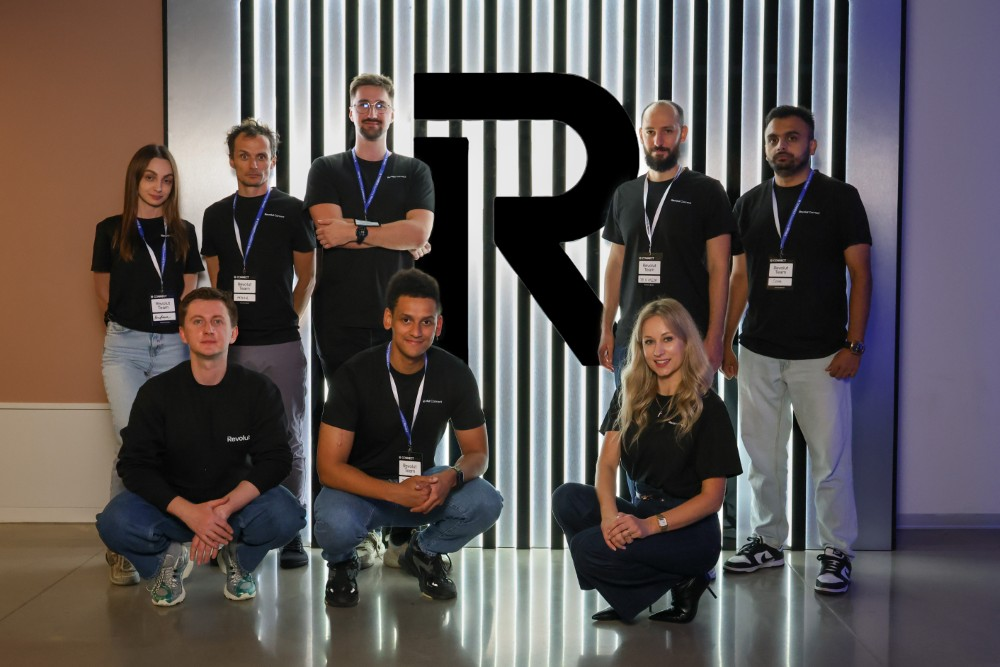
    Revolut, a leading fintech company based in London, has announced its intention to triple the size of its workforce in Singapore over the next few years. This decision is primarily aimed at bolstering product innovation and facilitating regional expansion.

    The fintech giant is collaborating closely with the Singapore Economic Development Board (EDB) and its investment division, EDBI. This partnership has been instrumental in the company’s growth, with the number of employees in Singapore having doubled between 2024 and 2025.

    Revolut’s expansion initiatives extend beyond Singapore. The firm recently established its global tech hub in Manila, and it is currently studying the possibility of venturing into several other markets across Asia.

    Revolut is highly optimistic about its long-term prospects in Asia, viewing Singapore as a pivotal point for its regional activities. Victor Stinga, Revolut’s Chief Financial Officer, lauded the strategic investment from EDBI. According to Stinga, this investment validates Revolut’s ambitious plans in Asia and emphasizes Singapore’s crucial role in these plans.

    Furthermore, the backing from EDBI enhances Revolut’s ability to invest with both ambition and discipline. By doing so, the company aims to escalate its product capabilities, deepen its regional presence, and build robust operations to support its steady growth.

    Questions & Answers

    What are Revolut’s plans for its Singapore workforce?
    Revolut intends to triple its workforce in Singapore within the next few years to support product innovation and regional expansion.

    How has the partnership with the Singapore Economic Development Board (EDB) and EDBI impacted Revolut’s growth?
    The partnership has been instrumental in Revolut’s growth, helping it to double its headcount in Singapore between 2024 and 2025.

    What are Revolut’s expansion plans in Asia?
    In addition to tripling its workforce in Singapore, Revolut has recently launched a global tech hub in Manila and is evaluating the possibility of expanding into several other markets across Asia.

  • DBS Hong Kong Welcomes Xu Qing as New Credit Chief for Booming North Asia Market

    DBS Hong Kong Welcomes Xu Qing as New Credit Chief for Booming North Asia Market

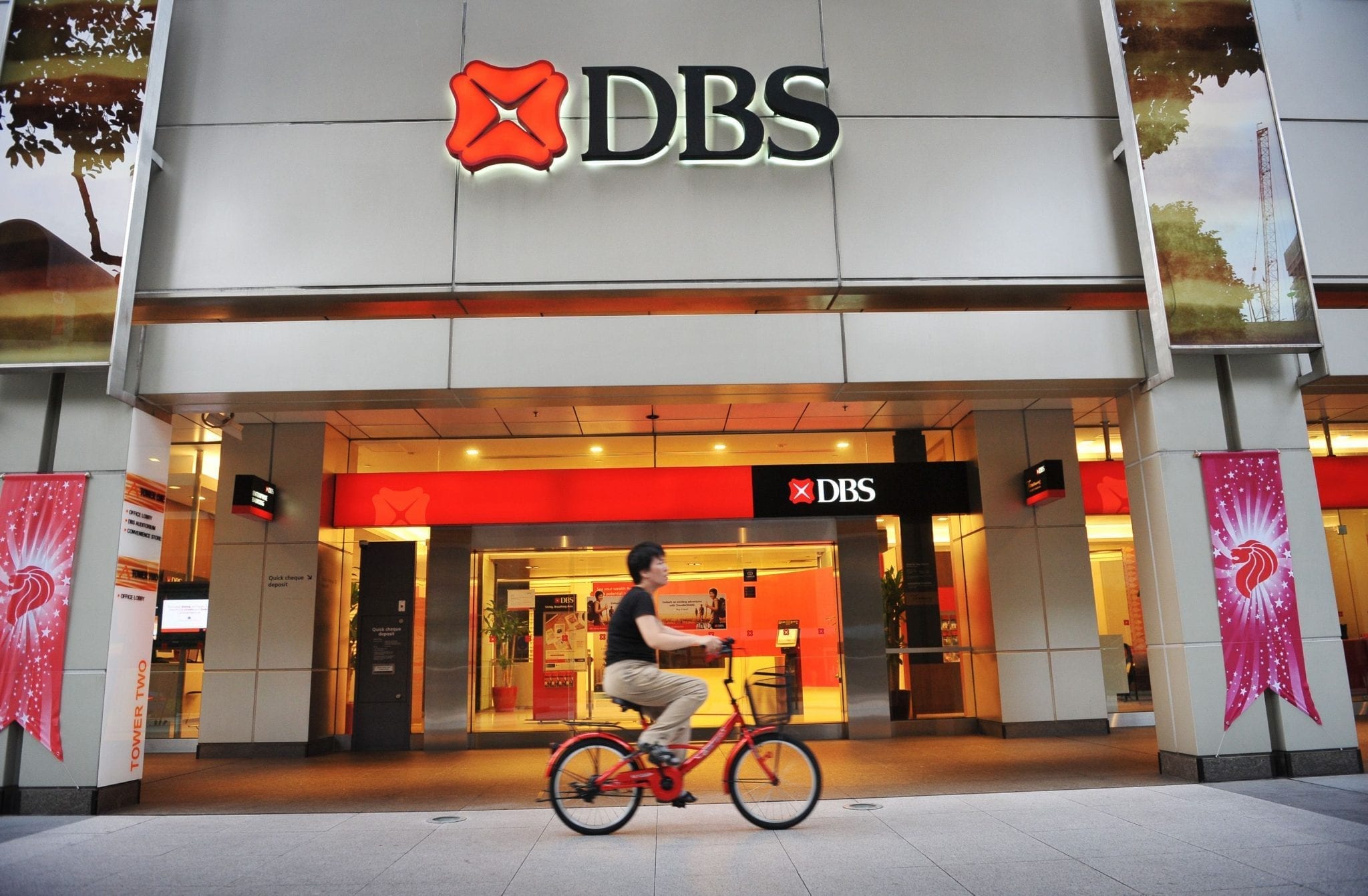
    DBS Hong Kong, a subsidiary of Singapore’s DBS Bank, has announced the appointment of Xu Qing as the Chief Credit Officer for North Asia and Managing Director, Senior Risk Executive for Hong Kong. Mr. Qing’s appointment came into effect on February 1st.

    In his new roles, Mr. Qing will be responsible for overseeing all credit and risk functions across Hong Kong, mainland China, and Taiwan. He will also serve as a member of the Hong Kong management committee. To assume these roles, Qing has relocated from mainland China to Hong Kong.

    Mr. Qing brings a wealth of experience to these roles, with a career spanning over 20 years covering markets, credit, and operational risks, as well as business development. His journey with DBS began in 2015 when he joined DBS China. His exceptional performance saw him rise to the position of Chief Risk Officer for the unit, and subsequently, he also served as the Deputy CEO of the unit since November 2019. Prior to his engagement with DBS, Mr. Qing held senior positions at the ING Group and Standard Chartered.

    Reacting to the appointment, Sebastian Paredes, CEO of DBS Hong Kong and Head of North Asia expressed his delight. He said, “We are thrilled to have Xu Qing as part of the Hong Kong management team. His deep expertise in risk management, strong international perspective, proven leadership, and extensive experience across the North Asia markets will be invaluable to the team.”

    Questions & Answers

    Who has been appointed as the new Chief Credit Officer for North Asia at DBS Hong Kong?
    Xu Qing has been appointed as the new Chief Credit Officer for North Asia at DBS Hong Kong.

    What are the key responsibilities of Mr. Qing in his new roles?
    Mr. Qing will oversee all credit and risk functions in Hong Kong, mainland China, and Taiwan. He will also serve as a member of the Hong Kong management committee.

    What is Mr. Qing’s background prior to this appointment?
    Mr. Qing has over 20 years of experience across markets, credit, and operational risks as well as business development. He joined DBS China in 2015 and has held senior roles at ING Group and Standard Chartered.