Author: Mei Ling Tan

  • New Zealand payment firms roll out new technology to reduce fraud

    New Zealand payment firms roll out new technology to reduce fraud

    Payment firms in New Zealand have committed to rolling out the new payment technology credential-on-file (COF) tokenization to strengthen e-commerce security and enhance conversion rates.

    Adyen, Bambora, Cybersource, Paystation by Trade Me and Windcave said they plan to introduce tokenization in the country, in partnership with Visa, which will not only reduce fraud but will also enhance conversion rates, resulting in savings for businesses and simpler payment experience for every-one that shops online.

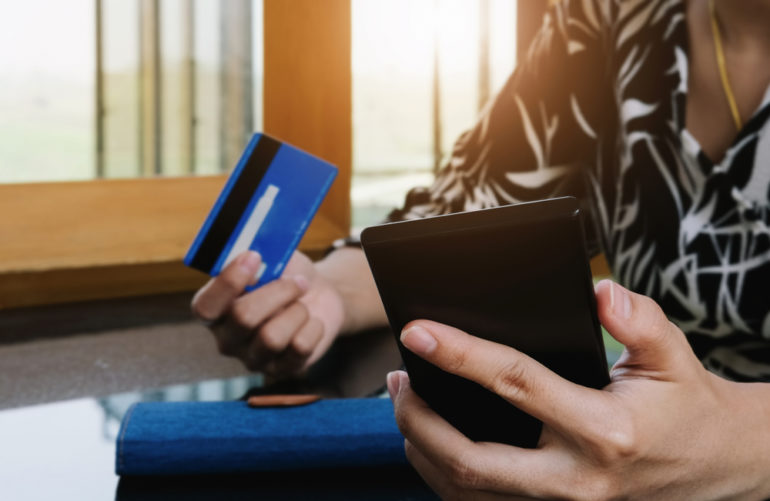
    COF tokenization replaces card details such as account numbers and expiry dates with unique digital identifiers (‘tokens’) that are used for payment without exposing a cardholder’s sensitive information.

    Each token is merchant-specific, so it can only be used with the merchant where it is stored, removing any incentive for hackers to try to steal the account data and decreasing the risk of data breach attempts.

    Businesses usually store card numbers for direct debit, top-up, loyalty, subscription or account-based online shopping. This same technology is used to enable the various mobile wallets that are available to Kiwis today.

    Riaz Nasrabadi, Visa’s head of Product for New Zealand and the South Pacific, said this commitment to drive tokenization across the industry represents a win for New Zealand businesses, consumers, financial institutions and payments companies alike.

    “The technology enhances consumers’ experience, enables retailers to retain consumer loyalty and protects all businesses from fraud,” Nasrabadi said. “With the advent of open data and the creation of new experiences based on data, initiatives such as tokenization will ensure consumer data is protected and held securely.”

    According to Visa, in addition to enhancing security, COF tokenization enables businesses to have consumer payment details instantly refreshed when a card is lost, stolen or expires, meaning there is no need for the consumer to log in and update his or her details, or the business to lose out on that payment cycle.

    “This development will be welcomed by Kiwi consumers, with a YouGov survey finding that 44 percent identify updating pre-existing details with merchants and service providers among the most annoying consequences of losing a card or having it expire,” the company said.

    The automated process could also help prevent online merchants from missing out on subscription renewals, with 19 percent saying they would use the manual card update to try out an alternative, and 13 percent opting to stop using a service altogether.

    According to Visa, with tokenization in place protecting their card details, 37 percent of New Zealanders said they would be more likely to purchase from small retailers, 46 percent would be more trusting of online businesses, and 36 percent said they would buy from retailers they had not bought from in the past.


  • JD Sports defies Brexit to deliver strong growth numbers

    JD Sports defies Brexit to deliver strong growth numbers

    UK sportswear business JD Sports Fashion saw revenue improve 47 percent over the first half of FY20 to £2.72 billion, with global like for like sales growth of 12 percent.

    The group, which runs the JD Sports chain in Australia, also saw group profit before tax and exceptional items increased 30 percent to £158.6 million, up from the £121.9 million seen in the prior corresponding period.

    According to JD Sports executive chairman Peter Cowgill, the management team is very pleased with the result, especially given the ongoing challenge of Brexit’s impact on retail in the UK.

    “We recognize that there is heightened uncertainty surrounding the nature of the UK’s exit from the European Union, and we are very cognizant of the increased risk of a disorderly exit,” Cowgill said.

    The group’s sports fashion businesses saw a strong half, with profit before tax and exceptional items growing 43 percent to £182.4 million.

    “The combined JD businesses in the Asia Pacific region delivered total like for like growth of just under 10 percent, although the earlier timing of Chinese New Year relative to last year did impact on the performance of the business,” Cowgill said.

    “We continue to make learnings in all of our territories which we use to further refine our integrated digital propositions and, with the ongoing support of our key brand partners, we remain confident that further opportunities will prevail to expand the reach of our exciting and dynamic proposition in the region,” Cowgill said.

    Cowgill noted that, in the Asia-Pacific region, JD Sports opened seven new stores during the period across Malaysia, Singapore, and Australia.

    JD’s outdoor business, however, saw more mixed results – finishing the first half with a loss before tax and exceptional items of £20.1 million, compared to the 3.8 million loss seen during the prior period.

    This was due to a challenging first quarter, compounded by a £20.7 million partial impairment due to goodwill from previous years on the acquisition of the Go Outdoors business.

    Preparing for a no-deal exit

    According to Cowgill, the business is well aware of the risk a no-deal exit from the EU would pose to JD Sports, and the UK retail industry as a whole.

    As a result, JD Sports has pulled forward a plan to expand warehouse space in Belgium in order to better serve its EU customers in the event of a no-deal.

    “The group always expect that, for operational purposes, a European warehouse would be required sometime after 2021 with the risks associated with Brexit bringing this decision forward,” Cowgill said.

    “We are working with our logistics partners to secure an additional 80,000 square foot of space at a facility in Belgium which will provide us sufficient capacity to process launch product for footwear for the key brands.”

    Cowgill added that the facility will be available for use in early 2020.

    The looming threat of Brexit has also touched the group’s outlook for the remainder of the year, as well as a shift to a different leasing standard, IFRS 16.

    “Notwithstanding the ongoing uncertainty with regards to Brexit… the group would have been on track to deliver headline profit before tax for the full year at the top end of market expectations which currently rage from £402 million to £424 million,” Cowgill said.

    “However, after adjusting for the impact of the transition to IFRS 16, we would expect to deliver results at the mid-point of expectations.”

  • Alice McCall opens permanent pop-up store

    Alice McCall opens permanent pop-up store

    Designer womenswear brand Alice McCall has opened a permanent sale pop-up in Westfield’s Warringah Mall, where it will clear previous season styles for $150 and under.

    The permanent pop-up follows a series of successful warehouse sales in Sydney, Melbourne, and Brisbane this year, and is in response to “overwhelming demand” from customers, Alice McCall said in a statement.

    “Keeping up with the demand for our warehouse sales has kept us busy this year. To minimize our resources producing these, yet be able to provide our customers with a sale pop-up they can shop regularly, makes a lot of sense to us as a business,” Nicole Macey, Alice McCall’s GM, said.

    Founded by stylist Alice McCall in 2004, the designer label is known for its feminine party dresses, playsuits and separates, which sell for upwards of $400, and has been worn by pop icons, including Ariana Grande, Katy Perry, and Kylie Minogue.

    The retailer said it would provide the same premium boutique experience at its Warringah Mall location, which retains its luxurious interior, including signature gold fixtures and pastel furnishings, though every garment costs $150 or less.

    Macey said she did not believe the sale pop-up would diminish Alice McCall’s brand value, an argument other upmarket brands have used for physically destroying out-of-date stock, rather than selling at a discount.

    “Our customers are quite savvy, and as much as they’re in search of a discount, they’re also aware that our best-selling styles sell out. Sometimes, very quickly,” she said.

    Macey said one of the brand’s new season styles, the Zen Dress, sold through 96 percent in one day.

    “We are fortunate to maintain full-price sales where our most wanted, new season styles are concerned,” she said.

    “While some customers are happy to wait to purchase past seasons at heavily reduced prices, there is still a strong appetite for the newest must-have styles.”

    Macey noted that retailers increasingly are being held to account for the lifecycle of the garments they produce, and that warehouse sales have proved an effective stock exit strategy for the brand.

    “We all want to see fashion’s footprint reduced, so brands are working on ways in which they can contribute, feasibly. For us, helping find a home for every piece we create is important, regardless of its age,” she said.

    Macey said Alice McCall would continue to evaluate warehouse sale opportunities in locations outside NSW as and when the demand exists.

  • Ikea launches slow TV channel to help Aussies sleep better

    Ikea launches slow TV channel to help Aussies sleep better

    Swedish furniture chain Ikea has expanded on its efforts to put Aussies to sleep, creating a live-streamed ‘Slow TV Channel’ which follows the 14-day journey of its products aboard a cargo ship.

    Decidedly unexciting, the effort mixes the soothing sound of waves crashing against the ship’s stern with narration by Ikea’s Kent and Sara Eriksson – hosts of Ikea’s sleep podcast.

    Kent and Sara read from the latest Ikea catalog in a soothing tone in order to help Australians get a good night’s rest.

    “We’re very excited to launch what could be the least exciting TV channel Aussies have ever seen,” Ikea Australia country commercial activity leader Ryan Burman said.

    “We know that one in four Aussies struggles with their sleep, so we hope that the rhythmic, monotonous content of the slow TV channel helps quieten the day, and get the mind and body ready for bed.”

    According to Burman, Ikea wants to inspire Australians to create a better sleep environment.

    The live streamed video will run for 336 hours – from September 12th to 26th – ending at the opening of Ikea’s Festival of Sleep which will run from September 26th to October 7th.

    According to Ikea, the festival will feature in-store workshops, guest speakers, special offers, competitions and exciting activities designed to help customers get better sleep.

  • New Look same-store sales down

    New Look same-store sales down

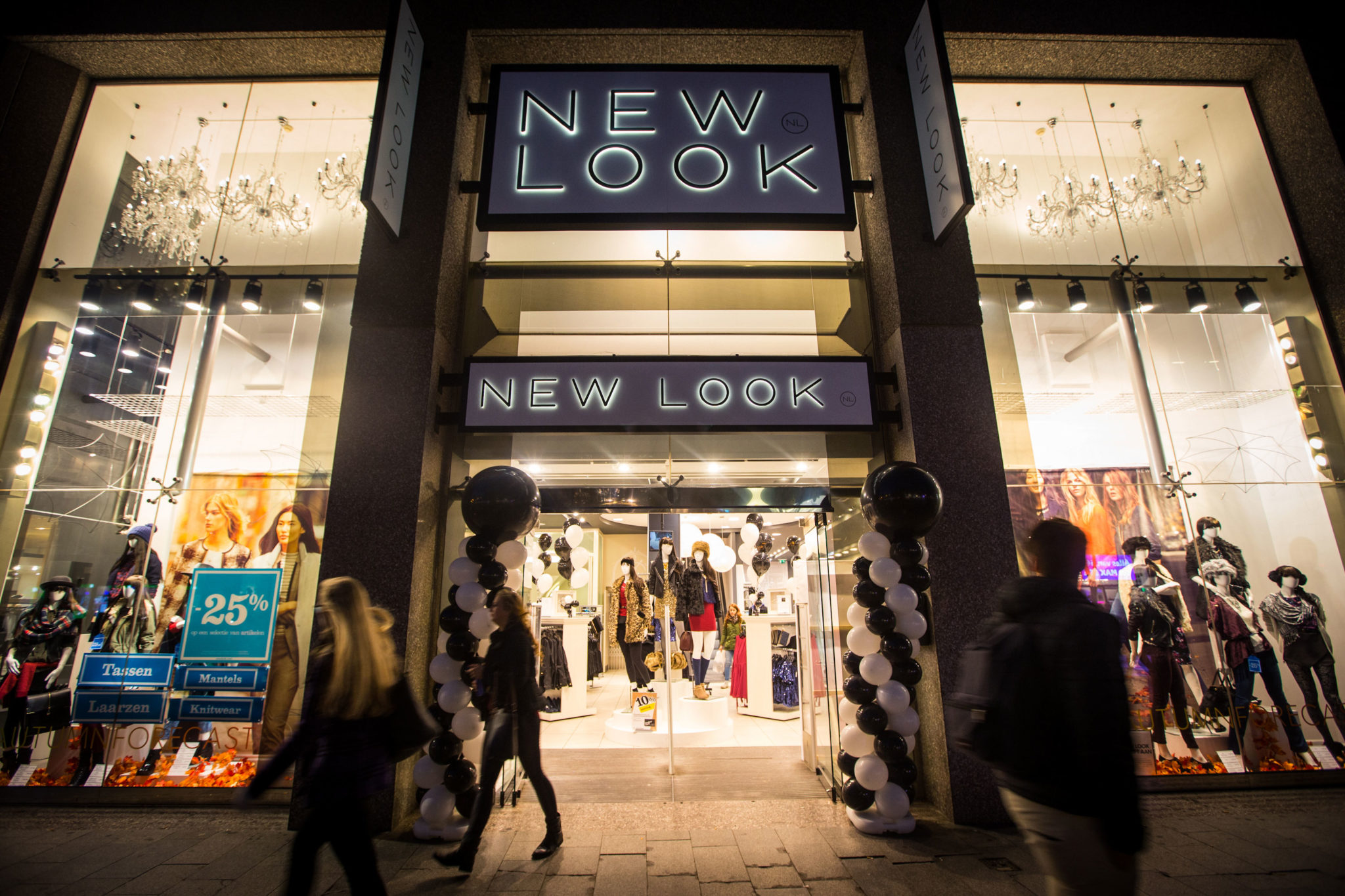
    Same-store sales fell by 10.1 percent in the first quarter for UK-headquartered fashion retailer New Look.

    For the 13 weeks to June 29, the company says it was affected by bad weather which led to lower footfall in stores, compounded by consumer uncertainty surrounding the Brexit crisis.

    Combined UK and Ireland retail sales fell by £35.5 million (14.1 percent) to £210.3 million for the quarter.

    Pippa Stephens, a retail analyst at GlobalData, says the retailer is continuing to struggle as it progresses with its transformation process, which includes closing stores, axing menswear from physical locations and attempting to revive the broad appeal of its products.

    She said that with falling like-for-like sales in its core business, the company must continue to focus on improving its remaining stores to boost footfall.

    “With like-for-like sales rising 2.2 percent for the first eight weeks of the second quarter, New Look is starting to show signs of green shoots. While its ‘Revive’ program for refurbishing its smaller destinations will help to attract shoppers, it should also improve its visual merchandising by displaying products more clearly to enhance the shopping experience, as its stores often feel cluttered – making them difficult to browse,” said Stephens.

    While consumers are shifting to shopping online, New Look’s e-commerce sales have continued to decline, with group sales (excluding third-party e-commerce) falling £1.3 million to £38.1 million.

    “Although its digital channel outperformed versus total sales, New Look must drive more traffic onto its site through increased digital marketing, and by offering more affordable and convenient delivery options,” said Stephens.

    “Although the high prices of its fulfilment options will make its online channel more profitable, uncompetitive prices are off-putting for shoppers, hindering conversion. Its delivery-saver scheme is priced at £19.99, double that of other value players like PrettyLittleThing and Boohoo.com, so this should be lowered to become more competitive.”

  • Malaysian retail sales sets record in July

    Malaysian retail sales sets record in July

    Malaysian retail sales grew by 7.1 percent in July.

    Combined with the wholesale trade, a new record high of RM112.5 billion (US$26.94 billion) turnover was set for the month.

    According to Malaysia’s chief statistician Datuk Seri Dr Mohd Uzir Mahidin, the retail trade alone grew by 7.1 percent, that figure fuelled by a 10.5-per-cent growth in sales of food, beverages, and tobacco.

    This was followed by retail sales of other goods in specialized stores and retail sales in non-specialised stores which registered 8.2 percent and 8.1 percent respectively.

    For wholesale trade, sales value expanded 6.6 percent. However, sales of motor vehicles fell by 1.7 percent year on year.

    Growth on a month-on-month basis in combined wholesale and retail sales rose by 0.2 percent, with the retail trade up by 1.1 percent and wholesale transactions down by 2.3 percent.

  • AliExpress launches free-returns program in 8 markets

    AliExpress launches free-returns program in 8 markets

    Alibaba Group’s global online marketplace AliExpress is to offer free return and refund for participating categories across eight countries.

    Buyers in main areas of eight pilot countries including Russia, France, Germany, Spain, the UK, the US, Canada, and Australia will be first to participate in the new program.

    Products participating in the new program range from consumer electronics, jewelry, shoes to cosmetics products. Under the new policy, customers in the eight countries with an eligible address will see a “free return” sign on the webpage of the eligible products. Customers can request a free return and refund for those products within 15 days of receiving their order.

    According to the return and refund policy, products must be returned in new and unused condition. In addition to products such as mobile phones, underwear, food categories, and customized products, products priced over US$1000 are excluded from the program.

    Customers can go to local post offices to return unwanted products and expect to receive their refund in as little as three days. The processing time varies depending on the payment solution they used to buy the product.

    Cheer Zhang, the head of Global consumer and market operation at AliExpress, says the objective of the new policy is to improve the shopping experience and give consumers more confidence to explore the platform’s wide range of brands and products.

    The new “free return” program is an upgrade from a previously launched “local return” program that had been operating in seven countries. Under the previous plan, customers had to cover the delivery fee for the return orders.

  • Shopee beats its own records for 9.9 Super Shopping Day

    Shopee beats its own records for 9.9 Super Shopping Day

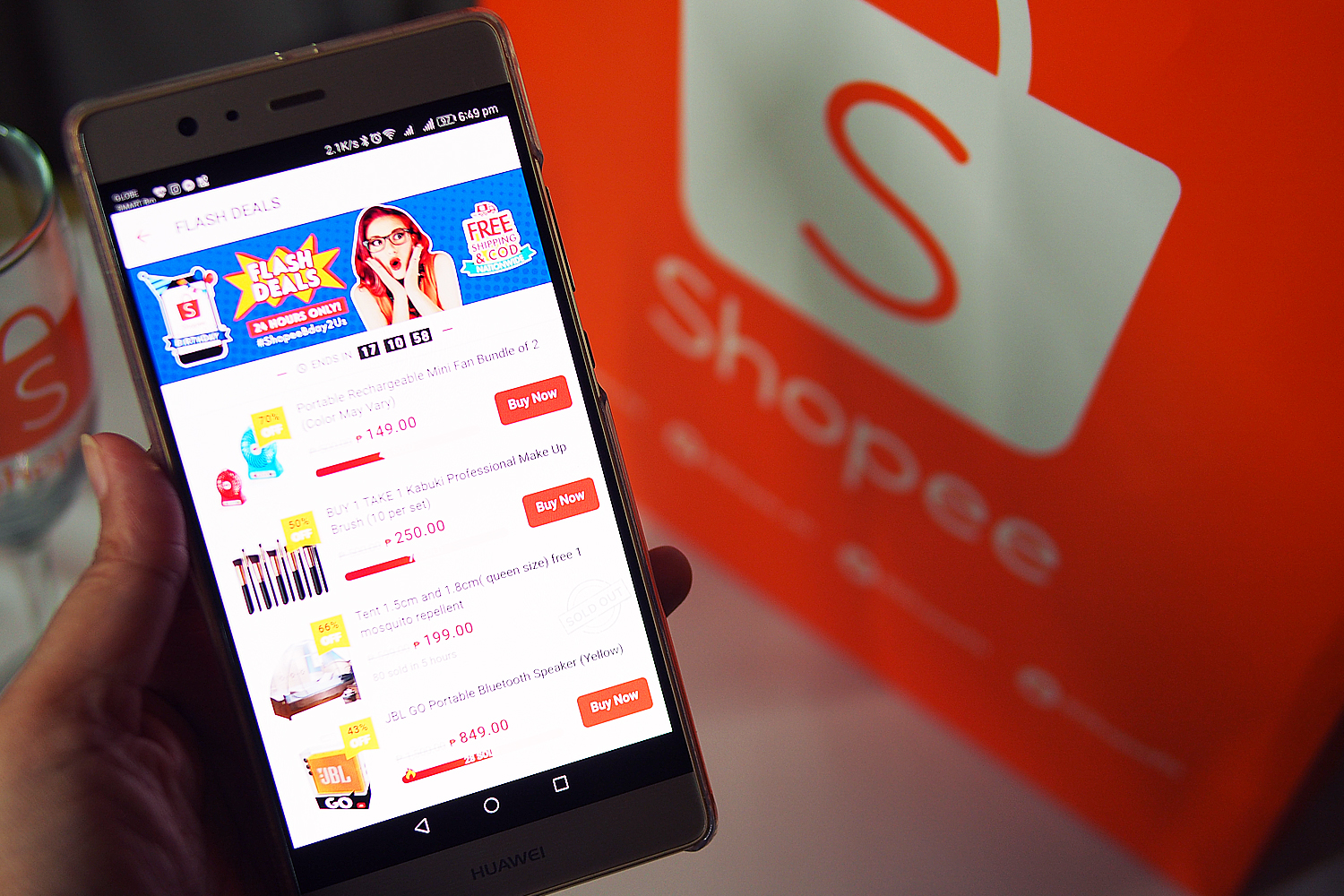
    Southeast Asian/Taiwanese e-commerce platform Shopee has concluded its most successful 9.9 Super Shopping Day yet.

    Shopee says it achieved its best-ever September 9 performance in the region, highlighted by three times the number of orders compared to last year; a peak sales volume of 187,606 items within one minute, and more than 113 million deals offered.

    Shopee’s in-app features attracted users throughout the entire 9.9 Super Shopping Day period. Users had tuned in to Shopee Live daily to check an upsized live streaming calendar, which garnered 50 million views in total. In addition, Shopee’s collection of in-app games, including Shopee Shake and Shopee Quiz, were played millions of times.

    “9.9 Super Shopping Day has exceeded all expectations,” said Shopee chief commercial officer Zhou Junjie. “We are thankful for the incredible support as we capped off a truly memorable day on 9 September. This year, we hit new milestones as more brands, sellers, and partners joined Shopee for our signature shopping event. We are proud to see 9.9 Super Shopping Day become a key date in our region’s online shopping calendar.”

    Shopee partnered with brand ambassador Cristiano Ronaldo, whose first commercial with Shopee scored 35 million views online to date.

    On August 28, Shopee Live brought users to Italy for an exclusive live stream with Ronaldo. The football icon tackled various questions from fans in the region and even delivered a special performance of the “Shopee Dance”. During the countdown to 9.9 Super Shopping Day on 8 September, Shopee users also had access to an exclusive interview with Cristiano Ronaldo on Shopee Live.

    Top-performing brands saw an average of 286-times increase in traffic and 339-times growth in sales compared to a usual day. The following trends observed in Singapore:

    Most popular brands: JBL, Innisfree, Houze

    Top categories: Fashion, mobile & gadgets, beauty & personal care

    Best-selling items: Line Friends EZ-charm (Shopee exclusive), Colgate brand box, Apple AirPods 2

    Top male products: Colgate Brand Box, Apple Airpods 2, Line Friends EX-charm (Shopee exclusive)

    Top female products: Line Friends EZ-charm (Shopee exclusive), Sensodyne brand box, Jeju wet wipes

    Hottest keywords: “Airpods Case”, “Weighing Scale”, “Women’s Tops”, “Nintendo Switch” and “Innisfree”

  • Laura Ashley appoints IMG as licensing partner for China

    Laura Ashley appoints IMG as licensing partner for China

    Fashion and home-furnishings retailer Laura Ashley has appointed IMG to exclusively license the brand in Mainland China, Hong Kong, and Taiwan.

    Home decor and furnishings will be the initial core focus for Laura Ashley’s entry into Mainland China with future extensions into women’s apparel, fashion accessories, and personal care – all product areas that the Laura Ashley brand has developed over the course of its history in the UK, Europe and the US.

    “We are delighted to have appointed IMG on an exclusive basis to help us develop our brand presence in China, Hong Kong, and Taiwan,” said Laura Ashley COO Sean Anglim. “We look forward to working closely with IMG to build a strong and sustainable business in these territories over the years to come.”

    “The Laura Ashley brand is loved around the world for its quintessentially English heritage and romantic floral designs,” said IMG president of licensing Bruno Maglione. “China has long been the furniture production capital of the world for export, but now with urbanization and a growing middle class, expenditure in home furnishings and decor has become an increasing priority of the Chinese consumer. This is an ideal time for a brand like Laura Ashley to enter the market with its distinctive design aesthetic.”

    Increased purchasing power in China has led to the growth of the furniture market, according to the National Bureau of Statistics – total sales of furniture manufacturing enterprises grew 10 percent year-on-year to more than US$130 billion in 2017.

  • Yahoo Japan my be bought by Zozotown

    Yahoo Japan my be bought by Zozotown

    Yahoo Japan reportedly has plans to buy the owner of Zozotown, the country’s largest online fashion retailer, before expanding the business to take on e-commerce heavyweights Rakuten and Amazon.

    According to Nikkei, Yahoo Japan wants to buy a majority of the retailer’s shares and then convert it to a subsidiary operation but will retain its stock-exchange listing. Zozo has a market capitalization of US$6.28 billion.

    Zozo’s founder and CEO Yusaku Maezawa currently owns 30 percent of the company. Nikkei reports he is in favor of the deal and plans to step down from day to day management.

  • Volvo XC40 Plug-in Hybrid Variant Launched Globally

    Volvo XC40 Plug-in Hybrid Variant Launched Globally

    Volvo has launched the plug-in hybrid variant of its XC40 compact SUV and with that, it has become the first automotive manufacturer to offer an electrified variant for each of its car models. The new T5 Twin Engine petrol-electric hybrid powertrain made its debut in UK and will be launched in other European markets soon. The Volvo XC40 plug-in hybrid has a front-wheel-drive system which uses a 180 bhp petrol engine which displaces 1.5-liters and has three-cylinders. There is also an electric motor which churns out 82 bhp and together, the combined power output is about 262 bhp, which is the highest in the XC40 lineup. There is a Lithium-ion battery with 10.7kWh capacity which provides an all-electric driving range of up to 46 kilometers.

    The initial data from World Harmonised Light-Duty Test Procedure (WLTP) indicates that the XC40 plug-in hybrid has a fuel efficiency of 59.98 kmpl while having a 0-100 kmph sprint time of 7.3 seconds. This is also the first occasion where a hybrid powertrain has been used in Volvo’s Compact Modular Architecture or CMA platform. The car also gets a 7-speed dual-clutch transmission as standard, which is a first in a new-generation Volvo model. Volvo will also be launching a fully electric variant of the XC40 premium compact SUV in 2020, and offer a complete range of powertrain options. The new powertrain offered in R-Design, R-Design Pro, Inscription and Inscription Pro trim levels.

    The XC40 T5 Twin Engine models get a charging outlet on the nearside front wing. The company will provide a 4.5 metre cable with a three-pin plug as standard while a type 2/mode 3 fast-charge cables will be available as an optional extra. Charging via the fast-charge cable will completely recharge the car’s high-voltage battery in as little as 2.5 hours. Fully charging via the three-pin plug cable takes between 3.5 and 6 hours.

    Volvo UK dealers have begun taking orders now and the first cars will be delivered in February 2020.

  • Spotify brings back the home screen widget for Android

    Spotify brings back the home screen widget for Android

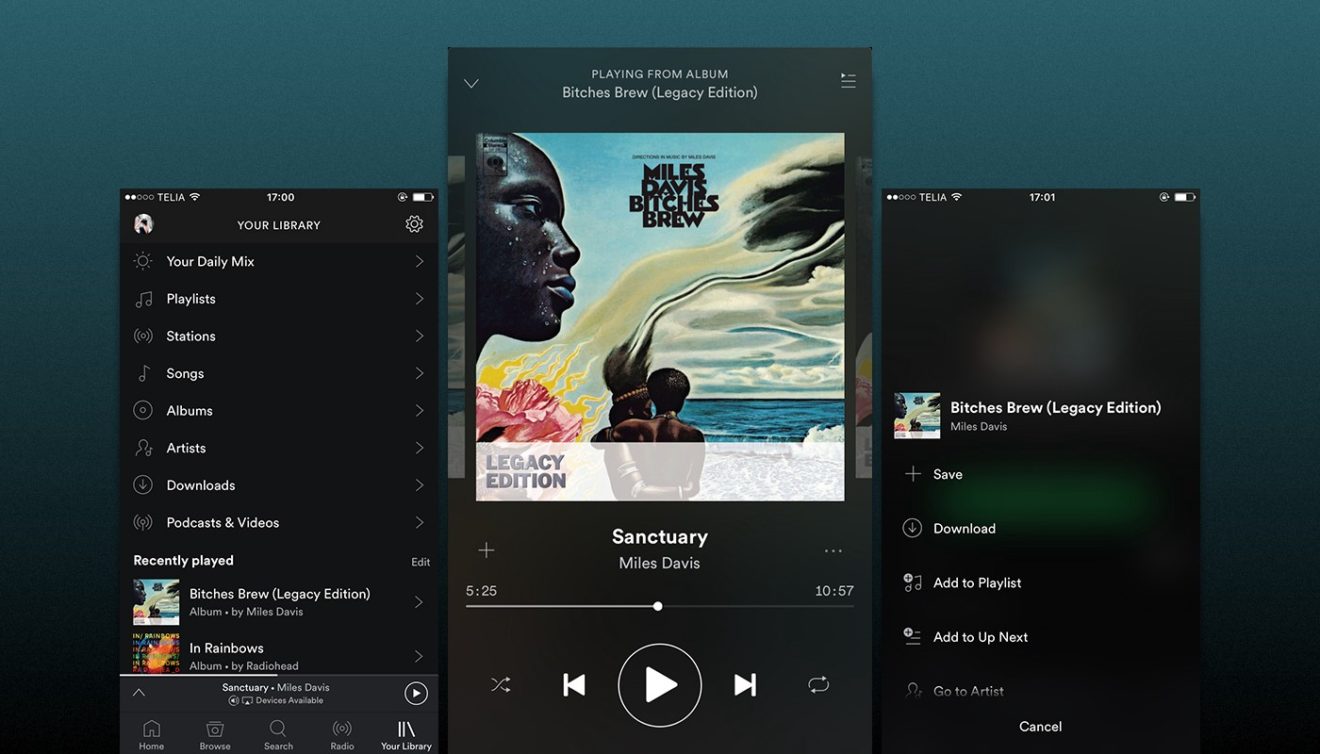
    After removing the home screen widget for Android about a month ago, Spotify has decided to bring it back from the dead. Although the reason the feature was discontinued probably had something to do with it not being used by too many Spotify customers, it appears that people weren’t happy by the change.

    Spotify announced that following users feedback, it has decided to revive the feature and even make it better. Starting today, the Android Widget for Android is back, and it brings some improvements with it.

    The widget is now resizable, but some stability issues have been fixed as well. The Android Widget will show up on your home screen after you update to the latest version of Spotify. The new version of the app has already been released in the Google Play Store, so the Android Widget should be available to everyone now.

    If you’re on the latest version of the app, then Spotify will show in the widget menu on your device, so make sure to check the new feature after the update if you want to take advantage of the Android Widget.

  • Apple’s iPhone 11 Pro is unlikely to catch up to the best Androids

    Apple’s iPhone 11 Pro is unlikely to catch up to the best Androids

    Apple doesn’t like to hype the specifications of its new devices much, focusing more on the real-life capabilities and features enabled by various display, camera, processor, or battery upgrades than things like resolution, clock speed, cell size, or memory count. But theoretical numbers often correlate with the concrete user experience, which is why it’s definitely important to know what the hot new iPhone 11 Pro and 11 Pro Max can do in terms of 4G LTE speeds, for instance.

    Unsurprisingly, no cellular speed tests were performed on stage at the September 10 launch event in Cupertino, while the official iPhone 11 Pro spec sheet keeps things as vague as always, listing Gigabit-class LTE support with 4×4 MIMO and LAA for “all models.” That’s all iPhone 11 Pro and Pro Max models, mind you, with the “regular” iPhone 11 listed as including slightly humbler Gigabit-class LTE technology with 2×2 MIMO.

    In case you’re wondering, the iPhone XS and XS Max also came with “Gigabit-class” LTE modems and 4×4 MIMO, while the iPhone XR featured a similarly downgraded 2×2 MIMO (multiple input, multiple output) antenna design in combination with a generic Gigabit-class LTE chipset. That seems to suggest nothing has changed, but according to one company specialized in independent evaluations of download and upload speeds, that might not be the case after all.

    Based on nationwide data collected from August 9 to September 9, the LTE modems inside Apple’s latest high-end handsets make the iPhone 11 Pro and iPhone 11 Pro Max faster than last year’s XS and XS Max by an average of around 13 percent. To reach that conclusion, SpeedSmart examined all big four carriers, also declaring T-Mobile the best of the bunch for both downloads and uploads, closely followed by Verizon. AT&T ranked third at a substantial distance, with Sprint dead last (as usual) and pretty much impossible to include in the same league as T-Mobile, especially in terms of upload speed.

    Talking numbers, it looks like you can expect the iPhone 11 Pro to reach anywhere between 37 and 49 Mbps in downloads, up from 32 to 42 Mbps for the XS and XS Max. Of course, these are theoretical nationwide averages, so depending on where you live… and about a dozen other factors, your real-world figures will often be significantly lower.

    Another thing we need to highlight is that it’s not entirely clear where SpeedSmart got its iPhone 11 Pro and 11 Pro Max units from to be able to perform these tests starting August 9. After all, the handsets are only scheduled to go up for pre-order on September 13, with deliveries kicking off 7 days later. Now, we’re not saying these tests didn’t happen, but it might be wise to wait and see if other sources confirm the data and apparent LTE improvement.

    It’s obviously hard to answer that question without relevant data provided by the same company, but it just so happens that OpenSignal released a very comprehensive report on this topic earlier this week. In it, the iPhone XS and XS Max were ranked a shameful 47 and 43 respectively for US download speeds, with averages of between 25 and 26 Mbps. That’s lower than what SpeedSmart got in the last month, but even assuming the latter’s 13 percent upgrade would translate into a 13 percent iPhone 11 speed bump in the former’s rankings, that’s not enough to challenge the OnePlus 7 Pro, LG V35 ThinQ, Samsung Galaxy S10+, and the rest of the Android heavyweights.

    In other words, Apple still has plenty of catching up to do as far as LTE capabilities are concerned. Then again, the next iPhone generation could make the 5G jump en masse, possibly leveling the field all of a sudden if Apple and Qualcomm can bury the hatchet. Until then, it will be interesting to see if the cheaper iPhone 11 is moderately upgraded too. While insiders pointed in that direction several times over the last few months, we’ll have to wait for a different set of tests to confirm or refute that particular rumor.

    For what it’s worth, the iPhone XS and XS Max can typically upload stuff on 4G at a pretty decent pace, and according to SpeedSmart, the mysterious new LTE modems on board of the iPhone 11 Pro and Pro Max deliver a solid improvement in that area as well, which might be enough to close the gap to Huawei, OnePlus, and Google reported by OpenSignal.

  • Samsung PlayGalaxy Link for Android now available for download

    Samsung PlayGalaxy Link for Android now available for download

    Samsung is advertising Galaxy Note 10’s gaming features just like it did with the previous Note series phone. This time, however, some of these features were not available at launch. The PlayGalaxy Link is a game streaming app that allows users to connect to their PC over Wi-Fi or mobile data and stream their library of games on a Samsung phone or tablet.

    The PlayGalaxy Link app must be installed on a PC and Android smartphone to make the game streaming work, but it wasn’t available along with the Galaxy Note 10 at launch. The good news is Samsung announced gamers can now download the PlayGalaxy Link app if they want to start streaming their games.

    The app supports third-party Bluetooth controllers, mice, and keyboard, but players can also use on-screen controls if they don’t want to attach any peripherals to their phones. Of course, downloading and using PlayGalaxy Link is completely free, although you will only find it in the Galaxy Store.

    The PlayGalaxy Link game streaming app is still in beta and, for the time being, it’s only available in the United States and South Korea. You can download the PC version directly from the PlayGalaxy Link website, while the Android app can be downloaded via Galaxy Store on your Samsung smartphone.

  • UOB Launches Entrepreneur Networking Initiative

    UOB Launches Entrepreneur Networking Initiative

    Banks in Asia continue to place strong emphasis on entrepreneurs, including UOB, which has launched a networking initiative for knowledge-sharing and collaboration opportunities within the segment.

    Members of «The Business Circle» will be able to tap into the bank’s network of entrepreneurs to learn from one another, facilitating cross-industry, cross-border connections and collaborations.

    Family firms are a significant contributor to Asia’s continued economic growth, accounting for 34 percent of the region’s gross domestic product, said Frederick Chin, UOB’s head of group wholesale banking and markets.

    Having worked with businesses across generations, we know that experience, expertise, and creativity can take any business to greater heights and we want to help them in that process.

    In addition to connections, The Business Circle will also run masterclasses and workshops covering topics such as diversification, digitalization, and cross-border expansion.

    Overseas trips will also be organized with the first one planned Chengdu and Chongqing in November this year. The trip will allow 50 members to visit Liangjiang New Area’s Digital Economy Industrial Park and Hema, Alibaba’s tech-driven supermarket.

    More than 300 business owners attended the launch of The Business Circle yesterday from Singapore, China, Indonesia, Malaysia, Myanmar, and Thailand.