Author: Mei Ling Tan

  • Alibaba founder Jack Ma prepares to step aside

    Alibaba founder Jack Ma prepares to step aside

    Alibaba Group celebrated its 20th anniversary on Tuesday in Hangzhou, highlighting its journey from 18 founders of a tiny e-commerce startup in a small apartment into the US$447 billion enterprise it is today.

    It was also Jack Ma’s final appearance as executive chairman, as CEO Daniel Zhang was set to take over at the helm of the company, which now has about 100,000 employees working in dozens of businesses in offices around the world.

    In his final speech, Ma addressed those staff, telling them that the celebration was not about his retirement but rather “the beginning of a legacy of succession.”

    Alibaba has long prided itself on its corporate governance, particularly its use of a partnership system that was created to ensure that the culture and ethos that have underlined the company and its approach to business for two decades remained intact long after the founders were gone. That focus on a responsible transition is what drove Ma’s decision to announce that Zhang would succeed him as chairman a year ago, offering customers, employees and shareholders that same visibility.

    “It’s not about the choice of an individual, but the success of a system,” Ma said during his speech.

    Alibaba’s rise has closely tracked – and, the company said, contributed to – China’s economic development. When Alibaba launched in 1999, China had only the most basic retail infrastructure, just 8.8 million internet users and a per-capita income of less than $800. Now, those numbers have soared to more than 800 million internet users, a per-capital income of more than $8000 and total e-commerce turnover of more than $1 trillion. According to research firm eMarketer, China currently represents 54.7 per cent of the global e-commerce market, a share nearly twice that of the next five countries combined. In a release, Alibaba said that about 40 million people were directly and indirectly employed by Alibaba’s e-commerce ecosystem in China.

    Ma, who turned 55 on Tuesday, also used his speech to emphasise that Alibaba should be a company focused on effecting change in the world rather than one in business only for profits. He said that Alibaba’s biggest decisions, in fact, had nothing to do with money at all.

    “Behind each of our decisions – the technology we invest in, the products we create – we consider whether they can solve society’s problems, whether they are driven by our mission, vision and values,” said Ma.

    For the next 20 years, Ma called for Alibaba to make the world “greener, more inclusive and sustainable.”

    Zhang spoke about the future as well, saying that Alibaba’s goal was to service more than 1 billion consumers globally and handle over RMB 10 trillion in transactions by 2024.

    Alibaba also needs to help enterprise customers fully digitise their businesses, including commerce, finance, logistics and cloud computing, he said. Marketing, channel management, manufacturing, product design, customer service and organisation management were all things that the “Alibaba Operating System” could help to digitise as well.

    “Only through this can we help all businesses move towards a digitised and intelligent future,” Zhang said.

    But, like Ma, there was a sense of altruism in that mission.

    “We want to continue to create value for society, solve society’s problems and be a company that shoulders social responsibility,” said Zhang.

    “If our efforts help improve society even in a small way, that makes us truly happy. We hope our customers and partners perform better than we do,” he said.

    Alibaba marked its anniversary by updating its corporate values. In a release, Alibaba said that just as its business has evolved, so had the world. Therefore, the company’s values had to keep pace with those changes and remain relevant to its global workforce. The announcement follows Alibaba’s recent reaffirmation of its mission statement – “To make it easy to do business anywhere” and an update to its vision, clarifying its intent to be a “good company that will last for 102 years” in the digital era, rather than pursuing power or scale.

  • Generation Z behind demand for male makeup

    Generation Z behind demand for male makeup

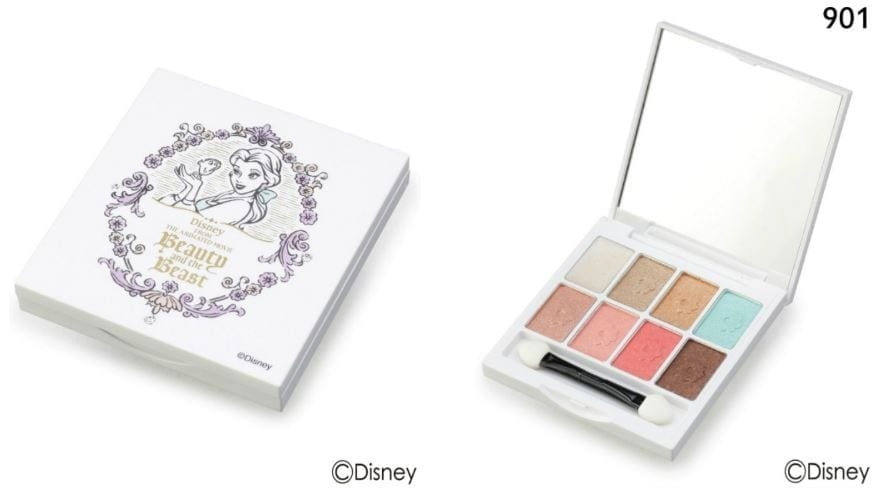
    The cosmetics industry is paying close attention to a surge in interest in male makeup – being driven by generation Z.

    South Korean manufacturer and retailer AmorePacific has just launched its first male makeup brand, BeReady – 74 years after the company’s creation.

    According to a survey by the Consumer Trend Center at Seoul National University, three out of 10 men in generation Z reported using face makeup more than twice a week. Furthermore, more than half experimented with colored makeup in middle school.

    AmorePacific says it plans to introduce products specifically targeting generation Z men in rapid succession.

    Another South Korean cosmetics firm, Aekyung Industrial, which is currently focusing on expanding its beauty range, launched the Sneaky brand in March.

    Since most male consumers purchase cosmetics online, Aekyung opted for an online distribution network. Sunscreen and lip balm are currently the most popular products at the online store.

    The sales figure backs up the interest of generation Z men in makeup.

    Olive Young, a major health and beauty (H&B) chain store, has also launched sales of male cosmetics products. Sales of male tinted cosmetics rose 77 per cent in the first half of this year compared to last.

    That figure surpasses the 40 per cent annual growth rate of men’s makeup for the past three years.

    Sales of base products such as cushions for men and BB and CC cream are also on the rise, up 43 per cent in the first half from a year earlier.

    “Not only cushion products, but also men’s color lip balm and eyebrow products are particularly popular,” an Olive Young spokesperson said.

  • Esprit unveils its future proof store design in Beijing

    Esprit unveils its future proof store design in Beijing

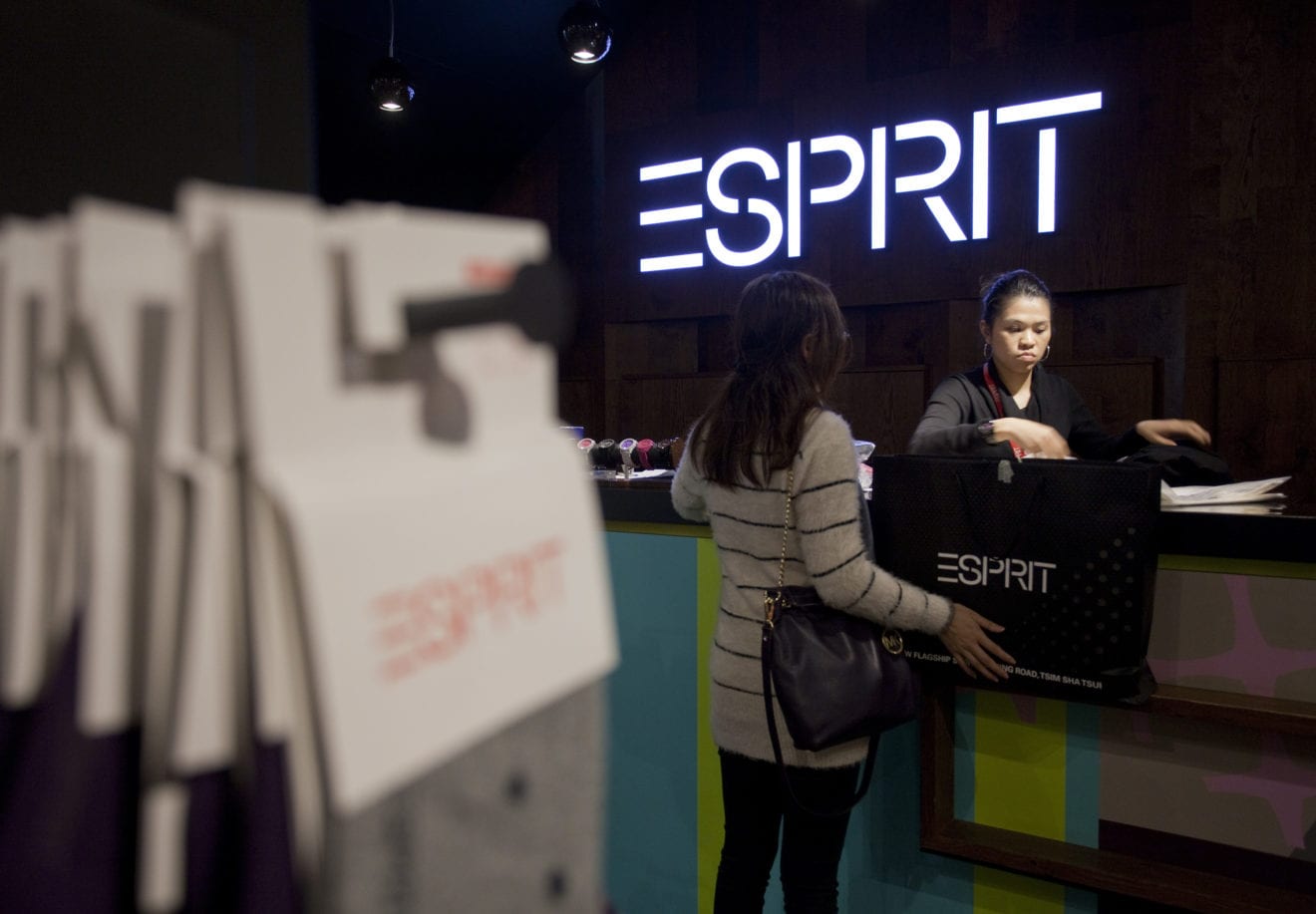
    Fashion label Esprit has unveiled a new concept store in Beijing as it continues its long journey of reinvention.

    “Our new store in Beijing is a showcase for the Esprit brand,” said Esprit Group CEO Anders Kristiansen. “With surprising and functional design details and bright and social spaces, we think this is a great expression of the spirit of Esprit.”

    Hong Kong-listed Esprit sees China as a key market in its bid to resurrect its brand reputation, sales and profitability: it wants to open 220 stores on the mainland by 2023 and as many as 80 elsewhere in Asia.

    The most remarkable feature of the Beijing store which opened last week is the huge prominent opaque brand name across the store’s glass street frontage. Inside the design has been described as a blend of “California cool”, bold graphics and bright colours. The store was designed by Ettore Sottsass.

    A strategic change to the store layout is the relocation of the cashier’s counter into the middle of the store, a move aimed at optimising the interaction between store staff and customers.

    “This forms a social hub that invites customers to stay, converse and relax and further experience the Esprit brand,” said a spokesperson.

    Across the whole store, the space is clean and uncluttered, putting the focus back on the product.

    “Open areas encourage exploration and give space to create stories around the collections,” the spokesperson said.

    While features of the store are likely to be rolled out across Esprit’s global markets, for now the company wants to assess the impact on sales and customer engagement to refine the model.

  • JD.Com and Thai Retailer Launch Financial App

    JD.Com and Thai Retailer Launch Financial App

    China e-commerce giant JD.com and Thailand’s top retailer Central Group have jointly launched a new financial services app, partnering with the largest Thai lenders to capitalize on the nation’s digital banking opportunity.

    The «Dolfin» app will include an e-wallet, digital lending platform, insurance and wealth management capabilities, according to a statement from the joint-venture, Central JD Fintech. A merchant version will be rolled out next year to target small businesses and Central’s mall tenants with merchant data to be used to further support bank lending.

    Major Thai lenders, Siam Commercial Bank, Kasikornbank and Bangkok Bank are currently partners with Bank of Ayudhya expected to join later.

    Central JD Fintech aims to reach 400,000 Dolfin users by year-end and 1.5 million next year.

  • Australia Issues Full License to Digital-Only Xinja Bank

    Australia Issues Full License to Digital-Only Xinja Bank

    Independent internet-only Xinja Bank was granted full banking license by Australian regulators, furthering the growth of digital banking in the Asia Pacific region.

    We want people to have a real alternative to the incumbent banks, said Xinja Bank CEO and founder Eric Wilson in a statement, referring to major dominance of Australia’s Big Four banks: Commonwealth Bank of Australia (CBA), Westpac Banking Corporation, Australia and New Zealand Banking (ANZ) Group, and National Australia Bank (NAB).

    Prior to this approval, Xinja a restricted banking license. Following the new license approval, Xinja will develop its business beginning with pre-paid cards; to bank accounts; and then lending in the first quarter of 2020.

    Xinja enters the market under the oversight of a more proactive Australian Prudential Regulation Authority (APRA), which granted its first banking license to an internet-only startup Volt Bank. Other digital players to join include  Judobank and «86 400».

  • OCBC’s Voice-Based Virtual Assistant Logs 20,000 Requests

    OCBC’s Voice-Based Virtual Assistant Logs 20,000 Requests

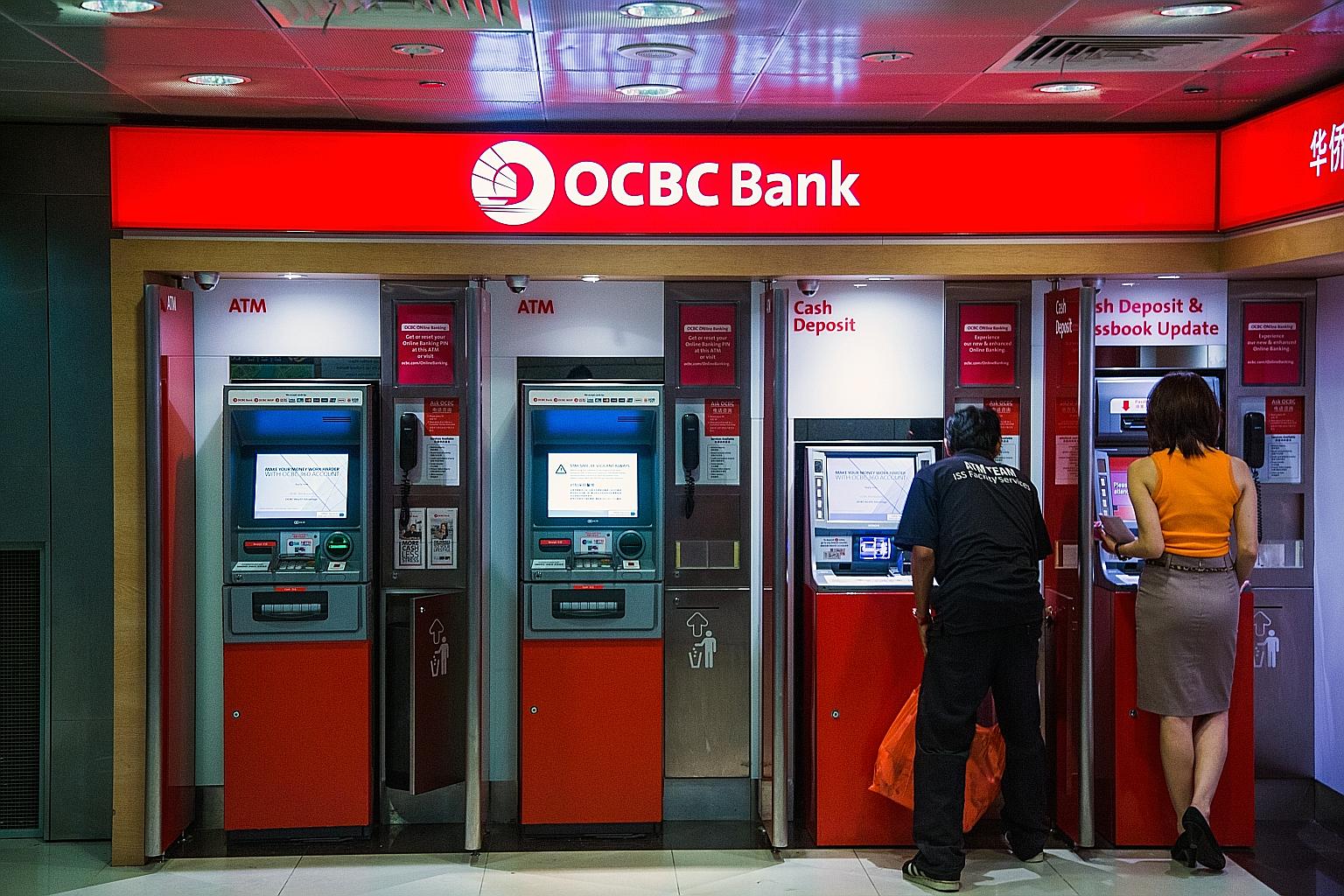
    OCBC’s voice-based virtual assistant has successfully resolved over 20,000 requests since its launch in mid-August, the bank said, breaking down the request types received.

    According to OCBC, half of the requests were about spending categories and budgets with another 30 percent being on inquires about past banking transactions. Other popular voice-based requests include locating ATMs, paying bills and changing PINs.

    The «OCBC Banking Assistant» can be found in the bank’s mobile app and was developed over 13 months in partnership with U.S.-based fintech firm Clinc, engaged through the bank’s Open Vault fintech and innovation lab.

    The bank notes that the development of an effective voice-based solution required local considerations or, in its case, a consideration for Singaporean English. Unstructured phrases commonly used in Singapore such as How much I spend on dining?, Can show my spending pattern? or Can pay my bill?, were stumbling blocks that had to be ironed out.

    Ordering up and carrying out commonly-used banking services just by talking to their smartphones will make it much easier for our customers to manage, move and multiply their finances on their own terms,»said Aditya Gupta, head of digital business, Singapore and Malaysia, OCBC Bank.

    We are bullish on the conversational AI and natural language processing technology and will continue to invest in enabling more voice-activated interactions over time.

  • OCBC Head of China Joins CapitaLand

    OCBC Head of China Joins CapitaLand

    The real estate company has hired a China specialist to support the firm’s development in China.

    Singapore-based real estate company CapitaLand has hired former OCBC head of China, Kng Hwee Tin to the newly created role of CEO, finance and corporate services, China.

    She will start on October 1 and will be based in Shanghai. She reports to Andrew Lim, group chief financial officer and Lucas Loh, president, CapitaLand (China). In her role, she will oversee CapitaLand’s finance, treasury, corporate finance and tax, communications, general procurement, and legal functions in China.

    Kng’s career with OCBC began more than three decades ago. During this time, she has held a range of responsibilities in risk management, and was also the bank’s head of group audit. Most recently, she was the executive director and CEO of OCBC Bank (China), a role she has held since December 2012.

    According to its website, CapitaLand owns and manages a global portfolio of S$129.1 billion ($93.56 billion), which includes 1,067 properties in 206 cities, as of 30 June 2019.

    Last week, CapitaLand opened Raffles City Chongqing, the eighth Raffles City in China. The 1.2 million square foot mixed-use development received over 900,000 visitors on its opening weekend.

  • Hyundai Motor Joins European Electric Car Charging Venture Ionity

    Hyundai Motor Joins European Electric Car Charging Venture Ionity

    Ionity, the European electric vehicle charging joint venture of Volkswagen, BMW, Daimler and Ford, said on Monday that South Korea’s Hyundai Motor had joined as a shareholder.

    Ionity aims to install 400 high-speed charging stations across Europe by the end of next year in a bid to combat concerns about the range of electric vehicles, which is still considered a key factor limiting demand.

    So far, the venture has installed 140 stations in 14 European countries, while a further 50 are under construction.

    “The participation of new investors in Ionity is a clear signal of trust indicating that the work of our young company is already bearing fruit,” Chief Executive Michael Hajesch said in a statement.

    The announcement comes days before the Frankfurt Auto Show IAA, where sustainable driving and electric cars will take centre stage. Volkswagen will display its ID 3 electric vehicle, Porsche its Taycan electric sports car, and Mercedes-Benz its fully electric van.

    Carmakers are pouring much of their cash into developing electric vehicles, while energy providers hesitate to take on responsibility for the rollout, as long as electric car sales remain too low to provide a profitable customer base.

    Reporting by Christoph Steitz; Editing by Edmund Blair

  • Porsche Opens Factory For The All-electric Taycan

    Porsche Opens Factory For The All-electric Taycan

    After a construction period of less than 48 months, Porsche officially opened the new production facility for its first all-electric sports car at its Zuffenhausen site. The new production facility sets new standards in terms of energy efficiency and environmental friendliness. Assembly takes place in a flexible, networked and using 4.0 production technology. It is a further step towards the “Zero Impact Factory” with no negative environmental impact: production of the Porsche Taycan with zero-emission powertrain at the Zuffenhausen site will be carbon-neutral. In addition to using electricity from renewable sources and biogas to generate heat, the new production buildings are designed to be energy-efficient. Further examples are the electrically powered logistics vehicles, the use of waste heat in the paint shop, the greening of roof areas and a continuous and holistic approach to other potential resource savings.

    Oliver Blume, Chairman of the Executive Board of Porsche AG said, “We have a level of responsibility for the environment and society. Production of the Taycan is carbon-neutral. Heritage meets the future at our parent plant in Stuttgart-Zuffenhausen, which is the heart of the brand.”

    Porsche uses automated guided vehicle systems instead of traditional conveyor belts to transport components and vehicles from station to station. Production of the Porsche Taycan will see 1,500 new jobs created at the Zuffenhausen site. In total, the company is set to invest more than six billion euros in electromobility by 2022. The company has invested a total of 700 million euros in the new production facilities alone.

  • Cebu Pacific’s New In-Flight Meals Will Make You Look Forward To Eating During Your Flight

    Cebu Pacific’s New In-Flight Meals Will Make You Look Forward To Eating During Your Flight

    Traveling is a double-edged sword. You’re both excited and stressed, even before you get to the airport. One of the things I’ve been taught to do is to eat a full meal before I even leave the house because airport food is too expensive and airplane food is bad. Barely edible, they say!

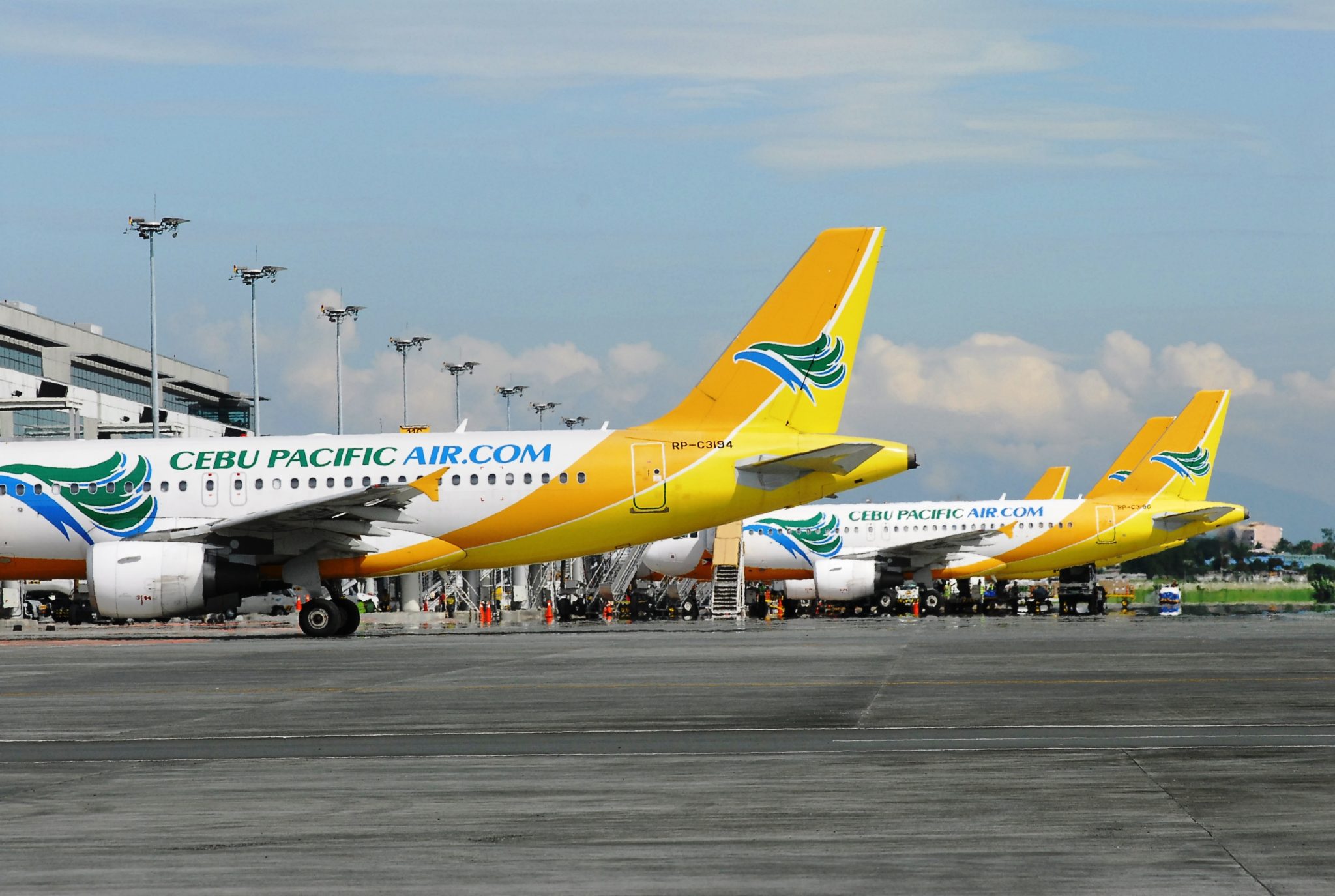
    Cebu Pacific is here to silence the haters! They recently introduced a new inflight menu that’s all about your favorite Pinoy comfort foods. Described as “homey,” their selection includes Beef Salpicao, Lechon Paksiw, and even Pinoy Spaghetti!

    I know I’m always craving Singaporean food so I was elated to also see Hainanese Chicken Rice on the menu.

    If, however, you don’t feel like having anything heavy, opt for their new sandwiches instead: the Roasted Chicken Sandwich and the Crab Salad Sandwich.

    Vegetarians need not worry: Cebu Pacific didn’t forget about you! Enjoy their Veggie Pesto Sandwich, which consists of tomato, lettuce and mozzarella, and ciabatta bread.

    All of these and more are available for pre-order once you’ve booked a flight with Cebu Pacific. Director for Inflight Catering and Sales JB Bueno shared in a press release, “Our meals being on pre-order also helps us guarantee less food wastage, and is in line with efforts towards more sustainable practices and operations.”

  • Should You Try A Home DNA Testing Kit?

    Should You Try A Home DNA Testing Kit?

    There are few fads to have taken off in the past few years as much as the home DNA testing kit. While other trends have come and gone within a matter of months, these test kits have stuck around. More and more people are choosing to send their spit in a vial to find out where their ancestors are from. It clearly has a major appeal. But is it actually worth the time and money?

    It is easy to be disillusioned by this kind of trend, especially when you see Americans online claiming a tiny amount of diversity, simply because they are X percent African or Native American. However, there are legitimate reasons to send for a home DNA testing kit.

    You can see this MyHeritage review to get an idea of the features of these kits. Here is what you can learn from ancestry testing.

    Your roots matter

    The topic of heritage is tricky. What is a person’s heritage? Is it related to your biological ancestry or is it more connected to how you were brought up? Therefore, the claim that you can find your heritage with home DNA kits is debatable. If you find out that some of your ancestors came from Africa, that’s not going to change the way you view your own culture and lifestyle.

    However, that doesn’t mean you won’t gain anything from the information. On the contrary, it can help you connect more with your identity. On the one hand, it can make you appreciate your values even more. You were not simply born with certain values and beliefs, but inherited them through your family, society, and your own searching.

    On the other hand, it shows you that different values and opinions are on the surface. You have more in common with different cultures than you think. A shared genetic history demonstrates that even if you consider yourself to be totally different from another cultural group, you can find common ground.

    Health benefits

    But home DNA test kits are not just for finding out about your ancestry. They can actually have very important health benefits for you and your family. As we know, many illnesses are more common among certain ethnicities and cultures. Some conditions are passed down within a family.

    Your genetic results can show whether there are conditions you should look out for. If you know that your family has a vulnerability to a specific kind of cancer, you can do tests every year and can diagnose it before it causes major problems.

    DNA testing can even help you ensure that your children are not affected by any conditions that may run in your genes. There are many conditions that are asymptomatic if you are a carrier, but will cause major issues if you have children with another carrier. Finding out about your status as a carrier can help you make decisions on whether to use IVF or other options. This can save you and your future children a lot of terrible pain.

    Home DNA test kits are sticking around for a reason. Give it a try, and see how the results benefit you.

  • JR East metro station outlets opening in Singapore

    JR East metro station outlets opening in Singapore

    East Japan Railway Co. is expanding its operations into Singapore with new JR East metro station stores launching in island’s metro stations.

    The firm is planning to set up store clusters at 27 out of the 32 stations on the Thomson-East Coast Line, which will be partially operational by the end of the year. It is the first Japanese railways firm to start-up commercial operations in another country.

    The firm’s contract to establish JR East metro station stores along the line was secured via its local unit along with SMRT Experience and store chain operator NTUC Fairprice Co-operative for S$24 million (US$17.3 million) last month. The three partners will trade as Stellar Singapore, in which JR East will hold a 35 percent shareholding.

    Under the terms of the agreement, Stellar Singapore will rent 5000sqm of total floor space at the stations under a 16-year lease. The largest single shopping center will cover 1570sqm at Woodlands Station.

  • Second DFS Group cocktail festival planned

    Second DFS Group cocktail festival planned

    The second DFS Group cocktail festival has begun its run at Singapore’s Changi International Airport.

    The event runs for eight weeks until late October, across Terminals 1, 2, 3 and 4, providing travelers with an opportunity to taste and recreate cocktails at home using a range of spirits brands from around the world.

    Combining entertainment with education, travelers are invited to mix, taste and enjoy their own custom mixes at the DFS Group cocktail festival through tastings, brand engagements, and hands-on cocktail mixing. Many first-launch products within Asia, as well as Changi exclusives, have been selected for the festival, all of which will be available for purchase.

    “Over the last few years, Singapore has really made its mark as the cocktail capital of the world,” said DFS Group’s GM Singapore Prashant Mahboobani, “and we look forward to showing our travelers innovative ways to elevate their cocktail cabinet and experience at home with signature cocktail recipes and a range of exhilarating new products on offer, many of which can only be found here at DFS.”

    Travelers will have the opportunity to develop customized cocktails using featured brands. Each cocktail will include three easy steps – choosing a base, mixer and garnish – so guests can easily replicate them at home with their purchased products.

    Travelers who spend S$150 (US$109) or more can accessorize their cocktail cabinet with a complimentary bar kit that includes an iridescent shaker, jigger, and spoon.

    All products featured at the DFS Group cocktail festival will also be readily available on iShopChangi.com, where passengers may browse and purchase products from 12 hours to 30 days before their flight. Purchased items can be collected at the departure terminals, arrival halls or delivered within Singapore.

  • Black Riot in Hong Kong reflects the art of curation

    Black Riot in Hong Kong reflects the art of curation

    A Mexican who made Hong Kong home has redefined bespoke with a gallery-like retail experience, Black Riot in Hong Kong.

    Eight years ago, Rene Suarez landed in the territory from Mexico City to take up an office job with a logistics company, the next step in a 20-year-long career. He was single, had no children and not one tattoo.

    “Now I have 12 tattoos and one wife and three babies,” he laughs. “Hong Kong has changed me for good.”

    On top of those accomplishments, he has now set up a bespoke retail store in an industrial building in North Point, selling high-end accessories and apparel for motorcycle enthusiasts, a business which is attracting growing custom from all over the world and has already spurned a spin-off space in Jakarta.

    Black Riot in Hong Kong is a store literally lie no other – save for in Indonesia, that is.

    The space is very much a ‘third place’ as Starbucks might call it – a place outside work and home where people with an interest in motorcycles or the culture can hang out, enjoy a drink with Rene, share tall stories and browse an array of products that even the most jaded shopper would covet something from. You don’t even have to own a motorcycle.

    “Some people like to collect this nice stuff like masks and designer stuff and they buy a few things just to put on display in their living room.”

    “Hong Kong is a small community,” Rene said over a locally-brewed Moonzen Thunder God Ale on a balmy April evening at his space, which feels much more like a gallery than a store.

    “So if you count the number of motorcycle riders it is very tiny. If you take out the delivery guys, then the racing bikes – because that’s another market altogether – then it gets even smaller. So we are in a very, very niche market.”

    He openly confesses he sometimes goes a few days without a customer – but compensates for that when a family wanders in unannounced and splurges HK$60,000 on apparel and souvenirs.

    In part, that is a function of his location: you have to know where the store is, on the 8th floor of Block B at Sea View Estate on Watson Road. His neighbors include a school-uniform shop, a wine shop, a marketing consultancy, and an architectural practice. This is not the sort of place you get walk-ins from a footpath.

    But it also very much reflects Black Riot in Hong Kong’s niche market. This is a destination for true enthusiasts, its presence largely known through word of mouth.

    “The kind of stuff we sell, it doesn’t mean we will sell more if we move to a ground-floor location. We might sell a few more t-shirts or socks, but that is not going to make up for the higher rent.”

    No-one, he says, walks in off the street and on a whim buys a US$1000 motorcycle helmet.

    But conversely, he doesn’t need a street frontage to market his wares.

    “I don’t have to sell stuff here. Every brand, my customers already know. It’s like if you have an ice-cream shop. You don’t have to stand outside yelling “Ice cream, ice cream!” People already know you have ice cream.”

    Word of mouth

    People visit Black Riot in Hong Kong because they have heard their friends talk about it, or they have seen it on Instagram.

    “We are very active on Instagram. We don’t do Facebook because it stopped being a good marketing tool a long time ago. Basically now it is just like a gossip [channel]. Instagram is a good marketing tool because there is no way they can skip the pictures. But mainly it is word of mouth.”

    Some 70 percent of Black Riot’s customers are tourists, largely driven by Instagram. And of them, about 85 percent are Filipinos. Others come from Canada, even Brazil.

    Indeed, it was Instagram that brought such strong custom from the Philippines.

    “When we first opened we had a Filipino actor visit. I did not recognize him, of course. After he bought something he said thank you, brother, and asked if it was OK if he posted about Black Riot on his Instagram page. I said, yes, please go ahead. Then I saw he had 5 million followers!”

    Since then he has hosted a steady stream of cashed-up Filipinos visiting the store and buying merchandise to take home.

    The evening before our visit Rene opened Black Riot at midnight for a Filipino customer who was unable to make it during daylight hours because he had been visiting Disneyland with his wife and children.

    ”I said, I don’t mind. I live five minutes from here. You just let me know 30 minutes before you want to come – 12, one, two – it’s fine for me. Come and enjoy. You don’t have to buy anything.

    “But, of course, when you open the door for somebody at midnight they feel they obliged,” he grins.

    In fact, most Black Riot visitors inevitably buy something. “It’s a very driven market. People walk in through the door and sometimes they don’t even say hi – they go straight to what they are looking for. And that means that 95 percent of the time when someone comes through the door they buy. They don’t come to window shop.”

    On another occasion, a family spent more than $50,000 in the store. So he booked an Uber Black to take them back to their hotel. He will personally deliver purchases to a customer’s hotel at the end of a working day – which often results in sharing a few drinks and enjoying the kind of kindred fellowship only devoted motorcycle enthusiasts can really understand.

    Born in Mexico

    The idea of creating Black Riot in Hong Kong was born in Mexico City, Rene’s hometown. Ten years ago, he went to buy a new helmet, discovering a small store where people could go and chill as well as shop. He started to meet fellow riders and got chatting to them, and before he knew it he was doing business with people there.

    “If you ride, everyone’s the same. Immediately you break the ice. It is very easy.

    “So I thought: I want to do this thing. I want to create this here in Hong Kong. It started as a hobby and then eventually I said: OK, now it’s good to do the job full time.”

    The name Black Riot – rejected as a registered business name by the Hong Kong government wary of its connotations – is not intended to convey violence. Black signifies luxury, much like Black Label whiskey or Cathay Pacific’s black-colored Diamond status card. Riot has nothing to do with rioting. “It is the spirit of the people, perhaps a tribute to the rock-and-roll era.”

    And so is summed up the essence of Black Riot: “It’s for those kinds of people who still like rock N roll but they like luxury too.”

    The owner of the Mexican store was happy to share contacts of suppliers. One of the first agencies he secured was for Ruby helmets from Paris, which he sells to customers all over the world. Included in the client list is the leader of a high-profile Asian nation to whom he hand-delivered a custom-designed helmet earlier this year, bearing the nation’s flag on the lid.

    “They only sell about 600 helmets a year, from US$1000 to $3000. So, when compared to Western helmets, which sell for like $300–400, this is luxury. These are the Hermes of helmets.”

    Other brands sold by Black Riot include Schott leather jackets – a 123-year-old brand made famous by Marlon Brando in the 1952 movie The Wild One. “You’re buying a piece of history. All the bad boys from then on wore those jackets.”

    While Veldt helmets provide a more space-age alternative to Ruby, there are Philippe V sunglasses, including a HK$25,000 limited-edition model; colorful Holy Freedom socks made in Italy, apparel from Ride & Sons and work boots from Red Wing – designed for oil riggers and construction workers but ideal for motorcyclists because of their blend of strength and style. Riding boots and shoes from a Japanese brand sell for more than US$1000.

    There are also occasionally motorcycles on display for sale as well. The iconic Indian brand does not have a showroom in Hong Kong, but would-be buyers can arrange a test drive through Black Riot. The model on display is the only one light enough for the building’s elevator to carry to the eighth floor, but Rene can show customers a full catalog. The other is a limited edition model from Zero Engineering of Japan, worth about US$50,000 second hand and one of only eight known to be in Hong Kong. It is owned by a friend of Rene’s who was in no great hurry to sell it. With its brown leather seat and trim, white bodywork and mechanicals of chrome and black, it is as much a work of art as a motorcycle and simply adds to the gallery style of the Black Riot store.

    And just as in a gallery, the range of products on display at Black Riot are curated, carefully chosen, “made with passion and joy,” says Rene.

    “When people come here, I can explain to them the story behind every brand and why we carry it. Because every brand has a vision. We buy from people who know what they do and you can see the result in their products. If it is just something made on a production line it loses all its detail.”

    Golden rule 

    His golden rule in ranging: “I have to like it myself. If not, I cannot recommend it.”

    Another rule is eschewing online sales.

    “I don’t do online sales. Until today, I can say I remember all of my customers after three years. There is one who comes from the Philippines every December. When he came the second time I asked him how his MBA was going.”

    That sort of memory and attention to detail cannot be naturally replicated online. Rene believes Black Riot is a very personal business by nature, not mass market.

    A few Hong Kong celebrities shop there, but when they visit, he doesn’t make a fuss of them.

    “In fact, it’s the opposite. You know for celebrities it feels nice when you go somewhere and people are not bothering you because you have that every single day of your life.”

    Exercising discretion, Rene doesn’t reveal the names of his more famous customers, but he says some of them feel comfortable relaxing and talking about bikes, including the three Rene owns: two Harley Davidsons and a BMW, all of them single-seater models.

    One customer he does talk about is from Indonesia, a guy who literally fell in love with the Black Riot store. He is the person who opened the satellite store in Jakarta, which Rene describes as “a dream shop” with coffee, a tattooist, a barber on site. But Jakarta rents allow such decadence: for the same rent he pays in a month in North Point – about US$10,000 – he could lease the same square footage in Jakarta for a whole year.

    Rene has people are begging him to open a store in the Philippines, where there is a strong bike culture, perhaps dating back to the American influence there – and there are many bike shops trained to copy the Black Riot model. Most of the brands Black Riot stocks are available in stores in Manila – but not all of them in one place.

    For now, he is keeping his options open.
  • Top young Hong Kong fashion designers revealed

    Top young Hong Kong fashion designers revealed

    This year’s top young Hong Kong fashion designers have been revealed, capping off the Centrestage festival.

    Three winners of the 2019 Hong Kong Young Fashion Designers’ Contest (YDC) were chosen from a final pool of 16.

    Champion Wilson Yip received a monetary reward together with a one-month internship working in the studio of Japanese fashion designer Mihara Yasuhiro, sponsored by Sun Hing Knitting Factory.

    Yip’s prizewinning “Forgetful Still” was a whimsical collection inspired by the aesthetic of absentmindedness. Yip also took the Best Footwear Design Award.

    Designer Louis Chow was named first runner-up for his collection “Already But Not Yet”, while the award for second runner-up and new talent was given to Enzo Chan for his “Since 1996”.

    The judges assessed the top young Hong Kong fashion designers’ works based on creativity, originality, market potential, craftsmanship, use of fabrics and overall aesthetics, and offered expert feedback to each of the participants. VIP Judge Mihara Yasuhiro had particular praise for the winning piece, saying that Champion Wilson Yip “managed to paint fashion over the backdrop of everyday life, using elements of daily wear and injecting them with novelty and creativity”.

    The YDC has been organized by the HKTDC for more than four decades with the objective of nurturing and promoting young fashion talent. In 2012, to further promote the international visibility of local Hong Kong designers, the HKTDC launched fashionally.com, an online platform that showcases the work of local labels and talents to link them with global industry insiders and opportunities.