Author: Mei Ling Tan

  • Strandbags unveils new retail store experience at Chadstone

    Strandbags unveils new retail store experience at Chadstone

    Luggage and handbag retailer Strandbags launched a new concept flagship store in Chadstone Shopping Centre over the weekend – the first step in a new bricks-and-mortar strategy which will see some stores triple in size over the next three to five years.

    With handheld payment devices freeing up staff and digital screens showing video and digital content, the Chadstone flagship store is Strandbags’ effort to deliver a world-class shopping experience.

    Strandbags managing director Felicity McGahan said the store was fitted to be unique and engaging, but also to give customers the freedom to shop for what they want, how they want, when they want.

    “Digitisation is giving the customers complete control. They’re in control of us, they’re savvy,” McGahan said.

    “Sixty-four percent of our customers have already researched online before they walk into our stores. So, how do we create a space that supports that? Where they can come in and really engage with the brand?

    “We’ve got to give them a reason to get off the couch and come in-store, and not let them down when they get in there. Trying to find that balance has been really important.”

    According to McGahan, the Chadstone flagship is the first in a new line of Strandbags stores, underpinning a complete redesign and refresh of the core brand.

    Contrary to many of its peers, this refresh is not part of a turnaround strategy, or an effort to stave off slowing sales – with the business selling a handbag every five seconds, a wallet sold every six seconds, and a suitcase every 12 seconds.

    “There’s a saying: The time to fix the roof is when the sun’s shining,” MacGahan said.

    “It’s not a broken business, and I’ve spent a lot of time understanding what makes it successful. This is about evolution. We’ve got to keep moving, keep changing. Retail is changing, and the experience is very important.”

    The luggage retail market is growing at a rate of five percent year-on-year, according to McGahan, which has enabled the brand to quietly grow its footprint.

    In the last year, Strandbags has up-sized 25 of its stores and is looking to do the same across many more over the next three to five years with the improvements seen in the Chadstone flagship to be rolled out across its store fleet.

    “We see a mega-store opportunity. We see large stores as well, and then obviously core stores as well. Chadstone is just another proof point to say that this is the right strategy,” McGahan said.

  • Malaysian supermarket stops selling products labelled ‘palm-oil free’

    Malaysian supermarket stops selling products labelled ‘palm-oil free’

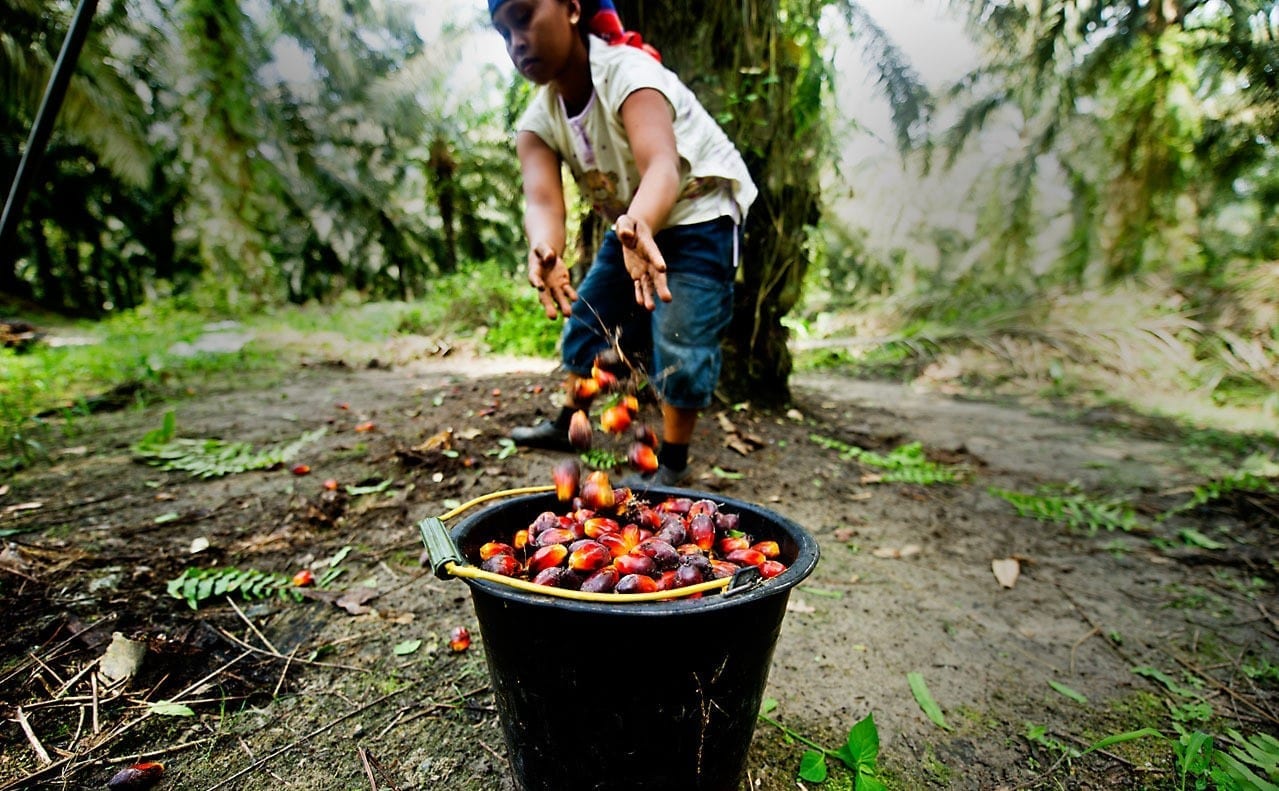
    Mydin, Malaysia’s largest supermarket chain, has announced plans to de-stock any products promoted as “palm-oil free” in a move aimed at discrediting the environmental movement.

    The expansion of palm-oil plantations – the majority of which are located in Malaysia and Indonesia – has led to substantial deforestation of the native habitats of the three surviving species of orangutans, one of which – the Sumatran – is on the list of endangered species.

    In 1992, the Malaysia government pledged to limit the expansion of palm oil plantations – which typically are planted on land where natural forests have been cleared. Now the government is actively promoting the use of palm oil to boost the nation’s exports of the product, apparently no longer concerned about its environmental impact.

    In July, the Malaysian government promised action against an international school for spreading “anti-palm oil propaganda” and Teresa Kok, Malaysia’s minister of primary industries, this week praised Mydin’s move to ban products promoted as palm-oil free. She said she hoped other retailers would follow Mydin’s example.

    This year, the European Union passed an act to phase out palm oil from renewable fuel by 2030 due to deforestation concerns.

    Malaysia and Indonesia account for about 85 percent of the world’s palm-oil production, of which about 70 percent is used in foods. Manufacturers use palm oil because it is inexpensive compared to alternatives – and because it has a high saturation when used in frying.

    According to The Edge, the Malaysian government is considering a law banning all products flaunting non-use of the oil.

    Ameer Ali Mydin, MD of Mydin Mohamed Holdings, told a press conference that his stores removed all anti-palm products on Wednesday.

    “We must support palm oil,” he said, along with taking steps to counter-marketing and branding exercises that people do that discourage consumers to buy palm oil.

    “By labeling something that there is no palm oil, you’re actually telling people that palm oil is bad for you.”

    Of course, Mydin’s comment is complete nonsense. The reason marketers promote their products as not containing palm oil is to allow consumers to make an informed choice on whether they should buy the product, based on their concerns for the environment, specifically endangered orangutans. It has nothing to do with consumers’ health.

    Indonesia’s government has also reportedly told some retailers in Jakarta not to stock products with ‘palm-oil free’ labels.

  • Ecostore aims carbon neutrality by end of year

    Ecostore aims carbon neutrality by end of year

    Skincare brand Ecostore has announced it will be carbon neutral by the end of 2019, having offset 769 tonnes of carbon already through its carboNZero-certified manufacturing plant since 2010.

    The business now aims to offset all the carbon it generates across its Australia and New Zealand operations.

    “Businesses need to step up and recognize that they can and must be a force for good,” Ecostore managing director Pablo Kraus said.

    “Corporates have an incredible opportunity to pave the way for future generations. We must lead by example, empower others, act, make changes.”

    Ecostore general manager of supply chain Tony Morpeth said the business is currently investigating ways to reduce electricity, LPG and fuel use, water use during manufacturing and freight emissions from the transportation of goods.

    In order to achieve this, the retailer partnered with NZ environmental certification provider Enviro-Mark Solutions.

    “Taking action on climate change, by reducing carbon emissions, is one of the biggest challenges faced by business but rising to the challenge will identify opportunities and drive innovation,” Enviro-Mark Solutions chief executive Dr Ann Smith said.

    “With Ecostore’s ambitious plans to offset their impacts in the short term, and commitment to continual emissions reduction and environmental improvement for the long term, they are setting an excellent example for other organisations.”

    Kraus said the key to Ecostore’s success is its holistic approach – from how it chooses its partners and sources its materials to what it does about its products’ lifecycle.

    Ecostore was named New Zealand’s most authentic brand in the Brand Alpha 2019 Top 20 Most Authentic Brands report, graded on visibility, value, vitality, and virtue.

  • Timberland to plant 50 million trees in the next five years

    Timberland to plant 50 million trees in the next five years

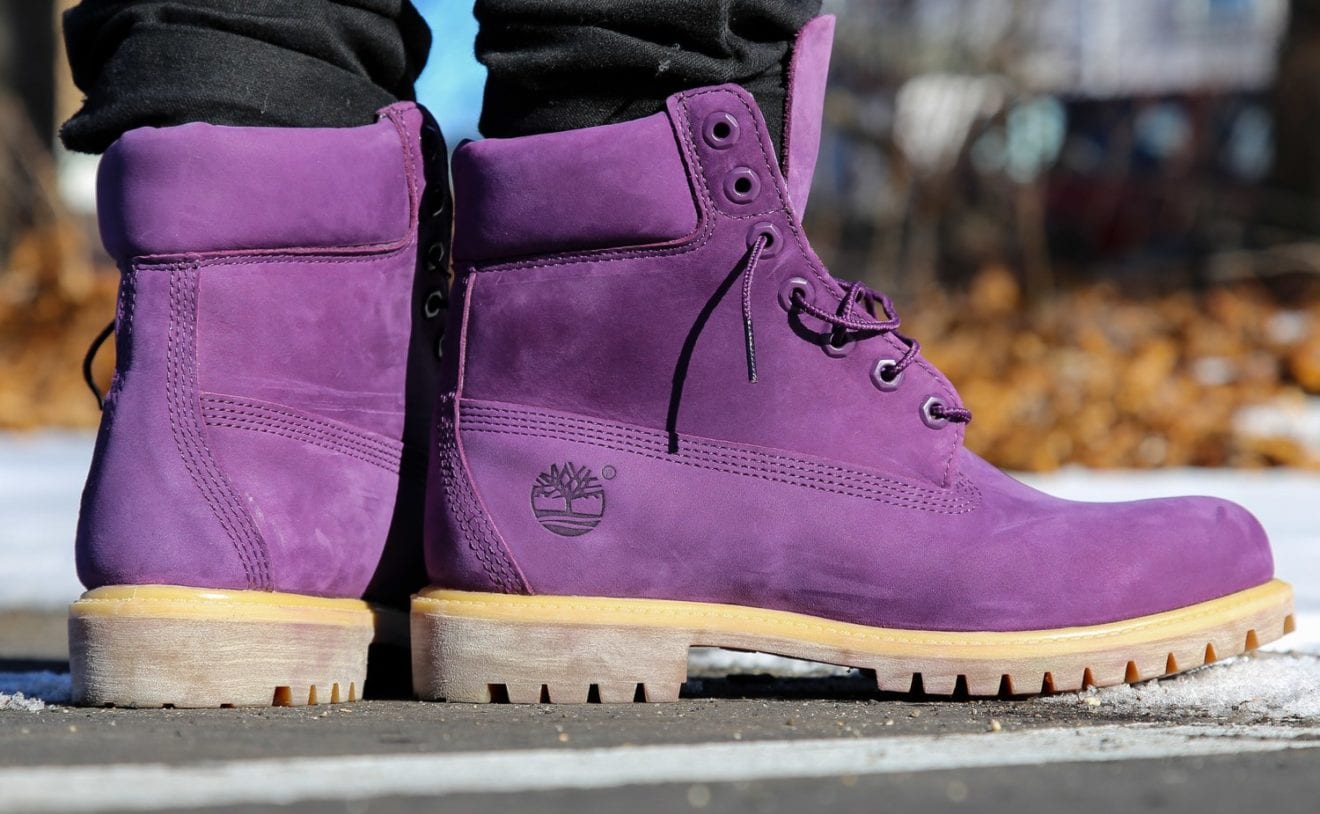
    Global outdoor lifestyle brand Timberland has committed to planting 50 million trees around the world by 2025.

    The move builds on Timberland’s previous tree planting efforts; since 2001, the brand has planted more than 10 million trees worldwide.

    “At Timberland, we’re conscious of the impact our modern way of life has on the planet. And we believe as a global lifestyle brand, and as individuals, we have a responsibility to make it better,” said Timberland global brand president Jim Pisani. “Trees and green spaces help improve the quality of our planet as well as individual wellbeing. Our commitment to plant trees is a real, measurable way to act upon our belief that a greener future is a better future. We encourage people everywhere to join the movement by taking their own actions – small or large – to be heroes for nature.”

    To kick off its pledge, Timberland has launched its largest-ever global campaign, “Nature Needs Heroes,” calling on consumers around the world to join the movement by taking simple, small actions for a healthier planet. The campaign celebrates 12 eco-heroes who are making lasting, positive change for the environment and their communities. Each hero dons new styles from the fall 2019 collection, with city greenscapes as the backdrop.

    The campaign will come to life through media activations across print, digital, out of home, social media and PR. The brand will also engage the global community to be heroes for nature through a series of tree planting and greening events.

    To help realize its 50 million tree commitment, Timberland will partner with a range of organizations that support the environment through large-scale regreening and tree planting efforts. These organizations include the Smallholder Farmers Alliance, GreenNetwork, Tree Aid, the UN Convention to Combat Desertification, Connect4Climate – World Bank Group, Justdiggit, Las Lagunas Ecological Park, Trees for the Future, American Forests and Treedom.

    Projects in year one will focus on Haiti, China, the Dominican Republic, the US, Tanzania and Mali – including support of the Great Green Wall, an African-led movement to grow an 8000km line of trees across the entire width of Africa to fight climate change, drought, famine, conflict, and migration.

    “We are thrilled to have Timberland join the Great Green Wall movement – an emerging new world wonder that promises to grow hope for millions of people in the face of the 21st century’s most urgent challenges,” said Ibrahim Thiaw, executive secretary of the United Nations Convention to Combat Desertification.

  • Le Saunda CEO resigns and on the search

    Le Saunda CEO resigns and on the search

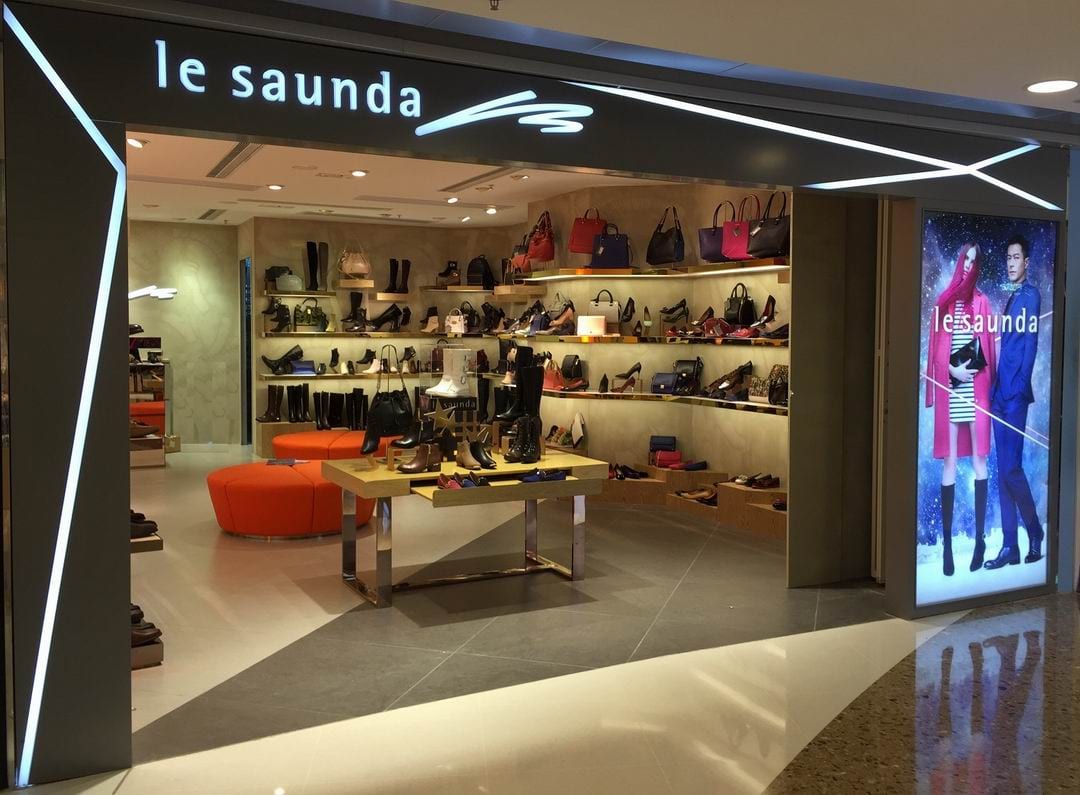
    Le Saunda CEO Cheng Wang has resigned and will leave the company on October 16.

    According to a stock exchange filing, Cheng is leaving in order to pursue “his other personal affairs”. The Le Saunda CEO will also vacate his seat on the shoe retailer’s board.

    On the same date, another director, Marces Lee Tze Bun will also resign. The company said there was no matter with respect to either person’s departure that needed to be brought to the attention of the company’s shareholders.

    The statement coincided with a positive profit warning issued by the company.

    Based on unaudited management accounts, the company expects a consolidated profit attributable to shareholders for the first half-year of RMB 2 million (US$280,000), compared to a loss of RMB 9.585 million ($1.34 million) in the same period last year. The turnaround was due to improved sales Mainland China stores, reduced administrative expenses due to a restructuring of regional offices and the closure of underperforming stores across its network.

    Sales in Le Saunda’s self-owned stores (excluding e-commerce) were down by 6.5 percent in the second quarter, but same-store sales were up 17.5 percent, reflecting a streamlined store network. Online sales, however, plunged 28.4 percent.

    Le Saunda has shuttered 156 outlets between the end of the second quarter last year and August 31 this year, leaving its with 465 outlets in Mainland China, Hong Kong, and Macau. All but 56 of those are self-owned, as opposed to franchised.

  • Global Vans shoe design competition kicks off

    Global Vans shoe design competition kicks off

    Sports shoe & apparel brand Vans is launching its interactive “Vans shoe customisation competition”, designed to inspire artists around the world.

    The Global Custom Culture competition aims to provide the means for self-expression through digital and canvas mediums unique to Vans. This is the inaugural year of the Vans shoe customization competition, encouraging artists from around the world to turn a pair of classic Vans shoes into their personal art piece.

    The contest will award three winners – one each from Asia Pacific, North America and Europe –  a US$25,000, and the designers will have their shoes produced and sold by Vans, experience a trip to the Vans design headquarters in Southern California, and have the opportunity to partner with Vans to donate $100,000 to a charity that will further enable creative communities.

    “Our goal through Vans Global Custom Culture is to create a platform that is accessible to everyone,” said Vans senior director of global brand marketing April Vitkus. “A barrier to creativity is having access to the tools needed to create something unique, and as a brand it’s our purpose and commitment to provide a range of platforms to empower and enable individuals.”

    The public will have the chance to vote for their favorite design submissions, helping determine the top 10 finalists from each geographic region, in early October. Once the top 10 have been selected, the Vans shoe customization competition finalists will receive a pair of Era shoes to apply a new design onto Vans’ literal canvas. The top 10 will be announced on December 5, where all the artist’s creations will be displayed online for a public vote.

    On December 19, Vans representatives from the design and marketing teams, as well as selected art ambassadors, will choose one grand prize winner in each region.

    Throughout the month of September, Vans will host creative workshops, as a way to participate and support competition participants in a collaborative environment.

  • Zimmermann opens another US store

    Zimmermann opens another US store

    Australian designer brand Zimmermann has opened its 12th store in the US and its third in New York City with the launch of a new boutique on the Madison Avenue.

    The prestigious shopping street is home to the likes of Carolina Herrera, Christian Louboutin, Ralph Lauren, Valentino and other designer brands.

    The 160sqm store, which opened last week, was designed by Australian designer and architect Don McQualter of Studio McQualter to create the feeling of a local apartment, with each room in the heritage-listed 1940s building styled to frame the collection.

    The store includes a mix of vintage pieces, such as a 1960s Murano glass Italian chandelier and 1930s De Coene desk, with handmade floor and wall tiles and custom metalwork, light fixtures, display tables, millwork and virtual merchandising fixtures designed by Studio McQualter.

    The store is meant to be a physical embodiment of the Zimmermann brand, conveying a relaxed femininity, air of freshness and light and unyielding optimism.

    Co-founders Nicky and Simone Zimmermann celebrated the new Madison Avenue store and upcoming Spring 2020 collection by co-hosting an in-store cocktail event followed by an intimate dinner nearby at Flora Bar at the Met Breuer with VIPs and close friends of the brand.

    “New York is like a second home for us. I have spent a lot of time in the city over the years and we’ve always loved the energy Madison Avenue brings. We are excited to now be a part of the Uptown community,” Nicky Zimmermann, creative director and co-founder, said.

    The brand plans to open a second boutique in Florida in Palm Beach in November 2019.

  • Chinese online platform Aomaijia opens Sydney office

    Chinese online platform Aomaijia opens Sydney office

    Chinese online retail platform Aomaijia launched an Australian product sourcing office in Sydney on Thursday, having signed agreements with several local brands including Nestle Australia, Tasman Ugg, Blackmores, and Swisse.

    Aomaijia distinguishes itself from the competition by dealing directly with brands – refusing to work with diagou buyers which can inflate prices between brand and consumer.

    Aomaijia Group chief executive Meggie Liu said the platform aims to give suppliers control of their branding in China, but also control over distribution and sales volumes.

    The marketplace utilizes a mix of mobile, WeChat, online, and 15 physical stores in major Chinese cities.

    “We partner with overseas suppliers across the entire supply chain, plus give support in branding, marketing and customer tracking using our own proprietary software,” an Aomaijia spokesperson said.

    “Daigou buyers will not give you any support. They just pick the low hanging fruit where we will plant the orchard.”

    The marketplace has grown its consumer base 200 percent over the last year – from 10 million at the beginning of 2018 to 30 million now – by building a platform that serves its consumers needs.

    The brand also holds sourcing offices in Paris, Los Angeles, Seoul, and Tokyo.

    “We chose our five locations… because they are markets which Chinese [people] regard as top-tier producers of consumer products and luxury brands,” the spokesperson said.

    According to Aomaijia, Japan and South Korea brands tend to have an innate understanding of the Chinese consumer, while European brands provide the style and US brands bring technology and cutting edge brands that appeal to a younger audience.

    “Australia is viewed as an idyllic place by most Chinese people, they think of beautiful views and beautiful weather, and the best conditions to grow food,” the spokesperson said.

    “Food quality is a huge issue in China, and many local brands cannot be trusted.

    “When it comes to Australia, people have 100 per cent confidence in product quality – this is not just the case in food products and supplements, but right across Australian produced goods.”

  • South Korean retailers are fighting the e-commerce

    South Korean retailers are fighting the e-commerce

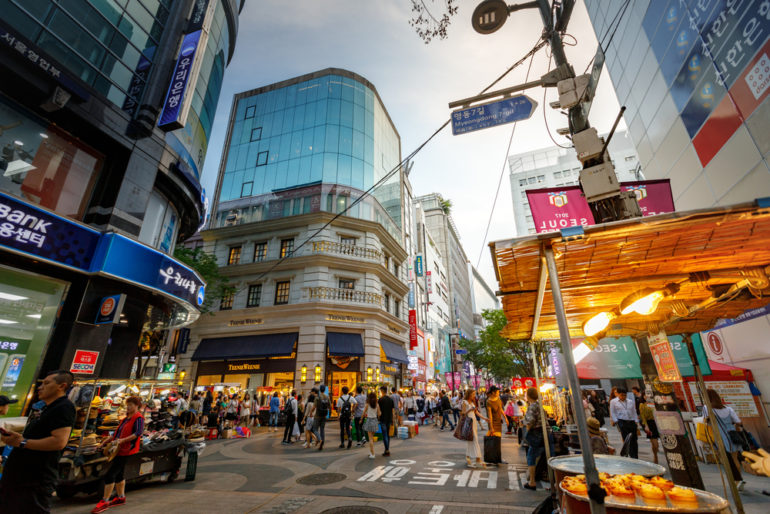
    Cornered by a low-price offensive from online sellers, South Korean retailers are striking back with a so-called ‘malling’ strategy.

    ‘Malling’ refers to all leisure activities at the mall, including shopping, dining, and watching movies or experiencing other forms of entertainment.

    Retail stores are focusing on children. The logic is that if they create a space where children can play, it will motivate parents to come and be more willing to spend money.

    Lotte Mall Suji, which opened in Yongin, Gyeonggi Province last Thursday, features South Korea’s very first indoor ice rink inside a shopping mall. The mall offers various leisure activities, including rock climbing, and 1100sqm kids park.

    Shinsegae Premium Outlet in Paju, which reopened on Sunday following renovations, now has a 530sqm kids’ cafe and the region’s largest fashion zone for children.

    South Korean retailers are also introducing a variety of attractions to draw in diverse groups of customers.

    Starfield Bucheon has recently set up an academy for young mothers, offering programs for childcare as well as other courses for all adults on various hobbies and self-development.

    Shinsegae Premium Outlet in Paju plans to come up with a more diverse set of interpretation services for foreigners. On top of Chinese and English, it plans to add Thai, Mongolian, and Tagalog to attract more customers.

    Parking space is another critical factor for retail stores as they want customers to spend time at malls without having to worry about parking or other traffic needs. Lotte Mall Suji comes with a parking lot across basement floors 2 to 6 with a capacity to accommodate 1700 cars.

    Starfield Bucheon has a parking lot stretching from basement floor 5 to the 9th floor above ground, capable of accommodating as many as 1900 cars.

    Shinsegae Premium Outlet in Paju, located on the outskirts of the city that allows for a size much larger than Starfield Bucheon and Lotte Mall Suji, chose to focus on dining, doubling the number of restaurants to accommodate many popular cuisines.

  • Zhongshuge Minhang bookstore announces grand book hall

    Zhongshuge Minhang bookstore announces grand book hall

    new bookstore in Shanghai’s Minhang District has been featured on designboom.com for its remarkable design.

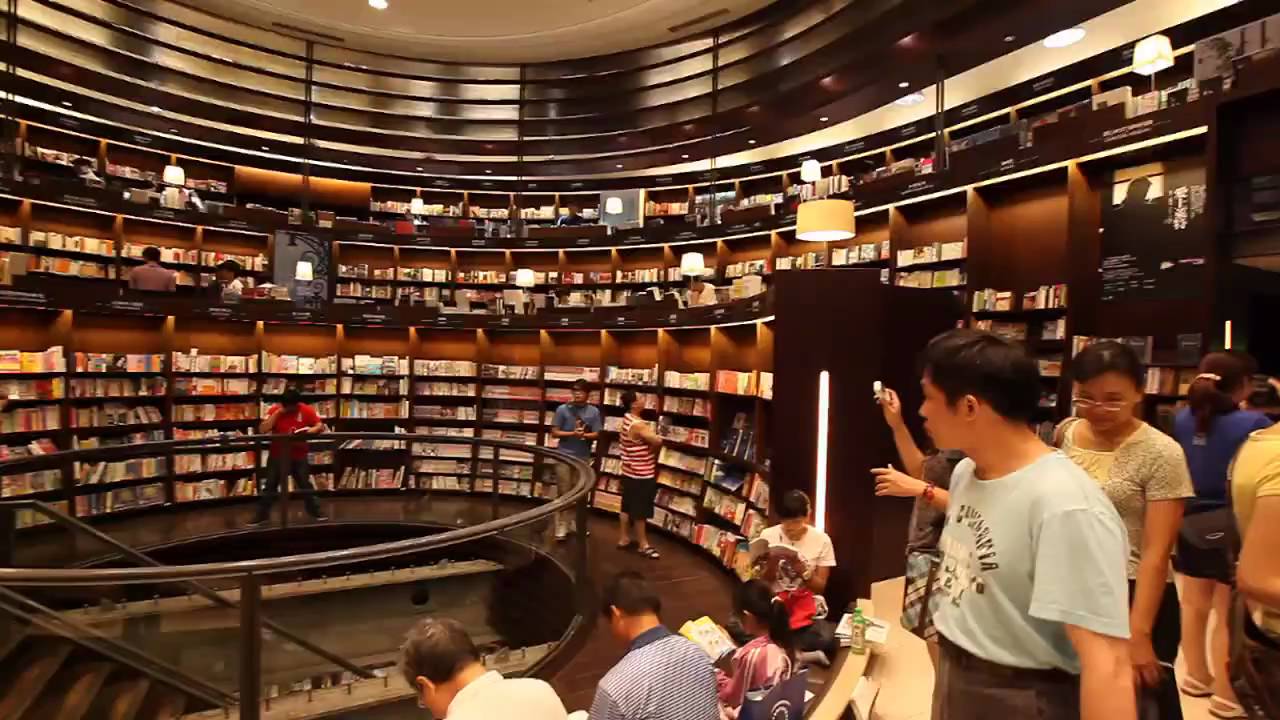
    The Zhongshuge Minhang store was created by Chinese architectural firm X+living and installed in a third-floor business park location. The store features a black book wall with groups of peg-top bookshelves under a soft light, as well as a text-covered curtain wall with balanced geometric bookshelves inspired by spinning ballet dancers.

    The store’s grand book hall features bookshelves stretched outwards on both sides towards a mirrored ceiling with symmetrical designs resembling a British church. Low-profile reading booths allow visitors to enjoy private and quiet escapes during their reading.

    Readers may buy a cup of coffee while reading their selected books in an atmosphere that emphasizes the beauty of books and reflects a cultured and multidimensional design vision.

  • Porsche Goes Green With Leather-Free Upholstery In New Taycan Electric Sports Car

    Porsche Goes Green With Leather-Free Upholstery In New Taycan Electric Sports Car

    Porsche is making a leather-free version of its new Taycan electric sports car in the latest attempt by a German automaker to play up green credentials as environmental activists lobby for a boycott of the industry. Last month, a climate activist group smashed up 40 luxury vehicles and called for a boycott of this month’s Frankfurt Auto Show because it celebrates an “outmoded climate and environment destroying transportation system.”

    Porsche, part of Volkswagen said on Wednesday it would invest 6 billion euros ($6.7 billion) through 2022 to develop electric vehicles, as it presented its first zero-emissions sports car.

    “With the Taycan, Porsche offers an entirely leather-free interior for the first time. Interiors made from innovative recycled materials underscore the sustainable concept of the electric sports car,” Porsche said.

    The Taycan has a range of 450 kilometers, making it the first electric vehicle from a German carmaker capable of rivaling Tesla in terms of operating range.

    Thanks to an 800-volt system, the car is also capable of adding 100 kilometers to its range from a five-minute recharging of its battery, Porsche said.

    The Porsche Taycan Turbo S is priced at 185,456 euros or 138,826 pounds. First customer deliveries are anticipated from January 2020, the carmaker said.

    Other sports car makers are also rushing to develop electric models. Ferrari said last month it hoped to introduce a fully-electric model some time after 2022.

  • Shopping malls in the Philippines popularity on the rise

    Shopping malls in the Philippines popularity on the rise

    Shopping malls in the Philippines are bucking international trends and are trading stronger than ever, says retail technology expert Nikki Baird.

    Their secret, she says, is that they offer a wider range of experiences to customers.

    “Shopping malls in the Philippines are all-in-one destinations that not only provide shopping, dining, and entertainment but also offer community events, access to government and utility services, and even places of worship,” Baird told the recent National Retail Conference and Expo in Manila.

    But, she warned, neither mall operators or their retail tenants in the Philippines can afford to be complacent because the industry is constantly changing.

    “The rise of e-commerce, evolving consumer tastes, dynamic competition, and other developments in the global retail landscape challenge Philippine retailers to pursue innovations in both brick-and-mortar and digital stores.”

    Baird, VP of retail innovation at Aptos, a retail technology solutions provider, said global store-innovation trends are showing how retailers are responding to consumers’ emerging needs and demands.

    “The global shift in consumer behavior puts pressure on retailers around the world to rethink their customers’ journey and experience in their online and offline stores,” said Baird. “In response to this, brands are embracing digital and behavioral innovations to deepen customer relationships, provide in-store services, use stores as fulfillment centers, harness rich customer data, host in-store events, and offer store-only exclusives.”

    With retail sales forecast to almost double in Southeast Asia to US$1.38 trillion in 2025 from $720 billion last year, the importance of connecting digital — where consumer shopping begins — to the retail store will only increase in the Philippines. To prepare for this growth, retailers are investing in in-store innovations and technologies to ensure each store offers optimal customer service and the right inventory to meet the personalized tastes and needs of every shopper.

    “Filipino retailers need to increasingly merge their brick-and-mortar and digital touchpoints to ensure the most seamless experience for the consumer and the most productive and profitable use of inventory across their network,” added Zaki Hassan, regional VP for Asia Pacific at Aptos.

    Aptos works with more than 1000 retail brands across 65 countries.

  • Kerry Logistics appoints John Parkes

    Kerry Logistics appoints John Parkes

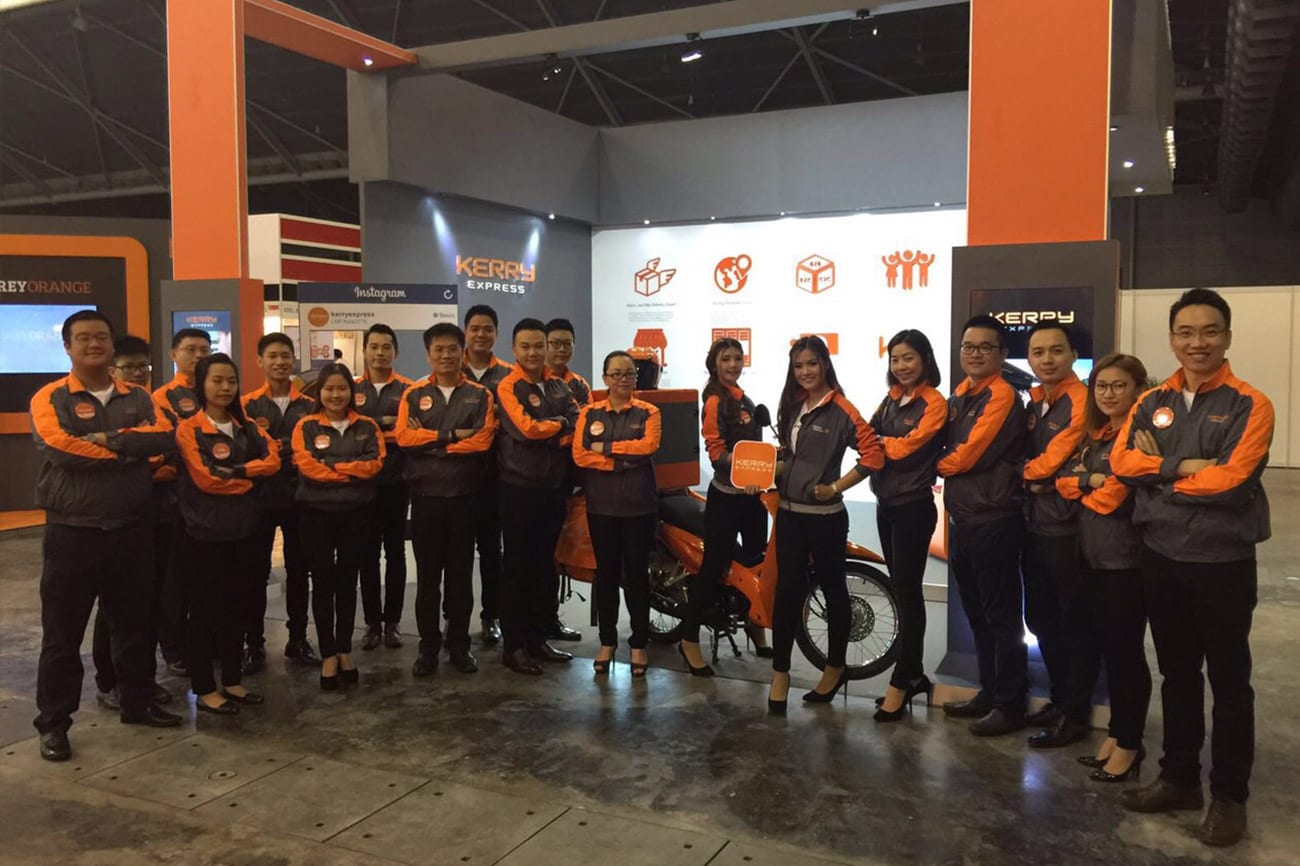
    Kerry Logistics Network Limited ‘Kerry Logistics’ has appointed John Parkes as its Managing Director – Integrated Logistics, with effect immediately. Based in Hong Kong, Parkes will oversee the overall management of Kerry Logistics’ global integrated logistics (‘IL’) business

    An industry veteran, Parkes has over 35 years of experience in the transportation and logistics industry. With a specific focus on the Asia Pacific region, he has held operational leadership positions in major logistics businesses, specializing in multi-country business development and management, M&A and global account management. Prior to joining Kerry Logistics, he was the Executive Director – Head of Hong Kong/Taiwan and Global Business Development of LF Logistics.

    Commenting on Parkes’s appointment, William Ma, Group Managing Director of Kerry Logistics, said, “We are delighted to have John on board to lead our IL division, which forms a major part of our business. John’s in-depth knowledge and on-the-ground experience in the logistics industry and global supply chains make him an excellent captain to steer our course in these challenging times of accelerated supply chain shifts. With his insights and expertise, we can make great strides in our global IL business.”

    Parkes said, “I am honoured to have the opportunity to lead such an effective and multifaceted team to build on existing relationships and explore new horizons. As the logistics industry undergoes rapid change in the face of new demands and technological advances, I look forward to giving my best to reinforce Kerry Logistics’ position and grow its business through formulating sustainable strategies and devising innovative solutions that cater to our customers’ needs and accommodate emerging trends.”

  • International economy seeks master franchisees in Indonesia

    International economy seeks master franchisees in Indonesia

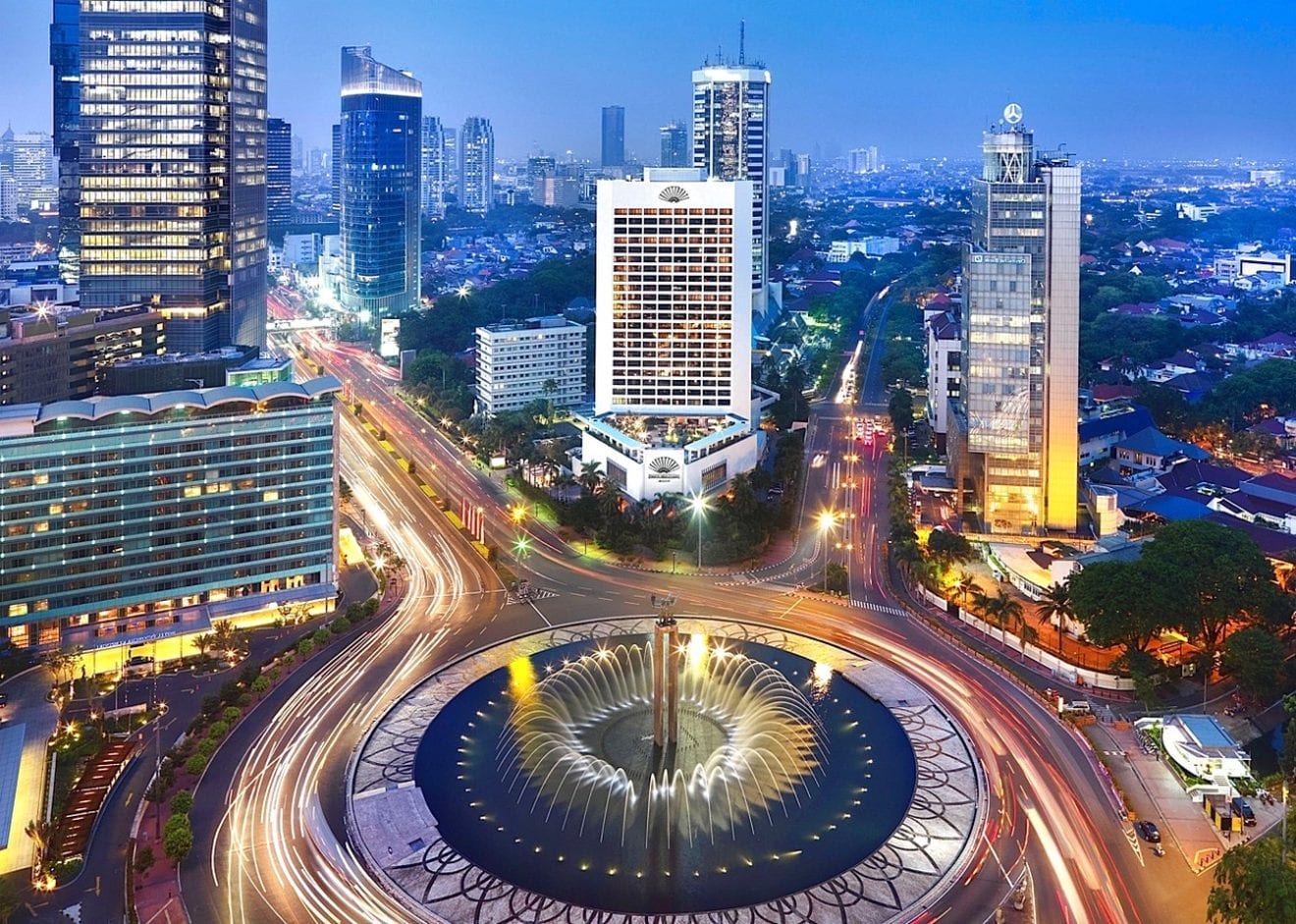
    Indonesia’s economy is projected to be three times the size of Australia’s by 2030 – and the GDP of the world’s most-populous Muslim population will rise from $3.2 trillion to $10.1 trillion by the same year*.

    Those figures are driving top international franchise businesses to seek master franchisees in Indonesia.

    The nation already has the largest market for foodservice in ASEAN, and with a fast-rising middle class and even faster growth in middle-class incomes, there continue to be significant changes in lifestyles.

    “The prospects for food franchises in Indonesia look very good as Indonesia continues to outpace many of its neighbors in ASEAN,” says Sean T Ngo, CEO of VF Franchise Consulting, who will be hosting a series of one-on-one meetings between international franchisors and local prospective partners on Friday (September 13).

    “A recent study by Nielsen showed that 11 percent of Indonesians eat out at least once a day, which is higher than the global average of 9 percent. Another lifestyle change supporting the growth of the food franchise sector is a growing trend among workers in big cities is to work long hours either due to obligation or to avoid traffic jams.

    “Thus, the practical solution for eating dinner is to eat out more often and closer to their workplaces. This fact is supported by the Nielsen study mentioned earlier with eating out occurrences being higher in Indonesia than the rest of the world.”

    Trends like these are fuelling growth in Indonesia Food Service Industry by 7.06 percent on a compounded annual growth rate basis, between last year and 2023.

    There are already more than 700 franchise businesses operating nearly 30,000 outlets across Indonesia. Most of these are in foodservice and located in Java, primarily Jakarta, West Java, and East Java provinces. Approximately 400 of the 700 are foreign franchisors, while the rest are local brands.

    Among the top international businesses to seek master franchisees in Indonesia that VF Consulting will introduce to prospective partners this week are:

    • Little Caesars, known for its Hot-N-Ready pizza and Crazy Bread, is the world’s largest carryout-only pizza chain with locations in eight Canadian provinces, all 50 US states along with 26 other countries and territories worldwide.
    • Mango Tree, one of the world’s best-known Thai culinary lifestyle brands, serving contemporary Thai cuisine.
    • Coca, a pioneer in the hotpot-restaurant sector, serving nutritional Thai and Chinese a-la-carte dishes, seafood and the signature hotpot with a variety of broths.
    • Mango Chili, a fun, vibrant social dining space where groups of friends and families can enjoy simple, easy yet original Thai street food.
    • The Belgian Waffle Co, which in just four years has grown to more than 210 outlets in 55 Indian cities and Nepal.
  • Nissan Mulls Pulling Out Of South Korea As Trade Tensions Rise

    Nissan Mulls Pulling Out Of South Korea As Trade Tensions Rise

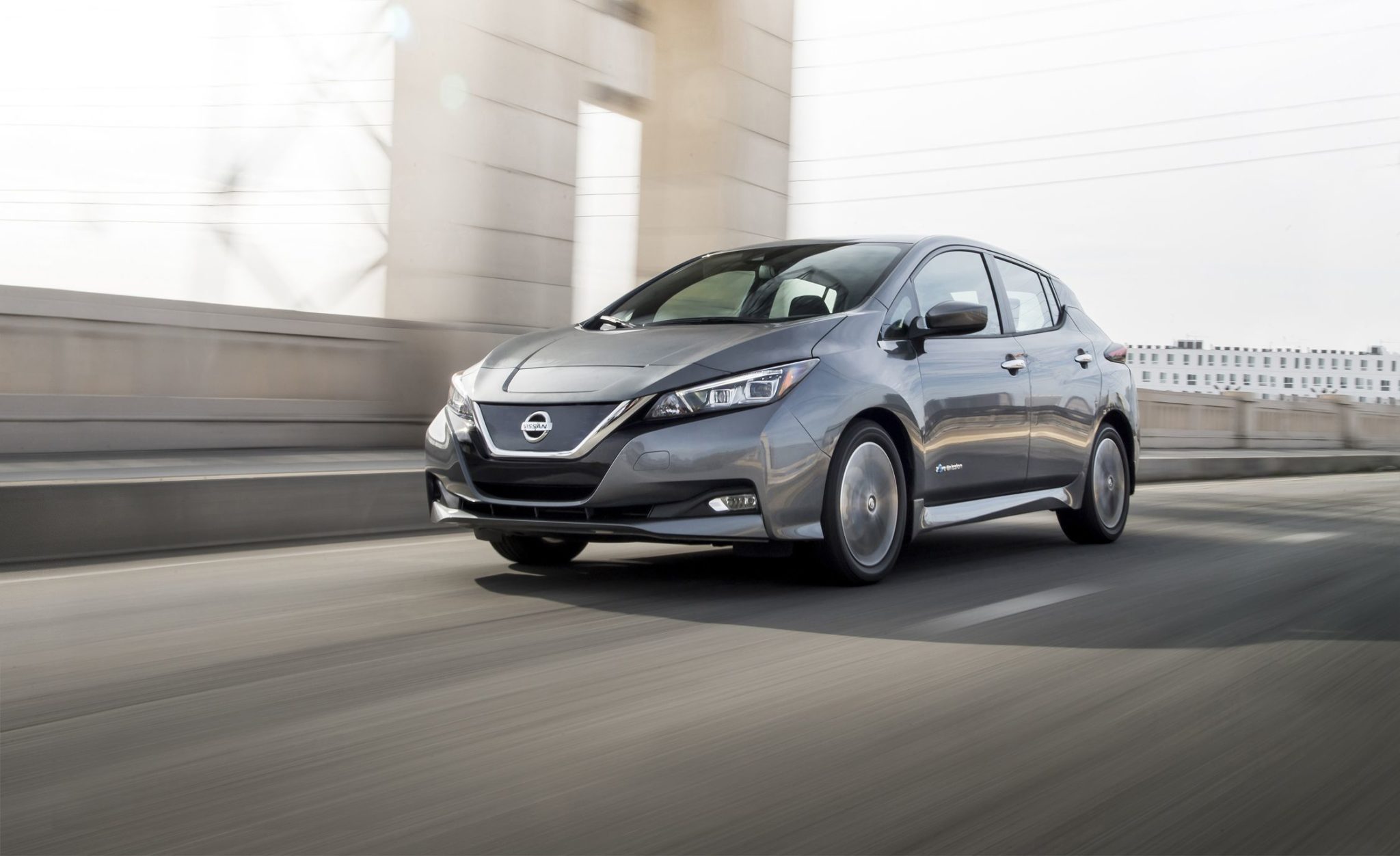
    Nissan Motor is considering pulling out of South Korea, the Financial Times reported on Friday, as political and trade tensions between Japan and South Korea have caused sales of Japanese products in the neighboring country to plummet.

    Nissan and other Japanese firms have been a casualty of consumer boycotts of products ranging from cars to beer in South Korea, triggered by sudden export curbs by Tokyo earlier this year as trust between the two countries has eroded over wartime issues.

    Citing unnamed sources, the FT said that besides stopping sales in South Korea, Nissan is also mulling its involvement in an assembly plant in Busan owned by Renault Samsung Motors Co, a joint venture with Nissan’s French automaking partner Renault SA. The plant makes cars mainly for export markets.

    Nissan spokespeople in South Korea and Japan declined to comment on the report.

    Japan’s second-biggest automaker has been trying to strengthen governance, slash costs and boost flagging profitability amid persistent allegations of financial misconduct stemming from former chairman Carlos Ghosn’s 20-year reign.

    Nissan’s market share in South Korea has long lagged its domestic rivals. Along with its luxury Infiniti brand, the automaker has sold just 3,581 cars in the country in January-August this year, down 27% from a year ago and trailing far behind Toyota Motor Corp.

    Japanese automakers are small players in the South Korean auto market, which is dominated by Hyundai Motor Co, and German imports including the Mercedes Benz and BMW brands.