Author: Mei Ling Tan

  • I.T Apparels launches four outlets at K11 Musea

    I.T Apparels launches four outlets at K11 Musea

    I.T Apparels has opened stores at K11 Musea for four of its fashion labels – Zadig & Voltaire, Stone Island, Off-White and Palm Angels.

    The Zadig & Voltaire store is the brand’s fourth location in Hong Kong, with a design inspired by its Parisian store that opened last year, featuring concrete walls and a wooden-tone floor – with its F/W 2019 products for men and women showcased in a rough and textured steel display cabinet, creating a strong contrast between toughness and tenderness.

    Stone Island’s new 130sqm storehouses both the label’s Stone Island and Stone Island Shadow Project collections. The interior design follows the concept used for Stone Island stores created by Marc Buhre, an industrial designer from Heidelberg (Germany). Bush-hammered stone floors feature steel sections that offset the geometries embellishing the shaped ceiling. Hangers in the store are made of carbon and anodized aluminum bars, while furnishings and details are compressed in felt.

    Off-White c/o Virgil Abloh is opening its third store in the city at K11 Musea, one of the few shops within the mall that overlooks Victoria Harbour, visible through floor-to-ceiling windows. The store features warm and earthy tones and a large LED wall suspended on a light wooden wall at the entrance to display photos of the new series. Green velvet is used on the walls and ceiling of the display area of accessories and shoes – the same green is used for the cashier desk and curtain to convey a sense of humor.

    Palm Angels’ K11 Musea outlet was conceptualized by brand founder and creative director Francesco Ragazzi to resemble a white cube art gallery with elements that clash into non-codified mixtures. Characterized by the strong contrast between raw concrete brick walls protected by wavy glass partitions, the store features a classical marble flooring to effect a clash with ceiling-mounted LED screens. Palm Angels’ F/W 2019 collection will be heavily featured during the store launch, which summarises Francesco Ragazzi’s own story through chapters that mix but not necessarily match
  • Jebsen Consumer opens first flagship Select store

    Jebsen Consumer opens first flagship Select store

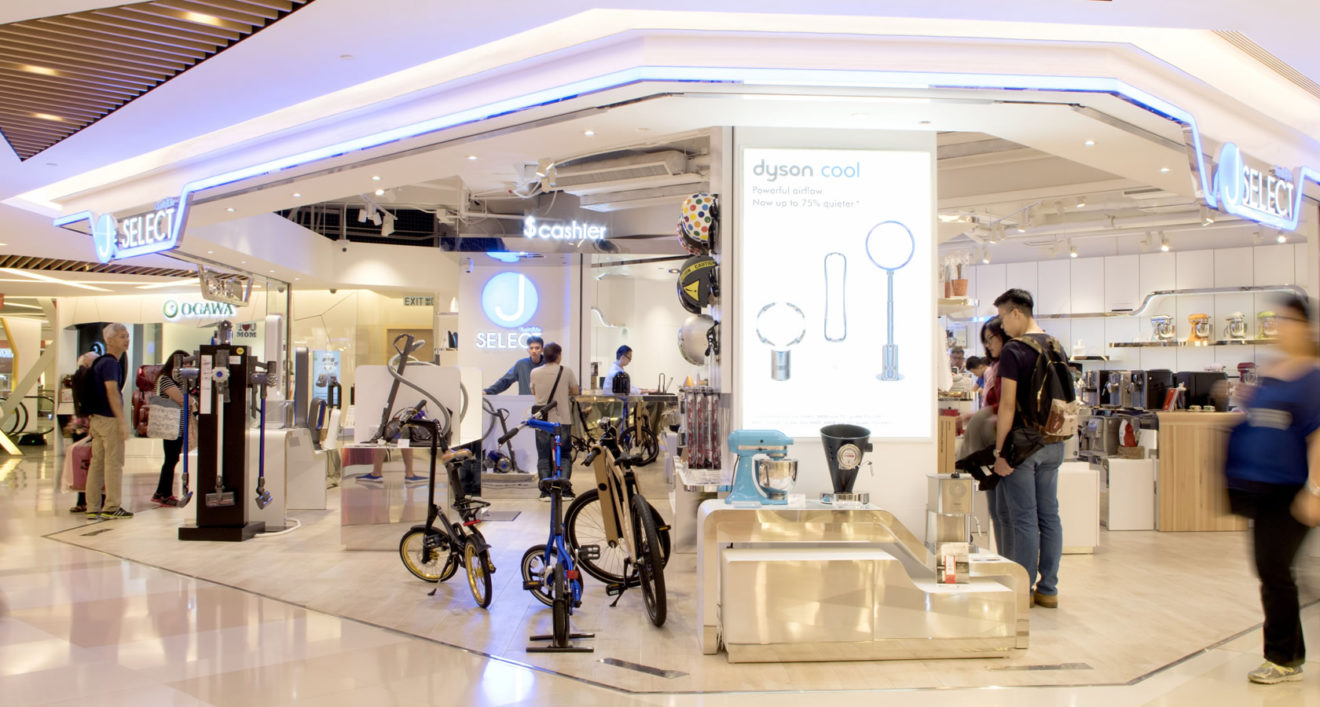
    Jebsen Consumer has opened its first retail flagship Select store in Hong Kong. The new 3000sqft store is located in the new K11 Musea at Victoria Dockside in Tsim Sha Tsui. It features a minimalist and stylish store design with more than 1800 items of merchandise sourced from across the world.

    “This flagship store plays a significant part in our long-term development vision for the brand,” said J Select business director Gladys Leung. “We are very much looking forward to meeting our customers here at K11 Musea – a new landmark in Hong Kong where different shopping experiences are provided for customers to explore and discover their own lifestyle.”

    The store is divided into different zones focused on beauty, gaming, and home enrichment, amongst others. Customers are given the opportunity to personally experience and engage with related products in each zone.

    In the beauty zone, a wide selection of “on-trend” skincare brands are available in addition to beauty devices from brands such as Ya-Man and Artistic & Co, as well as natural skincare brands such as Juvena from Switzerland and Algenist from the US. A skincare consulting area provides the chance to experience the beauty products on offer in privacy.

    The gaming zone showcases various high-technology products, allowing customers to try out gaming gear from brands such as Asus, Logitech, and Razer. A different zone has the largest Dyson shop-in-shop in Hong Kong.

    A statement from Jebsen Consumer said the firm will continue to expand its omnichannel presence with retail stores and e-commerce portals across Hong Kong and Mainland China.

  • Superdry opens Queenstown store with huge range of winter gear

    Superdry opens Queenstown store with huge range of winter gear

    Sports fashion brand Superdry said its newly opened store in Queenstown offers the largest range of snow gear across the Tasman region.

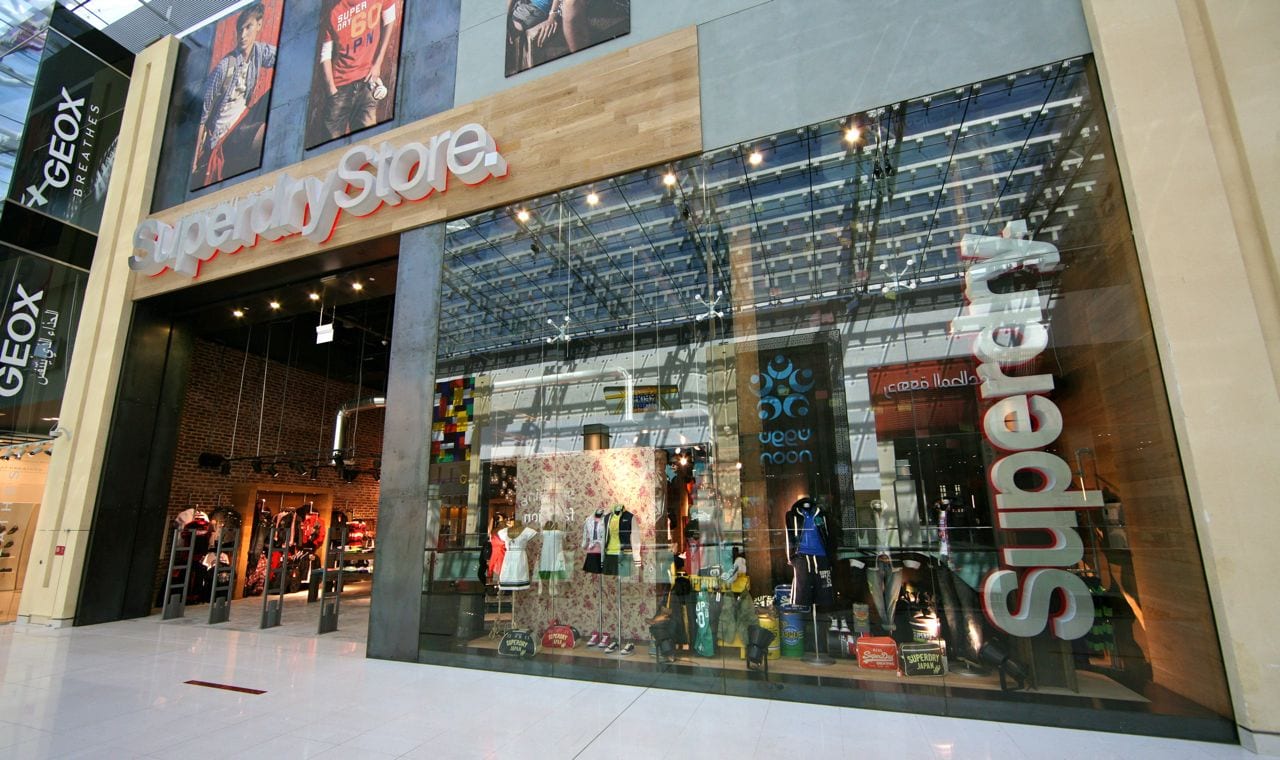
    Superdry’s new 200sqm Aotearoa store, the second in New Zealand, is split in two levels offering men’s and women’s clothing and accessories.

    The Queenstown store also offers a selection of Superdry Snow, which features fashion-forward, technical alternatives to traditional snow gear.

    “Superdry Snow, introduced globally nearly six years ago, has been heralded as the perfect fashionable alternative to the traditionally generic adventure wear and has seen double-digit YOY sales growth globally,” the retailer stated.

    Martin Matthews, CEO of Brand Collective which holds the license for Superdry across Australia and New Zealand, said the adventure spirit that is synonymous with Queenstown and its alignment to their brand is what ultimately brought them to the area.

    “Superdry was the natural next step,” Matthews said.

    He added that while the brand has yet to confirm any additional sites in the country, New Zealand presents a significant opportunity for the brand, and there are broad plans to expand.

    Superdry opened its first store in the country in Auckland’s Queen Street shopping district last April.

    The 193sqm store is split into two levels, with the menswear department on the first level and a glass staircase leading consumers to the womenswear section on the second level. The store also offers the brand’s Superdry Snow collection.

  • Credit Card spending jumps in August

    Credit Card spending jumps in August

    Retail card spending improved after a relatively flat five-month period, rising 1.1 percent over the month of August, to a total spend of $7.3 billion.

    Data from Stats NZ shows spending rose across five of the six retail industries when compared to the prior month.

    Hardware, furniture, and appliance retailing rose 1.7 percent over the month, up $22 million, while consumables (including grocery and liquor) rose 0.8 percent, up $16 million.

    Spending in hospitality rose 1.5 percent, an increase of $16 million, while apparel grew 4.5 percent ($13 million) and vehicle spending rose 4.4 percent ($7.8 million).

    The only industry that saw decreased spending was in fuel, which fell 1.4 percent – a decrease of $8.5 million.

    “Card spending in retail industries bounced back after a quiet period in the previous five months,” Stats NZ retail statistics manager Sue Chapman said.

    Overall sales were flat in July and June, fell 0.3 percent in May, rose 0.3 percent in April, and fell 0.2 percent in March.

    August’s result is the largest jump in spending that has been seen since the start of the year, when spending rose from -2.2 percent in December to 2.2 percent up in January.

    Over the month of August, Kiwi cardholders made 150 million transactions across all industries and averaged $49 per transaction.

  • Amazon launches outdoor and garden range

    Amazon launches outdoor and garden range

    Amazon, banking on the weekend warrior set being as susceptible to the convenience of home delivery as any other consumer group, has now entered the garden and outdoor category.

    The online retailer, which launched in Australia in 2017, has continued to expand its offer over the past two years, and now offers more than 125 million products.

    It launched a new range of garden and outdoor products on Tuesday.

    “Our new Garden store has a range of enticing outdoor products from gardening equipment to pool supplies to patio furniture to BBQs,” Rocco Braeuniger, country manager of Amazon Australia, said in a statement.

    This puts the e-commerce giant in direct competition with major brick-and-mortar retailers, including Bunnings and Barbeques Galore, which offer similar products through their national store networks, as well as online stores.

    “We’ve been competing with a wide range of retailers across a broad spectrum of categories and products for a long time and we always welcome competition,” Mike Schneider, Bunnings’ managing director said.

    “While we don’t comment on our competitors, our focus is always on our customer.”

    While Bunnings only started selling online in select areas in June 2018, it expects to have a full e-commerce offer in Australia by Christmas 2019.

    At the same time, it’s investing heavily into its click-and-collect offer, having conducted research internally that shows most consumers prefer to buy online and pick-up in-store, rather than have it delivered to their home.

    “Having our team of experts in-store means we are also able to offer great service to run alongside our online transaction capability and we typically find that many of our online customers like to head into the store to pick their items up,” Schneider said.

  • Kathmandu Australia joins B Corp movement

    Kathmandu Australia joins B Corp movement

    Kathmandu on Tuesday announced it has become a certified B Corporation, making it the biggest B Corp in Australia and New Zealand.

    B Corps are for-profit businesses that meet the highest standards of social and environmental performance, public transparency and legal accountability.

    Started in the US in 2006 as a way to raise awareness of purpose-driven businesses by giving them a recognizable seal of approval, there are now more than 3000 B Corps worldwide, and more than 300 in Australia and New Zealand, which is the fastest-growing region per capita for B Corps.

    Local retailers with B Corp certification include Outland Denim, Etiko, Koala, GlamCorner, Bellroy, Flora & Fauna, KeepCup, Good Day Girl, Koskela, Arndsorf and Kester Black.

    The addition of Kathmandu to this list reflects a shift in the way many large companies view sustainability – no longer as a niche topic confined to the CSR team, but rather a core value that permeates every part of the business.

    “Sustainability is part of Kathmandu’s DNA  and is integral to our entire operation, from our supply chain to our materials and products and our operational footprint,” Xavier Simonet, Kathmandu’s CEO, said in a statement.

    To receive B Corp certification, organizations need to earn a certain number of points on the B Impact Assessment, an online tool that asks around 200 questions in five key areas: governance, workers, community, environment, and customers.

    The tool is administered by B Lab, a nonprofit with locations in 26 countries, which sets the global standards, awards B Corp certification and advocates for the adoption of ‘benefit company’ status at a state level.

    In the US and other countries, businesses can register as a ‘benefit company’, which means they are legally required to consider the impact of their decisions on all stakeholders, such as employees, suppliers and the planet, not just shareholders. This locks in their purpose, no matter who owns or runs the company.

    Benefit companies currently have no legal status in Australia, though B Lab Australia and New Zealand is actively campaigning for an opt-in legal form to be introduced through a minor amendment to the Corporations Act.

    This issue will become more critical as publicly listed companies like Kathmandu join the B Corp movement.

    T2, which is owned by Unilever, is also in the process of becoming a B Corp, and B Lab Australia and New Zealand is taking the opportunity to encourage other big businesses to get on board.

    “Kathmandu’s announcement as New Zealand’s first B Corp-certified multinational retail business, and Australasia’s biggest B Corp, is a significant milestone for Australia, New Zealand and the wider B Corp movement,” Andrew Davies, CEO of B Lab Australia and New Zealand, said in a statement.

    “Certification is open to all sizes of business, and we are seeing increasing interest from large corporations across the world, Kathmandu’s certification sends an important signal for other big businesses to follow in their lead.”

  • More than 1 million motor vehicles will have been sold through E-commerce next year

    More than 1 million motor vehicles will have been sold through E-commerce next year

    By next year, more than 1 million motor vehicles will have been sold online, according to research from Frost & Sullivan.

    “At the current rate of adoption, online vehicle sales are expected to comprise 5 percent of global vehicle sales by 2025, with China as a leading market,” says Julia Saini, a consultant at Frost & Sullivan’s mobility division.

    In the early days of online retailing, there was skepticism that consumers would purchase big-ticket items like motor vehicles online. But in recent times, consumers have embraced the concept – provided they know what they want.

    In 2016, Alibaba sold more than 100,000 cars during its 11.11 Singles Day, ranging from Maserati sports cars to 13,000 local Chery runabouts. Few people pop online to buy a car on a whim – those are carefully researched, calculated purchases with settlements deferred until a 24-hour window to take advantage of a special deal. But they were still online sales, driven by good deals.

    Saini says the digital transformation of the global automotive retail market is driving the need for customer-centric retail strategies and innovations along with omnichannel touchpoints to further refine the customer journey.

    “Adopting disruptive new auto retail models and emerging digital KPIs by leveraging technology and data-driven approaches will be imperative for attracting new customers, enhancing customer experience, and improving customer retention,” she says.

    “With the emergence of new purchase models such as vehicle subscription and short-term leasing, increased customer-centricity in terms of offerings, services, activities, roles, and functions is expected to be the focus of OEMs and dealerships in the future.”

    Saini and her colleague Yeswant Abhimanyu will lead an interactive webinar on the topic on September 26, discussing innovative business models, growth opportunities, and insights on initiatives and trends across the automotive e-retail market in Asia, North America and Europe.

  • Juice bar makes appealing bioplastic cups from orange peels

    Juice bar makes appealing bioplastic cups from orange peels

    International design and innovation office Carlo Ratti Associati has developed an experimental orange squeezer that 3D-prints bioplastic cups from orange peels.

    The “Feel the Peel” project was completed in partnership with global energy company Eni with the aim to bring circularity to everyday life. The juice bar turns squeezed oranges into a filament that is dried, milled, and converted into a bioplastic by combining the substance with polylactic acid. The plastic is then printed into recyclable cups that can be used to drink fresh orange juice.

    The 3.1-meter-tall prototype, topped with a dome filled with 1,500 oranges, will start touring public spaces around Italy over the coming months.

    “The principle of circularity is a must for today’s objects,” said CRA founding partner and MIT director of the sensible city lab Carlo Ratti which designed a system which makes bioplastic cups from orange peels.

    “Working with Eni, we tried to show circularity in a very tangible way, by developing a machine that helps us to understand how oranges can be used well beyond their juice. The next iterations of Feel the Peel might include new functions, such as printing fabric for clothing from orange peels.”

    The project is among a series of collaborations between CRA and Eni exploring circularity and design

  • Hong Kong protests blamed for less tourists

    Hong Kong protests blamed for less tourists

    Ongoing Hong Kong protests have been blamed for a 40-per-cent slump in inbound visitors to the territory in August.

    Given travelers account for about 50 percent of Hong Kong retail turnover, that figure does not bode well for official retail sales figures for the month, due to be released in early October. A predicted double-digit decline now seems inevitable, especially as the luxury sector is hardest hit by a drop in visitors.

    In a weekend blog post translated by Reuters, finance secretary Paul Chan said August’s year-on-year fall of 40 percent followed a more modest decline of 5 percent in July.

    He said hotel occupancy rates have dropped by as much as half and room rates are down as much as 70 percent as operators battle for a dwindling customer base.

    “The most worrying thing is that it does not seem that the road ahead is easily going to turn any better,” Chan said in his blog, as translated by Reuters.

    Despite chief executive Carrie Lam’s announcement that the much-despised extradition bill was being formally withdrawn (as opposed to suspended), protestors returned to the streets during the weekend. While the majority were peaceful, a small group of radicals smashed up MTR station facilities and lit fires in the heart of the luxury shopping precinct of Central, including one at a station entrance. Those images are playing across television screens and online worldwide, potentially discouraging visitors from traveling to Hong Kong.

    Chan said the Hong Kong protests have severely damaged the territory’s image as a safe international city.

  • Motorola to return to the premium flagship market with a 5G phone

    Motorola to return to the premium flagship market with a 5G phone

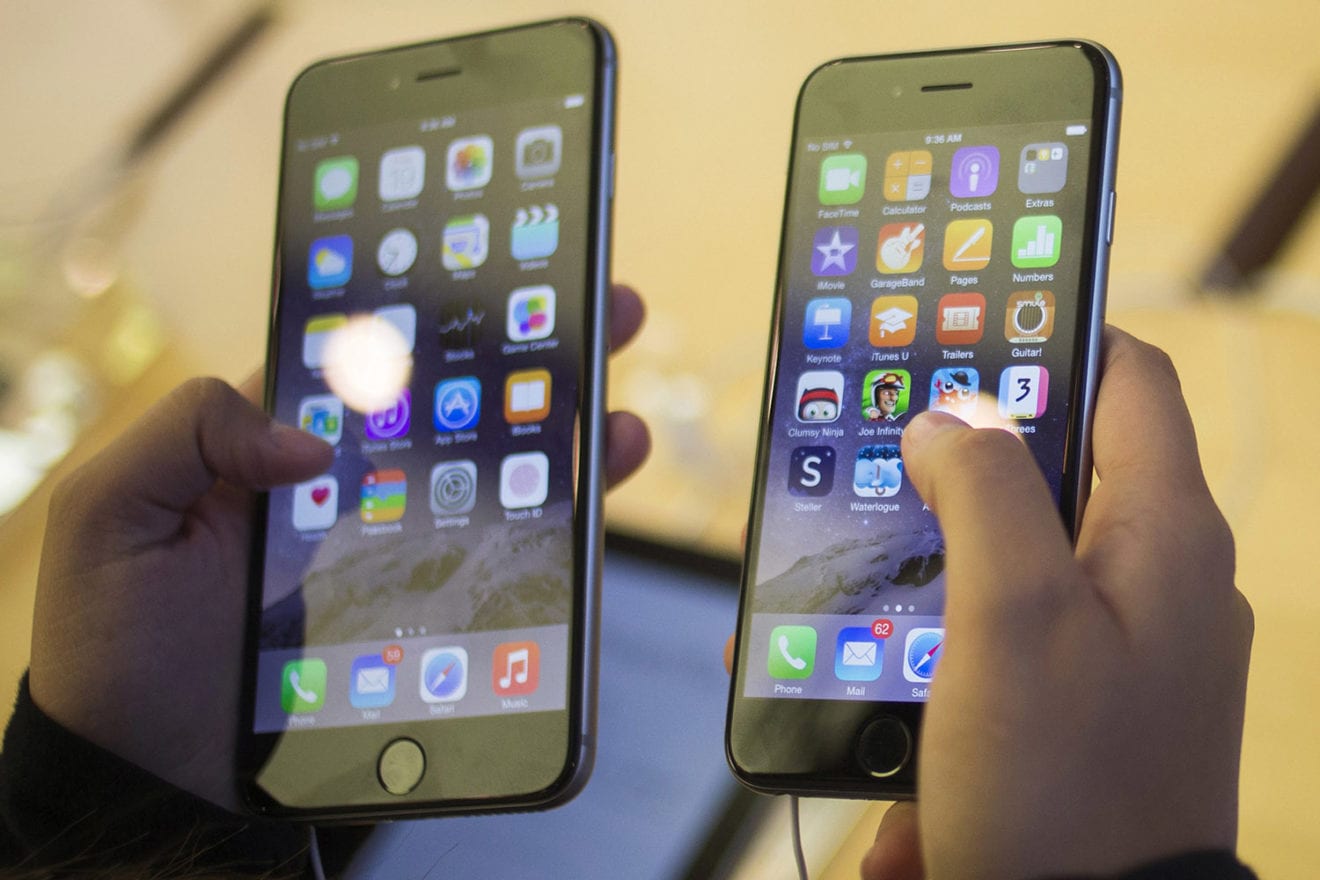
    Heading into 2009, it seemed that iOS and the iPhone were on an unstoppable path to the top of the smartphone world. But then on January 8th of that year, a new phone was unveiled that was aimed directly at the iPhone. It featured a new operating system and a slide-out QWERTY keyboard. But somehow, the Palm Pre never caught on with consumers. Instead, that November, the iPhone finally met its match with the Motorola DROID. The first phone to carry Android 2.0, the DROID became a huge hit and Android now reportedly has 85% of the global market.

    Motorola continued to build flagship models, including the popular DROID X with its massive 4.3-inch display (for 2010, anyway). But Motorola soon lost the early leadership of the Android market. Despite developing the modular Moto Mods and the ShatterSheld display on 2016’s Moto Z Force, by 2018 the Moto Z line no longer included a flagship model and Motorola was making its bread from the low-end budget-priced models it was selling. The company is now the fourth-largest smartphone manufacturer in the U.S., turning a profit and is beginning to feel its oats. The new mid-range Motorola One phones offer some interesting camera specs including the Ultra-wide camera on the Moto One Action that records video in portrait for viewing in landscape.

    Motorola is so confident that it plans on returning to the premium flagship market again. Motorola’s global marketing chief Francoise LaFlamme says that the company is going to offer a 5G phone, but it won’t be sold at budget prices. As the executive points out, “If you put out a $399 5G phone, you’re going to have to sacrifice a lot of the elements that people value,” LaFlamme says. Right now, the Moto Z4 and Moto Z3 can support 5G but both require the purchase of a 5G Moto Mod. At Verizon, you can buy the former for 24 monthly payments of $10 if you add a new line; otherwise, the handset will cost you $500. Toss in another $350 for the 5G Moto Mod and you’re up to $850. You can buy the 5G upgradeable Moto Z3 instead of the Moto Z4 for $480, but that works out to a small $20 savings. With this in mind, we could see Motorola offer a 5G premium flagship in the range of $800-$900. That certainly would be very competitive compared to the $1,300 that the Samsung Galaxy S10 5G and Galaxy Note 10+ 5G cost. It would also be a challenger to the $1,000 LG V50 ThinQ 5G and $840 OnePlus 7 Pro 5G offered by Sprint.

    Of course, the Motorola phone that everyone in the states is looking forward to this year is the rumored foldable Motorola RAZR. One of the most popular phones in the pre-smartphone era, the Motorola RAZR was the clamshell feature phone that everyone had to have. Sometime this year we could see a smartphone version of the RAZR driven by Android. Instead of turning from a smartphone into a tablet, the RAZR will open from a pocketable device into a tall and thin 6.2-inch or 6.5-inch smartphone with an aspect ratio of 22:9.

    Motorola is making a shrewd move by capitalizing on the warm and fuzzy nostalgic feelings brought on by the original RAZR. And if production is limited to 200,000 units as rumored, Motorola is almost guaranteeing that the device will be sold out. Pricing of the new RAZR is expected to be in the neighborhood of $1,500.

  • Spotify announces Snapchat integration, lets users share music

    Spotify announces Snapchat integration, lets users share music

    Spotify has announced integration with Snapchat, which will allow users to seamlessly share what they’re listening to in a Snap story. The update that brings integration with Snapchat will enable Spotify users who have the social app installed to share their favorite tracks, playlists, albums, and podcasts.

    Sharing Spotify content to Snapchat is quite easy and can be done in four steps:

    • Tap the “share” menu while you’re listening to any song, album, artist, or podcats.
    • Select “Snapchat” from the dropdown list.
    • Snapchat will open a new Snap with the full album art included.
    • Edit and send to how many people you want or to your Story.

    Keep in mind that if a friend sends you a Snap with a song, playlist, artist profile, or podcast rec included, you will be able to stream by swiping up from the bottom of the screen, tap the context card with song, artist, playlist, or podcast info, and then simply waiting for Spotify to open and play the content.

    Spotify integration with Snapchat will be available on both Android and iOS devices in the coming days, so keep an eye out for a new update for either of the two mobile platforms.

  • Apple makes a change to App Store search results to keep the feds away

    Apple makes a change to App Store search results to keep the feds away

    With Attorneys general from 48 states, the District of Columbia and Puerto Rico filing an antitrust suit today against Google, Apple might be getting a little nervous. The company is under fire for not allowing iPhone owners to sideload apps from outside of the App Store. This is one of the major complaints made by music streamer Spotify to the EU Competition Committee, which is currently investigating the claim. Android users can, if they wish, sideload apps from outside the Google Play Store.

    In May, the U.S. Supreme Court ruled that a class-action suit against Apple could proceed. By a 5-4 decision, the Court said that iPhone and iPad users purchase apps in the App Store directly from Apple and that the company is not acting as an intermediary as it claims. The plaintiffs argue that the 30% cut that Apple takes on revenue generated by app sales, subscriptions, and in-app purchases leads them to pay higher prices since they are forced to make these transactions inside the App Store.

    All of this extra scrutiny has led Apple to make a major change to App Store search results. Citing data from app analytics firm Sensor Tower, the Times says that Apple’s own apps recently ranked first for 700 search terms and some searches showed 14 Apple apps before an app from a rival developer appeared. Two Apple executives, when presented with the data, admitted that the App Store search results were loaded with Apple’s own apps. And this was the case even when the company’s own apps were less popular than the titles from other developers. But the two executives now say that Apple has adjusted the algorithms so that its own apps don’t appear so often at the top of App Store search results. These algorithms, which no company will ever explain in detail, play the biggest part in determining search results and thus, which apps get installed by consumers.

    The two Apple executives that spoke with the newspaper were Senior Vice Presidents Phil Schiller and Eddy Cue; the former is in charge of the App Store while the latter oversees many of Apple’s own apps. The two defended the company by denying that Apple had ever changed the search results to benefit its own apps over those offered by competitors. Instead, they said that the company’s apps generally get higher placement in search results because of their popularity and because the rather generic-sounding names of these apps more closely resemble the search terms being used by consumers.

    Armed with years of data, back in September 2013, searching for “music” in the App Store would usually result in music streamer Spotify showing up first with another streaming app, Pandora, number seven. After Apple launched Apple Music in 2016, searching for “music” in the App Store came back with the company’s own streaming app on top, Spotify knocked down to fourth, and Pandora down to eighth. By February 2018, the search for “music” in the App Store resulted in a list that had six Apple titles on top (Apple Music, Garage Bands, Music Memos, iTunes Remote, Logic Remote, and iTunes Store) with Spotify eighth. And by the end of last year, eight Apple apps appeared at the top of the results list when “music” was the subject being searched for. Two of those apps (iMovie and Clips) had nothing to do with music and Spotify was down to number 23.

    But this isn’t the end of the story. Shortly after Spotify complained to the EU in March, Apple had adjusted the algorithms and a search for “music” in the App Store had iTunes on top with Apple Music second. No other Apple apps were in the top 10 and Spotify was back to fourth with YouTube Music fifth, SoundCloud seventh and Pandora eighth. Meanwhile, Apple won’t admit that there ever was a problem that needed correcting. “It’s not corrected,” said Schiller. “It’s improved,” said Cue.

  • Hong Kong Stock Exchange Website Hit By DoS Attacks

    Hong Kong Stock Exchange Website Hit By DoS Attacks

    The Hong Kong Exchanges and Clearing Limited faced a day of tech hiccups, including the latest denial-of-service attacks on its website.

    According to HKEX CEO, Charles Li Xiaojia, the bourse’s website was subject to distributed denial-of-service attacks (DDoS) – a cyberattack whereby overwhelming traffic is imposed to slow or restrict access from other browsers – and was subsequently unable to display exchange prices and other financial data.

    We will continue to invest more to safeguard and improve” the information and technical infrastructure at the exchange, Li said at a press conference. We hope the public has confidence in the robustness of our system.

    The cyberattack was not the only tech hiccup the HKEX faced just in that single day. Earlier yesterday afternoon, the HKEX had to halt derivatives trading due to a bug in the system before resuming today. According to an update from its website, the issues were caused by software issues in the vendor-supplied trading system.»

  • Indonesian Regulators Makes Fintech Startup Push

    Indonesian Regulators Makes Fintech Startup Push

    A new online registration system has been introduced by Indonesia’s financial regulator to monitor and further encourage the growth of fintech development in the country.

    The Financial Services Authority (OJK) launched the «Electronic Gateway for Digital Finance Systems» (Gesit) which allows fintech industry stakeholders to gain fintech news access and, more importantly, consult about OJK Infinity.

    OJK Inifinty is a platform the regulator created last year to act as an innovation hub, business incubator and education center for fintech startups. It currently has 121 fintech firms registered, 48 of which are ready for operation.

    Aside from leveraging domestic resources, OJK chairman Wimboh Santoso said there were plans to partner with other Southeast Asian countries to further stimulate fintech development in Indonesia.

  • More ASEAN Cooperation Needed for Digital Economy

    More ASEAN Cooperation Needed for Digital Economy

    More cooperation between ASEAN regulators is needed for the region to fully benefit from the growth of the digital economy. While technology is inherently borderless, the regulation governing it is not. This can create challenges for global businesses operating global technology estates, said John Hsu, APAC chief information officer for HSBC. The best way to manage this is by governments, regulatory authorities and businesses working together through regional cooperation.

    Southeast Asia’s digital economy was valued at $31 billion in 2015 and is projected to reach $200 billion by 2025, according to research by Google and Temasek, but HSBC notes that there are still issues to be addressed during the growth process such as data localization, cloud computing, AI and cybersecurity.

    In a speech at the ASEAN-EU Business Summit in Bangkok, the bank outlined four recommendations to build an effective relationship between stakeholders.

    Firstly, create holistic regulations for all companies irrespective of business model. Secondly, build activity-based regimes and avoid two-tier regulatory regimes to prevent arbitrage.

    Thirdly, the bank highlights the need to regionally implement various digital economy initiatives including the ICT Masterplan 2020, the DIFAP, and the «Framework on Digital Data Governance» in order to strengthen «credibility as a production base of choice for global businesses. Finally, it also recommends global coordination wherever possible.

    Policymakers should consider how they can create a coordinated regulatory regime where all sizes and types of companies are able to innovate at pace and regulators have sufficient oversight and enforcement capabilities, Hsu added.