Author: Mei Ling Tan

  • AirAsia X orders 42 new long-haul Airbus jets

    AirAsia X orders 42 new long-haul Airbus jets

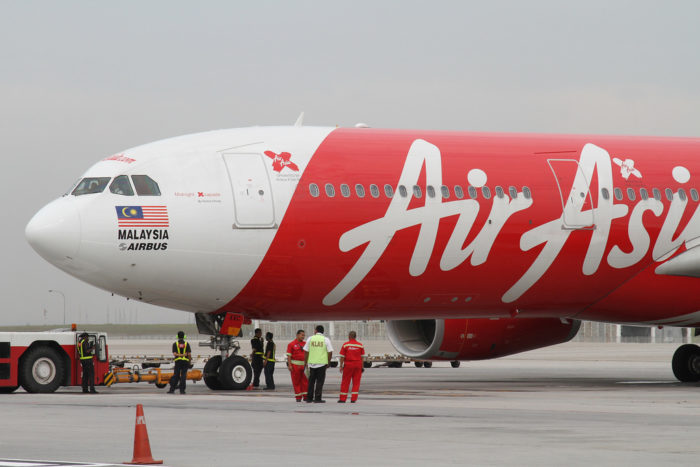
    AirAsia X, the long-haul part of the AirAsia Group, has now finalized a major order with Airbus for 12 more A330-900 and 30 A321XLR aircraft.

    The contract was signed today by Tan Sri Rafidah Aziz, chairman of AirAsia X, along with Guillaume Faury, CEO of Airbus, in KL, in the presence of Mahathir Mohamad, the Malaysian PM.

    Tony Fernandes, the CEO of the AirAsia Group, says the two aircraft are the perfect equipment for long-haul, low-cost operations.

    “This order reaffirms our selection of the A330neo as the most efficient choice for our future wide-body fleet. In addition, the A321XLR offers the longest flying range of any single aisle aircraft and will enable us to introduce services to new destinations.”

    Aziz says the order showed the airlines’ commitment to long haul air travel.

    “This will move our long-haul service sectors up to a higher level and allow AirAsia X to look at expanding beyond the eight-hour flight radius, such as to Europe for example.”

    The new contract increases the number of A330neo (new engine option) aircraft ordered by AirAsia X to 78, reaffirming the carrier’s status as the largest airline customer for the type. Meanwhile, the A321XLR (long range) order sees the wider AirAsia Group strengthen its position as the world’s largest airline customer for the A320 “family”, having now ordered a total of 622 aircraft.

    AirAsia X currently operates a fleet of 36 A330-300s on services to points within the Asia-Pacific region and the Middle East. In addition, in August the first A330neo joined the fleet of AirAsia’s Bangkok-based long haul affiliate, AirAsia X Thailand. The aircraft is the first of two leased A330neos joining the airline’s Thai affiliate by the end of the year.

  • Oracle Cloud Accelerates Expansion to Bring Infrastructure to Customers

    Oracle Cloud Accelerates Expansion to Bring Infrastructure to Customers

    To support its customers around the world, Oracle today announced, at the annual Oracle OpenWorld, that it plans to launch 20 new Oracle Cloud regions by the end of 2020, for a total of 36 Oracle Cloud Infrastructure regions. This expansion includes regions in new countries and dual, geographically separated regions in the U.S., Canada, Brazil, U.K., EU, Japan, South Korea, Australia, India, UAE, Saudi Arabia, Israel, and new government regions in the U.K. and Israel. In addition, Oracle is announcing updates to its roadmap for its interconnect with Microsoft Azure.
    More customers and partners can harness the power of Oracle Cloud to unlock innovation and drive business growth. With these dual regions, customers can deploy both production and disaster recovery capacity within their country or jurisdiction to meet business continuity and compliance requirements. Customers will now have access to all Oracle Cloud Infrastructure services including Oracle Autonomous Database; as well as Oracle Fusion Applications, in these regions.

    “Enterprise customers worldwide require geographically distributed regions for true business continuity, disaster protection and regional compliance requirements. Multiple availability domains within a region will not address this issue,” said Don Johnson, EVP, Oracle Cloud Infrastructure. “Unlike other cloud providers, Oracle is committed to offer a second region for disaster recovery in every country where we launch Oracle Cloud Infrastructure services, a strategy that’s aligned with our customers’ needs.”

    Oracle Cloud has opened 12 regions in the past year and currently operates 16 regions globally—11 commercial and five government—the fastest expansion by any major cloud provider.
    Available regions include:

    • Americas: Phoenix, Ashburn, Toronto, Sao Paolo
    • Europe: Frankfurt, London, Zurich
    • Asia: Tokyo, Seoul, Mumbai, Sydney
    • Government: two U.S. Government regions, three U.S. DoD regions

    Rapid expansion in commercial and government regions
    Oracle expects to open an average of one region every 23 days over the next 15 months for a total of 20 additional regions (17 commercial and three government). As planned, 11 of the countries or jurisdictions served by local cloud regions will have two or more regions to facilitate in-country or in-jurisdiction disaster recovery capabilities. Oracle’s Gen 2 Cloud Infrastructure makes this possible through highly-optimized region deployment technologies, which can implement an entire software defined data center and customer-facing cloud services in days.
    Oracle Cloud is scheduled to build new cloud regions in the U.S. (Bay Area, CA), Canada (Montreal), Brazil (Belo Horizonte), U.K. (Newport, Wales), European Union (Amsterdam), Japan (Osaka), Australia (Melbourne), India (Hyderabad), South Korea (Chuncheon), Singapore, Israel, South Africa, Chile, two in Saudi Arabia and two in the United Arab Emirates. Oracle also intends to open two regions for usage by the U.K. Government and one for the Government of Israel.
    Microsoft Interconnect expansion in new locations, including government regions
    Oracle is expanding its regions interconnected with Microsoft Azure. Since June 2019, Oracle has announced two commercial regions that are interconnected with Microsoft Azure—Ashburn and London. In the next few quarters, it is globally expanding the interconnect to U.S. West, Asia and Europe. Similar to commercial regions, Oracle Cloud and Microsoft Azure will extend their interoperability into government regions. This will now enable joint Oracle and Microsoft government customers to more easily move applications to the cloud, preserving their existing technology investments while taking advantage of next generation cloud native technologies.

    Oracle Cloud meets needs of the enterprise

    “As the cloud is now being used by enterprises globally for more mission-critical workloads, Oracle is demonstrating that its enterprise-grade credentials are resonating with customers, leading to a combination of customer retention and growth. According to Oracle it is seeing more and more existing customers committing to the Oracle Cloud, as well as growth in new customers moving to the Oracle Cloud,” said Roy Illsley, distinguished analyst, infrastructure solutions, Ovum. “Oracle’s aggressive global data center expansion plan is helping in its growth. With its reputation for reliability, high performance and security, we believe Oracle is increasingly becoming an influential enterprise-class cloud provider.”

    Today, Oracle is the only company delivering a complete and integrated set of cloud services and building intelligence into every layer of the cloud: from cloud infrastructure, to tools for application development and integration, to cloud applications for finance, enterprise resource planning, customer experience, and analytics. Oracle Autonomous Database and Oracle Analytics, and platform services for application development and integration will be available in these regions. Oracle Fusion Applications now run on Oracle Cloud Infrastructure in five data center regions, and will be available in all global regions within a few months after each region’s launch. This will be the most distributed cloud application platform in the market, able to satisfy in-country and in-jurisdiction data sovereignty requirements. Customers requiring integration between Oracle Cloud Applications and on-premise applications will also benefit from the global availability of cloud-based integration services.

    Specifically architected to meet the needs of the enterprise, Oracle’s Generation 2 Cloud offers customers a compelling array of advanced Cloud Services. With Oracle Cloud Infrastructure, customers benefit from best-in-class security, consistent high performance, simple predictable pricing, and the tools and expertise needed to bring enterprise workloads to cloud quickly and efficiently.

  • Deliveroo Announces First Rider Awards to Acknowledge the Incredible Work of Riders in Hong Kong

    Deliveroo Announces First Rider Awards to Acknowledge the Incredible Work of Riders in Hong Kong

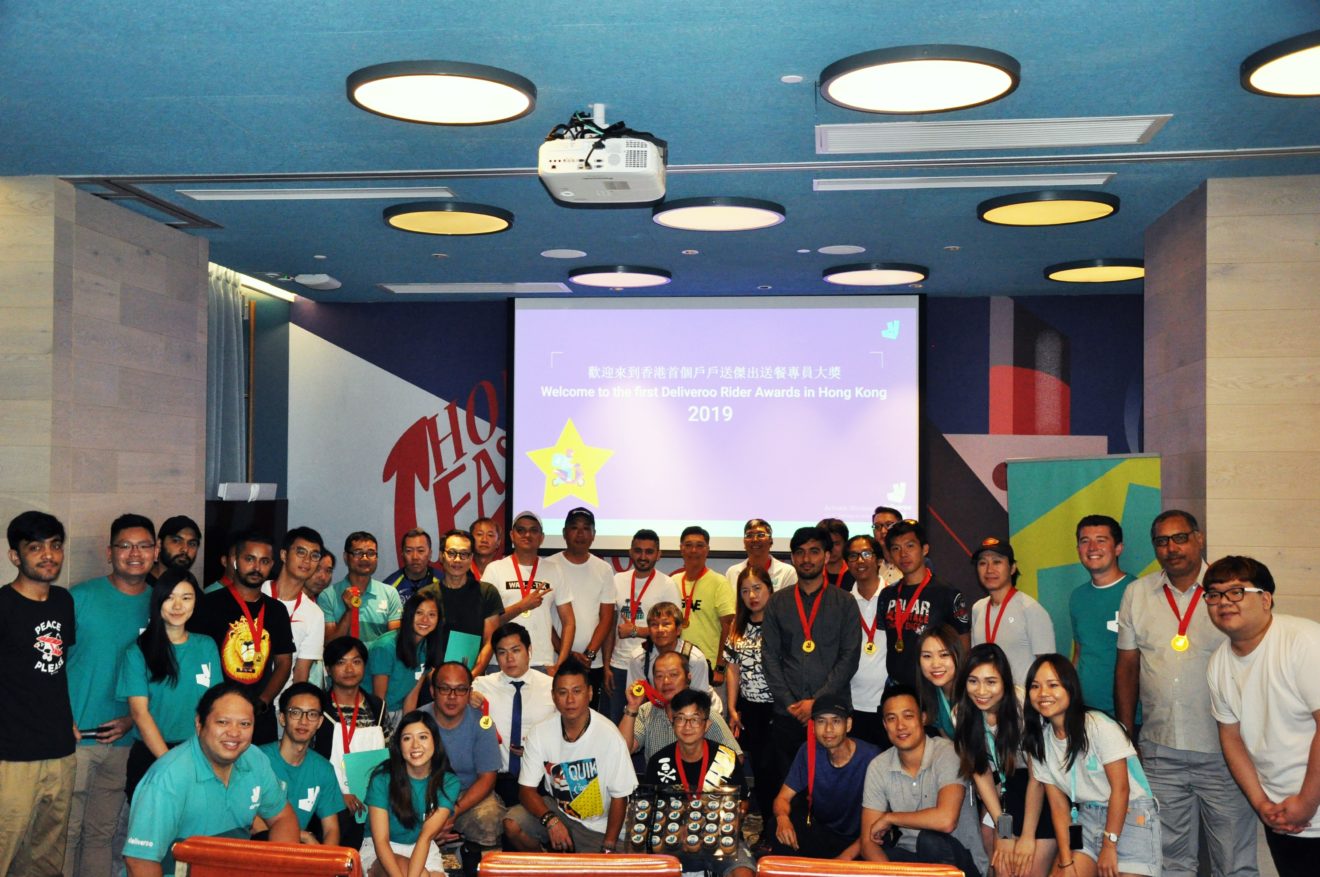
    Deliveroo today hosted Hong Kong’s first Deliveroo Rider Awards, a new program to recognize the hard work of riders across Hong Kong, and to instill a sense of pride to the riders who make the biggest difference for customers, partner restaurants and the Hong Kong community.

    Restaurants and riders are invited to nominate and vote on the Deliveroo riders they feel go above and beyond to deliver great service. The winners are awarded a certificate, a medal, a polo shirt, a sports waist bag sponsored by Shell and vouchers from Pizza Express and Golden Prince Thai Restaurant during the Rider Awards ceremony today. The criteria for nominations include maintaining a positive attitude in all forms of interactions and upholding road safety guidelines. Riders are at the heart of Deliveroo’s mission in Hong Kong to bring the best selection of local restaurants direct to people’s doors. New technology and functionality from Deliveroo are further supporting riders to deliver the best service to customers.

    Brian Lo, General Manager of Deliveroo Hong Kong and Taiwan, said, “Deliveroo puts enormous value on our team of self-employed riders, who ensure that Deliveroo can bring fantastic meals from a huge variety of restaurants to people across Hong Kong with speed and efficiency. They are critical to our success and in the ecosystem. Congratulations to all of our riders recognized in the Deliveroo Riders Awards and we look forward to more opportunities to publicly acknowledge and encourage the fantastic work of the team!”

    Roy Ng, Director of Golden Prince Thai Restaurant, said, “It is inspiring to see how Deliveroo is setting the standards for the food industry and honouring the riders who consistently perform to the best of their abilities — no matter the condition. We highly value and appreciate the hard work of all the riders. We deliberately chose convenient locations for our restaurant where the riders are able to pick up the food without any hassle. When we see riders arriving at our restaurants with big smiles on their faces, it cements the confidence we have in Deliveroo being able to always safely deliver our food to the customers. Well done to all the riders! Hopefully our vouchers can serve as some encouragement for them.”

    One rider recognised in the Deliveroo Rider Awards is Mr. Lam, who commented, “It is such an honour to be nominated and win at the Deliveroo Rider Awards. Being a rider is a wonderful opportunity to enjoy flexible, well-paid work and bring delicious meals to the Hong Kong

  • DB Schenker scores a brace at the Supply Chain Asia Awards 2019

    DB Schenker scores a brace at the Supply Chain Asia Awards 2019

    DB Schenker in Asia Pacific has been awarded the prestigious Supply Chain Innovation of the Year, as well as Global 3PL of the Year, at the Supply Chain Asia Awards 2019 held in Singapore.

    The 14th edition of this annual Awards celebrates the achievements and contributions to the growth and development of the supply chain and logistics industry. Finalists and winners of the awards are nominated and voted by senior industry professionals, shippers, and industry partners.

    Receiving the award on behalf of DB Schenker for Supply Chain Innovation of the Year (LSP/MNC), which recognizes the organization with the most innovative & transformative technologies in its operations for the 2018/2019 financial year, Catherine Soo, Vice-President for Contract Logistics at Schenker Singapore said, “This award validates the hard work and passion invested by our team, in pushing limits and walking the talk. We challenge ourselves in all aspects in design, development and deployment, with the objective to deliver excellence to our customers and employees.”

    In previous years, DB Schenker has also been recognized at the Supply Chain Asia Awards in the categories of Best Sea Freight, Best Air Freight, Supply Chain CEO of the Year, and Sustainability of the Year.

    This is the second time DB Schenker has received the top award for Global 3PL of the Year. Thomas Sorensen, Chief Commercial Officer for Asia Pacific, who accepted the Global 3PL of the Year award for DB Schenker said, “On behalf of the team, we are deeply humbled and honored by this recognition from our customers and peers in the industry. This award is testimony of everyone involved in DB Schenker, giving our all everyday and putting our customers at the center of everything we do.”

  • Shopee opens headquarters in Singapore

    Shopee opens headquarters in Singapore

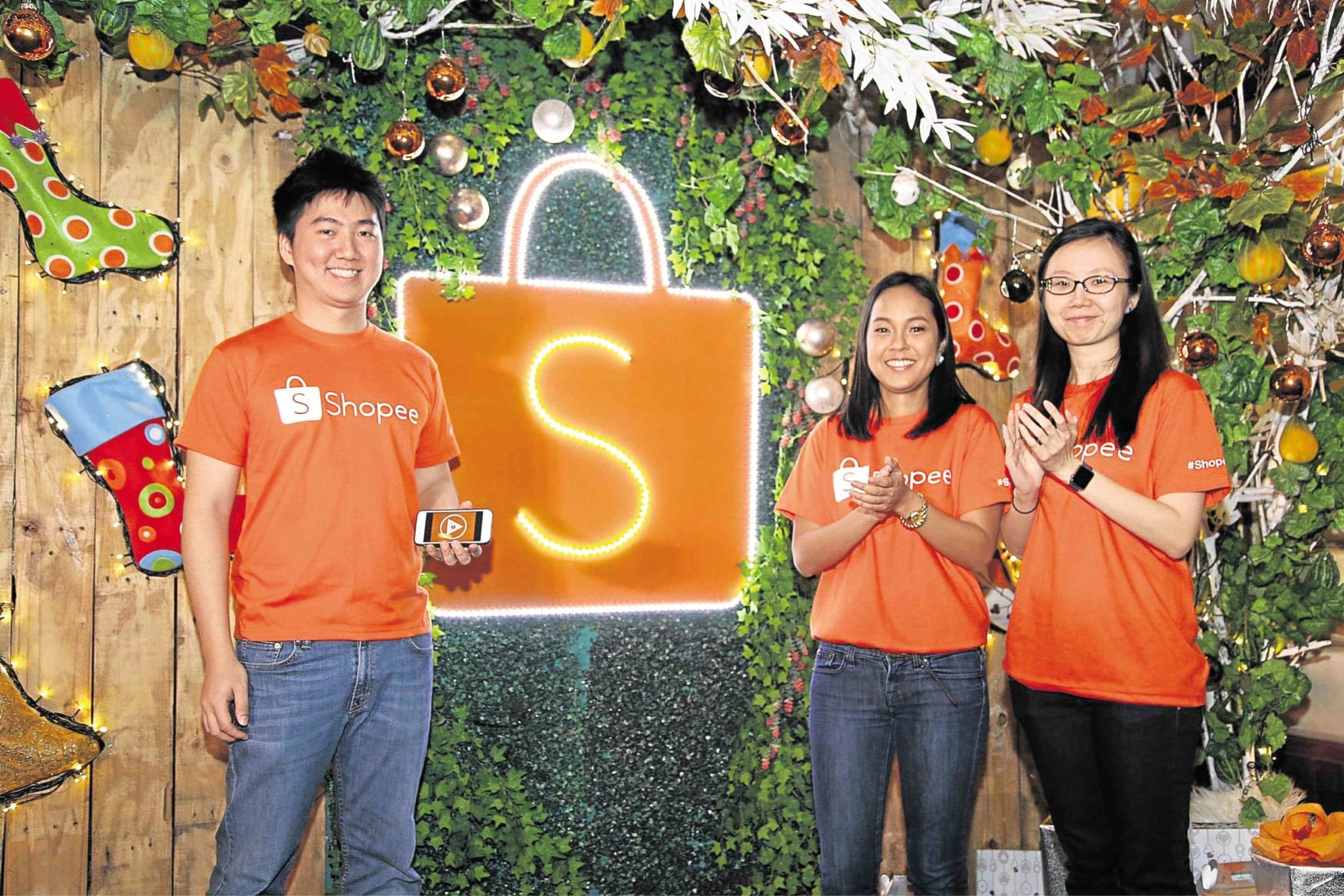
    Southeast Asian e-commerce platform Shopee will open its new regional headquarters in Singapore at Kent Ridge.

    The firm characterized the move as a reflection of the homegrown company’s commitment to invest and innovate in Singapore and the region.

    “Shopee’s rapid growth since its inception and their new headquarters here is a testament to the strength and vibrancy of Singapore’s technology ecosystem,” said Digital Industry Singapore spokesperson Kiren Kumar. “We’re heartened by their commitment to build a strong pool of tech talent, not just for their own needs, but also for the larger ecosystem here. We look forward to Shopee’s contribution to Singapore’s growing digital economy, as they continue to innovate and expand their footprint in the region using Singapore as a springboard.”

    Shopee’s new headquarters spans 244,000sqft and will be able to accommodate up to 3000 employees, contributing to its established presence in seven markets across Southeast Asia. The purpose-built space boasts a host of features to facilitate a more collaborative and creative working environment, including a marketing studio where Shopee Live and Shopee Quiz are filmed, a gym and a fun zone for employees.

    In less than four years, Shopee has become the leading e-commerce platform in Southeast Asia and Taiwan. In the second quarter of this year, Shopee achieved 246.3 million orders regionally and recorded a gross merchandise volume of US$3.8 billion. According to a report by App Annie, Shopee was the number one shopping app in Southeast Asia by average monthly active users in the second quarter.

    “Shopee has grown from a start-up to the region’s leading e-commerce platform in less than four years,” said Shopee’s chief commercial officer Zhou Junjie. “Singapore has been our headquarters, even when we were just 10 employees strong. This new office marks our rapid growth so far and sets the stage for us to solidify our leadership position.”

  • Tea chain Heytea opening outlets in Singapore

    Tea chain Heytea opening outlets in Singapore

    Chinese tea chain Heytea will open a new store at Westgate, Singapore on Saturday.

    The minimalist store design is inspired by the traditional Chinese handscroll and attempts a “Zen” vibe intended to provide customers with an immersive store experience to enhance inspiration and creativity.

    The Westgate store introduces two newly launched items in its Oreo Series, including the Orea Boboshake and the Oreo Sundae.

    The tea chain Heytea operates 268 stores in more than 35 cities in China and abroad. Its first overseas store launched in Singapore last year, since which time it has opened three more locations.

  • Stuart Weitzman opens world-first airport store at Hong Kong

    Stuart Weitzman opens world-first airport store at Hong Kong

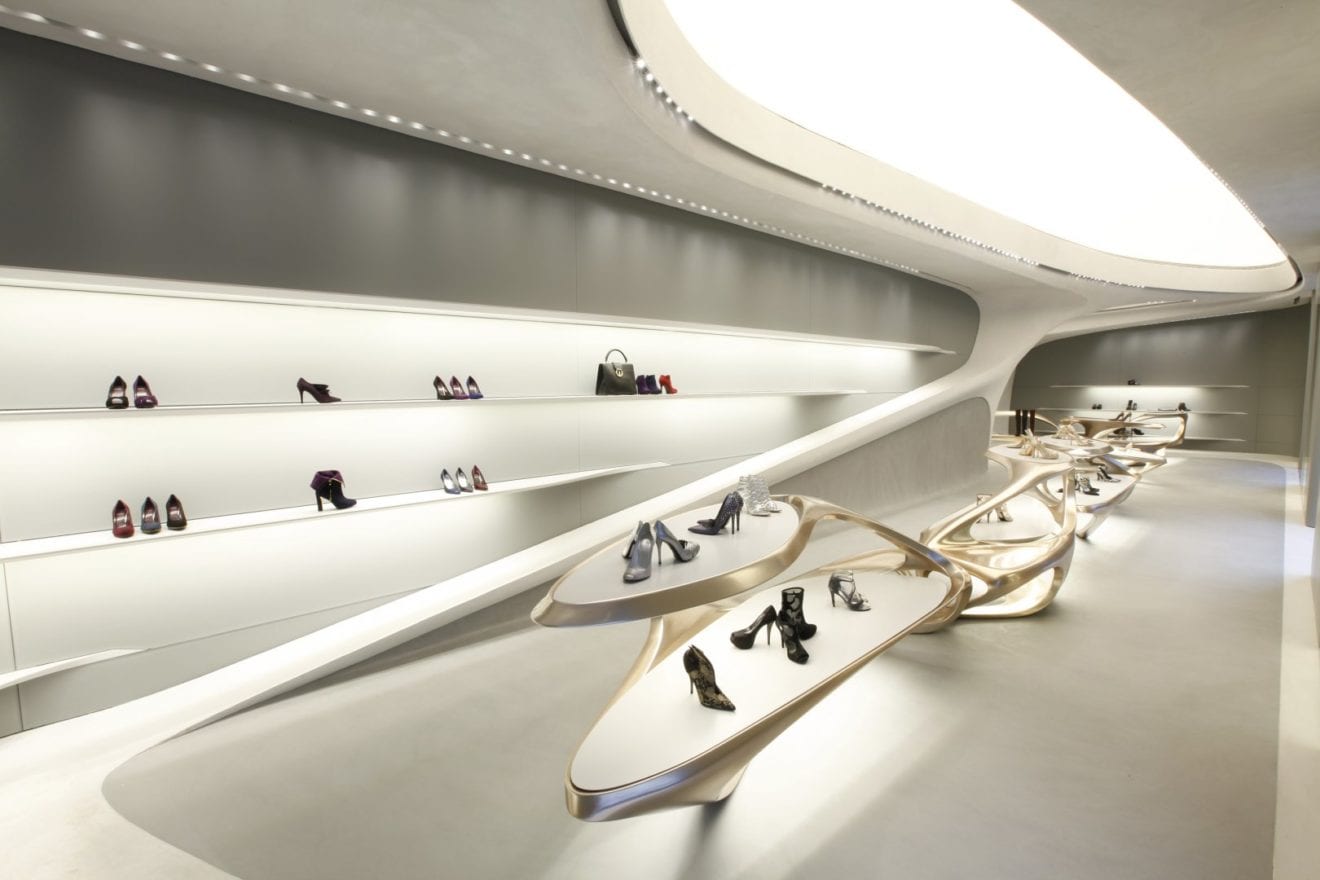
    Designer footwear label Stuart Weitzman has opened its first airport outlet worldwide at HKIA in partnership with Lagardere Travel Retail.

    The airport boutique is opening with a curated selection from the brand’s future-inspired Autumn 2019 Collection and SW Logo series, including its popular Nudistsong stilettos and Nearlynude block-heel sandals.

    Stuart Weitzman has 128 stores around the world and is represented in both physical stores and online in the US, Canada, Europe, China, Japan and Australia.

  • Fjallraven launches local E-commerce initiative

    Fjallraven launches local E-commerce initiative

    Swedish outdoor heritage brand Fjallraven has launched a local online presence in New Zealand, as part of a broader push into the ANZ market.

    The move follows the launch of a local Australian site in 2017, and the opening of two brick-and-mortar stores, including the launch of a Sydney flagship store last month.

    Brand manager Susan Park said a bricks-and-mortar store is on the agenda for New Zealand as well.

    “New Zealand is definitely in our brand strategy for a store,” Park said.

    “We just launched Fjallraven.co.nz to satisfy the growing demand in New Zealand. We have some other locations on our radar and plan to look at them when Sydney has established itself as a leading destination.”

    Demand for the brand has been growing in Australia and New Zealand since Zen Imports became Fjallraven’s local distributor in 2017, establishing new partnerships with retailers in the region.

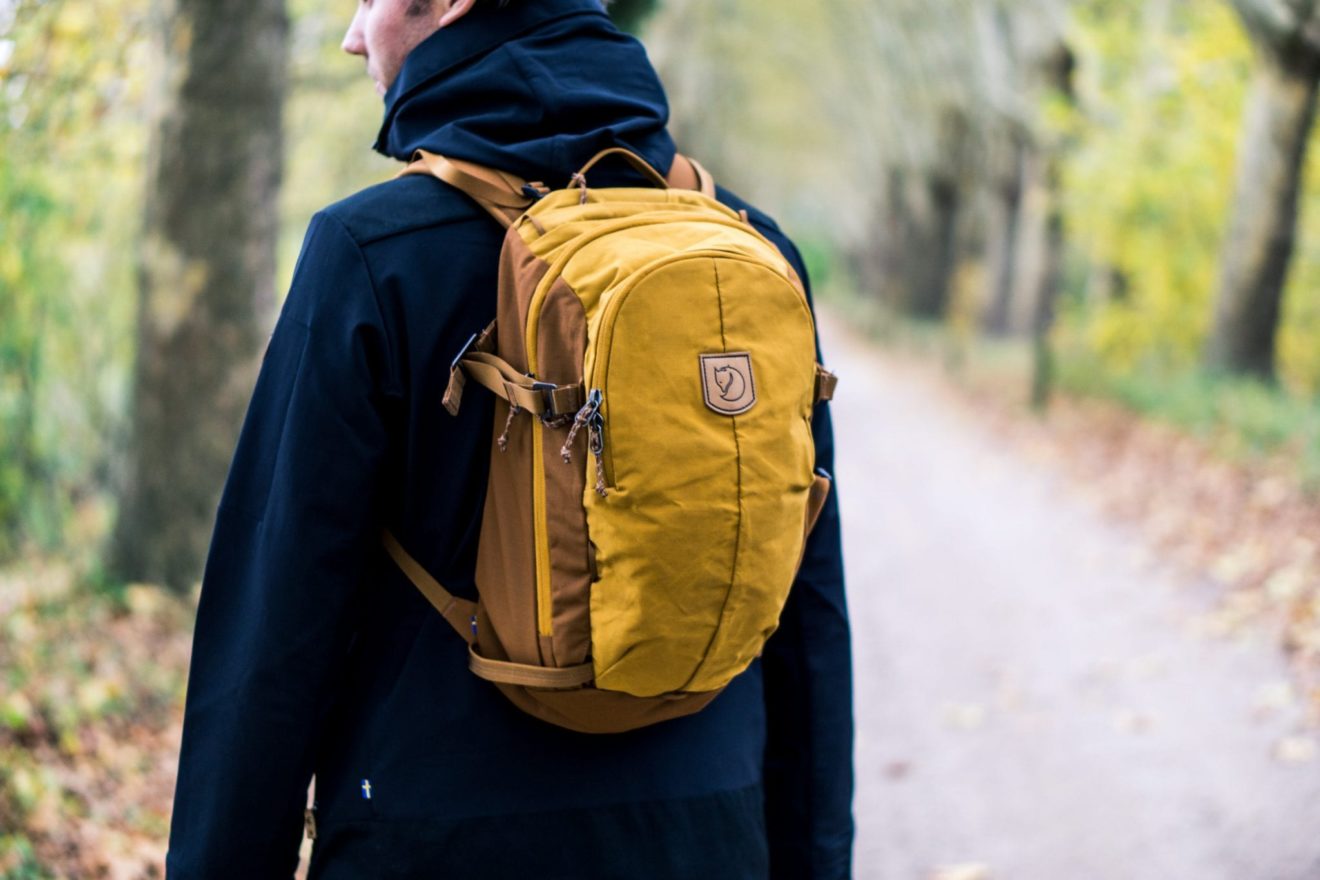
    The brand’s most popular product is its Kanken rucksack, a style Fjallraven first debuted in 1978, which has become hugely popular around the world.

    According to Park, however, interest in the brand’s broader range of jackets, trousers and other outdoor apparel has been growing in Australia since the brand’s first brick-and-mortar store opened in Melbourne last year.

    Introducing customers to the brand’s full range of products, and its Swedish heritage – through a daily ‘fika’ or coffee break, offered free to customers in-store – is a key part of Fjallraven’s store strategy.

    The retailer is also planning to reach customers in new ways with the launch of Fjallraven Discovery Australia, a three-day hike in the Grampians designed to get people outdoors and back to nature.

    This is in keeping with the growing theme of Fjallraven hikes all over the world.

  • Australian dollar back up

    Australian dollar back up

    The Australian dollar rebounded overnight and is buying 67.69 US cents Wednesday, up from 67.25 US cents on Tuesday.

    Yesterday, the local currency neared its decade low before rebounding. The Aussie dollar dipped to close to a recent 10-year low on weak retail sales figures.

    The Aussie dollar dipped as low as 66.88 US cents after the Australian Bureau of Statistics announced that retail spending fell by an unexpected 0.1 percent in July.

    But it later rebounded from that level – not far from a 10 and a half year low set of 66.77 cents set on August 7 – when the Reserve Bank of Australia announced in the afternoon that it would not to cut the cash rate for another month.

    It was buying 67.24 US cents at 1700 AEST, from 67.31 US cents on Monday.

    One Australian dollar buys 71.41 Japanese yen, from 71.46 yen ; 61.45 euro cents, from 61.28 cents ; 56.10 British pence, from 55.32 pence and 106.87 NZ cents, from 106.74 cents.

  • Karen Millen stores closing down

    Karen Millen stores closing down

    Administrators have been appointed to wind down the Australian arm of Karen Millen, after the business fell into administration in Britain last month.

    The UK fashion brand, which turned over approximately $19 million in Australia last year, operates seven independent stores and eight concessions in David Jones and Myer department stores.

    Deloitte partners Richard Hughes, Tim Norman and Michael Billingsley, who have been appointed joint and several administrators, said they would conduct a controlled wind-down of the business in the coming weeks.

    Approximately 80 employees, many of them casuals, will be impacted by the closure.

    “If quick, shoppers can expect some bargains with discounted stock being sold from stores and online until the end of this month,” administrators said in a statement.

    The local shut-down follows the collapse of Karen Millen in the UK last month. Administrators there are in the process of closing more than 200 bricks-and-mortar stores, putting at risk more than 11000 jobs. Head office staff have already been made redundant.

    Karen Millen’s online business was bought by global e-commerce fashion giant Boohoo for £18 million, a move that left some scratching their heads.

    “I don’t get it,” the CEO of an upmarket fashion retailer saidcontrasting Karen Millen’s relatively high-priced garments with the £5 fast fashion items sold by Boohoo.

    Boohoo has a local online presence in Australia. It is unclear whether it will launch a local online presence for Karen Millen going forward.

    Karen Millen has stores in:

    • DFO South Wharf, VIC
    • Emporium, VIC
    • Chadstone, VIC
    • Doncaster, VIC
    • QVB, NSW
    • Chatswood Chase, NSW
    • Burnside Village, SA
    • David Jones concessions in Sydney and Melbourne CBDs
    • Myer concessions in Sydney, Melbourne, Brisbane CBDs, Bondi, Chadstone and Perth

    Customers holding gift cards or who are members of loyalty programs will have their benefits honored. Administrators advise those consumers to refer to the Customer FAQ section of the Karen Millen website for further details.

  • Zara in defense mode after IFC mall store closure

    Zara in defense mode after IFC mall store closure

    Fashion retailer Zara has reassured customers that its decision to close its IFC mall store in Hong Kong on Monday was not related to protests currently taking place in the city.

    The statement emerged after social media users in Mainland China speculated that the store closures were a show of support for the demonstrators and to allow staff to participate.

    “Zara has never made any comments or undertaken any actions related to a strike in Hong Kong,” read the firm’s statement on its Weibo account. “Zara does not back a strike and supports ‘one country, two systems’.”

    The controversy was sparked after an image of a sign posted on the IFC mall store’s shutters was circulated online, apparently going viral.

    Major businesses have come under close scrutiny for their actual or suspected support of the protestors, including Cathay Pacific, HSBC and PWC.

    The protests have been held in the city over the past three months, and have become seen as a challenge to Beijing’s sovereignty over the territory.

    Zara has declined to offer any explanation as to why the majority of its Hong Kong island stores were closed during the time in question.

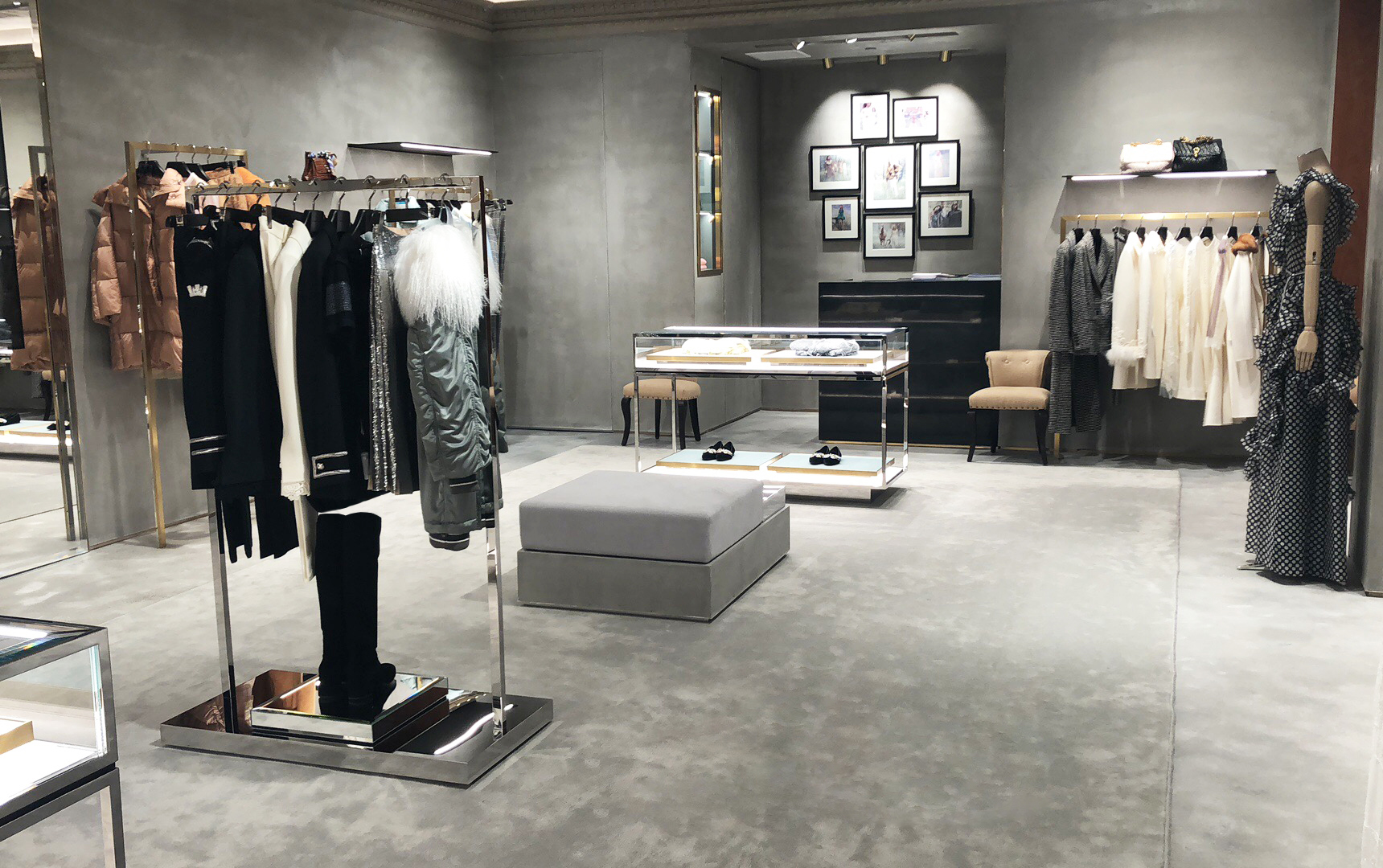
    However, the store reopened yesterday with new interior design to coincide with the opening of the Sephora store in a space carved out of Zara’s previous footprint in the mall.

  • Asia Pacific’s five most popular cities o pay with Mastercard

    Asia Pacific’s five most popular cities o pay with Mastercard

    Five destinations attract 22 per cent of all international traveller arrivals in Asia Pacific and a quarter of travel spend in the region, according to a new Mastercard report.

    Asia Pacific’s five most popular destinations for international travellers – Bangkok, Singapore, Kuala Lumpur, Tokyo and Seoul – welcomed over one-fifth of all overnight visitors to the region’s top 161 cities and regional centres last year. Hong Kong is notably absent from the list.

    The data has been revealed in Mastercard’s Asia Pacific Destinations Index (APDI), a regional subset of the Global Destination Cities Index (GDCI) which is now in its tenth year.

    Primarily driven by explosive growth in outbound travel from Mainland China, these five cities are also capturing more than 25.2 per cent of total international travel spending in the region.

    Last year, Asia Pacific hosted travellers making 342.2 million business and leisure trips, up from 159.1 million in 2009, representing an 8.9-per-cent compound annual growth rate (CAGR) over the nine-year period. During the same period, travel spending in Asia Pacific more than doubled, rising from US$117.6 billion to $281.1 billion, equating to a compound annual growth rate of 10.2 per cent.

    “While the world’s economic, geopolitical, technological and societal landscapes have all changed dramatically since Mastercard launched this research 10 years ago, one thing has remained constant: the desire of ever-growing numbers of people to explore the world beyond their own borders,” said Mastercard’s senior VP data & services Asia Pacific Rupert Naylor. “With the top 20 cities attracting nearly half (49.8 per cent) of all international overnight arrivals to the 161 destinations ranked in the APDI, it is important to understand not only how continuously rising travel numbers impact cities and destinations for the better, but also the challenges they pose. This equips governments, merchants and the global travel industry with the information and insights they need to better serve their residents and visitors.

    The research shows that Mainland China continues to exert the greatest influence over travel patterns and expenditure flows. Since 2009, overnight arrivals by Mainland Chinese travellers in markets across Asia Pacific surged from 10.5 million to 62.4 million last year, representing a 21.9 per cent compound annual growth rate over the period.

    “While Mainland China serves as a focal point for Asia Pacific’s top destinations, there are also bright spots in South Korea, Japan and India,” said Naylor. “As travellers from these markets continue to increase by remarkable percentages year over year, it is imperative that we bring together resources from both the public and private sectors to help tourism partners better understand commerce patterns and deliver attractive experiences for eager travellers from across the region.”

  • Walmart cuts back ammunition sales

    Walmart cuts back ammunition sales

    US department store chain Walmart has taken a stand on gun sales in the United States, announcing it will no longer sell handgun and certain rifle ammunition, as well as finalizing its exit from handgun sales by discontinuing sales in Alaska.

    The decision comes after 22 people were killed in a Walmart store in El Paso, Texas, as well as further killings in Dayton, Ohio, and Midland and Odessa, Texas, with Walmart chief executive Doug McMillion stating it was clear the status quo was unacceptable.

    “We know these decisions will inconvenience some of our customers, and we hope they will understand,” McMillion wrote in a letter to associates.

    “Our remaining assortment will be even more focused on the needs of hunting and sport shooting enthusiasts. It will include long barrel deer rifles and shotguns, much of the ammunition they require, as well as hunting and sport accessories and apparel.”

    While Walmart’s short-barrel rifle ammunition range is more commonly used in hunting rifles, it can be fed into larger capacity clips for use in military-style weapons.

    According to McMillion, the follow on effect of this decision would likely result in a loss of market share in the ammunition space, from Walmart’s current 20 percent to approximately 6 to 9 percent.

    McMillion also expressed intentions to send letters to the White House and the Congressional leadership, pushing for stronger background checks, and to remove weapons from those who have been determined to be dangerous.

    “As we’ve seen before, these horrific events occur and then the spotlight fades. We should not allow that to open,” McMillion said.

    “In a complex situation lacking a simple solution, we are trying to take constructive steps to reduce the risk that events like these happen again.”

    Additionally, after open carrying customers brandished firearms in a way that frightened or concerned staff and customers around them, McMillion has asked customers to no longer openly carry firearms into Walmarts and Sam’s Club stores with open carry laws – unless they are authorized law enforcement officers.

    “We believe the opportunity for someone to misinterpret a situation, even in open carry states, could lead to tragic results,” McMillion said.

    “We hope that everyone will understand the circumstances that led to this new policy and will respect the concerns of their fellow shoppers and our associates.”

    The business has faced immense pressure to take a stand on the issue, and remove firearms from its physical stores, following the El Paso shooting.

    According to CNN Business several presidential candidates, the American Federation of Teachers, as well as gun safety groups have all pressed the retailer.

  • Costco China plans more store openings

    Costco China plans more store openings

    Within days of opening its first warehouse store, Costco China is already talking about its plans to expand the new network.

    As happens in many new market Costco enters, the new Shanghai store grew thousands of people, some of who queued for hours to shop, and then check out, while others spent a similar time in their cars circling the suburb seeking somewhere to park. In the afternoon, the store was closed due to crowding.

    Costco CFO Richard Galanti confirmed with analysts a second store is already in advanced planning and he hopes construction will start as soon as possible.

    The first store opened on August 27 in Shanghai’s Minghang district. It followed a four-year program by Costco to build brand awareness among local consumers through a presence on Alibaba’s Tmall Global. The company has a target of signing up at least 100,000 members to make the venture viable.

    While Costco expected to draw large crowds to the opening, the sheer numbers exceeded even the company’s most optimistic projections. A record number of customer membership registrations were taken for an opening day, however Galanti did not release the actual number.

    Costco China is looking to establish a beachhead in Shanghai before expanding into other tier-one cities.

    Trade tensions between China and the US appear not to be affecting the store’s early success, with Costco switching sourcing of some products from the US to Australian suppliers.

  • Uniqlo hitted by South Korean consumer boycott

    Uniqlo hitted by South Korean consumer boycott

    Fast-fashion chain Uniqlo is suffering from the South Korean consumer boycott of Japanese goods.

    “We can confirm that there has been an impact on the sales in Korea,” a spokeswoman for Uniqlo owner Fast Retailing told Reuters. She declined to release any figures, however.

    The two countries are involved in a diplomatic row relating to disagreements over the compensation for forced laborers during Japan’s occupation of Korea during the second world war. That dispute has spilled over into the populations with Japanese products in South Korea being boycotted by shoppers as a form of protest.

    Uniqlo has nearly 200 stores in South Korea, selling around US$1.3 billion worth of clothing annually, equal to about 6.6 percent of its total sales. The South Korean consumer boycott may lead to delays in new stores opening if it continues