Author: Mei Ling Tan

  • Apple plans three flagships and own online store in India

    Apple plans three flagships and own online store in India

    Apple India reportedly plans to open three brick-and-mortar outlets as well as an online store as it finally enters the world’s second-most-populous market.

    The US-headquartered tech company’s plans coincide with a further relaxation of government regulations affecting foreign retailers, easing the requirements of local sourcing and scrapping a law making it mandatory for brands to open physical stores before launching online.

    Apple has already taken steps to manufacture products in India, partnering with Taiwanese company Wistron to make the iPhone 6S and 7 models there.

    India’s population is growing at such a fast rate it will overtake China as the world’s most-populous nation within only a few years. Its rapidly growing middle class is making it an attractive destination for mobile phone brands as well as many large global retailers. But their ambitions have until recently been tempered by a raft of government laws protecting local ‘ma-and-pa’ retailers and Indian brands.

    According to sources privy to Apple’s submissions to Indian regulatory authorities, first reported by The Press Trust of India, Apple has confirmed its plans to open a physical store network of its own. It already operates single-brand stores in partnership with local partners but the new ones are likely to be of a scale of flagship Apple stores in major international cities

    As yet, there is no official word where the First Apple India store will open, but multiple sources are confident it will be in Mumbai.

    Brands wanting to develop their own retail networks in India must commit to manufacturing some products within the country. Several years ago, this may have been considered an encumbrance, but with the mounting Sino-US trade war, manufacturers reliant on Chinese factories are looking for alternative low-cost manufacturing bases. Indian government officials are keen to work with brands to help them relocate.
  • Issey Miyake Osaka news store openening in Semba

    Issey Miyake Osaka news store openening in Semba

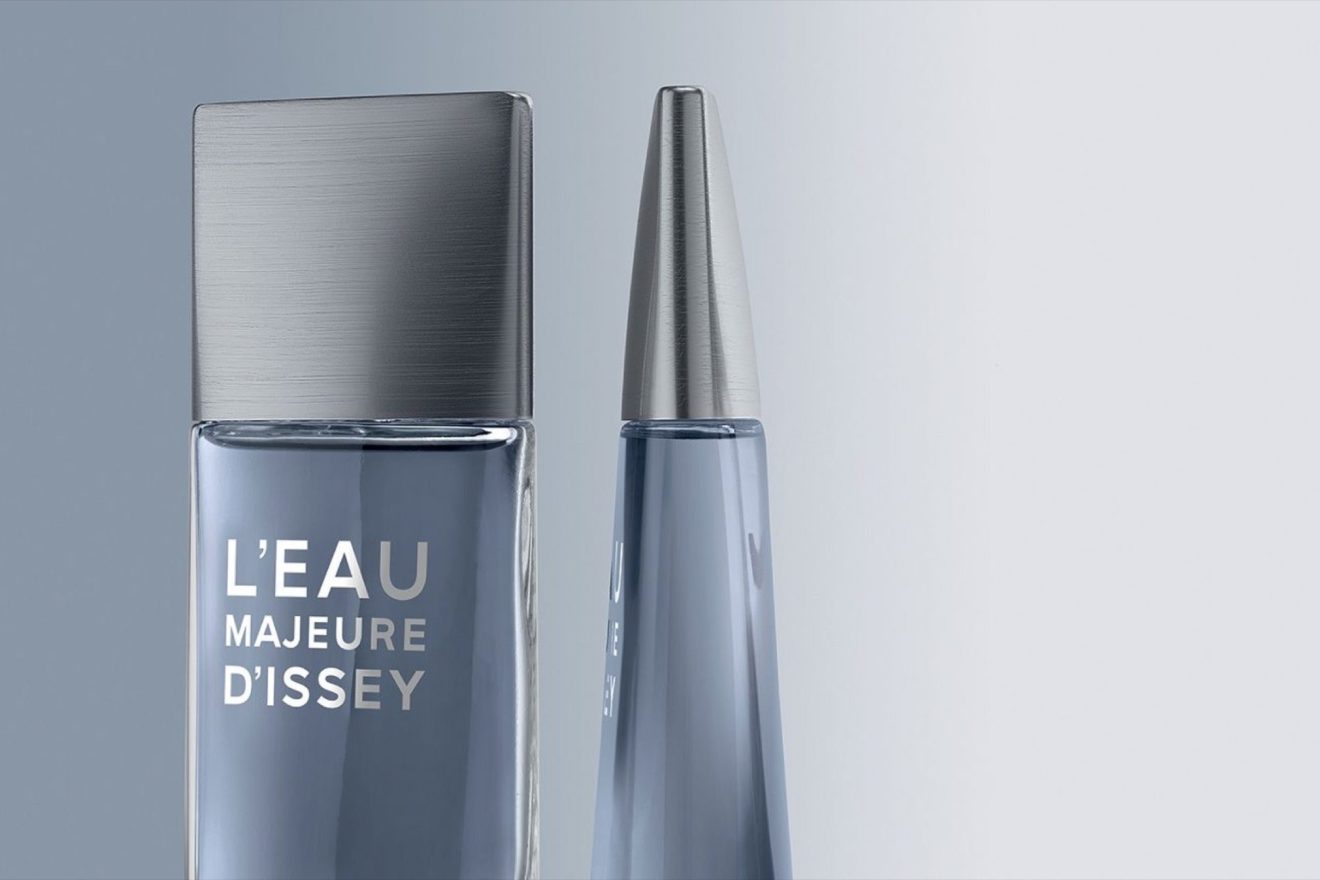
    Fashion and fragrances label Issey Miyake has opened a new store in Japan, its design influenced by water.

    The new Issey Miyake Osaka store is located in the Semba district that once prospered as an important waypoint for ships and boats.

    The outlet’s basement floor features a creative space where people, objects and ideas related to Osaka and various other regions can interact. It will serve as a venue to showcase an array of experimental projects, including exhibits and events.

    At an event to commemorate the store’s opening, the basement space will showcase artist Seitaro Kuroda’s open studio under its “fount of creativity” theme.

    Kuroda will be freely inspired by the venue, creating an impromptu space with installations and paintings.

  • H&M Foundation opens Global Change Award for innovation

    H&M Foundation opens Global Change Award for innovation

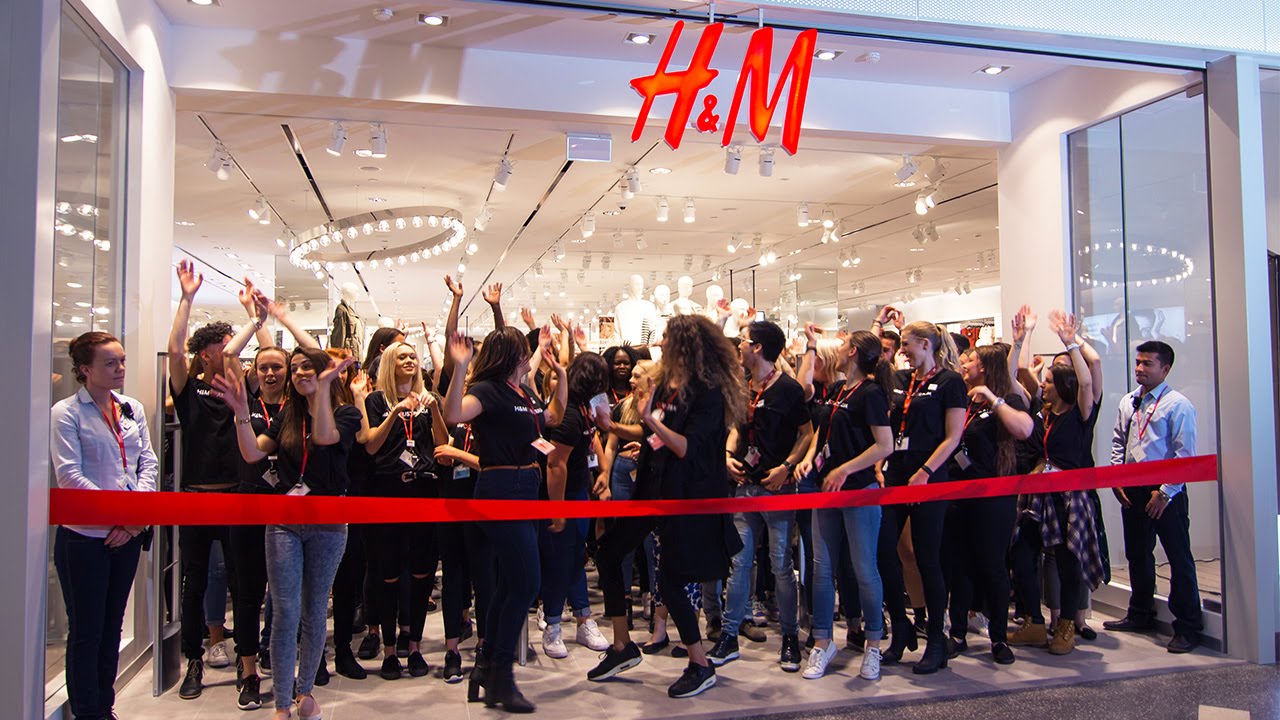
    Non-profit H&M Foundation has opened the fifth round of its innovation challenge Global Change Award.

    The award is an attempt to move the needle in a space where global consumption of textiles and shoes are on track to increase by 65 percent on 2015 levels by 2030. Organizers believe that creativity and innovation can flip the numbers in the planet’s favor and help enable great transformations in the fashion industry.

    The Global Change Award was initiated in 2015 by the H&M Foundation in collaboration with Accenture and KTH Royal Institute of Technology. It has received more than 14,000 entries from 182 countries. Named the Nobel Prize of fashion, it aims to reduce fashion’s impact on the planet and our living conditions by helping groundbreaking ideas move from tissue-sketch to market.

    Several of the previous winners have on-going co-operations and pilot projects with the industry, and some are already on the market.

    “In its fifth year, the Global Change Award has proven a great gateway for innovators to enter the fashion industry and transform it from the inside,” said H&M Foundation board member and H & M Hennes & Mauritz AB CEO Karl-Johan Persson.

    “We’ve seen previous winners move from sketching table to market – but more importantly, inspiring a new generation of creatives, scientists and entrepreneurs to reduce the planetary impact of the fashion industry through innovation. The next big idea that will change the game can come from anyone anywhere. So, if you have an idea you believe in this is the place to go.”

    Perhaps more important than the €1 million grant, the five winners will embark on a one-year Innovation Accelerator Program taking them to Stockholm, New York, and Hong Kong. In the accelerator, H&M Foundation, Accenture and the KTH Royal Institute of Technology support the winners in taking their ideas to the next level, with guidance on how to scale up quickly and maximize their impact on the industry.

    “This year, we are especially looking for innovations that make it easier for us as consumers to act more sustainably, ideas that use technology and data that make the fashion industry smarter and solutions that facilitate design with a circular intention,” said H&M Foundation innovation lead Erik Bang.

    To win, the innovation should have the potential to make fashion circular and to scale. Other criteria are a novelty, that the idea is economically sustainable, and that the innovation team is committed to making a difference. H&M Foundation initiated the challenge to find innovations that allow major change for the entire industry, and the winner can collaborate with whoever they want. Neither the non-profit H&M Foundation nor H&M Group takes any equity or intellectual property rights in the innovations.

    Submission deadline is October 16, and the five winners are crowned at the Grand Award Ceremony in Stockholm City Hall in April 2020.

    The H&M Foundation was set up by Persson and his family as an independent organization. While it bears the H&M name it is not part of H&M.

  • Sephora Hong Kong after being away for 10-years

    Sephora Hong Kong after being away for 10-years

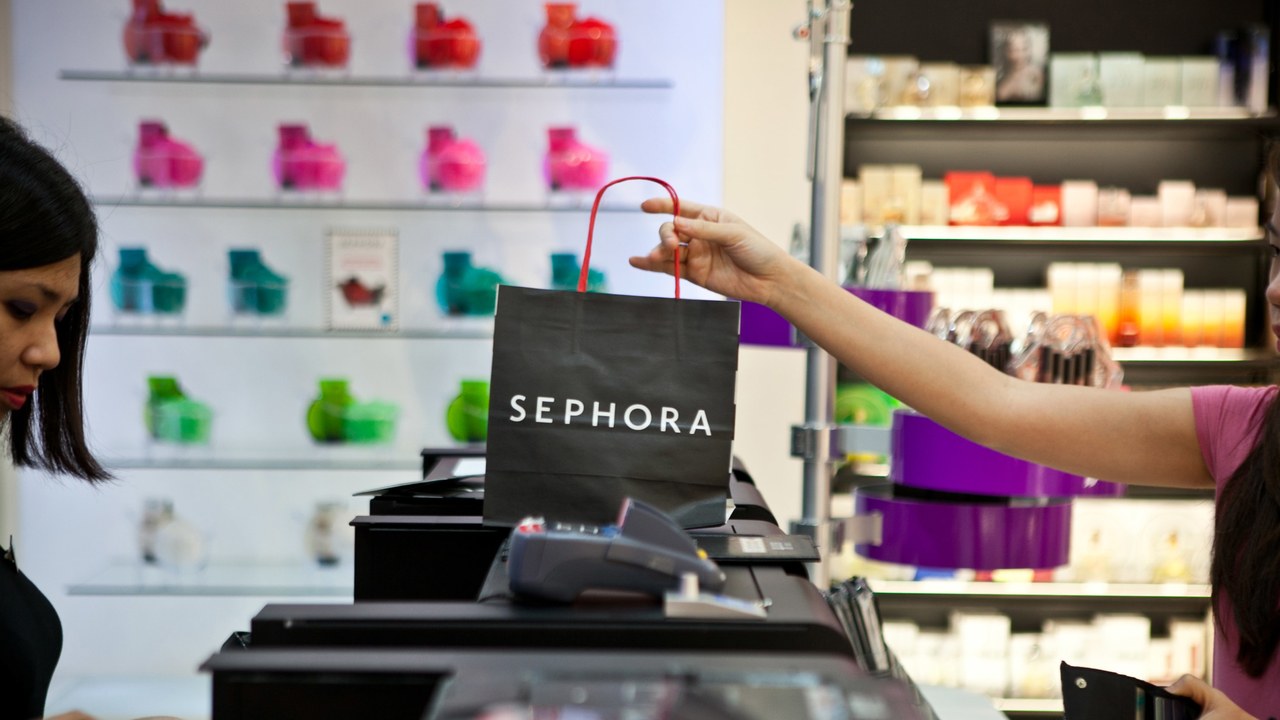
    Sephora Hong Kong returns after a 10-year absence today, opening a 4200sqft store at IFC mall.

    The LVMH-owned global beauty retailer promises shoppers 40 brands new or exclusive to Hong Kong, along with the new Fenty Beauty by Rihanna, also an LVMH subsidiary which is simultaneously being launched by DFS Group’s T Galleria stores today.

    “We believe the new Sephora Hong Kong will be the ultimate one-stop beauty destination in the region that consumers will find joy in exploring the countless products and services on offer,” said Benjamin Vuchot, Asia president at Sephora.

    “We are really proud of the exciting brand portfolio for our new store.”

    Sephora Hong Kong has confirmed plans to open eight stores in its return to brick-and-mortar retailing in the territory. A second store is under construction at Windsor House in Causeway Bay, scheduled to open prior to Christmas. Six more stores will follow over a three-year timeframe, their locations as yet not revealed.

    The new IFC mall store features new customer services, including Virtual Artist, a beauty app designed to offer customers an opportunity to try on and compare different products digitally.

    Vuchot believes the technology will engage customers in-store and create a unique omnichannel model dedicated to offering an “unparalleled shopping experience in-store and online through its upgraded e-commerce platform”.

    Among the brands making their Hong Kong debut today are Drunk Elephant, Sunday Riley, Huda Beauty, Anastasia Beverly Hills, and Fenty Beauty; and niche fragrance labels including Clean Reserve, Kayali, Bon Parfumeur and Maison Margiela.

    Sephora Hong Kong will also introduce new beauty and fragrance brands that are making their debut in the market such as Loewe, Tarte, IT Cosmetics and Jack Black.

    More brands will be added later in the year – both instore and online – to provide customers with “endless new discoveries” across different categories.

  • Lewis Hamilton launches meatless Neat Burger

    Lewis Hamilton launches meatless Neat Burger

    Five-time Formula One world champion Lewis Hamilton is collaborating with hospitality organization The Cream Group and other investors to launch Neat Burger – the first international, plant-based burger chain.

    “I’m very passionate about being kinder to our world and also really respect Neat Burger’s commitment to more ethical practices and supporting small businesses, so this is something I’m also really proud to support,” said Hamilton. “But it is also about the product. As someone who follows a plant-based diet, I believe we need a healthier high street option that tastes amazing but also offers something exciting to those who want to be meat-free every now and again.”

    Opening its first site on Monday (September 2), Neat Burger intends to transform the way people see plant-based food by appealing not only to those who follow plant-based diets, but any individuals – meat-eaters included – who want dishes that are more sustainable, healthier and ethical.

    Neat Burger will serve patties specially created by a team of chefs in collaboration with Beyond Meat, a plant-based meat alternative, and which forms the basis for the burgers.

    “Neat Burger aims to change the way we view our eating habits,” said restaurateur Ryan Bishti of The Cream Group. “We’re not preaching or shaming people for eating meat. We’re offering an alternative that tastes as good as, if not better than meat.”

    The team plans to expand the concept globally with 14 franchises scheduled in the next 24 months. Backers of the project include Unicef ambassador and early backer of Beyond Meat Tommaso Chiabra.

    “The meat industry is the biggest contributor to greenhouse emissions and its environmental impact is no longer sustainable together with the growth of the population,” said Chiabra. “Neat Burger aims to disrupt the non-sustainable food industry and become a force for good.”

  • Zalora Fashion Festival planned for Singapore

    Zalora Fashion Festival planned for Singapore

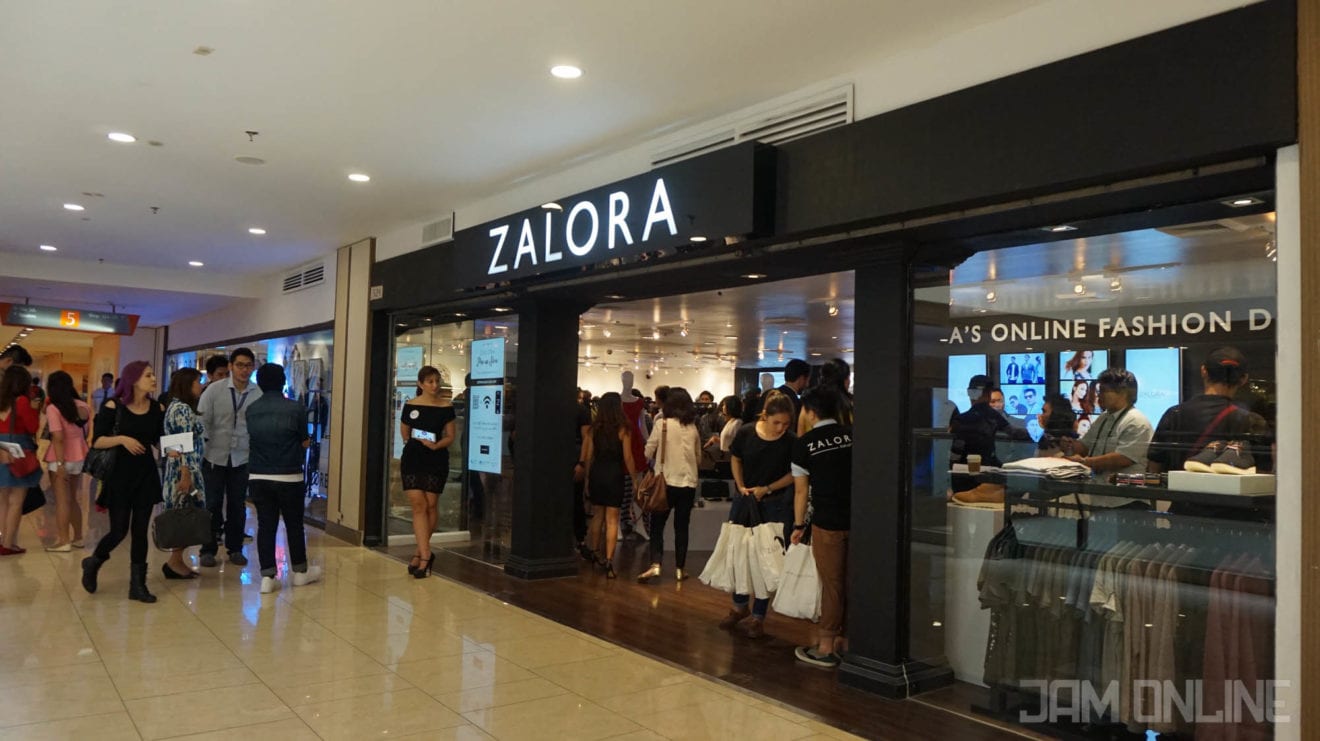
    Zalora is holding a Fashion Festival on Saturday (September 7) at The Deck in Singapore’s art district.

    The Zalora Fashion Festival is in partnership with leading global brands in fashion, beauty and technology to create the festival as an interactive playground for brands to reach fashion consumers.

    Visitors will be encouraged to discover a world of fashion, beauty, music and innovation over the day-long fiesta, enjoying a “social media feast” on the event’s surprise interactive rooms specially curated by Zalora’s partner brands – Calvin Klein, Adidas, Vans, Nars, and Skin Inc.

    Participants will be among the first to catch a sneak peak at what the firm has in store for its new brands at a style session showcasing the best of new collections and insights from in-house brands.

    The Zalora Fashion Festival will be open to the public from 12pm to 9pm.

  • Maruti Suzuki Expands Its Arena Retail Channel To 450 Showrooms Across India

    Maruti Suzuki Expands Its Arena Retail Channel To 450 Showrooms Across India

    Maruti Suzuki started transforming its dealerships to a more modern and digitally integrated Arena Experience Centres back in 2017. Within two years the company has expanded to a total of 450 Arena showrooms across 323 cities in India. Maruti decided to go premium with separate Nexa dealerships for models like the Baleno, S-Cross, Ignis and the Ciaz, which helped it position the brand as an upmarket carmaker, but there was a concern that required to be addressed. Following the digitalization trend and upgrading its showrooms to suit the liking of new-age customers, the rationale behind Arena was also to make sure that its existing and small car customers don’t feel left out.

    Speaking on the new milestone, Shashank Srivastava, Executive Director (Marketing & Sales), Maruti Suzuki India said, “We launched Maruti Suzuki Arena with a strategy to transform our network and meet the expectations of offering an evolved car buying experience to the young, dynamic and contemporary Indian customers. The two-year milestone is a marquee statement to showcase our commitment towards customer satisfaction. We are delighted to celebrate over 450 Arena showrooms and we look forward to offering experiences with revolutionary design and innovative technology that are at par with global benchmarks.”

    Arena showrooms are equipped with touchscreens to give every detail to the customers before they approach towards the car to get hands on experience. Specifications, features, color options, EMI options, Accessories, etc information are available on the touchscreen panel and customers even get the option of online and offline purchase. Maruti Suzuki is also integrating iCreate configurator in Arena dealerships to offer a 360-degree view of the car. Maruti Suzuki claims that users are also active on the Arena website and it has around 4.74 million visitors every month.

  • Suzuki Two-Wheeler Sales Grow Amidst Auto Industry Slowdown In India

    Suzuki Two-Wheeler Sales Grow Amidst Auto Industry Slowdown In India

    Suzuki Motorcycle India Private Limited (SMIPL) registered monthly sales of 71,631 units in August 2019, with a year-on-year growth of 2.2 percent. The positive growth, even though marginal, is despite the current sales slowdown in India’s automobile industry. For the period of April to August 2019, Suzuki reported cumulative sales of 3,46,018 units, as against 2,98,989 units in the same, period a year ago, registering a growth of 15.72 percent in the mentioned period. Suzuki’s overall sales volumes in the Indian two-wheeler market are modest, but the brand has been able to rake in consistent growth, despite the overall negative sentiment in the market.

    “SMIPL continues the growth momentum, despite the significant short-term impact of floods in the strong Suzuki markets such as Kerala and Maharashtra, and the ongoing industry decline for the 10th month in succession. Weak consumer sentiments have been one of the key reasons for the downward trend in the auto industry. Even under these challenging times, SMIPL has been able to prove its mettle,” said Devashish Handa, Vice President, Suzuki Motorcycle India Private Limited.

    According to Suzuki, the key reason for the growth of the brand is due to a well-rounded product portfolio and continuous effort to reach out to prospective customers. Suzuki’s most popular two-wheeler is the Suzuki Access 125, which is also the leader in the 125 cc scooter segment. In August 2019, Suzuki introduced a new variant of the Access 125 with drum brakes and alloy wheels. Suzuki also launched a MotoGP edition of the Suzuki Gixxer SF 250 in August 2019.

    The Indian auto industry is in the midst of a crisis after a prolonged slowdown in sales for several months in a row now. Sales growth of Suzuki two-wheelers were flat in August 2019 and monthly volumes sales volumes are far less than the market leaders in the two-wheeler segment. Despite the adverse market sentiment, Suzuki has managed to post positive growth, and that’s a silver lining in the middle of a gloomy market sentiment.

  • Harley-Davidson Working On New Pushrod Engine

    Harley-Davidson Working On New Pushrod Engine

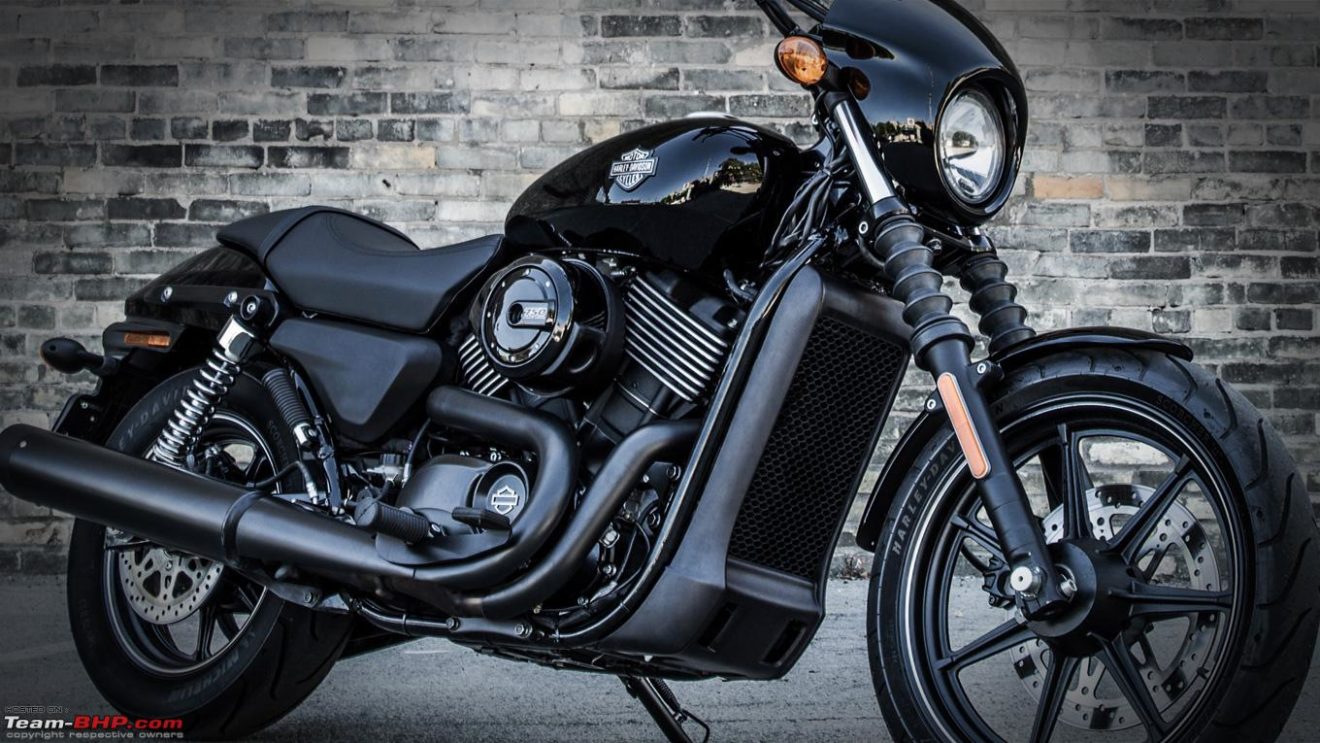
    Harley-Davidson’s latest powertrain, after the eight-valve Milwaukee-Eight engine, will be yet another pushrod engine. The American motorcycle brand’s future line-up of motorcycles, including the Harley-Davidson Pan America, and new Streetfighter, may be powered by double-overhead-cam (DOHC), liquid-cooled engines, but Harley-Davidson may not have decided to do away with pushrod technology, at least for now. A new patent reveals Harley-Davidson’s plans for a new v-twin engine with an overhead valve system that claims higher engine speeds than the current Milwaukee-Eight.

    The primary difference is that the pushrods have been positioned on either side of the cylinders instead of together on one side on Harley’s existing engines. Current Harley engines use the pushrods to move a pair of rocket arm shafts, one to open the two intake valves and the other opening the two exhaust valves. The engine in the patent images also has four valves per cylinder, but instead of rocker arm shafts, the pushrods each open a single rocker arm. The single rocker arms will press down on a valve bridge when actuated by the pushrod. For the valve bridges to operate properly, they must remain in alignment. To keep the valve bridges from rotating out of line, Harley plans to stabilize the mechanism with a fastener, allowing the valves to move in unison at higher engine speeds.

    According to the patent, bridge-type valve trains allow engine speeds of maximum 4,000 rpm, but Harley-Davidson claims the new design allows for a maximum engine speed of between 6,800 to 7,000 rpm. Harley-Davidson’s Milwaukee-Eight engine redlines at around 5,500 rpm. While the American brand is getting ready to introduce the liquid-cooled DOHC platform, some future models will possibly have the high-revving pushrod engine, and will likely appease a lot of Harley-Davidson purists, offering better performance, but yet sticking to signature pushrod architecture.

  • Crypto Bank Sygnum Eyes License in Singapore

    Crypto Bank Sygnum Eyes License in Singapore

    Just days after clinching a banking license in Switzerland, cryptocurrency-focused financier Sygnum will look to do the same in Singapore.

    Sygnum is currently pushing for a capital markets services license in Singapore to offer asset management solutions but will look to apply to become a fully-fledged bank this year.

    In order for us to provide a full suite of services, we need to operate as a bank in Singapore, said Gerald Goh co-founder and chief strategy officer at Sygnum.

    After the company becomes a full bank in Switzerland, a transition expected this year, it will be able to apply for a traditional banking license in the city-state.

    Sygnum is pioneering the crypto-based banking industry and potentially gaining first-mover status in multiple major financial centers. It was one of the first two crypto players to recently be granted banking licenses by Swiss regulator Finma. Successful application in Singapore could make it the first crypto bank in Singapore as well.

    And Singapore’s financial sector is no unfamiliar territory to Sygnum’s leadership which boasts a prominent list of members in its board and advisory council such as Chua Kim Leng, former assistant managing director (banking & insurance) of MAS, Hsieh Fu Hua, director of Grab Holdings and former chairman of UOB, and Ang Kong Hua, chair of GIC investment board.

    Once it officially becomes a bank in Switzerland, Synum will be able to issue, store, trade and manage Bitcoin and Ethereum, converting them into various hard currencies. It will also offer custody, brokerage and tokenization services for digital assets to qualified clients.

  • Thailand Using Less Cash As QR Codes and EMV Gain Adoption

    Thailand Using Less Cash As QR Codes and EMV Gain Adoption

    The share of cash in the overall payment volume within Thailand is expected to decline between 2018 and 2022, according to research firm GlobalData.

    GlobalData’s report Thailand Cards & Payments: Opportunities and Risks to 2022» reveals that the share of cash in the overall payment volume is expected to decline from 85.6 percent in 2018 to 77.8 percent in 2022. During the same period, the total card payment value is expected to increase from 1.8 trillion Baht ($56.1bn) to 2.7 trillion Baht ($83.8bn).

    The government’s attempts to promote non-cash payments such as the introduction of faster payments and QR codes, mandatory issuance of EMV cards and push for point-of-sale (POS) adoption are contributing to the growth of electronic payments, said Nikhil Reddy, Payments Analyst at GlobalData, in a media statement.

    As part of the National e-Payment Master Plan, the Thai government launched a nationwide program two years ago to drive POS installation among smaller retailers and government agencies. Merchants were offered benefits such as tax deduction, fee waivers on POS issuance and rental, and a cut down on merchant discount rates.

    In the same year, the central bank collaborated with American Express, JCB International, Mastercard, UnionPay, Visa and other financial services providers to introduce the Thai QR Code Payment standard, with an aim to create an open, interoperable payments infrastructure.

    In 2016, the Bank of Thailand launched a faster payment system, PromptPay, allowing users to make peer-to-peer transfers and payments through their mobile phone using only the recipient’s mobile number or national ID number. As of December 2018, 46.5 million users, over half of the country’s population, had registered for the system.

    Though cash will continue to remain dominant in Thailand, these measures will certainly propel electronic payments, thereby further reduce the usage of cash over the next five years, said Reddy.

  • DBS To Launch Retail Access To Robo-Based ETF Portfolios

    DBS To Launch Retail Access To Robo-Based ETF Portfolios

    DBS’ retail clients will gain access to its robo-platform «digiPortfolio» by year-end which will generate ETF portfolios designed by its wealth management arm.

    Retail investors will have access to portfolios constructed using exchange-traded funds (ETFs) by the end of the third quarter, the bank said in a release on Monday.

    The bank will launch two portfolios made of Singapore and UK-listed ETFs, allowing retail customers to tap the investment expertise of the bank’s wealth management team.

    Technology has helped us to avail some services to our retail clients that in the past was almost impossible to do so at affordable rates, said Jeremy Soo, DBS head of consumer banking group for Singapore, at a media briefing on Monday.

    DBS digiPortfolio was first launched in March this year with two portfolios offered only to DBS Treasures clients, who have assets under management of S$350,000 and above. In contrast, the new Asia portfolio is available to customers with no prior investment experience.

    The Asia Portfolio, which requires a minimum investment sum of S$1,000, offers Singapore Exchange (SGX)-listed ETFs, the first of such portfolio for the bank. It provides the investor with exposure to Singapore, China, and India. For investors seeking global diversification, they can opt for the Global Portfolio, which offers UK-listed ETFs for a minimum investment sum of S$1,000.

  • UOB Legally Demands $4 Million Debt Payment From Equipment Supplier

    UOB Legally Demands $4 Million Debt Payment From Equipment Supplier

    Singapore-listed heavy equipment supplier, Hoe Leong, said it received a statuary demand from a law firm acting on behalf of UOB, seeking payment of about 5.7 million Singapore dollars.

    The statutory demand, issued by law firm Allen & Gledhill on behalf of UOB, seeks payment within 21 days from the date of receipt. The payment relates to a loan borrowed by logistics firm Arkstar Voyager, a wholly-owned subsidiary of Hoe Leong which is also its guarantor.

    Whilst Hoe Leong had said in July that a letter of demand from UOB would not affect the group’s business, it said this week that «with the statutory demand from UOB, the company is unable to reasonably assess its financial position»

    The company is presently seeking legal advice and is engaging with UOB to remedy the situation, it added.

    Hoe Leong’s board made a voluntary request to suspend the trading of its shares «with immediate effect, pending resolution of the situation.

    It assured investors that it currently has sufficient funds in its UOB account to settle outstanding payments up to August 31, 2019. It added that the group’s viability was dependent on continued support from creditors and adequate cash flow generation to repay debt obligations due in the next 12 months, barring any material external headwinds.

  • Animal rights activists condemn Taylor Swift for accepting Melbourne Cup offer

    Animal rights activists condemn Taylor Swift for accepting Melbourne Cup offer

    Multiple Animal rights activists have flooded Taylor Swift’s social media channels asking her to refuse the offer that she just accepted from the Melbourne Horse Racing Cup 2019.

    According to a Guardian report, animal activist coalitions are starting campaigns all over websites such as Facebook, Instagram, and Twitter imploring the famous American singer to “not entertain horse killers”.

    According to the activists, racing tournaments kill hundreds if not thousands of horses almost on a yearly basis, due to the terrible conditions and inhuman treatment.

    The organizers of the Melbourne Cup have yet to respond to these kinds of claims, as the mistreatment of horses has never been discussed before.

    One comment that we can base the condition of the cup on is from the chief executive of the Victoria Club himself, Neil Wilson.

    Wilson expresses his gratitude and excitement about Swift’s performance during the race and hopes they can captivate her with the entertainment they’ve been offering to the public for decades.

    What else do the activists protest?

    Further allegations from the animal rights activists mention the use of animals’ lives as profit from gambling activities within the country.

    Aside from regular casino games and sports betting, horse racing bets are some of the most popular forms of gambling in Australia and have been for more than a century.

    Mick Arnold, a betting options provider for some of the best Australian VIP casinos has commented:

    “I don’t understand where the accusations of the animal rights activists are coming from.

    Every single horse breeder and the professionals themselves take extremely good care of their animals.

    And why wouldn’t they? An unhealthy horse isn’t in a shape to win the race, so why would they use it for the sport?

    I believe that animal rights activists are basing their accusations on emotions rather than facts. Every horse that takes part in these races is treated humanely and with great care.”

    It is unlikely for Arnold’s comments to be taken well by the animal rights activists, as he represents the companies these people are actually protesting.

    But when it comes to Taylor Swift herself, it needs to be noted that the “#NupToTheCup” is still relatively new, and she may not have had the chance to notice it on some of her channels.

    Whether or not she refuses the concert is yet to be seen, but considering how well her initiative was received by the executive director, it is unlikely to be the case.

  • Doctors warn about heatstrokes during Japan 2020 Olympics

    Doctors warn about heatstrokes during Japan 2020 Olympics

    Everybody is preparing for the Japan 2020 Olympics, with almost all of the seats already considered for the taking by thousands of international spectators. However, these spectators and the athletes themselves may get something completely different than they were bargaining for.

    To reiterate it, they’re most likely going to witness “the most heated Olympic games of history” and that’s in a metaphor kind of understanding, it’s quite literal.

    Several Japanese doctors, that are well respected and counted among the best of the best the country can offer, have warned about the increased number of heat strokes that Japanese Summers have been producing over the course of the last couple of years.

    One particular doctor, Kimiyuki Nagashima is warning that the dates where the games are going to be held July 27th – August 9th is in the very epicenter of the Japanese heatwaves, especially as humidity builds up due to the country being an island and so close to a large ocean as well as a sea.

    Is it more dangerous for the players or the spectators?

    It’s quite easy to understand that spectators will have the luxury of trying to find a place in the shade or at least coming prepared to the events as they clothe themselves accordingly or bring equipment for producing “artificial” shade.

    When it comes to the athletes themselves, there is very little they can possibly do. In fact, it’s not about the heatstroke anymore for the athletes themselves, but also the severe burns they may receive if they expose themselves to the sun for a large period of time.

    Considering how the games are almost always held in open-air areas, there will be very little protecting these athletes as they do warmups for the contest or when they actually compete.

    What are other experts saying?

    There are other people that have commented on the condition of Japanese weather during the Olympics. Most of them are TV show hosts or Sports experts that have been with the industry for decades.

    Almost all of them are saying that competing in a not-perfect weather condition is almost guaranteed to hamper the performance of the athletes, therefore no record breaking attempts should be expected.

    Even experts from countries like Norway and Sweden have commented that it’s important that coaches somehow prepare their athletes for the heat for them to at least deal with it somehow rather than combat it completely. Being born and raised in the Nordics does indeed add some sense to how sensitive an athlete may be to the heat.

    The comments have become so wide-spread about the potential health issues that even popular Norwegian betting odds websites, who absolutely marvel at the Olympics as that’s when they get most of the traction has subsequently decided to decrease the odds of Scandinavian performers. All because of the interference of the heat.

    Are the organizers doing anything?

    If the general population and experts already understand the potential health risks, then so do the organizers. They are already testing preventative measures in order to create the most “habitable” environment for both the athletes as well as the spectators by using things such as fake snow to somehow refresh the area.

    However, the issues immediately became apparent as the snow doesn’t truly cool down the area nor the people that come in contact with it. The snow refreshes the recipient rather than bring their body temperature down.

    Other issues such as quick-melting snow producing puddles or simply soaking spectators were also encountered, introducing even more issues than it solved.

    It’s unknown what type of preventative measures the organizers will try in the future, but the fact that you need to stock up on the coldest water you can find before going to see the events is a given.