Author: Mei Ling Tan

  • Contacts is the latest Google app allowing you to switch accounts

    Contacts is the latest Google app allowing you to switch accounts

    Google has been making it easier for users with multiple Google accounts to quickly switch between them on several of its apps. Google Maps and Drive both allow you to swipe up or down from the avatar in the top right-hand corner (with your photo or initial) to quickly change to the next Google account in queue. So instead of tapping on the avatar to see the different accounts you can choose from and then selecting one to switch to, you can save time by using the new gesture.

    This feature is now available on version 3.8.3 of Google Contacts, and after swiping through each of your Google accounts, it will give you the opportunity to see the contacts from all of your accounts in one list. This shows up as an avatar that looks like two pawns from a chessboard. When you swap between accounts on Maps, the only thing that changes is the avatar. On Drive and with Contacts, the appropriate menu slides out from the side as the avatar changes.

    Truthfully, you will save some time by switching between accounts this way. This is another example of Google not sitting back on its laurels and looking to improve Android and its apps with every chance it gets.

  • Trump Prods General Motors Over Its Auto Plants In China

    Trump Prods General Motors Over Its Auto Plants In China

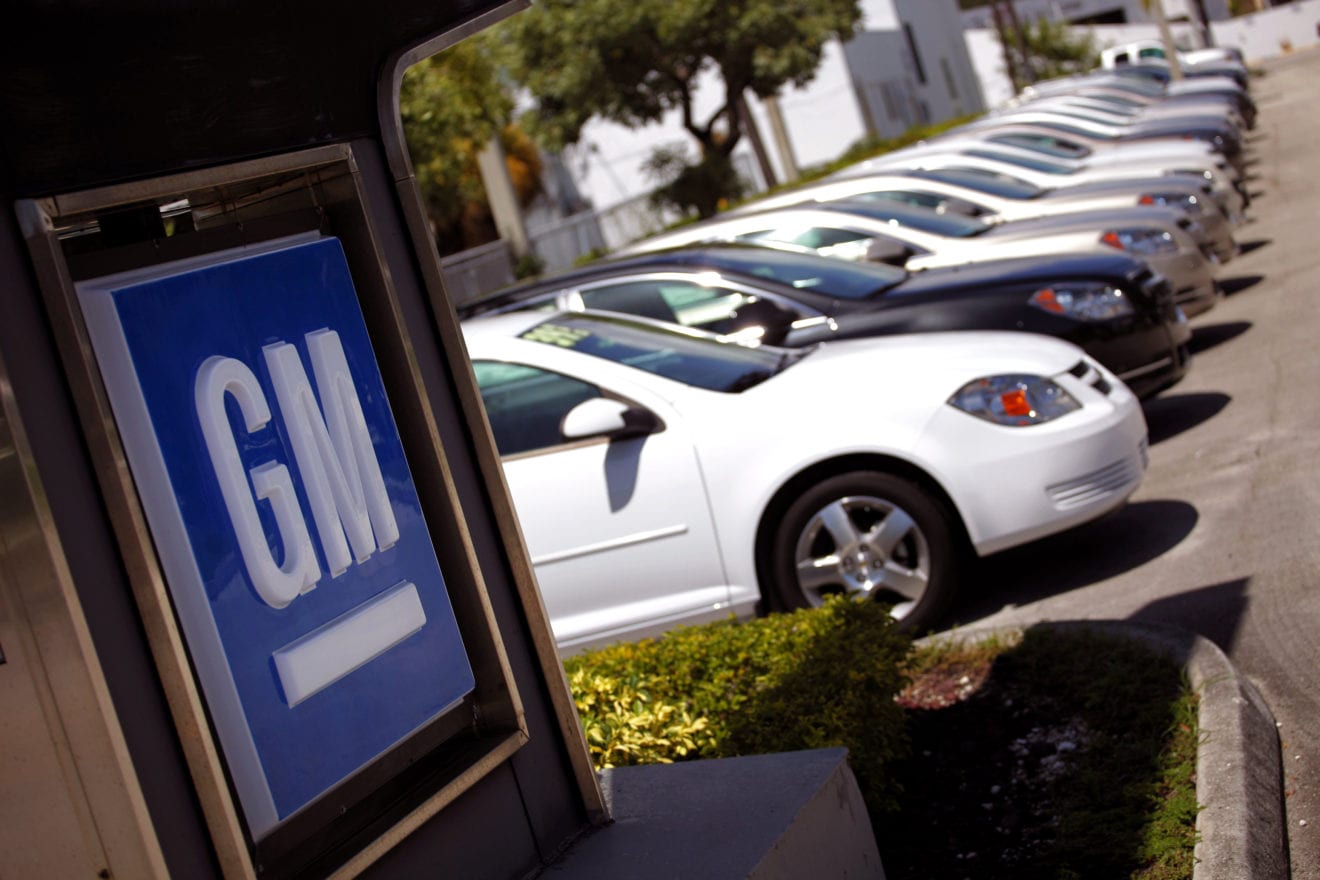
    U.S. President Donald Trump, who is engaged in a trade war with Beijing, said on Friday that the largest U.S. automaker, General Motors Co, should begin moving its operations back to the United States.

    “General Motors, which was once the Giant of Detroit, is now one of the smallest auto manufacturers there. They moved major plants to China, BEFORE I CAME INTO OFFICE. This was done despite the saving help given them by the USA. Now they should start moving back to America again?” Trump said in a post on Twitter.

    Trump appeared to be referring to a Bloomberg News story that reported GM’s hourly workforce of 46,000 U.S. workers has fallen behind that of Fiat Chrysler as the smallest of the Detroit Three automakers. Over the past four decades, GM has dramatically cut the size of its overall U.S. workforce, which numbered nearly 620,000 in 1979.

    GM did not directly comment on Trump’s tweet.

    “GM’s China operations are not a threat to U.S. jobs,” the company said in a fact sheet, noting that its joint ventures have sent $16 billion in equity income to GM since 2010 and that it has invested $23 billion in U.S. operations since 2009.

    GM’s U.S. hourly workforce has fallen by about 4,000 jobs since the end of 2018 to about where it was a decade ago.

    Trump’s ire with GM comes as contract talks with the United Auto Workers union with the Detroit Three automakers intensify ahead of a Sept. 14 deadline. Trump has previously attacked GM for building vehicles in Mexico and for ending production at plants in Michigan, Ohio and Maryland and threatened to cut GM subsidies in retaliation.

    GM’s decision to close four plants in the United States is a central issue in the contract talks.

    Trump has made boosting auto jobs a key priority and has often attacked automakers on Twitter for not doing enough to boost U.S. employment. His 2020 re-election bid will hinge on holding key industrial battleground states like Wisconsin, Pennsylvania and Michigan that narrowly voted for him in 2016.

    China is the world’s largest auto market, and government policy favors automakers assembling vehicles there, and not importing them from overseas.

    In response to Trump’s latest tariffs, China said last week it will reinstitute 25% tariffs on U.S.-made vehicles. The U.S. is imposing 15% tariffs on more than $125 billion in Chinese goods starting Sunday.

    GM sold 3.6 million vehicles in China last year accounting for 43% of its worldwide sales. GM booked $2 billion in equity income from its China operations last year.

    GM imports a small number of vehicles from China. In June, the Trump administration rejected a request from GM to exempt its Chinese-made Buick Envision from a 25% U.S. tariff on sport utility vehicle models.

    The midsize SUV has become a target for U.S. critics of Chinese-made goods, including leaders of the UAW members in key political swing states such as Michigan and Ohio.

  • General Motors Cuts Some 350 Jobs In Thailand Operations

    General Motors Cuts Some 350 Jobs In Thailand Operations

    General Motors has cut about 350 jobs from its Thai subsidiary’s operations, a labor representative said on Friday, slashing more than 15% of the workforce for the U.S. automaker that has two factories in Thailand.

    Thailand is a major manufacturing hub in the competitive Southeast Asian auto market.

    Boonyeun Sookmai, coordinator for Labor Relations Group for Eastern Thailand, told Reuters more than 350 employees and contractors at General Motors (Thailand) were affected by the cuts, which employees and contractors were told about this week.

    GM did not confirm the number of layoffs but said in a statement it was “necessary to right-size” its operations.

    “We are taking every measure to support employees whose roles are impacted,” the statement said.

    It added: “There is no change to our ongoing business in Thailand – we continue to build and sell world-class trucks, SUVs and engines for Thailand and the world.”

    The company has about 1,900 employees in Thailand, according to the Bangkok Post, in operations that include a vehicle assembly plant that produces 180,000 units per year.

    Thailand is a regional vehicle production and export base for the world’s top vehicle manufacturers, including Toyota, Honda and Harley-Davidson.

    The auto industry accounts for about 10% of the Thai economy and has been one of a few growth drivers at a time of falling exports.

    Previously booming domestic auto sales have cooled in Thailand with finance firms using stricter lending criteria. Thai domestic car sales contracted in July for a second straight month, down 1.1% from a year earlier.

    GM has two plants in Rayong, a province on Thailand’s eastern seaboard, for vehicle assembly and another for powertrain and engines. Its vehicle assembly plant began operations in 2000 and the latter in 2011.

    The plants in Thailand produces vehicles for the domestic market and export under the Chevrolet and Holden nameplates.

  • Ather Energy Launches New Compact Home Charger Ather Dot

    Ather Energy Launches New Compact Home Charger Ather Dot

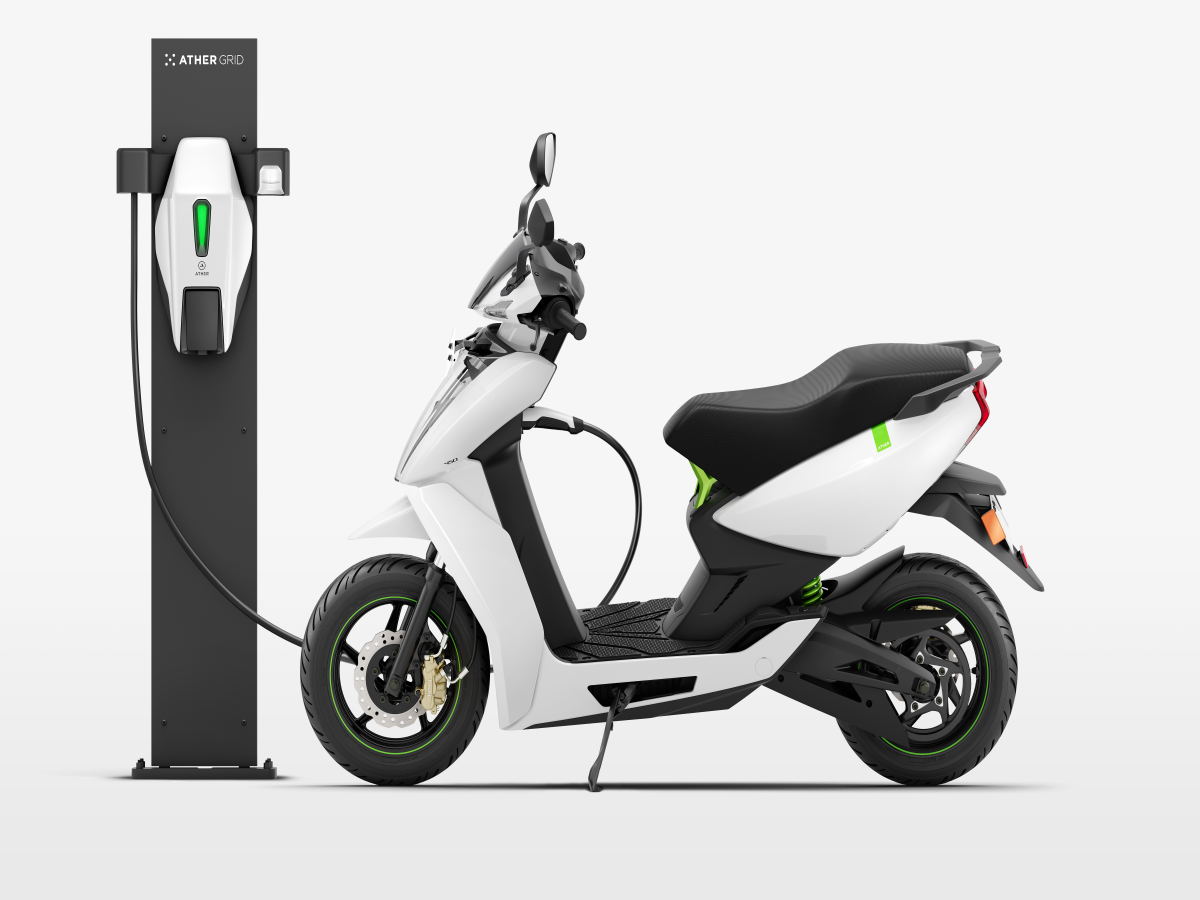
    Electric scooter start-up Ather Energy has announced the launch of a new home charging point – Ather Dot, for its Ather 450 customers in Chennai & Bengaluru. The new charger has been designed specifically for the Ather 450 electric scooter and company says that it took a lot of feedback from its existing customers to make this charging point smaller, lighter and easy to install. The new Ather Dot comes with surge protection and authenticated power transfer so that it’s safe and works only with an Ather scooter. The new Ather Dot also comes with several safety measures like auto cut-off function and it also gets app integration, which means owners can also monitor the charging levels through their mobile app.

    In its official launch announcement, Ather Energy said, “Ather has been working with its customers in the past year to make improvements and changes to its intelligent scooter, the Ather 450. One of those was to take the charger off-board. Taking it off helps in improving weight distribution and also improves vehicle dynamics. All this without a drastic change in the charging performance.”

    The new Ather Dot comes with surge protection and authenticated power transfer so that it’s safe and works only with an Ather scooter

    The new Ather Dot unit weighs just 3.5 kg and comes with a 2-metre long output cable and 1.2-meter long input cable. The charging unit delivers a 60 V, 12 A DC supply, which is capable of offering 0 to 80 percent charge in just 4 hours and 30 minutes, while 0 to 100 percent takes 5 hours and 15 minutes. Ather says that the charging patterns data show that most Bengaluru owners charge either overnight or during the day at their workplace. So, the slight spike in the charging time will not affect the charging behavior and usage of the owners. Furthermore, the charging time at the Ather Grid, the company’s fast chargers placed across the city, remains the same.

    Customers can get their new Ather Dot installed by the company for ₹ 1800, which includes standard installation, consumables, labour charges and even GST. However, Ather says that the installation of Ather Dot is a simple process, and for customers who might want to get the unit installed by their local electricians, the company will provide an installation manual as well.

    The new Ather Dot charging point will be shipped to them post completing the payment for the Ather 450 and prior its delivery. While the unit will be delivered to all Chennai customers along with scooter, in Bengaluru, all the customers taking delivery after October 2019 will get the Ather 450 with the new charging point.

  • Maruti Suzuki Expands Its Arena Retail Channel To 450 Showrooms Across India

    Maruti Suzuki Expands Its Arena Retail Channel To 450 Showrooms Across India

    Maruti Suzuki started transforming its dealerships to a more modern and digitally integrated Arena Experience Centres back in 2017. Within two years the company has expanded to a total of 450 Arena showrooms across 323 cities in India. Maruti decided to go premium with separate Nexa dealerships for models like the Baleno, S-Cross, Ignis and the Ciaz, which helped it position the brand as an upmarket carmaker, but there was a concern that required to be addressed. Following the digitalization trend and upgrading its showrooms to suit the liking of new-age customers, the rationale behind Arena was also to make sure that its existing and small car customers don’t feel left out.

    Speaking on the new milestone, Shashank Srivastava, Executive Director (Marketing & Sales), Maruti Suzuki India said, “We launched Maruti Suzuki Arena with a strategy to transform our network and meet the expectations of offering an evolved car buying experience to the young, dynamic and contemporary Indian customers. The two-year milestone is a marquee statement to showcase our commitment towards customer satisfaction. We are delighted to celebrate over 450 Arena showrooms and we look forward to offering experiences with revolutionary design and innovative technology that are at par with global benchmarks.”

    Arena showrooms are equipped with touchscreens to give every detail to the customers before they approach towards the car to get hands on experience. Specifications, features, color options, EMI options, Accessories, etc information are available on the touchscreen panel and customers even get the option of online and offline purchase. Maruti Suzuki is also integrating iCreate configurator in Arena dealerships to offer a 360-degree view of the car. Maruti Suzuki claims that users are also active on the Arena website and it has around 4.74 million visitors every month.

  • Indonesia’s New Capital Already Attracting Speculators

    Indonesia’s New Capital Already Attracting Speculators

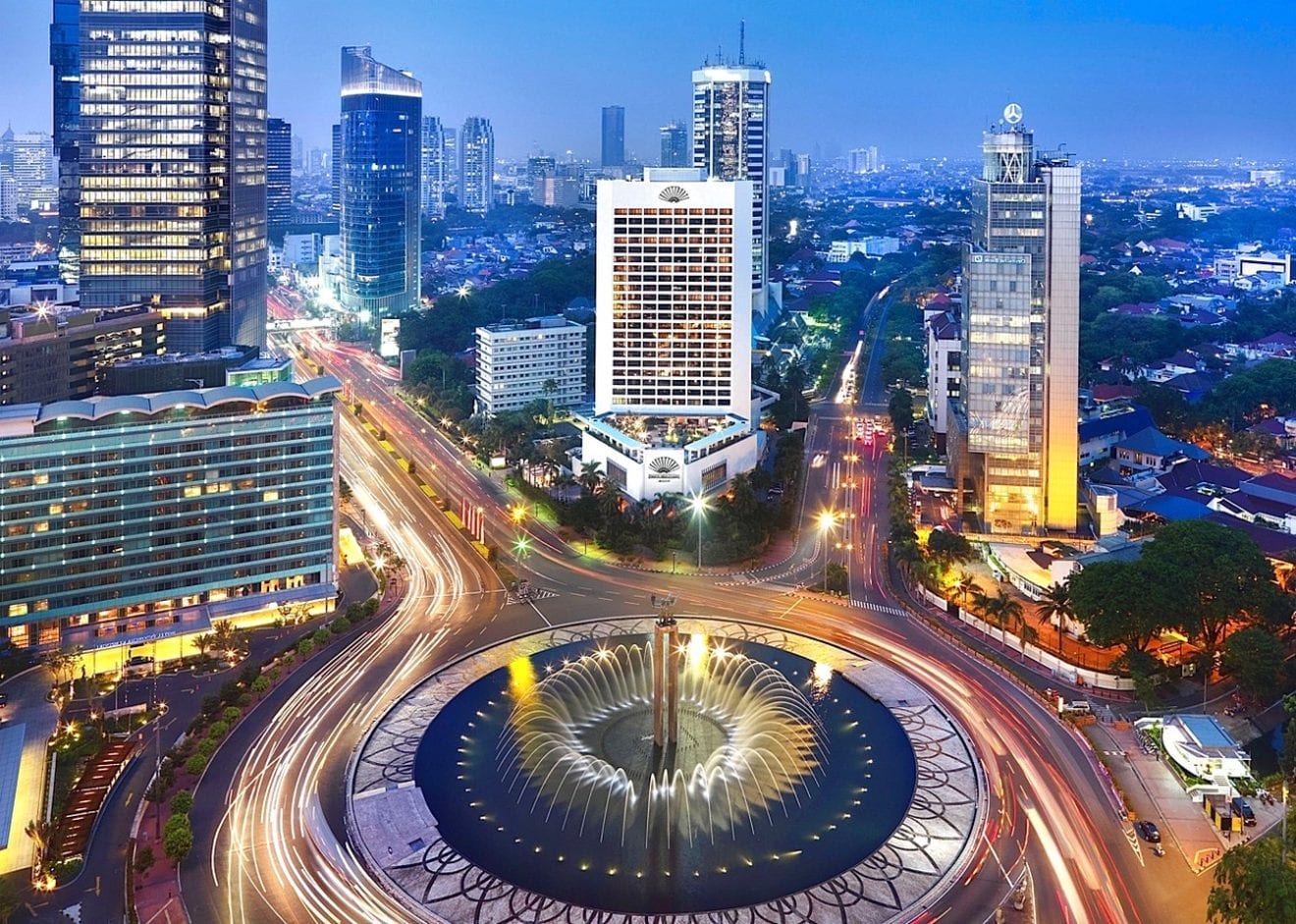
    Indonesia’s decision to relocate its capital from Jakarta to eastern Borneo is already attracting speculators and inflating land prices, according to a local industry body, which is urging President Joko Widodo to take measures to differentiate between pure profiteers and real developers.

    I’ve heard that land prices are rising already, said Soelaeman Soemawinata, chairman of the Association of Indonesian Real Estate Companies which represents more than 5,000 member firms.

    We must set developers and speculators apart. Speculators don’t develop anything as they just wait until land prices increase, and then sell. Developers expect the government to secure the land, which can be developed by them.»

    The government controls about 180,000 hectares of land in the future capital, triple of Jakarta, in a $33 billion project to build the new landmark city from scratch with support from both the public and private sector. Indonesia plans to begin construction by 2020-end and start the relocation in phases starting from 2024.

    Despite limited access to lands in the East Kalimantan province due to it mostly being protected and commercial forestry under government control, developers remain upbeat with various plans underway from basic infrastructure to luxury condos.

    Still, the association and Soemawinata want further tightening to screen participants. He said the association wanted President Widodo to provide a legal basis for the participation of private developers» considering that construction could last through several regimes.

    The move to relocate Indonesia’s capital is meant to ease pressure on the congested and sinking Jakarta and spread economic activity outside the island of Java.

  • New Cheesecake Factory Outlet in Macau to open at Sands Cotai Central

    New Cheesecake Factory Outlet in Macau to open at Sands Cotai Central

    American upscale casual-dining restaurant The Cheesecake Factory in Macau is set to open in Sands Cotai Central.

    The more than 8500sqft restaurant, which will be operated by a subsidiary of Maxim’s Caterers Limited, will offer fresh from-scratch dishes and more than 30 cheesecakes and specialty desserts from the US.

    The venue is sized to accommodate more than 220 guests and is decorated with hand-painted wall murals and artistic lighting features, keeping a consistent look with The Cheesecake Factory restaurants all over the world.

    The Cheesecake Factory in Macau will also feature a Macao-only limited-edition dish with Macao culinary characteristics: Portuguese Chicken, a portion of a half roasted chicken with coconut curry and peanut sauces and crispy potatoes.

    The opening of The Cheesecake Factory in Macau follows launches regionally in Hong Kong, Shanghai, and Beijing.

  • Rimowa Elements Hong Kong store relocates

    Rimowa Elements Hong Kong store relocates

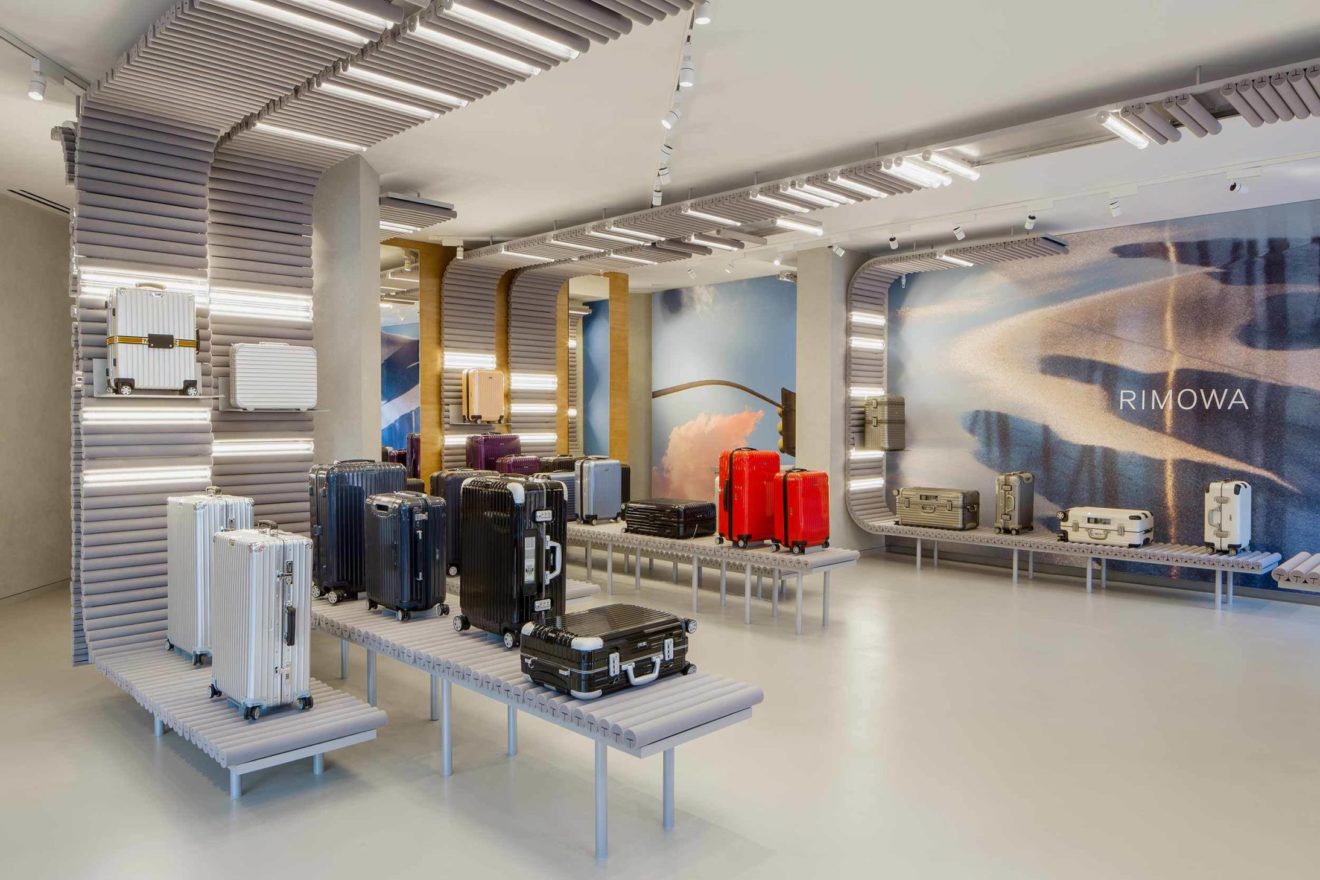
    Premium luggage label Rimowa has relocated and reopened its Hong Kong Rimowa Elements store.

    The new 1510sqft Rimowa Elements store features the brand’s latest store design concept and incorporates site-specific details, such as the wood and recycled rubber flooring that allows customers to roll-test their suitcases on a variety of surfaces before purchase.

    In addition to showcasing the brand’s latest luggage collections, the Rimowa Elements store features an in-store client-care center that can process most repairs – such as wheel exchange and handle & lock repair.

    As part of this fresh design, Rimowa Elements is introducing a hot stamping service, inviting customers to personalize their Rimowa leather travel accessories.

    Located in West Kowloon, Elements is one of the top tier shopping malls in Hong Kong, covering more than 1 million sqft of shopping, dining, art, and entertainment.

  • David Jones profit almost halves this year

    David Jones profit almost halves this year

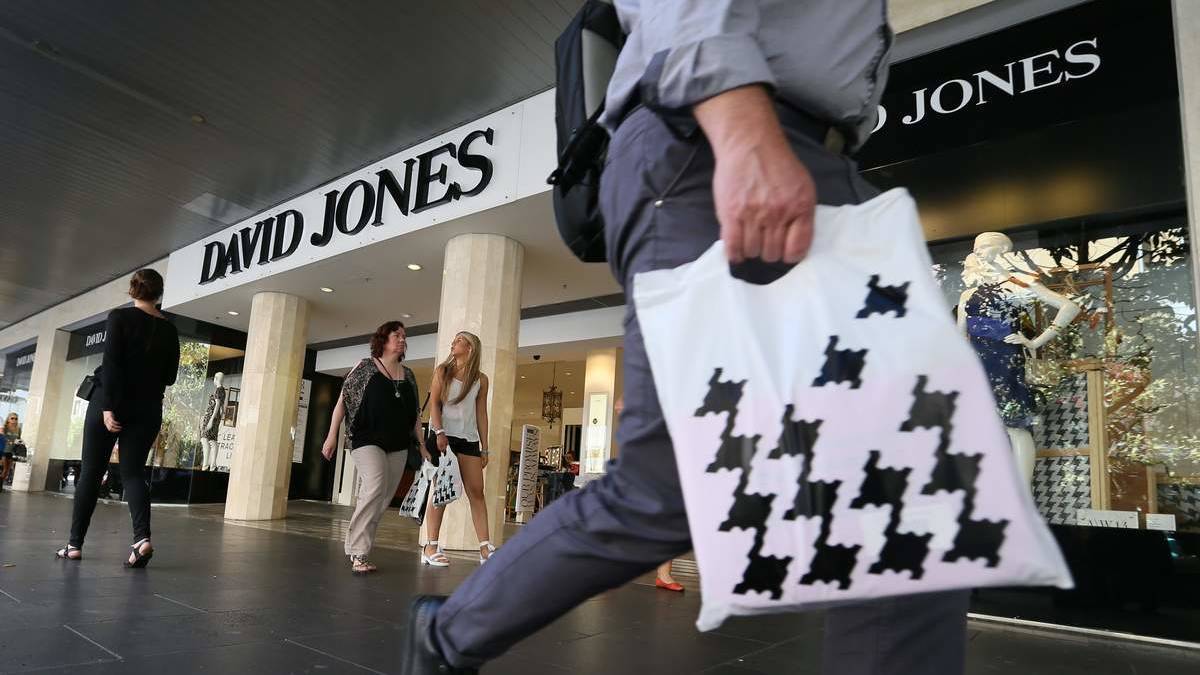
    David Jones’ operating profit fell 42 percent to $37 million in the 2019 financial year, hampered by tough trading conditions and little economic growth in the Australian market.

    Parent company Woolworths Holdings chief executive Ian Moir said the performance was fair considering the conditions, and that the management team has adapted their strategy to the changing retail landscape.

    “Our businesses are well-positioned to see through the significant economic and structural challenges retailers are facing,” Moir said in a statement to investors.

    “We are focused on building future-fit, customer-focused businesses with strong portfolios of brands that deliver long term value.”

    The South African retail group said it didn’t expect conditions to improve significantly in the short-term, with the retail market continuing to be tough due to heavy discounting and promotional material.

    As such, Woolworths Holdings said the previously announced plans to reduce store count is underway across the David Jones portfolio to improve stock productivity as online sales grow. David Jones didn’t specify which stores are being closed.

    The 2019 financial year also saw turnover and concession sales fall 0.8 percent for the department store, and comparable sales fall 0.1 percent. However, online sales grew 46.8 percent and now makeup 7.7 percent of total sales.

    Moir said he believes “the worst is over” for the struggling department store chain.

    “We’ve had many bad years at David Jones and learned many lessons,” Moir said.

    “We know more about the Australian customer through fixing the David Jones business because we have collected data and research about what they want. We believe the worst is over.

    “The year 2021 will be a much stronger year for David Jones.”

    Moir will relocate to Sydney to oversee the turnaround more closely, as he understands the Australian market from his time running Country Road Group.

    Country Road

    Country Road also saw its operating profit fall over the year – a 2.9 percent drop to $100 million.

    Sales at the clothing retailer grew 0.5 percent, while comparable sales fell 0.6 percent. Online sales now represent 20.3 percent of total sales, having grown 12.9 percent over the period.

    Net retail space reduced 2.9 percent over the period, with further space reductions a priority.

  • Luxiee secures six-figure funding from Singapore angel

    Luxiee secures six-figure funding from Singapore angel

    Singapore-headquartered online diamond marketplace, Luxiee, has raised a six-figure investment in a private seed-funding round.

    The team secured financier Kewee Kho, also vice-chairman of Roadbull Logistics and independent director of Courts Asia, as the leading investor.

    Luxiee, launched in January, bills itself as the world’s first online diamond marketplace that connects consumers directly to established suppliers in a transparent matching model that removes the middle-man, resulting in better value for customers. The funds raised will be channeled towards marketing, branding, public relations, and media placement, as well as building the business’ staff.

    “It’s about time a traditional industry like diamonds experience a new way of delivering real value to customers. It is a disruption to an old school economy,” said Kho in a statement. “The impressive background of Luxiee’s solid management team, with experts coming together from the creative, digital marketing, and precious gems industries, reinforces my belief in this new and current business model. Transformative growth awaits, and I look forward to an exciting and rewarding journey with the team.”

    Luxiee CEO Nicholas Lim said it was exciting to have an experienced investor like Kewee Kho on board.

    “We look forward to his strategic direction and advice. His confidence in the business is added assurance to the formula of our business model, and we are driven by opportunities to accelerate our growth.”

    Luxiee says the direct connection between supplier and consumer through its platform allows consumers to enjoy up to a 300-per-cent reduction in the diamond price compared with those sold at luxury retail outlets. For example: a 1.0 Carat, F Color, VS2 Clarity, Excellent Cut diamond can sell for as low as SG$7000 (US$5000).

  • Offshore boost for Harvey Norman sales

    Offshore boost for Harvey Norman sales

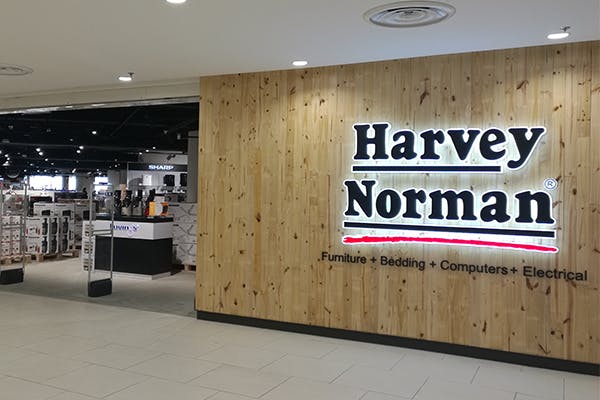
    Harvey Norman has lifted full-year profit by 7.2 percent to $402.3 million with its overseas ventures again outshining local franchisees, which struggled amid tough retail conditions.

    The homeware, whitegoods and electronics retailer lifted total sales by 12.1 percent to $2.23 billion in the 12 months to June 30, largely thanks to its 90 company-operated offshore stores breaking through the $2 billion sales barrier for the first time.

    An 11.7 percent rise in Harvey Norman’s overseas profitability to $129.70 million – including a 9.7 percent lift in offshore revenue to $2.05 billion – offset a 2.3 percent decline in revenue received from the company’s 195 franchised Australian complexes.

    Revenue from local franchisees was $944 million for the year, with total franchisee sales down by 1.8 percent to $5.66 billion amid a housing market downturn and broader economic jitters.

    Harvey Norman announced a $173.49 million capital raising to manage debt, but still increased its final dividend by 3.0 cents to a fully franked 21.0 cents.

    Shares in the company dropped by 1.82 percent to $4.585 by 1223 AEST, still 25 percent higher than $3.66 a year ago.

    Harvey Norman said it had been a particularly tough second half in Australia, with fourth-quarter aggregate comparable sales for franchisees dropping by 1.6 percent, for a full-year comparable sales decline of 0.9 percent.

    The company said local franchisees had nonetheless continued to invest in their operations in anticipation of federal government tax cuts, stabilizing house prices and an increase in lending by banks for mortgages and small business loans.

    Chairman Gerry Harvey said the company has begun replicating its successful overseas premium store format in Australia and New Zealand.

    A premium refit is currently underway at the company’s Cairns franchised complex, while franchised complexes at Campbelltown, Balgowlah, Preston, and Aspley will commence post-Christmas.

    The company said it intends to grow its international footprint with up to 21 new stores overseas within the next two years, including 17 alone in Singapore and Malaysia.

    “We intend to grow our international retail footprint and are on track with our expansion opportunities,” Mr Harvey said on Friday.

    Harvey Norman’s Singapore and Malaysia segment increased profit by 48.1 percent to $37.1 million for the year, while profit in Slovenia and Croatia ticked 0.8 percent higher to $7.46 million.

    In Ireland and Northern Ireland, profit nearly quadrupled to $6.39 million on double-digit growth across all key product categories.

    Challenging economic conditions weighed on the company’s New Zealand stores, with profit from across the ditch dropping by 6.0 percent to $77.39 million despite sales revenue increasing by $25.57 million.

    Overseas revenue has now increased by 48 percent over the last five years and profitability has nearly quadrupled.

  • Fjallraven opens huge Sydney flagship store

    Fjallraven opens huge Sydney flagship store

    Swedish heritage outdoor brand Fjallraven has opened a flagship store in Sydney nearly one year after making its brick-and-mortar debut in Australia.

    The store, located on York Street in Sydney’s CBD, stocks the brand’s popular Kanken rucksack, as well as a broader range of outdoor apparel, including men’s and women’s jackets, tops and trousers.

    It is the brand’s second brick-and-mortar location in Australia. The first opened in Melbourne Central in October 2018, and marked Fjallraven’s inaugural location in the Southern Hemisphere.

    Susan Park, Fjallraven’s brand manager in Australia and New Zealand, said the Melbourne store has been trading well over the past year.

    “Opening our retail store was an important stage of brand development in Australia. We were optimistic about our performance before launch as we knew the demand was there,” she said.

    Fjallraven launched in Australia in early 2017 through retail partnerships and online, which helped the team better understand which products to range in the Melbourne store.

    Now, the team is further refining its decision-making through in-store feedback.

    “We review and incorporate our customers’ feedback into what we range and how we present our products in-store and it’s been a process of constant improvement,” Park said.

    According to Park, the Kanken rucksack is still a best seller, though interest in trekking equipment – especially trousers and jackets – has grown significantly as a result of increased access and awareness.

    More broadly, the store is driving an uplift in Fjallraven’s overall wholesale and e-commerce business in Australia, Park said.

    “We are really seeing the benefits of a controlled omnichannel approach and we anticipate this will be the case for Sydney as well,” she said.

    The Sydney store, like the Melbourne store, will also offer shoppers a daily ‘fika’, a Swedish tradition which translates roughly to a coffee break.

    The retailer serves complimentary coffee, tea, and small snacks to customers at certain times of the day and invites them to spend time in the store and chat with the staff.

    In addition to this in-store experience, the brand is planning to launch ‘Fjallraven Discovery Australia’ in 2020 – a three-day and two-night hike in the Grampians, designed to get people outdoors and back to nature.

    The hike will incorporate indigenous history and is in keeping with a growing theme of Fjallraven hikes all over the world.

  • Art meets fashion at The Shoppes at Marina Bay Sands, Singapore

    Art meets fashion at The Shoppes at Marina Bay Sands, Singapore

    The Shoppes at Marina Bay Sands has created a host of activities for shoppers to “rediscover luxury” in celebration of the Fall-Winter 2019 fashion season.

    A chic installation will be located at the Grand Colonnade Bay Level of The Shoppes until September 17, housing an immersive art showcase by local artists @Lioncolony and Esther Goh.

    Both artists, who have made their own marks in the visual arts and fashion scene, will illustrate their interpretations of fashion and its influence on society.

    Here, shoppers may also view the latest Fall-Winter collections by brands including Balmain, CH Carolina Herrera, Chloe, Ferragamo, Gentle Monster, Gianvito Rossi, Kenzo, Longchamp, and Tom Ford.

    Following the recent opening of Paul Smith’s second boutique in Singapore, The Shoppes at Marina Bay Sands continues to welcome a host of luxury brands this year. Italian luxury labels Missoni and Pomellato will be opening their first flagship boutiques in Singapore, bringing The Shoppes’ flagship assembly to more than 40 stores and counting. Luxury watchmaker Panerai will add to the mall’s line-up of luxury watch brands, while French luxury label Celine will further expand its current single unit store into a duplex by next year, offering both men’s and women’s collections.

    Other anticipated premium fashion and lifestyle brands slated to join The Shoppes at Marina Bay Sands this year include Aesop, CK Calvin Klein, Evisu, as well as La Mer’s first standalone boutique in Singapore which will house an exclusive facial cabin.

  • Zhang Yong Tops the latest Forbes Singapore Rich List

    Zhang Yong Tops the latest Forbes Singapore Rich List

    Hotpot-restaurant tycoon Zhang Yong has topped the latest Forbes Singapore Rich List.

    Zhang, the founder of the Haidilao restaurant business, has an estimated net worth of US$13.8 billion (US$19.2 billion) – enough to push last year’s richest Singaporeans, property magnates Robert and Philip Ng into the second spot with their combined wealth of US$12.1 billion. This year is the first in a decade the Ngs, who own Far East Company, have not headed the rankings.

    Zhang, a native of China, has become a naturalized Singaporean citizen and resident, who was previously featured among China’s richest, is now a naturalized Singapore citizen and resident.

    Third place on this year’s list went to Eduardo Saverin, a founder and shareholder of Facebook, who lives in Singapore. His net worth was estimated at $10.6 billion, down $1.2 billion on last year.

    Haidilao opened 130 new restaurants in the first half of this year, boosting sales by 59.3 percent to RMB 11.7 billion (US$1.66 billion).

  • How 5G will revolutionize our retail industry as a great enabler

    How 5G will revolutionize our retail industry as a great enabler

    Mobile communication is about to experience its greatest revolution in the 12 years since Apple invented the smartphone. This time, however, it is not handsets that will drive the change, rather the network technology we have come to know as 5G. 5G technology offers data speeds 20-times faster than existing 4G long-term evolution (LTE) networks, promotes mass adoption of Internet of Things (IoT) by enhancing information exchange across different appliances, and better supports artificial intelligence (AI), virtual reality (VR) and augmented reality (AR) thanks to the low latency. In some cases, 5G will offer speeds 100-times faster.

    South Korea became the first country in the world to launch fully-fledged 5G commercial services in April. By June of this year, 5G subscribers in the country had surpassed the 1 million mark, encouraged by aggressive network promotional campaigns, along with Samsung’s new 5G-enabled Galaxy S10 smartphone. Next year, networks will be established in Australia, Japan, Hong Kong, and Singapore, initially in dense city environs before moving into smaller population centers. The worldwide rollout is inevitable. An Apple executive has confirmed that some of its next-generation iPhones scheduled for release next year will be 5G enabled.

    “The next chapter of IoT is just beginning,” wrote Carrie MacGillivray, vice-president for IoT and mobility at research house IDC, in a recent report. “We see a shift from digitally enabling the physical to automating and augmenting the human experience with a connected world.” Not surprisingly, that massive increase in speed and response time is delighting gamers, news services, and entertainment broadcasters: graphics or video imagery will be able to be streamed seamlessly in high definition.

    But are retailers ready? How many even understand the potential of the new-generation technology which is set to change our daily lives, let alone are making plans to ride the wave. To imagine the impact 5G will have on retail business, think of every single function of a retail store that becomes digital: the in-store AR experience, the product(s) presented to customers through Omni-channels, the seamless payment gateways, and the logistics required to fulfill customers’ order. Now think of them functioning at 20 times the current speed. That’s 20 times the data transfer rate. Now think of it happening at 100 times the current speed. That is 5G.

    Massive benefits for retailers

    Retailers will discover massive benefits using 5G. To customers, at the start of the process when consumers are researching and purchasing products during the delivery process, the incorporation of 5G and other technologies will, without doubt, uplift their experience. Despite the frustration faced by the early adopters of VR and AR technologies, both consumers and marketers, because of the latency, dropouts and limitations on the imagery definition; the arrival of 5G will eventually enable a seamless, free-moving experience outside a fixed, usually indoor environment.

    The high network speeds will allow a vastly more complex level of engagement between retailers and shoppers. It will allow high-quality imagery, seamless streaming 3D video and personalized product matching, including previews of how a product will look alongside a previous purchase; or for homewares or furniture, for example, inside a living space or office.

    5G also brings transparency. Put simply, faster data means it will soon be easier for your customers to compare your offer with those of your competitors. There won’t be secrets anymore on pricing, product specification, determining suitability for purpose, and more importantly, a store’s credibility – making the reviews from customers after checking out the shopping basket all the more important.

    Price, once a bedrock of customer decision, is being overtaken by value as a leading consideration. Consumers who connect through 5G devices will be able to access as much information as they want online faster than ever before: that includes price comparison sites, product review blog posts, unboxing videos by KOLs. Such content has been available in the past, and more are coming along with the rise of micro-influencers, which has accelerated since 2017. “The advent of 5G is going to be a make-or-break moment for retailers,” says Corey Pierson, co-founder, and CEO of US advanced customer analytics consultancy Custora. “And those that can effectively leverage the data at their disposal only stand to gain.”

    Research by Mintel found consumers lack trust in the online shopping process, a major barrier to online shopping; not just trust in data protection issues, but also the high chance of buying counterfeit products – more than 70 percent of them are sold online, and whether an unbranded product is true to the online description is sometimes also questionable.

    Improved consumer confidence and trust will remove a pain point for shoppers, potentially reducing return rates as well. But to make the most of this opportunity, retailers will have to embrace technologies like AR, VR, chatbots, and video streaming to replicate the in-store shopping experience for customers in a digital environment.

    A synonym of agility

    5G will be a synonym of agility, allowing changes of actions and vast amounts of information to be transmittable in an instant. An order could be canceled while the product is en route to the recipient: warehousing management tools could simultaneously update the inventory records and if there is another order waiting, redirect the product to another customer, sending all relevant details to the delivery driver in a heartbeat.

    With connectivity everywhere, technology like autonomous vehicles that are currently in limited testing in several countries such as Singapore and the US, will soon be commonplace in the major cities worldwide.

    On the other hand, imagine customers being able to see their shipments in real-time via AR through their smartphones, a service more than just the tracking of location thanks to the improved IoT; and logistics companies being able to increase the automation of sorting and delivery of packages, resulting in higher accuracy and speed to reaching the customers. 5G is a key to realizing the future of e-commerce fulfillment.

    5G is an enabler

    As new 5G networks are rolled out in more and more cities, it is imperative that companies embrace technologies based on 5G connectivity to remain competitive and responsive to consumer needs. As more and more consumers purchase and experience 5G devices, their expectations will rise: they will demand the brands and suppliers they deal with are keeping up with them, whether selling products, providing services such as delivery or providing content.

    5G is as much a cornerstone of customer engagement and connectivity in the next decade as smartphones and social media were in the last.

    But it is critical to remember that 5G is an enabler, not a solution in itself.