Author: Mei Ling Tan

  • Maybank Considering Digital Banking License

    Maybank Considering Digital Banking License

    Maybank Singapore is considering to apply for one of the five digital banking licenses to be unveiled in Singapore. The final decision depends on having a value proposition.

    Maybank Singapore is in talks with its head office in Malaysia on the matter, and the bank’s decision lies in coming up with a new value proposition, said Alvin Lee, Head of Community Financial Services Singapore and Group Wealth Management, Maybank.

    The bank is open to all options are on the table, whether to go solo through the existing Internet-only bank framework, or to apply for the digital full-bank license, or the digital wholesale bank license with a partner. «We are definitely in internal discussions on whether we should be in or out,» said Lee, who was quoted.

    As Maybank’s current license already allows it to establish a digital bank, other factors such as finding the right partner to complement its strengths and weaknesses could be pivotal.

    «We can be the ‘fin’ and we look for a ‘tech’ partner – or something like that,» Lee said, adding that such partnership would require the bank to work with a regional player and not just one that operates solely in Singapore.

    Space Is Heating Up

    The digital full-bank license will allow it to provide a wide range of financial services and take deposits from retail customers, while the digital wholesale bank license will allow it to serve SMEs and other non-retail segments.

    With applications due to open by the end of this week, various non-bank players have signaled interest. They include tech unicorn Grab, fintech firm iFast Corporation, peer-to-peer lender Validus Capital, e-wallet player Liquid Group, and gaming firm Razer. Meanwhile, OCBC is in talks with Singtel on applying for a digital banking license.

  • Revolt RV 400 Electric Motorcycle Launched

    Revolt RV 400 Electric Motorcycle Launched

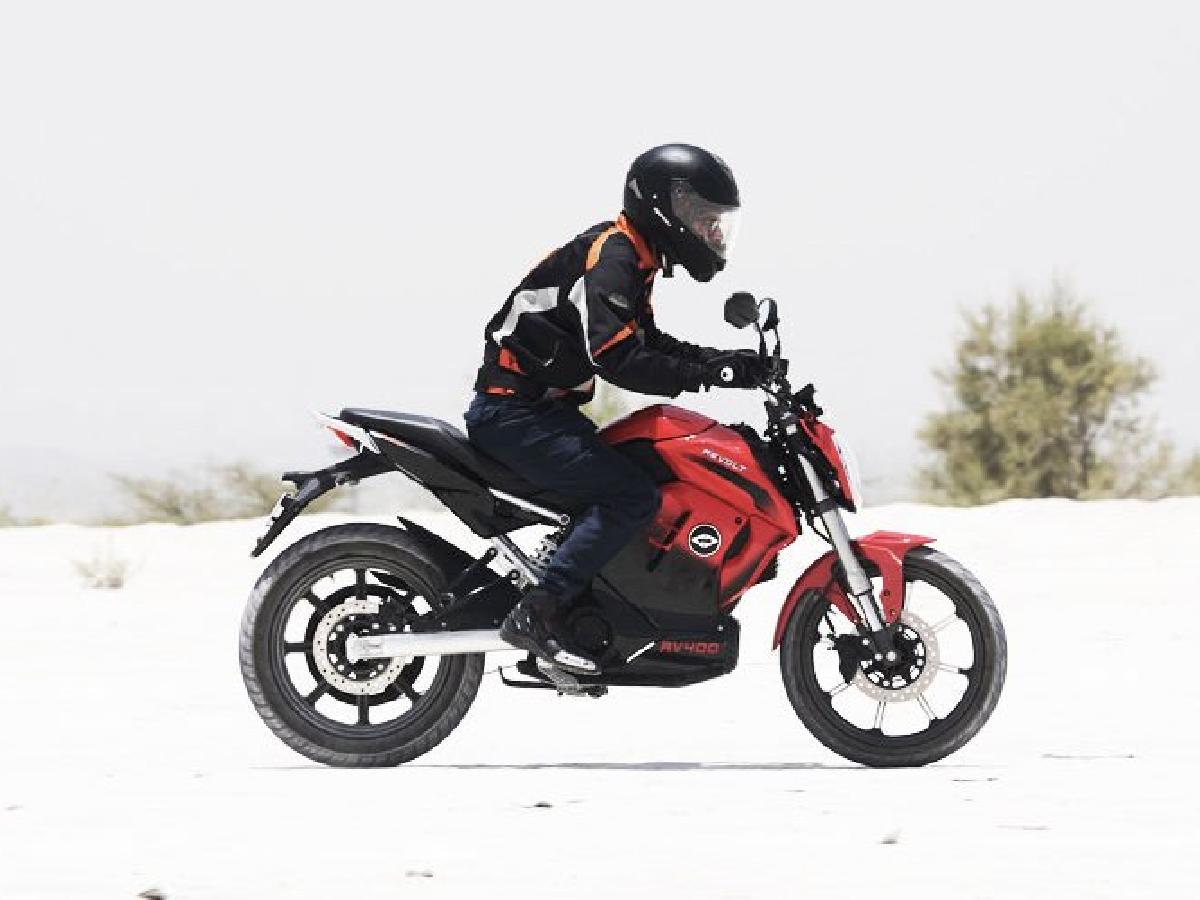
    Revolt Intellicorp has launched the company’s first electric motorcycle, touted as India’s first artificial intelligence-enabled motorcycle, the Revolt RV 400. The Revolt RV 400 e-motorcycle is positioned to compete with conventional 125 cc motorcycles and is the brand’s flagship offering. In addition to the RV 400, the bike maker also introduced the new entry-level RV 300 that remains the most affordable offering from the company. Both bikes are being offered with a payment plan with the RV 300’s prices start at ₹ 2999 per month (for 37 months), while the payment plan for the RV 400 starts at ₹ 3499 for the standard variant, going up to ₹ 3999 (for 37 months) for the premium variant.

    The Revolt RV400 is equipped with an embedded 4G LTE SIM which enables the internet and cloud-connected features of the motorcycle. A dedicated Revolt mobile app offers real-time motorcycle diagnostics, satellite navigation, bike locator, geo-fencing for security, doorstep battery service and access to a battery charging network, called the Battery Switch, as well as online payment gateway.

    The lithium-ion battery of the RV 400 has an ARAI-certified range of 156 km on a single charge, and it will take less than four hours to fully charge the battery. The removable battery can be easily charged either at home or the workplace, with the help of an on-board charger, and re-charged batteries can also be ordered via the app with doorstep delivery options as well. The RV 400 is a quiet, electric motorcycle and the 3kW electric motor offers 175 Nm of instant torque, with a claimed top speed of 85 kmph. The company is also offering an unlimited warranty on the battery of the RV 400.

    The Revolt RV 400 is available for order on Amazon as well as the Revolt Intellicorp official website. The RV 400 also boasts of a choice of synthesized sounds, which can be selected by the rider from the Revolt App. The Revolt RV 400 is now available in Delhi and Pune and soon availability will be extended to other cities, including Bengaluru, Hyderabad, Ahmedabad, and Chennai in the next few months.

    The smaller Revolt RV 300 is powered by a 1.5 kW motor that uses a 2.7 kW battery pack that promises a range of 80-150 km on a single charge. The top speed is rated at 65 kmph. The electric motorcycle will come with an 8 years/75,000 km warranty, with a service interval at every 10,000 km. Revolt is also offering a free tire replacement, one set in three years, but only for the premium variant of the RC400. Bookings for the Revolt RV 300 and RV 400 will open from August 29,2019.

  • Greater China Trio Exits BNP Paribas Wealth Management

    Greater China Trio Exits BNP Paribas Wealth Management

    BNP Paribas Wealth Management loses three senior Greater China private bankers, sources said, after shortlived stints of under 12 months.

    Andrew Wong, Peter Lam and Richard Chi will exit the French lender’s private wealth management arm.

    A spokesperson for the bank declined to comment on the exits.

    Wong joined the bank in late 2018 as head of China at BNP Paribas Wealth Management and was subsequently made co-head of the market when the bank appointed ex-HSBC private banker Philip Wong as its other co-head. Wong has over 20 years of senior private banking roles and was most recently with Credit Suisse before joining BNP Paribas.

    Lam reportedly joined BNP Paribas Wealth Management in March this year from Standard Chartered where he was last a managing director and deputy market head. He has over 30 years of China banking experience including with HSBC Private Banking, UBS and Citi.

    Chi’s license records with BNP Paribas kickstarted on June 29, just two months ago. He previously spent more than 12 years with Bank of Singapore and the former ING Asia Private Bank.

    The senior trio’s stay with the bank was short-lived after BNP Paribas sought to replenish its North Asia front office after a number of outflows last year including Wong’s predecessor, Alfred Tsai, who left to join UBP.

  • 2021 Mercedes-Benz GLE Coupe Breaks Cover

    2021 Mercedes-Benz GLE Coupe Breaks Cover

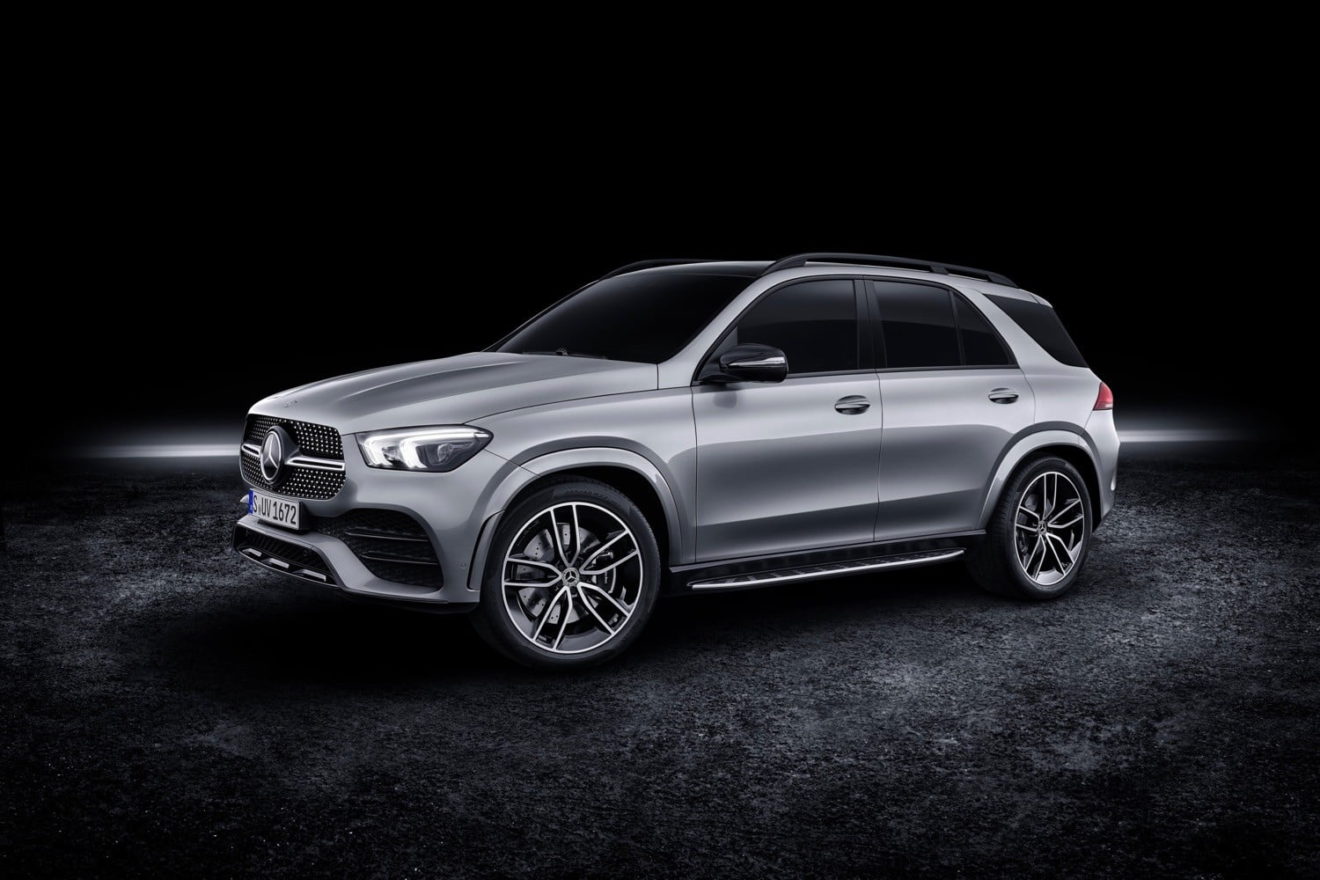
    Mercedes-Benz has revealed the 2021 GLE Coupe and the car will be built in Tuscaloosa, Alabama. The new GLE Coupe is longer, wider and has grown in terms of wheelbase too. The new GLE Coupe is 4939 mm long and 2010 mm wide (39 mm longer and 7 mm wider than its predecessor). The wheelbase has grown by 20 mm compared with the predecessor but remains 60 mm shorter than that of the GLE. The front sees the diamond radiator grille is replaced with the single horizontal louver. The openings in the louver, high-gloss chrome-plated underguard in the front apron all bring out a premium image. With the AMG Line the grille widens downwards in an A shape, and the pins in the diamond radiator grille are portrayed in chrome. The flatter-angled windscreen makes the car look more dynamic and the rear-sloping roofline makes it look elegant.

    Move to the rear of the new Mercedes-Benz GLE Coupe and you can see that beneath the C-pillar there’s a broad muscle which protrudes from the surface of the vehicle side, starting in the rear side door and encompassing the rear lamps. The tail lamps are slim and elongated and look good too.

    The cabin is similar to other premium SUV models from the company’s line-up. The cockpit sees two 12.3-inch screens, one forms the instrument panel while the other acts as the infotainment system. the strikingly shaped instrument panel, horizontally divided by a trim element tier, and seamlessly flowing into the door trim, appear familiar. The upper surface is covered in Artico man-made leather upholstery as standard in the GLE Coupe. The 2021 GLE Coupe gets 655 liters of boot space which can be increased to 1790 liters with the rear seats down.

    Under the hood of the GLE Coupe 350d is a OM 656, 6 cylinder engine which churns out 268 bhp and 600 Nm of torque. There’s also a 400d 4Matic which puts out 326 bhp and 700 Nm. Because all variants of the new GLE Coupe; have a transfer case with an electronically controlled multi-plate clutch as standard behind the 9G-TRONIC automatic transmission. This allows a variable transfer of drive torque from 0-100 percent between the axles. During cornering it can influence the yaw torque in a targeted manner towards over- and understeering of the vehicle and together with the shorter wheelbase it increases the agility of the new GLE Coupe. The AMG gets a 3-liter six-cylinder engine putting out 425 bhp and it comes with 48-volt technology, fully variable AMG Performance 4MATIC+ all-wheel drive, AMG SPEEDSHIFT TCT 9-speed automatic transmission.

    As standard, the new GLE Coupe is given the steel suspension chassis with sportier and tauter tuning. Compared with the preceding generation it benefits from firmer attachment points and improved geometry and offers even more precise wheel location and better shielding from vibrations caused by unevenness in the road surface. The enhanced air suspension system AIRMATIC is available with sporty tuning as an option. Its adaptive adjustable damping uses highly complex sensor systems and algorithms to adapt the damping characteristics to the road condition and the driving situation in real-time. Irrespective of the load the air suspension also keeps the vehicle at the same level and can also adjust the ground clearance – automatically or at the press of a button depending on the driving speed and situation.

  • Volkswagen Polo & Vento Facelifts To Be Launched Next Month

    Volkswagen Polo & Vento Facelifts To Be Launched Next Month

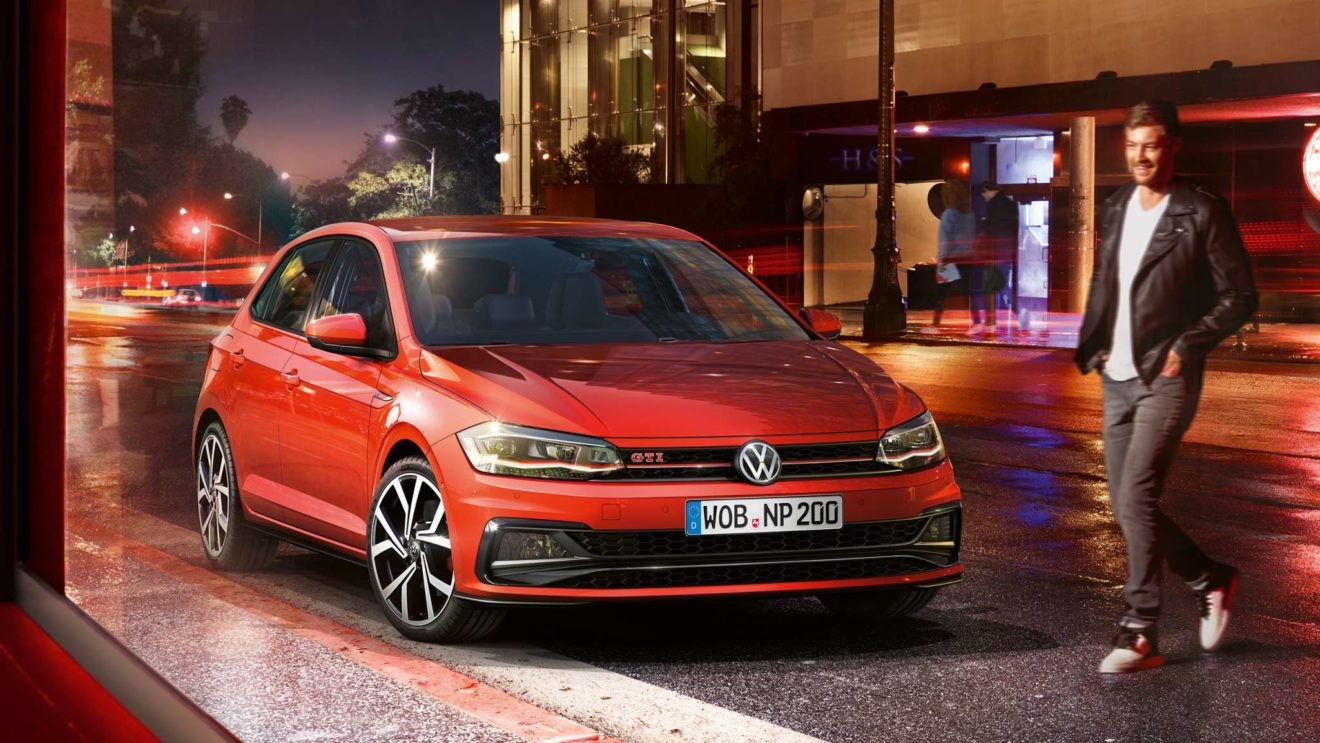
    Volkswagen India will be introducing the facelifted versions of the Polo and the Vento models on September 4, 2019. VW’s most popular models in the country are set to get subtle cosmetic changes for the new model year along with feature upgrades. The updated cars were spotted testing earlier this year too, and the changes will keep the model fresh, with the next generation Polo and Vento for India still some time away from launch. We recently told you that the new generation Polo for India will be based on the MQB A0 platform, which will also spawn the new Vento.

    Based on what we’ve seen on the previous spy shots, the Volkswagen Polo and Vento facelifts will sport a revised front that includes changes to the grille that takes inspiration from the GTI models, while the front and rear bumper have been tweaked as part of the update. The silhouette on both cars remains unchanged. The updated versions will also get new alloy wheels finished in grey. In addition, the Volkswagen Polo and Vento facelifts will get a number of mandatory features as standard including front seatbelt reminders, rear parking sensors, and speed alert system. Dual airbags and ABS are already standard across all variants. It needs to be seen if the infotainment system gets any changes on the cars.

    0Comments

    The Volkswagen Polo completed 10 years in India this year and has largely remained the same barring the cosmetic upgrades and feature additions from time to time. The Vento too has gone through a similar process during its life in the country. With Skoda in charge of the VW Group in India, the company’s focus is on bringing the new range of SUVs first as part of the Volkswagen 2.0 plan, which will be followed by the new Polo and Vento that are likely to arrive by 2021. We do expect to hear a few official announcements at the Auto Expo next year.

  • Kaufland confirms two more sites in Victoria

    Kaufland confirms two more sites in Victoria

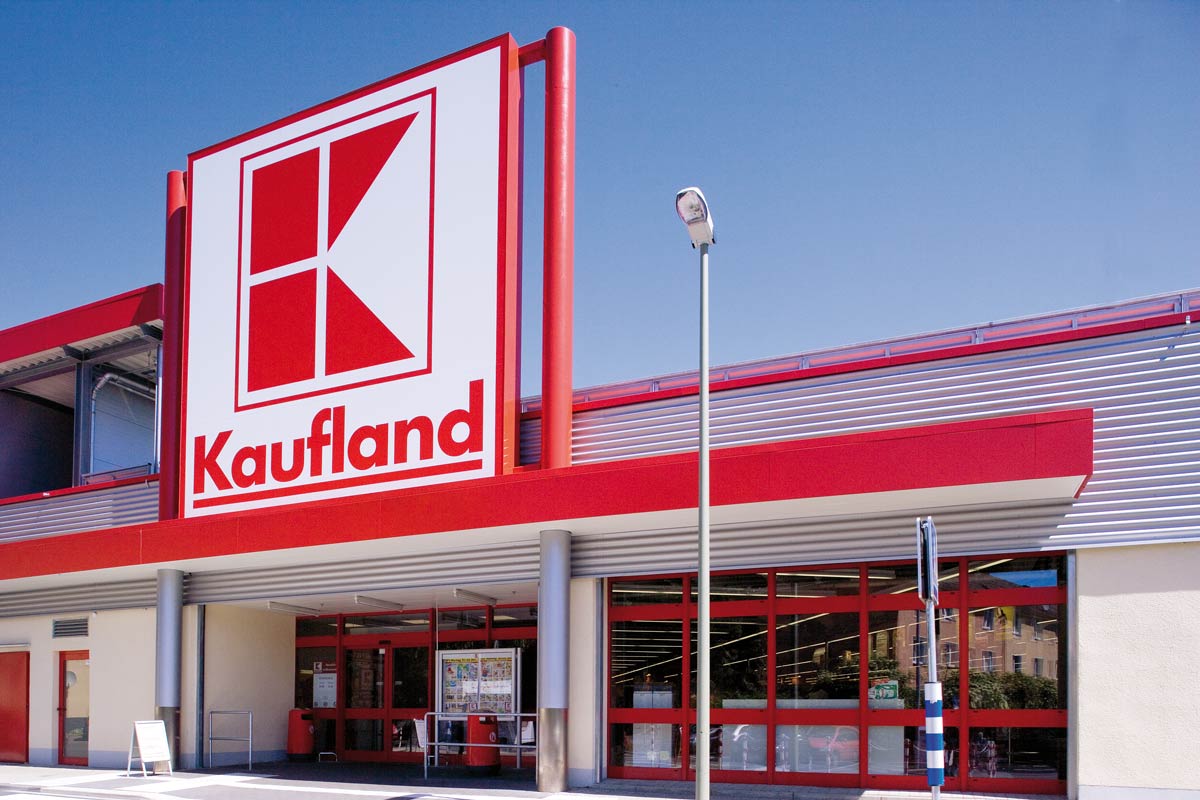
    Kaufland Australia has confirmed two more stores for Victoria, with a further nine to be reviewed by an advisory panel.

    The two new stores located at Oakleigh South and Coolaroo, take Kaufland’s approved store count in Victoria to five.

    The nine proposed sites, to be reviewed by an independent panel, including both metropolitan and regional cities, throughout western and eastern Victoria.

    In March, the retailer confirmed its first three Victorian stores at Dandenong, Epping and Chirnside Park and last week began construction of the first two, which will act as test stores in the Australian expansion.

    Kaufland Australia managing director Julia Kern said the Dandenong store will provide increased choice, value and promote fair competition for consumers.

    “Our Dandenong store marks a tremendous milestone in our development here in Australia, and we are very happy to break ground for our first store in Victoria,” Kern said in a statement on Thursday.

    The German retail giant has also already commenced construction of its $255 million distribution center in Mickleham, which will be one of the largest in Australia.

    Kern made the announcement on Thursday, alongside treasurer of Victoria and minister for economic development Tim Pallas. The development brings Kaufland’s planned total investment in Victoria to over half a billion dollars, with potential for up to 2400 new jobs.

    “With five approved stores, as well as the additional nine sites under review, we are committed to our long term, sustainable growth across Victoria. We look forward to creating thousands of jobs and creating opportunities for local businesses,” Kern said.

    “Australia is one of the fastest-growing regions in the world, and we are excited to grow with it. Our aim is to raise the bar in retail excellence and provide an uncompromising quality food shop for our customers.”

    She said the retailer is focused on delivering “quality, simplicity, variety, and price throughout Victoria and Australia”.

    Last week the retailer announced the acquisition of its third Queensland site at Morayfield Village Retail Centre, to add to the Toowoomba and Burleigh Heads sites.

    The retailer is also planning to build its first South Australian store in Prospect, an inner northern suburb of greater Adelaide.

  • Locations announced for new Lego stores in Queensland, Australia

    Locations announced for new Lego stores in Queensland, Australia

    Alceon Group has announced the locations of two new Lego stores opening in Queensland this year.

    The investment firm, which holds the distribution rights for Lego in Australia and New Zealand, will open stores in QIC’s Robina Town Centre on the Gold Coast and Westfield’s Chermside shopping center in Brisbane.

    The stores, measuring 188sqm and 236sqm respectively, will incorporate many of the custom-built design features seen in the Sydney store, such as brick-built mosaics and 3D models of local icons.

    “We are confident that brick fans of all ages will enjoy these new world-class retail experiences, with signature features that are a tribute to creativity and innovation,” Richard Facioni, executive director of Alceon Group, said in a statement.

    The Queensland store openings are part of a broader expansion of Lego’s bricks-and-mortar presence in Australia and New Zealand, following the opening of the first certified Lego store in the region at Westfield Bondi Junction in March.

    Alceon last month revealed plans to open additional stores in New South Wales, Victoria and Queensland this year, with more to follow in South Australia and Western Australia in 2020. A store is also set to open in Westfield’s Newmarket shopping center in Auckland this year.

    Facioni said in July that the brand has benefited from the popularity of the top-rated Lego Masters reality show; the stores will aim to capitalize on that momentum.

    “Our two landmark Lego certified stores in Queensland will attract both local and international visitors as we unveil fun and inspiring retail environments that showcase the creative potential of the world-famous Lego brick,” he said in a statement.

    Alceon has become one of the biggest investors in the retail sector, after it acquired the Specialty Fashion Group brands Katies, Millers, Autograph, Crossroads and Rivers in 2018. The company has a controlling stake in Noni B and ethical designer fashion brand Ginger and Smart, and owns Ezibuy, SurfStitch, and Pumpkin Patch, among other retail assets.

    The company this week reported a 136 percent increase in sales at Noni B Group, which includes the womenswear chain and five former SFG brands, to $881.9 million, though net profit was down 52 percent to $8.2 million due to restructuring costs associated with the acquisition.

  • Big W profit hit by restructuring

    Big W profit hit by restructuring

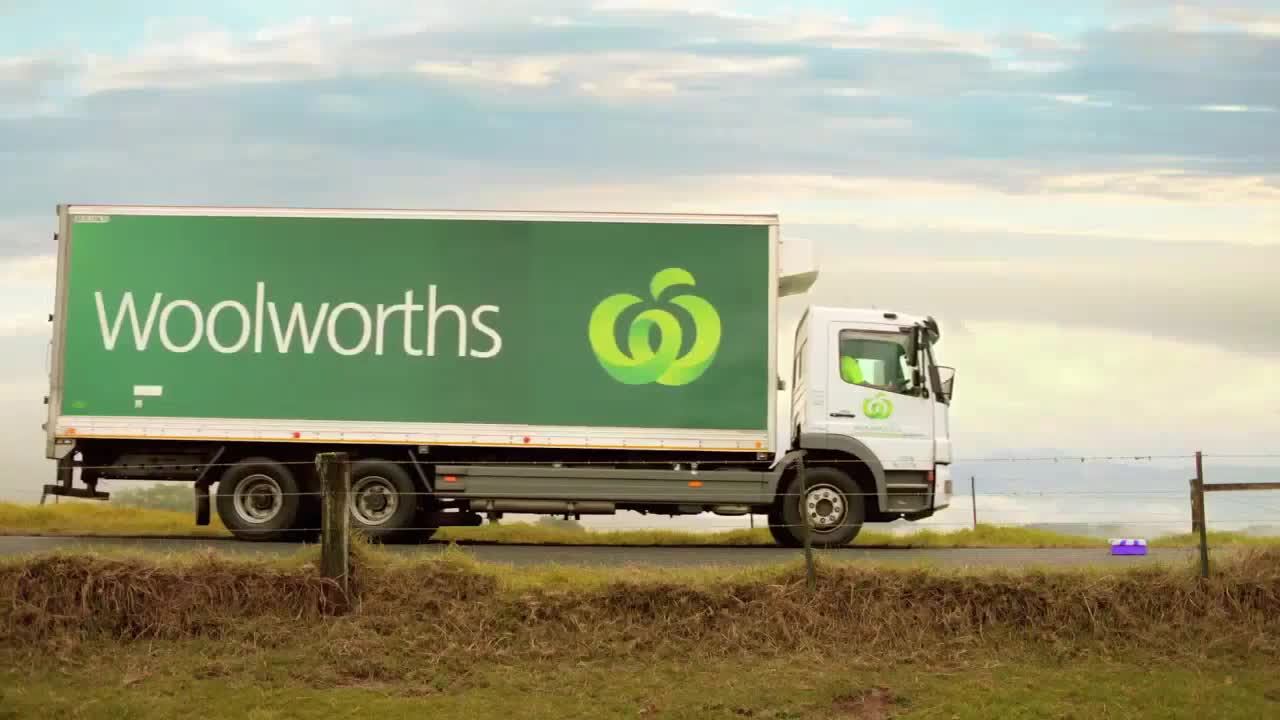
    Woolworths Group has lifted full-year profit from continuing operations by 7.2 percent to $1.75 billion for the full-year, finishing strong with increased sales reported across its supermarkets.

    Group CEO Brad Banducci said the company made “good progress” on its transformation across all businesses.

    Group statutory profit lifted 56.1 percent to $2.69 billion, helped by the $1.7 billion sales of its petrol business. Normalized revenue for the year grew by 3.4 percent to $59.98 billion.

    Woolworths

    Woolworths supermarkets regained momentum after a tough first quarter, which saw the removal of single‑use plastic bags and rival Coles launch its successful Little Shop collectibles campaign.

    Comparable food sales at Australian supermarkets increased by 3.1 percent for the full-year, while a successful Lion King collectibles program boosted comparable sales for the first eight weeks of FY20 by 7.5 percent.

    Online sales grew by 31 percent in Woolworths, helped by the scale-up of its Pick Up and Drive up services, as well as the launch of on-demand delivery in 38 stores.

    Woolworth Group’s New Zealand supermarket Countdown had a strong second half with comparable sales growth of 3.6 percent. The establishment of CountdownX helped the supermarket deliver strong online sales growth of 40 percent.

    Big W

    Woolworths Group’s discount department store Big W saw sales improved 4.2 percent to $3.8 billion, and online sales improve 128 percent – driven by click-and-collect.

    The business reported a loss before interest and tax of $85 million – within recent guidance estimates of between $80 and $100 million, and an improvement over the $110 million loss seen last year.

    However, the cost of a significant item of $371 million leveled against the business due to the store and distribution center closures pushed its loss down 313.7 percent to $456 million.

    Endeavor Drinks

    Drinks arm Endeavour saw improved sales growth in the second half, with comparable sales increasing by 4 percent, versus 0.7 percent in the first half.

    Dan Murphy’s delivered double-digit online sales growth with on-demand delivery now available from 91 stores and 30 minutes Pick Up from all stores.

    In July, Woolworths announced plans to merge Endeavour Drinks with it hospitality business ALH, to be followed by a demerger or “value accretive alternative” in the 2020 calendar year.

    “We are pleased with the progress we made during the year and have exited F19 with good momentum across the Group,” Banducci said.

    “In F20, we expect the uncertain consumer environment and input cost pressures to remain as well as an impact from new enterprise agreements. However, we are well placed to respond to these challenges and are excited about what we can achieve together in F20,” he added.

  • Duoyun Books’ flagship in Shanghai is 52 floors above ground level

    Duoyun Books’ flagship in Shanghai is 52 floors above ground level

    Design firm Wutopia Lab has designed a unique “books above clouds” store in Shanghai’s tallest building for Duoyun Books.

    The design for 2259sqm flagship located on level 52 of Shanghai Tower was commissioned by Shanghai Century Publishing to provide space for 60,000 books. As well as the book-retailing area, the store features a lecture room, exhibition space and a cafe.

    Wutopia’s scheme centres around a “white abstract mountain” of stacked translucent bookshelves and includes curved entrances and large windows offering expansive views over the city.

    A “Tiffany-blue” cafe is embedded amidst the bookshelves, while a pink dessert house is positioned at the end of the store to surprise visitors.

  • Don Quijote eyes massive US rollout

    Don Quijote eyes massive US rollout

    Hard on the heels of a successful expansion in Singapore and launching in Hong Kong and Thailand, Japanese variety retailer Don Quijote is now eyeing continental USA.

    Pan Pacific International Holdings, the company’s parent, already has Marukai supermarkets trading in the US and three Don Quijote stores in Hawaii.

    But rather than replicate its Asian concept, Pan Pacific will create a new format tailored to the US but with “Don Quijote-ism at the core,” CEO Koji Ohara told the publication.

    The expansion will be led by Ohara who will resign from his current role and relocate to the US to build the business there, with a target of expanding its network from 38 currently to 100.

    Sean Butler, MD at supply-chain consulting firm LIDD, told Grocery Dive that he expects Don Quijote will stick to its three pillars – convenience, discount, and amusement – when it launches in the US.

    In the US, Don Quijote has an opportunity to reach an audience hungry for low-price groceries and consumer goods, he said.

    “The company is betting that it can execute experiential retail better than the status quo – and pick up a nice chunk of the world’s largest consumer economy in the process.”

  • Everlane launches on Chinese Tmall Platform

    Everlane launches on Chinese Tmall Platform

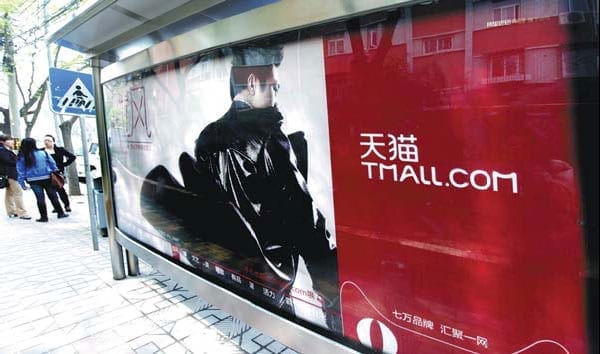
    US fashion brand Everlane has opened a store on Alibaba’s cross-border e-commerce marketplace Tmall Global.

    The Tmall Global store will offer Chinese consumers access to Everlane’s latest products, including womenswear, menswear, shoes, and accessories. It is the San Francisco-based label’s first sales channel in China, apart from its own site.

    The brand is known for championing sustainable practices and its ethos of “radical transparency,” revealing the costs behind each product – from materials and labor to transport and duties – and offering it to consumers at a price below the traditional retail markup. When shoppers look at the Tmall Global product page for its Day Market Tote, for example, they will see the leather bag costs about RMB807 (US$112.9) to make and is sold at RMB1514 – nearly half the traditional market price, according to Everlane.

    “China is one of the most thoughtful and sophisticated consumer markets in the world,” said Everlane’s founder and CEO Michael Preysman. “The Chinese consumer cares about beautiful quality at a great price and cares about the planet and their impact on the world. We want to help support their vision and offer beautiful basics that are also ethically made.”

    “As the consumer demand for ethical clothing and sustainable products grows, we believe Everlane will welcome a new era of shopping on the platform,” said Tmall Global deputy GM Yi Qian.

    “Everlane has pioneered the idea of radical transparency in their supply chain by showing their costs and factories, and we look forward to partnering with them closely to bring their products and stories to Chinese consumers.”

  • Cecilia Woo opens outlet in Hong Kong

    Cecilia Woo opens outlet in Hong Kong

    The first store for California fashion label Cecilia Woo opens in Hong Kong, targeting an international audience at the new K11 Musea.

    The brand’s founder Cecilia Woo says that since the business was set up in late 2014 in California, the brand has been leveraging its concept to serve the specific needs of modern women. Over the years, Cecilia Woo has built a foundation in key mainland cities such as Beijing, Shanghai, and Chongqing, developing a significant following through physical and online channels.

    “Hong Kong is Asia’s world city,” said Woo. “This place is highly relevant for light luxury brands in terms of fashion trends and ways of life. The city also attracts travelers from around the globe. It is an ideal landing point for us with solid international opportunities.”

    She added that the company considers now is the right time to develop the brand across global markets.

    “We appreciate the spirit of women here as well as the work-hard culture, which is very much the essence of this city,” said Woo. “Our brand is dedicated to serving modern women. We cannot think of anywhere else that is more relevant than Hong Kong to develop our Muse concept for women.”

    “Hong Kong’s international status adds value for foreign investors targeting global markets,” commented the brand’s associate director-general of investment promotion, Dr. Jimmy Chiang. “In addition, we offer comprehensive systems such as a low tax regime, an effective legal system and an availability of experienced sales and marketing professionals, making our city the ideal place for brands that want to promote their products and concepts to the world. We are confident that Cecilia Woo can prosper in Hong Kong and thrive in the world markets.”

  • Ted Baker appoints Sojitz Infinity as its partner for Japan

    Ted Baker appoints Sojitz Infinity as its partner for Japan

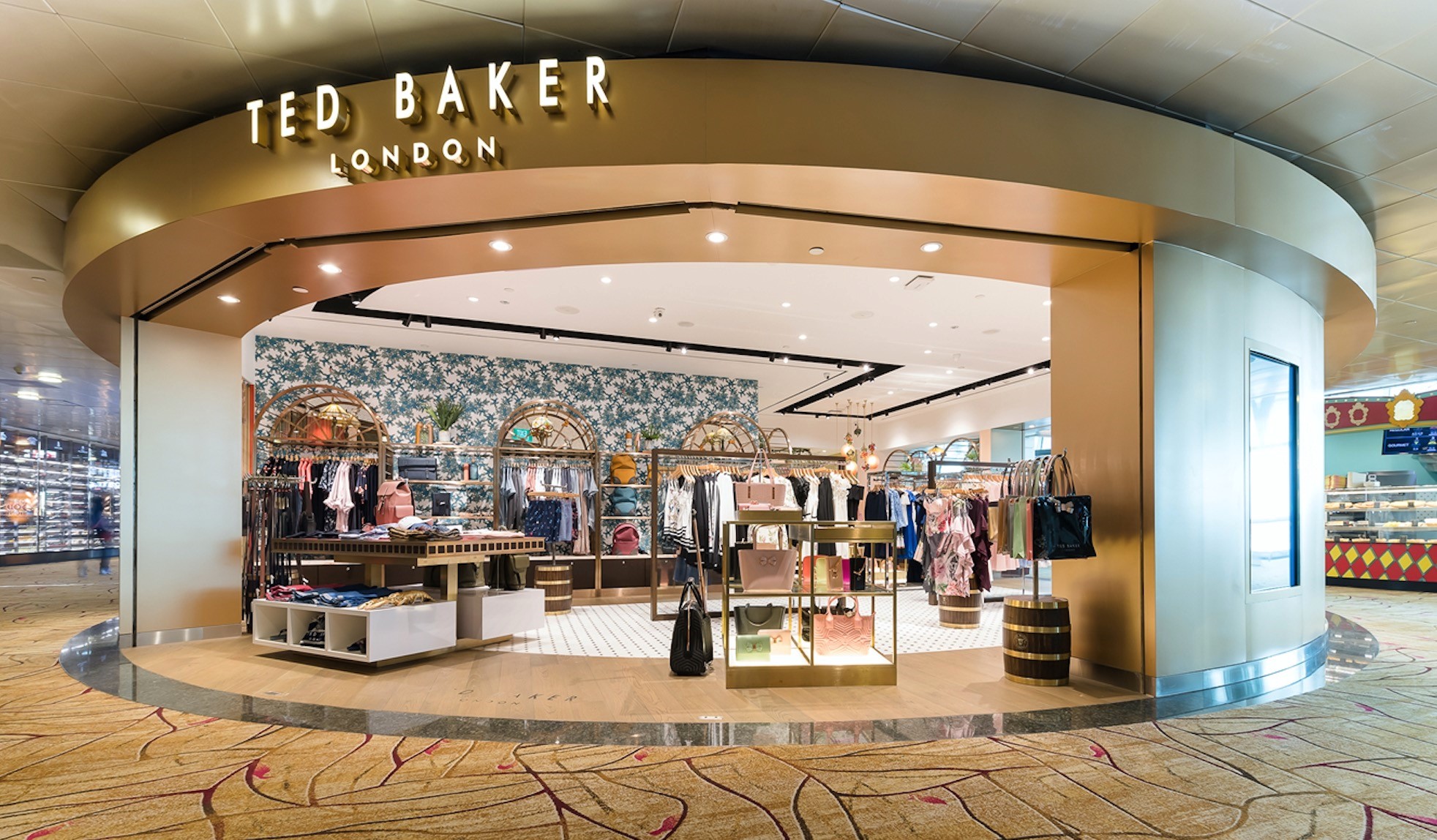
    Lifestyle fashion brand Ted Baker has signed an exclusive retail license deal for Japan with local apparel manufacturer and distributor Sojitz Infinity, initially for five years.

    Sojitz Infinity will drive the long-term expansion of the Ted Baker brand in the region, combining its local expertise – especially within the department store sector – with the buying, merchandising and brand-building expertise of Ted Baker.

    The licence, expected to commence on October 1, marks Ted Baker’s 17th retail license partner globally.

    Over recent years, the firm has invested in introducing and developing the Ted Baker brand in the Japanese market, having opened five stores in the territory to date. Sojitz Infinity intends to build on Ted Baker’s existing store portfolio, expanding the concession network and investing in Ted Baker’s online presence.

    The deal will kick off the brand’s next growth phase in Japan, said Ted Baker CEO Lindsay Page. “Over recent years, we have invested in introducing Ted Baker to Japanese customers and we are confident that our new Japanese retail-license partner will build on this platform and deliver meaningful long-term growth.

    “In Sojitz Infinity, we have an extremely capable partner that brings local market expertise to our brand alongside our already well-established design, buying and merchandising skillset. This combination will drive an acceleration in the performance of the business. We firmly believe that Japan has the long-term potential to be an important market for the Ted Baker brand.”

    As part of the appointment, Ted Baker will transfer certain existing assets relating to its Japanese business (which includes existing non-current stock, fixed assets, and leases) to Infinity at nil value to support the successful transition of the operations.

    As a consequence, Ted Baker anticipates exceptional transaction-related costs of approximately £4 million (US$4.88 million); the costs include onerous lease expenses, restructuring charges, and deal-related costs. The non-cash charges of about £1 million ($1.22 million) include the transfer of non-current stock and fixed assets. Current season stock is being transferred on commercial terms.

    It is expected that the appointment of the license partner will be accretive to the group’s pre-tax profit in the current financial year. The positive impact of profit will increase during the later years of the contract.

    Sojitz Infinity CEO Kohei Ono said Ted Baker is a brand the company has followed since its arrival in Japan.

    “We believe it has the potential to appeal to more consumers in this market. Our knowledge and experience in building fashion brands through stores, concessions and online should add value to Ted Baker and we look forward to working together.”

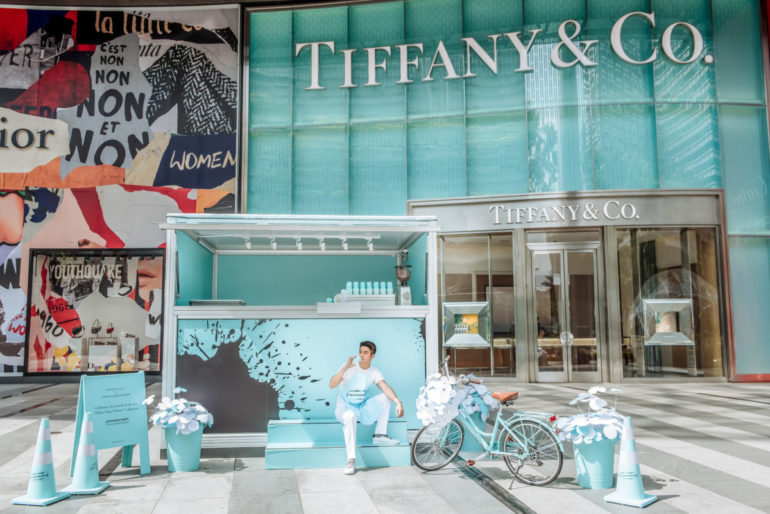
  • Sales up for Tiffany in China, other markets struggle

    Sales up for Tiffany in China, other markets struggle

    Double-digit sales growth for Tiffany in China provided some encouragement for the US jewelry retailer in what was otherwise an unremarkable half.

    And despite the brand’s strength on the mainland, Tiffany’s CEO Alessandro Bogliolo expressed concerns about the second half, referencing the ongoing social disruption in Hong Kong.

    “As with the first quarter, we are encouraged in the second quarter by sales growth attributed to our local customer base globally, which was again led by double-digit growth in Mainland China,” he said, noting sales to tourists were softer.

    “With the tough comparison to last year’s strong performance in the first half behind us, and in spite of the headwinds of weak demand from foreign tourists, currency exchange rate pressures and continuing business disruptions in Hong Kong, we are actively managing what is in our control and positioning our brand to win – accelerating new product introductions and keeping a visible profile.”

    Across Asia-Pacific, total net sales decreased 1 per cent in both the second quarter and the first half, to US$298 million and $622 million, respectively, which included comparable sales declines of 3 per cent in the second quarter and 4 per cent in the first half, balanced by the opening of new stores and increased wholesale sales. The declines were largely due to currency changes.

    Sales performance throughout the first half reflected strong growth by Tiffany in China, softness in Hong Kong and mixed performance in other markets in the region.

    In Japan, total net sales of $155 million were unchanged in the second quarter and decreased 2 percent to $300 million in the first half, and comparable sales decreased 1 percent and 2 percent, respectively. On a constant-exchange-rate basis, sales decreased 1 percent in both quarters, while comparable sales decreased 3 percent and 2 percent, respectively.

    Neil Saunders, MD of GlobalData Retail, said that after taking into account the strong prior-year numbers the Tiffany results reflected a marked deterioration from the type of growth being achieved several quarters ago.

    “Domestic (US) demand slipped modestly, mostly among middle-income shoppers who are cutting back more on expensive, unnecessary purchases. Tiffany has not been able to entice them with its various collections in the way it was doing last year.”

    However, he said GlobalData’s research showed that while marketing efforts are not necessarily driving sales, the company is improving traction with younger shoppers.

    “From our data, brand awareness is still rising among the under 35 cohort; however, conversion among this age band has been static over the past few months, meaning that Tiffany is not doing enough to activate this group.”

    Saunders said the planned launch of a range focused on male customers provides a strong an opportunity for Tiffany, but warned it will take time before it resonates, mostly because the retailer’s overall offer remains very focused on women and men know the brand through shopping for women.

    “We do not think this initiative will be an overnight success. It will likely take a long time to change the perception of men and to get them actively shopping with the brand.”

    He concluded that while Tiffany’s sales were not yet reflecting the efforts being invested in improving the brand, it was important that the company “holds its nerve”.

    “Many of the strategies the company has put in place to refresh the brand are directionally correct and are working. There is a case for greater innovation in ranges, especially more modestly priced collections, as well as some elevated marketing over the holiday period. However, neither of these things will entirely counteract a tougher external environment – it will only take the edge off the difficulties.”
  • Forever 21 may seek bankruptcy protection in court

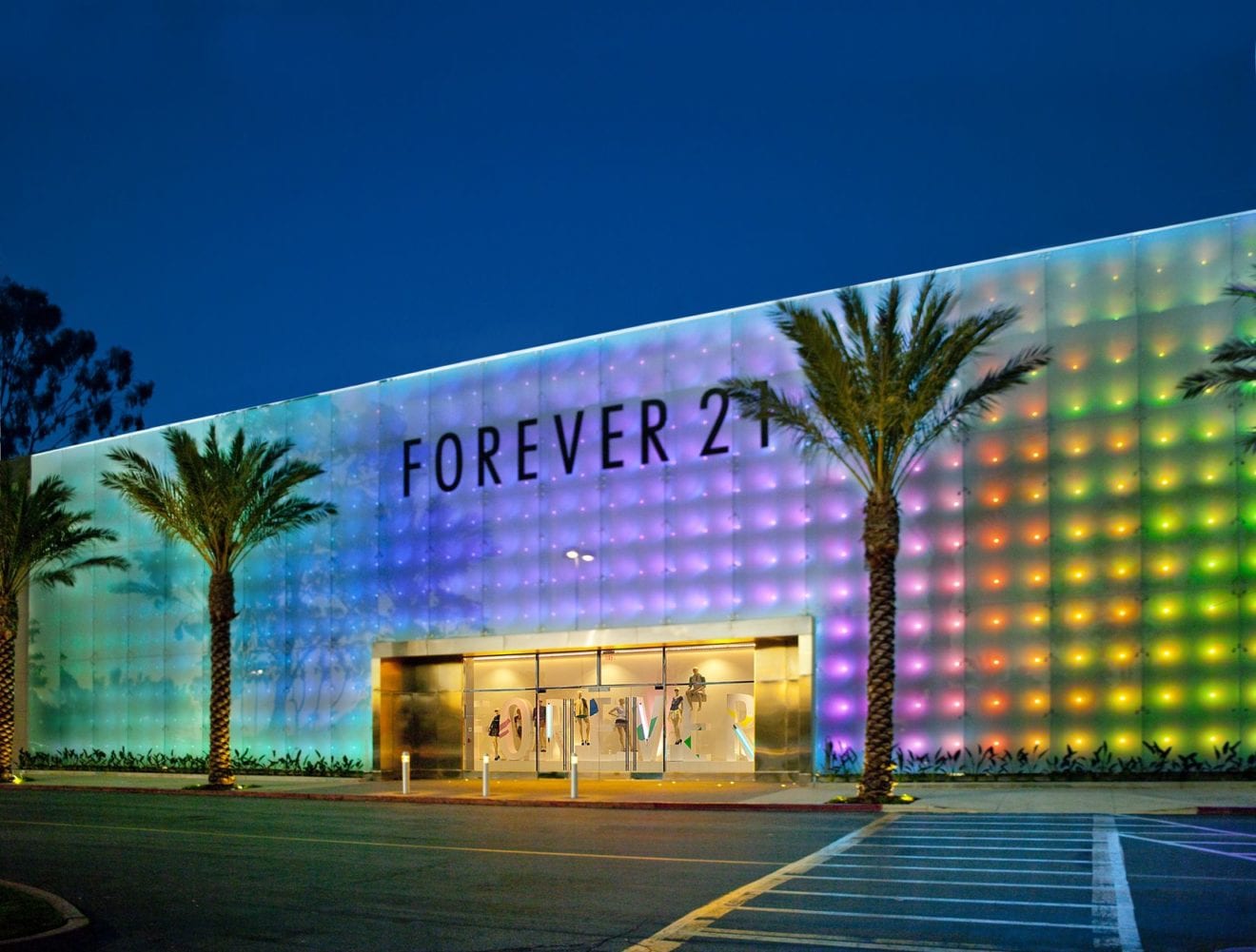
    Forever 21 may seek bankruptcy protection in court

    Californian fast-fashion retailer Forever 21 is reportedly preparing to file for bankruptcy protection after failing to reach a deal to refinance its heavy debt load.

    Citing people with knowledge of the plans, Bloomberg has reported that the company has been in talks for additional financing and working with a team of advisers to help it restructure its debt, but negotiations with possible lenders have so far stalled.

    There are reports that a major barrier to any deal being reached is the unwillingness of co-founder Do Won Chang to accept less than a controlling interest in the business in return for investment which could place the retailer on a firmer financial footing.

    Now the company is believed to be looking to secure a so-called ‘debtor-in-possession loan’ which would allow it to file for Chapter 11 bankruptcy protection.

    With more than 800 stores in the Americas, Asia and Europe Forever 21 grew from a single store in Los Angeles in 1984 opened by Chang and his daughter Jin Sook. While its international growth trajectory was rapid in the 2000s, in later years it has failed to keep pace with European rivals H&M and Zara and Japan’s Uniqlo, leading it to shutter flagship stores like the giant, three-story space in Hong Kong’s Causeway Bay.

    It no longer has a store in Hong Kong, but sells online there. In Asia, its network covers the Philippines, South Korea, Japan, Malaysia, Singapore, Indonesia, and India.

    Like a raft of other troubled US retailers entering Chapter 11 protection, Forever 21 would have the ability to close unprofitable stores, reduce its payroll and recapitalize the business.