Author: Mei Ling Tan

  • Fitbit debuts fitness and health Premium subscription service

    Fitbit debuts fitness and health Premium subscription service

    Alongside the Versa 2 smartwatch, Fitbit announced a subscription-based fitness and health service that it calls Fitbit Premium. The service uses unique data from each subscriber to deliver a personalized experience “with actionable guidance and coaching.”

    The premium service is meant to help users achieve their health and fitness goals and costs $9.99 per month. At launch, Fitbit Premium includes nine guided health and fitness programs, which will help subscribers get more sleep, wake up energized, increase their activity, manage nutrition and create lasting healthy habits.

    Among the programs that subscribers will be able to use, Fitbit mentions actionable coaching, daily tips and tricks, structured workout plans, relaxation tools, recipe suggestions, and educational content.

    But that’s not all, as Fitbit promises to launch additional activity, sleep, and nutrition programs by the end of the year. Also, to help those with a condition such as diabetes or weight loss, Fitbit says it will launch a personal, one-to-one coaching service in 2020, with a limited pilot targeted to roll out later this year.

    Fitbit Premium will start rolling out in September at $9.99 per month or $79.99 per year. However, promotional pricing and product bundle offers might be available before and after the premium services releases.

  • Motorola might drop Qualcomm’s chipsets for the Moto G8 Play

    Motorola might drop Qualcomm’s chipsets for the Moto G8 Play

    We don’t expect Motorola to announce a new lineup of mid-range smartphones until next year, but that doesn’t mean the US company is not already working on the Moto G8 series. Even though we’re still far from an official announcement, the first details about Motorola’s plans regarding some of its upcoming phones have already emerged.

    The folks over at XDA Developers report at least one of Motorola’s upcoming smartphones, the Moto G8 Play will no longer come equipped with a Qualcomm processor. Instead, Motorola plans to include either the MediaTek Helio P60 or the MediaTek Helio P70.

    On the bright side, the Moto G8 Play is rumored to pack a much larger 4,000 mAh battery, a 1,000 mAh increase over the current Moto G7 Play model. Also, the smartphone will include either 3 or 4GB RAM and 32 or 64GB of internal memory. Pretty much every part of the phone (memory, battery) seems to have been improved over the current model, although we’re not so sure about the processor.

    Furthermore, depending on the market, the Moto G8 Play will support NFC (Near Field Communication), dual SIM, both, or neither of those. For the time being, Motorola plans to launch the Moto G8 Play in Latin America, Asia Pacific countries, and Europe, so there’s no telling whether or not it will bring it to the US.

  • The success of the iPhone keeps Apple from moving production out of China

    The success of the iPhone keeps Apple from moving production out of China

    With U.S. President Donald Trump willing to tax U.S. companies and consumers into a recession, Google apparently is ready to move the production of its Pixel handsets and smart speakers out of China and into Vietnam and Thailand respectively. Apple has yet to announce a move away from China although reports earlier this year indicated that it was looking to shift 30% of its manufacturing out of the country. And yes, Vietnam is one of the regions that many believe will end up home to some of Apple’s manufacturing facilities-eventually. But this won’t happen overnight; finding a trusted supply chain and trained workers take time.

    Apple does have an incentive to move its production out of China; starting on December 15th, the iPhone will be included in a group of products from China that will be taxed at 15% when imported into the states. Originally, the tariff was supposed to start on September 1st, but President Trump didn’t want the Christmas holiday season marred by slower growth due to the tariffs. However, the Apple Watch and the AirPods face a 15% tax starting on September 1st.

    Apple could decide to eat all or some of the tax or pass all or some of it on to consumers in the form of higher prices. Considering that 13.8% fewer iPhones were sold to consumers globally during the second quarter (year-over-year), Apple might decide to absorb the additional costs for now.

    While Apple does produce a small number of iPhones in India, this was originally done to escape an Indian import tax that might have made it hard for consumers in the country to buy an iPhone; while it is the second-largest smartphone market in the world, India is a developing country after all. But what is frightening to consumers worried about higher iPhone prices is that the tech giant is becoming more reliant on its manufacturing facilities in China. According to Reuters, Apple has added far more factories inside the country than out of it. It’s main contract manufacturer Foxconn has expanded from 19 Chinese factories in 2015 to 29 this year. And Pegatron, another company paid by Apple to assemble its products, has gone from 8 plants in the country to 12 over the same time period.

    And supply chain data calculated by Reuters shows that Apple is pretty much still committed to China. 44.9% of Apple’s suppliers were in China back in 2015, a figure that has actually risen to 47.6% this year.

    “The vast majority of our products are kind of made everywhere. There is a significant level of content in the United States, and a lot from Japan to Korea to China and the European Union also contributes a fair amount. … I think that will carry the day in the future as well.”-Tim Cook, CEO, Apple

    If you’re wondering why Google can easily shift Pixel production from China to Vietnam and Apple can’t, it is a matter of scale. Even after doubling the number of Pixel handsets to be assembled this year, Google is building only 8 to 10 million phones in 2019 which is a drop in the bucket compared to the number of iPhones that Apple churns out in the course of a year. So Apple needs a larger supply chain with companies that it can trust to deliver in the quantity and quality it needs for the iPhone. But the company might have no choice but to keep iPhone production in China. According to Dave Evans, CEO of San Francisco supply chain firm Fictiv, there are only a few places outside of China that can produce 600,000 phones a day. In other words, the success of the iPhone is what is keeping Apple in China despite the tariffs.

  • HSBC Offers Fee Cuts, Rebates to Support Hong Kong SMEs

    HSBC Offers Fee Cuts, Rebates to Support Hong Kong SMEs

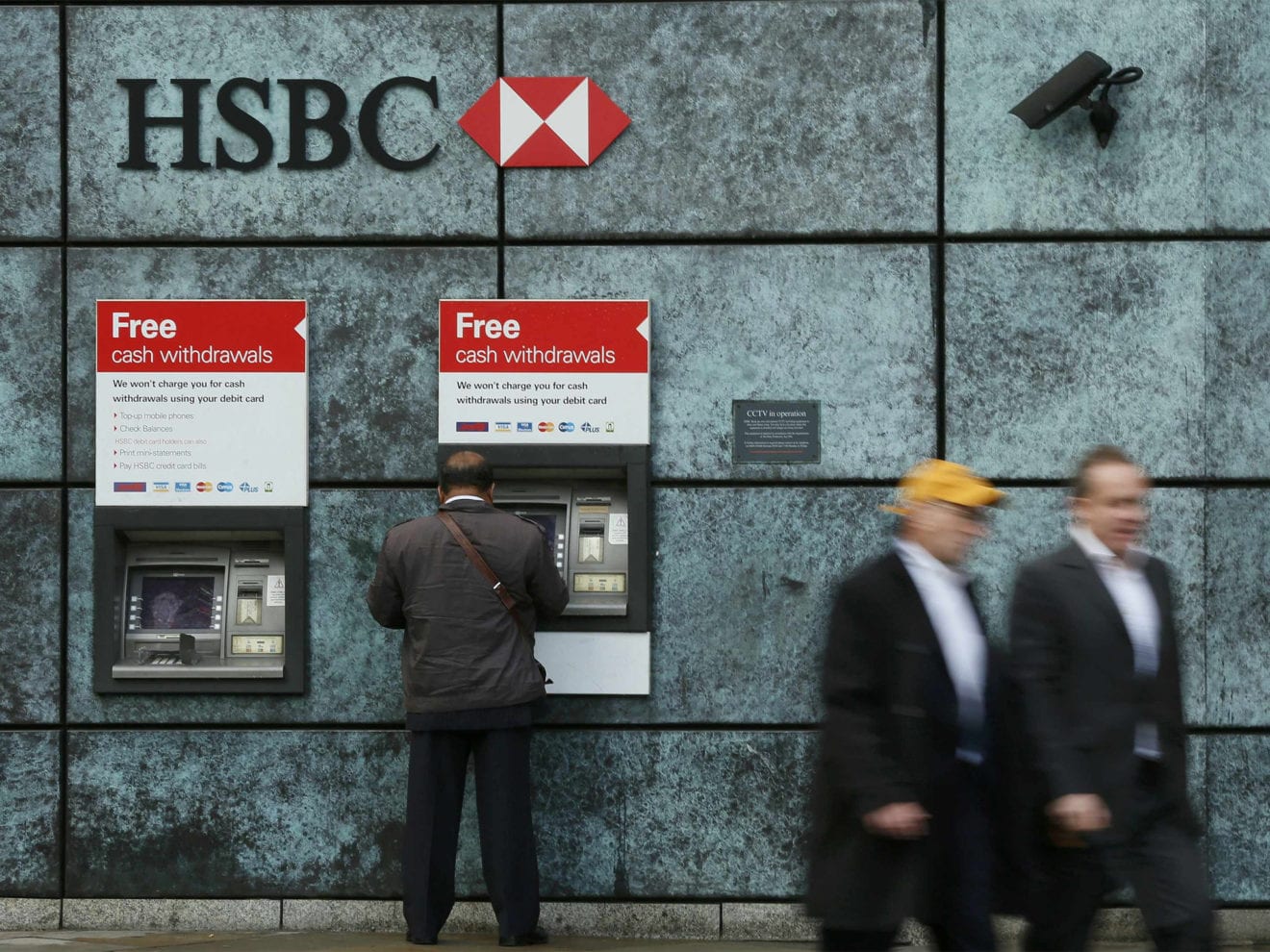
    HSBC has announced a range of measures intended to help struggling businesses cope with challenges from the China-U.S. trade war and the anti-government protests in Hong Kong.

    As the Hong Kong economy is facing its worst crisis in a decade, HSBC has become the first bank to take action to help its small and medium enterprise customers by offering fee cuts and rebates.

    The bank and its subsidiary Hang Seng Bank are offering an interest rebate of up to HK$20,000 ($2,550) to SMEs that take out loans under SME Financing Guarantee Scheme and the SME Loan Guarantee Scheme for repayments made between March and August.

    At the same time, the bank is extending until June 30, 2022 its subsidy of up to HK$50,000 that is given to SMEs to pay for the fee for the government to back the loan. From September 2 until the end of the year, merchants will also enjoy lower fees for B2B transfers using HSBC’s PayMe platform as the bank has revised its fee to 0.75 percent, down from 1.5 percent.

    Protests Affecting Business

    Months of anti-government protests across Hong Kong have disrupted business and traffic, and caused a drop in tourist numbers to the special administrative territory and paralyzed shopping areas.

    According to HSBC, SMEs account for over 98 percent of local enterprises and around 45 percent of total employment. We have spent time listening to our customers and have heard their voices at this difficult time, Terence Chiu, the bank’s head of commercial banking for Hong Kong, was quoted by “SCMP” as saying.

    Countries including Singapore and the U.S. have issued advisories to defer non-essential travel to Hong Kong.

  • Saudi Arabia – The Global Investment Powerhouse for AI and Automation

    Saudi Arabia – The Global Investment Powerhouse for AI and Automation

    The Kingdom of Saudi Arabia’s Vision 2030 plan explicitly spells out the nation’s ambitious attempt to radically overhaul its economy. With carefully curated programs and clear-cut themes that are designed to deliver impact against strategic objectives, Saudi Arabia is intensely working towards becoming an international trade hub connecting three continents: Africa, Asia and Europe. KSA seems to be shifting from its major dependency on oil revenue to a more diversified economy by maximising its investment capabilities including emerging technologies from around the world through the Public Investment Fund. According to a global study conducted by PWC in 2017, AI could contribute to US$135 billion (12.4%) to Saudi Arabia’s GDP by the year 2030 that is the second-highest share in the region after the UAE.

    As a part of its Vision 2030 plan, Saudi Arabia has earmarked billions of dollars in robotics and artificial intelligence, making it a pillar of the nation’s economic development strategy. According to a report by McKinsey & Company, routine-task intensive sectors such as manufacturing, transportation and logistics have a technical automation potential greater than 50%. Similarly, 41% of existing work activities in Saudi are theoretically automatable today.

    In line with Saudi Arabia’s Vision 2030 plan, the Riyadh edition of World AI & RPA Show organized by ALAGAT in collaboration with international business events and consulting firm Trescon, is taking place on 16 and 17 September 2019 at the Riyadh Marriott Hotel. The show will demonstrate AI, ML, Robotics, Cyber Security, Analytics, and Automation solutions from top AI & RPA influencers and leaders to give impetus to the ambitious reform program. World AI & RPA Show is also supported by Arab Robotics & AI Association.

    Saudi Arabia’s Vision 2030 initiatives in AI and Automation

    • Improving visa application procedures with the aim of full automation
    • Streamline import/export processes through automation, with a 54% reduction in import dwell times at ports
    • The US$ 500 billion mega-intelligent city project ‘NEOM’ will allow for a new way of life built around the best technologies of the future such as AI, big data, and IoT

    With an estimated impact of US$ 320 billion by AI in the Middle East, the opening day will see focused discussions on AI and ML, Robotics, and Intelligent and Cognitive Automation with an active participation from experts, Saudi Arabia’s top government authorities, and decision-makers from global enterprises. Experts attending the show include, Dr Esam Alwagait, CEO of National Digitization Unit, Government of Saudi Arabia; Abdulmajeed Alomrani, Innovation Director, Small & Medium Enterprises General Authority (Monsha’at), Saudi Arabia; Hisham Hammami, Chief Information Officer for the Ministry of Hajj and Umra; Atif Zaidi, Chief Information Officer of NEOM, Saudi Arabia; Sabri Skhiri, Chief Visionary Officer of Digazu, Belgium; Gary West, Managing Director of Future Mobility for General Motors Middle East, UAE and Dr Satyam Priyadarshy, Chief Data Scientist, Halliburton, United States among other top speakers.

    When asked about the upcoming event, VP – Head of Digitalization and Automation of Bank Aljazira, Faisal Alrashoudi had said, “I believe in the future of AI changing the world. The question is, who is changing AI? It is really important to bring diverse groups of students and future leaders into the development of AI.

    As the RPA market embraces an explosive growth globally, the show will also focus on discussing ground level applications, use-cases and challenges from international subject matter experts and business leaders who are currently assessing RPA in their businesses. “World AI & RPA Show unequivocally aligns with Saudi Arabia’s Vision 2030 plan to empower its economy with advanced technologies. Our mission is to provide momentum to the Vision roadmap by attracting startups, investors and AI experts from all over the world”, said CEO and Founder of Trescon, Mohammed Saleem.

  • Noni B Group looks at rebranding

    Noni B Group looks at rebranding

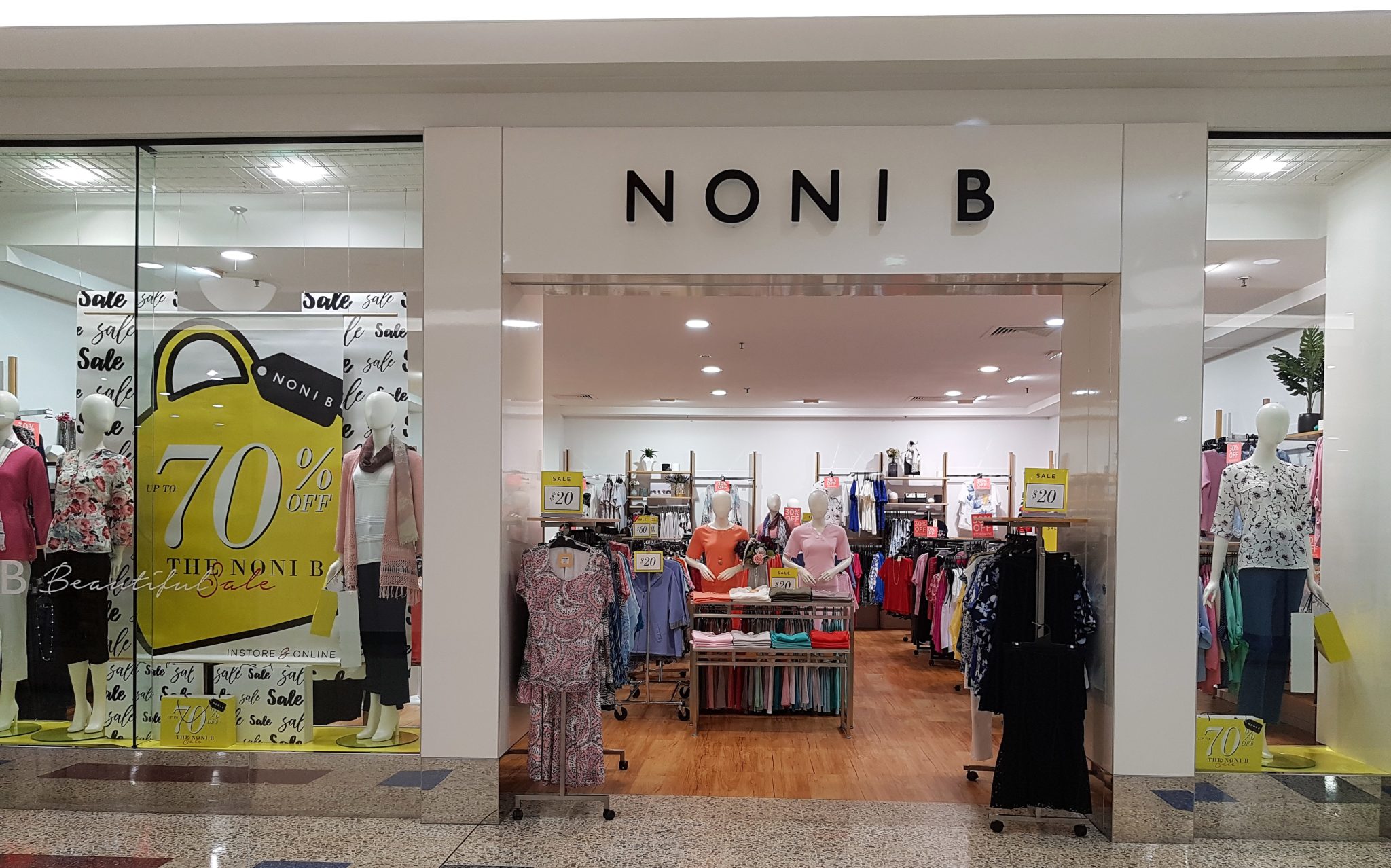
    Fashion retailer Noni B Group enjoyed the benefit of its first year of trading as a significant multi-brand retail group during FY19 and is seeking to push further into this direction: floating a name change to Mosaic Brands Ltd.

    According to Noni B Group chairman Richard Facioni, this change is another significant milestone for the group, and reflects the synergistic and complementary collection of brands that are now part of its portfolio.

    Noni B Group currently operates the Millers, W.Lane, Noni B, Rivers, Katies, Autograph, Rockmans, Crossroads and BeMe brands.

    While the five former-Specialty Fashion Group brands acquired in July 2018 made a collective positive earnings contribution to the group, ongoing costs relating to the acquisition, as well as restructuring, hit the group’s bottom line for FY19.

    Noni B Group announced on Tuesday net profit had fallen 52 per cent to $8.2 million from $17.3 million the year prior, while EBITDA rose 22 per cent to $45.5 million, and revenue grew to $881.9 million, from $372.4 million the year prior – a 136 per cent increase.

    “This result, at a time of considerable change within the business and an uncertain economic climate globally and domestically is a significant achievement,” Facinoni said.

    “When we announced the acquisition of the Specialty brands, we conservatively expected them to break-even on an EBITDA basis in FY2019, returning to profit in FY2020.

    “We achieved anticipated synergies and merger benefits ahead of schedule and identified additional efficiencies, resulting in the five brands, collectively, making a positive earnings contribution for the year.”

    Noni B Group managing director Scott Evans said that he was pleased with the result, and that lessons learned through operating nine separate brands across an expanded footprint had enhanced the group’s understanding of its customer’s product preferences, shopping habits, and behaviours.

    “These insights have guided our decisions across the group to improve all aspects of our customers’ journey,” Evans said.

    “In summary, we are a very different company than a year ago. The changes we have made have created a stronger and more profitable business which is financially stable, generates cash and provides a solid platform for future expansions.”

    “We are excited about the potential to be unlocked by greater analysis of our group’s data, store expansion and online strategies.”

    Evans expects the group’s omni channel strategy will be a pillar for growth moving forward.

    Online sales grew to 9.8 per cent of total group sales in FY19 from 4 per cent in FY18, having reached comparable sales growth of 21 per cent – which the acquired brands saw sales growth of 15 per cent, up from 9 per cent in FY18.

    This result has prompted further investment in the online space – with Noni B Group looking to expand the online team, add further digital marketing channels and improve its customer experience.

    For FY20, Noni B Group is expecting underlying EBITDA to reach $75 million – in line with market consensus.

    Shareholders will be able to vote on the potential name change at the group’s AGM in November.
  • Yum China buys Chinese retail chain Huang Ji Huang

    Yum China buys Chinese retail chain Huang Ji Huang

    Yum China Holdings has entered into a definitive agreement to acquire a controlling interest in Huang Ji Huang group, a leading Chinese-style casual-dining franchise business.

    Subject to the satisfaction of closing conditions and regulatory approvals, the transaction is expected to close early next year.

    Founded in 2004 and headquartered in Beijing, Huang Ji Huang has more than 640 restaurants in China and internationally. The group operates primarily under a franchise model and its brand portfolio consists of simmer pot brand “Huang Ji Huang” as well as “San Fen Bao”, a newly launched Chinese fast food concept.

    Yum China is the largest restaurant company in China, with more than 8700 restaurants as of June 30. With the addition of Huang Ji Huang, Yum China aims to gain a stronger foothold and enhanced knowhow in the Chinese dining space, which represents a significant share of the dining market in China.

  • Costs hidden from potential franchisees business

    Costs hidden from potential franchisees business

    Would-be food franchisees are not being given the full picture before they buy into a business, with several franchisors withholding important details including the contact information of former franchisees.

    The ACCC has also found food franchisors were consistently failing to disclose key unavoidable ongoing costs, such as wages, rent or inventory, and were not detailing which essential goods must be bought from a specific supplier.

    The competition watchdog said it was deeply concerned with the findings in its disclosure practices report released on Tuesday, flagging potential court action against some franchisors it believes are in breach of consumer law.

    “Operators of a franchise business can face restrictions imposed by the franchisor, and this is often not realised early enough,” the ACCC said in its report.

    “Disclosure is intended to make this clearer … this information assists a prospective franchisee with their due diligence so they can thoroughly consider if franchising is suited to them, and if a particular franchise is a suitable investment.”

    The food franchising sector has been hammered by bad press in Australia in recent years following allegations of unfair business practices, including by well-known companies such as Retail Food Group, Domino’s Pizza, and Craveable Brands.

    Tuesday’s report follows compliance checks on 12 different franchisors from the food services sector, focused on disclosure of information considered important to someone thinking about buying a franchise

    Among the findings were that eight out of the 12 franchisors made it difficult to contact former franchisees.

    “Our message to someone thinking about buying a franchise is to walk away if you can’t easily contact former franchisees,” ACCC deputy chair Mick Keogh said.

    “You won’t get a realistic picture of the business without talking to them,” Keogh said.

    Seven of the 12 franchisors did not adequately disclose what essential goods were subject to supply restrictions, while most did not share rebate benefits directly with franchisees, and could set maximum retail prices.

    The report showed too many people do not get independent advice before buying a franchise.

    The ACCC said it would now engage directly with the 12 traders in relation to compliance.

    The watchdog receives about 400 reports about franchising each year, with inadequate disclosure by franchisors consistently one of the top two Franchising Code issues reported.

    From July to December 2018, the most common franchising reports were about the food services sector, which includes cafes and restaurants, and takeaway food industries.

  • Japan’s Yohji Yamamoto opens its first store in Greater China

    Japan’s Yohji Yamamoto opens its first store in Greater China

    Japanese fashion label Yohji Yamamoto is opening in Hong Kong. Set to be the brand’s first flagship in Greater China, the store will be located at the new cultural-retail destination K11 Musea, set to be known for its immersive experiences of art, culture and commerce.

    With a floor space of more than 2000sqft, the store is located next to the mall entrance for high visibility. Its minimalist entrance design is intended to blend with the vast green exterior of the galleria.

    The store was designed by Michael Sypkens, a Dutch-Japanese architect who co-founded the Japan-based design office Oso. Sypkens, who had worked with famous Japanese architect Kengo Kuma, blends Western architecture with Japanese design. The store’s look is inspired by the same “Japanese Garden” concept that inspires Yohji Yamamoto himself.

    The whole store gives off a stark, monochrome look with a space filled with cement – lined with large cubes of an imitation tetrapod structure that reflects its closeness to Victoria Harbour. By recreating nature in the bustling waterfront area, it attempts to cultivate a quiet and comfortable shopping atmosphere for store visitors.

    Yohji Yamamoto, 75, is a Japanese fashion designer who splits his time between Tokyo and Paris. He is renowned for his avant-garde tailoring which feature strong Japanese design influence.

  • AirAsia to consider flying to Albania

    AirAsia to consider flying to Albania

    AirAsia Group Bhd chief executive officer Tan Sri Tony Fernandes said the airline will consider flying to Albania.

    The Southeastern Europe nation could be one of its routes in Europe, a market which the airline had hinted about re-entering.

    “Why not? AirAsia is always looking for different places and I never thought about Albania. We are going to have a look.

    “The Albanian Minister (Tourism and Environment Minister Blendi Klosi) is very positive (about bringing us to the country). So let’s see,” he told Bernama on the sidelines of the World Tourism Conference 2019 here, today.

    Fernandes, who was one of the speakers at the conference, shared his experience about transforming AirAsia from a small loss-making company into a global giant in the aviation industry.

    Klosi, who was also a speaker at the conference, expressed his welcome to AirAsia, which he said would help to promote the country’s tourism as well as those of other Balkan neighbours.

    During the conference, both of them jokingly agreed to have AirAsia fly to Albania if the country was willing to provide a free airport and promotional assistance.

    Previously, AirAsia X Bhd chairman Tan Sri Rafidah Aziz said that the airline was looking at expanding its market and had not discounted the possibility of re-entering the European market.

    Earlier this month, Fernandes said Thai AirAsia X would be flying to Europe by the end of this year or early next year.

    He said the long-haul low-cost airline was applying for approval from the relevant authorities.

  • Ethan Allen opens in Taiwan, Cambodia

    Ethan Allen opens in Taiwan, Cambodia

    US interior-design house Ethan Allen has opened new outlets in Taipei and Cambodia as it seeks to expand its international footprint as well as its domestic network.

    Ethan Allen Interiors is an interior-design company which manufactures and retails quality home furnishings through a network of 300 stores worldwide and online.

    Besides the Taiwan and Cambodian outlets, Ethen Allen has recently opened a store in Azerbaijan and four more in the US.

    During the 2020 fiscal year the company says it will open multiple new US outlets and expand further abroad, without revealing the specific markets.

    “The repositioning of our retail network is done with two primary goals: to expand our reach to more customers, giving them the opportunity to collaborate with our interior designers; and to highlight our quality, craftsmanship and incredible diversity of style, the pillars that define Ethan Allen,” said chairman and CEO Farooq Kathwari.

    In addition to its vertically integrated furniture-manufacturing and logistics operation – Ethan Allen currently makes 75 per cent of its products in its North American workshops – the company has a team of more than 1500 interior-design professionals.

    In line with its “classic design, modern perspective” ethos, the company has refreshed 70 per cent of its product line over the past three years.

  • Chinese shoppers can now use Alipay at the Mall of Asia

    Chinese shoppers can now use Alipay at the Mall of Asia

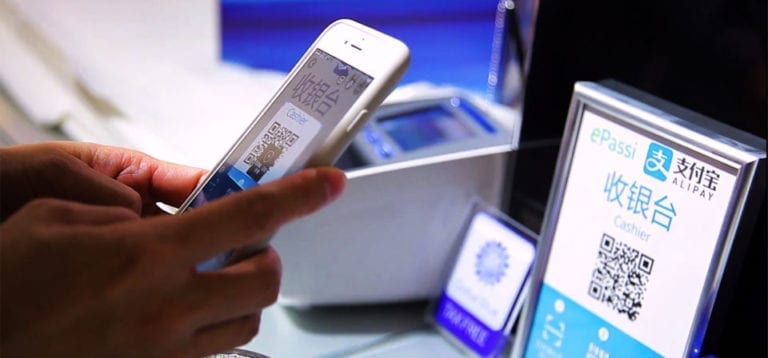
    Chinese consumers can now use Alipay at the Mall of Asia stores  thanks to a joint venture between Ant Financial Services and SM.

    Technology to allow retailers to accept Alipay has been installed at almost half the mall’s stores already, with the rest to follow within three to six months.

    Opening the way for Chinese to use Alipay at the Mall of Asia is aimed at attracting more tourists to the mall – as well as the increasing locally based Chinese population.

    “SM Mall of Asia is a must-visit shopping destination among tourists who enjoy the wide array of shopping and dining offerings and unique amenities,” said Cherry Huang, GM, cross-border business for South and Southeast Asia at Alipay.

    “We are happy to partner with SM Mall of Asia to deploy Alipay acceptance points in the mall for shoppers who are looking for the best of retail and lifestyle offerings and the same seamless shopping experiences that they enjoy at home. At the same time, we are very excited to help merchants in SM Mall of Asia connect with tourists before they’ve even arrived in the Philippines through our platform’s marketing capabilities.”

    Since Alipay entered the Philippines in 2017, the number of Alipay acceptance points has grown exponentially across retail, hospitality and entertainment attractions. Aside from Manila, Alipay acceptance points are available in six provinces frequented by Chinese tourists, including Cebu, Davao, Palawan and Boracay.

    According to the Philippines Department of Trade and Industry, international tourist arrivals to the Philippines rose by 7.7 per cent to 7.1 million visitors last year. China contributed 1.255 million of them, a growth rate of 30 per cent year on year.

    More than 3.12 million Chinese citizens have taken up residence in the Philippines since January 2016.

  • Gome Retail to target smaller cities as part of restructuring

    Gome Retail to target smaller cities as part of restructuring

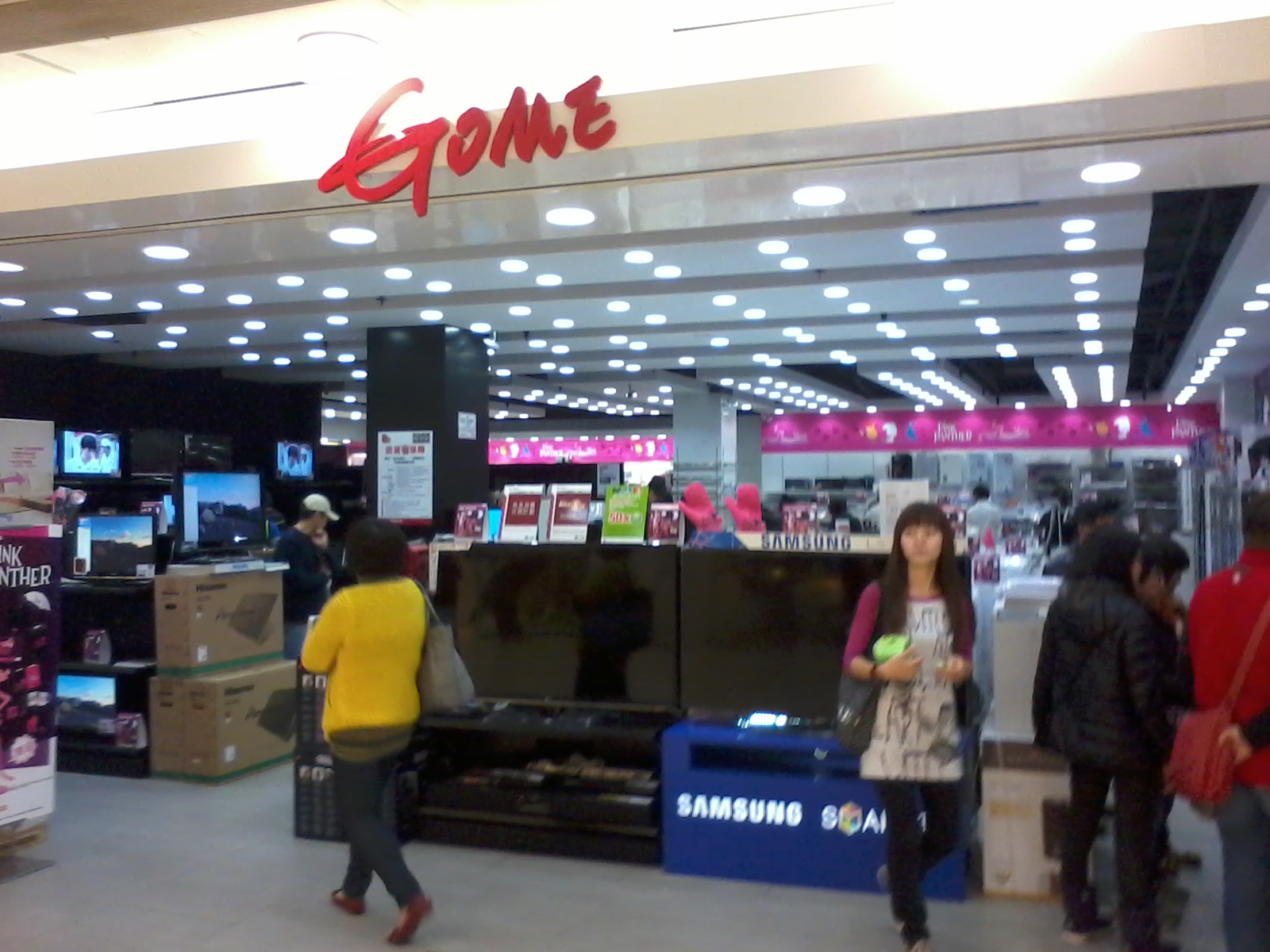
    Gome Retail Holdings will speed up its penetration into lower-tier Mainland China markets during the year ahead, with about 1000 stores slated for opening.

    The move is part of a broader strategy dubbed ‘Home.Living’ in which the retailer is rolling out innovation and transformation throughout the business.

    For the first half of this year, Gome Retail reported a loss attributable to shareholders of RMB380 million (US$53.1 million), a reduction of the RMB457 million loss during the  corresponding period last year as its restructuring began to show results.

    Group sales for the first half were RMB34.333 million, relatively stable compared with RMB34.706 billion for the corresponding period last year.

    Chairman Zhang Da Zhong says that in the months ahead, the company will further expand into third- to sixth-tier Chinese cities to meet the constantly growing demand of these markets.

    Moving into these markets efficiently is possible due to Gome’s advantages in brand, supply chain and logistics, he said.

    During the first six months of this year, the group’s total gross merchandise volume (GMV) increased by about 1.8 per cent compared with the same time last year, with GMV of its county-level stores (both self-operated stores and New Retail stores) growing by 339 per cent. Sales through its Me Shops grew by about 123 per cent, while sales from smart products grew by 62 per cent. Sales by its new businesses, such as home solutions and the integration of kitchen cabinets with electrical appliances, grew by 108 per cent, and service GMV grew by 32 per cent.

    This year, Gome has entered “a critical stage of its strategic transformation” said Zhang Da Zhong.

    “Leveraging on the advantages of internet technology, Gome has set up a user-base interaction and operation platform under the integration of the three terminals – the Gome app, physical stores and Me Shop.”

    As well as the company’s foray into smaller cities, the company will begin opening a second wave of new Ixina stores, its self-operating integrated kitchen cabinets and electrical-appliances business collaboration with European cabinet brand Ixina. Stores will open in cities including Wuxi and Nanjing, after Beijing and Shanghai, to further boost the brand’s awareness and reputation. Cozy Home, the home-hardware integration solutions chain, will also be developing at full speed, he said.

  • Singapore Insurtech Inks Indonesia E-Commerce Deal

    Singapore Insurtech Inks Indonesia E-Commerce Deal

    The firm hopes to capitalize on the booming e-commerce market in the country by offering protection against loss or damage during transit.

    Singapore-based insurtech firm Axinan is partnering Indonesia e-commerce giant Bukalapak to offer merchants and consumers transit protection for goods purchased on its platform, the firm announced on Tuesday.

    Founded in 2010, Bukalapak is one of the largest e-commerce companies based in Indonesia valued at over US$1 billion. Axinan is working with underwriter Sompo Insurance Indonesia and offering the product through its igloo platform. It will be fully digital and have dynamic pricing and digital claims management.

    The firm, founded in mid-2016 by former Grab chief technology officer Wei Zhu, leverages big data, actuarial risk management and machine-learning processes to develop insurance products tailored for the online space.

    Axinan graduated from PayPal Singapore’s startup incubator in 2017 and has signed partnerships with several e-commerce companies including Indonesian marketplace Tokopedia. In 2018, it announced the close of its series A fundraising round, led by NSI Ventures (now Openspace Ventures), the venture capital arm of private equity group Northstar.

    In 2019, it launched igloo, an app that provides on-demand digital insurance solutions targeted at younger consumers. Its first direct-to-consumer offering was a phone screen protection plan, offered in conjunction with FWD Singapore.

    Axinan has operations in Australia, Hong Kong, Indonesia, Malaysia, the Philippines, Singapore, and Thailand, with development offices in mainland China and Taiwan.

  • Harley-Davidson Street 750 10th Anniversary Edition Launched In India

    Harley-Davidson Street 750 10th Anniversary Edition Launched In India

    American motorcycle manufacturer Harley-Davidson completes ten years in India this year, and to commemorate the occasion, the company has introduced a limited edition version of its entry-level offering. The Harley-Davidson Street 750 10th Anniversary Edition is priced at ₹ 5.47 lakh (ex-showroom, India) and becomes the first motorcycle in the bike maker’s line-up to meet the upcoming BS6 emission norms. The special model is about ₹ 13,000 more expensive than the standard version, and production is restricted to just 300 units in order to maintain the exclusivity on the model.

    The Harley-Davidson Street 750 10th Anniversary Edition remains largely identical to the standard model, but you do get the new Indian motif on the fuel tank and on the tail section just above the taillight. The bike continues to sport black finished alloy wheels, along with fork gaiters on the front forks. The short seat remains the same too on the 2020 Street 750.

    Mechanically, the Harley Street 750 anniversary edition the same components. The bike draws power from the same 749 cc liquid-cooled, V-Twin Revolution X engine that has been upgraded for the new and stringent emission norms, and churns out 60 Nm of peak torque at 3750 rpm, while paired with a 6-speed gearbox. The bike uses telescopic forks up front and twin shocks at the rear for suspension duties, while braking performance comes from disc brakes with dual-channel ABS.

    Apart from announcing the new Street 750, Harley-Davidson India also unveiled the LiveWire in the country. The production-spec version of the much-awaited motorcycle remains only an unveil for now and there has been no announcement on the launch of the motorcycle.