Author: Mei Ling Tan

  • Five things to watch for as AirAsia reveals earnings

    Five things to watch for as AirAsia reveals earnings

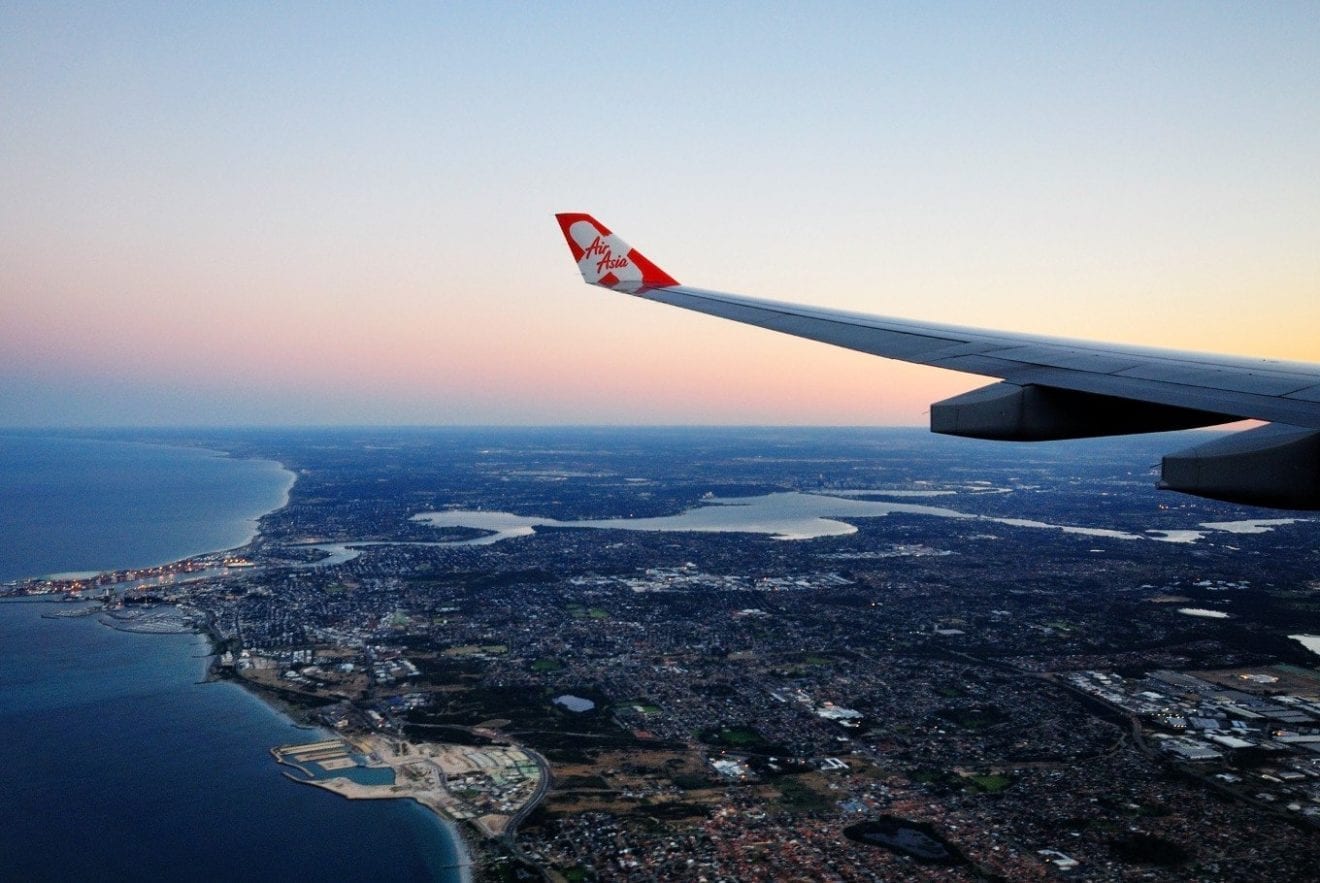
    Budget airline pioneer Tony Fernandes has built AirAsia Group into a benchmark for aviation in Southeast Asia in the 17 years since he founded the company.

    No longer satisfied with just flying passengers from A to B, Fernandes wants to use the data collected from the 100 million passengers he transports each year to transform the group into the “Amazon of travel.”

    Buffeted in recent months by the global trade war, high fuel costs, increased competition and other hurdles such as a failure to crack the lucrative Vietnamese market, the company’s shares are down nearly two-thirds from the all-time high of 4.6 ringgit ($0.53) in February last year.

    As AirAsia Group reveals its financial results for the second quarter on Wednesday in Kuala Lumpur, here are five things investors will be watching.

    One of the aviation industry’s most important metrics that measures the average fare per passenger per kilometre, Maybank Investment Bank’s Mohshin Aziz, is expecting lower yields to dampen profits.

    Mohshin is forecasting a second-quarter net profit of 111 million ringgit ($13 million), that’s 65% lower than for the same period last year, but up 9% on the first quarter.

    “Load factor declined by 0.4 percentage points year-on-year to 85.1% in second-quarter 2019 on the back of 16.8% year-on-year capacity growth,” Mohshin said. ” This is a very respectable load but it likely came at the expense of lower yields, in our view.”

    Mohshin said in terms of yields, AirAsia’s published fares look relatively weak in the second quarter of 2019 when compared to the same period last year.

    In the first quarter of 2019, yield declined by 4.1% year-on-year. “We expect more of this in the reported second quarter of 2019.”

    Fuel Prices

    Rising fuel prices have hit other regional carriers such as Virgin Australia hard, with the airline reporting a loss of AU$315.4 ($212.5 million) on Wednesday for the 12 months to June 30.

    But MIDF Amanah Investment Bank’s Adam Mohamed Rahim believes AirAsia’s prudent hedging policy could help the bottom line this quarter.

    “Our positive outlook on the group stays intact on its more prudent hedging policy, stable operations with added capacity and continuous improvement to derive higher values per kilometre flown,” said Adam.

    Adam will also be watching out for any estimate from AirAsia on whether a new departure tax to levied from September 1 of 8 Ringgit per passenger for destinations within the Association of Southeast Asian Nations, and 20 Ringgit for non-ASEAN destinations will cause a dip will impact on passenger growth.

    Geographic Segment

    AirAsia carried 42.2 million passengers in Malaysia last year, making it one of the group’s most profitable markets, but operations in Indonesia, Thailand and elsewhere have struggled, with net income slipping 92% in the three months to the end of March from the same period a year ago.

    Second quarter earnings could tell a different story though, said Ahmad Maghfur Usman of Nomura Securities, who believes AirAsia’s short-haul operations, especially to Indonesia and Japan, will show significant improvement.

    Ahmad added that improving supply and demand dynamics were in the carrier’s favor, with lower fuel costs going forward also expected to help boost profitability.

    ‘Amazon of Travel’

    After announcing a leadership reshuffle earlier this month, Fernandes’ ambitious plans to morph AirAsia into something other than a budget carrier is starting to take shape.

    “We are now the 13th largest airline flying about 100 million passengers annually and collecting piles of data in the process,” Fernandes said in June. “It is not a huge leap to say we are becoming a digital power.”

    Any further light that Wednesday’s results can shed on exactly how Fernandes plans to expand online, and fend off established rivals such as Expedia and Booking.com, will also be keenly anticipated.

    Philippines AirAsia

    When Philippine business mogul Michael Romero revealed in June that he had upped his stake in Philippines AirAsia to 45%, as well as announcing a $350 million capital infusion, it seemed like the long-awaited initial public offering of the AirAsia Group affiliate would finally get off the ground.

    That was until last weekend when Fernandes told reporters in Bangkok that he was still in wait-and-see mode regarding the Philippine unit’s bid to go public.

    “It’s there, but with no particular rush to be honest,” Fernandes said. “We want to maximise the valuation, so you know after a very tough start our earnings are very strong, the fuel price is going down, tourism is going up.”


  • Apple sold 13.8% fewer iPhones during the second quarter

    Apple sold 13.8% fewer iPhones during the second quarter

    The global smartphone market continued to languish during the second quarter according to the latest report from Gartner. 367.9 million units were sold to end-users during the three month period from April through June, down 1.7% from the 374.3 million units rung up during the same period last year. The analytical firm’s senior research director Anshul Gupta notes that high-end models have experienced a harsher slow down in demand than low and mid-range handsets. To generate upgrades, Gupta says that manufacturers are trying things like bezel-less displays, multi-camera setups in back and front and larger capacity batteries.

    Samsung remains King of the smartphone world after selling 75.11 million handsets during the quarter. The company’s market share rose year-over-year from 19.3% to 20.4%. Huawei’s sell-through of 58.06 million phones gave it a 15.8% slice of the global smartphone pie. The company had hoped to be on top of this list by the fourth quarter, but its placement on the U.S. Entity List makes that a long shot. Huawei is not allowed to access its U.S. supply chain, although U.S. suppliers have a second 90-day window to help the company service its existing customers and update certain smartphone models. Despite the ban, Huawei sold 16.5% more units during the period, compared to the same quarter last year.

    Gartner’s data shows Apple selling 38.52 million iPhones during the quarter, down 13.9% from the 44.72 million units it sold during last year’s second quarter. The company no longer reveals this data during its quarterly earnings report but does release a breakdown of revenue. For the calendar second quarter (Apple’s fiscal third-quarter), iPhone revenue declined 12% and represented less than 50% of the company’s total revenue for the first time since 2012. According to Gartner, the iPhone accounted for 10.5% of smartphone sales during the three-month period.

    If Apple continues to struggle with iPhone sales, it will soon be surpassed by Xiaomi. The latter sold 33.19 million phones globally from April through June, representing 9% of the market. Oppo finished fifth after selling 28.11 million phones in the quarter, giving it 7.6% of the smartphone market.

    “Strong demand for Samsung’s new Galaxy A series smartphones and the revamp of its entire entry-level and mid-range smartphone range helped this positive performance. Demand for Samsung’s flagship Galaxy S10 started to weaken during the quarter, however, indicating that achieving growth in 2019 as a whole will be a challenge…too few incremental benefits are preventing existing iPhone users from replacing their smartphones”-Anshul Gupta, senior research director, Gartner

    The struggling smartphone industry is a worldwide phenomenon. Gartner points out that of the top five smartphone markets in the world, only China and Brazil showed growth on an annual basis. China remains the top market in the world for connected handsets with sales of 101 million units during the quarter, a small gain of 0.5% Sales in the country benefitted from lower prices as vendors looked to get rid of their inventories of 4G LTE phones with more 5G models made available. The 10.8 million smartphones sold in Brazil from April through June was 1.8% more than the number rung up in the country during the same time period last year. In India, the world’s second largest smartphone market, 35.7 million phones were sold during the quarter. That was a 2.3% decline on an annual basis as fewer consumers in the country decided to upgrade from a feature phone to a smartphone.

    Gartner says that smartphone sales will remain weak for the rest of the year and that a total of 1.5 billion handsets will be sold to end-users during 2019.

  • Hulu launches new iOS app, Android version coming later on

    Hulu launches new iOS app, Android version coming later on

    After surpassing Netflix when it comes to the number of subscribers in the United States, Hulu revealed plans to rehash its user interface in an attempt to make it less confusing for users. Well, it looks like that time has come, as Hulu is now rolling out a new version of its app to iOS users.

    Although the company hasn’t made any announcements yet, TechCrunch reports Hulu confirmed a major update is now pushed out to mobile devices. Hulu also mentions that the update is coming to Android as well, but at the moment it’s only tested internally.

    As far as the changes go, the most important tweak is the complete removal of the Lineup landing page, which is replaced with Hulu Picks. The latter features content that’s curated by Hulu staff, and it’s not populated based on the algorithms derived by user viewing habits.

    If you swipe down, there’s more content available at first glance, as you’ll be able to see two items at a time. For example, on the iPad, you’ll be able to see two rows totaling 6 cards on the app’s main screen when in landscape mode.

    Every page in the app takes advantage of this format, including Live Now, Unwatched in My Stuff, My Channels, as well as genre-based sections like Sports, News, TV, Movies, Kids, and Hulu Originals.

    These seem to be the only visible changes in the new Hulu app for iOS devices, which is a bit surprising considering the company revealed plans for more improvements like expanded metadata next to content and the ability to mark content as “unwatched.”

  • Slow Charging Could Be The Long-Term Solution To Sustainable EV Charging Infrastructure

    Slow Charging Could Be The Long-Term Solution To Sustainable EV Charging Infrastructure

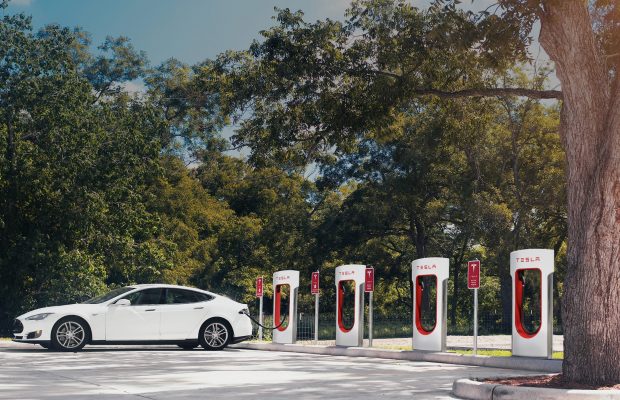
    Automakers around the world are pushing hard for new networks that can charge electric cars fast. In Europe, some power companies and grid operators are testing whether it might be smarter and cheaper to move into the slow lane.

    A 15-month study of electric car charging behaviour in Germany has concluded that consumers can be persuaded to accept slow, overnight recharging that could help avoid brownouts from surges in electricity demand or costly upgrades to power grids.

    The prospect of millions of EVs hitting the roads as governments gradually ban new diesel and gasoline cars is seen as a major challenge for power companies, especially in Germany which is switching from nuclear and coal to less predictable sources of energy such as wind and solar.

    The small study in the wealthy Stuttgart suburb of Ostfildern-Ruit though has helped alleviate the concerns of some grid operators that too many electric vehicles (EVs) charging at peak times could cause network crashes.

    The engineers at Netze BW, the local grid operator behind the trial, found that all the households involved came around to leaving their electric cars plugged in overnight and only half ever charged simultaneously.

    “Since the experience with the project we have become a lot more relaxed. We can imagine that, in future, half of the inhabitants of such a street own electric vehicles,” said Netze BW engineer Selma Lossau, project manager for the study.

    Still, with limited EV battery ranges for now, slow, overnight charging doesn’t get around the problem of how to persuade drivers to ditch petrol cars altogether.

    Without a network of fast-charging stations offering quick refuelling, drivers may be wary of using EVs for long trips – which is why some automakers want lots of fast-charging stations to encourage the widespread adoption of electric cars. Slower, or delayed, charging has already gained traction in Norway, Europe’s leading EV market, where nearly 50% of new car sales are zero-emission vehicles.

    A study by energy regulator NVE showed that Norway faces a bill of 11 billion crowns ($1.2 billion) over the next 20 years for low- and high-voltage grids, substations and high-voltage transformers – unless it can persuade car owners to charge outside peak afternoon hours.

    The investment cost to the country of 5.3 million people could drop to just over 4 billion crowns if cars are charged in the evening, and may fall close to zero if batteries are only plugged in at night, NVE said.

    NVE is now working a tariff proposal which will penalise peak-hours charging. Tibber, a Norwegian power company, already offers cheaper electricity for EV charging if you let it decide when your car is charged while firms such as ZAPTEC offer ways to adjust charging to the available grid capacity.

    Some of the 10 households participating in the Stuttgart trial said they initially wanted to keep topping up their cars for fear of running out of juice, but soon adapted to leaving the power company to handle it as it saw fit overnight.

    “At the start, I did not want to take any risks and charged frequently in order to feel secure. Over time, I changed my outlook,” said Norbert Simianer, a retired head teacher who drove a Renault Zoe during the trial. “I grew used to the car and became more at ease in handling the loading process.”

    Simianer and his neighbours were given electric cars and 22 kilowatt (kW) wall-boxes for their garages, alongside two charging points in the street, all free of charge.

    In return, they gave up their normal cars and allowed Netze BW, which is a subsidiary of German utility EnBW (EBKG.DE), to monitor and carry out a deferred and down-scaled charging process during a seven-and-a-half-hour period overnight.

    Netze BW tried various options, either slotting cars in at the maximum 22 kW charging flow one after another, or lengthening the charging time for individual cars by adjusting the power flow, or combining both methods, Lossau said.

    The participants, who used apps to check the status of their car batteries, grew accustomed to the lack of instant charging capability because their vehicles could always handle their everyday commutes of up to 50 km (31 miles).

    EnBW said nine of the 10 households in the trial on Ostfildern-Ruit’s Belchenstrasse had opted to keep the wall-boxes and most were exploring leasing electric car.

    Lossau said monitoring 10 households did not in itself provide the “empirical mass to draw conclusions for the load profile of all of Germany”.

    She also said there would need to be better two-way communication between EVs, the grid and consumers for the system to function efficiently on a large scale.

    “There will have to be more exchange of information between e-cars and the grid to update the loading status in real-time, because otherwise, there can be the wrong impression about the speed of loading,” she said.

    Utility companies developing so-called vehicle-to-grid (V2G) services, however, are struggling to persuade some automakers to use technology that allows two-way flows of information, and power, between batteries and grids.

    Carmakers such as Volkswagen , Daimler and Ford, for example, are prioritising one-directional fast-charging instead to overcome consumer resistance to EVs.

    Japan’s Nissan (7201.T) has been leading the way among carmakers exploring V2G though Germany’s BMW has now decided to develop it too, saying cooperation between cars and grids will be key to making e-mobility ready for mass markets.

    “It is about making sure there is enough supply for the electric cars and that the lights do not go out elsewhere,” a BMW spokesman said. “The cars don’t just load when it’s best for the market, but they can also supply power back to the grid to help even out demand spikes.”

    “There has to be more progress on the data exchanges, however. It is not yet the standard,” he said.

    Nevertheless, the Ostfildern-Ruit trial has raised hopes that power grids might be able to cope with an influx of electric cars, especially if the consumers play ball.

    Even if drivers resist overnight charging, suppliers of software and equipment to power grids, such as Germany’s Siemens, are also looking at safer and more efficient ways to manage how and when power is used to charge cars.The German city of Hamburg, for example, started a three-year pilot project this month with Siemens to pre-emptively identify overloads on transformers and along cables, and manage EV charging points accordingly.

    “Loading processes offer so much flexibility that the overload on the networks can be reduced by deferring loading times or reducing the load that is supplied,” said Thomas Werner, expert at Siemens Digital Grid.

    “This happens through the digitisation of hardware and software and with communication technology,” he said.

    Using software to help protect ageing power networks from predictable surges could also avoid costly hardware upgrades to parts of the 1.7 million km of distribution grids in Germany.

    With few than 100,000 electric-only cars in Germany at the moment, there is little threat of blackouts from over-demand. But the Transport Ministry in Berlin envisages up to 10 million electric cars on the roads by 2030.

    The number of charging points across the country also only stands at 21,000. That’s up 50% over the last year but still barely a fraction of future needs.

    Next up for Netze BW is a trickier test.

    Managing the power for 10 households with electric cars in a suburban street of 22 homes is one thing, now the power company is launching a study of car charging behaviour in an apartment block with 80 flats, where quarrels over access are likely.

    It is also looking at a study in rural areas, where the longer cables required present challenges in maintaining stable voltages for charging.

    But that’s still only part of the story. Lossau said power companies would have to work more closely with carmakers to fill knowledge gaps and exchange information.

    “It can only work if we get more data from each other.”

  • A Happy Pancake opens second outlet at K11 Musea

    A Happy Pancake opens second outlet at K11 Musea

    Japanese cafe “A Happy Pancake” is opening its second Hong Kong Store at K11 Musea.

    Having already launched 26 stores in Japan since setting up its Omotesando shop in 2015, the brand’s new location features a sleek design and decor that aims to bring diners a peaceful, relaxing atmosphere. The store has an open kitchen to show customers the entire hygienic cooking process, letting them observe the pancakes carefully baked one by one before being sent to their tables.

    The walls of the store were designed by 14-year-old called Lara, who has already worked extensively in the fashion industry.

    The brand is launching a new menu item, “Rich Uji Matcha Mousse Pancake”, to commemorate the store opening.

  • Decathlon moving into old Metro store at Singapore’s The Centrepoint

    Decathlon moving into old Metro store at Singapore’s The Centrepoint

    After five years at The Centrepoint, Metro Department Store will shutter its flagship next month.

    The announcement heralds the latest in a series of closures at the 36-year-old mall, which has close to 10 vacant units with more already expected to come.

    However, Frasers Property has since confirmed that sports-goods retailer Decathlon will take over at least part of the Metro space, scheduled to open in the first part of next year once fitout is complete.

    Metro’s September 15 withdrawal from the mall will leave only two of its Singapore outlets open, at Paragon and Causeway Point respectively. Staff of the store have yet to be briefed as to whether or not they can expect to be employed at the other outlets.

    “In recent years, Metro has been rationalising its retail business in response to changing market conditions,” said a spokesperson for the firm. “Metro continues to focus on its core businesses of retail in Singapore and Indonesia, together with property investment and development.”

    Adding Decathlon to the tenant mix will provide a significant drawcard to the troubled mall which is seeking to morph into a lifestyle destination with experiential retail concepts targeting younger consumers.

  • Esprit shoe range to be developed with Germany’s Deichmann

    Esprit shoe range to be developed with Germany’s Deichmann

    Hong Kong-headquartered fashion brand Esprit has signed a deal with German shoe retailer Deichmann to jointly develop a footwear range.

    The range will be positioned as offering value for money with designs evolving to reflect fast-changing market trends. It will go on sale in Esprit stores and online during the northern hemisphere spring of next year. Deichmann stores will also carry an Esprit-branded lineup.

    Deichmann will manage the materials sourcing and supply chain requirements to ship product to wholesalers, while the two companies will work together on the designs.

    “In collaboration with Esprit, we would like to be at the forefront of setting trends in the development of fashionable shoe ranges, and we consider Esprit to be a valuable addition to our footwear range,” said Heinrich Deichmann, the company’s chairman.

    “We are looking forward to a close and successful collaboration.”

    Esprit group CEO Anders Kristiansen said Deichmann has enormous expertise in the shoe business and a good understanding of the Esprit brand.

    “I am convinced that together we will develop inspired and fashionable shoes with great quality for our customers,” he said.

  • Charles & Keith opens first store on Kowloon side of Hong Kong

    Charles & Keith opens first store on Kowloon side of Hong Kong

    Singapore footwear and accessories label Charles & Keith is unveiling its largest store at K11 Musea this month

    The 2000sqft store is the first Charles & Keith outlet in Kowloon and features an aesthetic inspired by a refined take on its design philosophy – designed to be in line with the Charles & Keith brand identity as well as to enhance the overall shopping experience. It features limestone fixtures that contrast with dark grey powder furnishing, reflecting a sophisticated simplicity that complements the brand’s collections.

    The Charles & Keith by Oamul Lu collection – the brand’s global collaboration with the artist known for his whimsical and romantic illustrations – will be available exclusively at the K11 store. This limited-edition collection consists of five products, all of which feature a unique illustration by Lu that has been created specifically for this partnership.

  • 7-Eleven Malaysia store sales rise with new stores openings

    7-Eleven Malaysia store sales rise with new stores openings

    7-Eleven Malaysia has boosted sales by 7.2 per cent in the first half of this year, aided by new store openings, increased promotions and a higher average spend per customer.

    The company now has 2323 stores trading and plans further openings in the second half of this year.

    For the six months to June 30, 7-Eleven Malaysia group revenue reached RM1.17 billion (US$277.9 million) Revenue from its food-service business surpassed 3.5 per cent of the group’s total, an increase of more than 30 per cent year on year.

    Gross profit improved by RM33.7 million or 8.5 per cent year on year, despite expenses related to store openings. The adoption of MFRS 16 accounting standards relating to leases reduced post-tax profit by RM4.6 million. Excluding that factor, the group would have achieved a profit after tax of RM30.3 million, which would have been 37.4 per cent ahead of the same period last year.

    CEO Colin Harvey said the company was pleased with its overall results, especially given the impact of MFRS 16.

    “We are confident that continuous implementation and improvement of our strategy roadmap in strengthening the key areas of assortment, supply chain, operational excellence, store base and digitally enabling the organisation will continue to deliver positive results despite challenging headwinds as we look forward to ensuring that 7-Eleven remains Malaysian consumers’ preferred convenience store brand.”

    The 7-Eleven Malaysia board believes trading conditions for the next quarter are expected to remain challenging

  • Harley-Davidson LiveWire Unveiled In India

    Harley-Davidson LiveWire Unveiled In India

    Harley-Davidson has launched the American motorcycle manufacturer’s first electric motorcycle, the Harley-Davidson LiveWire in India. The LiveWire is the first model in a broad portfolio of electric motorcycles from Harley-Davidson and is priced at US$ 29,799 and will be available on sale at Harley-Davidson dealerships in the US, Canada and European countries. For now, Harley-Davidson India has just showcased the LiveWire in India, but it could well be launched in India, in a few years from now. If at all it’s launched, we expect the LiveWire to be priced at around ₹ 40-50 lakh in India.

    The LiveWire is powered by the all-electric Harley-Davidson Revelation powertrain which puts out 103.5 bhp of power and 116 Nm of instant torque. The LiveWire has claimed acceleration from 0 to 100 kmph in just 3 seconds and roll-on acceleration from 100 kmph to 129 kmph in 1.9 seconds. The electric powertrain requires no clutch and no gear shifting, so just a twist of the throttle is all that is required. There is regenerative braking as well, and the LiveWire produces a unique futuristic sound complementing the smooth electric power.

    The LiveWire is loaded with electronics, including cornering anti-lock braking system (ABS), cornering enhanced traction control system, rear wheel lift mitigation, as well as a drag-torque slip control system which manages rear wheel slip and prevent rear-wheel lock due to the regenerative braking. A 4.3-inch full-colour TFT touchscreen panel offers the rider controls to seven riding modes, including four pre-programmed modes – Road, Rain, Sport and Range. Additionally, there are three more fully customisable modes, where the power (maximum rate of acceleration), regeneration (braking effect when off-throttle), throttle response and traction control settings can be fully customised.

    The LiveWire has a cast aluminium rigid frame which is said to offer precise and responsive handling, and front and rear Showa suspension, with Showa Separate Function Front Fork Big Piston and a Showa balanced free rear cushion-lite monoshock rear is said to offer a comfortable ride and precise handling. Braking is handled by Brembo Monobloc front brake calipers gripping dual 300 mm diameter rotors on the front wheel. The LiveWire runs on 17-inch wheels shod with Michelin Scorcher Sport tyres with a 180 mm rear tyre width and 120 mm front tyre width. Riders can also use the H-D Connect service, together with the H-D App which will offer bike vitals, including battery charge, bike location, and a security system as well.

    The permanent magnet electric motor is located low on the LiveWire to lower the centre of gravity and aid in the motorcycle’s handling, despite its 249 kg kerb weight. The high-voltage 15.5 kWh lithium-ion battery has a claimed range of 225 km while ridden in the city, with 142 km of claimed range on the highway. Additionally, a small 12-volt lithium ion battery provides power for start-up and key fob recognition. Full charging time of the battery with a Level 1 on-board charger is 12 hours from a standard household power outlet, while a DC Fast Charger will fully charge the LiveWire in just 60 minutes. So far, there’s no word on if and when, the LiveWire will be commercially available in India. As things stand today, the fast charger cannot be used in India, and can only be used in European and other international markets.

  • OCBC Launches Mass-Market Travel Credit Card

    OCBC Launches Mass-Market Travel Credit Card

    The bank is hoping to capitalize on the rising trend of frequent traveling among the younger generation and the high share of rebates and reward card users who are also keen travelers.

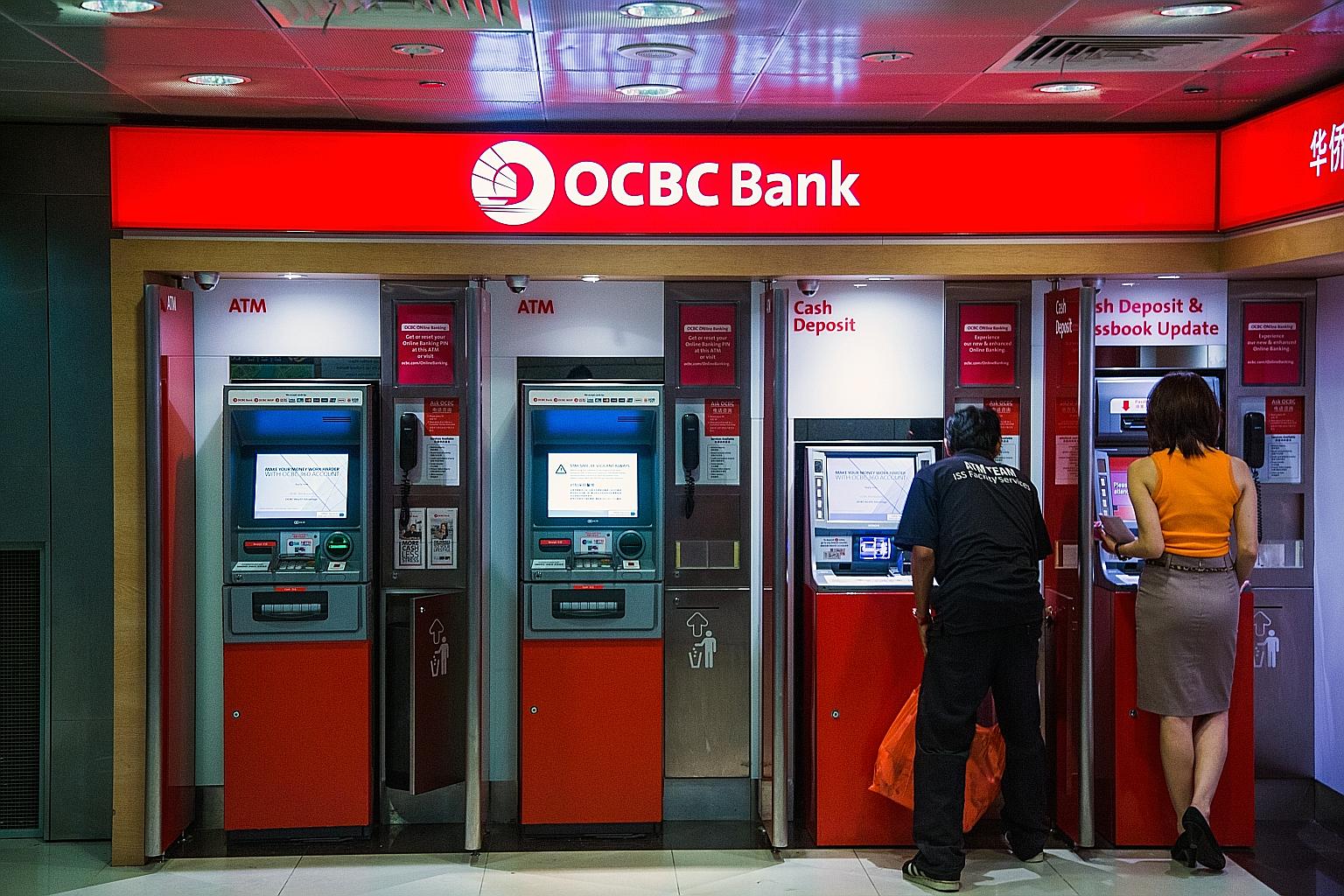
    OCBC Bank has launched its first mass-market miles card, the OCBC 90°N Card, with which it hopes to achieve $1 billion in annual billings within three years, the bank said in a statement.

    The credit card, which is targeted at fresh graduates, young professionals, management, executives and technicians (PMETs), as well as emerging affluent individuals, has a low annual income requirement (S$30,000), a brand new rewards currency that does not expire, and smaller redemption blocks with no fees, the statement said. The card also allows instant cashback ranging from an average of 1.5–5 percent and reward points that can be used for dining and shopping privileges.

    The bank said it hopes to attract 150,000 sign-ups, and is offering a launch bonus of up to 8 miles per dollar with no cap and minimum spend, as well as 7,000 miles to draw new customers.

    In the past five years, overseas credit card expenditure among OCBC cardmembers has «more than doubled,» Desmond Tan, OCBC’s head of group lifestyle financing, said.

    In addition, the bank has a total card base of 2.5 million customers, and its total card billings have registered a compound annual growth rate of 10 percent over the past three years.


  • Cebu Pacific wants more flights to tense Hong Kong

    Cebu Pacific wants more flights to tense Hong Kong

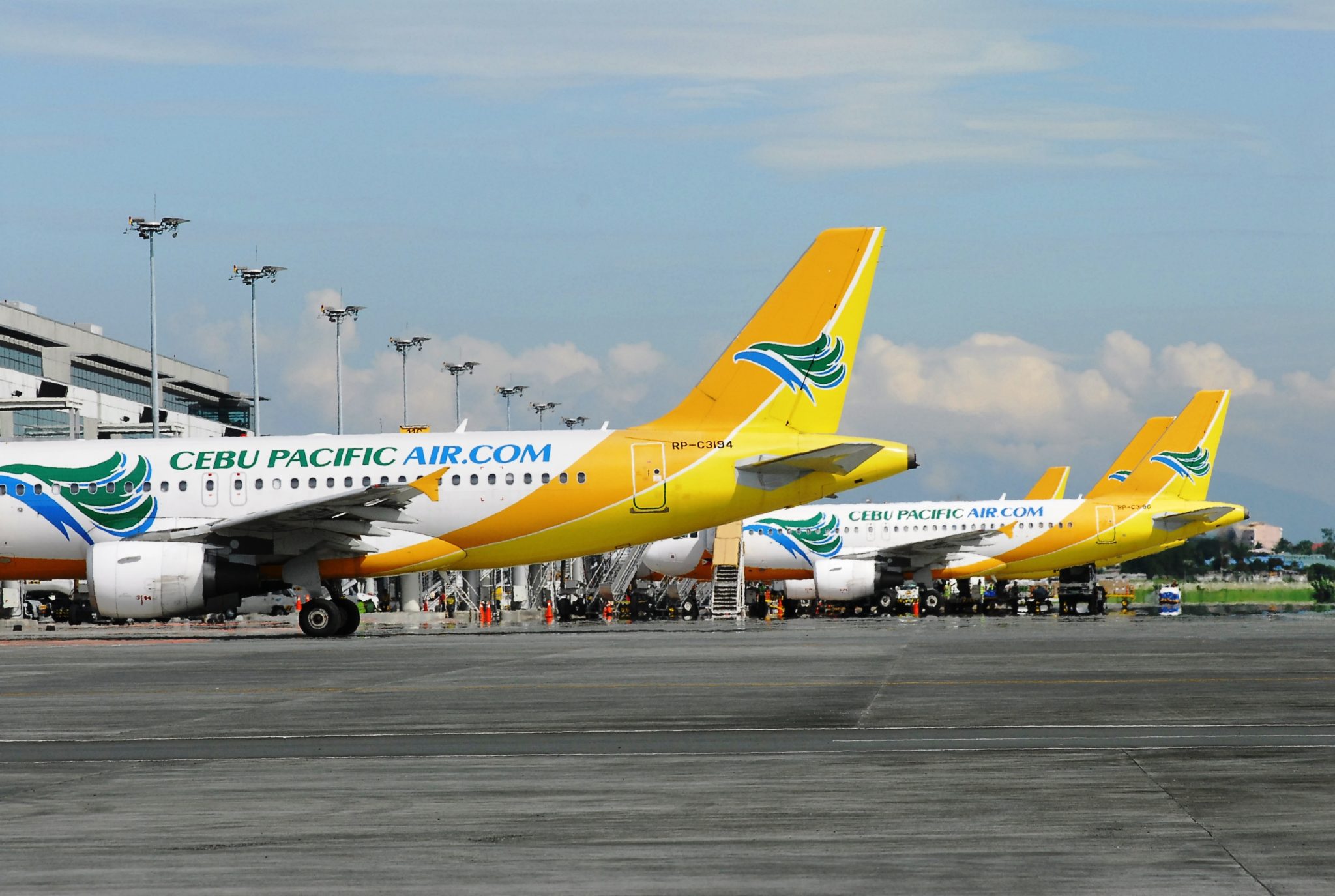
    The Philippines’ largest budget airline is seeking additional flights to Hong Kong despite ongoing anti-government demonstrations.

    In a filing before the Civil Aeronautics Board, Cebu Pacific said it was seeking added flight entitlements to Hong Kong-based on a provision under the Philippines-Hong Kong Air Services agreement that covers flights from Manila. The CAB has set a hearing on Sept. 16.

    Cebu Pacific has 24 weekly flights between Manila and Hong Kong. It also operates 14 weekly flights from Clark International Airport, two weekly flights from Iloilo and nine weekly flights via Mactan Cebu International Airport.

    This comes despite protests that have, at times, grounded all operations at the Hong Kong International Airport, which the Airports Council International said was the 8th busiest in the world in terms of passenger volume.

    The protests were initially aimed at a bill, eventually shelved by the Hong Kong government, that would have allowed the extradition of fugitives to mainland China. Massive demonstrations, which began in June, show no signs of dissipating.

    Cebu Pacific is ramping up expansion as it takes delivery of new planes.

  • Spring City 66 in Kunming, China Opens

    Spring City 66 in Kunming, China Opens

    Spring City 66, Hang Lung Properties’ first entry into Southwest China has opened in Kunming.

    Now the single largest commercial complex in Kunming, the city’s latest landmark is the ninth Mainland China project developed by the group, following projects in Shanghai, Shenyang, Jinan, Wuxi, Tianjin and Dalian. The 432,000sqm commercial complex comprises a 160,000sqm shopping mall as well as serviced apartments and a 66-level Grade A office tower.

    “Situated at the heart of Kunming, Spring City 66 is seamlessly connected to two Metro lines, with its exceptional modern architecture infused with elements drawn from nature,” said Hang Lung’s CEO Weber Lo.

    “Upholding our customer-centric principle, we are introducing nearly 300 top international and local retail, dining, lifestyle, and entertainment brands, of which one third are making their debuts in the city. With the provision of a confluence of unique experiences, excellent customer service quality and the deployment of advanced technology to help us better understand customers’ needs, we strive to bring the one-of-a-kind Hang Lung branded experience to our customers.”

  • 6ixty8ight in Hong Kong opens new store at East Point City

    6ixty8ight in Hong Kong opens new store at East Point City

    6ixty8ight in Hong Kong has opened its 28th store, at East Point City.

    With its home base in Hong Kong, the now-international lingerie and casualwear label is continuing to expand its brick-and-mortar network.

    Having become one of the fastest-growing fashion brands in Asia since its launch in 2002, 6ixty8ight’s offering covers recent trends in lingerie, homeware, loungewear, casual wear and accessories.

    6ixty8ight now has more than 200 stores across Greater China, South Korea, Singapore and Malaysia.

    The company says it aims to create a seamless retail experience on its online platform and through its brick-and-mortar network.

  • Mecca opens newest cross-concept store in Christchurch CBD

    Mecca opens newest cross-concept store in Christchurch CBD

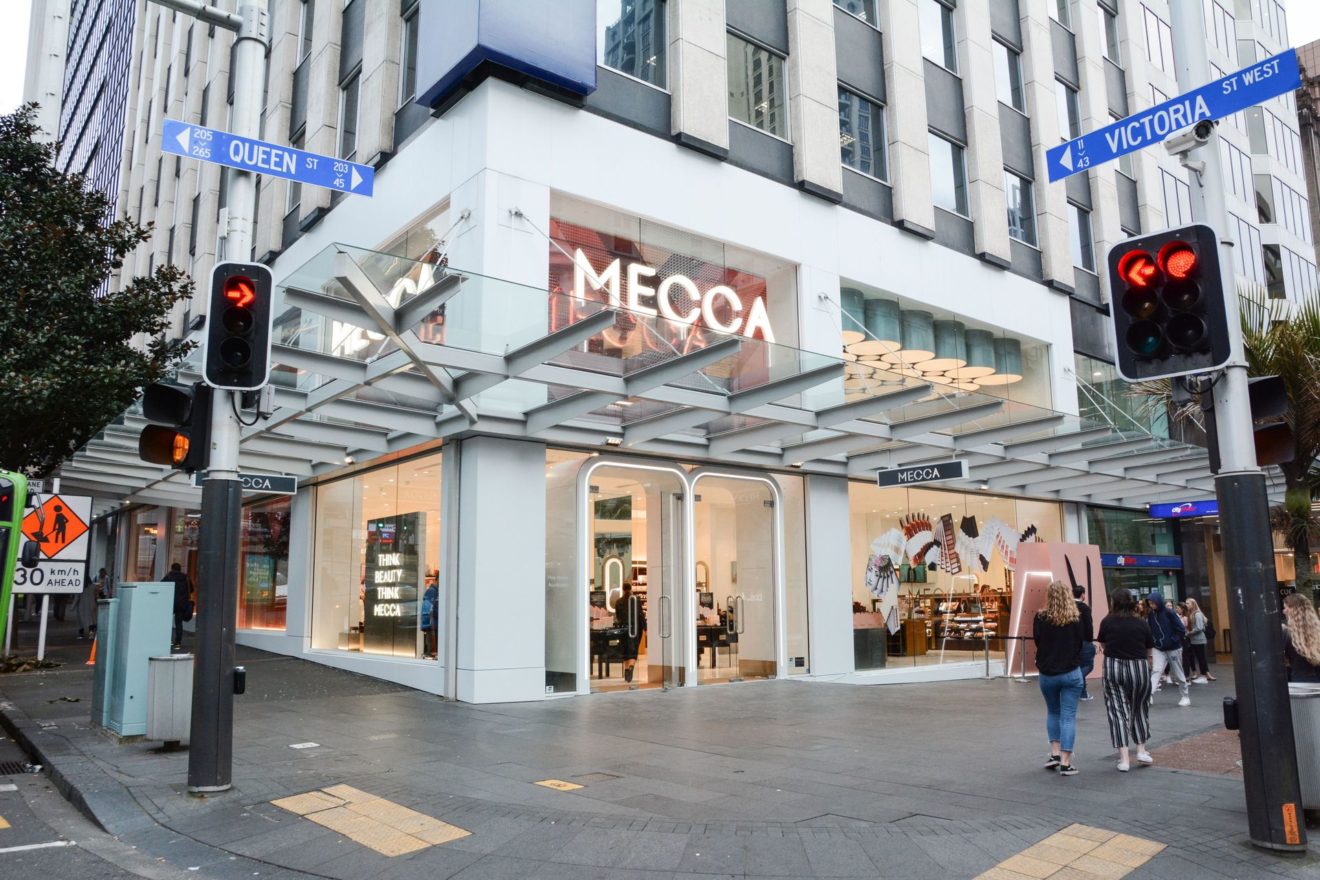
    Beauty retailer Mecca has opened its newest cross-concept store, combining its Mecca Cosmetica and Mecca Maxima offerings, in the heart of Christchurch’s CBD.

    The new 224sqm store houses more than 75 of the world’s most sought-after brands of makeup, fragrance and skincare products.

    It also features a Perfumeria, housing brands such as Le Labo and Frederic Malle, and three ‘Play Bars’ which will provide customers with space to experiment with the latest beauty buys and learn new techniques.

    Eight additional makeup stations have been made available for applications, consultations and beauty treatments.

    According to the retailer, the Garden City store is the first of its kind on the South Island.

    Carly Emery, Mecca’s New Zealand country manager, said it was a natural next step was to bring a bigger, brighter Mecca to Cantabrians, following
    the success of its Auckland and Wellington stores.

    “Our Mecca Auckland and Mecca Wellington stores have been so well received and given the great development happening in Christchurch lately, we didn’t think twice about bringing our latest concept to the city,” Emery said.

    The brand made its initial foray into Christchurch in 2009 with the launch of Mecca Cosmetica Ballantynes, just weeks before the devastating earthquake. Mecca supported its staff throughout the extensive rebuild period, including providing alternative employment opportunities within other regions where possible.

    The retailer said it had to close its Mecca Maxima ANZ Centre, which opened its doors in 2016 and was the first of its kind in the country, to make way for the concept store. Its 17 employees carried over into the new store and an additional five staff members have been added to the team.