Author: Mei Ling Tan

  • Google’s latest build allows Android users to forget some passwords forever

    Google’s latest build allows Android users to forget some passwords forever

    Google announced that starting with the Pixel handsets, you can verify your identity with some Google services on the web by using your fingerprints or a screen lock instead of a password. While the Pixels will get this new feature today, over the next few days it will be pushed out to Android devices running Android 7 Nougat and higher. Using the FIDO2 standard, designed to improve authentication on the web (as opposed to on an Android app) users will only have to register their fingerprint or screen lock on their phone once to use it for a native app or the compatible Google services sites on the internet.

    Google points out to those worried about privacy, that fingerprints are never sent to Google’s servers and are stored securely on the user’s phone. Google’s servers do receive proof that you correctly scanned your fingerprint via a message that is disguised using cryptography. And you can test out how well this new system works by running a little test on your Android device. First, your device must be running Android Nougat or higher and contain your Google Account. The device must have a valid screen lock like a fingerprint scanner, a PIN or a pattern lock. Then, you follow these directions:

    • Open the Chrome browser on your device and go to  https://passwords.google.com.
    • Choose a site to view or a password to manage
    • Follow the instructions to verify that it is you signing in.

    So what is the advantage for Android users? Glad you asked. You won’t have to worry about having to remember a password when signing onto certain Google services sites on the web. That means that the part of your brain that stored these passwords can be freed up for more important things like pop culture trivia.

    “An important benefit of using FIDO2 versus interacting with the native fingerprint APIs on Android is that these biometric capabilities are now, for the first time, available on the web, allowing the same credentials be used by both native apps and web services. This means that a user only has to register their fingerprint with a service once and then the fingerprint will work for both the native application and the web service.”-Google

    There is nothing you need to do to set this up on your Android phone. So just sit back and clear your mind of some passwords that you won’t need to remember any longer.

  • Chinese brand ambassadors severe ties citing sovereignty

    Chinese brand ambassadors severe ties citing sovereignty

    Chinese brand ambassadors of fashion labels from Coach to Givenchy have severed ties with the companies over products which they said violated China’s sovereignty by identifying Hong Kong and Taiwan as countries.

    The brands are the latest to get into hot water over political issues in China, which has been more assertive in its territorial claims and how it expects foreign companies doing businesses in China to describe them.

    Italian luxury label Versace and its artistic director, Donatella Versace, apologised on Sunday after one of its T-shirts, depicting the territories of Hong Kong and Macau as countries, was criticised on Chinese social media.

    Coach’s China ambassador, supermodel Liu Wen, said on Weibo on Monday that she had severed her endorsement deal with the New York-based label over a similar T-shirt, which also listed Taiwan as a country even though Beijing says the self-ruled island is a renegade province.

    “I apologise to everyone for the damage that I have caused as a result of my less-careful choice of brand!” she said in a Weibo post that was ‘liked’ hundreds of thousands of times.

    “I love my motherland, and I steadfastly safeguard China’s sovereignty.”

    Coach, whose parent is Tapestry, said it had found the “serious inaccuracy” in May 2018 and had immediately pulled the T-shirts from all its global channels. It added that it “deeply” regretted the design.

    “We also reviewed our assortment to ensure compliance, and have strengthened our internal product development process to avoid the occurrence of a similar issue in the future,” it said.

    “Coach respects and supports China’s sovereignty and territorial integrity.”

    The topic “Coach” was the hottest item on China’s Twitter-like Weibo on Monday morning, receiving 1.2 billion views.

    Separately, popular Chinese boy band idol Jackson Yee said on Weibo he had severed ties with LVMH’s Givenchy after pictures of one of the brand’s T-shirts, which also listed Hong Kong and Taiwan in a similar way, received criticism.

    Givenchy was not immediately available for comment on Monday when contacted by Reuters.

    Foreign brands are under increasing pressure from Chinese consumers and regulators to fall into line on contentious issues around Chinese sovereignty and its territorial claims.

    Taiwan is self-governed and has a democratically elected leadership, but China claims the island as a breakaway province and has not ruled out the use of force to ensure unification. The question of Taiwan’s formal independence is one of Beijing’s most sensitive political concerns.

    Beijing is also facing one of its most popular challenges to Chinese leader Xi Jinping since he came to power in 2012 in Hong Kong, where demonstrators say they are fighting against the erosion of the “one country, two systems” arrangement enshrining some autonomy for Hong Kong when China took it back in 1997.

  • Tokyo restaurant Kikanbo opens first Hong Kong Outlet

    Tokyo restaurant Kikanbo opens first Hong Kong Outlet

    Tokyo restaurant brand Kikanbo is to open its first Hong Kong restaurant in Causeway Bay, its third international market.

    From today, Hong Kong customers can enjoy a taste of the restaurant known as Tokyo’s “perennial long queue store”, and which sells 27,000 bowls of ramen each month

    Kikanbo, described as a karabishi miso ramen restaurant, features a dark ornamented restaurant design with red lighting and a counter seat from which guests can witness the entire ramen-making process closely.

    Multiple tables for two or four diners are available inside, with 29 seats overall.

    The brand’s president Masakazu Miura trained at a ramen restaurant for more than 10 years before establishing the first Kikanbo in Tokyo’s Kanda district. The brand is known for its five levels of spiciness and numbness for its miso soup with 25 soup base varieties.

    Kikanbo has opened at 530 Jaffe Road, its eye-catching shop front guarded by a painting of Aka Oni (red demon) and Ao Oni (blue demon) on either side of the entrance along with the gigantic Kanabo (oni stick).

    Established in Kanda in 2009, Kikanbo has three domestic branches in Tokyo, Kanda and Ikebukuro in Japan and two international branches in Taiwan.

  • South Korean Beauty chains stop selling DHC products after Youtube commercial

    South Korean Beauty chains stop selling DHC products after Youtube commercial

    South Korean health-and-beauty stores have suspended sales of products from Japanese beauty firm DHC Corp, after the company made offensive remarks about Koreans.

    The products are being withdrawn from shelves of retailers in yet another chapter of a growing diplomatic row between the two countries.

    Since entering South Korea in 2002, DHC has gained popularity with cleansing oils and other products and has entered local H&B stores and online malls.

    However, DHC has been embroiled in controversy after saying on its television network subsidiary that “South Korea is a hot-tempered country, and the boycott will not last long”’, and using the word ‘Joseonjing’, a disparaging expression for Korean people, saying that South Koreans were not able to text Chinese characters.

    Olive Young, a leading health-and-beauty chain, said it stopped selling DHC Corp products at its online store on Monday morning.

    Olive Young also ordered its 1200 brick-and-mortar branches to move the display locations of DHC products, following guidelines to minimize consumer exposure to the Japanese company’s wares.

    As DHC’s subsidiary, “DHC Television,” was found to have aired YouTube content with hateful comments on South Korea, the move is attributed to worsening public sentiment, including a boycott among Korean consumers.

    “Because of realistic problems such as contract relations with partners, we are first giving guidelines such as changing the location of displays in the store and temporarily suspending sales at online malls and reviewing various measures,” an official at Olive Young said.

    Lalavla, South Korea’s second-largest health-and-beauty chain, operated by GS Retail Co, has also decided to stop selling some 20 DHC products at online malls and 150 offline stores.

    The location of the remaining stock will be relocated to a less visible location.

    LOHB’s, run by retail giant Lotte Group, also suspended sales of DHC products at its online mall on Monday and stopped stocking DHC products at about 130 offline stores nationwide.

  • PayPal-Backed Korean Fintech Raises $64 Million

    PayPal-Backed Korean Fintech Raises $64 Million

    South Korean fintech unicorn, Viva Republica, raised $64 million for its financial service platform Toss pushing the firm’s total value to $2.2 billion.

    The Seoul-based fintech has raised a total of $250 million, including $80 million in the December round, and new funding joins prominent existing investors such Singapore’s GIC and Sequoia Capital.

    Viva Republic was founded in 2013 and launched Toss in 2015 as a P2P money transfer service. It has since grown the platform to include various other financial services including banker, money transfer, credit score management and more. It currently boasts 13 million registered users with more than $42 billion of translation processed.

    This funding round was led by newly established Aspex Management (founded in 2018) which specializes in Asian equity investments in industries and firms with long-term structural tailwinds.

    We like the large addressable market financial services offer and the unique leading position Toss occupies amongst mobile consumers, said Hermes Li, founder and CIO of Aspex Management.

  • E-Commerce to Be More And More About Community.

    E-Commerce to Be More And More About Community.

    People tend to be very loyal to their favourite brands and this is a luxury online few brands can afford thanks to their greate client services and details that make their customers feel unique. Nowadays, reaching customers and addressing tailored messages can be even easier thanks to the social media and, as an e-commerce business owner, you will need to customize your communication as much as possible to create a community around your brand.

    Before doing so, however, you will first need a store and a brand to build around. The good news is that this is now far easier than ever.

    Creating an e-shop never been that easy

    In the past, building a website was a highly technical affair as knowledge and experience in computer coding was necessary. This meant that owning a website was out of reach for many people that had neither the skills to build one, or the budget to pay costly website builders.

    This has all changed, however, with online store builders such as Shopify.  These solutions are designed to make it as easy as possible for anybody to use. You can choose from a variety of themes to get you started, while they also have drag and drop features that allow you to place what you want, where you want it, with ease.

    It’s not just that you can now build an e-commerce site easily, but platforms also come with an array of useful features that help you to get the most from your online store.

    Here’s a look at some of the features that will help to make your site a success.

    • Affordable Pricing: A basic Shopify package will cost you just $29USD/month. This package will have all that first-time store owners need, while more advanced packages are available for owners of stores that are busy and need more advanced features.
    • Customer Profiles: E-commerce builders can be integrated with apps that allow you to track your customers’ shopping habits. This will provide valuable information that enables you to offer the right products at the right times, generating brand allegiance and additional revenue.
    • Social Media Integration: With so many people using social media apps like Facebook, it makes sense to integrate your store with these platforms to tend to what we call social commerce. This will give you access to a greater market, as well as additional features that can help improve customer satisfaction and your bottom line.
    • Dropshipping: Buying stock is one of the most expensive and riskiest aspects of starting a business, but e-commerce site builders help to do away with that risk. E-commerce dropshipping apps mean that products are shipped directly from the supplier, meaning you don’t have to pay a penny for the products before you make a sale. It also overcomes headaches involving storage and other logistical issues.

    With such an easy to use and intuitive system, it is easy for people even without technical skills to build an e-commerce store that competes with the best in terms of appearance and functionality.

    Turn your customers into ambassadors

    The next task is to attract customers and build up your brand, and there is no better way to do this than to build a community surrounding it. Word of mouth is the best tool to sell your products and your ability to build a positive feeling about your brand and your products will be an asset to take over your competitors. Question is, how to develop a community?

    Content Marketing

    Content marketing is a method of growing your brand and generating further revenue without actually pitching for sales, mainly by creating high value pieces of content to build your audience and community, which can be achieved by releasing surveys and articles that will tackle all the questions your prospects have about your products.

    It can be incredibly effective when done right, helping to generate loyal brand devotees rather than one-time customers. One of the best examples of this is GoPro. The brand uses the videos filmed by their own users to build its community, by uploading them on its own platform. While there are many ways to use content marketing to build a community, help your customers and creating a positive image are two important strategies to set-up.

    Key Opinion Leaders

    When people in a position of trust, respect, or authority say something, others tend to list. Imagine having Beyoncé say that she bought an accessory from your fashion e-commerce store. The only problem you will have there is being able to keep up with the orders that flood in.

    This might be an unlikely example, but if you can, you should do what you can to get your products mentioned and establishing partnerships through influencer agencies or directly by outreaching them on Instagram is an essential part of a proper marketing campaign.

    Create Events

    E-commerce sites may do their business in the virtual world, but that does not mean to say they should not be noticed in the real world as well.

    One great way to get yourself noticed away from the world-wide-web is to create events for others to get involved in. Here, you can have people interact with your products as well as with you and any team members you may have. If you can’t create events yourself, then look for other events that your business may be able to take part in and contribute to.

    Story Telling

    Story telling is a fantastic opportunity to help your potential customers really relate with your brand. The right story can push the right buttons and even help your audience form an emotional attachment to your brand. When creating your story, you should make sure that you understand your audience well and know what makes them tick. Appeal to their desires, their needs, and their problems and demonstrate how your products are just what they need. Even if it does not make a sale immediately, the right story could still have you well on your way to acquiring loyal followers of your brand.

    Building an e-commerce store is the easy part, the harder part is attracting customers and keeping them. Building a community around your brand is one way to achieve this.


  • What is eCOGRA and Why Is It Important?

    What is eCOGRA and Why Is It Important?

    In your quest to find the best online gambling website, it is most likely you have heard about eCOGRA and why it is important that any casino you want to join is certified by this body. New punters might not be aware of the importance of the eCOGRA seal, but regular punters are most likely aware that it is what separates the legit gambling websites from the hundreds of scams swarming the internet. While it may seem almost impossible to regulate the online gambling industry like its land-based counterparts, regulatory authorities make it hard for unauthorised gambling platforms to thrive in the industry. The very first brand certified by eCOGRA is Vera&John.

    Founded in 2003, eCOGRA is an independent regulatory body based in the United Kingdom. This international authority’s acronym stands for eCommerce Online Gaming Regulation and Assurance. eCOGRA is mainly responsible for ensuring fair gaming, responsible and transparent conducts on gambling websites and player protection.

    eCOGRA has two divisions, which is ATA (Approved Testing Agency) and SRS (Self-Regulation Services). The Approved Testing Agency is in charge of evaluating and issuing accreditations to gambling websites and online gaming software. This ATA reviews gambling websites and gaming software by performing a compliance review. Other forms of testing done by this division include testing the RNG (random number generator) used by online casinos to make sure it is fair enough before it goes into use.

    The Self-Regulation Services is the arm that prevents unauthorised activities such as underage gambling, breach of player’s private information, and ensures prompt and due payments of all winnings amongst other things. Both the ATA and SRS work hand-in-hand to make sure online gambling is as safe as possible for all punters.

    Generally Accepted Practices

    For an online gambling website or software provider to meet the eCOGRA standard, there is a strict code of conduct list also known as the eGAP system which they must strictly abide by. The eGAP system is a list of requirements which highlights all that is expected for a gambling website or software provider to become certified. Once all the requirements are met, the casino or software provider can then proudly display the eCOGRA seal on its website.

    Overall, eCOGRA plays a vital role in the online gambling industry. The auditing services offered by the authority prevent millions of users from falling preys to scam websites in the industry. One can boldly say the regulatory body makes the online gambling industry a safer place for punters.


  • Samsung angers its customers by advertising the Galaxy Note 10 line in the wrong place

    Samsung angers its customers by advertising the Galaxy Note 10 line in the wrong place

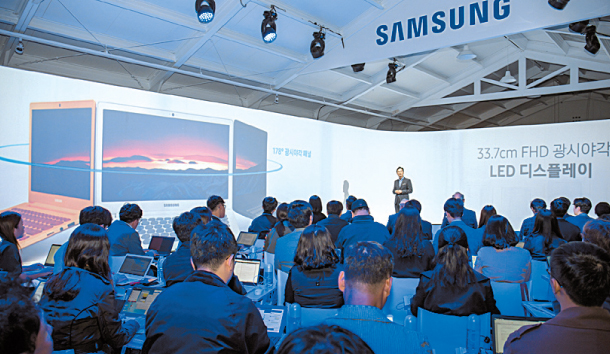
    You just can’t escape the Samsung Galaxy Note 10 and Galaxy Note 10+ anywhere after Samsung introduced the new line this past week. And that happens to be true especially if you use an older Samsung Galaxy handset model with Bixby, Samsung Pay and the Samsung Push Service that disseminates updates and notifications meant for Samsung phones only. As spotted by a number of Twitter users including XDA’s Max Weinbach, those using the aforementioned features are being spammed by Samsung with ads for the new Galaxy Note 10 line.

    Bixby implores users curious about the new phones to inquire about them. “Curious about the Note 10? Ask Bixby!” shouts the virtual digital assistant. A screenshot of Samsung Pay shows the mobile payment system offering users a closeup of the Note 10 at AT&T, T-Mobile, and Verizon. Needless to say, the response from Samsung users is not positive especially since many of those spammed have already pre-ordered one of the new phones. And the manufacturer is making it harder to disable the spam it delivers via Bixby by forcing users to go into the Bixby settings to disable marketing notifications. To do this, open Bixby and tap on the menu icon on the top right. Tap on Settings and turn ‘Marketing Notifications’ to off.

    We also have to wonder what Samsung is saying to those who shelled out big bucks for the Galaxy Note 9. What is the message here? Is it that the phone you shelled out $1,000 for last year is no longer capable of doing great things? We get that Samsung is proud of the new Note 10 line, but spamming its own customers seems more than a bit unsavory.
  • Fashion label launches Hello Kitty clothing line

    Fashion label launches Hello Kitty clothing line

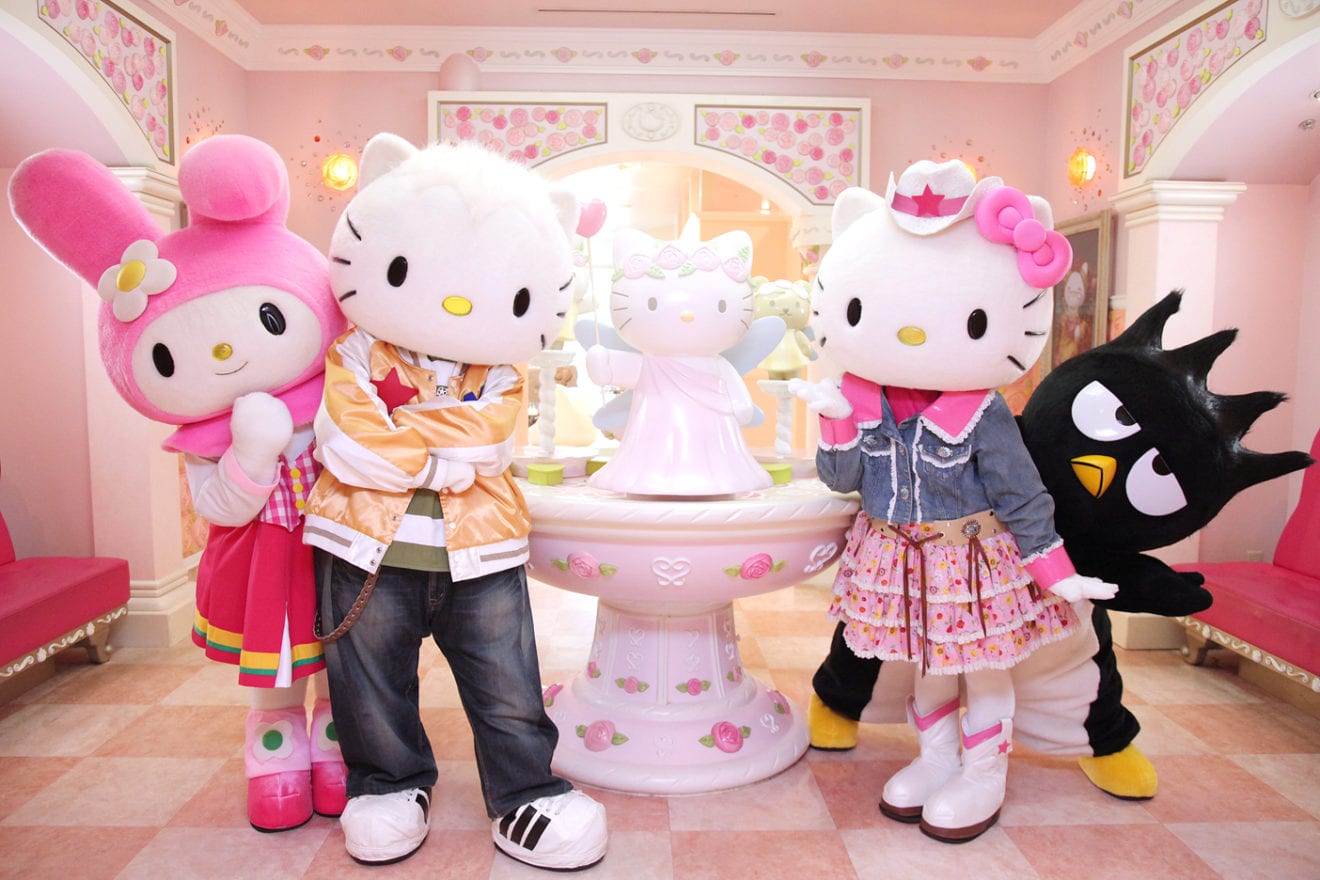
    Local fashion label Ruby is launching a limited-edition collection of Hello Kitty-licenced products, including t-shirts, sweatshirts, oversized hoodies and activewear.

    The collection, Ruby x Hello Kitty, will be available in stores and online from August 16, and is expected to take the brand’s customers on a trip down memory lane.

    “This collection with Sanrio has been so exciting,” said Deanna Didovich, Ruby’s creative director, said in a statement.

    “Growing up I collected anything Hello Kitty! There’s no doubt Ruby x Hello Kitty will be one to remember,” she said.

    The collection also includes several non-licensed products, including a satin skirt and bomber jacket set designed to be mixed and matched with the streetwear pieces, as well as a denim jacket and mini-skirt.

    The Hello Kitty activewear set is made from econyl fibre, which is nylon that is 100 per cent regenerated from recovered fishnets and nylon waste. This helps to reduce the global warming impact of nylon by up to 80 per cent.

    Ruby and its sister label, Liam, are increasingly incorporating sustainable materials into their collections.

  • Versace apologises for the bold suggestion that Hong Kong is a country

    Versace apologises for the bold suggestion that Hong Kong is a country

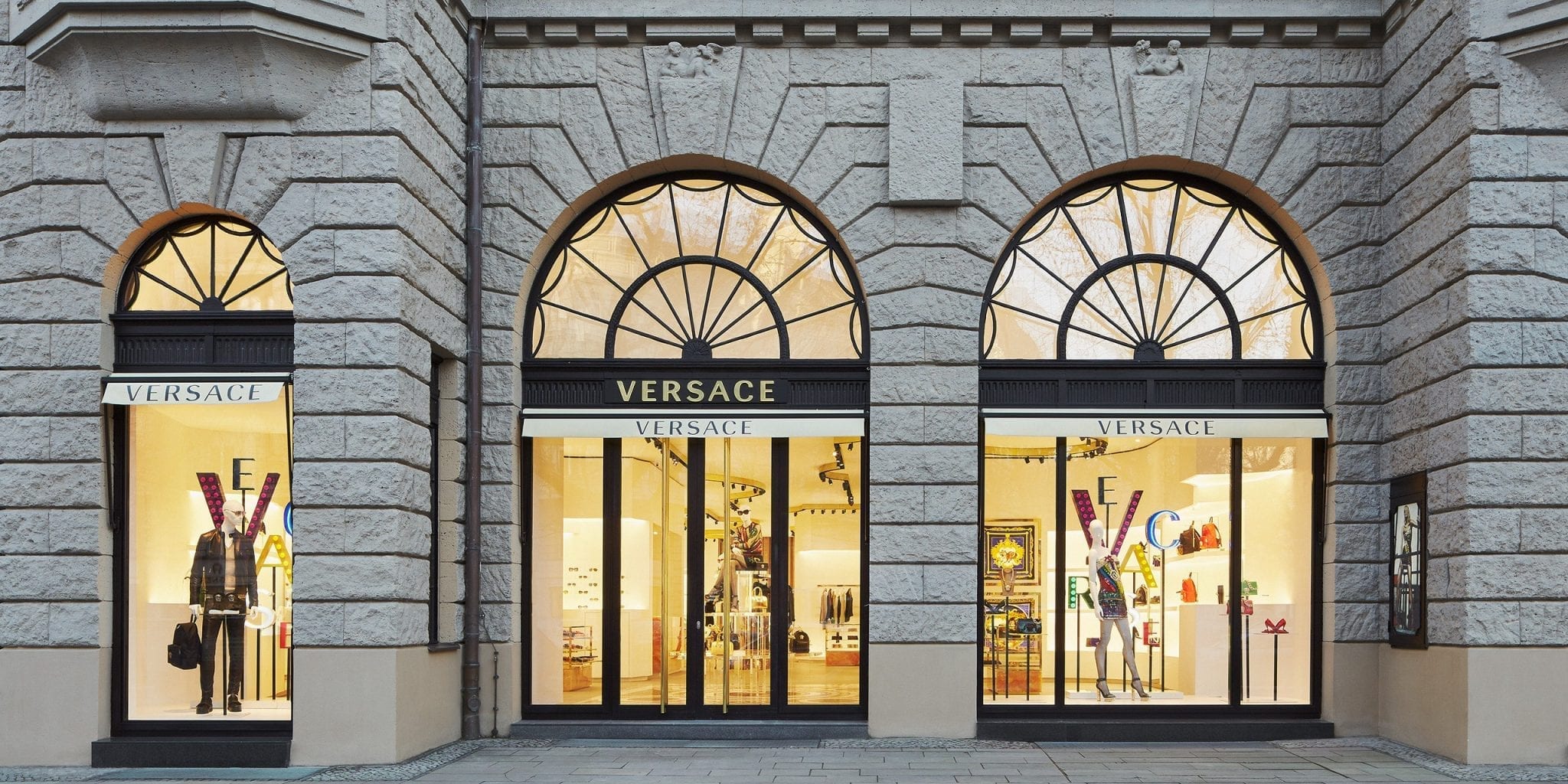
    Italian luxury label Versace and its artistic director Donatella Versace apologized on Sunday after one of the company’s T-shirts was widely criticized on social media in China for identifying Hong Kong is a country.

    Versace, which was bought by US-based Capri Holdings in September, said on its Weibo account that it had made a mistake and as of July 24 had stopped selling and destroyed the T-shirts.

    The T-shirt, images of which were widely posted on Chinese social media, featured a list of “city-country” pairs, including “New York-USA” and “Beijing-China”. But it also described Hong Kong and Macau as “Hong Kong-Hong Kong and Macau-Macau.”

    The studio of Versace’s China brand ambassador Yang Mi, one of the country’s most well-known actresses, also said on its Weibo account that she was ending her contract with Versace over the issue.

    “China’s territorial integrity and sovereignty are sacred and inviolable at all times,” Jiaxing Media said in the statement.

    The ending of Yang’s relationship with Versace was one of the most viewed topics on Weibo on Sunday, attracting more than 640 million views.

    Milan-based Versace is the latest company to become entangled in political issues involving China, which since last year has increased its policing of how foreign firms describe Hong Kong and Macau, former European colonies that are now part of China but run largely autonomously.

    “Versace reiterates that we love China deeply, and resolutely respect China’s territory and national sovereignty,” the company said in a statement.

    Donatella Versace, sister of the fashion house’s late founder Gianni, issued a similar statement on her official Instagram account.

    “Never have I wanted to disrespect China’s National Sovereignty and this is why I wanted to personally apologize for such inaccuracy and for any distress that it might have caused,” she said.

  • Tesla Electric Car Catches Fire After Hitting Tow Truck In Moscow

    Tesla Electric Car Catches Fire After Hitting Tow Truck In Moscow

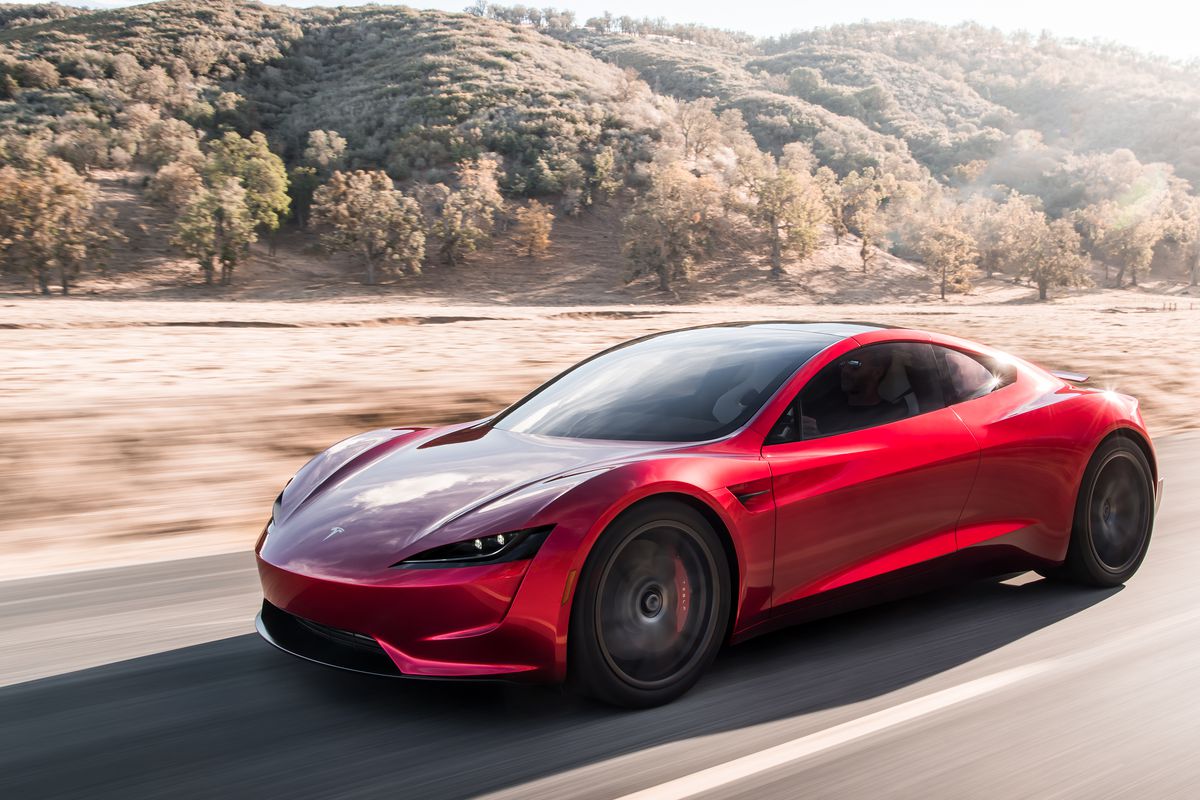
    A Tesla Model 3 electric car caught fire after crashing into a parked tow truck on a Moscow motorway late on Saturday, with the Tesla driver saying he had failed to see the vehicle with which he collided.

    Asked in a video published on REN TV website if he was using an Autopilot self-driving system, driver Alexei Tretyakov said he was in a drive assistance mode in which he was still holding the steering wheel.

    Tesla has stood by safety claims for its Model 3 in the face of regulatory scrutiny, while documents showed the top U.S. automotive safety watchdog issued at least five subpoenas since last year seeking information about crashes involving the company’s vehicles.

    Tretyakov said was driving at around 100 km (62 miles) per hour – the speed limit – when the car crashed on its left side into the stationary tow truck that he had not noticed.

    Footage of the incident on state TV channel Rossiya 24 showed the car by the side of the road engulfed in flames and thick black smoke. Two small explosions occurred within a few seconds of each other and the metal frame of the vehicle was all that remained after the fire, TV footage showed.

    Russia’s RIA state news agency website posted a video showing the car driving in the left-hand lane of Moscow’s ring road, known as the MKAD, before crashing into a tow truck parked by a safety fence that separates the carriageway from oncoming traffic.

    Tretyakov, a financial market expert and the head of Arikapital investment company, said he broke his leg in the incident, while his two children suffered only bruises. They all escaped from the vehicle.

  • Blue Bottle Coffee’s industrial-style flagship opens in Seoul

    Blue Bottle Coffee’s industrial-style flagship opens in Seoul

    Blue Bottle Coffee’s first South Korean cafe which opened in Seoul’s artsy Seongsu neighborhood earlier this year, features an industrial-style design with steel surfaces and red-brick fixtures.

    The cafe was designed by Schemata Architects, which has already created several of the brand’s branches in Tokyo, Japan.

    South Korea is the second international market for the US coffee company, which opened its first Tokyo cafe in 2015, inspired by the hospitality of traditional Japanese kissaten (coffee house) culture.

    In the new three-floor, 14,000sqft Seongsu location, each level is dedicated to a different use. The cafe has been designated to the basement – a decision made by the practice after seeing that the ground floor overlooked a busy road often blocked with traffic.

    “Having the cafe in the basement provides a calm and peaceful space away from the bustle on the ground,” the design team explained to Dezeen.

    At its centre is a huge stainless-steel service counter, above which a section of the ceiling has been cut away to provide views to the upper floor.

    Large stacks of red bricks – a material typically used to clad the facades of buildings in Seongsu – have been dotted throughout the space, where brand merchandise like packets of coffee and mugs can be displayed.

    “As a mark of respect for [Seongsu’s] history, we decided to also use brick inside the building,” explained the practice.

    A short set of stairs leads down to a lowered seating area that’s dressed with timber tables and chairs, as well as a couple of long beige sofas.

    The ground level hosts a roastery, a storage room for coffee beans and an area dedicated to cupping: the practice of observing the taste and aroma of brewed coffee. It is all fronted by glass allowing pedestrians outside to see the coffee-making process.

    “The basic design rules for Blue Bottle Coffee cafes remained the same in this project, which is to use a limited number of materials to create a space with a sense of unity and to create a flat relationship between the customers and the staff over the counter,” the practice’s founder, Jo Nagasaka said.

  • Reliance-Tiffany partnership in India wins the right approval

    Reliance-Tiffany partnership in India wins the right approval

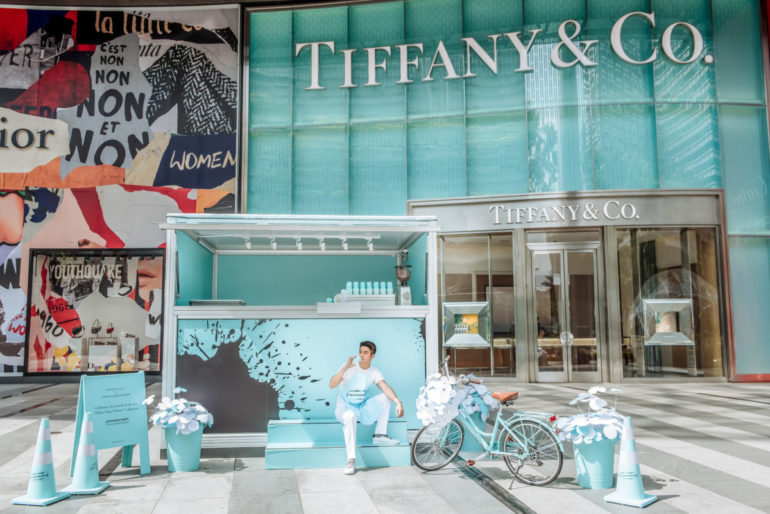
    The Reliance-Tiffany partnership in India will allow Tiffany & Co to offset subdued demand in US and Europe, says data and analytics company GlobalData.

    The US-based luxury jeweler Tiffany & Co formally announced last week it was forming a joint venture with India’s Reliance Brands Limited (RBL), a part of the Reliance Industries Limited (RIL), to open a line of stores in India. That move was widely predicted earlier.

    Shagun Sachdeva, consumer insights analyst at GlobalData, says India is the fastest-growing luxury market in the Asia-Pacific region, expected to grow at a compound annual rate of 14.2 percent between 2017 and 2022, to reach US$7billion by then.

    “The projected healthy growth can be attributed to the positive economic outlook, growing younger upper-middle-class population coupled with growing brand-consciousness, and the increasing popularity of the online channel for luxury shopping.”

    Sachdeva said Tiffany & Co, famous for its diamond engagement rings and famous blue boxes, has been trying to enter the Indian market for a long time.

    “By leveraging Reliance’s long-standing brand presence and product positioning, it will be able to expand globally and offset the subdued demand in the US and Europe.

    “After the deployment of omni-channel model and the introduction of the iconic British toy retailer Hamleys in India earlier this year, the latest move by Reliance to open Tiffany stores in Delhi later this year and in Mumbai in 2020 through a joint venture is in line with its strategy to bring the best-in-class products to the emerging Indian luxury market,” she said.

    “It provides a unique opportunity for Reliance to bolster its consumer-focused units, retail, and telecoms, to match the strength of its leading oil and gas business.”

  • Honda To Recall 222,674 Accord Vehicles In China

    Honda To Recall 222,674 Accord Vehicles In China

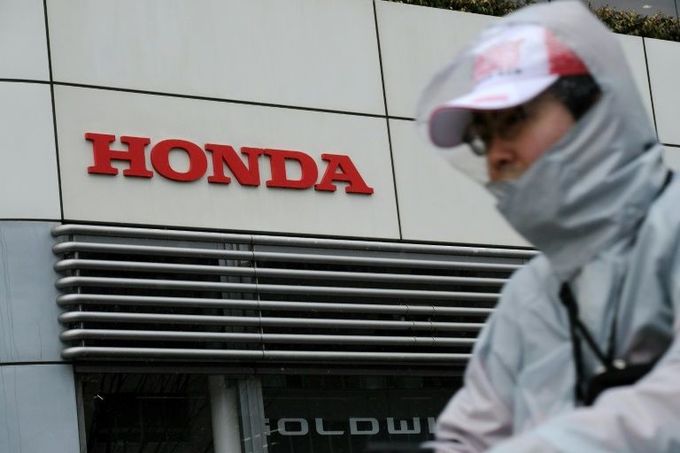
    Honda Motor Co Ltd’s venture with Guangzhou Automobile Group Co Ltd will recall 222,674 Accord sedans in China, market regulators said on Thursday, after recent complaints on social media about the car engine’s quality. The recall is linked to a problem caused by the intercooler of the car’s 1.5T turbocharged engine. In certain situations, the engine lost speed to protect the vehicle, according to a document on China’s State Administration for Market Regulation.

    Some owners of the Japanese carmaker’s iconic model have posted videos that showed their cars losing speed, on social media Weibo over the past weeks. Many of them have demanded for a recall of the model.

    The Guangzhou-based venture will install devices that optimize the air flow rate at the engine intercooler, according to the document.

    Total vehicle sales in China, the world’s largest auto market, fell for a 12th straight month in June, and top industry body has predicted them to fall for the second year running.

    However, Honda’s sales in China outperformed the overall market. In the first seven months of the year, its local ventures reported a 20.5% rise in sales due to newly revamped variants.

    Honda recalled hundreds of thousands of vehicles including popular Civic and CR-V last year, due to a cold-climate engine problem.

  • Indonesia President Signs New EV Decree To Bolster Industry

    Indonesia President Signs New EV Decree To Bolster Industry

    Indonesian President Joko Widodo said on Thursday he signed a decree that lays out government support to build an electric vehicle (EV) industry in Southeast Asia’s largest economy, the Cabinet Secretariat said in a statement. Widodo did not elaborate, but a draft of the decree reviewed by Reuters ahead of the signing showed it contained a series of incentives to boost production and purchase of EVs. Widodo said in the statement that the key to the EV industry is in the construction of the batteries they run on and the “raw materials to make a battery: cobalt, manganese and others, we have in this country.”

    Resource-rich Indonesia has been seeking to carve out a downstream industry based on its supplies of nickel laterite ore, which is used in lithium batteries.

    “The business strategy can be designed in this country so that we can get ahead of others in building an inexpensive electric car industry, which is competitive because the raw materials are here,” he said on the sideline of an event at the headquarters of the Association of Southeast Asian Nations, according to the statement.

    Widodo warned that building such an industry would take longer than “a year or two”, because it must also create a new market.

    The draft regulation seen by Reuters gives automakers reductions in import tariffs for machinery and materials and lower luxury taxes for buyers, among other things.

    Widodo on Thursday also suggested that city administrations across the country could provide more incentives, such as free parking or free administrative fees, to further support adoption of EVs by private consumers and public transportation firms.

    Indonesia aims to become an EV hub for Asia and beyond with a target to start EV production in 2022 and for the share of EV output to reach 20% of total car production by 2025.

    Indonesian authorities said Toyota Motor Corp, which has the biggest market share in the domestic car market, and Hyundai Motor would invest $2 billion and $880 million in the country, respectively, to develop EVs over the next few years.