Author: Mei Ling Tan

  • Cafe de Coral profits down during 50th anniversary year

    Cafe de Coral profits down during 50th anniversary year

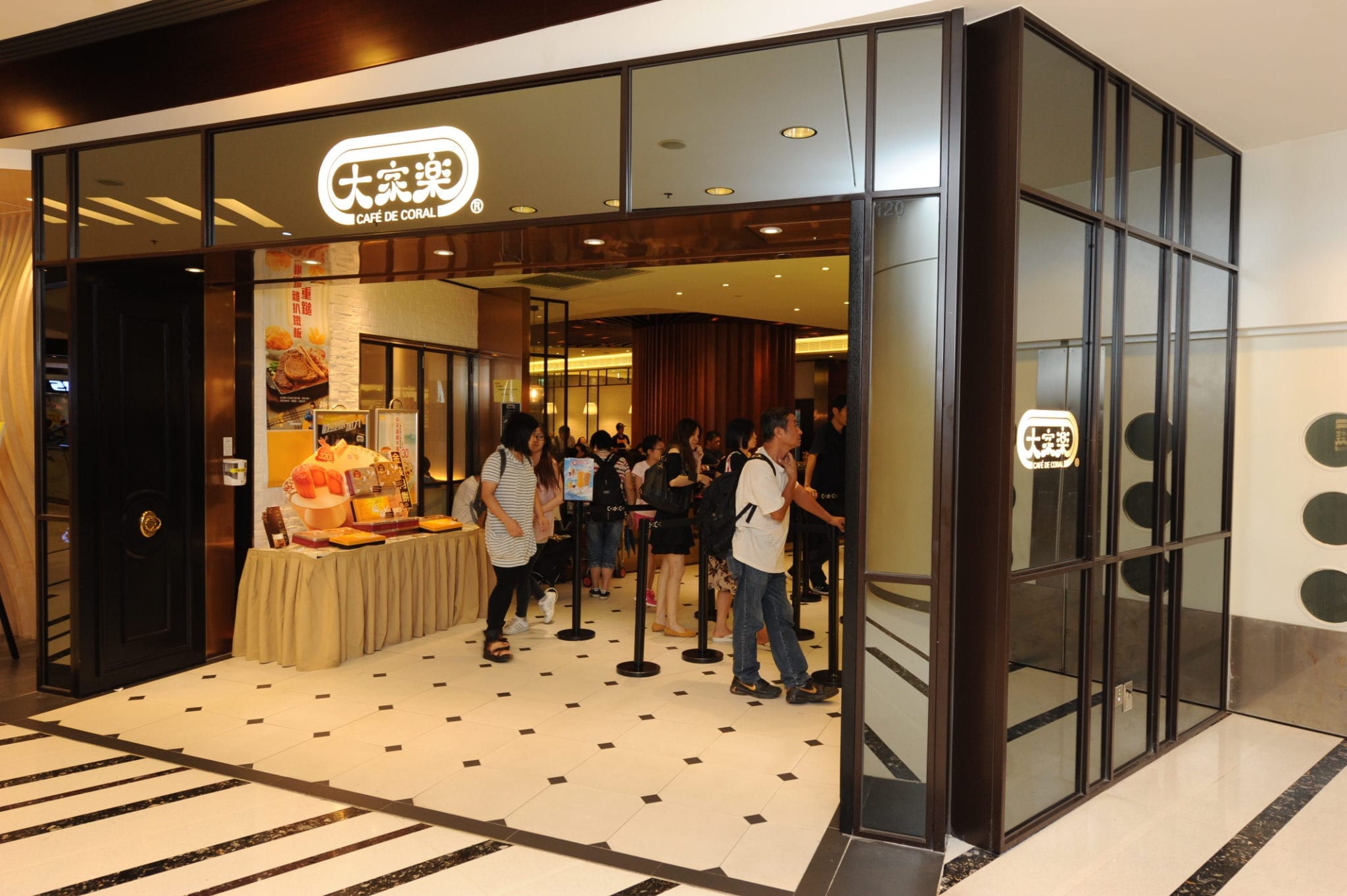
    A sharp focus on customer experience and behind-the-scenes efficiency has driven a solid rise in profits for Cafe de Coral in its 50th year of trading.

    Revenue for the Hong Kong-listed quick-service restaurant, catering and casual dining operator rose by a modest 0.8 per cent to HK$8.494 billion, however profit attributable to shareholders soared 28.9 per cent to $590.3 million, primarily due to improvements in operating efficiency and profit margins.

    “The results achieved during the year under review indicate clear improvement in performance and customer experience, as well as a positive trend in all areas of operations,” said chairman  Sunny Lo Hoi Kwong.

    “Our philosophy towards development is driven by a long-term view, and is inspired by a belief that development cannot be rushed, yet it cannot be slow. While a succession team and sustainable growth take time to nurture, it is important the business maintains forward momentum while adapting to the environment.”

    He said the China market – and in particular the Greater Bay Area – was a key driver of growth for the group during the past year.

    “Over the past 50 years, our business has organically grown outward from Hong Kong to include key neighbouring cities and regions, which cover largely the same footprint as the official Greater Bay Area region. In expanding from our home market, Cafe de Coral’s network in Mainland China has naturally focused on the Greater Bay Area – building on our knowledge of customers, markets, property and supply chain logistics. This has allowed us to grow at a comfortable pace, confident in our ability to maintain our high standards of quality, cleanliness and service throughout our network.”

    He said focusing on the future business environment, technology will continue to be a key differentiator of the business this year. “Whether automating mobile ordering, payment or take-out and delivery, e-channels now represent a significant portion of our business, which will only grow as time passes.”

    While sales in the QSR and institutional division decreased by 0.6 per cent to $6.26 billion, the businesses maintained their leadership positions in the Hong Kong market, and contributed 73.8 per cent of the group’s total sales. The division finished the year with 298 outlets – the same as at the same time a year earlier.

    “Although the Hong Kong market remains very competitive, sentiment is positive and the fast food segment continues to grow,” said Lo. “In order to maximise growth opportunities, the group is maintaining its focus on improving all parts of the customer journey. With the manpower investment program in previous years now largely complete, costs are stable and under control – and margins are improving as a result.”

    He said consumers remained price sensitive and continued to be attracted by price cuts and value promotions. Cafe de Coral fast-food recorded flat same-store sales growth during the year. A review of the store network saw one opened and six closed during the year, for a net 162 shops as at March 31.

    “With network consolidation now complete, the group expects to expand its network. Seven new outlets have been scheduled to open in the months ahead.”

    A new customer loyalty program launched in May last year has proven highly popular with customers, with a significant increase in membership.

    The group has strengthened Super Super Congee & Noodles’ brand positioning as Hong Kong’s No 1 leading neighbourhood chain, providing nostalgic traditional and authentic Chinese cuisine (congee, noodles and wok-fried dishes). It achieved 2 per cent same-store sales growth during the year.

    The casual dining business achieved revenue of $905.8 million during the year, an increase of 2.7 per cent year on year. Following rationalisation of the brand portfolio and branch network, the division operated 60 shops at the end of the year, eight fewer than a year earlier.

    The group’s Chinese cuisine brands, Shanghai Lao Lao and Mixian Sense, maintained sizeable networks and shop presence with 12 and 17 shops at year end, respectively. Shanghai Lao Lao, the company’s leading home-grown brand, was successful in its promotions during the year.

    Mixian Sense opened three more shops during the year, introduced QR code ordering to improve the customer experience and operational efficiency, and also launched a new VIP program to encourage customer response.

    Non-Chinese cuisine brands continued to rationalise their branch networks to improve performance. The Spaghetti House ended the year with seven shops and Oliver’s Super Sandwiches with 13, both chains two stores down year on year.

    Lo said Mainland China represents a major opportunity for the group’s business. “Continuing last year’s momentum, the Mainland China business delivered strong performance during the year, achieving 7 per cent growth in revenue to $1.152 billion and same-store sales growth of 2 per cent.”

    Building on management’s confidence in the market, the group doubled the number of store openings compared to the previous year, opening 16 shops to end with 107. Another 20 new stores are planned for this year.
  • NEXEA Launches Startup-Corporate Pilot Program

    NEXEA Launches Startup-Corporate Pilot Program

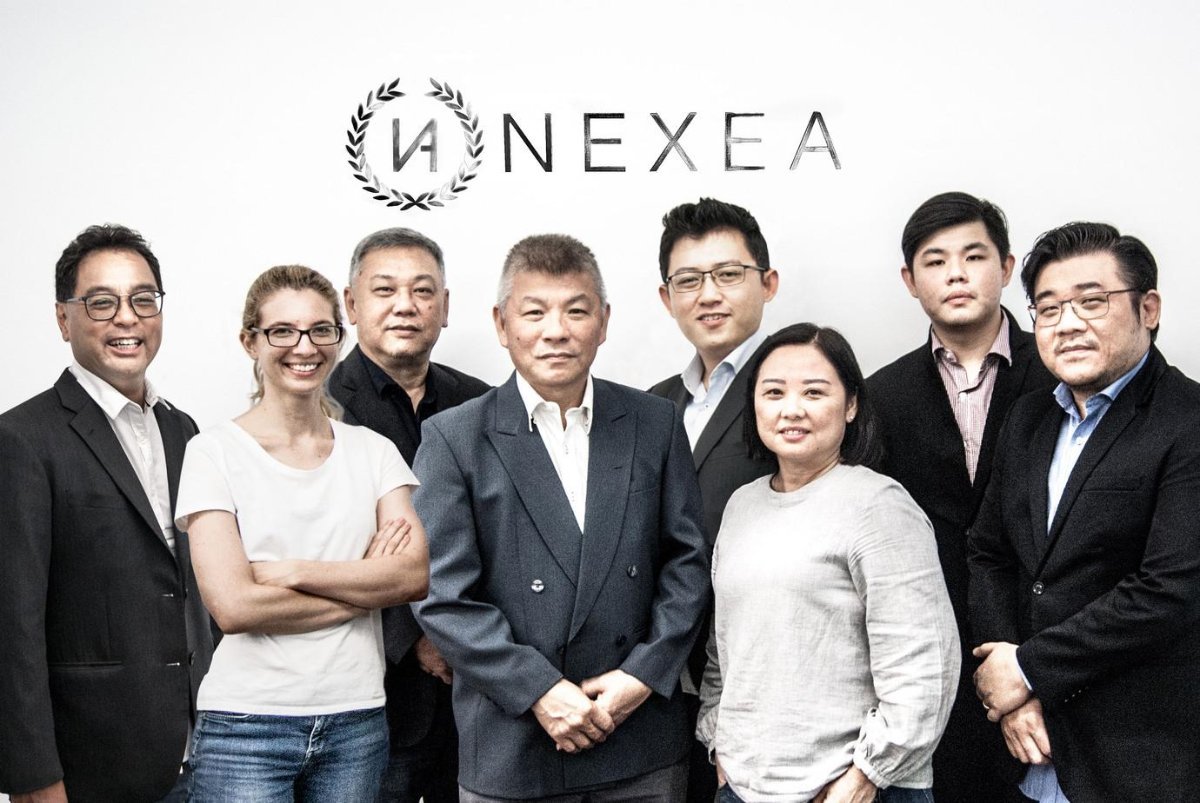
     NEXEA Angels Sdn. Bhd. (“NEXEA”), a leading startup investment firm today announced the launch of its Startup-Corporate Pilot Program that aims at bringing together local technology startups and corporations for the purposes of identifying and exploring potential collaborations among them. The program is held in partnership major organizations namely Digi, HELP University, Rhombus Connexion and Spritzer. Through the program, startups will get an opportunity to explore pilot projects with these organizations, validate business with feedback from them, explore real-world product testing and build up traction by having these organizations as potential customers. In addition, startups will also get support from mentors from NEXEA and have an opportunity to get funded by NEXEA and its co-investment partners. Startup-Corporate Pilot Program will start in July and run in parallel with NEXEA’s startup accelerator program.

    The Startup-Corporate Pilot Program is open to Malaysia-based startups ranging from ideation stage all the way to pre-series A. Applications to join are now open and will be closed on 24 June 2019. NEXEA is looking to enroll startups in the areas of connectivity, fintech, Internet of Things, SME solutions, F&B’s, education, healthcare and home services.

    Ben Lim, Managing Partner of NEXEA said, “Startup-Corporate Pilot Program is bridging the gap between startups and industry players. Many startups desire a working relationship with corporate entities but many too are unable to attain it due to various reasons. So, this year, besides running our regular Startup Accelerator Program we are bringing something different to the ecosystem – a platform where startups have direct access to corporations so they can explore potential collaborations. We are delighted that Digi, HELP University, Rhombus Connexion and Spritzer join in on our mission to help provide expert insights and opportunities for startups in our program.”

    Experienced entrepreneurs, CEOs and heads of innovation from the participating organizations will get involved in the program. With this approach to collaborations, NEXEA hopes to accelerate corporate innovation and the Fourth Industrial Revolution (IR 4.0).

    NEXEA has, in its team, experienced mentors where most of them are entrepreneurs, half of them have held C-level positions like CEO and some of them have successfully brought companies to initial public offering (IPO).

    Alex Foo, Head of Strategy and Transformation at Digi said, “We share a common belief with NEXEA that Corporates and Startups have a big role to play to foster the growth of innovation and innovators in Malaysia. By partnering with NEXEA’s Startup-Corporate Pilot Program, we hope to play a role in building the local startup ecosystem by sharing our knowledge and expertise in building businesses, while exploring collaborative opportunities with startups and jointly bring new innovations to market.”

    Adam Chan, Executive Director of HELP International Corporation Bhd. stated, “As HELP University embarks on its transformation plan to become an analytics-driven institution and one that provides our students with the opportunity to test their entrepreneurial acumen, working with NEXEA provides the platform for our students and graduates to embark on this journey. NEXEA has a strong program in this area and we are confident that the resources of both parties could potentially provide the catalyst to unearth the next unicorn.”

    Kent Chua, Co-Founder of Rhombus Connexion said, “In the era of disruption we face today, it is an “innovate or die” situation for corporates. Thus what better way than to work closely with brilliant young minds via NEXEA to tap on to their wild ideas and play a role in shaping and supporting the world’s future today.”

    Meanwhile, Kenny Lim, CEO of Spritzer Bhd., said, “The market is moving into AI, robotic technology, digitalization and etc., whether you like it or not, but indeed the spirit of entrepreneurship is always the first step on how an idea can be turned into conglomerate. Spritzer is a home grown brand, the entrepreneurship spirit is one of the factors that makes us to be where we are at today. One of our roles here is to share what we have learned, so others can shine.”

  • ABCDior pop-up Opening in Singapore

    ABCDior pop-up Opening in Singapore

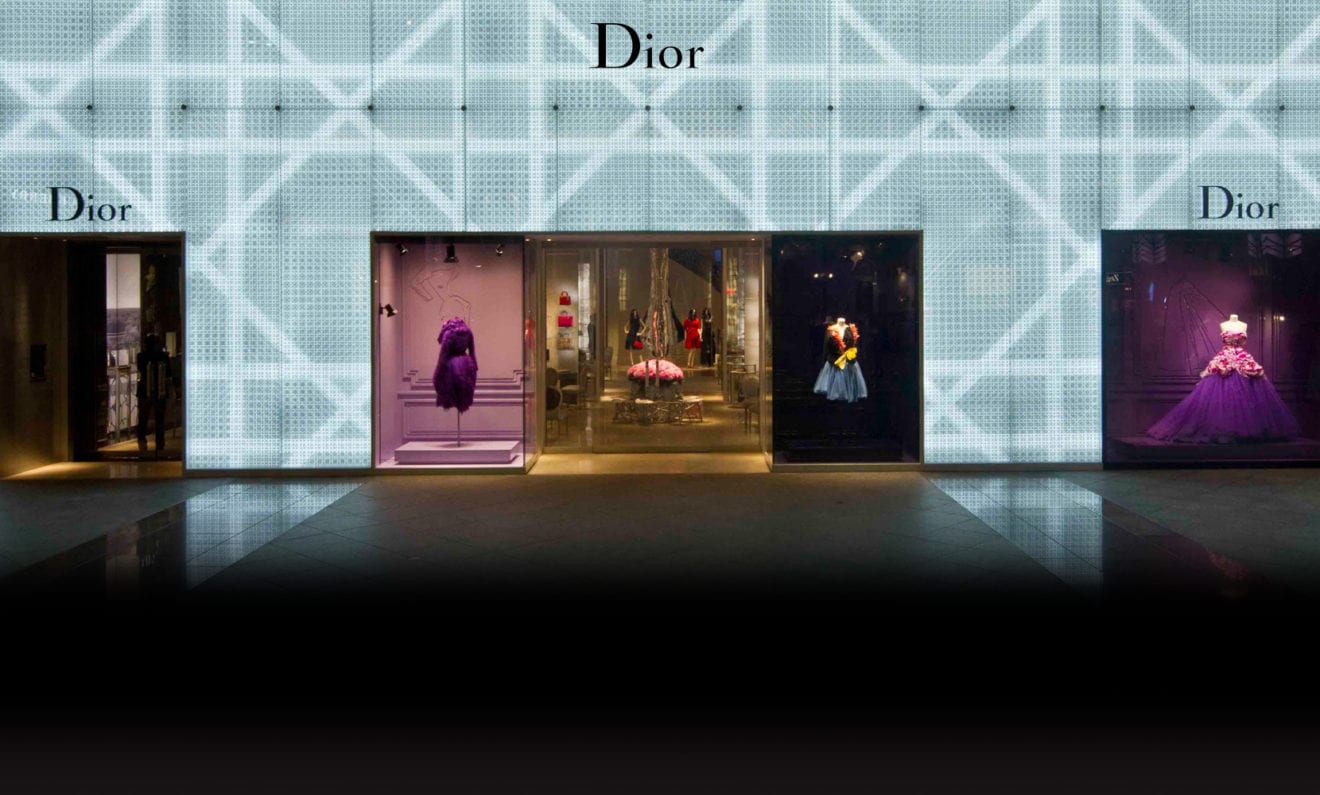
    French fashion house Dior will launch its personalised ABCDior pop-up store in Singapore.

    Located at the Dior boutique in Marina Bay Sands, the pop up will allow customers to embroider their names, initials or letters on a selection of Dior goods, ranging from its Book Tote, the Diorcamp bags, as well as the Walk ‘n’ Dior sneakers.

    These items are made in the Oblique canvas, featuring the interlocking Dior logo.

    The pop-up will run from June 20 to July 14.

  • L’Occitane profit rose after Restructuring

    L’Occitane profit rose after Restructuring

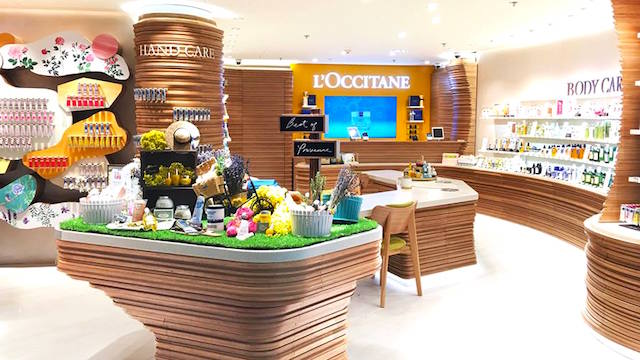
    Hong Kong-listed beauty-products retailer L’Occitane is reaping the benefits of a restructure with profit up 21.8 percent last financial year to €117.6 million.

    And chairman Reinold Geiger says even better results are in the pipeline. “The group now operates as a multi-brand entity, where unique brand identities are celebrated and common values shared — respecting nature, creating authentic and genuine experiences, promoting entrepreneurship, and bringing a human approach to beauty,” he said in a statement.

    “The group encourages its brands to stay agile and autonomous, yet synergies are also being identified and capitalized. With the material improvements delivered by the core L’Occitane en Provence brand, combined with the largely accretive consolidation of Elemis, the group expects to see enhanced profitability in 2020 and beyond.”

    Group net sales were €1.427 billion for the year to March 31, up 8.7 percent at constant exchange rates. Gross margin remained high at 83.2 percent and operating profit rose by 6.9 percent.

    L’Occitane’s Hong Kong net sales were €137 million, an increase of 9.9 percent year on year, or 8.6 percent at constant exchange rates. However, same-store sales fell 2.6 percent.

    “Macroeconomic uncertainties continued to erode consumption sentiment, reflected in a marked downturn in the Hong Kong retail market after the first quarter of {last year}, notably in the average ticket value,” the company said in its earnings review. “Meanwhile, the increase in mainland tourist traffic brought by new infrastructure did not uplift Hong Kong retail sales.”

    Sales in China reached €178.1 million, an increase of 11.9 percent, or 12.1 percent on a constant-exchange-rate basis.

    “Sales momentum in China was dynamic throughout the whole year,” the company said. “Sell-out sales remained strong even though trading with seven fewer stores than last year, posting a growth of 9.6 per cent at constant exchange rates, and with same-store sales growth at 6.9 percent. The marketplace channel continued to drive growth, with impressive performances recorded during key festivals such as Singles’ Day, Chinese New Year and Women’s Day. Sell-in sales also posted encouraging results, with the growth of more than 30 percent, thanks to the launch of JD and dynamic B2B sales.”

    In Japan, net sales rose 1.5 percent to €222.1 million, however in the local currency, the growth was just 0.1 percent. “The flattish performance was due to a sluggish retail market. Nonetheless, retail sales of L’Occitane en Provence grew at a low single-digit rate as compared to last year, thanks to the new stores opened, the large-scale “Balloon Journey” marketing event and successful face care campaigns during the year.”

    Taiwan net sales of €38.2 million represented a decline of 3.2 percent at reported rates, or 2.7 percent at constant exchange rates.

    “The Taiwan retail market remained competitive,” the company said. “The decrease in sell-out was largely explained by the negative 2.7 percent same-store sales growth, together with the typhoon hits and poor weather during the summer season. Web sell-out channel, however, recorded double-digit growth, thanks to the revamped own e-commerce platform as well as the development of the marketplace.”

    Most other markets remained static for L’Occitane, with the exception of Brazil, where sales fell by 4 per cent, and the US, where they soared 35 per cent.

  • Cosmetics, holiday season bouy China retail sales growth

    Cosmetics, holiday season bouy China retail sales growth

    The rate of China retail sales growth rose for the second consecutive month in May, buoyed by the holiday season.

    According to government data, retail sales rose 8.6 percent, which followed 8.3 percent growth in April and 7.2 percent in March.

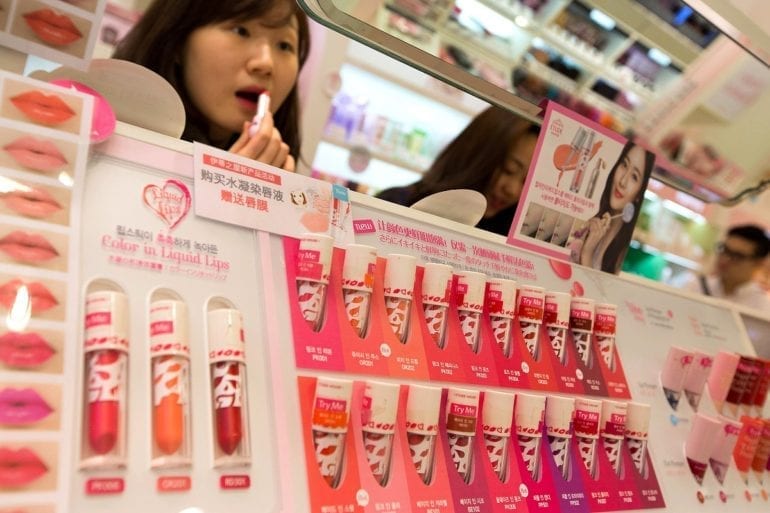
    The strongest-performing categories were cosmetics, where sales rose by 16.7 percent, food up 11.4 percent, beverages up 12.7 percent, and daily goods, up 11.4 percent.

    The weakest categories included apparel and footwear, down 4.1 percent, and jewelry, down 4.7 percent.

    Despite efforts by the Chinese government to encourage consumers to upgrade home appliances, that sector remained subdued, growing at 5.8 percent in May and 6.4 percent year to date.

    The growth rate encouraged Jeffries Hong Kong equity analyst Summer Wang to express confidence in Chinese retail companies.

    “We stay bullish on function-led premiumization and content-driven consumption,” she said in a  research note.

    May’s China retail sales growth exceeded the consensus of analysts by about half a percentage point. Excluding inflation, the growth rate was estimated at 6.4 percent in May, following 5.1 percent in April.

    Urban sales rose 8.5 percent, while rural sales were up 9 percent.

    Sales of goods online grew by 21.7 percent in May and now account for 18.9 percent of total China retail sales.

  • Victoria bans single-use Plastic bags

    Victoria bans single-use Plastic bags

    Victoria is bidding adieu to lightweight, single-use plastic shopping bags with a ban to be introduced state-wide in November.

    The state government introduced new legislation to parliament on Wednesday to ban bags at retail outlets including supermarkets, fashion boutiques, fast food outlets, convenience stores and service stations.

    The ban will target lightweight plastic bags with a thickness of 35 microns including those made from degradable, biodegradable and compostable plastic.

    The legislation will ensure all single-use lightweight plastic shopping bags with a thickness of 35 microns or less will be banned, including bags made from degradable, biodegradable and compostable plastic.

    The legislative changes follow community consultation, which revealed “overwhelming” support for the ban.

    “Plastic pollution is a significant environmental problem – the actions we take now will help ensure Victoria has a clean and bright future,” Minister for Environment Lily D’Ambrosio said on Wednesday.

    “The feedback on this one was clear. Victorians want to do more to protect the environment from the damage litter causes and are overwhelmingly supportive of banning single-use plastic shopping bags.”

    The government is working with the National Retailers Association to ensure businesses are prepared for the ban and have access to sustainable packaging alternatives.

    Single-use plastic bags have already been banned by governments in Queensland, Western Australia, South Australia, Tasmania, ACT and NT.

    Coles revealed on Wednesday that it has saved 1.7 billion lightweight single-use plastic bags from landfill since the ban came into place last July.

    Woolworths said it has issued around three billion fewer plastic bags from its stores over the last 12 months, equating to a 4,700 tonne reduction in single-use plastics going into the environment over the course of the year.

  • Chanel Not For Sale

    Chanel Not For Sale

    Luxury fashion house Chanel has dispelled rumours it was planning a stock market listing after posting higher annual sales and profits on Monday.

    The company also announced it is not for sale.

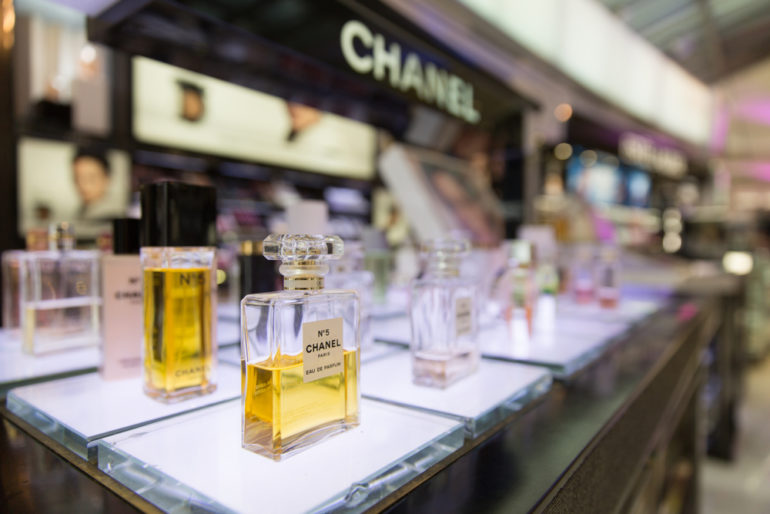
    The French fashion label, owned by the Wertheimer family, said sales rose to nearly $11.1 billion (A$21.29 billion) in the year under the late designer Karl Lagerfeld who passed away last February.

    This is only the second time the luxury brand has publicly announced its results in its 109-year history.

    According to a CNBC report, Chanel’s chief financial officer Philippe Blondiaux had said the company was not for sale and has denied IPO claims.

    “We’ve got to live with the fact that we are one of the most desirable brands in the market,” Blondiaux said. “These rumours will unfortunately keep coming back on a regular basis.”

    “Chanel needs to remain independent, in order to have the freedom to make choices that go against the grain, such as no longer using exotic animal skins, or by harmonising prices.”

    The fashion house, which was founded by Coco Chanel in 1910, announced it saw a 12.5 per cent increase in its 2018 revenues to $11.12 billion, while net profits rose 16.4 per cent to $2.17 billion.

    The company has seen growth across all of its markets last year, led by Asia Pacific where sales increased 19.9 per cent. Sales in Europe rose 7.8 per cent and in the Americas 7.4 per cent.

    The report indicated strong demand from wealthy Chinese consumers both in Europe and overseas has fuelled higher sales and profits in the luxury industry, in spite of a trade dispute between the United States and China.

    Virginie Viard took over as Chanel’s new creative chief and delivered her first solo collection last month for the brand.

  • HKCYIA signs MOU with Voyager to promote superyacht services in Hong Kong

    HKCYIA signs MOU with Voyager to promote superyacht services in Hong Kong

    The Hong Kong Cruise and Yacht Industry Association (HKCYIA) has signed a Memorandum of Understanding (MOU) with Voyager Risk Solutions Ltd to support its risk and insurance management services for superyachts, with full scale professional solutions that are expected to promote its upcoming initiatives in the development of the yacht and tourism industries in the Greater Bay Area.

    The move was made in view of the rapid development of the global yacht industry and the surging demand for superyacht management services in Hong Kong.

    The MOU signing ceremony, witnessed by the management of both organisations, was officiated by HKCYIA Executive Director, Kara Yeung, and Voyager’s Chief Executive Officer, Tommy Ho. The agreement will further strengthen the two organisation’s developments in the yacht industry, with increased co-operations and exchanges in tourism promotions in the Greater Bay Area.

    Speaking at the ceremony, Yeung said under the agreement Voyager will provide professional risk management and insurance consultation services to the HKCYIA in the opening and operation of its upcoming Superyacht Management Services Centre. Both parties will have regular meetings to seek further co-operations and communications that can enable services improvements and sustainable developments.

    Yeung said Hong Kong has a major role to play in its capacity as a “super connector” in the implementation of the Belt and Road Initiative and the strategy to build the 21st century maritime Silk Road, providing the necessary support in the development of the maritime industries. Its first in Asia Superyacht Management Services Centre will be a milestone development for the industry.

    The centre, a partnership project with the China Merchants Industry Holdings Co. Ltd, will provide world-class supporting services for superyachts of over 45-metres, including refit, repair and maintenance services.

    Yeung added that the centre will work with international yacht brands and top management companies to provide a wide range of professional services, including repair and maintenance, audit and survey, bunkering services, crew administration, logistics support, etc. Exclusive onshore tours with tailor-made itinerary in the Area will also be provided.

  • Honey Birdette opens second US store

    Honey Birdette opens second US store

    Australian luxury lingerie retailer Honey Birdette has opened its second US store in San Diego, California, saying two more stores will be opened in the state in the coming months.

    The newly opened 74sqm store is located on the ground level of Westfield UTC and features Honey Birdette’s complete range of lingerie, bondage, latex, accessories and toys.

    The store has an ornate gold-tiled arch to welcome guests, with an individually cut-Italian glass mirrored storefront, and a salon inside.

    It includes two private dressing rooms fitted with ‘press for champagne’ buttons and custom-made whisky bar carts to offer customers a VIP experience.

    The new store also displays a limited-edition rose gold, rope and leather sex swing, which, according to the retailer, has not yet been seen at any other Honey Birdette boutique.

    “We are focused on creating individual design concepts for all of our future boutiques and each footprint will have its own unique element,” said Eloise Monaghan, Honey Birdette managing director.

    “Some might have a champagne bar for example, a private salon in one, a stage in another or a catwalk.”

    Two Honey Birdette stores will open in California soon and are currently under construction. One will be in Westfield Valley Fair and will open in July, and the other in Brea Mall will open in August.

    The retailer also announced they plan to open one more store in the state and another one on the East Coast but have yet to confirm the locations.

    Last year, the retailer said it will open 15 stores in the US over the next 12 to 24 months.

    The lingerie brand now has 57 stores across Australia, three in the UK and two in the US.

  • GreyOrange to showcase Flexible Automation solutions at the India Warehousing Show 2019

    GreyOrange to showcase Flexible Automation solutions at the India Warehousing Show 2019

    GreyOrange, a global  distribution automation software and robotics company will showcase its family of Flexible Automation solutions, including the new mobile and modular sortation system, FlexoTM and the AI-powered goods-to-person system, Butler, at the 9th edition of the India Warehousing Show 2019 from June 20-22 in New Delhi.

    The retail sector in India is expected to grow to US $1.2 trillion by 2021, up from US$795 billion in 2017. Modern supply chains must deliver the advanced productivity, efficiency and sophistication to handle omnichannel distribution models, exponential growth in the variety and volume of products shipped, and increasing volatility and unpredictability in order patterns. GreyOrange Flexible Automation solutions are specifically designed to help businesses master these complexities to optimize fulfilment performance while also controlling costs.

    Vivekanand, Country Manager- India and SAARC, GreyOrange said, “We are proud to associate with the India Warehousing Show, a leading event for the logistics and supply chain industry. We are excited to showcase our advanced solutions, technical expertise and innovation live at this event; and help customers understand the complexities of modern distribution, including those created by omnichannel pressures. With our multi-industry expertise and robust portfolio of products and services, we are leading Flexible Automation across the globe. At IWS, we invite everyone to visit our booth and witness our solutions in action and learn more about how they optimize performance and throughput.”

    Vivekanand will speak at IWS 2019 on 20th June at 12:30pm IST on “Flexible Automation: The Future of Fulfillment.” During the session, he will highlight how Flexible Automation solutions future-proof supply chains to create and extend operating advantages.

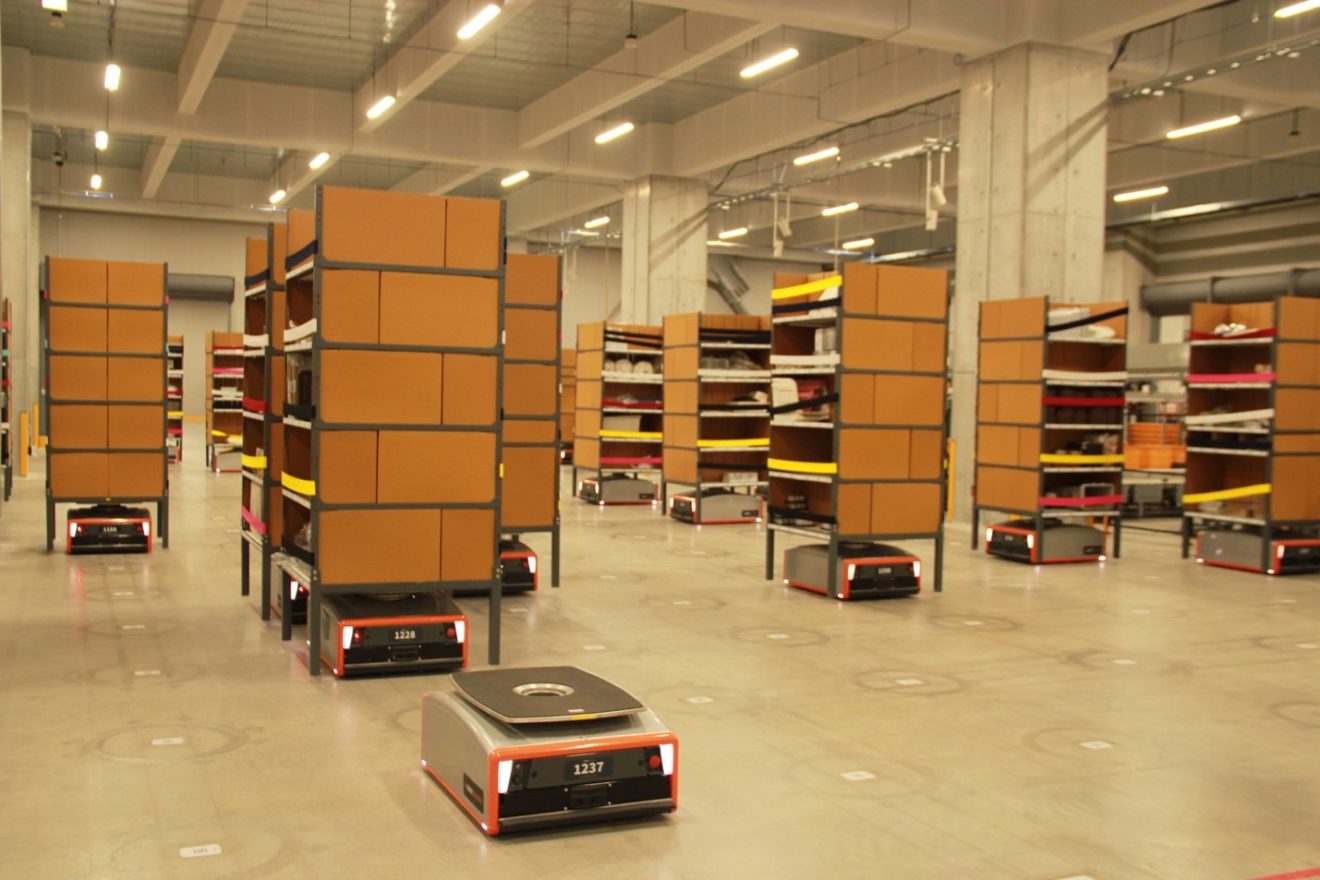
    The GreyOrange booth will showcase live demonstrations of its mobile and  modular sortation system, FlexoTM. Companies can deploy Flexo to enable inbound and outbound destination sortation  in fulfillment, distribution and logistics centers to better utilize space, reduce operating costs and flexibly adapt sortation to handle seasonal order patterns and spikes. This AI-enabled robotics system, which is capable of running 24/7, can be easily scaled making it investment-friendly and usable for a range of applications. GreyOrange also will showcase its globally deployed AI-enabled ButlerTM goods-to-person system, designed to handle high volumes, changing inventory profiles and fluctuating demand.

    Both the Butler and Flexo solutions are powered by GreyOrange’s warehouse execution software GreyMatter, which integrates multiple automation systems and drives higher efficiencies by leveraging Artificial Intelligence and Machine Learning in real-time.

    Visit GreyOrange at the India Warehousing Show 2019, stand C27, Hall 12, Pragati Maidan, from 20th to 22nd June 2019 to meet with Solutions Experts and experience a hands-on demo of GreyOrange high-performance solutions.

  • Facebook reveals its new digital currency called Libra

    Facebook reveals its new digital currency called Libra

    As expected, Facebook announced a brand new cryptocurrency coming in 2020 – Libra. Described as a new digital wallet for new digital currency, the new financial service will allow consumers to keep their cryptocurrency safe, as well as make various transactions.

    When it launches in 2020, the digital wallet will be available in Messenger, WhatsApp, but also as a standalone app. The decision to launch such a service is based on the people’s need to save, send or spend money even if they don’t have a bank account.

    Apparently, many people around the world still don’t benefit from even basic financial services, especially in developing countries. Calibra, the company behind the financial service, is meant to address this problem since it will allow those who don’t have a bank account to save, send and spend Libra.

    Most importantly, Calibra will allow users to send Libra to almost anyone with a smartphone just like sending a text message. Additional services will be provided to those using Libra later on, including the option to pay their bills.

    Facebook says that Calibra will not share account information or financial data with its servers or any third party without customer consent. Furthermore, the social network company mentions that Calibra will use Facebook data to comply with the law, secure customers’ accounts and prevent criminal activity.

    It remains to be seen what merchants will accept Facebook’s new crypto currency and how companies in developing countries will be convinced to pay their workers in Libra if they so choose.

  • The Great Singapore Sale renewed this year

    The Great Singapore Sale renewed this year

    The annual Great Singapore Sale is back this month, with the theme ‘GSS: Experience Singapore’.

    Taking place between June 21 and July 28, the sale will include Shopping Sprees such as ‘TGIF!’ (held every Friday) where retailers and food-and-beverage operators will run day-long specials and discounts.

    On July 7 (7.7), there will be an additional 7 percent off all goods – a marketing initiative based on retailers paying shoppers’ goods-and-services tax.

    Beyond the mega sales and discount programs, the event will boast a host of interactive activities and experiences at Orchard Road and Kampong Gelam.

    The first, the Orchard Road Fashion Scramble on June 21, will center around a fashion show curated by the Singapore Retailers Association and TAFF. Orchard Road will be transformed into a performing arena and an interactive runway for 300 dancers and models – showcasing an array of clothing designs and trends from local and foreign designers.

    The opening segment will feature designs by popular, up and coming local designers, followed by leading international fashion houses, before closing off with award-winning creations by Singapore students.

    The Great Singapore Street Pop Up will coincide with the Orchard Road Fashion Scramble, running from Ion Orchard to Mandarin Gallery, and at Robinsons The Heeren and the Grange Road carpark. The pop up will offer retail experiences and food for 10 days from the June 21-30.

  • Arabica Singapore Opens

    Arabica Singapore Opens

    Coffee chain % Arabica Singapore is to open three stores initially, the first at 56 Arab Street on June 28.

    After many delays due to construction and interior works, the Arab Street outlet of the Japanese coffee house will opened with seating for 20 and featuring a minimalist white design.

    Two other stores will follow at Chip Bee Gardens at Holland Village, and 313@Somerset on Orchard Road.

    There are plans to serve food at the Chip Bee Gardens outlet.

    Established in 2011, % Arabica has 16 stores in Hong Kong, Japan, Kuwait, the UAE, Oman, the Philippines and China.

  • Rezvani Tank Teased

    Rezvani Tank Teased

    In just a few weeks Rezvani Motors will debut the all-new 2020 Tank. Designed to be an antidote to the current dull SUV segment, the Tank is a military-inspired, purpose-built, extreme utility vehicle loaded with a ton of features. The 2020 Tank is all new and shares no parts with its predecessor, but it sure has the DNA. Thanks to a body on steel frame design, massive off-road tyres, and sports suspension, the Rezvani Tank will be able to tackle some serious off-roading trails.

    The optional TANK X will offer a 6.2-litre Supercharged V8 sourced from the Dodge Demon and further tuned to produce over 1000 horsepower. In addition to the list of standard features in the previous generation, Tank Military Edition will feature standard military grade EMP (Electromagnetic Pulse) protection covering E1, E2 and E3 electromagnetic pulses to protect critical electronic systems.

    Ferris Rezvani, CEO Rezvani Motors said, “The vision was to offer a fresh design for a purpose-built, rugged, off-road capable vehicle that was muscular, well proportioned, and brand new; as exciting to the eyes as it is to drive. The design was inspired by extreme off-road concepts typcially never seen on the road, but is completely street legal and ready for production to be able to be driven and enjoyed as a daily driver.”

    The 2020 Rezvani Tank gets a 6.2-litre Supercharged V8 sourced from the Dodge Demon and further tuned to produce over 1000 horsepower.

    The new 2020 Rezvani Tank will make its debut in the next few months in international markets with deliveries beginning by the end of 2019

  • Alibaba management shakeup sees CFO promoted

    Alibaba management shakeup sees CFO promoted

    The most significant Alibaba management shakeup since founder Jack Ma revealed he would step aside next September 10 sees high-profile CFO Maggie Wu take on a new role.

    Wu will take over responsibility for strategic investments by the group, charged with finding new growth streams for the technology and retail giant as its growth in the e-commerce sector begins to slow. She will oversee a team focused on investment, taking over that responsibility from executive vice-chairman Joe Tsai.

    The Alibaba management changes were revealed via the company’s official WeChat account by CEO Daniel Zhang.

    “To guarantee innovation, invest in our future, Alibaba is undertaking an organisational upgrade,” he said.

    Wu has been Alibaba’s CFO for six years.

    In other changes, Alibaba said its supermarket chain Freshippo – also known as Hema and now numbering 160 stores – will become a standalone business. DingTalk, the group’s enterprise software business unit, will be merged into the Alibaba Cloud business unit.

    These changes come ahead of a planned IPO in Hong Kong later this year which could raise as much as US$20 billion in fresh capital for expansion via investment.