Author: Mei Ling Tan

  • Spotify brings its lightweight Stations app

    Spotify brings its lightweight Stations app

    Spotify users in the United States will have one more alternative app that will allow them to listen to their favorite radio station starting today. Suggestively named Stations, Spotify’s lightweight app was originally launched in Australia last year.

    Although it’s still considered an experiment, Stations is aimed at users to prefer a more streamlined music experience. It’s worth mentioning that while the app was initially available to Android users only, Spotify released an iOS version last month.

    Starting today, Stations is available in the United States on both Android and iOS platforms. If you’re not a premium Spotify customer, you’ll hear ads in Stations, but if you pay for the music streaming service, you’ll get special features and ad-free listening.

    Also, Stations allows users to filter music by genre, decade, activity and more, but the more the app is used, the more in-depth options users will have at their disposal. Of course, the option to customize your own playlists is available as well.

    If you’re living in the US and give the app a try, you can now download Spotify Stations for free via App Store and Google Play Store.

  • Janice Wong continues expansion outside Singapore

    Janice Wong continues expansion outside Singapore

    Confectionery and food brand Janice Wong is expanding its reach both within Singapore and beyond as it chases a broader customer demographic.

    In Singapore, the local foodie’s popular three-year old restaurant at the National Museum will close after its current lease expires this month, allowing the company to focus its attention on her retail business. Janice Wong plans to expand beyond Paragon, Raffles City Shopping Centre, T Galleria and Changi airport Terminal 3, working closely with brands and key partners, as well as developing the menu of the 2am Dessert Bar, which has just marked its 12th year.

    Chairman of Janice Wong Singapore, Manoj M Murjani, says the company has created “a fun-loving and whimsical brand” that has brought joy to customers in creative and innovative markets like Japan, Singapore, Korea and even London.

    “This is the right time to capitalise on our success and expand our presence in the region and globally. We believe the Janice Wong brand also provides a unique platform for strategic corporate partners who want to engage their customers in a bold and memorable way.”

    In the first quarter of this year, Janice Wong has announced partnerships including new concessions at DFS T Galleria in February and at Changi Airport’s Terminal 3 in March, allowing travellers to get a taste of a Singaporean creative chocolatier brand on home ground and broadening the brand’s exposure to a larger demographic.

    Taking her edible art exhibitions abroad, Janice Wong launched her latest installation at the Solaria Plaza shopping mall in Fukuoka, Japan, a 10-day edible-art exhibition featuring 12 ‘edible-flower walls’ made from chocolate and lollipops.

    In South Korea, Janice Wong’s longest-spanning exhibition to date, Wonderbox, in Seoul, will become a permanent work for the next three years, moving to South Korea’s newest indoor theme park, Paradise City in Incheon. It will feature creations such as her Lollipop Ceiling and a four-metre-tall Chocolate Drip Paint.

    In addition to the long-term installation, Janice Wong’s first Wonderbox retail store in South Korea opened last month, featuring a selection of her signature products, such as boxed chocolate collections, chocolate bars and lollipops.

    Three years after entering Japan, the company has formed a new local venture Janice Wong Japan Company. “This newly registered business represents the next steps in affirming a long-term plan in Japan and to significantly growth the brand within this market,” the company said.

    Beyond Asia, Janice Wong is looking to follow up last year’s launch in Harrods in London, with forays into Dublin and Berlin by the end of this year.

    Murjani says that as convenience becomes more significant, the brand will shift its efforts towards innovation and product development within the retail section of the company to meet consumer demands. That will see the brand focus on expanding its retail selection of chocolate-coated products and other confectionery offerings.

  • Godiva completes sale of APAC operations

    Godiva completes sale of APAC operations

    Belgian manufacturer of gourmet chocolates, Godiva Chocolatier, has completed the sale of selected assets of its Asia Pacific business to South Korea’s MBK Partners.

    Godiva, a subsidiary of Turkey’s Yildiz Holding, said the deal with the private equity firm includes Godiva’s retail and distribution operations in Japan, South Korea and Australia as well as the future rights to develop New Zealand.

    The transaction also includes the Godiva production facility in Brussels that supplies product to these markets.

    No financial terms were disclosed, but according to a previous Reuters article about the announcement of the sale, the transaction could be worth between $1 billion and $1.5 billion.

    Godiva, which will retain exclusive brand ownership in all global markets, said the deal is in line of its global strategy to grow its business five-fold.

    Godiva said it is granting perpetual license to MBK Partners but will continue to own and operate the remaining markets in over 100 countries.Adtech Ad

    According to the chocolatier, it will maintain its R&D Center of Excellence in Brussels, Belgium, and will continue to source its products from the Belgian facility, the Godiva-owned production facility in the US and from its affiliate facilities in Istanbul, Turkey.

    The company previously announced it will use the proceeds of the sale to finance diversification, including an expansion of its cafe business from 20 stores to more than 2000 globally in the next six years.

  • Apps with 440 million installs eluded Google Play Protect

    Apps with 440 million installs eluded Google Play Protect

    According to Ars Technica, adware named BeiTaAd was hidden in 238 apps found in the Google PlayStore. The apps, which had more than 440 million installs, played ads to help the hackers collect revenue. And with the hundreds of millions of screens at their disposal, the scheme certainly paid off handsomely for those behind it.

    Part of the problem is that Android users installing one of the infected apps might not have noticed anything untoward in their behavior for a period of 24 hours to as long as two weeks. Once the adware kicked in, the BeiTaAd plugin started to deliver what is known as out-of-app-ads. These appear on lock screens, not inside an app (hence the name) and run audio and video at haphazard times.

    A post in the Android Forum from November was written by someone with a friend using the Samsung Galaxy S8 on AT&T. The post noted that this person had the BeiTaAd plugin on her phone and couldn’t remove it. Another post was made by a gentleman whose wife also had the BeiTaAd plugin installed on her handset, running ads at random times. The malware, said the husband, made his wife’s phone “unusable.”

    “My wife is having the exact same issue. This will bring up random adds in the middle of phone calls when her alarm clock goes off or anytime she uses any other function o(n) her phone. We are unable to find any other information on this. It is extremely annoying and almost making her phone unusable.”-DazDilinger45, Android Forum.

    Mobile security firm Lookout noted that those behind the 238 malicious apps went to great lengths to hide the presence of the plugin. All of the apps involved were published by a Chinese-based company called CooTek and all CooTek apps contained the plugin. The lookout reported the names of the 238 apps to Google, and the latter removed all of them from the Google Play Store. Since this scheme had been running for months, we wonder how these malware filled apps managed to elude detection from Google’s Play Protect system.

  • AirAsia among top 5 most downloaded airline apps

    AirAsia among top 5 most downloaded airline apps

    Budget airline AirAsia was among the top five most downloaded airline apps worldwide in the first quarter of 2019, according to a new report from mobile app intelligence firm Sensor Tower.

    The most downloaded airline app worldwide for Q1 2019 was Irish low-cost airline Ryanair with more than 2.4 million installs, which represented a 10 percent increase from Q1 2018, said the report.

    American Airlines was the second most installed airline app worldwide last year with more than 1.8 million installs, which represented a 30 percent increase from Q1 2018.

    United Airlines, Southwest and AirAsia rounded out the top five most installed airline apps worldwide for the quarter, Julia Chan, Mobile Insights Analyst, Sensor Tower, wrote in a blog on Monday.

    When it came to downloads from Google Play Store, AirAsia came second after Ryanair.

    At the ninth position, Indigo also featured among the top 10 most downloaded apps from Google Play Store in the first quarter of this year.

  • Important Things To Remember About A Car Accident?

    Important Things To Remember About A Car Accident?

    Getting into a car accident is a scary and stressful situation. The aftermath can be overwhelming. Yet it is crucial to remember the important things that need to be done following a car accident. Listed below are a few helpful tips that you should do after a car accident.

    Stay there

    First of all, leaving the scene of an accident is never recommended. Both drivers are required to stay until the police arrive to take their statements. While waiting for the police, drivers need to block off the area as best they can. The two most common options are leaving the cars’ flashers on and using flares to direct other drivers away from the accident. It never hurts to have a flashlight available in case a car’s lights aren’t operational. 

    Take snapshots

    If there are damages to one or both cars, pictures of the damage should be taken. However, care should be taken when capturing these pictures. No personal information should be revealed in pictures. And while drivers need to know each other’s contact information, there is no need to allow photos of one’s driver’s license to be taken. 

    Full disclosure

    Once the police do arrive all of their questions need to be answered honestly and thoroughly. Leaving out any information can cast suspicion if the accident results in legal action. Any potential injuries should be brought to the attention of the police. It is never a good idea to deny having any injuries when some may not appear until hours later. 

    Another thing to keep in mind is to avoid declaring guilt. This is something that will be decided later on, by a judge. No one involved in an accident should admit that it was their fault. 

    Immediately following a car accident, the appropriate form needs to be filled out. What the form asks for will vary from one state to the next. In many states, drivers involved in an accident are required to let the insurance company know about. It is best to say no if the other driver suggests handling the accident on their own. 

    Report to the insurance company

    Any insurance company is going to need to know about a car accident as soon as possible. Ideally, it is best to call the insurance company while still at the accident site. Reporting what happened while it is still fresh in one’s mind will make the report more accurate. Many insurance policies cover the cost of any medical bills incurred from an accident. Any amount that it doesn’t cover is then transferred to the driver’s health insurance. 

    Yet often, insurance covering damages and medical bills isn’t enough. This is why car accidents can and do lead to large cash settlements for the victims. According to Justin Kimball of Preszler Law, the categories for auto accident injuries and their respective caps for eligible compensations are “minor,” $3.5k, “non-minor,” $50k, and “catastrophic,” $1 million. It is important to consult with an attorney when determining what category a particular case falls into. They will be able to obtain and share that information with their client. This is an important step in the process and one that should never be overlooked. 

    Submitting the medical records from accident-related injuries to a lawyer is a crucial step in the process. It gives them the information they need to ask for an appropriate settlement, based on the level of injuries incurred. 

    A lawyer will be able to organize the paperwork needed to show in court. The many technical aspects of a car accident can be confusing to the victim. An attorney is able to consult with technical experts that can help determine how much a case is worth in court.

    The amount a case is worth varies from one to the next. Attorneys are trained to estimate how much a client can realistically expect to receive from an accident settlement. A good attorney will be upfront with his or her client when it comes to compensation. No matter how much compensation one can get, it is better to avoid settling too early. The ideal time to settle is after any injuries incurred have been fully treated. Before a victim is completely healed, it is impossible to know exactly how much money it will cost. 

    When the total damages have been calculated, an attorney can look at the case an objective manner and clear up any misconceptions. An accident attorney will know how to converse with the lawyers with the driver’s insurance company. They are a better line of defense than an uninformed client would be. It is the goal of an accident attorney to get their client as much money as they can in the settlement. 

    A car accident is to be avoided at all costs. When it can’t be avoided, the correct steps need to be taken. Following the steps as closely as possible is an important part of the process. While reporting it is the first step, the subsequent steps are just as important. Skipping even one of them can interfere with any legal claims made. Consulting with police and a lawyer is the best way to properly handle the aftermath of a car accident. 


  • Priceline expands partnership with IRI

    Priceline expands partnership with IRI

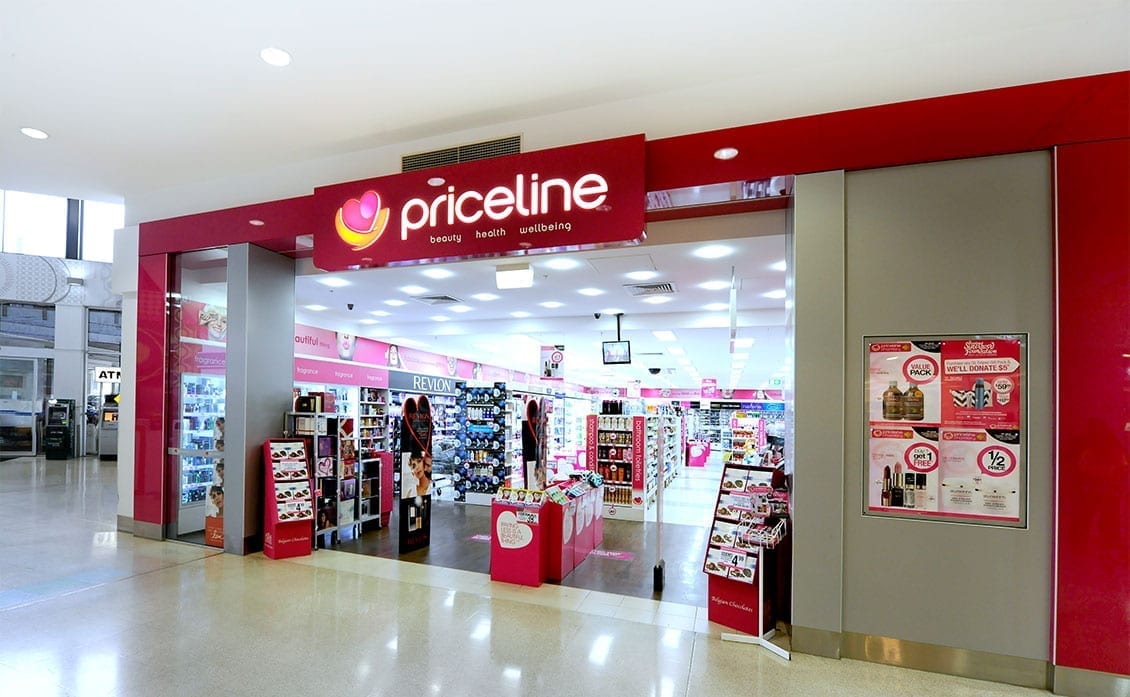
    Market research company IRI announced a significant expansion to its partnership with Priceline on Monday morning which will help the pharmacy deliver an improved range for customers.Priceline will use IRI technology to support category management and improve planning and collaboration with supplier partners, which will ultimately lead to the improved range, convenience and price for Priceline customers.

    “I am very pleased that we are able to announce our expanded partnership with IRI,” David Ginsberg, head of buying for Priceline said in a statement.

    “We already have a good understanding of our Priceline customer, however joining forces with a global leader in big data and analytics will allow us to further strengthen our knowledge and, more importantly, improve their experience when shopping in our stores.”

    Paul Hinds, managing director Asia Pacific for IRI, said the partnership will find new ways to “delight and engage” Priceline customers.

    “This partnership will augment our knowledge and result in better and faster decision making,” Hinds said.

    “Together with our supplier partners, we will have a more holistic view of our customers and be able to better anticipate and cover their current and future needs.”

    “Fifth straight year of growth”

    The partnership comes alongside Roy Morgan research which notes 23.3 percent of Australian women purchase cosmetics from Priceline – almost double the figure from four years ago.

    In fact, Priceline is beaten only by Supermarkets for market share in the beauty category, which holds 24.9 percent of the market.

    “The cosmetics industry is a very competitive one with pharmacies and chemists, supermarkets, department stores, and discount department stores all vying to increase their share of the market and looking for an edge to retain existing customers and draw in new ones,” Roy Morgan chief executive Michele Levine said.Adtech Ad

    “Meanwhile, Priceline is enjoying its fifth straight year of growth in the market, fueled by a hardcore base of 18-24-year-olds and successful use of the growing online channel.”

    This age category is Pricelines bread and butter, according to Levine, who notes that almost half (41.5 percent) of 18-24-year-old women who purchased cosmetics in an average six month period did so at Priceline.

    “No other retailers are seeing even close to this level of market power over a particular age group,” Levine said.

  • Luxury CBD store opens in Manhattan

    Luxury CBD store opens in Manhattan

    A new luxury CBD store in the heart of New York City speaks volumes about where the fast-growing industry is headed as regulations are relaxed around the world.

    The 420: An Entertainment Hospitality Company has launched its first CBD-focused retail concept in Manhattan’s luxury shopping district, Soho.

    The 420: A CBD Store features a collection of premium, hand-selected products from top CBD and emerging luxury brands against a backdrop of bespoke art installations.

    “Over the next several years, our company will be taking a big stake in large-scale, cannabis-related hospitality entertainment across marquee locations throughout the world,” said The 420: An Entertainment Hospitality Company founder and CEO Robert Frey.

    “We believe CBD retail is the best place to begin to elevate the consumer experience. The space is ready for a new dimension of immersive luxury retail. We aim to provide the consumer with both established and undiscovered brands plus education through high quality seminars.”

    According to cofounder Eddie Miller, plans are already underway for six additional New York locations.

    The interior of the luxury CBD store features mid-century modern furniture, antiques and modern custom designed fixtures as well as a collection of finds acquired throughout New York City.

  • Lotus Teases Type 130 Electric Hypercar

    Lotus Teases Type 130 Electric Hypercar

    Lotus has confirmed that Type 130, the brand’s first all-new model in more than a decade, will be revealed to the world’s media at an exclusive event in Central London on 16 July, 2019. The company also announced that only 130 examples will be available to own – representing the number of Lotus ‘Types’ introduced during the brand’s 71-year history.

    The Type 130 will be the world’s first British all-electric hypercar. Lotus also confirms that the Type 130 will be built at Hethel in Norfolk, the brand’s headquarters since 1966. It will be the most dynamically accomplished road car in the company’s history according to Lotus and while the specifications of the car elude us, we’ll know more about the car very soon.

    However, there are reports doing the rounds that the new hypercar will be low and wide and will have roughly the same length as the Evora. There are other reports that suggest that it will be a 1000 horsepower car, will come with all-wheel drive and a range of 408 km on a single charge

    The company has teased the new Type 130 and we only get to see what appears to be the rear of the car. It carries the ‘illuminated’ Lotus brand name and gets an electrically operated cover for the charging port. We also get a chance to see the taillights but not in its entirety. Of course, the teaser campaign will continue and we’ll know more about the car closer to the launch, so stay tuned!

  • Xiaomi wants to dominate the smartphone market

    Xiaomi wants to dominate the smartphone market

    International markets are becoming increasingly more important to Xiaomi. And in an interview with Sina Tech, the CEO of Xiaomi’s sub-brand Redmi, Lu Weibing, did nothing to hide this fact and openly detailed the company’s plans for global domination.

    Over in India, as Weibing pointed out, Xiaomi and Redmi combined have led the smartphone market for the past seven quarters. They now apparently hold a 10% lead over second place Samsung, but through further investments, Xiaomi wants to take things to a whole new level by achieving a 50% market share.

    The Chinese company and its sub-brand currently account for 29% of Indian shipments, so the goal is certainly an optimistic one. It isn’t impossible, though. After all, seven of the top 10 best-selling smartphones in India recently were made by Xiaomi. Also, just a few weeks ago it was announced that over 2 million Redmi Note 7 units had been shipped in just two months.

    Outside of Asia, Xiaomi and Redmi are also hoping to continue their expansion this year. In Europe, the company is a distant fourth behind Samsung, Apple, and Huawei, but through further Redmi investments it hopes to gradually close the gap. Also, in the hope of increasing shipments globally, 2019 will see Redmi launch in Latin America alongside East African, Central African, and West African markets. The company plans to continue its focus on e-commerce and value for money, meaning there will be no push for large profit margins.

  • Gmail Smart Compose feature rolling out to G Suite users

    Gmail Smart Compose feature rolling out to G Suite users

    One year after it revealed the Smart Compose feature for Gmail, Google is finally making it available to G Suite users. Since most of you have been probably using the feature for a few months now, you already know that it’s been pushed out to consumer accounts first.

    If you haven’t yet used Smart Compose, then you’ll want to know that the new feature is meant to intelligently autocomplete emails that you write, on both Android and iOS devices. According to Google, Smart Compose is being deployed to iOS users over the next two weeks, while Android users will be getting the new feature immediately.

    It’s also worth mentioning that Smart Compose will be enabled by default for all G Suite users, but you will be able to turn it off if you don’t like it by heading to Gmail’s general settings and disabling the Writing suggestions option from Smart Compose.

    If you didn’t know, Smart Compose supports a handful of languages, such as English, Spanish, French, Italian, and Portuguese, so there’s really a large pool of Gmail users that will benefit from the new feature.

  • Singapore’s Funan mall Opening Date Revealed

    Singapore’s Funan mall Opening Date Revealed

    Funan mall is set to open its doors on June 28 – ahead of schedule after a three-year redevelopment.

    Located in the heart of Singapore’s Civic District, the mall will host more than 180 brands under six themes: tech, craft, play, fit, chic and taste. One in three of the stores will be new-to-market brands, new concept stores or flagships.

    “Shaped by its unique location in a new-gen live-work-play hub, Funan brings together experiential and activity-based retail at a scale not seen before in Singapore’s Civic District, while providing a collaborative platform for retailers to share their brand stories,” said Chris Chong, MD, retail, at CapitaLand Singapore.

    “With a dedicated community manager, Funan goes beyond a singular focus on achieving a certain retail mix to curate community experiences that consumers are passionate about, as it seeks to build social connections and networks beyond the transactional.”

    Experiential and activity-based retail takes centrestage at Funan – Climb Central will operate the highest climbing facility in the Civic District, extending from the base of the Tree of Life at Basement 2 to Level 1.

    “To date, Funan has achieved about 92 per cent in commitment for its retail leasing and we expect more leases to be signed in the coming months,” said Tony Tan, CEO of CapitaLand Mall Trust Management Limited.

    “The robust demand for Funan’s retail space comes on the back of a strong pre-leasing commitment of 98 per cent for its twin office blocks. With a clear focus on offering differentiated experiences and connections that are not replicable online, Funan aims to anchor and grow its own community of followers who will keep returning. This innovative approach in curating a mall will augur well in creating sustained value for our unitholders over the long term,” said Tan.

    New-to-market brands

    Tech company Dyson will unveil its first standalone store in Singapore at Funan. The beauty-only concept store will be dedicated to its Dyson Supersonic hair dryer and recently-launched Dyson Airwrap styler.

    British folding-bikes maker Brompton Junction will open its first Southeast Asian flagship store, and launch a Lion City special edition bike.

    Golden Village’s seven-screen multiplex in Funan will feature two new seating concepts – Deluxe Plus and Gold Class Express – along with virtual reality pods in its foyer, showcasing popular games and cinematic content for customers.

    FairPrice Finest will introduce a digital shopping experience at Funan, allowing customers to shop and pay through their phones.

    Kopitiam will launch its latest concept KopItech, where patrons can place their orders via one of 17 self-service kiosks or through Facebook’s messaging app.

    Singapore’s True Group will open a flagship TFX fitness centre in Funan, True’s first fitness centre in Singapore with a swimming pool and outdoor deck.

    Other retailers will make their return to Funan, including tech retailer AddOn Systems which will operate Singapore’s Lenovo Flagship Store, and GamePro Shop, which will organise esports tournaments.

    Courts is opening its first uniquely IoT store, featuring simulated smart home concepts where consumers can visualise their dream home fully connected.

    Local eateries Ya Kun Kaya Toast, Qi Ji and Old Chang Kee will also return, with Qi Ji marking its 16th outlet islandwide since its first stall in Funan Centre back in the 1990s.

    Local labels

    More than half of Funan’s tenants are homegrown brands, both established and emerging.  These include artisan jeweller Carrie K’s first standalone boutique and fashion label Love, Bonito’s largest outlet in Singapore. Footwear brand Another Sole will also launch its first menswear collection there.

    Native online brands opening their first brick-and-mortar outlets include fashion retailer All Would Envy and creative confectionery brand Nasty Cookie.

    Specialty coffee roaster Papa Palheta, the group behind Chye Seng Huat Hardware, will be launching Singapore’s first employee-owned cafe, PPP Coffee and Sinpopo will open its first coffee concept in Funan. Designer store Grafunkt will include an in-store bistro.

    At an urban farm on Level 7 operated by Edible Garden City, farmers will work with chefs to curate, grow and harvest pesticide-free produce, supplying the produce straight to restaurants in the building.

    Located in the heart of Singapore’s Civic District, the mall will host more than 180 brands under six themes: tech, craft, play, fit, chic and taste. One in three of the stores will be new-to-market brands, new concept stores or flagships.

    “Shaped by its unique location in a new-gen live-work-play hub, Funan brings together experiential and activity-based retail at a scale not seen before in Singapore’s Civic District, while providing a collaborative platform for retailers to share their brand stories,” said Chris Chong, MD, retail, at CapitaLand Singapore.

    “With a dedicated community manager, Funan goes beyond a singular focus on achieving a certain retail mix to curate community experiences that consumers are passionate about, as it seeks to build social connections and networks beyond the transactional.”

    Experiential and activity-based retail takes centrestage at Funan – Climb Central will operate the highest climbing facility in the Civic District, extending from the base of the Tree of Life at Basement 2 to Level 1.

    “To date, Funan has achieved about 92 per cent in commitment for its retail leasing and we expect more leases to be signed in the coming months,” said Tony Tan, CEO of CapitaLand Mall Trust Management Limited.

    “The robust demand for Funan’s retail space comes on the back of a strong pre-leasing commitment of 98 per cent for its twin office blocks. With a clear focus on offering differentiated experiences and connections that are not replicable online, Funan aims to anchor and grow its own community of followers who will keep returning. This innovative approach in curating a mall will augur well in creating sustained value for our unitholders over the long term,” said Tan.

  • BSH opens Asia’s first UnserHaus

    BSH opens Asia’s first UnserHaus

    BSH Home Appliances has opened Singapore’s first UnserHaus Customer Care Centre and a UnserHaus Experience Centre.

    Meaning “our house” in German, the UnserHaus centre is a lifestyle concept featuring Bosch and Gaggenau appliances in a home-like environment.

    “UnserHaus is an exciting new proposition that gives BSH’s home appliance brands, business partners and collaborators a chance to flourish,” said Hendrik Kretzer, CEO and head of BSH Home Appliances Asia Pacific Region.

    “Our philosophy and core ethos are focused on building long lasting trust with all of our customers and partners. We provide a platform to learn and experience unique ideas, future thinking, and real passion and understanding of the products that could benefit the way we live.”

    Located next to the Bosch building, the 1350sqft UnserHaus Customer Care Centre resembles a modern-day home, with a repair room that allows customers to watch technicians through a glass divide.

    While waiting for their appliances to be repaired, customers can visit either the dining room, which provides a hands-on experience with built-in appliances like dishwashers, coffee machines and ovens; or the living room, where they can sit down, unwind and relax with music or a wide-screen television. There is a children’s playing space as well.

    All products at UnserHaus come tagged with a QR code that allows visitors to purchase and pay for them online.

    UnserHaus Experience Centre

    Previously known as the Bosch Experience Centre, the UnserHaus Experience Centre is a functional open-concept home that allows customers to experience the latest Bosch and Gaggenau appliances.

    Located in the Bosch Building, the centre is divided into adjacent Bosch and Gaggenau brand zones. Visitors can try and choose Bosch- or Gaggenau-themed kitchens for their own kitchen planning. Hands-on experiences are available for appliances from six product categories: laundry, dishcare, cooking and baking, refrigeration, food preparation and indoor cleaning.

    Customers can also join cooking classes, held with partner chefs in live kitchens.

  • Grocery e-commerce startup Kurly raises Millions

    Grocery e-commerce startup Kurly raises Millions

    Korean grocery delivery service Kurly has closed an upsized Series D round that hit US$113 million.

    The round was announced last April at $88 million, but has since attracted an additional $25 million funding from China’s Hillhouse Capital.

    Kurly delivers all orders placed by 11 pm before 7 am the following morning, prioritising convenience over cost savings and focusing closely on self-branded produce and groceries. This distinguishes its service from competing retail giant Coupang’s moves in the sector, which uses a marketplace platform to connect retailers and consumers.

    “The latest round of investment is a major endorsement of the progress we’ve made differentiating ourselves in the market through our cold-chain fulfillment infrastructure and unique offering of premium, curated products,” said company founder Sophie Kim. “Our focus is on further strengthening our relationships with our suppliers, developing our fulfillment infrastructure and continually improving our customer experience.”

    Kurly’s revenue tripled year-on-year to hit $131 million last year, although the firm did not release its profit-and-loss figures.

    Hillhouse Capital has offices in Hong Kong, Beijing, Singapore and New York. It focuses on investments in Asia.

  • Thailand’s Siam Piwat scoops honours at the World Retail Congress

    Thailand’s Siam Piwat scoops honours at the World Retail Congress

    Thai shopping centre operator receives accolades at World Retail Congress.

    Thai retail developer Siam Piwat has scooped two retail industry awards at the World Retail Congress recently held in Amsterdam, The Netherlands.

    Siam Piwat is the owner and operator of several successful Thai retail developments, including Siam Paragon, Siam Center, and Siam Discovery, as well as the joint venture partner of IconSiam – the US$1.7 billion riverside landmark destination that opened in Bangkok last November.

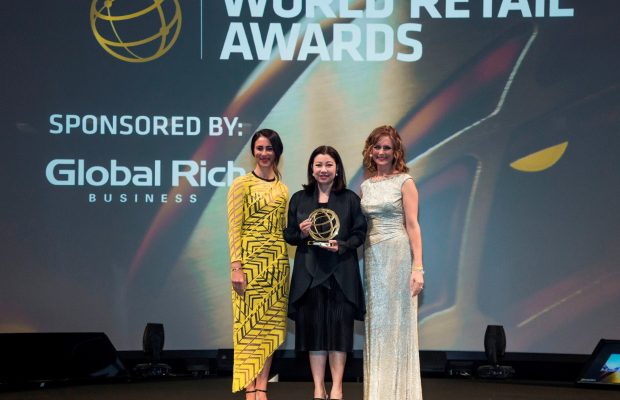
    Siam Piwat Group CEO Chadatip Chutrakul was inducted into the World Retail Hall of Fame by the World Retail Congress as one of the four new members selected in 2019.

    The inductees were selected because their “ideas have shaped retailing through the businesses and brands they have created, or by their skills in running the retail industry’s giants, demonstrated clear vision, courage and determination to make their dreams a reality”.

    The World Retail Hall of Fame was established in 2007 to honour the retail industry’s most innovative and influential representatives.

    The World Retail Congress also awarded IconSiam, in which Siam Piwat Group is a joint venture partner, the top prize of Store Design of the Year 2019 as part of the annual World Retail Awards.

    The Grand Jury of the World Retail Awards said IconSiam is “breathtaking in its scope and scale and takes retail design into the future”.

    “Throughout 60 years, Siam Piwat has been a thought leader creating new prototypes and bringing new formats that have advanced the retail development sector in Thailand,” said Chutrakul. IconSiam shows that bricks and mortar still have a crucial part to play in successful retailing, and they are assets only waiting to be differently leveraged within a new paradigm. That new paradigm involves leveraging a very wide group of stakeholders by creating shared value for them all.”

    According to Chutrakul, IconSiam, with a gross floor area of 750,000sqm made the creation of shared value into a “business sustainability” strategy to help the success of such a large-scale initiative that requires the collaboration of many different groups.

    “Our achievements were made possible because of the collaboration and co-creation of our tenants and retailers,” she said. “The benefits created by IconSiam also go beyond our tenant partners to many different stakeholders at many different levels of society including artists, craftsmen, performers, small enterprises, the surrounding communities and even the city of Bangkok, too.

    “For small businesses and artisans, we help them flourish and prosper by creating for them opportunities for new linkages, locally and globally; we help artisans, craftsmen or performers have a place on a globally visible stage to enhance the sustainability of their livelihoods, and we act as a platform that makes Thai values and all that is great about Thailand visible to the world.

    “Also, in the SookSiam zone at IconSiam, you can see how it brings together hundreds of small, mom-and-pop operations from Thailand’s 77 provinces – people who have mostly never operated out of their hometowns but are now selling on a global platform.”

    Chutrakul noted that “IconSiam has also had a transformative effect on the Chao Phraya River. We acted as a catalyst for a multi-stakeholder collaboration that embraced riverside communities, hoteliers, river-transport operators, sites of historical and cultural importance, and government agencies, which is already helping to revitalise many districts around IconSiam.”