Author: Mei Ling Tan

  • Online Spending on local sites strengthens

    Online Spending on local sites strengthens

    Spending on local online sites has strengthened, helping boost the country’s total online retail sales over the three months to April by 7 percent over the previous corresponding period.

    Spending on New Zealand sites is continuing a recent strong run, seeing an 11 percent increase over the three months to April 30 compared to the previous corresponding period.

    Continued strong growth in the food, clothing, electronics and department store categories was seen as the driving force.

    “Growth in online spending on food is particularly strong and is emerging as a key reason for stronger growth rates at domestic sites versus international,” said Gary Baker, director of institutional research at Bank of New Zealand.

    Baker said the country is continuing to see softer growth rates for purchases from offshore sites, which over the last three months were only 2 percent higher than in the same period the previous year.

    “One influence is the NZ dollar, which is tracking around 7 percent lower versus the USD than it was a year ago, making offshore purchases more expensive for Kiwis,” Baker said.

    “This will reduce spending if a fall in purchase volumes more than offsets the effect of paying higher prices.”

    According to Baker, another influence on the softening growth rates from spending in offshore sites is the ongoing maturation of the online channel.

    “In recent years we have seen online growth rates ease from double-digit levels and slowly trend down,” he said. “Online growth rates still exceed those of physical stores, but the gap is reducing.”

    In some categories, however, purchases from offshore sites are continuing to grow very strongly, such as in computers and entertainment media.

    Total online retail spending over the three months to April 30 was 7 percent higher than the previous corresponding period.

    Annual online spending across the retail categories covered is running close to $4.6 billion, excluding GST.

  • Cafe Amazon Opens in Singapore

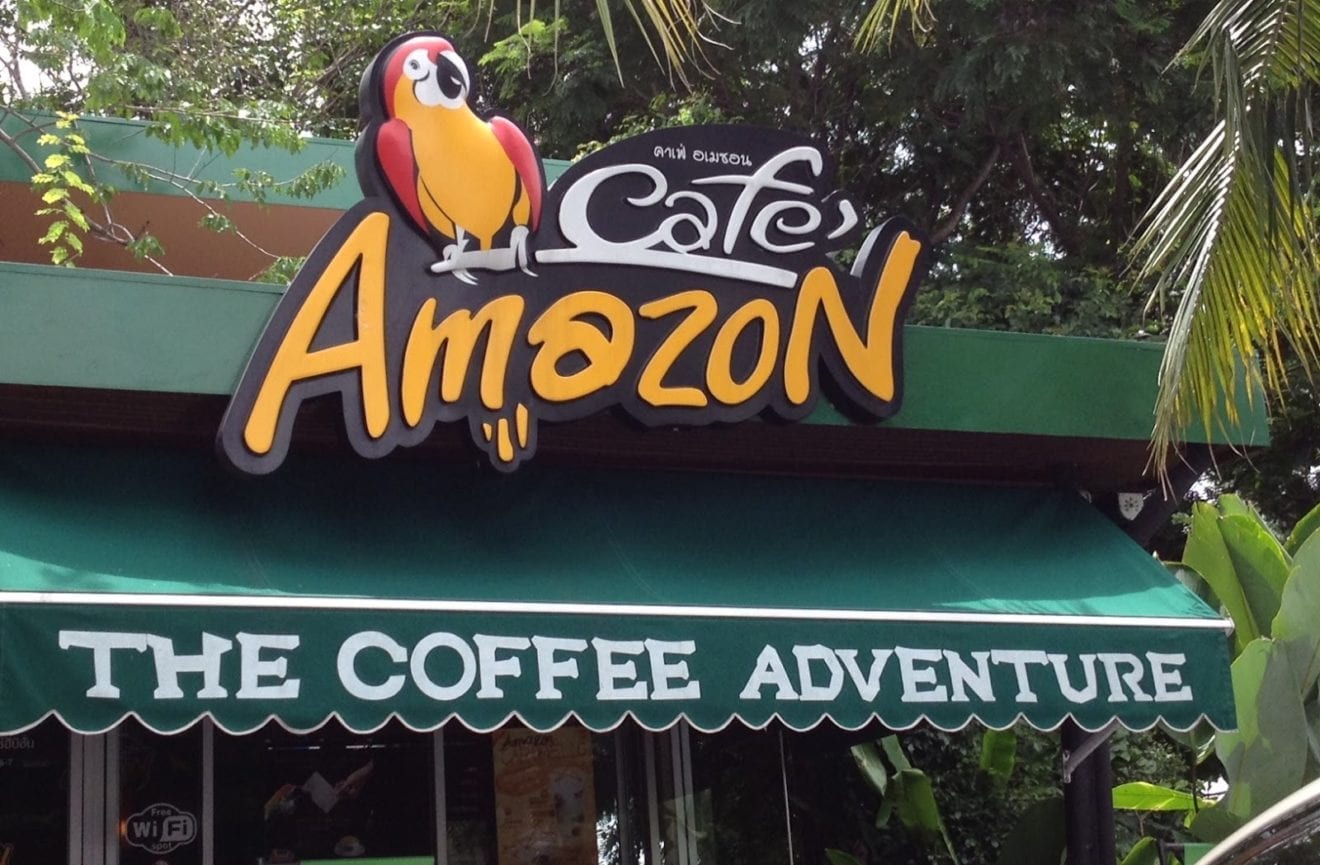
    Cafe Amazon Opens in Singapore

    Thai coffee chain Cafe Amazon has opened its first outlets in Singapore.

    One store is located at Jewel Changi, the other at Jurong Point shopping center.

    An opening ceremony was held at Cafe Amazon Jewel Changi, which marked the 2750th branch of the franchised chain worldwide. The chain was founded in 2002 to provide beverages and food to travelers refueling at the company’s gas stations.

    PTT Oil and Retail Business Public Company Limited (PTTOR) chairman Auttapol Rerkpiboon said the company was pleased to open in the Lion City.

    “Throughout 15 years of business, we’re proud to say that Cafe Amazon has received an overwhelming response in every country it operates.”

    Singapore joins Laos, Cambodia, Myanmar, the Philippines, Japan and Oman on the list of countries Cafe Amazon has entered. It has about 2500 stores in Thailand and nearly 200 abroad.

    To adapt to Singaporean taste, Cafe Amazon has adjusted its snack and beverage menu, making Yin Yang, a premium matcha latte its signature drink.

    PTTOR plans to invest US$1.3 billion to open 20,000 branches of Cafe Amazon over the next five years under a franchise business model.

  • Little Yellow Bird Raised Half Million Dollar in Crowdfunding Campaign

    Little Yellow Bird Raised Half Million Dollar in Crowdfunding Campaign

    Little Yellow Bird has raised over $440,000 in an equity fundraising campaign – having passed its minimum funding figure of $300,000, and becoming New Zealand’s self-professed ‘first community-owned ethical fashion brand’.

    The campaign has only hours left, has attracted over 220 backers, and will see Little Yellow Bird scale itself up with the aim of increasing market reach, growing sales and its leadership team, and expanding into new markets.

    Expansion plans also include a clothes recycling program, which the company calls a “crucial next step for sustainable change” in its industry.

    “We’re more than just a clothing brand,” Little Yellow Bird founder Samantha Jones said.

    “We’re telling the story about where and how our products are made and are working tirelessly to provide employment opportunities in the communities where our clothes come from.”

    At the end of the funding period, the ownership of the business’ shares will be split between campaign investors, Jones, and female-founder focused Lightning Lab XX at $1 a share.

    The brand uses rain-fed, organic cotton grown without the use of pesticides or chemicals, while its factories use zero-waste initiatives. The business is working to minimize waste and utilizes closed loop systems to do this.

  • Nissan’s Position In Alliance Might Be Weakened

    Nissan’s Position In Alliance Might Be Weakened

    Nissan found out about Renault’s merger talks with Fiat Chrysler just days before they became public, four sources told Reuters, stoking fears at the Japanese carmaker that a deal could further weaken its position in a 20-year alliance with Renault. Nissan Motor Co Chief Executive Hiroto Saikawa likely first caught wind of the merger plan through his own chief operating officer, Yasuhiro Yamauchi, who also serves on Renault’s board, one of the sources said, speaking on condition of anonymity due to the sensitivity of the matter.

    Saikawa’s actual notification from Renault most likely came a day ahead of a report over the weekend that the French company was in tie-up talks with Italian-American rival Fiat Chrysler Automobiles (FCA), the source said.

    The plan, which would create the world’s third-largest automaker, raises difficult questions about how Nissan would fit into a radically changed alliance. Renault Chairman Jean-Dominique Senard arrived in Japan on Tuesday to discuss the proposed tie-up – and presumably to try to smooth over ties.

    But the deal poses an additional challenge for Saikawa, already grappling with poor financial performance and an uneasy relationship with Renault after Nissan led the ousting last year of long-standing alliance chairman Carlos Ghosn.

    “All this put Saikawa under massive pressure,” a second source said, referring to the fact that negotiations caught the CEO and senior management off guard.

    Renault, which owns a 43.4% stake in Nissan, had previously angled for a merger with Nissan, but Saikawa has long opposed a full integration. New vehicle and powertrain platforms developed by FCA-Renault could also pose a dilemma to Nissan, challenging its jealously guarded independence in some areas of engineering, research and development.

    Nissan could find itself forced to choose between technology developed elsewhere or going it alone – between scale without autonomy and autonomy without scale, a source close to the Renault board said.

    FCA has said a deal would embrace Nissan and another alliance member, Mitsubishi Motors, as “valued and respected partners”. “I have huge respect for Nissan and Mitsubishi, and their products and businesses,” FCA Chairman John Elkann told the Nikkei. Still, there is awareness of friction between Renault and Nissan, which is perhaps why the Japanese company was not involved in talks at an earlier stage.

    “The relationship between Renault and its Japanese partners is not as constructive as probably anybody wishes,” said a source familiar with the FCA-Renault talks. “The FCA view is that Nissan has a lot on its plate … So the time is not right to consider anything other than enhanced cooperation.”

    The French government, which owns shares in Renault, said on Tuesday it wanted Nissan to be on board with the deal. But there have long been tensions between Paris and Tokyo over the imbalance of power in the carmaking alliance, with Nissan holding only a 15% non-voting stake in Renault.

    The Japanese automaker’s clear advantage is in its technology, including vehicles that meet China’s tougher emissions regulations. Renault and FCA, therefore, would need Nissan to help them meet increasingly tough fuel economy, emissions and electric vehicle (EV) quotas around the world.

    An FCA-Renault tie-up would also raise questions about how to extract synergies in some markets where Nissan and FCA compete, such as in North American trucks and SUVs.

    The Japanese firm’s line-up of Nissan and Infiniti brand SUVs competes with FCA’s Jeep models such as the Cherokee. Nissan’s Titan pickup is also competitor, albeit a weak one, to FCA’s Ram pickup line.

    The fact Renault is prepared to consider creating such challenges may be a sign of its frustration with Nissan’s reluctance over a full merger. “It sends a strong signal that Renault does not necessarily have to tie its fate to Nissan,” said Chris Richter, senior research analyst at brokerage CLSA, about the proposed FCA-Renault tie-up.

    Saikawa told reporters on Tuesday that “strengthening the alliance and constructive discussions are forward-looking, and we are open to constructive discussions,” according to Japanese broadcasters. But unless Nissan can regain the initiative, it risks being marginalized even more. “If the Renault-Fiat merger happens and the status quo continues at Nissan-Renault, Nissan’s position and influence within the alliance will fall behind Fiat,” said Takeshi Miyao, managing director of consultancy Carnorama.

    Bernstein analyst Max Warburton said there were theoretically stronger synergies for Renault with FCA than with Nissan, and a better cultural fit too. “It may be inevitable that Renault eventually exits Nissan,” he said, adding the French company’s stake in its Japanese partner was currently worth about 11 billion euros – “plenty of capital to spend on EVs and new technology.”

  • Rimowa opens store in Singapore, Raffles

    Rimowa opens store in Singapore, Raffles

    LVMH’s luggage brand Rimowa Singapore has opened a new store at the newly refurbished Raffles Hotel.

    The 600sqft store features a greenery space with the floral walls which provides an immersive conceptual experience to visitors and shoppers alike.

    Customers can find the latest Rimowa luggage collections there, including the Rimowa Original, Rimowa Classic, Rimowa Essential, Rimowa Essential Lite, Rimowa Essential Sleeve, and Rimowa Hybrid.

    The store also includes a sticker wall featuring classic, new and exclusive luggage stickers from the Rimowa Sticker Collection.

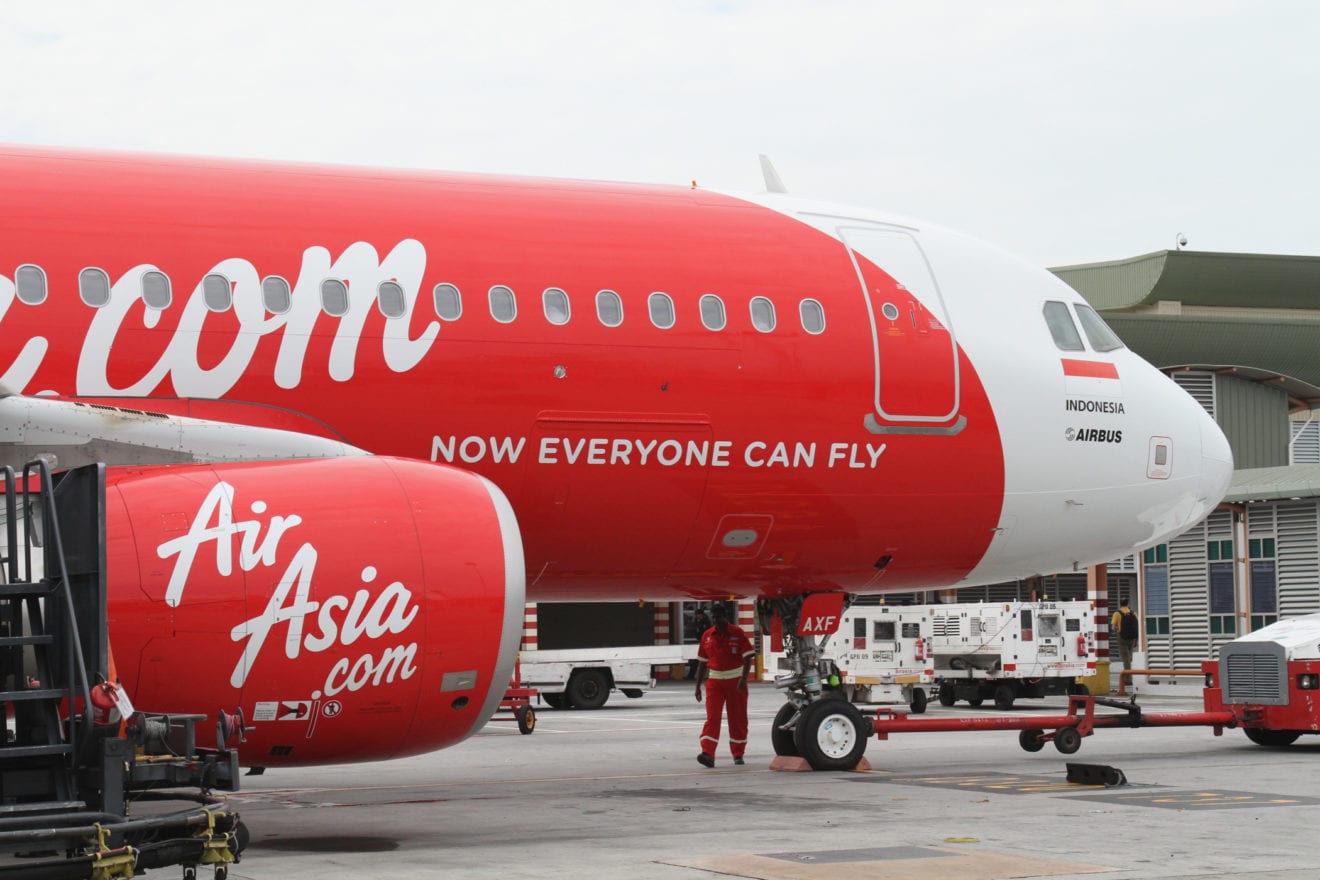
  • AirAsia Deputy CEO Confident That they Will Become the Amazon of Travel

    AirAsia Deputy CEO Confident That they Will Become the Amazon of Travel

    There was no backtracking from AirAsia in its plan to branch out into selling other airlines on its platform, financial services, and more experiences.

    Asked in Singapore  if becoming the Amazon of travel is overly ambitious, Aireen Omar, AirAsia’s deputy CEO, technology and digital said it’s “ambitious, but I think it’s very doable.”

    Another AirAsia executive recently made the declaration that the airline could become the “Amazon of travel.”

    Omar argued that AirAsia’s wealth of data from such things as its bookings systems and passenger management equip it to improve revenue management and personalization and to make its operation more efficient.

    The idea is to provide a seamless journey for passengers and to build new business areas for the airline beyond its core flying.

    Omar said AirAsia has been approaching other airlines about selling tickets, and that most are not afraid of doing that because they can take advantage of AirAsia’s network and data.

    Although AirAsia is interested in offering innovative payment systems, Omar said the airline would not use cryptocurrencies because their value fluctuates greatly, and AirAsia is interested in engendering consumer trust.

    Omar made a pitch for the greater inclusion of women in the airline industry. She said around 6 percent of AirAsia’s engineers are women, and so are about 10 percent of its pilots.

    Schools new to open up their curriculum to encourage women to become data scientists, for example, and to work for airlines.

    Omar is responsible for AirAsia’s digital strategy, promoting innovation throughout the group and encouraging collaboration across AirAsia’s businesses and markets. She oversees large, strategic group-wide initiatives to help transform AirAsia into a global, cloud-driven product and platform company.

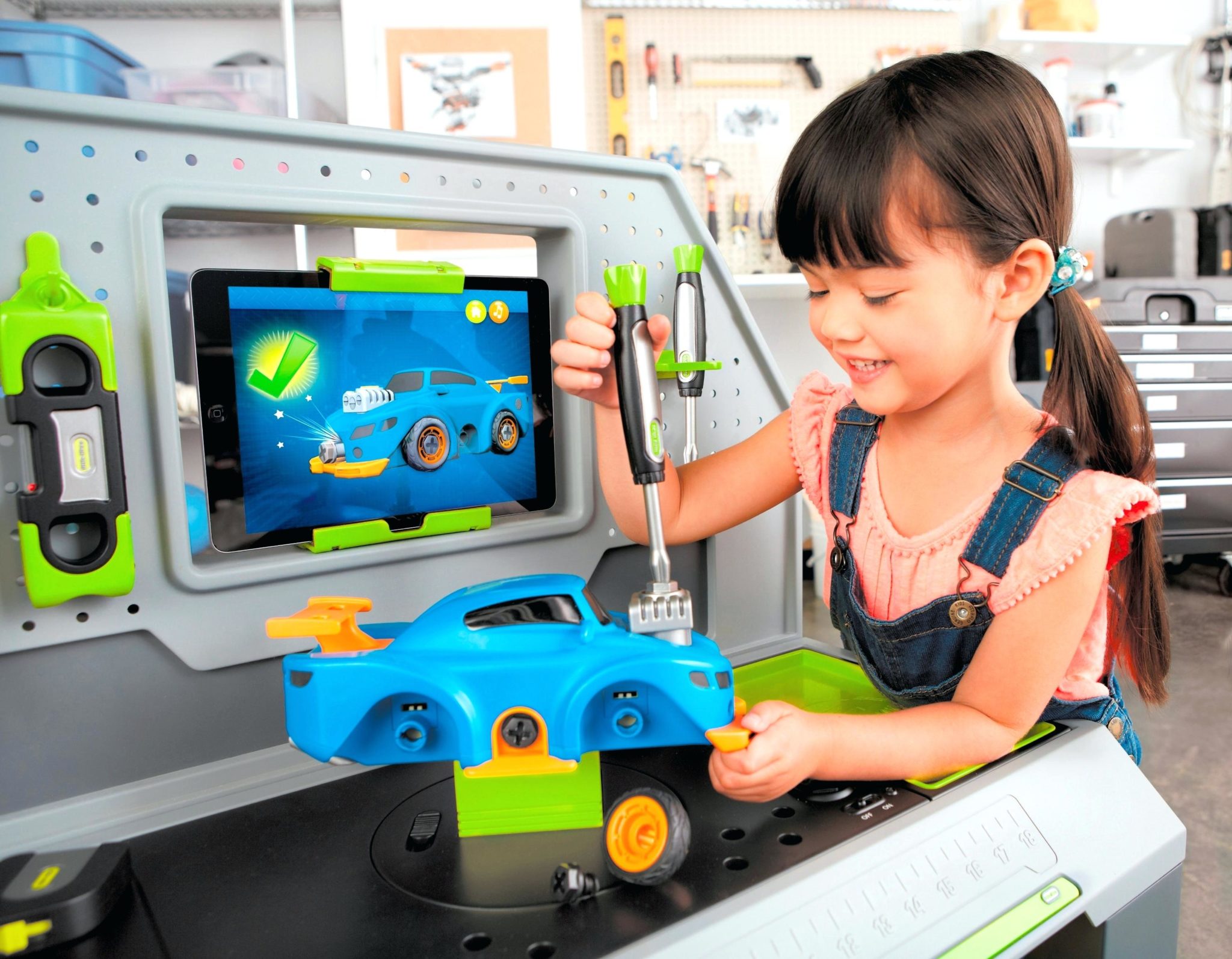
  • Kidsland launches FAO Schwarz store in Beijing

    Kidsland launches FAO Schwarz store in Beijing

    China’s largest toy retailer and distributor Kidsland has introduced FAO Schwarz, an international toy brand store with 157 years of history, in its first Asian flagship store.

    The FAO Shwarz Beijing flagship is located inside the Kidsland flagship store at China World Mall in a prime shopping and lifestyle district.

    Staff wearing soldiers’ uniforms from Grimm’s Fairy Tales are positioned at the entrance to greet and escort customers into the 30,000sqft store, interacting with customers throughout the shopping experience. The store also features “toy demonstrators” who invite customers to play with the toys. The “Toy Soldiers” and demonstrators are overseas-trained and make up 20 per cent of the staff.

    Founded in 1862, FAO Schwarz is one of the oldest toy stores in the world. The brand returned to New York last November with a new 20,000sqft flagship at Rockefeller Center in Manhattan.

    Kidsland has a comprehensive online and offline integrated sales network within China. In December it counted 257 independent stores in 44 cities within the region, along with 519 self-operated consignment counters and 931 distributors covering more than 3000 additional points of sale. Kidsland also represents multiple brands in operating 18 online stores in China.

    “The introduction of FAO into China reflects our confidence in the potential of the Chinese economy and market development,” said chairman and CEO of Kidsland Lee Ching Yiu. “We believe there is strong demand for quality toys among families and young people, so this is an important advantage for Kidsland to provide quality experiential retailing there. In this way, we hope to serve as a bridge, enabling Chinese consumers to experience the latest and best toys in the world.

    “FAO Schwarz plans to open a large flagship and several medium-sized stores in China in the next two years. We will also establish a kidsland experiential retail flagship store, and in the coming one to two years, we will open a mid-sized kidsland retail store to bring an enriched retail experience to wider spectrum of the public.”

  • AirAsia aims international flights by October

    AirAsia aims international flights by October

    AirAsia India aims to start international operations in by October this year, its chief operating officer said Monday. The joint venture carrier between Tata Sons and Malaysian low fare airline AirAsia Berhad is looking at short haul destinations in Sri Lanka, Thailand and Kuala Lumpur airline recently received its 21st plane and aims to take the fleet size to 40 in a year, Kumar added. It operates 154 daily flights.

    Earlier this year the airline presented a plan to its board to deploy 40% of its fleet overseas in five years. The government had been investigating the airline for alleged irregular lobbying for international rights. Kumar didn’t comment on the probe but indicated its plans for starting flights by October were firm.

    AirAsia India last month got a boost from its parents by getting a fund infusion of Rs 500 crore for its expansion. That followed an overhaul of its top management, getting IndiGo veteran Kumar as COO and former Tata Steel chief Sunil Bhaskaran as CEO.

  • Android Q will improve your phone’s battery life

    Android Q will improve your phone’s battery life

    Nah, we aren’t talking about Google introducing a systemwide Dark Mode in Android Q. No amount of LTE tower pinging, talking on the phone, or any other usual suspect when it comes to wireless radio battery drain can affect your mileage as much as constant Wi-Fi scanning for non-existent networks.

    This thing is a giant power hog, and you should kill it with fire if you have exhausted all the usual culprits for your battery drain. Bonus points: by default, Google tracks you even when Bluetooth and Wi-Fi are off, so if you ditch scanning, you’ll make it harder.

    Type “Improve accuracy” in the settings’ search box, then turn Wi-Fi and Bluetooth scanning off. Type “Locating method” and switch it to “Phone only,” if you need to keep GPS on at all times.

    When playing Pokemon Go, navigating, or any other scenario you need high accuracy for, turn it back on for the sesh if you are adamant to eke out every last drop of your battery juice, yet now Android manages the scanning permissions pretty well itself.

    With Android Pie, Google drastically reduced the number of scan attempts to one every 30 seconds for front apps, and one in 30 minutes for apps that are just sitting in the background. Despite the outcry from developers of indoor location or signal strength measurement apps, Google has decided that the scanning restrictions will remain an integral part of Android Q:

    Once again, thank you for submitting a request. After following up with our product and engineering teams, the request will not be considered at this time. In Q, there is a new developer option to toggle the throttling off for local testing (Needs a rooted device).

    While we feel sorry for devs of apps that can be affected, we can’t wrong Google for deciding to put an end to rogue Wi-fi scanning that drains battery like crazy and was one of the chief culprits behind standby power drains in previous Android versions. Whew.

  • FreshToHome raises US$11 million

    FreshToHome raises US$11 million

    Indian online fresh fish and meat retailer FreshToHome has raised US$11 million in funds led by Hong Kong-based CE Ventures.

    FreshToHome, which currently operates in Bengaluru, Delhi/NCR, Kerala, Chennai and Dubai, now intends to grow its business throughout all tier-I Indian cities. It will use the fresh capital to develop its supply chain by extending its proprietary sourcing technologies to farmers and fishermen nationwide.

    “We are disrupting the food-supply chain in India with our patent pending commodities exchange technology offering food that is free of added chemicals to end consumers and a fair price to the producers,” said FreshToHome founder and CEO Shan Kadavil. “Most of our capital has gone into re-inventing the food supply chain.

    We currently sell meat and fish sourced from more than 1500 fishermen and farmers on our platform, using our state-of-the-art technology backed with cold chain infrastructure, a fleet of dedicated refrigerated trucks, using the hub and spoke distribution model from four large processing factories to ensure traceability and food safety.”

    The business claims more than 400,000 customers within four cities, trading in fish sourced from 125 Indian coastlines. It reports a turnover of more than ₹12 crore ($1.72 million) GMV per month.

    “The meat-and-seafood segment in India is pegged to be a $30 billion market, but we have to keep in mind that it’s a highly fragmented industry,” said CE Ventures director Tushar Singhvi.

    “FreshToHome.com is not only trying to streamline the industry, but they’re also using technology to revolutionize the way the industry functions by disintermediating the supply chain, eliminating the middleman, and working directly with the fishermen and farmers in a marketplace model to make fresh and chemical free food accessible to the masses at large.”

  • Online retail grew 24 percent in 2018 for AusPost

    Online retail grew 24 percent in 2018 for AusPost

    Australians spent $27.5 billion online in 2018, 24 per cent more than they spent in 2017, according to Australia Post’s annual Inside Australian Online Shopping Report.

    Australia Post general manager for parcels and express services Ben Franzi said the report showed that 7.6 million Australian households (or 73 per cent of all households) shopped online last year.

    “Australians are getting online more and more, and changing the face of shopping,” Franzi said.

    “With it, they are also expecting faster service and delivery – with next day deliveries growing by 31.7 per cent, [and] more than 62 per cent of these fashion related purchases.”

    Smartphones are fast becoming the device of choice for online purchasing according to the report, which grew 28 per cent over the course of 2018, and sits alongside desktop and laptop browsing – with mobile making up 26 per cent of all shopping, while laptop (32.8 per cent) and desktop (27.3 per cent) fell.

    Additionally, the data gathered by AusPost found that peak shopping time occurs between 7pm and 9.59pm – when customers have finished work, arrived home and finally have a chance to relax and browse their favourite online marketplace.

    And, the research shows, marketplaces continue to dominate the online space – with the number of purchases through marketplaces growing 31.2 per cent year over year.

    “Australians appreciate the convenience that comes with being able to access goods from a variety of sellers in one place – it is quite literally a market, replicated online and providing an abundance of choice for consumers,” Franzi said.

    Unsurprisingly, the end of year period was the busiest time for e-commerce, with the five weeks between November 11 and December 15 accounting for almost 15 per cent of all online purchases.

    “The peak for this period was the Black Friday [and] Cyber Monday sales, which accounted for the biggest online shopping week in Australia’s history, recording growth of 28 per cent year on year,” Franzi said.

    According to a report by Fairfax, Australia Post will spend almost $1 billion in the coming three years to keep up with the growing demand for e-commerce in Australia.

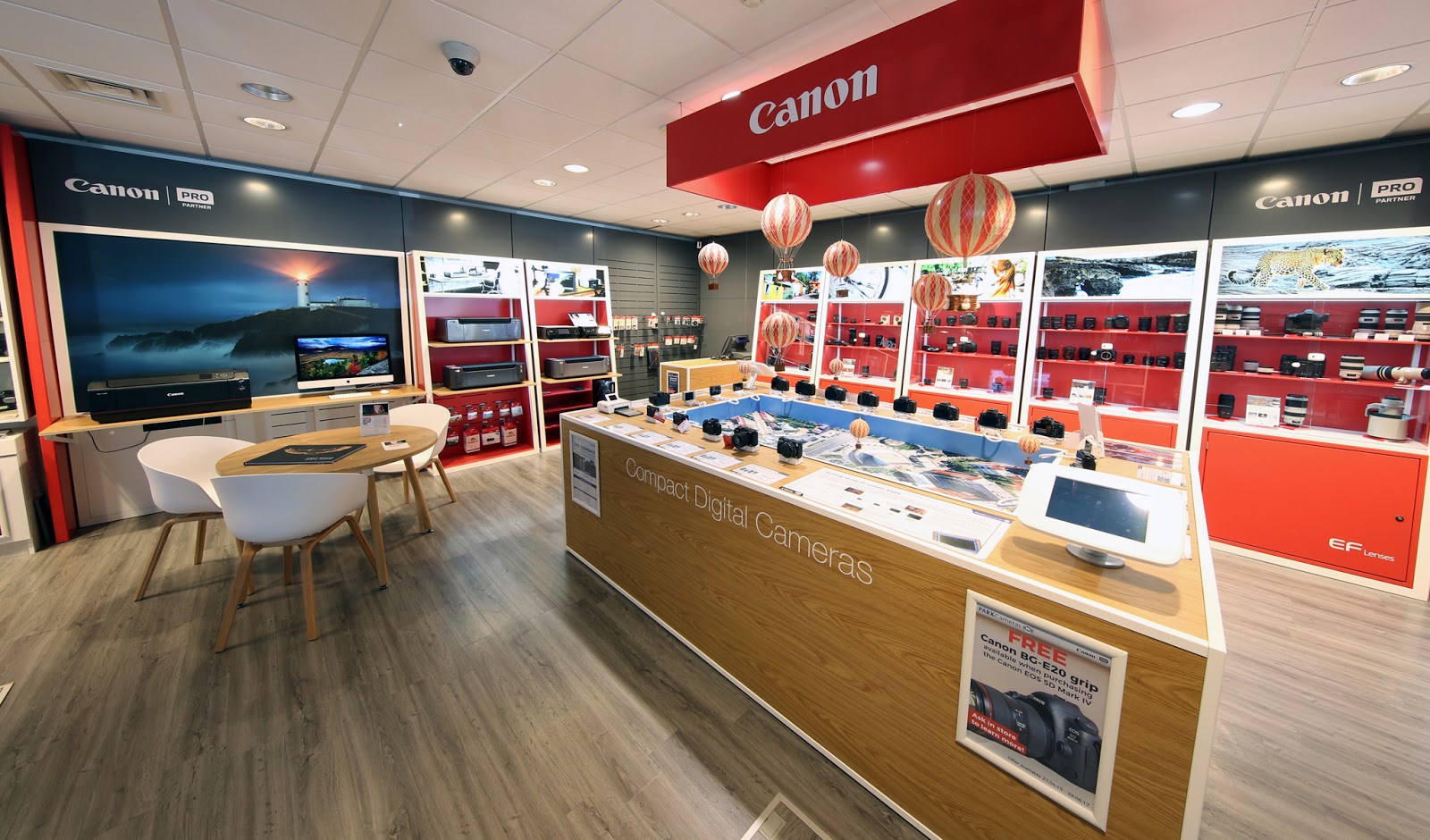
  • Canon opens New Delhi flagship Store

    Canon opens New Delhi flagship Store

    Canon India has launched a flagship Canon Image Square (CIS) store in New Delhi. The flagship CIS store aims to “enrich the consumer experience for all Canon products” across segments ranging from entry-level cameras to high-end professional cameras. In addition to this, the store is also exhibiting Cinema cameras, a few leading Canon printers and a wide range of lenses.

    “Commitment towards the country and dedication of Canon, together has translated into growth over the years,” said Canon India president and CEO Kazutada Kobayashi. “With the launch of first of its kind Canon Image Square flagship store, Canon India marks another milestone to ensure an interactive and informative buying experience for our existing and potential customers.

    “CIS stores have been successful in contributing to Canon’s significant customer outreach and positioning it as a market leader. Having established its presence with more than 250 stores in 100+ cities, we take pride in being total solution providers in the imaging arena. The launch of this flagship CIS stores will certainly raise the benchmark for customer service,” he said.

    “The new flagship store is fashioned in such a way that it creates a sweeping experience for the customers with the gamut of cameras including cinema cameras, lenses and complete imaging solution in order to make the right choice of the products,” said Canon India VP consumer imaging & information centre Eddie Udagawa. “The store also features some of the leading printers that have been delighting the consumers.

    “New Delhi is one of the key markets for us, not just in terms of the customer base but also for being abreast with the technology trends that influence other markets. We look forward to receiving great feedback from our customers and add value to their imaging experience.”

  • Coco Republic Finally enters the US

    Coco Republic Finally enters the US

    Australian furniture retailer Coco Republic has launched its outdoor collection at HD Buttercup, a showroom in Los Angeles. The move last week represents Coco Republic’s first foray into the US market.

    “This line is one that I’m incredibly proud of, having designed the majority of the collection in-house,” Anthony Spon-Smith, Coco Republic’s creative director, said in a statement about the launch.

    “It is even more exciting to start seeing my designs in Californian homes for the first time.”

    The collection, which was inspired by coastal Californian living and its alfresco lifestyle, includes 40 items selected exclusively for the US market.

    Pieces include teak dining tables and contemporary chairs for entertaining, modular lounges and sofas and a mix of occasional pieces, including accent stools and planters. They are made from a mix of natural and manmade materials and textures, including teak, concrete and outdoor rope.

    The 40-year-old furniture retailer recently announced plans to enter the New Zealand market, with its first international store set to open in Westfield Newmarket in Auckland mid-year.

    “We’ve been on an exciting growth strategy over the last few years,” Coco Republic CEO Nicholas Foster said in a previous interview.

    “We’re a premium aspirational design services brand but we’ve consciously focused on ensuring that we remain accessible from a customer’s perspective,” he said.

  • A TikTok smartphone is reportedly being developed

    A TikTok smartphone is reportedly being developed

    Amazon created the Fire Phone to promote its services and Facebook partnered with HTC on a dedicated smartphone. Both products turned out to be complete failures, but that isn’t stopping the developers of viral app TikTok from creating their own device.

    Industry sources have claimed TikTok’s owner, ByteDance, is currently developing its own smartphone that’ll arrive pre-installed with the company’s range of apps which also include content aggregation platform TopBuzz and news platform News Republic.

    The smartphone will apparently be created by talent ByteDance acquired earlier this year from Chinese smartphone brand Smartisan. Details about the design and specs haven’t yet been revealed, but the device will most likely focus on the budget segment and teenage users. After all, TikTok is most popular in markets such as India and China, where cheaper devices are the best-sellers.

    It’s unclear at this stage if ByteDance will try to tackle the European and US markets, but if it does so the device could be met with a lukewarm reception just like Amazon and Facebook’s offerings from years ago. After all, why bother buying a TikTok smartphone when you can simply download the app on any other phone?

  • Google Maps speed camera alerts and speed limit indicators rolling out

    Google Maps speed camera alerts and speed limit indicators rolling out

    One of the important features that differentiate Waze from other navigation apps like Google Maps is the possibility to see in-depth traffic information and get alerts about speed cameras and speed limits indications.

    Surprisingly, the feature didn’t make it to Google Maps yet, even after the search giant acquired Waze. Well, the anomaly is about to be completely dissipated as Google Maps users in a bunch of countries report they are now getting speed camera alerts and can now see speed limit indicators.

    Speed camera alerts should now be available for many users in the following countries: Australia, Brazil, Bulgaria, Canada, Czech Republic, Finland, Greece, Hungary, India, Indonesia, Israel, Italy, Mexico, the Netherlands, Portugal, Romania, Russia, Saudi Arabia, Slovakia, Slovenia, South Africa, Spain, Sweden, the UK, and the US.

    Furthermore, another new Google Maps feature, the option to see speed limits while driving, is now live in Denmark, Poland, the UK, and US. However, we expect these features to roll out to all Google Maps users worldwide, it’s just that this appears to be a released gradually, so we’ll just have to wait until Google enables it for more people.