Author: Mei Ling Tan

  • iPhones are getting too Big

    iPhones are getting too Big

    Back when Apple’s iPhones were following the iPhone 6 design, they were considerably thinner than they are today. I remember when the immensely hyped iPhone X came out, with its brand new super-luxurious design and everything, the first thought that crossed my mind was: “Wow, that thing is beautiful!” And then that thought was quickly followed by another: “It’s also so… thick?!” because I was comparing it to the One year later, Apple kept the same exact design with the iPhone XS and XS Max, but also released the mainstream XR, which was even bulkier! The iPhone XR is my daily driver, and if I could change anything in it, making it thinner and lighter would have easily been in the top three. I think iPhones have slowly gotten a bit too fat and heavy!

    I came to this realization after playing around with the OnePlus 5T for a few days. Compared to the XR, the OnePlus 5T is about as wide and even taller, but it’s so much thinner and lighter. This made it feel surprisingly good while holding and using it. It also gets thinner towards the edges, which I think is also a good design choice, both from an ergonomic and aesthetic point of view. It’s similar to what Apple’s doing with the iMac, but the iPhone does not have such a curve – it remains “full fat” all the way to the edges. Maybe part of the reason is that iPhones have glass backs now, to facilitate wireless charging, but this also seems to be contributing to the increased thickness and weight.

    The iPhone XR is also very heavy. I wouldn’t call it excessive, but it is very substantial. Some people appreciate their phones having some heft, but there’s a line that shouldn’t be crossed because then the user starts to subconsciously avoid reaching for the phone.

    This brings us back to the beginning and the question of having a thin and light phone versus a thick and heavy phone with better battery life. The iPhone XR does have superb battery life, to the point that I pay almost no attention to my battery levels – I just put it on the charger whenever I remember to do so.

    But you know what: I’d love to trade some of that battery for reduced thickness and weight. There’s just something effortless in handling a phone like the OnePlus 5T; it makes you want to put your hands on it more often, even if you don’t have a specific reason to do so. Now, I can’t switch to OnePlus, because of my broader needs and principles, which are best answered by the Apple ecosystem (plus newer OnePlus phones are also thicker), but I think it’d be great if the next iPhone design cuts out some of the fat for that desirable elegance that was typical of previous generations. Maybe then consumers will start lusting after each new iPhone like they used to.


  • Zephyr Toymakers Pvt Ltd: Raising children to be future-ready through play

    Zephyr Toymakers Pvt Ltd: Raising children to be future-ready through play

    Zephyr Toymakers Pvt Ltd is India’s largest indigenous toy manufacturing company and parent to the most well-known toy brands ‘Mechanix’ and ‘Blix’. The company endeavours to encourage kids to be innovators of the future. All their products serve the purpose of being fun as well as educative.

    Zephyr stands by the motto to make your kids future ready. They believe that there are two types of people, ‘Technology creators’ and ‘Technology Consumers’. Majority of today’s population of young adults fall under the latter category, where they are consuming technology created by Gen X to simplify the chores.

    Zephyr Toymakers focuses on to develop logical thinking skills as well as teaching children as young as ten years how to program. The point is to curate products that help the child to learn the fundamentals of how a machine works as well as to develop curiosity and problem-solving skill. By keeping the above-mentioned points in mind, Zephyr with its wide range of toys focuses on to develop Problem-solving skills, Critical thinking skills, Creative thinking skills, Ability to learn and adapt Interdisciplinary skills and Social skills. In simple terms give the children the skill sets to adapt to the future and make the most of this fast-changing scenario and the forever changing world.

    Since tomorrow is unknown, one cannot fathom the skills a child will need then but the skills that will help them learn those necessary skills needs to be learnt today. Thus, Zephyr invests in manufacturing products that help the child in early learning. They are more involved in STEM education (Science, Technology, Engineering and Math) and other toys that are designed to enhance cognitive development in children at a young age.

    Zephyr’s most popular toy brand ‘Mechanix’ specifically helps a child develop design thinking skills and problem-solving skills. For instance, when a child is playing and making a ‘Mechanix’ model they will encounter situations where they might get stuck and realise, they cannot do what they anticipated to do next. This encourages them to think around the problem and find a new way to go ahead on their own.

    ‘Blix’ by Zephyr is an amazing new system that develops and explains the technical part of engineering to kids as young as a 10-year-old. It basically allows the kids a backdoor entry into the high-tech engineering that is put in to build a motorcycle, a car or even a remote control. They learn the technicalities of how gears and circuits work to change speed, direction and create interesting motions. This allows the kids to learn how a circuit or a gearbox works and inspire them to always rebuild something out of their imagination using the same parts.

    ‘Mechanix’ and ‘Blix’ being Zephyr’s popular toy brands they also offer a variety of board games. Memory Skill, Dog and the Bone, Alien Invasion, Oranges and Lemons to name a few. These are basically two-player games which help kids learn how to make a choice and decide the next move by analysing the information they already have. Other than this, Zephyr has games like Doctor sets, Discover India and Teaching Aids that include Alpha Numero Board and E- Circuit Sets. The only mission Zephyr toys have is to impart learning through play.

    Moiz Gabajiwala, CEO at Zephyr Toymakers Pvt Ltd quoted “At Zephyr, we believe that in today’s age of fast learning and exposure, it is important we introduce kids to correct and productive tools that aid in developing their personality. It is important to share the responsibility towards a child’s development by developing toys that provide not only hours of productive work but also instill in them the skills during their formative years to help them thrive”.

  • Vietnamese retailers Growing at a Lightning Fast Pace

    Vietnamese retailers Growing at a Lightning Fast Pace

    Local retail firms are expanding quickly while foreign counterparts stagnate or quit due to fierce competition. The number of convenience stores in the country from April last year to April this year had risen by 72 percent year-on-year to over 3,100, according to Ho Chi Minh City market research firm Q&Me. That means 1,300 convenience stores came to the market in just one year.

    Half of them, 660, came from Vinmart+, a convenience store chain of Vietnam’s largest conglomerate Vingroup. This is a growth of 82 percent. In the same period, supermarket chain Vinmart saw its number of store risen by 82 percent to 120 outlets.

    Bach Hoa Xanh, a retail unit of the country’s major phone seller Mobile World (MWG), now has over 500 department stores after incorporated in 2015. It is seeing strong growth with VND4.3 trillion ($184 million) in revenue last year, three times that of 2017.

    The market has recently seen strong merger and acquisition activities, with Vingroup’s retail arm VinCommerce buying out convenience store chain Shop&Go last month and supermarket chain Fivimart last October.

    Vietnam’s retail market has become increasingly crowded with both local and international players over the last five years. Although experts have said that the market has a lot of growth potential, many foreign businesses have quit or scaling back expansion plans.

    French supermarket group Auchan Retail might be the newest player to withdraw from the market.

    Auchan’s 15 out of 18 supermarkets will stop operating on June 3. Its CEO Edgar Bonte said that their business in Vietnam generated revenues of 45 million euros ($50.4 million) last year, but was making losses. He did not provide figures of the losses.

    A source from the company, who wished not to be named, said the firm is negotiating with a few retailers to sell the outlets and the negotiations “are expected to end before Auchan withdraws from Vietnam early next month.”

    Germany-headquartered Metro was sold to a Thai investor in 2014 and disappeared from the market ever since, while Malaysia’s Parkson has been closing down its malls since 2015.

    Other convenience store chain has failed or will unlikely meet its initial expansion target. Japanese Ministop had only 115 stores as of April, even though it had planned to have 800 by last year.

    Japanese convenience store chain FamilyMart saw its store number dropped by nine to 151 from last April to this April, while its initial plan was to have 1,000 stores by next year.

    Vietnam’s revenue from selling goods last year rose by 11.7 percent from 2017 to $142 billion, up 12.4 percent from 2017.

  • SHB Finance issues certificates of deposit worth millions

    SHB Finance issues certificates of deposit worth millions

    SHB Finance has issued its fourth tranche certificates of deposits worth a total of VND300 billion ($12.88 million). These were 12-month deposits with an annual interest rate of 10.3 percent and no transfer fees.

    The SHBank Finance Company Limited (SHB Finance) issued the certificates of deposits for its fourth tranche as part of its book-building process. This issuance attracted prestigious institutional investors, including one domestic investment fund and one securities company.

    On April 25, SHB Finance had successfully issued its third tranche certificates of deposit with the same interest rate.

    Explaining the factors that make SHB Finance’s certificates of deposits attractive to investors, CEO Dinh Quang Huy said that although the company was a new player in the consumer finance market (official launch in August 2018), it has gained the attention of many institutional investors, thanks to its efficient and speedy operating system.

    “We always try to be transparent to investors at all time, not just when we need to raise funds. Therefore, our certificates of deposits are always welcomed by investors, even though timing of tranches are quite close,” Dinh said.

    The company announced positive business results in the first four months of 2019, very soon after it commenced operations. SHB Finance ended April 2019 with outstanding loans of VND1.44 trillion ($61.84 million), up 103 percent compared to 2018, fulfilling 39 percent of the plan for 2019. With the fourth tranche, SHB Finance has successfully raised VND900 billion ($38.65 million), VND810 billion from certificates of deposit and VND90 billion from deposits. The funds will help SHB Finance serve immediate consumer finance demands of low to medium income customers across the country, contribute to the development of a healthy consumer finance market and eliminate rampant shadow banking activities.

    Its profit before tax as of April 2019 had reached VND71.6 billion ($3.08 million).

    The company has served over 150,000 customers.

  • KVision Organises hackathon to Envision Vietnamese startups

    KVision Organises hackathon to Envision Vietnamese startups

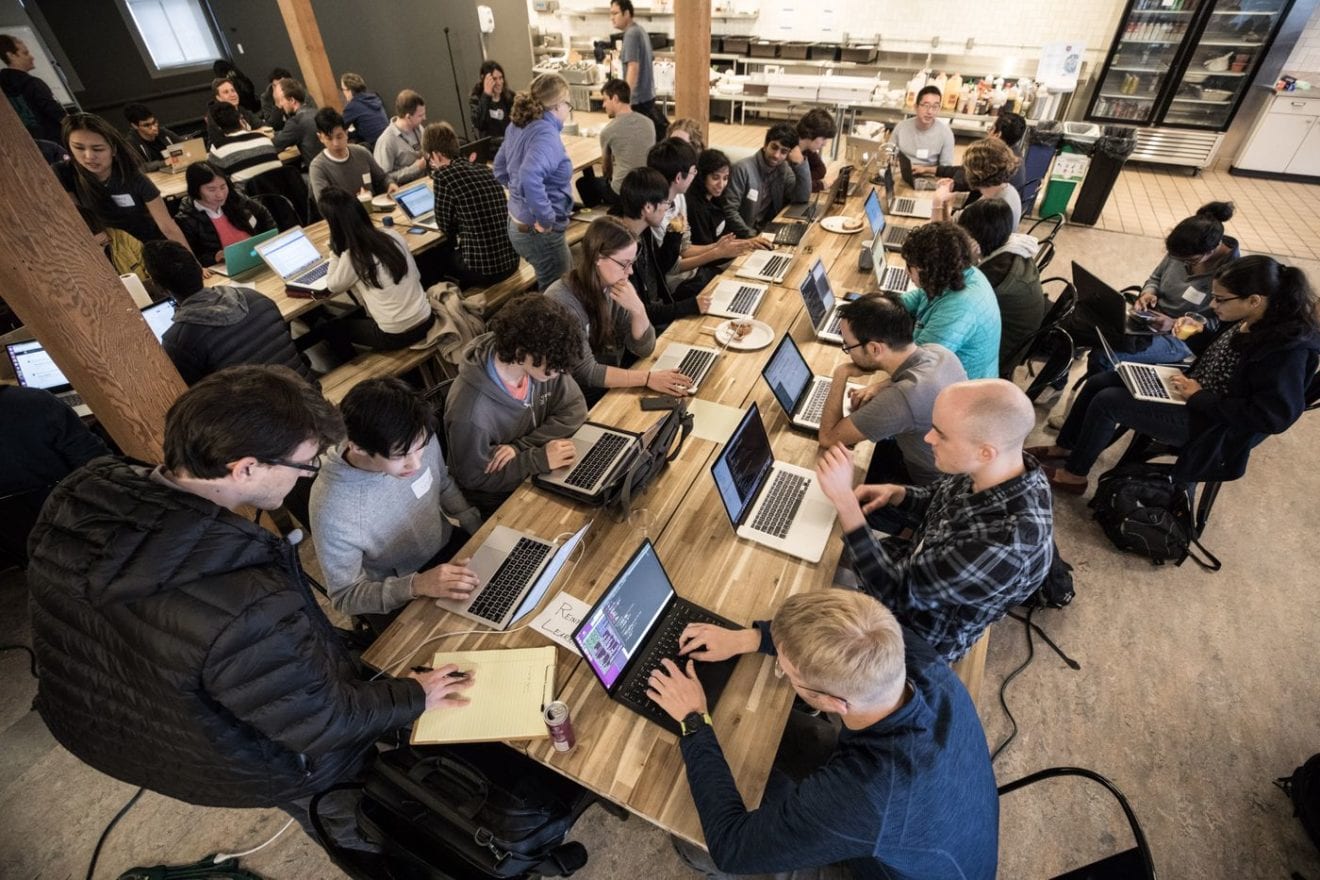
    KasikornBank’s Kasikorn Vision has joined hands with VIISA, a leading accelerator in Vietnam, and UP Co-Working Space to hold a three-day hackathon. The event, from June 28-30, 2019, will offer startups the opportunity to gain financial backing from Vietnamese and overseas investors and fast-track their entry into a range of other startup programs.

    It will target startups with products or ideas to tackle finance and business challenges facing Vietnamese and ASEAN economies. Bringing together KBank’s expertise in regional banking, KVision’s $245 million worth of funding, VIISA’s local know-how, and innovative ideas from local startups, the aim is to drive synergy that will spur cutting-edge solutions and create value and drive growth in Vietnam and the wider region.

    Chat Luangarpa, first senior vice president of Thailand’s KBank, said Vietnam has emerged as one of ASEAN’s most vibrant startup markets and active venture capital markets. With a fast-growing economy, a pool of youthful tech talent, and strong government support, it has all the key ingredients for rapid innovation growth, he said.

    “The country’s young, change-oriented consumer market makes Vietnam a perfect place for startups to thrive.”

    KVision, aiming to drive innovative growth in the region, sees the potential for Vietnamese startups to not only grow in the local market but also capture opportunities across ASEAN.

    Supported by KBank’s presence in the region, the hackathon is aimed at equipping Vietnamese startups with the right tools to take them to the next level on the regional stage.

    The program will bring seasoned mentors from the local and global startup communities, including Akamai, Sendo, and other leading accelerators, and business veterans such as UniBrands. Through a series of mentoring and sharing sessions, startups will receive real-world advice, hands-on supervision and invaluable networking to help them step up their game in all aspects.

    From design thinking to pitching, the end goal is to inspire and drive startups to come up with real solutions to materialize their business, and form real connections to make their business happen. Startups with potential will have the opportunity to gain financial backing from investors in Vietnam and overseas and fast-track entry into a range of other startup programs.

    At the heart of this program lies the idea of co-innovation. Duc Tran, CEO of VIISA, said the time for partnerships is now. Gone is the time when brick-and-mortar corporations and startups could simply view each other as competitors, he said. Partnerships between the two could bring a synergy and combination of various strengths to accelerate growth, allowing startups to expand at a time of increasing competition while also allowing corporations to transform in the digital age.

    Luangarpa said this is now one of KBank’s key strategies too. The establishment of KVision in Vietnam, as well as other countries with outstanding technology sectors like China, Israel, and Indonesia, is to scout for innovative startups to co-launch new services in the region’s underserved and quickly evolving markets.

    KVision will hold the three-day “KVision x VIISA Hackathon: Building Co-Innovation” event at UP Co-Working Space, Ho Chi Minh City, from June 28 to 30. The program is open to both startups with business ideas and those with existing products. Prizes include $2,000 for the ideation track winner, $5,000 for the acceleration track winner and fast-track guarantees to various startup programs and perks from hackathon partners. Applications are open until June 15.

    KVision looks to play an active role in linking startup ecosystems in ASEAN. Earlier this month the Thai company signed an agreement with the Vietnamese government’s Business Startup Support Centre to support Thai startups’ entry into the Vietnamese market.

    KBank first entered Vietnam in 2015 with representative offices in Hanoi and Ho Chi Minh City. To continue its focus on Vietnam, KBank plans to upgrade its Ho Chi Minh City representative office to its first branch in Vietnam once the license is granted.

    Alongside setting up branches, KBank also looks to bring in digital solutions, including partnerships with startups to address financial service gaps and drive disruption in the region.

  • Singapore Payments Startup InstaReM Partners Thai Banking Group

    Singapore Payments Startup InstaReM Partners Thai Banking Group

    Digital remittance company InstaReM has partnered Thai banking group Kasikornbank in an agreement that would see the Singapore startup power cross-border payments for the bank’s clients in select markets, it announced in a press release on Thursday.

    This relationship further cements InstaReM’s position as a leading provider for cross-border transactions. With InstaReM, KBank clients will be able to realize faster turnarounds, while providing certainty on delivery times and payout amounts, Prajit Nanu, co-founder and CEO of InstaReM, said.

    “This is an important partnership for KBank at an exciting stage in our evolution. We are continuing to expand our cross-border payment capabilities into key markets across the world, as we are witnessing increasing demand from our customers.

    Kasikornbank is Thailand’s second-largest and Southeast Asia’s eighth-largest bank in terms of total assets, at $96.9 billion, according to data from Forbes. At $14.5 billion, it is also the country’s largest bank in terms of market capitalization.

    InstaReM, which has a presence in 40+ countries in Asia-Pacific, North America and Europe enables low-cost cross-border payments to 55+ countries. It has enhanced its payments capabilities by partnering global payments leaders like Ripple, Visa and First Data.

    In March, the firm announced the close of its $41-million Series C funding round, which will be used to support growth and expansion to new markets, including opening a regional headquarters in Latin America and expanding its teams in London and Seattle, the firm said. This brings the total funding InstaReM has raised to $59.5 million since it started operations in 2015.

    It is expected to receive licenses for Japan and Indonesia later this year, and continues to prepare for an initial public offering, planned for 2021.

  • Online liquor sales boom in Vietnam

    Online liquor sales boom in Vietnam

    Vietnam has removed a proposed decree to prohibit online liquor sales, accepting that it goes against international trends. The bill, proposed by the Ministry of Health last year, would have prohibited online sales of beverages with an alcohol content of more than 15 percent. But legislators got into a heated debate over this regulation, with critics saying that it would go against international trends and challenge e-commerce development.

    The National Assembly (NA) Committee for Social Affairs on Thursday said it has removed the decree after listening to legislators’ views.

    Some new changes have been made in the latest version of the bill. The advertisement for beverages with less than 15 percent of the alcohol content will now be allowed on TV and radio.

    However, these advertisements must not be carried between 7-8 p.m. every day.

    The bill is set to be discussed and voted on at the end of the ongoing National Assembly session.

    Alcohol, especially beer, is widely consumed in Vietnam. Data collected by the Ministry of Health shows Vietnamese citizens consumed 305 million liters of liquor and 4.1 billion liters of beer in 2017, making it the biggest alcohol consumer in Southeast Asia and third biggest in Asia after Japan and China.

  • Globe to ramp up network expansion program

    Globe to ramp up network expansion program

    The Philippines’ Globe Telecom has pledged to ramp up its network expansion and modernization program to cater to soaring demand for mobile data.

    The operator revealed that mobile data traffic on its network grew to 370 petabytes during the first three months of 2019.

    This represents a 105% increase from the 180 petabytes recorded a year earlier, and a 421% increase from the first three months of 2016.

    Data traffic growth is also driving revenue growth, with Globe Telecom reporting consolidated service revenues of the quarter of 36 billion pesos – up 13% year-on-year – and mobile data traffic accounting for 16.5 billion pesos of this total.

    “With the explosion of data traffic consumption, building more cell towers and modernizing our network infrastructure will continue to play a fundamental role in delivering superior quality of experience to our customers,” Globe CEO Ernest Cu said.

    “This is why we will continue ramping up our network rollout and utilizing next-generation technologies to enhance the way our customers experience mobile data.”

    Around 68% of Globe’s total capex budget for the first quarter of 8.8 billion pesos was allocated towards enhancing data-related services. During the quarter the company escalated its cell site deployment and invested in improving its network capacity.

  • Homestay startup raises $4.5 million

    Homestay startup raises $4.5 million

    Luxstay has raised $4.5 million from South Korean retailer GS Shop and venture capitalist Bon Angels in its bridge round. A Luxstay representative said Wednesday that receiving funding from reputable international investors in this round is an important stepping stone for the enterprise to expand to other areas in the future.

    GS Shop is a South Korean multimedia retailer as well as a global leader in TV home shopping. It also established a retail chain called GS25 in Vietnam in 2018.

    Bon Angels Venture Partners is a South Korean venture capital firm investing in early-stage startups. It has invested in well known South Korean startups like Woowa Brothers, Daily Hotels, and My Real Trip.

    Luxstay has targeted an annual turnover of over $300 million and 30 percent of Vietnam’s home-rental market share by 2023, the representative said.

    It is also working with financial investors and strategic partners for the next funding round, a Series A round, which is expected to close in 2019, aiming to raise $15-20 million.

    Prior to this investment, Luxstay had raised a total of around $6 million from CyberAgent Ventures (Japan), Genesia Ventures (Japan), ESP Capital (Vietnam), Founders Capital (Vietnam) and Nextrans (South Korea).

    Launched in late 2016, Luxstay has a network of nearly 10,000 properties across the country. This is a short-term rental booking platform for apartments, villas and other homestay accommodations positioned in the mid and high-end segments of Vietnam’s real estate market.

    It also offers property management and maintenance solutions to assist and save time for homeowners who want to participate in the home-sharing market through its system.

    “In developed countries, home-sharing accounts for 10-20 percent of the home-rental market. This shows a huge opportunity for this industry in Vietnam, which is expected to reach $2-4 billion in 2025,” Luxstay said.

  • AU Optronic signs Taiwan’s first sustainability-linked loan

    AU Optronic signs Taiwan’s first sustainability-linked loan

    DBS Bank Taipei Branch signed a three-year, TW$2 billion ($63.5 million) sustainability-linked loan with AU Optronics – an optoelectronic solution and LCD-LED manufacturer.

    Under the terms of the conditions, the interest rate will be based on the manufacturer meeting sustainability performance targets.

    DBS Bank Taiwan general manager Lim Him Chuan said that there is a growing trend for corporates to adopt more sustainable practices in their business operations. While seeking business growth, they are also considering social, environmental and governance factors.

    In 2018, DBS Group inked four sustainability performance-linked loans amounting to over S$600 million ($435.8 million), demonstrating the bank’s commitment to sustainability while offering financial innovation to customers.

    For DBS Bank’s sustainability-linked loans, corporates are evaluated based on an annual sustainability review report assessed by an external independent party, tracking the performance of corporates in terms of governance, environmental and social criteria. When the borrower meets or exceeds pre-determined ESG targets, the interest rate will then be reduced. Borrowers not only share their commitment to sustainability but are also entitled to a competitive interest rate.

    The bank’s, head of institutional banking Tony LuoGroup further explained that unlike green loans which are used to exclusively finance or re-finance eligible green projects, capital from sustainability-linked loans can be used for general corporate purposes. This provides more flexibility to borrowers, and the impact goes beyond environmental aspects to cover comprehensive ESG developments of an organization.

  • Standard Chartered Offers New Tool Powered By IBM

    Standard Chartered Offers New Tool Powered By IBM

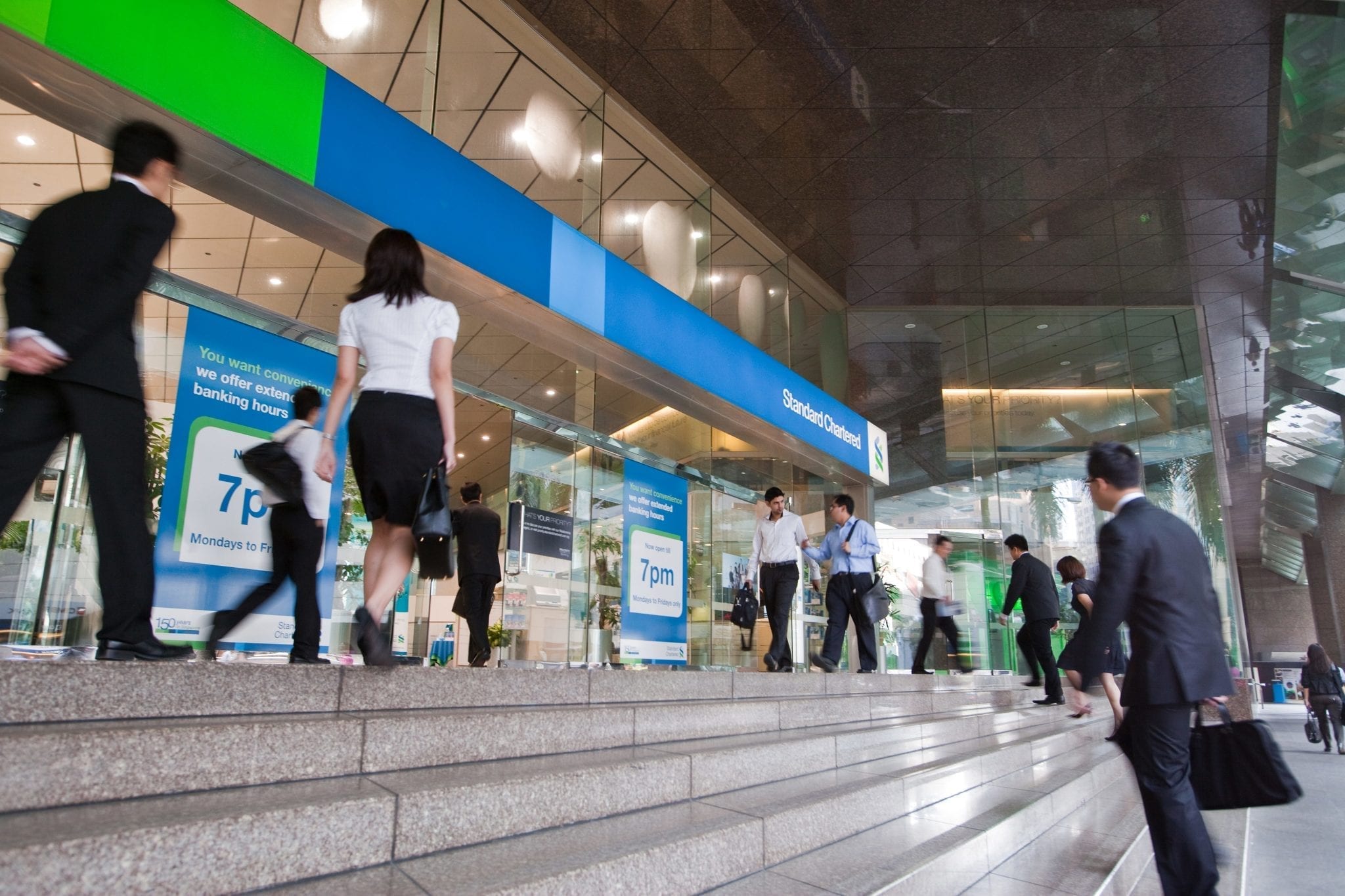
    The solution is now live in key markets across Asia, Africa, and the Middle East1, with more markets across the bank’s footprint to follow, according to a media release. Traditional documentary trade requires millions of data elements in paper-based, unstructured documents – often issued by various companies – to be reviewed through a largely manual process.

    With the implementation of Standard Chartered’s Trade AI Engine powered by IBM, this time-consuming and high-risk process is now significantly automated:

    • Conversion of non-digital shipping documents into machine-readable format enabled by Optical Character Recognition (OCR)
    • Identification and classification of document types from an initial pre-defined database
    • Continuous Machine learning (ML) based on user re-classification/re-defining of data elements to further improve accuracy
    • Natural Language Processing (NLP) capabilities to read and capture context from data in the documents

    The innovative solution allows the ban to handle high volumes of diverse back office tasks with greater efficiency and accuracy, thus offering a more seamless trade processing experience for clients.

    The «Trade AI Engine» is currently live in India, Nepal, Botswana, Kenya, Uganda, South Africa, Zambia, Tanzania, Zimbabwe, Angola, Cameroon, Côte d’Ivoire, Gambia, Ghana, Nigeria, Sierra Leone, Mauritius, UAE, U.K., Iraq, Bangladesh, Thailand, Philippines, Indonesia, Pakistan, Sri Lanka, Bahrain, Qatar, Jordan and Oman.

    Additional markets to follow are Japan, Brunei, Indonesia, Taiwan, Hong Kong, Singapore, Malaysia, China, and the U.S.

  • HMD Global expands enterprise recommended portfolio

    HMD Global expands enterprise recommended portfolio

    HMD Global, licensee for the Nokia smartphone brand, has received Android Enterprise Recommended certification to three new devices in its portfolio.

    The three new devices include the Nokia 9 PureView, the recently announced smartphone with a five-camera array, as well as the Nokia 4.2 and 3.2 devices.

    HMD Global now has 14 Nokia branded devices that have received Android Enterprise Recommended Certification – more than any other smartphone brand.

    More than 50 organizations worldwide – including SAP, contacting and manufacturing company Ineco and industrial design company Mukava – have already deployed devices within this portfolio.

    Google’s Android Enterprise Recommended certification program requires devices to meet an elevated set of hardware, software, security update, user experience and other specifications. It is designed to act as a benchmark for the user experience in a variety of enterprise use cases.

    HMD Global said its recent market research found that 98% of enterprises within the European companies covered by the study use the Android Enterprise Recommended program to influence their choice of devices.

  • VinID acquires MonPay e-wallet in Vietnam

    VinID acquires MonPay e-wallet in Vietnam

    Vingroup’s loyalty program VinID has acquired digital wallet app MonPay, a central bank source says.  The takeover procedures have been completed but did not disclose its form and value.

    Earlier this week, a new feature called “My Wallet” has appeared on the VinID app where customers can accumulate points from goods and services bought from Vingroup’s ecosystem, which includes real estate, education and shopping.

    From this feature, customers can deposit and withdraw money as with any electronic wallet, and all transactions go through MonPay. MonPay is a product created and run by local firm People Care JSC.

    Previously, at the end of 2018, People Care completely replaced its management board with three key executives from VinID, including Nguyen Thi Diu, deputy general director of Vingroup and general director of VinID; and Nguyen Minh Hong, one of three founding shareholders of VinID.

    VinID JSC was established in July 2018. It has a chartered capital of VND3 trillion ($128.81 million) and is 80 percent owned by Vingroup, Vietnam’s biggest private conglomerate.

    People Care JSC is one of 29 enterprises that have been granted the payment intermediary license from the State Bank of Vietnam. The company doubled its charter capital from VND68 billion ($2.92 million) to VND138 billion ($5.93 million) at the end of 2018, after it had reappointed its board of directors.

    The government is working to accelerate the use of cashless transactions. In a resolution released January, it tasked the central bank to come up with solutions that would promote the use of e-wallets, which allow users to deposit cash into their e-wallets without the need for a bank account.

    However, Vietnam is still far away from becoming a cashless society, given low financial literacy and the lack of an ecosystem, experts say.

    The use of cash in Vietnam remains high. World Bank’s statistics released last year showed that the country had the lowest percentage of cashless transactions in the region with only 4.9 percent, while this value for China and Thailand were 26.1 percent and 59.7 percent respectively.

  • UBS Sets its Sights on China

    UBS Sets its Sights on China

    UBS hopes to grow its wealth management business in China, and as the country slowly opens up its financial sector, it could soon challenge local players that currently dominate the market, said Edmund Koh, President, UBS Asia Pacific, who spoke to Christine Tan in the latest episode of Managing Asia, broadcast on CNBC on 24 May.

    I think China is going through the same process Hong Kong and Singapore went through over the last 20 years but they will accelerate given the advancement of technology and also the internationalization of the Chinese population. So currently, it’s dominated by the local banks through more of retail wealth management but not the sophistication that is needed for legacy planning, said Koh.

    I think amongst the foreign banks, to be number one is there for the taking because nobody is really dominating that area,» he added, noting «For China, you have to be patient.

    Under his leadership, UBS’ invested assets in the region have grown by about 70 percent, Koh estimated. UBS crossed the $400 billion mark for invested assets in Asia Pacific in the first quarter of 2019, making it the first wealth manager in the region to reach this milestone.

    The bank saw strong growth in Asia, with record net new money inflows of $16.3 billion in the first quarter of 2019, a $10 billion jump from the year before, where it saw inflows of $6.3 billion in the same period, and just short of the $17.2 billion it brought in over the whole of 2018.

    He said hopes his team, under the leadership of wealth management Asia Pacific co-heads Amy Lo and August Hatecke, will soon be able to reach $500 billion. «I would tell them if they are any good, it should be less than two years. That’s how long I would give it myself,» Koh said.

    Managing the UBS’ 23,000 employees in the region and maintaining its position as the leading private bank in the region is no easy task, but Koh said his secret is self-belief, energy and purpose.

    My purpose, along with my colleagues, has been very clearly articulated. If we don’t do well, people will be unemployed because we manage some of the biggest families that are huge employers around the region. That drives me. It’s not the 50 basis points of loan spread or 75 basis points of investment. That is just part of the process.

    Koh, who in October 2018 became the first Singaporean to hold the position of president of UBS Asia Pacific, was previously the bank’s head of wealth management for Asia Pacific and country head Singapore. He joined UBS in 2012 as head of wealth management for Southeast Asia, following stints at Taiwan’s Ta Chong Bank, where he served for four years as president and director, and DBS Banks, where he was managing director and regional head, consumer banking from 2001 to 2008.

  • StarHub selects Red Hat to help train its engineers

    StarHub selects Red Hat to help train its engineers

    Singapore’s StarHub has selected Red Hat to provide specialized training for its Integrated Network Engineering team to help them keep abreast of best practices in next-generation cloud-based platforms.

    Under the agreement, StarHub engineers will take part in the Red Hat Training and Certification program based on the Red Hat OpenStack Platform, which the operator has deployed across its infrastructure.

    The program will include hands-on and lab-based training designed to help them better understand Red Hat tools to enable the faster delivery of OpenStack solutions, as well as training and knowledge of selected tools and solutions for various real-world scenarios.

    The Integrated Network Engineering team is tasked with designing and maintaining efficient and scalable fixed and wireless networks for StarHub’s Singapore operations. It is led by StarHub CTO Chong Siew Loong.

    “Our networks can only be as good as the team managing them. This is why at StarHub, we invest in the development of our people to maintain the high levels of professional competency required to offer our customers the best network experience,” Chong said.

    “Amid rapid technological advances, we work with renowned software companies like Red Hat to hone skills that are not only relevant today, but a catalyst for future innovation.”