Author: Mei Ling Tan

  • Stosa Cucine opens first Singaporian store

    Stosa Cucine opens first Singaporian store

    Italian kitchen-design studio Stosa Cucine has opened its first store in Singapore.

    Located at the Apex @ Henderson building, the showroom spans 140sqm, displaying four kitchen models: Aliant, Natural, Infinity, and Aleve, for customers to experience.

    Products on display add a hi-tech touch to the kitchen as well as a functional solution for shelves, baskets and drawers.

    Customers can also get personalized options and design their own Stosa Cucine kitchens.

    The brand says it chose Singapore for its first international store because the city is one of the world’s most cosmopolitan, and an important hub for international trade.

    After Singapore, Stosa Cucine plans to expand into other Asian markets.

  • Vietnam considering mobile money trials this year

    Vietnam considering mobile money trials this year

    Vietnam’s Ministry of Information and Communication has held an international workshop on the ability of mobile money to promote financial inclusion, as part of preparations for potential mobile money trails.

    The two-day workshop was designed to provide a comprehensive overview of mobile money, and put forward recommendations for Vietnam’s adoption of the technology.

    At the event, Minister of Information and Communication Nguyen Manh Hung said the government is evaluating approving mobile money trials this year, the report states.

    Vietnam would become the 91st nation in the world to adopt mobile money services, the minister said. By the end of last year, nearly 900 million people in 90 nations were using mobile money services to conduct transactions worth around $1.3 billion per day.

    The minister also noted that mobile money will help promote cashless payment in a market were only around 40% of the population have bank accounts but mobile penetration is well over 100%, and will allow low-income people in remote or hard to reach areas to access paid online services.

  • Globe digitally transforms Semirara Island

    Globe digitally transforms Semirara Island

    The Philippines’ Globe Telecom worked with the nation’s largest coal producer Semirara Mining and Power Corporation (SMPC) to digitally transform Semirara Island in Antique.

    The 55 square kilometer island is home to the Philippines’ richest coal reserves, and is home to a number of coal workers and their families who rely on mobile connectivity a digital applications in their daily life.

    As part of the project, Globe, SMPC and the local government collaborated to upgrade all mobile towers in the island with LTE technology.

    The partners are also adopting a modern payroll solution for the mining company in collaboration with Ant Financial subsidiary Mynt and Ayala that takes advantage of Globe’s GCash mobile money service.

    In addition, Globe will work with public and private high schools in the island on digitally-enabled education initiatives.

    The Digital Thumbprint Program, developed by Globe in conjunction with Singtel and its Australian subsidiary Optus, has already been used to aid the education of 1.9 million students across the Philippines.

  • Philippines publishes common tower rules

    Philippines publishes common tower rules

    The Philippines’ Department of ICT has published the rules and regulations for the new common tower provider regime with the goal of building or converting at least 2,500 common towers across the nation.

    The rules will pave the way for deployments in properties owned by the departments, other government agencies, and hard-to-access areas identified by the market’s mobile operators.

    With the rules, the DICT has committed to streamlining the issue of licenses for the deployment of telecommunications equipment in towers not built by the independent tower companies participating in the scheme.

    They also seek to encourage voluntary sharing of towers by incumbent mobile operators by offering incentives in the form of allowing companies to build passive infrastructure in government properties and to enable operators to offer, transfer and convey existing tower resources to tower sharing entities.

    Independent tower companies participating in the scheme will need to be at least 20% owned or in a consortium with companies with at least five years of experience constructing, owning, operating and/or maintaining towers.

    They must also be wholly independent of mobile operators to ensure they offer non-discriminatory access and have reached agreements with the DICT and secured the required permits.

    The DICT said that to date 22 tower companies have signed memoranda of understanding with the department over the common tower initiative.

    “This is the starting point of more comprehensive policy for our initiative on passive infrastructure sharing. This will help tower firms to acquaint themselves in our telco industry,” DICT acting secretary Eliseo M. Rio Jr. said.

  • Telenor Myanmar signs partnership with TikTok

    Telenor Myanmar signs partnership with TikTok

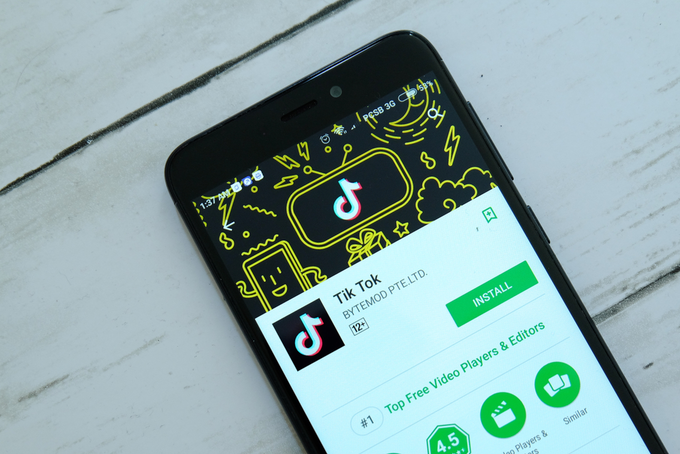
    Telenor Myanmar has become the market’s first official partner for short-form video sharing platform TikTok, and introduced a new mobile data plan to support the partnership.

    The operator has introduced the new Sate Kyite Kyi plan, which will offer mobile video content from TikTok and Myanmar’s other most popular video apps – including YouTube, Viu and MyanFlix – at a rate of 1 kyat ($0.00065) per megabyte.

    Users will be able to subscribe to the plan over SMS, via the MyTelenor app or WowBox content platform with subscription fees of 499 kyats per week. The plan will not be auto-renewed and must be resubscribed to at the end of each week of service.

    “We are very excited to become the first official local partner of TikTok in Myanmar. Sate Kyite Kyi is the very first result of the agreement between us and the top video apps and we are delighted to add TikTok to our partners’ list for this innovative data plan,” Telenor Myanmar head of digital services Chan May Ling said.

    “It will be the one of a kind data plans in Myanmar, providing users with a one-stop shop solution where they can enjoy all of their favorite videos. As you all know, Telenor Myanmar has been offering the best and most affordable products and services since its inception in Myanmar to ease users’ daily lives and we promise that we will come up with many more innovative services from this partnership.”

  • Humans cause 90% of cloud data breaches

    Humans cause 90% of cloud data breaches

    Incidents in public cloud infrastructure are more likely to happen because of a customer’s employees rather than actions carried out by cloud providers, according to a new Kaspersky Lab report.

    Companies expect cloud providers to be responsible for the safety of data stored on their cloud platforms, the report found. However, around 90% of corporate data breaches in the cloud happen due to social engineering techniques targeting customers’ employees, not because of problems caused by the cloud provider.

    Cloud adoption allows organizations to benefit from more agile business processes, reduced capex and faster IT provision. However, they also worry about cloud infrastructure continuity and the security of their data. At least a third of both SMB and enterprise companies are concerned about incidents affecting IT infrastructure hosted by a third party. The consequences of an incident may make the benefits of cloud redundant and instead evoke painful commercial and reputational risks.

    Even though organizations are primarily worried about the integrity of external cloud platforms, they are more likely to be affected by weaknesses far closer to home. A third of incidents (33%) in the cloud are caused by social engineering techniques affecting employee behavior, while only 11% can be blamed on the actions of a cloud provider.

    The survey shows there is still room for improvement to ensure adequate cybersecurity measures are in place when working with third parties. Only 39%  of SMBs and half (47% ) of enterprises have implemented tailored protection for the cloud. This may be the result of businesses largely relying on a cloud infrastructure provider for cybersecurity. Alternatively, they could have false confidence that standard endpoint protection works smoothly within cloud environments without diminishing the benefits of cloud.

    “The first step for any business when migrating to public cloud is to understand who is responsible for their business data and the workloads held in it,” Kaspersky Lab VP of global sales Maxim Frolov said.

    “Cloud providers normally have dedicated cybersecurity measures in place to protect their platforms and customers, but when a threat is on the customer’s side, it is no longer the provider’s responsibility. Our research shows that companies should be more attentive to the cybersecurity hygiene of their employees and take measures that will protect their cloud environment from the inside.”

  • AirAsia, beyond 1Q19 and headline numbers

    AirAsia, beyond 1Q19 and headline numbers

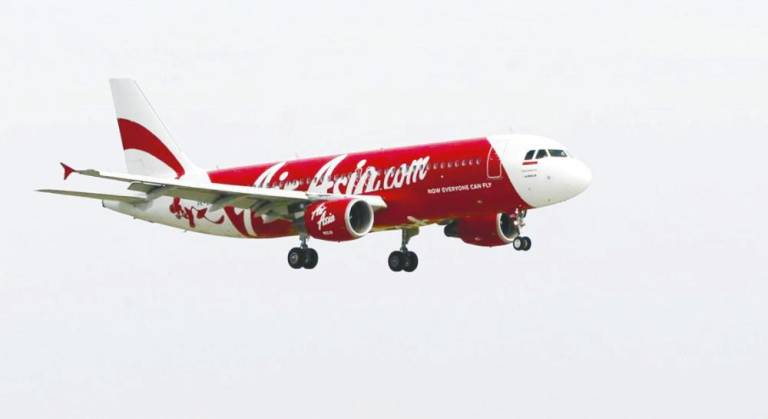
    Tan Sri Tony Fernandes tweeted two months ago that AirAsia Group Bhd will have its “best year” in 2019, and so far headline numbers look okay, if not promising, at least for the first quarter ended March 30, 2019 (1QFY19). Jet fuel prices are at around its hedging price — 52% of its fuel needs in FY19 has been hedged at an effective exercise price of around US$78 (RM326.82) of jet fuel — while passenger load factor is expected to stay solid at 87.9%. The group chief executive officer (CEO) has also hinted that its Asean joint ventures would “perform well”.

    Notwithstanding that, AirAsia’s share price has been underweight so far this year ahead of the release of its 1QFY19 results, scheduled on Wednesday, probably because investors remain wary after the airline’s biggest loss-making quarter last year.

    MFRS16 on pricier sale-leaseback model

    AirAsia made two sale-leaseback deals with BBAM Ltd Partnership for US$1.185 billion (RM4.62 billion) in 2018 and Castlelake LP worth US$768 million (RM3.17 billion) in 2019 to lease back a combination of 108 planes to free up cash, pare debt and fund its digital venture.

    The higher operating lease expenses partly caused AirAsia’s RM394.97 million loss in 4QFY18, despite its 6.2% year-on-year (y-o-y) rise in revenue to RM2.82 billion on the back of a 16% jump in passenger count. Other main factors were higher fuel costs and a stronger US dollar against the ringgit in the period — both of which retreated temporarily in 1Q this year.

    But in 1QFY19, AirAsia will adopt the Malaysian Financial Reporting Standards 16 (MFRS16). This accounting practice recognises all lease assets and liabilities, including planes that are currently treated as off balance sheet operating leases.

    With the change, AirAsia’s operating lease expenses — which rose 73% y-o-y to RM1.13 billion in FY18 because of the sale-leaseback model — will be removed from the calculation.

    On the flip side, estimates show that MFRS16 will result in AirAsia’s profit before tax retreating by around RM400 million y-o-y for the whole of FY19. It may also front-load the lease expense of these planes at a depreciation of around RM3.5 billion and interest expense of RM1.1 billion in the same period.

    Fernandes, in his Twitter account, said the adoption of MFRS16 has no impact on the airliner’s cash position, arguing that the non-cash impact is “not very material” at around RM35 million a year.

    CGSCIMB Research, in an April 8 note, estimated that the group would book a net gain of RM174.3 million from the Castlelake deal in its profit and loss statement, with net cash proceeds of around RM891 million.

    Still, AirAsia is set to expand its fleet size from 226 planes in 2018 to 399 units in 2024, as it fully adopts the sale-leaseback structure from this year onwards. With 244 planes this year, AirAsia will book over RM11 billion of lease assets and liabilities on its balance sheet, while net gearing is expected to jump to 1.5 times. Analysts, meanwhile, confirmed that AirAsia management has guided there will be another special dividend this year, although the quantum has yet to be determined.

    AirAsia is committed to pay special dividends every two years. Recall its bumper FY18, which declared total dividends of 64 sen, inclusive of a 40 sen special dividend in 3QFY18, for a total of over RM2.14 billion.

    As at end of last year, AirAsia held cash equivalents of RM3.35 billion. TA Research in a note dated May 9 published its in-house estimate of AirAsia’s FY19 total dividend at 70 sen per share, ahead of the conclusion of the Castlelake deal.

    Others are more conservative until 1QFY19’s results are out. Full-year dividend estimates among analysts covering the stock, according to Bloomberg, average at 15.5 sen. CGSCIMB’s special dividend assumption was trimmed to 13 sen per share, from 19 sen per share previously, after lowering expectations on net cash proceeds from the Castlelake deal.

    Of 17 analyst calls on Bloomberg, AirAsia has seven “buy”, six “hold” and four “sell”. Twelve-month target prices (TPs), which range from RM1.50 to RM5.20, average at RM2.84. Of the total TPs, 35% were below its last close of RM2.45.

    The group, meanwhile, announced on April 26 that it is seeking shareholders’ approval for the proposed share buy-back of up to 10% of its total issued share. The last time it did so was in 2015.

    As in the past, AirAsia’s minority shareholders may approve both the special payout and the share buy-back.

    Beyond 1QFY19, the strengthening of the greenback against the ringgit and rising fuel costs are some of the things to watch out for. Amid strong load factors across its subsidiaries, market competition continues to put pressure on yields.

    In the horizon is the group’s digital venture, which Fernandes appears to be quite stoked about, given the number of his tweets referring to it of late. Come Wednesday, AirAsia could provide a breakdown of its digital businesses, which includes mobile payment app BigPay and one-stop travel platform, AirAsia.com.

    Fernandes told investors as early as March 1 to “look out” for AirAsia’s 1QFY19 results, which will provide a gauge on its operational changes. With its digital venture and changing market movements thrown into the mix, it remains to be seen if the stock will stay a darling among investors in the long run.

  • China is experiencing a convenience-store Expansion

    China is experiencing a convenience-store Expansion

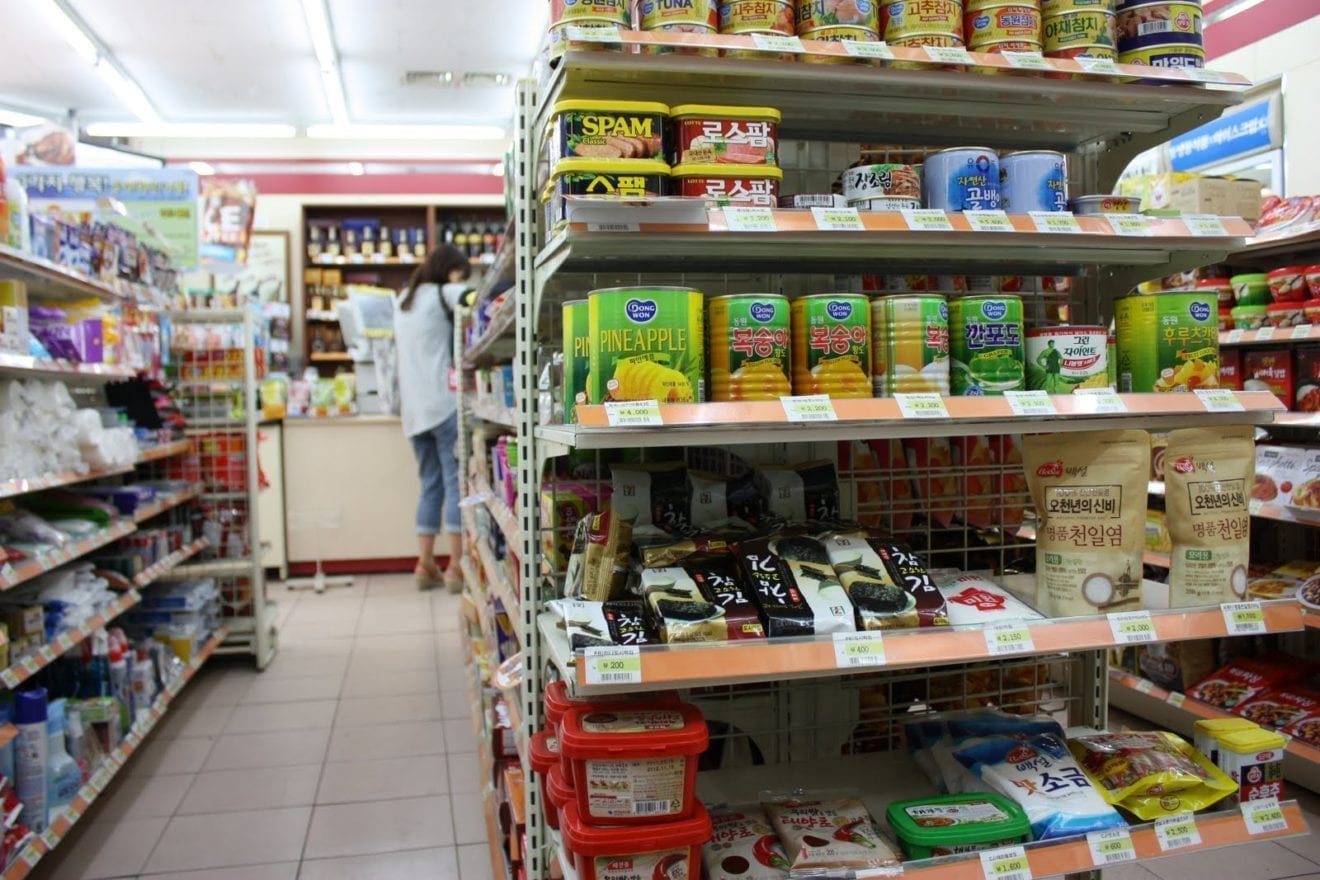
    China is experiencing a convenience-store boom.

    Nearly 12,000 new convenience stores were opened on the mainland last year, according to the China Urban Convenience Store Index, an increase of 18 percent.

    The index, released by the China Chain Store and Franchise Association, showed that new convenience stores took up 62 percent of all new openings in the territory. Around two-thirds of these were opened under a franchise arrangement.

    Typically, franchised convenience stores in China show a return on investment at the two-year mark.

    While first-tier cities are thought to have reached saturation point in terms of convenience-store market penetration, the field remains open for second and third-tier cities.

    “There is a big potential for more regional players to deepen their market penetration,” said secretary general of the China Chain Store & Franchise Association Peipei Liang, adding that hypermarket operators are now turning to smaller-scale and community stores for a new growth point.

    Association figures show that the top 100 chain stores reached sales of CNY240 billion (US$34.9 billion), and an increase of 7.7 percent on the previous year’s results. These players also benefited from a 55.5 percent increase in online revenue.

  • Privacy browser Tor is now available on Android

    Privacy browser Tor is now available on Android

    With online privacy becoming an increasingly rare luxury these days, most all browsers offer some sort of “incognito” mode that’s supposed to help bypass various “surveillance” methods employed on the web. The demand for online anonymity has spawned a whole new breed of privacy-focused browsers that promise to offer better security and cover your traces in a more efficient manner than incognito modes. Among those, the Tor browser is the most popular (and infamous) choice for people looking to really erase their online presence.

    Connecting to the Tor network was possible in the past on Android, by using apps like Orbot and Orfox, but the release of the Tor browser on the Google Play Store eliminates the need of such workarounds. The browser has been in beta for close to a year now, but it’s finally ready for prime time.

    If you’re not familiar with Tor, here’s a simplified explanation. Instead of connecting directly to a website, like a regular browser would, Tor channels your request through a network of encrypted computers all around the globe, called “nodes,” before reaching your desired destination. This way, your identity and IP address remain hidden. Not to mention that this can also help when trying to view content that is blocked on a per-region basis, like music videos on YouTube for example.

    The Tor browser is based on Firefox, so its interface should be immediately recognizable to Firefox users. The browser is now available on Android, but an iOS may never see the light of day, according to the Tor Project. This is due to “restrictions by Apple,” though the blog post doesn’t go over any of them in detail.

  • VinMart Vietnam opens first virtual store

    VinMart Vietnam opens first virtual store

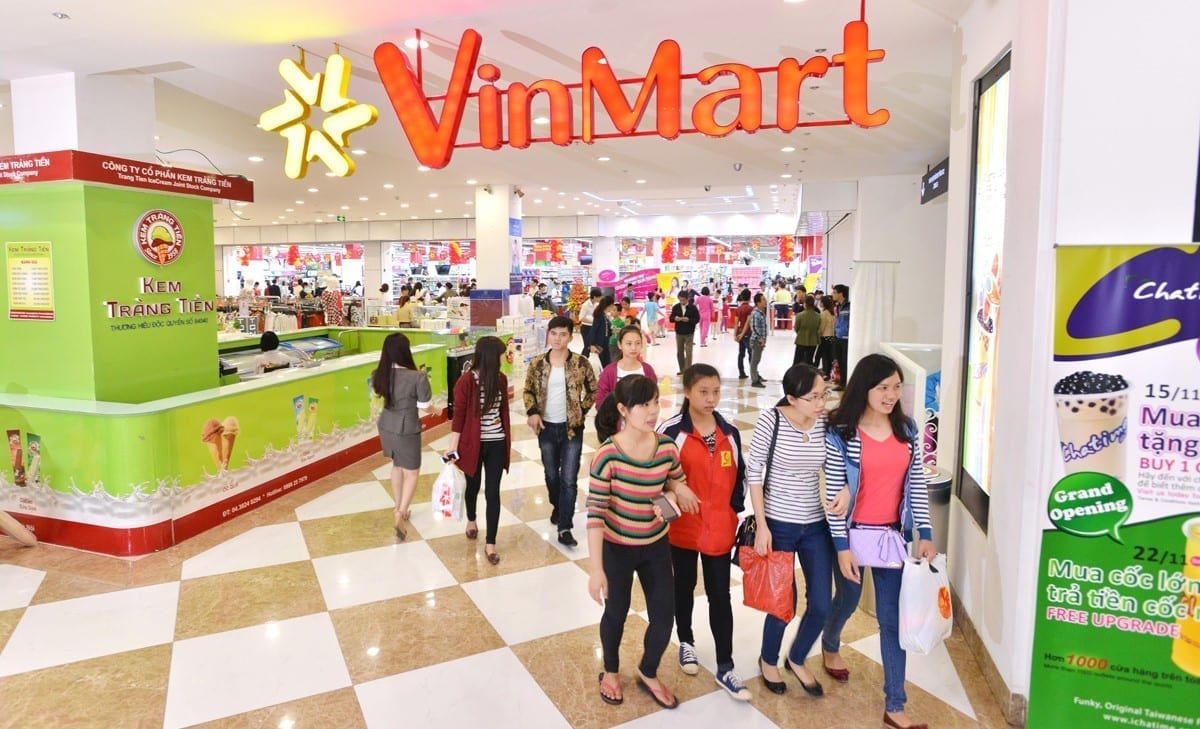
    Vietnamese supermarket chain VinMart claims to have opened Vietnam’s first virtual store.

    Run by VinGroup’s subsidiary VinCommerce, the new concept is being tested in 20 locations, including apartments, office buildings, schools and at bus stops, both in Hanoi and Ho Chi Minh City.

    Each store provides images and QR codes of more than 100 product groups for customers to scan and order via VinID app. The products will be delivered within two to four hours.

    VinMart launched the Scan&Go function in its app in March, applying it in 73 supermarkets across the country.

    Customers can also shop via VinMart’s printed shopping manual or online.

  • Yum China eyes Thailand with A Fresh Hotpot Concept

    Yum China eyes Thailand with A Fresh Hotpot Concept

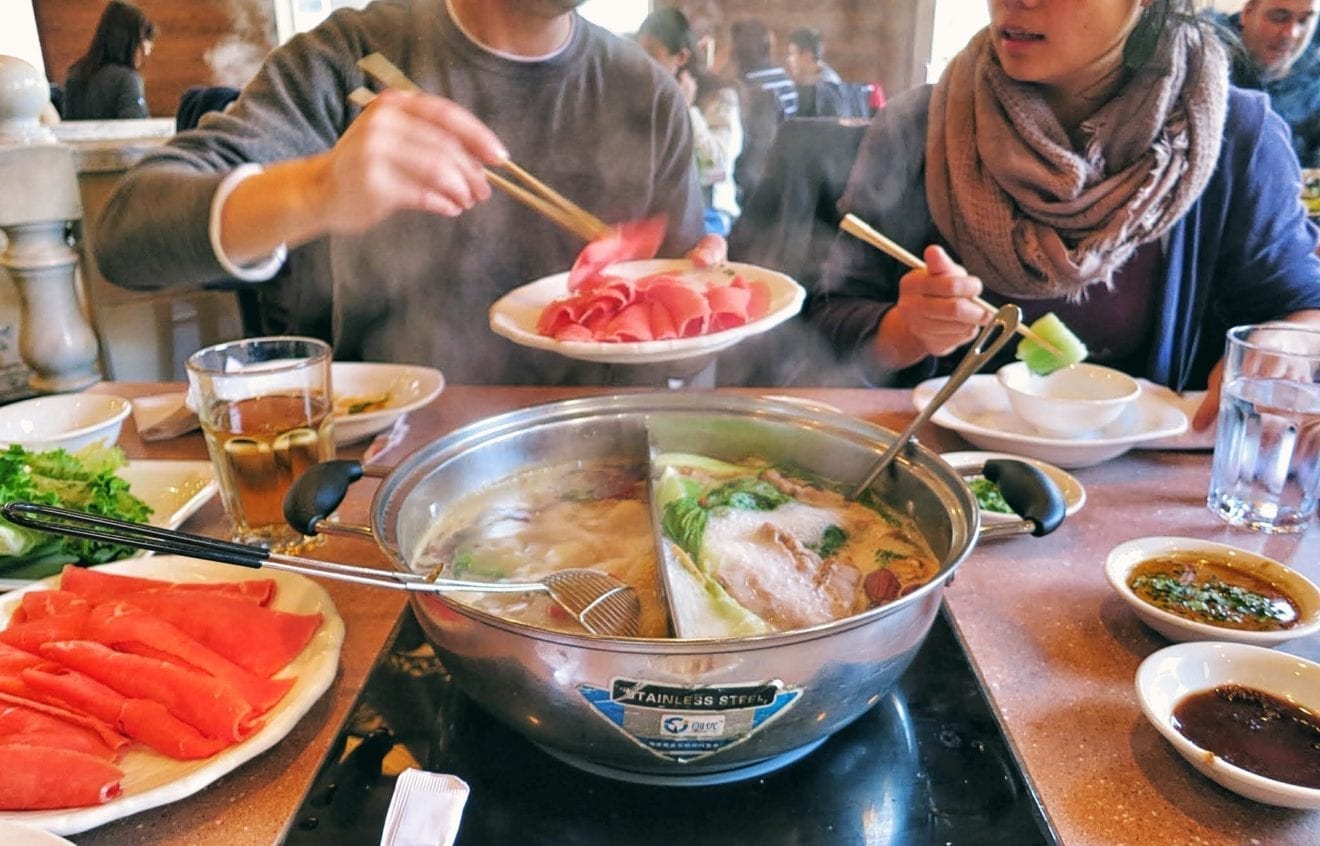
    Yum China looks to expand Asian footprint for hot-pot restaurant brand.

    Quick-service restaurant firm Yum China Holdings is seeking entry into the Thai hotpot market, reportedly worth THB5 billion (US$156.7 million).

    The company is seeking a local partner to launch its Little Sheep Mongolian hotpot chain in the territory.

    “The food and beverage industry in Thailand is one of the most developed markets in the world,” said Yum’s senior specialist for franchise development Isa Jiang. “Thailand also has a rich history of hotpots, as well as food culture.”

    Sixty-six Little Sheep outlets opened in China last year, as well as a further 10 abroad. Seventy of the openings were franchised. The restaurant is currently operated in 300 locations across 130 cities.

    “Ma la, or Sichuan hot chillies, is growing in popularity with Thais,” said business advisory firm Gnosis MD Sethaphong Phadungpisuth, “and we believe that Little Sheep will fit well with Thai tastes.”

    “Southeast Asia and the US have the highest projections for expansion this year,” observed Jiang. “We are focusing on Malaysia, the Philippines and Indonesia. Shabu restaurants are quite popular in Thailand, but we are confident in our key product’s characteristics, especially our meat and broth.”

  • In-N-Out Burger opens pop-up Restaurant in Seoul

    In-N-Out Burger opens pop-up Restaurant in Seoul

    In-N-Out Burger, a popular American hamburger franchise, opened a pop-up store on Wednesday in Gangnam, Seoul, drawing hundreds of visitors.

    People began lining up at the store from 6am to try out what can otherwise be tasted only in America. The 250 burgers prepared for the day sold out in just 30 minutes.

    South Korea’s craze for American food brands, including Shake Shack in 2016, and recently Blue Bottle Coffee, is drawing attention from brands.

    The pop-up event, originally scheduled to start at 11am, had to open early at 9.30am due to the massive number of people queuing. All 250 wristbands, needed to purchase a burger, were given out before the clock struck 10.

    This is In-N-Out Burger’s third pop-up store since the last one in 2012. The burger franchise, however, currently has no plans to enter the South Korean market.

    Some argue that the pop-up store is In-N-Out Burger’s strategy to maintain trademark rights in South Korea.

    Experts say that South Korea’s craze over American food chains reflects the people’s need for ‘small but definite happiness’ in the age of social networks.

    When the first Shake Shake opened in South Korea in July 2016, for more than a month, customers had to line up for at least two or three hours to get a burger.

    People also lined up at Blue Bottle’s first store in Seoul’s Seongdong District, which opened early this month.

    “In the age of social networks, people’s need for a ‘small but definite happiness,’ which can be easily shared with other consumers, seems to coincide with these food chains,” said one expert.

    “That is why people seem to become more willing to wait in line for hours, just like how they did at Shake Shack or Blue Bottle.”

  • ACT’s first drive-thru pharmacy Concept Wins Interest

    ACT’s first drive-thru pharmacy Concept Wins Interest

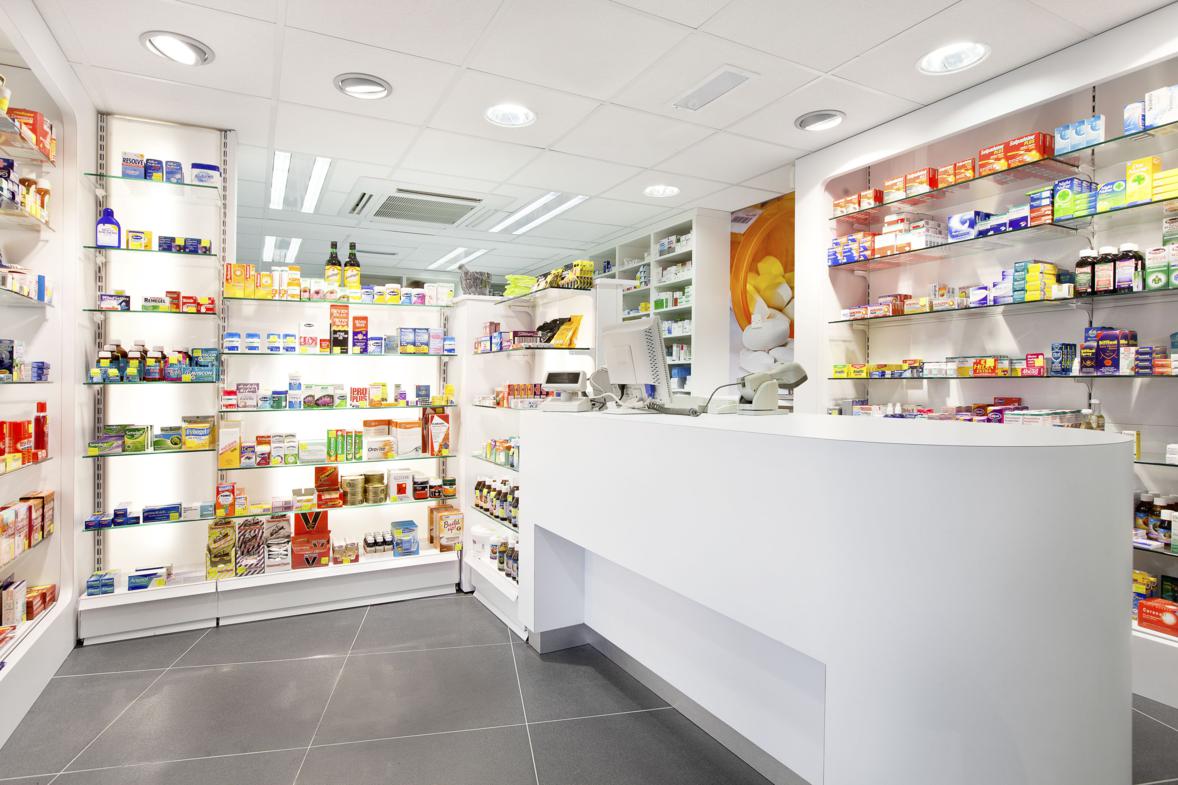
    The ACT’s first drive-thru pharmacy, Gold Creek Discount Drug Store, has proven a hit with the local community a year on from opening, highlighting the importance of accessible healthcare in rural areas.

    The ‘door-to-door’ service has offered greater accessibility, convenience and flexibility to the community, with the elderly, pregnant women and those with mobility issues, in particular benefitting from the service.

    The pharmacy’s drive-thru offers over-the-counter medication, script collection as well as a click-and-collect service through Discount Drug Stores’ e-commerce site.

    “Our drive-thru pharmacy has enabled local patients, both young and old, to become more independent on their journey to better health and has been of particular benefit to pregnant women, the elderly and those with chronic conditions,” Gold Creek Discount Drug Stores partner, Nader Ibrahim, said.

    “We now see customers who we hadn’t seen in years due to their inability to be mobile. Rather than having to ask their friends, family or neighbors to assist, the drive-thru enables patients to feel more self-sufficient.

    The service has also proved popular with time-poor parents, with the store recording a 34 percent increase in baby care purchases such as formulas and medication, via the drive-thru.

    Ibrahim said the concept “makes life easier” for stay-at-home parents, who can avoid the hassle of taking their kids in and out of the car.

    Gold Creek is the first and only Discount Drug Store with a drive-thru service at this time.

  • Starbucks launches Starbucks Now cashless in China

    Starbucks launches Starbucks Now cashless in China

    Starbucks China has launched its new mobile order & pay experience Starbucks Now to 300 selected stores in Beijing and Shanghai.

    The firm is planning to introduce this feature across China over the course of the next year.

    Starbucks Now allows customers to place an order in advance of their visit and pick up their beverage and food at a Starbucks store. The new feature is exclusively available to the cafe chain’s loyalty program members through the Starbucks China mobile app.

    “Starbucks Now represents a significant opportunity for Starbucks China to drive new innovative customer experiences,” said Starbucks China CEO Belinda Wong.

    “This builds on the latest of several digital initiatives in China, including Starbucks Delivers and locally relevant gifting and e-commerce experiences. We are excited to offer this special mobile order & pay service exclusively to our Starbucks Rewards members to provide convenience and speed to suit their on-the-go lifestyle and seamlessly integrate Starbucks into their daily lives.”

    The rollout of Starbucks Now builds on the digital capabilities and infrastructure of the recently introduced Starbucks Delivers program last year. Starbucks Now will provide customers in China a unique and convenient way to order, pay and pick up their favourite Starbucks beverage and food item without the wait.

    The service allows customers to choose a store location based on their GPS location to browse, customise a beverage, select a food offering, view order time, and pay – wherever they may be. Following confirmation of the order, baristas prepare each beverage and ensure the order is ready to hand to the customer when they arrive at the store.

    Starbucks Now is curated to enable customisation as part of the mobile order experience. Through the feature, customers can modify the beverage size, select the number of espresso shots and select their dairy preferences. In a first-ever mobile order feature for Starbucks, beverage options have been expanded to include: type of espresso shot, amount of whipped cream, and room for milk.

  • Fred Perry x Amy Hong Kong Launches Winehouse Collection

    Fred Perry x Amy Hong Kong Launches Winehouse Collection

    Fashion brand Fred Perry has released a new crossover collection as part of its continuing collaboration with the Amy Winehouse Foundation.

    The Fred Perry x Amy Winehouse Collection takes influences from Winehouse’s first designs for the brand, with pieces rooted in the singer’s distinctive sportswear and pin-up silhouettes. For May, there are three iterations of the Fred Perry shirt inspired by Winehouse’s styling and distinctive tattoos.

    The partnership makes a contribution each season to support the charity’s work with young people suffering from drug and alcohol problems. The latest Fred Perry x Amy Winehouse SU19 Crossover Collection is available this month at the Fred Perry store in Times Square, Causeway Bay.