Author: Mei Ling Tan

  • Massive leak exposed personal data of 49 million Instagram Accounts

    Massive leak exposed personal data of 49 million Instagram Accounts

    An Instagram database containing the private information of 49 million members, was accidentally left exposed on Amazon Web Services. The database could have been viewed by anyone since it did not have a password for protection. The accounts in the database included those belonging to Instagram influencers, celebrities, and corporate brand accounts and contained their biographies, profile pictures, number of followers, location (city and country), phone numbers and email addresses.

    The leak was discovered by security researcher Anurag Sen, who then contacted TechCrunch to help find the owner of the database. As it turns out, the information belonged to a social-media firm in India called Chtrbox that pays influencers to put up sponsored content on their Instagram accounts. The data included a ranking of each influencer depending on the number of followers they each have and the response to their posts by other Instagram members. While Chtrbox hasn’t commented yet on the matter, the database has since been taken offline.

    Facebook bought Instagram in April 2012 for approximately $1 billion and said that it will investigate the incident.

  • Farmers staff go on Strike

    Farmers staff go on Strike

    Employees of local department store chain Farmers have walked off the job in the first of a series of planned actions to combat the retailer’s reliance on an “unfair performance pay system”, according to First Union.

    Workers gave Farmers an ‘F’ for payment issues, including the performance pay system that keeps wages down, as well as Farmers’ refusal to pay a living wage.

    Staff will be wearing an “F for Farmers: Farmers Workers Deserve a Living Wage” sticker on their shirt at 40 of the retail chain’s 56 stores, according to NZ Herald.

    “Eighty per cent of Farmers workers are on less than the Living Wage,” First Union retail, finance and commerce divisional secretary Tali Williams said, calling the business’s pay rates an embarrassment.

    “Minimum wages are not enough to live on. Farmers is well behind other major retailers with its pay rates.

    “What’s worse is that Farmers is one of the only major retailers with a performance pay system that actively keeps wages down.”

    Farmers workers typically start on around the minimum wage ($16.50 an hour), but the retailer’s pay scale tends to end at around $17.50 with any further pay increases tied to staff performance.

    This is not the first strike the retailer has faced in recent memory, with similar actions taken by staff last year.

    First Union’s ‘Worth It’ campaign, started in April 2018, aims to encourage business to pay a living wage of $20.55 per hour to employees to assist the almost 20 per cent of New Zealand workers who are at risk in insecure or low-paid jobs.

    “Farmers needs to listen to their own family values and return to the bargaining table with a Living Wage for workers and their families,” Williams said.

  • Vinomofo seeks to satisfy Singaporeans

    Vinomofo seeks to satisfy Singaporeans

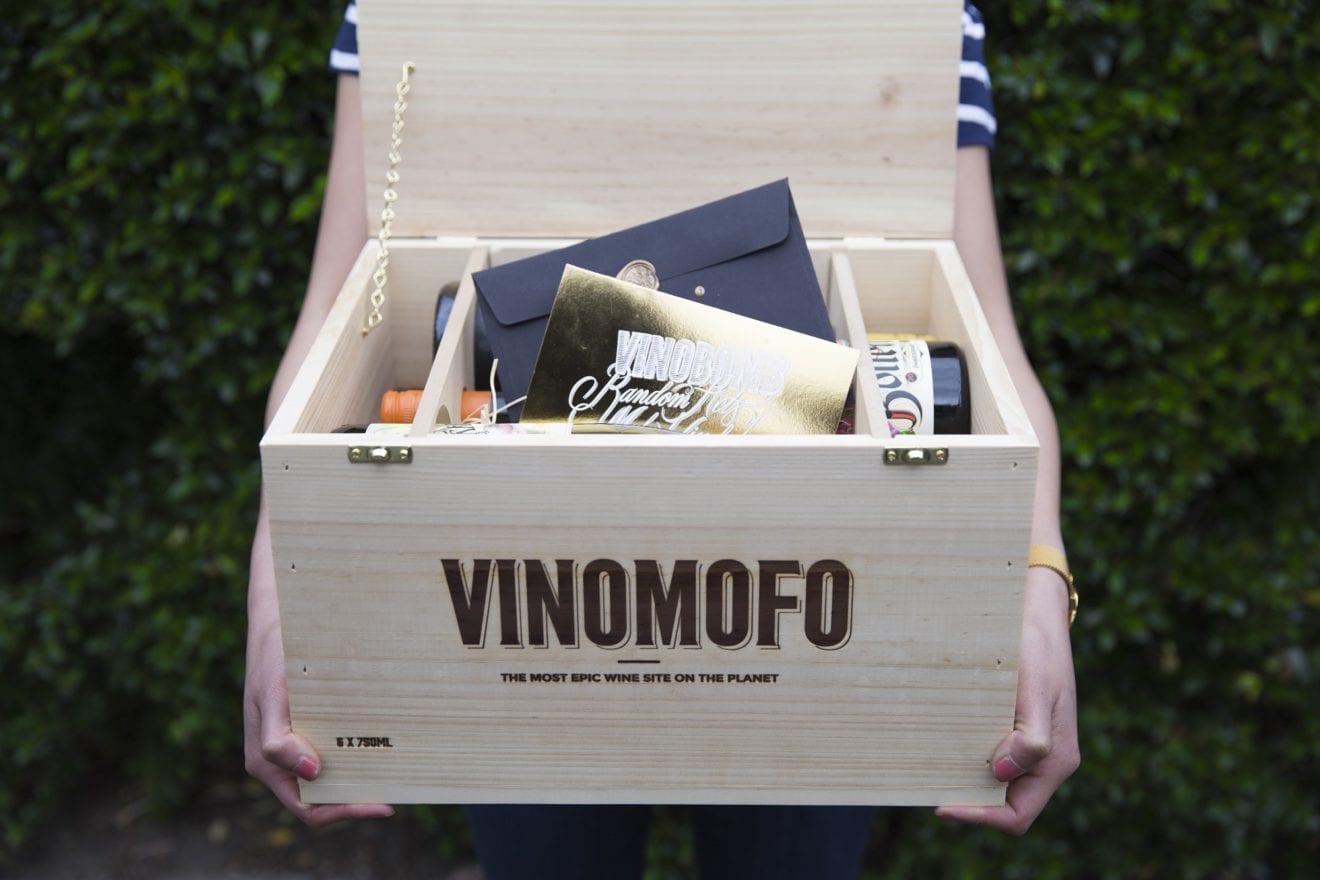
    Online wine business Vinomofo has appointed its first employee in Singapore, fortifying its growth strategy in the region.

    “We like to build out our community and business in person as much as possible, and Michael’s appointment will help us do that,” Dry said.

    The US is Vinomofo’s next area of expansion. According to Dry, the company is in “advanced discussions” to launch in the region, but he said there is always the possibility Vinomofo will launch in another market first.

    “There are lots of interesting opportunities popping up at the moment, so all I can say is stay tuned,” Dry said.

    Online wine business Vinomofo has appointed its first employee in Singapore, fortifying its growth strategy in the region.

    Michael Parmeter has been appointed general manager of Singapore, and will look after ground operations, strategic growth, merchandise and local area marketing.

    According to Parmeter, his main task is to streamline local operations in the region and be a point of contact on the ground, from talking with locals about what they are drinking, and helping ensure the right wines are sent to Singapore, through to overseeing and handling, storage and final stage of delivery.

    “A major opportunity for the Singaporean market is attributed to the thirst for knowledge in the region,” Parmeter said.

    “We have found our mofos in Singapore are keen to try new varietals and learn about wine in general, which perfectly suits our operation.”

    Vinomofo chief executive and co-founder Justin Dry  said that Singapore is a “great market” for the business, and that Parmeter’s appointment will assist with expanding operations in the region in the near term and getting into the corporate wine sales market, where he has experience.

    “We like to build out our community and business in person as much as possible, and Michael’s appointment will help us do that,” Dry said.

    The US is Vinomofo’s next area of expansion. According to Dry, the company is in “advanced discussions” to launch in the region, but he said there is always the possibility Vinomofo will launch in another market first.

    “There are lots of interesting opportunities popping up at the moment, so all I can say is stay tuned,” Dry said.

  • H&M LGBTQI range celebrates ‘love for all’

    H&M LGBTQI range celebrates ‘love for all’

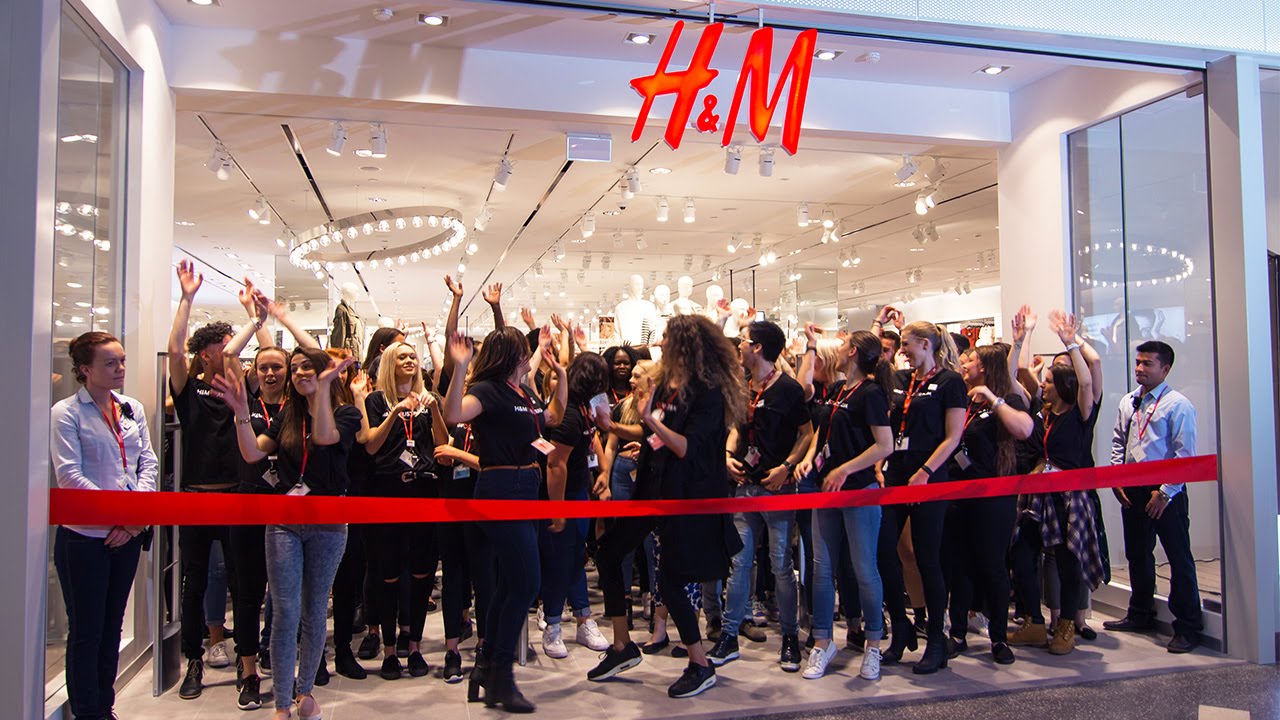
    Global fashion retailer H&M is supporting “love for all” with a new capsule collection celebrating equality.

    The H&M LGBTQI range will be available in selected stores worldwide and on hm.com from this month.

    Celebrating “everybody’s right to love whoever they want”, the fast-fashion brand’s show of support for LGBTQI equality is a capsule collection for women, men and non-binary individuals. The range features slogan t-shirts, sportswear-inspired garments and fun accessories.

    “We wanted to create a certain vibe with a colourful collection – vibrant, statement-making and joyful,” said H&M’s head of design Emily Bjorkeheim. “There´s actually a lot of mixing and matching that can be done, which reinforces H&M’s messages of inclusivity and equality. Anyone can find their favourite piece and simply wear it with self-confidence.”

    The H&M LGBTQI capsule collection includes tops and t-shirts with graphic prints championing diversity, equality and pride as well as rainbow colours. Silhouettes range from cropped and boxy to body-hugging and sporty – all with a retro nod while remaining modern in expression.

    “H&M strives to be a mirror of global society, one that fully embraces a central message of ‘Love for All’, standing up for people’s right to love whoever they want, wherever they are,” said H&M’s global marketing and communications director Sara Spannar. “We are proud to continue our support for LGBTQI equality by celebrating love and raising awareness about the fight for equal rights, diversity and inclusivity.”

    H&M is donating 10 per cent of capsule sales to the UN Free & Equal campaign for equal rights and fair treatment for lesbian, gay, bi, trans and intersex people around the world.

  • Jamie Oliver’s UK restaurant chain collapses

    Jamie Oliver’s UK restaurant chain collapses

    International outlets, such as those in Hong Kong, Singapore and Thailand, will continue to trade.

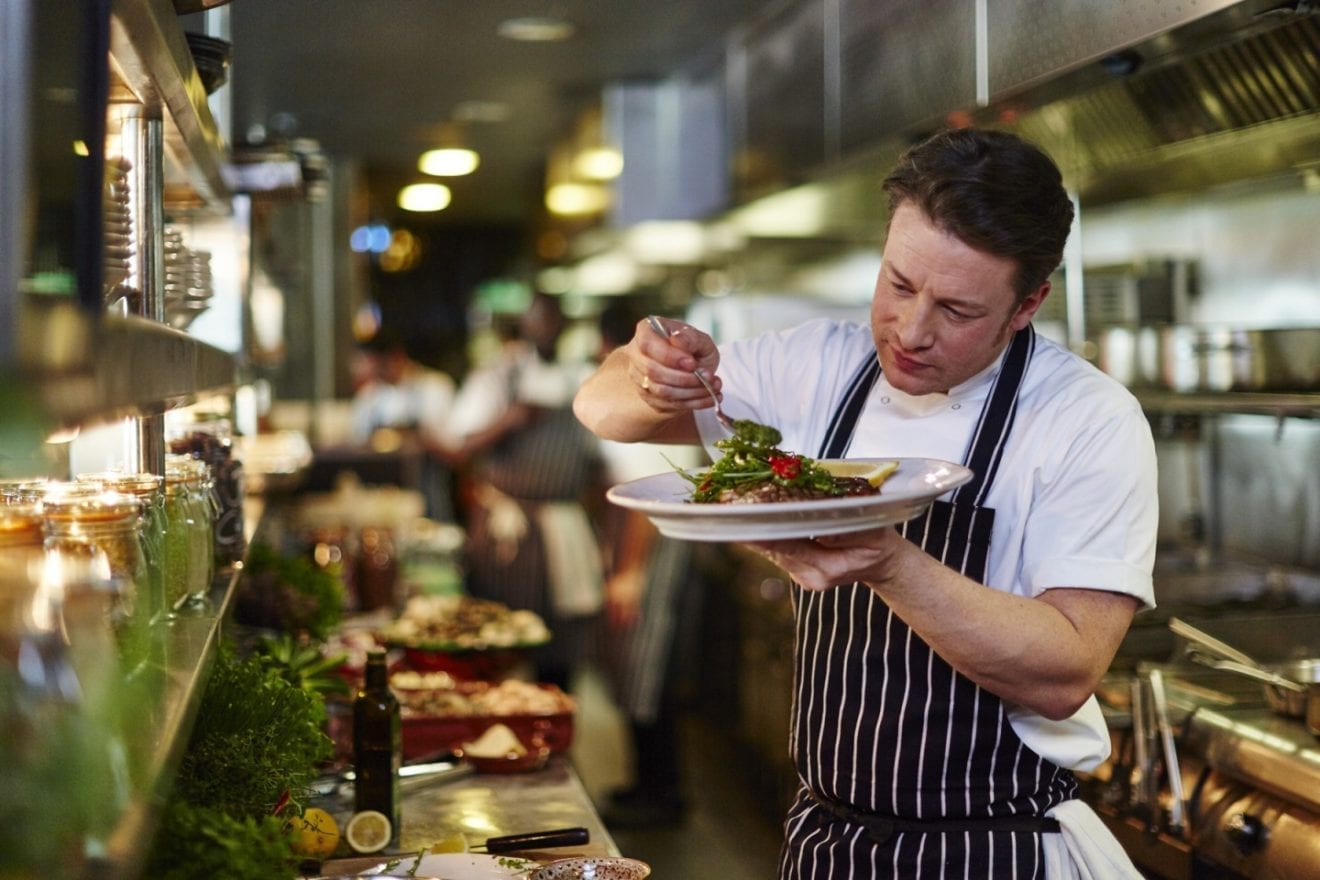
    Jamie Oliver’s UK restaurant chain has collapsed – but the international outlets remain trading for now.

    “I am deeply saddened by this outcome and would like to thank all of the staff and our suppliers who have put their hearts and souls into this business for over a decade,” said Oliver, who rose to fame as a television celebrity chef before founding a network of high-street restaurants in 2008.

    “I appreciate how difficult this is for everyone affected.”

    Jamie Oliver’s UK restaurant chain employed about 1300 people in 25 outlets bearing the brands Jamie’s Italian, Barbecoa steakhouse and Jamie Oliver’s Diner. They are now in administration.

    UK news media reported the process did not affect the business’ international operations which are largely run by local franchise partners. They include restaurants in Causeway Bay and Harbour City, in Hong Kong, at VivoCity and on Orchard Road in Singapore; and at Bangkok’s Siam Discovery.

    High-street restaurant chains have been hampered by a rough trading environment in recent years, in both the UK and the US. In the UK, rival operator Boparan Restaurant Group revealed plans in March to shutter more than a third of its outlets, trading under the Giraffe and Ed’s Easy Diner brands. Other operators, including Prezzo, Strada, Gourmet Burger Kitchen and Carluccio’s all closed stores last year.

    In the US, casual dining chains like Applebee’s, TGI Friday’s and Ruby Tuesday have scaled back their networks.

    The collapse of Jamie Oliver’s UK restaurant chain this week follows a rescue attempt last year in which the company entered a company voluntary arrangement with landlords to close some stores and reduce rents on others in a bid to continue trading.

    But the company has now succumbed to intense competition, rising costs and a tough consumer market.

  • Chinese consumers adore pre-owned shopping online

    Chinese consumers adore pre-owned shopping online

    More and more mainlanders are using apps and websites to shop for pre-owned products.

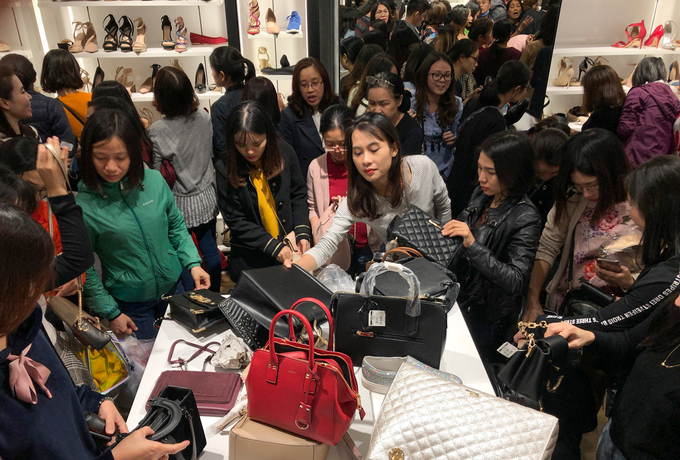
    The popularity of shopping for pre-owned products online is on the rise in China, a trend being driven by a new consumer focus on sustainability and the rise of “recommerce” super apps, which integrate all possible functions related to shopping for secondhand goods.

    China has a nascent but fast-growing secondhand market, according to the China Center for Internet Economy Research, a Beijing-based research think tank, which estimates the size of the market at RMB 500 billion (US$71.1 billion) in 2017. It predicts that number will double by 2020. And monthly active users on recommerce platforms in China grew 46.4 per cent last year, almost double the growth rate of the users in the overall e-commerce sector, according to US research firm Nielsen reported.

    Despite those big numbers, China’s recommerce boom is only beginning. Compared to mature recommerce markets in the west, where secondhand markets (including used cars) sometimes account for as much as 10 per cent of GDP, China’s second-hand market was about 0.6 per cent of GDP in 2017.

    Some factors unique to China are behind its potential to close the gap: Firstly, the purchase of pre-owned items was once a taboo – because it was seen as a sign of financial struggle and was, therefore, a source of social shame. Now, it is considered smart shopping. Secondly, improved standards of living are a recent phenomenon in China. They’re just decades old, following in line with the country’s “reform and opening” since 1979. But as the ability for Chinese consumers to accumulate more climbs with their spending power, the market for secondhand goods grows as well.

    Sustainability is the new black

    Cost-conscious shopping aside, Chinese consumers these days are increasingly focused on sustainability, and that is driving the secondhand goods market as well. A Mintel survey showed that more than half of urban Chinese consumers buy or rent second-hand products because it is good for the environment. Among a trendsetting subset of that group – well-educated, sophisticated shoppers –  the percentage climbs to 63 per cent and trumps affordability as the top reason to participate in recommerce.

    Chinese millennials, in particular, are emphasising rational consumption and sustainability in their shopping habits. According to survey data from Sootoo Institute, which researches the internet sector in China, 50 per cent of recommerce-platform users in China are under the age of 24, while 34 per cent are between 25 and 30. More than 60 per cent of the total 200 million users on Alibaba Group’s recommerce platform, Idle Fish (or Xianyu in Mandarin), the largest such platform in China, were born after 1990.

    Perhaps it is not surprising, then, that recommerce platforms such as Idle Fish have built-in features to encourage and reward sustainability. Idle Fish has partnered with Alibaba affiliate company Ant Financial to offer users access to its sustainability mini-program, “Ant Forest,” which is featured on Ant Financial’s mobile-payments platform Alipay. Users can redeem points awarded by Ant Forest for recycling to have trees planted by Ant Financial in China. The total recycling activity on Idle Fish last year translated into the planting of about 230,000 trees.

    Super apps and ‘Fish Ponds’

    Recommerce in China is unique also for the way in which Chinese consumers shop for pre-owned items. Super apps, such as Taobao and Tmall, are the preferred online destinations for commerce because they offer channels for all kinds of shopping. The same goes for Idle Fish, which allows users to buy, rent, give away or even donate their unwanted things in every conceivable product category. For consumers in the US to do the same, they would need to separately use the Rent the Runway, eBay, ThredUp, Goodwill and Facebook (marketplace) apps.

    Then there’s the community and entertainment aspects of the recommerce shopping experience in China. While secondhand shopping in the west is typically a transaction-driven experience, in China, it is a social one. For example, Idle Fish’s “Fish Ponds” are micro-communities within the app that group users by common hobbies, such as fishing, photography or fitness. Within each “pond,” users exchange information about their hobby and post used items for sale. Besides the pond, there is even a separate channel for celebrities, where they sell their personal items to followers. This is particularly popular for luxury shoppers, who trust the authenticity of items owned by celebrities and aspire to follow their fashion tastes.

    The play for brands

    Brands should not overlook the opportunity to capture loyal customers in this new generation of environmentally conscious consumers in China. Some, such as Swedish fast-fashion brand H&M, are already doing just that. H&M has partnered with Idle Fish to give shoppers credit to spend on its Tmall flagship store for each bag of used clothing or textiles they give back to the brand for recycling or repurposing.

    In the future, the “recycling-and-reward” steps will also be additional consumer-engagement points that brands can leverage to increase boost loyalty. Also, we will likely see more brands open official stores on recommerce platforms, making recycling part of the usual shopping journey. The chance to shop vintage styles could increase brand loyalty. For example, brands could offer pre-owned jeans on recommerce platforms while accepting trade-ins from customers, offering another way to maintain connection beyond the initial sale of new items.

  • Aston Martin Celebrates 50 Years Of James Bond Movie

    Aston Martin Celebrates 50 Years Of James Bond Movie

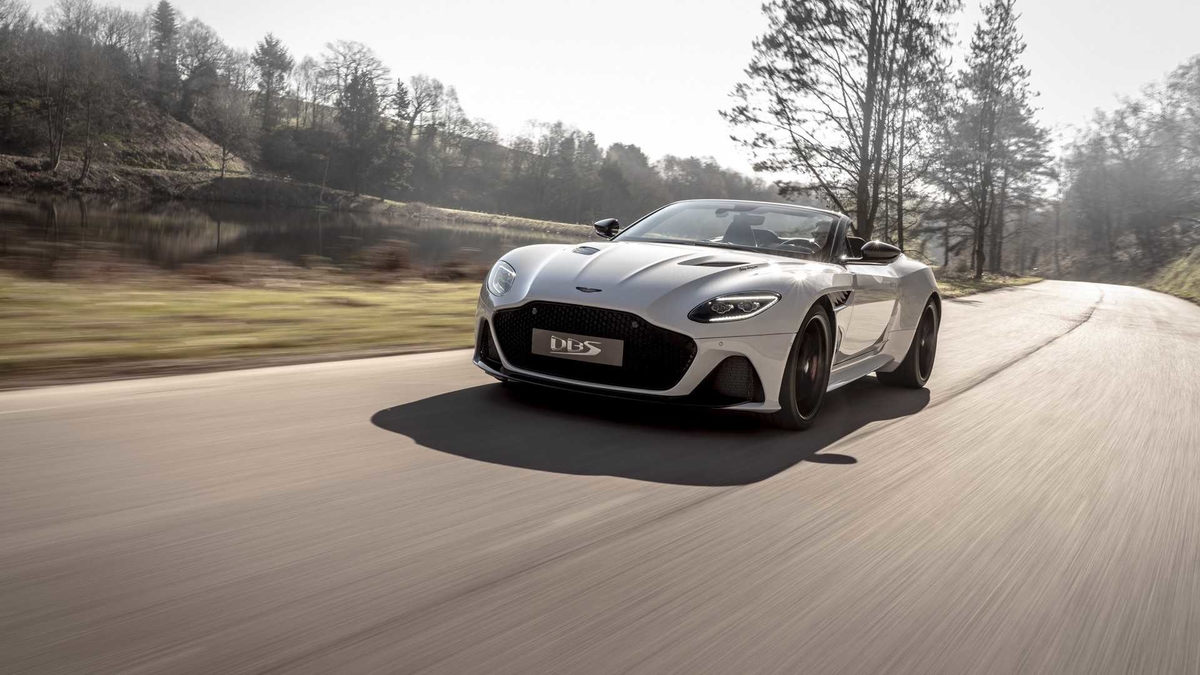
    The Aston Martin DBS Superleggera is set to become the newest James Bond-inspired car, thanks to the most recent collaboration between Aston Martin and EON Productions. To celebrate the 50th anniversary of the James Bond film, On Her Majesty’s Secret Service, 50 ‘On Her Majesty’s Secret Service’ DBS Superleggera special edition cars will be sold. Painted Olive Green to match the original 1969 Aston Martin DBS driven by James Bond in the movie, the new models will take bring in a brutish elegance to the DBS Superleggera. It is 50 years since filming began for the sixth James Bond film, which told the story of Bond villain ‘Blofeld’ and his ongoing attempts to hold the world to ransom. The 1969 Aston Martin DBS was James Bond’s perfect partner to save the world.

    Andy Palmer, Aston Martin Lagonda President and Group Chief Executive Officer, said, “Aston Martin is synonymous with James Bond and the DBS from On Her Majesty’s Secret Service has provided great inspiration to the team tasked with creating this very special edition. This new DBS Superleggera will be an extremely distinguished ‘brute in a suit’, designed to capture the essence of the iconic DBS from the 1969 film but with a 5.2 litre twin-turbo V12, 715bhp engine!”

    The 5.2-liter twin-turbo V12 on the DBS Superleggera engine is set low and as far back in the chassis as possible to optimize the center-of-gravity and weight distribution, this high-performance engine develops 725PS at 6500rpm and 900Nm from 1800-5000rpm. Detailed tuning of the V12 together with an exhausting strategy with active valves and quad tailpipes ensures that the DBS Superleggera is audible wherever it goes.

    The special edition DBS Superleggera boasts carbon fiber, splitter, aero blade and unique diamond turned and forged wheels. A bespoke metal grille featuring six bright horizontal vanes, adorns the front of the limited-edition car to replicate the distinctive feature of the DBS featured in On Her Majesty’s Secret Service. The exterior paint surface is enhanced with body colored contrails and roof. Bearing commemorative side strakes and unique touches throughout, the car is every inch ‘007’.

    On the inside, the DBS Superleggera is trimmed in pure black leather, accented by grey blend Alcantara, as in the original 1969 DBS. The cockpit is accented in red, inspired by the red-trimmed glovebox in the original car, which held 007’s telescopic-sight rifle.

    The 50 owners of this James Bond Special Edition will have the option to select a bespoke designed drinks case which fits into the boot space. The black drinks case opens via the bright metal clasp to reveal the matching red felt-lined interior, with space for two bottles of champagne and four champagne flutes.

    Each of the 50 On Her Majesty’s Secret Service DBS Superleggera special editions will retail at 300,007 Euros, with first deliveries to customers commencing in Q4 2019

  • Google Calendar update adds Dark Mode for Android users

    Google Calendar update adds Dark Mode for Android users

    Google has just announced that the long-awaited dark mode is now rolling out on Android for two of its apps: Calendar and Keep. Ahead of Android Q’s release, Google has decided to bring dark mode to many apps. We learned last week that Google Keep will be getting the feature, but Calendar is a bit of a surprise.

    The announcement contains a couple of screenshots showing both Calendar and Keep apps with dark mode enabled. If you want to start using it on Google Calendar, you should head to Settings / General / Theme, and select Dark mode. It’s much easier to enable it in Google Keep; simply go to Settings and choose Enable Dark Mode.

    Now, it’s worth mentioning that dark mode for Calendar is only supported on device running Android Nougat and higher. Also, if you have Android Q preview installed on your phone, you’ll be able to set the entire OS in dark mode by default. The same goes for Google Keep with one exception, dark mode will work on all devices powered by Android Lollipop and later.

    According to Google, the update that brings dark mode to Calendar and Keep apps will be rolled out to compatible Android devices over the course of 15 days. The rollout has already begun on May 16 for Google Calendar, while Google Keep will get it starting today, May 20.

  • Tapestry plans Network Expansion in Asia

    Tapestry plans Network Expansion in Asia

    Tapestry, the parent of Coach, Kate Spade and Stuart Weitzman, plans to open about 100 stores in Asia this year, most of them in China.

    The company is focusing its growth on regions where it believes it is underrepresented, namely Greater China, Southeast Asia and Europe.

    According to the company’s latest results filing, it plans to open between 60 and 70 new Kate Spade stores this year and another 30 for Stuart Weitzman.

    “China has emerged as the second-largest luxury market in the world according to Euromonitor, and we expect the country to continue to drive growth for Coach, and Tapestry, over the foreseeable future,” the company said.

    Coach’s comparable-store sales rose by 1 per cent during the third quarter, or by 2 per cent on a constant-currency basis, driven by strong international growth and increased online sales.

    Strong consumer demand has fuelled sustained growth for the business in China during recent years and that trend continued in the third quarter when sales growth there outperformed that of other geographical markets.

    Third-quarter revenue reached US$1.3 billion.

  • Harley-Davidson To Enter 250-500 cc Motorcycle Segment In 2020

    Harley-Davidson To Enter 250-500 cc Motorcycle Segment In 2020

    American motorcycle maker, Harley-Davidson has an expansive plan to enter newer segments in the years to come, one of which will be the entry-level 250-500 cc space that will arrive as early as next year. While the manufacturer has already shared plans of an adventure motorcycle, electric bike and other offerings, the latest development confirms that the company is also eyeing the entry-level premium motorcycle segment, which will give it a boost in emerging markets across the globe. The announcement comes Harley’s President & CEO – Matt Levatich, who confirmed the development as part of the “More Roads to Harley-Davidson” growth plan. The new small capacity motorcycles will cater to several high emerging growth markets including India.

    Speaking at the recently held earnings call, Matt Levatich said, “More Roads progress in Q1 included steps towards a partnership for a premium small displacement offering in Asia, to expand our reach in that region. We are just over a year away from launching our first model that will help provide access to millions of customers in emerging markets in the region.”

    It was a bold move when Harley-Davidson introduced the Street 750 and Street 500 globally as its most affordable offerings in 2013. The entry-level cruisers gave the manufacturer better presence in several emerging markets where the aspirational brand was now reachable. With the 250-500 cc segment, Harley will be taking on a number of players most important of which is Royal Enfield that currently rules this space in India.

    Globally too, the Chennai-based bike maker has been expanding its presence and has been vocal of its plans to lead the middleweight motorcycle segment. The new Interceptor 650 and the Continental GT 650 come close to the Harley Street range in pricing and displacement. In addition, there are also the offerings that will be spawned under the Triumph-Bajaj partnership which reportedly includes a small capacity Street Twin. BMW, KTM, Yamaha, and Honda are already present in this space.

    Smaller capacity offerings then certainly will be an exciting space in the years to come and offer a big room for Harley-Davidson to grow. The company’s smallest motorcycle globally is the Street 500, and the new 250-300 cc motorcycle could be a smaller Street badged bike. Expect to see Harley’s trademark V-Twin layout for the motor that will be Euro 5/BS6 compliant, with the motor high on torque. Expect it to look like the quintessential Harley in design, which is a big part of the sell for the buyer.

    Speaking of which, the smaller-capacity Harleys will be targeted at young buyers looking to establish a connection with the iconic brand, without spending too much money. It will also help the brand build volumes globally, which means standardized production for better economies of scale. More details on the new Harley will be available in the coming months and we do hope to hear something official at the Intermot or EICMA motorcycle shows later in the year.

  • Qualcomm and Intel comply with the White House ban

    Qualcomm and Intel comply with the White House ban

    As if the maker of the world’s most popular mobile operating system cutting you off wasn’t unpleasant enough for Huawei, US chip makers will also be forced to do so, or risk the wrath of the current White House administration.

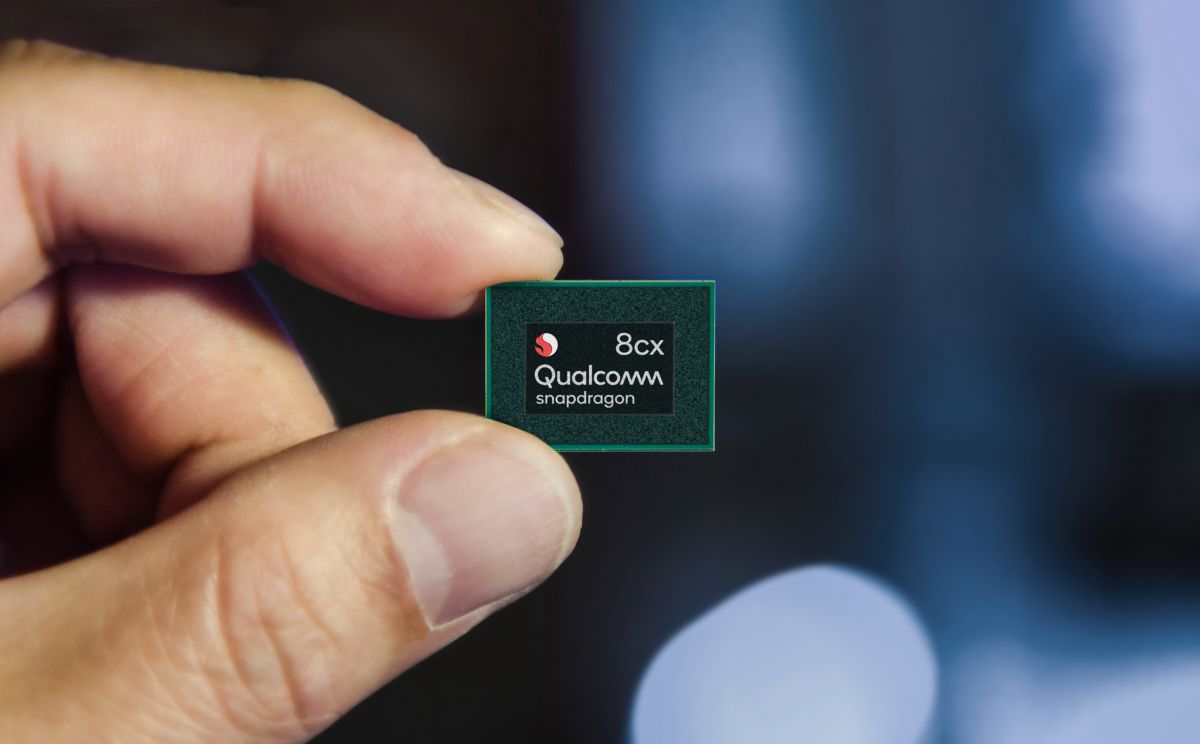
    Qualcomm, the maker of all things Snapdragon and 4G/5G modems, as well as Broadcom, a supplier of Wi-fi and other connectivity chips, will also have to deal with the administration’s thinly veiled restrictions for doing business with precisely Huawei.

    Intel is in the mix, too, just when Huawei laptops started getting glowing tech reviews for their design, battery longevity, and value-for-money configurations. Infineon, the German modem maker that Intel bought in 2011, has also received marching orders to cut supply to Huawei effective immediately.

    Needless to say, Huawei makes its own mobile processors and has a 5G connectivity modem already in retail devices, so it wouldn’t be as worried about US chip makers shunning its business. Moreover, it has apparently anticipated the chip ban and stockpiled a three-month supply, but Google’s move is potentially much more devastating as it will be hard to find a replacement.

    Not of the Android system per se, as Huawei has been working on an alternative for a while now, but for the apps it launches. On the plus side, excellent phones like the P30 Pro may become much cheaper now. Morbid humor, but Google isn’t cutting Huawei off completely until Android Q rolls in. That is a few short months from now, though, so it will be interesting to follow China’s reaction to this hostile US attitude and Huawei’s ban as collateral damage in the larger trade war between the two nations.

  • Tesla Reduces Prices On Model S and X Amid Stock Slump

    Tesla Reduces Prices On Model S and X Amid Stock Slump

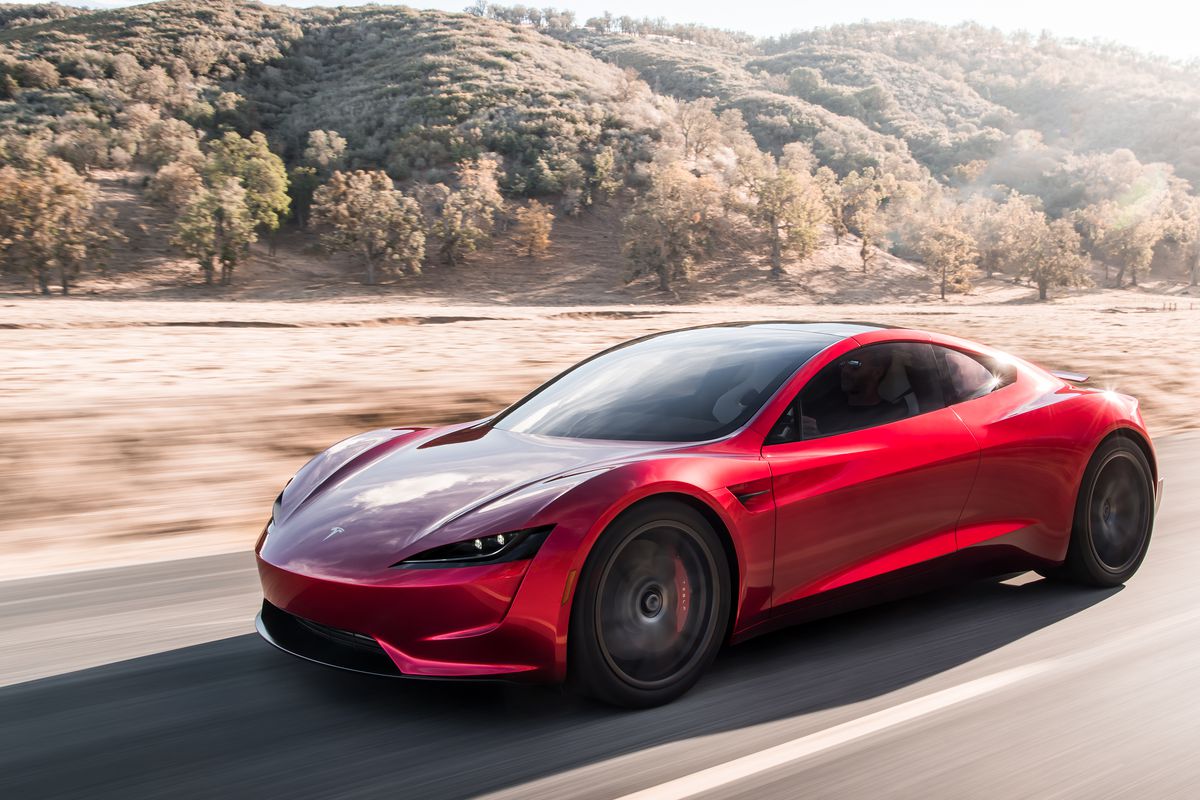
    Faced with a slumping stock price and questions about demand for its vehicles, Tesla has lowered the U.S. base prices of its two most expensive models. The company on Monday cut $3,000 from the price of the Model S sedan and $2,000 from the Model X SUV. Tesla said in a statement that it periodically adjusts prices and available options like other car companies. The decreases offset price increases from a month ago when Tesla offered longer battery range and added a new drive system and suspension. The statement didn’t say if slowing sales influenced the decision.

    The Model S now starts at $71,250 while the X starts at $71,950. Both prices don’t include federal and state tax credits.

    The moves come as Tesla’s stock is under pressure and has at times dropped below $200 per share. Several analysts have questioned whether the company can sell enough cars to cover its expenses without dipping into cash reserves.

    Shares traded Tuesday afternoon at $205.62, up slightly from Monday’s closing price. They are down more than 38 percent so far this year, cutting the company’s market value more than $20 billion to $36.5 billion. On Monday the shares hit their lowest point since late 2016.

    Tesla said in a statement that the reductions are about 2% to 3% on the S and X. The company last week raised the price of its top-selling Model 3 by $400, pushing the base price to $35,400. “By any reasonable standard, these small changes are not newsworthy,” the company said in a statement.

    On Monday Wedbush analyst Daniel Ives wrote in a client note that he has concerns about Tesla’s growth prospects and underlying demand for the Model 3 during the coming quarters.

    Ives called Tesla a “code red” situation. “We have continued concerns around Tesla’s ability to balance this ‘perfect storm’ of softer demand and profitability concerns, which will weigh on shares until Musk & Co. prove otherwise in terms of delivering solid results over the coming quarters,” Ives wrote, referring to CEO Elon Musk.

    Palo Alto, California-based Tesla said last month it lost $702.1 million in the first quarter, among its worst quarters in two years. Sales tumbled 31% in the period. Musk predicted another loss in the second quarter but said Tesla would be profitable again by the third quarter.

    In January, the automaker cut its prices by $2,000 per vehicle, acknowledging that the pending expiration of a $7,500 federal tax credit for its electric cars will hurt sales. The credit is gradually being phased out for Tesla by the end of the year.

  • Sony launches cheaper noise-canceling wireless headphones

    Sony launches cheaper noise-canceling wireless headphones

    If you’re in the market for a pair of premium noise-canceling headphones, there aren’t a lot of options in the $300-$350 price range. Two companies have distinguished themselves for bringing top-notch products to audiophiles: Bose and Sony.

    Still, if you can’t afford to pay for a pair of Sony WH-1000XM3 or Bose QuietComfort 35 Series II, a new pair of noise-canceling headphones will be available for purchase for a much lower price.

    Sony’s WH-XB900N offer a more accessible alternative for those who need noise-canceling technology. They cost just $250 and offer similar features as the company’s premium 1000XM3 headphones, plus extra bass (hence the XB model name).

    Design-wise, they feature a foldable design and touch panel controls on the headphone housing. Of course, Sony’s WH-XB900N Extra Bass wireless headphones include a built-in microphone for use with Google Assistant. They also pack NFC (Near Field Communication) and Bluetooth connectivity.

    As far as battery life goes, Sony claims its new headphones should offer up to 30 hours of playback time on a single charge. Also, a charge of around 4 hours will keep the headphones powered all day, which is quite impressive.

  • Land Rover Discovery 2020 Sport Details Out

    Land Rover Discovery 2020 Sport Details Out

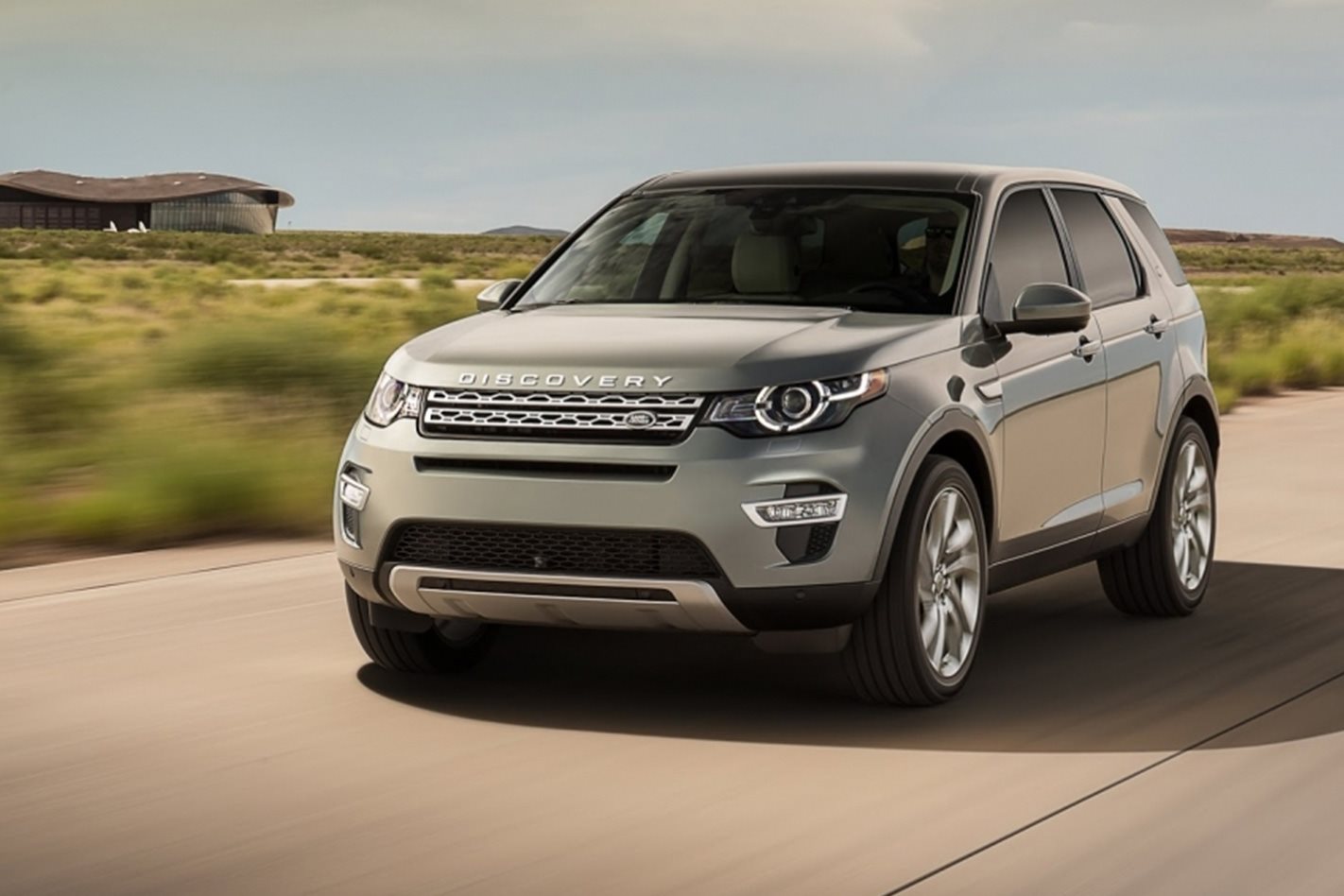
    Jaguar Land Rover has introduced the 2020 Discovery Sport compact premium SUV and it will be launched in the international markets later this year. According to the company, the new 2020 Discovery Sport strikes a balance between a bold evolution of the original design and the familiarity that comes with no-compromise capability. The trademark design, including the clamshell hood, rising beltline and tapered roof are still very much part of the SUV, but there is an evolution to the design and it certainly looks bolder than before. It gets new front and rear bumpers, grille design and LED lights, which makes it look both sporty and sophisticated.

    Built on the new Land Rover Premium Transverse Architecture (PTA), the 2020 Discovery Sport provides greater versatility and refinement with a new body that is 13 percent stiffer than its predecessor and, together with rigidly-mounted subframes, and the company says that it is now quieter thanks to reduced noise and vibration intrusion into the cabin.

    Inside, the spacious 5+2 interior has been transformed with a completely new infotainment interface and the latest connectivity, plus a more flexible seating arrangement with up to 24 combinations. A new powertrain lineup for 2020 now includes the electrified option of a 48-volt 296 horses developing mild-hybrid (MHEV) engine. The hybrid system uses an engine-mounted belt-integrated starter generator to harvest energy normally lost during deceleration and stores it in an under-floor battery. At speeds below 18 kmph, the engine is designed to shut off when the driver applies the brakes. When pulling away, the stored energy is redeployed to assist the engine under acceleration.

    Gerry McGovern, Land Rover Chief Design Officer said, “Building on the success of the original Discovery Sport, this beautifully proportioned vehicle has been refined, enhancing its characterful exterior which compliments the engaging nature of the interior space,”

    Customers can choose from 12 premium exterior paint colors and the option of a black contrast roof. All S, SE and HSE models feature silver atlas detailing on the grille, tailgate finisher, and badging scripts, while purposeful R-Dynamic vehicles feature Shadow Atlas exterior accents, contrast stitching on the steering wheel and branded treadplates inside.

    The 2020 Discovery Sport comes with the TouchPro  infotainment system as standard, while there’s wireless charging available up front

    The new center console and introduction of more premium materials throughout adds a bit of refinement. There’s a three-spoke multifunction steering wheel with capacitive switches, an easy-to-read instrument cluster and a 10-inch Touch Pro infotainment system, all of which are now standard.

    New seats across each of the three rows provide improved comfort and versatility, thanks to the second row 40:20:40 split fold and slide functionality, boosting the possible number of seat combinations to 246. Massage functionality is now also offered for the first time on Discovery Sport in the front row providing improved comfort.

    The 2020 Discovery Sport now gets new cup holders and repositioned storage spaces for third-row passengers, while USB and 12-volt charge points (in total, six and three, respectively) are located throughout the cabin. Front row occupants get to use wireless charging for compatible devices. There’s also a 4G Wi-Fi hotspot, an advanced and responsive Land Rover InControl Touch Pro infotainment, fitted standard, which is also available with Apple CarPlay and Android Auto.

    Alongside a new key fob design, owners can add a powered tailgate and the Land Rover Activity Key – all intended to streamline the customer experience. These are available with a series of accessory packs that offer added functionality to the vehicle practicality, connectivity, driver assistance and parking. All-new optional Pet Pack accessories are designed to improve the Discovery Sport experience for owners and pets, alike.

    A new smart rearview mirror, first debuted on the new Range Rover Evoque, called ‘ClearSight Rear View’ is also available on the Discovery Sport for the first time; transforming the rearview mirror into an HD video screen at the touch of a button to display a rear-facing camera feed onto the mirror ensuring the driver’s view remains unrestricted by passengers or large items in the back. The new system also provides a wider 50-degree field of vision using a camera positioned above the rear window and delivers clearer visibility in low light conditions. Another new technology called ‘ClearSight Ground View’ has also been introduced to help drivers navigate high city curbs or tackle rough terrain by projecting camera imagery that offers a virtual 180-degree view beneath the vehicle onto the central touchscreen. This is the realization of ‘Transparent Bonnet’ technology, first previewed by Land Rover in 2014.

    A suite of advanced driver assistance systems is offered across all models, including Adaptive Cruise Control with Steering Assist, which centers the vehicle in the lane based on road markings as well as maintains a following distance from the vehicle in front. Other available advanced driver assistance technologies include Lane Keep Assist, Autonomous Emergency Braking and Driver Condition Monitor.

    Of course, the company will launch the car in India but it won’t be this year. Land Rover will look at the second half of 2020 to bring this car into the Indian market.

  • Huawei finally has had enough of U.S. bullying

    Huawei finally has had enough of U.S. bullying

    The Trump administration gave Huawei a temporary license allowing it to source parts and components from U.S. firms for three months. Just last Thursday, the company and 68 of its affiliates were placed on the Commerce Department’s Bureau of Industry and Security (BIS) Entity list. Companies on the list are prevented from sourcing U.S. components and parts without a license issued by the U.S. government. The 90-day reprieve will allow the company to buy supplies from U.S. firms that are “necessary to maintain and support existing and currently fully operational networks and equipment, including software updates and patches.” Google today followed suit, promising to send Android updates to the manufacturer through August 19th.
    Huawei is not exactly jumping up and down over its short-term reprieve. The company said today that it was victimized by U.S. “bullying.” Being placed on the Entity List followed years of accusations from U.S. lawmakers concerned that Huawei was spying, or could be forced to spy on American consumers and corporations on behalf of the communist Chinese government. Amid fears that Huawei devices and networking equipment contain a backdoor that can send intelligence to Beijing, Huawei was declared a threat to U.S. national security as far back as 2012. Over the last year, as global mobile carriers started building out their 5G networks, the Trump administration has continually warned allies not to use the firm’s networking gear. This recommendation has been heeded by Australia, Japan, and New Zealand.
    Last week, Huawei chairman Liang Hua visited the U.K.; regulators in the country are deciding whether to allow the company’s 5G networking equipment to be used there. Liang told the media that Huawei would sign a “no-spy” contract with any country.
    The battle between the U.S. and Huawei escalated earlier this year when the U.S. Department of Justice slapped the company with a 13 count indictment. Huawei, two affiliates (Huawei Device USA and Skycom Tech) and CFO Meng Wanzhou were charged with committing various bank-related crimes. The U.S. said that the company tried to cover up business it did with Iran, violating international economic sanctions placed on the country. At the same time, the U.S. charged the manufacturer with stealing trade secrets from T-Mobile. Huawei was already found guilty in a civil court of stealing parts from the carrier’s Tappy robot used to test smartphones and was ordered to pay T-Mobile nearly $5 million dollars.
    Huawei shipped over 200 million handsets last year and was the second largest smartphone manufacturer in the world during the first quarter of this year. The company hoped to take over the top spot from Samsung next year, but obviously, that is now in question depending on what happens following the three-month reprieve. While Huawei is expected to roll out its own operating system this fall with native support for all Android apps, the company’s Google Play Store replacement won’t include popular American based apps such as YouTube, Twitter, Instagram, and WhatsApp. The question isn’t whether these replacements will go over in China, but whether they will satisfy users outside of Huawei’s home market where it sells 49% of its phones (according to Q1 stats).
    And while Huawei is confident in its ability to replace U.S. hardware, software, and components that it might no longer have access to in 90-days, it still has to replace $11 billion in parts purchased from U.S. companies last year such as Qualcomm, Intel and Micron Technologies. Yes, Huawei designs its own chips, but it uses software from U.S. companies to do this. Chip experts say that Huawei is still a few years away from being totally self-reliant in this area.