Author: Mei Ling Tan

  • Naiise Iconic store opens at Changi Airport

    Naiise Iconic store opens at Changi Airport

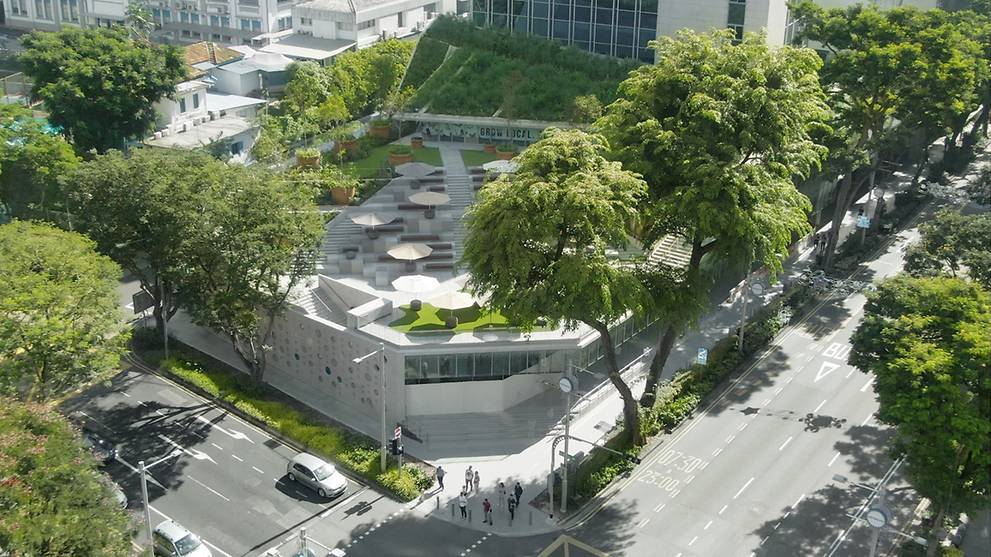
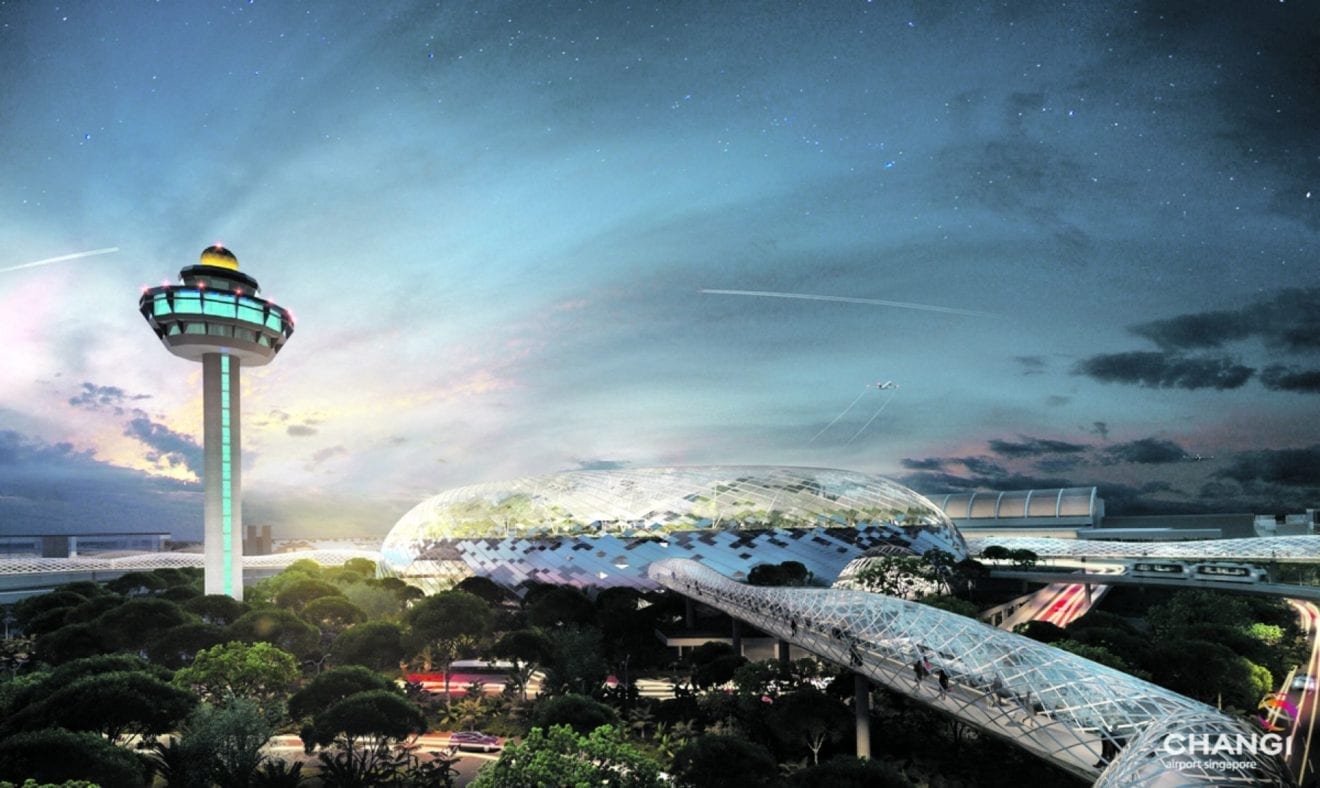
    A Naiise Iconic store has opened at Jewel Changi Airport. Spanning almost 9500sqft across a two-story space, Naiise Iconic store brings new creative brands and ‘experience stations’ to customers.

    The first one is a tea bar run by homegrown tea marketplace Teapasar, which hosts more than 30 tea brands and 100 types of tea. Customers can get their teas roasted on the spot for the freshest possible brew.

    The airport store – a new concept for the homewares-and-gifts retailer – also hosts Naiise’s first cafe, featuring foods and beverages from local brands. At an ‘open-source’ communal pantry, customers can enjoy Joe & Dough, Bettr Barista, superfood juice maker Doki Doki, or breakfasts from Udders.

    There is also a stationery corner, where customers can design their own notebooks, picking out a cover, selecting a combination of papers, then choosing binding rings and elastic bands.

    On the second floor, there is a section for local fashion and beauty brands, ranging ladies’ and kids’ fashion, accessories, fragrances and grooming. Beauty brand Alche{me} has a mini lab there to help customers find products that work for their unique skin types.

    To support local entrepreneurs, the store introduces Launchpad, an area where brands can display their products and ideas to test customer demand and perception.

  • App development industry facing massive disruption

    App development industry facing massive disruption

    OutSystems has published its sixth annual research report on the state of application development and the challenges faced by development and delivery teams.

    The State of Application Development, 2019: Is IT Ready for Disruption report unveils detailed survey results from over 3,300 IT professionals in all industries across the world, 17% of which are from Asia Pacific (APAC).

    “Our 2019 survey shows that many IT departments are facing a multitude of disruptive forces when it comes to digital transformation and application development,” said Steve Rotter, CMO for OutSystems.

    “The threat of digital disruption and the need for digital transformation has been a driver of IT strategy for years. Add to that the current uncertain global economic outlook, and it becomes obvious why business leaders are so concerned about agility today.”

    The new research report provides in-depth insights from IT managers, enterprise architects, and developers addressing a wide range of issues. Digital transformation dominates business strategy today, which is why web and mobile development demand is booming. Moreover, speed and agility are more important than ever before, Rotter explained.

    This OutSystems report explores the priorities and challenges of application development and delivery, and the strategies that IT teams are using to try to speed up delivery.

    Six key findings that impact every IT professional:

    • Demand for app dev soars: The number of applications slated for delivery in 2019 has increased 60%, according to respondents globally, 38% of whom plan to deliver 25 or more apps this year. In APAC, 69% of respondents planned to deliver 10 or more applications in 2019, with 52% of APAC respondents targeting to deliver 50 or more applications in the year ahead.
    • Steep development time: 46% of respondents in APAC said the average time to deliver a web or mobile application is five months or more.
    • Backlogs remain: 63% of IT professionals in APAC said they have an app dev backlog, with 16% of these respondents having a backlog of more than 10 applications.
    • Development talent hard to find and keep: Most respondents have hired developers, 75% of respondents globally described app dev talent as scarce, and only 36% of organizations in APAC have larger app dev teams than a year ago. The numbers appear to show retention of app dev talent is an equally grave concern.
    • Agile practices are still slow to mature: 69% of organizations in APAC have invested in agile tools and services in the past year. However, the average agile-maturity score was a lackluster 2.76 out of 5, meaning most organizations in the region are still in the process of defining agile processes.
    • Customer-centricity continues to rise: Over 69% of organizations in APAC have invested in customer-centric practices in the past year, including customer journey mapping, design thinking, and lean UX. For the new apps slated for development in 2019, those that will be used directly by customers or business partners were identified as most important.

    Low-code has become mainstream

    Another key research finding was that low-code is no longer just for innovators and early adopters.

    43% of APAC respondents said that their organization was already using a low-code platform, and a further 12% said that their organization was planning to start using one soon.

    The analysis in the report identified that organizations using low-code are:

    • 26% more likely to describe their organization as satisfied or somewhat satisfied with the speed of application development
    • 11% more likely to deliver web applications in four months or less
    • 15% more likely to deliver mobile applications in four months or less
    • 20% more likely to score their agile maturity as level 3, 4 or 5
    • 12% more likely to say that their app dev backlog has improved since last year
    • Reporting a 16% higher self-assessment score for digital transformation maturity

    “Our findings in the 2019 State of Application Development Report crystallize a trend we have been observing in recent years – the uptake of low-code development platforms supporting innovation, continuous delivery, and better talent resource management in enterprises,” said Mark Weaser, Regional Vice-President, APAC, OutSystems.

    “No longer reserved for innovators and early adopters, low-code development platforms have definitely crossed the chasm and are well on the way to widespread adoption in Asia Pacific by the early majority.”

  • Thaicom to offer 5G satellite backhaul

    Thaicom to offer 5G satellite backhaul

    Thai satellite operator Thaicom aims to carve out a new revenue stream by offering satellite backhaul capacity to the nation’s operators for their upcoming 5G networks.

    Thaicom chief commercial officer Patompob Suwansiri said that satellite will be critical to the future of 5G networks.

    According to the executive, Thaicom is currently working with operator AIS, an affiliate of its parent company InTouch Holdings, to prepare for the transition. The company already provides transponder capacity for backhaul for AIS, as well as TrueMove and operators in several other Asian nations.

    The company is looking to replace the revenue that will be lost as a result of the exit of seven Thai digital TV channels in August.

    Thaicom’s concession to operate three of its five satellites will also expire in 2021, but the company is planning to bid to obtain the operating rights to the satellite under a public-private partnership model for after the rights expire.

    While satellite will not be able to deliver the low latencies expected for 5G networks, Patompob said around 80% of data traffic usage in the 5G era will be from applications that do not require low latency and will, therefore, be suited to satellite backhaul.

  • Tata Intra Compact Truck Launched

    Tata Intra Compact Truck Launched

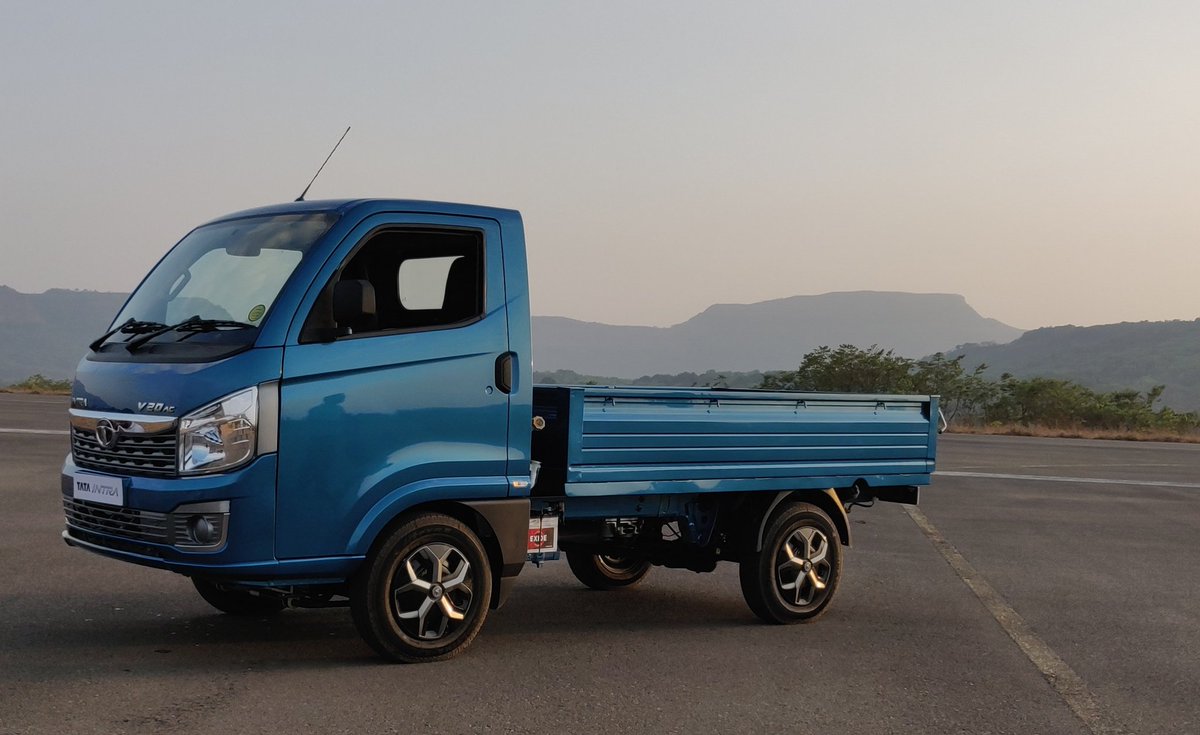
    Tata Intra, the all-new small commercial vehicle (SCV) from Tata Motors today officially went on sale in India. The new compact trucks will be available in two variants – V10 and V20, priced at ₹ 5.35 lakh and  ₹ 5.85 lakh (ex-showroom India) respectively. The new Tata Intra compact truck is a premium offering and will be positioned in India above the company’s existing range of Ace mini trucks, which will also continue to be on sale. Compared to the Tata Ace, the new Intra SCV comes with a host of first-in-segment features to justify the premium price tag.

    Tata says that the new Intra is targeted towards customers who are looking for a commercial vehicle that can be both, a workhorse as well as a stylish and comfortable personal vehicle. Someone who is looking to upgrade from the Tata Ace. Thus, you’ll see that the new Tata Intra comes with a bunch of passenger car-like elements both outside as well as inside. The exterior bit includes – a large front grille with a chrome slat flanked by a set of nice-looking clear glass headlamps with halogen lights and integrated turn indicators. The Intra also gets a bold and busy-looking bumper with a wide central air dam and provision to install fog lamps. The new compact truck runs on a set of 14-inch steel wheels with the option of smart-looking dual tone wheel covers, which are truly good-looking and well-designed. The vehicle also gets large manually operable ORVMs and dual wipers, which in addition to these subtle character lines, add to the style quotient of the Intra.

    The Tata Intra also comes with a well-laid-out cabin, featuring a neat dashboard that comes with contrast bezels around the center console and air-con vents. Furthermore, because the gear lever is positioned on the dashboard, resulting in a flat walk-through-floor. Other features include a charging socket, lockable glovebox, a standard music system with Radio, AUX-IN and USB connectivity, and a fully digital instrument cluster, offering read-outs for speedometer, odometer, time, fuel gauge, and a segment-first gear shift indicator, or as Tata calls it Gear Shift Advisor (GSA).

    In terms of dimensions, the new Tata Intra is at par with the larger Tata Ace on offer, the Ace Mega XL, with a total length of 4316 mm, a width of 1639 mm and a height of 1918 mm. Having said that, the Intra does come with one of the largest loading bay areas in the segment, with a 2512 mm long load deck that is 1602 mm wide and comes with a standard depth of 463 mm. In fact, the Intra also comes with a segment-best payload capacity of 1100 kg, 100 kg more than what the Ace Mega XL offers. In fact, the vehicle also offers best-in-class gradeability of 45 percent for easily negotiating steep hilly roads & flyovers, compared to the Ace’s 30 percent gradeability. Furthermore, the Intra also gets semi-elliptical leaf spring suspension setup with 6 leaves at front and 7 leaves at the rear, offering heavy duty performance.

    The new Tata Intra V20 is powered by a brand new 1.4-litre Direct Injection (DI) diesel engine. The new 1396 cc engine is tuned to churn out 69 bhp at 4000 rpm and develop a peak torque of 140 Nm at 1800-3000 rpm. The engine comes mated to a 5-speed manual gearbox with cable shift mechanism. The Tata Intra V10 is powered by an 800 cc, two-cylinder motor which develops 39 bhp at 3750 rpm and 90 Nm at 1750 – 2500 rpm and is mated to a four-speed gearbox. In terms of rivals, the new Tata Intra has been designed to compete with both, the LCVs like the Piaggio Porter 1000 and Mahindra Supro, and the pickup trucks like the Mahindra Bolero Pickup.

  • Spotify unveils its first-ever hardware device

    Spotify unveils its first-ever hardware device

    Spotify has been the unrivaled champion of the thriving music streaming industry for a number of years now, but relying entirely on a service under siege by tech giants including Apple and Amazon seems like decidedly risky business. As such, it’s certainly not shocking to see the 2006-founded Swedish company dip its toes into the consumer hardware world with an aptly titled Car Thing device.

    This “thing” does pretty much what you expect, reportedly plugging into your car’s 12-volt power outlet/cigarette lighter to allow Spotify users to control their smartphone playlists and podcasts on the road in complete safety with voice commands only. The Car Thing is essentially a less versatile Anker Roav Bolt powered by an unnamed Google Assistant rival… that’s unlikely to ever see daylight on anything resembling a wide scale.

    That’s right, you can’t actually purchase Spotify’s first-ever piece of hardware, which will instead be offered for free to a “small group” of invited Premium subscribers to help the company “learn more about how people listen to music and podcasts.” While this is all explicitly and repeatedly billed as a test, set to be conducted in the US only in the near future, Spotify is leaving the door open to an eventual expansion of the limited experiment.

    For the time being, the focus is squarely on “becoming the world’s number one audio platform” rather than creating consumer-oriented hardware, but the way future experiences will be developed depends on the “learnings” from this test. In other words, if invited users declare themselves pleased with the Spotify Car Thing, you shouldn’t rule out it becoming a commercial… thing someday.

    Obviously, we don’t have a full spec sheet or list of features for the Car Thing, but we do know it comes with a circular screen, a number of physical buttons, and a “Hey, Spotify” wake word. Intriguingly, Spotify is also teasing upcoming “Voice Thing” and “Home Thing” tests purportedly designed to assess the living room listening habits of the platform’s Premium users.

  • Crumpler expands Stores Network in Hong Kong and the Philippines

    Crumpler expands Stores Network in Hong Kong and the Philippines

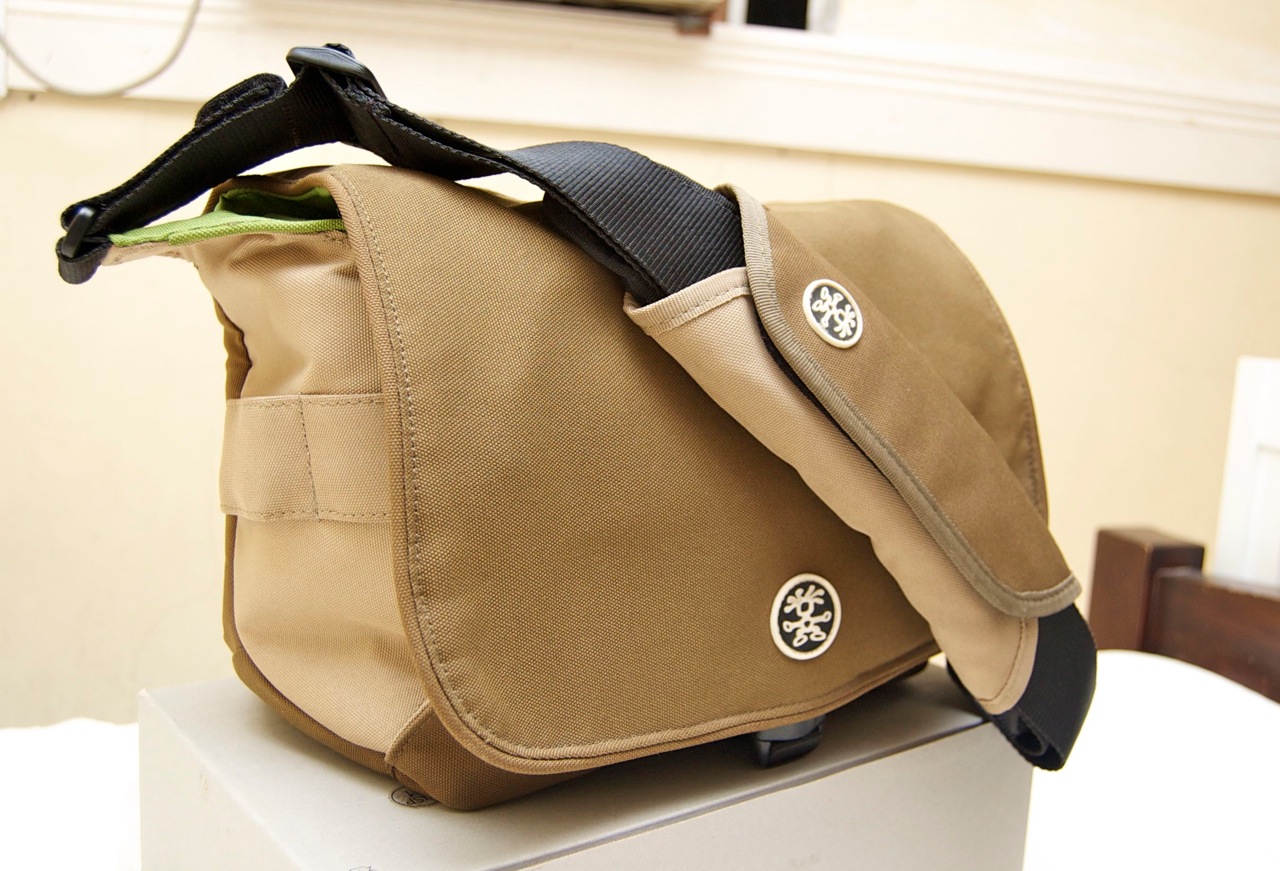
    Crumpler expands its distribution network in Hong Kong and the Philippines; plans pop-ups. Australian bag manufacturer Crumpler has taken on two new distribution partners in Asia.

    With the introduction of new partners Bauhaus Holdings in Hong Kong and Shoemakers Shop in the Philippines, the brand is now supported by seven distributors across seven countries in the region, has a presence in 10 retailers, and will unveil three new pop-up stores and one concession store in the coming months.

    Crumpler is now stocked at four Bauhaus outlets in Hong Kong, and two stores in Macau. It has also opened its first fully ranged standalone store in Hanguang department store, Beijing, in partnership with Sea To Summit China.

    In the Philippines, Shoemaker’s Shop will relaunch Crumpler this summer with three pop-up stores opening in Alabang Town Center, Trinoma and the Duty Free Philippines Fiesta Mall. This is only the beginning for Crumpler in the Philippines, with local e-commerce in the works.

    Crumpler is meanwhile continuously building its physical store and online presence in Australia, the US and Asia with more than 27 storefronts and distribution across 37 key department store and online retailers worldwide.

  • Chemists are top choice for Aussie makeup purchases

    Chemists are top choice for Aussie makeup purchases

    Chemists have come out on top in the latest Australian beauty sales data, with 70 per cent of shoppers choosing to purchase makeup at this retailer.

    A report from Field Agent on Women and Makeup found that Priceline was the retailer of choice, with 32 per cent of women choosing it as their number one makeup retailer. Range, price and convenience were the top three reasons customers choose Priceline.

    Chemist Warehouse came in at number two in the top five makeup retailers, followed by Mecca, Myer and Sephora.

    Supermarkets are the fourth most popular retailer when it comes to makeup, with 26 per cent of women choosing to shop there, behind department stores at 29 per cent and specialty beauty stores at 27 percent.

    The figure for online makeup shopping is surprisingly low, with just 10 per cent of shoppers choosing this platform only. Shoppers revealed that having no color test (76 per cent) and being unable to feel the product (55 percent) were the main reasons they don’t buy more makeup online. Physical stores currently have the advantage here, as 61 per cent of shoppers said it is very important to be able test the product before buying. Shoppers also cited shipping costs and delivery times among the reasons they don’t shop makeup online more often.

    Just 5 per cent of those surveyed use online makeup subscriptions, with 8 per cent saying they have before but don’t use the service ongoing.

    The average monthly makeup spend for shoppers is $43. Mac shoppers have the highest average spend, coming in at $48 a month, followed by L’Oreal at $44 and Estee Lauder at $42. More affordable makeup lines Maybelline ($35), Revlon ($26) and Rimmel ($25)come in at below average monthly spends.

    Mac came out on top as the favoured makeup brand, followed by Maybelline, Revlon, L’Oreal and Rimmel.

  • Global footwear brands lobby Trump

    Global footwear brands lobby Trump

    A group of 173 footwear companies, including Adidas, Converse, Foot Locker, Hush Puppies, Nike, Puma, Reebok, Ugg and Under Armour, have requested US President Donald Trump immediately remove footwear from the list of imported products to be tariffed from China.

    According to a joint statement released by the businesses, Trump’s additional 25 per cent tariff on footwear would be “catastrophic” for consumers, companies in the industry and the American economy as a whole.

    “Any increase in the cost of importing shoes has a direct impact on the American footwear consumer,” the statement reads.

    “It is an unavoidable fact that as prices go up at the border due to transportation costs, labor rate increases, or additional duties, the consumer pays more for the product.”

    The Footwear Distributors and Retailers of America (FDRA) association estimated that the proposed change in import costs would add US$7 billion in additional costs to be picked up by the consumer per year.

    According to the statement, the proposed tariffs would be placed atop of tariffs that already affect the industry, in some cases causing some customers to pay nearly 100 per cent duty on their shoes.

    “This is unfathomable,” the statement reads.

    “On behalf of our hundreds of millions of footwear consumers and hundreds of thousands of employees, we ask that you immediately stop this action to increase tax burden… It is time to bring this trade war to an end.”

    Footwear retailers and brands are not the only ones making statements about the effect Trump’s tariffs are having on their businesses. Walmart last week warned the tariffs are already hurting its furniture segment, and will hit its clothing and accessories segment next.

    Macy’s also warned that its furniture category has been impacted by the trade war.

    Morgan Stanley analysts have warned that a collapse of the ongoing trade talks between China and the US, and longer lasting tariffs on trade between the two countries, would “mean that we might not be able to avert the tightening of financial conditions and a full-blown recession.”

  • Scentre Selling Stakes in Westfield Burwood mall

    Scentre Selling Stakes in Westfield Burwood mall

    Retail landlord Scentre Group has sold a 50 per cent stake in its Westfield Burwood mall in Sydney to Perron Group for $575 million.

    The deal with the Perth-based company, founded by the late Perth billionaire Stan Perron, represents a 4.1 per cent premium to the centre’s $1.1 billion book value as of December 31, 2018.

    The proceeds from the off-market transaction, brokered by Colliers International’s Lachlan MacGillivray, will initially be used to repay debt, according to Scentre Group.

    Scentre Group CEO Peter Allen said the returns will also provide the group with further capital to pursue its strategic objectives of creating long-term value for security holders.

    The transaction is expected to be dilutive to FFO per security in 2019 by approximately 0.2 cents per security.

    “We are excited by the unique opportunity to invest in one of the highest quality shopping centres in Australia,” said Perron Group CEO Ross Robertson.

    “Westfield Burwood is one of the top 50 shopping centres in Australia with customer visitation of more than 14 million per annum and total retail sales of close to $500 million.”

    Perron Group also holds half stakes in other Scentre Group assets, including Westfield Woden in Canberra, Westfield Airport West in Melbourne and Westfield Geelong in Victoria.

    Scentre Group’s forecast distribution remained unchanged at 22.60 cents per security.

    The group will continue to manage Westfield Burwood.

    The Burwood deal comes as the owner of Westfield shopping centres in Australia and New Zealand won state government approval for its $500 redevelopment masterplan at Westfield Doncaster in Melbourne’s east, a key feature of which is the 14-storey tower rising above a two-level podium for retail outlets.

    The Westfield Doncaster redevelopment project will add 43000sqm of retail and 18,000sqm of commercial office space on the site.

  • Optus expanding 5G fixed wireless service

    Optus expanding 5G fixed wireless service

    Australia’s Optus has announced plans to expand its 5G fixed wireless service to more areas of the country by the end of the month.

    The wholly-owned Singtel subsidiary announced that by the end of the month, it will deploy 5G in three more communities in the state of New South Wales, one in the Australian Capital Territory and one in Brisbane.

    One of Optus’ early 5G fixed wireless areas, in a suburb of New South Wales capital Sydney, has recorded peak download speeds of 295Mbps and is achieving average speeds of 100Mbps, Optus said. This is an improvement on the 170Mbps peak speed achieved during a launch in January.

    The operator currently has more than 70 5G-ready sites nationwide and has earmarked the first of its planned 30 5G sites in the state of Victoria, which will be switched on within the next few months.

    Optus Networks managing director Dennis Wong said the early adopters of its 5G service are providing insights into the initially expected use cases for 5G. Analysis shows that customers are currently using 5G fixed wireless for traditional purposes.

    “Our first customers are currently using 5G for video downloads, internet connectivity and browsing, but we see exciting 5G consumer applications in the future including a much richer AR and VR gaming experience and improved in-home device connectivity,” he said.

    “Despite being in its infancy, we are already gaining valuable insights into the new 5G technology [including] a better understanding of how to best tune the technology to improve performance. We are also gaining valuable insights around how to adjust our network and its technical features to support interoperability of multiple devices.”

  • Daimler Plans To Cut Administration Costs By 20%

    Daimler Plans To Cut Administration Costs By 20%

    Incoming Daimler boss Ola Kaellenius is working on a cost cut program to reach profit margin targets which are threatened by global trade woes and ramp up issues at factories, Handelsblatt reported, citing company sources.

    Kaellenius, who will take over from Dieter Zetsche after the company’s annual general meeting on May 22, has been working for months on a cost cut initiative, dubbed “Move”, which is expected to be ready in the summer, the paper said.

    Central administration costs are to be cut by about 20%, the paper said, adding billions of euros in efficiency potential would be targeted.

    Daimler declined to comment.

    Kaellenius said earlier this month that Daimler will cut development costs of new Mercedes-Benz cars by a significant amount by 2025 and will intensify alliances with rivals as a way to improve margins.

  • Range Rover Sport Petrol Launched

    Range Rover Sport Petrol Launched

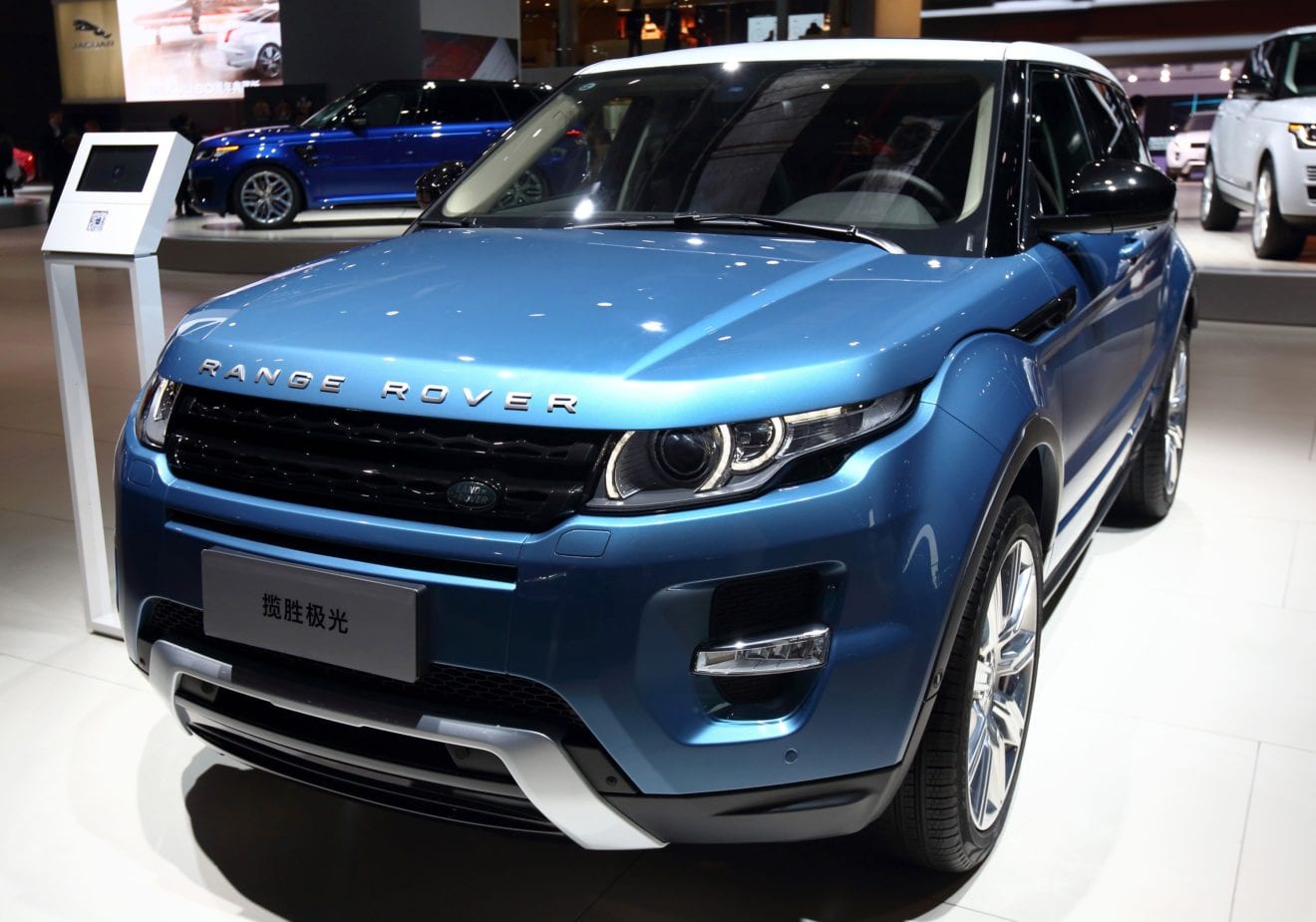
    Jaguar Land Rover India has launched the 2019 Range Rover Sport with a new 2-litre petrol engine. The car is priced at ₹ 86.71 lakh (ex-showroom India). The Range Rover Sport petrol will be available in S, SE & HSE trims and the new petrol engine adds on to the diesel option available on the car. The Range Rover Sport is available with a 3-litre diesel but now there’s a 2-litre petrol engine with a twin-scroll turbocharger on offer which delivers 296 bhp and 400 Nm of peak torque. All that power helps the Range Rover Sport petrol to accelerate from 0 to 100 kmph in 7.1 seconds while top speed stands at jut over 200 kmph. The 2-litre engine replaces the 3.0-litre Supercharged V6 that used to make 335 bhp.

    The company had previously launched the 2019 Range Rover Sport only in the diesel avatar with prices starting from ₹ 99.48 lakh, going all the way up to ₹ 1.74 crore for the flagship variant.

    Exterior changes on the 2019 Range Rover include the new and sleeker looking grille that adds to the plush look of the SUV along with the Matrix LED headlamps with daytime running lights. The SUV also comes with sequential illuminating indicators now. The front bumper has been tweaked as well and sits lower as well, feeding more air to cool brakes. At the side, gill fans now have four slots and are finished in brushed silver, while there is the new Byron blue and Rossello Red paint options available as well. In addition to the new alloy wheel design, the new Range Rovers also get a tweaked rear bumper that houses twin-exhausts.

    The Range Rover Sport sits above the Velar in the company’s product portfolio and looks cotemporary and gets features like a sliding panoramic roof and powered tailgate. The 2019 model comes with enhanced features like a three-zone climate control, protect, control pro, park pack and cabin air ionisation.

    Rohit Suri, President & Managing Director, Jaguar Land Rover India Ltd. said, “The success of the Range Rover Sport has been integral in driving demand for the Land Rover portfolio in India. The Model Year 2019 2.0 l petrol derivative should further increase the aspirational value of the flagship model at an attractive and exciting price.”

    Inside, the the Range Rover Sport comes with a contemporary interior and advanced features such as the Touch Pro Duo infotainment system, 12.3-inch Interactive Driver Display and full colour Head-up Display

  • Rajeev Sethi takes helm at Ooredoo Myanmar

    Rajeev Sethi takes helm at Ooredoo Myanmar

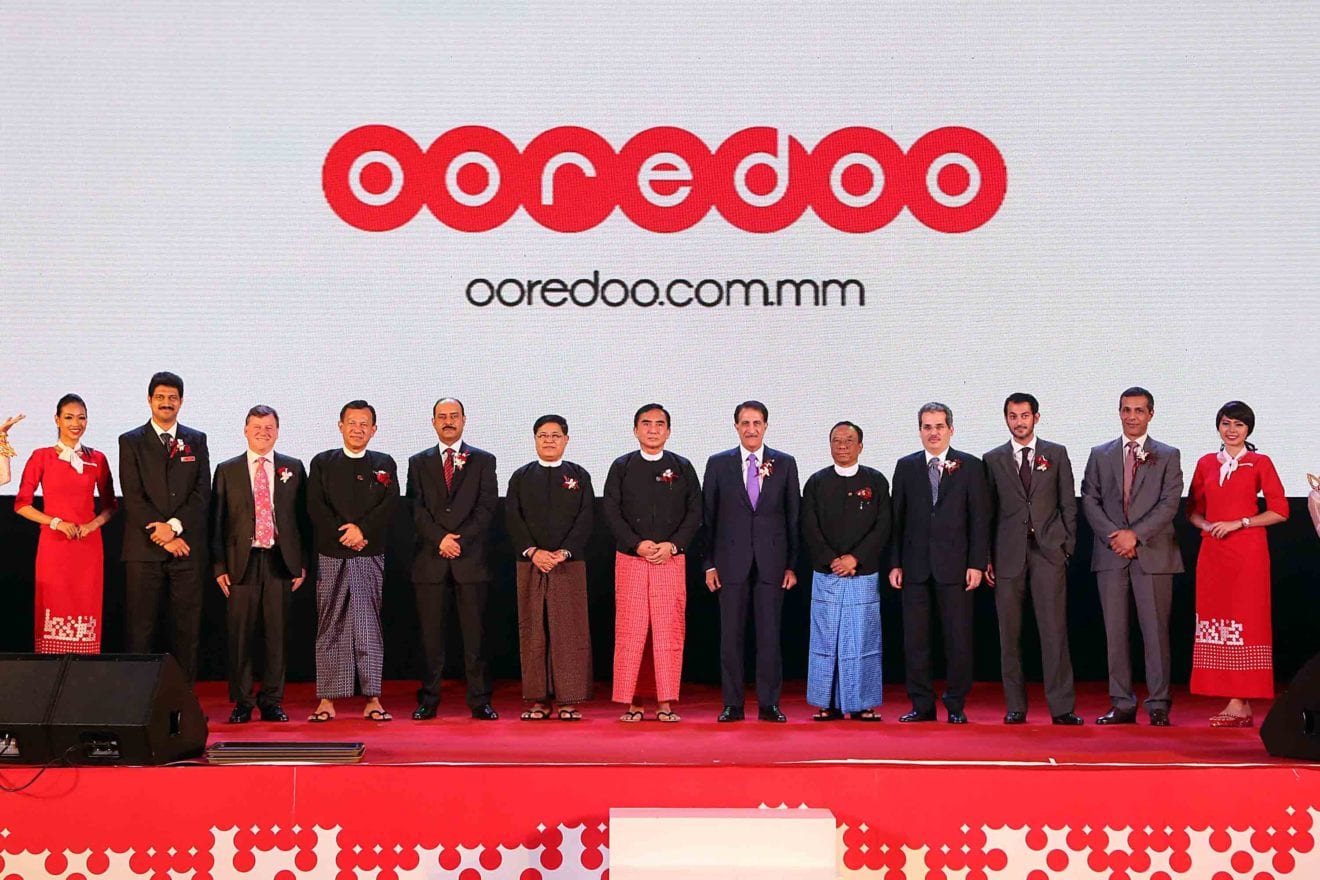
    Qatar-based Ooredoo Group has appointed Rajeev Sethi (pictured) as chief executive officer of Ooredoo Myanmar.

    He succeeds Vikram Sinha, who continues to stay on as a member of the company’s board.

    Sethi joins Ooredoo Myanmar from Airtel Africa, where he served most recently as chief commercial officer.

    He comes with over 24 years of work experience, of which 15 have been in the telecoms industry, holding leadership roles in multinational companies including Grameenphone in Bangladesh, Uninor India, Vodafone India, Hewlett Packard and Hutchison Telecom.

    Equinix has appointed Yee May Leong as managing director of South Asia to lead the company’s business strategy in Singapore and Indonesia.

    Leong is based in Singapore and reports directly to Samuel Lee, president of Equinix Asia-Pacific.

    Leong brings to the table with over 30 years of experience in the ICT sector.

    Prior to joining Equinix, Leong served as vice president of the communications sector for IBM in Asia-Pacific, overseeing the company’s strategic business development in ASEAN, Australia, India, Korea and New Zealand.

    Prior to that, she has also held senior management positions in leading technology companies including IBM, Lotus, F5 Networks and Orange Business Services.

  • North Korean department store boasts ‘world-class’ design

    North Korean department store boasts ‘world-class’ design

    Pyongyang department store design takes cues from foreign states.

    A new North Korean department store just opened in Pyongyang is drawing attention for welcoming foreign technologies and products, as well as management strategies and culture.

    The Choson Sinbo, the pro-Pyongyang media outlet headquartered in Tokyo, introduced the new Daesung Department Store that opened in Pyongyang in April, describing it as a “modern mall” created in close cooperation with foreign states.

    It reported that architects at the Paektusan Academy of Architecture, known as North Korea’s top architectural research facility, strived to bring in world-class design from advanced nations, ranging from overall interior design to methods of showcasing products.

    It is the department store’s strategy to sell both expensive world-class brands and North Korean-made quality products that are more affordable.

    “Unlike Pyongyang Department Store No.1 or the Gwangbok District Commercial Center where quality North Korean goods are sold, Daesung Department Store not only sells North Korean goods, but also various world-class brands,” said the Choson Sinbo.

    “They sell both affordable and expensive goods together.”

    Daesung Department Store is reflecting global trends to sell both high and low-end brands from overseas as well as popular domestic brands within the confines of a single store.

    Flat-screen televisions made by Sony and Philips, water purifiers from Maybaum, washing machines by Siemens, rice cookers by Tiger, and electronic goods by Panasonic were among the goods offered at the store.

    North Korea also invited foreign experts to study the methods of showcasing products at the store, bringing in various tools to increase sales.

    Daesung Department Store was first built in 1986 on Pyongyang’s Munsu Street, and was renovated recently for expansion.

  • HKT wins smart parking system contracts

    HKT wins smart parking system contracts

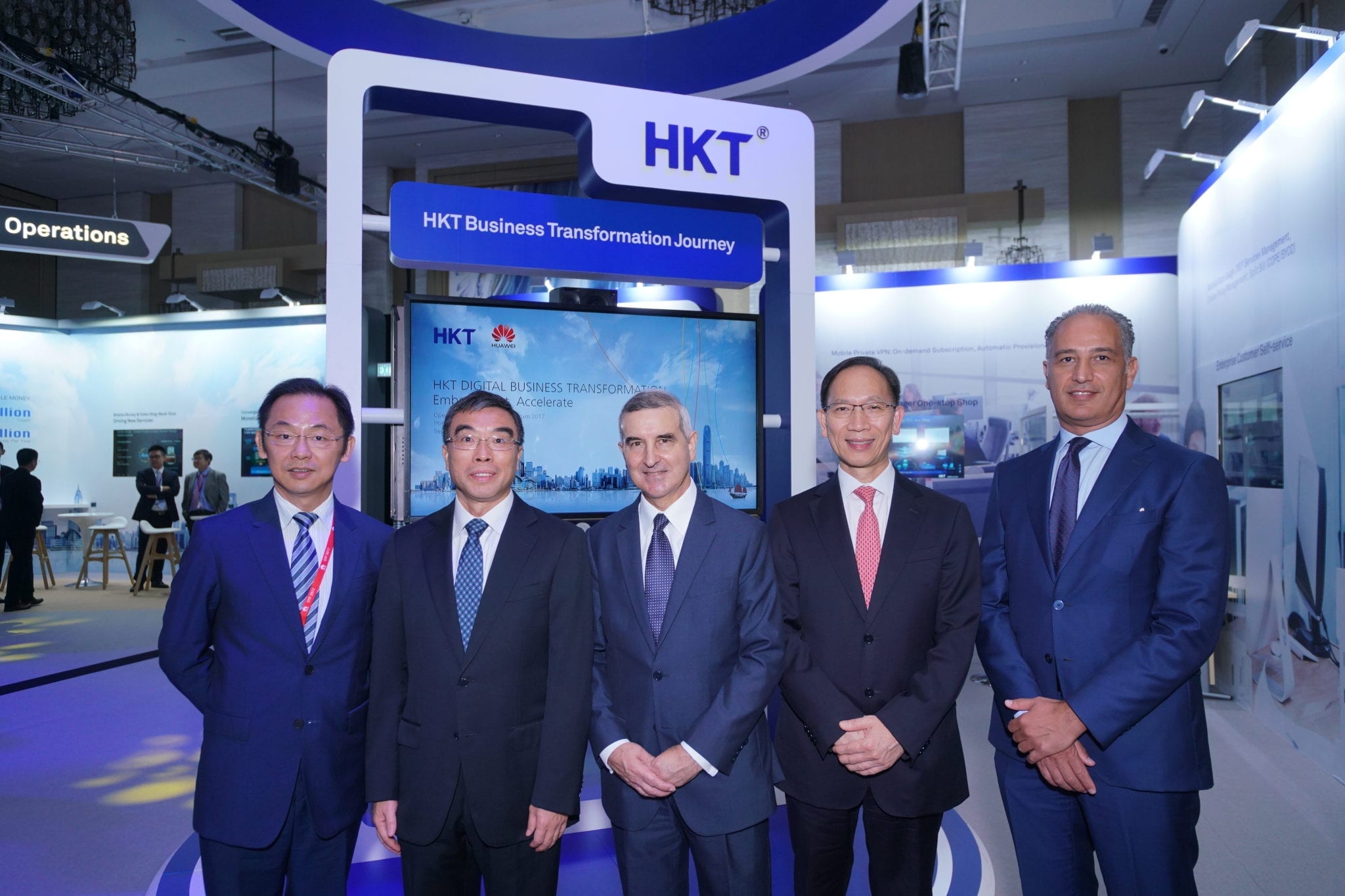
    Hong Kong operator HKT has secured HK$680 million ($86.6 million) worth of contracts to design, deploy and manage a new-generation smart parking meter system in Hong Kong.

    The two contracts with the HKSAR government’s Transport Department will see HKT deploy a mobile app-enabled parking meter system as part of the government’s Smart Mobility initiative.

    The system will use vehicle sensors to detect the occupancy of parking spaces and provide real-time information on parking vacancy for motorists. It will also allow users to pay parking fees with multiple payment methods, including credit that can be topped up to the app remotely.

    In addition, data from the system will be collected ad provided to the Transport Department to conduct parking analysis. The new parking meters will gradually replace existing meters in Hong Kong Island, Kowloon and the New Territories by early 2022.

    HKT’s contract includes the design, development and implementation of the new parking meters, as well as management, operation and maintenance of the system.

    “At HKT, we are very committed to helping accelerate Hong Kong to become a smarter city and empowering digital transformation for enterprises,” HKT Commercial Group managing director Tom Chan said.

    “We have been investing on advanced ICT and digital solutions in the last five years. We will continue with our dedication to develop innovations with latest technologies to empower the development of Hong Kong.”