Author: Mei Ling Tan

  • DFS and Bally Partnership Launches Deng Lun capsule collection

    DFS and Bally Partnership Launches Deng Lun capsule collection

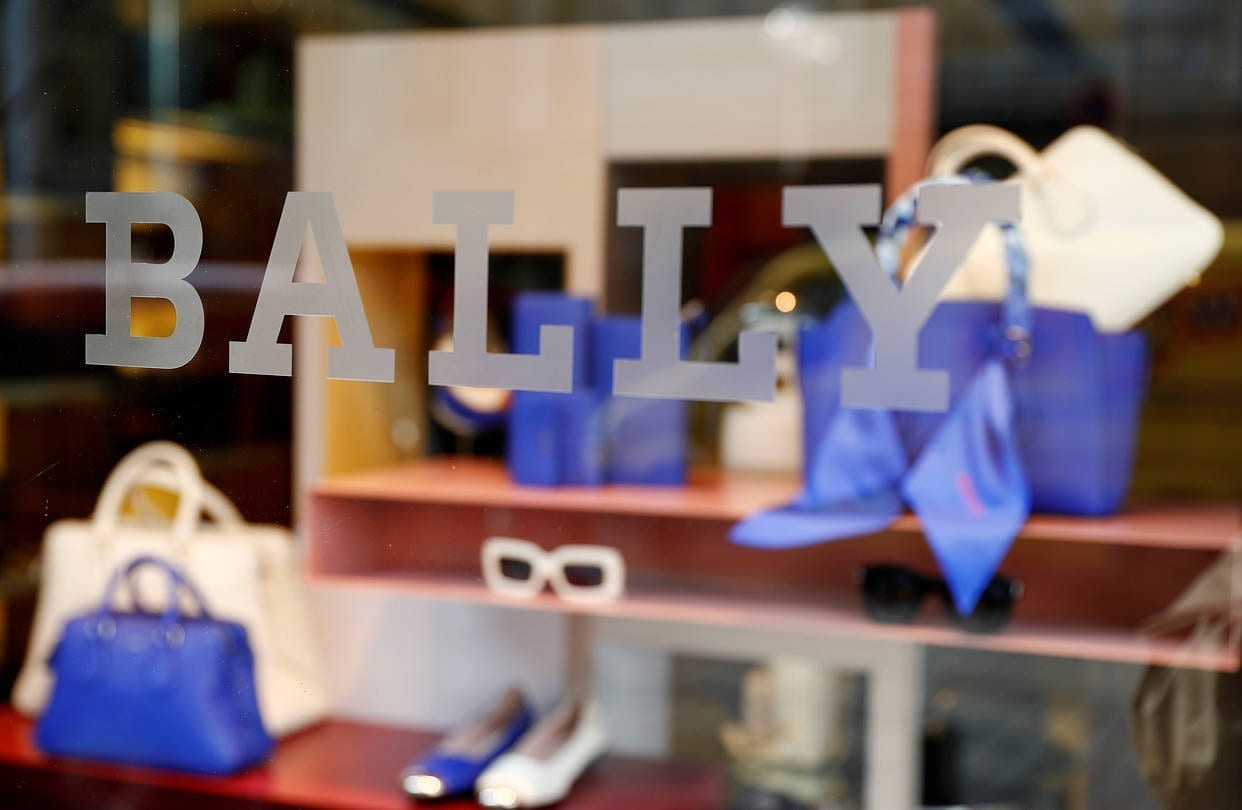
    Luxury travel retailer DFS Group and Swiss luxury brand Bally have released an exclusive capsule collection featuring new ambassador Deng Lun.

    The Fall Winter 2019 ready-to-wear DFS and Bally collection features Bally’s best-selling silhouettes with some exclusive details. Inspired by the joy and freedom of travel, the collection explores these emotions through mountaineering and other forms of discovery. The unisex series of ready-to-wear and leather goods also echoes Bally’s sportswear design DNA.

    “We are thrilled to be partnering with Bally in debuting an exclusive capsule collection, and to introduce yet another assortment that our discerning customers can only find at DFS stores worldwide,” said DFS Group senior VP fashion Magali Ginsburg.

    “DFS represents the ultimate luxury shopping experience in the travel retail channel. We are pleased to serve customers in this important network with a unique collection that reflects the sense of adventure rooted in Bally’s history. Our partnership with pioneering actor Deng Lun aptly celebrates this capsule debut,” said Bally Group CEO Nicolas Girotto.

    The exclusive capsule collection includes three men’s large leather goods and three ready-to-wear pieces as well as two unisex caps.

    The DFS x Bally capsule collection will be available at select DFS downtown T Gallerias and airport stores until May 30.

  • China driving global cellular IoT adoption

    China driving global cellular IoT adoption

    An “exceptional adoption” in China has lifted the global number of cellular IoT subscribers by 70% to reach 1.2 billion in 2018, says a report released by Berg Insight.

    The research firm predicts that there will be 9 billion IoT devices connected to cellular networks worldwide by 2023.

    China, which accounted for 63% of the global installed base in 2018, is expected to continue to be the key driver for IoT adoption, as the Chinese government is actively driving adoption as a tool for achieving domestic and economic policy goals.

    “China is deploying cellular IoT technology at a monumental scale”, said Tobias Ryberg, principal analyst and author of the report.

    According to data from the Chinese mobile operators, the installed base in the country increased by 124% year-on-year to reach 767 million at the end of 2018.

    China has overtaken Europe and North America in penetration rate with 54.7 IoT connections per 100 inhabitants, Ryberg said.

    He said the role of the government is the main explanation for why China is ahead of the rest of the world in the adoption of IoT.

    “The most distinctive characteristic of the Chinese IoT market is however the way that the government is systematically using new technology to implement its vision for urban life in the 21st century,” Ryberg said.

    “At the same time the private sector also implements IoT technology to improve efficiency and drive innovation.”

    China has witnessed widespread adoption of connected cars, fleet management, smart metering, asset monitoring and as well as new consumer services like bike sharing.

    The report also analyses the IoT business KPIs released by mobile operators in different parts of the world and found significant regional differences.

    While China has the world’s highest IoT penetration rate, Europe seems is doing better job in terms of monetizing the IoT business.

    According to the report, the monthly ARPU for cellular IoT connectivity services in China was only €0.22 ($0.25), compared to € 0.70 in Europe.

    Global revenues from cellular IoT connectivity services increased by 19% in 2018 to reach €6.7 billion. The ten largest players had a combined revenue share of around 80%.

  • China Mobile is world’s most valuable telco brand

    China Mobile is world’s most valuable telco brand

    China Mobile is the most valuable telecoms brand in Asia-Pacific, and the third most valuable in the world, according to Brand Finance’s latest Telecoms 300 brand value report.

    China Mobile’s brand value has increased 4.6% in 2019 to $53.22 billion, cementing its position behind AT&T ($87 billion) and Verizon ($71.15 billion) on the top 20 leaderboards.

    Other Asia-Pacific operators in the top 20 include Japan’s NTT Group (5th with a brand value of $41.67 billion), China Telecom (9th, $20.63 billion), Japan’s SoftBank (10th, $19.29 billion) and au (11th, $16.62 billion), Australia’s Telstra (14th, $10.5 billion), and China Unicom (16th, $10.23 billion).

    But with the exception of China Mobile and au, whose position on the leaderboard remained unchanged, all the Asia-Pacific operators in the list fell either one or two places.

    Further down the list, Vietnam’s Viettel had a strong performance, with its brand value increasing by 36% to $4.3 billion, while Ooredoo increased to 41st on the top 50 rankings with a 12% increase in brand value to $3.78 billion.

    The report also ranked telecoms brands by relative strength based on metrics including marketing investment, stakeholder equity, and business performance.

    By these criteria, Thailand’s AIS was named the world’s strongest telecoms brand, overtaking China Mobile. Malaysia’s Digi was ranked as the third largest brand, while relative newcomer Reliance Jio Infocomm from India was named fifth. Telkom Indonesia (8th) and Singtel (9th) also made the top 10.

  • Taco Bell India eyes 600 store Openings

    Taco Bell India eyes 600 store Openings

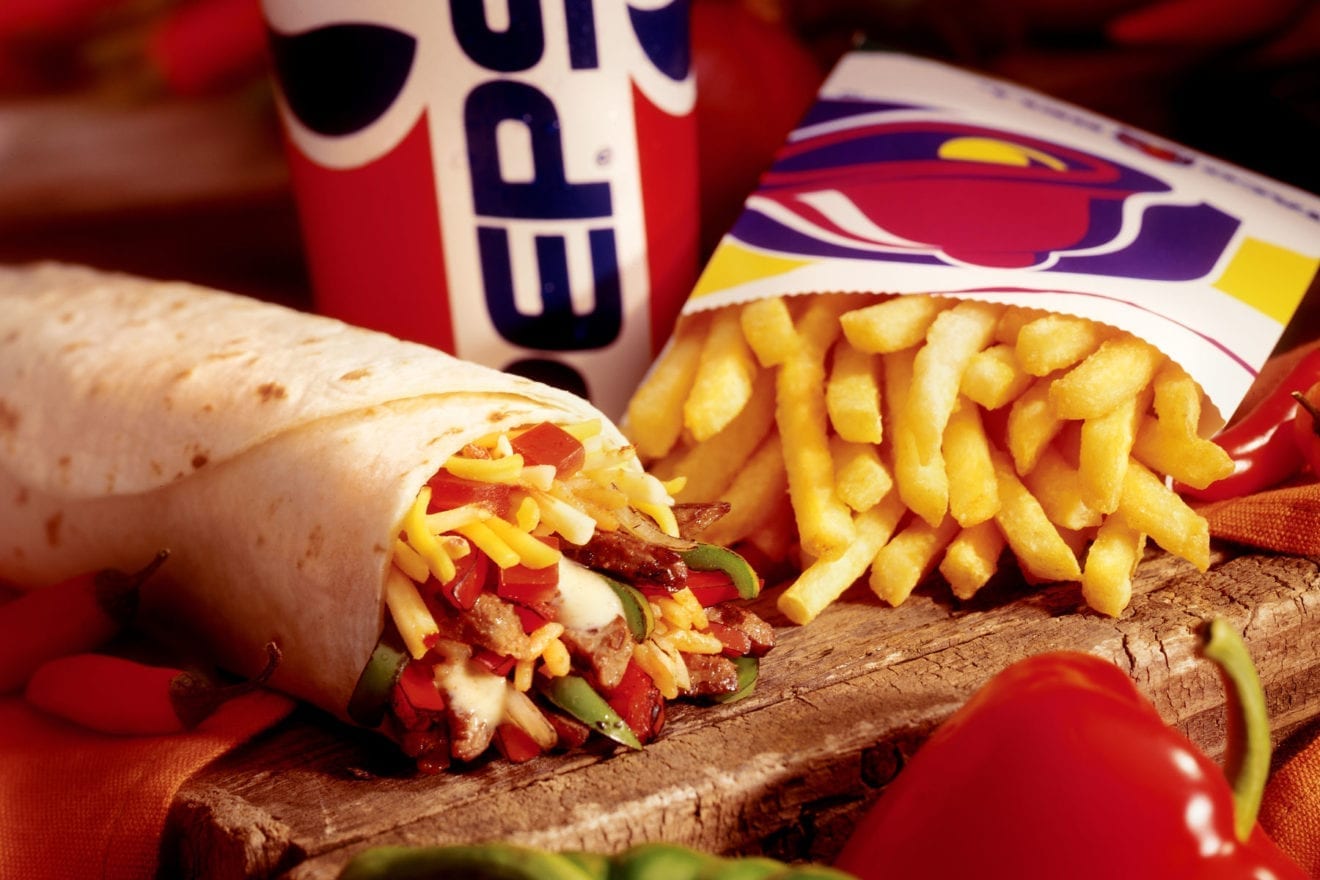
    Taco Bell India plans to expand to more than 600 stores before sub-licensing to local operators.

    The US-headquartered QSR chain has appointed its existing local partner since 2015 Burman Hospitality,  as master franchise holder for the country.

    Following nine years in the territory, the brand now seeks to open 600 locations in India within 10 years, a target that if achieved will make India Taco’s largest foreign market, reflecting the popularity of its menu in the region extending beyond its parent company’s core offerings of its sister brands’ chicken, burgers and pizzas.

    The appointment makes Burman the largest Taco Bell franchise globally in terms of store count. “If you look at chicken and pizza, they are two very familiar categories to the consumer and that helped both KFC and Pizza Hut with their explosive growth, not only in India, but all over the world,” said Taco Bell International president Liz Williams. “The Mexican category is a relatively new category for consumers and I think the Indian consumer has shown us they are ready for it.”

    Research conducted last year showed that the vast majority of food ordered in the Indian territory is North Indian, followed by Chinese and South Indian. The market for other cuisines is shown to be expanding.

    Burman is currently seeking to keep tight control over store launches before seeking sub-franchisees and then expanding into new formats such as food court kiosks.

  • Sandro IFC store Opens with Fresh Feel

    Sandro IFC store Opens with Fresh Feel

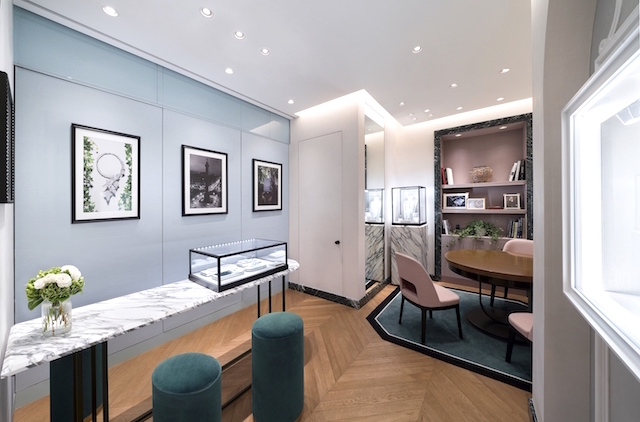
    The Sandro IFC Mall store has been expanded and relocated, the design upgraded design to introduce the French affordable luxury brand’s newest retail design concept.

    The 139sqm store features both menswear and womenswear collections and is the first boutique in Asia to present the brand’s new interior style.

    Accented by a contemporary design and modern decor, the boutique showcases the most diverse range from the brand in an understated setting with Marimorino texture finish walls and Herringbone wooden floors, complete with wooden furniture and an LED video panel showcasing the latest digital content and materials from the brand.

    Sandro operates more than 600 points of sales worldwide, almost a third of which are located in Asia.

  • Replay opens first Denim store in India

    Replay opens first Denim store in India

    Italian denim brand Replay has opened its first store in India.

    The new store has been launched in the capital in a partnership with Reliance Brands. The large retail outlet in Ambience Mall, it focuses on the brand’s core elements using signature design features in store.

    “I am confident that our constant striving to deliver qualitative and innovative products will be in line with the consumers’ appetite for the highest standards in denim,” said Fashion Box Spa CEO Matteo Sinigaglia. “Furthermore, it is a real pleasure to join forces with Reliance Brands Limited, and I truly believe we are starting a wonderful journey together.”

    Replay is planning to launch three stores in Mumbai and New Delhi as well as a flagship store in Maker Maxity, Mumbai later this year.

    The store will offer denim wear, casual wear, footwear, and accessories.

  • ViewQwest to offer services over TM’s HSBB network

    ViewQwest to offer services over TM’s HSBB network

    Singapore-based fiber operator ViewQwest is expanding its footprint in Malaysia through a new partnership with Telekom Malaysia.

    ViewQwest, which currently has its own fiber network in parts of the Klang Valley and Johor, plans to use Telekom Malaysia’s HSBB network to significantly enhance its availability.

    Through the network reselling agreement, ViewQwest will offer services anywhere Telekom Malaysia offers its Unifi fiber service.

    According to the report, ViewQwest plans to introduce new broadband plans under the agreement in June or July. Speed and pricing will depend on available bandwidth and last mile infrastructure.

    The company will bundle Mesh WiFi products to new subscribers to ensure optimal Wi-Fi experiences, as well as value-added services including a geoblock circumventing Freedom DNS service.

    ViewQwest has revealed it is open to pursuing more joint ventures, acquisitions or network sharing partnerships aimed at allowing it to continue expanding in Malaysia.

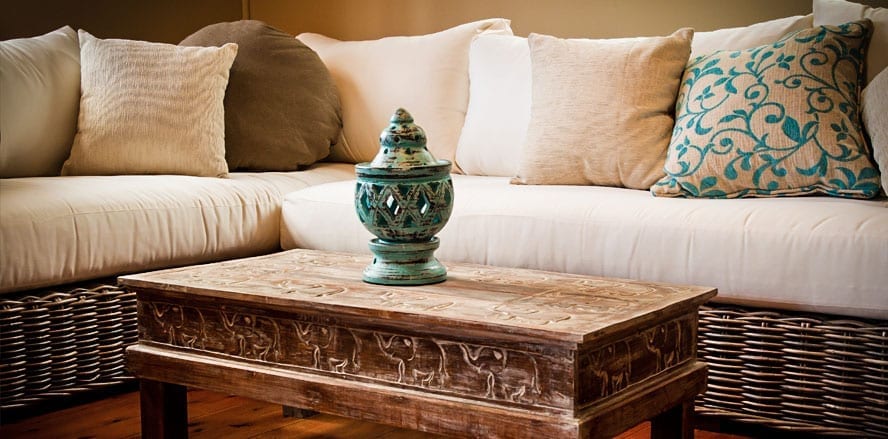
  • BoConcept Asia continues Expansion

    BoConcept Asia continues Expansion

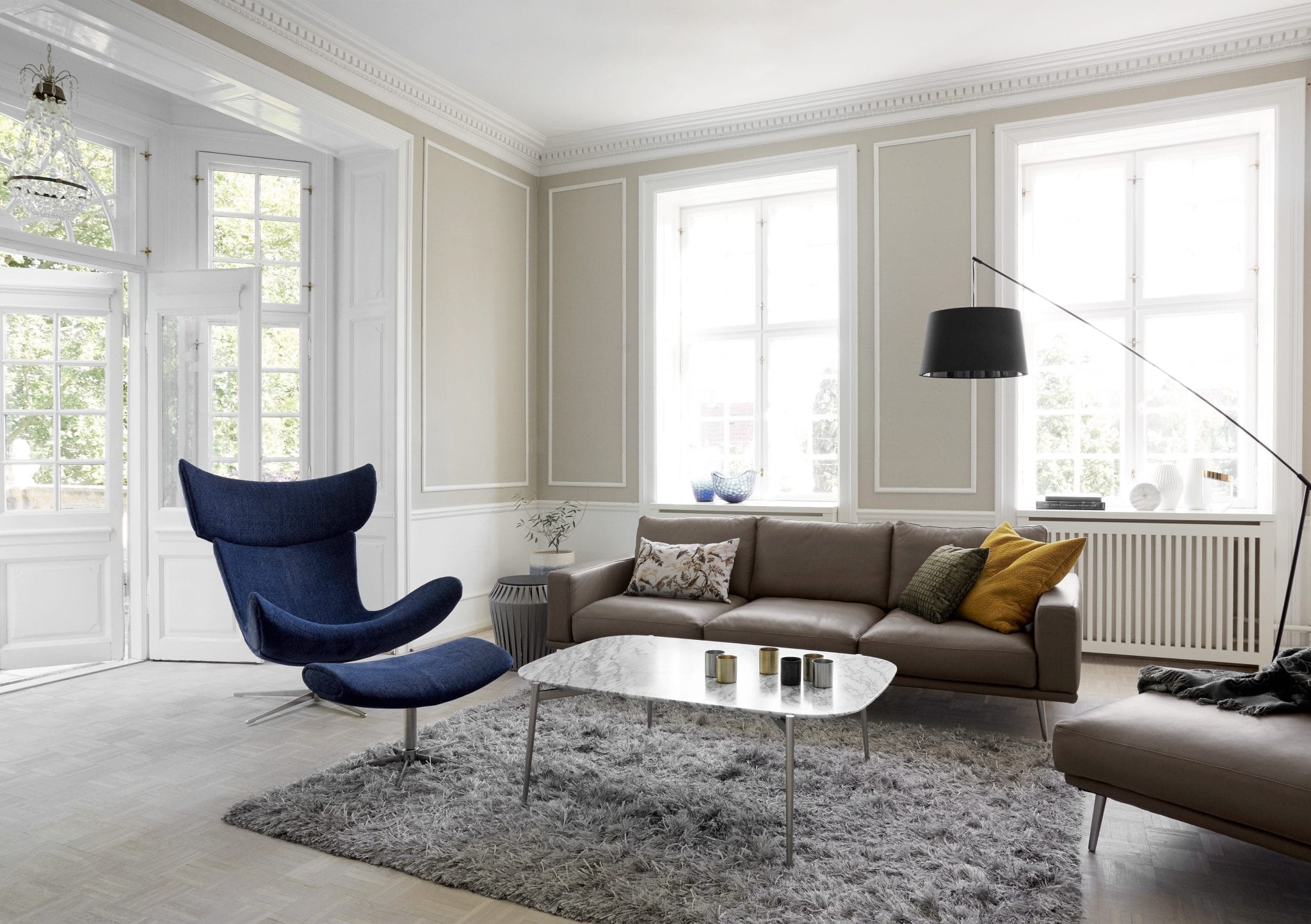
    Furniture and homewares retailer BoConcept has opened new stores in three Asian countries in recent months as it continues to expand its footprint in the region.

    The new stores are in Kyoto, Japan, Zhengzhou, China; and Ho Chi Minh City, Vietnam.

    BoConcept already has about 300 stores in more than 65 countries and is seeking to more than double its network within the next few years.

    The Kyoto store, which opened in March, is the brand’s 16th store in Japan and its 71st in Asia.

    The Zhengzhou store, in Henan Province, marks its 24th in China and the Vietnamese stores it’s sixth in the market. Both opened last month.

    The store is located in the suburb of Thao Dien, a popular area for expats.

  • Chicha San Chen opens in Singapore

    Chicha San Chen opens in Singapore

    Taiwanese bubble-tea chain Chicha San Chen has opened its first outlet in Singapore.

    Located in 313@Somerset, the flagship store has modern design with an open kitchen.

    Customers can make their own tea and watch as it brews in a Teapresso machine.

    They can choose from milk-tea, fruit-tea or pure-tea bases including Green Tea, Osmanthus Oolong Tea, High Mountain Pouchong Tea, Black Tea, Dong Ding Oolong Tea and Cassia Black Tea.

    The store also features a tea appreciation counter where tea connoisseurs can learn more about teas and sample the special Taiwanese Lishan Qingxin Oolong Tea.

    Established in Taichung 20 years ago, Chicha now has more than 200 stores in Taiwan and China.

    Chicha has its own tea plantations in Taiwan, where they harvest their tea leaves and other ingredients.

  • ZTE opens first cybersecurity lab in China

    ZTE opens first cybersecurity lab in China

    ZTE has launched the first in a series of planned dedicated cybersecurity labs aimed at reassuring customers of the security of its solutions, and developing end-to-end security products and services.

    The new lab in Nanjing, China will help ZTE provide customers with end-to-end security products and services.

    It also aims to help ZTE increase transparency and enhance trust with all third parties, including customers and global regulators, in light of the national security concerns that are prompting several countries to ban the use of equipment from Chinese vendors in 5G rollouts.

    The lab will provide security assessment and audit services such as source code review on ZTE products including 4G and 5G solutions.

    It will also offer security design audit, procedural document review, black box testing and penetration testing services, and facilitate research and development collaborations with other industry stakeholders and academia.

    Moving forward, the company plans to collaborate with major security organizations to jointly conduct security assessment, certification, training and consulting.

    Following the establishment of the Nanjing lab, ZTE plans to also launch cybersecurity labs in Italy and Belgium respectively in the near future as it builds out a global network.

    “The security lab is an open and cooperative platform for the industry,”  ZTE CSO Zhong Hong said during a speech at the opening of the new lab.

    “ZTE plans to gradually achieve the cybersecurity goals through three steps: first, meeting the requirements of cybersecurity laws, regulations and industry standards as well as certification schemes; second, conducting an open dialogue to enhance transparency and establishing cooperation with customers as well as regulatory agencies; and third, sustaining the open cooperation mechanism to contribute to cybersecurity standardization.”

  • Coles targets health-conscious Aussies with private label

    Coles targets health-conscious Aussies with private label

    Supermarket giant Coles is targeting the 40 percent of Australians seeking healthier food choices with the launch of a new private label health food range.

    Wellness Road aims to provide customers with  “uncomplicated, nutritionally balanced” options to make meals more nutritious.

    The new range comprises 28 products including organic foods, seeds, flour, grains, noodles, and oil.

    “Industry stats suggest that the health food aisle is growing twice as fast as retail food sales overall,” a Coles spokesperson said.

    “Wellness Road is about our strategy at Coles of lowering the cost of living for Australians and how we give them better quality foods at lower prices.”

    Coles has designed Wellness Road to make healthier eating more accessible and affordable to customers of all ages.

    “From teenagers through to those in their 60s and 70s our customers are telling us that they want to eat less processed foods and cut back on sugar and salt,” the spokesperson added.

    The supermarket giant has been making waves this week that Coles is taking a two-pronged approach to gain market share and grow sales, with some stores to be reformatted towards convenience, with a bigger range of ready-to-eat meals, and some stores to be reformatted towards value. Managing director Steven Cain is expected to unveil the strategy next month.

  • Board-game creator Cmon to open Singapore Store

    Board-game creator Cmon to open Singapore Store

    Board-game creator Cool Mini or Not – best known as Cmon – is opening a flagship store in Singapore this Saturday.

    Located on Henderson Road, the store will bring the latest board games such as Game of Thrones-inspired A Song of Ice & Fire Miniatures Game, arena-style zombie-survival game Zombicide, the Japanese mythical fantasy game Rising Sun.

    There will be a tour of the premises, a special board game auction with a chance to win some of the available games on opening day.

    The auction will feature a wide selection of board games.

    Customers can also join a small-scale competition based on the Potion Explosion game.

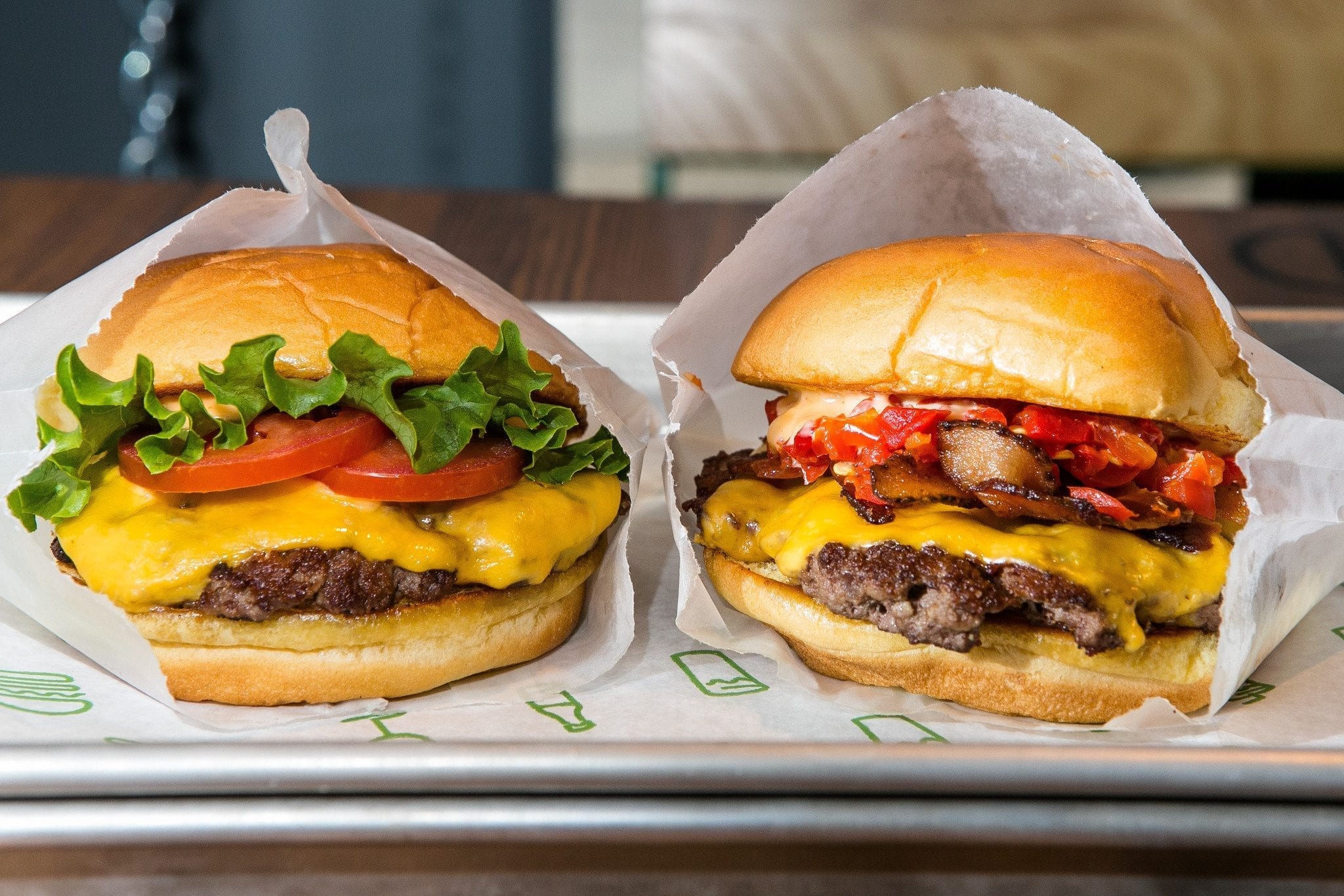
  • Shake Shack opens first store in Philippines

    Shake Shack opens first store in Philippines

    The new QSR restaurant has opened at Bonifacio Global City (BGC) as the brand’s 225th location, although only its second in Southeast Asia after Singapore.

    “It is known for quality and consistency in taste,” said the president of the exclusive franchise holder SSI Group Anton Huang. “As far as SSI is concerned, we want to be the purveyor of lifestyle choices to the Filipino consumer. In keeping with that goal, we identified Shake Shack as a brand or concept that would really resonate well with the Filipino consumer.”

    “Filipinos are already clamoring for it to begin with and it would be a must do part of their pilgrimage to the US,” he added.

    The restaurant’s Instagram announcing the Manila launch achieved 16,000 likes, the highest-ranking post on its account.

    Huang expressed confidence that the new store will meet revenue and sales targets, and is keeping a tight focus on the performance of the first outlet before making expansion plans.

    “We’re concentrated on doing well to serve our customers and meet their expectations,” he said. “Once we’ve done that, and I’m pretty sure we are going to get that right from the beginning or the get-go, then, we will look at expansion. As I am sure you can sense, with the kind of demand there is for Shake Shack in the Philippines, I think the expansion opportunities are in fact endless. You really just have to select properly where we will expand.”

  • Furniture chain falls into paperwork

    Furniture chain falls into paperwork

    Unsustainably high rents have caused furniture chain Focus on Furniture to collapse into administration.

    McGrathNicol, which took control of the business early last week, said the furniture chain’s decline was caused by high rents and unprofitable operations in New South Wales and Queensland.

    “As an urgent priority, we will be conducting a review of options for the business, including a possible exit of unprofitable stores in New South Wales and Queensland,” said McGrathNicol partner Barry Kogan.

    “It is clear that Focus on Furniture outlets in these states are struggling to compete effectively and on a profitable basis in the face of unsustainably high rents.”

    The administrators have not yet announced which stores will be closed.

    Directors of the furniture retailer have appointed McGrathNicol partners Kogan, Kathy Sozou and Matthew Caddy as voluntary administrators, McGrathNicol Restructuring announced on May 15, after the business sustained challenges to the Focus on Furniture business.

    Focus on Furniture, which has 38 retail outlets and four distribution centers in Victoria, New South Wales, Queensland, South Australia and the Australian Capital Territory, operates under the Focus on Furniture and BedsOnline brands.

    According to McGrathNicol, they will work with the company and its management team to restructure its physical store footprint, and recalibrate the network to the core, profitable locations in Victoria, regional New South Wales, South Australia and the Australian Capital Territory, while intending to maintain national coverage on its online store.

    Kogan said during the administration period all deposits paid for furniture items will be honored in full and orders placed will be delivered as planned. Gift cards will also remain redeemable at all Focus on Furniture stores.

    “Long-term, the intention will be to refocus the business on the core platform of Victoria, South Australia and the Australian Capital Territory where operations are profitable,” Kogan said.

    “Stores in these regions will continue to trade on a ‘business as usual’ basis during the restructuring process.”

    A first statutory meeting of creditors is expected to take place on May 27.

  • Starbucks China opens Signing Coffee Store in Guangdong

    Starbucks China opens Signing Coffee Store in Guangdong

    Starbucks China has opened its first Signing Store, staffed entirely by deaf or hearing-impaired people.

    The store is in Guangzhou, in Guangdong Province which is home to about 4 percent of China’s deaf population. It is Starbucks’ third Signing Store, following outlets in Washington DC and Malaysia.

    Sign language symbols are printed on umbrellas in front of the store, and there are indicators throughout the store. Deaf baristas will wear aprons with the word “Starbucks” embroidered in sign language. The store is equipped with a customized ordering system. Customers and partners will be able to communicate using notepads and two-way digital displays. For customers new to sign language, there will be a dedicated area for customers to write down their orders on an electronic board and wireless vibrating pagers will notify customers when their orders are ready.

    The cafe also features exclusive artwork and unique merchandise designed by deaf artists.

    The initiative aims to offer employment and career-advancement opportunities for the deaf and hard-of-hearing community as well as “a welcoming hub for those passionate about improving accessibility and experiences for all”. It is located near the Guangdong Disabled Association and Guangdong Deaf People Association.

    “Starbucks is committed to creating equal opportunities for everyone, as well as a unique third-place experience that addresses a wide range of community needs,” said Belinda Wong, CEO of Starbucks China. “The new Signing Store is an example of how we are building inclusive environments and careers for our partners.”

    Store staff, who have been recruited from across China, are fluent in Chinese sign language.

    To create an inclusive environment and encourage customers to learn more about the deaf community, the store will also offer sign-language lessons and coffee workshops in sign language.

    “The Guangdong Deaf People Association is proud to partner with Starbucks to provide training and opportunities for the deaf and hard of hearing community,” said Yitao Fan, vice chairman, China’s Deaf People Association and president of Guangdong Deaf People Association. “Thanks to Starbucks, deaf partners are empowered to develop their careers in a vibrant and supportive environment, while the store provides a strong platform to drive societal awareness around deaf culture and the needs of the community.”