Author: Mei Ling Tan

  • Dome Cafe Singapore Closing Doors

    Dome Cafe Singapore Closing Doors

    The last Dome Cafe Singapore cafe is to close next month. The Australian casual-bistro concept which specializes in light meals and coffee will exit Singapore after 20 years on June 23 when the last outlet, at Parkway Parade, shuts its doors.

    Opened in 1993, under a Singaporean joint venture called Dome Holding, it was one of the first cafes serving specialty coffee on the island.

    A second outlet opened five months later, and by 1996, there were five Dome Singapore cafes.

    In the same year, Suntec Investment acquired a 51 percent stake in Dome Holding, forming Suntec Dome Holding and by 2009 the chain had grown to 10.

    “The food and beverage scene has evolved tremendously since the first Dome Cafe opened in Singapore more than 20 years ago,” said Rebecca Lim, Suntec F&B Holdings MD in a statement.

    “As a group, we have to progress with the times to stay relevant in this competitive industry. We will be channeling our resources to concepts that are aligned with the interests and welfare of the customers we serve.”

    Dome Cafe has more than 100 outlets internationally.

  • Van Heusen India opens Flagship Store in Mumbai

    Van Heusen India opens Flagship Store in Mumbai

    Indian formal wear brand Van Heusen has opened a new upscale fashion store in Bandra.

    With the launch of the new Linking Road store, Van Heusen India now operates 16 stores in Mumbai. The expansive store is spread across 2200sqft, offering an array of wardrobe options for both men and women ranging from corporate suits to fashion jackets, casual work-wear to club wear

    “Van Heusen has over the last decade carved a niche for itself as a renowned fashion brand with a strong presence across leading cities and towns of India,” said the firm’s COO Abhay Bahugune. “Today, Van Heusen enjoys a high recall value and is perceived as a brand that provides power dressing to young professionals.”

  • Alibaba not affected by the Trade War

    Alibaba not affected by the Trade War

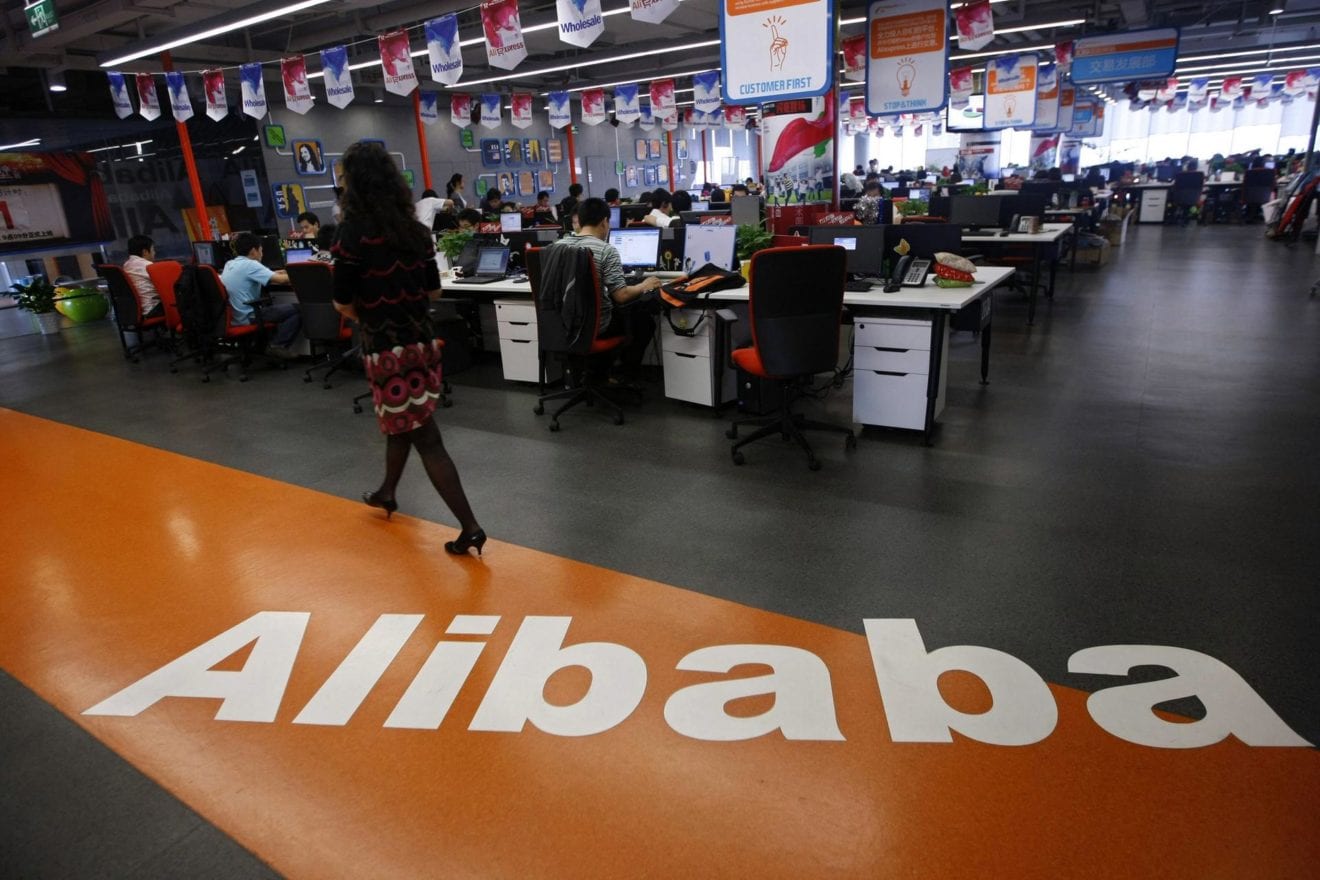
    Alibaba executive chairman Joe Tsai told analysts the company’s position as “China’s number-one platform for overseas brands” puts it on the right side of the trade war between the US and China.

    While discussing the group’s recent full-year results, which saw Alibaba grow revenue 51 per cent during the year to March 31, 2019, to US$56.2 billion (RMB376.8 billion) and net income 31 per cent to $13.1 billion (RMB80.2 billion), Tsai said he wanted to address the “elephant in the room”.

    “First, the reduction of the US trade deficit. China’s commitment to purchase more American products means China will over the next several years become a net importing country,” Tsai said.

    “We are the platform of choice for global producers of products and brands selling into China because we have the reach and deep insights on over 650 million active Chinese consumers on our platform. The scale and effectiveness of our access to Chinese consumers is simply unrivaled.”

    Alibaba’s active customers grew to 654 million over the year to March 31- an increase of 104 million year on year.

    Tsai said the ongoing trade negotiations also create an opportunity for other markets to do more foreign business within China, satisfying growing demand from the Chinese public as the country’s economy shifts from an “export economy to a domestic consumption economy”.

    “As we look at the evolution of the Chinese economy, Alibaba is on the right side of all of the issues,” Tsai said.

    Alibaba was recently ranked as the world’s most valuable retail brand outside of the US by research firm Kantar earlier this week, which valued the brand at US$131.2 billion, up 48 per cent on last year.

    Partly, this was due to the group’s New Retail strategy, which this year saw Alibaba partner with Starbucks to enable on-demand coffee delivery across 35 cities throughout China.

    “If you want to see the future of retail, look to China,” the report said.

    “In many ways, it is leading the world… Chinese consumers are using mobile in every aspect of their lives.”

  • The world’s first 1TB microSD card is on Sale

    The world’s first 1TB microSD card is on Sale

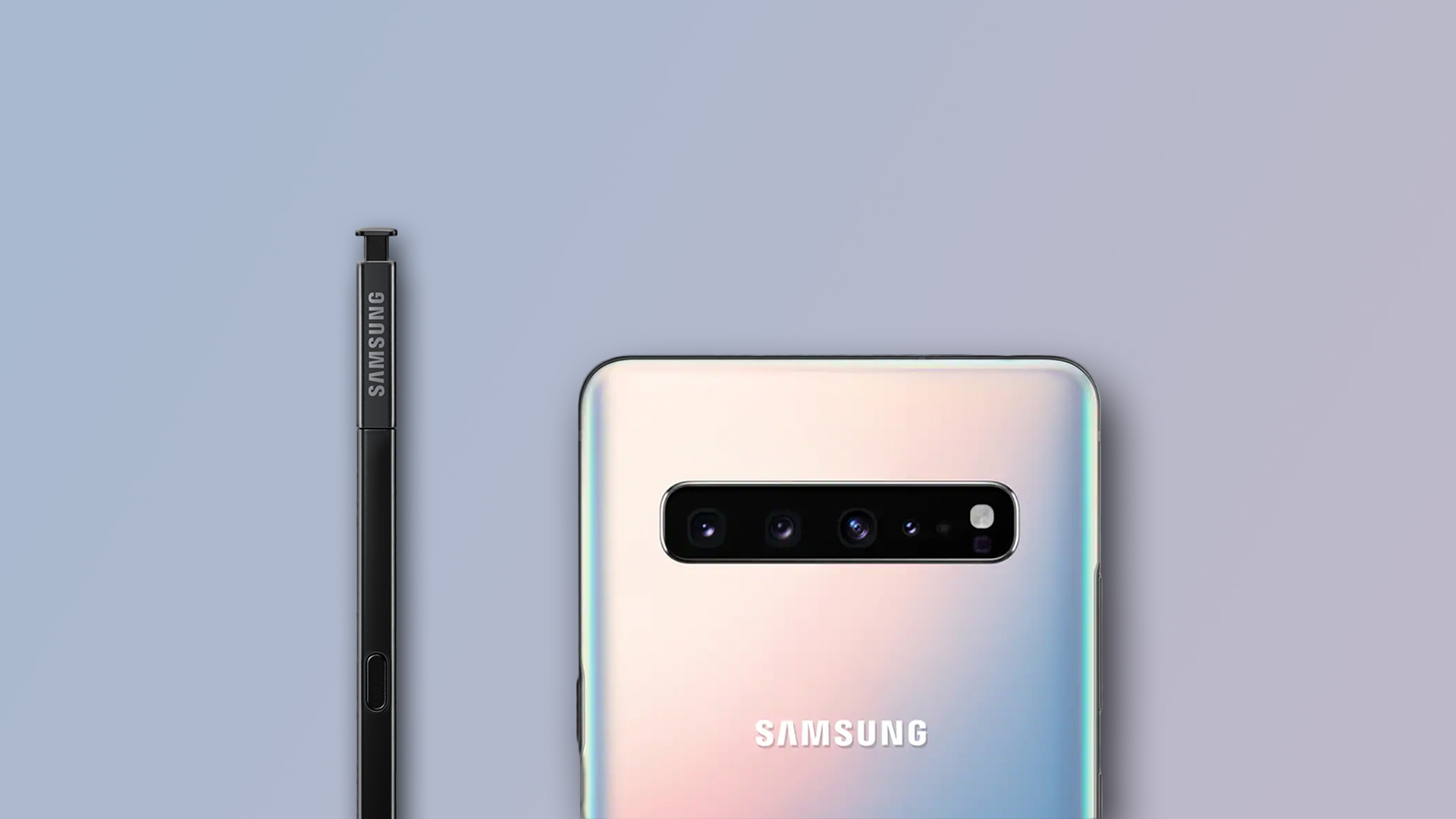
    Just in case you needed further proof the mobile tech industry is making incredible progress at breakneck speed nowadays, you might recall Samsung’s first ever “terabyte-ready” phone was only unveiled last fall. The Galaxy Note 9 offered 512 gigs of internal storage space, supporting up to 512 more by accommodating a new first-party microSD card option.

    But then the Galaxy S10+ took things to the next level in a special Performance Edition, starting at a full terabyte of digital hoarding room while naturally also supporting external expansion. And now there’s an easy way to make the ultra-high-end model a two terabyte device with the help of the world’s first 1TB memory card. This comes from SanDisk (who else?), finally going on sale today in the US after a formal announcement several months back.

    By “easy”, of course, we don’t mean it’s affordable by any stretch of the imagination to obtain a phone capable of storing 2TB of data in total. In addition to the $1,600 you need to pay for an unlocked S10+ Performance Edition, the 1TB SanDisk Extreme UHS-I microSD card will cost you an extra $449.99 right now. Believe it or not, that’s actually 50 bucks lower than the recommended price point initially announced by SanDisk. At the same time, it’s a whopping $250 more than what the memory-specialized company typically charges for a 512 gig Extreme model.

    Naturally, speeds are just as important as capacity, and unsurprisingly, this bad boy shines in that particular department as well, with up to 160MB/s read and maximum 90MB/s write velocity. Both Full HD and 4K Ultra HD video clips are supported, although you’ll have to capture quite a lot of high-quality footage to exceed the internal limit of a 1TB, 512GB, or even 256GB high-end smartphone.

    Available from SanDisk’s own website and B&H Photo Video at the time of this writing, the 1TB Extreme microSD card is also listed as “currently unavailable” on Amazon and “sold out” at Best Buy, where it’s actually priced at $429.99 after a $70 discount.

  • Turning data into information in the age of IoT

    Turning data into information in the age of IoT

    If you think about what your home was like even just a few years ago, life was very different.

    Think about what grocery shopping was like. You’d open your fridge door to check out what’s missing, scribble down on a notebook a shopping list of what you need, turn off the aircon and switch on the alarm before you left the house and leave.

    Now, your smart fridge automatically knows when you’re running low on milk and will order the specific brand and size that you prefer and have it delivered to your front door. Left home and forgot to switch the aircon or alarm on or off? Simply view the app on your smartphone and tap your appliances on or off.

    Known as the Internet of Things (IoT), people are consuming information from more connected devices and as a result, marketing practices are rapidly changing. Retailers need to learn how to speak to customers through more channels than before.

    As IRI’s product solution director Adam Fisher explains, while more devices are creating more communication, marketers are getting blocked where they weren’t before. What happens when your fridge starts ordering groceries for you? Where a marketer could previously capture customers at the shelf in a grocery store, they now need to work out how to get your attention when the fridge automatically orders milk to your doorstep.

    “From a marketer’s standpoint, there are so many devices vying for people’s attention —How do you get the right person’s attention at the right time?” Fisher says.

    According to Fisher, one of the biggest challenges for retailers is knowing how to turn all the data into actionable information.

    “It’s knowing how do I bring [the information] in, how do I make sense of it, but on top of that, how do I know when I need to do something when it’s signalling something?” he points out.

    Marketing automation can give brands more insights and data into how people are responding to these different channels and how they should be approached, suggests Fisher. It’s one of the biggest trends in retail today

    and can help businesses engage with their customers by programmatically finding the optimal marketing and promotional activities for defined customer segments.

    A major benefit of IoT is the fact that based on all this new information from devices, brands and retailers are able to bring products to market faster, allowing them to keep up with the ever-changing retail landscape.

    However, it is vital that businesses have the right infrastructure in place in order to deliver real business growth.

    Fisher says: “It is important that they have the technology and right partner in place. In order to do this, brands and retailers will have to combine mobile and cloud technology infrastructure and go entirely digital to build a new business model by connecting people, things, processes, and data to keep up with technological innovation. That is the essence of what we do at IRI, is connecting the dots to help make faster and stronger business decisions.”

  • Triumph’s First Electric Motorcycle Will Be The TE-1 Project

    Triumph’s First Electric Motorcycle Will Be The TE-1 Project

    Triumph Motorcycles could well be the newest player among premium motorcycle brands to get on to the electric motorcycle game after Harley-Davidson’s LiveWire electric motorcycle project. The British motorcycle brand has announced a new project called the TE-1 which is a collaboration between Triumph, Williams Advanced Engineering, Integral Powertrain Ltd’s e-Drive Division, and WMG at the University of Warwick. Additionally, the group will receive funding from the UK Government’s Department for Business, Energy and Industrial Strategy (BEIS) and the Office for Low Emission Vehicles (OLEV). The actual model development is still some time away, but it is an important announcement nevertheless and will bring in exciting times in the electric motorcycle space in future.

    “This new collaboration represents an exciting opportunity for Triumph and its partners to be leaders in the technology that will enable the electrification of motorcycles, which is driven by customers striving to reduce their environmental impact, combined with the desire for more economical transportation, and changing legislation. Project Triumph TE-1 is one part of our electric motorcycle strategy, focused on delivering what riders want and expect from their Triumph, which is the perfect balance of handling, performance, and usability,” said Nick Bloor, Triumph CEO.

    Triumph Motorcycles will lead the TE-1 project, providing expertise in chassis development and overall motorcycle engineering. Williams Advanced Engineering will provide lightweight battery design and integration capability for the project, while Integral Powertrain’s e-Drive Division will lead the development of the in-house electric motor with a silicon carbide inverter. WMG at the University of Warwick will help provide commercialization as well as modeling and simulations that will be based on future market needs.

    “Our future product strategy is focused on delivering the most suitable engine platforms for the changing landscape of customer needs, and we see a Triumph electric powertrain as a significant requirement alongside our signature twin and triple cylinder engines,” said Steve Sargent, Triumph’s Chief Product Officer.

    The TE-1 project will eventually lead to new model development, but that is still a few years away. The first phase will focus on delivering powertrain solutions in two years’ time before any specific model development takes place. What is clear is that electric motorcycles certainly seem to be taking off in earnest, and it probably won’t be too long before you get to see an electric Triumph in production form.

  • The Galaxy Note 10 Will be Sold in 6 Colors

    The Galaxy Note 10 Will be Sold in 6 Colors

    The Galaxy Note 10 will arrive this summer packed full of flagship features and specs, and according to MySmartPrice, Samsung hopes to pair all of this with an extensive range of colors. The Galaxy Note 8 and Galaxy Note 9 both launched initially in a range of four colors which were subject to availability. But with this year’s Galaxy Note 10, Samsung is reportedly preparing a grand total of five finishes that’ll include both old and new colors.

    Borrowing from the Galaxy S10 that Samsung released earlier this year, the Galaxy Note 10 will reportedly be available in Prism Black, Prism White, and Flaming Pink upon launch. It’s unclear if other Galaxy S10 colors will be used at a later date, but the possibility certainly exists.

    Like the Galaxy Note 9 that precedes it, Samsung’s next flagship is also set to be sold in a Cloud Silver finish. Completing the lineup will apparently be an all-new red color. Curiously, Samsung was planning a red variant of the Galaxy S10 but ultimately scrapped it ahead of launch.

    As per usual, the availability of the Galaxy Note 10 colors mentioned above will vary by market and storage configuration. Moreover, it’s worth pointing out the fact that Samsung could still choose to cancel or delay certain finishes prior to the flagship’s announcement. Nevertheless, as things stand the Prism Black, Prism White, Flamingo Pink, and Cloud Silver versions are set to be sold internationally, while the red model will be available in just a handful of markets.

    Following in the footsteps of the Galaxy S10 series, the Galaxy Note 10 is expected to arrive powered by Qualcomm’s Snapdragon 855 in the US and the Exynos 9820 over in Europe and many other markets.

    Presumably, these high-end chipsets will arrive paired with 8GB of RAM and 128GB of storage as standard. However, if this configuration isn’t sufficient, other variants with up to 12GB of RAM and 1TB of storage are extremely likely. Accompanying all of this should be Android 9 Pie paired with Samsung’s One UI custom interface and a large 6.3-inch curved AMOLED display. Speaking of which, this is expected to retain the slim bezels and punch hole found on the Galaxy S10 line. Over on the rear of the Galaxy Note 10 is expected to set a minimum of three rear cameras rather than the two found on last year’s model. There is, however, a strong possibility Samsung will add a fourth camera to the setup.

    If this happens, consumers can expect to find a 12-megapixel variable aperture camera accompanied by a second 12-megapixel sensor paired with a 2x telephoto zoom lens. The flagship is also set to benefit from a 16-megapixel ultra-wide-angle camera that’ll give users the ability to capture more in their photos, and a dedicated Time-of-Flight sensor which should provide depth data for improved bokeh imagery and more accurate AR content.

    In addition to the regular Galaxy Note 10, which itself will also be accompanied by a 5G variant, Samsung is reportedly preparing a Galaxy Note 10 Pro and Note 10 Pro 5G. These two devices are set to look identical to the regular Galaxy Note 10 models, but will apparently feature massive 6.7-inch AMOLED displays and huge 4,500mAh batteries.

    Rumor has it the smartphones will also feature two front-facing cameras and potentially more storage and RAM as standard.

  • Sigma chairman Resigns after remuneration protest

    Sigma chairman Resigns after remuneration protest

    Brian Jamieson, chairman of Sigma Healthcare, has said he intends to step down within the next 12 months after shareholders protested the remuneration report at Sigma’s annual general meeting on Wednesday.

    Shareholders delivered an 18 percent vote against the report during the meeting, while also opting to re-elect Jamieson, as well as David Manuel, as directors.

    The vote signalled shareholders’ frustration over Sigma’s decision to reject a takeover offer by rival healthcare business Australian Pharmaceutical Industries, as well as a protest against the remuneration report itself, which included bonuses for board members in a year that has seen Sigma’s share price fall from 80 cents per share in June 2018 to 53 cents per share.

    “This has been a defining year for Sigma,” Jamieson told shareholders at the business’s AGM.

    Over the course of the year, Sigma walked away from a supply contract with Chemist Warehouse Group, causing a major fall in the business’s share price hasn’t been recovered.

    Sigma also walked away from the proposed merger with API, which Jamieson told shareholders was “somewhat opportunistic, with Sigma at its most vulnerable” after dropping the Chemist Warehouse Group supply contract.

    “To agree to proceed may have been the easy decision, but our detailed analysis supported our view that it was not the right decision for mid to long-term shareholder value,” Jamieson said.

  • Honestbee Stops Food Deliveries in Singapore

    Honestbee Stops Food Deliveries in Singapore

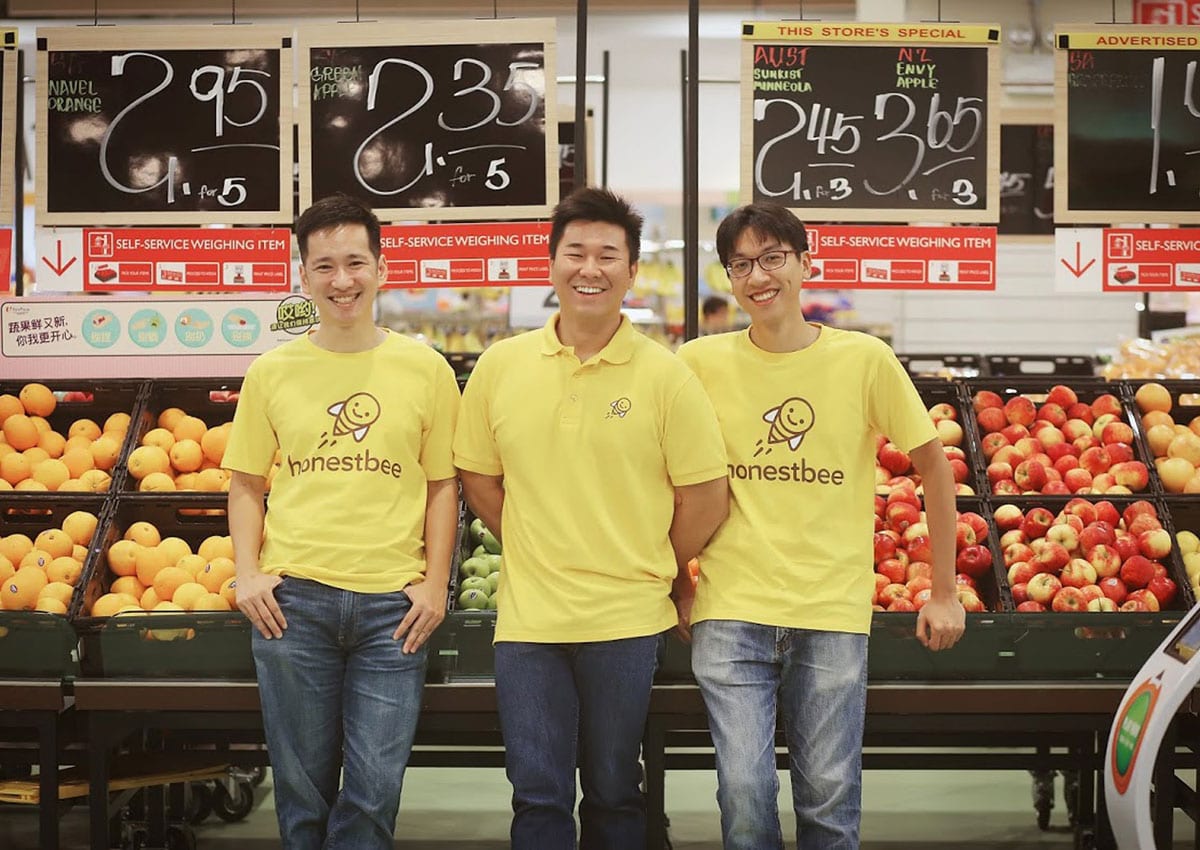
    Honestbee Singapore is to halt food deliveries from Monday.

    The company said in a statement it would also suspend laundry services on the same date.

    The changes come as part of an in-depth strategic review of the business launched after the departure of cofounder and CEO Joel Sng who was replaced by cornerstone investor Brian Koo at the beginning of the month.

    “The decision was made to optimise the business structure, and to drive better focus and alignment with Honestbee’s current strategic priorities,” the company said in a statement.

    The decision brings to an end the roles of some 400 ‘delivery bees’ many of them part timers.

    “They have played a key role, and have been a critical part of the Honestbee family,” said the company. “During this transition, Honestbee remains committed to assist all delivery bees. The headcount in Singapore remains unaffected.”

    Honestbee says it will continue to operate the grocery-delivery service, and its physical space – Habitat by Honestbee.

    “The newly-appointed executive team is working on future plans to stay relevant and sustainable in today’s rapidly changing business environment. This will help to put Honestbee in the best possible position to support the business in Singapore and other geographies going forward.”

  • Foodstuffs Allowing customers to bring own containers

    Foodstuffs Allowing customers to bring own containers

    Supermarket chain Foodstuffs will soon allow customers to bring their own containers to use for seafood, over-the-counter butchery, delicatessen and bakery items in an effort to eliminate waste.

    The BYOC (bring your own container) policy will be made available at Foodstuffs supermarkets and Foodstuffs-affiliated stores, including New World, Pak n Save and Four Square North Island stores.

    The policy will kick off on June 1 but will be launched in New World Long Bay a bit earlier, as its new store opens on May 28 in Auckland.

    Mark Casey, group manager of regulatory services at Foodstuffs North Island, said the company ran successful trials at several stores where it worked out what rules need to be followed.

    “Food safety is a top priority, so making sure our customers’ groceries aren’t compromised through poor hygiene is very important,” Casey said.

    According to Foodstuffs, the service is only available at counter departments so that stores can check containers and make sure they are fit for purpose and clean, and that the weight of the container can be subtracted from the weight of the product being purchased.

    “Many people don’t realise that products must be sold minus the cost packaging might add to a product,” Casey said. “That’s why we restrict BYO to counters where we can subtract the weight of the container and produce a price label for the cost of the product only.”

    This means that products from bulk bins, for now, won’t be included.

    “We have to make quite significant changes to the way we operate to take the BYO option storewide, but this new policy in our counter areas is a major step towards zero waste.”

    The supermarket chain said encouraging customers to reuse containers is just one of the many initiatives it has underway to help reduce New Zealanders’ environmental footprint.

    “We’ve given away millions of reusable shopping bags, we encourage customers to bring reusable produce bags, we’re trialing home compostable produce bags and now we’re inviting people to bring their own containers. It all adds up to reducing packaging waste,” said Mike Sammons, head of sustainability at Foodstuffs.

    Sammons said reusable bags and boxes may soon be in the works after the company’s previous initiatives to cut out plastic in-store, such as its ‘food in the nude’ campaign in produce, a new and exclusive eco-store refillery in its New World Durham Street in Christchurch and the use of new products for wrapping pallets.

  • Suning invests in Jack Ma-backed retail Fund

    Suning invests in Jack Ma-backed retail Fund

    Chinese retailer Suning has invested US$129 million into Jack Ma-backed Yunfeng Capital’s third fund.

    The funding represents 61.41 per cent of a committed $210 million to the private equity firm, which is set to raise $2.5 billion and has so far received commitments from 51 limited partners (LPs).

    The company stated that the funding will give it the opportunity to “deepen its smart retail strategy, further enrich the Suning ecosystem as well as achieve financial returns”.

    The firm is a current shareholder in Jack Ma’s e-commerce giant Alibaba, and vice versa.

    The Yunfeng Capital equity firm makes calculated investments in technology, media and communications, as well as a range of other consumer sectors.

  • Uniqlo shoppers Details Leaked Online

    Uniqlo shoppers Details Leaked Online

    Uniqlo parent Fast Retailing announced hackers may have gained access to personal information of 461,091 accounts registered on the company’s Japanese shopping websites.

    The retailer said in a statement Monday the hackers may have accessed customers’ personal information, purchase history and partial credit card numbers of some of the users of its Uniqlo Japan and GU Japan online stores from April 23 to May 10 by means of list type account hacking.

    List type account hacking is when user IDs and passwords are potentially leaked from other services or sites.

    The company said it is still investigating the breach and added the number of incidents and circumstances may change during the course of the investigation.

    In the meantime, the Japanese retailer advised its online store’s customers, the number of which the company has not disclosed, to use unique passwords and to avoid using passwords used from other websites to lower the chances of hackers accessing their accounts.

    “Fast Retailing sincerely apologizes for the trouble and concern this has caused to its customers and all others involved,” the company said.

    “Going forward, the company will further strengthen its security measures and take steps to ensure safety, in order to prevent similar incidents in the future.”

    The retailer said information that was potentially accessed includes:

    • Customer name (last name and first name)
    • The customer address (postal code, address, and apartment number)
    • Customer phone number, mobile phone number, email address, gender, date of birth, purchase history, and clothing measurements
    • Receiver name (last name and first name), address, and phone number
    • Customer partial credit card information (cardholder name, expiration date, and a portion of credit card number). The credit card numbers potentially accessed are hidden, other than the first four and last four digits. In addition, the CVV number (credit card security code) is not displayed or stored.

    In its announcement, Fast Retailing said it has identified the origin of the communication from which the unauthorized logins were attempted and has blocked access. The company added it is strengthening monitoring of other access points.

    The Japanese retailer said it has already disabled the passwords for the 461,091 user IDs that were compromised and is sending individual e-mails to each person affected, requesting that they reset their password.

    Fast Retailing has also filed a report of damages regarding the unauthorized logins with the Tokyo Metropolitan Police.

    Online sales made up 9.9 percent of Uniqlo sales in Japan and 20 percent in China in the company’s first-half report. The company said overall online sales rose 30.3 percent in that report.

  • Uber announces major Black and Black SUV enhancements

    Uber announces major Black and Black SUV enhancements

    Uber Black and Uber Black SUV, the original luxury experiences, are getting consistent improvements in the United States this week. Apparently, many customers have requested top-notch service and premium comfort when using these experiences, and Uber has decided to finally deliver.

    When you request an Uber Black or Black SUV, you will now be able to access premium phone support with live agents in case you need something else. Also, these luxury services will now offer a little bit more extra time to get to the car when unexpected delays emerge.

    A brand new Quiet Mode is now available as well, which means that if you need to respond to emails or want to simply take a nap (?!), you can select that from within the Uber app and the driver won’t bother you. However, if you’re in the mood to chat, you can select that option too.

    Furthermore, a new Temperature Control feature will communicate your optimal temperature to the driver before you enter the vehicle. Also, if you need help with your luggage, you can let your driver know via the Uber app.

    According to the ride-sharing company, all the premium features including Quiet Mode, help with luggage, temperature control, extended pickup periods and premium support will be available to 100% of US Uber Black and Uber Black SUV riders on May 15.

  • Glory Days of Samsonite Sales Ending

    Glory Days of Samsonite Sales Ending

    “Economic headwinds” in the latest quarter have brought an end to the stellar run of Samsonite sales growth.

    For the March quarter, the world’s largest luggage retailer has reported a fall in sales of 2.4 per cent and 6.3 per cent when reported in US dollars. Profit attributable to shareholders slumped by 48.2 per cent to US$22.8 million.

    In Asia, overall sales fell 2.1 per cent, but the group continued to achieve net sales gains in both Japan (up 4.1 per cent) and Hong Kong (up 5.5 per cent) during the quarter.

    Last full year, net Samsonite sales were up 8.4 per cent on a constant-currency basis to US$3.797 billion in the year to December 31. Profit attributable to shareholders rose by 23.9 per cent before extraordinary items.

    The company has consistently reported quarter-on-quarter sales growth during the last several years, although this was heavily influenced by the acquisition of Tumi and other businesses over the same period.

    Commenting on the results, CEO Kyle Gendreau said economic headwinds have continued to impact a number of the company’s key markets during the first quarter, particularly the US, South Korea, Chile and the business-to-business market segment in China.

    “Excluding these four markets, our net sales grew by a healthy 3.4 per cent, driven by a 4.4 per cent increase in Asia (excluding South Korea and business-to-business sales in China) and a 2.3 per cent growth in Europe.”

    In China, a sharp decline in business-to-business orders caused net sales to decrease by 8.3 per cent year on year. Excluding business-to-business orders for both periods, net sales in China increased by 5.9 per cent, driven by a 15.1 per cent rise in direct-to-consumer sales, despite weak consumer sentiment amid concerns about trade relations with the US.

    By brand, Tumi sales in Asia soared 17 per cent and in Europe by 22.5 per cent.

    Net sales of the Samsonite brand were down by 4.2 per cent year-on-year to $373 million during the quarter, primarily due to declines in the US, China and South Korea.

  • Sigma, Tech Mahindra partner on connected car

    Sigma, Tech Mahindra partner on connected car

    Sigma Systems and Tech Mahindra have announced the launch of a connected car service subscription management platform for the automobile industry.

    The joint platform was selected and will be an integral part of a global automobile manufacturer’s connected car services program, paving the way for emerging on-board digital and IoT based applications.

    The companies said the service subscription management platform is a fully automated, cloud-based SaaS solution designed and delivered with scalable platform architecture and Open API’s.

    It consists of key Sigma portfolio products including Sigma Catalog and Sigma Order Management.

    The platform will drive consumers’ digital experience on new connectivity services while being mobile network operator agnostic and using eUICC SIM, the companies said.

    The platform will provide lifecycle management of connected car services and subscriptions manage roaming scenarios and control data consumption by driving policies and enhance end-user experience.