Author: Mei Ling Tan

  • India’s Nappa Dori Opening Store in UK

    India’s Nappa Dori Opening Store in UK

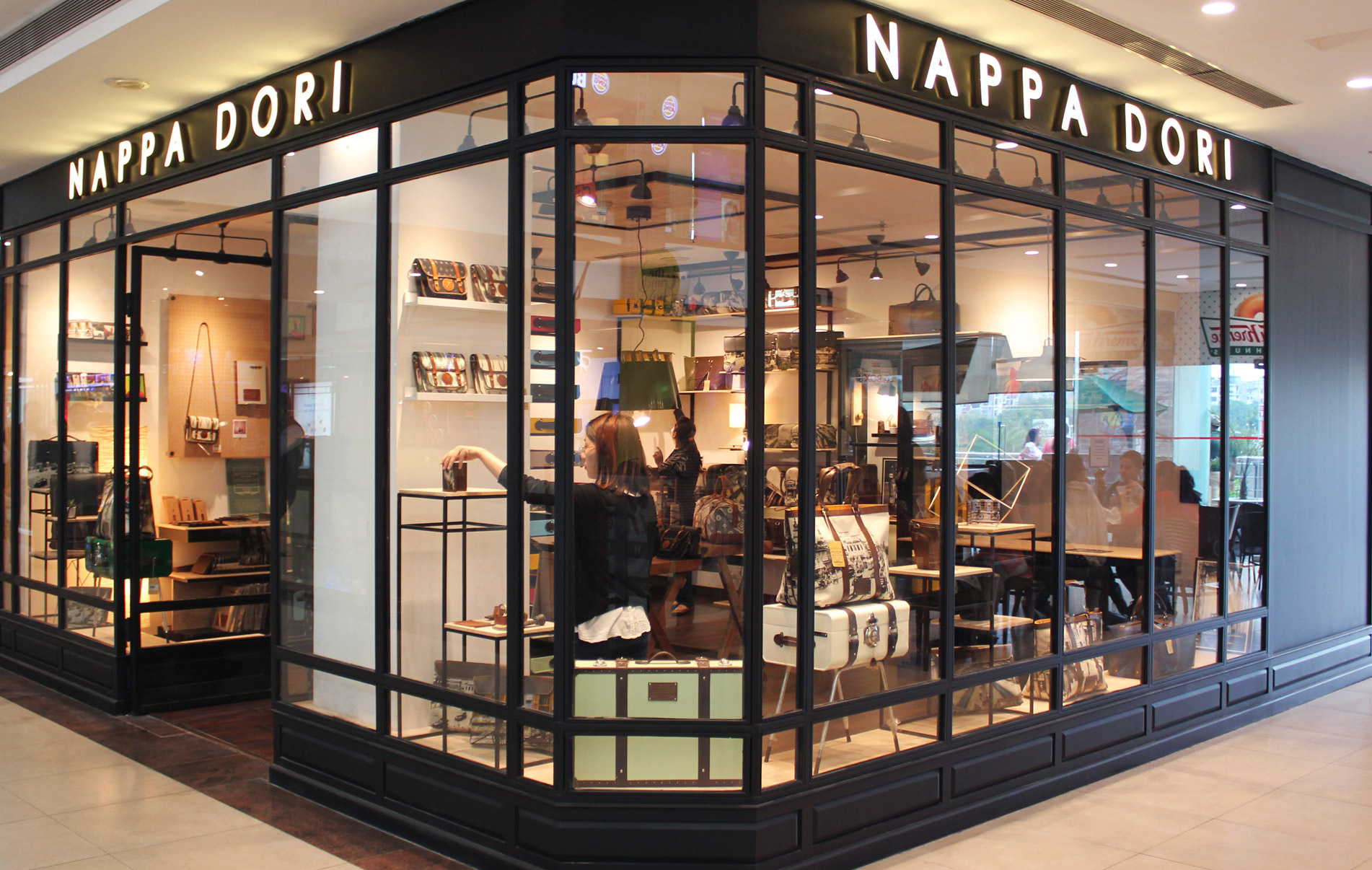
    Indian luxury handcrafted-bags and luggage retailer Nappa Dori has launched in London.

    The firm’s 1400sqft location in Seven Dials on Monmouth Street is its first in Europe, adding to its seven-store network in India and an outlet in the Maldives. It features an in-store cafe serving traditional beverages such as chai tea.

    “The high volume of tourists and locals who frequent the stylish streets of Seven Dials made it the obvious choice for our first UK and European venture,” said Nappa Dori founder Gautam Sinha.

    “This opening reflects the increase in brands selecting this unique West End destination for debut UK and European stores,” said Shaftesbury senior retail portfolio manager Addy Williams, “following in the footsteps of leading brands such as Away and Beast.”

    Nappa Dori has previously engaged in collaborations with Kiehl’s and Qatar Airways, among other partnering businesses.

  • Aeon opens first Supermarket in Myanmar

    Aeon opens first Supermarket in Myanmar

    Japanese retailer and mall operator Aeon has launched its first hypermarket in Myanmar.

    The 2800sqm store is triple the size of its 14 existing supermarkets in Southeast Asia and its first hypermarket in the region. Opened in the capital city of Yangon, it sells household items as well as food. It also features a microfinancing service for shoppers.

    The move is a response to the growing retail sector in Myanmar, which Aeon has been pursuing since its 2016 joint venture with local partner Creation Myanmar Group.

    The hypermarket includes a large home-appliance sales space and a 70sqm dining area.

    “There is further room to increase the number of stores in Myanmar as the country is still short of modern retail space,” said Aeon Orange’s GM of administration Masayasu Isozaki.

    Aeon currently operates 74 stores in Southeast Asia, with shopping malls and supermarkets in Cambodia, Indonesia and Vietnam.

  • Kiwis invest Money into Ethical Fashion Brand

    Kiwis invest Money into Ethical Fashion Brand

    With 14 days left to hit their minimum target, New Zealand-based ethical fashion brand Little Yellow Bird announced it has raised over $151,563 in its equity crowdfunding campaign.

    The Wellington-based company is offering Kiwis the chance to invest in the company for as little as $500 to scale its impact, grow the product range and make ethical fashion mainstream. The company also plans to expand internationally.

    Little Yellow Bird hopes to raise a minimum of $750,000 with its equity crowdfunding campaign on PledgeMe as it aims to become New Zealand’s first community-owned ethical fashion brand.

    “We are expanding, and we want to scale our voice and impact,” said Samantha Jones, Little Yellow Bird founder.

    Jones said the best way to do this was by having a community of values-aligned investors.

    Little Yellow Bird uses 100 per cent organic, rain-fed cotton and non-toxic dyes and follows a zero waste policy in its factories, saving millions of litres of water each year.

    With the fashion industry named as one of the biggest contributors to climate change across the world, producing about 10 per cent of greenhouse gas emissions, Yellowbird said it is “absolutely committed to ethical manufacturing.”

    “We track every single item of clothing from source to sale, and we ensure we have transparency across the entire supply chain for our products.”

  • Chinese baby products website Beidian gets Funding

    Chinese baby products website Beidian gets Funding

    Chinese maternal and child-care social-shopping site Beidian has attracted RMB860 million (US$126 million) in funding from leading investment firms.

    Hillhouse, Xiang He and Sequoia Capital are among the high-profile funders backing the social commerce enterprise. The online retailer focuses primarily on trading in mother and infant goods as well as other daily-use products.

    Any user can trade on the Beidian platform to sell and receive commissions from sales, with the opportunity to connect directly with suppliers and receive support for their marketing and distribution.

    The site has more than 50 million registered users, predominantly housewives, 20 per cent of whom are active on a monthly basis. More than 100 million purchases are processed on the site per business quarter.

  • Outlook Mobile is Getting New Features

    Outlook Mobile is Getting New Features

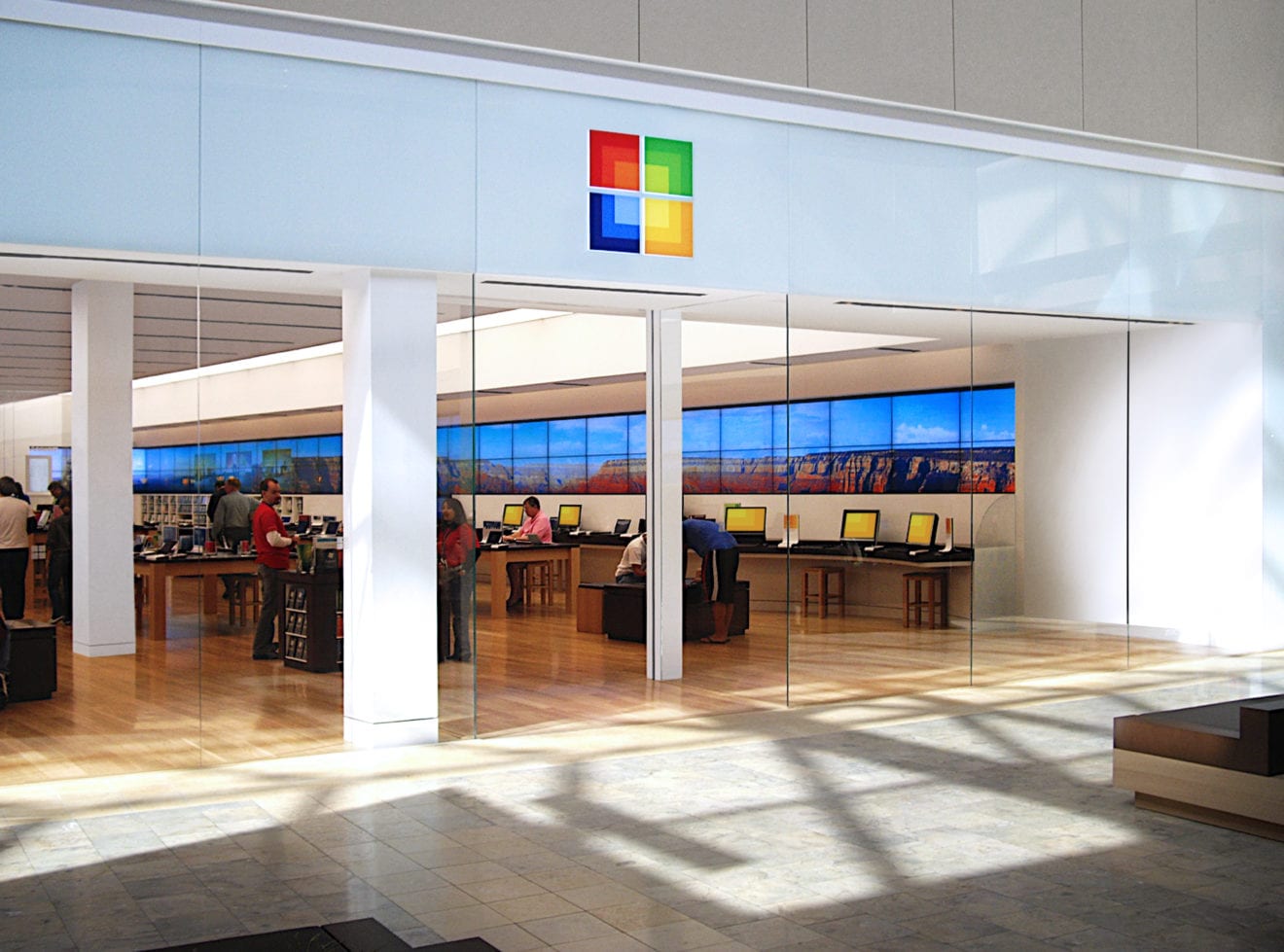
    Microsoft has just announced its Outlook mobile app is getting some new features in the latest update, which will allow users to customize their email notifications from their favorite people. On top of that, the Redmond-based company announced it will add enhancements to Outlook for Android Contacts, along with additional use of intelligent technology from Office Lens.

    The first important new feature you’ll be getting on Outlook for Android is the new special place in the sidebar that appears when you select someone as a favorite person. This will allow you to quickly access recent emails from them.

    You can now manage favorite people, folders and Outlook groups by simply tapping the pencil in the sidebar to edit Favorites. According to Microsoft, all the changes that you make to Favorite in Outlook mobile will sync with Favorites in Outlook on the web.

    Once you select your Favorites, you can set Outlook mobile to block all other notifications and let only those from your VIPs to go through, so that you can work without interruption. Also, in addition to the option to receive notifications from Focused Inbox, Focused Inbox or Other or no notifications, those who use the Microsoft sync technology for Outlook mobile can choose to be notified only when an email from one of their favorite people is delivered to the inbox.

    Several enhancements to the Outlook for Android contact card have been implemented as well. Expect additional contact details, information about where they fit into the company reporting structure and insight about who they work with courtesy to the Microsoft Graph.

    If you haven’t yet used Office Lens in Outlook, Microsoft made a video to show users how to scan a business card and convert it into an Outlook contact. It’s extremely convenient and save you a lot of time if you have several contacts that you want to add in Outlook.

  • The Loft heads to China with new store Opening

    The Loft heads to China with new store Opening

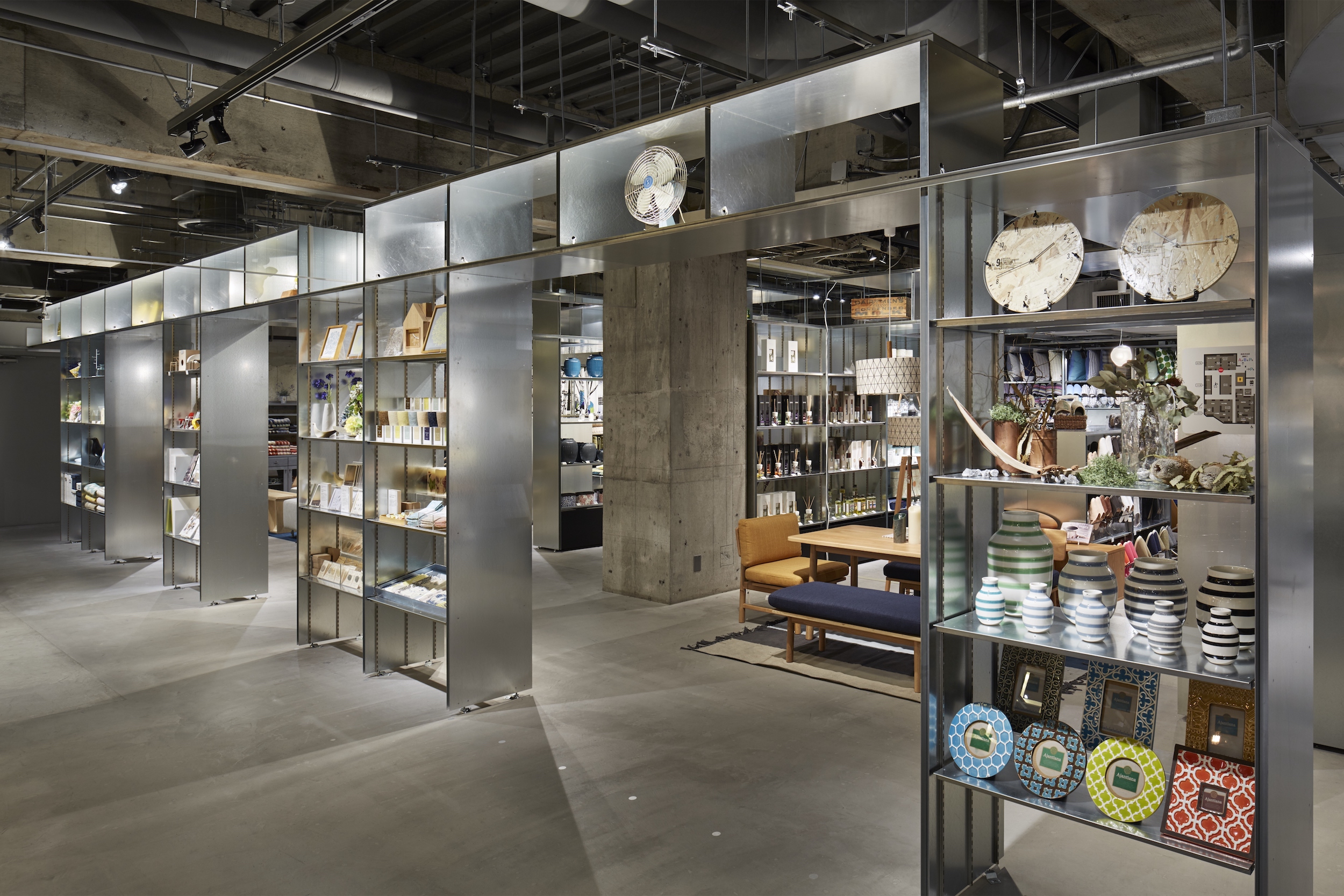
    Japanese household goods store The Loft is preparing to open a new store in China’s Chengdu with local superstore business Chengdu Ito-Yokado.

    The Loft holds a 90 percent stake in the new joint venture, which has registered capital of RMB45 million (US$6.54 million).

    Chengdu Ito-Yokado is a subsidiary of fellow Japanese general merchandise retailer Ito-Yokado, which has 14 stores in Chengdu and Beijing. The Loft entered discussions with the company to form a partnership while it was evaluating opportunities for a long-term corporate strategy in Mainland China. The new joint venture now paves the way for The Loft to prepare to open its directly managed stores in Chengdu and elsewhere in China.

    The Loft, which specializes in display and layout arrangements for household accessories, cosmetics, and stationery, is one of Japan’s largest retailers of household goods with more than 100 stores in Japan. It also has a presence in Thailand. As many Chinese tourists have been visiting Loft stores, particularly Shibuya Loft in the Tokyo metropolitan area, the firm believes its stores in China will be able to attract new local customers.

    The new store is expected to launch in spring next year.

  • FamilyMart is suing its Chinese partner

    FamilyMart is suing its Chinese partner

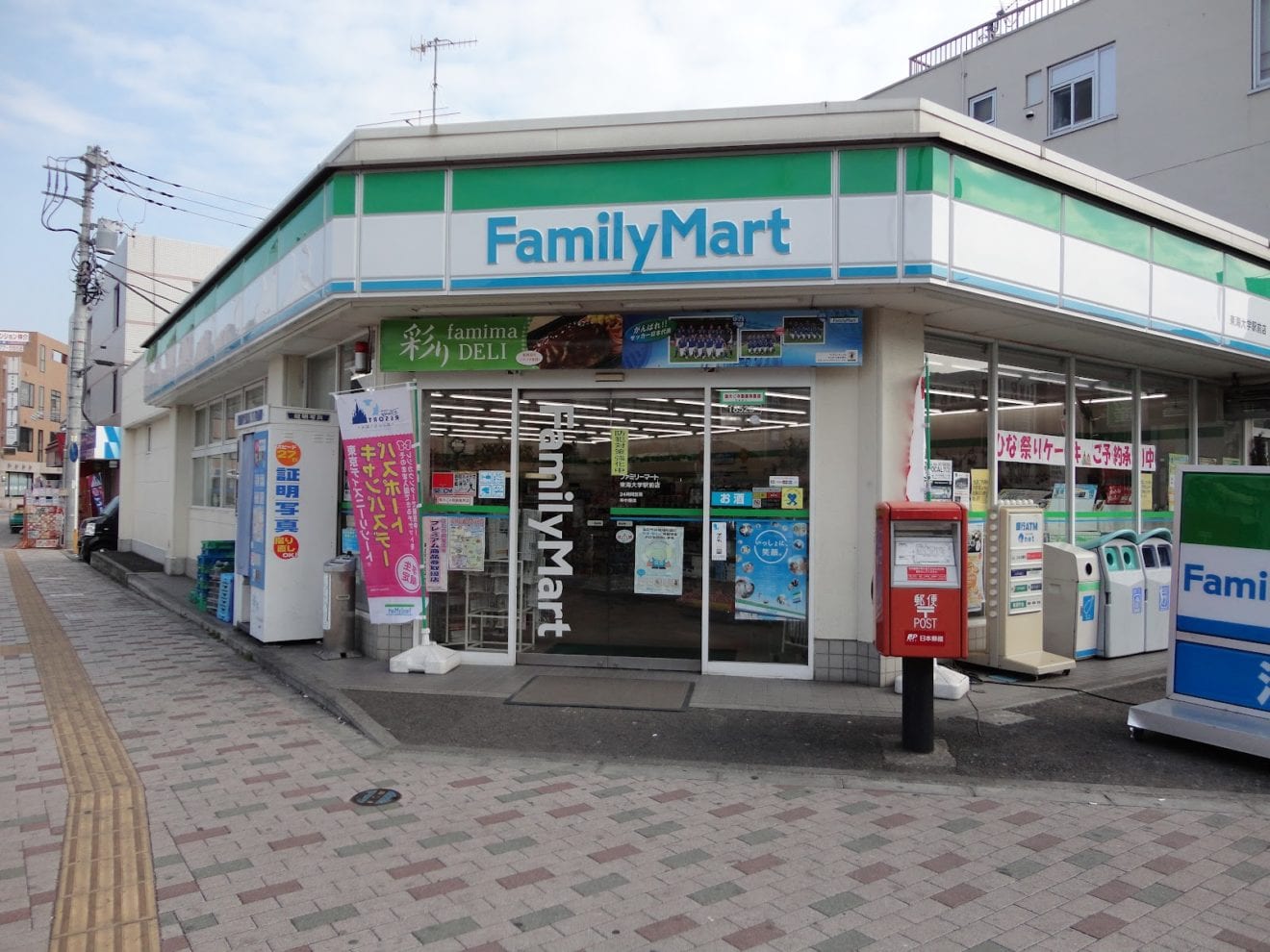
    FamilyMart is suing its Chinese partner in a dispute over royalties which could spell the end of the joint venture.

    With 2500 stores across China, FamilyMart has the second-largest network of foreign players, but the highest market share at around 8.4 per cent, according to Euromonitor data. The Chinese business, owned by Taiwan-based Ting Hsin International Group, is considered a mainland entity having had a presence there since the late 1980s.

    Japan’s FamilyMart UNY has lodged a suit in the Cayman Islands, where both companies are registered, seeking to force Ting Hsin to relinquish its 60 per cent stake in the venture, according to documents sighted by Bloomberg. It claims the Chinese company has not been fairly sharing the profits from the chain’s expansion in China.

    But Ting Hsin counters that familyMart is seeking royalty fees three times higher than rival chains such as 7-Eleven, which is also Japanese owned.

    A FamilyMart spokesperson says the company cannot comment on matters of litigation. Ting Hsin cited confidentiality agreements for not commenting.

    However FamilyMart UNY is alleging that Ting Hsin sought to reduce the royalty fee it pays for using the brand from 1 per cent of sales to 0.3 per cent or less. At one point, it allegedly withheld royalty payments for seven months.

    Ting Hsin has also been accused of failing to adequately disclose transaction data which would allow familyMart UNY to gain an accurate picture of the business’ performance in China.

  • Maruti Suzuki Inaugurates 400th Arena Showroom

    Maruti Suzuki Inaugurates 400th Arena Showroom

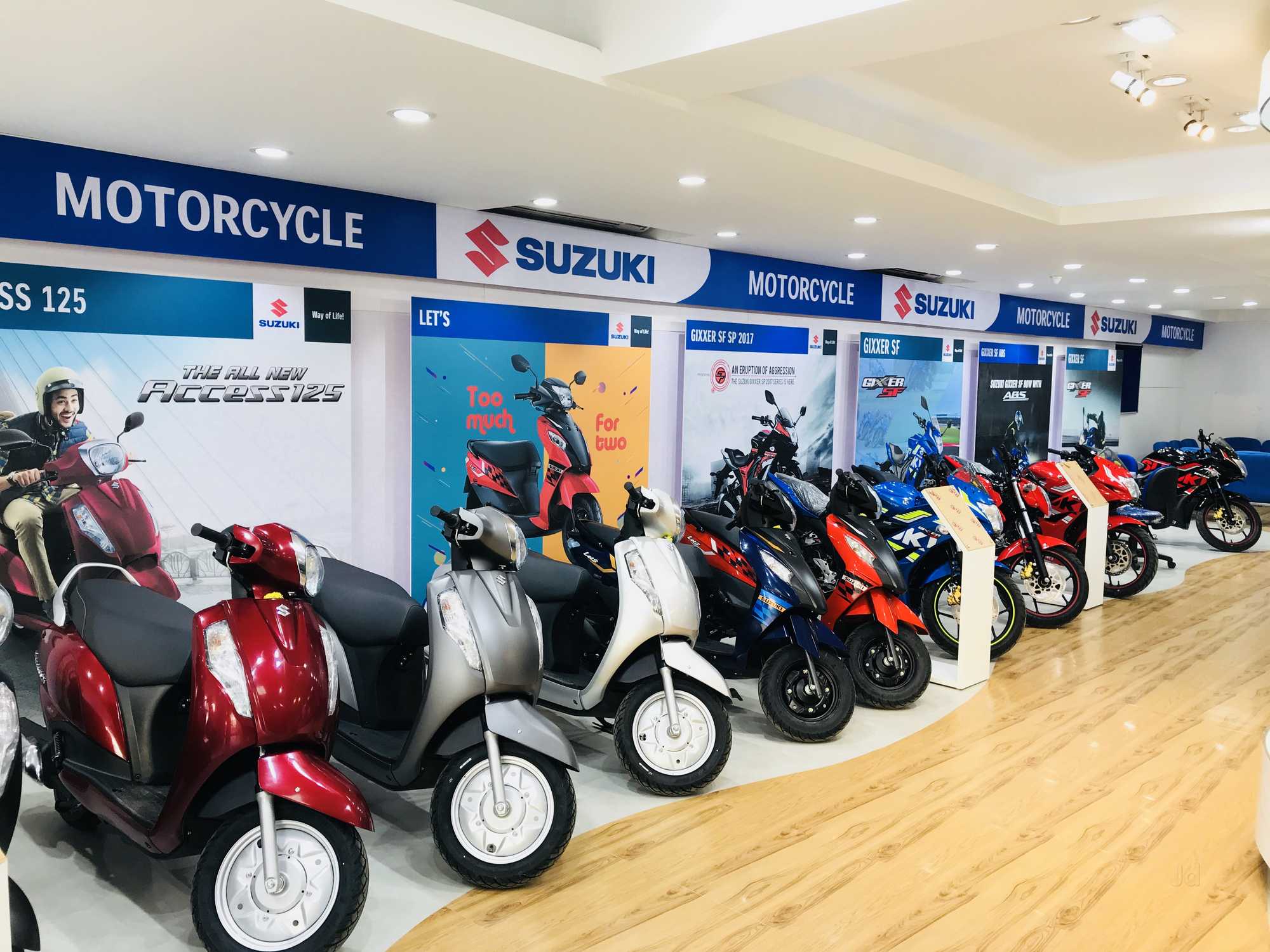
    Maruti Suzuki India Limited announced that it recently inaugurated its 400th Arena showroom and the milestone comes in less than two years. Maruti Suzuki Arena retail showrooms sport a modern look and are now present in 278 cities and towns in India. The company’s total sales network has crossed 2,940 showrooms covering more than 1,860 towns and cities.

    Commenting on the landmark, Shashank Srivastava, Executive Director (Marketing & Sales), Maruti Suzuki India Limited said, “We launched Maruti Suzuki Arena with a strategy to transform our network and meet expectations of young, dynamic and evolved Indian customers. It is an important step in our journey of transformation. In less than two years, we have opened the 400th ARENA showroom. This transformation is built on continuous research, listening to the customer and anticipating future trends. The effort is to align with ever-evolving customer and offer experiences at par with global benchmarks.”

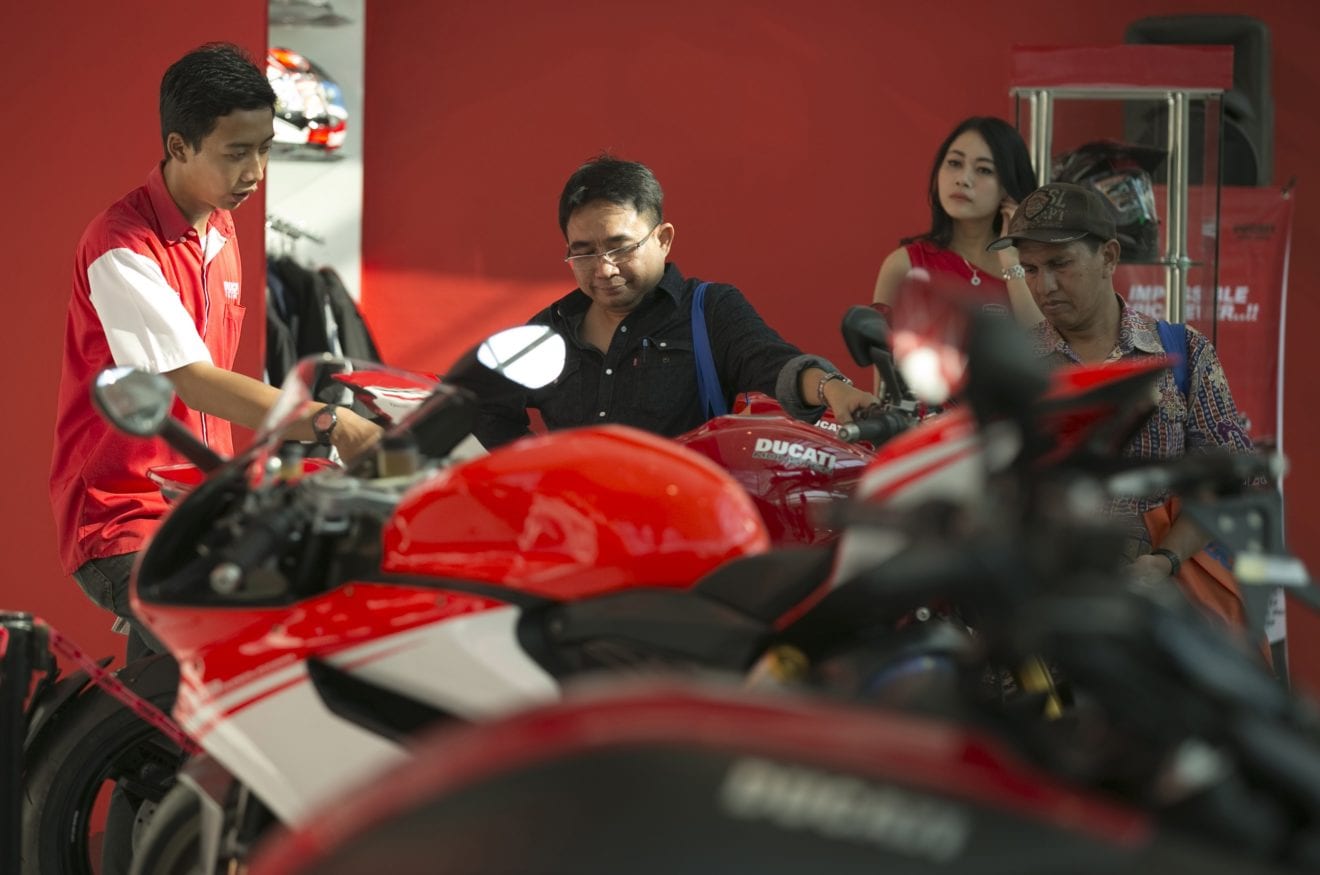
    The Arena dealerships come with modern amenities and sport a large touchscreen panel that potential customers can access to check out specs, features, colors, etc. The touch panel will also offer buyers a 360 view of the car along with iCreate configurators for vehicles like the Brezza and the Swift. Owners will also be able to reload pre-configured variations of cars that they might have customized on their own computers, iPads or phones directly onto the screen here. All Maruti Suzuki showrooms across India will progressively adapt to the new ARENA for to provide enhanced customer experience

  • Google Will Start Pushing More Ads on Mobile

    Google Will Start Pushing More Ads on Mobile

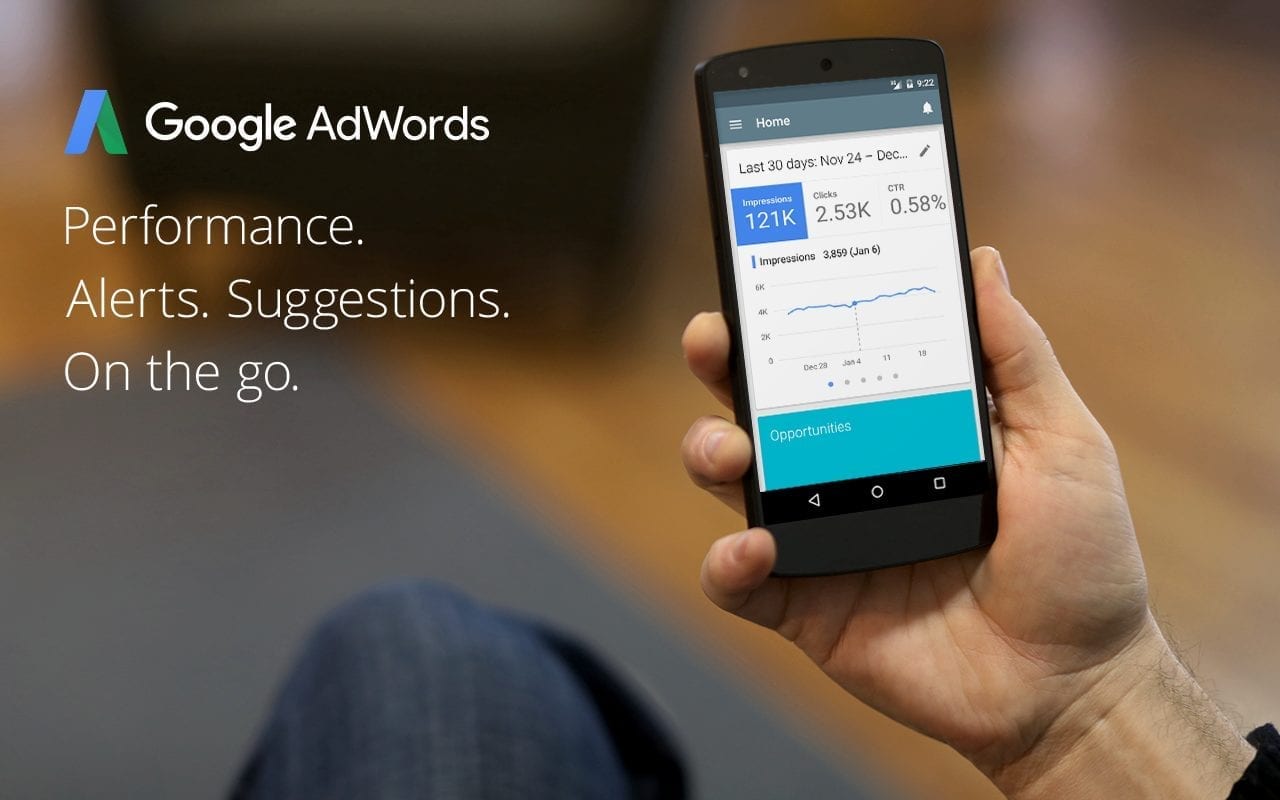
    Google has just announced that it will soon start pushing out more ads on mobile to make it easier for Android and iOS users to find information about the products they want to purchase. The so-called Discovery ads will be rolled out to all advertisers globally later this year, as a new way to reach people across Google properties when they’re looking for something specific.

    Besides Discovery ads, Google revealed that it will deliver mobile users Gallery ads, a new search ads format delivered in the form of up to eight ads that they can swipe through.

    By combining search intent with a more interactive visual format, gallery ads make it easier for you to communicate what your brand has to offer. We’ve found that, on average, ad groups including one or more gallery ad have up to 25 percent more interactions—paid clicks or swipes—at the absolute top of the mobile Search results page.

    On top of that, standard ads will now pop up in Google’s discover feed that’s implemented in many Android home screens, in the Google app, as well as on Google’s mobile homepage.

    These ads are supposed to “inspire consumers with an open canvas” and allow them to learn about new brands or products in a swipeable image carousel, which is rendered natively across all Google’s properties.

    Last but not least, Google plans to bring Showcase Shopping ads to even more of its properties, such as Google Images, the feed on Discover, and YouTube. This is a highly visual ad format that includes rich lifestyle imagery into Shopping ads.

  • Yamaha Crosses 10 Million Production Landmark In India

    Yamaha Crosses 10 Million Production Landmark In India

    Japanese two-wheeler giant, Yamaha Motor has announced a production milestone of 10 million units in India. The company achieved the landmark production figure in 34 years of its presence in the country, having begun operations in 1985. The production number is a result of Yamaha’s three manufacturing facilities located in Surajpur, Faridabad, and Chennai that have contributed to the achievement. The 10 millionth vehicle to roll-out at the ceremony was the Yamaha FZS-FI V3.0 at the Chennai plant. The production volumes have not only catered to the domestic demand but for exports as well.

    Speaking on the significant milestone, Motofumi Shitara, Chairman, Yamaha Motor India Group of Companies said, “The journey for Yamaha has been quite exciting all these years. We have received a phenomenal response from our customers from across the country. This landmark achievement is a testimony of our growing popularity and demand for our products which are exciting, stylish and sporty. This would not have been possible without the support of our employees, dealer partners, suppliers, and vendors. They have played a key role and have extended their support throughout in line with the company’s business direction to achieve this important milestone. Going forward, we will continue to excite our customers and empower their lives through world-class products and services.”

    Yamaha’s popularity has soared in recent years with more mass-market offerings, which helped catapult the production numbers. The occasion also marked another accomplishment of five million units being produced in just seven years between 2012 and 2019. Scooter sales helped the manufacturer during this period, contributing 44 percent to the overall production with the Fascino being a popular seller. Out of the 10 million vehicles produced, about 80 percent units were rolled out from the Surajpur and Faridabad facilities while 20 percent of units were contributed by the new Chennai plant. Motorcycles remained larger contributors to Yamaha Motor India’s overall production. The company manufactured over 77.88 lakh motorcycles overall, while 22.12 lakh scooters were produced.

    Yamaha achieved its first such milestone in 1999, 14 years after commencing operations in India when the Surajpur plant hit the one million production run. In 2012, the company’s production increased to five million. The firm also introduced its first scooter – Yamaha Ray – the same year, which further helped build volumes. Yamaha had achieved a production run of one million for its scooters by 2016 with the offerings being manufactured at the then newly built Chennai plant that was begun operations in 2015.

    The Chennai factory has played a key role in Yamaha’s production strategy for India, according to the company. The plant has increased its capacity from 4.5 lakh units in 2015 to the current nine lakh units. In the last 5 years, the Chennai factory along with Surajpur & Faridabad factory have together met their production targets from 7.40 lakh units in 2014 to 10.2 lakh units in 2018.

    While Yamaha did shift its focus towards commuter motorcycles in the past years, the two-wheeler maker is now focussing back on sporty bikes and has introduced a slew of offerings in the past year including the YZF-R15 V3.0, FZ V3.0 and more recently the Yamaha MT-15. The bike maker is expected to also bring the updated YZF-R3 in India later this year or by early 2020 and possibly its naked sibling – Yamaha MT-03 – sometime in the future. There have also been rumors of the company entering the 125 cc scooter segment, but there has been confirmation on the same from the company.

  • Google Translate is getting an Important Update

    Google Translate is getting an Important Update

    Google Translate’s camera translation feature sounds very futuristic on paper, but in practice—so far, at least—it’s been more of a proof of concept. It’s still usable and gets the job done, but it’s far from polished and intuitive to interact with. In fact, one of the biggest hurdles of using camera translations is the fact that you need to pick the languages before initiating the camera, as there is no automatic language detection built in. This can get annoying, especially since there’s no way to change the source and target languages while looking through the viewfinder.

    All of this is soon going to change, however, and for the better. The lines of code in the latest version of Google Translate hint at a big upgrade coming to the app in the near future. Various suspected improvements include “better translation quality” and “more languages supported,” but the most important one, perhaps, is the automatic language detection that’s coming to camera translations.

    Currently, users need to pre-select their desired source and target language, initiate the camera, snap a picture, and highlight the text they want to be translated. In the future, however, this process will be more streamlined. First off, Translate will be able to automatically detect the source language as soon as you point the camera at a text, and you’ll have the ability to select the target language. Second, Google is working on an “Instant” augmented reality feature that will translate any texts immediately and display them as though they were written in the target language while you’re still looking through the viewfinder. Now that’s more like the future of seamless translation that Google has been promising for years!

    The new camera features are apparently present in Google Translate version 5.29, though they haven’t been enabled yet. This likely means that they’re dependent on a server-side switch on Google’s part. Expect them to go live in the coming weeks or months.

  • Volkswagen Expands Network With First City & Pop-up Stores In India

    Volkswagen Expands Network With First City & Pop-up Stores In India

    German auto giant has inaugurated its first city and pop-up stores in India, in a bid to expand its presence and touchpoints in the country. The manufacturer opened its first City store at Richmond Road in Bengaluru, while the Pop-up store opened in Tumkur. The automaker says that the initiative aims to prepare the brand to be ‘fit for the future’ while being innovative. Volkswagen plans to introduce 30 new pop-up and city stores across the country over the next one year.

    Speaking about the new innovation, Steffen Knapp, Director, Volkswagen Passenger Cars said, “Our business environment is changing at a breathtaking pace in view of new technologies and enhanced customer expectations. Our customers today value innovation and in turn expect a prompt and hassle-free experience with Volkswagen. This new format of transforming our sales stores is in alignment with our global growth strategy. As the world is moving towards connected mobility solutions, digitalization across the sales and after-sales process is pertinent. We’re constantly innovating our brand offerings and we trust our customers would appreciate the Volkswagen experience.”

    The new stores have been opened in partnership with PPS Motors. Speaking on the collaboration, Rajiv Sanghvi, MD – PPS Motors said, “To enhance the customer purchase experience in today’s digital age, we are driven to deliver this world-class showroom that combines traditional and digital tools to offer a seamless sales experience to our customers.”

    The Volkswagen Pop-up store aims to offer an opportunity for potential customers to interact better with the brand. These stores are mainly targeted at the semi-urban and rural areas where the company has a limited presence. Meanwhile, the Volkswagen City store will cater to young customers in urban areas. The city store will offer a digitized experience to customers with paperless details on the vehicles. Vehicles bought via both the stores will be serviced at the existing company workshops that are associated with the traditional dealerships that are already established in multiple cities.

    Volkswagen currently operates out of 119 showrooms and 113 workshops, which are spread across 100 cities in the country. The city and pop-up store concepts will help VW India reach out to newer regions in the country, without necessarily spending the high infrastructure cost involved with setting up a dealer network. It’s not clear as to how long with the city and pop-up stores will be in operation. However, local dealers will find help in reaching out to newer customers outside their traditional vicinity.

  • Hyundai and Kia Invest 80 Million Euros In Rimac

    Hyundai and Kia Invest 80 Million Euros In Rimac

    Hyundai Motor Company and Kia Motors Corporation have jointly invested 80 million Euros in Rimac Automobili – the Croatian high-performance electric vehicle technology and sportscar company. Hyundai Motor will invest 64 million euros while Kia Motors will add 16 million Euros in Rimac and will form a technical partnership to collaborate on two high-performance electric vehicles by 2020.

    The companies have announced a strategic partnership to collaborate on the development of high-performance electric vehicles. Rimac has established themselves as a leader in high-performance electric vehicle technology and as an electric sports car manufacturer. The company continues to deliver EV technology supporting many industry partners, including Hyundai Motor Group, to accelerate their way towards an electric future.

    The electric motors used in the Rimac One develop more than 1000 bhp and it is the fastest accelerating electric vehicle in the world

    Hyundai Motor, Kia Motors, and Rimac will work closely together to develop an electric version of Hyundai Motor’s N brand sports car and a high-performance fuel cell electric vehicle. Euisun Chung, Executive Vice Chairman of Hyundai Motor Group said, “Rimac is an innovative company with outstanding capabilities in high-performance electric vehicles. Its startup roots and abundant experience collaborating with automakers combined with technological prowess makes Rimac the ideal partner for us. We look forward to collaborating with Rimac on our road to Clean Mobility.”

  • Google Assistant Will Come Up with a Fresh New Look

    Google Assistant Will Come Up with a Fresh New Look

    It appears that Google is testing a new UI for Google Assistant. Instead of the white box that pops up when the virtual personal assistant is activated, a transparent overlay with the words “Hi, I’m listening” covers the bottom third of the screen. That tells you that Google Assistant is ready to hear your question or request. At the bottom of the overlay are icons for the Update page and the virtual QWERTY keyboard, with the Google Pixel light bar underneath. Once the user gives his command to Google Assistant or swipes up, the currently used full page in white is displayed.

    Google is running a limited A/B test of the new UI, which is offered with version 9.84.10.21 of the Google app. It is unclear whether Google plans to roll this redesign out to all users, but it is interesting that no mention of this was made at Google I/O last week. It is possible that feedback generated by the A/B testing will be the final piece of the puzzle used to help Google determine whether to keep this new look for the feature.

    Google Assistant is considered by many to be the top virtual helper available with Amazon’s Alexa second and Apple’s Siri in third. Google announced last week that the next-generation version of Assistant will be able to handle tasks up to 10 times faster than the current version. There is some bad news to current Pixel owners; the next-gen Google Assistant could be exclusive to the Pixel 4. If Google sticks to tradition, the latter will be introduced in the fourth quarter of this year.

  • Watsons loyalty program Expanding for Travellers

    Watsons loyalty program Expanding for Travellers

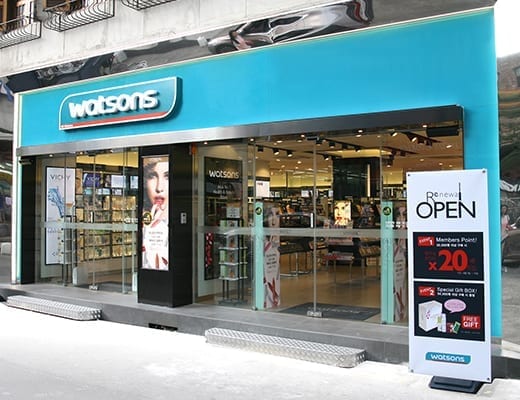
    Watsons is about to expand its loyalty program cross-border with 8 million members in 11 cities in the Greater Bay Area the first to benefit.

    “Watsons operates in many popular travel destinations worldwide, and our customers also tell us that they would like to shop in Watsons overseas,” said group COO Malina Ngai. “Therefore, in order to bring more excitement to our members, it is logical our loyalty program goes international.”

    Members of the Watsons loyalty program in Watsons Hong Kong and Watsons China (in particular Greater Bay Area members) will be able to upgrade their membership to the One Pass-level program to enjoy benefits when they shop in any of the 660 Watsons stores in the 11 cities: Hong Kong, Macau, Guangzhou, Shenzhen, Zhuhai, Foshan, Zhongshan, Dongguan, Huizhou, Jiangmen and Zhaoqing.

    The cross-border program will be launched in other Asian markets including Singapore, Malaysia, Thailand, Taiwan and Indonesia in July.

    “Watsons has been the No.1 Pharmacy/ Drugstore brand in Asia for 10 consecutive years with more than 90 million loyalty club members, and the majority of them are frequent travellers,” said Ngai.

    Indeed, recent research of 14,000 consumers in seven Asian regions showed the average frequency of cross-border Asian travelling is 1.7 per year. Hong Kong people travel 2.2 times yearly, ranking second across Asia, preceded only by Singaporeans, who travel 2.7 times per year.