Author: Mei Ling Tan

  • Sephora confirms Auckland Flagship Opening This Year

    Sephora confirms Auckland Flagship Opening This Year

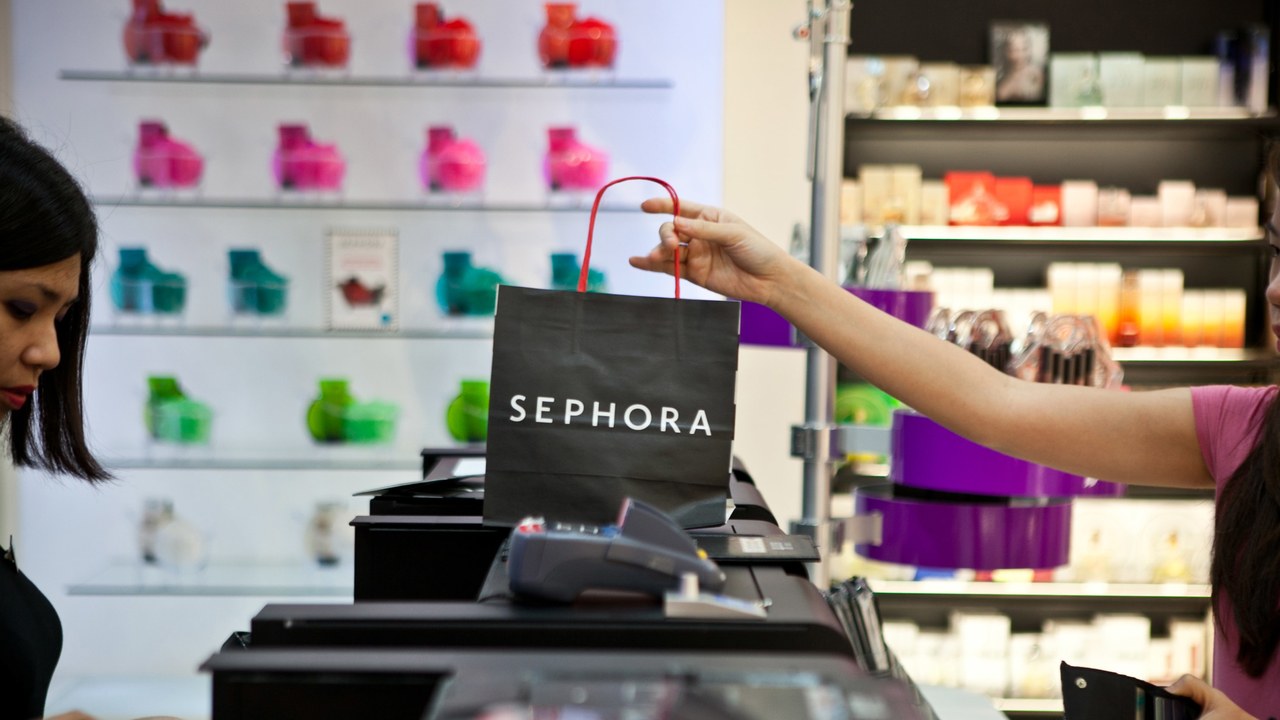
    Beauty retailer Sephora has confirmed long-standing rumors of an Auckland flagship set to open on Queen Street in 2019. While the retailer launched a local online offering in 2015, the bricks-and-mortar location will be Sephora’s first in New Zealand and is part of a larger push into Asia that will see Hong Kong and Korea added to the brand’s retail locations.

    “We believe that New Zealand will be a key market in building Sephora as the most loved beauty community in Asia, and the world,” said the president of Sephora Asia Benjamin Vuchot.

    “This expansion to a new market will allow Sephora to continue to amplify global beauty trends locally, elevate what our clients expect of the in-store experience and bring fresh, digital touch points to the retail environment to create a virtual, client-centric cycle.”

    Prior to its official announcement earlier this week, Sephora posted a series of job ads on Seek in April, looking for assistant store managers, category coordinators, stockroom managers and supervisors to fill out the Auckland flagship.

    The positions all indicated that prospective employees would need to be available for a recruitment event between May 7 and 8, pointing to an opening in the near future.

    Sephora interim general manager of Australia and New Zealand Pedro Coutinho said the store would be a beauty destination “like no other.”

    “We are so excited to introduce our renowned service offering, a suite of the most sought after beauty brands from around the world and a fun place for our clients to experience and explore their own beauty journey,” Coutinho said.

    “The Sephora client is the future – our customers are ahead of the trends, up to date with the latest brands and they want new products, now. We’ve listened to what our online clients want from Sephora, and this new Auckland location will help us deliver it.”

  • Vodafone to sell New Zealand subsidiary for $2.23b

    Vodafone to sell New Zealand subsidiary for $2.23b

    Vodafone Group has arranged to sell a 100% stake in Vodafone New Zealand to a consortium of investors for NZ$3.4 billion ($2.23 billion).

    The consortium comprising New Zealand infrastructure investment company Infratil and Canadian investment company Brookfield Asset Management have executed a conditional agreement to buy out Vodafone’s New Zealand subsidiary.

    Under the agreement, Infratil and Brookfield will each contribute NZ$1.03 billion towards the purchase price, with the remainder to be funded through debt reduction and equity conversion.

    Vodafone New Zealand is the market’s largest mobile operator and second largest retail fixed broadband provider, with over 1,500 mobile sites and over 10,000km of cabling nationwide. The operator generated revenue of NZ$2 billion for the financial year ending in March.

    Pending approvals from New Zealand’s Overseas Investment Office and Commerce Commission, the merger is expected to close by the end of August.

    Upon completion of the merger, Vodafone Group and the new owners of Vodafone NZ plan to enter a multi-year partnership that will cover arrangements such as preferential roaming deals.

    The partner agreement is also expected to give Vodafone NZ access to Vodafone Group’s global IoT platform and centralized procurement agreements.

    Vodafone NZ CEO Jason Paris described the agreement as to the “best of both worlds” for its customers.

    “We’ve got the backing of two new world-class and long-term investors plus we can continue to tap into Vodafone’s global expertise, including all the services our customers value such as global roaming, global procurement, and the world’s largest IoT platform,” he said.

    “The key things will stay the same – our strategy, our people, our management team, our brand, and our ability to tap into Vodafone’s global products and services. What changes is our owners, who back our ambitious plans for New Zealand and who share our views on the importance of creating sustainable, long-term profitability in order to reinvest in the future.”

  • AllGoods marketplace reaches 1 million listings

    AllGoods marketplace reaches 1 million listings

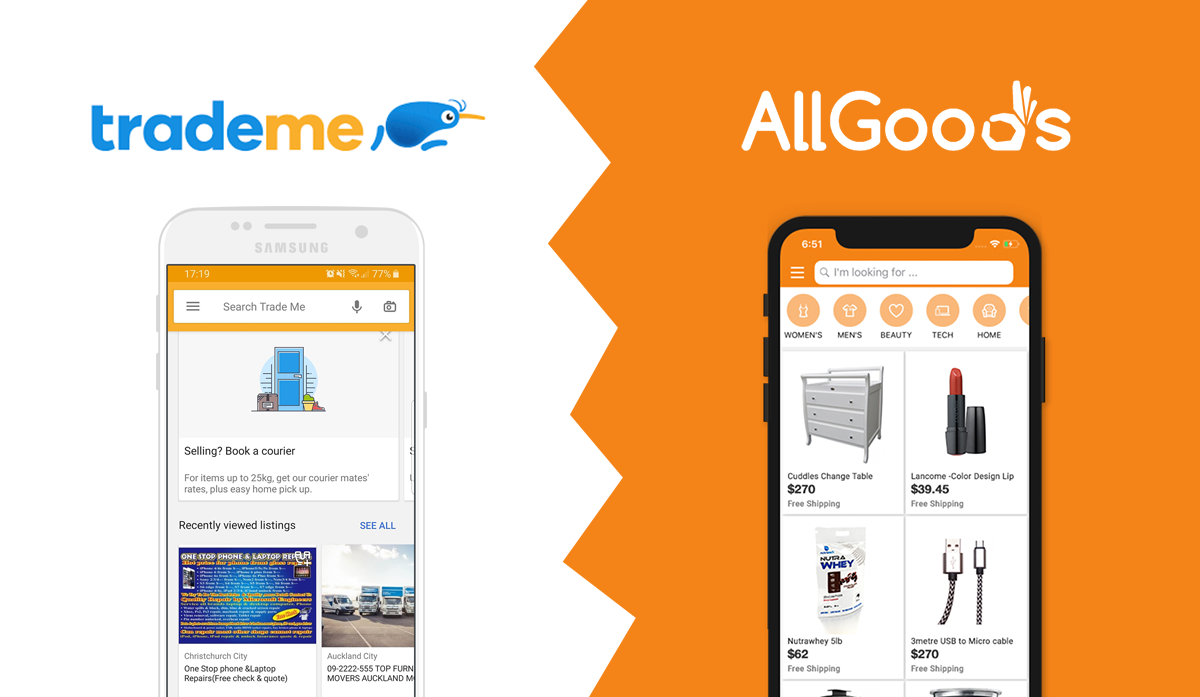
    AllGoods, a free marketplace for Kiwi buyers and sellers, has announced it has reached its one-millionth listing, 12 months after launching.

    The TradeMe competitor said it has maintained steady growth over the past few months. Its app has also become the top New Zealand shopping app since it was released late last year, it said.

    “We’ve worked extremely hard over the past year to get where we are today,” said Levi Fawcett, AllGoods CEO. “We’ve talked with thousands of our users to make sure the platform provides a truly amazing buying and selling experience. Plus, it’s free.”

    The Christchurch-based startup said it already supports over 700 New Zealand businesses who sell through the online website and app. The company said it is their vision to use e-commerce as a sustainable means to support local businesses and give back to the community.

    “We’re offering a fresh spin on the classic online marketplace and while we have only just begun this journey, we look forward to the years to come,” Fawcett said.

    With Trade Me’s recent sale to British equity firm Apax Partners, AllGoods is now considered the largest Kiwi-owned marketplace in New Zealand.

    In October last year, AllGoods launched a new app for iOS and Android mobile devices.

    Features of the new app include easy listings and browsing, allowing users to post items in less than 30 seconds, and a built-in chat tab to get faster answers to questions on the site.

    “The team has tried to keep the platform as easy to use as possible, for both the everyday Kiwi and the average New Zealand business,” Fawcett said. “I think this has been fundamental to our success.”

  • Two million Shoppers to receive first eBay catalogue

    Two million Shoppers to receive first eBay catalogue

    EBay Australia is mailing its first-ever printed catalog to two million Australian households on Tuesday to remind customers that 90 percent of the products on its platform is brand new.

    The 16-page catalog contains over 100 items from the 40,000 Australian retailers that sell on the online marketplace, which is by far the most visited e-commerce site in the country.

    It features items from a range of categories, including electronics and technology, men’s and women’s fashion, heating, bedding, kitchen and cleaning, appliances, liquor, glassware, toys and gaming, entertainment, backyard, and garage.

    EBay selected items to reflect the range and value it offers compared to bricks-and-mortar retailers.

    “We partnered with our sellers to get the best deals on a variety of items including brands like Dyson, KitchenAid, and Apple – reflecting the unbeatable range and value on eBay,” Julie Nestor, chief marketing officer at eBay Australia said.

    “The product selection is also seasonal, showcasing our top picks for the winter months,” she said, hinting at the possibility of more seasonal catalogs to come.

    The catalog provides a way for eBay to reach customers offline. It’s another example of the growing trend of pure-play retailers branching out into the physical world, as they come to understand that shoppers don’t stick to a single channel.

    “We’re adopting a similar strategy many traditional bricks-and-mortar retailers have – by having both a physical and online presence,” Nestor said in an email announcing the catalog.

    EBay is also launching a shoppable digital catalog from May 21.

    Nestor declined to say whether the printed catalog is a precursor to other offline initiatives, such as a pop-up or bricks-and-mortar store, in future.

    “As Australia’s number one online shopping destination, eBay is always looking for new ways to engage with buyers and empower its seller community,” she said.

    “Both online and physical channels will continue to be important. “

    The two million households receiving the catalog are located across metro Sydney, Melbourne, Brisbane, and Perth and include existing buyers as well as those who may not have considered eBay before, Nestor said.

  • Coles reshaping 200 stores around convenience

    Coles reshaping 200 stores around convenience

    Coles is ramping up its convenience strategy, with a plan to grow sales on the back of “food-for-now” and “food-for-later” products. As part of this strategy, the brand will convert around 200 Coles supermarkets to a more premium, convenience-focused format, as shift 200 lower-volume stores to a more value-centric format, while adding around 75 new product lines to its existing range for ready-to-eat meals – such as breakfast foods, curries, soups, roast vegetables and stir-fry kits.

    According to the report, Coles chief executive Stephen Cain sees an opportunity through this strategy to grow another billion dollars in sales over the next five years.

    “It’s high growth and it mainly happens outside supermarkets at the moment,” Cain told.

    “Some of it will come from other players in the convenience market, but because it’s value-added it’s also growing the market as well.”

    Cain previously told analysts that the brand was changing rapidly in the space, but was still lagging behind the competition.

    “We are growing our baskets, and we are growing our transactions. We believe that we can do a better job with the convenience customers, and we’re setting up the business to do that going forward,” Cain said.

    Coles’ focus on convenience is not surprising, given the number of partnerships it has forged with third parties, since splitting from former-parent company Wesfarmers in late 2018, to ensure customers can get its products how they want when they want.

    Deals with online marketplace eBay and meal-delivery service Uber Eats are other incentives for Coles to improve its food-for-now and food-for-later offerings by allowing several pillars of the business to utilize the expanded range.

    “Making life easier for our customers means enabling our customers to fulfill their shopping needs ‘anytime, anywhere’,” a Coles spokesperson said.

    “We know our customers’ needs are changing rapidly and we are evolving our offer accordingly.”

    The convenience market is growing rapidly in Asia Pacific, with the region having been named the “largest and fastest-growing” convenience market in the world in a report by GlobalData.

    According to GlobalData retail analyst Honor Strachen, the changes being seen in the region’s convenience offers, such as those outlined by Coles, have been improving store sales and profitability at a time that retail space is becoming more expensive, and margins are increasingly under pressure from inflation and discounting.

  • Government to recommend vaping as healthier

    Government to recommend vaping as healthier

    The New Zealand Government is set to publicly recommend that Kiwis seeking to quit tobacco could use vaping as a healthier alternative, with a media campaign set to begin in August.

    While the New Zealand Ministry for Health website notes it “does not have enough evidence to recommend vaping products confidently as a smoking-cessation tool”, a spokesperson confirmed that vaping is intended to be a safe gateway for those who wish to give up cigarettes.

    “There is a scientific consensus that vaping is significantly less harmful than smoking,” the spokesperson said.

    “It is likely vaping can also be used to stop smoking but the evidence is still emerging. A number of large studies are underway and more information will be available over the next year.”

    The campaign is also set to limit access to vaping devices for non-smokers, especially the under-age, while also focusing on Māori women – who have been shown to have the highest smoking rate in the country at 32.5 percent.

    The shift in thinking is likely to assist with the Government’s ‘Smoke-free 2025’ target.

  • SK-II brings Future X Smart Store to Singapore

    SK-II brings Future X Smart Store to Singapore

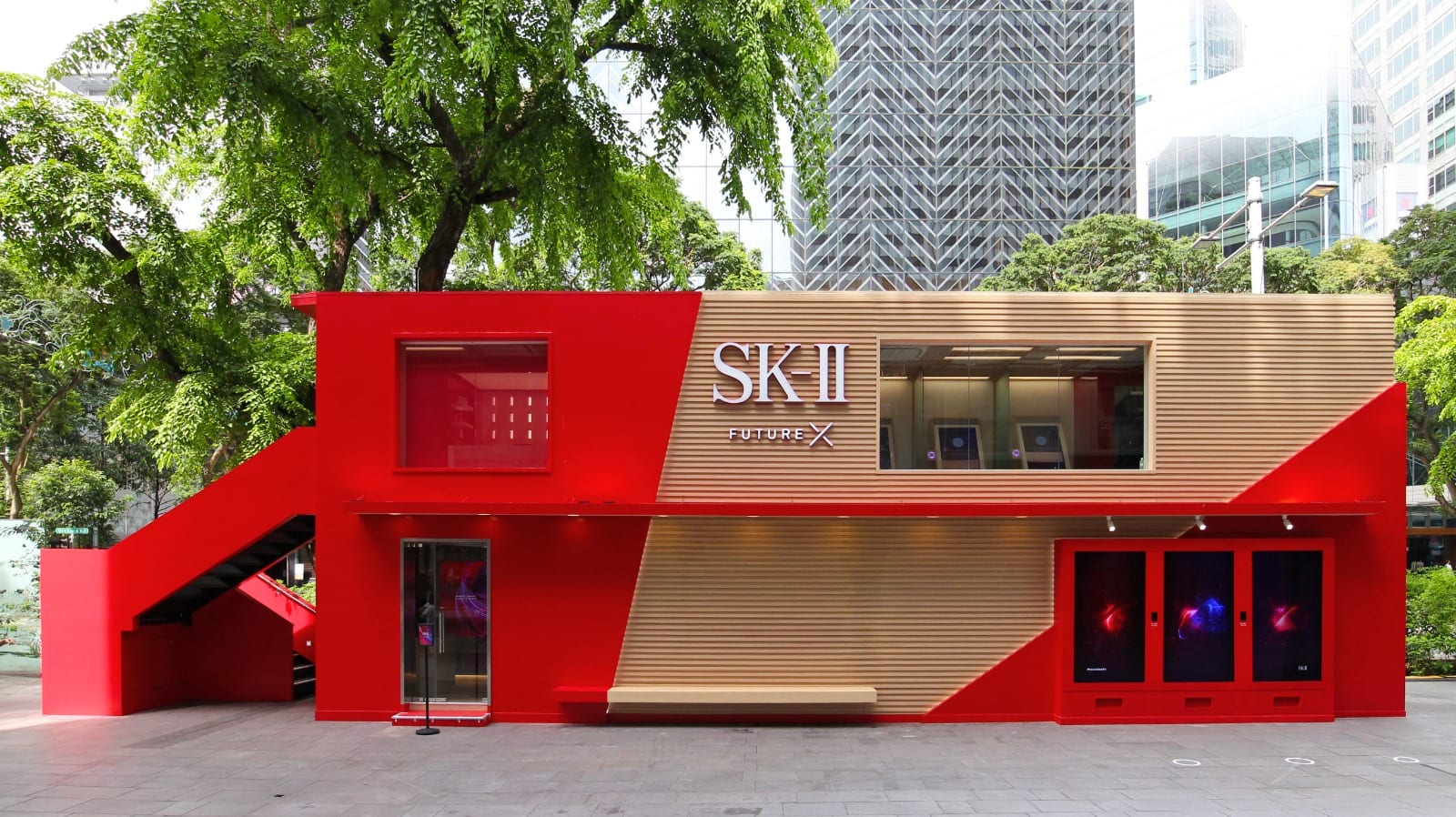
    Japanese beauty brand SK-II has partnered with The Shilla Duty-Free to bring Future X Smart Store to Changi airport. According to SK-II, the smart store merges the latest digital technology with in-store experience to deliver “a convenient and pressure-free shopping experience”.

    “Travellers from all over the world now have the chance to experience the brand’s unique physical retail concept, merging the latest digital technologies with in-store elements to provide travelers with a convenient and pressure-free way to shop for skincare,” the brand said in a statement.

    The store consists of physical features such as the Discovery Bar, smart product scan and ‘Skincare GPS’ that help time-conscious travelers locate, learn about and buy SK-II products in the shortest time possible.

    At the Discovery Bar, consumers will learn more about SK-II’s range of skincare products at the touch of a button.

    The smart product scan tool uses advanced image-recognition technology to help customers locate products quickly. By scanning the SK-II product images they download to their mobile devices, travelers will be directed to the location of their desired product.

    The Skincare GPS facility lights up the location of the product on the store shelf to make it quicker and easier for shoppers to find items.

    The smart store is a part of SK-II’s foray into retail innovation “and the start of a global transformation to connect with a new generation of consumers who are yearning for more meaningful experiences with the brands”, the company said.

    SK-II has launched Future X Smart Stores in Tokyo, Shanghai, and Singapore.

  • The Body Shop launches plastic recycling Endeavor

    The Body Shop launches plastic recycling Endeavor

    Beauty and body care retailer The Body Shop is stepping up its sustainability efforts with the launch of its new recycling scheme that helps consumers recycle their empty packaging. The new initiative, which will launch in Australia on June 10, allows customers to return their empty bottles, jars, tubs, tubes, and pots in The Body Shop stores for recycling.

    The scheme, established in partnership with recycling company TerraCycle, was introduced in the UK, Canada, and France on May 10. It will be introduced in Germany soon.

    In a bid to tackle plastic pollution, the global personal care brand has also announced it plans to purchase 250 tonnes of community-trade recycled plastic from Bengaluru, India, and use them in nearly three million 250ml haircare bottles by the end of 2019.

    According to The Body Shop, it has already started using community-trade recycled plastic in 250ml haircare bottles in partnership with Plastics for Change and soon, the retailer said it will include its bestselling Ginger Shampoo. The bottles will contain 100 percent recycled plastic, excluding the bottle caps.

    Fifteen percent of that will be community-trade recycled plastic; the remainder will be recycled plastic from European sources.

    “The Body Shop will increase the amount of community trade Recycled plastic over time,” the retailer said. “Working with a start-up company and small waste picker communities means starting small and scaling up in a responsible and sustainable manner.”

    This move marks the start of a wider ambition for The Body Shop, which is to introduce community-trade recycled plastic across all plastic used by The Body Shop within three years.

    The company said over the course of three years the program will scale up to purchasing over 900 tonnes of community-trade recycled plastic and help empower up to 2500 waste pickers in Bengaluru.

    The retailer’s new campaign uses experiential marketing to tell people about the plight of waste-pickers in India and how it aims to help them by paying a fairer price for their work.

    “They will receive a fair price for their work, a predictable income and access to better working conditions,” The Body Shop announced. “They will also get help in accessing services such as education, financial loans and healthcare services, and the respect and recognition they deserve.”

    As part of their campaign, The Body Shop has commissioned a portrait of a female waste-picker made from 1500 recycled plastic items hand-collected by waste-pickers in Bengaluru. The installation was on display in London’s Borough Market from May 10 to 11.

    “As a company, we’ve always had the conviction to stand up for our principles when it comes to helping empower people, especially women while protecting our planet,” said Lee Mann, Global Community Trade manager for The Body Shop.

    “Our new partnership with Plastics for Change and our other partners will not only help support waste pickers but also champion plastic as a valuable, renewable resource when used responsibly.”

  • Venture Capitalists invests in Vietnam’s Pizza 4Ps

    Venture Capitalists invests in Vietnam’s Pizza 4Ps

    Private-equity firm Mekong Capital has invested in Vietnamese pizza franchise Pizza 4P’s via the Mekong Enterprise Fund III.

    The franchise was set up in 2011 by Japanese owners and has grown its network of locations to 11 stores nationwide serving more than 4700 customers per day. The company has also developed a fledgling line of packaged consumer goods, such as specialty cheeses.

    “We are incredibly excited to partner with Pizza 4P’s,” said Mekong Capital founder Chris Freund. “Not only because we are huge fans of their product and see the potential for the brand to grow considerably, but also we are very inspired by the vision of the founders, Masuko and Sanae.”

    Mekong Enterprise Fund III currently has US$112.5 million in committed capital. Pizza 4P’s is the ninth company to receive investment from the fund.

  • Viettel completes Vietnam’s first 5G call

    Viettel completes Vietnam’s first 5G call

    Vietnamese military-run operator Viettel has completed the nation’s first 5G call in collaboration with Ericsson.

    During the trial, conducted as part of Viettel’s ongoing 5G technical testing program, the companies achieved a downlink speed of 1.5Gbps to 1.7Gbps.

    The Vietnamese government has been pushing for Vietnam to become one of the world’s early 5G adopters to help ensure the nation is at the forefront of the Industry 4.0 revolution.

    As part of these efforts, the government aims to ensure Viettel and other providers cover 5G in all of Vietnam’s high-tech zones, national innovation centers and smart factory areas by 2020.

    Viettel commenced deployment of Vietnam’s first 5G base stations in April as part of these trial efforts.

    The operator plans to test 70 5G base stations in Hanoi and Ho Chi Minh City in June in preparation for larger-scale deployment.

  • Japan bans handset-mobile service bundles

    Japan bans handset-mobile service bundles

    The Japanese government has passed a new bill aimed at reducing mobile prices for consumers and stimulating competition in the mobile market. The new bill includes provisions banning operators from offering bundled device and mobile plans under a single price package.

    The new law, which is due to take effect as early as the third quarter, is aimed at addressing a practice that consumers and lawmakers have complained make it difficult to compare prices between operators.

    Incumbent operators NTT Docomo, SoftBank and KDDI have been under pressure to reduce their mobile charges to help alleviate the financial pressure on consumers. As part of its efforts, the government has been seeking to address the issue of mobile operators offering device subsidies in exchange for relatively high prices for mobile services.

    Responding to this pressure, Docomo last month introduced a simplified fee structure that it says will have the effect of reducing mobile rates by up to 40%, and its rivals are considering following suit.

    The amended legislation also introduces new penalties for companies using misleading sales tactics, as well as a new registration requirement for handset retailers for regulatory purposes.

  • IoT-related data breaches on the rise, study shows

    IoT-related data breaches on the rise, study shows

    There has been a dramatic increase in IoT-related data breaches specifically due to an unsecured IoT device or application since 2017, says a study released by The Santa Fe Group.

    The study found these breaches accounted for 26%, up from 15%, and the figures might actually be greater because most organizations are not aware of every insecure IoT device or application in their environment or from third party vendors.

    More alarmingly, organizations surveyed have no centralized accountability to address or manage IoT risks.

    Less than half of company board members approve programs intended to reduce third-party risk and only 21% of board members are highly engaged in security practices and understand third party and cybersecurity risks in general.

    More than 80% of respondents believe their data will be breached in the next 24 months.

    “This study proves it’s no longer a matter of if but when and board members of organizations need to pay close attention to the issue of risk when it comes to securing a new generation of IoT devices that have found their way into your network, workplace, and supply chain,” said Cathy Allen, founder and CEO of The Santa Fe Group, Santa Fe, NM.

    “The study shows that there’s a gap between proactive and reactive risk management. The time to address this issue is now and not later.”

    The study also identifies the following areas in which organizations need to improve:

    • While respondents believe a positive tone at the top is important to minimizing business and third-party risks, few companies represented in this study are making board-level governance an essential part of their risk management program.
    • The IoT threat landscape is expanding rapidly, yet many companies are not assigning accountability or ownership to the management of IoT risks.
    • Staffing and budgets are not adequate to manage third-party IoT risks.
    • Third-party risk management (TPRM) programs should include IoT risks in order to evolve and mature their practices.
    • IoT risk assessment and due diligence must move from trust assurance to verify control validation techniques.
    • Companies should be prepared for IoT regulatory oversight to rise.
    • Most companies do not conduct employee training programs on the risks created by IoT devices. Such training must begin now.
  • Boomtime ahead for chatbots in E-commerce

    Boomtime ahead for chatbots in E-commerce

    New data from Juniper Research predicts consumer interaction with chatbots in retail will reach 22 billion by 2023.

    The figure represents a sharp increase over an estimated 2.6 billion interactions this year.

    According to the new research report “AI in Retail: Segment Analysis, Vendor Positioning & Market Forecasts 2019-2023”, chatbots in retail will enable effectively automated customer interactions for both online and offline vendors.

    A crucial enabler of this development will be improvements in NLP (Natural Language Processing), which will dramatically reduce the failure rate of chatbot interactions, by making them more natural and valuable for customers.

    Juniper anticipates that retailers who do not adopt chatbots will face strong challenges from more technologically-adept disruptors, who will use chatbots as an extension to the crucial omnichannel retail experience.

    The research also found that chatbots used for customer service have a strong potential to reduce costs; with deployments realizing annual savings for retailers of US$439 million globally by 2023, up from just $7 million this year.

    These potential savings will act as a key “pull” factor, given the margin pressure that many retailers are presently feeling.

    “By embracing automated customer service with chatbots, retailers can act in a more flexible and efficient way,” explained research author Nick Maynard. “The wider retail market means that chatbots are no longer a luxury, they are essential.”

    Meanwhile, sales resulting from interaction with chatbots in retail will reach $112 billion by 2023, up from $7.3 billion this year; representing an annual growth rate of 98 percent.

    The research found these sales will largely be a result of migration from other channels, rather than a new revenue stream. Accordingly, the research emphasized that while retailers must adopt chatbots for ease of use (and to reduce consumer churn), their return on investment will come from efficiencies, rather than new income.

  • LVMH finally makes Fenty fashion plans Public

    LVMH finally makes Fenty fashion plans Public

    The fashion industry’s worst-kept secret is now official: LVMH has, at last, confirmed it is extending its partnership with singer and celebrity Rihanna into fashion.

    “Everybody knows Rihanna as a wonderful singer, but through our partnership at Fenty Beauty, I discovered a true entrepreneur, a real CEO, and a terrific leader,” said LVMH chairman and CEO Bernard Arnault.

    As a result, LVMH and Robyn Rihanna Fenty will launch a new luxury Maison headquartered in Paris called Fenty. LVMH says it will be centered on Rihanna, developed by her, and will be shaped by her vision in ready to wear, shoes and accessories. It will launch in the Northern Hemisphere Spring of this year.

    “Designing a line like this with LVMH is an incredibly special moment for us,” said Rihanna. “Mr. Arnault has given me a unique opportunity to develop a fashion house in the luxury sector, with no artistic limits. I couldn’t imagine a better partner both creatively and business-wise, and I’m ready for the world to see what we have built together.”

    Arnault added: [Rihanna] naturally finds her full place within LVMH. To support Rihanna to start up the Fenty Maison, we have built a talented and multicultural team supported by the group resources. I am proud that LVMH is leading this venture and wish it will be a great success.”

    News of the new venture first broke in January when online portal WWD and the New York Times cited multiple unnamed sources confirming plans.

    The new Maison has launched a website: www.fenty.com

  • Apple India shortlists first flagship store Presence

    Apple India shortlists first flagship store Presence

    Tech retailer Apple may be close to opening its first retail outlet in India. People familiar with the plans said Apple India will decide within weeks on a premium location in Mumbai from a shortlist it is examining now. The hardware manufacturer has previously been unable to open in the territory due to regulations governing local sourcing, which prompted Apple to shift some manufacturing to India. The move will also result in the removal of the 20 percent tariff currently placed on iPhones because they are imported.

    While local preferences are for cheaper Chinese handsets, India still represents a vast potential market for Apple as it loses ground in China.

    “India is a very important market in the long term,” said Apple CEO Tim Cook. “It’s a challenging market in the short term, but we’re learning a lot. We plan on going in there with sort of all of our might.”

    With India currently being the fastest-growing smartphone market in the world, Apple has placed greater emphasis on gaining market traction there in recent years. A new country chief was named last November after previous efforts yielded disappointing results. The firm now commands an estimated 1 percent of the country’s smartphone market.

    “Its own retail store might be just what Apple requires to reinforce its premium image,” said Rushabh Doshi, an analyst at global research firm Canalys. “A store just before the next launch will be the perfect timing for Apple to restart its Indian growth story.”