Nokia has signed a strategic MoU with FAW Group, the Chinese state-owned automotive manufacturing company, to carry out joint research in smart connected cars, industrial IoT (IIoT), smart manufacturing and digital transformation.
Nokia will deploy a 5G trial network on FAW’s campus in Changchun, the capital of northeast China’s Jilin province, to support R&D in autonomous driving and connected car applications.
As well as the commercial 5G solution, Nokia will provide security, big data, cloud and 5G slicing technology to accelerate FAW’s digital transformation, according to a company statement.
In addition, Nokia will provide end-to-end system integration, helping FAW to implement smart manufacturing with automation solutions, such as autonomous AGVs, AR/VR machine vision, and AI-enhanced quality inspection.
FAW Group is one of the biggest automakers in China. Through collaboration with Nokia, the company intends to maintain its dominant position in the market by using digital technologies to enable autonomous driving, IoT and smart manufacturing.
FAW, together with eight automobile OEMs including Guangzhou Automobile Group and Dongfeng Motor Group, has recently acquired a combined 31.2% in Smart Connection Technology, the Internet of Vehicle unit of China Unicom.
Kerry Logistics Network Limited (‘Kerry Logistics’; Stock Code 0636.HK) has expanded its food-related cold chain capability in mainland China through the establishment of Kerry Cold Chain Solution Ltd (‘Kerry Cold Chain’), to tap into the fast-growing domestic market of niche food products.
Using self-owned cold chain facilities and partnering with local expertise, Kerry Cold Chain will handle a wide range of food products, from raw ingredients to dairy product additives.
Edwardo Erni, Managing Director – China and North Asia of Kerry Logistics, said, “The market for food-related cold chain logistics in mainland China is immense with enormous growth potential. There is also ample room for technological growth to reach international standards.
“Intending to fill a gap in the market, we welcome the collaboration with Zhizhen Logistics, which marks an important strategic step for Kerry Logistics to extend its footprint in the domestic cold chain logistics market, enhancing our service offerings and competitiveness.”
Kerry Cold Chain currently operates more than 1 million sq ft of ambient and cold chain facilities in China, including a temperature-controlled facility of over 50,000 sq ft in Shanghai featuring automated storage and retrieval systems.
Founded in 2008, Zhizhen Logistics serves the logistics needs of both domestic and international customers from locations across China including Beijing, Tianjin, Wuhan, Guangzhou, and Shenzhen. It commands a 90% market share for imported food essences in the Shanghai region.
With a wealth of experience in cold chain logistics, Kerry Logistics offers seamless F&B solutions with complete cold chain integrity to food chain stores and restaurants in Hong Kong as well as hypermarkets and frozen food retailers in Taiwan.
The Group also runs cold chain facilities of 70,000 sq ft in Oceania, serving supermarket chains, convenience stores, independent retailers, and food importers.
Fresh from a US$20 million funding injection, omnichannel-solutions startup CitiXsys plans to open six offices across Asia, eyeing region-wide expansion. CitiXsys’ new offices will be located in Singapore, Jakarta, Ho Chi Minh City, Manila, Bangkok, and Kuala Lumpur.
“Southeast Asia offers an ideal business climate today, with massive opportunity in this important region,” said Kamal Karmakar, CitiXsys CEO.
“Purchasing a retail-management solution is one of the most important decisions a retailer can make since the future of the entire business hangs on its success.”
Southeast Asia is the world’s fastest-growing internet region with the e-commerce market expected to reach US$53 billion by 2023.
“By opening up more local offices and bringing on local product expertise we will be able to better support the needs of our fast-growing client, partner, and distributor base in Southeast Asia,” added Paula Da Silva, executive VP of global partnerships and alliances at CitiXsys.
“Already this year, the CitiXsys channel partner ecosystem in this region has grown by 30 percent, signaling a need for solutions designed to complement the way retail works in Asia today.”
ZTE has launched the first 5G smartphone in China, the ZTE Axon 10 Pro 5G. The vendor’s flagship 5G smartphone is ready for commercial use on China’s upcoming 5G networks.
The device has achieved downlink speeds of 2Gbps under China’s 5G experimental network based on EN-DC technology in April, and achieved 100Mbps speeds over 5G at a launch event for the device yesterday.
ZTE said the ZTE Axon 10 Pro 5G includes a number of innovations designed to overcome the technical challenges involved in supporting 5G networks, including liquid cooling technology and composite phase-change thermal materials to allow the CPU to operate at a high frequency for extended periods.
In addition, the device includes innovations in electromagnetic compatibility, antenna design and power consumption.
The device is the first commercial smartphone to use the Qualcomm Snapdragon 855 5G chipset with the chipmaker’s Snapdragon X50 5G modem. It sports up to 8GB of RAM and 256GB of ROM, runs on the Android P operating system and includes a large 6.47”, 2340×1080 AMOLED display.
“ZTE is always active in promoting and accelerating the 5G end-to-end commercialization process. We have submitted over 3,500 5G patent applications, among which including thousands of terminal-related 5G patents,” ZTE Mobile Devices CEO Xu Feng said.
“ZTE is keeping open in 5G ecosystem development by cooperation with leading carriers worldwide and industry-chain partners to let 5G happen in the near future.”
Swedish fast-fashion label H&M is partnering with Indian marketplaces Jabong and Myntra to sell online.
The association with the two local partners is structured to meet Indian regulations forbidding marketplaces from forming exclusive associations with brands, despite both Flipkart-owned e-commerce firms owning full online rights to eight global fashion brands.
The Swedish retailer has been trading online in the country for around one year. The new Indian deal – the brand’s second territory permitting online trade on an external platform after China – will allow Jabong and Myntra exclusive access to the brand’s online sales for a period of six years.
H&M items are expected to begin trading on the Jabong and Myntra Indian marketplaces within three to four months, while the brand makes preparations to open physical stores within India.
Spotify has decided to be more aggressive with its ads and announced over the weekend that it will launch voice-enabled advertisements. They are meant to encourage customers to use verbal commands to take action on the ad’s content available through Spotify.
TechCrunch reports the audio ads will initially redirect listeners to a branded Spotify playlist or a podcast. These voice ads will only be available to a limited number of Spotify’s free mobile listeners on both Android and iOS platforms, but they required users to have voice controls enabled.
The good news is Spotify users can opt out of voice ads in the Settings menu by turning off the Voice-Enabled Ads option. Moreover, the app will also allow users to completely disable microphone access via the mobile device’s Settings.
The voice ads will enable Spotify users to check out the content advertised by saying “Play Now.” If the user doesn’t say the voice command within the required amount of time or says something else, the mic will be turned off and the ad break will continue.
The voice ads test is live in the United States for free users of the Spotify app and uses the company’s built-in house technology. It doesn’t have a pricing model yet since it’s too early at this time.
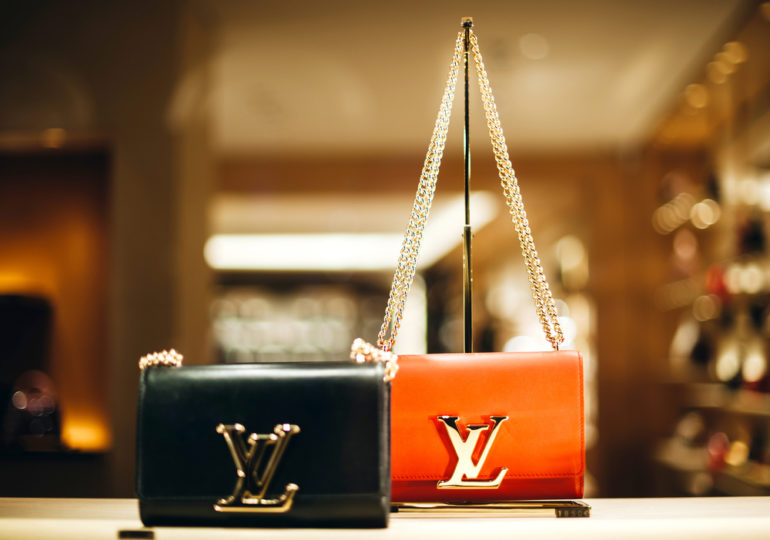
Global ticketing and event technology platform Eventbrite has launched in Hong Kong, with retailer Louis Vuitton one of its first customers. Eventbrite forged a partnership with the French luxury-goods label under which the ticketing company managed entry to Louis Vuitton’s recent Objets Nomades showcase at Tai Kwun.
The launch of a localized platform in Hong Kong is the latest move in Eventbrite’s Asian expansion, following the company’s debut in Singapore in February. Eventbrite has processed more than 2.2 million tickets for 34,000 events in Hong Kong. In Hong Kong it has more than 6500 event creators using the platform.
Located at Eventbrite.hk, the new localized access point will be one of the first in Asia to use Eventbrite’s ‘Publish To Facebook’ feature – an integration allowing event-goers to purchase tickets directly through Facebook – alongside payment processing in Hong Kong Dollars, curated local content and seamless native checkout.
The company says it has seen strong organic growth in health and wellness, food and wine, and music events in Hong Kong, with events such as The Conscious Festival and Hellodog Fest.
Phil Silverstone, GM, Asia Pacific, said that as a global city, Hong Kong punches well above its weight.
“From its vibrant foodie culture to its booming local arts and emerging music scenes, live experiences are a cornerstone of this dynamic, fast-paced city – and we’re excited to launch a platform that will power even more events for locals to enjoy,” he said.
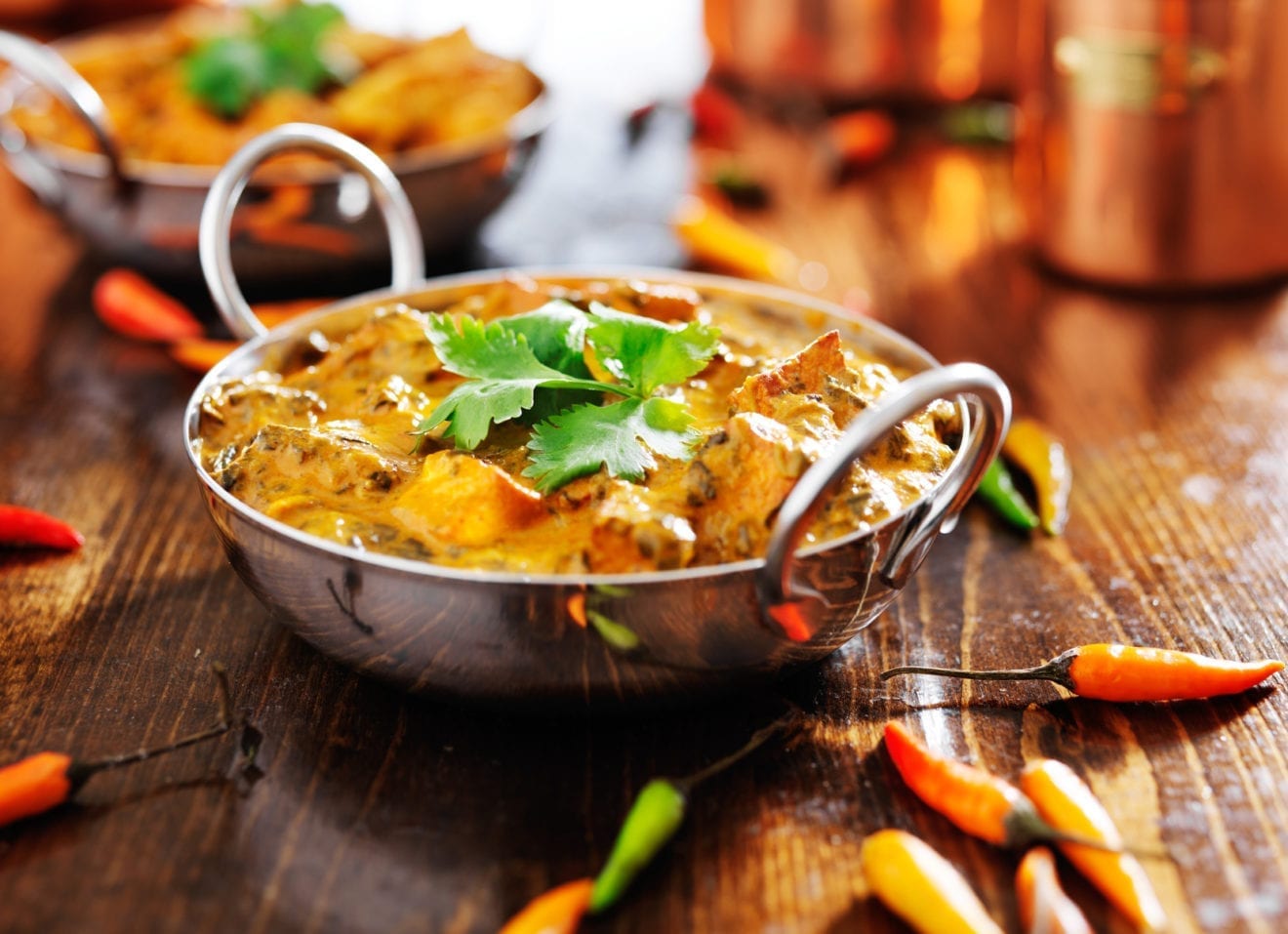
Indian restaurant chain Dosa Hut has opened its first Gold Coast store at Crestwood Plaza in the central part of the region. The 165sqm store in Molendinar will offer both dine-in and takeaway options.
The Melbourne-based chain, which already has restaurants across Victoria, New South Wales, and the Australian Capital Territory, said the Gold Coast store is the 20th location for the group.
Tanaka Jabangwe, Knight Frank associate director of retail leasing, negotiated the five-year lease. He said Dosa Hut had been looking for the right opportunity to open a store in the growing Gold Coast region for some time before leasing the Crestwood Plaza space.
“Dosa Hut was seeking a central location in a suburban catchment with ease of access to major road networks, and Crestwood Plaza fit the bill in every aspect,” Jabangwe said.
“The convenience center is situated on Olsen Avenue, which is a very busy thoroughfare with plenty of traffic passing estimated at circa 57,000 cars daily, which offered great exposure for the restaurant.”
A Dosa Hut spokesperson said the location offered a perceived geographical center to serve both the northern catchment and parts of southern Gold Coast with ease.
“We are confident in our food and believe the Gold Coast will appreciate the quality, authentic Indian food we have on offer.”
Crestwood Plaza convenience center fronts the Crestwood Heights residential estate is adjacent to Bunnings Warehouse and opposite Griffith University’s future development land.
The center features over 190 car parks, a full line Supa IGA as an anchor tenant and 17 other specialty stores.
We would love to tell you that Twitter now offers an editing tool, making it easier to correct mistakes and spelling errors. We know of at least one guy wearing a long red tie, living in a white house that would really appreciate the ability to go back and change tweets. And we’d love to be able to tell you that Twitter has added such a feature, but alas we can’t. We can, however, tell you about something that Twitter did add to its iOS app, Android app, and its mobile website.
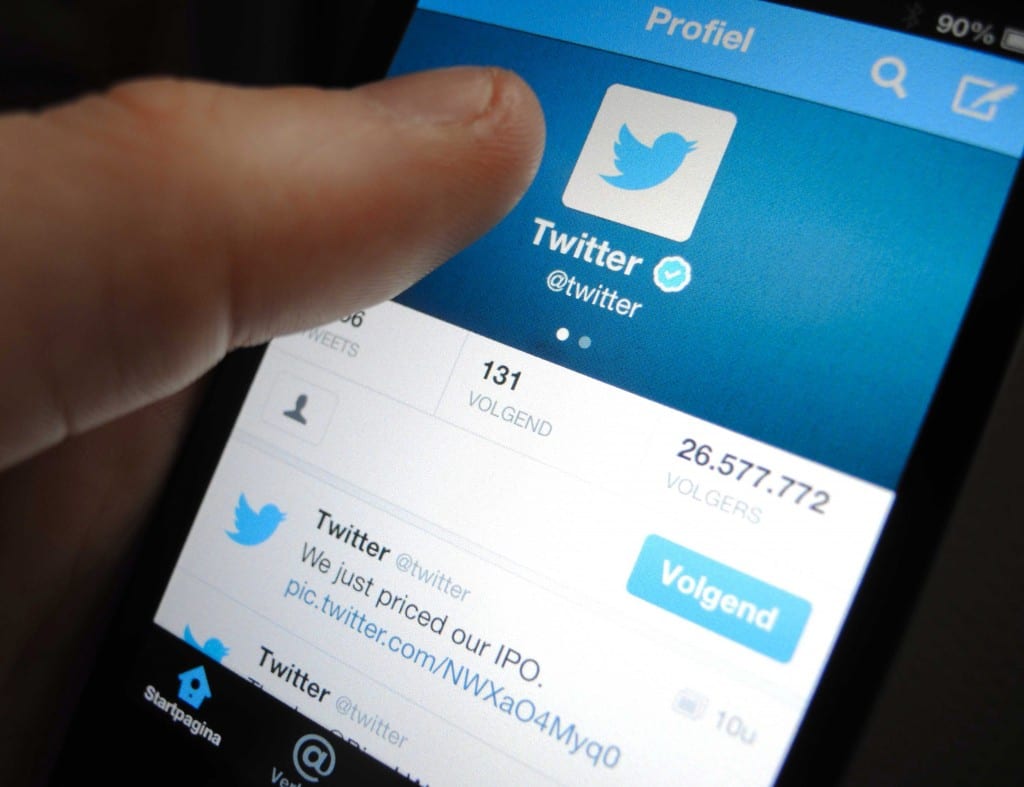
Twitter announced that it will now allow users to add images, videos, and GIFs to their retweets. It’s easy to do, actually. On a tweet you’re viewing, tap on the retweet icon on the bottom toolbar. Click on “retweet with comment” and add your photo or other media. Twitter says that as easy as it is to do, it actually was hard for it to design in a way that wouldn’t look too crowded to the user.
“We found it was challenging for people to quickly understand all the content in a Retweet with media. This was due to the layout; two large tweets stacked on top of each other.”-Twitter
To make sure that a retweet with media attached doesn’t look overwhelming, Twitter puts the original tweet, including the author’s avatar, inside a smaller box. This allows the image, video or GIF you’ve added to your retweet to appear in full size.
While Twitter users are going to be happy with this new feature, they might be much happier if tweets could be edited. Perhaps that will be the next shoe to drop.
No prize for guessing who tops the list, but some surprises come further down.
There is no prize for guessing which brand is China’s most valuable… but there are surprises further down the top-10 list. Alibaba tops the list of China’s most valuable brands for the first time, recording annual growth of 59 percent to US$141 billion.
The accolade was awarded in the annual BrandZ Top 100 Most Valuable Chinese Brands ranking, published by WPP and Kantar. In the past five years, Alibaba has outperformed the WPP/Kantar Top 100 overall, with it’s brand value climbing 136 percent, compared to the Top 100’s 92 percent rise.
In the second spot on the list of China’s most valuable brands was Tencent, parent of WeChat. Perhaps the biggest surprise was JD which managed only 10th. (The full table is published below)
Despite China’s slower economic growth and international trade tensions, the total value of the BrandZ Top 100 increased 30 percent to $889.7 billion, the highest annual rise since the ranking launched in the year 2011. The growth has been fuelled by brands accelerating their expansion into China’s lower-tier cities, which have seen rapid development and rising consumer buying power, and increase positive attitudes to Chinese consumer brands with a global presence.
On this year’s list of China’s most valuable brands, 13 of the 24 categories increased in value, with entertainment seeing the largest year-on-year growth of 186 percent, followed by education (57 percent) and retail (55 percent). Technology accounted for the most brands out of the Top 100 (11), contributing 26 percent of the ranking’s total value and dominating the top 10 leaders in terms of overseas presence with six brands – double the number last year.
Innovators in AI, e-commerce, New Retail, and social media performed strongly in the study. The success of many high-performers, according to BrandZ, has been driven by a mobile-centric, convenience-driven Chinese lifestyle.
There is vast potential for further brand growth overseas as China moves beyond the industrial focus of its Belt and Road initiative towards establishing leadership in areas including AI, robotics, Internet of Things and green energy. The report also shows the investments brands make to build value are measurably rewarded in the stock market.
“China’s stock market volatility over the past year has provided a real-life stress test for valuable brands, which continued to outperform the market,” said WPP CEO David Roth. “Put simply, valuable brands deliver superior shareholder returns. $100 invested in the MSCI China Index in 2010 would be worth around $128 today. That $100 invested in the BrandZ China Top 100 would now be worth $211.
“The threshold to enter the BrandZ China Top 100 has more than doubled from $311 million in 2018 to $681 million this year, demonstrating the continued pace of growth for Chinese brands increasingly recognized as leading the way in innovation. Against a backdrop of heightened competition and disruption, building stronger brands is what it takes to stay in the game.”
Since first appearing in the ranking in 2015 following its IPO, Alibaba’s rise to the number one spot in 2019 reflects the growth of a brand which has contributed to transformational changes in the Chinese market.
In BrandZ’s ‘Brand Power’ metric of brand equity, Alibaba scored particularly strongly for being ‘meaningful’, suggesting the brand known for coining the term ‘New Retail’ has successfully created closer connections with its consumers.
The Brand Power metric also looks at how brands perform in being different (distinctive), and salient (coming to mind at the moment of consideration). While Chinese brands generally score well for being meaningful and salient, they do not perform as well in being viewed as truly distinctive from the competition or as trendsetters.
“Whether going abroad or expanding domestically, the potential for brand growth is huge for China’s most valuable brands,” said the global head of BrandZ at Kantar Doreen Wang, “but realizing it requires the knowledge and expertise needed to surmount new challenges. This report highlights the importance of Chinese brands to build a difference in the domestic and global marketplace.”
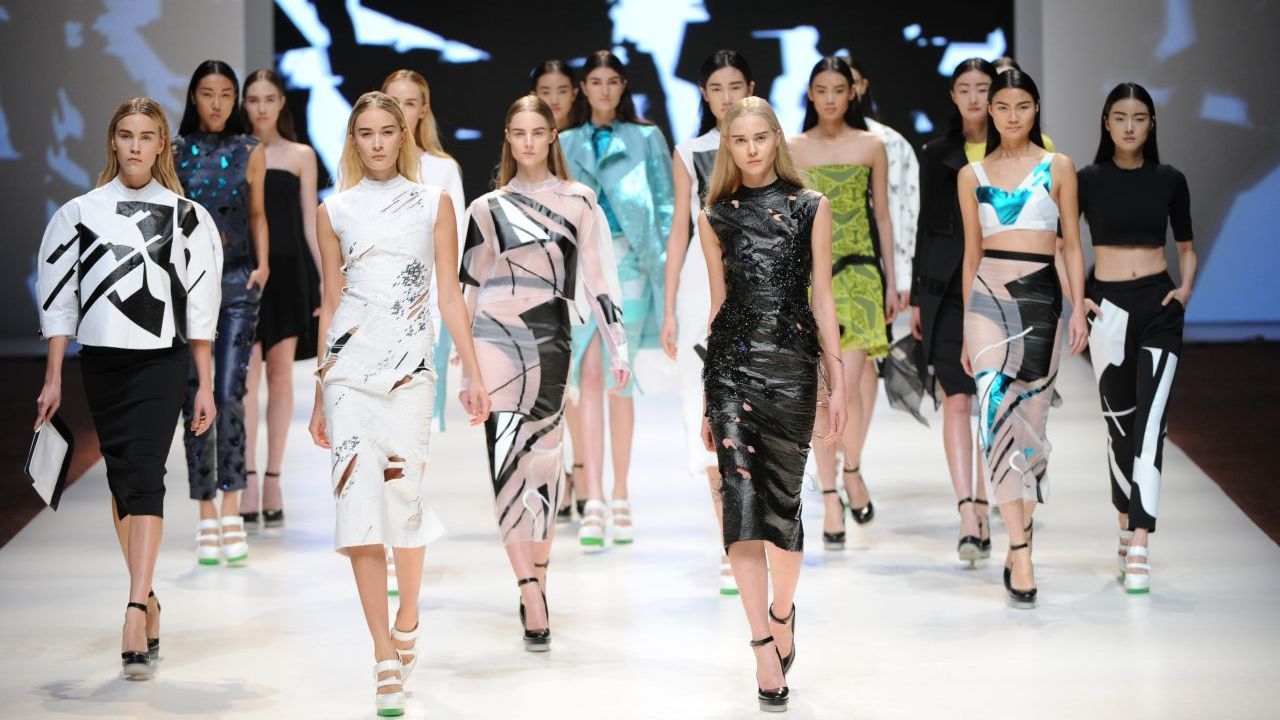
New York fashion label Jwu under designer Jason Wu has been purchased by Chinese private equity fund Green Harbor.
The acquisition was announced on Green Harbor’s WeChat account without disclosing the financial details of the transaction. It is the first time the firm has invested in an American company or an apparel brand.
“China is a critically important market for luxury brands and is an integral part of our growth plans,” said Jason Wu CEO Eddie Volchko. “Green Harbor’s knowledge and expertise in the Chinese market will be a significant resource to us as we continue to build Jason Wu’s presence in China.”
An 11 percent shareholding in Jwu was purchased by Chinese firm Zhejiang Semir Garment Co last year.
The deal is likely to boost Jason Wu’s presence in China, which is expected to overtake the US as the largest fashion market this year.
“As Jason Wu further expands its business in the Chinese market,” read the Green Harbor WeChat statement, “our firm’s experience will help the brand reshape its management team, strengthen marketing and sales, and provide resources across media, real estate, and finance to help the label develop in China and obtain commercial success.”
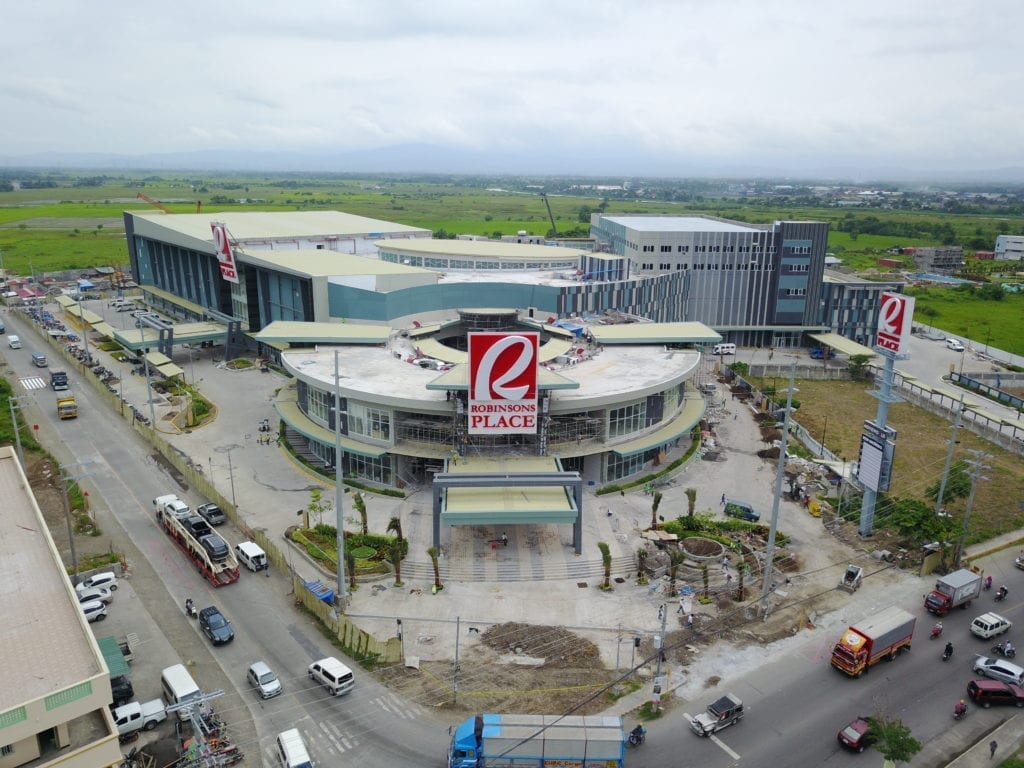
Robinsons Retail Holdings will launch up to 150 new stores in the Philippines this year.
The firm published a presentation online revealing plans to invest PHP3–5 billion (US$57.8–96.3 million) on the store openings, following expenditure of PHP4.41 billion ($85 million) on openings last year. As at December, it had 1910 stores, including supermarkets, department stores, do-it-yourself stores, specialty stores, drugstores, and convenience stores. The entire network covers a gross floor area of 1.48 million sqm.
Robinson’s achieved a 5.9 percent same-store sales growth last year, with help from a 1.5 percent uptick in transaction count and a 6.1 percent increase in basket size in its supermarket business. The group is targeting a 2-4 percent same-store sales growth this year.
The firm’s net income reached PHP5.11 billion ($98.5 million) last year, an increase of 2.6 percent on the year previous, with a 15.1 percent increase in net sales.
Shinsegae International has launched a new coworking space in Seoul it expects will boost its retail business.
The new 278sqm “Scale Up” space in Cheongdam-dong is targeted at startups in the lifestyle-related industry. With seven offices and meeting rooms, it is loosely modeled on the firm’s earlier coworking space S.I Lab for fashion enterprises.
“Scale Up’s main purpose is not to provide space, but rather to support startups with growth potential,” said Shinsegae International executive director Park Seung-seok. “With our infrastructure, we aim to make a win-win situation for both Shinsegae International and small startups.”
Shinsegae has reserved one of the Scale Up offices for foreign business operators visiting the country. Four other members will pay a monthly fee of KRW1.5 million (US$1280) to use the space, which includes support services such as opportunities to use the company’s retail channels and potential cooperation with Shinsegae brands.
Microsoft is bringing support for a new feature to Outlook for mobile – Actionable Messages. The new feature will be available once the latest update goes live in the App Store and Google Play Store, and it’s meant to allow Outlook users to act fast while on the move.
For example, whenever you receive an email that has an option to take action (i.e. approving a timesheet, granting system access, answering a survey), you will now be able to respond right inside the email without leaving your inbox or switch apps.
Moreover, Actionable Message with Adaptive Cards will allow developers to deliver messages in Outlook so that users can stay in context and act fast when they need to. The first brands to work with Microsoft on Actionable Messages are SurveyMonkey, Freshworks, ServiceNow and Sage.
However, Microsoft is expected to partner with additional brands in the coming months. It’s also worth mentioning that Microsoft will be rolling out Actionable Messages to Android devices in the coming week, while iOS users will be able to take advantage of the new feature starting today.
A couple of days ago we told you that the Federal Trade Commission (FTC) could be days away from announcing a fine against Facebook in the amount of $3 billion to $5 billion. The FTC is trying to decide how much to punish Facebook and is negotiating a settlement with the company. While there have been a number of privacy issues involving the social media app/site over the last few years, back in 2016 it violated a previous FTC consent decree it had signed five years earlier. Under the terms of that deal, Facebook agreed not to use subscribers’ personal data without obtaining consent; however, during the 2016 presidential campaign, 87 million members had their profiles used without permission by political consultancy Cambridge Analytica.
Two U.S. senators want the FTC to fine Facebook more than $5 billion and force the company to make “sweeping changes.” Senator Richard Blumenthal (D-CT) and Senator Josh Hawley (R-MO), both members of a sub-committee that oversees the FTC, wrote a letter to the regulatory agency today. In the letter, the senators said that Facebook should receive a large enough fine that it would act as a deterrent to prevent future violations. They also want to put limits on Facebook’s use of consumer data, force the deletion of tracking data, stop the practice of collecting certain consumer information and revise its advertising policies. In addition, Blumenthal and Hawley want Facebook to put up a firewall blocking its other apps (like Instagram and WhatsApp) from sharing consumer data with each other.
“The Commission should pursue deterrent monetary penalties and impose forceful accountability measures on Facebook, including limits on the use of consumer data, managerial responsibility for violations, and other structural remedies to stop further breaches of consumer trust.”-Letter to FTC from Senators Blumenthal and Hawley.
Considering that the company took in more than $56 billion last year, a $5 billion fine might not be high enough to deter Facebook from committing future privacy violations. In addition, the senators say that Facebook co-founder and CEO Mark Zuckerberg must be held accountable for failing to keep Facebook members’ profiles private. The FTC is also considering taking action against the executive.
In anticipation of the fine, Facebook took a $3 billion charge against its first-quarter earnings. Even with this adjustment, Facebook reported $2.4 billion in net profits during the three month period running from January through March.