Author: Mei Ling Tan

  • Porsche To Pay 535 Million Euro Fine Over Diesel Affair

    Porsche To Pay 535 Million Euro Fine Over Diesel Affair

    German prosecutors have imposed a fine of 535 million euros ($598.99 million) on German luxury carmaker Porsche AG for neglecting supervisory obligations linked to diesel emissions cheating, they said in a statement on Tuesday.

    Prosecutors in the southern city of Stuttgart said that the company’s development department had neglected its legal obligations, which ultimately led to the sale of diesel cars in Europe as well as other regions that did not comply with emissions rules.

    Porsche, a subsidiary of Germany’s biggest carmaker Volkswagen, has not appealed, they added.

    Porsche confirmed the fine and said that prosecutors’ proceedings against the company had now come to an end.

  • Samsung Galaxy Note 10 Supports 50W Charging

    Samsung Galaxy Note 10 Supports 50W Charging

    Samsung recently released two phones that support 25W fast charging, but you may have missed that because they are not available worldwide. Those are the 5G version of the Galaxy S10 and the Galaxy A70. More Samsung phones may get super-fast charging in the future, starting with this year’s Galaxy Note 10.

    We’ve already heard rumors that the Galaxy Note 10 is likely to great battery life, and it seems like Samsung is also planning to introduce 25W fast charging alongside the increased battery capacity. It’s too early to tell whether the base Note 10 will get super-fast charging, or whether it will be reserved for the “Pro” version only, but prolific leaker Ice Universe claims that the charge speed may actually exceed 25W. We may be talking about 50W, which is the current bar set by the competition.

    OnePlus’s DASH Charge works at 30W, while Oppo’s SuperVOOC charge can hit around 50W, and both have been tested with great results. Similarly, Xiaomi has an insane 100W prototype charging solution that’s said to be able to fully juice up a 4000mAh battery in just 17 minutes. Over the last three years, Samsung has understandably been a bit more careful in regards to battery capacity and charging speeds, as the memory of the ill-fated Galaxy Note 7 still lingers in the public mind.

    The Samsung Galaxy Note 10 and Galaxy Note 10 Pro are likely to launch in mid-August, and if recent rumors are to be believed, they won’t disappoint. The more expensive Pro variant is said to feature the same hexa-camera setup as the Galaxy 10 5G. That includes four cameras on the back (12MP primary with OIS + 12MP telephoto with 2x optical zoom + 16MP ultra-wide angle+ depth sensor) and two selfie snappers in front. The base Galaxy Note 10 will reportedly have a penta-camera setup that includes everything on the Note 10 Pro, except for the depth sensor. The U.S. version of all Note 10 units will be powered by the Snapdragon 855 Mobile Platform, equipped with at least 8GB of memory.

  • Android Auto To Get A New Interface

    Android Auto To Get A New Interface

    With connected cars and inbuilt eSIM technologies coming in, chances are that smartphone connectivity in cars is the next big thing. However, Google is going the whole hog and is making Android Auto a lot more engaging. In a blog post, the company shared that Android Auto will be updated with a new interface and some added features will help simplify operations for users.

    The new interface will get a dark theme which will be coupled with colored accents and the fonts will be easier to read. It will also adjust automatically to the size of the display to show more information on the screen like next-turn indicators, playback controls, and ongoing calls. The new notification center will also cover a wider space to show calls, texts, and alerts. Android is also adding a new navigation bar which will show turn-by-turn directions and you will be able to use the rest of the screen for other apps. Moreover, along with resuming your song playlist as soon as you start the car, Android Auto will also suggest locations on your screen based on your commutes. You can also navigate to a new place using the “Hey Google” voice command.

    All in all, the new interface will make your experience even speedy and you will require lesser taps as the majority of the applications will be working simultaneously on the screen of your car along with navigation. Google says that the new dark theme has been made standard to go with the interior of new-age cars. Bigger fonts and lesser taps also allow drivers to focus on the road.

  • Retail sales rise at slower Pace Last Month

    Retail sales rise at slower Pace Last Month

    Retail spending rose 0.3 percent in March in seasonally adjusted terms, according to the latest trade figures from the Australian Bureau of Statistics (ABS), beating market expectations of 0.2 percent growth.

    This is a slowdown from February’s upwardly-revised increase in retail sales of 0.9 percent month on month, but March spending was still up 3.5 percent compared to the same time last year, representing the fastest year-on-year increase since October 2018.

    Monthly sales growth was driven by spending at cafes, restaurants and takeaway food services (up 1.4 percent in seasonally adjusted terms) and clothing, footwear and accessories stores (up 1.2 percent in seasonally adjusted terms).

    Spending on food retailing, including supermarkets, was up 0.4 percent and spending on households goods was up 0.2 percent in seasonally adjusted terms, while spending on department stores was down 1.5 percent and spending on other retailing, including pharmacies and newsagents, was down 0.4 percent in seasonally adjusted terms.

    By state and territory, spending was up across the board in March, excluding Western Australia, where retail sales fell 0.7 percent in seasonally adjusted terms. Victoria and the Northern Territory each saw a 0.7 percent increase, Queensland saw 0.6 percent increase, followed by Tasmania, up 0.4 percent, New South Wales, up 0.2 percent, and South Australia, up 0.1 percent, in seasonally adjusted terms.

    Online retail sales were also up in the month, with NAB’s Online Retail Sales Index showing a 1.7 percent increase from February after the index recorded the sharpest ever drop in monthly online sales.

    NAB measures e-commerce sales as representing around 9 percent of total retail turnover in Australia, while the ABS pegs it at around 5.7 percent.

    Quarterly spending shrinks for the first time since 2012

    On a quarterly basis, however, retail turnover in the three months to March fell 0.1 percent in seasonally adjusted volume terms, following a flat December quarter. This represents the first quarter of negative growth since the September quarter of 2012.

    The fall was led by household goods retailing, according to the ABS, which fell 0.6 percent, and department stores, which fell 1.2 percent. The other categories all rose in seasonally adjusted volume terms for the quarter.

    According to Westpac analyst Matthew Hassan, the figures show that retail sales growth in the month was driven by price increases rather than volume.

    “The undershoot vs expectations was due to a stronger than expected rise in retail prices which rose, up +0.8%qtr vs +0.7%qtr in Q4,” he said.

    “The sub-category detail shows a particularly big rise in food prices (+1.4%qtr vs 1.2% in Q4). Non-food retail prices posted a 0.2%qtr gain.”

    According to Hassan, broader economic headwinds are still hampering consumer spending.

    “Overall the March retail report points to downside risks to the wider consumer spending estimates in the March quarter GDP, the headwinds that emerged in the second half of last year clearly carrying into 2019,” he said.

  • Toyota Sees Smaller-Than-Expected Profit Rise This Year

    Toyota Sees Smaller-Than-Expected Profit Rise This Year

    Toyota Motor forecast on Wednesday a 3.3 percent rise in operating profit for the current year due to cost reduction measures and changes to its depreciation methods.

    Japan’s largest automaker expects profit to rise to 2.55 trillion yen ($23.20 billion) in the year to March 2020, slightly lower than the 2.61 trillion yen average of 23 analyst estimates compiled by Refinitiv.

    Operating profit was 2.47 trillion yen for the year ended March, below the average 2.51 trillion yen estimate of analysts.

    The automaker also forecasts global group retail sales of 10.74 million vehicles for the current year, compared with 10.6 million in the previous year.

    Toyota’s profit forecast is based on the assumption that the yen will trade around 110 to the U.S. dollar in the current financial year, compared with 111 yen in the year just ended.

  • HyalRoute to invest up to $2b in Philippines fiber project

    HyalRoute to invest up to $2b in Philippines fiber project

    Singapore-based shared fiber network provider HyalRoute has signed an agreement with the Philippines’ Department of ICT to invest up to $2 billion expanding to the market.

    The company’s subsidiary Philippine Fiber Optic Cable Network (PFCON) signed a memorandum of understanding with the department committing to deploy the network in various phases between 2019 and 2028.

    The DICT has in turn agreed to provide assistance in providing the required permits and licenses, and to closely coordinate with PFCON on the implementation of the project.

    HyalRoute was established with the goal of creating the first region-wide, independent shared fiber network platform in emerging Asia. The company currently provides domestic fiber solutions in Myanmar and Cambodia.

    DICT acting secretary Eliseo M. Rio Jr said the planned deployment will support the government’s own telecommunications ambitions.

    “There is a need for more fiber optic cables in this country, thus this partnership will greatly improve our telecommunication services. We can now have cable networks that anybody can use and this jives with our National Broadband Plan,” he said.

    The deployment will also support the DICT’s Free Public Wi-Fi initiative by allowing its expansion to unserved and underserved areas of the country, Rio added.

  • Alipay: Average Chinese tourist spending in Singaporehigher than in any other SEA country over Labour Day

    Alipay: Average Chinese tourist spending in Singaporehigher than in any other SEA country over Labour Day

    The data found that the number of Chinese visitors in Singapore over the Labour Day holiday period almost doubled from last year.

    In addition, the average Chinese traveler spent SGD 325 (RMB 1,611) in Singapore during the Labour Day holiday – higher than in any of the other SEA countries, and a 13% increase from the same period last year.

    Key Singapore-specific findings reveal:

    • Grocery and fresh food supermarkets, followed by department stores and fashion brands saw the highest growth among Chinese visitors during this period
    • The most popular merchants in Singapore were taxis (in-street and via taxi-hailing apps), airport merchants and resort merchants

    General findings reveal:

    • Average overseas spending per user on Alipay increased by nearly 11% to RMB 1,790 (SGD 361)
    • Spending was highest in Europe, the Middle East, and North Asia
    • In terms of the number of transactions, Thailand was the second-most popular destination for Chinese tourists
    • Malaysia and Singapore ranked seventh and ninth in terms of the number of transactions

    Key demographic findings reveal:

    • Chinese seniors are an up-and-coming tourism trend – transactions made by those born in the 1940s and 50s more than doubled, with average spending per user in this age group jumping to RMB 1,622 (SGD 327)
    • About 65% who used Alipay overseas during the Labour Day holiday were female
    • Transactions made by those born in the 2000s increased eight-fold, on average to RMB 506 (SGD 102) during the same period

    In Southeast Asia, tens of thousands of merchants already accept Alipay as a payment platform for Chinese tourists. An earlier joint study from research firm, Nielsen and Alipay found that more than 90% of Chinese tourists would use mobile payment to pay overseas if given the opportunity.

    Alipay has been working with various government bodies, financial institutions and businesses in Southeast Asian countries to further enhance guest experiences and enable seamless access to tourism attractions for Chinese visitors. As a result, they will be able to enjoy more fun in Singapore with faster and more secure mobile transactions through the Alipay smartphone app.

  • Belstaff Japan Winding Down

    Belstaff Japan Winding Down

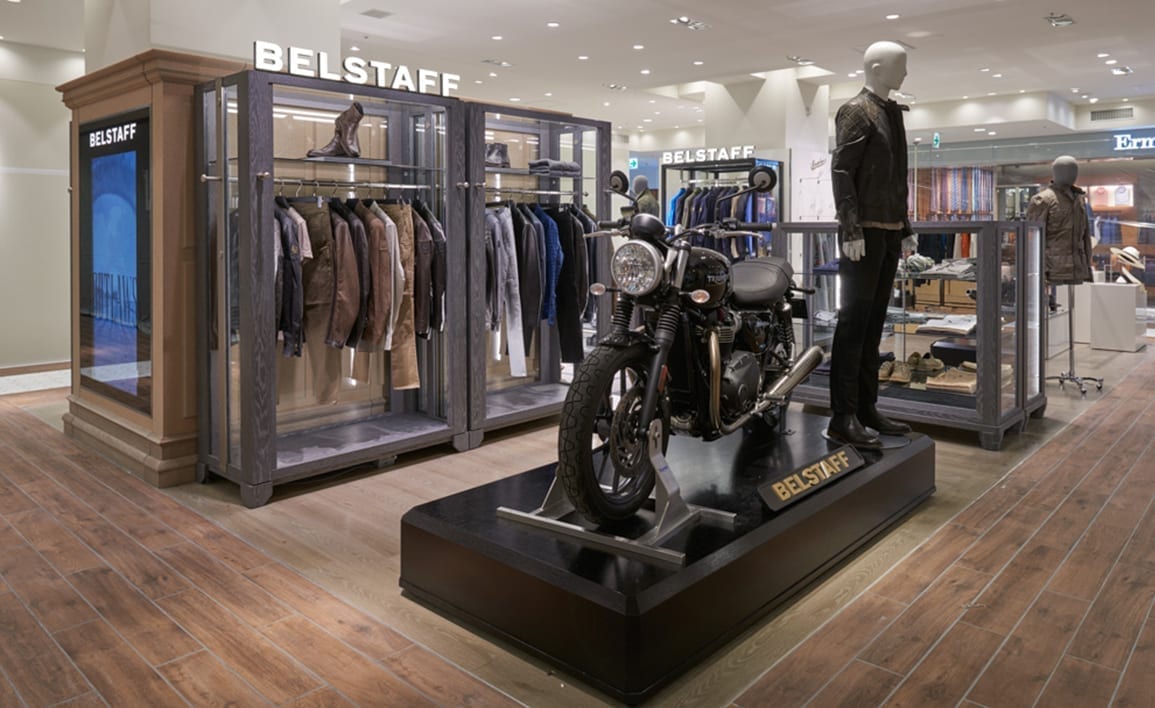
    The British luxury fashion retailer has six stores trading in the market, which it entered back in 2015 via a wholly owned subsidiary, opening its first store in March 2016.

    While the brand is making its direct exit, Belstaff Japan customers will still be able to buy its goods from authorized retailers, supplied from the UK head office.

    Belstaff has previously announced it is shifting its focus to selling online in the US and developing a wholesale distribution channel in Italy. The returns from the Belstaff Japan business were insufficient to continue to operate there.

  • DFS launches fourth Whisky Festival

    DFS launches fourth Whisky Festival

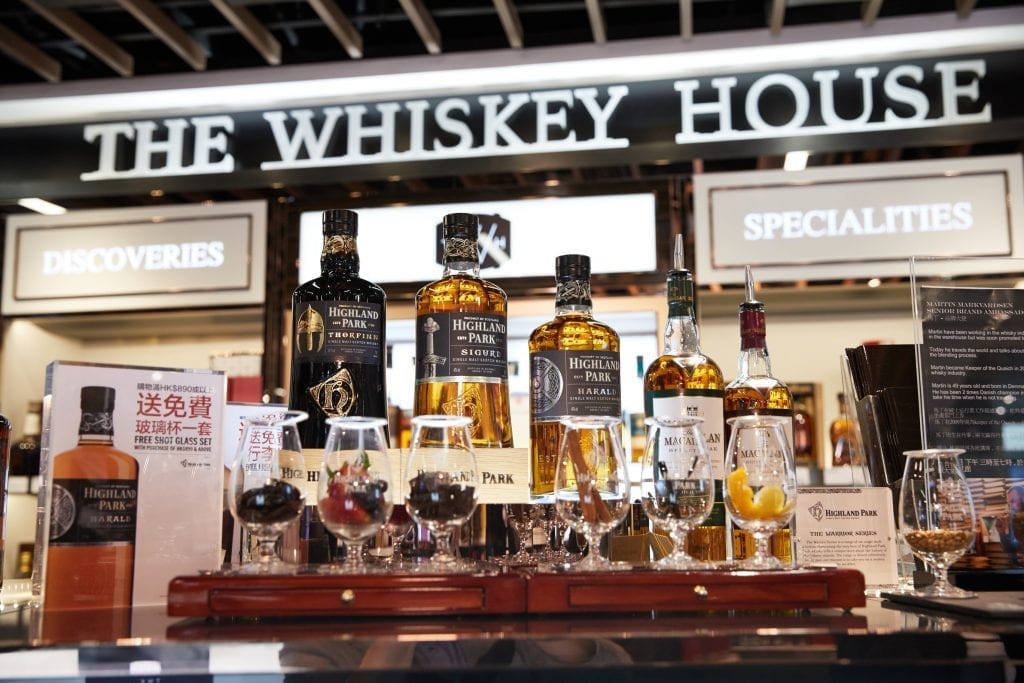
    DFS Group has launched the fourth Whisky Festival at Changi Airport, this one with a pop-up bar. Aiming to “demystify the whiskey-making process”, the festival offers a selection of more than 400 whiskeys and many exclusive offers.

    Highlights include Bruichladdich Port Charlotte 10, Compass Box No Name, No 2, Glenmorangie Rare Cask 1399, Johnnie Walker Black Triple Cask Edition and Royal Salute 21 Year Old Lost Blend.

    “The Whisky Festival is one of our favorite celebrations at DFS, providing a great opportunity to showcase this wonderful spirit in a fun and engaging way to whiskey connoisseurs and enthusiasts alike,” said Brooke Supernaw, senior VP spirits, wines, tobacco, food and gifts at DFS Group.

    “We are delighted to work with some of the best whiskey makers in the world to bring this event to life again this year in partnership with Changi Airport Group.”

    The pop-up bar, reminiscent of the speakeasy bars of the 1920s Jazz Era, will remain open until June 10. At the bar, travelers can enjoy interactive experiences with whiskey tastings, and vaporizers producing scents from floral all the way to smoky and intense.

    Live performances by jazz singers including Carol Gomez, Ywenna Carolin, and Richard Jackson will feature.

    “We are thrilled to partner with DFS Changi once again and bring the annual Whisky Festival to the next level with a pop-up bar for the first time ever. This 1920s-themed bar with its unique interior and collection of never-before-seen whiskeys will offer travelers a multi-sensorial travel retail experience, in celebration of all things whiskey,” said Teo Chew Hoon, group senior VP, airside concessions, at Changi Airport Group.

    After Singapore, the festival will relocate to seven DFS locations across Asia, the Middle East, North America, and Hawaii.

  • Core categories boost Shaver Shop’s Profit

    Core categories boost Shaver Shop’s Profit

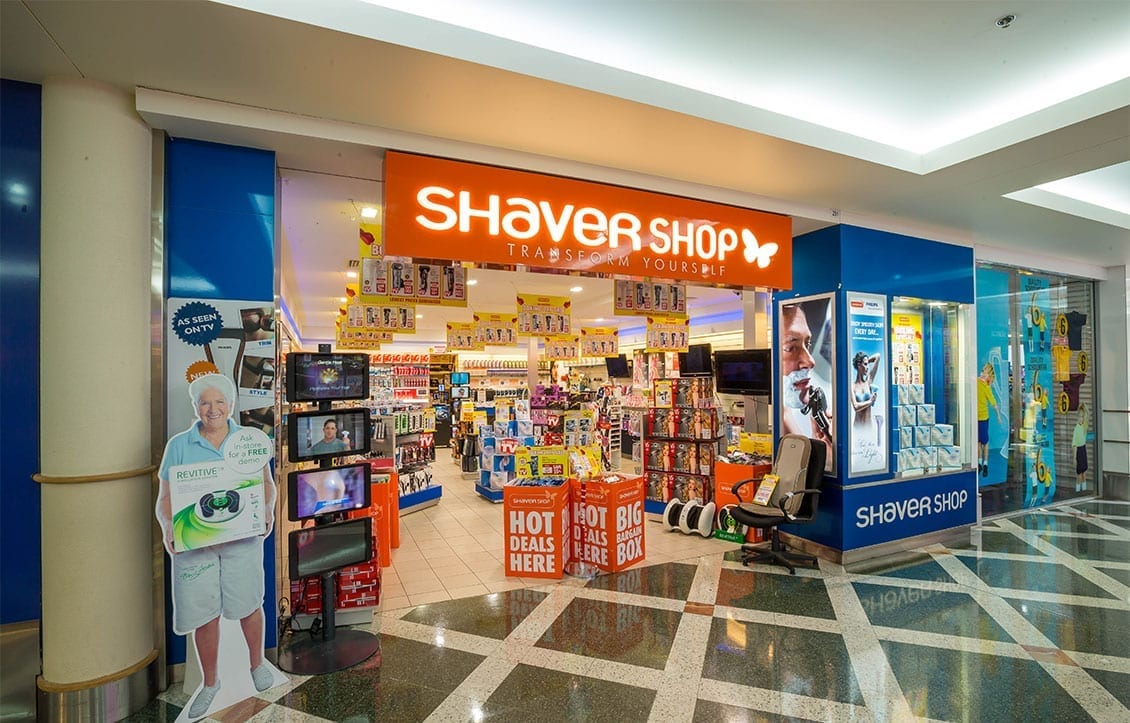
    Strong performance in Shaver Shop’s core hair removal and hairstyling categories has delivered 8.7 percent like-for-like sales growth in the four months ended April 30, 2019, up from 0.8 percent in the same period last year, enabling the specialty retailer to narrow its full-year profit guidance.

    Shaver Shop now expects normalized EBITDA to be between $12.5 million and $14 million for FY19. It previously was expecting between $12 million and $14.5 million EBITDA.

    “I am very pleased that our like-for-like sales growth is predominantly being driven by a number of our core hair removal categories which is where our store teams excel,” Cameron Fox, chief executive and managing director of Shaver Shop, said in a statement on Tuesday.

    “Hairstyling, following the launch of the ghd range around the same time last year, is also performing very well.”

    Big-name brands drive foot traffic

    Ghd, or Good Hair Day, is a leading global brand of hair straighteners, blow dryers and other styling tools. Shaver Shop started selling a range of the high-end products in Australia in late May 2018, and launched a range in New Zealand on Monday.

    Shaver Shop has previously said the addition of the ghd brand is an effort to grow its female customer base. Ghd, along with other big-name – and big-ticket – brands like Dyson, also drives foot traffic to stores, since customers tend to want to touch and feel the products and get expert advice from staff before shelling out hundreds of dollars on the equipment.

    Flair, Shaver Shop’s private label brand launched last year, is gradually replacing the entry-level brands the retailer previously offered. Finding the balance between more profitable private-label sales and foot-traffic-driving brand sales will be a key focus for Shaver Shop going forward, according to Fox.

    “Flair is only going to replace the commodity brands we had in the past. We don’t want it to be a market leader. Those big brands will continue to be the brands that bring shoppers into stores,” he told.

    Shaver Shop’s private label range also includes the Shaver Guard line of lubricants and cleaning products for shavers and beard trimmers and the LumiSkin line of skincare products.

    Investment in CRM solution to drive loyalty

    On Tuesday, the retailer also announced the implementation of its first-ever CRM solution, which it expects will significantly enhance its ability to engage with customers on a more personalized and timely basis across any retail channel.

    Fox told that the solution, provided by software giant Salesforce, will deliver a “quantum lift” in its already 120,000-strong customer database. The solution will also enable the retailer to offer a loyalty program in the future.

    “This is actually something that’s incremental to us,” he said.

    Shaver Shop’s investment in Salesforce represents its commitment to omnichannel retail, which Fox said has delivered solid online sales growth so far this half. Online sales now represent 11-12 percent of total revenue, he said, and the channel continues to grow.

    Besides its own e-commerce site, Shaver Shop also sells through eBay. Fox noted that it has taken some time for the retailer to get its marketplace range right to minimize the erosion of gross profit margin on the sale of exclusive products through this channel.

    “There is the commercial consideration that you’re paying more transactional fees and potentially eroding gross profit margin…but there is a shopper who solely shops through eBay,” he said.

    Store network expanding

    The retailer has also been investing more in staff training and adding more staff to stores to improve its level of customer service, and the effort is paying off, according to Fox.

    “We’re not just measuring whether store staff hit their sales target, but we’re measuring the level of customer service [provided] and how many customers who walk through the door are being converted into a transaction,” he said.

    Shaver Shop currently has 121 stores across Australia and New Zealand. It will open its 122nd store, and its 7th in New Zealand, in Westfield Newmarket in Auckland in early FY20.

  • Taobao helps Brands with Omni Channel Sales

    Taobao helps Brands with Omni Channel Sales

    Taobao has teamed up with local retailers to launch a brick-and-mortar, multi-label store to host independent clothing brands that sell on the Alibaba Group-owned online marketplace.

    Piloting at the Hangzhou Kerry Center shopping mall, the “Taostyle” store currently offers about 350 items from a rotating selection of 20-plus brands. The first batch of partners features some of the most popular and fastest-growing brands on the e-commerce site, such as Lamps, Roaringwild, Ayuko, and Thessnce.

    Taostyle’s fashion buyers determine which brands and products to sell based on a mix of market knowledge and consumers insights drawn from Alibaba’s platforms, refreshing offerings and introducing new products at least twice a month.

    Frequent product reshuffling is only one of the ways that Taostyle is bringing e-commerce shopping experiences offline. Each garment has a unique QR code, which customers can scan with their phones to access its product page on Taobao, find out the price, get detailed product descriptions and customer reviews. The store even allows consumers to place orders online in addition to buying in-store, as it receives the same commission for both online and offline transactions made through Taostyle.

    “We don’t just want to open a traditional shop to sell clothes. We want to explore a new way of merging online with offline,” said Xia Yu, GM of Hangzhou Shunhong, which operates Taostyle.

    Xia said rich visual content, also a common feature when shopping on Taobao, sets Taostyle apart from traditional stores. Large LED screens showcase featured brands, while across every clothing rack, there are smaller screens for brands to display their product images and videos. Xia also built a booth inside the store, where livestreamers, merchants and Taostyle staff promote and sell their products via live streaming.

    “For us, the business doesn’t stop when the mall closes. Using live stream, we’re able to interact with consumers all day, especially between 8pm and 2am when young people are most actively shopping online,” Xia said.

    Jingjing Liu, leasing director at the Hangzhou Kerry Center, said partnering with the experimental store helps the department store engage young, trendy female shoppers, who make up the majority of its customers.

    “We have high hopes for Taostyle,” Liu said. “There has been a lot of buzz around online-to-offline and New Retail, but as a veteran in the retail business, I haven’t been fully convinced by any models before working with Taostyle. This is the closest to the concept that we’ve seen.”

    From Online to Offline

    Most of the showcased brands either got their start on Taobao or scaled up thanks to the platform. Taostyle offers them an offline channel to improve the experience for existing fans and reach new customers, as well as the chance to test the waters before committing to their own brick-and-mortar stores, said Xia.

    “Without strong interactions, it is difficult for brands to build emotional connections with consumers through a screen,” he said, adding that merchants are interested because physical stores complement the limitations of an online store, satisfying the consumer need for immediacy and to check the feel and try on products before they buy.

    Cathy Xu, the founder of indie menswear label Thessnce, said she wants to leverage Taostyle to reach the brand’s target consumers — men that like high-quality, minimalistic styles — who don’t shop on Taobao that often.

    “There are some experiences we can only give consumers through an offline channel, like saving them the wait [for shipments to arrive], so they could instantly try on and feel our designs,” she said.

    The current trend for online shops is to expand offline, Xu noted. But the right tools, such as payments and inventory technology, can be hard for small businesses to attain.

    “Alibaba provides that tech infrastructure here, which would have been very difficult to build on our own,” she said.

    Her brand launched in March last year, and by year-end had totaled RMB20 million in sales. The annual sales goal for this year is 70 million, Xu said.


  • E-commerce to reach tipping point by 2030

    E-commerce to reach tipping point by 2030

    Almost half (49 percent) of Australian businesses expect online operations to reach parity with bricks-and-mortar retail sales by 2030, according to new research by Australia Post. Rebecca Burrows, Australia Post general manager of segment development and marketing, noted that consumer habits have changed significantly over the past few years.

    “People want an in-store experience, but in the comfort of their own living room – they want to see, touch and try,” she said.

    “Leading retailers are also embracing mobile commerce and voice-activated shopping. It is those in tune with customers and willing to embrace the latest online technology trends that will have the winning strategy.”

    Burrow noted that technology trends, such as augmented reality, artificial intelligence-driven personalization, and biometric payments, are beginning to bridge the gap between online and offline retail, and are shaping the way customers shop.

    Changing consumer trends are not simply relegated to the use of technology, however, with the rise of subscription service also having made a significant impact on the way a retailer offers its service to customers.

    According to a recent survey by Harris Poll, on behalf of subscription management platform provider Zuora, Australians now average 2. 5 subscription services – with Zuora vice-president Iman Ghosdosi calling it the “end of ownership.”

    Fashion-tech company GlamCorner tapped into this phenomenon last year, with the launch of a monthly subscription box that gives customers access to three pieces of designer clothing each month for formal occasions, workwear or everyday wear.

    “The service is growing at an exponential rate,” GlamCorner co-founder and CEO Dean Jones said, “contributing significantly to the 30 tonnes of clothing we process each month.”

    “As a result, our customers are telling us their wardrobes are shrinking, while they still have a fresh new look every day.”

    Australia Post surveyed almost 1000 small to medium sized Australian business across retail, manufacturing, logistics, financial services, education, health, and utilities.

  • Carousell Strengthens Executive Leadership Team With Appointment of CCO

    Carousell Strengthens Executive Leadership Team With Appointment of CCO

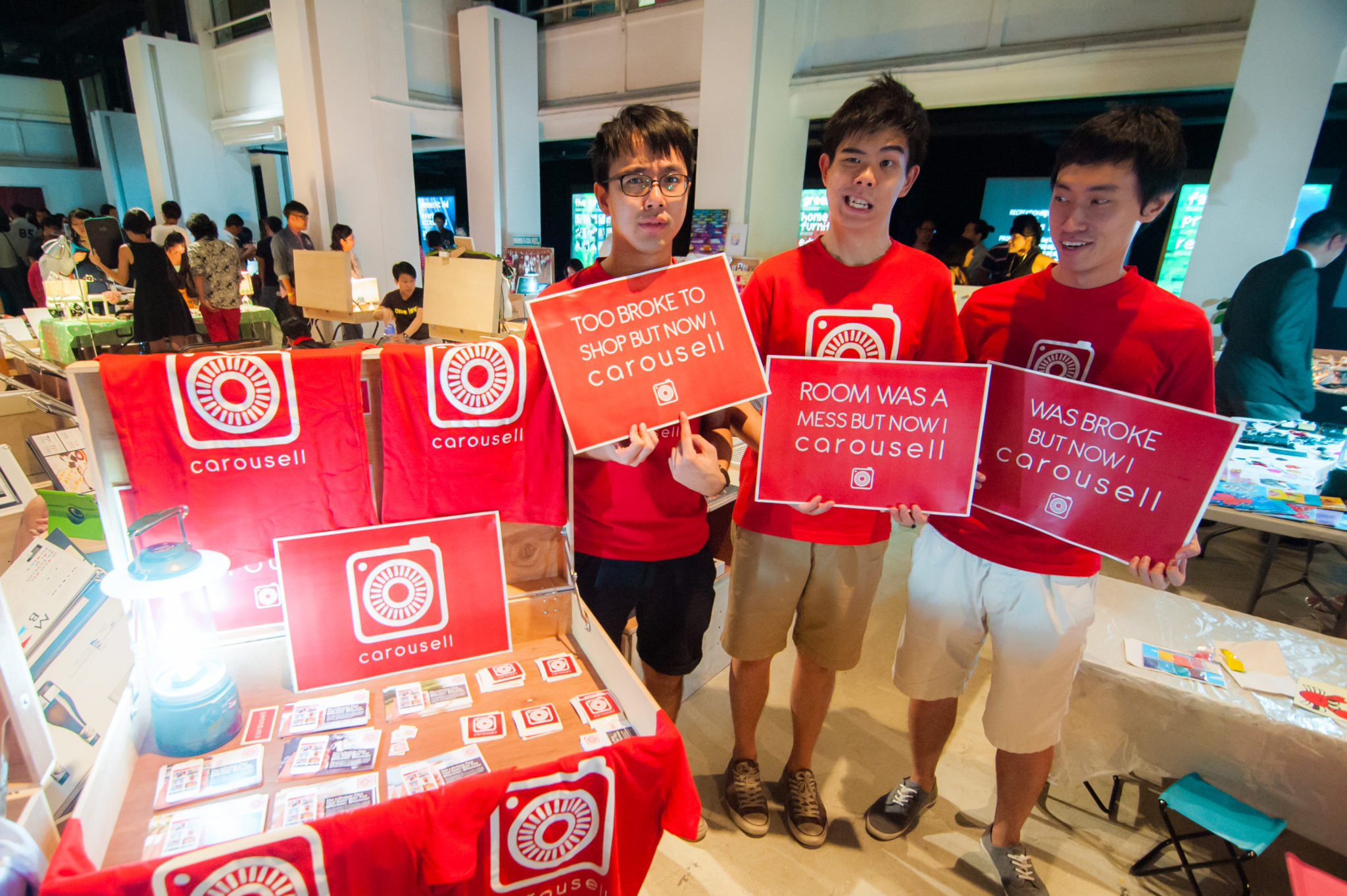
     Carousell, one of the world’s largest and fastest growing classifieds, today announced the appointment of Lewis Ng as Chief Commercial Officer. Lewis will be responsible for all commercial relationships, including high-value verticals, advertising sales and go-to-market partnerships. Lewis will also oversee the transformation of Carousell into a premium publisher by bolstering value-added services and premium products for clients.

    “We are at a stage with strong potential to scale. Currently, 1 in 4 Singaporeans use Carousell monthly, and with rapid growth regionally, it is imperative that we continue to attract top talents that would elevate our positioning and growth. With his extensive understanding of the classified space and business verticals, Lewis has displayed a solid record of growing robust revenue streams and executing high-impact business solutions,” said Siu Rui Quek, Carousell Co-founder and CEO. “There is a significant and growing market for high-value verticals such as Cars and Property, and we look forward to leveraging Lewis’ experience in these areas that pave way to achieve greater success across Southeast Asia.”

    Lewis’ role has been added in response to the increasing demand for business solutions and growth within the company and follows further high profile hires, including the addition of Su Lin Tan as Vice President of Operations.

    Previously Chief Business Officer at PropertyGuru and Commercial Director, APAC at TripAdvisor, Lewis brings over eighteen years of commercial and leadership experience in driving revenue growth across regional markets. Lewis was said to be instrumental in the leading property site’s continued double-digit revenue growth for three consecutive years, spanning roles in Marketing and Client Retention. At TripAdvisor, he was the Commercial Director for the APAC region and one of the first employees in Singapore, where he drove the brand’s revenue growth by triple digits in a period of three and a half years.

    Lewis has led key regional and in-market functions to deliver value to customers and partners and will be leading the overall commercial strategy at Carousell as Chief Commercial Officer. Lewis will be overseeing the Sales and Business Development functions in Carousell and he reports to Co-founder and CEO, Siu Rui Quek.

    “I am excited to join one of the biggest and fastest growing start-ups in Singapore. I really admire how fast and steadily the visionary founding team has grown the business in such a short amount of time, and I’m delighted to be able to contribute to the ongoing success of Carousell. With my experience and expertise, I am looking forward to creating efficient operations and models to help Carousell reach its fullest potential,” said Lewis.

  • Globe Q1 profit grows 44%

    Globe Q1 profit grows 44%

    The Philippines’ Globe Telecom has reported a 44% year-on-year increase in net profit for the first three months of 2019 to 6.7 billion pesos ($129.1 million), partly as a result of strong data revenue growth.

    The company reported revenue for the quarter of 36 billion pesos, up 13% year-on-year. Growth was mainly fueled by increasing data usage across the operator’s service offerings.

    Mobile revenue grew 11% to 27 billion pesos, with mobile data revenues reaching 16.5 billion pesos, representing 61% of gross service revenues. Total mobile data traffic surged to 370 petabytes for the quarter.

    But mobile voice revenues fell 15% to 6.3 billion pesos, with SMS revenues down 22% to 4.2 billion pesos.

    Globe’s home broadband business reported 21% higher revenue of 5.2 billion pesos, with the company’s total subscriber base increasing 22% year-on-year to 1.7 million. Of these, 63% are fixed wireless subscribers. Enterprise data revenues grew 16% year-on-year to 2.7 billion pesos.

    Globe’s capex for the quarter reached 8.8 billion pesos, representing 24% of topline revenues.

    “As we continue to invest in our LTE network, we are also excited with the growth opportunities of our 5G commercial pilot launch in June this year,” Globe CEO Ernest Cu commented.

    “Through this launch, we will be able to offer our customers a whole new ecosystem of devices to enhance the way they experience data to the home. This is in line with our proven strategy of making our customers a priority, by providing them a superior digital and network experience, despite all the industry challenges that we face ahead.”


  • Meituan launches global delivery platform

    Meituan launches global delivery platform

    Chinese e-commerce platform Meituan has officially launched its “Meituan Delivery” global-delivery platform in order to extend service to more industries and more customers.

    Meituan Delivery will open its technology platform, delivery network and value chains to ecosystem partners, enabling them to improve operating efficiency, reduce logistics cost and drive the growth of the real economy.

    “Meituan will open its delivery network to more customers and extend the network to various industries,” said Meituan senior VP and president of the company’s at-home business group Wang Puzhong. “The extension and opening of Meituan’s delivery network will help establish a more flexible delivery platform by customizing services for different industries, upgrading our delivery dispatch system, and improving delivery infrastructure.”

    Meituan’s global on-demand delivery platform is serving more than 3.6 million merchants and 400 million consumers nationwide, covering more than 2800 cities and counties with nearly 10,000 delivery stations and warehouses and more than 600,000 daily active riders. Meituan’s daily food delivery orders exceeded 25 million on April 20.

    “With the opening of our delivery platform, Meituan will leverage our delivery resources to better fulfill diversified needs of users and merchants, while integrating delivery resources to improve the overall urban logistics efficiency,” said Meituan Delivery GM Wei Wei.

    Meituan started to build its own delivery network in 2015 and launched its Premium Delivery service to meet the surging needs for efficient on-demand food delivery. In 2016, Speedy Delivery service was introduced to diversify its delivery services. Meituan launched its first autonomous delivery vehicle “Xiaodai” in 2018.

    Meituan’s delivery platform relies on its “Super Brain” – the real-time intelligent dispatch system that enables Meituan to complete a delivery within 30 minutes on average. The dispatch system can perform about 2.9 billion route planning algorithm operations per hour during daily peak times, and calculate optimized delivery routes in an average of 0.55 milliseconds, according to Sun Zhizhao, CTO of Meituan Delivery.

    In addition, Meituan has developed four delivery models – point-to-point shuttle delivery, galaxy network delivery, integrated warehouse inventory delivery, and smart terminal delivery – to serve convenience stores, super markets, retail stores, and office buildings, which can meet the different needs of merchants, improve delivery efficiency and reduce logistics costs.