Author: Mei Ling Tan

  • KiKi Tea@Sun’s Bazaar Partnering Iconic Chiu Chow Restaurant Chiu Tang with Summer Pop-up Menu

    KiKi Tea@Sun’s Bazaar Partnering Iconic Chiu Chow Restaurant Chiu Tang with Summer Pop-up Menu

    Pacific Place’s popular casual Asian dining concept KiKi Tea@Sun’s Bazaar is presenting a summer pop-up menu in partnership with iconic Hong Kong Chiu Chow restaurant Chiu Tang.

    Chiu Tang’s Executive Chef Cheung Lam Por has created three traditional Chiu Chow specialties incorporating KiKi Tea’s sister brand KiKi Noodles for the seasonal promotion from 6 May to 31 August 2019. The new noodle options for summer also embrace Mother’s Day and Father’s Day for a light, healthy and affordable family gathering for light lunch or supper.

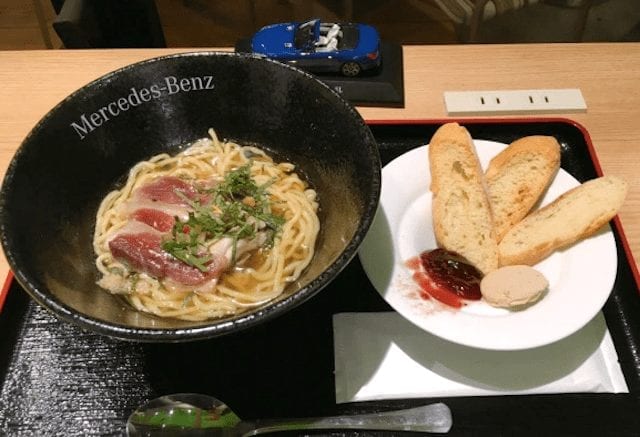
    Chiu Chow Assorted Meat Ball KiKi Noodles in Soup (Fish Balls, Beef Balls, Pork Sausage) (HK$98) redefines classic Chiu Chow fish balls from hawker stands of the 1960s and 1970s with a combo of meat balls and pork sausages homemade by Chef Cheung complimenting KiKi’s famed handmade Taiwan sun-dried noodles.

    Shredded Chicken KiKi Noodles in Soup, Chiu Chow Picked Vegetables, Mushroom (HK$98) showcases the Cantonese region’s fame for appetising cuisine with slightly sour flavour from pickling vegetables – now upgraded with premium mushroom and chicken.

    Pig’s Tripe and Pepper KiKi Noodles in Soup, Chiu Chow Pickled Vegetables (HK$98) pays homage to the resourcefulness of Chiu Chow chefs in creating nutritious yet extremely healthy dishes from humble ingredients like tripe, the stomach lining of a pig. Not only high in protein and fat-free, it aids digestion and strengthens the spleen and stomach – and is a ‘soul food’ adopted worldwide.

    Chef Cheung recommends to spice-up the specialties with KiKi Spicy Sauce, for an additional flavour of authentic Sichuan cuisine, incorporating hot pepper, premium Sichuan pepper and chilli bean sauce – free of MSG and preservatives and ideal for vegans.

    Seasoned chef Cheung Lam Por helmed Chiu Tang to Grade A status in the recent ‘Taste of Hong Kong’ awards and is frequently invited to cook private pop-ups at celebrity and socialite mansions. One of Hong Kong’s most celebrated Chiu Chow chefs, with 30 years’ experience in the craft, he is renowned for sourcing only the freshest, premium seasonal ingredients at the popular restaurant at The Galleria at 9Queen’s Road Central.

    “We select KiKi’s sun-dried handmade noodles for their exceptional texture and high quality, made without salt and dried naturally in sunlight, as authentic and traditional as you can find anywhere,” he said.

    KiKi Tea@Sun’s Bazaar has become an instant hit at Pacific Place, twinning the brand’s premium Taiwanese teas and bubbles with affordable modern Asian favourites. It stands out from the bubble tea crowd using quality natural ingredients including premium Taiwanese tea leaves, black sugar and cane sugar – along with authentic handmade pearls and pressed-to-order House Blend Teapresso.

    Popular favourites include Pineapple Green Teapresso (HK$38), Winter Melon Tea, Sichuan Pepper Flavoured Pearls topped with Cream Mousse(HK$36), Jasmine Tea, Chinese Herbal Tea Pearls (HK$33), KiKi Roasted Tea topped with Caramel and Nuts Cream Mousse (HK$34), and Brown Sugar Milk with Pearls (HK$35).

    Different ‘bubbles’ (add HK$5) beloved by celebrities including Shu Qi and Kimbee Chan include the most popular Brown Sugar Pearls; a favourite in Taiwan; Mini Taro Balls, Sichuan Pepper Flavoured Pearls with a spicy kick of ‘KiKi Sichuan Pepper Seasoning’; and Chinese Herbal Tea Pearls with prunella ‘heal-all’ tea (xia ku cao) used in Chinese medicine.

    All KiKi Tea drink specialities can also be adjusted to preferred levels of sweetness, from regular 50% down to 30% or zero, and also ice level, from regular 70% to 30% or no ice at all.

    KiKi Tea@Sun’s Bazaar is located at Shop 112, 1/F, Pacific Place, 88 Queensway, Hong Kong , opens daily from 11 am to 10:30 pm.

  • Seoul mall uses media art To Indicate the Air Quality

    Seoul mall uses media art To Indicate the Air Quality

    Hanwha Galleria is informing Seoul citizens of fine-dust levels by using media art installed on the exterior of its department stores.

    If the fine-dust concentration is at “bad” levels, the lighting installed on the exterior of the Galleria Luxury Hall sends out red flashing signals three times before displaying a video consisting mainly of red.

    And on days when fine dust is low, images will be composed mainly of green hues.

    The initiative is part of Hanwha Galleria’s “Right! Galleria” campaign to encourage a culture of eco-friendly and sustainable consumption.

    As part of the Galleria campaign, the company will publicise fine dust levels.

    Hanwha Galleria will also give KF94 certified masks to customers who make a purchase on days when fine dust levels are 81μg/m3 or higher.

    The masks will be provided 10 times every day when fine dust levels are recorded as “bad.”

  • Alibaba Celebrates its 15th Ali Day

    Alibaba Celebrates its 15th Ali Day

    Alibaba employees across the world joined together to celebrate Ali Day, an annual event honoring the tenacity and fighting spirit of their colleagues and their families during the Severe Acute Respiratory Syndrome crisis in China 16 years ago.
    During the height of the outbreak in May 2003 in China, one employee was thought to have contracted the deadly virus. The entire staff was ordered to self-quarantine at home. But instead of putting the business on hold, everyone, including family members, pulled together to keep the operation afloat.
    Such determination and dedication prompted Alibaba Group founder Jack Ma in 2005 to declare May 10 as “Ali Day.” More than just a day of merriment, Ali Day is about paying tribute to employees and their family members, whom Ma often calls the company’s “biggest pillar.” It also underscores Alibaba’s values, placing “customers first, employees second and shareholders third.”
    This year, offices across all time zones held their own celebrations. Our main Xixi Campus in Hangzhou was transformed into a giant carnival, with musical and dance performances by employees throughout the day. There was a playground for children, arts-and-crafts corners and magic shows.
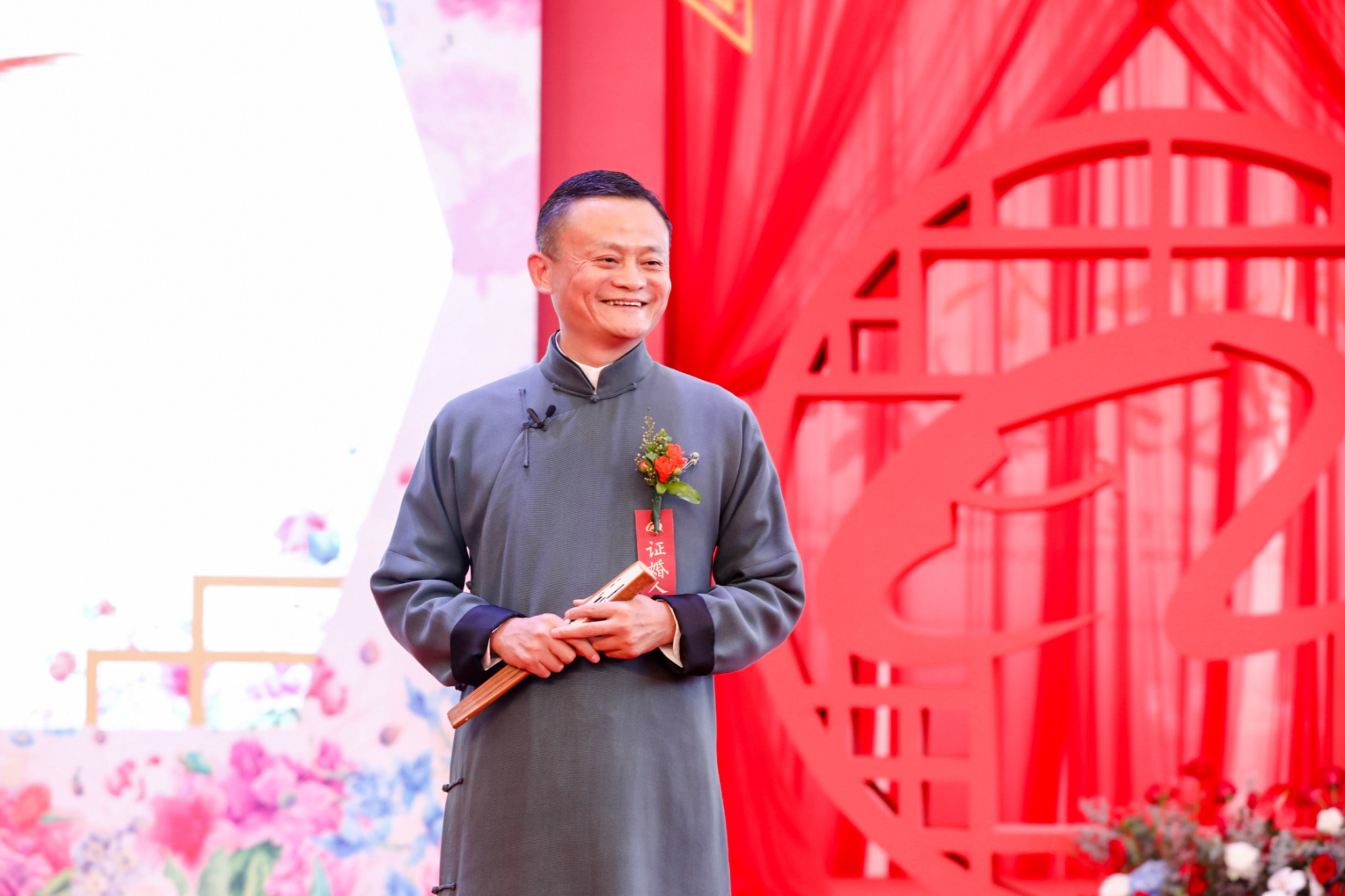
    The highlight of each Ali Day is the “wedding,” or a celebration of Alibaba couples who married over the previous year. This year was no exception, with 102 pairs of newlyweds, dressed in crimson traditional Chinese attire, receiving sage advice from Ma, himself, who presided over the ceremony. The number 102 symbolizes the minimum number of years Ma has said he wants Alibaba to last, spanning three centuries.
    On Ali Day, executives personally extend their gratitude to family members of Alibaba employees. This year, Alibaba Group Vice Chairman Joe Tsai invited the entire New York staff and guests to a New York Liberty WNBA basketball game. In Hangzhou, Alibaba CEO Daniel Zhang and Chief People Officer Judy Tong answered questions from employees’ family members.
  • Coles launches reusable container for at Home

    Coles launches reusable container for at Home

    Coles is encouraging customers to reduce food and plastic waste at home with its latest promotion, which is this time aimed at adults.

    The Coles Fresh Food Container Program, offers ‘container credits’ when customers spend $20 or more using flybuys online or in-store.

    The credits can be redeemed for a range of five reusable containers from 600mL to 1.5 litres, as well as a specially-designed vacuum pump. The containers are made from durable polypropylene and can ultimately be recycled in a kerbside bin at the end of their life.

    “We know our customers want to reduce food waste for environmental and family budget reasons, and these reusable containers are a great way to keep food fresh in the fridge or pantry without the need for more single-use plastic,” Coles chief operating officer Greg Davis said in a statement.

    The supermarket giant has removed 1.2 billion single-use plastic bags from circulation since they were phased out last year and has diverted more than 542 million pieces of flexible plastic from landfill since 2011 through its recycling partnership with REDcycle.

    “This is a great initiative by Coles to reduce food and plastic waste. When food waste ends up in landfills it produces methane – a powerful greenhouse gas that contributes to climate change. By shopping wisely and storing food in air tight reusable containers we can all do our bit to help the environment and save money, ” Paul Klymenko, CEO of environmental organisation Planet Ark, said.

    The promotion is available in-store running between April 24 and July 2.

  • Naked Wines about to sell all UK stores

    Naked Wines about to sell all UK stores

    Majestic Wine is reportedly looking to sell its entire UK retail portfolio to focus on its international e-commerce business, Naked Wines.

    Bankers at Rothschild have been contacting private equity firms to buy the British bricks-and-mortar business, which includes around 200 stores, on behalf of the retailer, according to Sky News.

    Majestic Wine acquired Naked Wines in 2015, and appointed the e-commerce company’s founder, South African entrepreneur Rowan Gormley, as CEO of the entire company. Naked Wines now operates in Australia, the UK and the US.

    Gormley told investors last month that Majestic would present a transformation plan in June, which would include growing the Naked Wines business by releasing capital in Majestic. The brands were to be combined into a single management team under the banner of Naked Wines plc.

    “It is clear Naked Wines has the potential for strong sustainable growth and a transformed Majestic business does have the potential to be a long-term winner,” Gormley said at the time.

    “But we risk not maximising the potential of Naked if we try to do both.”

    Gormley said the business would minimise job losses by migrating employees at the closed stores to the revised Naked brand.

    A spokesperson for Majestic told the combination of migrating existing customers to the Naked brand, selling assets and closing stores would lead to the business becoming an “out-and-out growth business”.

    According to Majestic, almost 45 per cent of its business now takes place online, and 20 per cent internationally, providing further growth opportunities should further focus be centered on these areas.

    The spokesperson said that “while a total sale of Majestic Retail continues to be a potential option, it would be wholly unwise to pursue a single-track process and materially limit the potential value that can be realised to drive growth.”

    Naked Wines Australia has been contacted for comment.

  • Food brands team up on Tmall in New Zealand

    Food brands team up on Tmall in New Zealand

    Some of New Zealand’s most popular food and beverage brands now have direct access to Chinese customers through a new flagship on the online marketplace, Tmall.

    The online flagship, which opened last week, is the result of a joint venture between Tmall Fresh and New Zealand Food Basket Ltd, a consortium of 18 food and beverage brands.

    “It will significantly improve our reach and shorten the supply chain in a way that each brand couldn’t achieve alone,” Nicola O’Rourke, chairperson of the consortium, said.

    Nine brands were available for sale at launch – Babich, Vogel’s, Rockit, Future Cuisine, Pāmu, Zealong, Fiordland Lobster and Oha Honey – while the remaining nine brands are set to begin selling on the marketplace in June.

    They include Zespri, Sanford, Lewis Road Creamery, Kāpiti, Sealord, Alliance, Shott Beverages, Wild Catch and Cherri.

    Tmall is owned and operated by Alibaba, China’s biggest e-commerce company, with nearly 700 million monthly active users.

    The flagship store is expected to boost awareness of the brands in a market where demand for New Zealand products is high, but it can be difficult for even big companies to get cut-through.

    “Together, we want to help these brands deepen their engagement with the Chinese consumer, so shoppers in China can gain a greater appreciation of the premium high-quality products that New Zealand offers,” Maggie Zhou, Alibaba’s managing director for Australia and New Zealand, said at the signing ceremony in Shanghai last week.

    According to New Zealand’s official data agency, Stats NZ, in 2018, China was the country’s single-biggest export market, accounting for around one in every five dollars of sales of goods and services.

    At $16.6 billion, New Zealand’s export to China for the year ended September 30, 2018, was $2.6 billion more than Australia and nearly double the sales to the US.

  • SoftBank may invest in Reliance Jio

    SoftBank may invest in Reliance Jio

    Japan’s SoftBank is reportedly in talks to invest up to $3 billion in fast-growing Indian operator Reliance Jio Infocomm.

    SoftBank’s Vision Fund is involved in due diligence on the prospect of the purchase of a stake in Jio  that could be worth $2 billion to $3 billion, unnamed sources told.

    The SoftBank Vision fund has raised $100 billion as part of plans to invest in fast-growing scalable technology companies with transformative potential. Former Deusche Bank executive Rajeev Misra has been appointed to lead the vision fund.

    Neither Softbank nor Jio would comment publicly for the report, so the potential for a deal remains unconfirmed for now.

  • Xiaomi just patented a weird-looking inverted Notch

    Xiaomi just patented a weird-looking inverted Notch

    Since notches first arrive back in 2017, smartphone brands have attempted a range of implementations ranging from wide ones to much subtler water drop alternatives. One thing that hasn’t been attempted, however, is an outward facing one. But Xiaomi’s latest patent suggests it could be working on one.

    In what is presumably an attempt at creating a low-cost smartphone that also presents a notchless display, Xiaomi’s latest patent envisions a smartphone that features minimal bezels and a rather large hump on the very top of the device. This looks exactly like an inverted notch and is home to the in-ear speaker and two selfie cameras.

    On more expensive devices such as the Xiaomi Mi Mix 3, the Chinese brand has chosen to implement a slider design that hides the front-facing cameras and allows for an all-screen design. However, this comes at an added cost that most likely wouldn’t be financially viable in the low-end segment. The company is also rumored to be working on two flagships with pop-up cameras but, once again, this is a costly feature.

    More often than not, patents are a good indication of what’s to come from smartphone brands in the future. But considering the very unusual design that is shown in the included sketches, it seems likely that this particular  patent will never result in a production device.

  • Facebook expects to be hit hard by the FTC

    Facebook expects to be hit hard by the FTC

    After word got out last year that 87 million Facebook members had their profiles sold to political consultant Cambridge Analytica without permission, the Federal Trade Commission started an investigation. After all, this action violated an FTC consent decree that Facebook signed off on back in 2011, promising not to use subscribers’ personal data without consent.

    Facebook announced its first-quarter results today and took a charge of $3 billion to cover an anticipated fine from the Federal Trade Commission (FTC). Neither side has reached an agreement, but clearly, Facebook expects to be spanked pretty hard by the FTC. The company noted in its report that it faces a fine as high as $5 billion from the FTC. The 87 million profiles received by Cambridge Analytica were reportedly used to created profiles of voters used by the 2016 Trump campaign to determine the areas of the country where more money needed to be spent for advertising.

    Facebook also announced today that 2.1 billion people use Facebook, WhatsApp, Messenger or Instagram on a daily basis, and 2.7 billion use one of these members of the Facebook family at least once a month. At the end of the three months that included January through March of this year, Facebook had $45.42 billion in the vault. That’s after the company spent $3.96 billion on capital expenditures during the quarter.

    For the first quarter of 2019, Facebook had $15.1 billion in revenue. That was up 26% from the $12 billion it raked in during the same quarter a year earlier. Net came to $2.4 billion (or 85 cents a share) against $5 billion earned during the first quarter of 2018. But those results include the $3 billion charge. Without the charge, Facebook would have earned $1.89 per share vs. the $1.69 it reported for the first three months last year.

  • Singtel signs cross-promotion deal with GOJEK

    Singtel signs cross-promotion deal with GOJEK

    Singtel has inked a new partnership with ride hailing company GOJEK aimed at cross-marketing their offerings and providing perks to users and drivers.

    Under the agreement, Singtel will offer GOJEK drivers who subscribe to its Combo mobile plans data-free usage while using GOJEK, as well as a 20% discount on their subscription costs and a complementary caller ID service.

    Meanwhile new and existing customers of Singtel’s digital focused GOMO plan will receive ride hailing credits worth S$5 ($3.67), and all Singtel customers will be offered other ride hailing perks.

    “With this partnership with GOJEK, we are taking our business and customer relationships to the next level, beyond just providing traditional carriage and connectivity,” Singtel CEO consumer Singapore Yuen Kuan Moon said.

    “While our customers have come to expect reliable and comprehensive mobile coverage from us, they are always looking for more value and this we can extend in the form of perks and privileges that come from mutually-beneficial partnerships.”

  • Apple AirPods 3 likely to arrive later this Year

    Apple AirPods 3 likely to arrive later this Year

    Five weeks ago, Apple announced a new pair of AirPods. The update was largely welcomed, but it was far from the big upgrade many were hoping for.  According to industry sources, the next-generation AirPods will be manufactured jointly by Taiwan-based Inventec and Chinese company Luxshare Precision. These two aren’t exactly household names but they are the companies in charge of producing the current-gen AirPods.

    In regards to actual features, the details provided by the report are minimal. However, it’s suggested that the primary new feature will be built-in noise cancelation.

    Tipster Steve Hemmerstoffer, for example, accurately predicted back in February that Apple’s AirPods release in March would center around the wireless charging case. The upcoming fall release, on the other hand, will apparently focus on an all-new pair of AirPods that’ll be available in a range of new colors.

    Way back in June of last year, Bloomberg published a report detailing Apple’s plans for a pair of premium AirPods sometime this year. An exact timeline wasn’t provided, but the piece did list a number of potential features that would justify the expected price hike.

    Like today’s report, noise-cancelation was listed as one of the primary additions. This will apparently be accompanied by the introduction of water resistance and some health-related features which could include a built-in heart rate monitor. Apple is also said to be working on extending the range at which AirPods can be used away from a connected device.

    Further rumors and reports have suggested the next-generation AirPods will introduce a subtle redesign. More specifically, a frosted glass-like coating is to be expected. This will apparently improve grip and reduce slipperiness, thus making the new AirPods less prone to falling out of your ears.

    Also expected are the usual internal upgrades which should include a new Bluetooth connectivity chip and improvements to the overall sound quality. A rumor floating around also suggested the next AirPods will support more powerful wireless charging that takes the battery percentage from 0% to 100% in just 15 minutes.

    Apple analyst Ming-Chi Kuo revealed that he now expects Apple to launch two new pairs of AirPods during the ‘4Q19-1Q20’ timeframe, meaning the new accessories could be unveiled at any point between early October 2019 and late March 2020.

    One of these new models will apparently be a small update over the AirPods that are currently on sale. It’s unclear what kind of upgrades this will entail, but Kuo believes the version will maintain the $159 starting price seen today – with the wireless charging case this will presumably rise to $199.

    The second pair, on the other hand, will apparently introduce an ‘all-new design’ that will be accompanied by a higher price tag. Presumably, this means that there will be a wide range of new features including noise cancelation and water resistance, as mentioned above.

    Ming-Chi Kuo expects AirPods shipments to reach a considerable 52 million units in 2019, while this number should then grow even higher in 2020 to 75 million. In order to cope with the increased demand, it’s believed Apple will move to a new system-in-package design for both sets of AirPods that’ll save space, lower costs, and improve production yield rates.

    As pointed out by Bloomberg’s Mark Gurman, the AirPods that Apple launched last month were initially planned for release in September 2018 alongside the iPhone XS and iPhone XR devices. Apple hasn’t officially confirmed this, but it’s rumored to have happened due to issues with the canceled AirPower charging mat. Apparently, the AirPods charging case was meant to utilize proprietary technology, but complications with AirPower forced Apple to rework the accessory using the Qi standard.

    If things had gone as planned, new AirPods launching later this year wouldn’t be out of the question. But considering that, by the end of 2019, Apple’s latest AirPods will have only been on the market for 9 months, it seems highly likely that the AirPods 3 and AirPods 3 Pro will arrive towards the end of Kuo’s release timeframe at the brand’s annual spring event in March, one year after the current-gen AirPods arrived.

  • Google Maps adds real-time info for EV charging stations

    Google Maps adds real-time info for EV charging stations

    There are so many reasons to love Google Maps right now, some of which have very little to do with the core functionality of the world’s most popular web mapping service or the numerous handy navigation features borrowed from Waze over the past few months.

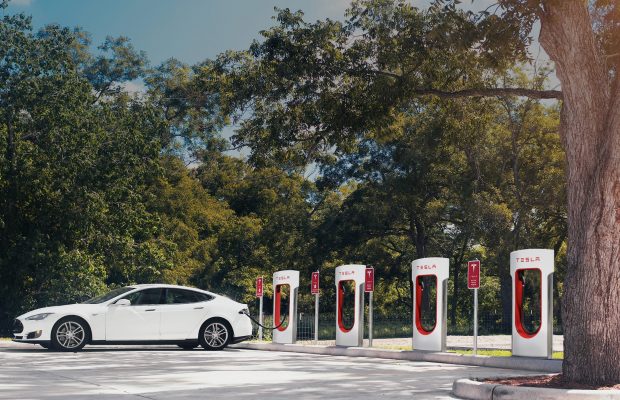
    One extremely convenient thing you’ve been able to do since last fall with Google Maps is easily find electric vehicle (EV) charging stations around the world, and now the feature is further improved to save you some hassle and avoid wasting your time. In addition to just showing you nearby charging stations and helping you reach them by taking the fastest route, the wildly successful app can also provide real-time information on the availability of actual charging ports.

    No more waiting in line for “anywhere between minutes to hours”… unless, of course, you don’t mind taking your chance or don’t have much of a choice of EV charging stations in your area. But if you do, Google Maps will display exactly how many ports are actually available at any given time in stations from Chargemaster, EVgo, and SemaConnect networks. Keep in mind that the expanded functionality is only supported in the US and UK at the moment, with Chargepoint slated to join the aforementioned list of partners “soon.”

    As you can imagine, it’s incredibly easy to locate the closest electric vehicle charging station. You simply enter “ev charging” or “ev charging stations” in the app’s search box, which will bring up a list of relevant places from where you can access the number of available ports, their types and charging speeds, as well as other driver-provided info about a specific station, like photos, ratings, reviews, and questions.

    Don’t forget to update Google Maps on your Android handset or iPhone to the latest version published to Google’s Play Store or Apple’s App Store. The new feature should already be live for users of both mobile operating systems.

  • Aston Martin Shows Off DBS Superleggera Volante

    Aston Martin Shows Off DBS Superleggera Volante

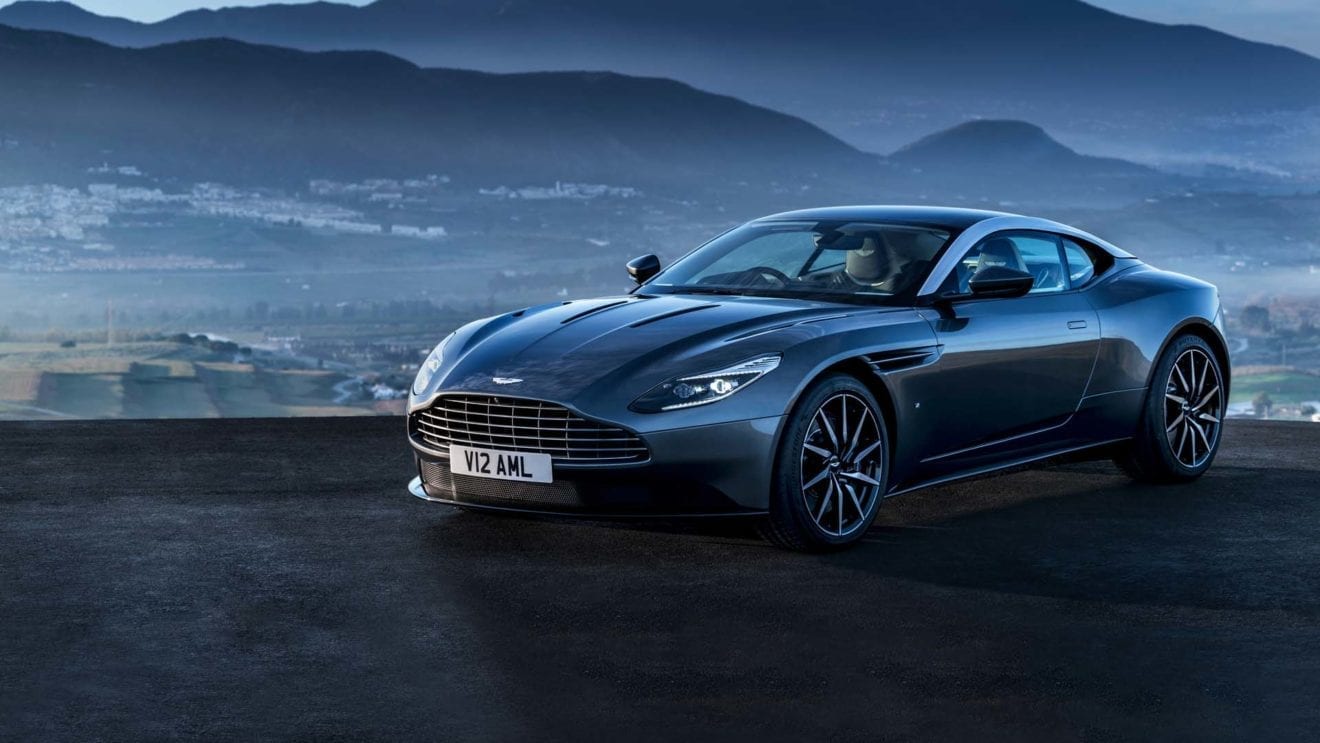
    Aston Martin has opened the roof on the new DBS Superleggera Volante. This is the second Aston Martin to carry the Volante name following the introduction of the company’s Second Century Plan. The DBS Superleggera Volante has been designed in-house under the guidance of Executive Vice President & Chief Creative Officer Marek Reichman. Aston Martin’s primary mission has also been to retain the coupe’s powerful dynamics, aggressive poise and astonishing performance.

    Powered by Aston Martin’s own 5.2-litre twin-turbo V12, producing 715 bhp and 900 Nm of torque, the top speed of the DBS Superleggera Volante stands at 340 kmph. 0-100 kmph is done in just 3.6 seconds and it’s not just the power and torque that makes the difference but also the car’s aerodynamic credentials which help in commanding and exploiting the surface airflow to maximum effect. Up front, the car’s splitter and airdam work in unison, accelerating airflow underneath the front of the car to deliver true downforce and assist cooling by feeding air to the front brakes. The new deeper side strake draws more air from the front wheel arch to reduce lift and aid high-speed stability.

    Executive Vice President & Chief Creative Officer Marek Reichman said: “DBS Superleggera produces a spectacular and relentless level of performance and so for the Volante, we focussed on bringing that extra level of sensory overload that only an open-top Super GT can deliver inside the cabin. With the unique dynamics, beautiful yet brutish design and the unmistakable harmonics of Aston Martin’s 5.2-litre V12 engine, we believe we have delivered a unique and unforgettable driving experience that is synonymous with the traditions of the Volante name.”

    Behind the front wheels, the ‘curlicue’ allows air to escape and flow smoothly along the car’s flanks, while the double diffuser at the rear allows air to exit cleanly and neutralise lift as efficiently as possible. A revised iteration – to accommodate the Volante’s clothed roofline – of the revolutionary Aeroblade ll system continues to deliver additional downforce at the car’s rear. At VMAX, the DBS Superleggera Volante produces 177kg of downforce, just 3kg less than the coupe, an impressive feat when considering the car’s fundamental aerodynamic changes.

    The 900Nm of torque is fed via a carbon-fibre prop shaft to a new ZF 8-speed automatic transmission mounted at the back of the car. Specially developed adaptive software gauges the conditions the car is operating in, along with the driver’s demands, to ensure the car is in exactly the right gear at the right time.

    Aston Martin’s engineers have worked hard to ensure the best possible roof and rear package is achieved, while still delivering conflicting targets of styling and durability. The roof operation takes 14 seconds to open and 16 seconds to close and can be operated from inside or, for added convenience, from the remote key within a two-metre radius of the car.

  • Softbank To Buy Wirecard Shares

    Softbank To Buy Wirecard Shares

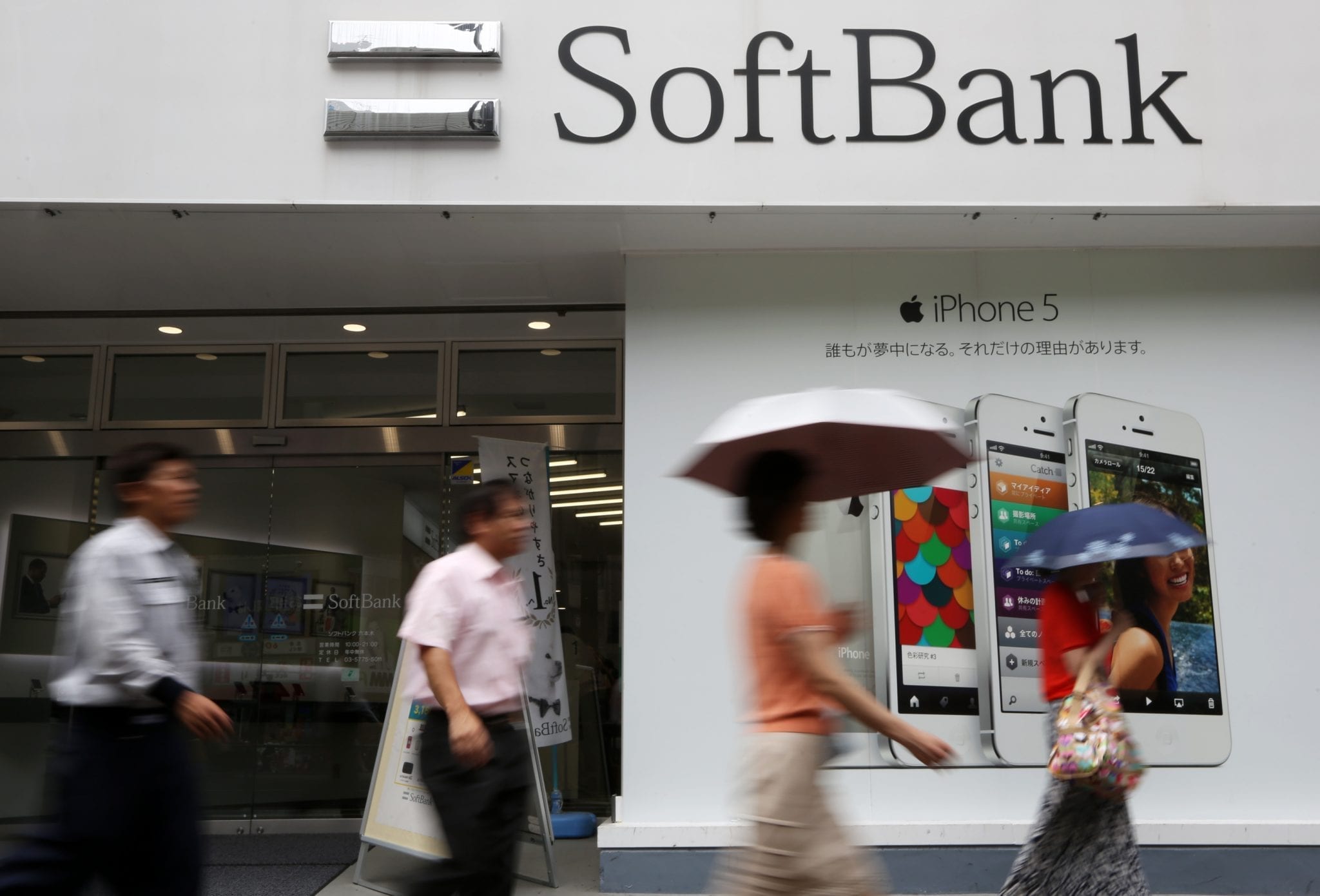
    Japan’s Softbank Group will purchase a 5.6 percent stake in German payments company Wirecard by acquiring convertible bonds worth about 900 million euros ($1 billion), Wirecard said in a statement on Wednesday.

    «As global innovators, we focus heavily on expanding our networks and creating opportunities for companies with groundbreaking ideas. In SoftBank, we have found a partner that shares both our passion for new technologies and drive to spearhead the latest innovations, all on a global scale,» said Markus Braun, CEO at Wirecard.

    The two companies said they had also signed a memorandum of understanding for a strategic tie-up in providing digital solutions. SoftBank will help Wirecard expand into Japan and South Korea, and provide collaboration opportunities in digital payments, data-analytics/AI and innovative digital financial services within the Japanese firm’s portfolio companies

    As part of the deal, Wirecard said it shall issue convertible bonds with a term of five years exclusively to an affiliate of SoftBank, convertible to 6,923,076 million ordinary shares at 130 euros per Wirecard share. The issuance of the convertible bonds is subject to shareholders’ approval at its annual general meeting on June 18, Wirecard said.

    The investment comes amidst the payment firm’s ongoing defense against Financial Times newspaper reports this year saying staff at its Asian operations had inflated reported revenue.

    Last month, Wirecard said an outside law firm investigating the matter found the local staff at its Singapore office may have committed crimes, but these were not material to the German payment company’s financial position.

    Credit Suisse is serving as financial adviser to SoftBank and Sullivan & Cromwell LLP as legal adviser. Noerr LLP and Gibson, Dunn & Crutcher LLP are serving as legal advisers to Wirecard.

  • SM Prime’s Massive expansion plans

    SM Prime’s Massive expansion plans

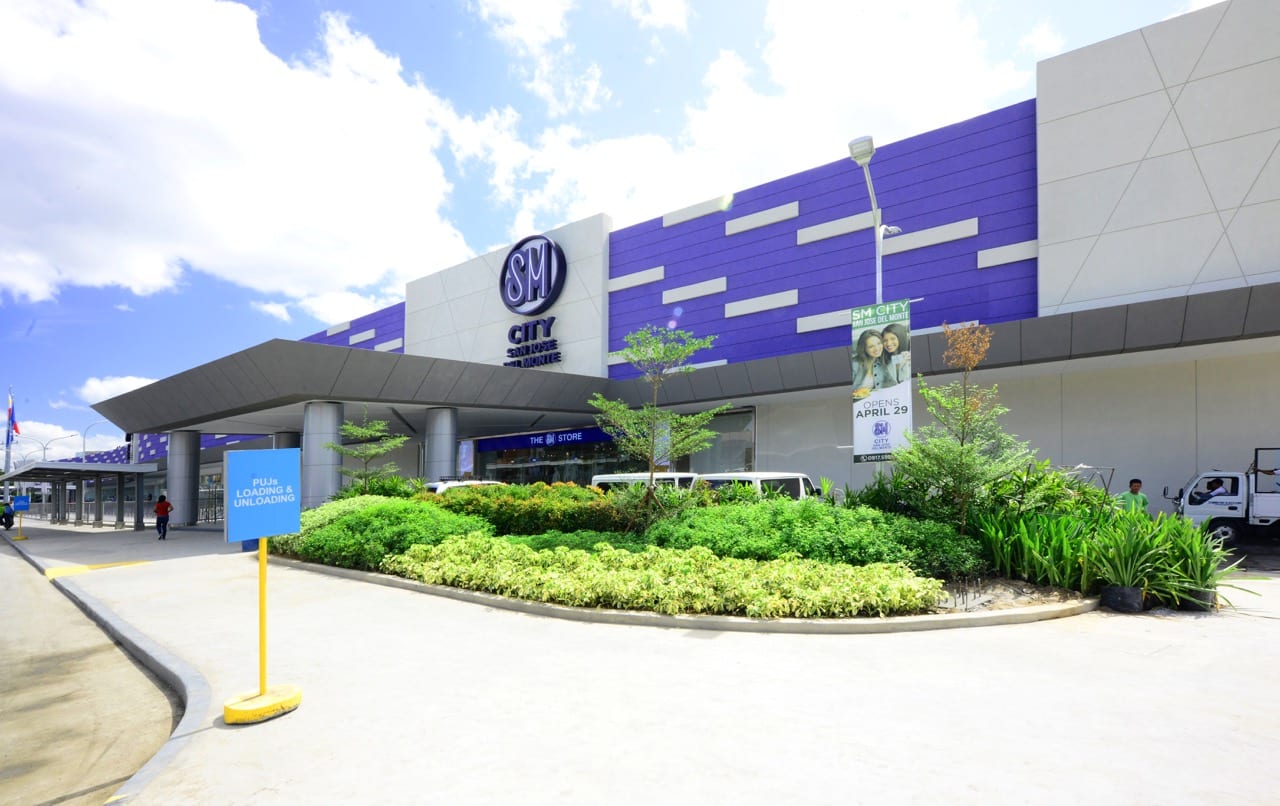
    Philippine property developer SM Prime Holdings has committed PHP80 billion (US$1.53 billion) for constructing four new malls, residential units and mixed-use spaces this year.

    The additional capital is intended to support expansions that include opening an additional 200,000sqm of retail space in “developing provincial cities”, including Pangasinan, Zambales, Butuan and Zamboanga.

    As at the end of last year there was 8.3 million sqm of retail space in 72 SM malls throughout the Philippines.

    The firm is also developing new projects and converting mall spaces into mixed-use land.