Author: Mei Ling Tan

  • South Korean E-Commerce Under Pressure

    South Korean E-Commerce Under Pressure

    Mounting losses in the South Korean e-commerce industry are calling local business models into question. Competitive pricing and fast delivery capacities have made the industry an ascendant phenomenon in the territory, with the purchase of a whole spectrum of consumables now possible via mobile phone. The industry hit a record high of KRW111.8 trillion (US$98.4 billion) in transactions last year, putting the economy among the top five e-commerce markets worldwide.

    But gigantic operational losses have emerged out of stiff competition on price and logistics set-up costs. Korea’s top e-commerce firm Coupang shattered its own records with KRW4.42 trillion ($3.8 billion) in sales last year, but made a staggering KRW1.1 trillion ($950 million) operational loss.

    While Coupang’s deficits have been widening for nine years, CEO Kim Beom-seok stubbornly insists the losses are planned and says investment will continue.

    “We have pushed for massive investment to impress our customers,” said Kim, “and will continue to aggressively invest in technology and infrastructure.”

    The firm has single-handedly changed the outlook for South Korean retail and put brick-and-mortar operators on red alert – but has yet to prove profitable.

    Rival operator Tmon faces a similar issue, with its KRW492 billion ($425 million) sales last year sad-tromboned by KRW125.5 billion (108.4 million) in operating losses that have been accumulating since the year 2000, now standing at KRW770 billion (665.5 million) in total. The firm’s latest nose dive was attributed to “investment in core technologies”.

    “Customers frequently visited our app on expectations for new products and promotions changing every hour, which raised their royalty and created a virtuous cycle,” said Tmon CEO Lee Jae-hu. “We will continue efforts to strengthen the market position and seek ways to improve profitability this year.”

  • Asians show greater propensity amongst global consumers in new technology adoption

    Asians show greater propensity amongst global consumers in new technology adoption

    Asians have emerged as the most enthusiastic adopters of new and innovative technology products globally. The latest findings released by GfK from the first of its kind study—the New Tech Adoption Index (NTAI)1, highlights Asia’s prominence in driving global new technology advancement; with the region’s high demand fueling growth of overall product category in majority of the region’s market by at least 35 percent in both volume and value terms in the past year.

    GfK unveiled detailed findings of their first ever study conducted around the New Tech Adoption Index, which provides a relative measure of the inclination by Asian consumers towards adopting technology and consumer products with advanced features or technology.

    The NTAI leverages GfK’s proprietary point-of-sales data to specifically analyze new consumer technology take-up across over 250,000 products in the consumer durables and technology industry across nine Asian and six key European markets. New consumer technology products categorized into four main baskets2 —Fun, Comfort, Freedomand Essential are analyzed accordingly, including hardware items and those with software-led features such as Ultra HD/4K and Gaming (Fun), Smart Appliances (Comfort), True Wireless, Wearables and AI Speaker (Freedom) and Screen sized larger than 5.5” for Smart + Mobile Phones (Essential)

    “To be competitive, more and more brands are introducing products with innovative features or functionality. In order to succeed in their innovation efforts, it is important for brands to understand where they can find their greatest potential of early adopters, who can then create a network effect for their products,” said Vishal Bali, Managing Director for Client Solutions and Innovation, APAC. “The New Tech Adoption Index can help brands identify these markets, and even pinpoint the specific cities and regions within each market.”

    New Technology Adoption: Different Shades of Asia

    GfK reported a wide ranging spectrum of NTAI between 46 and 146 for the nine Asian markets, highlighting the vast differing levels of new technology adoption in the region.While showcasing the rise of key markets in new tech adoption, it also reveals the fact that the region is home to some of the laggards in this area. The top three markets with the highest overall NTAIs are China (146), Singapore (134) and South Korea (128), while India (46) and Indonesia (67) took their positions at the opposite end of the scale.

    “The New Tech Adoption Index indicates a market’s propensity in new technology adoption based on how much higher or lower their calculated index is positioned from the baseline of 100. We see an obvious trend of market clustering among the developed and developing markets, whereby NTAIs are higher for the more mature markets, and lower for emerging ones,” observed Bali.

    A deeper dive into the Asia’s NTAI reveals that 24 of the total 70 cities evaluated in the study showed above average readings, with the 8 top cities all hailing from China (NTAI range:161-196) —led by Beijing (196) and Shanghai (193). Eight of Korea key cities followed next (NTAI range: 147-156) with Seoul (156), Chungcheong (156) and Inchon (153) showing the highest new tech adoption propensity within this market. Most diverse market within Asia is Indonesia ranging from 33 to 118 with Botabek being the city which sees the highest level of new tech adoption.

    Composition of the index analyzed by the four baskets reveals significant variations from country to country. Asia is clearly a “mobile first” region, which is why the Essentialcategory is the main driver of NTAI across the region. Unique market traits take center stage when it comes to adoption of new tech products for the other categories. For instance, NTAI for the Freedom category is led by Vietnam where the local populations are generally younger, while the mature markets of Korea, China and Singapore exhibit higher NTAIs for the Fun category due to their greater spending power. It is interesting to note that new technology adoption in Comfort category is only significant within Developed Asia.

    New Technology Adoption Index: Asia versus Europe

    GfK also did a comparison of new technology adoption trends between East (Asia) and West (Europe). Amongst the six European markets, the four which have indices reflecting higher propensity in new tech adoption are Great Britain, Spain, Italy and Germany, although their ranking still lag behind four of Asia’s markets. In addition, the gap between the highest and lowest NTAIs is much narrower, in comparison, for European countries—ranging from 80 to 111.

    Another notable difference between the two regions is the higher share of Fun, Freedom and Essential categories existing in the European region, whereas Comfort is practically a nonexistent category here.

    Bali added, “The wide variation of new tech adoption in Asia as compared to Europe continues to lend credence to the notion that there is no one Asia, but it is in fact a complex fabric of distinct countries. And the complexity deepens when we consider sub-national characteristics.”

    Implication for Brands in Asia

    GfK’s NTAI study also highlighted the distinct traits of Asian consumers that set them apart from the rest of the world. For instance, evidence from various GfK reports reveal that Asian shoppers tend to be less loyal, more experimental, and are growing in sophistication when it comes to making purchase decisions thereby making the markets in Asia an ideal haven for new product test marketing.

    GfK Asia’s NTAI offers a view on the market’s receptivity to new consumer technology products and help businesses make crucial decisions pertaining not just to market selections to launch innovative new products, but also provide valuable market intelligence that can help brands in their product conceptualization process to ensure that the new tech product features will go down well with their target market.”

    According to findings from another GfK study, nearly two in every three (64%) respondents surveyed in Asia said that they are less loyal to any one brand—a seven percentage point jump from two years ago. In comparison, the proportion of respondents in US and Europe who shared the same sentiments were significantly lower.

    “However, a one-size-fits-all strategy will not work for Asia’s highly diversified and fragmented marketplace,” emphasized Bali. “Instead, focusing on pivotal factors such as perfecting their distribution and pricing strategies across different cities and channels, and gaining a good grasp of their different consumers’ needs and adoption behaviors, will significantly up the success rate of new technology brands in the consumer tech and durable space.”


  • Singapore Airlines Partners With Payments Platform

    Singapore Airlines Partners With Payments Platform

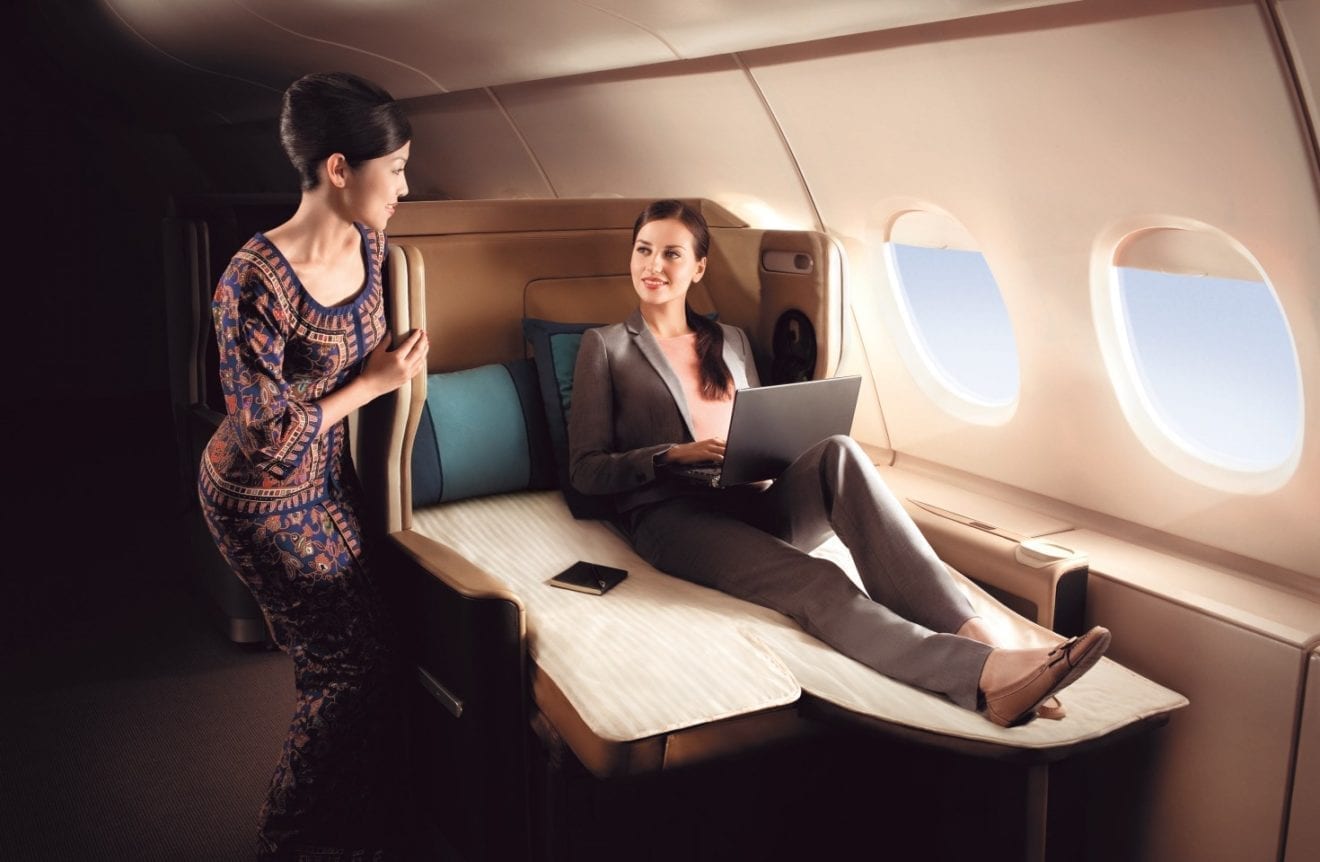
    Singapore Airlines has partnered with an Amsterdam-listed payments provider to optimize its payment processes. Payments platform Adyen will improve the experience of booking tickets online or in-app for Singapore Airlines’ customers. The payment platform also helps its customers improve authorization rates, provide flexibility on fraud risk management and richer data insights.

    «For Singapore Airlines, best-in-class customer service begins with the booking,» said Warren Hayashi, President of Adyen, Asia-Pacific. «At Adyen, we have seen that payments data can be the jet fuel that powers global expansion for airlines.  Payments data remains a valuable resource for companies who seek to understand their customers better and improve revenue,» Hayashi added.

    The partnership will center on Adyen’s solutions to optimize Singapore Airlines’ payments process. This includes the use of Adyen’s direct credit card acquiring capabilities which eliminates the need to run payments across multiple third-party platforms, increasing the airline’s payment authorization rate by leveraging on their solutions.

    Amsterdam-listed Adyen provides a modern end-to-end infrastructure connecting directly to Visa, Mastercard, and consumers’ globally preferred payment methods. It has offices across the world, serving customers such as Facebook, Uber, Spotify, Cathay Pacific, Grab, Klook, Lorna Jane, Freelancer.com, Kogan.com and Showpo.

  • Puma Store in Dhaka marks First Milestone

    Puma Store in Dhaka marks First Milestone

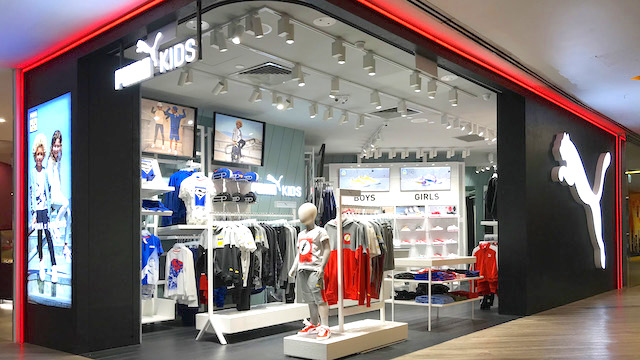
    The new Puma Bangladesh flagship just opened in Dhaka marks the sportswear brand’s largest yet in the country.

    The 2220sqft location showcasing the firm’s latest performance and sportstyle products is the brand’s first flagship in Dhaka, the largest full-price store in the country across global brands; and the first entry by any international brand into the Bangladeshi market, according to its employee publication.

    “The store is a great brand statement for us in the heart of the capital city of Dhaka,” said Puma India MD Abhishek Ganguly. “The response we are getting is far beyond expectations. The economy in Bangladesh is going in the right direction and sport is getting more and more popular. We will continue to focus and expand in the market.”

    The Puma brand has been brought into the country by its regional partner, textile & apparel manufacturer DBL Group.

    “We are looking at expanding our footprint in the region, and what better way than launching our very own flagship store,” said DBL Group MD M A Jabbar. “Through our iconic flagship store we aim to bring the best Puma experience and product to our consumers.”

    The brand aims to expand within Bangladesh with more outlets to come in the unspecified future.

  • CapitaLand divests StorHub self-storage business for S$185 million

    CapitaLand divests StorHub self-storage business for S$185 million

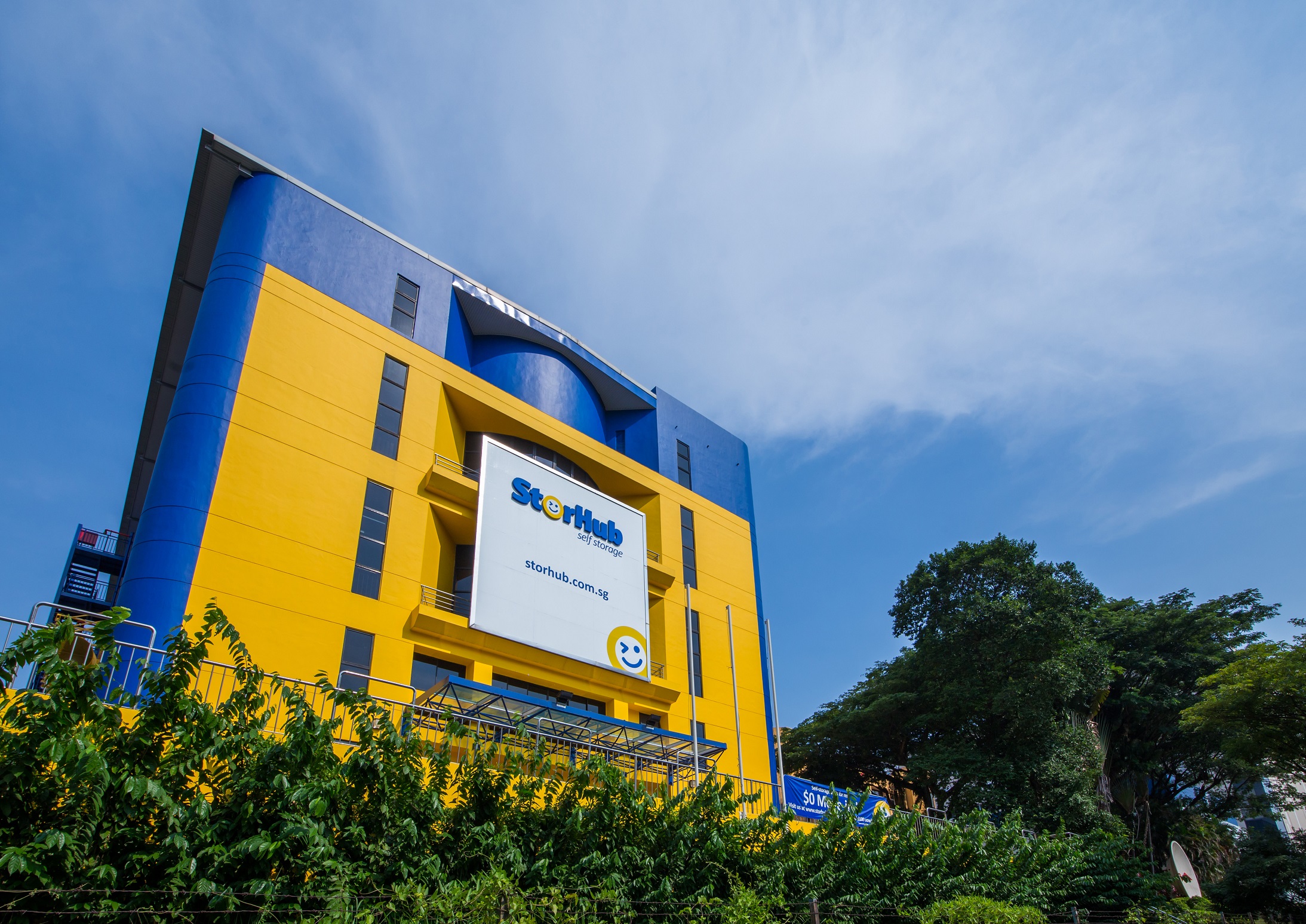
    CapitaLand announced today that it has divested its interests in a group of companies that own and manage the Group’s self-storage business StorHub to an unrelated third party.  The transaction is based on an agreed value of S$185 million for StorHub’s portfolio of properties.

    StorHub is one of Singapore’s largest self-storage networks, with a presence in China.  Its portfolio comprises 12 storage facilities – 11 in Singapore and one in Shanghai – with a total lettable area of approximately 800,000 square feet.

    Mr Jason Leow, President & Chief Executive Officer of Singapore & International, CapitaLand Group, said: “The divestment of StorHub is in line with CapitaLand’s disciplined approach towards capital recycling.  Our portfolio optimisation allows us to prioritise our capital allocation to our core markets and sectors.  In 2018, CapitaLand divested S$4 billion worth of assets and deployed S$6.11 billion into new investments.  We will stay disciplined in recycling our assets for reinvestment and capital redeployment, with an annual divestment target of at least S$3 billion.”

  • Tesla Reports $702 Million Loss In The Last Quarter

    Tesla Reports $702 Million Loss In The Last Quarter

    Tesla said on Wednesday it would return to profit in the third quarter of 2019 after racking up two consecutive losses in the first half of the year, as it struggled to deliver cars to customers and launched a cheaper version of its Model 3 sedan. The company, which Wall Street suspects may soon have to raise more cash, said it ended the quarter with just $2.2 billion in cash, after paying off a $920 million convertible bond obligation in March.

    Tesla affirmed its outlook of delivering 360,000 to 400,000 vehicles in 2019 and said it may produce as many as 500,000 vehicles in the year if its Gigafactory in Shanghai reaches volume production in the fourth quarter. Tesla reported net loss attributable to common shareholders of $702.1 million, or $4.10 per share, in the first quarter ended March 31, compared with $709.6 million, or $4.19 per share, a year earlier.

    “As the impact of higher deliveries and cost reduction take full effect, we expect to return to profitability in Q3 and significantly reduce our loss in Q2,” Chief Executive Officer Elon Musk said in a letter to investors.

    The Silicon Valley company has weathered a challenging few months, marked by a sharp drop in the number of vehicles delivered to global customers during the quarter and a public spat between Musk and financial regulators.

  • 500 million users have joined Alipay Ant Forest initiative, planting 100 million trees

    500 million users have joined Alipay Ant Forest initiative, planting 100 million trees

    Alipay Ant Forest, an initiative that has inspired hundreds of millions in China to adopt a greener lifestyle and contribute to the environment.

    Since its launch in August 2016, Alipay Ant Forest has:

    • Attracted 500 million users to engage in low carbon emission activities on the platform and grow their virtual trees in the Alipay app.
    • The virtual trees, nourished by “green energy” originating from users’ green activities, have been turned into 100 million real trees planted in China’s most arid areas.
    • The trees planted cover a total area of 1.4 million mu (933 square kilometers), equivalent to 130,000 soccer pitches.

    Eric Jing, Chairman and CEO of Ant Financial said: “I am very proud of the popularity of Alipay Ant Forest, which embodies our belief that technology should be used for social good. We are grateful to our many users and partners who have helped plant 100 million trees and advance a shared vision of sustainable and inclusive development.”

    “Alipay Ant Forest is an open platform, where all of our stakeholders, including consumers, philanthropic institutions, and eco-system partners, can collectively explore and implement ways to harness technology for a sustainable future,” he said.

    A mini-program on the Alipay app, Alipay Ant Forest promotes a greener lifestyle and encourages users to engage in low-carbon activities, such as paying utility bills online and commuting by walking or cycling instead of driving.

    This behavior is counted and converted into virtual “green energy” that can then be used to grow virtual trees in Alipay Ant Forest within the Alipay app. With enough energy points, a virtual tree can be converted into a real tree and planted by Alipay Ant Forest and its philanthropic partners in areas suffering from desertification. In turn, this tree-planting initiative inspires users to further adopt low-carbon and environmentally-friendly lifestyles, forming a virtuous cycle.

    Here’s a video explaining how this works.

  • Train like Elite Athletes at Under Armour’s Rush & Recovery Experience

    Train like Elite Athletes at Under Armour’s Rush & Recovery Experience

    From the brand that first revolutionized the athletic wear market in 1996 by introducing sweat-wicking fabric, Under Armour is once again changing the performance apparel game. In partnership with Celliant, Under Armour has created UA Rush and Recovery, its newest performance apparel line designed to be worn at the time of sweat as well as post-training, and scientifically designed to enhance performance.

    In conjunction with the launch, Under Armour will be hosting the Rush & Recovery Experience, a series of interactive exhibits that bring to life the inner workings of RUSH technology. The event opens today and will run till 2 May 2019 at Orchard Central, before touring around Singapore.

    Distinct experiential zones will showcase how the technology not only generates performance improvements for the wearer, but also powers their recovery. See energy waves emitted by your body with the Under Armour Hex and observe your body’s natural heat radiation at the infrared RUSH booth.

    At the last zone, get a taste of the upcoming Test of Will, Under Armour’s annual advanced urban fitness challenge. Users will get a preview of this year’s unique challenges and put their grit, strength and determination to the test.

    Under Armour’s UA RUSH brand ambassadors Stephen Curry (left), Kelley O’Hara (middle) and Anthony Joshua (right)

    Find out how Rush elevates the training regiments of Under Armour ambassadors Stephen Curry, three-time NBA champion and two-time MVP; Kelley O’Hara, world cup champion soccer player; and Anthony Joshua, heavyweight champion of the world.

    The scientifically engineered fabric promotes improved performance and energy return. In simplified terms, it is intended to provide the same benefits to the body as an infrared sauna.

    Minerals found naturally in the earth are extracted and broken down into active particles, which are then melded together to form a proprietary blend. The blend is then infused into the fibers that are ultimately knit into UA’s high-performance fabrics that make up the gear in the collection.

    During performance, the body emits heat. The responsive fabric of the UA Rush & Recovery line absorbs that heat and converts it into infrared energy that is re-emitted back into the body. This recycled energy increases temporary localized circulation, promoting improved performance, energy and recovery. When worn, the apparel stimulates increased endurance and strength.

    Post-training, the soft bioceramic fabric of the Recovery line returns infrared energy to the body, improving blood flow and circulation for all-around recovery and faster rebuilding of muscle.

    ‘The introduction of UA RUSH is our commitment to giving athletes 360-degrees of training support both in the gym and beyond. With the launch of UA RUSH, we now complete the training cycle – there is now UA gear designed to optimize human performance at every training occasion,’ says Dan Leraris, General Manager of Men’s Training at Under Armour.

    Under Armour athletes from around the globe have been training in UA Rush for their biggest moments. Locally, Singapore Athletic Association athletes such as National Swimmer Amanda Lim, National Marathoner Jasmine Goh, Master Coach at Ritual Gym Shrek Ismail, and SuperheroRunners founder Nelson Wong have been given early exclusive access to train in Rush.

    The Under Armour Rush & Recovery Experience is located at Orchard Central Discovery Walk, and the public is welcome to visit from 23 April to 2 May 2019, between 12pm and 8pm daily. Admission is free.

    The UA Rush and Recovery collection includes men’s and women’s fitted tees, long-sleeved shirts, leggings and tights and more. All pieces will range from $69-$199 SGD and is now available for purchase at underarmour.com.sg, and at Under Armour retail stores in Orchard Central, Bugis Junction and Vivocity as well as authorized Under Armour dealers.

  • Unilever and Telenor Pakistan partner to enhance digital inclusion in Pakistan

    Unilever and Telenor Pakistan partner to enhance digital inclusion in Pakistan

    Unilever has joined hands with Telenor Pakistan to enable digital and financial inclusion in Pakistan through mainstream access to  digitalized retail services, digital financial solutions, digital products and skill enhancement across Pakistan.

    Through this collaboration, both companies will integrate their expertise in the telecom and consumer goods industries to build a digitally inclusive ecosystem. This partnership aims to reimagine how business should be run, harnessing the power of technology and big data to bring convenience and security for retailers and create seamlessly integrated shopping experience for consumers. Together, the two companies aim to introduce cashless payment models, transform small and medium retailers access to financial capital, identify and generate livelihood and elevate standard of living in less accessible and remote areas. As socially responsible organizations, both Unilever and Telenor Pakistan have also committed to building a platform to bring differently abled workforce into mainstream roles and to promote a more diverse and inclusive workforce.

    Shazia Syed, Chairperson & CEO, Unilever Pakistan, highlighted, “The merger of our expertise promises a highly disruptive and scalable approach for the accelerated digitization of Pakistan. In line with the government’s vision for a more digital economy, we aim to empower all those who are part of our value chain, including distributors, sellers, consumers and ultimately the larger communities that we work in.”

    Irfan Wahab Khan, Head of Emerging Asia & CEO Telenor Pakistan, added, “As country’s leading digital services provider, Telenor Pakistan is fully geared to impact and transform various sectors of economy and empower the masses. Through our partnerships with Unilever, we aim to bring together our respective strategic advantages to lay the ground for a digitally and socially inclusive Pakistan, which is in line with our purpose of connecting people to what matters most to them.  We believe in the value of collaborative business models which is instrumental for the rapid adoption of innovative technologies and a faster shift towards a digitally-enabled national infrastructure to cater to those needs.

    Amir Paracha, Vice President Customer Development, Unilever Pakistan, concluded: “Our goal is to create smarter end-to-end digitally enabled retail ecosystem that has the potential to reshape the way businesses operate within the country. The success of this collaboration could propel Pakistan at par with global standards with regards to digital adoption.

    Sardar Abubakr, Chief Digital and Strategy Officer, Telenor Pakistan added “In today’s age, there is a need to look outside our traditional lens when we think of partnerships – real disruption for customer benefit often takes place when like-minded yet different industries come together and leverage unique skill sets and competencies for empowering society – which is precisely Telenor and Unilever’s aim with this partnership’.


  • BMW To Buy Cobalt Directly from Australia

    BMW To Buy Cobalt Directly from Australia

    German carmaker BMW will buy cobalt, a key component for electric vehicle (EV) batteries, directly from mines in Australia and Morocco to ensure they are not produced by child labor, an executive said on Tuesday.The announcement came as the London Metal Exchange (LME) launched an initiative under which it could ban or delist brands that are not responsibly sourced by 2022 to help root out metal tainted by child labor or corruption.

    Andreas Wendt, BMW board member responsible for procurement, told a briefing in Paris that the new supply of cobalt would be used in the carmaker’s next generation of EVs in 2020.

    The world’s largest known reserves of cobalt are found in the Democratic Republic of Congo, where the raw ingredient is often mined by small, artisanal operations and supply chains are not strictly monitored.

    BMW said last year it was exploring ways to improve working conditions for mining cobalt in Congo through a pilot project.

  • L’Oreal Extends Lazada Partnership to next-day deliveries

    L’Oreal Extends Lazada Partnership to next-day deliveries

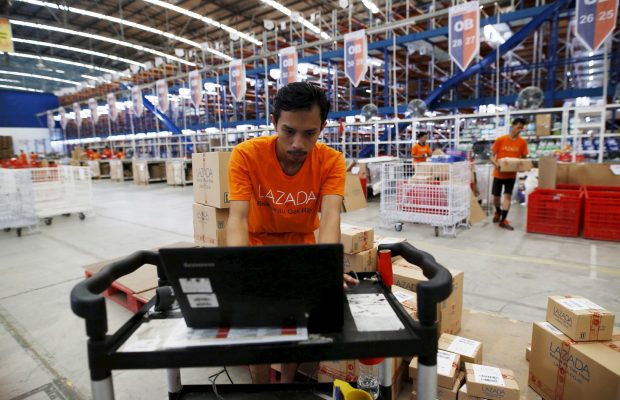
    L’Oreal has signed a joint business plan with Lazada to fulfil next-day delivery in top metro cities by June this year. This L’Oreal-Lazada logistical pact demonstrates the cosmetics company’s ambition to grow its e-commerce business in Asia. Both companies will also pilot consumer engagement tools such as in-app live streaming, and jointly launch products exclusively available to Lazada customers.

    “We are confident of creating the leading online beauty destination in Southeast Asia by combining Lazada’s extensive last mile logistics network to bring L’Oreal’s products faster into our customers’ hands,” said Jing Yin, president of Lazada Group.

    “Our partnership today signals our commitment and joint ambition of dominating the Southeast Asian beauty and skincare e-commerce market share by providing the best customer experience.”

    Other technological advancements such as new search features will ensure L’Oreal products are easily searchable within app to bring the most personalised products to its fans.

    “Lazada and L’Oreal will collaborate in many areas, from technology, sales and marketing to logistics,” said Pierre-Yves, MD, Southeast Asia, at L’Oreal.

    “Lazada’s technology infrastructure, logistics network and brand-engagement capabilities are the gold standard of the industry. Our joint efforts will take us one step closer to creating a true beauty-shopping destination on Lazada.”

    The L’Oreal-Lazada collaboration started in 2014, bringing 820,000 followers to the L’Oreal store on the platform. E-commerce sales now comprise 11 per cent of its global sales.

  • UBS Signs for New Office Lease in Singapore

    UBS Signs for New Office Lease in Singapore

    UBS will move to 9 Penang Road, where the firm will take up all eight floors of office space at the redeveloped Park Mall building.

    UBS Singapore has signed a lease to take up all the office space of the redeveloped Park Mall building at 9 Penang Road, developer SingHaiyi Group and its joint venture (JV) partners Suntec Reit and Haiyi Holdings announced on Wednesday in a press release.

    The firm, which was mulling over a move to consolidate its One Raffles Quay and Suntec City offices in Singapore, will occupy 381,000 square feet of office space across two towers and eight floors at the development, which is expected to be completed by the end of the year. UBS will relocate there in the second half of 2020.

    The 10-storey grade A office building located at the gateway to the Orchard Road shopping belt and close to the Civic District and CBD will house the firm’s 4,000 Singapore employees, as well as its UBS University, which provides training and development programmes for employees across the region.

    «The move will allow us to bring employees currently working at One Raffles Quay and Suntec City under one roof to enhance collaboration, as well as offer new capacity for future growth in Asia Pacific,» August Hatecke, country head of UBS Singapore, said in the press release.

  • Credit Cards Fight Back Against E-Wallets Wave

    Credit Cards Fight Back Against E-Wallets Wave

    As e-wallets gain popularity in the region, credit cards are fighting back in a push to stay relevant through rewards, reduced fees, and improved customer experiences on digital and mobile.

    2019 is a key year. This may be the year when mobile payments are expected to overtake credit cards as the preferred ways to pay for e-commerce, according to a UN report. In the face of rising penetration of e-wallets, traditional banks are finding new ways to innovate in the credit card space.

    «Credit cards are getting more creative. Local banks DBS and UOB offer credit cards marketed specifically to women, while others highlight the benefits of using a credit card to help offset your carbon footprint,» said Rohith Murthy, founder of SingSaver, a financial comparison platform.

    While e-wallets may be offering the ease of mobile payments through store partnerships and rewards across Singapore, credit cards are also turning to tech and digital to improve their offerings. For example, some banks are going entirely digital with virtual cards that reduce application approval times from days to minutes and are specifically aimed at e-commerce purchases.

    Others, however, are tying up with tech companies to add perks and touch points. «Apple recently partnered with Goldman Sachs in a digital tie up that removed fees, added transparency, and offered a slew of perks; a trend that will only grow,» added Murthy.

    In Singapore, 7 in 10 Singaporeans own at least one credit card, according to a study by market research company YouGov. Singaporeans had a total outstanding credit card and personal loan debts of about S$70.4 billion, according to the Department of Statistics Singapore (2017).

    Singsaver’s most recent data shows that cashback is still the top credit card reward choice among consumers as consumers continue to favor the flexibility and ease of cashback as a reward when using financial products such as credit cards.

    Nevertheless, miles, as a reward form is getting increasing traction due to many air miles credit cards lowering their annual income eligibility in the last 1-2 years and the promise of air miles for traveling and exploring new destinations.

    With better travel connectivity and affordability, as well as with the surge in travel interest in part due to social media, we think Singaporeans are going to be more knowledgeable about the benefits and attractiveness of miles as a reward,» said Murthy.

  • Music Streaming on Amazon for free using Alexa

    Music Streaming on Amazon for free using Alexa

    If you love music and own an Amazon Echo or another device that uses Alexa as a virtual assistant, we have some good news. Late last week, Amazon announced that those in the U.S. can stream top playlists and stations for free, without having to pay for an Amazon Prime or Amazon Music Unlimited subscription. Instead, a free-ad supported tier of music is available for Alexa-enabled devices.

    Alexa will play for free stations based on a song, artist, genre and era. Playlists like Country Heat, Fuego Latino and others are available without any charge. Amazon says that even without a paid subscription, Alexa will respond to the following commands:

    • Say “Alexa, play the playlist Pop Culture” to stream global pop hits.
    • Say “Alexa, play the Imagine Dragons station” to stream a station that plays music “inspired” by the band.
    • Say “Alexa, play 80s music” to stream a station filled with music from that decade.
    • Say “Alexa, play country music” to stream a station playing that style of music.

    Note that with the free ad-supported service, you cannot request specific songs on demand. You can do that if you sign up for Amazon Prime. The cost of the service is $12.99 per month, or $119 a year. Besides streaming ad-free tunes on demand from your Alexa device, you’ll be streaming Prime Video on your phone, tablet or smart television. You also get free two-day shipping, unlimited photo storage, unlimited reading and free same-day delivery (when available).

    You might also consider Amazon Music Unlimited, which gives you unlimited and on-demand access to 50 million songs. After a 30 day free trial, the service is priced at $7.99 a month, undercutting both Spotify and Apple Music by $2.00 a month.

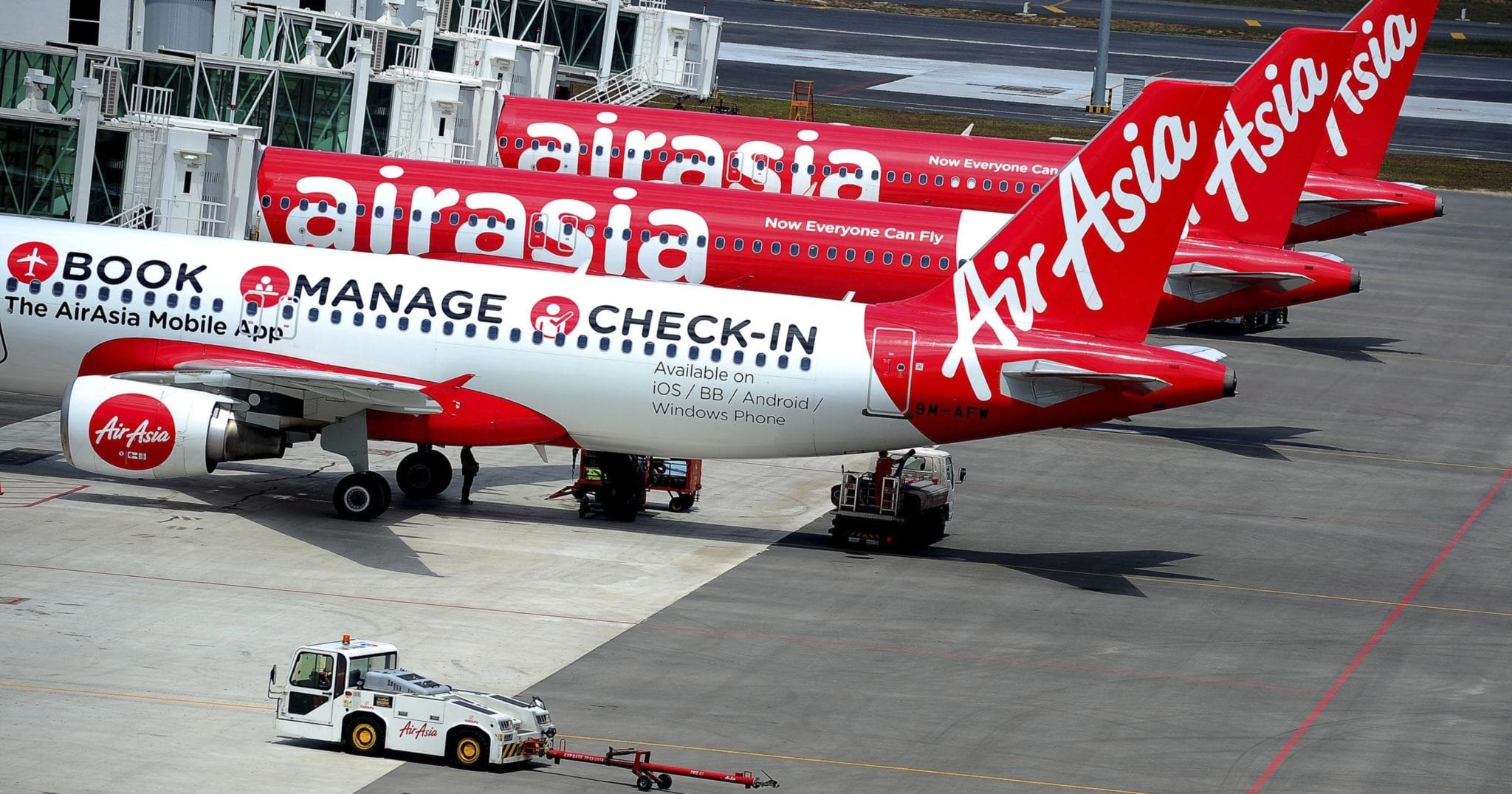
  • AirAsia fails again in Vietnam partnership bid

    AirAsia fails again in Vietnam partnership bid

    Malaysian budget carrier AirAsia says it will keep trying to crack the Vietnamese market even as analysts warn it has “missed the boat” after its latest failed attempt to set up a joint venture in the country.

    The airline announced on Wednesday that it has terminated an agreement with Thien Minh Group, under which it was to take a 30% stake in an airline company to be launched this year.

    AirAsia has already tried three times to set up a partnership in Vietnam, but AirAsia Group CEO Tony Fernandes is not ready to give up.

    “I am still optimistic about AirAsia being in Vietnam by end of the year,” Fernandes said in a Twitter post the day after the company’s announcement. He hinted in his tweet that the choice of partner was to blame for the failure, saying, “Watch this space. Picking the right one.”

    AirAsia and Thien Minh had agreed in December to set up a joint venture in which the Malaysian company would own a 30% stake, the maximum allowed under Vietnamese law. The company did not give a reason for ending the agreement in its official statement, though local analysts point to the country’s restrictive regulations on foreign aviation players as one possible hurdle.

    A spokesperson for Thien Minh told that the group will release an official statement on the move next week.

    AirAsia already offers international flights connecting to Vietnamese cities, but Fernandes has been trying to set up a partnership in the country since 2005.

    Travel demand in the market of 95 million grew 9% in 2018, according to the local aviation authority, and Fernandes has referred to Vietnam as the missing piece of the puzzle in AirAsia’s plan to tap demand from emerging markets.

    But according to Brendan Sobie of the Sydney-based CAPA Center for Aviation, now may be the time for AirAsia to rethink its approach.

    “After three failed attempts with three different partners, it’s time to let this one go and focus on international expansion using their affiliates from Malaysia, Thailand, Japan, etc.,” Sobie said.

    The Vietnamese market for budget travel, moreover, is already dominated by local players: Vietjet Aviation, which controls nearly half the market, Jetstar Pacific Airlines and Bamboo Airways.

    “The domestic market has become overcrowded and intensely competitive,” Sobie added. “Entering now would be risky and it would be nearly impossible to become a significant domestic competitor. AirAsia unfortunately missed the boat on the Vietnam domestic market.”

    Foreign players, moreover, are forbidden from operating domestic routes in Vietnam, even with a local partner. Licenses, moreover, are awarded on a case-by-case basis, and though newcomer Bamboo Airways received its license relative quickly, the process can take much longer. Vietstar Airlines, established in 2010, is still waiting for a license to begin passenger flights. Local analysts have pointed to these hurdles as one possible reason for AirAsia’s repeated setbacks in the country.

    The airline has a presence in Indonesia, India, Japan, Thailand and Philippines, and thrives on a feeder traffic business model of connecting second-tier cities to capitals, while keeping operating costs low with no-frills service.

    The stock market was little moved by the announcement. AirAsia’s share opened 0.4% higher on Thursday trade before closing at 2.43 ringgit.

    MIDF Research echoed Sobie’s sentiment, saying it is “not imperative” for the group to set up local operations in Vietnam as it can still fly to cities in the country from its regional network.

    The Malaysian investment outfit cited the recently inaugurated Kuala Lumpur-Can Tho route, AirAsia’s sixth route in Vietnam, as an example of the group’s ability to continue expanding regionally without Fernandes’ missing puzzle piece.

    AirAsia’s failed bid to penetrate into Vietnam means Vietjet will continue to dominate the market for now. Vietjet’s share price rose 0.44% on Thursday to close at 114,00 dong, and rose a further 0.79% on Friday.