Author: Mei Ling Tan

  • Singapore Fintech Firm Heading into Indonesia

    Singapore Fintech Firm Heading into Indonesia

    Following a successful Series B funding round, SME lending platform Validus Capital is launching in Indonesia. SME lending platform Validus Capital has launched in Indonesia, its first Southeast Asian market outside its home country of Singapore, the firm announced in a media release on Thursday.

    Launched in partnership with Indonesia’s Triputra Group under the name Batumbu, the financing platform connects domestic SMEs from sectors as diverse as food and beverage (F&B), services, engineering, to construction industries with accredited, institutional and high net worth investors.

    Leading the local management team is Sonny Christian Joseph, who has over 23 years in SME banking in Indonesia and was previously head of SME banking at Indonesian business bank BTPN.

    P2P lending platforms have gained popularity and have grown rapidly in Indonesia. In 2018, P2P lending platforms disbursed a total of US$1.4 billion (S$1.9 billion) in loans, representing a 681.25 per cent year-on-year growth, according to data from Indonesian financial services authority Otoritas Jasa Keuangan.

    «Our expansion into Indonesia serves as a significant milestone for us. Sharing our insights and applying key learnings from Singapore allows us to take a proven and sustainable business model and apply this to a larger market – a market where I have personally spent a few years helping SMEs to grow,» Ajit Raikar, Validus CEO and co-founder, said.

    Unlike traditional financing options and P2P lenders, Butumbu uses proprietary technology and credit scoring systems adapted and tailored to cater to the needs of SMEs in Indonesia. The firm said that  it will develop strategic partnerships with large corporations to ensure an extremely robust and scalable financing ecosystem.

    In February 2019 Validus recently raised US$15.2 million (S$20.5 million) in an oversubscribed Series B funding round led by Dutch public-private development bank FMO.

    Validus was founded in 2015 and is backed by the likes of Netherlands development bank FMO and Temasek Holdings’ Vertex Ventures. According to the company, it is Singapore’s largest peer-to-business lending platform, facilitating over US$147 million (S$200 million) in business financing to local SMEs in less than 18 months.

  • Ebay Buying in India’s Paytm Mall

    Ebay Buying in India’s Paytm Mall

    International e-commerce platform Ebay is preparing to head a US$160–170 million investment in e-tailer Paytm Mall.

    In a report last Monday, the move was interpreted as a grab at O2O commerce and payments opportunities in India. It will be the third major e-commerce investment in the territory for the firm following its minors stakes in Flipkart and Snapdeal.

    Paytm Mall raised about US$215 million from Japan’s SoftBank and existing investor Alibaba mid last year, at a valuation of $1.6–2 billion. It has raised roughly $645 million in funding to date.

    The firm has a minority segment of the Indian market, which is largely dominated by its two biggest competitors Amazon and Flipkart.

  • Server-side update brings new look to Google Search

    Server-side update brings new look to Google Search

    Google has made a number of changes to the cards it serves up for certain search results. The headers are now pastel, and the cards feature new tabs that can provide more information about the subject. Categories ranging from the weather to sports, celebrities, and even food ingredients have these new cards. For example, the weather card has a smaller illustration but includes the temperature graph and the precipitation chances for the next day right at the bottom. Athletes have new cards with a stat tab that allows users to see how a player performed in recent games.

    Looking for a movie to see? Ask Google Search to show you movies in your city and you’ll see a list of films. Switch to the performance times tabs to see when and where the movies are playing near you. Search for a specific movie or television show and a new tab called People also search for will show sub-tabs containing related titles. Similarly, when you search for a book title, you can now hit a tab marked get book to purchase it, and more by author to see other books written by the same person.

    If you look up the name of a fictional character, the new Google Search result cards show more details. One of the new tabs will show you the name of the actor who portrayed this character in the movies or on television and the name of the television show and movies that the character appeared in.

    The update containing these changes are being pushed out to Android users via a server-side update, and there is a possibility that your phone has also received it.

  • Instagram test hides an important Feature

    Instagram test hides an important Feature

    Some Twitter and Instagram users read a lot into the number of Likes a certain tweet or post receives. For example, subscribers to both social media apps might decide to skip certain tweets or posts that don’t amass many Likes, considering them to be recommendations. Twitter CEO Jack Dorsey said last year that he is not a fan of the Like button, and Twitter says that users trying to write posts that generate a large number of Likes could be trying to gain approval from their fellow posters. This would be a form of social-media addiction. As a result, we could see Twitter eventually remove the heart-shaped icon that readers of a tweet tap to show that they Like a message.

    While neither Twitter nor Instagram is removing Likes just yet, Instagram is testing a new look that will prevent readers from seeing the number of Likes received by a post. The only one who will be able to get that number will be the person who actually wrote the message. This was discovered by the tireless Jane Manchun Wong (@wongmjane), who sent out a tweet with this information. Wong, who loves to “reverse engineer apps,” notes that Instagram writes, “We want your followers to focus on what you share, not how many likes your posts get.”

    Based on the comments that Wong’s tweet received, apparently many are upset about this, especially since they believe that Instagram is removing Likes completely. Again, users will still have the ability to Like a post, but the author of the post will be the only one who sees how many each message has received. And again, this is only a test and we have no idea when or if Instagram will eventually roll out this update to all of its users.

  • NEXT BLOCK ASIA + Fabulous Bangkok After-Party

    NEXT BLOCK ASIA + Fabulous Bangkok After-Party

    Bangkok, Thailand will host the 2-day NEXT BLOCK ASIA “Beyond Crypto” by Krypton Events and CoinAdvice on 25-26 June 2019 at the W Hotel. The conference will bring together experts from CRYPTO and BEYOND, combining the best of Blockchain, CFD and Affiliates with the next generation of traditional finance.

    Bringing together 750+ participants and 45+ distinguished speakers, investors & startups, the Conference will be devoted to shared fields and common grounds of the crypto universe and traditional finance. With the umbrella topic of the conference “Beyond Crypto” the participants will discuss the best of both worlds and how to move the industries from denial and antagonism to cooperation and mutually beneficial coexistence. As a good tradition, the event will be celebrated by a luxurious After-Party by NEXT BLOCK ASIA.

    June 27 take a unique opportunity to explore different faces of Bangkok while building connections and enjoying an award-winning 5-hour bicycle & boat tour joining NEXT BLOCK ASIA Cultural Day with an award-winning Co van Kessel!

    On top, we will host a Private Investors Pre-Party a day before the event, where investors will be able to network, discuss, find co-investors, meet best startups – all while enjoying refined drinks and buffet.

    • A sneak-peak of the confirmed speakers:
    • Giacomo Arcaro, №1 European ICO Growth Hacker, ICO STO Advisor, University Professor,
    • Herbert R. Sim, TheBitcoinMan, Broctagon FinTech Group,
    • Tal Itzhak Ron, Chairman and CEO – Tal Ron, Drihem & Co. with the presentation “Emergency Briefing regarding Visa and Mastercard new legal opinion requirements and solutions (Crypto, CFD, FX)”,
    • Stefania Barbaglio, Disruptor, Entrepreneur, Investor, PR Marketing Guru, Blockchain Strategist and Advisor,Dato Steve Cheah, President at Global Entrepreneurship Network (Thailand),
    • Topp Jirayut Srupsrisopa, Co-founder & CEO at Bitkub Capital Group Holdings Co., Ltd Board of Director at Thai Fintech Association,
    • Neha Mehta, Founder of FemTech Partners,
    • Chris Ziomkowski, Founder at XTend Online,
    • Ralph Liu, Founder and CEO, MuleChain, Inc.
    • Eran Tirer, Founder & CEO, Ledgertech AG

    Check next-block.org for the event’s agenda and attending speakers. If you want to know what to expect, take a look at our highlights from recent events in Sofia, Tel Aviv and Kiev.

    Present your company in the EXPO ZONE and/or from the main stage – we facilitate promising ventures in getting a great audience.

    To get a ticket, sign up for presenting your project, becoming a sponsored or a media partner, visit our site at next-block.org.

    To follow the conversation and deepen engagement with us and participants please join our Facebook event.

    Media contacts: Heena Gupta heena@coinadvice.org, +91 965 439 47 97
    Svitlana Kokarieva svitlana.k@kryptonevents.com, +38 063 213 12 12

  • Nokia 9 PureView update fixes one issue and Creates a new One

    Nokia 9 PureView update fixes one issue and Creates a new One

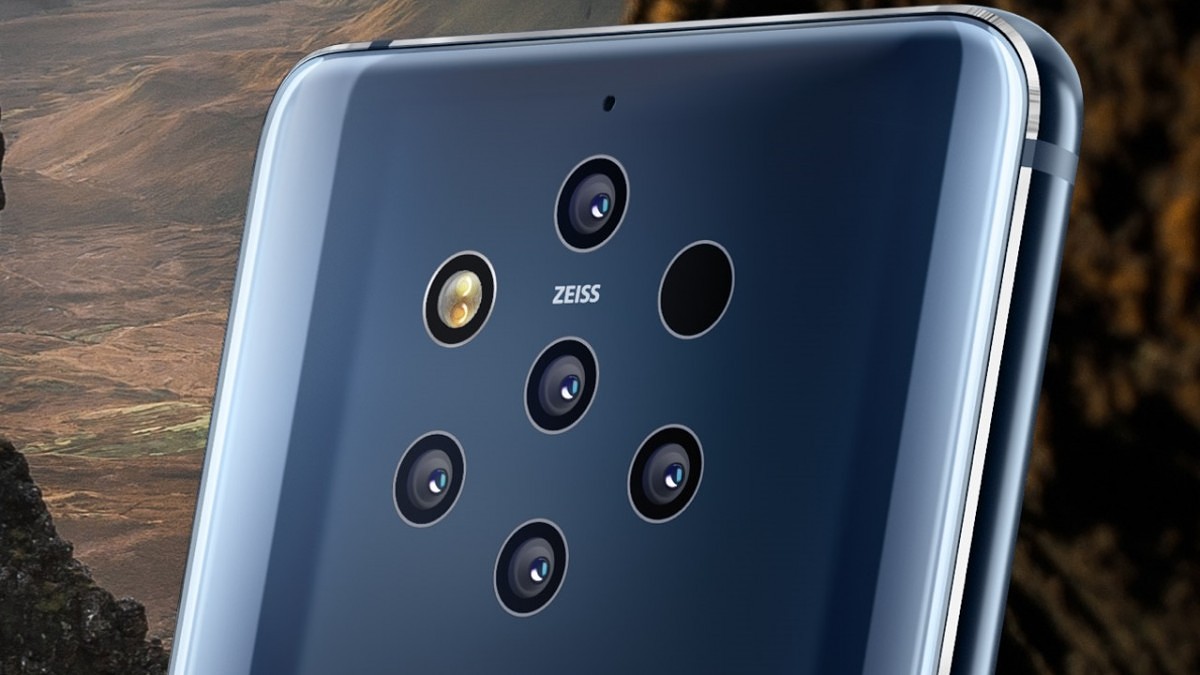
    Last week, the Nokia 9 PureView received a software update which was meant to fix the unreliable fingerprint sensor. And while bad reads are now far less frequent, we won’t go as far as to say that the fingerprint reader works better. Over the weekend, reports emerged on Twitter that after the update, users were able to unlock the Nokia 9 with unregistered fingerprints. Naturally, we put our unit to the test as well. Unfortunately, we can confirm that it is possible to unlock it with an unregistered finger.

    The false positive appears to be somewhat random, it’s not just the phone mistaking another fingerprint for the real one consistently. There’s no way to always force the error, but it didn’t take too much time before we were successful with our attempts. This means that if someone gets a hold of your phone they’ll likely be able to unlock it eventually. The most likely explanation for the vulnerability seems to be that Nokia tweaked the fingerprint reader algorithms to give a positive read with less certainty of a match.

    Original article:

    You might have read our review of the Nokia 9 PureView from earlier this month and noticed that we gave the phone a score of “4” out of 10. We discovered that the optical in-display fingerprint scanner would not always register our attempts to unlock the phone. Sometimes it requested that we press harder, or told us to try again. But help is on the way to those Nokia 9 PureView owners who have suffered from the same problems.

    A tweet disseminated on Friday by HMD chief product officer Juho Sarvikas revealed that an update is being pushed out to improve the in-display biometric reader on the phone. The message suggests that after the update is installed, Nokia 9 PureView users should register their fingerprints again for the “best experience.” The executive also notes that while the update is being sent out in stages, it is already available in most markets.

    One Nokia 9 PureView owner who already received the 250.4MB update says that he saw a big improvement after installing it; he was able to unlock the phone using the in-display fingerprint scanner 9 times out of 10 without having to press hard. The update also improves the quality of photographs taken with the phone’s cameras and speeds up the processing of such photos. It also boosts the color accuracy and contrast of the display and includes the April Android security patch.

    If you own the device and have yet to receive the update, you can always try the face unlock option to open the handset. However, as we pointed out in our review, it is not as secure as the fingerprint scanner and can’t be used to validate payments. In addition, facial recognition on the Nokia 9 PureView is not only slow, but is also a hit or miss proposition. Using a PIN might be the best bet until the update is received.

  • Bose brings AirPlay 2 support to Alexa-enabled smart speakers

    Bose brings AirPlay 2 support to Alexa-enabled smart speakers

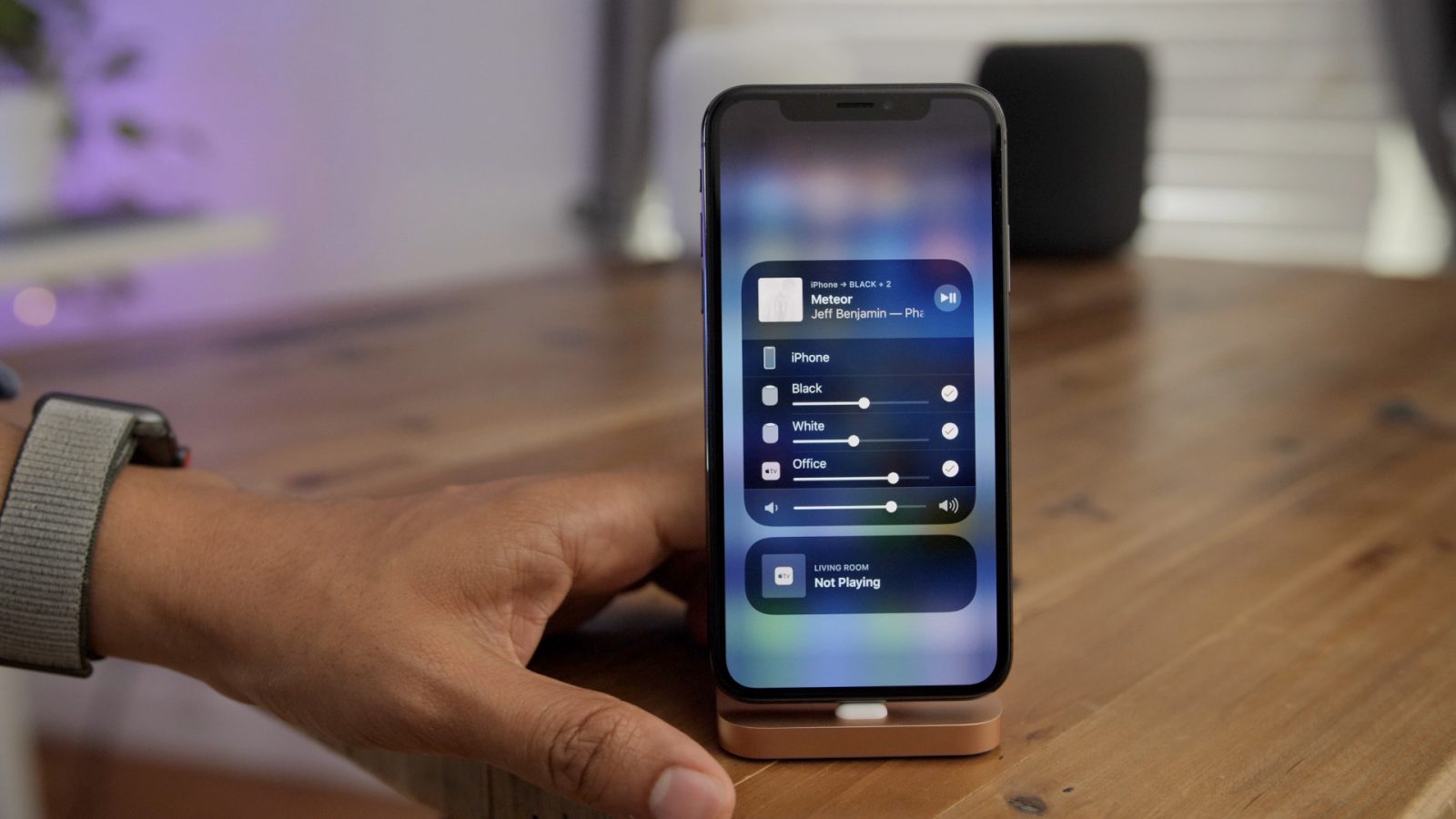
    Bose announced last week that owners of its smart speakers will be able to enjoy AirPlay 2 support after the last update is installed. This is quite unexpected considering that Bose’s products weren’t among the third-party AirPlay 2 speakers list published by Apple.

    In any case, if you own a Bose Home Speaker 500 and installed the latest firmware update, which is deployed OTA (over the air) automatically, you’ll benefit from AirPlay 2 support. Besides smart speakers, Bose confirmed Soundbar 500 and Soundbar 700 are getting the same improvement as well.

    With AirPlay 2 support, those who own an Apple device will be able to stream music, podcasts and audio to the Bose products mentioned above, including Apple Music.

    Last but not least, Bose announced that it’s working hard to bring AirPlay 2 support to SoundTouch customers, although the US company didn’t offer a timeline for the release. Well, if you own a SoundTouch speaker, at least you now know that something nice will come to you at some point.

  • Producers of flexible and punch-hole AMOLED displays Facing Roadblocks

    Producers of flexible and punch-hole AMOLED displays Facing Roadblocks

    Flat panel display producers in China are eager to start selling flexible AMOLED displays, and AMOLED displays with punch-holes. At this year’s China Information Technology Expo 2019 (CITE), which wrapped up earlier this month, companies like BOE Technology, Visionox, Tianma Microelectronics, Everdisplay Technology and China Star Optoelectronics Technology (CSOT) displayed their flexible screens for use in foldable phones. Also showing off its flexible AMOLED panels was Royole, which uses the screens for its own foldable FlexPai smartphone.

    All of these manufacturers are monitoring what is going on with Samsung and its Galaxy Fold device. Earlier today, the company delayed the U.S. launch of its foldable phone by at least one month due to issues with the interior display and the hinge. The Huawei Mate X outward folding device is expected to launch later this year. Other companies that could release a foldable phone in 2019 include Oppo, TCL, Motorola and Xiaomi.µ

    Meanwhile, companies turning out smartphone displays in China are now offering punch-hole panels with resolutions as high as 1080p (Full HD). The punch-hole is a small opening punched into a display allowing a front-facing selfie camera to be housed inside a phone’s screen. Some phones, like the Samsung Galaxy S10+, have two punch-holes in the screen for a dual selfie camera setup. The use of the punch-hole allows phone manufacturers to offer handsets with a high screen-to-body ratio and thin bezels without the use of a notch.

    CSOT is said to be shipping through hole and blind hole panels to Samsung. The latter has a punch-hole that goes completely through the display to the other side, while the latter has a hole that is drilled down to a certain depth. The company also showed off its self illuminating displays, while Tianma exhibited a back-lit smartphone panel. Both of these depend on mini-LEDs as a source of light. These are light emitting diodes that are smaller than 100 micrometers.

  • Samsung to gather all Galaxy Fold units sent out to reporters

    Samsung to gather all Galaxy Fold units sent out to reporters

    Samsung’s first smartphone with a foldable display is writing history, no doubt about it. What will this segment of the tech industry archives say exactly, is still uncertain. It seems like every day we get a new development in the saga of the Galaxy Fold.

    First, reviewers around the world got Galaxy Fold units ahead of the launch, as is tradition, to give users insights about how the new device feels to use. The initial feedback was mostly positive. Reporters said that the hinge mechanism is durable and satisfying to use and the crease in the display is barely visible when handling the device. That raised hopes among consumers that the Galaxy Fold is more than a prototype that Samsung has decided to sell to a few customers.

    But that joy was short-lived, at least for some of the testers. Pictures of damaged displays started showing up on Twitter and while some were caused by the users which mistakenly tried to peel a layer of the display, others were of no fault of the person handling the Galaxy Fold.

    Samsung has handled the situation as best as possible. Damaged units were replaced almost immediately, but now the company is going even further. Yesterday, Samsung announced that it is postponing the release of the Galaxy Fold to give itself time to investigate the various issues the device had and hopefully come up with ways to prevent them.

    Naturally, in order to investigate, Samsung needs to get said units. The move is already underway. Sources familiar with the situation have said that Samsung is going to retrieve all units that it sent out to reviewers in order to take a thorough look at them. So far, none of the reviewers with working units has mentioned that they’ve had to part ways with their Galaxy Fold.

    As soon as the Galaxy Fold was announced and the tech behind its foldable display was explained, concerns were raised about its durability. In order for the display to be able to bend, Samsung had to ditch the battle proven Gorilla Glass and go for something softer, in this case, plastic. The Galaxy Fold’s in-folding design provides some protection for the large inner display, but there are a couple of caveats that have proven to be a weakness for the device.

    One is the small gap that’s left between the two panels when the phone is closed. While it’s not a large one, it’s enough to get random small objects that might be lurking in your pocket stuck in the fold of the display, causing scratches or potentially even damaging the OLED panel under the protective plastic.

    The other is the area between the hinge and the display, which also appears to be a lucrative spot for unwanted debris to sneak into. Then once you unfold the display whatever is stuck under it starts putting pressure on the display matrix and can easily damage it, which was the case with one of the devices sent to reporters.

    Now all that’s left to see is how long the launch of the Galaxy Fold will be delayed and what changes Samsung is going to make. With units initially expected to start shipping around April 26, it’s obvious that a large number are already manufactured and waiting in storage somewhere. Making any design changes at this point will be a costly and slow process. On the other hand, Samsung can’t afford to send devices that might break within a week to customers that are paying $2000 for them. We’ll see how this situation unfolds (pun intended) as it might be one of the most difficult things Samsung has had to deal with since the Note 7 fiasco.

  • Toyota Establishes Research Institute In China To Study Hydrogen

    Toyota Establishes Research Institute In China To Study Hydrogen

    Japan’s Toyota Motor said on Sunday it was setting up a research institute in Beijing in partnership with Tsinghua University to study car technology using hydrogen power and other green technologies that could ease environmental problems in China. The initiative, outlined by Toyota’s President and Chief Executive Akio Toyoda in a speech at Tsinghua University, is part of the Japanese carmaker’s efforts to share more technology with China as it seeks to expand its business in the country by beefing up manufacturing capacity and distribution channels, a source close to Toyota said.

    The Tsinghua-Toyota Joint Research Institute will conduct research into cars and new technology to solve environmental problems in China, including reducing traffic accidents, Toyota said in a statement.The institute will “cooperate in research not only related to cars for Chinese consumers, but also in research related to active utilization of hydrogen energy that can help solve China’s energy problems,” the company said.

    The move dovetails with Toyota’s announcement this month that it would offer carmakers and suppliers around the world free access to nearly 24,000 patents for electric vehicle technologies.

    Executive Vice President Shigeki Terashi told Reuters earlier this month that the automaker intended to become a tier 2 supplier of hybrid systems and that it had already received enquiries from more than 50 companies.

    Later on Monday, Toyota said that it had started to supply fuel cell vehicle parts to Chinese commercial vehicle maker Foton and SinoHytec, without giving financial details of the deal. The company said in a statement that it hopes to cooperate with more companies in China to promote fuel cell vehicle penetration in China.

  • Twitter is growing at an impressive Pace

    Twitter is growing at an impressive Pace

    Twitter is not the world’s most popular social networking service, but one number considered essential for the prosperity of the San Francisco-based company continues to grow at a healthy pace, which should keep investors relatively happy for the foreseeable future.

    Interestingly, the metric Twitter is focusing on as the “best way to measure” its success counts so-called monetizable daily active users rather than the MAU (monthly active usage) number generally employed by rivals to flaunt their progress. These monetizable daily active users (mDAUs), which are defined as Twitter users who logged in or were otherwise authenticated and accessed the platform on any given day through its website or apps that are able to show ads, have surged a solid 11 percent year-on-year, to 134 million in the January – March 2019 timeframe.

    The same number is up 6 percent from 126 million reported for the final quarter of 2018, which suggests a pretty great trend for Twitter in terms of user engagement and monetization opportunities. That’s especially notable as multiple recent market reports have claimed Facebook’s usage figures are on the decline, possibly due to the many controversies and scandals surrounding the social media giant’s data harvesting policies and privacy protecting strategies (or lack thereof).

    Then again, there might be another reason why Twitter is choosing to shift its focus away from average MAUs. While that number has also grown from 321 million people in Q4 2018 to 330 million during Q1 2019, there were actually more monthly active users on the platform this time last year. Namely, 336 million people, so although Twitter seems to have gotten better at making money, its efforts to snatch users from Facebook, Instagram, or Snapchat aren’t exactly working.

    Instead of trying new things to pull that off like finally adding the ability to edit tweets, Twitter plans to no longer share its MAUs with the public starting next quarter. That’s certainly an interesting, albeit not entirely original tactic, as Facebook has recently began focusing on the combined usage numbers of all its products.

    As far as money goes, Twitter is doing pretty well, generating total Q1 revenues of $787 million (up 18 percent year-on-year), as well as an operating income (aka profit) score of $94 million, compared to $75 million in the first three months of 2018.

  • The Huawei Mate X won’t be Delayed

    The Huawei Mate X won’t be Delayed

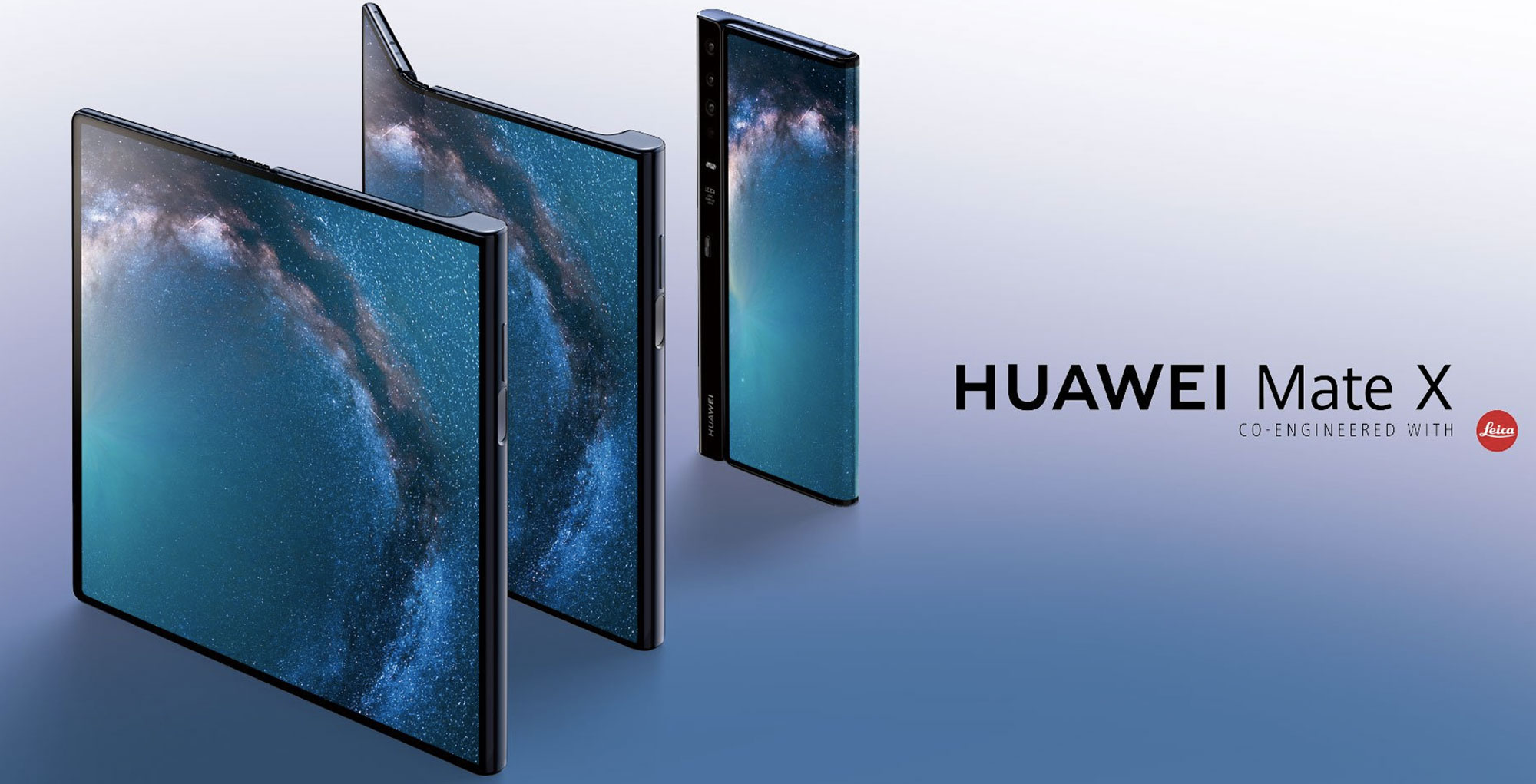
    The Samsung Galaxy Fold has been delayed indefinitely following a number of display issues, but it seems as though the Huawei Mate X is still on track for a release in June.

    Following Samsung’s announcement yesterday, rumors began floating around about a potential Huawei Mate X delay until September in order to iron out any issues and ensure a high level of durability, but today sources within the Chinese company have confirmed to Phoenix Technology that reports suggesting this are false and simply rumors. They went on to state that the company’s foldable flagship will be made available to purchase in June, as previously announced.

    The Huawei Mate X’s design did raise some durability questions when first unveiled. After all, it leaves the flexible OLED panel exposed at all times, thus making the plastic coating on top more prone to scratching. Nevertheless, Huawei seems confident in its design and apparently sees no reason for a delay.

    Samsung’s Galaxy Fold, on the other hand, seemingly presented a much sleeker and studier design from the get-go. However, the South Korean giant’s initial findings suggest the “impact on the top and bottom exposed areas of the hinge” could be the cause of the display issues. In one instance, “substances found inside the device” also affected the performance of the display.

  • Qualcomm support China Unicom’s 5G announcement

    Qualcomm support China Unicom’s 5G announcement

    U.S. based chip designer Qualcomm announced on Monday that it supports the introduction of  China Unicom’s 5G services in the largest smartphone market in the world. Qualcomm’s latest and greatest Snapdragon 855 Mobile Platform and Snapdragon X50 5G modem chip were used on 5G phones from manufacturers like (in alphabetical order) nubia, OnePlus, Oppo, Vivo, Xiaomi and ZTE. Devices from these companies were part of Monday’s event. China Unicom said that it is the first Chinese carrier to announce that it will offer 5G wireless service to consumers in the country.

    Starting tomorrow and running through April 25th, Qualcomm, China Unicom and the aforementioned phone manufacturers plan on showing live demonstrations of 5G at the 2019 China Unicom Partner Conference in Shanghai. These demonstrations will show OTA connections made using China Unicom’s 5G network and devices powered by Qualcomm’s 5G solutions. Consumers in China hope that 5G phones and service will be made available later this year. Those attending the conference will get to see HD video streaming, cloud gaming, web browsing and realtime sharing of data between devices and the cloud all over a 5G network.

    “For the past decades, our technology has been a foundation for the wireless evolution. It takes many years of R&D, specification, prototyping, testing, trials and product development to bring a new generation of mobile technology to China and the world. Like previous generations, 5G is the result of more than a decade of collaborative efforts by Qualcomm Technologies and our ecosystem partners, with the mission of preparing the mobile industry for 5G rollout starting this year. We’re excited for Chinese consumers to experience 5G’s truly transformative wireless experience in 2019.”-,” said Frank Meng, Chairman, Qualcomm China.

    5G data speeds run up to 10 times faster than 4G LTE speeds. The next generation of wireless connectivity is expected to lead to the launch of new services and businesses world wide in the same way that 4G LTE networks gave rise to new businesses. For example, the ride sharing industry was born thanks to the replacement of 3G data with faster 4G LTE service. The creation of this industry helped birth multi-billion dollar companies like Uber and Lyft.

  • US retailer removes Apple Pay support after two years

    US retailer removes Apple Pay support after two years

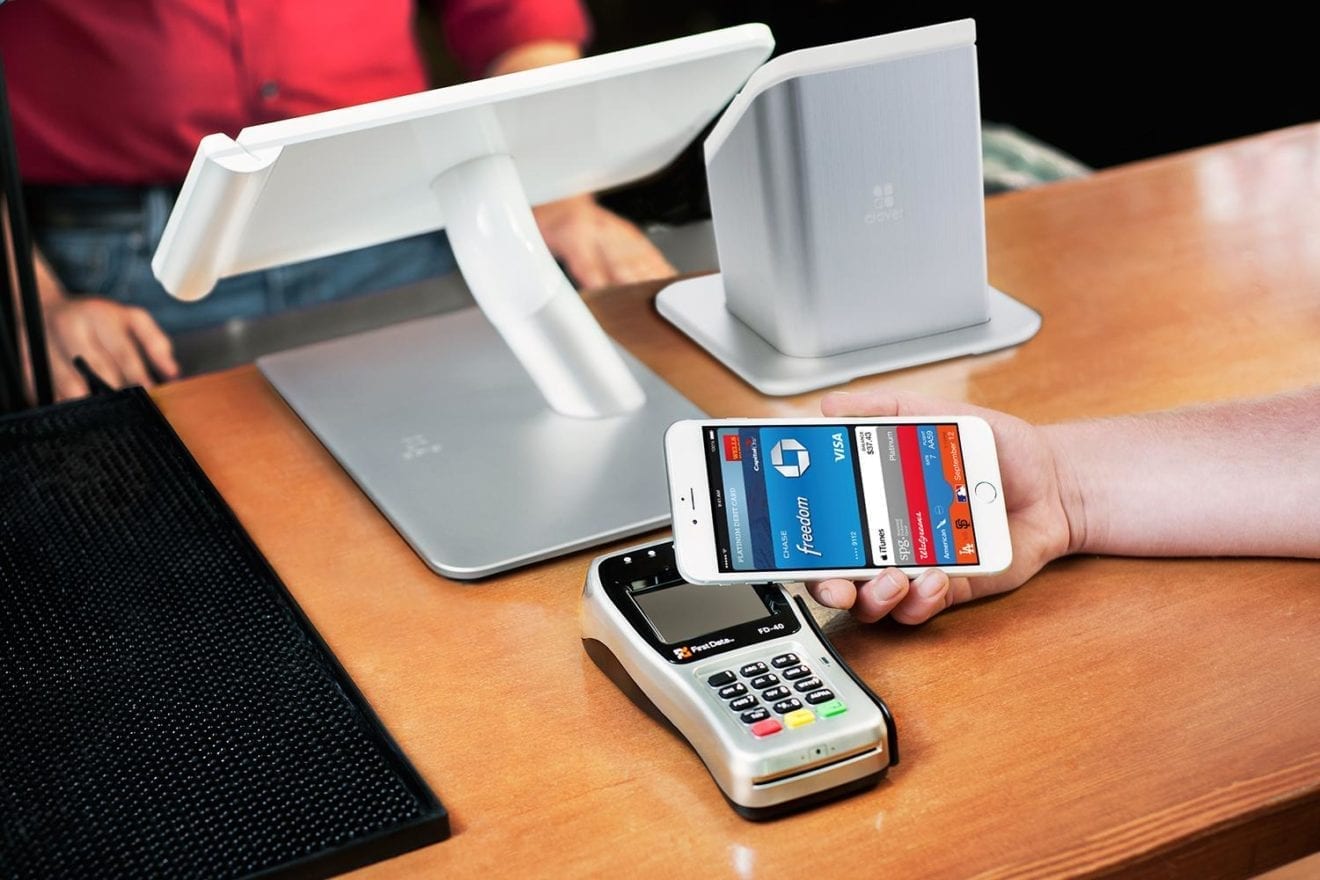
    JCPenney has finally released an official statement. This offers a technical explanation for the retailer’s decision to “suspend all contactless payment options until a later date.” While that suggests there’s a good chance Apple Pay support will be reactivated at some point in the future, JCPenney is also hinting at modest popularity for the digital wallet app in its stores, claiming the “vast majority” of shoppers continue to rely largely on “inserting or swiping their physical credit cards at point-of-sale terminals” to complete their transactions. Original article follows.

    While Apple is still selling plenty of iPhones, iPads, and smartwatches around the world, the tech giant’s “services” and software are suddenly growing at an unrivaled pace, generating revenues of nearly $11 billion between October and December 2018, up from $9.1 billion during the final three months of the previous year. Apple Pay, Apple Music, and the iOS App Store are by far the most successful and lucrative such services, at least until the Apple Arcade and TV+ platforms actually become available for end users.

    Released less than five years ago, Apple Pay powered a mind-blowing 1.8 billion transactions in the last 90 calendar days of 2018, continuing its aggressive expansion stateside and worldwide with a long overdue debut in Germany, as well as major new partnerships with the likes of CVS, Target, and Taco Bell.

    Curiously enough, another big US retailer confirmed on Twitter over the weekend its “decision to remove Apple Pay for our stores.” JCPenney’s move is certainly unusual (if not unprecedented), as there are still a few holdouts in Apple’s race to US ubiquity, but we can’t really remember anyone that supported the digital wallet platform for a couple of years to then reconsider without offering any sort of justification.

    While not the earliest supporter of the increasingly popular app, JCPenney did embrace the service back in 2017, helping it reach 74 of the top 100 US retailers by revenue as of January 2019. That included Target and Taco Bell, so we’re guessing the count is now down to 73. That’s still an impressive number, as is the 70 percent touted by Tim Cook as the platform’s target for later this year as far as all US retailers are concerned.

    Hopefully, we’ll get an explanation from JCPenney soon as to what made the department store chain pull the plug on Apple Pay support in both its retail locations and iOS app.

  • Self-Driving Tesla Robotaxi Coming In 2020

    Self-Driving Tesla Robotaxi Coming In 2020

    Tesla CEO Elon Musk has said that the electric car maker is ready to fly autonomous robotaxis from 2020. Making a series of bold predictions during the Tesla Autonomy Day at the Palo Alto-based headquarters late on Monday, Musk said the company expects to get necessary approvals by 2020.

    “I feel very confident predicting that there will be autonomous robotaxis from Tesla next year — not in all jurisdictions because we won’t have regulatory approval everywhere,” reported Musk as saying.

    “In places where there aren’t enough people to share their cars, Tesla would provide a dedicated fleet of robotaxis,” the report added.

    Tesla Founder and CEO hoped that robotaxis would return home and automatically park and recharge.

    Tesla also unveiled a new Samsung-made microchip that, the company said, was being included in every new car.

    Musk said that by the middle of 2020, Tesla’s autonomous system will have improved to the point where drivers will not have to pay attention to the road.

    “We will have more than one million robotaxis on the road,” Musk said. “A year from now, we’ll have over a million cars with full self-driving, software… everything.”

    He said Tesla would soon develop cars that could last for at least one million miles with minimal maintenance.

    Taxi hailing company Uber is also planning the next generation of transportation – flying taxis.

    It has named Dallas and Los Angeles in the US as the first two cities for the commercial launch of its aerial taxi service by 2023 and has been on the lookout to select an international city as its third partner.

    Uber has shortlisted five countries — India, Japan, Australia, Brazil and France — and a city in one of them will become the first Uber Air City outside of the US.