Author: Mei Ling Tan

  • Cebu Pacific to launch flights Between Clark, Philippines and Narita

    Cebu Pacific to launch flights Between Clark, Philippines and Narita

    Cebu Pacific has unveiled plans to launch flights from its rapidly growing hub in Clark, Philippines to Narita Airport.

    The airline will operate four flights per week between Clark and Narita on Mondays, Wednesdays, Fridays and Sundays, beginning Aug 9.

    Cebu Pacific will also begin direct flights between its hubs in Clark and Iloilo; as well as between Clark and Bacolod on Aug 9; as well as daily flights between Clark and Puerto Princesa in Palawan by Oct 9 October 2019.

    The four new routes will boost Cebu Pacific’s total capacity in Clark by 40% in 2019 alone, following a 75% increase in 2018 with the launch of direct flights to and from Davao and Panglao (Bohol); as well as additional frequency for the Clark-Macau route.

    “There is so much untapped potential in Clark, and we are committed to expanding our Clark hub to expand tourism, trade and investment opportunities. This will open up the areas around Clark to more investors and entrepreneurs,” said Candice Iyog, Vice President for Marketing and Distribution of Cebu Pacific.

    With a population of over 23 million in its catchment area, Clark International Airport is one of Asia’s fastest-growing airports, with passenger volume reaching about 2.5 Million in 2018.

    Cebu Pacific has been operating flights in and out of Clark since 2006 and today has direct flights to Cebu, Caticlan, Tagbilaran, Davao, Singapore, Macau and Hong Kong.

    “With direct air service between Clark and Narita, it will be easier for Japanese tourists to access destinations in Pampanga, Pangasinan, Baguio, La Union and the rest of Luzon. Conversely, it will also be easier for residents in these areas to enjoy Tokyo, with a direct flight from Clark,” added Candice Iyog.

    Japan is one of the Philippines’ top sources of inbound tourists, with 631,801 Japanese visiting the country in 2018.

    In 2018, Cebu Pacific flew 20.3 million passengers on over 2,130 weekly flights across 37 domestic and 26 international destinations.

  • Do election periods impact retail spending by consumers ?

    Do election periods impact retail spending by consumers ?

    It is well known that retail sales have regular cycles that can be disrupted by external events, such as federal elections. While anecdotally it has been suggested that uncertainty around elections causes shoppers to curtail their spending, there appears to be very little evidence either domestically or globally to support the claim that an election campaign will negatively impact consumer spending.

    Retailers are notorious at playing the ‘blame game’ when it comes to their sales and profit reporting. They too quickly point the finger at Mother Nature – unseasonal hot weather, or cold weather impacting apparel sales. The release of blockbuster movies has been blamed for distracting shoppers, and even customers themselves for being too price-conscious, chasing discounts that erode their margins.

    Facts matter

    Researchers from Princeton and the University of Chicago found elections had very little impact on consumer spending. In their study, spanning four presidential elections, their initial findings identified a correlation between a voter’s ‘opposition towards a winning candidate’ and a lower score on a Consumer Sentiment Survey. Simply, if your chosen candidate doesn’t win, you’re apparently less likely to start spending.

    However, the correlation did not prove causality. They found, for example, when President George W. Bush was elected in 2000, shopper’s opposition to President Bush had no effect on consumers’ self-reported spending plans or on their subsequent automobile purchases and credit-card use.

    It is a similar picture here in Australia, where commentators are looking a little more closely at claims elections negatively impact retail sales. A review of the ANZ-Roy Morgan
    Consumer Confidence Index demonstrates a similar phenomenon to that in the US. With the exception of the November 2001 election, marred by the 9/11 attacks in the US, confidence remained positive.

    In 2019, ANZ’s Australian economics team analysed 14 elections since 1980, finding that, “elections don’t have all that much influence on the economy”.

    A ‘wait and see’ approach

    During times of uncertainty, we often hear that shoppers are ‘deferring’ their spending. IBISWorld chairman Phil Ruthven finds that shoppers tend to take a “wait-and-see approach” during election campaigns. This simply means that shoppers will curtail purchasing big ticket items like cars, consumer electronics and high-end fashion, but household basics such as food and basics generally remain insulated. In most cases, consumer confidence tends to bounce directly after elections.

    There are far too many variables in play to suggest that a federal election alone will derail consumer confidence and stifle retail spending. In fact, some consumers who expect to be the
    recipients of election sweeteners such as tax cuts, infrastructure projects and or job opportunities, may actually increase spending.

    Once consumers anticipate a specific positive outcome will occur, they believe their subsequent thoughts and behaviours will actually help to bring about that outcome.

    Categories exposed

    Food, groceries, fuel and basic clothing generally remain well protected during uncertain times. Despite increasing competition from new players like Amazon, the growth of Aldi and the entry of Kaufland, both Coles and Woolworths food, grocery and liquor divisions will remain moderately strong. However, most exposed are ‘big ticket’ retailers selling furniture, consumer electronics and automobiles. This will be a challenging quarter for JB Hi-Fi, Harvey Norman and Steinhoff.

    The future of fashion

    Footwear, apparel and accessories retailers are expected to struggle, as such purchases are tied to discretionary spending. However, the challenges incumbent players like Myer, David Jones, Target, Big W and Premier Investments are facing are mostly related to new entrants, not elections.

    The growth of global fashion retailers like H&M, Uniqlo, Zara, Forever 21, and online marketplaces like The Iconic, Amazon and eBay in the domestic market, will definitely pose a challenge for these retailers.

    While most consumers remain confident, some retailers are certainly looking towards challenging times ahead.

    An unseasonably warm autumn and a glut of global fashion retailers in the market, will encourage incumbent retailers to cut prices little deeper this year. Great for shoppers, but tough on the books. It is looking to be a tough year ahead for retailers.

  • Disney’s Netflix competitor to debut November 12th

    Disney’s Netflix competitor to debut November 12th

    Disney+, the entertainment giant’s video streaming service, will launch on November 12th. The service will be priced at $6.99 per month or $69.99 for a year. Company CEO Bob Iger shared a screenshot of the Disney+ UI on his Twitter site, and it features rows of rectangular icons. While each rectangle represents a different movie or show, there are also rectangles for different categories of content including those produced by Disney, Pixar, Marvel, Star Wars and National Geographic.

    Subscribers to Disney+ will be able to set up different profiles for those living under one roof. Profiles for kids will automatically feature parental controls. All content can be downloaded for offline viewing, and the service will be available for smartphones and tablets, desktop browsers, game consoles, and smart TVs. Since Disney now owns a majority stake in video streamer Hulu following its acquisition of 21st Century Fox, it plans to offer a combined subscription price for Disney+, ESPN+, and Hulu.

    Iger has said previously that Disney would take things slow in regard to its streaming venture. As a result, a previous report stated that Disney+ will launch with 500 films from the Disney library along with over 7,000 episodes from Disney TV. In addition, there will be original programming including a show based on Disney’s successful High School Musical franchise and another one based on Monster Inc. There also will be a series based on Star Wars that focuses on a bounty hunter like Boba Fett, and one produced by Marvel that has to do with the Avengers characters. Some proprietary programming will come from Pixar. One forecast has Disney spending $1 billion on original programming in 2020, rising to $2 billion by 2024.

    Some of the programming will make use of the Disney and 21st Century Fox television libraries. All episodes of The Simpsons will be on the platform from the first day, and episodes of Malcolm in the Middle will also be available.

    Just before Disney+ launches in November, the company will blow up the Disney Vault. This is where classic Disney movies were kept from public release until they were each made available for a limited time. Disney CEO Iger says that all Disney movies will be available to be exclusively streamed on Disney+. Disney films released this year will make their way to Disney+ after all theater and home entertainment options have expired. Frozen II, the sequel to the hugely popular animated movie, is expected in theaters this November. It will be a Disney+ exclusive when it is offered on the platform during the summer of 2020.

    The company expects to have 60 million to 90 million subscribers by the end of 2024, with U.S. consumers accounting for one-third of subscribers.

  • Range Rover Evoque Scores 5 Stars In Euro NCAP Crash Test

    Range Rover Evoque Scores 5 Stars In Euro NCAP Crash Test

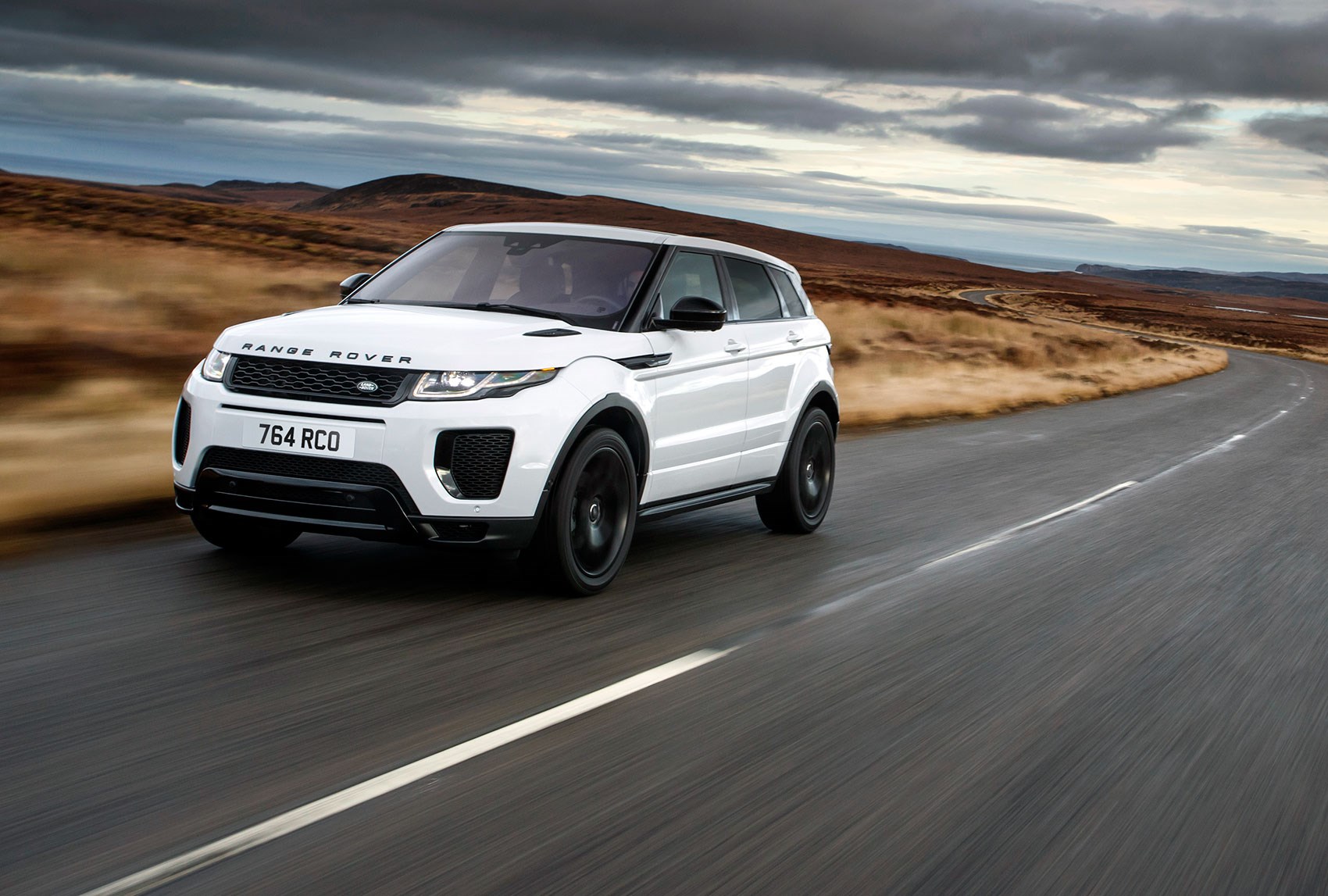
    The second-generation Land Rover Range Rover Evoque was recently crash tested by the Euro NCAP and results are finally out. The new 2019 Range Rover Evoque has bagged a 5-star rating in the crash test, scoring 94 per cent for adult occupant protection and 87 per cent for child occupant protection. Furthermore, for pedestrian protection and safety assist features, the 2019 model has scored 72 and 73 per cent rating, respectively. The second-generation Range Rover Evoque was unveiled last year in November and in addition to updated design and styling, the SUV comes with a host of advanced safety and comfort features.

    According to the Euro NCAP report, in terms of safety, the new Range Rover Evoque has made major progress in the area of vulnerable road user protection with the adoption of an active bonnet and AEB for pedestrian and cyclist detection. Commenting on the SUV’s improved safety standard, Michiel van Ratingen, Secretary General of Euro NCAP says, “It is encouraging to see the continued widespread deployment and improvement of advanced technologies such as AEB and lane support. It is good news that some of the basic driver assist technologies will finally be mandated from 2022, but thankfully most vehicle manufacturers are already way ahead of the curve today.”

    The highlights of the new Range Rover Evoque’s safety features include – auto emergency braking (AEB) function for pedestrian, cyclist, city and Intra-urban. The SUV also comes with active bonnet function, speed assistance and lane assist system. These, of course, are in addition to features like dual front, side, and curtain airbags, seatbelt pretensioner with load limiter, seatbelt reminder, ISOFIX child seat mount, and airbag cut-off switch.

    The Euro NCAP tested the SUV for front offset impact, full frontal impact, rear whiplash impact, and lateral impact. In all these scenarios, the results showed that for adult occupants the protection levels always either good or adequate, except for rear whiplash impact where protection for the rear seat passengers’ necks was recorded as just marginal. On the other hand, in terms of child occupant safety, the protection levels were always rated good. The NCAP test also proved that in city driving condition, the vehicle’s Auto Emergency Brakes (AEB) was rated Good in all three test scenarios – left offset, right offset and no offset.

  • Evoke Motorcycles Unveils New Electric Power Cruiser

    Evoke Motorcycles Unveils New Electric Power Cruiser

    Evoke Motorcycles, a Beijing-based electric motorcycle manufacturer, has unveiled a new electric power cruiser, called the Evoke 6061. The name is derived from the “Twin Plate Frame” which uses precision laser cutting process from solid T6-6061 aluminium billet pieces. The rear swingarm uses the same twin plate design and sports dual coil-over rear shocks. The Evoke 6061 employs a 120 kW (160 bhp) motor with a chain final drive, and provides over 272 Nm of torque. While the company hasn’t revealed the top speed of the 6061, it says that the new motor and batteries offer a higher top speed than the previous 130 kmph with Evoke’s Urban Series electric motorcycle.

    What is also unique is that Evoke will be using its latest Gen 2 battery modules which are capable of attaining a 0-80 per cent charge in just 15 minutes. The Evoke 6061 will be packing 6 of these batteries for a combined 15.4 kWh of energy capacity. But fast charging and the six battery packs will also mean the need for a good heat management system.

    So far, there’s no word on actual range of the batteries, but most estimates put city range in the region of 300 km on a single charge. Evoke Motorcycles intends to have the 6061 on the road by June 2019, so it’s not very far from where we will can see how the bike eventually performs, although there’s no word yet on if the 6061 will be introduced in India. What is confirmed though is that Evoke Motorcycles is planning to make its debut in India. Evoke also has two models, the Urban S and Urban Classic in its portfolio, but for the Indian market, an all-new entry-level electric motorcycle is expected to be launched.

  • Beaurepaires identifies nine years of payment issues

    Beaurepaires identifies nine years of payment issues

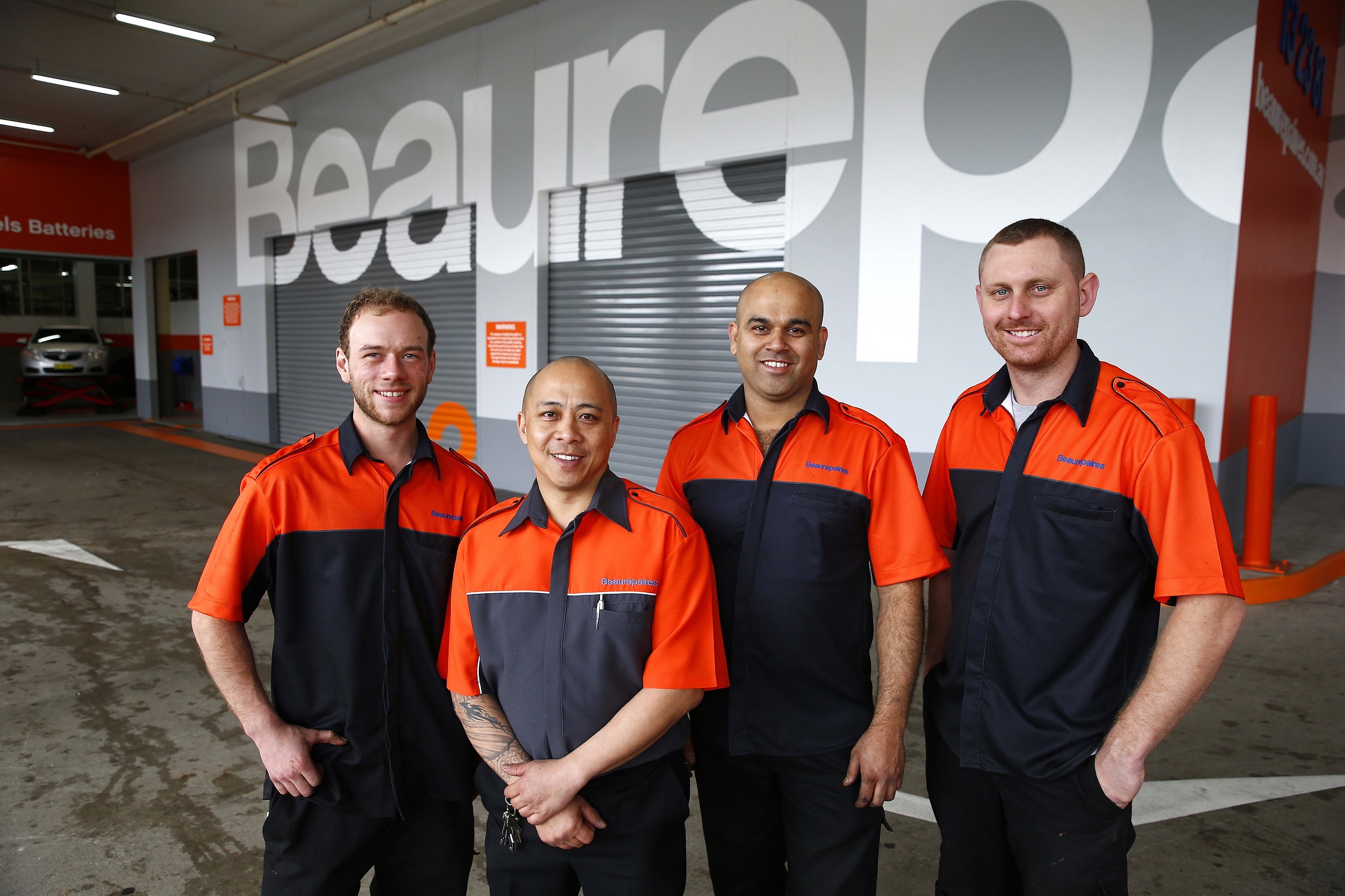
    Beaurepaires Australia revealed this week that around 3700 current and former employees were underpaid or overpaid due to a payroll error stretching back to 2010.

    Back payments to the affected staff are expected to cost the business approximately $1.8 million.

    Beaurepaires identified the payroll error during a review of its system conducted with the assistance of independent experts to ensure it was consistent with the Vehicle, Manufacturing, Repair, Services and Retail Award 2010.

    The error specifically relates to overtime and annual loading for shift workers, and was caused by a failure to update the payment system following changes to the award.

    “Paying our associates accurately is one of the most fundamental responsibilities of our business,” Scott Bennett, Beaurepaires director of retail operations, said.

    “We know it is of critical importance to our people, and also to the integrity and trust that Beaurepaires stands for. We want to be very clear in stating that this failure is completely unacceptable, and we take full responsibility for addressing the issue as quickly and transparently as possible.”

    Bennett added that as soon as the team realised what had happened, its priority became understanding how the mistake occurred and what was owed, and ensuring that affected associates are correctly compensated.

    The service network is working with external experts so that staff can have confidence in the outcome, and to ensure the analysis is completed as quickly and accurately as possible.

    Beaurepaires is the latest in a string of retailers to identify payment issues in the last year, with Lush and Super Retail Group having set aside $2 million and $7.9 million respectively to repay employees.

    The onus of these issues has largely been put on the complicated nature of the Modern Awards.

    “The industrial relations system in Australia is incredibly complicated, and small-medium size and large size businesses actively deal with it every day,” Dominique Lamb, CEO of the National Retail Association, said.

    “It’s absolutely likely if a business has grown quite rapidly over a period of time and has not maintained and continued to review those systems and look at how they’re paying and how they’re processing pay, this could absolutely happen to them.

    “If you aren’t checking your payroll systems, this is definitely the time to make sure you’re definitely getting it right.”

  • Online sales not sufficient to save Oxfam

    Online sales not sufficient to save Oxfam

    Oxfam Australia will start the process of shutting down its retail, wholesale and e-commerce operations in June due to commercial pressures and the difficult retail environment in Australia.

    The decision affects nearly 100 staff, made up of approximately 40 permanent and 60 casual positions.

    “We know this will be very difficult news for our staff and volunteers – and our customers,” Tony McKimmie, Oxfam Australia chief operating officer, said in a statement.

    “We sincerely thank them all for their dedication and significant contribution to our core mission of tackling poverty.”

    The closure will see eight physical stores around Australia shuttered, as well as Oxfam’s online store and wholesale division, which supplies coffee, tea and chocolate products to supermarkets.

    “The business shifted last year to placing a stronger emphasis on its online trading business and reduced emphasis on its shops, with an assessment of each store’s financial viability as shop leases became due for renewal,” McKimmie explained.

    “This resulted in the closure of five stores, howeverdeclining revenue and profitability – including flat online sales growth – meant the financially responsible decision was to close all of Oxfam Australia Trading oper ations.”

    Goods sold through these stores are sourced from a global community of ethical artisans and farmers, which helps “communities to learn and living and lift themselves out of poverty”.

    “Oxfam Australia will continue its work empowering communities to tackle poverty through long-term development programs, emergency response and advocacy,” McKimmie said.

  • Tong Liya helps Launching new H&M Conscious Collection

    Tong Liya helps Launching new H&M Conscious Collection

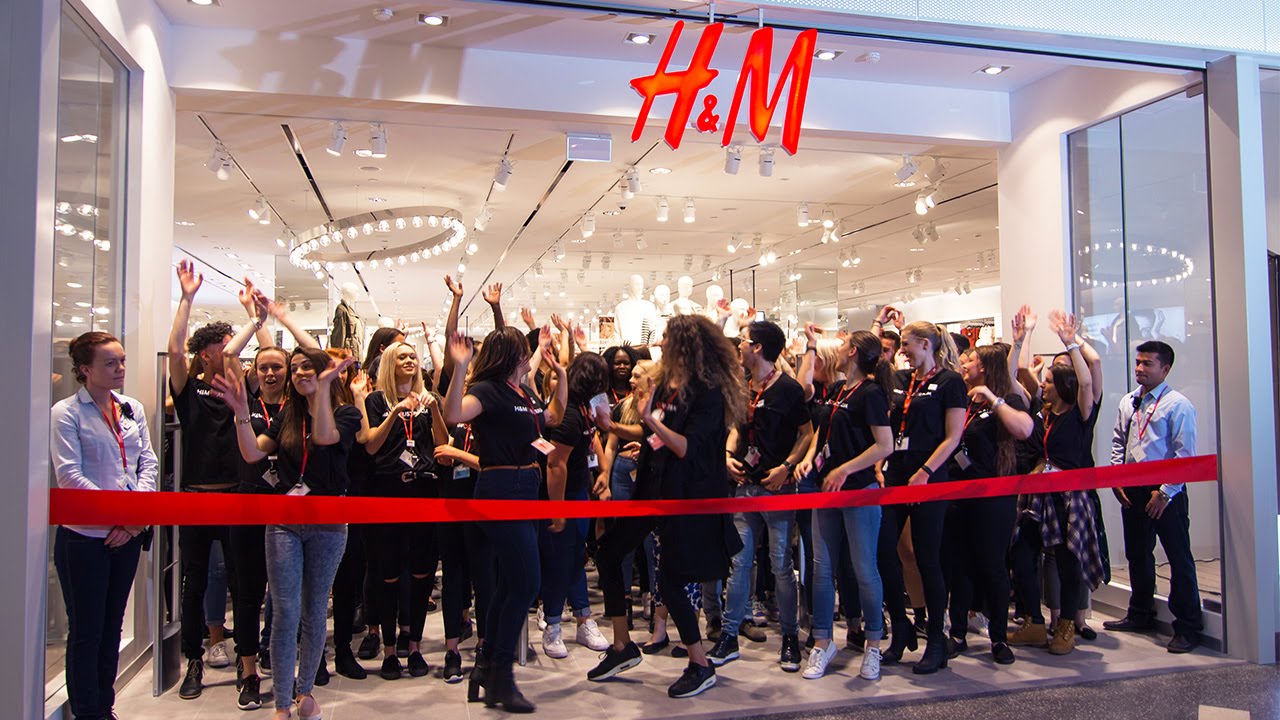
    Global fashion label H&M has launched its Conscious Collection with Chinese actress Tong Liya among the 13 women featured in the promotional campaign.

    Every piece in the collection is made from sustainably sourced materials, such as 100-per-cent organic cotton, Tencel or recycled polyester.

    “We’re absolutely thrilled to have this spring collection made out of sustainable materials,” said the brand’s head of design womenswear Maria Östblom. “With feminine, easy-going silhouettes, dreamy floral prints and separates all created by our in-house design team that can easily be mixed and matched, it shows how style and sustainability can work together beautifully.”

    The floral prints and earthy colours of the collection are styled to complement feminine details such as ruffles, off-the shoulder necklines and balloon sleeves.

    Throughout the month of April, H&M will not only celebrate their sustainability actions and goals as a company, but also highlight the Conscious Collection in stores all around the world. Promotions will emphasise H&M’s status as among the world’s largest users of sustainably-sourced materials and its continued commitment towards a sustainable fashion future.

    “This Conscious Collection is a wonderful step towards meeting one of our main goals – to use only 100 per cent recycled or other sustainably-sourced materials by 2030,” said H&M’s global sustainability manager Isak Roth. “Sustainability is one of our core values, and while there is a lot of work going into this throughout the entire value chain, it’s always exciting to see the more consumer-facing campaigns really showcase our conscious way of thinking.”

  • A narrative-driven Retail Concept Shop Opened by Macy’s Story

    A narrative-driven Retail Concept Shop Opened by Macy’s Story

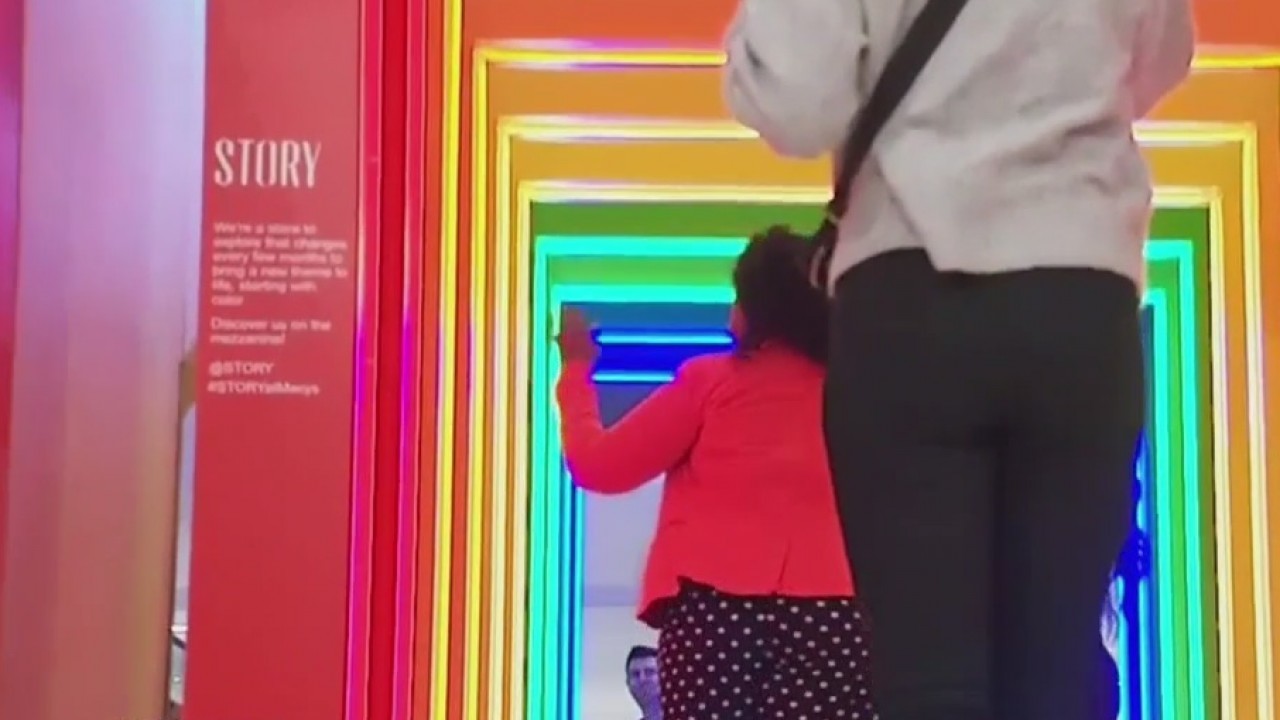
    US department store Macy’s has opened its “narrative-driven retail concept shop” Story in 36 locations across the US.

    The store concept takes an editorial approach to retail, launching with “colour” as an inaugural theme, inviting customers to explore and experience colour through a rainbow of curated, giftable products and more than 300 colour-inspired events.

    “The discovery-led, narrative experience of Story gives new customers a fresh reason to visit our stores and gives the current Macy’s customer even more reason to come back again and again throughout the year,” said Macy’s chairman & CEO Jeff Gennette.

    Story themes will change every few months with new concepts featuring unique collaborations, narrative-driven merchandising and dynamic event programming.

    “The simultaneous launch of Story at Macy’s in 36 stores across 15 states is the successful outcome of a reimagined approach to cross-functional collaboration and the work of more than 300 Macy’s colleagues who contributed to creating this new, scalable business model nationwide,” said Story founder and Macy’s brand experience officer Rachel Shechtman.

    In the lead up to launch, more than 270 dedicated Story managers and “storytellers” were hired and participated in an experiential retail training program that immersed staff with integrated roles on everything from building fixtures to customer engagement and event production.

    Story at Macy’s averages 1500sqft, cumulatively representing more than 55,000sqft of main-floor retail space across all 36 stores. Herald Square serves as the flagship location, where Story at Macy’s covers more than 7500sqft of continuous retail space on the main floor and mezzanine levels. The expanded space showcases a broader range of partners and interactive experiences than in other locations.

    “The Story at Macy’s experience feels a lot like a real-life version of scrolling through Instagram,” added Shechtman. “You discover things you weren’t looking for, but are inspired by all the fun finds – the second you see it, you need it!

    “We aspire to create that feeling with the breadth of the narrative-driven merchandise edit we are bringing to life with the launch of Story at Macy’s across the country.”

  • Cebu Pacific income dives in 2018

    Cebu Pacific income dives in 2018

    Cebu Air reported its net income plunged 50.6% to P3.9 billion in 2018, from P7.9 billion in the previous year, due to the “challenging macro environment.”

    In a statement over the weekend, the operator of Cebu Pacific noted the high fuel prices, volatile Philippine peso, rising interest rates, increased competition, six-month closure of Boracay, and operational limitations of key airports as factors that affected its bottomline last year.

    Airlines around the world took a hit from rising jet fuel prices last year, which only started going down in the fourth quarter, based on data from the International Air Transport Association (IATA). The average price of jet fuel during the nine-month period was at $85.37 per barrel, 36% up from $62.89 per barrel in the same period in 2017.

    Adding to Cebu Air’s problem is the weakening of the Philippine peso, which recorded an average of P52.66 per dollar in 2018, a steep decline from the P50.40-per-dollar it recorded in 2017.

    But despite the slump in its net income, Cebu Air said its revenue grew by 9% to P74.1 billion in 2018, driven mostly by its cargo business which posted a 19% growth. Passenger revenue was also up 9% to P54.3 billion in 2018.

    “Despite the pressures posed in 2018, we remained resilient. We were able to expand our network by upgauging our flights touching congested airports,” Cebu Pacific Chief Operations Officer Michael Ivan S. Shau was quoted as saying.

    In aviation, “upgauging” is a strategy used by airlines to increase capacity by replacing smaller planes with larger ones.

    Cebu Pacific said it ferried 20.3 million passengers last year, 2.7% higher than the previous year.

    The budget carrier said it is hopeful it will bounce back in 2019 with the acquisition of fuel-efficient planes and opening of new routes.

    “We will continue to pursue our fleet upgauging strategy and invest in the latest aircraft technologies, as well as develop secondary hubs like Cebu and Clark. We will also continue to grow our cargo business with the incoming ATR freighters as well as continue our digital transformation for us to be more agile and adaptable to changing customer expectations,” Mr. Shau said in the statement.

  • Gong Cha to open world’s first bubble-tea funhouse

    Gong Cha to open world’s first bubble-tea funhouse

    Gong Cha will team up with Tokidoki to create the world’s first bubble-tea funhouse at Singapore Shilin night market.

    The Tokidoki-themed bubble-tea funhouse will bring three new flavours including Rosa Latte, Berry Biscotti, Bambu Boba, served in Tokidoki co-branded cups.

    Boba enthusiasts can also treat themselves to bubble tea-inspired desserts such as Boba Pancake, and Earl Grey Milk Tea Ice Cream.

    There will also be two limited-edition Tokidoki x Gong Cha-merchandised tumbler and sleeve for the first 500 customers daily.

    At a DIY station, customers can customise their own drinks.

  • New Sketch Shows Hyundai Venue’s Dual-Tone Dashboard

    New Sketch Shows Hyundai Venue’s Dual-Tone Dashboard

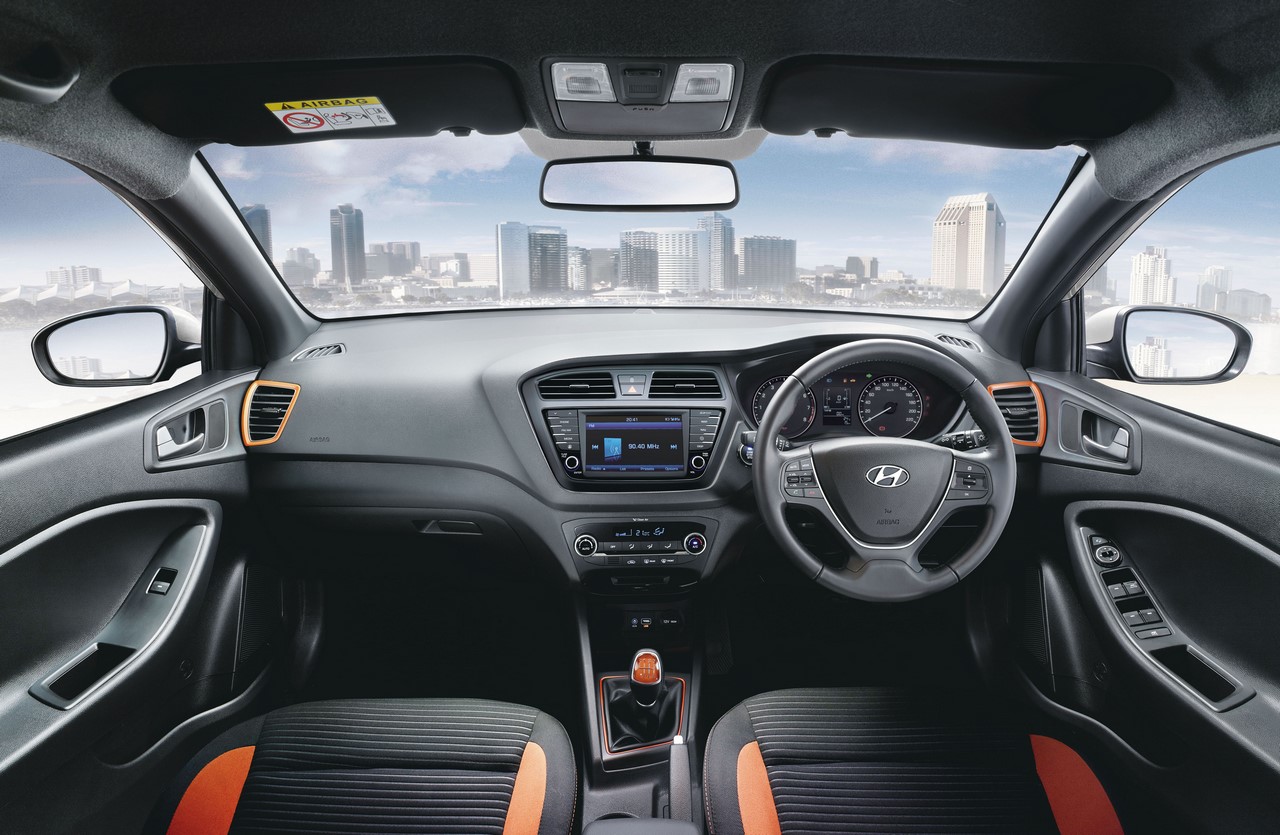
    Hyundai Motor India is all set to introduce the Venue Subcompact SUV later this year and the company is releasing details on the new offering ahead of its global unveil on April 17, 2019. While Hyundai released sketches of the exterior and interior a few days ago, the company has now posted a new sketch of the dashboard providing more details on the upcoming offering. The new Hyundai Venue will be offered with a dual-tone dashboard, while the sketch also showcases the large 8-inch touchscreen infotainment display with Android Auto and Apple CarPlay, along with an automatic transmission.

    The dual-tone treatment will also extend to the seats and the door panels, while rear AC vents are also likely. The big takeaway from the upcoming Hyundai Venue will be the Blue Link connectivity features that will be a first for the automaker in India. The system will come with a dedicated smartphone app and an eSIM from service provider Vodafone-Idea for in-car internet connectivity. The new connectivity system will have 10 India-only features with a total of 33 connectivity features including geo-fencing, speed alerts, SOS, panic notifications, destination sharing, and road-side assistance and so on.

    Poweron the Hyundai Venue will come from the 1.0-litre T-GDi Turbo petrol engine along with the 1.4-litre turbo diesel on offer. Transmission options will include a 6-speed manual and a 6-speed torque converter automatic, while there will also be the 7-speed dual-clutch automatic available as an option.

    The new Hyundai Venue is slated for launch on May 21, 2019 and will take on a host of offerings including the Maruti Suzuki Vitara Brezza, Ford EcoSport, Tata Nexon and the Mahindra XUV300. While the Vitara Brezza has been the sales benchmark in the segment, it will be interesting to see if the Venue will be able to attract similar volumes.

  • Uniqlo Parent Cuts Financial Outlook

    Uniqlo Parent Cuts Financial Outlook

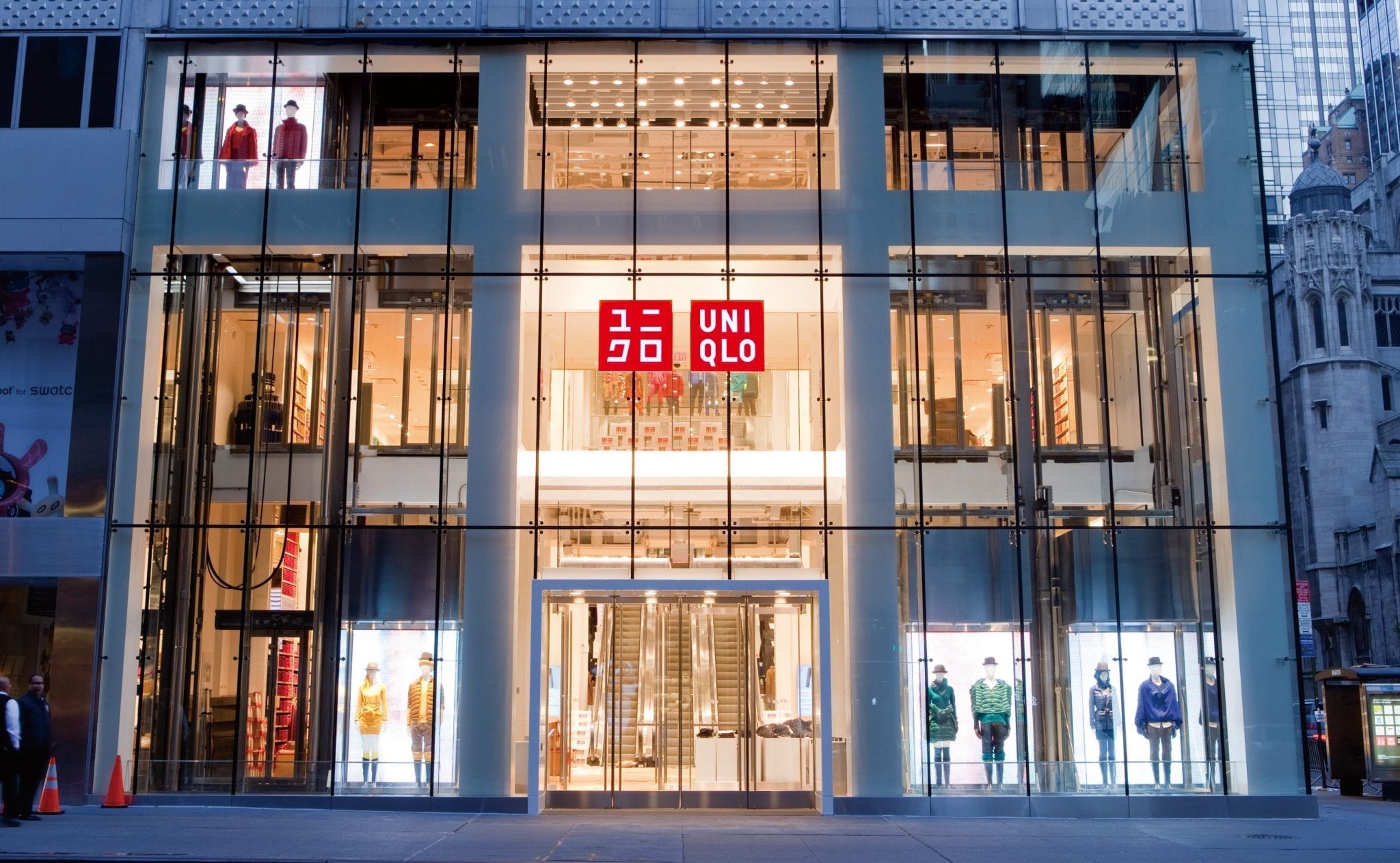
    Uniqlo parent Fast Retailing has cut its annual operating forecast amid heavy discounting to offload winter clothes.

    The apparel company has struggled with a shortage of popular winter items in the past, and overcompensated last winter by ordering too much inventory.

    The unseasonably warm weather hit sales of winter clothes which led to the decline of Fast Retailing’s first quarter profit.

    The company is undergoing the biggest revamp of its logistics and supply chain network to resolve the challenge it faced over winter.

    The Japanese retailer said it now expects an operating profit of  ¥260 billion (A$3.2 billion) for the financial year through August, compared to its previous forecast of  ¥270 billion in January. The revised outlook would still be a record high and represent a 10 per cent year-on-year rise.

    For the quarter ending February, Fast Retailing posted a double-digit increase in sales and profit in China, which has helped the brand turn in a better-than-expected rise in operating profit to ¥68 billion.

    The company reported declines in both revenue and profit in the first half of fiscal 2019, with revenue totaling ¥491.3 billion yen, down 5 per cent from the previous corresponding period, and operating profit totaling ¥67.7 billion yen, down 23.7 per cent from the previous year.

    First-half same-store sales, including online sales, declined 9 per cent.

    Online sales, which now account for 9.9 per cent of Uniqlo sales in Japan and 20 per cent in China, rose 30.3 per cent in the first half.

  • Microsoft reportedly builds Surface Pro prototypes

    Microsoft reportedly builds Surface Pro prototypes

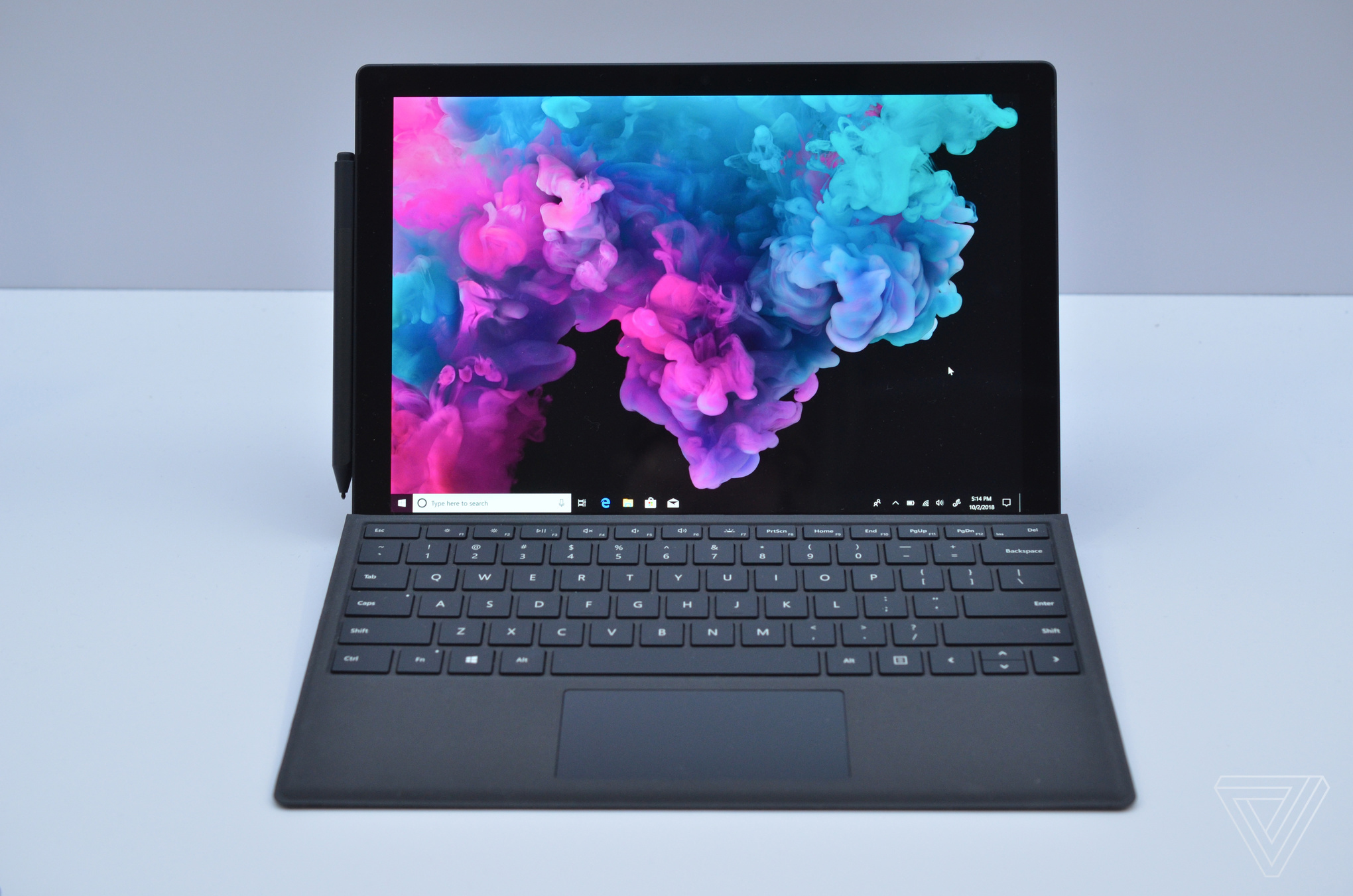
    Microsoft has apparently become more serious about offering at least some versions of its Surface Pro tablets powered by ARM-based processors. Right now, the Surface Pro 6 runs on an Intel Core i5 or Core i7 processor. According to Thurrott, Microsoft has built prototypes of the Surface Pro that run on Qualcomm’s Snapdragon chips. The report says that Microsoft has considered stuffing some of its low-end Surface Pro models with a Snapdragon processor.

    There also is speculation that the original plans for Microsoft’s iPad competitor, the Surface Go tablet, called for the device be powered by Qualcomm’s Snapdragon chips. Intel reportedly pressured Microsoft to have the lower priced tablets run on Intel’s Pentium Gold Processors instead. If Intel doesn’t put the squeeze on Microsoft so hard this year, the second generation Surface Go models could end up with Intel outside and Qualcomm inside.

    The Surface Pro line is supposed to get a major redesign with new models to be unveiled during the fourth quarter of this year. Thurrott’s Brad Sams says to expect thinner bezels, the long awaited USB-C port, new color options and some other changes. That would be the time to expect Microsoft to make the change to Snapdragon chips for the Surface Pro, starting with the lower-end variants of the tablet.

    In a related piece of news, testing has started on the Firefox for Windows 10 ARM browser.

  • Gucci restaurant pop up heads into Singapore

    Gucci restaurant pop up heads into Singapore

    Osteria, the Gucci restaurant pop up, will open in Singapore next month.

    Set to open at The Arts House, the four-week popup will have a Renaissance theme, replete with the signature red Gucci Herbarium-motif wallpaper.

    The restaurant will open for lunch and dinner on select days from May 1 to 26

    The menu will be conceptualised by chef Massimo Bottura, with Gucci Osteria head chef Karime Lopez.

    Main highlights include Bottura’s signatures dishes, including The Crunchy Part of the Lasagne, Lopez’s creation of sweet-sour pork belly bun, named Taka Bun.

    “We are excited to be able to bring Gucci Osteria to Singapore – a city with a vibrant culinary landscape,” says chef Karime Lopez.

    “At our first international edition, we want to showcase the best of global cuisine, as a country’s cuisine is no longer confined to its birthplace – it can always be reinterpreted and refined. The cuisine we are presenting is not just traditional Italian, but rather a cultural expression that resonates with the global diner of today.”

    Ticket sales open on the 20th of this month. Diners can choose a specially curated four-course lunch (from $128), a seven-course lunch ($228), or seven-course dinner (from $278).