Author: Mei Ling Tan

  • China’s Coffee Consumption Keeps Growing

    China’s Coffee Consumption Keeps Growing

    China’s coffee craze has gained pace with the growth rate in consumption on premise 25 per cent higher last year.

    According to research from Mintel, China’s on-premise coffee market value reached RMB64.7 billion (US$9.6 billion) last year, up 7.5 per cent on the year prior, when the growth rate was 6 per cent. It is predicting growth to resume to 6 per cent annually from this year until 2023.

    However, while sales by value are thriving, Mintel estimates that the number of on-premise coffee house outlets shrank by 2 per cent as fewer new stores opened than closed. But that is half the decline of a year earlier.

    “Like many industries across China, the on-premise coffee market is not immune to the influence of New Retail,” said Belle Wang, associate food and drink research analyst at Mintel.

    “The quick expansion of New Retail coffee businesses across the country has stimulated more coffee consumption among consumers, resulting in strong sales volume. With the growing momentum of New Retail coffee shops, and an increasing number of international and domestic brands entering the market, consumers today have more options when it comes to coffee. As such, the industry will see positive growth rates over the next two years.

    “However, this growth will slow down, largely due to Chinese consumers’ traditional behaviour of drinking tea and the country’s thriving tea shops,” said Wang.

    Mintel expects positive volume growth in the next two years, at 0.6 per cent from last year to this year and a further 1.2 per cent between this year and next, to reach an estimated 74,000 coffee houses by 2020.

    Convenience versus traditional

    When it comes to choosing where to get their caffeine fix, more Chinese consumers today are purchasing coffee from convenience stores than traditional coffee house chains. Mintel’s research reveals that 52 per cent of Chinese consumers (survey sample of 3000) buy coffee at convenience stores compared to just 44 per cent who purchase it from a traditional coffee-house chain.

    About 23 per cent of consumers who drink on-premise coffee at least once a month have done so at new retail coffee houses.

    “Our research shows that more on-premise coffee users get their coffee from convenience stores than from traditional chain coffee houses. This is perhaps due to Chinese consumers associating convenience stores with a full range of breakfast options. Convenience stores are also viewed as easily accessible and more affordable. Given this upward trend, other coffee vendors could introduce unique features, like providing various food and coffee pairings, in order to compete,” said Wang.

    “While New Retail coffee is experiencing a lot of growth at the moment, consumer engagement remains low – partially because they are still relatively new. However, there is an opportunity for New Retail coffee houses to catch up in terms of popularity by offering aggressive discounts and delivery service.”

    That said, big discounts alone will not be sufficient, as discounting is neither the best nor a sustainable strategy for a long-term business plan. There needs to be other merits such as offering healthy mix-and-match meal deals,” Belle added.

    Latte the top choice

    Mintel’s research reveals the favourite coffee beverages consumed in China’s coffee craze. More than half of on-premise coffee consumers order lattes (54 per cent) or cappuccinos (52 per cent). These are followed by mocha (45 per cent), Americano (38 per cent), flavoured coffee (36 per cent), espresso (26 per cent) and cold-brew coffee (23 per cent).

    A relatively new concept in China’s coffee craze is coffee mixed with plant-protein milk, with 22 per cent of on-premise coffee consumers ordering it.

    “Lattes and cappuccinos are the most popular drinks in coffee houses as they are generally very palatable due to their creamy texture and rich dairy flavour. Furthermore, as they are usually widely available, they are often a first step into coffee appreciation,” said Wang.

    “Once consumers fully appreciate these basic beverages, they are more likely to try non-milk based drinks, like an Americano or cold brew coffee. However, only offering basic coffee selections makes it difficult to stand out in the homogenous coffee marketplace and attract more coffee consumers.

    “As such, coffee houses can take inspiration from tea shop drinks by making their offerings more visually appealing and ‘instagramable’ in order to draw attention and pique consumer interest,” Belle concluded.


  • Telecom Fiji to deploy 10G PON

    Telecom Fiji to deploy 10G PON

    Telecom Fiji has announced it will deploy the first all-optical 10G PON fiber network in the South Pacific, in partnership with Huawei.

    The operator plans to use the network to deliver gigabit network services for both households and enterprise customers.

    Huawei has been contracted for the deployment, which is aimed at enhancing the operator’s customer experience while significantly reducing networks operations and maintenance costs.

    “By adopting this 10G PON solution, the competitiveness of our fixed broadband in Fiji has now significantly enhanced… We are fully confident to maintain our technological leadership in the South Pacific island markets,” Telecom Fiji general manager of sales and marketing Joseph Naua said.

    “We are also proud to work in partnership with Huawei on the deployment of the 10G PON network. At present, the 10G PON network deployment is moving on a fast track, and Huawei will continue to invest and innovate in the ultra-broadband domain.

  • Japanese telcos assigned 5G spectrum

    Japanese telcos assigned 5G spectrum

    Japan’s telecom ministry has allocated 5G mobile spectrum to incumbent operators NTT Docomo, KDDI, and Softbank, as well as local e-commerce giant Rakuten.

    The Ministry of Internal Affairs and Communications has approved the allocation of spectrum after determining that the companies’ applications met the conditions of the allocation.

    The four companies plan to invest heavily in 5G, spending a combined 1.6 trillion yen ($14.4 billion) over the next five years. Docomo is planning the largest spend, with goals to invest at least 795 billion yen in 5G over this time.

    The four plan to commence commercial 5G services in 2020, with KDDI and SoftBank planning to commence advertising for its services in March.

    Rakuten Mobile, Japan’s upcoming newest market entrant, meanwhile plans to commence 4G services in October 2019 and 5G services in June 2020.

    The conditions for the allocation of spectrum included commitments to commence services in every prefecture of the nation within two years, and set up 5G base stations in at least half the country within five years.

    According to the report, Docomo and KDDI are each targeting more than 90% 5G population coverage by the end of the five years, while SoftBank is targeting 64% coverage while Rakuten is aiming for 56%.

  • Oppo makes official the latest replacement for the notch

    Oppo makes official the latest replacement for the notch

    With the unveiling today of the Oppo Reno, we got to see the latest attempt by a manufacturer to replace the notch. The ultimate goal, of course, is to give the consumer a device that carries a high-screen-to-body ratio. The wedge is motorized and contains the front-facing selfie camera and the flash for both front and back cameras. There are two versions of the device, which we get to in a moment.
    The standard version of the Oppo Reno sports a 6.4-inch OLED display carrying a 1080p FHD+ resolution and is powered by the Snapdragon 710 Mobile Platform. The device carries 6GB or 8GB of memory. The microSD slot offers as much as 256GB of additional storage, and the handset comes with a dual-camera setup (48MP + 5MP depth sensor) on back. A 5x hybrid zoom is available. The selfie snapper that resides on the wedge weighs in at 16MP, and the lights are kept on by the 3765mAh battery that is included with the phone. The battery can be rapidly charged at 18W.
    For those looking for a wedge phone with higher-end specs, Oppo is offering the Reno 10x Zoom Edition. This model features a 6.6-inch OLED panel with a 1080p FHD+ resolution and is equipped with Qualcomm’s latest and greatest Snapdragon 855 Mobile Platform under the hood. 6 or 8GB of memory is inside, and this unit comes with the same capacity microSD slot as found on the standard model.
    This version of the Reno sports a triple-camera setup (48MP primary + 8MP super wide-angle + 13MP periscopic zoom) that together offers 10x hybrid zoom and OSI. The 16MP front-facing selfie camera appears on the pop-up wedge. Speaking of the wedge, it allows the Reno to feature a screen-to-body-ratio of 93.1%. The Oppo Reno 10x Zoom Edition comes with a larger 4,065mAh battery, which uses VOOC 3.0 to charge 23.8% faster than the previous version of the rapid charging system. The phone also features an in-display fingerprint scanner
    The wedge has been designed to last over five years as long as you open it no more than 100 times a day. And thanks to a sensor built into the phone, if the device should fall with the wedge open, the part will automatically close right away. That’s a feature that could be used to protect other parts of a phone, including the screen, in the future.
    The standard Oppo Reno is offered in Pink, Gradient Purple, Black, and Blue, and is priced at the equivalent of $450 USD for the model with 6GB memory and 128GB of storage. The Reno 10x Zoom Edition is available in Gradient Blue and Black and costs the equivalent of $600 USD for the version carrying 6GB of memory and 128GB of storage. The unit equipped with 8GB of memory and 256GB of storage will run you about $710 USD based on today’s foreign exchange rates. More information about pricing will be revealed on April 24th at the Reno’s European unveiling in Zurich.
    Meanwhile, there will be a 5G version of the Oppo Reno. The device was used by carrier Swisscom today to show off its 5G network and hit a peak download speed of 1.86Gbps. The device will be offered next month by Swisscom, priced at the equivalent of $1,000 USD. Based on the Reno 10x Zoom Edition, the phone is powered by the Snapdragon 855 Mobile Platform and is equipped with a 4065mAh battery.
  • 2019 Porsche 911 India Launched

    2019 Porsche 911 India Launched

    The new-generation 2019 Porsche 911 went on sale in India today and we have all the highlights from the from the launch here. The eighth-generation Porsche 911 coming to India was internally codenamed 992 and retains the iconic silhouette that is distinctive to the Porsche 911 family. Furthermore, the car also comes with a heavily revised, more powerful range of six-cylinder turbo petrol engines. In India the new Porsche 911 comes in two variants as of now – Carrera S and Carrera S Cabriolet, priced at Rs. 1.82 crore and 1.99 crore respectively, very close to what we has expected.

    The eighth-generation Porsche 911 gets an extensively re-engineered platform that uses generous amounts of aluminium in its construction in its rear section, for improved weight distribution. Under the hood, the Porsche 911 Carrera S is powered by the extensively 3.0-litre flat-six, turbo petrol engine that makes an additional 30 horses. The total power output now stands at 444 bhp.

    The 0-100 kmph sprint time has been dropped under 4 seconds, with the new Porsche 911 Carrera S reaching 100 kmph from standstill in just 3.7 seconds. The 911 Carrera 4S does the same run in just 3.6 seconds and it also comes with all-wheel drive. The optional Sport Chrono Package further reduces the sprint by 0.2 seconds. The top speed on the Carrera S is rated at 308 kmph, while that on the heavier Carrera 4S is 306 kmph.

  • Docomo Ventures invests in Singapore’s Kpisoft

    Docomo Ventures invests in Singapore’s Kpisoft

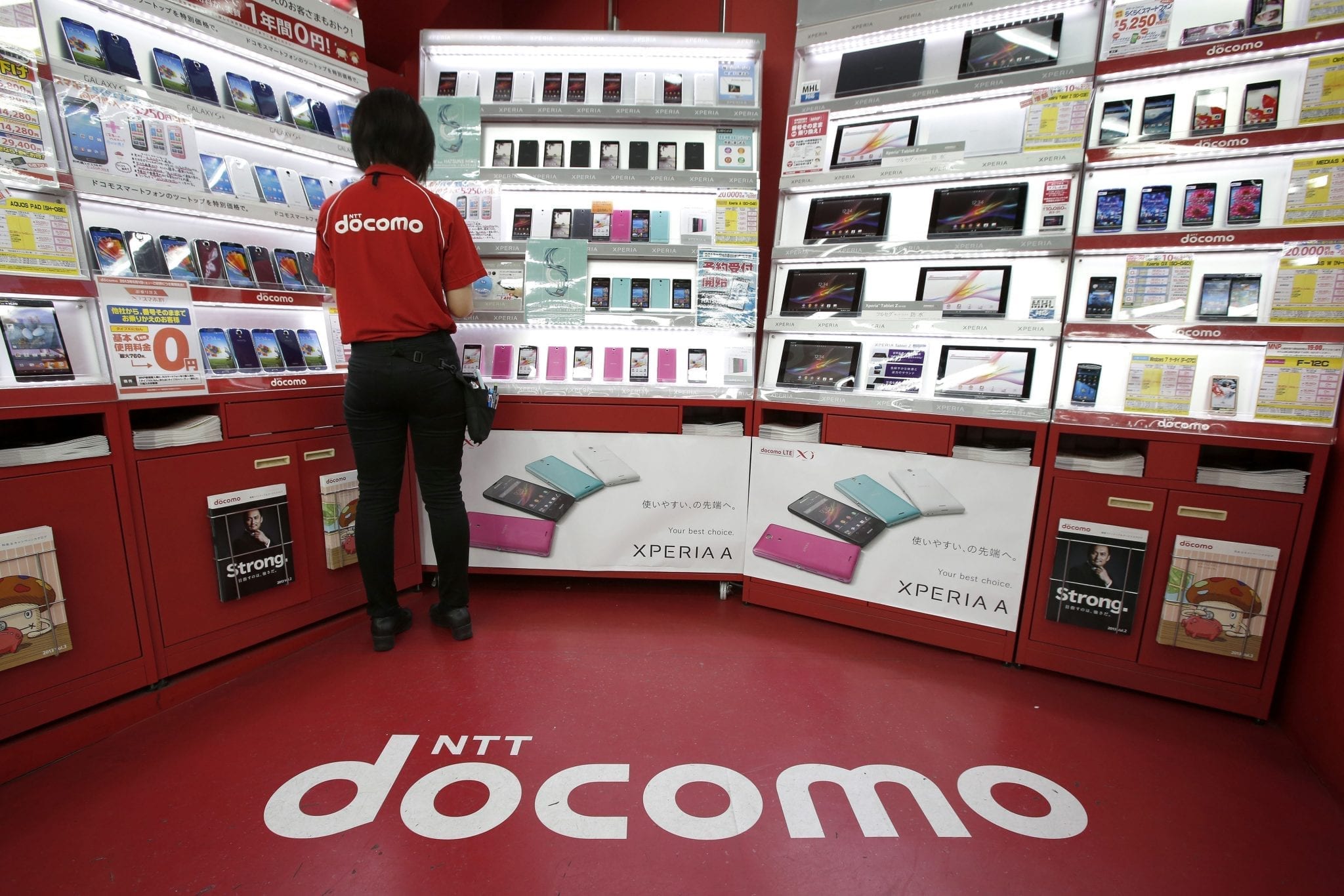
    NTT Docomo Ventures, a wholly owned subsidiary of NTT Group, has made an investment in Singapore-headquartered cloud-based enterprise management solutions provider Kpisoft.

    NTT Docomo Ventures has acquired shares of Kpisoft through its third-party allotment, the company said. Financial details of the transaction were not disclosed.

    According to Docomo Ventures, the solution provided by Kpisoft is designed to analyze data that exists in EPM, BI, human resources management and other relevant systems within an enterprise on a single platform.  The solution has a function that can automatically distribute the analytical findings directly to individual employees in an action proposal form by using machine learning and natural language processing.

    This enables enterprises to make use of analytical findings on enterprise performance and directly and automatically support the actions of individual employees, the company noted.

    Docomo Ventures further said it has made the investment because it “highly expects” the services and knowhow Kpisoft provides will bring added values to EPM or BI the NTT Group offers.

    Reliance Jio Digital Services acquires Haptik

    Meanwhile India’s Reliance Industries, through its subsidiary Reliance Jio Digital Services, has acquired artificial intelligence firm Haptik for Rs 700 crore ($100 million).

    Reliance Jio will hold about 87% of the business with the rest being held by Haptik founders and employees through stock option grants, according to a company release.

    As part of the transaction, Haptik’s existing major shareholder Times Internet will exit the company.

    Akash Ambani, director at Reliance Jio Digital Services said the acquisition underlines the company’s commitment to further boost the digital ecosystem and provide Indian users conversational AI enabled devices with multi-lingual capabilities.

    “We believe voice interactivity will be the primary mode of interaction for Digital India,” Ambani said in a statement.

    “We are delighted to announce this partnership, and look forward to working with the experienced team of Haptik in realizing this vision for offering greater connectivity and rich communication experiences to the billion+ Indian consumers.”

    Founded in 2013, Haptik is chat based virtual concierge mobile application. It client base includes Samsung, Coca-Cola, Future Retail, KFC, Tata Group, Oyo Rooms and Mahindra Group.

    The Haptik team will continue to drive growth of the business, including the enterprise platform as well as digital consumer assistants.

    “This transaction enables Reliance Jio to leverage Haptik’s capabilities across various devices and touch points in the consumer’s journey. The investment focus is on enhancement and expansion of the platform, with an addressable market opportunity of over 1 billion users in India,” the company said in a statement.

  • Samsung’s new Galaxy Tab S5e and Galaxy Tab A 10.1 Nearly Arriving

    Samsung’s new Galaxy Tab S5e and Galaxy Tab A 10.1 Nearly Arriving

    Today was a pretty busy day for Samsung, but the world’s largest smartphone vendor is actually not done announcing new stuff, quickly following up the global introduction of the eye-catching Galaxy A80 and not-too-shabby Galaxy A70 handsets with some US-specific news on the tablet release front.

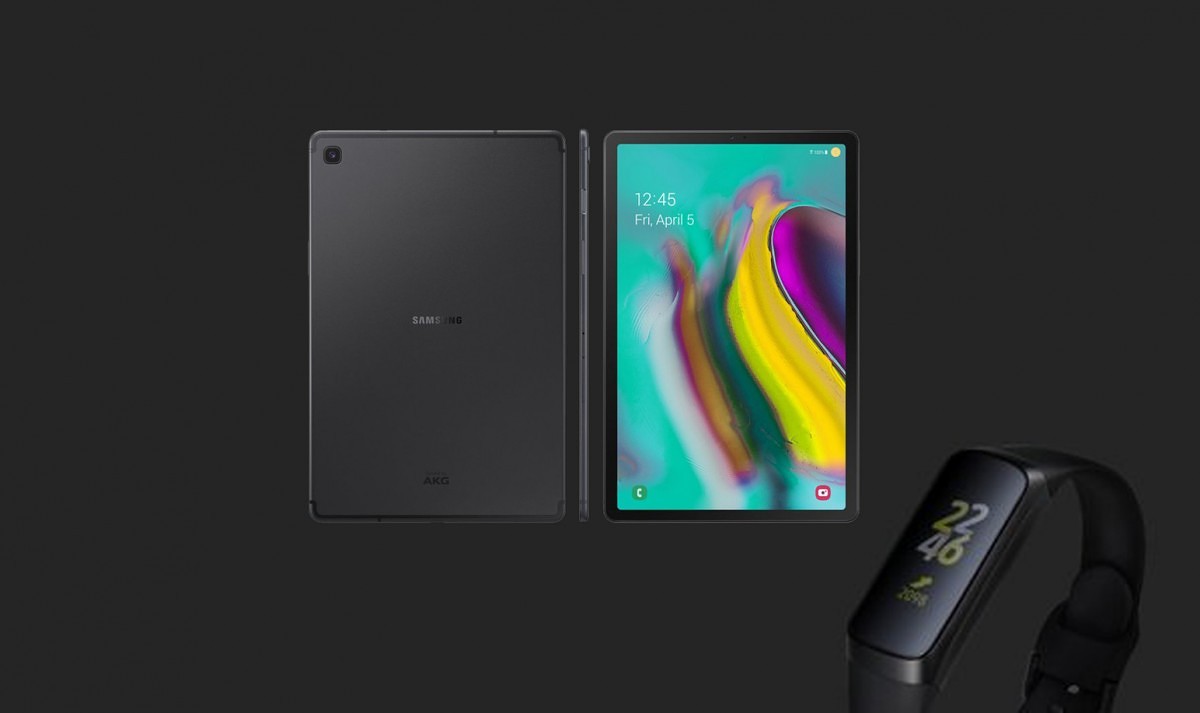
    No, it’s not already time for a high-end Galaxy Tab S5 with a Snapdragon 855 processor to take on Apple’s latest iPad Pro generation, as the Snapdragon 835-powered Tab S4 is still relatively fresh… and yet completely outdated. Instead, the mid-range Galaxy Tab S5e and Galaxy Tab A 10.1 (2019) that the company took the wraps off a good couple of months ago finally have official US availability details attached to their somewhat confusing names.

    Okay, perhaps this is not the iPad Pro killer Android enthusiasts have been eagerly expecting since the announcement of Apple’s first such tablet. But at a starting price of $399.99, the Samsung Galaxy Tab S5e does at least manage to substantially undercut both 2018 iPad Pro variants, as well as the $500 and up 2019 iPad Air. Believe it or not, Samsung’s brand-new 10.5-inch slate is thinner than all its three aforementioned iOS rivals, at an outright anorexic 5.5 mm.

    Despite that unbelievably slim profile and a lightweight 400-gram body, the Tab S5e packs a decent-sounding 7,040 mAh battery with fast charging support. That ticker is slightly smaller than the one squeezed inside the 7.1 mm “thick” Galaxy Tab S4, but it’s still rated at a respectable 15 hours of continuous running time.

    While it’s not entirely clear how much memory and storage you’ll be getting in exchange for your four Benjamins starting April 26, we’re guessing it’s 4 and 64 gigs respectively, with a 6/128GB configuration likely to cost a little more. Obviously, no other differences are to be expected between the two variants, which should both come with a 13MP rear and 8MP front camera, pre-installed Android 9.0 Pie software, quad AKG-tuned speakers, a USB 3.1 Type C port, and octa-core Snapdragon 670 processing power.

    The 10.5-inch Super AMOLED display is undoubtedly one of the highlights of this relatively affordable tablet’s list of features, sporting the same 2560 x 1600 resolution as the “premium” Galaxy Tab S4, which typically costs $530 and up. The beautiful screen is surrounded by similarly thin bezels, and the Galaxy Tab S5e even adds a fingerprint sensor into the equation that the Tab S4 is missing.<

    A range of optional accessories can seamlessly enhance the productivity of the 10.5-incher, including a book cover keyboard and POGO charging dock, although there are no words on prices for these. Pre-orders for the attractive tablet will kick off on Friday, April 12, rewarding early adopters with a free Samsung SmartThings Hub, normally available for around $70.

    Like the Tab S5e, the newest 10.1-inch edition of the budget-minded Galaxy Tab A is scheduled for a commercial US release on April 26. Naturally, the key selling point of the smaller, slower, and yes, uglier slate is a lower price, but at least at first glance, $229.99 doesn't feel low enough. That's because the Tab A 10.1 (2019) makes a huge number of major compromises compared to its higher-end cousin, starting with a lower-quality and lower-res 1920 x 1200 LCD panel.

    Despite being a whopping 70 grams heavier than the Galaxy Tab S5e, this thing packs a smaller 6,150 mAh battery, obviously paired with an inferior Exynos 7904 SoC. Meanwhile, your 230 bucks will probably buy you just 2 gigs of RAM and 32 of internal storage space, although 3/64 and 3/128GB versions are also coming, all equipped with microSD card slots for extra digital hoarding needs.

    The rear and front cameras are downgraded to 8 and 5MP sensors respectively, there are only two speakers on deck, and even the USB Type C port is of the slower 2.0 generation. On the bright side, the Tab A 10.1 also runs Android 9.0 out the box, while retaining the traditional headphone jack the Tab S5e is "courageously" leaving behind. The design is not bad for the sub-$300 price bracket either, including "minimal" bezels, sharp corners, but alas, no room for a fingerprint reader.

  • Levi’s to opening 100 extra stores this year

    Levi’s to opening 100 extra stores this year

    San Francisco-based retailer Levi Strauss announced plans to open 100 new company-operated stores this year.

    The apparel maker, which launched on the US stock market last month, announced its plans for the store openings alongside a well-received debut batch of earnings as a public company.

    Company chief executive Chip Bergh told that most of the store openings would be in Europe and Asia, though mainline and outlet stores would open in the US as well.

    Levi’s posted a 7 per cent jump in net revenue to US$1.43 billion for the quarter ending February 24. The company produced a net income of US$147 million compared with the losses of US$19 million a year ago, when the results were hit with a tax-related charge.

    “We delivered our sixth consecutive quarter of double-digit constant-currency revenue growth,” Bergh said.

    “Growth was broad-based across all three regions and all channels, demonstrating that our strategies are working and our investments are paying off.”

    The 166-year-old brand operates 824 standalone stores, including 74 the retailer opened last year.

  • Comvita Honey wholly acquires China joint venture

    Comvita Honey wholly acquires China joint venture

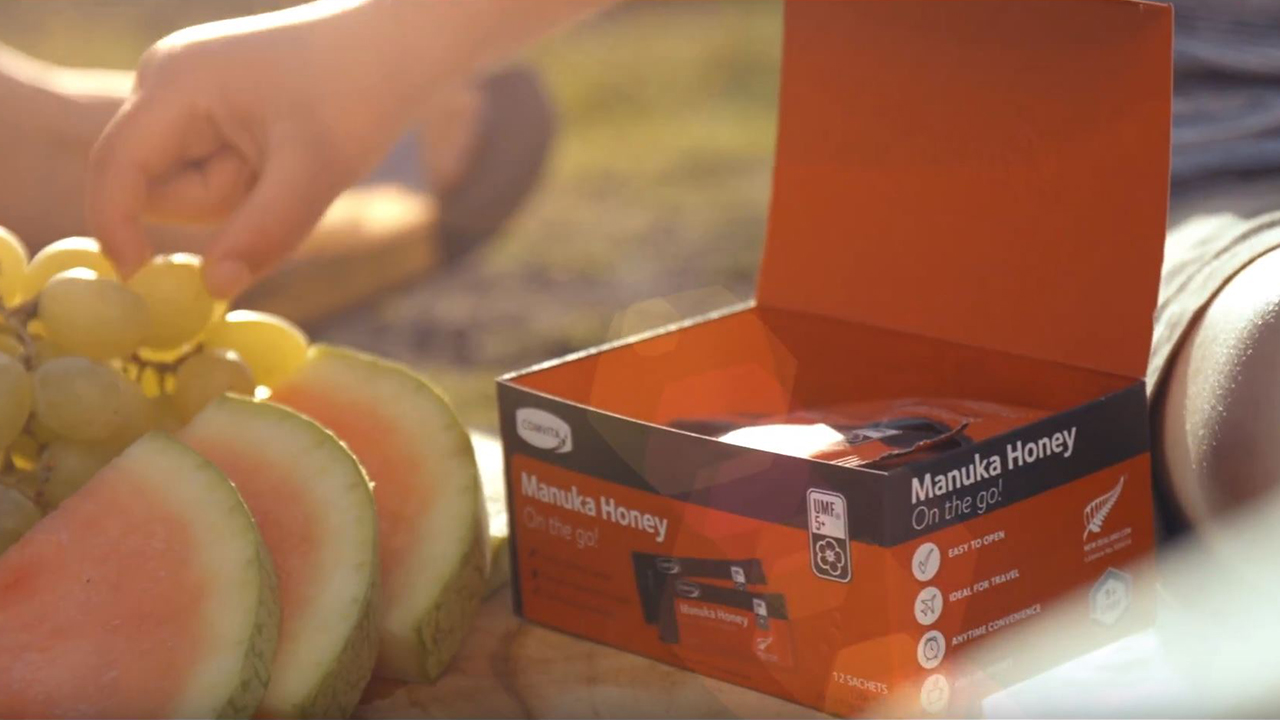
    New Zealand honey business Comvita has entered into a conditional agreement to acquire the remaining 49 per cent of its China joint venture, Comvita Food Ltd and Comvita China Limited.

    The acquisition will be funded through the issuing of 4.05 million new shares, as well as a payment of $3.19 million.

    “This completes the ‘final piece of the jigsaw’ with respect to our China Strategy, which we have been working on for a number of years,” Comvita chief executive Scott Coulter said.

    “Our goal has been to gain full control of our brand across all key channels into China. This acquisition significantly strengthens our direct to China business, the key building block in our China strategic plan.”

    According to Coulter, China remains Comvita’s strongest consumer base, with its success in the region underpinned by its efforts to get closer to the Chinese consumer.

    This was initially done through a distribution relationship for 12 years, before the business entered a 51 to 49 per cent joint venture in 2017. This acquisition is the culmination of that effort.

    “China is moving into a direct trade and a formalised cross border e-commerce model, to ensure both consumer protection and fairness in taxation between online and offline ‘players’ are in place,” Coulter continued.

    “This acquisition will provide Comvita with much more flexibility to optimise sales and channel profitability in this fast evolving environment.”

    For the remainder of the year, the brand issued three goals for the China market: to achieve price harmonisation between its channels and markets, to supply key cross border e-commerce platforms directly, and to build its e-commerce and marketing capability in the region.

    Comvita chair Neil Craig noted that while the recent period had been tough on shareholders due to the execution of the brand’s strategy in China impacting its short term earnings, the brand now expects revenue from its consolidated China business to be greater than $200 million in sales annually.

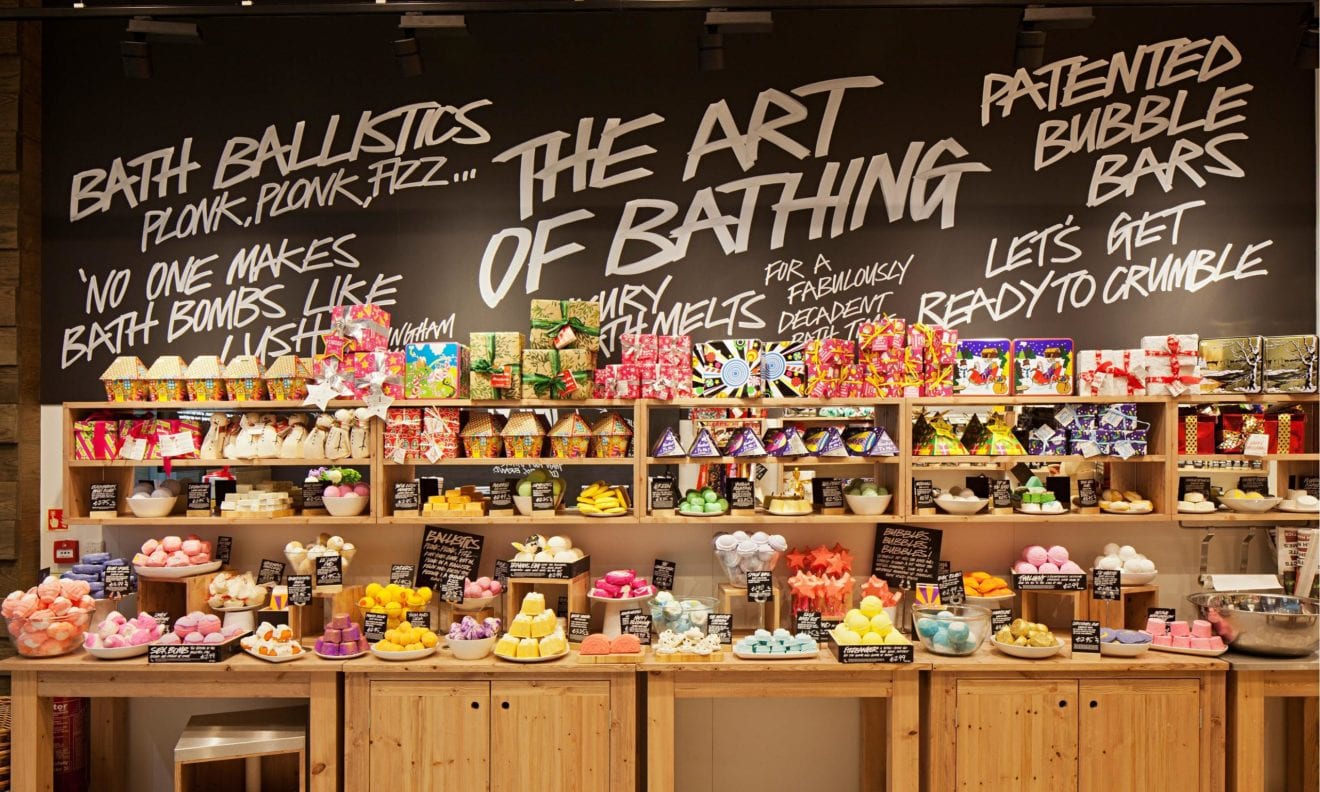
  • Lush UK to closing down most social media accounts

    Lush UK to closing down most social media accounts

    Beauty and well-being retailer Lush UK will close its social media accounts this week, citing disillusionment with the algorithms and pay-to-display policies determining how they appear in their customers’ feeds.

    The firm will shut down Lush UK, Lush Kitchen, Lush Times, Lush Life, Soapbox and Gorilla across Facebook, Twitter and Instagram. US accounts will remain active for the time being.

    Lush will instead attempt to connect with followers via its website chat feature or through more traditional means of communication, although it may still work with social media opinion leaders to provide “an opportunity for our customers to connect one-on-one with people within Lush”.

    The shutdown will silence Twitter, Facebook and Instagram channels followed by hundreds of thousands of fans.

    “We don’t want to limit ourselves to holding conversations in one place, we want social to be placed back in the hands of our communities – from our founders to our friends,” the firm announced.

  • Doc’s Barbershop in Chengdu Opens Doors

    Doc’s Barbershop in Chengdu Opens Doors

    Doc’s Barbershop has opened in Chengdu, a stunning retail space that also features a cocktail bar.

    The store was designed by Shanghai-based H Creates Design, headed by New Zealander Hannah Churchill.

    The Chengdu Taikoo Li mall venue delivers a bold, modern look with elegant accents, including a large curved plush velvet banquette and logo-etched copper wall.

    Churchill describes the design as “vintage but with clever pops of texture and colour” to give a modern and fresh look.

    “In a busy retail mall, the store aims to provide a place of refuge where a discerning patron relaxes, with a beverage in hand or having their grooming needs met.”

    The entrance is centred around a high-end cocktail bar with vintage mirror and classic detailing. The seating area to the right uses leather and velvet to create a touch of elegance is flanked on one side by a cooper-panelled wall.  The eight barber’s stations have been designed for comfort of the staff as well as providing a high-end luxury experience for the clientele.

  • Google Duo’s update saves users from overages and throttled data speeds

    Google Duo’s update saves users from overages and throttled data speeds

    Google Duo is the company’s video chatting app that allows users to stream video, make audio-only calls, and send video and voice messages. The app is available for Android and iOS users. As you might imagine, engaging in a video chat uses plenty of data. So Duo users used to be able to toggle on a feature that would limit the amount of mobile data they consumed while employing Duo.

    An update to the app replaces the Limit Mobile Data toggle with Data Saving Mode, which is turned off by default. The new feature works to lower the consumption of both cellular data and Wi-Fi data when Duo is being used. After all, many wireless carriers and home Wi-Fi providers have data caps. Breaching these caps can result in overages or throttled data speeds, two punishments that no Duo user wants to receive.

    To lower mobile and Wi-Fi data consumption, Google drops the quality of a video chat to a lower resolution. Before you decide whether to use Data Saving Mode on a video chat, a preview will show you what the video chat will look like with the feature disabled (again, the default setting) and what it will look like in the lower resolution used when the feature is enabled. With Data Saving Mode toggled on, you won’t be the only one saving mobile and Wi-Fi data. That’s because the party on the other end of the video chat will also be viewing and sending videos in low resolution, helping to lower his/her mobile and Wi-Fi data usage as well.

    This new feature, found on version 51 of Duo, is being sent out via a server-side update. If you’re an impatient sort, you can find this version of the app offered on the Google Play Store.

  • LVMH global revenue rises 16%

    LVMH global revenue rises 16%

    LVMH global revenue rose 16 per cent in the first quarter of this year, with Asia and every other geographical market fuelling growth.

    Organic growth – excluding acquisitions – was 11 per cent higher than the same period last year.

    The fashion-and-leather-goods business saw organic sales rise 15 per cent.

    “Louis Vuitton continued its remarkable growth across all of its businesses. Its performance was exceptional, its creativity ever more striking and innovative, and its men’s and women’s Autumn-Winter fashion shows were universally acclaimed,” the company said in a statement.

    “The transformational upgrade of its distribution network continued with highly successful and iconic re-openings, including Florence, London’s Sloane Street, Monaco and Shanghai IFC. Christian Dior Couture performed exceptionally well across all its product categories and regions. At Celine, the new Men’s and Women’s ready-to-wear collections arrived in stores as the new concept starts to be rolled out. Fendi, Loewe and Berluti are growing fast. Loro Piana’s vicuna and shoe collections performed well. The other Maisons continued to progress.”

    In selective retailing, organic revenue rose 8 per cent, with Sephora recording strong revenue growth and market share gains during the period.

    Online sales grew strongly and DFS grew “at a steady pace”.

    “The Gallerias of Hong Kong and Macao performed particularly well,” the company reported.

    Wine and spirits business sales rose a more modest 9 per cent in the quarter, however Hennessy cognac volumes increased by 11 per cent, driven largely by China and the US.

    In perfumes and cosmetics, organic revenue increased by 9 per cent in the quarter.

    Parfums Christian Dior had a standout quarter, helped by the launch of its new fragrance Joy.

    Louis Vuitton global revenue from watches and jewellery grew the slowest, at just 4 per cent, with watches lagging.

  • Sandro Hong Kong Opening Festival Walk Maal Boutique

    Sandro Hong Kong Opening Festival Walk Maal Boutique

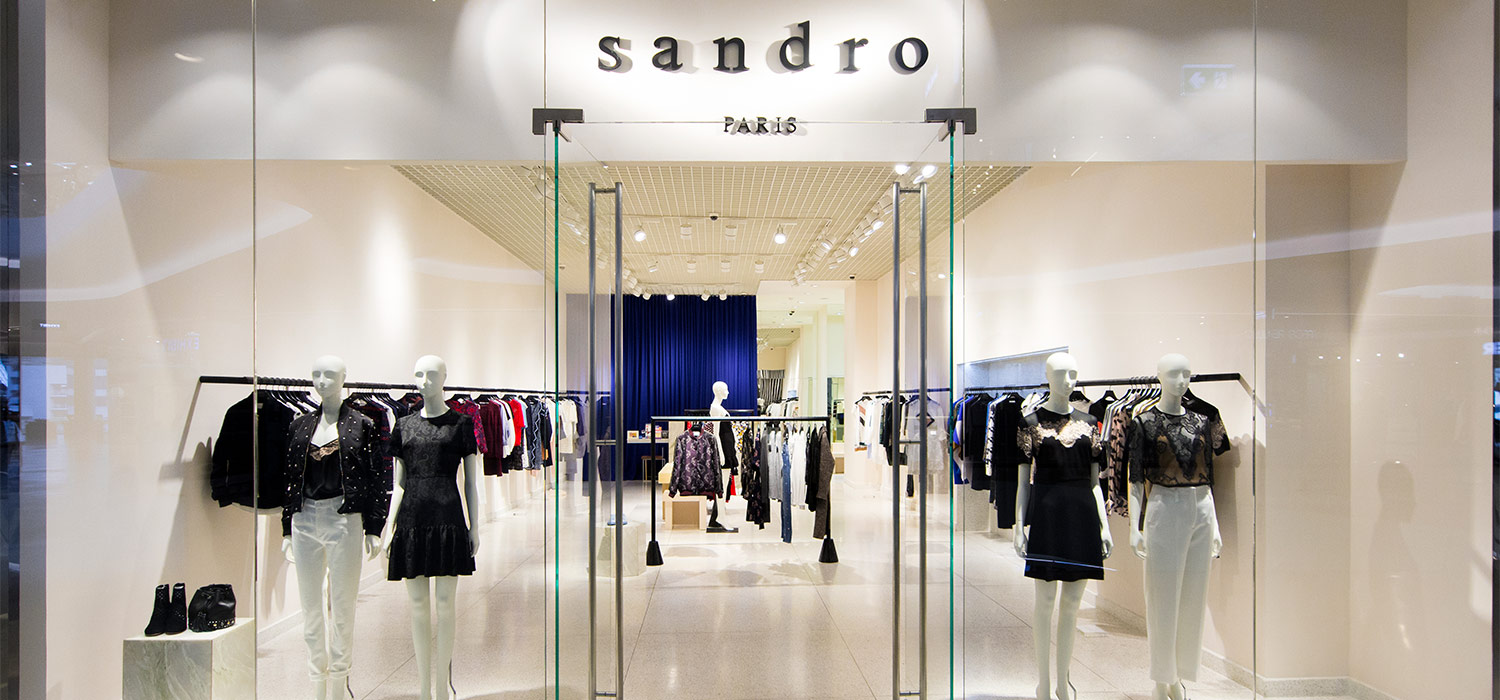
    Parisian fashion brand Sandro Hong Kong will open its Menswear and Womenswear boutique at Festival Walk Hong Kong this month.

    The 128sqm boutique features a contemporary design with a full limestone shopfront;  the boutique will showcase the most diverse range from the brand in an understated, sophisticated setting.

    The store’s interior is characterised by contrasts – as reflected in the simplicity of clean lines against strong graphic features as well as the use of different raw materials and texture such as wood and marble.

    For the Spring-Summer 2019 season, Sandro Homme will celebrate the streetwear spirit of the 1990s. The Sandro women’s look draws on contrasts from around the world and adopts duality as a fixed design feature.

    Sandro currently has more than 600 points of sales worldwide, including more than 180 in Asia.

  • Kiwis less likely to be brand “fans” than Aussies

    Kiwis less likely to be brand “fans” than Aussies

    Customers in New Zealand are less likely to be “fans” of brands, and are more likely to be “disappointed” by their shopping experience than customers in Australia.

    This is the finding of a recent comparison of New Zealand and Australian customer insights by TruRating, a customer feedback provider that launched in New Zealand this week.

    The company found that 64 per cent of Australian customers were “fans” of a brand after shopping with them. This means they gave the brand a rating of 8 or 9, which is correlated with loyalty and higher spending.

    But based on data from its nine-month soft launch in New Zealand with several local retailers, including Kathmandu and Bendon, only 54 per cent of Kiwis were “fans”.

    When it came to bad experiences, 18 per cent of Australian customers said they were “disappointed” and gave a business a rating of 0-3. This could impact average transaction value, TruRating said.

    In comparison, 24 per cent of customers in New Zealand gave a brand such a poor rating.

    The feedback company also noted a key difference in what drives customers to spend in New Zealand compared to Australia. While “overall in-store experience” was the most important factor in both countries, “product range” was the second-most important factor in New Zealand, while “service” was second-most important in Australia.

    “In Australia, customers are happiest on weekday mornings, and in New Zealand, Wednesday is the happiest day for shoppers,” TruRating said.

    “In general, New Zealand customers are least happy with their experience on Sundays, which is unfortunate as they are likely to spend more on this day.”