Author: Mei Ling Tan

  • Tesco Asia sales fall after restructuring

    Tesco Asia sales fall after restructuring

    Tesco Asia like-for-like sales fell 6.2 per cent last year, but the decline eased to 3 per cent in the fourth quarter as restructuring of the Thai business took effect.

    UK-headquartered grocery retailer Tesco Group included the results of its Tesco Asia operations in its annual results filing released yesterday.

    Tesco Asia’s operating profit for the year was £286 million (US$374.9 million), down 4.3 per cent. But the company commented that supplier negotiations have concluded and the significant restructuring is now complete, paving the way for improved results in the year ahead.

    “In the first half, profit was impacted by the combined effect of sales deleverage, price investment and repositioning of promotional investment in Thailand,” the company said. “Performance improved significantly during the second half as we successfully concluded renegotiations with our suppliers and accelerated plans to restructure our store and office operations in Thailand. As a result, we have been able to recover our operating margin more fully and quickly than we had anticipated at the half-year stage.”

    Total sales in Asia – where it operates Tesco Lotus in Thailand and Tesco hypermarkets in Malaysia, were down 1.6 per cent, after excluding sales taxes and fuel. The company achieved £4.055 billion in sales in Thailand and £818 million in Malaysia.

    Tesco Asia opened two stores in Malaysia and 70 in Thailand during the year. It closed one in Malaysia and 56 in Thailand, leaving a net total of 73 and 1965 respectively, which accounts for almost a third of Tesco Group’s global network of 6270 stores.

    Globally, Tesco Group achieved a 28.8 per cent increase in pre-tax profit to £1.67 billion, which GlobalData retail analyst Thomas Brereton said was evidence of the success of CEO David Lewis’ turnaround plan, now four years in.

    ‘‘Tesco’s strong full-year announcement today produced a flurry of appealing results,” said Brereton.

    “Shareholders … should be feeling extremely confident that Tesco will be one of the better-performing supermarkets for the rest of this year.”

    He said Lewis has lived up to his nickname of ‘Drastic Dave’ at Tesco, “mercilessly streamlining the business over the past four years, ditching divisions that obstruct the group from reaching the promised operating margin level”.

    But Brereton said Lewis now faced a challenge of what to do next, having almost achieved every single five-year target set four years ago when he took control of the then-struggling business.

    “Tesco now needs to set itself some new objectives.”

  • Pokemon GO’s most beloved event is back with stunning prizes

    Pokemon GO’s most beloved event is back with stunning prizes

    Niantic, the game studio behind Pokemon GO, has just announced that one of the title’s most popular events will be back for seven days starting next week. The Pokemon GO Eggstravaganza will start on April 16 at 1:00 pm PDT and should end on April 23 at 1:00 pm PDT.

    Pokemon GO veterans will be happy to know that during the event, many rare Pokemon will be available in 2 km Eggs such as Pichu, Smoochum and Magby, while Egg-focused Field Research will be available to complete.

    Obviously, that’s not all, as developers announced that every egg hatched during the event will also include bonus Candy that will help players to boost their newly hatched Pokemon. One other rare Pokemon – Buneary will join the even, and if you’re very lucky, you’ll be able to encounter its Shiny form.

    To sum it up, for exactly a week starting April 16, Pokemon GO players will receive bonuses (2x Hatch Candy, 2x Incubator effectiveness, Lucky Eggs will last twice as long) and a chance to catch rare Pokemon (Pichu, Smoochum, Magby, and Shiny Buneary). Make sure to turn on Adventure Sync to benefit from these prizes throughout the Eggstravaganza event.

  • Walmart Hires robots to handle cleaning and unboxing

    Walmart Hires robots to handle cleaning and unboxing

    US retailer Walmart is adding thousands of robots to its stores to handle cleaning tasks, allowing workers more time to help customers.

    Walmart said by February 2019, it will have introduced the 920-pound autonomous floor scrubbers at 1,860 of its 4,700 US stores.

    The robots will clean the floors and unload boxes in its stockrooms. The “smart assistants” can scan shelf inventory at 350 stores and bots will be placed at 1,700 stores to automatically scan boxes as delivery trucks drop them off and they are sorted onto conveyor belts.

    “The overall trend we’re seeing is that automating certain tasks gives associates more time to do work they find fulfilling and to interact with our customers,” CEO Doug McMillon told of the new technology last year.

    Walmart is hoping that the bot army will increase sales and in-store efficiency. The retailer said it’s quite difficult to find workers to work overnight to receive the supplies from trucks.

    “We’re seeing increases in sales and reductions in turnover in what had been a very difficult job to fill,” CEO McMillon told.

    Walmart goes high tech

    Last year Walmart invested over US$2 billion to remodel stores around the country and improve online shopping services for its new in-store pickup feature. Walmart said on Tuesday that it would bring 16-foot-tall automated vending machines to 900 new stores this year to quickly fetch customers’ online orders.

    “There is a labor shortage in retail. It will not be easy for Walmart to add labor to perform these functions. So a high level of automation is required,” said Kirthi Kalyanam, director of the Retail Management Institute at Santa Clara University told.

    Earlier this month the retailer announced a partnership with Google on the new Walmart Voice Order which allows shoppers to order groceries through Google Assistant.

  • AirAsia’s Penang-Melaka flights to start Early July

    AirAsia’s Penang-Melaka flights to start Early July

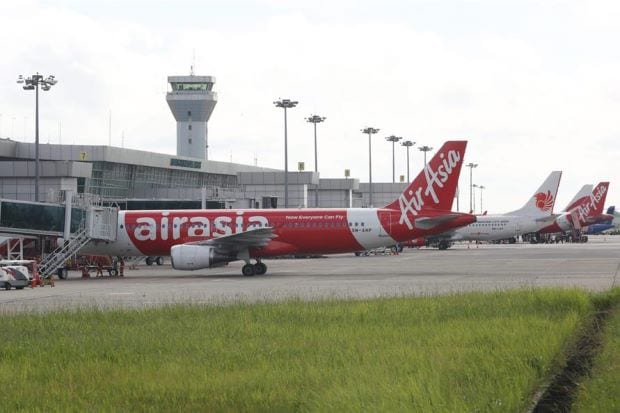
    AirAsia will begin its new direct flight from Penang to Melaka on July 1, 2019. The budget airline said the flights would boost tourist arrivals to Melaka, helping to support the state government’s target to attract 20 million visitors in 2019.

    In a statement today, AirAsia said in its quest to celebrate this milestone, the airline is offering free seats for the new route with all-in member fares from as low as RM12 for one-way travel.

    Chief executive officer Riad Asmat said with its Unesco world heritage listing and rich history, Melaka is a choice tourist destination in Malaysia.

    “This new route further strengthens our tourism footprint in Malaysia, providing more options for international visitors to travel between the states of Penang and Melaka.

    “We look forward to continuing our work to explore even more new routes to Melaka from other parts of our Asean network,” he said.

    To mark the occasion, AirAsia is offering its guests up to 50% off hotels in Melaka or Penang, and an extra 5% off using the promo code HOTEL5.

    To book, log in to airasia.com or the AirAsia mobile app from now until April 21, 2019 and travel from July 1, 2019 to June 2, 2020. “To book for hotel in Penang and Melaka, you can visit https://bagasi.my/hotel for more recommended stays.”

  • Google confirms more Pixel tablets to Arrive

    Google confirms more Pixel tablets to Arrive

    The Android tablet market was once much riches with many more options than the iPad market, but as consumers shifted their attention to smartphones with big displays, many companies have decided to shrink their tablets portfolio or drop it altogether.

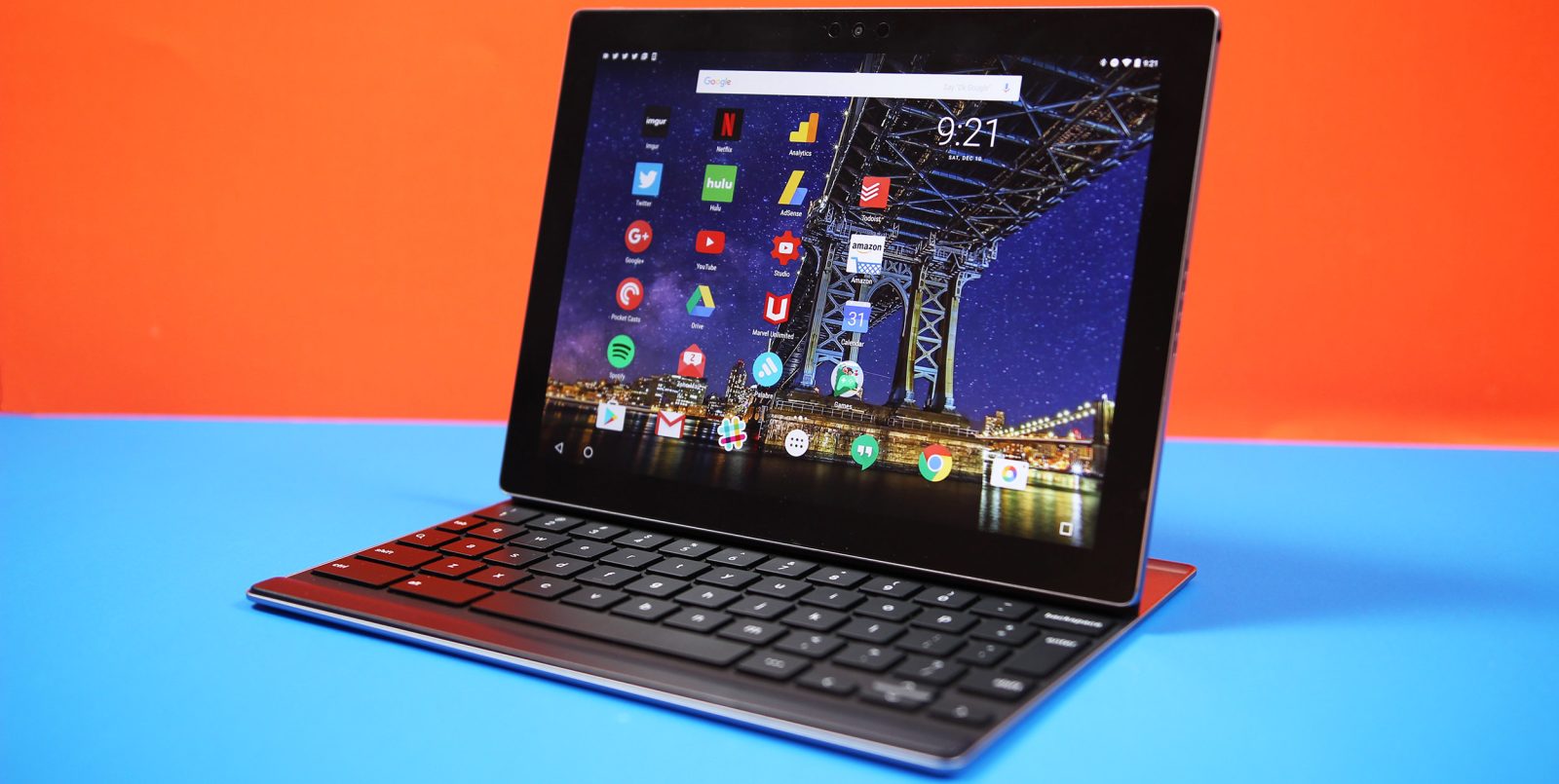
    Google has adopted the same strategy in the last couple of years. Even though the Pixel Slate was launched about six months ago, this is a 2-in-1 tablet and laptop rather than a pure Android tablet. The last such product Google released on the market is the Nexus 9, an Android tablet built in collaboration with HTC, which made its debut on the market back in 2014.

    Samsung on the other hand, along with a couple of other Chinese companies like Lenovo and Huawei, has continued to launch Android tablets on a regular basis. Of course, the same applies to Apple, as the Cupertino-based giant now owns an impressive iPads portfolio.

    All information coming from various sources painted a rather bleak picture for the Android tablets segment, as reported last month that even Google plans to move dozens of employees from its laptop and tablet division to other posts within the company.

    The report cites “roadmap cutbacks,” but also points out that team members have been advised to find new roles “temporarily” within Google or Alphabet. The fact that people working for the laptop and tablet division were supposed to find temporary roles in other teams suggests that Google may decide to boost staffing on these teams at any time.

    At the beginning of the week, at Cloud Next 2019, Google hosted a conference, suggestively named “Introducing Google Hardware for Business,” where it reiterated that a new device to help the workforce “be production on-the-go” might be launched soon.

    The tools they have aren’t really conducive to the lifestyle and work style that makes them maximally productive and excited about going to work every day. And we think there are some unique things we can do differently than the Pixelbook and Pixel Slate that are going to really help give them what they’re looking for when they’re working in this new modern cloud-first era.

    A Pixel Slate sequel is more likely rather than a traditional Nexus tablet. Google also mentioned that although it doesn’t have any announcements ready to go live regarding the upcoming laptop/tablet this week, such a product will certainly be revealed “down the road.”

    Although statements made during Google’s Cloud Next 2019 even allow us to make some predictions the company’s plans for the laptop and tablet division, it’s impossible to tell what the search giant wants to do “differently than the Pixelbook and Pixel Slate.”

    Interestingly enough, Steve Jacobs, Pixelbook Group product management leader, who stated the above, coordinates three different categories within Google’s Core Technology group: Pixelbook, Pixel Slate, and Emerging.

  • Vietnamese banks find out car loans not low-hanging fruit

    Vietnamese banks find out car loans not low-hanging fruit

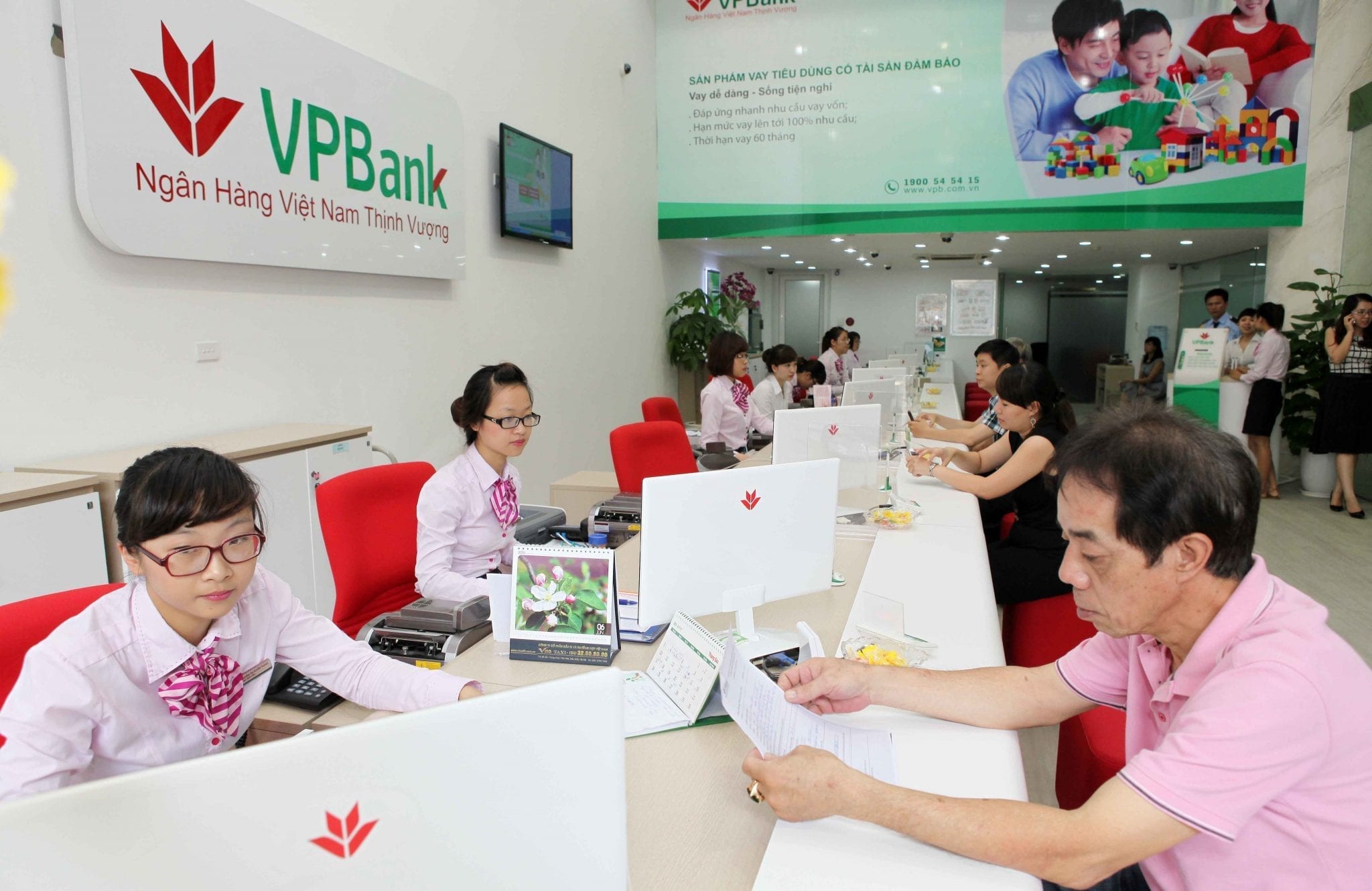
    Vietnamese banks are struggling to recover overdue car loans since many customers mortgage vehicles bought using bank loans. Dao Minh Tuan, manager of the debt recovery department at private lender Vietnam International Bank (VIB), said 50 percent of non-performing car loans are because of this.

    Borrowers are supposed to get the bank’s permission before pawning a car, but most don’t, which makes it difficult for the bank to repossess the car, he said.

    “Pawn shop owners decline to meet our staff while our customers are unreachable. As the banks do not technically own the car, we have trouble recovering the debt.”

    Since banks normally lend 80-100 percent of the cost of a car, getting the cars back by paying off pawnbrokers would cost too much, he said.

    “The last resort would be to sue the customer, but this will take a long time and cause damage to both sides.”

    Banks also have to pay a commission to car dealers of 0.7-1 percent and offer competitive interest rates of 7-9 percent in the first year. All this means, in a competitive, crowded segment, banks are unable to earn much.

    A banking expert who asked not to be named said: “Banks which want to maintain high credit growth often focus on increasing the amount of car loans, not quality.”

    Those focused on this segment are usually banks which are not competitive in other areas with higher interest rates, such as real estate, the expert said.

    The auto loans segment has seen average growth of 38 percent in 2012-2016, according to data from Viet Capital Securities VCSC.

  • FastGo announces Vietnam’s first helicopter ride-sharing service

    FastGo announces Vietnam’s first helicopter ride-sharing service

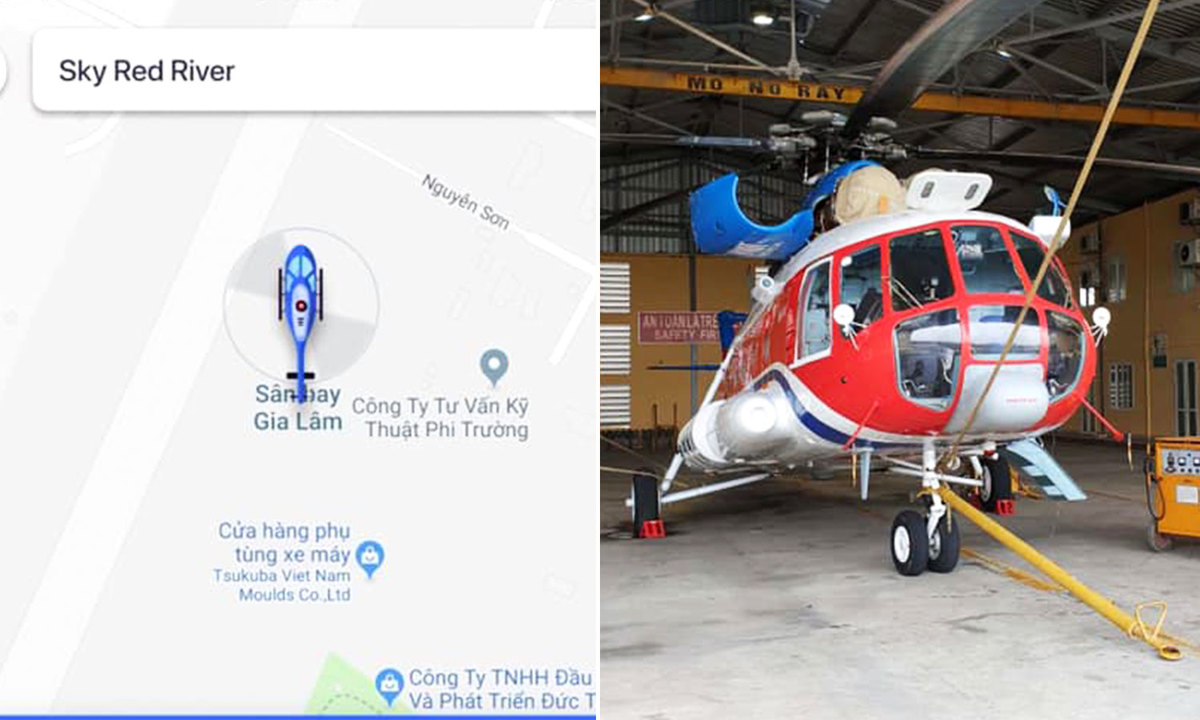
    Vietnamese ride-hailing firm FastGo plans to launch the country’s first helicopter ride-sharing service in Hanoi this month, focusing on tourism in northern provinces.

    CEO Nguyen Huu Tuat told that FastSky’s first flight will take off on April 25.

    With 12 passengers to a helicopter, FastSky will operate tours from Hanoi to northern tourist destinations such as the Red River and Ha Long Bay.

    “Apart from SkyTour, we’ll also operate SkyWedding services for wedding photography and SkySOS for emergencies in which helicopters will land on Hanoi skyscrapers to pick up patients,” Tuat said.

    Prices vary for each service. A tour will cost a minimum of $125 per person, which can be paid in installments over a period of 12 months.

    Tuat said: “We offer premium services for business people but also want everyone to have a chance to fly. FastSky will be a game-changer in the transport industry.”

    FastGo only provides technology solutions while helicopters and pilots are provided by a partner who is permitted to fly in Vietnam, he said, but declined to reveal the company’s name.

    FastGo began operations last June, a few months after Uber announced its exit from Southeast Asia.

    The company, part of Vietnamese technology start-up NextTech Group, expanded to Myanmar last December.

    It plans to launch operations in Singapore this month and in five other countries in the region, including Indonesia and the Philippines, by the end of the year.

    With almost 60,000 drivers on board, the company claims to be the second most popular ride-hailing firm in Vietnam after Grab.

  • Indian startup WoodenStreet thrives with O2 Growth Hacking

    Indian startup WoodenStreet thrives with O2 Growth Hacking

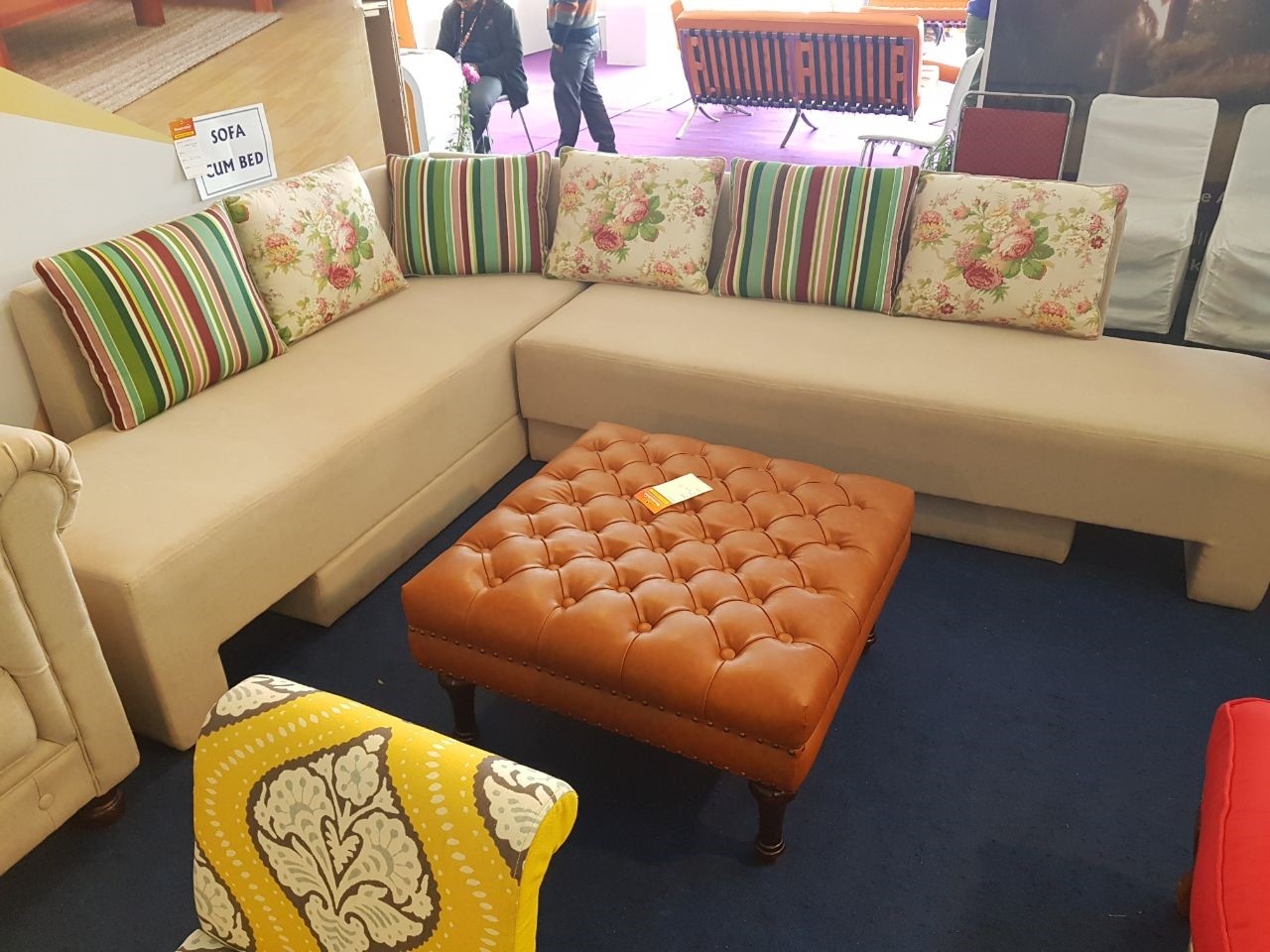
    Indian furniture startup WoodenStreet is targeting 15 additional experience stores in the territory by the end of the year.

    The firm, which specialises in customisable furnishings, currently operates 12 locations throughout India as well as more than 30 delivery hubs.

    “Our country is a diverse nation,” said the firm’s CEO Lokendra Ranawat, “which means that no two homes are the same. Our design tastes are influenced by our upbringing and our culture, so why should we be forced to buy furniture that does not match them? We want people to be free from such constraints.

  • BMW 620d Gran Turismo Launched In India

    BMW 620d Gran Turismo Launched In India

    Adding a new entry-level variant to the 6 Series GT line-up, BMW India has introduced the new 620d in the country. The new BMW 620d Gran Turismo is priced at ₹ 63.90 lakh and is available in the Luxury Line design scheme. The 6 GT is already available in the 630d GT diesel Luxury Line and M Sport trims, and the new 620d GT joins the model at the automaker’s Chennai-based production facility for local assembly. The new model is now available for bookings at the company’s dealerships and BMW says it diversifies the 6GT’s diesel portfolio. Despite being the more affordable version, the new 620d GT is loaded on all the essential electronics and creature comforts that the German models are known for.

    Speaking on the launch, BMW Group India – President, Dr. Hans-Christian Baertels said, “With the launch of the first-ever BMW 6 Series Gran Turismo, we created a new segment in the Indian luxury car market. Its distinctive vehicle concept, which fuses the long distance comfort of a luxury sedan and modern functionality in an alluring coupé style, has proven to be an instant hit in this class and has become a trend-setter. The BMW 620d Gran Turismo featuring an exceptionally efficient entry level diesel engine further strengthens the portfolio of the first-ever BMW 6 Series Gran Turismo.

    This is for the first time that the BMW 620d Gran Turismo variant is being sold in India. The model can seat five in comfort and gets a host of features including a two-part panorama glass roof, electrically operated adjustable rear seats with electrically operated sunblinds for rear side. There is also a rear-seat Entertainment Professional system with two 10.2-inch colour screens mounted behind the front-seat backrests, a BluRay player, HDMI connection for mobiles, as well as various connections for MP3 players and gaming consoles.

    The design language on the BMW 6 Series GT line-up was updated last year and the model 620d Gran Turismo continues to come with the frameless windows, distinctive coupe roofline, and an automatic tailgate. The wide kidney grille continues to bring the imposing stance and is complemented by the wide Adaptive LED headlights with BMW Selective Beam and cornering lights. The 620d GT also comes with an Active rear spoiler, while the Luxury Line trim adds a dash of chrome to the package for a premium appeal.

    Inside, the BMW 620d Gran Turismo gets a leather-wrapped sports steering wheel, ambient lighting with exclusive colours and fine wood inserts across the cabin. The pearl chrome finish also highlights the exclusivity of the variant.

    With respect to the powertrain, the BMW 620d GT uses the 2.0-litre four-cylinder Twin Turbo diesel engine tuned for 188 bhp and 400 Nm of peak torque available between 1750-2500 rpm. The 620d Gran Turismo is fast and can propel from 0-100 kmph in 7.9 seconds. The motor is paired with an 8-speed Steptronic automatic transmission and gets cruise control, as well as multiple driving modes – Sport, Comfort, Comfort+ , Eco Pro and Adaptive. The car comes with an adaptive 2-axle air suspension with automatic self-levelling for improved ride comfort and also sharpens the driving dynamics.

  • Tata Altroz Spotted In India Sans Camouflage

    Tata Altroz Spotted In India Sans Camouflage

    The upcoming Tata Altroz premium hatchback was recently spotted in India sans camouflage. The spy photo posted by the forum Supercharged is claimed to have been taken at Tata Motors’ plant, and thus we can also see a few Tata Harrier SUVs around it. The car appears to be production ready and comes in the same Yellowish-Gold shade that we saw on the Altroz showcased at the Geneva Motor Show. Expected to be launched around mid-2019, this photo indicates that the carmaker might soon be ready to begin full-scale production of the Tata Altroz.

    Visually, the car appears to be identical to the Tata Altroz unveiled at the Geneva Motor Show, which could mean that the India-spec model will be similar to the global-spec Altroz. The model seen here appears to be the top-spec variant, and it seems to come with LED lightings like – LED projector headlamps, LED DRLs, electrically operable ORVMs with turn lights, and LED taillamps. However, the car gets a different set of alloy wheels, compared to the show cars seen at the Geneva Motor Show.

    The Tata Altroz is built on the company’s new ALFA Agile Light Flexible Advanced (ALFA) Architecture and will be the first model to get the underpinnings of this new platform. Furthermore, the design and styling are a part of the company new Impact Design 2.0 philosophy, which was also used for the Tata Harrier. While we do not get to see the cabin of the car in these images, similar to the exterior, the interior too is likely to remain identical to the car showcased in Geneva. Expected features include a floating touchscreen infotainment system with Apple CarPlay and Android Auto, a semi-digital instrument cluster, multi-functional steering wheel, and a host of other premium creature comforts.

    Under the hood, the Tata Altroz will borrow its powertrain options from the Nexon, featuring the same 1.2-litre petrol and 1.5-litre diesel engines, along with the option of both, a manual and an automatic transmission. Upon its launch, the car will rival the likes of Maruti Suzuki Baleno, Honda Jazz, and Hyundai i20.

  • MG eZS Electric SUV Unveiled Globally

    MG eZS Electric SUV Unveiled Globally

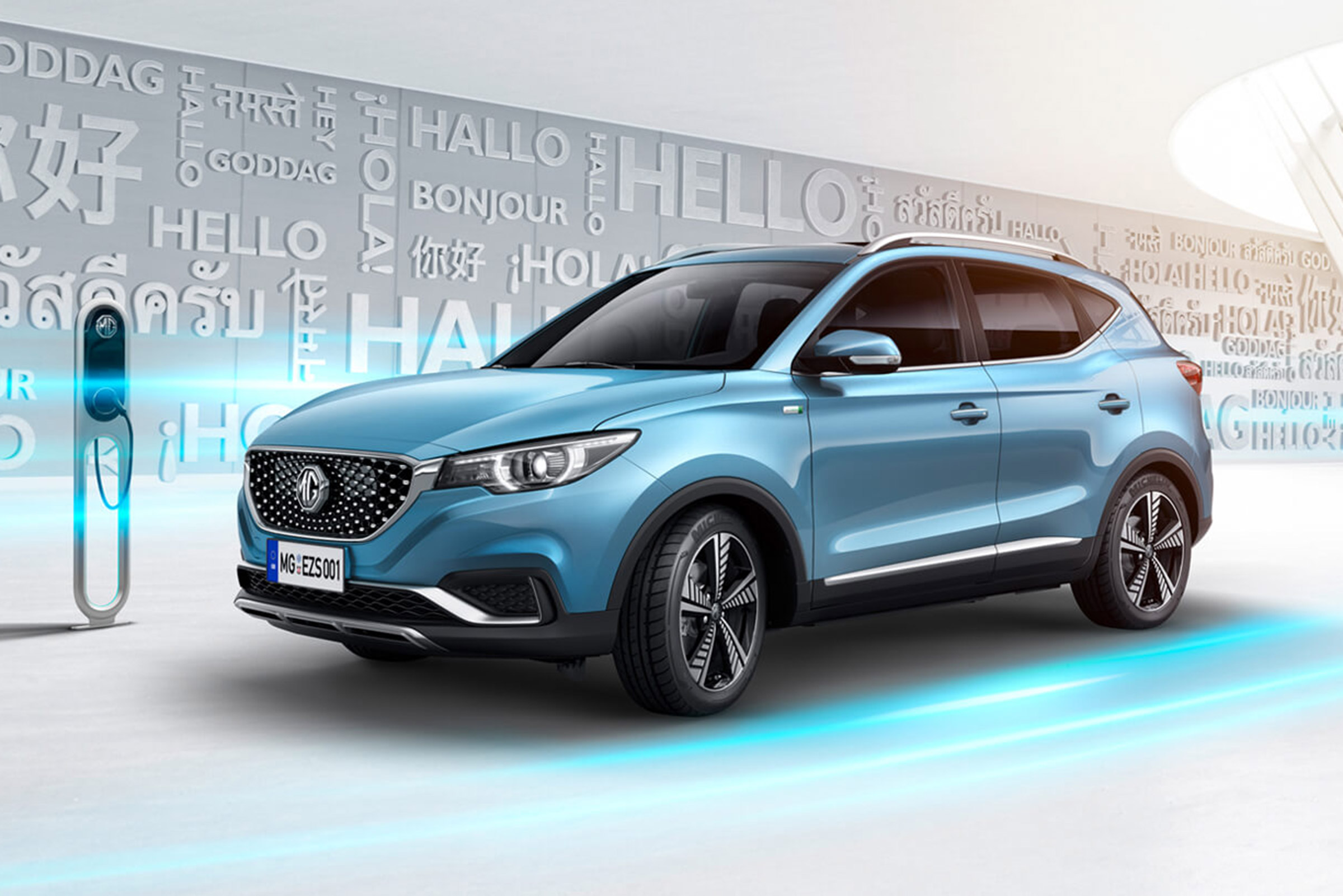
    MG Motor or Morris Garages took the wraps off its new pure electric SUV, the MG eZS. MG says that the international launch will happen soon and India will be getting it too before 2019 draws to a close. The MG eZS will be one of the first ever fully electric SUVs in India when it is launched. It will subsequently be launched in some other markets like the UK, Germany, Australia, Thailand and the Middle East. The eZS will be MG’s second launch in India after the upcoming MG Hector, which should be launched in the country in the next couple of the months.

    “With a modern design and advanced technology, the MG eZS will herald a new chapter in environment-friendly solutions in India. While the petrol version of the MG ZS had already become a popular choice globally, we are confident that its zero-emissions electric equivalent will bring accessible electric motoring to the customers in India upon its launch by the end of this year,” said Rajeev Chaba, President & Managing Director, MG Motor India. The company further shared that its electric vehicles would have over-the-air (OTA) technology and would go over 250 km in a single charge.

    By the end of 2019, MG Will have a total of 120 sales and service outlets across India and the company said it will also reach out to Indian target audience and educate them about electric vehicles and look to address issues such as range anxiety and charging infrastructure. Like the MG Hector, the eZS will also feature MG’s iSmart Next-Gen connected technology.

    Connectivity will be an important part of all MG vehicles and the upcoming MG Hector will come with a new advanced connectivity system called i-Smart next-generation system, a complete integrated solution that combines software, hardware, connectivity, services and application. The system has been developed in collaboration with several technological partners like Cisco, Unlimit, and Microsoft among others. The iSmart connectivity system comes with advanced technology, smart application, built-in Apps, Artificial Intelligence (AI), Smart Features, Voice Assist, and Infotainment.

  • Vietnamese stocks slide as lack of information hits large-caps

    Vietnamese stocks slide as lack of information hits large-caps

    Vietnamese shares slid yesterday as large-cap companies faced strong selling amidst a lack of supportive information while investors awaited discussions on the amended securities law. The benchmark VN-Index on the Hồ Chí Minh Stock Exchange fell 0.91 per cent to end at 988.48 points.

    The southern market index climbed 0.84 per cent on Monday.

    More than 165 million shares were traded on the southern bourse, worth VNĐ4.24 trillion (US$182 million).

    Market breadth was negative with 207 declining stocks, while 111 stocks advanced and 45 ended flat.

    Fifteen of the 20 sector indices ended Tuesday on a negative note, dragged by real estate, energy and petroleum, rubber and plastics and consumer staples.

    Those sector indices lost between 1.1 per cent and 3.1 per cent, data on vietstock.vn showed.

    The energy and petroleum sector was the worst-performing one on the stock market.

    Petro stocks such as PetroVietnam Gas (GAS) and PetroVietnam Drilling and Well Services (PVD) reversed after oil prices encountered volatility on Tuesday.

    GAS shed 1.9 per cent while PVD slipped 3 per cent.

    Real estate firms also dragged the market down, with the industry index falling 2 per cent.

    Among the worst-performing property developers were Vincom Retail (VRE), Vingroup (VIC) and Hòa Bình Construction Group (HBC).

    According to MB Securities Co (MBS), the VN-Index slid as leading stocks moved in different directions and pressured market sentiment.

    Foreign selling also caused negative movement for the stock market, which ended at a net VNĐ277.4 billion, MBS said in its daily report.

    In addition, gloomy earnings forecasts for 2019 for listed companies weighed on investors’ confidence ahead of the National Assembly Standing Committee meeting on April 10-18, in which the draft on amended Law of Securities will be discussed, MBS noted.

    “The stock market is clearly in its instability stage as large-cap stocks are still heavyweights. It is likely the VN-Index will fall whenever large-cap stocks are hit by strong selling,” Thành Công Securities Co (TCSC) said in a note.

    In addition, listed firms are experiencing a lack of supportive information, making investors unwilling to buy their stocks and reducing market liquidity, TCSC said.

    Therefore, the VN-Index may struggle at the current level of 990 points in the next trading days with focus shifted to companies with positive first quarter earnings, the company said.

    On the Ha Noi Stock Exchange, the HNX-Index slid 1.12 per cent to end at 107.71 points.

    The northern market index climbed nearly 1 per cent in the first trading day of the week.

    Nearly 48 million shares were traded on the northern bourse, worth VNĐ669 billion.

  • Emirates offers summer promotion tickets

    Emirates offers summer promotion tickets

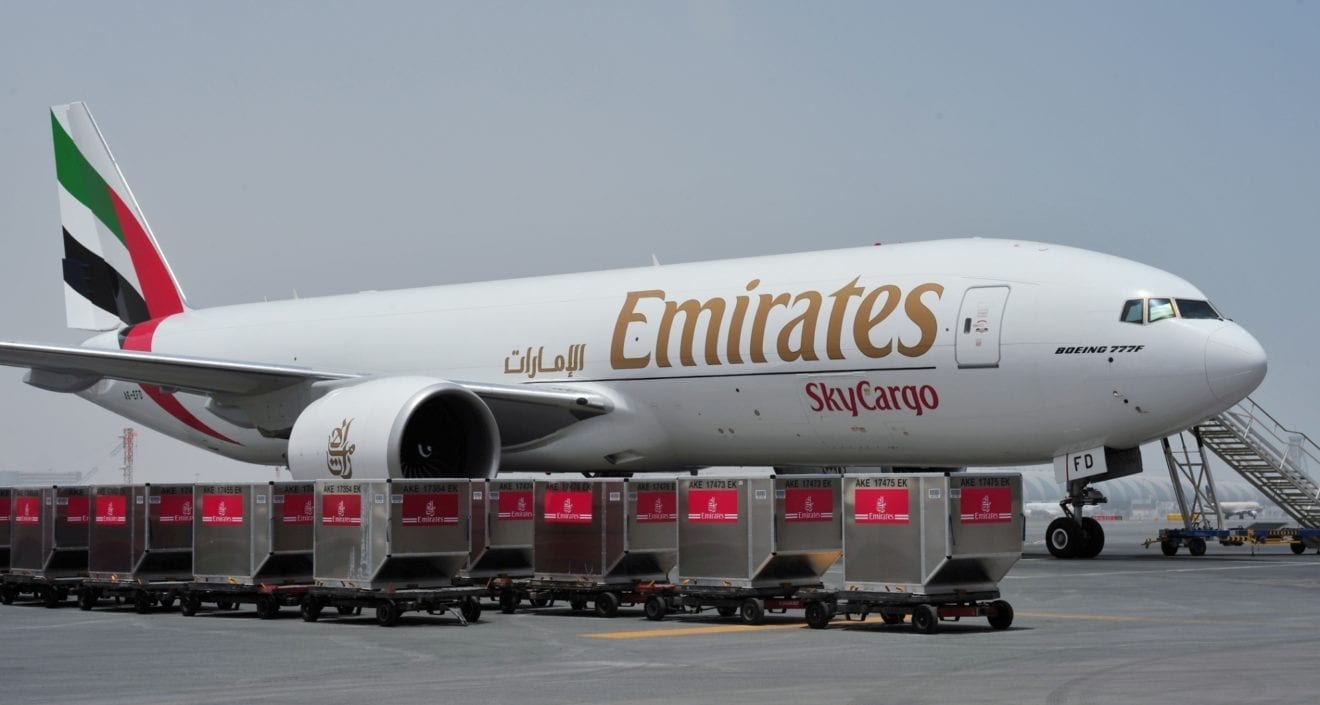
    Emirates offers summer promotion fares for customers from Vietnam who book tickets from now until April 22 and travel from April 15 until November 30, 2019.

    Economy Class fares start from VNĐ17,189,000 (US$747) to Dubai, VNĐ19,999,000 ($870) to Paris, VNĐ21,809,000 ($948) to London, VNĐ23,819,000 ($1,035) to Amsterdam, VND25,189,000 ($1,095) to Madrid, and VNĐ27,179,000 ($1,181) to Boston.

    The Early Bird promotion also offers very attractive Business Class fares, only from VNĐ66,079,000 ($2,873). Business Class passengers traveling on the Boeing 777 can enjoy unprecedented levels of comfort with wider and more ergonomic seats that recline into a lie-flat position for a restful sleep.

    In addition, Emirates passengers from Vietnam who purchase Economy Flex or Flex Plus fares can enjoy 30kg and 35kg baggage allowance, respectively. When booking Flex or Flex Plus fares, Skywards members earn more Skywards and Tier Miles, allowing them to earn the next reward or reach the next tier faster.

    Emirates currently operates daily non-stop flights between HCM City and Dubai, and daily non-stop flights between Hà Nội and Dubai. Through its Dubai hub, Emirates offers passengers travelling from Việt Nam convenient connections to an extensive global network in the Middle East, Africa, Europe, the US and South Asia.


  • Game of Thrones exhibition flown in for Cityplaza

    Game of Thrones exhibition flown in for Cityplaza

    PCCW Media’s OTT entertainment platform Now E is staging a Game of Thrones exhibition at Cityplaza’s second-floor atrium and centre bridge for a fortnight, starting today.

    The mall promotion has been created in partnership with HBO and heralds the approaching end of the cult TV series hit.

    An Iron Throne has been flown into Hong Kong to become the centrepiece of the Game of Thrones exhibition and eight interactive zones have been set up to recreate scenes from the TV series.

    The final season of Game of Thrones premiers in the US and Hong Kong on Monday (April 15).

    The Now E x HBO Go: Game of Thrones Ultimate Experience’s interactive exhibition zones, each represent classic scenes and characters from the show.

    Mall visitors will be invited to sit on the Iron Throne and take pictures with 3D Stereoscopic Paintings.

    Another exhibition highlight will be Viserion, a six-metre-long ice dragon weighing more than 1360kg.

    Exhibition goers will be able to have photos taken with characters in front of a display wall, or pretend to be a White Walker in an interactive photo zone.

    In another feature of the installation, fans can get their own House Sigil Leather Coasters to represent their favorite kingdoms.

    On arrival at Cityplaza, visitors will each receive a Game of Thrones exhibition passport and receive a limited-edition Four House Sigil sticker by collecting all four stamps at the interactive zones.

  • Michael Hill Sales Suffers

    Michael Hill Sales Suffers

    Jewellery retailer Michael Hill’s revised operating model is showing some encouraging signs, with sales falling at a slower rate in the March quarter compared to prior periods.

    Over the three months to March 31, 2019, total sales fell by 0.8 per cent to $117.5 million, and same-store sales fell by 1.5 per cent to $110 million.

    When compared to the 11 per cent decrease in same-store sales in Q1, and 2.9 per cent fall in Q2, Q3 suggests the jewellery retailer’s operations are stabilising.

    “We are particularly encouraged by the early results achieved from our new integrated customer-led retail operating model, which was introduced in March and saw some same store sales growth for the month,” Daniel Bracken, Michael Hill International chief executive,  said.

    The business indicated it would shift its business model toward a “more sophisticated and integrated” customer-led experience in February, in order to better personalise the shopping experience for its customers.

    “We have already seen the potential for the new integrated model to lift customer engagement and sales, as well as improve operational efficiencies,” Bracken said.

    “This is an exciting time for the company as we continue to deliver on our strategic initiatives and make fundamental improvements to the way we operate.”

    Michael Hill’s same-store sales in Australia fell 3.4 per cent in the quarter, with conditions remaining challenging for retailers, to $61.8 million – compared to the $64 million seen in the same period of 2018.

    While one store was opened during the period, three were closed. The retailer ending the period with 71 stores trading.

    In New Zealand, same-store sales fell 6.3 per cent to NZ$24.73 million ($23,42 million), with the end of March seeing an overall slowdown in consumer sentiment and spending in the region. One store was closed, leaving a total of 52 stores trading across New Zealand.

    E-commerce sales over the period contributed 2.9 per cent, or $12.5 million, of the business’s total sales over the nine-month period to March 31, 2019. This reflects a 53 per cent increase on the same nine-month period the previous year.