Author: Mei Ling Tan

  • Uniqlo Opening New Store in New South Wales

    Uniqlo Opening New Store in New South Wales

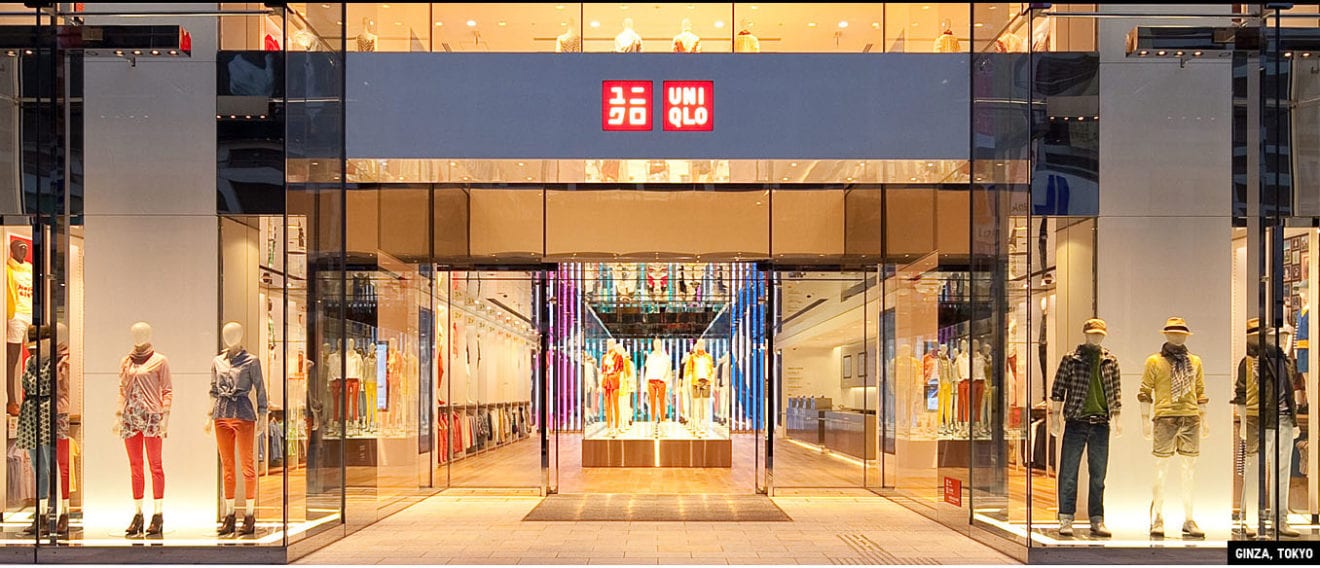
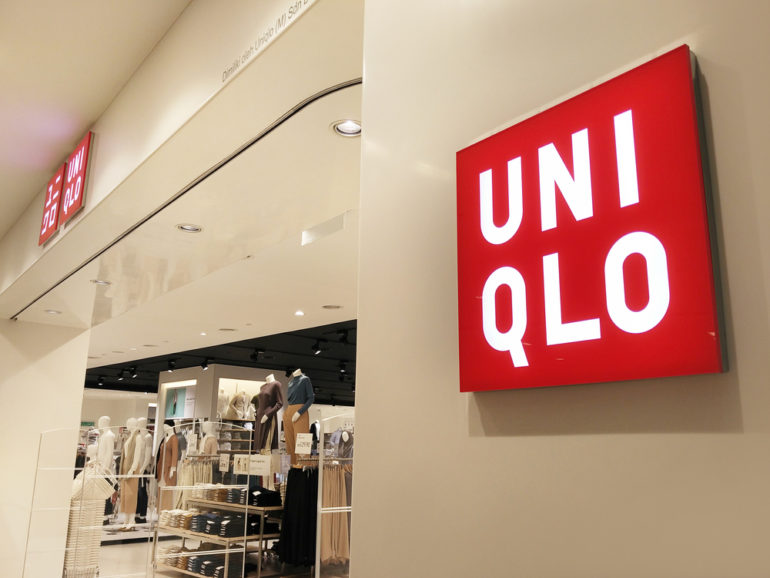
    Japanese global apparel retailer Uniqlo will open its sixth store in New South Wales tomorrow at Westfield Hornsby.

    The new store, Uniqlo’s 17th in Australia, will feature a full line-up of the retailer’s LifeWear apparel for men, women, kids and babies.

    Uniqlo said the new store underlines the brand’s commitment to growing Australia as a key market in the Asia Pacific region.

    “The opening of our sixth site in New South Wales at Westfield Hornsby demonstrates our commitment to extending our LifeWear message to all Australians by offering exemplary customer service and high quality products at an affordable price,” said Kensuke Suwa, chief operating officer for Uniqlo Australia.

    The doors to the new store will open to consumers at 10am after an official ribbon cutting ceremony and Japanese drumming celebration.

  • Asics Singapore E-commerce Platform Launched

    Asics Singapore E-commerce Platform Launched

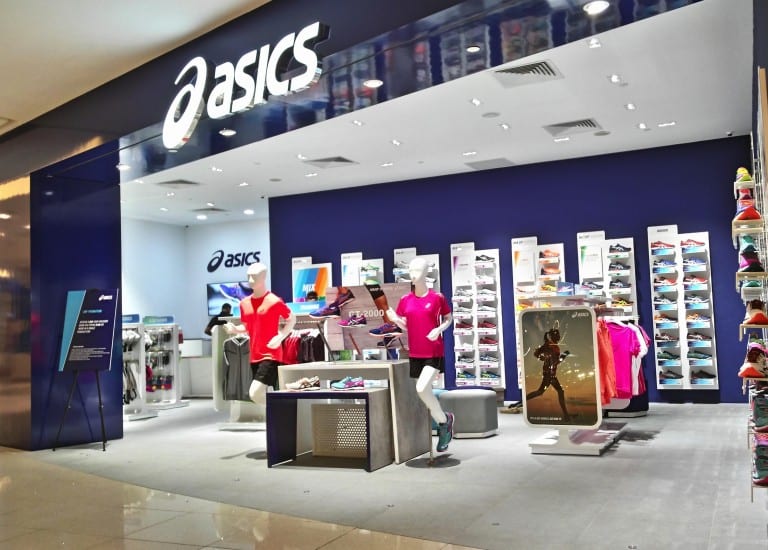
    Asics Singapore has launched an online store, with other Southeast Asian markets to follow soon.

    The one-stop destination for all Asics products introduces an integrated shopping experience with shoes exclusive to the online store and a seamless check-out experience.

    The e-commerce site will strengthen Asics’s omnichannel retail strategy in Singapore, providing avid runners with easy access to shoes across all categories and a platform to browse for new purchases while on the move.

    Shoppers can choose to collect their orders directly from the stores or have them delivered.

    Asics’ brick-and-mortar stores will have tablets accessible to customers who want to  experience the Asics.com portal while in store.

    During the next eight weeks, shoppers can collect Asics shopping vouchers at pop-up vending machines across the island. By answering the questions posted weekly on the machines, shoppers can receive an eight-digit code to obtain the vouchers.

    This month, vending machines will be placed at SAFRA EnergyOne Toa Payoh from April 8 to 17; at SAFRA EnergyOne Yishun from April 18 to 27; and at Singapore Polytechnic (InnoMall) from April 28 to May 5. More locations will be revealed on the Asics Instagram account.

  • Shiseido and AS Watson co-create skincare Beauty Line

    Shiseido and AS Watson co-create skincare Beauty Line

    Global cosmetics company Shiseido and AS Watson, the health & beauty retailer, have collaborated to co-create an exclusive derma skincare range under the “D Program” brand.

    The new Urban Damage Care range has been successfully launched in Thailand and Taiwan and will soon be launched in other Asian markets with Watsons stores.

    The collaboration is in response to a 24-per-cent growth in the derma skincare category in Asia since 2014. As more women are looking for effective derma skincare products, the online search for related topics grew by 117 per cent compared to last year.

    “AS Watson is the largest health and beauty retailer in the world that acts with speed, innovation and vision making them the perfect retailer to bring Urban Damage Care to the high street,” said Shiseido president and CEO Masahiko Uotani.

    “With AS Watson’s extensive distribution network and customer insight of the derma cosmetics category and Shiseido’s expertise in R&D and innovation, this has enabled us to co-create a range that supports our core values of putting the customers’ needs first while ensuring that it is accessible to customers.”

    The project kicked off with customer survey on a selected panel of Watsons members after Watson’s COO Malina Ngai visited Shiseido headquarters in Tokyo 18 months ago.

    “Combined with Shiseido’s 40 years of sensitive skin research and product development technology, we collaborated to develop the range that we believe will be best suitable for modern Asian females to improve their skin to defend against urban pollution,” she said.

    Following positive feedback from customers, “D Program” will be launched in China on 11 April.

  • ShopBack Secures Fresh New Funding

    ShopBack Secures Fresh New Funding

    Rewards program ShopBack has secured a further US$45 million in its latest funding round.

    Joining the shareholders’ register are newcomers including Japanese e-commerce giant Rakuten, EV Growth, and EDBI, a Singapore government-linked strategic investor.

    Amit Patel, CEO of Rakuten subsidiary Ebates and Willson Cuaca, managing partner at EV Growth, will join ShopBack’s board of directors. The new funding round takes the total investment in Shopback to $83 million.

    ShopBack has recently been expanding its core services beyond its original cashback service for online shoppers. Among them, Shopback Go, in partnership with Visa and Mastercard, which enables users to dine out and earn rewards.

    Last year, ShopBack experienced 250 per cent year-on-year growth in both orders and sales. The company powered more than 2.5 million monthly transactions for more than 7 million users in seven Asia-Pacific markets, and delivering close to $1 billion sales for more than 2000 merchant partners, both online and offline.

    ShopBack also entered Australia last year, its first market outside Asia, and opened research and development hubs in Vietnam and Taiwan.

    The company says the fresh funding will be invested in “simplifying shopping experiences, expanding data capabilities to fuel personalisation and business insights, as well as accelerating growth in key markets”.

  • Tokyu Hands Singapore to open at Jewel Changi

    Tokyu Hands Singapore to open at Jewel Changi

    Tokyu Hands Singapore will open its fourth store – at Jewel Changi – next week.

    Set to open on the 17th, the Japanese homewares retailer’s newest store in the city will feature new corners offering a selection of products based upon the trading patterns of Tokyu Hands Singapore’s existing stores.

    Each corner will feature a mix of Japanese designs considered “cool” in Singapore.

    A new section Straight up Health will feature pelvis-correction products, with actual devices available for customers to try on.

    “Travel’s Best” is a new corner which provides a collection of products aimed at travellers, along with outdoor accessories. The area offers products designed to make travelling more enjoyable.

    The Tokyu Hands Singapore store opening will feature a Japanese calligraphy performance and workshop by Malik Bin Mazlan, and a Kokuyo Exhibition, introducing Kokuyo products for a limited time.

    The retailer’s already popular Love Writing corner is being expanded with a collection of writing instruments, notebooks with superior-quality paper, and a curated range of other stationery items.

    The Tokyu Hands Singapore Jewel Changi store’s design focuses on the Japanese concept of Kodawaru, which the company says is used to “express careful pursuit, cultivation, approaches, and sensitivity to things one likes”.

    Tokyu Hands Singapore has three other stores: in Jurong East, on Orchard Road and at Suntec City.

  • Vietnamese supermarkets go back to leave packaging

    Vietnamese supermarkets go back to leave packaging

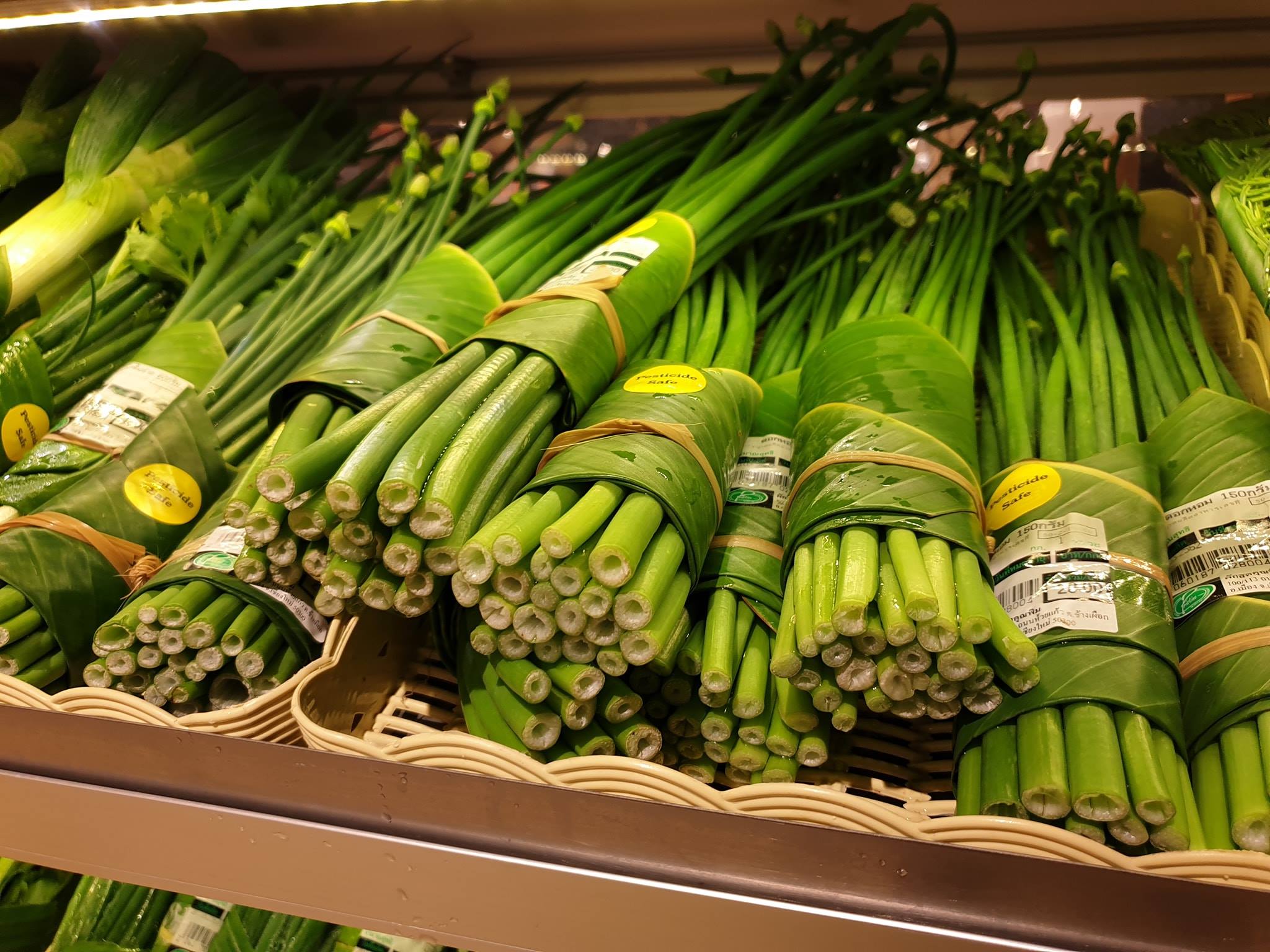
    Shoppers at Lotte Mart in Ho Chi Minh City’s District 7 were recently surprised to see scallions, okra and other vegetables produce wrapped in banana leaves.

    A representative of the supermarket chain said that the company is experimenting with using leaves to wrap veggies in one outlet, and plans to expand this later to the entire chain in the country.

    This is part of a plan to increase the use of environment-friendly products, not just for vegetables but also for fresh meat, the representative added.

    Local shoppers expressed support for the move. “When I see vegetables wrapped in these beautiful banana leaves I’m more willing to buy in larger quantities. I think this initiative will help locals be more aware of protecting the environment,” said Hoa, a District 7 resident.

    The Big C supermarket chain in Hanoi has also started using banana leaves to wrap veggies since Monday, and plans to do so in its central and southern supermarkets in the next few days. The trial is set to last a month.Saigon Co.op is also using banana leaves to wrap vegetables to replace their biodegradable wraps in some of its outlets in HCMC and other southern localities of Phan Thiet, Tay Ninh, Quy Nhon and Tam Ky.

    The supermarket chains are also providing customers with other environmental-friendly products. Lotte Mart said it is selling paper straws and food boxes made with sugarcane waste. Eggs are wrapped in paper packages instead of plastic boxes.

    Big C is offering shoppers bags made with corn powder which is completely biodegradable.

    These moves come after report highlights the large amount of plastic waste generated by Vietnamese people. The country disposes about 2,500 tons of plastic waste a day, according to official figures.

    Vietnam ranks fourth globally in the amount of plastic waste dumped into the ocean, according to the United Nations Environment Programme (UNEP).

    Some local cafes and restaurants have also been encouraging the reduction of plastic use by offering straws made with recyclable or biodegradable materials.

  • H&M tries its luck in billion dollar 2nd Hand Clothing Market

    H&M tries its luck in billion dollar 2nd Hand Clothing Market

    Fast-fashion brand H&M is testing its fortunes in the fast-growing used-clothing market.

    The Swedish brand has commenced sales of second-hand clothing in response to consumer concerns about the environmental impact of the fashion industry.

    H&M’s head of sustainability Anna Gedda says the program is being piloted in Sweden with a view to a more substantial rollout in future.

    “It comes back to the whole circular vision,” she said. “It just makes great sense to look into this business. We see this as a growing part of the industry, with great opportunities both for consumers and not least for the environmental impact, and how we can drastically reduce that by extending the life of the products.”

    The used-clothing market is expected to reach US$51 billion, double its current size, within the next five years.
    Last year, a BBC documentary portrayed fashion as one of the world’s most polluting industries.

  • Uniqlo hunts personnel for first Vietnam store

    Uniqlo hunts personnel for first Vietnam store

    According to advertisements on Jobstreet.com, a recruitment website, the Japanese corporation is looking for managerial and store level candidates urgently for its first store in Ho Chi Minh City.

    The plan to open its first outlet this fall had also been mentioned in the annual report of Fast Retailing, Uniqlo’s parent company.

    Accordingly, Uniqlo registered a domestic company, under the form of a two-member limited company, in Vietnam last October. Fast Retailing owns 75 percent of the joint venture, while diversified conglomerate Mitsubishi holds the remaining stake.

    The company has a charter capital of $8.8 million, with all of its registered legal representatives: chairman, general director and chief executives being Japanese individuals.

    This is part of Uniqlo’s plan to expand its brand globally. Apart from Vietnam, Uniqlo also expects to open its first stores in Denmark, Italy and India this year. Uniqlo’s arrival will intensify competition between foreign brands like Zara and H&M in Vietnam.

    According to German research firm Statista, Vietnam’s fashion revenue will grow 22.5 percent a year in the 2017-2022 period, reaching $988 million yearly by 2022.

    Vietnam’s revenue from the fashion segment amounted to $486 million in 2017 and $557 million in 2018, and is projected to reach $661 million this year.

    Uniqlo aims to have around 400 outlets in Southeast Asia and Oceania by 2022, generating $2.71 billion in revenue. The brand currently has 827 stores in Japan and 1,241 international stores.

  • Industries Senior exec resignations show eLogistics Challenges

    Industries Senior exec resignations show eLogistics Challenges

    Ride hailing firm Go-Viet confirmed last week that general director Nguyen Vu Duc and deputy general director Nguyen Bao Linh have quit their positions. Two days after Go-Viet’s announcement, Nguyen Xuan Truong, CEO of local delivery service Ahamove, resigned from the position he had held for 3.5 years. His departure came after Tran Duc Huy, marketing director of the company, quit in March.

    Industry insiders say that senior leaders of eLogistics firms have to leave if they are not able to satisfy drivers, customers and investors happy at the same time, which means maintaining growth in a highly competitive market.

    A senior official of an eLogistic company who asked not to be named said that Vietnamese managers face difficulties in this industry because it is new to most of them.

    These leaders need to overcome challenges in technology application, the country’s transport infrastructure and the legal framework. Besides, it becomes increasingly difficult to maintain growth when the number of partner drivers increases.

    “Drivers are called partners because they do not technically work for the company, that’s why the company needs to make both partners and customers happy while making the company grow at the same time,” the official told.

    The leaders who resigned might have done so because of the internal challenges they faced when their startups’ scale expanded, experts say. Nguyen Phuong Mai, managing director of online recruitment firm Navigos Search, said that some leaders want to have the same freedom they had when they founded the company with a group of friends, which is difficult in the later stages when they have to compromise with investors’ demands.

    Strong competitors in the market are another possible reason for the executives quitting, although they do not publicly admit this.

    eLogistics companies have to compete with each other in “burning” money to attract drivers and customers. When asked the biggest challenge an eLogistics company CEO faces, Nguyen Huu Tuat, CEO of FastGo, answered: “Money.”

    At Go-Viet, Duc and Linh’s resignations came at a time when the company was stagnating in all its services – ride-sharing, food delivery and package delivery. Since the start of this month, the company has cut its drivers’ revenue to 20 percent, prompting many drivers to consider switching to another ride-sharing service.

    Meanwhile, its main competitor, Grab, has been expanding its food delivery service and its cashless payment service GrabPay by Moca, which now has new features allowing users to pay their electricity, water and phone bills.

    Tuat said: “An eLogistic startup might have glory today and die tomorrow because the larger the company is, the more money you have to burn.”

    A report by Google and Singaporean investment firm Temasek valued Vietnam’s online and food delivery market at $500 million last year; and forecast that it would reach $2 billion in 2025.
  • Vietnam cracks down on drugstores selling without prescriptions

    Vietnam cracks down on drugstores selling without prescriptions

    The Ministry of Health has ordered that all drugstores should be connected to the national medicine database via the Internet by Monday, a move aimed at preventing the sales of drugs without prescription.

    But in Ho Chi Minh City, which has the highest number of pharmacies in the country at over 6,000, only 61 percent have linked up, according to the city Department of Health. In Hanoi, 90 percent of its over 4,600 drugstores have done so.

    Many pharmacy owners said they do not have a computer or Internet. Tran Thi Nhi Ha, deputy director of the Hanoi Department of Health, said the regulation requires pharmacies to invest in infrastructure and this takes time.

    Tang Chi Thuong, her HCMC counterpart, said inspectors would soon carry out checks to ensure compliance. “Licenses will be taken away from pharmacies that continue to disobey.”

    Most pharmacies in Vietnam sell drugs without prescriptions. In fact, around 88 percent of all antibiotics sold in urban areas are without prescriptions while the rate is 91 percent in the countryside, the health ministry said.

    The World Health Organization has listed Vietnam among the list of countries with the highest rate of antibiotic-resistant infections, with 33 percent of all patients suffering from them.

  • Nearly half of Aussie workers have experience with harassment

    Nearly half of Aussie workers have experience with harassment

    Australian workplaces have a long way to go in promoting diversity and inclusion, as a recent survey by recruitment company Hays revealed that nearly a half (45 per cent) of Australian professionals have experienced bullying or harassment at work due to gender, age, ethnicity, sexual orientation or disability.

    That’s just the tip of the iceberg, with the figure rising to 64 per cent of people living with a disclosed disability, 58 per cent of people who identify as LGBTIQ+, 50 per cent of women and 50 per cent of mature-age people.

    While less men reported this behaviour than women, the figure is still high at 37 per cent.

    The survey of over 1,000 people across Australia and New Zealand found that 41 per cent of respondents took no action in relation to the bullying or harassment. A further 15 per cent of those who experienced this behaviour chose to leave the organisation rather than report it.

    While some respondents raised the issue to HR, a team leader, supervisor or manager and it was resolved promptly to their satisfaction, this often involved mediation or the appointment of an investigator.

    “Measures range from the formal letter of the law, sanctions and workplace guides to day-to-day awareness of leaders and managers and the behaviours of all employees,” Nick Deligiannis, managing director of Hays Australia & New Zealand said.

    “However, given our findings, it seems that despite a growing awareness of the problem, more needs to be done to stop harassment and bullying at work – for all demographic groups.”

    The recruitment company suggests employers familiarise themselves with anti-bullying laws and follow the correct procedures.

    Free resources are available from Australia’s Fair Work Commission and Safe Work Australia.

  • Prada Chongqing store has Italian Design Elements

    Prada Chongqing store has Italian Design Elements

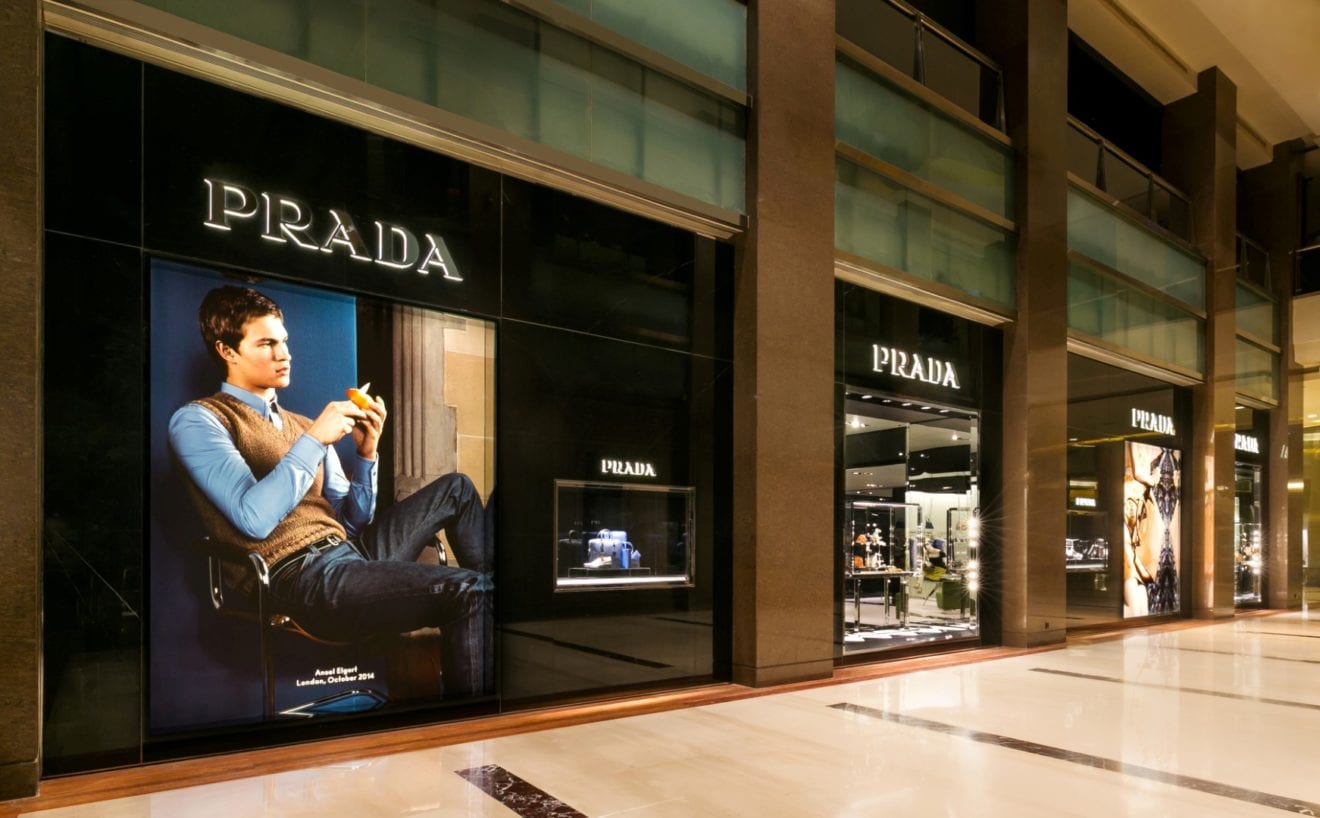
    Fashion label Prada has opened a new outlet in Chinese Chongqing at the popular MixC department store.

    The 600sqm Prada Chongqing space stocks a selection of both women’s and men’s collections spanning ready to wear, leather items, shoes and accessories.

    The store’s design features spiral metal blades in gold and silver set against black marble and large windows to maximise natural light. The interior, inspired by Prada’s historic Galleria store in Milan, prominently features green Aver marble and chequered black and white marble flooring.

    The Prada Chongqing store’s velvet seating is a tribute to classic Milanese design of the 1950s and attempts an elegant and refined environment.

  • Aeon China to launch self-serve store

    Aeon China to launch self-serve store

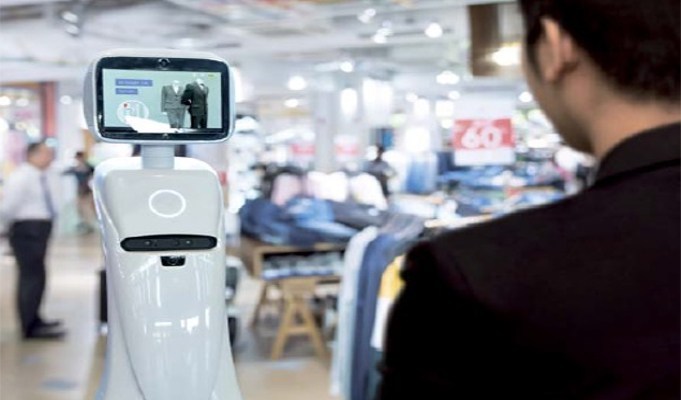
    Aeon China is set to launch a self-service store network equipped with technology to anticipate what a customer will buy upon entry.

    The facial-recognition technology will activate recommendations and coupons displayed on the customer’s phone, based on individual purchase habits and digital payment history. It will be installed in 80 of the group’s roughly 480 locations in the territory.

    The Japanese-headquartered retailer’s strategy is intended to reduce staffing costs, allow automatic product ordering and draw in customers. Management needs for the new stores will be addressed by a new centre to be established in Chinese Hangzhou.

    Aeon China also plans to launch an online supermarket and a cross-border e-commerce platform in China this year, in part to accumulate data to support the self-service store network. The firm expects that its development in China will prime the technology for rollout in Japan and Southeast Asia.

  • Dropbox and Google team up

    Dropbox and Google team up

    Dropbox has just announced it has teamed up with Google Cloud to integrate Docs, Sheets, and Slides into its system. The highly-anticipated new feature will be available as a beta for Dropbox Business users starting April 9 and is meant to allow users to create, edit, and store Google Docs, Sheets, and Slides in Dropbox.

    If you’re a Dropbox Business users, you must sign in to both your Google and Dropbox accounts so that you can create and store Docs, Sheets, and Slides files in any Dropbox folder. But the new feature doesn’t stop here, as you’ll be able to share individual files, manage access to your files and get feedback at the same time.

    Of course, sharing and co-editing is done in real-time, while adding Docs, Sheets, or Slides files to a shared Dropbox folder will automatically grant member access, which means you won’t have to leave Dropbox.

    Keep in mind that since the new feature is still in beta, you’ll have to opt-in by visiting Dropbox’s sign-up page. Once you activate it, you will be able to create Google Docs, Sheets, and Slides files, as well as browse, move, copy and delete them from the iOS and Android apps.

  • Viettel deploys Vietnam’s first 5G base stations

    Viettel deploys Vietnam’s first 5G base stations

    Vietnamese military-run operator Viettel has installed Vietnam’s first 5G base stations in Hanoi ahead of planned 5G trials.

    The operator has deployed three test 5G base stations at various offices, and expects to switch them on for trials in early May.

    Viettel plans to test 70 5G base stations in Hanoi and Ho Chi Minh City in June in preparation for a large-scale deployment, the report states.

    Viettel plans to be one of the early adopters of 5G, targeting a commercial launch in 2020. Viettel is taking the lead in the deployment of the technology in the market.

    At the recent ASEAN Conference on 5G in Vietnam, minister of information and communications Nguyen Manh Hung said 5G represents an opportunity for Vietnam to change its global rankings by stimulating growth in the digital economy.