Author: Mei Ling Tan

  • Parkson Vietnam Restyles Its Ho Chi Minh City flagship

    Parkson Vietnam Restyles Its Ho Chi Minh City flagship

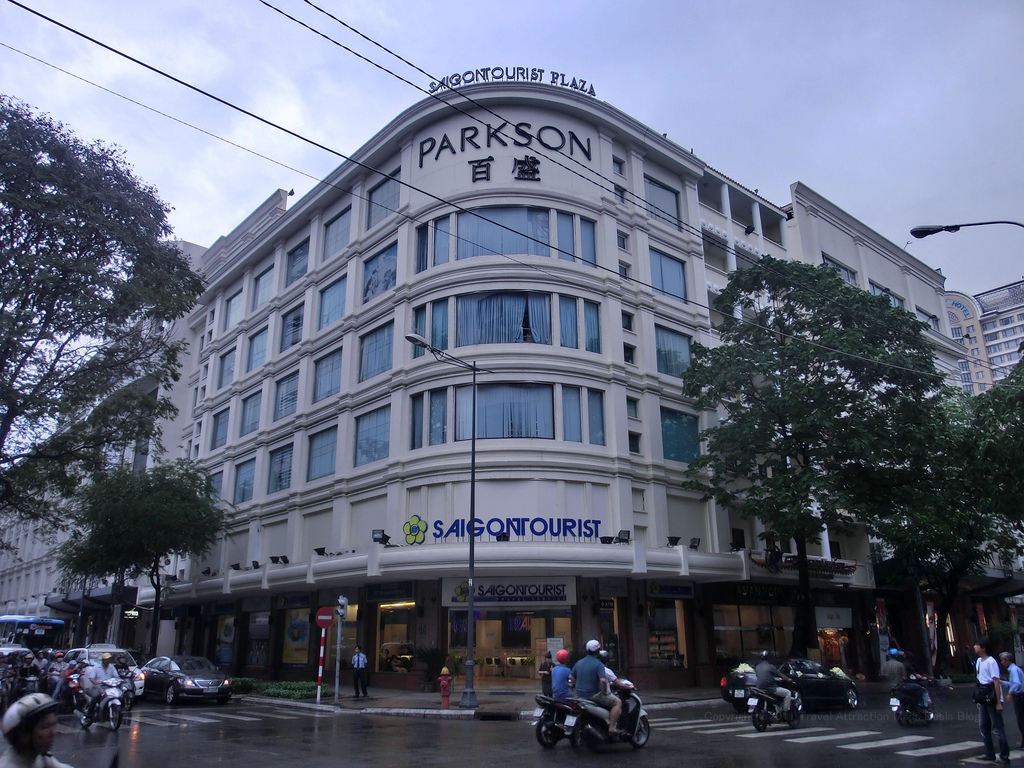
    Parkson Vietnam has kicked off the renovation of its six-story Saigon Tourist Plaza flagship in downtown Ho Chi Minh City.

    Located on Le Thanh Ton, refurbishment of the first Parkson Vietnam store will be implemented progressively, floor by floor.

    During the project, the Parkson store will remain partially open for business.

    The company says the renovation will deliver a new look, new shopping experience featuring modern facilities, and a higher standard of service for shoppers.

    It says the new store design concept will turn the store into an all-in-one destination that offers a combination of shopping, food & beverage, and entertainment.

    New brands in fashion, beauty and lifestyle will be added.

    Ready to welcome Uniqlo?

    The first flagship store of Uniqlo Vietnam will be located in the revamped store.

    The Japanese fast-fashion retailer is reportedly set to occupy three levels of the building, facing the H&M store at Vincom on Dong Khoi Street.

    Uniqlo Vietnam will open doors sometime between September and November this year.

    The renovation of the Parkson Saigon Tourist store is understandable as the building is old and has been poorly managed for a long time.

    If the Japanese fast-fashion brand is really opening its first store there, it should rapidly increase traffic to the building.

    After 14 years of operation, Parkson Vietnam has closed five stores, including the last one in Hanoi.

    It now manages five stores, with three in Ho Chi Minh City, and one each in Hai Phong and Danang.

  • Surprise New Model Introduction by OnePlus

    Surprise New Model Introduction by OnePlus

    Sparking rumors that the unwrapping of the OnePlus 7 is imminent, OnePlus today cut the price of its current model by 400 Yuan ($60 USD) in China only. This means that the OnePlus 6T now starts at 2,299 Yuan in the country. That is the equivalent of $342 USD based on current foreign exchange rates. This across the board price cut is a permanent one and is a move typically done by phone manufacturers to clear out inventory of a model that is about to be replaced by a newer device.
    That newer device would be the OnePlus 7. Exactly one month ago today, e-tailer GizTop listed the unannounced device revealing a treasure trove of possible, if unconfirmed, specs. If the leak was legit, we expect to see the latest OnePlus model feature a 6.5-inch AMOLED display. The device will be powered by Qualcomm’s latest and greatest chipset, the Snapdragon 855 Mobile Platform. Apparently, there will be three configurations, one with 8GB of memory and 128GB of storage, one with 8GB of memory and 256GB of storage and the top-of-the-line unit sporting 12GB of memory along with 256GB of storage. A triple-camera setup is said to adorn the rear of the device (48MP + 20MP + 5MP depth sensor) and we should see a 16MP pop-up front-facing selfie snapper. Keeping the lights on will be a 4000mAh battery with 44W rapid Dash charging, and OnePlus’ Oxygen OS 9 (based on Android 9 Pie) will be pre-installed. The price posted was $569, but the listing could have been a placeholder.
    After the price cuts are calculated, the OnePlus 6T with 6GB of memory and 128GB of storage is tagged at 2,299 Yuan. The model with 8GB of memory and 128GB of storage now costs 3,199 Yuan, and the variant with 8GB of memory and 256GB of storage will now run you 3,599 Yuan. In the U.S., the OnePlus 6T model with 8GB of RAM and 128GB of native storage is available from T-Mobile for $550 (or 24 monthly payments of $22.92). At the moment, that price is unaffected by the move made today by OnePlus. There have been rumors calling for a May release of the OnePlus 7, which makes the timing of today’s move rather intriguing.
    T-Mobile is the first U.S. carrier to team up with OnePlus and the partnership has proven to be beneficial to both firms. Even though the OnePlus 6T wasn’t available to T-Mobile subscribers until last November, the carrier sold enough units for OnePlus to finish fifth among phone manufacturers selling premium models in the states. As a result, we would certainly expect to see the OnePlus 7 offered by T-Mobile.
    What U.S. consumers won’t get this year is the first 5G enabled OnePlus phone. Back in February, OnePlus founder and CEO Pete Lau said that the company has long term goals regarding 5G in the U.S., but it won’t be shipping such a model into the U.S. this year.
  • Apple’s main chip supplier on track to make next-generation 5nm silicon

    Apple’s main chip supplier on track to make next-generation 5nm silicon

    Semiconductor manufacturers might not be following Moore’s law to a T, but that doesn’t mean they’re not making good progress. Last year, we saw the first mobile chips using the 7nm architecture: Apple’s A12 and HiSilicon’s Kirin 980, followed by the Snapdragon 855. It was expected that processors will remain on that level for a while, considering that producing smaller transistors gets exponentially harder with the reduction of their size.

    Turns out, we might not have to wait as long as we thought. News coming from Taiwan, raises hopes that the next jump might be just a year away. TSMC, one of the world’s biggest semiconductor manufacturers and the main chip supplier for Apple’s own A12 and upcoming A13 SoC, has announced that its design infrastructure for 5nm chips is now available for potential customers to download and start working with.

    This means that TSMC clients, such as Apple, now have the tools to design their next-generation chips. This will likely allow TSMC to secure orders from Apple for at least a couple of years. But what would the new architecture mean for performance?

    Exact gains are hard to predict, but what TSMC says is that it will be able to fit 1.8 times more transistors within the same surface and expects about 15% speed gain in ARM’s Cortex-A72 Cores. Power efficiency will also be higher than that of 7nm chips, which should lead to better battery life.

    TSMC is also proud of the progress it’s making in terms of yield, which was one of the main problems with the mass production of 5nm chips. Using EUV lithography, which replaced FinFET as the size decreased, the company is able to achieve yields comparable to those of its larger nodes when they were at the same stage of development. This means, of course, there’s still work to be done before the chips can enter mass production, but the important takeaway is that the technology is advancing on schedule.

    The potential arrival of the 5nm chips in 2020 is actually good news for Apple. This year we expect to see the major design changes coming with the iPhone 11, leaving the performance improvements to be the major selling point of the 2020 iPhone 11S. In other words, business as usual.

    Of course, other manufacturers will also be able to benefit from TSMC’s developments, but only if they manage to secure any of its production capacity, for which Apple is paying top dollar, we’re sure.

  • Shop&Go chain showcases brutal retail practice with 1$ Price Tags

    Shop&Go chain showcases brutal retail practice with 1$ Price Tags

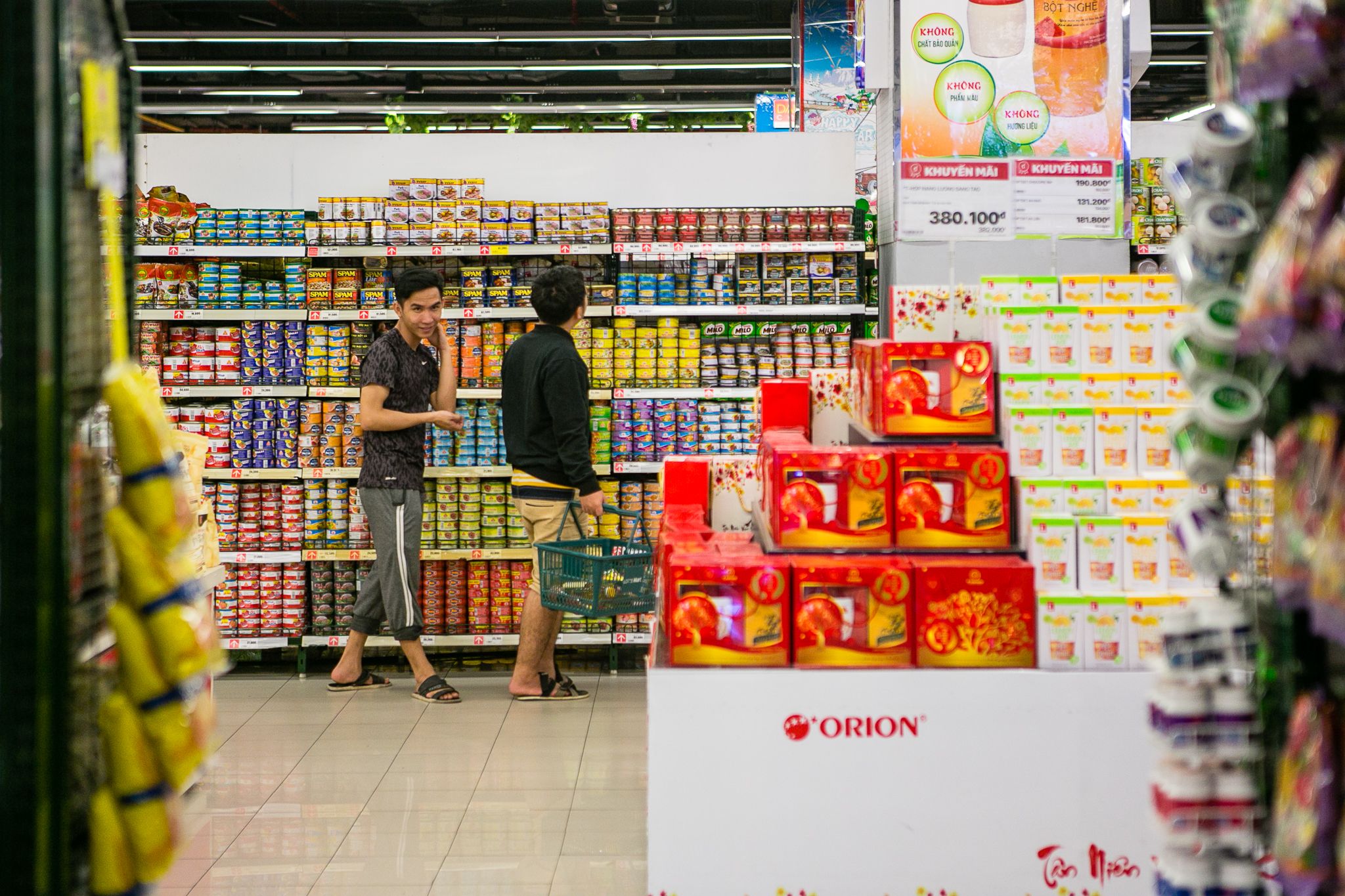
    Shop&Go became the newest loser in Vietnam’s retail market Monday when it was bought out by conglomerate Vingroup for $1.

    The company reported an aggregated loss of almost VND205 billion ($8.81 million) by 2016, the latest year for which figures are available. VinCommerce, the retail arm of Vingroup, took over its 87 stores and its debts in the latest deal.

    Vietnam’s retail market has become increasingly crowded with both local and international players over the last five years. Although experts have said that the market has a lot of growth potential, many businesses have quit or scaling back expansion plans.

    Coffee giant Trung Nguyen has twice attempted and failed with its G7 Mart and G7-Ministop.

    Super market chain Saigon Co.op established its first retail store Co.op Smiles in 2016 with the hope of opening 500 such outlets a year, but two years later, the number is around 100.

    Japanese convenience store chain FamilyMart previously said it wanted to have 1,000 stores by 2020, but it announced last year that it won’t invest in new stores. The number of its stores stay at 151.

    Vietnamese food company Vissan said early last year that it has closed nearly 60 of 100 convenience stores. Nguyen Ngoc An, CEO of Vissan, said that the stores had failed to attract a large number of customers.

    A senior manager of the Family Mart said that they “could no longer pour more resources into the chain.”

    Industry insiders say that retail chains fail to compete because they don’t have deep pockets to bear the losses. Pham Viet Anh, a strategic business expert, said that cash flow is among the most important factors in the retail business. If a company cannot collect enough revenue before it has to pay suppliers, its working capital gets eroded.

    “A retail company can rely on its debts with providers in the short term, but in the longer term, it needs to find a way to be profitable. If not, growing losses will eventually bankrupt it,” Anh said.

    Vietnam’s revenue from selling goods last year rose by 11.7 percent from 2017 to $142 billion, up 12.4 percent from 2017.

  • Flight Centre Looking at Corporate Travellers

    Flight Centre Looking at Corporate Travellers

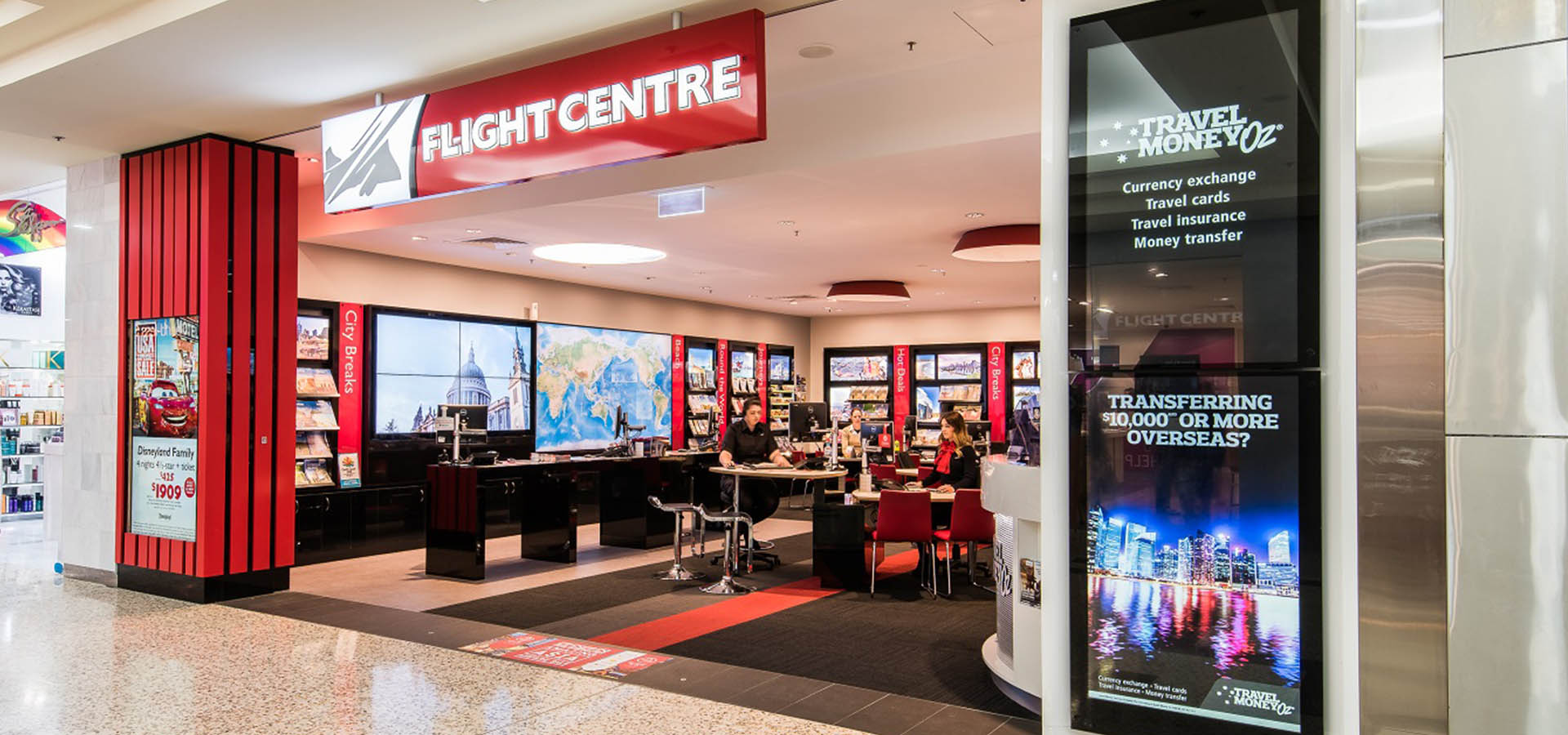
    Travel retailer Flight Centre has made a 25 per cent investment in The Upside Travel Company, strengthening its presence in the global corporate travel sector.

    Flight Centre, which is now the business’s largest shareholder, will gain access to its technology platform and software development resources, enabling it to fast track growth in the small-to-medium sized corporate sector.

    “Upside is an emerging corporate travel business with an innovative customer offering that has the potential to disrupt traditional offerings in the SME sector in the future,” Graham Turner, Flight Centre’s managing director, said.

    Turner said the business is taking steps to future proof its SME offerings, which it predominantly provides through its Corporate Traveller brand, while also creating a blended on and offline offering for customers.

    Dean Smith, president of Flight Centre’s operations in the Americas, said the company planned to utilise Upside’s technology platform to grow Corporate Traveller’s digital offering.

    “We’ve been impressed by the capability and flexibility of Upside’s technology and team to improve the business traveller experience,” Smith said.

    For Upside, the deal will significant improve the business’s reach by giving it access to Flight Centre’s supplier relationships and global business.

    “Flight Centre is the perfect partner for Upside as we get aggressive in serving small corporate clients,” Jay Walker, CEO of Upside, said.

    “Not only does Flight Centre’s global scale, content and experience immediately make our product more complete and more credible, but its people and expertise also make us smarter, which is key as we accelerate into the future.”

    The investment is the latest in a string of such moves by Flight Centre, which recently invested in Bangkok-based 30SecondsToFly, and the acquisition of travel companion app Sam.

    The enhanced Corporate Traveller option will initially only be available in the Americas, but will be pushed to the United Kingdom in the “medium-term”.

  • Burberry Shanghai Closes Flagship Store

    Burberry Shanghai Closes Flagship Store

    he Burberry Shanghai flagship store has been shuttered as the British luxury-goods retailer looks to reduce costs.

    It is the fourth Burberry location within Mainland China to be shuttered within the last eight months as part of a global restructuring effort, representing a conspicuous and somewhat puzzling drawing back from a key luxury market.

    The closure of the 1000sqm flagship means that half of Shanghai’s Burberry outlets have now vanished, after the brand’s K11 mall store disappeared last August and its Westgate Mall and Hongqiao airport halted operations a month ago.

    The closures were prompted by poor demand for Burberry products in Asian markets, and are part of the firm’s global strategy to cut back on underperforming retail locations.

    Representatives of the brand have pushed back on speculation that the closures signal an all-out withdrawal from China.

    “China is a hugely important market for Burberry and we are fully committed to growing our business there. We are making some of our biggest investments in Shanghai where we recently refreshed our flagship store at Kerry Centre and we will open two new stores at IFC Mall and IAPM Mall in the coming months. This strengthens our presence in Shanghai, a key luxury shopping destination, and we are excited to welcome our customers to these new locations.” said a company spokesperson.

    “Burberry is not so much closing down as relocating to new stores,” said JLL’s head of retail for China Ellen Wei, noting that Burberry plans to open two more strategically located stores in Shanghai shortly.

    Burberry bought out its Chinese franchises in 2010 for £70 million (US$91.4 million at current rates) in response to the country’s burgeoning taste for luxury products.

    The Burberry Shanghai flagship was located in the L’Avenue shopping centre in Gubei.

  • Cuckoo clock inspires Vietnam cafe

    Cuckoo clock inspires Vietnam cafe

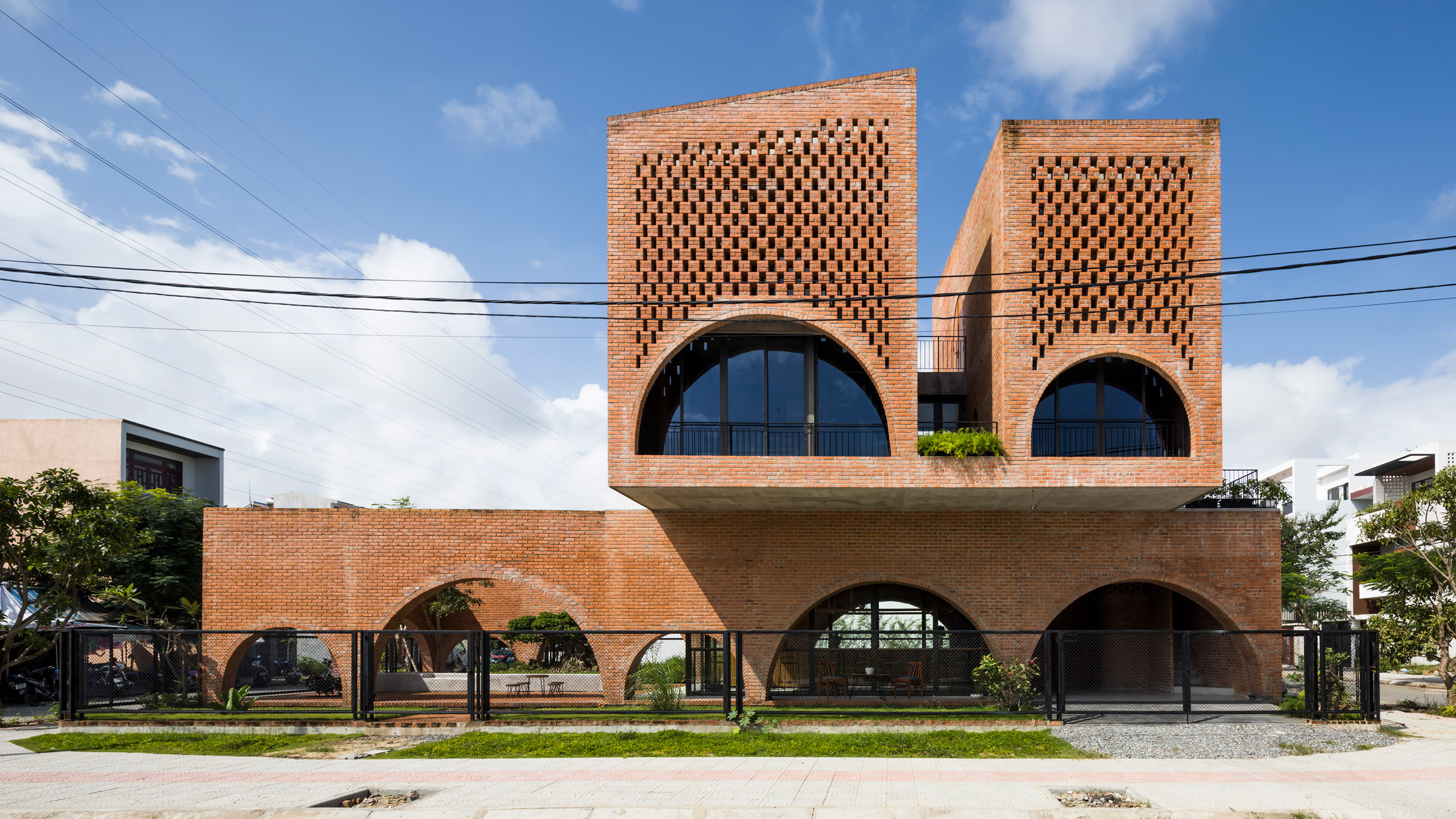
    Design firm Tropical Space has built a coffee shop inspired by a cuckoo clock in Vietnamese seaside city Da Nang.

    The design, featured by Dezeen, features a brick structure with a house perched on top, with the coffee shop forming a single-storey base and the house extending out over the garden area. The local clay brick base is inset with vaulting arches surrounding a large courtyard and the glass-walled shop area.

    “Habits mean most people’s daily lives usually take place in functional spaces,” said the firm’s architects. “We have detached the walls that define these spaces to offer buffer space, urging people to leave their rooms and join together.”

    The house area, divided into three distinct blocks, feature spaces that can be closed off by small cuckoo clock-style wooden doors.

    The shells of perforated brickwork create cool, shaded spaces that admit natural light, and reflect other designs by the firm built in the region.

  • Zilingo received fresh investment funding

    Zilingo received fresh investment funding

    Online marketplace Zilingo has raised US$226 million in its recent Series D funding.

    The fresh capital round brings the total amount raised by the company to $308 million. Having secured its latest investments, the company is now looking to China as well as other key Asian markets as part of its growth strategy to expand its B2B business.

    Key investors from this latest round included Sequoia Capital, Temasek Holdings, Burda Principal Investments, Sofina, Singapore investment fund EDBI as well as existing investors.

    “Sequoia’s investment in Zilingo dates back to when the company wasn’t even yet incorporated and the name wasn’t finalised,” said Sequoia Capital (India) Singapore’s MD Shailendra Singh.

    “Ankiti and team have rapidly transformed their original ideas about Zilingo into a platform company that serves fashion consumers, merchants, retailers, brands and manufacturers, collectively representing a multi-hundred-billion-dollar market size. We are amazed by the team’s ability to envision and execute against such an ambitious roadmap and are excited to continue to support them on their journey.”

    The company says it plans to invest the capital in long-term value building across the supply chain, building new and deeper relationships with manufacturing partners in Vietnam, Cambodia, Sri Lanka and China, and expanding into new markets such as the Philippines, Indonesia, Australia and the US this year.”

  • Dusit Thani Shares More News about Bangkok Developments

    Dusit Thani Shares More News about Bangkok Developments

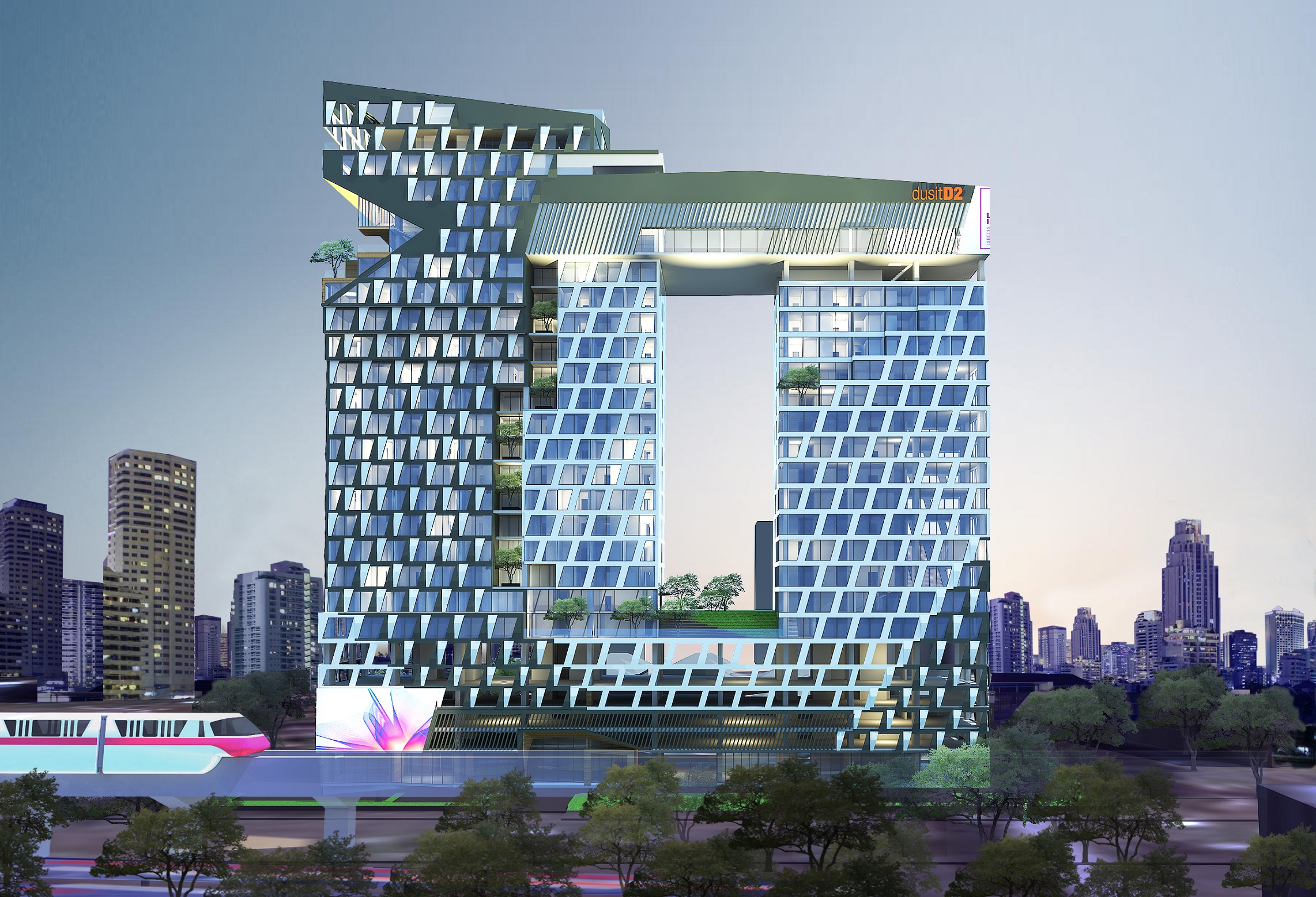
    More details have been revealed about the massive mixed-use development planned for downtown Bangkok on the high-profile site of the former Dusit Thani Hotel.

    Dusit Thani, the Thai hotel and property development company, is partnering with Central Pattana, which owns the Central retail and mall businesses, in the development, located a stone’s throw from the Sala Daeng skytrain station, adjacent to Rama 4 Road and Lumpini Park.

    Scheduled for completion in 2024, the US$1.15 billion development will comprise 440,000sqm of prime real estate, including a new Dusit Thani hotel, luxury residences, a modern office tower and a high-end shopping mall.

    The development will open in three stages, firstly the 39-story hotel building, followed by Central Park Offices, whose 90,000sqm will be fitted out as a technology hub.

    The 80,000sqm mall, to be called Central Park, is designed to interconnect with all elements of the development as well as the skytrain and adjacent underground railway stations. It will feature a rooftop park. Both the offices and mall are scheduled for completion in 2023.

    The final part of the project, a 69-storey residential tower which is divided into two sections – Dusit Residences and Dusit Parkside – will be completed subsequently.

    “We aim to deliver a one-of-a-kind mixed-use project that blends heritage and innovation, connects all important infrastructure and transportation, embraces a green concept reflecting our prime position opposite Lumpini Park, and delivers enduring value for all our stakeholders,” said Suphajee Suthumpun, group CEO of Dusit Thani Public Company.

    “By blending the best of Thai design and hospitality with international standards of service, we will create a new city landmark that reflects our past, embraces our present, and anticipates the future. By doing so, we will continue the legacy of Dusit Thani Bangkok following the same principles Thanpuying Chanut Piyaoui had when she founded the hotel — to be bold and do great things, to create things that never existed before, and to always have a positive impact.”

    Suthumpun said the development aimed to “revolutionise the way people shop, dine, work, live and stay” in the area.

    Wallaya Chirathivat, deputy CEO of Central Pattana said Dusit Central Park will connect four Bangkok neighbourhoods in four directions – Ratchaprasong (north), Charoenkrung (south), Sukhumvit (east), and Yaowarat (west), in doing so creating “a new junction where old meets new, and financial meets commercial”.

  • Vietnam state steel company close to bankruptcy

    Vietnam state steel company close to bankruptcy

    In a recent letter to shareholders, Thai Nguyen Iron and Steel Jsc (TISCO) said it is facing “a financial crisis which could lead to bankruptcy if it is not saved by the government, banks and other authorities.” The charter capital of the company, one of the largest steel producers in Vietnam, was VND1.94 trillion ($83.6 million) last year but owner’s equity accounted for only 18 percent, which the company regards as a low ratio.

    With liabilities 4.65 times owner’s equity, TISCO said its capital structure is unstable.

    The company added it needs to increase owner’s equity and recover bad debts. The bad debts climbed to almost VND852 billion ($36.7 million) last year, of which the company said 46 percent could be recovered.

    One of the problems the company has been facing is the delay in a stop-start expansion project. The Government Inspectorate has listed it among 12 state-owned projects suffering major losses and with many violations of the law.

    The project first began in 2007 but stalled soon afterwards due to the global economic crisis. The original cost of expansion of VND3.84 trillion ($165.5 million) was increased to over VND8.1 trillion ($349 million) on the suggestion of Chinese contractors when it was restarted in 2009.

    But in 2012 it stalled again when TISCO faced a resources crunch, causing the China Metallurgical Group Corporation (MCC) to withdraw from the project.

    TISCO had paid MCC 92 percent of the contract value at the time, but much of the work was left incomplete, according to the Government Inspectorate.

    Machinery and equipment MCC delivered had rusted and become damaged after lying unused for long, the inspectors said.

    The government prohibited further investment of public funds in the company in 2016. Following this, sovereign wealth fund State Capital Investment Corporation (SCIC) pulled out its capital of VND1 trillion ($43.1 million) from the company.

    Following the long expansion delay, banks have slashed TISCO’s credit ratings and increased interest rates to 8 percent a year, worsening the situation.

    The company board said despite its petitions to authorities for a solution no progress has been made.

  • International luxury brands down in Brisbane

    International luxury brands down in Brisbane

    Luxury brands are descending on Brisbane, with fashion house Saint Laurent opening its first store in Queensland at QueensPlaza on March 28, ahead of arrivals from Fendi and Dior slated for later this year.

    The new store, Saint Laurent’s sixth Australian store, has an architectural design that features three types of marble and refined detailing accented with anodised gold, mirrored stainless steel and leather joinery.

    “The arrival of Saint Laurent, another first to Brisbane, further cements QueensPlaza’s position as the city’s leading luxury retail and lifestyle destination,” said Pamela Wakeford, centre manager.

    Saint Laurent joins a slew of luxury retailers already located at the centre, including Chanel, Burberry, Tiffany and Co, Zimmermann, Scanlan Theodore and Camilla.

    Italian fashion house Fendi is poised to unveil its new boutique mid-year and Stanton café and bar will also open in the coming months. The new café will have a dining and bar experience including an outdoor terrace overlooking the Queen Street Mall.

    Queensland has also recently welcomed fashion jewellery brand APM Monaco, which opened a new store in Brisbane’s high street, joining a suite of luxury fashion retailers along MacArthur Central.

    The new store features the retailer’s traditional handcrafted jewellery pieces along with some most recent collections like open chokers with sky silver and zarconia meteorites, and asymmetric underlobe earrings and jackets.

    “Precision Group is proud to welcome APM Monaco to MacArthur Central where it will sit alongside some of the best international and national retailers fronting Edward Street Brisbane, where Brisbane City Council have invested $11.8 million into a beautification project of the precinct,” said Colleen Middlemass, centre and state asset manager.

    Middlemass said the new store will complement the area’s “luxe offering with a fashion focus on new trends from across the globe”.

  • Honor Starts Looking for Market Dominance

    Honor Starts Looking for Market Dominance

    Huawei’s CEO has revealed details of how the telecommunications giant will foster its spin-off Honor brand in Asia.

    The strategy includes store rollouts, an increasing focus on online sales and revised price positioning differentiating the two brands.

    Richard Yu, CEO of Huawei Consumer BG, posted details on his Sina Weibo account, predicting Huawei will become the world’s largest smartphone maker this year through its two-brand strategy. Honor on its own is tipped to become China’s second largest-selling smartphone brand and fourth in the world.

    “The company will support Honor in the development of cutting-edge products and continue its investments in technology innovation, channel distribution and retail strategies while maintaining a firm dual-brand strategy between Honor and Huawei,” said Yu.

    Both brands will maintain “a forward-thinking mindset and help create an intelligent, fully-connected world”.

    While IDC figures show global shipments of smartphones fell by 3.1 per cent in the first three quarters of last year, Honor’s volumes soared 27.1 per cent.

    Last year, Huawei’s consumer business grew by 48.4 per cent, outperforming the company’s carrier-network business and becoming the company’s largest revenue earner.

    George Zhao, Honor’s president, told the recent Mobile World Congress that Honor is “on the brink of yet another breakthrough and there is no slowing down for us”.

    “As the going gets tough, the tough get going. We’ll treat each day as an opportunity to deliver greater value to our fans. For Honor, the best is yet to come,” he said.

  • Amazon Products Now Available in Australia

    Amazon Products Now Available in Australia

    Amazon has launched another key part of its business in the Australian market – it’s advertising products.

    Amazon Advertising, the part of the company that offers display and video ads and an online tool to programmatically buy ads, launched in Australia on Friday, according to a company blog post.

    This gives businesses a way to reach the millions of unique visitors who land on Amazon’s local website each month, according to figures the company cited from SimilarWeb.

    “With Amazon Advertising, agencies and advertisers – regardless of whether or not they sell on Amazon – can deliver relevant messages to customers on and off Amazon, throughout their customer journey,” the blog post reads.

    The launch comes amid a recent revamp of the US e-commerce giant’s advertising business. In 2017, the company added a new office and 2000 jobs, mostly in advertising, in New York City. It has also introduced self-service buying tools, among other new products, and started providing deeper insights into its enormous customer database.

    These efforts seem to be paying off. Advertising was part of Amazon’s fastest growing business segment last year. Revenue from the company’s “other” category, which includes advertising, grew 115 per cent in 2018, to US$10.1 billion. Research firm Magna estimated that advertising accounted for US$6 billion of that figure.

    Most of this growth has come at the expense of rival digital advertising giant, Google, according to a report last week

    The report stated that WPP PLC, the world’s largest ad buyer, spent about US$300 million on Amazon search ads in 2018, and about 75 per cent of that money came from Google search. This was up from the US$100 million to US$150 million it spent on Amazon search ads in 2017, according to sources familiar with the matter.

    Advertising at the point of purchase

    One reason Amazon may be attracting more advertising dollars is that it enables businesses to reach customers much closer to the point of purchase than Google or Facebook, although both tech giants – particularly Facebook, which owns Instagram – have been working to close the gap between the discovery and purchase stages of the customer journey for some time.

    But before retailers completely upend their advertising budgets, they may want to consider the metrics they’re using to allocate budget to begin with. New research from Monash University has revealed that ‘last touchpoint attribution’, a key metric most advertisers use to measure ad effectiveness and allocate budget, is not accurate.

    “At the moment, if a consumer buys a new toy online, Google can look at the search patterns that person has had over the past few days, or whether they’ve received any emails from a department store such as Kmart,” Peter Danaher, head of the department of marketing at Monash Business School, said.

    “They use a method called ‘last touchpoint attribution’. So, if the consumer last opened an email about toys, the email gets the credit. It they last did a Google search on toys before making the purchase, Google gets the credit.

    “The advertising industry has used this method for the past five years because it’s simple and effective. The problem is, this method ignores how long consumers remember an advertisement.”

    According to Danaher, last touchpoint attribution doesn’t take into account the cumulative effect of seeing ads in different places, and allocating budget based on this metric is less effective than allocating budget to maximise profit.

  • Piaggio Updates Vespa & Aprilia Scooter Range With ABS & CBS

    Piaggio Updates Vespa & Aprilia Scooter Range With ABS & CBS

    Piaggio India has updated its range of Vespa and Aprilia scooters with ABS and CBS technology. The safety features are now mandatory on all two-wheelers, both new and old. As part of an introductory offer, Piaggio is providing a lucrative offer on the ABS range of Vespa and Aprilia two-wheelers from April onwards, under which customers can enjoy benefits worth ₹ 6,000 on purchasing via PayTM. The Aprilia SR 150, Vespa SXL and VXL 150 now get single-channel ABS, while the Aprilia SR 125, and Vespa 125 range get CBS on offer. Prices for the updated models will be officially announced soon.

    Commenting on the introduction of new upgraded Vespa and Aprilia, Diego Graffi, Managing Director and CEO, Piaggio India said, “As a global brand, we are committed to the safety of our customers and delighted to comply with the changing safety norms from the Ministry of Road Transport and Highways. This move will improve the overall safety and riding standards of the two-wheeler industry. For us, our product portfolio was already ABS compliant last year, but we are launching them across the country now to fit the general demand.”

    Ashish Yakhmi, Head of Two-wheeler business added, “Our brands, Vespa & Aprilia have always stood for technological advancements, aligning our strategy of pursuing global innovations. Road safety is an important criteria for us hence, we are happy to offer India’s first scooter with ABS and CBS technology for the best riding experience and performance. This makes our products not only stylish and sporty but also equipped with the latest safety system to provide a unique riding experiences.”

    Anti-Lock Brakes or ABS are mandated on two-wheelers above 125 cc and helps the vehicle to stop without slippage or wheel being locked in case of an emergency, thereby offering better control to the rider. Similarly, two-wheelers below the 125 cc displacement have Combined Braking System or CBS as standard fitment that provides proportional brake distribution between the front and rear wheels for added stability.

  • Macpac expands more with Adventure Hubs

    Macpac expands more with Adventure Hubs

    Super Retail Group’s outdoor retail chain Macpac has opened nine new ‘Adventure Hub’ stores, further expanding the brand’s reach across Australia to 34 locations.

    Five of the new format stores are located in Victoria, and are buoyed by a new store in NSW, South Australia, Queensland and the ACT.

    The Adventure Hub format combines Macpac’s full range with a curated selection of apparel, equipment and accessories from brands such as Patagonia, Yeti and Merrell.

    Macpac chief executive Alex Brandon said the business was excited about the potential the Adventure Hubs format offers.

    “We set out to create Australia’s premium destination for outdoor product and adventure advice, and I think we’ve achieved that aim in these first nine stores,” Brandon said.

    “The Adventure Hubs offer the full range of Macpac gear alongside other world-class outdoor brands…supported by a friendly, knowledgeable team ready to give everyone adventure advice.”

    Macpac’s Adventure Hubs also feature services to make preparing for a trip easier on customers, such as providing packing lists to ensure they don’t forget anything they might need, expert pack-fitting by Macpac team members, world maps to help envision the next big trip, as well as a mini-library providing further travel inspiration.

    Former Super Retail Group chief executive Peter Birtles previously said there was potential for the Macpac brand to grow to 75 locations across Australia and New Zealand, with an additional 20 larger format locations.

    However, Birtles also noted there was a significant future for the business online, rather than through constant store roll-outs.

    “We certainly see that this is a market that has strong opportunity in terms of digital, and so we’d anticipate a high component of the business coming from a digital channel,” Birtles said.