Author: Mei Ling Tan

  • Benetti Launches Three Yachts in the Class Category

    Benetti Launches Three Yachts in the Class Category

    While at the Livorno shipyard the first phase of the Benetti Giga Season came to an end with the launch of a remarkable three giga yachts in just 100 days, most recently the 108-meter Benetti fleet flagship FB275, in Viareggio three Class category yachts have been launched in less than ten days: a Delfino 95, a Classic Supreme 132 and a Mediterraneo 116.

    On March 28, in Livorno, the Shipyard celebrated the christening of 108-meter giga yacht FB275, following closely on the heels of the March 21 launch in Viareggio of BD105 M/Y “Baya”, the fifth unit of the elegant and classically styled 29-meter Delfino 95. The generously spaced and welcoming interiors of the yacht are decorated with innovative combinations of marble, polished brass inserts and ash, eucalyptus and tay wood, creating an interesting alternation of textures and colour tones.

    The exteriors designed by Giorgio M. Cassetta provide a cue for interesting plays of light in the interiors through extensive glazed surfaces. The owner’s cabin on BD105 M/Y “Baya” has a bed adorned with sophisticated leather-upholstered headrests and a spacious bathroom fitted with tub, shower and mini bar. The two 1,000 hp Man V8 engines provide a range of about 2,400 nautical miles at a cruising speed of 10 knots. And when time is of the essence, the yacht has a top speed of 14.5 knots.

    April 3 then saw the launch of BS012, the twelfth unit of the 40-meter Classic Supreme 132 with exteriors by Stefano Righini. The interiors are by Benetti’s Interior Style Department, which chose the decorations and furnishings based on the owner’s instructions and requests. To give the boat more character, they feature leathers with an iridescent metallic appearance and richly veined varieties of marble: Port Laurent,Sahara Noir and Rino White.

    The juxtaposition of light-coloured smoked eucalyptus against the dark tones of matte-finish tay wood is clearly dominated by lighter colourways to give the settings a brighter atmosphere and the yacht an eclectic, modern feel. The social side of BS012’s character can be seen in the decision to put a teppan griddle in the centre of the table on the Fly Deck. In a first-of-its-kind solution for thimodel yacht, guests eat their food directly from the griddle on which it is cooked. Extensive outdoor spaces, particularly on the Sun and Upper Decks, are perfectly reconciled with the yacht’s streamlined contours, while the big full-height windows on both the Main and Upper Decks translate into brightly-lit interiors. Forward of the Pilot House, a Jacuzzi offers a spectacular vantage point from which to enjoy the sea view.

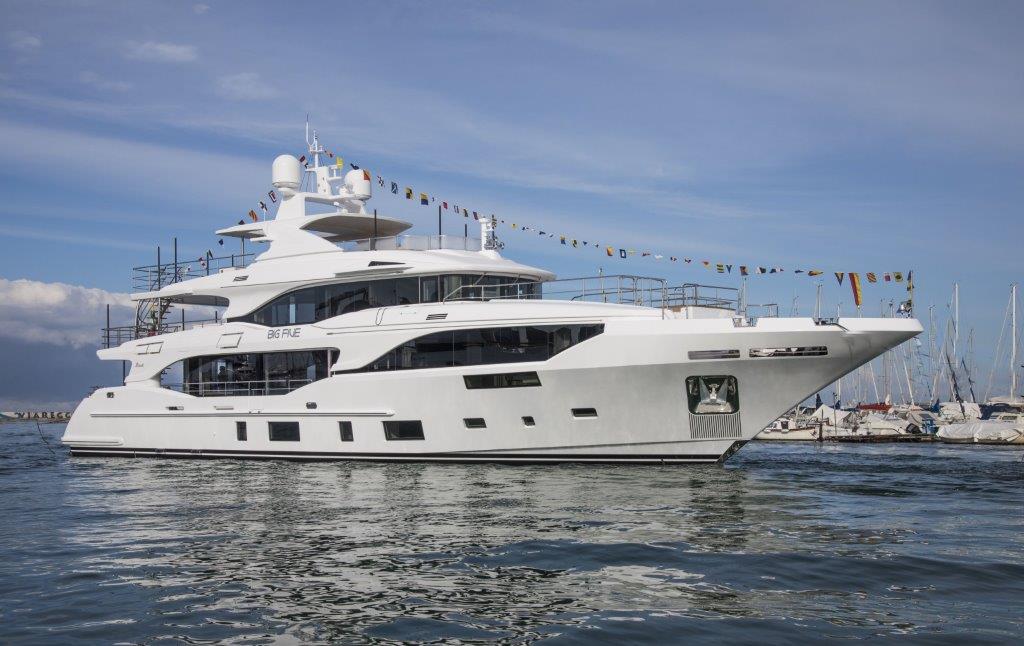
    Then on April 6, M/Y “Big Five” was launched, 35.5 meters long and the fifth unit of theMediterraneo 116 model. In this case too, the exteriors are by Giorgio M. Cassetta. The decor concept combines light-coloured matte-finish woods with other varieties in shades of grey and dark ash, creating a sophisticated and contemporary look. The use ofOlimpico Striato and Zebrino Apuano marble contributes to creating a sophisticated atmosphere. A huge forward section of the Main Deck is dedicated to the owner, with a private studio secluded from the areas set aside for socialising. The full-beam suite is flooded with natural light through panoramic windows, while the bathroom area, also full-beam, is split into his and hers areas, with a big shower cubicle set off by a marble-clad bench seat.

  • Fiat Chrysler Auto Expands India Footprint

    Fiat Chrysler Auto Expands India Footprint

    Fiat Chrysler Auto is in the process of expanding its India business and it recently opened its 82nd point of sale in India. At present, FCA has its presence in 70 cities and town in India which include all-brand showrooms that sell Jeep, Fiat and Abarth vehicles along with Jeep Connect showrooms, which are premium retail outlets that cater to potential customers in satellite cities and towns. The company recently inaugurated two all-brand showrooms in Bengaluru along with a new all-brand showroom in Panjim, Goa along with two new Jeep Connect showrooms in Ajmer, Rajasthan and Patiala, Punjab. Along with sales points, Jeep is also increasing its after sales touch points in India. At present, the company has 84 Mopar (mobility and parts) workshops.

    Kevin Flynn, President and Managing Director, FCA India said, “Our vision was to have a growing retail and after-sales network which could strategically complement our growing volumes in the market. With 82 retail outlets in 70 towns and cities we are covering a significant amount of landmass and customer base. We have grown over 50 per cent in our retail network since the Jeep Compass launch in August 2017. Our effort has been to maintain consistency in our network expansion and ensure excellence in customer experience along with improved service coverage.”

    The company’s last launch was the Jeep Compass Sport Plus Variant, which is priced at ₹ 15.99 lakh and is positioned above the base Sport variant, getting more features. Jeep has two new products coming up in India which are the Trailhawk variant of the Jeep Compass and the new-generation Wrangler Unlimited.

  • New-Gen Volvo S60 Coming To India

    New-Gen Volvo S60 Coming To India

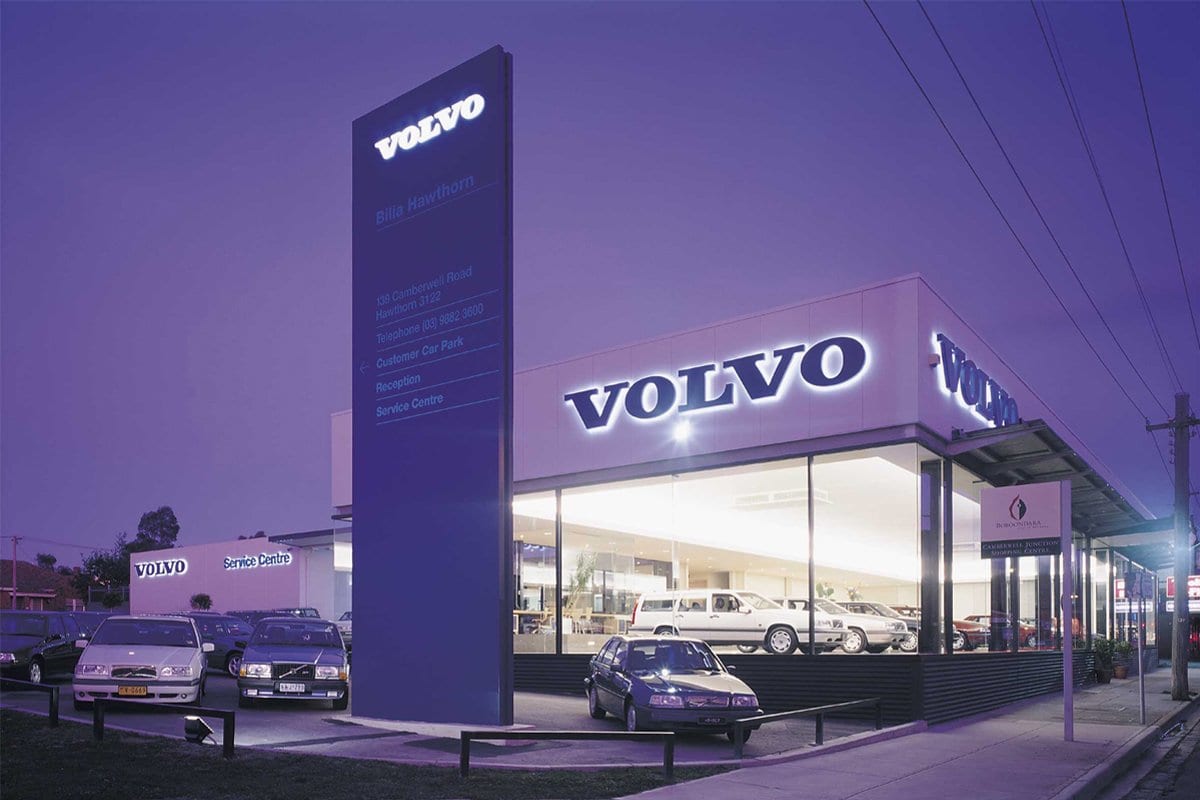
    Volvo Auto India has had a great 2018-19 Financial Year. The company recorded a 25% growth during this time. However, the company had grown by 30% in the last financial year, this time around the rising input costs and low buying sentiment added to the company’s worries. No matter. The company is bracing the new year with equal confidence and wants more cars to come to the country and of course the new Volvo S60 is all set to be launched in the country. Speaking to carandbike Charles Frump, Managing Director – Volvo Car India said “I think with the S60, we are all excited that it’s coming to the country. The car is currently being produced in the United states and we are looking at the possibility of bringing it to India. Chances are that now it’s going to be in 2020 rather than 2019. But certainly that car will be coming”

    Volvo India had already announced that it will be introducing 4 new electrified cars in the country in the next 3 years. In its commitment towards the environment and electrified future, Volvo Cars plans to slowly phase out conventional powertrains and focus only on electrification. This announcement places electrification at the core of Volvo’s future business. It also paves way for the complete phase-out of combustion-engine-only models. The company has already committed to a goal of featuring some form of electric propulsion in its models from 2019 onwards and now India too is part of this plan. Every new Volvo from 2019 onwards will be electrified.

    Frump said, “If we look farther out into the future then we have a line up of plug-in hybrids coming. So we’ll start with the XC90 and that will happen this year, it will be locally assembled and then we’ll locally assemble a range of plug-in hybrids. The next thing that we’re thinking about is pure electric cars and that’s clearly a direction that the Indian government and Volvo is heading towards. By 2025 we want to have a million electric vehicles on the road.”

    The decision to move to electric vehicles couldn’t have come at a better time for Volvo as it readies its EVs and PHEVs for launch in the country and the support of the Government of India is of utmost importance. “We had great news just before the budget where they took the customs duty, if its assembled in India, from 30% to 15% and that has really improved the business case for us. The moment that happened, I got on to a phone with Sweden, asking them, how can we make this happen even quicker. It’s had a big impact and it’s very much appreciated by us.”

  • DHL Express named Best Workplace in Asia for 2019

    DHL Express named Best Workplace in Asia for 2019

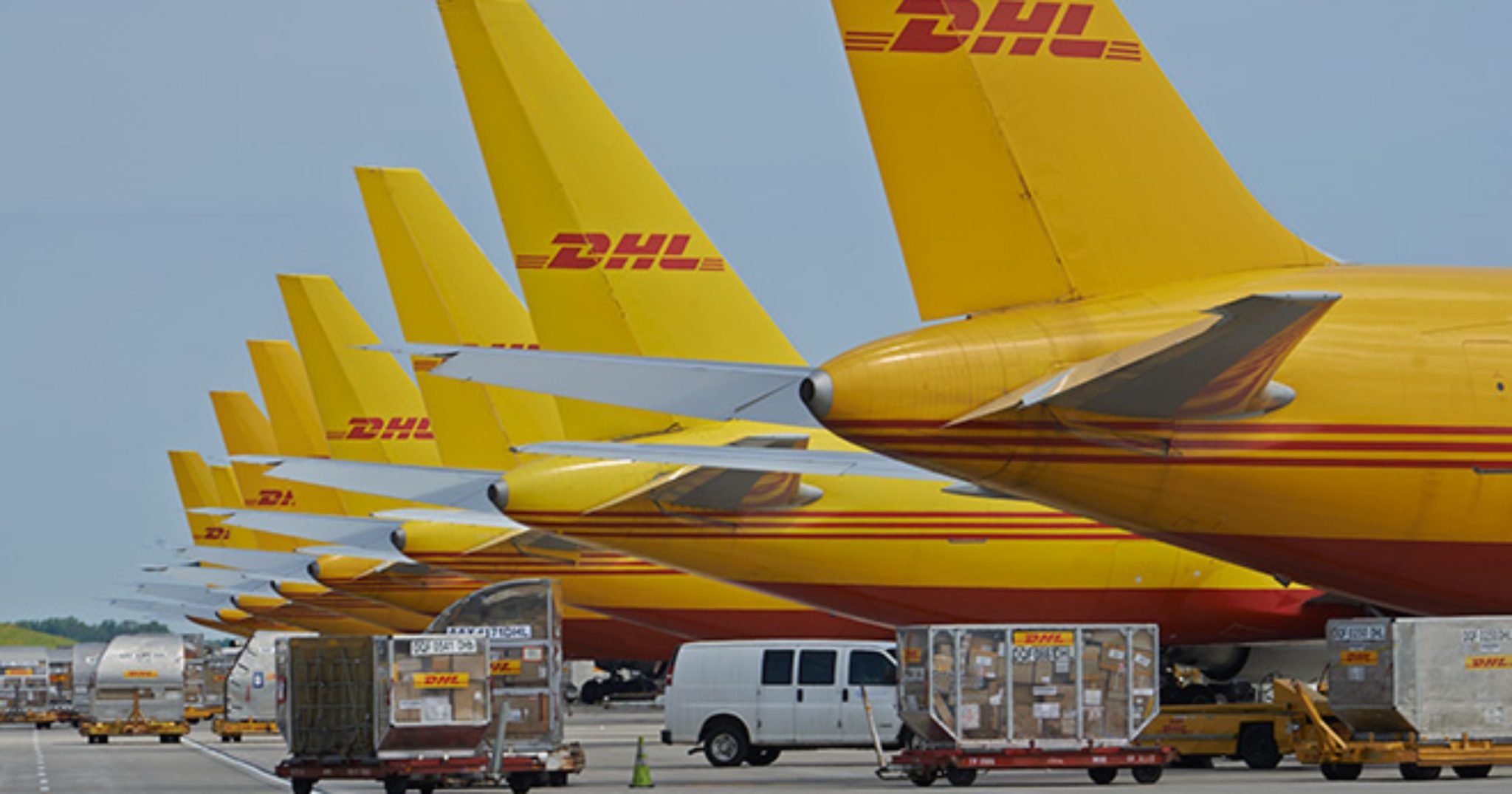
    DHL Express, the world’s leading international express service provider, has been named the Best Workplace in Asia for 2019 by Great Place to Work (GPTW), the global people analytics and consulting firm known for its annual Best Workplaces list.

    “We are extremely honored to be recognized as the leading employer and best-practice workplace in Asia Pacific,” said Ken Lee, CEO, DHL Express, Asia Pacific. “It is important that our employees are always motivated and engaged because they determine the success of our company. We treat our employees the way we would like them to treat our customers, by fostering a culture of authenticity, responsibility, dignity, performance and results. This award is testament to the passion and energy that each one of us brings with us to work every day to make DHL a special place to be.”

    DHL Express received GPTW’s prestigious award for the fourth time since 2016, naming it the Best Workplace in Asia in 2016 and 2017 as well as the runner-up in the same category in 2018. This year’s honor came amid positive recognition of its workplace culture across 15 countries and territories in Asia Pacific. DHL Express garnered commendable scores on both the Trust Index and the Culture Audit, which canvassed direct feedback from employees to determine workplace levels of fairness and equity, diversity, and talent development.

    “DHL’s success as an organization hinges on the unique background, experiences, and perspectives that each of our employees brings. Our strength in respecting and empowering the individual ensures everyone works together as a tightly-integrated whole to strive for exceptional performance,” said Mateen Thiruselvaam, Senior Vice President, Human Resources, DHL Express, Asia Pacific. “Feedback mechanisms like the annual Employee Opinion Survey make sure that everyone is heard, and enable us to assess and fine-tune our culture so that we constantly reach toward and extend beyond our full potential.”

    In 2018, DHL won a total of 50 awards for its workplace culture, bringing the total number of awards won since 2014 to 192.

  • Tata Motors Group’s Global Wholesales Down By 5%

    Tata Motors Group’s Global Wholesales Down By 5%

    Tata Motors has officially come out with its global wholesale numbers for the month of March 2019, and the company has reported a 5 per cent de-growth. Last month, Tata Motors’ total wholesales, including Jaguar Land Rover sales, accounted for 1,45,459 vehicles, compared to the 1,53,114+ units sold by the company during the same month in 2018.

    The company’s passenger vehicle wholesales for the month stood at 88,314 units, witnessing a decline of 9 per cent, as against the 97048 vehicles sold during the same month last year. This also includes the combined global wholesales of Jaguar Land Rover and CJLR (JV between JLR and Chery Automobiles) which sold 70,171 vehicles in March 2019. CJLR contribution to this was 4,812 units. Furthermore, Jaguar wholesales for the month were 20,985 vehicles, while Land Rover wholesales for the month were 49,186 vehicles.

    On the other hand, global wholesales of all Tata Motors’ commercial vehicles and Tata Daewoo range in March 2019 reached up to 57,163 vehicles. The company bagged a marginal growth of 1 per cent in commercial vehicle sales, compared to the 57,740 vehicles sold in March 2018. As for the company’s performance in India, Tata Motors’ CV and PV sales combined, accounted for 68,709 units, witnessing a drop of 1 per cent, against the 69,409 units sold in March 2018.

  • Indonesian retail sales growth speeds up

    Indonesian retail sales growth speeds up

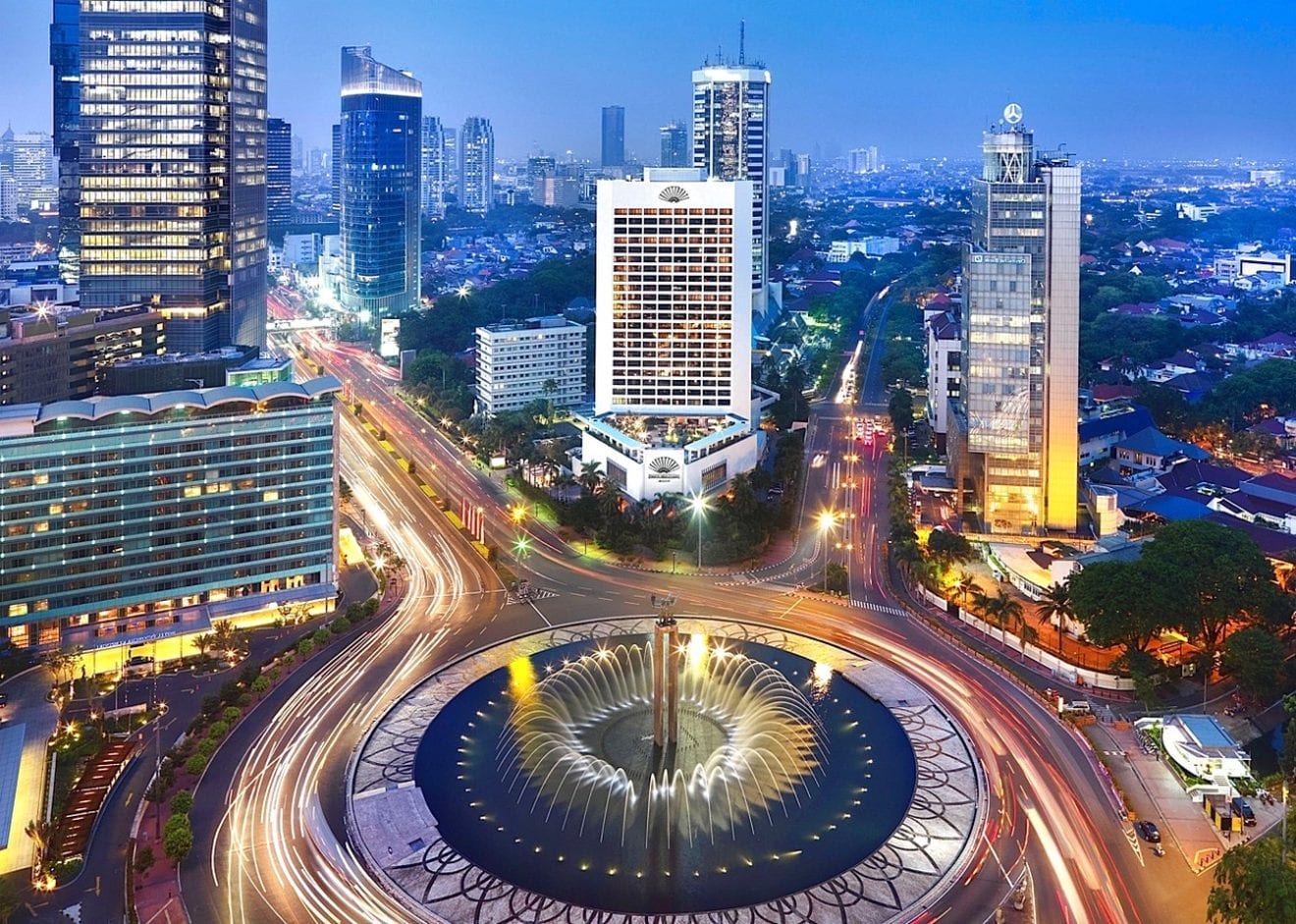
    Indonesian retail sales surged 9.1 per cent in February – a rate higher than anticipated.

    The growth rate appeared to be driven by shoppers splurging on Lunar New Year celebrations as well as an increase in apparel sales during the month.

    February’s rise followed a 7.2 per cent improvement in January and government statisticians have predicted a rise of 8 per cent for March.

  • Ford Might End Its India Business

    Ford Might End Its India Business

    News has emerged that Ford India could end its India business as it looks to sign a new deal with Mahindra. According to a Reuters report, Ford could enter into a new joint venture in India in which it will hold 49 per cent stake, while Mahindra will own 51 per cent. The American carmaker could transfer most of its India business to the joint venture including its assets and employees.

    carandbike reached out to Ford India for a comment and the company responded by saying, “We do not comment on speculation. Ford remains committed to India. On the strategic alliance with Mahindra, teams from both companies continue to work together to develop avenues of strategic cooperation that help us achieve commercial, manufacturing and business efficiencies for the future.” Mahindra hasn’t confirmed the news either and has refrained from commenting on speculations.

    Ford and Mahindra entered into a strategic alliance in 2017 under which they will share platforms and build new models together. Mahindra Electric, a completely owned subsidiary of the Mahindra & Mahindra which expertise in electric vehicles will lead the alliance by providing the technology to develop new electric vehicles. Mahindra Electric will supply the electric powertrains, battery packs and software technology while Ford will share platforms with Mahindra.

  • Australian Dollar Slips

    Australian Dollar Slips

    The Australian dollar has fallen Wednesday, buying 71.23 US cents from 71.44 US cents on Tuesday.

    The local currency rose on Tuesday morning, buying 71.24 US cents from 70.99 US cents on Monday. It was at 71.07 US cents Monday morning, dropping from 71.25 US cents on Friday.

  • Online reviews are terrible and useless

    Online reviews are terrible and useless

    Online reviews sound good in theory. In practice, however, they don’t work so well. Reviews were initially important as proxies of trust for e-commerce businesses, but they have now well and truly spilled over to bricks-and-mortar businesses, where the weakness of the review system is being amplified as some consumers have figured out how to weaponize it.

    The general idea is that users provide their personal and honest feedback and other users are able to make more informed choices (like avoiding scammers). Even the business owner can use “learnings” to improve the business.

    It just doesn’t work.

    Amazon is plagued by fake reviews and trolls. In the book space, for instance, small groups and even bots target specific authors over spurious disagreements the trolls may have, and downvote their books accordingly so that they never appear in algorithmically-driven searches.

    On AirBnB and Uber, providers and users review each other. Another great idea, but in practice, since no one can afford to be given a 1-star review (the host wouldn’t get guests and the guest wouldn’t get accommodation) – the unspoken rule is that everyone gives each other 5-star reviews all the time. A 4-star review should set alarm bells ringing.

    Reviews are not a fair representation of the business, because reviewers have suspect motives, are unqualified, unreliable and the process is flawed and without proper context.

    The problem with online reviews

    Here are just a few of the drawbacks with online reviews, as they currently exist:

    • The motive of the reviewer is not always apparent, and neither is it always pure. Even positive reviews may have little to do with the actual service experience, and people who are motivated to review, often have an axe to grind.

    • Those who prefer not to review products and services are often bombarded by reminder emails until they relent, only to give a less than well-thought-through review long after the fact.

    • You usually only get one side of the story in a review.

    • Most people doing the reviewing have zero insight into the business’s operations, and criticisms and expectations are often unrealistic. Negative reviews are not merely limited to articulating a personal negative experience, but often are about perceptions of staffing levels, time, production, etc.

    • Compulsive reviewers operate under the misguided belief they are helping other consumers, but they are usually on a power trip.

    • Is ANY consumer really equipped to judge and compare Bunnings to McDonald’s?

    • Is the person’s subjective experience actually useful? Does the fact that a person doesn’t like a burger mean no one else will? Or vice versa?

    • A business would need to have thousands of reviews across different times, different experiences and different contexts for the sample to be considered statistically relevant. I suspect the average small business would rarely reach this sample size. Few real world, independent retail businesses boast sufficient reviews, so the results are invariably skewed. It takes more than a hundred or so reviews for the law of averages to apply, but whether a rating is valid or not does not deter the reviewing platform, with most of them showing reviews after a handful has been received.

    • Different people have different standards – what one reviewer considers value for money, another will consider expensive another to cheap. That is, the reviewer does not necessarily reflect the market that the operator seeks to attract.

    • Generally speaking, our culture – and it is amplified in the online space – has a tendency to reward victimhood.

    • It is impossible for different people with different expectations to apply the same standard. Can you have a 5-star experience at a 3-star motel, and is the average punter equipped to make that distinction?

    Any run-of-the mill establishment gets reviewed as well, whether they like it or not. If you want to exist on Google Maps, you get Google Reviews. TripAdvisor has excellent SEO juice, so any business reviews will come up with your own listing at all times. If you want to keep a recent poor review off the top of your results, it will set you back $70 per month to feature a good review instead.

    What now?

    Review results are statistically and psychologically unreliable, but there is no way of avoiding them. They are here to stay, flawed or not.

    Retailers should learn how to play the reviewing game, and the options are to (a) ignore and (b) embrace or (c) fight.

    Our strategy has been:

    1. Avoid channels where the trolls feed in vast numbers (Facebook: reviews disabled; Twitter: no account; Instagram: no account).

    2. On Google and Tripadvisor, respond to every review positive or negative to at least put both sides of the story out there.

    3. Resist seeking positive reviews or attempt to ‘game’ the reviews and don’t display/promote any reviews, even positive ones.

    4. Learn what you can from a review as objectively as possible – in some instances, reviews are simply the old “world of mouth” now made visible and there is a benefit in knowing what is being said.

    In the early days of e-commerce, when consumers were still sceptical, a 5-star review simply meant the product was as advertised and arrived when promised.

    Any scammer who wanted to take money without sending the goods wouldn’t last long. These trust issues are not as prevalent, and there are different mechanisms to root out the bad apples today.

    Businesses – and the delivery of customer experience – are too complex to be reduced to a simple star system or a subjective comment.

    Maybe that is an opportunity for an entrepreneur.

  • Vietjet expands international network

    Vietjet expands international network

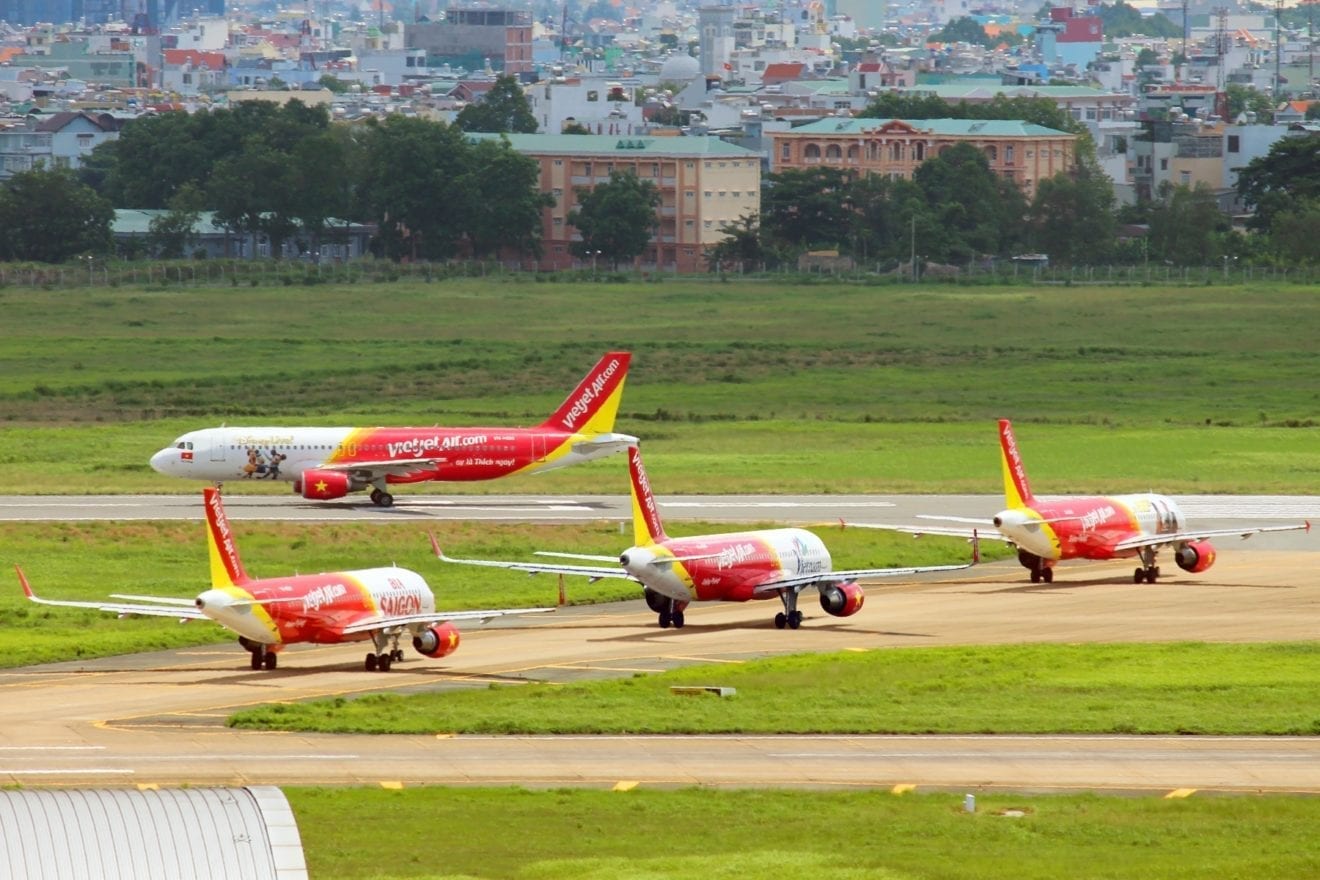
    Low-cost carrier Vietjet on Tuesday announced its operation plan for the Hong Kong market and the launch of a new route linking Phú Quốc and Hong Kong, one of Asia’s most well-known destinations.

    The Phú Quốc – Hong Kong route will operate return flights with a frequency of four flights per week, starting from April 19. With a flight time of two hours and 45 minutes per leg, the flight will depart Phú Quốc at 10:50am and land in Hong Kong at 2:35pm (local time) while the return flight will depart from Hong Kong at 3:40pm and arrive in Phú Quốc at 5:25pm (all local times).

    “After nearly three years of operating our HCM City-Hong Kong route, Vietjet has gained the love and trust of Hong Kong residents, business people and international tourists, and has contributed positively to the promotion of air travel and trade between Việt Nam and Hong Kong as well as across the region,” said Lưu Đức Khánh, Vietjet’s managing director.

    Khánh said the airline has thus far transported more than 300,000 passengers on this route, which includes a significant number of transit passengers who boarded in Hong Kong.

    The director said the new direct route between Phú Quốc and Hong Kong, the first direct flight connecting the two destinations, will enhance the flying experience and reduce travel time for passengers, as well as offer flight opportunities for millions of people.

    Victor Liu, deputy director of the General of Civil Aviation Authority in Hong Kong, said that Việt Nam and Hong Kong have enjoyed very good and long-standing economic and social relations.

    “With the addition of the direct passenger services between Hong Kong and Phú Quốc, it will no doubt further enrich the bilateral links between Hong Kong and Việt Nam,” he said.

    Known as “the Pearl Island”, Phú Quốc is the biggest island in Việt Nam. As one of the most talked-about tourism destinations in Asia with beautiful beaches and friendly local people, Phú Quốc in the southern province of Kiên Giang has attracted strong levels of investment in hotels and resorts in recent years and has become one of the most popular holiday destinations in the country.

    Adding to the island’s appeal, international travellers are exempt from visas for visits of 30 days or less.

  • AirAsia to Launch Flights Between Bangkok and Ahmedabad

    AirAsia to Launch Flights Between Bangkok and Ahmedabad

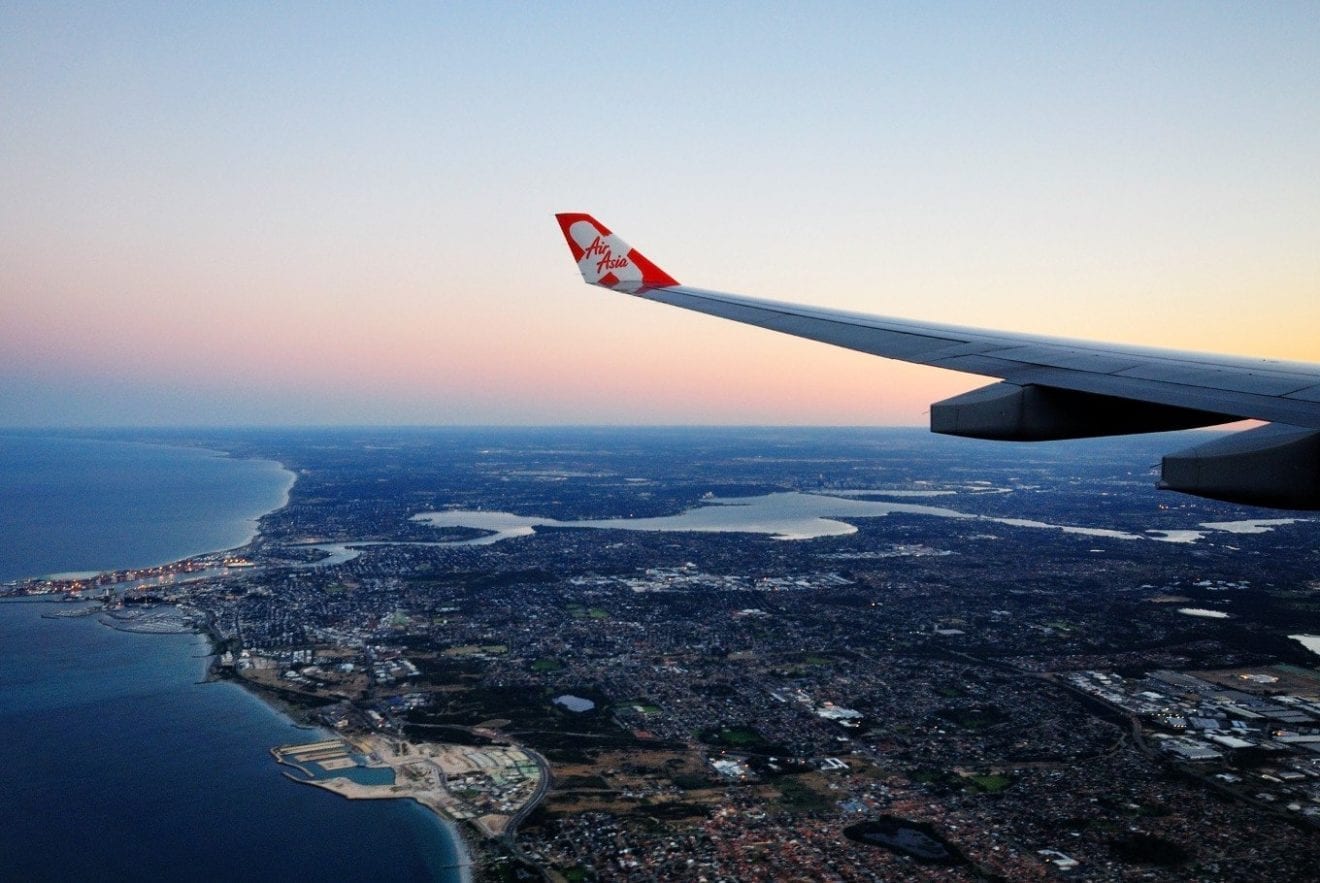
    AirAsia is to launch flights between Bangkok and Ahmedabad, the capital of Gujarat state and India’s first UNESCO World Heritage City. The airline will operate the route four times per week on Mondays, Wednesdays, Fridays and Sundays, from 31 May 2019.

    AirAsia Thailand CEO, Santisuk Klongchaiya, said, “India is a strategic market that is fast becoming an important contributor of inbound tourists for AirAsia Thailand. To fully leverage on this, we plan to regularly introduce routes connecting the two countries, focusing particularly on India’s burgeoning metros. Thailand’s own worldwide fame for hospitality should attract travellers from Ahmedabad, which is the capital of Gujarat state and India’s fifth most populous city.”

    According to Thailand’s Ministry of Tourism and Sports, Thailand welcomed 1.5 million Indian visitors in 2018, up 12% on the previous year.

    Thai AirAsia has recorded a load factor of up to 87% on its India routes, with passengers travelling between Bangkok and existing destinations in India increasing 7% year-on-year. Indian nationals made up 85% of passengers on those routes.

  • Ashley Furniture HomeStore Opens Largest Flagship Store in Kuala Lumpur

    Ashley Furniture HomeStore Opens Largest Flagship Store in Kuala Lumpur

    World No.1 selling furniture store brand, Ashley Furniture HomeStore, celebrated the grand opening of its largest flagship HomeStore in Quill City Mall today.

    Owned and operated by HAUSLIFE Furniture Sdn Bhd (HAUSLIFE), the sole licensee and operator of Ashley Furniture in Peninsular Malaysia, Ashley Furniture HomeStore at Quill City Mall marks the company’s fourth store in Malaysia.

    The 1300 square meter HomeStore’s interior architectural design include Ashley Lifestyle collections – ‘Family Spaces’. ‘Vintage Casual’, ‘Urbanology’, ‘New Traditions’ and ‘Contemporary Living’; meandering walkway through the showroom as well as unique and inspiring wall finishes. Product categories include upholstery set, bedroom set, dining room, home office, recliners, mattresses and accessories.

    Yu Kong Ching, Founder and CEO of HAUSLIFE, said, “Clearly, Ashley’s brand of furniture products have struck a chord amongst Malaysian consumers and this is reflected in the tangible growth of the brand’s presence here in Malaysia.”

    “The opening of this flagship store is also a testament to HAUSLIFE’s commitment, dedication and know-how in strengthening Ashley Furniture’s continued success in Malaysia in terms of market share and brand recognition.”

    According to Yu, HAUSLIFE aims to open eight (8) Ashley Furniture HomeStores by 2022. “There is still a lot of room for us to grow in the Malaysian market, more so as we see an ever-growing demand for quality, value, style and excellent service by discerning consumers in the retail furniture market,” Yu added.

    Speaking at the launch of Ashley Furniture HomeStore Quill City Mall today, Mr Robin Lim, VP sales of Asia for Ashley Furniture HomeStore, said, We are excited to see the Ashley brand expanding aggressively in Malaysia. The ASEAN region, including Malaysia, is essential to Ashley Furniture’s global growth plans.”

    Comprehensive E-commerce platform

    In tandem with the global trend towards embracing the digital lifestyle, Ashley Furniture HomeStore recently launched its e-commerce platform only for the Malaysian market. Developed to be user-friendly yet feature-packed with great deals, this online platform allows Ashley’s customers from all over Peninsular Malaysia to purchase Ashley products from authorized retailer online.

    Exclusive Affiliate Program for Interior Designers

    HAUSLIFE Interior Designer Affiliate (HIDA), an incentive program custom-built by HAUSLIFE for interior designers, was launched in 2015 With over 215 affiliates, HIDA aims to empower interior designers today to have the mean to realise their creative vision and make life better. The program brings lots of benefits including exclusive deals on Ashley and HAUSLIFE products as well as access to new and selected products.

  • Vietjet advances the second dividend payment of 2018 at 10%

    Vietjet advances the second dividend payment of 2018 at 10%

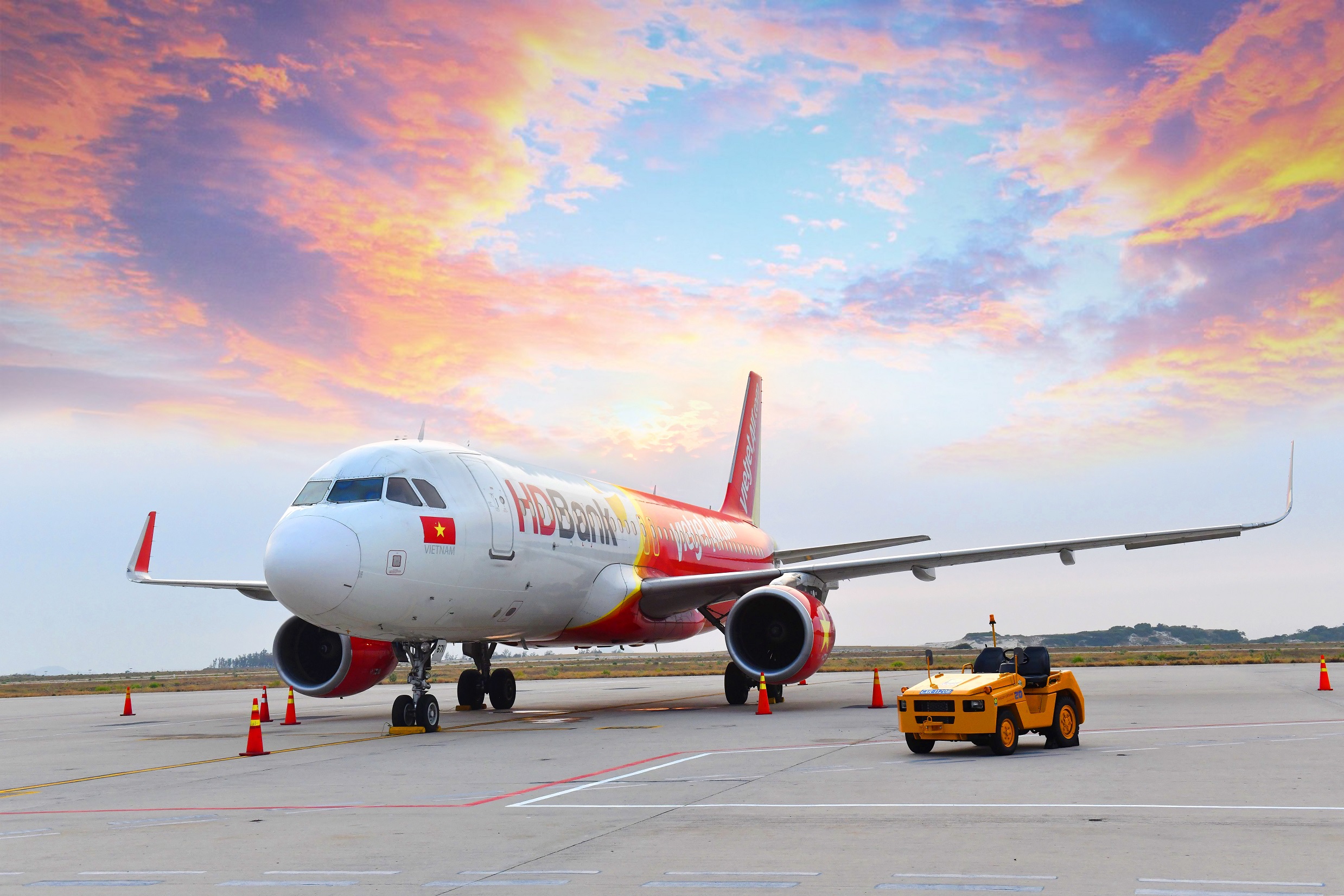
    Vietjet Aviation Joint Stock Company (HOSE code: VJC) Board of Directors announced on 8 April its approval to advance the second dividend payment of 2018 at the rate of 10% (receiving VND1,000 per shares). The final registration date is 24 April 2019, corresponding to an ex-right date of 23 April 2019.

    Consequently, Vietjet will pay more than VND542 billion (approximately US$23.3 million) to advance this second dividend payment of 2018.

    According to the resolution of the Annual Shareholder Meeting 2018, the planned dividend payout ratio is 50% in both shares and cash. Thanks to its high and continuous growth, and abundant cash resources, Vietjet’s Board of Directors submitted to its shareholders a 2018 dividend payment at a rate of 55%, higher than the previously approved plan.

    The new-age airline has established a good track record of paying high dividends from year to year, from 50% to 70% in both cash and shares. With its 2019 business plan, it is believed that Vietjet’s Board of Directors will continue to submit a high dividend payout ratio of 2019 at the coming Annual General Meeting of shareholders.

  • Sunway Pyramid Launches First Real-Time Indoor Navigation Mobile App In Malaysia

    Sunway Pyramid Launches First Real-Time Indoor Navigation Mobile App In Malaysia

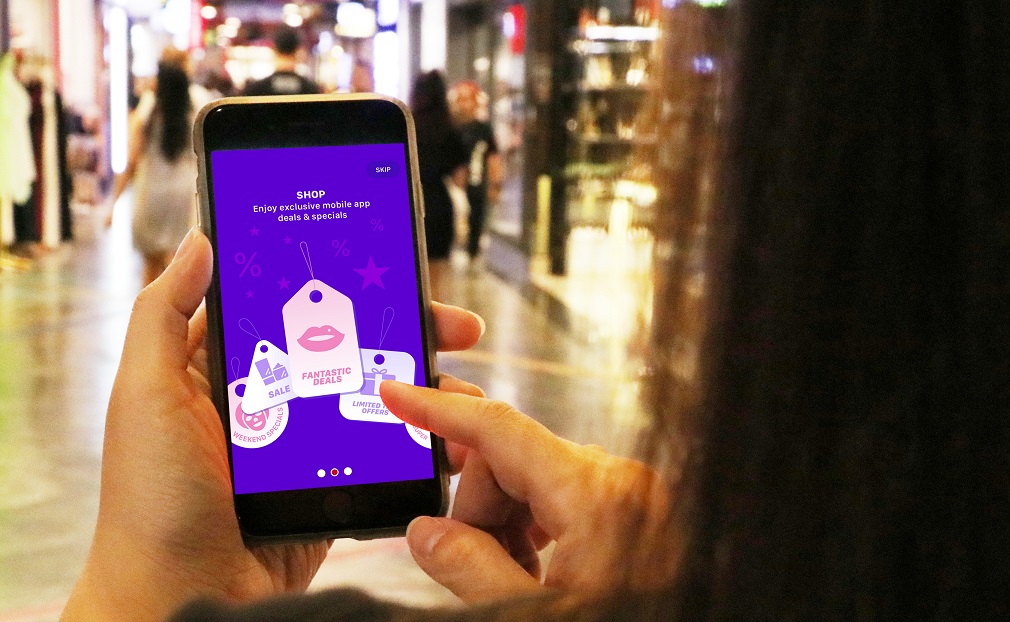
    Navigating through a shopping mall has never been this easy – and rewarding! The newly launched Sunway Pyramid Mobile app is the very first shopping mall app with real-time in-mall navigation, set to revolutionise the shopping experience.

    With over 1,000 exciting specialty stores available in Sunway Pyramid, making one’s way around the 1.8 million sq ft of space that spans over four main shopping levels can prove to be quite the challenge.

    Sunway Pyramid is working closely with the Google Indoor Maps team to integrate their mobile app with Google’s map engine for the upcoming versions of the app – shoppers can say goodbye to spending more time searching for a physical counter or directory to get to their desired location.

    “As a shopping mall that listens to the needs of our customers, this is a great way to provide them with peace of mind as well as personalized content and exclusive rewards & offers for a better and more enjoyable experience – all at their fingertips. We hope that the introduction of the Sunway Pyramid Mobile App gives them more reason to continue choosing us as their preferred lifestyle destination,” said Kevin Tan, Chief Operating Officer of Sunway Malls.

    That’s not all as shoppers will be rewarded for their usage of the app, giving them better value for their time spent in the mall. App-exclusive rewards await them at participating tenants such as YSL, Laneige, Sulwhasoo, Yves Rocher, Chanel, Dorothy Perkins, Topshop, Topman, Miss Selfridge, Burton Menswear London, Nelissa Hilman, Hush Puppies, Love Bonito, JD Sports, NY Steak Shack, Genki Sushi, Coffee Bean & Tea Leaf, Mr Roti Canai, Brotzeit, O.W.L, Gem Studio and Tomei.

    The fun does not stop there, as users can take a quiz in the app to determine their shopping persona. Find out if you are a Trendsetter, Digital Genius, Family Hero, Smart Spender or Golden Groover by answering a few simple questions – this information along with the shoppers’ navigation patterns, redemption and browsing behaviour will be considered to further personalise content that is relevant and targeted for each user.

    To find out more about what the Sunway Pyramid Mobile app can do, shoppers can join in the fun by visiting the on-ground event at the Water Feature on G Floor from 12-28 April.

    Upon downloading the app and registering, shoppers can scan their Member ID to enjoy rewards and gifts such as samples from Laneige, L’occitane, Clinique, Sulwhasoo, cash vouchers from Genki Sushi, complimentary milkshakes from NY Steak Shack and shopping vouchers amongst many others. Other activities include multiple photo op areas with a photo booth and even a relaxation lounge with massage chairs!

    The Sunway Pyramid Mobile App will be available for download via the Google Play Store and Apple AppStore on 12 April 2019. For a full tutorial on how to use the app, please visit YouTube link here.

  • Ted Baker Boost Store Network in China with JV

    Ted Baker Boost Store Network in China with JV

    Fashion brand Ted Baker has formed a joint venture to expand its network in Mainland China, Hong Kong and Macau.

    A new company will take over the three Ted Baker China stores already operating in Hong Kong and the six on the mainland. It will operate all Ted Baker future stores, concessions and online channels in the three geographical markets.

    Ted Baker will invest about RMB30 million (£3.4 million) in the new venture, which will be co-owned with Shanghai LongShang Trading Company (LS). LS will assign its rights under the JV to a newly incorporated Hong Kong investment vehicle to be wholly owned and formed by LongGoal Holdings and Infra-Apparel Group.

    Lindsay Page, acting CEO of Ted Baker, said the company is excited about the growth potential for the brand across China.

    “Over recent years we have invested in introducing the Ted Baker brand to Chinese customers, and we are confident that the creation of this JV will build on this platform and deliver meaningful long-term growth. In LongGoal and Infra-Apparel, we have extremely capable partners that bring local market expertise to our brand and already well-established design, buying and merchandising skillset.”

    Page said the brand firmly believes China has the long-term potential to become one of the largest single global territories for the Ted Baker brand.

    The Ted Baker China JV will have six directors, evenly split between Ted Baker and the JV Partner. The JV is expected to break-even in the 2021/22 financial year.

    In a statement, Ted Baker said LongGoal and Infra have a wealth of experience in digital marketing, e-commerce operations and building successful joint ventures in China.

    Infra-red has expanded the Golfino brand to 60 stores across China during the last five years and has strong digital-marketing and e-commerce operations experience.

    LongGoal is the current distributor of Gant, operating more than 165 directly owned and 25 sub-franchised locations in China, along with 44 directly owned and franchised Bebe stores.

    The new joint venture will be focusing on expanding the Ted Baker brand into tier 2 and 3 Chinese cities.

    Chen Xiaoling, chairwoman of LongGoal, said Ted Baker’s global lifestyle appeal has resonated well in China, and the company is confident in its ability to grow it further and faster.

    “In more than 20 years, LongGoal has amassed an infrastructure and presence in more than 65 cities, which presents a strong, compelling and proven platform that Ted Baker China can leverage. The transformational JV we’ve forged brings together a leading brand, strong management team and unparalleled opportunity to expand Ted Baker into cities that desire its fresh vision of style,” she said.

    Jing Yin, co-founder and chairwoman of Infra, described Ted Baker as an amazing brand that her company has admired for a long time.

    “[Ted Baker] has already demonstrated its relevance and appeal in the Chinese market. Our knowledge and experience in building fashion brands through stores, concessions and online should prove invaluable to Ted Baker and we look forward to working together.”

    The new venture is condition on approval from Chinese regulatory authorities.