Author: Mei Ling Tan

  • Indian fashion chain Reliance Trends to open over 2,000 stores

    Indian fashion chain Reliance Trends to open over 2,000 stores

    Indian conglomerate Reliance Industries will expand its low-cost fashion store network Reliance Trends to 2500 locations within five years.

    The chain currently has just 557 stores in 160 cites, and will target a presence in 140 more, involving deeper penetration into tier 3 and 4 cities.

    The planned expansion will involve an integration with the firm’s online activities and will serve as a gambit to seize a commanding market share of consumer spending against e-commerce competitors Amazon and Flipkart.

    The move follows recent restrictions on foreign investment into India that have at least temporarily disadvantaged the online giants. The new legislation bans online retailers from making exclusive contracts with vendors, among other restrictions.

    The Reliance Trends expansion is expected to help the firm boost its own labels in a territory that is home to the world’s largest population of millennial consumers.

  • Brands say customers are to blame for bad CX

    Brands say customers are to blame for bad CX

    There is a significant disconnect between the way brands and customers perceive trends in the customer experience, according to a recent survey by InMoment.

    While 36 per cent of brands believe their customer experience is definitely improving, only 13 per cent of customers felt the same way.

    The survey also found that brands are failing to take responsibility for their CX shortcomings, with 40 per cent of brands saying customers are “very” responsible for creating better experiences in-store, and 11 per cent saying customers are “completely” responsible.

    On the other hand, customers believe a good CX is a shared endeavour.

    “It’s evident that there’s a significant divide in Australia between how brands and customers rate the experience they are delivering and receiving, respectfully,” InMoment vice president of APAC Claire Fastier said.

    “This gulf in perception should be ringing alarm bells for brands who need to better understand customer expectation and deliver strong CX.”

    According to the report, the simplest way to solve this disconnect is to ask customers what they want directly – nearly 78 per cent of customers said this was the most important method of improving customer experience, while only 43 per cent of brands agreed.

    “Open channels for direct feedback between you and your customers,” the report reads.

    “Make it as easy as possible for them to tell you how they feel about your brand. Don’t shy away from asking them the important questions, and be sure to weigh both asking and listening wisely.”

    Additionally, retaining a human element is incredibly important, with half of customers stating that better service from staff was the most important thing brands can do to improve the customer experience. This is at odds with the brand perception, with only 29 per cent ranking this first in importance.

    Personalising service with purpose, neglecting customers without an intent to purchase, and taking constructive criticism as a positive metric are all further ways that brands can improve customer experience moving forward according to the report.

  • iPhone 11 running iOS 13 with Dark Mode pictured

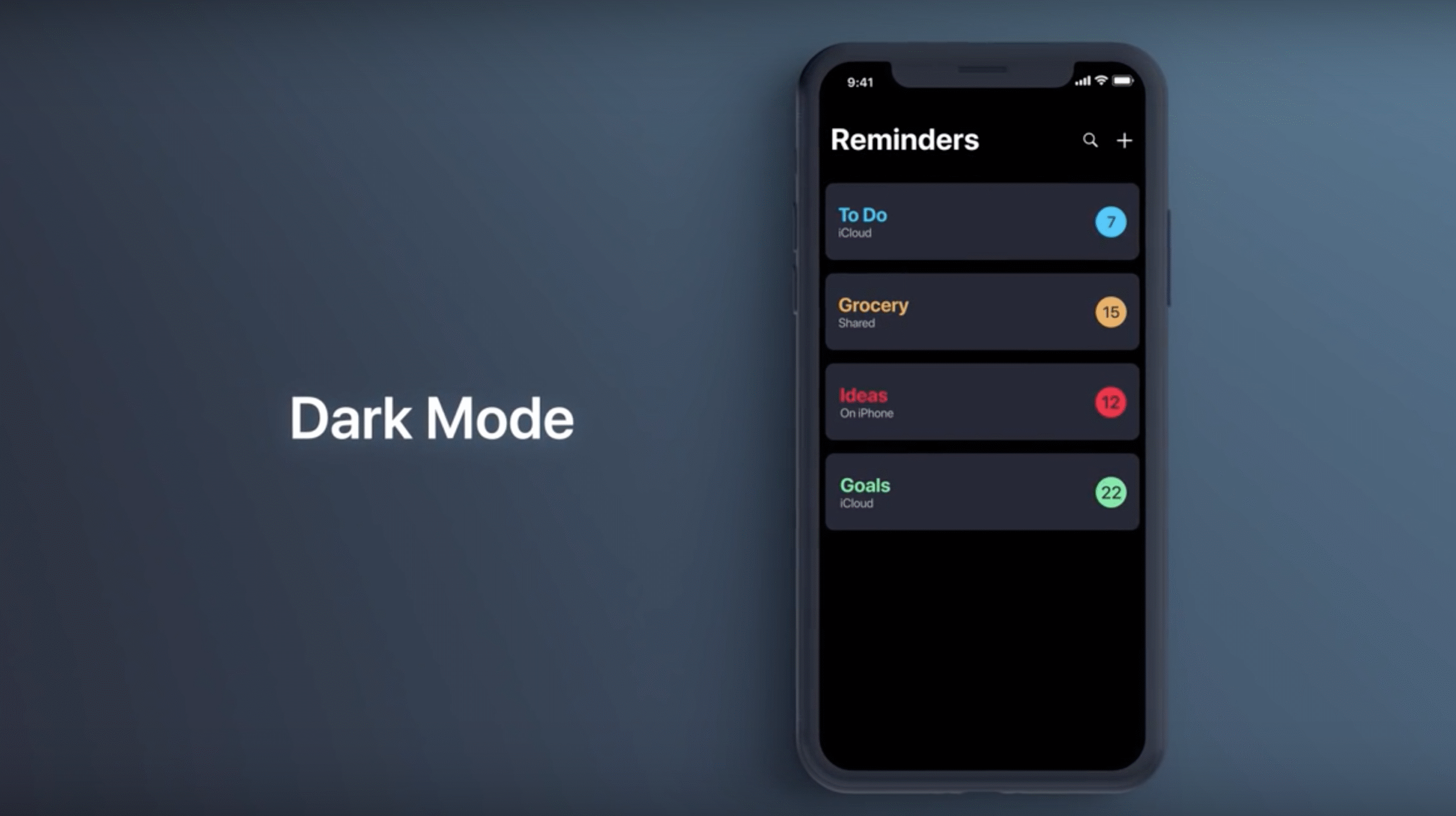
    iPhone 11 running iOS 13 with Dark Mode pictured

    After many years, the reign of LCD technology in the mobile world seems to be coming to an end. With the price of OLED displays steadily decreasing over the past couple of years, more and more companies are willing to implement the technology even in mid-range offerings. This hardware trend is also affecting the development of apps, games, and even the two major mobile operating systems. Thanks to the ability of OLED panels to completely turn off black pixels, more developers are realising the potential Dark Mode has when combined with the new technology. Not that there hasn’t been apps and themes in the past that have made everything on our smartphones darker, but now that OLED technology is becoming increasingly commonplace, companies are really getting into designing interfaces that are better suited for night-time use. Pretty much all major companies, including Google, Samsung, and Apple, are going to offer built-in Dark or Night modes on their devices starting this year.

    Android Pie and Samsung’s One UI have already flipped the switch, while Apple is widely rumored to be working on such a mode for iOS 13. With this in mind, and having seen the new Dark Modes on Android Pie and One UI, we thought we’d let the creative juices flow and imagine what it could look like in iOS 13, on the iPhone XI (or iPhone 11, because maybe Roman numerals were an anniversary-only thing for Apple).

    iOS 13 will have a dedicated Dark Mode

    We’ve subtly redesigned the iconography of iOS to fit in with Dark Mode. We’re sure we’ve broken some Apple design guidelines in the process.
    Looking at the standard iOS icon set, we felt like it wasn’t perfectly suited for Dark Mode. After all, it was tailored with iOS’s colorful aesthetic in mind. That’s why we decided to subtly redesign the icons to feature dark backgrounds while maintaining their color identity. For example, the Mail and Facetime icons, which otherwise feature white pictograms against a colorful background, have been imbued with color and placed against a dark background. This helps retain their color identity and makes them easier to find on the screen, all the while playing into the aesthetic of Dark Mode. Of course, we wouldn’t hold our breath for Apple to actually redesign the iconography of iOS in this way, but we think it looks good nonetheless.

    Given how often people reach for their phones before bed, right after waking up, and countless times in between, not getting your retinas obliterated by glaring white light at all times may be the way to go. Taking into account recent rumors that Apple may shift to OLED for all of its future iPhones, including “budget” offerings, building a night mode directly into iOS 13 makes a lot of sense. Users seem to agree with this sentiment, as one of our recent polls suggests. The vast majority of voters (over 91%) said that they were excited about Apple’s upcoming, system-wide Dark Mode in iOS 13, while only a tiny fraction said they didn’t care much about it.

    Apple last year introduced Dark Mode in macOS Mojave and is almost definitely going to mimic the idea in the next iteration of iOS. Speaking of that, iOS 13 is the next major update of Apple’s mobile operating system and it may debut alongside the iPhone XI in September, though there’s a chance that we may see it even earlier in beta form. The previous iteration, iOS 12, was released to the public on September 12 last year, though numerous beta versions were made available to developers and enthusiasts alike starting as early as June.
  • Le Saunda sales plunge with 30 per cent

    Le Saunda sales plunge with 30 per cent

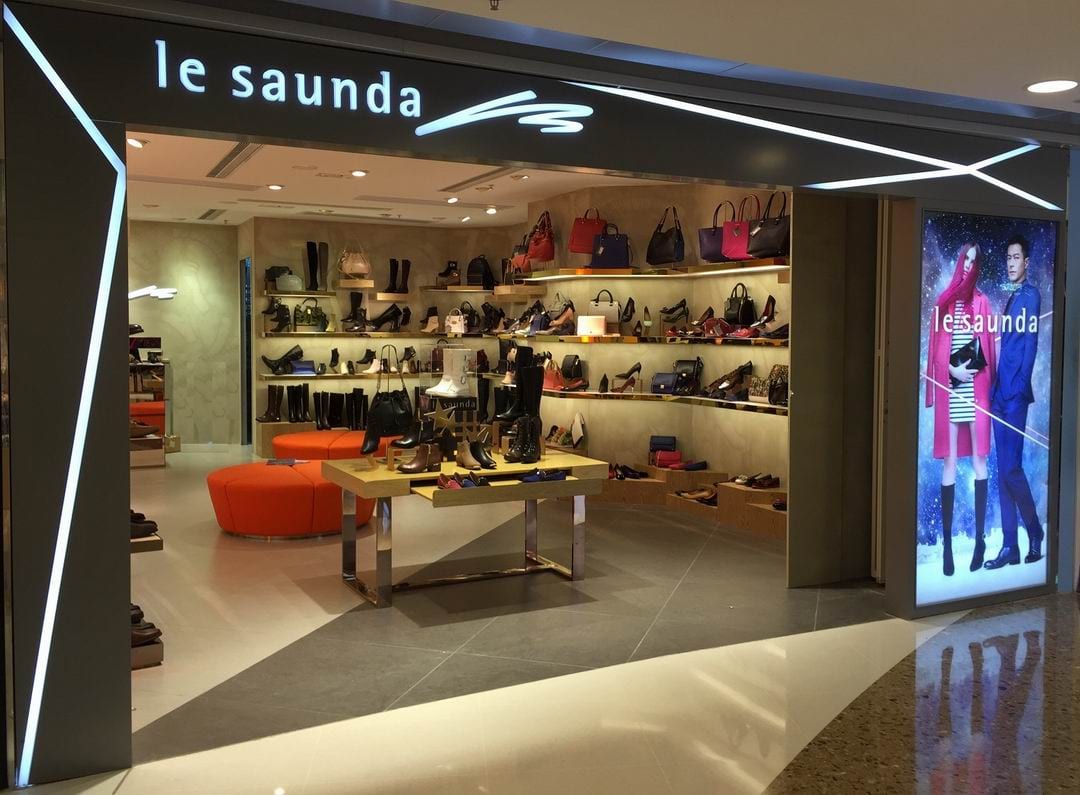
    Le Saunda sales plunged 30 per cent in the fourth quarter as the embattled shoe retailer struggles to attract customers.

    According to a stock exchange filing, sales at Le Saunda’s self-owned stores fell by 29.9 per cent in the quarter, with same-store sales declining 17.4 per cent.

    That followed a cull of 161 stores over 12 months across Mainland China, Hong Kong and Macau.

    Sales by the group’s e-commerce business fell by 4.1 per cent, compared with the same period last year.

    Le Saunda has 526 stores remaining across its three markets, with 464 of them self-owned and 62 franchised on the mainland.

    The company said it expects the group to record a net loss attributable to shareholders for the 2018-19 financial year, primarily attributable to the decrease in sales, and a declining gross profit margin. Le Saunda did not give an estimate for the loss.

  • Finaccess takeover of Restaurant Brands

    Finaccess takeover of Restaurant Brands

    Investment firm Finaccess’ takeover bid for quick-service group Restaurant Brands has been declared unconditional, with the firm accumulating 61.73 per cent of shares in the business.

    While the firm’s offer specifies it is seeking 75 per cent of shares in the business, it was able to declare the offer unconditional should it reach over 50 per cent.

    Shares in the business spiked almost 2 per cent after the news, increasing 17 cents to $8.92 per share, though the offer is paying $9.45 per share.

    Group chief executive Russel Creedy was among those who decided to sell shares, offering up his 571,601 share stake in the business – an offer worth approximately $5.4 million.

    While the offer is now considered unconditional, the end date has been automatically extended to 26 March, and the Restaurant Brands board continues to recommend shareholders accept the partial takeover for their shares in the absence of a greater offer.

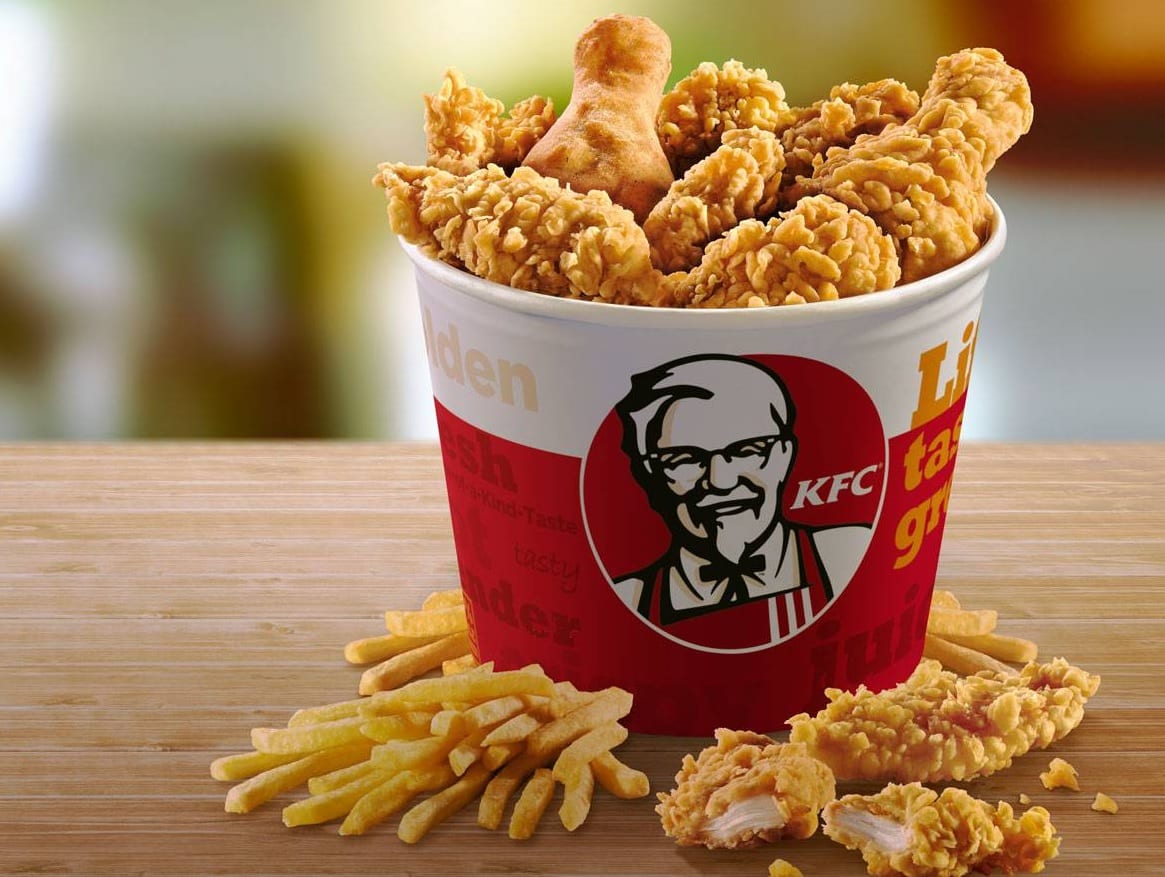
    The QSR group declared it had increased full-year sales to $794 million last week, due to strong growth in the KFC business in Australia and New Zealand.

    KFC New Zealand saw sales increase to $336.5 million, a 5.3 per cent increase over the previous period, while Australian operations saw 27.8 per cent sales growth to $178.3 million.

  • Understanding shopping centre traffic trends to adapt consumer strategies

    Understanding shopping centre traffic trends to adapt consumer strategies

    Kepler Analytics is in a unique and privileged position. We have our sensors in over 60 retail brands within 1,700 locations across Australia. We collect traffic and other consumer behaviour measures. By aggregating and anonymising our information we can provide the retail industry with benchmark measures on traffic, sales, conversion and other related KPIs focussed on understanding sales and the drivers of retail sales.

    The Kepler Retail Radar newsletter is published every 6-8 weeks. We try to keep our analysis relevant and deliver helpful insights which assist in understand historical performance but also highlight where learnings can be implemented to deliver better retail results in future.

    Below are the key learnings from October 2018 to the End of February 2019, calculated on a Year on Year, Like for Like Basis.

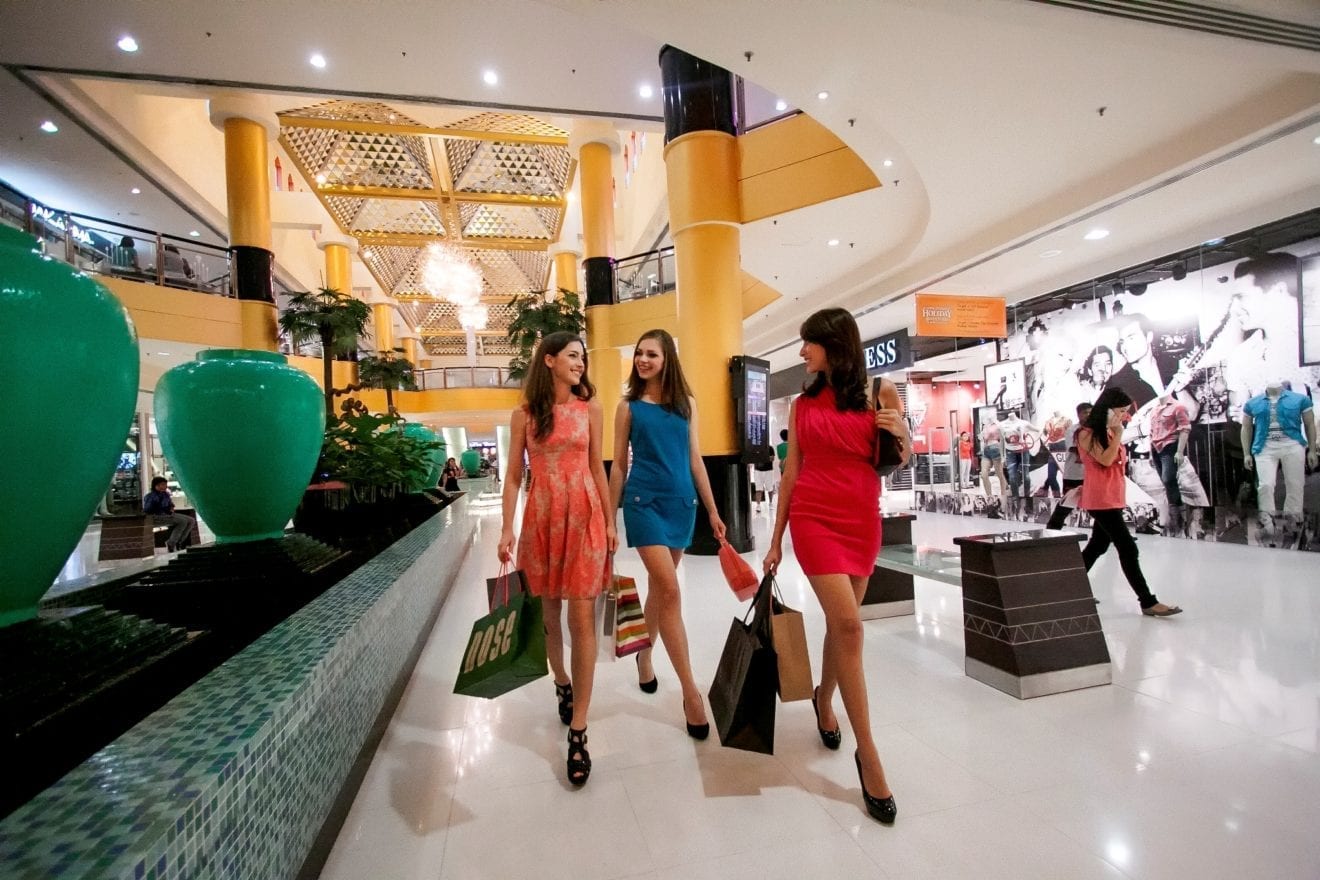
    • There is a sustained drop in foot traffic into shopping centres in general.
    • Those consumers visiting the centres are doing so with a greater propensity to purchase – there is less of a browsing element than in the past.
    • Retailers are converting a higher percentage of inside traffic (in store traffic) into sales – due to the more serious nature of the ‘buying trip’ and the greater ability of store staff to satisfy their needs – either there is a lower ratio of staff:customer giving more time to focus on each sale opportunity or better abilities to convert (as these stores have been using the Kepler Conversion Programme for some time).
    • The reduction in dwell time and repeat visits and the increase in ATV reaffirm the premise that customers come into stores better equipped to make the purchasing decision than before – it takes less time and less visits to get to the buying decision point.
    • Retailers should consider tweaking their sales approach – it might not be a case of ‘how can I help you?’ but rather ‘what can I help you with?’ – subtle change of focus acknowledging the customer can done their homework and is prepared to buy.

    Where have all the browsers gone?

    The key metrics reveal that whilst centre traffic was down by approximately -8% in October and November (and Black Friday did little to stem the decline), the rate of decline has increased to -17.5% in February
    2019.

    The desire for customers to enter stores as they pass by (Shopfront Conversion) is also in decline, though it is improving. Whilst the rate of Year on Year decline in February 2019 is -1% on prior year, the November
    2018 result reached its nadir at -4.7%. Black Friday delivered its promise to drive the bargain shoppers into store… just not as many stores as retailers would have liked.

    The combination of these two elements means that retailers are having to cope with as much as a -18.4% change in their store traffic levels. This could well lead to catastrophic sales results. And those customers that do enter, are spending -7.6% less time in store. The impacts for merchandising and service focus can also be felt.

    Thankfully stores have been able to offset most of this decline through huge boosts in the Sales Conversion. Once a customer has entered a store, their propensity to purchase has increased by as much as +18.2%. For those retailers that had a softer than desired Christmas 2018, contemplate the result you would have had if your staff, stores (not to mention your online assets to support consumer research pre-visit) had not delivered a +17% change in sales conversion.

    The final piece that has returned sales for Australian stores into a marginally positive result is boosts in the average purchase value. These real aggregated figures show that a change in ATV of +3.8% are what is required to maintain
    even the smallest LFL growth.

    Your store staff are now facing vastly lower potential customers who are more aware of what they want, and willing to spend less time to find it. At the same time, they need to convert a greater proportion of them, and at higher values just to stay flat. Both simple and complex, all at the same time.

    The ability for Australian retailers to respond to these changes are critical. Awareness of the underlying factors that deliver the sales capability and potential of stores is the starting point. Modifying and supporting positive behavioural shifts both at a store and support office level are now the fundamental drivers of sales parity.

  • Retail Sales growth slows in February

    Retail Sales growth slows in February

    Electronic card spending was up 0.9 per cent month on month in February, according to the latest figures from Stats NZ, which are adjusted for seasonal effects.

    This was modest compared to January’s 1.8 per cent month on month increase, though spending rose across five of the six retail industries in February.

    The biggest increases were seen in groceries and liquor, where spending was up 1 per cent or $19 million on the previous month, fuel, where spending was up 1.3 per cent or $7.4 million on the previous month, and hospitality, where spending was up 0.7 per cent or $7 million on the previous month.

    Vehicles, excluding fuel, was up 2.6 per cent or $4.6 million on January, and apparel was up 0.9 per cent or $2.8 million on January. Only durables was down 0.2 per cent, or $2.5 million.

    “The rise in fuel spending coincided with a gradual increase in fuel prices, after a period of lower fuel prices,” Stats NZ retail manager Sue Chapman said.

    “Sales of durables such as furniture, hardware and appliances, as well as clothes and shoes, appear to have levelled out in February, after a more volatile patch in December and January,” she said.

    Core retail spending, which excludes the fuel and vehicle-related industries) rose 0.9 per cent in February.

    Actual retail spending using electronic cards was $5.1 billion in the month, up $168 million, or 3.4 per cent, from February 2018.

  • Maxim’s waste cooking oil to fuel Hong Kong delivery trucks

    Maxim’s waste cooking oil to fuel Hong Kong delivery trucks

    Oil giant Shell has launched a pilot program with catering firm Maxim’s to use biodiesel made from its used cooking oil to power its fleet in Hong Kong.

    The first-of-its-kind program in the territory will support over 100 delivery trucks with annual consumption of 396,000 litres. Maxim’s is the first restaurant group in Hong Kong to join the program.

    “Shell is proud to announce this first-of-its-kind partnership with Maxim’s Group,” said Shell Hong Kong’s retail GM Anne Yu (pictured). “Together we take this important step towards a more sustainable energy future for Hong Kong. Biofuels are a smart solution because they reduce ‘well-to-wheel’ CO2 and upcycle domestic waste materials.

    “By transforming cooking oil into useable fuel, we can reduce both local waste and CO2 emissions, while providing energy security for Hong Kong. With over 30 years of experience in distributing biofuels globally, Shell is committed to the further development of bioenergy.”

    “Maxim’s Group is committed in environmental protection through various key initiatives since 2009, including our signature Surplus Bread Donation Program which enables volunteers to collect surplus bread from our cake shops across town and donate to the needy”, said Maxim’s Cakes & Bakery and Branded Products GM Patrick So.

    “Giving waste a second life has been extended to upcycling used cooking oil at Maxim’s restaurants to energy. We are happy to partner with Shell, and currently our 100-plus trucks from two food production plants are using Biodiesel as part of our sustainable development.”

    To produce biodiesel, Shell sources biocomponents (B100) to blend into petrodiesel whilst managing an end-to-end quality assurance process to achieve high-quality fuel. This is intended to improve Hong Kong’s energy security in using sustainably produced domestic raw materials.

    As the first and only biodiesel provider in Hong Kong through retail oil stations, Shell has been providing energy solutions for corporations to contribute to Hong Kong’s sustainability since 2016. It has recently made biodiesel available at Shell’s Tai Po Market station, the third station providing the fuel, expanding coverage to encourage biodiesel adoption among commercial fleet customers. The other two stations providing biodiesel are located at Tsing Yi and Hong Kong International Airport.

    “Shell is one of the first to invest in advanced biofuels to explore new sustainable fuels that contribute to the energy mix of the future,” concluded Yu. “We are pleased that Maxim’s Group believes in the value of sustainable fuel as we do and partnered with us to tackle the energy challenges together. We will continue to work with companies, customers and the society through different projects to make Hong Kong more sustainable.”

  • Oliver’s founder and former CEO takes up mantle again

    Oliver’s founder and former CEO takes up mantle again

    Less than a year after exiting Oliver’s Real Food, Jason Gunn is once again chief executive and an executive director on the board of the company he founded.

    The decision follows the departure of Gunn’s replacement, Greg Madigan, who resigned earlier this month after ten months in the role.

    The news drove up the business’s share price from 0.022 cents per share to 0.029 cents per share, a 31.8 per cent increase.

    The announcement was part of a broader leadership change that saw Nicholas Downer named chairman and non-executive director, Steven Metter named company secretary and non-executive director and Amanda Robson Gunn named operations manager and executive director.

    Downer said to shareholders that the brand’s head office had become bloated, and was no longer focused on performance at the cash register.

    After investigating the business’s expenditure, the incoming board found a weekly cash burn rate of approximately $100,000, as well as a number of fees related to consultants and advisors which have now been ceased.

    “The focus of the board and management will be to return calm and confidence to our employees, a relentless focus on implementing [our] cost savings…, returning the business to the successful formulae from it’s pre-IPO stage, all designed to increasing turnover and profits, and rebuilding shareholder value,” the chairman said in his address to shareholders.

    According to Downer, Gunn returns to the business “invigorated, relaxed and ready for this challenge.”

    “As founder and creator, Jason is undoubtedly the right person to drive the business through this turnaround process, as he did while Oliver’s grew at the rate it did over the last 10 years,” Downer said in a note to investors.

    The changes come after Oliver’s suffered a difficult holiday period, having dropped its expectations for the remainder of the year to an EBITDA loss of between $1 and $4 million.

  • Wesfarmers, Woolworths lead list of top 1000 Australian companies

    Wesfarmers, Woolworths lead list of top 1000 Australian companies

    Research firm IBISWorld on Tuesday revealed Australia’s top 1000 companies in 2018, with Wesfarmers and Woolworths placing within the top five.

    The list provides an overview of Australia’s corporate landscape, and highlights the largest firms, growing and declining sectors and new businesses to watch in the coming years.

    According to the report, over 75 per cent of the companies on the list lifted their revenue over the course of the year, with total revenue across the list having increased 1.5 per cent year on year, while over 70 per cent of businesses remained profitable.

    However, after enjoying the top position in 2017, IBISWorld senior industry analyst James Thompson expects Wesfarmers to drop from second position in the list next year due to its demerger from supermarket Coles.

    Source: IBISWorld

    There were a number of new entrants, including online retailer Kogan, which joined the list at number 910 after generating significant revenue due to its expanded service offering and the growth of Kogan Mobile. The online retailer enjoyed annual revenue growth of 10.6 per cent, totalling $231.8 million, over the 2018-19 financial year.

    Noni B, which entered the list at number 997, did so off the back of the successful integration of the brands it acquired from Specialty Fashion Group, which delivered revenue growth of 17.8 per cent for the year.

    Other notable retailers on the list include:

    • Metcash: 26
    • Aldi: 49
    • JB Hi-Fi: 56
    • 7-Eleven: 84
    • Harvey Norman: 123
    • Cotton On: 157
    • Myer: 158
    • Super Retail Group: 160
    • David Jones: 175
    • Costco: 244
    • Ikea Australia: 323
    • Luxottica: 480
    • The Reject Shop: 527
    • Accent Group: 612
    • Michael Hill: 710
    • Nike: 772
    • Amazon: 968
    • Retail Food Group: 995
  • Retail company Yo-ren eyes Thailand and Malaysia

    Retail company Yo-ren eyes Thailand and Malaysia

    Hong Kong-headquartered retail technology company Yo-ren has secured US$11 million in a funding round it plans to use to expand into Thailand and Malaysia.

    Yo-ren designs, develops, and operates smart phone-based customer management programs and provides retailers with social network services, e-commerce website planning and operations, collects user data and performs data analysis, as well as developing market strategies based on user characteristics.

    The company’s current clients include Japanese convenience store chain Lawson.

    Yo-ren is also investing in AI technology as part of an agenda to merge digital and physical store spaces, possibly extending as far as allowing consumers to buy clothing in unstaffed stores, in similar fashion to Amazon Go.

    “We foresee the optimal use of digital environments as a service, and big data gathered from increasingly connected networks as critical up-and-coming managerial problems,” Yo-ren wrote in a statement.

    Investors in the latest Yo-ren funding round included Lawson and T-Gaia Corporation.

  • Lippo Mall Puri in West Jakarta sells

    Lippo Mall Puri in West Jakarta sells

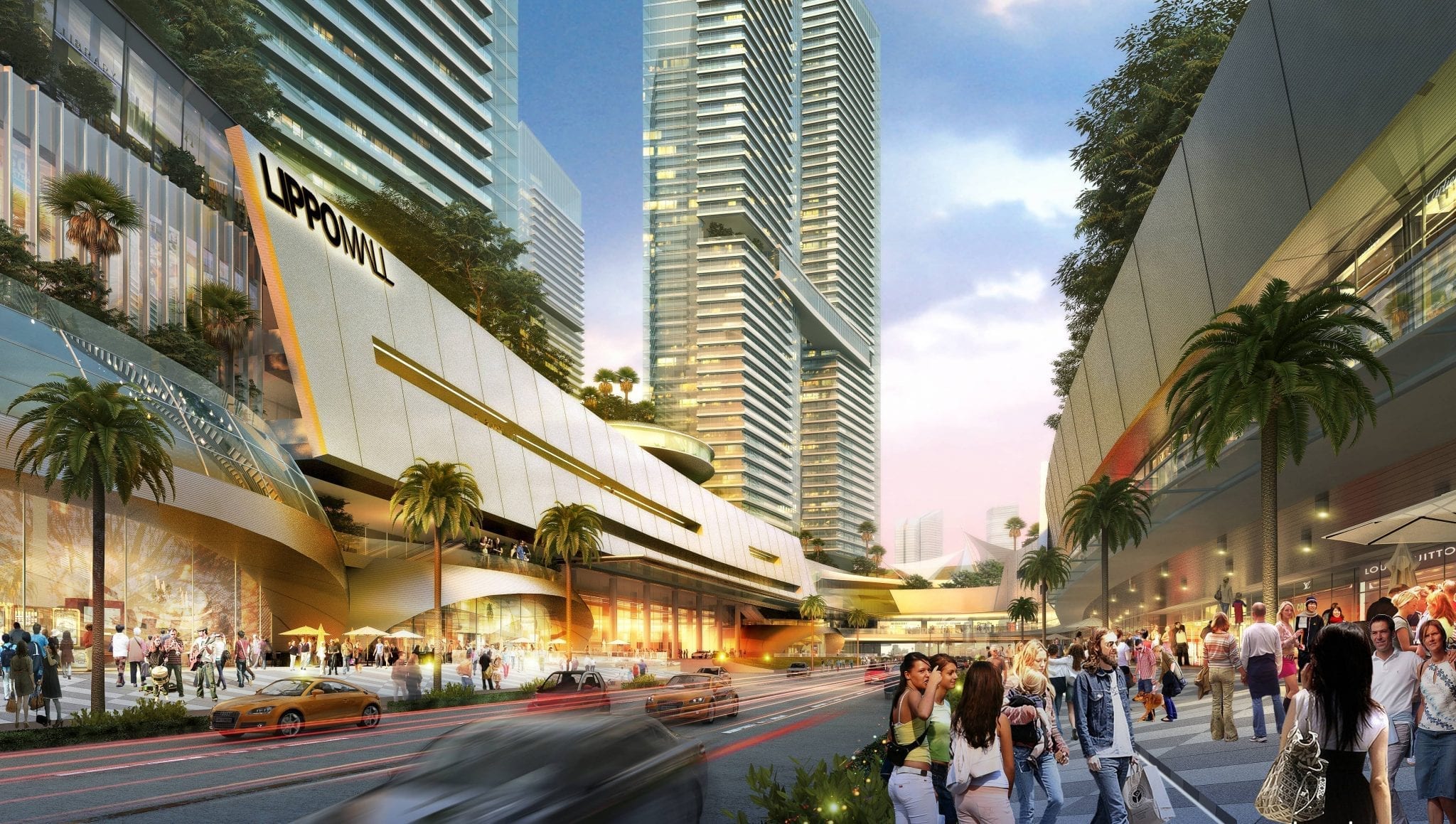
    Reit Lippo Malls Indonesia Retail Trust (LMIRT) plans to buy Lippo Mall Puri in West Jakarta for US$261.6 million.

    LMIRT Management, which runs LMIRT, said in a statement it has entered into a conditional sale-and-purchase agreement for the 115,600sqm mall, which will boost the Reit’s total net lettable area by about 10 per cent. Settlement is scheduled for the second half of this year.

    Lippo Mall Puri has seven floors of retail space – five above ground and two basement levels. The mall currently has 324 tenants including Uniqlo, Zara, Marks & Spencer, H&M, Best Denki and Adidas. It is anchored by Parkson and Matahari department stores and also includes dining, cinema and entertainment zones. At the end of last year it had an occupancy rate of 89.6 per cent.

    The property’s current owner is Mandiri Cipta Gemilang, which will provide ongoing support after the sale is completed.

    LMIRT Management CEO Gouw Vi Ven says that since Lippo Mall Puri was completed in July 2014, the average monthly footfall has grown from 176,000 to nearly 1.22 million.

  • Meituan Dianping nearly doubled revenue

    Meituan Dianping nearly doubled revenue

    China’s Meituan Dianping, the world’s largest food-delivery service, nearly doubled its revenue last year, but the tech startup is still bleeding cash.

    In the second set of results since its high-profile IPO, Meituan Dianping reported total revenues of RMB65 billion (US$9.68 billion), up 92.3 per cent on its 2017 result. Gross profit rose to RMB15.1 billion ($2.25 billion), but its adjusted net loss blew out to RMB8.5 billion ($1.27 billion).

    In its results statement, the company said strong revenue growth was achieved across all major business segments and its food-delivery business and in-store, hotel and travel segments on a combined basis generated positive adjusted operating profit.

    Total gross transaction volume grew by 44.3 per cent to RMB515.6 billion and the number of annual transacting users rose from 309 million to 400.4 million last year.

    The losses have been incurred by new services including ride-hailing and bike sharing.

    During the last year, Meituan Dianping has been boosting its customer base by targeting internet users who have not previously used food-delivery services from an online platform. It also launched a rewards program to maintain customer loyalty and incentivise user referrals through social media platforms.

    “In addition, through creating more diversified service categories, consumption scenarios and upgrading marketing programs, we increased users’ transaction frequency and further boosted transaction volume growth,” the company said in a results filing.

    “We continued to expand the service categories on our platform to include breakfasts, afternoon tea and midnight snacks. Delivery volume of fast food, snacks, desserts and drinks achieved strong growth during last year.”

  • Ducati CEO Hints At Panigale V4 Streetfighter

    Ducati CEO Hints At Panigale V4 Streetfighter

    Is Ducati planning to introduce a naked version of the Panigale V4 superbike? That’s the question that’s been doing the rounds for some time now, especially after a custom-built naked Ducati Panigale V4 was unveiled by Italian design house Officine GP. That custom naked, called the V4 Penta, isn’t an official Ducati creation, but now Ducati Motor Holding’s CEO Claudio Domenicali himself has hinted that a production naked version of the Panigale V4 may indeed be in the works. Domenicali didn’t exactly spell out that a naked V4 is under production, but his cryptic remarks in an interview have led to speculation that a naked version of the Panigale V4 may indeed be in the making.

    In an interview with Swiss website Acid Moto, the Ducati CEO talked about future plans of the company, including plans of an electric model from Ducati. But Domenicali revealed little and denied reports that a supersport V4 was in the works. When asked about the possibility of a streetfighter-style model based on the Panigale V4 engine, instead of replying to the question, Domenicali replied with another question.

    “Do you think Ducati should produce such a bike?” he asked. When the interviewers replied in the affirmative, and said “yes” to that question, which led Domenicali to conclude that “It will therefore be made as soon as possible!” Now, this doesn’t necessarily confirm whether Ducati has plans to make the V4 streetfighter, or if it’s already under production. But his comments certainly are interesting, more so because just around a month ago, a custom stripped down V4 was unveiled by Officine GP. The V4 Penta as it’s called, was not a Ducati commissioned build, but it certainly gives Ducati the chance to gauge market reaction, and it seems a naked V4 could see production sooner than later.

  • MWC2019 was a “reality check” for telcos

    MWC2019 was a “reality check” for telcos

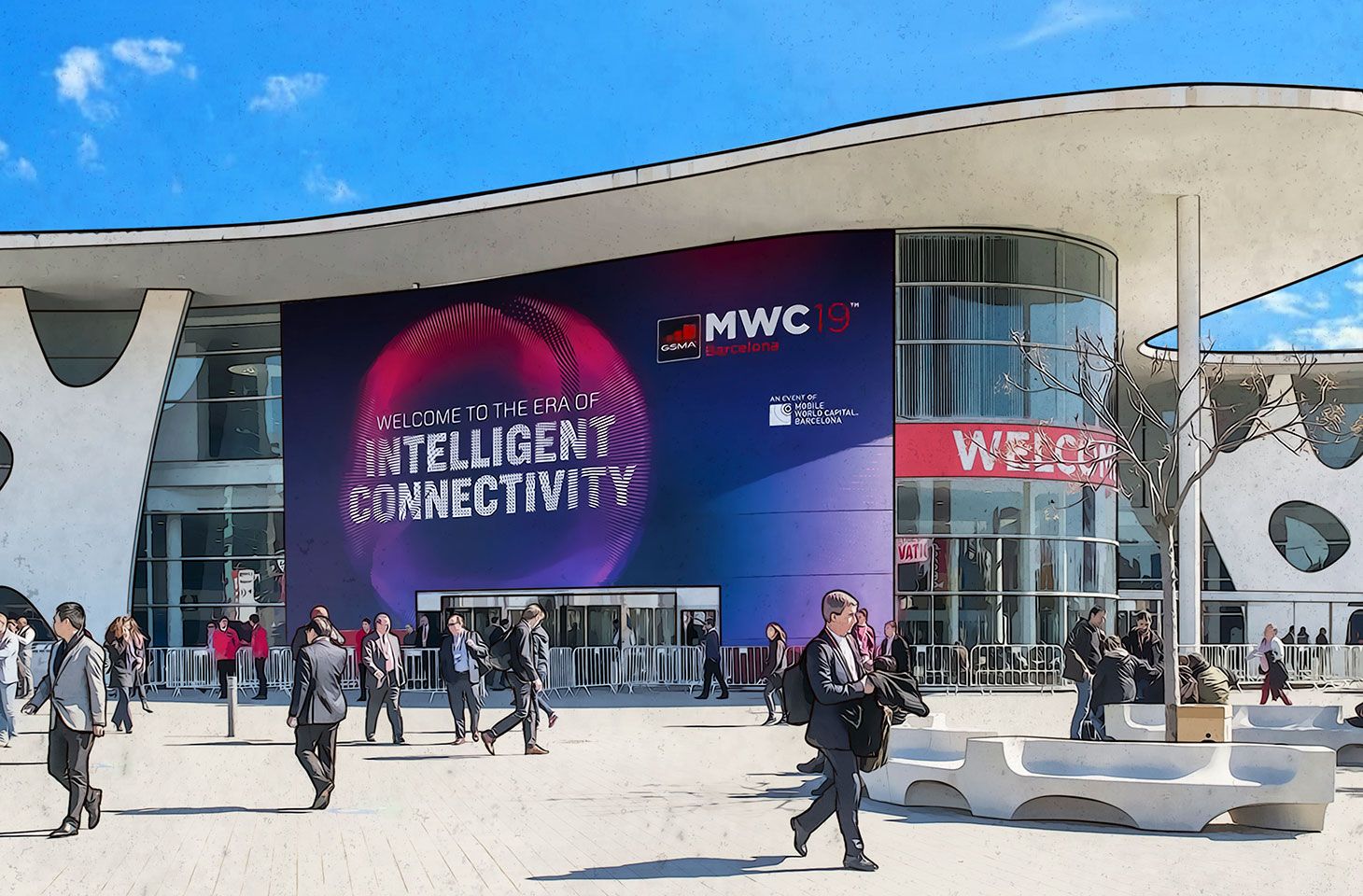
    MWC 2019 demonstrated the mobile industry knows it needs to change and without that change and a massive recalibration of its fundamental business model and modus operandi, it will become obfuscated, according to ABI Research.

    “MWC 2019 could best be characterized as displaying an anxiety borne from an industry suffering from a combination of split personality disorder and ADHD,” wrote Stuart Carlaw, Chief Research Officer at ABI Research, in the firm’s post-conference whitepaper: A Reality Check from Mobile World Congress 2019.

    One half of the industry encompasses an emerging band of technology companies that are addressing some pressing industry-centric issues with real-world solutions based on direct vertical market customer need.

    “The other half of the industry is made up of a carrier community that is moving at the same pace as the Titanic attempting to turn and avoid the iceberg. Too slow and too late,” added Carlaw.

    ABI Research had seven analysts at MWC 2019, which was held in Barcelona, Spain, between Feb. 25-28, 2019. The analysts focused on the following compelling transformative technologies:

    • 5G & Mobile Network Infrastructure
    • Digital Security
    • M2M, IoT & IoE
    • Smart Cities & Smart Spaces
    • Smart Mobility and Automotive
    • Smartphones and Wearables

    Some of the analysts’ conclusions about 5G and mobile network infrastructure from the whitepaper include:

    • Mobile Service Providers (MSPs) are becoming more rational in discussing what 5G can and cannot do. And, are realizing that 5G will be a slow affair.
    • Telcos and their partners will first use 5G to target the consumer market as that is the area where telcos have the know-how, reach, and experience.
    • Private LTE is slowly getting momentum in a market where 5G takes all the headlines. MSPs and network vendors already have well-tested and reliable technologies that can be used to deliver solutions in the enterprise space.
    • A new trend is emerging in the convergence of MSPs and cloud giants as the two categories need each other. This is part of the wider discussion around edge computing, network cloudification, and the role of 5G in creating new applications and supporting the growth of vertical markets.