Author: Mei Ling Tan

  • Vietnamese fresh grad income one-sixth of Singaporean peer

    Vietnamese fresh grad income one-sixth of Singaporean peer

    A newly-graduated college student in Vietnam makes one-sixth the income of his Singaporean counterpart, a report says. The minimum base salary of an entry-level position in Vietnam for the first six months last year was $250 a month, according to job advertising company JobStreet, which operates in five countries in Southeast Asia.

    The corresponding figure was $493 in Malaysia, $605 in Thailand and $1,481 in Singapore.

    Among the five countries surveyed, Vietnam’s minimum entry-level salary was only higher than that of Indonesia, which was $225.

    The report found that an entry-level worker was able to earn the most in the real estate industry, with a minimum salary base of $378.

    Information technology and secretary positions followed at $296 and $286 respectively.

    Fresh graduates who work in food technology and sales earned $280 a month.

    The minimum salary base for four employment levels in Vietnam showed increases from the full salary data of 2017.

    Entry-level salary increased by 11 percent, that of junior executive (with 1-3 years of experience), up 6 percent, manager, up 7 percent, and senior manager, up 30 percent.

    The report said that for non-managerial positions, Malaysian employers offered higher salaries than Vietnam.

    But for manager position and above, the Vietnamese market showed greater increments due to high demand, reducing the gap with Malaysia, compared to 2017.

    Although Vietnamese labor productivity increased across the economy in 2018, 48 percent of employers said they faced difficulties in recruiting qualified skill candidates.

    The report used data from 40,000 job advertisements in 50 industries.
  • AEON Credit’s 5-minutes Sweep till you drop!

    AEON Credit’s 5-minutes Sweep till you drop!

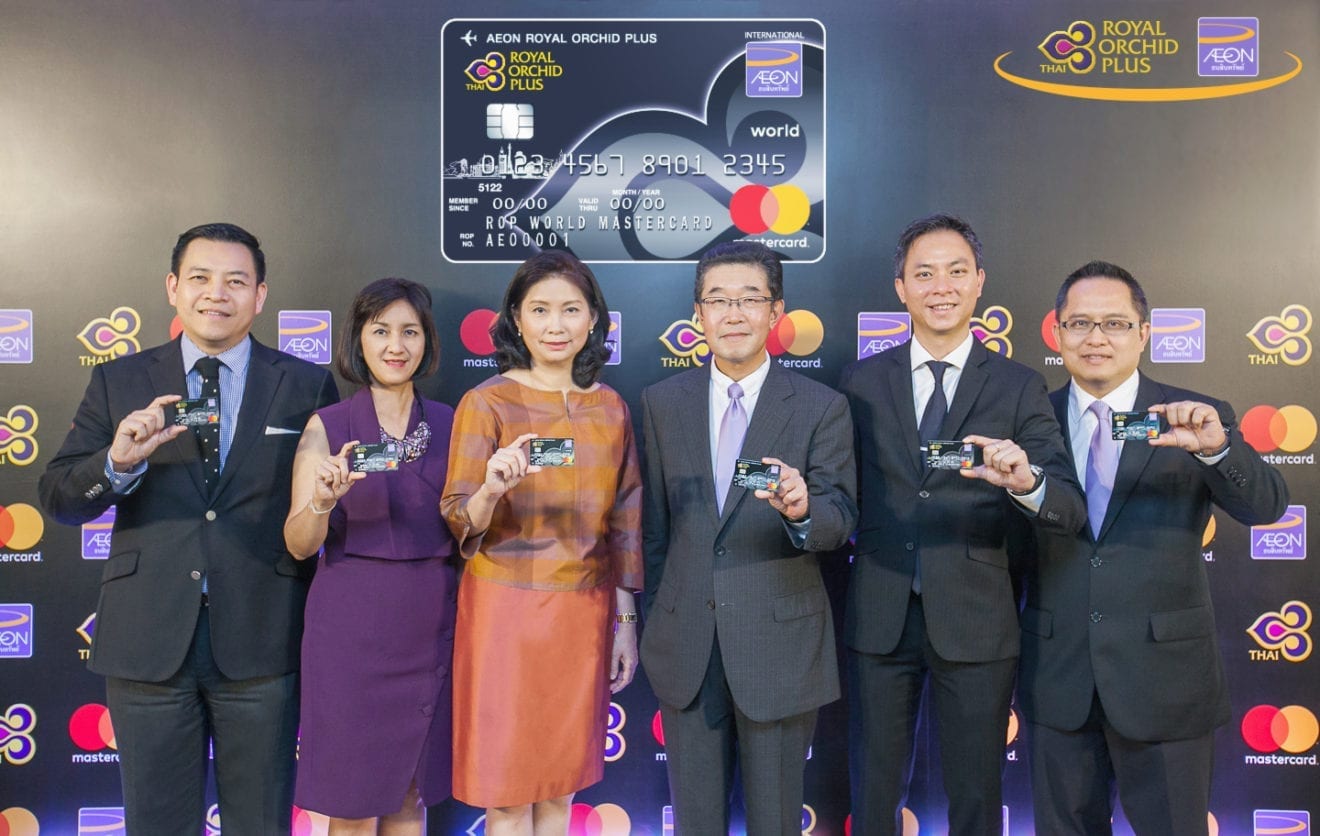
    The highly-anticipated AEON Credit #MyFestiveMania Supermarket Sweep Challenge returned for its’ second round, giving out more than RM20,000 worth of prizes to 10 lucky winners. Winners stood a chance to fill up their shopping carts with as many groceries and household items as they can within 5 minutes time at the AEON Big Subang Jaya. Each cardholder is entitled to bring one partner to participate in the sweep challenge to help them grab any items within the time duration given.

    The campaign, which runs since December 2018, allows customers using any types of AEON Credit Cards to earn chances for every RM50 spent in a single receipt. The chances are entered into a draw to earn one of the 20 spots in the #MyFestiveMania Supermarket Sweep Challenge.

    “We received tremendous public response in the first round of #MyFestiveMania Sweep Challenge that was held on 26th January 2019, hence, we decided to hold a second round as way to show our appreciation towards our customers because at AEON, customers comes first. In total, we have 20 cardholders who won the spots and brought home more than RM2,000 worth of prizes,” said Shiro Ishida, Chief Marketing Officer of AEON Credit Service (M) Bhd.

    The 10 lucky winners for the second round of the #MyFestiveMania Sweep Challenge are Goh Wei Tin, Soon Chiew Giok, Ahmad Salahuddin Bin Hairai, Aida Fazliza Binti Mat Fadzil, Chew Lee Ching, Goh Chien Long, Sim Tan Qi Zhi, Ong Kee Wah, Chew Swee Har and Lee Chin Wah who are all AEON Credit Cardholders.

    For the second time around, AEON Credit Service together with AEON Big who has a long history of being an established and well-known brand in Malaysia. “We are pleased to once again be able to partner with AEON Big to bring a festive campaign to both our mutual customers that incorporates an element of excitement”, added Shiro Ishida.

    In the first round of the Supermarket Sweep Challenge that was held on the 26th January 2019, a total of 10 winners won a prize worth of RM2,880 each during the 5-minute sweep.

  • Porsche to hike Taycan output

    Porsche to hike Taycan output

    Porsche AG will increase production of the Taycan after more than 20,000 potential buyers registered to purchase the brand’s first electric car, matching the entire annual output initially earmarked for the four-door sedan.

    “The overwhelming interest in the Taycan shows us that our customers and fans are just as excited about the first Porsche electric athlete as we are,” Porsche sales chief Detlev von Platen said Friday in a statement. “We’ve therefore increased our production capacities.”

    The Taycan will be unveiled in September with a price range between the 74,800-euro ($83,866) Cayenne SUV and the 97,800-euro Panamera coupe to compete with Tesla Inc.’s Model S. The car is part of a wave of new models from Jaguar, Mercedes-Benz and Audi that’ll challenge Tesla’s electric-car leadership.

    Porsche is parent Volkswagen AG’s most profitable brand and its success is vital for the group to pull off the industry’s most aggressive push into electric vehicles. VW has allocated some 40 billion euros for electric and connected cars and targets 50 battery-powered models by 2025. To help drive uptake, Porsche is installing fast chargers at its dealerships in the U.S. and Europe that’ll get the Taycan’s battery up to 100 kilometers (62 miles) in four minutes. The car’s overall range on a single charge stands at 500 kilometers.

    The model’s planned production of 20,000 vehicles per year is based on a two-shift system at Porsche’s main site in Stuttgart, Germany, and can be expanded if needed, production chief Albrecht Reimold told reporters last year. Porsche also confirmed recently it will offer a fully-electric version of its best-selling Macan SUV.

    Interested Taycan buyers are required to make a down payment of 2,500 euros in Europe to register.

  • Vietnam media giant could lose $20 mln as YouTube pulls plug on deal

    Vietnam media giant could lose $20 mln as YouTube pulls plug on deal

    Digital media conglomerate Yeah1 is set to lose 28 percent of future revenues after YouTube unilaterally terminated its content hosting agreement with it. The company’s financial statements for 2018 showed that activities connected to YouTube generated around VND462 billion ($19.93 million) for Yeah1, or nearly 28 percent of its revenues.

    Profit after tax from these activities were worth VND92 billion ($3.9 million), accounting for more than half of its total profits.

    The termination came after YouTube claimed SPRINGme Pte. Ltd, a Thai multichannel network (MCN) in which Yeah1 owns 16.93 percent had violated its policies with some of its channel management activities.

    Yeah1 Group shares plummeted on Monday following Youtube’s announcement, losing 7 percent. The share fell by 7 percent each in the next two trading sessions too.

    Yeah1 started offering entertainment services combined with advertising after becoming YouTube’s MCN partner in 2015.

    An MCN acts as an intermediary connecting creators of video content and YouTube for a cut. Content creators in return receive benefits such as copyright protection, income tax support, access to IP licensed contents to develop new products, and optimized advertising.

    For Yeah1, views from Vietnam account for nearly 73 percent of total views but only contribute about 18 percent of revenues. The rest comes from ad revenues generated in 150 other countries, with the U.S., Germany and Canada being the main contributors.

    Founded in 2006, Yeah1 is Vietnam’s largest MCN ecosystem, operating TV channels, movie studios, YouTube networks, and digital news.

    It was also the first media company to go public, listing on the Ho Chi Minh Stock Exchange (HOSE) last June.

  • Tiger Sugar to open first Korea store next month

    Tiger Sugar to open first Korea store next month

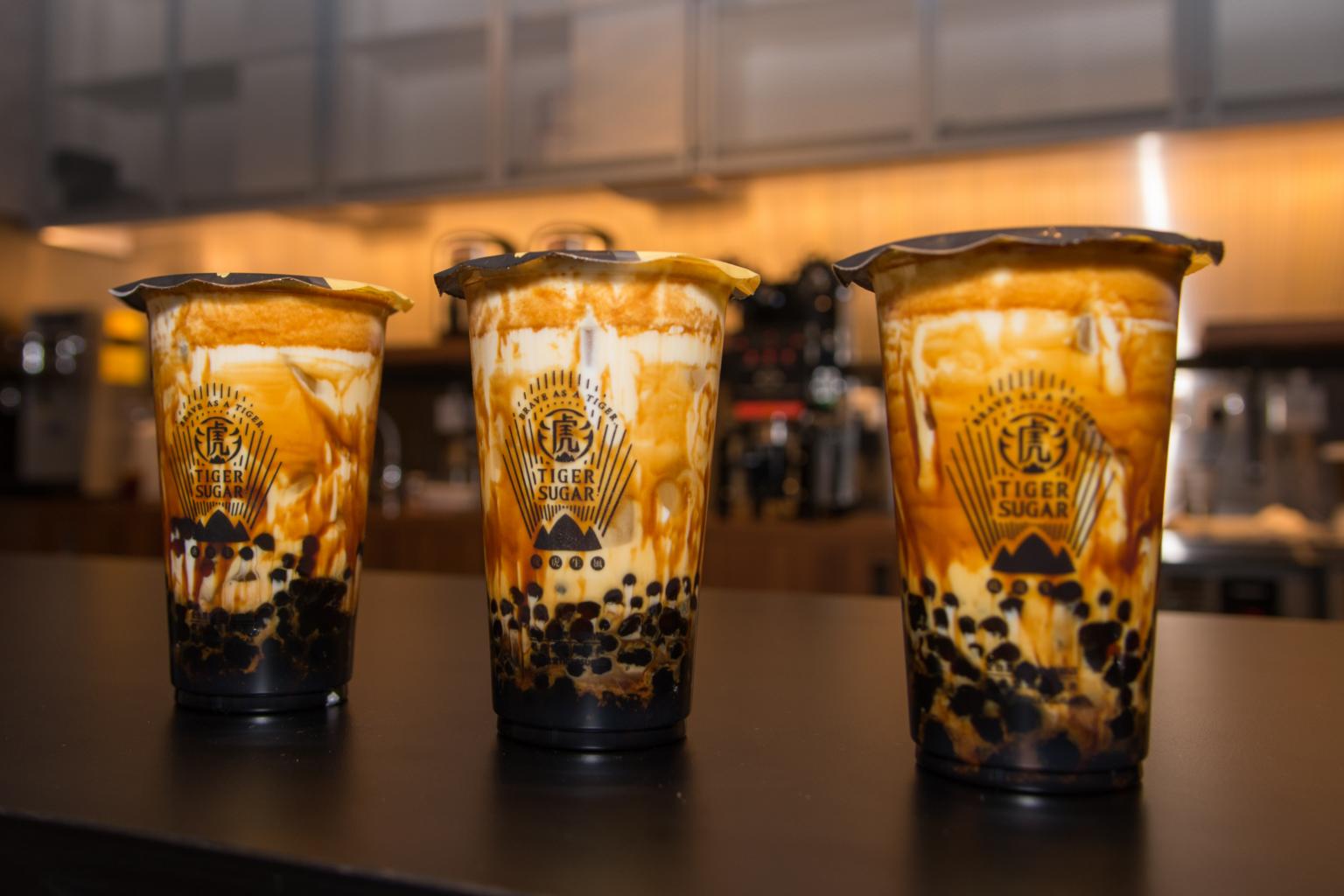
    Bubble milk tea brand Tiger Sugar Korea will open first branch in Hongdae, a bustling university town of Seoul.

    Located at a popular hang-out area for young people, the Hongdae store will offer the same taste as that in Taiwan and use premium ingredients to “become the hottest dessert drink this year”.

    In order to do that, Tiger Sugar Korea will be competing with another original Taiwanese chain Gong Cha, which is now popular among locals.

    First opened in Taiwan in 2017, Tiger Sugar is known for drinks with dark-brown sugar syrup inside. The chain now has branches in eight countries including Hong Kong, Singapore, and Korea.

    It also plans to open stores in the US and China.

  • Global legal cannabis market growth stable

    Global legal cannabis market growth stable

    The volume of the legal cannabis market is expected to soar nearly 14-fold within six years according to research by Euromonitor International. Legal cannabis sales reached US$12 billion globally last year with exponential growth ahead, will reach $166 billion by 2025, based on Euromonitor’s projections.

    The global cannabis market, both legal and illicit, stands at $150 billion today, according to the firm’s new white paper. By 2025, legal cannabis will represent 77 per cent of the global market.

    “Within 10 years, cannabis will be a regular part of daily routines,” said Zora Milenkovic, head of drinks and tobacco at Euromonitor International. “From a functional ingredient to an intoxicating buzz, cannabis will reshape fast-moving consumer goods, with food, beverages, beauty, health and tobacco having the most potential for disruption.”

    The greatest potential for cannabis is to capitalise on health and wellness trends that are shifting consumption habits and consumer preferences across industries.

    The growth of low- and non-alcoholic beverage consumption and the shift from cigarettes to vaping provide an opportunity for cannabis to replace alcohol and tobacco in social occasions.

    From 2018 to 2025, legal cannabis is estimated to grow more than 2000 per cent globally, compared to alcoholic drinks at 1.4 per cent and tobacco at 1.2 per cent, according to the report.

    In consumer health, Euromonitor expects vitamins and dietary supplements to be the largest cannabis-related category by 2025, with 2 per cent of sales to come from products containing THC or cannabidiol, better known as CBD. It projects global sales of packaged food with CBD to double over the next two years, further blurring the lines between consumer health and food.

    Last week a US analyst singled out Starbucks as one of the first major companies globally to adopt CBD ingredients in consumer products, however the Seattle-based company denied it had any plans to develop such beverages at this time.

  • Islamic clothing market growing to US$88bn by 2025

    Islamic clothing market growing to US$88bn by 2025

    The global Islamic clothing market is expected to reach US$88.35 billion by 2025, according to a new report by US marketing and consulting firm Grand View Research. Increasing expenditure by Islamic populations on lifestyle and apparels, especially among the wealthy, elite, and traditional Middle Eastern populations, is expected to propel demand.

    In 2017, ethnic wear accounted for 70.9 per cent market share, in terms of revenue, owing to rising demand for abayas, hijabs, thobes and jubbas in countries with a high Islamic population. The burkha and naqaab segment is expected to expand at a CAGR of 5.4 per cent from 2017 to 2025, owing to increasing demand from Middle Eastern countries – including Saudi Arabia, the UAE, and Iraq.

    Sustainable fashion is expected to register a CAGR of 4.9 per cent over the forecast period on account of the shifting focus of leading fashion brands towards the development of innovative clothing options for the younger population. The Asia-Pacific region accounted for 31.3 per cent of revenue in 2017, with more than 63 per cent of the world’s Muslim population located in Indonesia, Pakistan, India, Bangladesh, Myanmar and Morocco.

    Key players operating in the Islamic clothing market include House of Fraser, Marks & Spencer, Aab, H&M, and Mango, which are catering to the rising demand for diverse options from different parts of the world.

    Major countries outside the Western fashion industry contributing to a significant share include Malaysia, Turkey, and Indonesia, where the industry is highly lucrative.

    However the research says controversies around losing the ethnic value of Muslim clothing due to its shift towards mainstream fashion industry may hamper market growth. Initiation of various marketing campaigns by industry players in line with maintaining the core of the Muslim precepts – Sharia, or the Islamic law – is projected to propel growth of the Islamic clothing market.

    In addition, increasing demand for modest-yet-fashionable clothing, especially from the younger generation with high purchasing power, is likely to complement market growth.

    Increasing reservations regarding over-commercialisation of what is primarily meant to be a rigorous religious mandate can pose a challenge to market players. In addition, involvement of multinational fashion brands is projected to restrain growth of the small Islamic clothing companies.

  • Starbucks Reserve Roastery in Tokyo opens

    Starbucks Reserve Roastery in Tokyo opens

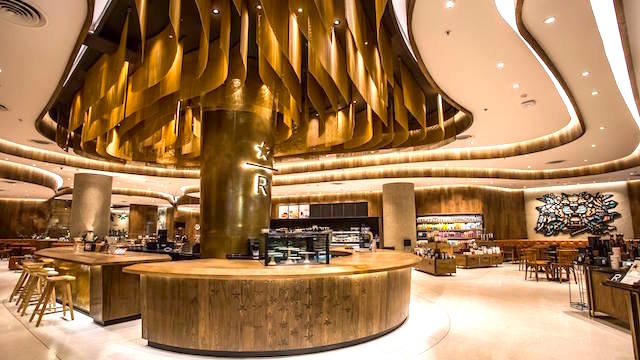
    Starbucks opens a four-story fully-immersive Starbucks Reserve Roastery in Tokyo today.

    Located in the Nakameguro neighborhood, the new venue offers more than 100 unique coffee and tea beverages and merchandise exclusively available in store. It will be the fifth Roastery globally, home to the largest Teavana Bar in the world and Japan’s first Princi Italian bakery.

    It also introduces Starbuck’s first Amu Inspiration Lounge, a full floor dedicated to community gathering – and is planned as Starbucks’ first Specialty Coffee Association certified training location in Japan in the near future.

    “As the first international market outside of North America, Starbucks Japan has contributed 23 years of innovation for the company globally,” said Starbucks CEO Kevin Johnson. “The opening of the Tokyo Roastery will further amplify what Starbucks Japan has done across all stores in the market for more than two decades – innovating and delivering the finest quality coffee one person, one cup and one neighbourhood at a time.”

    “The Roastery will amplify and inspire coffee passion across all Starbucks stores, and will serve as a catalyst for a new wave of growth centered on the customer experience and passion for coffee and service,” added Starbucks Japan CEO Takafumi Minaguchi. “Beginning with the ‘Make it Yours’ campaign that will commence at every store in Japan upon the opening of the Roastery, customers will be invited to experience the first Starbucks coffee roasted exclusively in Tokyo, for Japan, and available in a variety of coffee beverage styles.

    “The Roastery signifies our commitment to fostering moments of human connection over a cup of coffee and using these moments to create positive social impact in the communities we serve.”

    The Starbucks Reserve Roastery in Tokyo  is the only one designed in collaboration with a local architect from the ground up. Inspired by the famous cherry-blossom trees lining the Meguro River, the building’s glass walls and terraced floors fold into the fabric of the neighbourhood, bringing visitors eye-level with the cherry blossoms and the four seasons of the river to reflect the natural beauty and sense of harmony found across Japan.

    The coffee journey at the Starbucks Reserve Roastery in Tokyo is an immersive experience and education in coffee, and its process – from green bean to cup – which begins at the Main Bar on the first floor. The open floor plan draws customers into the immersive experience, introducing them to the art of roasting, brewing and hand-crafting beverages. The terraced third floor features Starbucks Japan’s first cocktail bar, Arriviamo.

    Japan is the fourth largest market in terms of store count for Starbucks globally – behind the US and China – and today has more than 1400 Starbucks stores.

  • AirAsia offering five million promotional seats

    AirAsia offering five million promotional seats

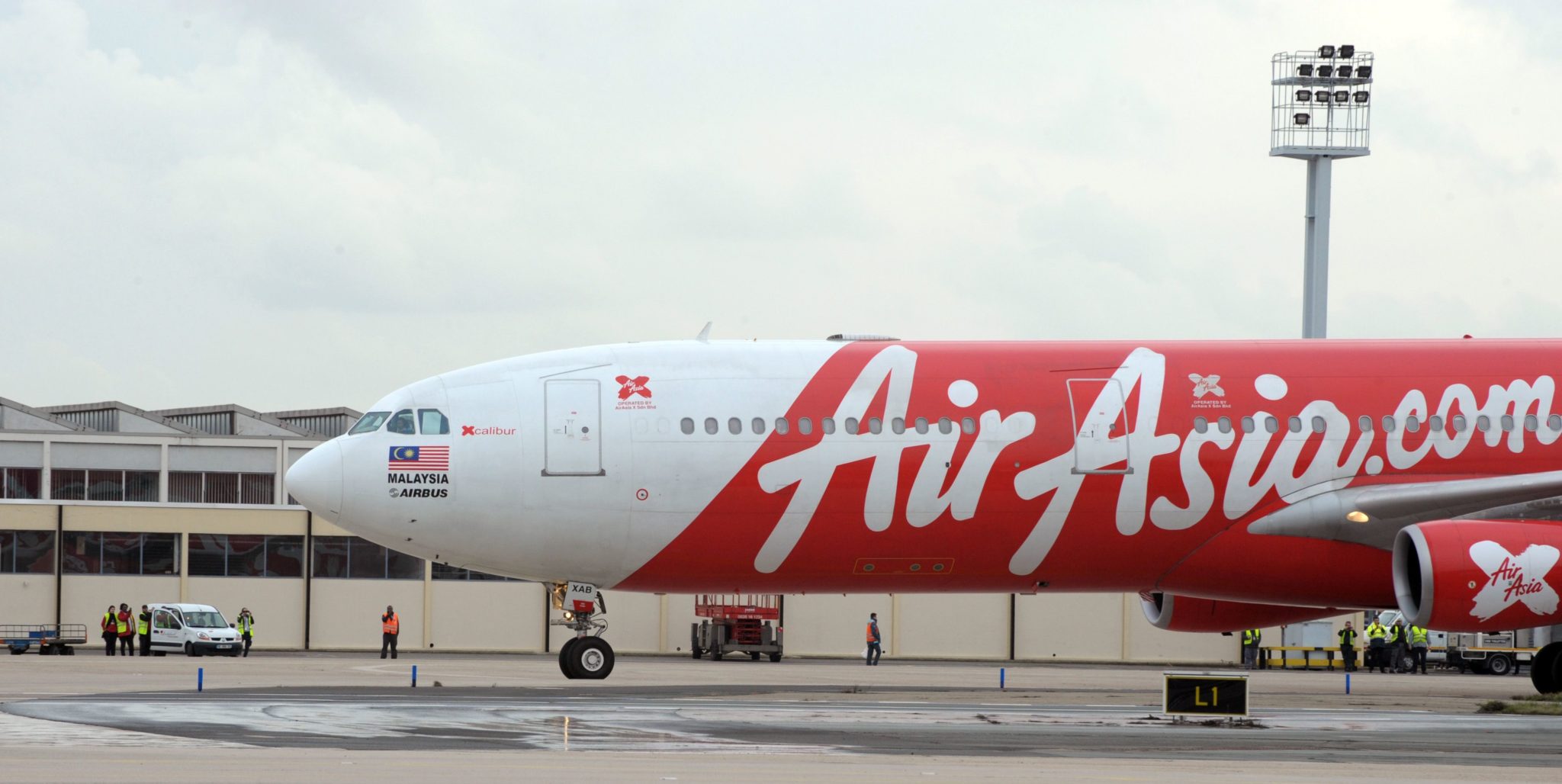
    Budget airline AirAsia is offering five million promotional seats and this time with a bundle of discounts for hotels, add-ons and duty-free products.

    Promotional all-in members fares are up for grabs from as low as RM12 for flights from Kuala Lumpur to Kuantan, Johor Baru, Kota Baru and Penang, and from RM36 for flights to Can Tho, Padang, Hua Hin, Siem Reap, Banda Aceh, and many more.

    “Fly with AirAsia X (long-haul, low-cost affiliate affiliate of AirAsia Bhd) from as low as RM199 for flights from Kuala Lumpur to Tianjin, Gold Coast, Osaka, Seoul, Honolulu and others.

    “For comfort and perks, the Premium Flatbed from Kuala Lumpur to Jaipur, Taipei, Chengdu, Fukuoka, Jeju from only RM699,” AirAsia said in a statement today.

    Bookings can be done at airasia.com and the AirAsia mobile app from March 11-17, 2019 for travel between September 1, 2019 and June 2, 2020.

  • KBank holds exam for eight graduate scholarships

    KBank holds exam for eight graduate scholarships

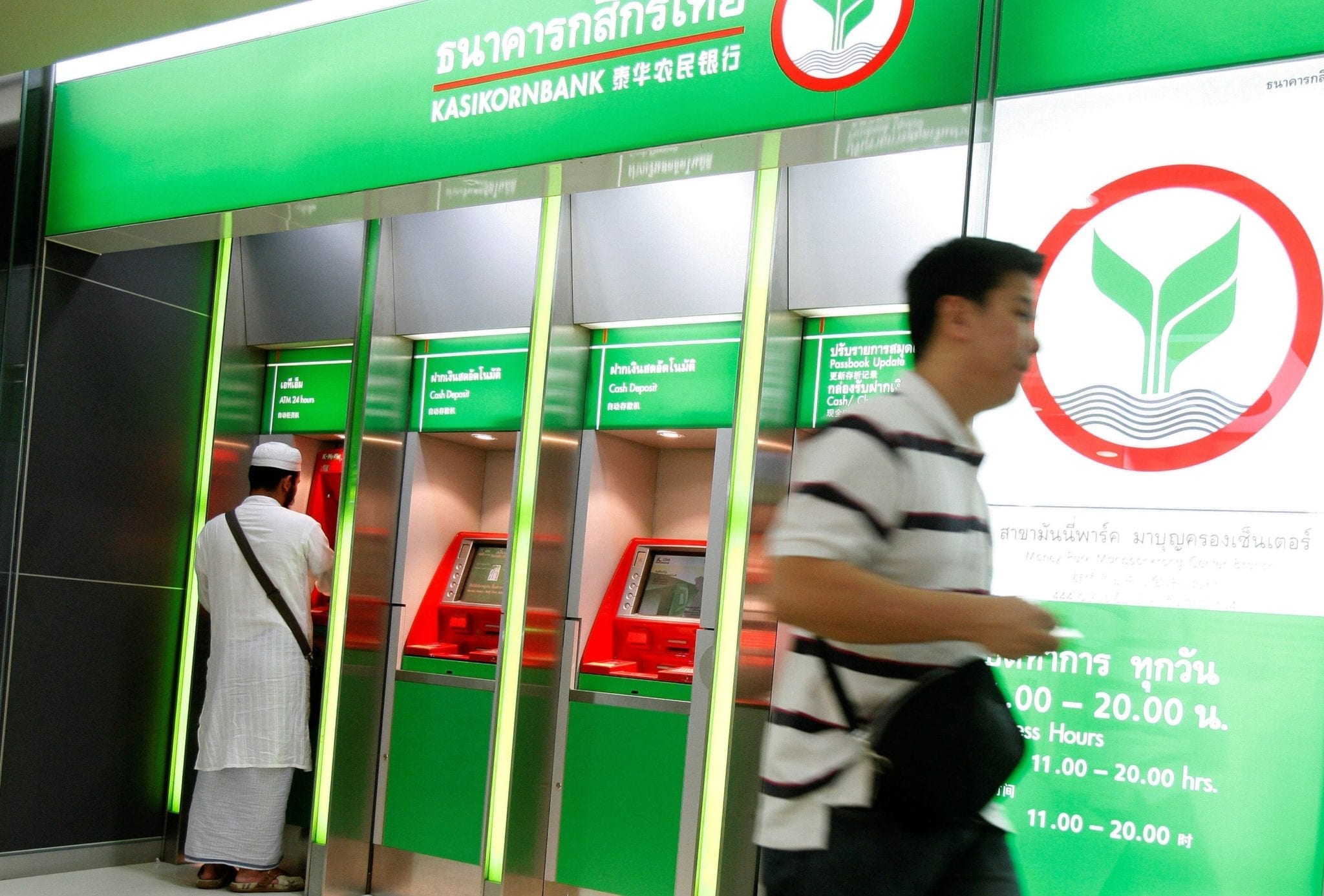
    KBank will hold an examination for eight graduate scholarships for 2019 at both local and international institutes in many fields, including business administration, finance and IT, the bank said in a press release on Thursday.Scholarships in business data analytics are offered for the first time this year to seek a new generation of employees with competencies to help KBank press ahead with the strategies to be Customers’ Life Platform of Choice and a Data-Driven Bank. Applications are open from now until April 9, 2019.

    Kattiya Indaravijaya, KBank President, said that because human resources are the nexus of any organizations and national development, KBank is offering eight full scholarships for master programs at both local and international institutions, as follows:

    Graduate scholarships at international institutes in countries determined by KBank, namely the US, UK, France, Switzerland, Japan, China, Hong Kong Special Administrative Region and Singapore, for 14 fields, including business administration, finance, financial engineering, international business, risk management, mathematics, statistics, data analysis, computer science – artificial intelligence (AI), machine learning, human computer interaction or UX UI design biometrics, computer systems and computational linguistics. Graduate scholarships in business data analytics are offered for the first time in 2019 in response to KBank’s operations to use big data in mobilising the business.

    For local institutes, KBank offers scholarships for students to study at Sasin Graduate Institute of Business Administration of Chulalongkorn University and Thammasat University in four academic fields, namely Master of Business Administration Program (MBA), Master Program in Financial Engineering (MFE), Master of Science in Finance (MSF) & Master in Finance (MIF) and Master of Science Program in Marketing (MIM).

    Qualified applicants for business data analytics study must not be older than 28 years old, while applicants for study in other academic fields must not be older than 30 years old and must be a Thai citizen with a bachelor’s degree in any field and a minimum of 3.0 GPA.

    People applying to study abroad must submit their test scores of language proficiency, GMAT or GRE per the criteria together with their applications. Interested persons can fill the application forms at www.kasikornbank.com and find additional information from KBank’s announcement or KBank’s Human Resource Development Department, tel. 02-470 3172 or KBankScholarship@kasikornbank.com from today until April 9, 2019.

  • Fintech helps the informally employed to access to finance

    Fintech helps the informally employed to access to finance

    The real scale of informal employment in developing countries is incomparably higher than the volume of goods and services produced in the informal sector. The longer traditional methods of assessing the real earnings of the population fall behind, the more customers alternative lending can expect, found Robocash Group.
     
    The share of the informal economy in Indonesia stated by the IMF in 2015 amounted to 14.8% of GDP, which was close to the level of many Western countries (e.g., Latvia had 16.6%). However, surveys of BPS-Statistics Indonesia showed that in the non-agricultural sector in 2017, there was 38.5% of the population informally employed in urban areas, and 54.8% in rural areas.
     
    There is a similar situation in the Philippines. According to the Philippine Statistics Authority, in April 2018, 56.2% of all self-employed worked in the service industry and 39.1% in agriculture. The number of family enterprises was 60.9% in agriculture and 30.3% in services.
     
    The utter lack of unemployment benefits across the region facilitates a high level of employment among the population. However, official earnings are often low that makes people look for an additional source of income. In turn, this situation brings forth a common problem for the entire lending industry in developing countries — a qualitative assessment of the real income of borrowers.
     
    The Philippines is a bright example where the underperformance of traditional banking methods has led to a decrease in bank lending and an increase in customers for alternative lending companies using new methods for assessing solvency.  According to Bangko Sentral ng Pilipinas, only 0.6% of the adult population had a bank loan in 2017 (2015 — 2.1%). At the same time, there was an increase in the number of clients of microfinance organizations, which include fintech firms providing alternative lending, to 7.6% in 2017 (2015 — 4.7%).
     
    Commenting on the findings, Sergey Sedov, CEO of Robocash Group said, “The experience of Robocash Group in Asia has shown that the use of algorithms based on artificial intelligence and machine learning serves as a bridge between the interests of business and society. We collect and study scattered information about customers to provide them with an opportunity to access to finance and accumulate credit history. In turn, this helps to overcome the paradox when people cannot borrow because of any credit history, which they cannot have due to the inaccessibility of loans. Speaking long-term, the expansion of fintech in Asia will significantly boost financial inclusion and thus accelerate subsequent economic growth by increasing the penetration of financial products into people’s lives.”
  • Retail brand Penshoppe signs deal with Kendall Jenner

    Retail brand Penshoppe signs deal with Kendall Jenner

    Global fashion retail brand Penshoppe has unveiled the latest addition to its roster of international ambassadors – 23-year-old world’s highest-paid supermodel and one of the most followed celebrities on social media, Kendall Jenner.

    The model initially appeared on Penshoppe’s DenimLab campaign in 2015, and is now headlining the brand’s Spring Summer 2019 Campaign with Zayn Malik, Paris Jackson, Nam Joo Hyuk and Sandara Park.

    “As we move from strength to strength, we couldn’t think of a better addition to our growing list of global ambassadors”, said Golden ABC’s VP for brand management Jeff Bascon. “It’s good to have you back, Kendall!”
    Penshoppe has more than 400 locations across Bahrain, Cambodia, Indonesia, Saudi Arabia, Myanmar, Thailand, Vietnam and the Philippines. The brand is available online in Singapore, Malaysia, Hong Kong, Taiwan and Indonesia.

  • Feel International brings Myanmar cuisine into Thailand

    Feel International brings Myanmar cuisine into Thailand

    Myanmar restaurant chain Feel International is set to open in Thailand. Opening in the popular Bangkok tourist area of Pratunam on Thursday (January 24), the group intends to introduce Myanmar cuisine to Thai consumers and foreigners.

    “At present, many restaurants are attempting to cater to the needs of tourists from China, however there are eight flights to Bangkok from Yangon every day, and there are tens of thousands of Myanmar citizens working and studying there, so there is a potential market for Myanmar cuisine”, said Feel International operations director Ko Johnny.

    “This is the very first Myanmar restaurant opened in a foreign capital city. Bangkok is one of the biggest restaurant markets in the world. It offers a wide variety of cuisine, even something as exotic in Asia as Ethiopian. Bangkok is the first step for Myanmar traditional food to penetrate the international markets”, he said.

    The restaurant intends to serve lunch boxes with Myanmar favourites for Myanmar people working in companies and offices around the area.

    Discussions are being held to open further restaurants in Chiang Mai and Mesauk.

  • Anti-plastic campaigns pay off for Starbucks and 7-Eleven

    Anti-plastic campaigns pay off for Starbucks and 7-Eleven

    Starbucks Korea and 7-Eleven Thailand have announced positive results for their respective anti-plastic campaigns.

    A report revealed that the local Starbucks subsidiary has seen consumption of single-use straws cut by half in the months since introducing strawless lids on drinks without whipped cream or that do not need stirring.

    The initiative, introduced last November, has resulted in the monthly average of 15 million straws used across its coffee chain stores drop to 7.5 million per month. The company now only provides straws to customers who request them.

    Aiming to further reduce straw usage by up to 70 per cent, Starbucks Korea is planning an online event to offer rewards to customers who upload pictures of drinks taken without using straws. It has also introduced paper straws for usage in some beverages.

    7-Eleven saves 169 million bags

    Meanwhile, in Thailand, more than 169 million plastic bags have remained unused over the past two months at 7-Eleven stores, according to a report, the result of a management initiative to phase out their use. The move, which has been supported by local celebrities, encourages shoppers to refuse plastic bags or bring reusable bags to the store.

    The reductions are reported to have saved the chain more than 33 million baht, which operator CP All Public Company will donate to a local hospital.

    All about perception?

    Despite these reports, there have been growing concerns among critics in the media regarding the perceived environmental benefits of similar plastics initiatives worldwide.

    The sippy cup lid adopted in Korea is identical to the design used in North American stores, which was shown in a Reason magazine report last year to use more plastic than the previous lid design and straw put together.

    Plastic shopping bag initiatives similar to the one adopted by 7-Eleven have provoked skepticism among observers who point out that of all single-use plastic packaging used throughout supermarkets and convenience stores, the shopping bag is the only item that tends to be reused in the home.

  • International sales bolster McDonald’s results

    International sales bolster McDonald’s results

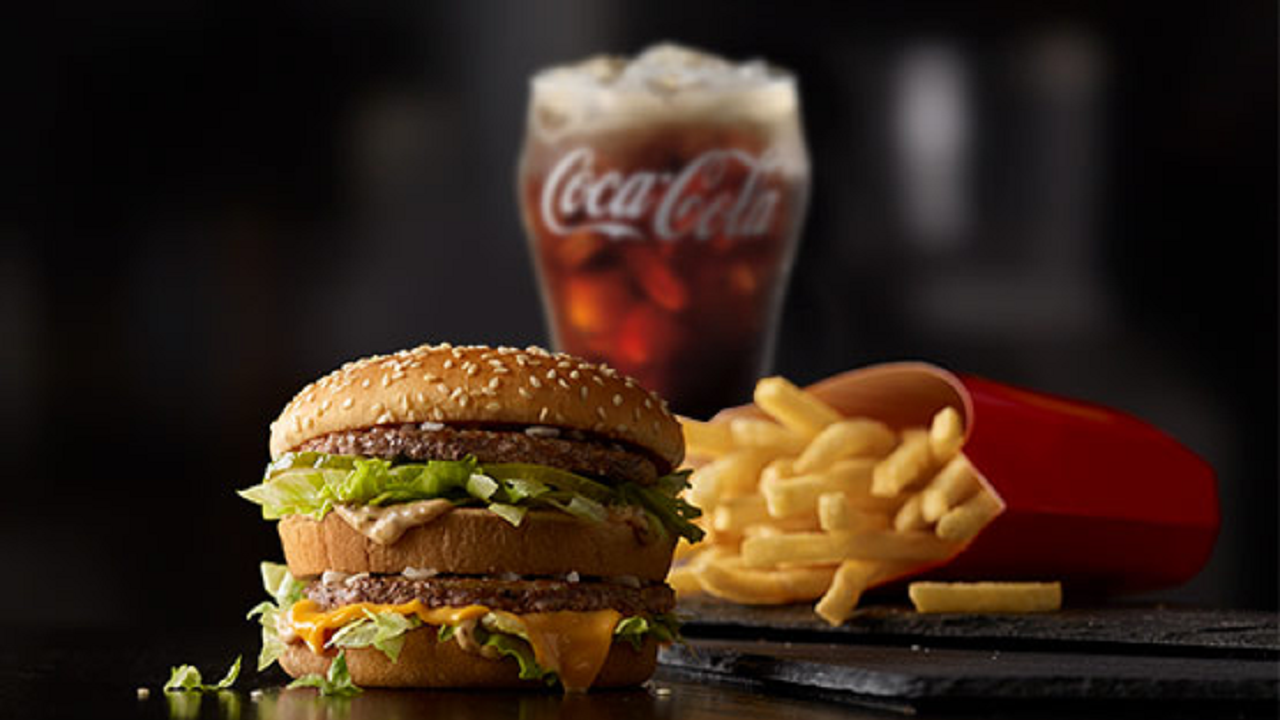
    Strong international sales ensured respectable McDonald’s results in the latest quarter as the fast-food giant encountered challenges in its core US market. Global sales slipped 3 per cent in the three months to December, to US$5.16 billion, although this was largely due to currency translations, without which sales would have been flat.

    While the company did not break out Asian performance, it said international same-store revenue rose 5.2 per cent.

    Same-store sales in the US rose 2.3 per cent, primarily due to increased prices, given foot traffic in stores fell by 2.2 per cent. Global visitor numbers crept up by a mere 0.2 per cent.

    Breakfast remains its most challenging category, with the chain struggling to attract diners in the mornings. While that mealtime accounts for about a quarter of its total sales, the breakfast market is experiencing fierce competition among rival chains.

    “We’re doing well with average check growth but we really want the customer to come back and more often,” CEO Steve Easterbrook said in an investor presentation about the McDonald’s results.

    He said McDonald’s is trying to recover breakfast customers by trialling different price promotions, launching localised advertising campaigns and improving the drive-through service.

    More stores, more kiosks

    Globally, McDonald’s plans to open a net 750 new stores this year. It will also speed up the rollout of its digital touchscreen ordering systems. Easterbrook says stores with self-ordering kiosks were achieving higher sales than those without.

    Commenting on the McDonald’s results, Neil Saunders, MD of GlobalData Retail, said the kiosks and order-by-app services need to be rolled out faster.

    “This isn’t just a case of installing and implementing the technology, it is about getting customers to actually use it. Consumers need to be given more incentives to use the new ways of ordering, especially mobile, as many still shun the technology,” said Saunders.

    “Longer term, more automation in the kitchen is also critical – something that will be particularly beneficial now McDonald’s menu options are more varied and complex.”

    Saunders described the latest McDonald’s results as “reasonable”. But he said a 6.7 per cent decline in operating income suggests that McDonald’s is having to work harder for much slimmer rewards.

    “In our view, this does not sit well with the increasing complexity and higher levels of capital expenditure the company is introducing into the business.”

    Saunders believes McDonald’s is on the right track. “However, this year will be a more challenging year than last and it will be a balancing act between keeping both customers and franchisees happy.”