Author: Mei Ling Tan

  • King Power monopoly ending at Bangkok’s airport

    King Power monopoly ending at Bangkok’s airport

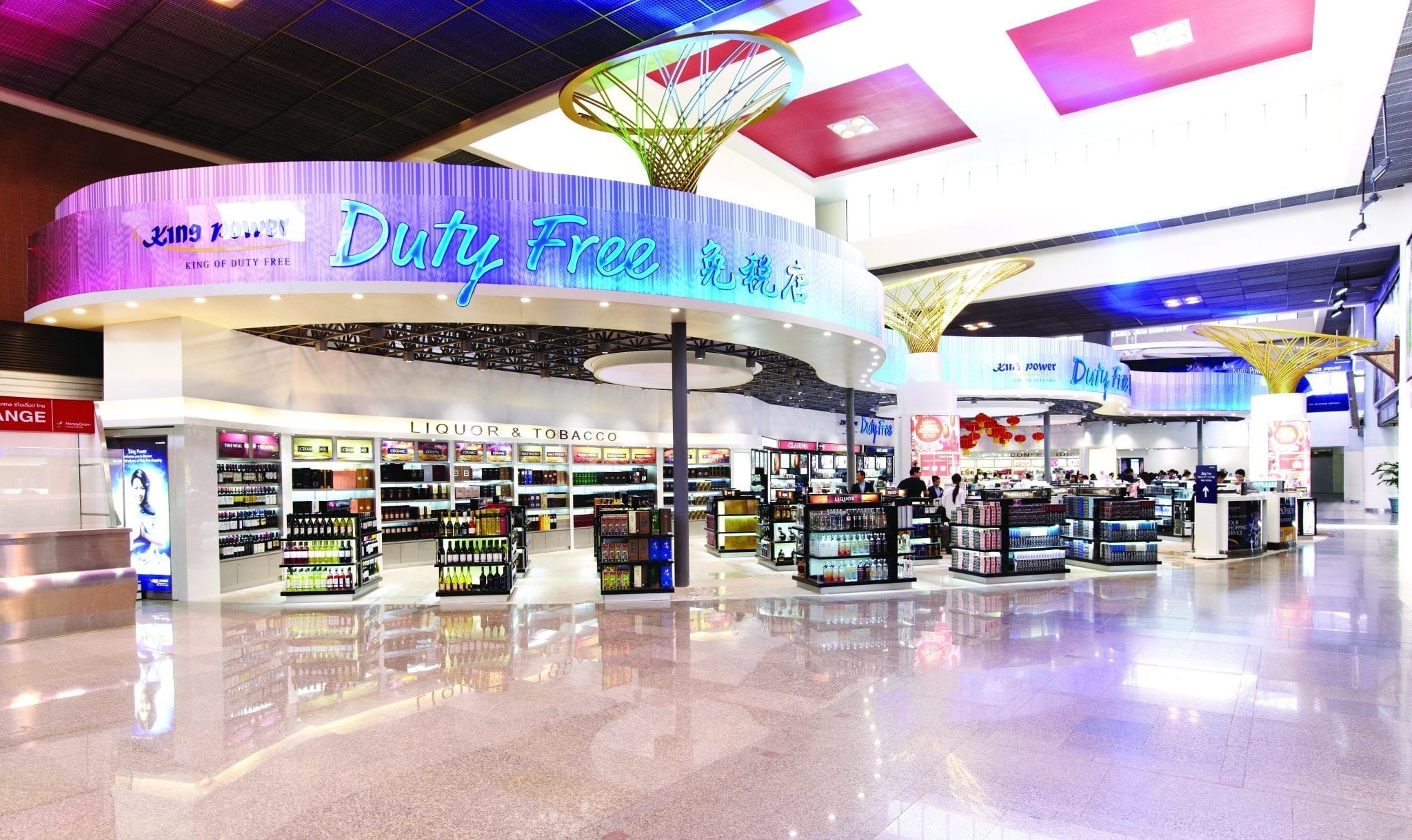
    Thailand’s much-maligned airport duty-free monopoly appears set to be nearing an end.

    For years, major Thai retailers have complained that incumbent operator King Power has controlled the retail offer – and prices – at Thailand’s largest airports, especially Suvarnabhumi outside Bangkok. Frequent travellers often comment that airport ‘duty-free’ prices are higher than at other airports in the region, including Singapore and Hong Kong.

    On Wednesday, state-owned Airports of Thailand (AOT) approved guidelines for concessions for duty-free and commercial activities at its airports, the first step in opening up retail spaces to other companies.

    According to Reuters, AOT will offer three retail licences at an upcoming auction, clearing the way for Thai retail giants Central Group and The Mall Group, along with South Korea’s Hotel Shilla, to enter the fray.

    King Power’s current licence ends next year.

    AOT says contracts will cover duty-free retail, commercial businesses such as food and beverage outlets and pick-up counters for shoppers who buy goods in town and collect them at the airport after clearing customs and immigration.

  • Smartphone brand Realme expanding in Southeast Asia

    Smartphone brand Realme expanding in Southeast Asia

    BBK Electronics’ budget smartphone brand Realme is eyeing expansion into Southeast Asia, Africa and Europe.

    The company’s online distribution strategy has brought it success in the Indian market and makes broader expansion possible, according to Realme global CEO Sky Li Bingzhong.

    “The company’s asset-light operations and focus on online sales allow it to keep costs low. That way, more young consumers can afford its products, which makes the brand more competitive in the market,” said Li.

    Realme launched in India in May last year with handsets priced at INR8,990 (US$129) – becoming the second top-selling smartphone brand during the Diwali festival season from October to November. The brand has joined a number of Chinese phone manufacturers seeking to build strength in the Indian market as they challenge more established international competitors in more saturated markets.

    BBK also owns the Oppo, Vivo and OnePlus brands, selling mid- to high-end models. Independent Realme runs its own R&D operations, but partners with Oppo in smartphone production. Its expansion moves are indicative of Chinese phone manufacturers’ larger strategy to deploy varying brands that each target specific markets globally.

  • Thailand’s Zen Corporation completes IPO

    Thailand’s Zen Corporation completes IPO

    Thai restaurant operator Zen Corporation secured THB975 million (US$31.35 million) via an IPO issued last Wednesday.

    The firm sold all 75 million shares on offer, representing 25 per cent of its registered capital, at THB13 each. Its stock price grew 17.69 per cent over the course of its trading debut, as strong demand pushed the value per share up to THB15.30 on the first day.

    Zen Corporation is known for its various restaurant chains, including its eponymous brand as well as Musha by Zen, Sushi Cyu Carnival Yakiniku, AKA, On the Table Tokyo Cafe, Tetsu and de Tummour.

    The firm also operates food delivery, catering, restaurant management and consultancy services, as well as food retail operations.

  • Uniqlo Japan sales down

    Uniqlo Japan sales down

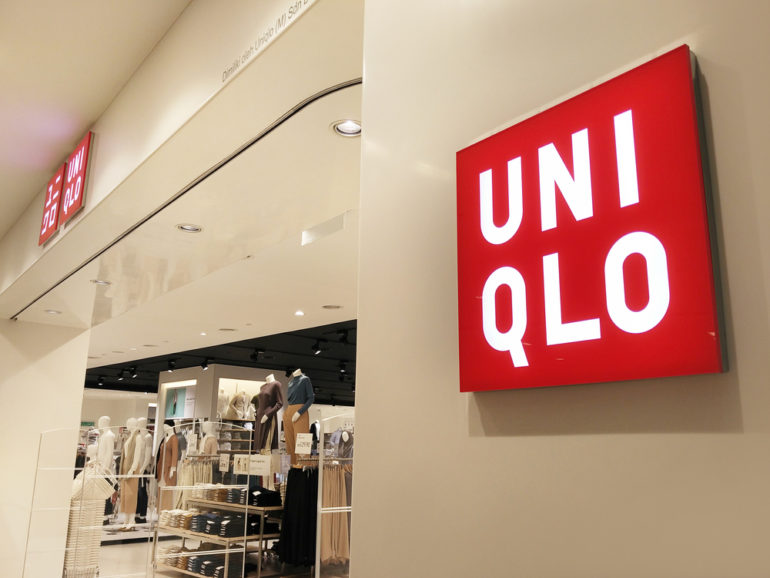
    Fast Retailing Group has reported a decline in revenues for Uniqlo Japan against broader successes internationally in its first quarter.

    A sharp profit decline on sluggish sales of seasonal ranges during a warm winter in Japan has given rise to disappointing results in the Uniqlo brand’s home territory. Uniqlo Japan posted revenues of ¥246.1 billion (US$2.27 billion), a decrease of 4.3 per cent year on year, with first-quarter profit before taxes of ¥111 billion ($1.03 billion), down 5.7 per cent; and profit attributable to owners of the parent firm of ¥73.4 billion ($678.4 million), down 6.4 per cent. Online sales expanded favourably in the market, however, showing an increase of 30.9 per cent.

    Uniqlo International saw an operating profit far exceeding that of Uniqlo Japan, with revenues at ¥291.3 billion (2.69 billion) up 12.8 per cent.

    Uniqlo Greater China and Uniqlo South Korea both reported higher sales and profits despite the dampening effect of the warm winter. Uniqlo Southeast Asia & Oceania continued to report significant revenue and profit gains.

    The report said Fast Retailing’s consolidated business estimates for the financial year ending August 31 remain unchanged from the initial forecasts released last October, predicting an 8 per cent expansion in revenue and 14.3 per cent increase in operating profits.

  • Alibaba Group sales down this month

    Alibaba Group sales down this month

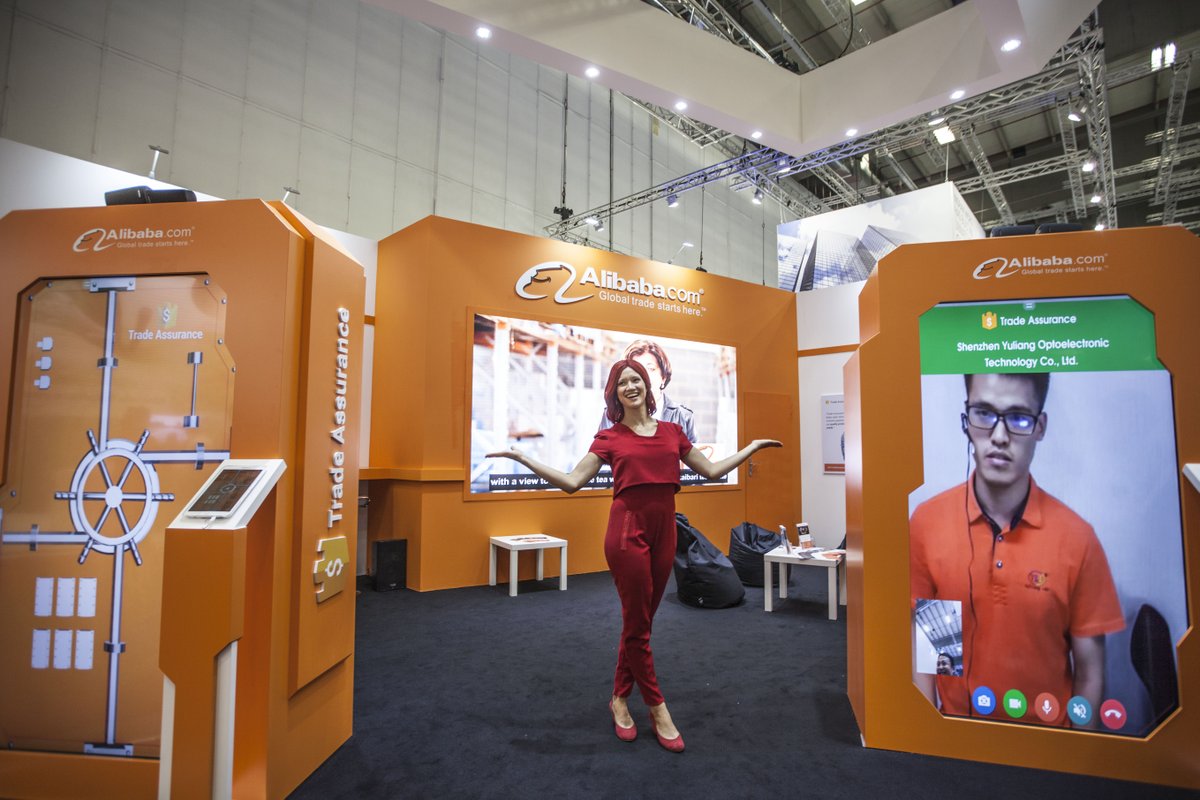
    Alibaba Group sales soared 41 per cent in the December quarter as its customer based neared 700 million.

    The Chinese company’s turnover for the three months reached US$17.057 billion and its net income attributable to shareholders $4.807 billion.

    “Our resilient operating and financial performance is a direct reflection of our persistent focus on better serving our growing base of nearly 700 million consumers across retail, digital entertainment and local consumer services,” said CEO Daniel Zhang. “Our growth is also driven by the power of Alibaba’s cloud and data technology that helps expedite the digital transformation of millions of enterprises.”

    Alibaba group sales from core commerce increased 40 per cent to $14.958 billion, while the cloud-computing division posted 84 per cent growth, turning over $962 million. The digital media and entertainment division achieved 20 per cent growth to reach $944 million.

    In a statement, Alibaba said its Taobao platform achieved “robust user growth and enhanced engagement”. Last December, its China retail marketplaces had 699 million mobile monthly average users, representing a quarterly net increase of 33 million. The annual active consumers on its China retail marketplaces was 636 million for the 12 months ended December 31, compared to 601 million for the 12 months ended September 30 last year, “reflecting successful user acquisition programs, such as referrals through the Alipay app”.

    More than 70 per cent of the increase in annual active consumers was from third-and-lower tier cities.

    Tmall thrives

    Alibaba said GMV on its Tmall business grew 29 per cent year on year in the December quarter, outpacing the industry.

    “This robust growth was driven by strength in the fast-moving consumer goods (FMCG), apparel and home furnishing categories,” the company said.

    During the quarter, Tmall signed up new brands to the platform including Valentino, Ermenegildo Zegna, Stuart Weitzman and Sergio Rossi which opened flagship stores and joined the Tmall Luxury Pavilion.

    Meanwhile, Alibaba’s proprietary grocery retail chain Freshippo (formerly Hema) continued to expand its footprint, “optimise its stores and introduce new initiatives that improve customer experience”. As of December 31, there were 109 self-operated Freshippo stores in China, primarily located in tier 1 and tier 2 cities, which continued to achieve “robust same-store sales growth” through the quarter.

    ‘Robust’ Lazada growth

    Alibaba’s Southeast Asian e-commerce platform Lazada achieved what the company described as “robust growth” in GMV. The company upgraded Lazada’s technology, which resulted in boosting the number of active users and achieved greater user engagement on Lazada’s mobile app.

    “We continue to invest resources to integrate Lazada’s business and technology operations into Alibaba with the aim of building a strong foundation for us to extend our offerings in Southeast Asia.”

  • First Lenovo Legion store in Philippines

    First Lenovo Legion store in Philippines

    The first Lenovo Legion concept store in the Philippines has opened as the tech company strengthens its gaming business.

    The Quezon City outlet, at less than 40sqm on the fourth floor of the Annex Building, showcases the brand’s Legion gaming machines in a setting that allows customers to personally examine and experience the products. Lenovo intends to host mini tournaments at the venue to “engage the local gaming community,” according to its statement on the opening.

    Lenovo Philippines GM Michael Ngan expressed the firm’s intentions to open as many such stores in the territory as possible, depending on available spaces, with a possible four outlets planned for this year. He added that the Philippines is seen as a strong growth space for the company’s Lenovo Legion gaming sub-brand. He hinted that the firm’s Legion of Champions e-sports tournament may be held in the Philippines.

    “We’ve had a lot of customers asking why don’t we host in the Philippines … so I’m lobbying that we can have the opportunity to host the fourth edition here in Manila,” he said.

  • Retail slow in January despite Luxury growth

    Retail slow in January despite Luxury growth

    While several retailers have talked about conditions improving since a somewhat dismal holiday trading period, the Australian Bureau of Statistics have released a more muted view of month of January, with retail sales having improved by 0.1 per cent.

    This increase followed a fall of 0.4 per cent over December 2018, and a 0.5 per cent increase in November off the back of successful Black Friday and Cyber Monday sales events.

    “While January hasn’t proved to be a ground-breaking month by any stretch, on the plus side it does indicate that retail is slowly picking itself up and heading in the right direction,” National Retail Association chief executive Dominique Lamb said.

    Department store spending saw a 2.1 per cent decline over the month, while spending on clothing, footwear and personal accessories dipped 0.3 per cent.

    Food retailing and cafes, restaurants and takeaway services saw spending 0.3 per cent higher than the month prior, while ‘other retailing’, which brings together several industries such as pharmaceuticals, books and recreational goods, saw a jump of 0.7 per cent.

    The increase in cafe spending could be indicative of consumers beginning to feel more comfortable spending on ‘little luxuries’, according to Australian Retailers Association executive director Russell Zimmerman.

    “We hope this trend will continue to increase and spill into other retail categories across the retail sector,” Zimmerman said.

    The NRA’s Lamb went on to point to the upcoming Federal Budget, stating the importance that the Government puts a focus on encouraging consumer spending.

    “Measures such as tax cuts, infrastructure spending and initiatives that ease the burden on small businesses can all help improve the economy and assist retail in getting out of this sluggish phase it’s experiencing,” Lamb said.

  • Regulating Facebook could hinder small businesses

    Regulating Facebook could hinder small businesses

    Digital platforms provide a host of challenges for governments. Questions about how to best protect privacy, democracy, and speech online become more pressing every year.

    But policies that affect online platforms also affect international trade. Many Australian small businesses rely on digital platforms to stay on par with their international competitors.

    As Australia starts tackling the challenges wrought by digital platforms, policymakers should be careful not to undo the good things that stem from an evermore connected world. That includes the critical role of these platforms in helping retailers sell their products to overseas customers.

    Platforms facilitate exports

    As my new research with colleague Danielle Parks shows, digital platforms appear to significantly reduce the economic distance and trade costs between buyers and sellers.

    Take Facebook, for example. Facebook is both a social networking platform and digital market platform, where Facebook’s Marketplace helps business owners connect with potential customers.

    The social networking interface allows buyers and sellers to message each other and exchange information about what the seller has, and what the buyer wants. Meanwhile, Marketplace features like identity verification and buyer ratings help to facilitate connections more quickly, and with more trust, than might otherwise be possible.

    There isn’t a lot of large-scale data on cross-border e-commerce, so researchers must get creative to study digital platforms and trade. The findings are extraordinary.

    One study found that 97% of US-based eBay sellers export product to overseas buyers. Another found the “economic effect of distance” to be 65% smaller on eBay. In other words, the digital platform reduces the challenges of selling to people in other countries.

    Research conducted by PayPal showed that 79% of US small businesses on its platform sell to foreign markets. And PayPal merchants that exported, outperformed businesses in general. Interestingly, that finding held for coastal and non-coastal businesses, and for rural and urban businesses alike.

    In our new study, we surveyed Australian businesses on Facebook. We found that those with a Facebook presence were 63% more likely to export their products internationally than other businesses. The propensity to export was higher across all business sectors and nearly all company sizes.

    This emerging pattern shows how world markets are opening up to smaller businesses that might not otherwise be able to compete with their larger, multinational rivals. These findings can partly be attributed to export-prone firms being more likely than others to use digital platforms. But there is no question that the platforms can also enable trade.

    Most governments recognise the need to dismantle barriers to foreign market access, and any new policies regarding digital platforms should not make it harder for small and medium sized businesses to engage in trade.

    How regulation could hurt small businesses

    The Australian Competition and Consumer Commission (ACCC) is currently conducting an inquiry into digital platforms at the request of the treasurer.

    The ACCC’s preliminary report recognises how digital platforms have revolutionised the ways consumers and businesses communicate with one another. The report also highlights concerns over data privacy and the influence of bad actors producing and spreading misinformation.

    The final report, expected in June, will make policy recommendations that aim to address these concerns. But these policies could also inadvertently threaten the revenue streams of businesses that advertise on these platforms or that use them to facilitate online sales.

    Restrictions on the cross border flow of consumer information could interfere with everyday business practices. For example, a key advantage of e-commerce, especially for small businesses, is using search engine techniques to reach larger audiences, and target potential customers. So, search engine restrictions could limit the way businesses target customers with advertising, therefore limiting a business owner’s ability to reach customers abroad.

    Other regulations could restrict business owners from storing the personal information of customers – such as credit card information, consumer preferences and purchase history. That would then limit businesses in how they interact with customers at home and abroad.

    What’s happening at the moment

    Australia is not alone in considering these tough issues. The landscape of digital data flows, data privacy, and e-commerce is a work in progress for governments across the globe.

    The EU recently enacted data privacy regulation called the General Data Protection Regulation (GDPR), which is designed to:

    […] fundamentally reshape the way in which data is handled across every sector, from health care to banking and beyond.

    Meanwhile, the United States Congress will likely consider new internet privacy legislation this year.

    Provisions on digital data flows have been included in major recent international trade agreements. Both the United States-Mexico-Canada Agreement (USMCA) and the Trans Pacific Partnership (TPP) bar data localisation requirements. That means foreign companies would only be allowed to work in a country if they built out or leased separate data infrastructures in that country – a costly endeavour, especially for smaller businesses.

    On the other hand, USMCA and TPP do not allow participating countries to require that platforms disclose their source code or algorithms. These provisions do not necessarily preclude countries from adopting privacy protections, but they do make it easier for platforms like Facebook to operate without fear that they will be asked to handover important intellectual property.

    As the government considers the Australian Competition and Consumer Commission report, one thing should be clear: any policy changes should not overlook the role of these platforms in helping Australian small businesses sell goods to customers in the global marketplace.

  • Belgian Waffle heads to Southeast Asia

    Belgian Waffle heads to Southeast Asia

    Indian-headquartered Belgian Waffle Co has partnered with VF Franchise Consulting to expand into Southeast Asia.

    The chain is operated under small kiosk and cafe models, and is best known for its waffle sandwiches.

    “The Belgian Waffle Co has seen exponential growth in India in less than three years with unprecedented success,” said Shrey Aggarwal, cofounder of The Belgian Waffle Co.

    “Our vision is to be a Global Player in the QSR segment, being recognised for dessert offerings and our values of affordability, quality and simplicity.”

    Founded in 2015, Belgian Waffle Co now has more than 200 outlets in 55 cities in India, Nepal and Dubai.

    “We are delighted about partnering with The Belgian Waffle Co as the company seeks to expand further into Southeast Asia,” said Sean T Ngo, CEO of VF Franchise Consulting.

    “Belgian waffles have universal appeal amongst Asians and non-Asians alike. They have taken a fork-and-knife approach to eating waffles and turned the industry upside down into a fast, on-the-go food for people who enjoy delicious-tasting breakfasts, snacks and desserts and a business that offers potential fast returns.”

  • Three Kaufland sites got approved for Victoria

    Three Kaufland sites got approved for Victoria

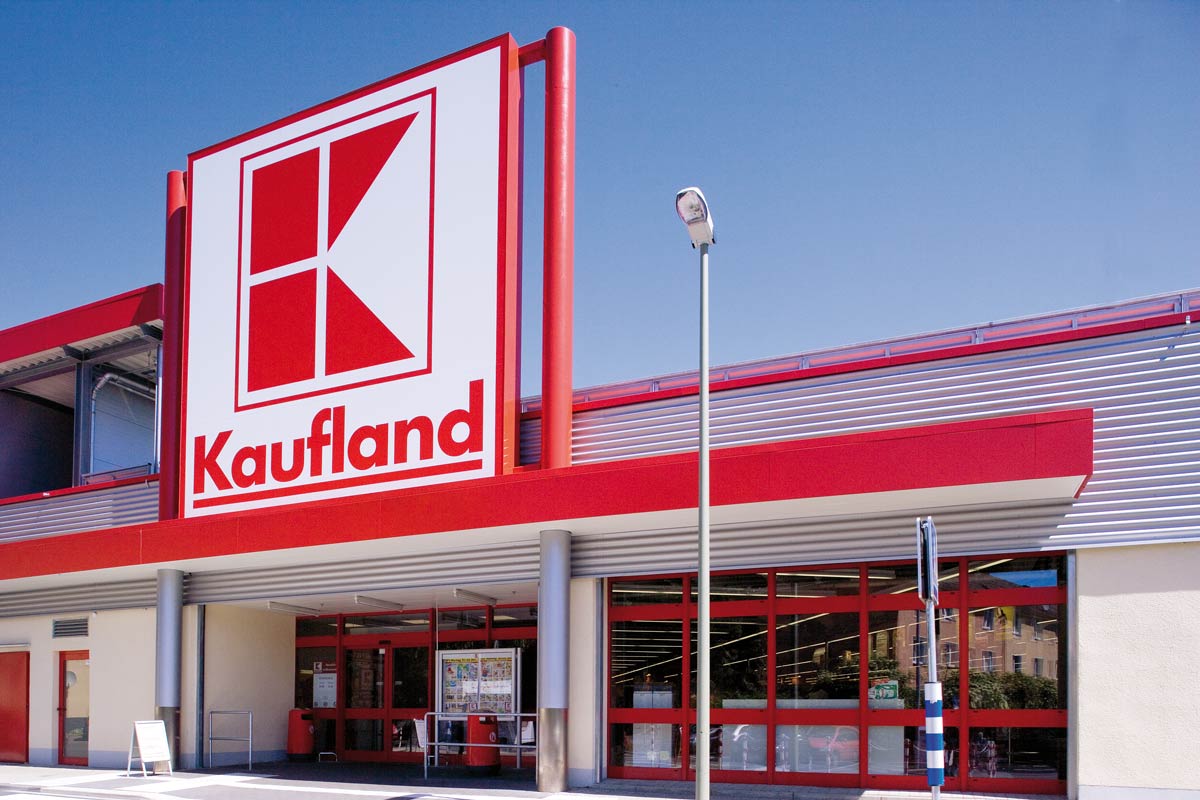
    The big players on the Australian supermarket scene will be buckling up for some stiff competition this Friday morning, with the announcement that German hypermarket Kaufland has received planning approval for its first three stores in Victoria and Australia’s largest distribution centre.

    The first stores at Chirnside Park, Dandenong and Epping received planning approval after an independent Advisory Panel process and despite the objections of many other players in the market.

    The state-of-the-art distribution centre to be located in Mickleham, will be the largest in Australia and will act as the point of consolidation and distribution of goods to its supermarkets.

    The proposed Melbourne headquarters was also approved.

    Kaufland Australia managing director Julia Kern celebrated the news today with Treasurer of Victoria and Minister for Economic Development, Tim Pallas.

    “Kaufland is committed to long term investment both in Victoria and across Australia. The development and approval of our first three stores, our distribution centre and our proposed future headquarters in Victoria will result in the creation of up to 1,600 Victorian jobs,” Kern said.

    “Our initial investment of $459 million will create opportunities for local businesses and stimulate much needed competition and consumer choice in Australia’s supermarket sector.”

    Kern thanked the Victorian Government and everyone who participated in the independent Advisory Panel process. She said she was looking forward to opening Kaufland stores in Victoria in due course.

    Kaufland supermarkets will have a total store area of 4,000 square metres and will be stocked with local, regional and international products at discount pricing. Each store will include a bakery, butcher and liquor areas.

    A number of independent local businesses such as cafés, sushi bars or nail salons will compliment the overall shopping destination.

    “Kaufland will be a one-stop destination supermarket. Our aim is to provide all Australians with more service and choice, highlighted by our principles of simplicity, quality, variety and price.”

    “Kaufland is delighted to call Australia our new home. We look forward to continuing our commitment to partner with local businesses and the wider community to ensure we create the best outcome possible.”

    “Being customer centric is at the heart of all that we do – driven by our values of Performance, Dynamics and Fairness, we aim to increase choice, provide high quality service and promote fair competition to ensure that the customer is always the winner,” Kaufland said in a statement.

    Three further proposed Kaufland sites, at Oakleigh South, Coolaroo, and Mornington, are currently being reviewed by the Advisory Panel.

    The supermarket this week began advertising for Area Manager positions after receiving an additional $145 million capital injection from its German parent Schwartz Group for its ambitious plans down under.

    The family-owned business currently operates 1,200 stores in 7 countries, with over 150,000 employees across Europe.

  • Tesco Asia sales slip further, but profit up

    Tesco Asia sales slip further, but profit up

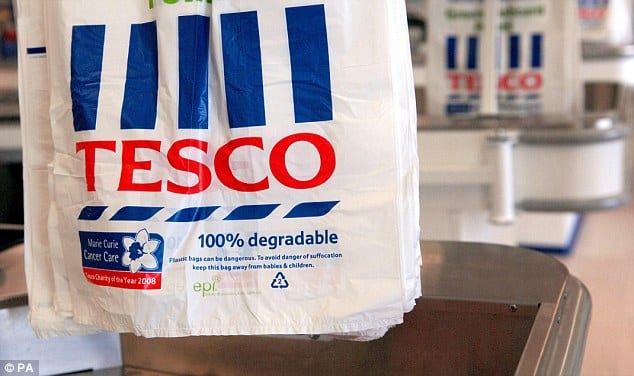
    Tesco Asia like-for-like sales continue to decline while the UK-headquartered company repositions its offer – masking a stronger underlying performance for the business.

    “We have made good progress in our discussions with suppliers towards a new commercial approach,” explained Tesco CEO Dave Lewis in a quarterly update.

    “We also accelerated planned changes to our operating model in Thailand, helping to reduce costs and underpinning our profit recovery.”

    Lewis said that despite minor changes to the government-issued welfare cards scheme during the third quarter, Tesco Thailand sales fell by about 1 per cent for the 19-weeks including the key Christmas trading period.

    Restructured Thailand store operations have led to reduced costs, underpinning profit recovery at the expense of sales.

    Referring to Tesco’s global operations, Lewis added: “We have more to do everywhere but remain bang on track to deliver our plans for the year and as we enter our centenary we are in a strong position.”

    The December quarter represented the 12th consecutive quarter of like-for-like sales growth for Tesco globally, with sales up 2.6 per cent.

  • Gong Cha bubble tea could fetch US$442 million

    Gong Cha bubble tea could fetch US$442 million

    South Korean private equity firm Unison Capital is selling its Gong Cha bubble tea franchise in a deal likely to fetch up to US$442 million.

    The company purchased the brand four years ago for KRW34 billion ($30 million), before taking over its global headquarters in Taiwan in a KRW40 billion ($35.45 million) deal in 2017. The brand’s HQ operates stores in 16 countries.

    The offer has attracted interest from major South Korean F&B players, considering the brand’s stable cash flows and EBITDA margin of 24–25 per cent, compared with Starbucks’ 21 per cent.

    The brand runs 448 outlets within South Korea, and derives 70 per cent of its sales from directly managed stores within Korea and Japan. The firm plans to expand its global store count from 900 to 1700 by 2021, expanding into 10 more countries during the period – with concrete plans to establish stores in the UK, Mexico, Thailand, Indonesia and Cambodia.

    Sales are forecast at KRW180 billion ($159.54 million) this year, compared to KRW134 billion ($118.77 million) last year.

  • Thailand franchise market ready for further growth

    Thailand franchise market ready for further growth

    Thailand franchise consultancy Gnosis Co expects a healthy market for franchises in the country.

    Gnosis MD Sethaphong Phadungpisuth said more than 50 chains from both local and international brands are exploring the market this year following measures to ease regulations on the part of the Business Development Department.

    “The Thailand franchise market will become more active this year. We expect the overall number of new franchise brands both from abroad and the domestic market that will open their franchise in Thailand this year to increase by 10 per cent to about 630 brands”, he said.

    According to Gnosis, some brands have chosen Thailand as a springboard to other Asean countries, in particular Myanmar and Laos.

    Among those diverse brands set to start operations in Thailand this year include Taco Bell, The Edge Learning Centre, and Singaporean hygiene and disinfection products firm Sureclean. Additionally the number of Taiwanese milk tea chains continues to increase in the territory.

    Franchise business in Thailand is estimated to be valued at THB250-300 billion (US$7.84 billion).

  • BreadTalk buys out Thai partner

    BreadTalk buys out Thai partner

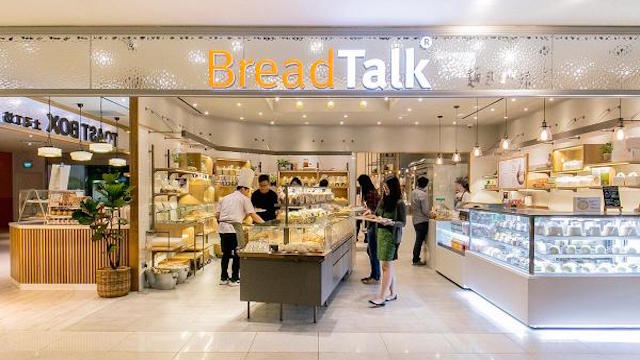
    Minor Group has sold its half share in BreadTalk Thailand to the bakery’s Singapore-listed owner.

    BreadTalk paid US$5.15 million for the stake, which Minor Group is expected to use to expand its other food and beverage brands in the kingdom, including The Coffee Club.

    The BreadTalk Thailand joint venture, called BTM Thailand, was set up in 2014.

    Minor Group’s other brands in Southeast Asia include ThaiExpress, Xin Wang Hong Kong Cafe, Swensens and the Pizza Restaurant Company.

  • The Ultimate La Mer Indulgence At T Galleria Beauty by DFS

    The Ultimate La Mer Indulgence At T Galleria Beauty by DFS

    The world’s largest Crème de la Mer jar will land in Hong Kong at T Galleria Beauty by DFS, Hong Kong, Causeway Bay on March 1. In partnership with DFS, the world’s leading luxury travel retailer, La Mer, is celebrating the iconic and transformative Crème de la Mer moisturizer with a larger-than-life installation of a Crème de la Mer jar measuring five-meters high at Hysan Place. Marking the stunning installation’s debut in Asia, customers will also have the chance to explore an immersive, behind-the-scenes look at the cult skincare brand through an exciting exhibition from March 1 – 10.

    At the heart of the La Mer story is its transformative moisturizer, Crème de la Mer, conceived after 12 years and 6,000 experiments by Dr. Max Huber, who suffered burns in an experiment gone awry. The secret of Crème de la Mer lies in the healing elixir of a cell-renewing Miracle Broth™.  The cream infuses skin with sea-sourced renewing energies, creating a natural, youthful glow.

    The multi-sensorial Crème de la Mer exhibition at T Galleria Beauty by DFS, Hong Kong, Causeway Bay begins as guests step into the giant jar, transporting them into an oceanic realm, the World of La Mer, through the sounds of the sea and soft glow of underwater lighting. Customers journey through the five moisture textures – Rich, Soft, Sheer, Balanced, Cool – each representing a unique moisturizer of La Mer conceptualized into dynamic installations for maximum sensory stimulation. On the other side of the exhibition, guests can discover the secrets of The Miracle Broth™ and marvel at the Crème de la Mer wall, the perfect backdrop for customers and influencers to capture unique, memorable moments. 

    La Mer’s Skincare Artistry Experts will also be on hand to provide bespoke consultations, introduce moisture rituals and share tips on how to “Arrive Hydrated” at your destination and keep skin looking healthy and luminous from take-off to touch down and beyond.  With a minimum purchase, customers will receive a complimentary La Mer luxury travel trunk case with the option of personalization by calligraphy services offered on site*. Other exclusive offers available only at the event.