Author: Mei Ling Tan

  • Shoppers prefer human interaction over bots, says study

    Shoppers prefer human interaction over bots, says study

    New research reveals 75 per cent of shoppers prefer live-agent support for customer service verses 25 per cent support for self service and chatbots. The research, from cloud contact-centre operator NewVoiceMedia, identified consumer concerns about sharing sensitive information, a lack of understanding of bots and their inability to resolve issues.

    “Chatbots can provide customers with quick answers to frequently asked questions or issues, and the survey notes the benefit of chatbots for certain interactions, such as 24-seven service,” the survey’s authors concluded.

    But when it comes to handling sensitive financial and personal information, most customers are more comfortable with a live agent, and just 13 per cent say they would be happy if all service interactions are replaced by bots in the future.

    Foremost among consumer concerns about using chatbots include:

    • A lack of understanding of the issue (65 per cent).
    • The inability to solve complex issues (63 per cent).
    • The inability of chatbots to provide answers to simple questions (49 per cent).
    • The lack of a personal service experience (45 per cent).

    While less than half of the people surveyed (48 per cent) said they would be willing to use chat bots for service – versus the 38 per cent who wouldn’t – 46 per cent also felt that bots kept them from reaching a live person.

    Banks (82 per cent) and medical services (75 per cent) were the businesses that people were least likely to want to deal with bots.

    Customers prefer live agents for technical support (91 per cent); getting a quick response in an emergency (89 per cent); making a complaint (86 per cent); buying an expensive item (82 per cent); purchase inquiries (79 per cent); returns and cancellations (73 per cent); booking appointments and reservations (59 per cent); and paying a bill (54 per cent). However, when asked about buying”a basic item”, 56 per cent would choose a chatbot over a live interaction.

    The top benefit cited for dealing with chat bots was 24-hour service.

    “When a situation becomes emotional or complex, people want to engage with people”, says Dennis Fois, president of NewVoiceMedia. “As businesses add more customer service channels, conversations are becoming more complex and higher value, and personal, emotive customer interactions play a critical role in bridging the gap for what digital innovation alone cannot solve,” he said.

    “For this reason, companies must find the right balance between automation and human support to deliver the service that customers demand. Frontline contact centre teams will continue to be the difference makers on the battlefield to win the hearts and minds of customers, and organisations deploying self-service solutions should ensure that there is always an option to reach a live agent”.

    There is a sense consumers may warm to chatbots in the future, however, given that younger respondents (aged 18-44) were more open to using chatbots overall and across the individual scenarios compared to older consumers (45-60+).

  • Pantene’s latest #WANITABESI film encourages women to stay in sports

    Pantene’s latest #WANITABESI film encourages women to stay in sports

    Pantene Malaysia wants to change consumers’ mindsets on sports as a boys’ playground by highlighting in its latest “Braids of Strength” films that sports also plays a key role in moulding the next generation of strong women.

    The films are part of the brand’s WanitaBesi campaign (Iron Lady campaign) and were produced in collaboration with Grey Group Malaysia and Directors Think Tank. They tell the stories of two Malaysian athletes – Farah Ann and Nur Suryani – who remained in sports despite the challenges they face. Throughout both films, the tying of a hair braid is used to symbolise the strength to stay in sport.


    In celebration of the upcoming International Women’s Day, customers who purchase any of Pantene’s range of shampoos will receive a golden ribbon, and any woman wearing a braid during the month of March can gain nationwide free access to Fitness First and Celebrity Fitness.

    Anggia Pulungan, haircare commercial director of P&G Malaysia, said Pantene is rooted in the belief that strong is beautiful. For a woman, her hair is both a personal and a public matter; it is a big part of her confidence. Through Braids of Strength, Pantene wants to encourage more women to embrace the #WANITABESI spirit, pursue any sport of their choice and eliminate their worry of self-image, Pulungan added.

    “By showcasing the perfect way to braid their hair, women get the confidence boost they need to look good, and it positively helps them to perform in sports,” Pulungan said.

  • Ex-AirAsia marketer Kathleen Tan shares her personal challenges as a female boss

    Ex-AirAsia marketer Kathleen Tan shares her personal challenges as a female boss

    While there have been a wave of female leaders breaking the glass ceiling, women still face challenges in the workplace and those in leadership positions are often seen as aggressive or difficult. In 2018, Malaysia was ranked the sixth lowest in East Asia and the Pacific by the World Economic Forum in its Global Gender Report 2018, which measures countries on their progress towards gender parity.

    The country had a score of 0.676 out of 1.0 and was ranked 101th globally. Meanwhile, Singapore came in 67th with a score of 0.707, while Indonesia was ranked 85th with a score of 0.691. In line with International Women’s Day, A+M speaks to female leaders in the industry about their views on being a female boss and the challenges that come with it.

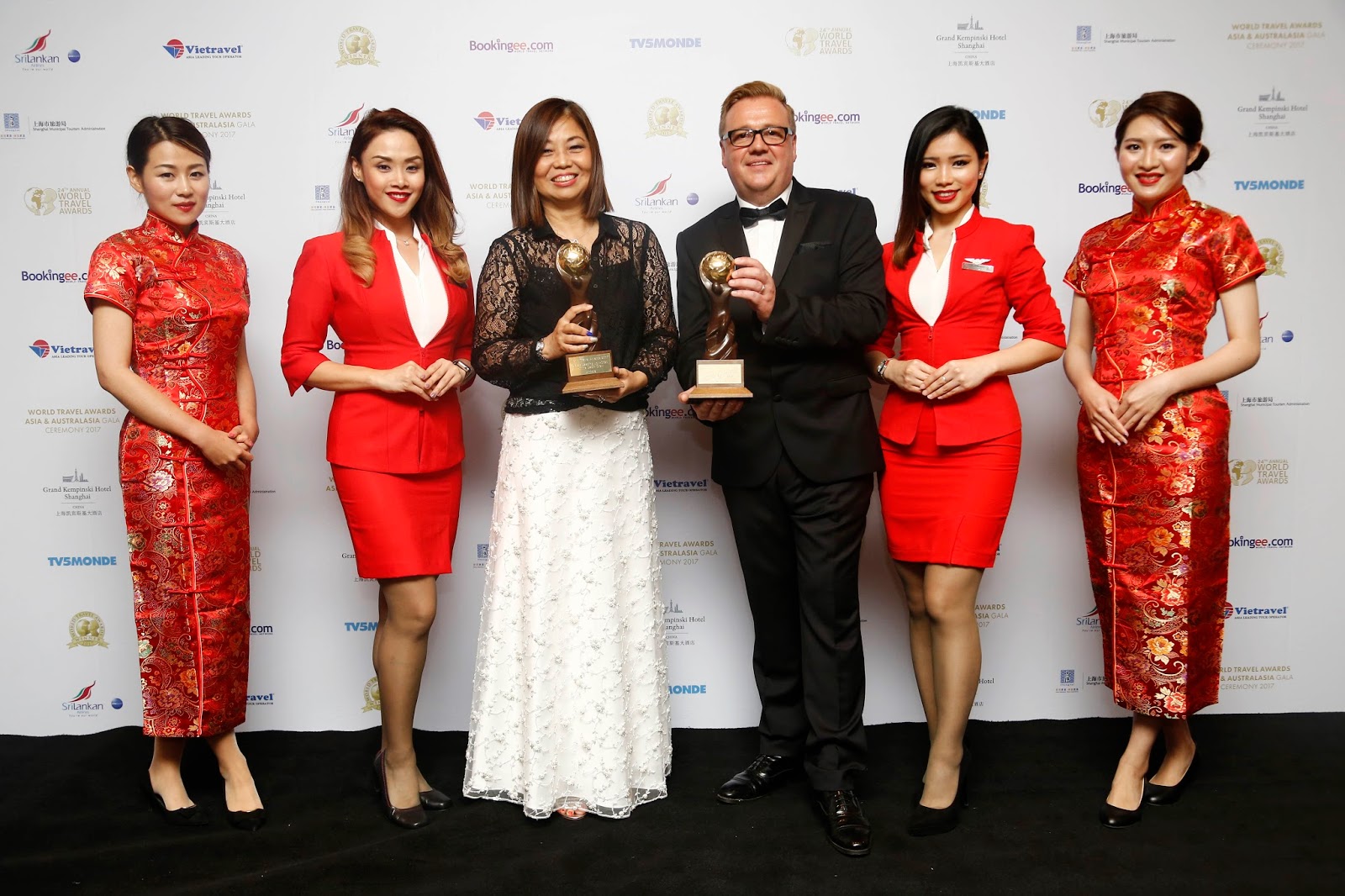
    Kicking off the series is marketing veteran Kathleen Tan (pictured), former AirAsia president of China who also previously helmed regional roles at Warner Music and FJ Benjamin. Tan shares her journey about being a female boss and the biggest challenges women on top in the advertising and marketing world face today.

    A+M: What has been the toughest thing about being a female boss?

    Tan: In my corporate journey, I have never put a lot of focus on my gender but rather on what I can contribute, and leverage on my ability to make a difference in whatever I do in my position as a professional and to do my best. However, there are some moments where I have to deal with male staff who let me or themselves down when it came to performance, and the toughest times for me is to see a man break down in front of me. Such moments strike the raw nerves of my gender and breaks my heart to see a man, who is traditionally seen as “macho”, cry.

    I worked in one of toughest industries – aviation – which is highly male-dominated who view women differently, and they see senior management roles more suited for qualified men than women. My toughest challenge is to combat prejudices in my early days as someone who came from an entertainment background and knew nothing about the aviation industry while also being a woman. I had to constantly deal with government regulators, especially in China. Many possess traditional views and dealing with foreign woman like me shocked their system.

    Instead of being daunted, I chose to view my role as a ‘novelty’ and took on the challenge to win and influence them with wit, charm and smartness.

    A+M: Staff members aren’t always the kindest to opinionated female leaders, how do you deal with this?

    Tan: I get this a lot and I either ignored them or squared with them. If things get out of control, confrontation is best way to handle them. Generally, people are still not used to seeing women speaking up or calling the shots as corporate boardrooms are still dominated by men. It takes courage, honesty to confront the issue and deal with it in a professional manner. After we became friends, I have had male leaders confess that they too get intimidated with strong women and are sometimes unsure of how to handle them, as well as what to wear when they had to meet me for the first time and what my expectations were.

    A+M: What are some of the biggest challenges women on top in the ad/marketing world face?

    Tan: Prejudices, discrimination and sometimes sexual harassment as women are viewed as the “the weaker sex” in the corporate world. However, to address and improve this, women must step up, be aware of our rights and not be afraid to call them out. Just focus on your competence and confidence to deliver results. The way we carry ourselves is also important so as to not send wrong signals.

    The ability to deliver results and be professional will silence critics.

    A+M: What was the toughest thing about getting to the top?

    Tan: As women contributors, we should not focus too much on our gender and if we want to be taken seriously, we should not expect to be treated differently but rather focus on our ability to deliver, work smart and not just work hard. While women have attributes that some may see as weakness, focus on turning them into advantages.  This has worked so well for me in a male dominated industry where I spent many years.

    My respect goes to women who can strike a good balance, to have a career, be a wife and mother. The key is to also build a strong support system whether it is in the workplace or at home. Having a strong mental resilience is essential.

    For women who are ambitious, build advocates with your male colleagues to win and influence them. Honest engagement with HR and management also helps.

    A+M: Is sexism and harassment in the ad/marketing industry an issue in Southeast Asia markets? 

    Tan: I believe it’s not just in Southeast Asia but an issue that is getting more attention and awareness by regulators especially through social media.

    A+M: Do you see tides changing locally since the emergence of the #MeToo movement?   

    Tan: It will take time but Asia is still behind and I believe with the Millennial generation, the issue may be lessened as their values are very different from the colonial era.

  • Mixed results for Giordano International

    Mixed results for Giordano International

    Hong Kong casual-apparel brand Giordano International has reported a small increase in sales for last year – and a dip in profit. Group-wide sales reached HK$5.509 billion last year, up 1.8 per cent, with same-store sales down a marginal 0.1 per cent. Profit attributable to shareholders fell 4 per cent to $480 million.

    In a stock exchange filing, Giordano International said sales from physical stores achieved a 1.7 per cent growth rate, while online sales – through its own sites and third-party platforms, grew by 1.3 per cent. Wholesale sales to its franchisees grew by 2.6 per cent.

    By category, its best-performing sectors were childrenswear and womenswear, where sales for both rose by 6.9 per cent.

    By geographical market, Giordano International delivered a mixture of results:

    Mainland China: Business was affected by the Sino-US trade dispute and stock-market volatility, which negatively impacted on domestic retail sales. Comp-store sales slipped by 0.9 per cent.

    Hong Kong and Macau: “Well-executed marketing programs, smart promotional activities and stringent cost control all helped achieve double-digit growth amidst complex macroeconomic conditions,” the company reported. “This market experienced a difficult retail landscape caused by an economic slowdown since the third quarter of the year. Severe typhoons and an abnormally warm winter also adversely affected its sales.”

    Taiwan: Sales here rebounded to allow an operating profit increase of 34.9 per cent in the first half of last year, however the full-year change was a mere 2 per cent, due to the uncertainty created by the Sino-US trade dispute.

    Vietnam: Giordano bought out its third-party retail operation in Vietnam and after improved sales and cost controls turned the business around. The market has grown to account for 5.6 per cent of Giordano international’s regional sales and operating profit rose.

    Thailand: Operating profit from Thailand grew by 11.1 per cent, thanks to stable sales growth and an improvement in gross-profit margin.

    Indonesia: In Southeast Asia, Indonesia stood out with a comp-store sales growth of 7 per cent for both Giordano and non-Giordano brands, and operating profit increased by 16 per cent.

    Singapore: Operating profit decreased by 6 per cent as the business was adversely affected by an overall stagnant economy and lower tourist traffic.

    Middle East: With consumers adapting to the newly introduced Value-Added Tax and changes in economic policies, comp-store sales fell by 7.3 per cent in the first quarter of last year. However, in the early weeks of this year, the company saw growth in comp-store sales of 4 per cent, prompting management to conclude that consumers have now adjusted to the tax changes and the retail industry there has stabilised.

    South Korea:  Net profit here increased by 6.7 per cent, attributable to better cost control, closure of non-performing stores and enhanced gross margin. Wholesale sales to South Korea increased by 10.5 per cent.

  • TikTok partners Malaysian handicraft organisations to promote local art

    TikTok partners Malaysian handicraft organisations to promote local art

    TikTok has paired up with the Malaysian Handicraft Development Corporation (Kraftangan Malaysia) and the National Craft Institute (NCI) to launch its #ilovearts campaign, in conjunction with National Craft Day 2019.

    The campaign is in line with the 17th annual National Craft Day event organised by Kraftangan Malaysia under the theme “Culturising Craft in Lifestyle”, and aims to encourage the usage of local craft products in today’s lifestyle. The campaign also invites crafters to share their artistic talent and craftwork on TikTok, to further promote Malaysia’s unique craftsmanship to a global audience online.

    The partnership also saw TikTok conducting a recent workshop at NCI on ways to leverage its platform for students to amplify their talent. The workshop focused on short video-creations and encouraged digital adoption to amplify Malaysian arts. The #ilovearts campaign runs until 11 March and participants stand a chance to win prizes worth RM6,500.

    Donny Eryastha, TikTok’s head of public policy, Indonesia, Malaysia and the Philippines, said that the campaign resonates with its mission of capturing and presenting the world’s creativity, knowledge, and moments that matter by enabling everyone to be a creator.

    “We are honoured to be collaborating with NCI and Kraftangan Malaysia through this initiative that aims to bring Malaysian art, heritage and tradition to the rest of the world,” Eryastha added.

    NCI senior director Zainal Abidin Bin Che Pa said the industry recognises the role of technology in its effort to promote Malaysian’s unique craftsmanship globally.

    “By partnering with a digital platform like TikTok, our crafters are able to share their expertise and talent with others from all over the world. We are hopeful that partnerships like this would open new opportunities for our crafters to go beyond our shores and obtain international exposure, resulting in a greater appreciation for Malaysian arts,” he added.

    Recently, TikTok agreed to pay US$5.7 million to settle US Federal Trade Commission allegations that it illegally collected personal information from children. The violations were committed by the newly defunct Musical.ly app, which was folded under TikTok after it was was acquired by Chinese media firm ByteDance for around US$1 billion in 2017.

  • China Telecom chief moves to China Mobile

    China Telecom chief moves to China Mobile

    China Telecom announced that Yang Jie (pictured) has resigned from his role as chairman of parent company China Telecom Corporation, and has been re-designated as chairman of China Mobile Communications Group.

    Yang has also resigned from his positions as executive director, chairman and CEO of Hong Kong-listed China Telecom Limited, due to the change in work arrangement, according to a company announcement released last week [pdf].

    He replaces Shang Bing, who is stepping down as chairman of China Mobile upon reaching retirement age.

    Shang, a former vice minister of the telecom watchdog, the Ministry of Industry and Information Technology (MIIT), was appointed the chairman of China Mobile in September 2015 when the Beijing government reshuffled the heads of the country’s three state-owned telecom carriers.

    In a statement, China Mobile acknowledged Shang’s outstanding contributions to the company with “the highest regard and deepest gratitude”.

    The changes take effect on March 4, 2019.

    Yang was chairman and CEO of China Telecom since May 2016 and previously served as the company’s president and COO. China Telecom hasn’t yet made any announcement on Yang’s replacement at the company.

  • SK Telecom, IT&E to deploy 5G network in Guam and Saipan

    SK Telecom, IT&E to deploy 5G network in Guam and Saipan

    South Korean mobile carrier SK Telecom announced that it is in discussion with Citadel and IT&E to deploy a 5G network in Guam and Saipan. In a statement, SKT and IT&E will work together to commercialize the 5G network with fixed wireless access (FWA) offering in Guam and Saipan in the second half of 2019.

    SKT said IT&E has already secured 1150MHz bandwidth in the 28-GHz frequency band for 5G communications and aims to become the first operator to launch commercial service in the region.

    The 5G network will initially cover dense central areas of cities, local business customers, and areas that lacked fixed broadband infrastructure. This will be expanded gradually to wider areas.

    According to SKT, the decision to deploy 5G FWA initially came as a result of an analysis of the region’s fixed broadband infrastructure, topographic features and the needs of residential and enterprise customers. FWA provides IT&E with a more cost-effective and efficient alternative to offer broadband services in areas with limited access to fixed broadband infrastructure.

    As part of the collaboration, SKT will help IT&E design a 5G network optimized for the local environment, support network deployment and perform field trials and network optimization.

    SKT said the pair have also discussed cooperation in other areas, such as deploying SK Telecom’s security solutions to IT&E’s 5G network, and adopting mobile edge computing and quantum cryptography technologies to enable faster and safer 5G services.

  • AirAsia scores with Malaysian Football League partnership

    AirAsia scores with Malaysian Football League partnership

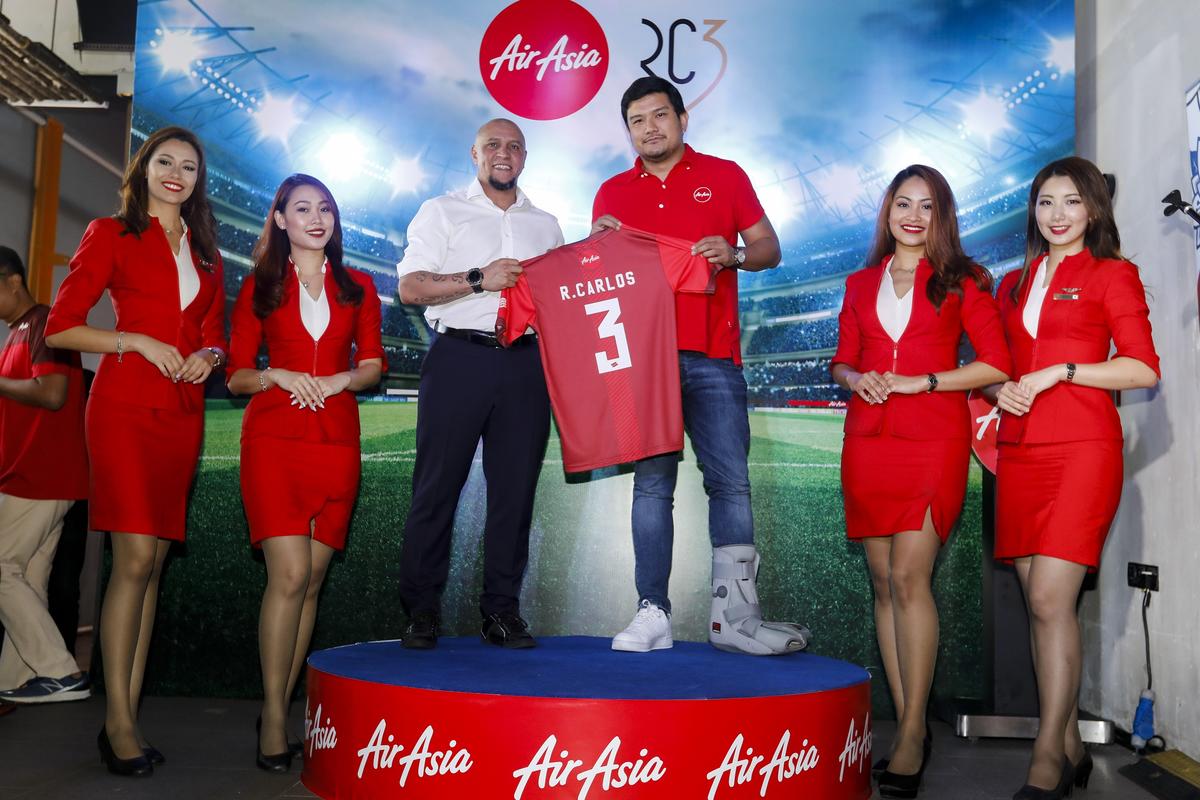
    AirAsia has scored an agreement with the Malaysian Football League (MFL) to become the exclusive official airline for the 2019-2020 league season. As part of the partnership, AirAsia will support MFL teams playing in the Piala Malaysia, Liga Super, Liga Premier and Piala FA tournaments with discounted fares for them to fly with the airline to games across Malaysia and the region.

    AirAsia will also have the rights to sell match tickets either as standalone or packaged with flights and/or hotel deals through airasiaredtix.com.

    According to AirAsia’s group CEO Tony Fernandes, the MFL deal is an “incredible opportunity” for the airline to continue supporting Malaysian football. “We are proud to be able to play a part in inspiring a new generation of dreamers and making dreams come true for the players, the teams, and ultimately, the fans. We look forward to welcoming our heroes and their fans on board,” Fernandes added.

    MFL CEO Kevin Ramalingam said: “It’s not often that you see a Malaysian company make it big, and I think we can all be proud of what Fernandes and his team have achieved. We hope that with this partnership, the local football scene will grow to even greater heights as we strive towards putting Malaysia on the footballing map again.”

    The airline has been active in the football scene. Last year, it tied up with AFF Suzuki Cup 2018 as the official supporter for the first time, to drive greater fan engagement and offer players with more exposure in their home countries. It also picked Brazilian footballer Roberto Carlos as its global brand ambassador for two years.

  • Half of PaaS services now cloud-only

    Half of PaaS services now cloud-only

    A new Gartner report, “Platform as a Service: Definition, Taxonomy and Vendor Landscape, 2019” revealed that 48% of 550 PaaS offerings are cloud-only. Not a single vendor has a foothold across all 21 segments, and 90% of them only operate within a single PaaS market segment.

    “Business and technology leaders are shifting to strategic investment in cloud computing,” said Yefim Natis, research vice president and distinguished analyst at Gartner. “Cloud computing is one of the key disruptive forces in IT markets that is gaining mainstream trust.”

    Natis commented that although many organizations anticipate long-term retention of on-premises computing, the vendors of nearly half of the cloud platform offerings bet on the prevailing growth of cloud deployments and chose the more modern and more efficient cloud-only delivery of their capabilities.

    Gartner predicts that enterprise IT spending for cloud-based offerings will surpass spending on non-cloud IT offerings by 2022. The analyst forecasts total PaaS market revenue to reach $20 billion in 2019, and to exceed $34 billion in 2022.

    In this shift to the cloud, database and application platform services represent the largest market segments, with blockchain, digital experience, serverless and artificial intelligence/machine learning (AI/ML) platform services as the newest.

  • Huawei takes US government to court

    Huawei takes US government to court

    Huawei lost its trade mark reticence when it announced yesterday that it is suing the US government for banning federal agencies from buying its products.

    The complaint filed in a U.S. federal court challenges the constitutionality of Section 889 of the 2019 National Defense Authorization Act (NDAA). Through this action, Huawei seeks a declaratory judgment that the restrictions targeting Huawei are unconstitutional, and a permanent injunction against these restrictions.

    From Huawei’s perspective, the NDAA restrictions prevent the company from providing more advanced 5G technologies to U.S. consumers, which will delay the commercial application of 5G, in turn, impeding efforts to improve the performance of 5G networks in the U.S.

    “The U.S. Congress has repeatedly failed to produce any evidence to support its restrictions on Huawei products. We are compelled to take this legal action as a proper and last resort,” Guo Ping, Huawei rotating chairman said in a press conference held yesterday at company’s Shenzhen campus.

    “This ban not only is unlawful, but also restricts Huawei from engaging in fair competition, ultimately harming U.S. consumers,” he said.

    The lawsuit was filed in a U.S. District Court in Plano, Texas. According to the complaint, Section 889 of the 2019 NDAA not only bars all U.S. Government agencies from buying Huawei equipment and services, but also bars them from contracting with or awarding grants or loans to third parties who buy Huawei equipment or services, without any executive or judicial process.

    The Chinese telecoms and IT equipment vender claims this violates the Bill of Attainder Clause and the Due Process Clause. The Huawei lawsuit also claims the violation of the Separation-of-Powers principles enshrined in the U.S. Constitution, because Congress is both making the law, and attempting to adjudicate and execute it.

    “Section 889 is based on numerous false, unproven, and untested propositions,’ said Song Liuping, Huawei’s chief legal officer.” Contrary to the statute’s premise, Huawei is not owned, controlled, or influenced by the Chinese government.”

    He added: “Moreover, Huawei has an excellent security record and program. No contrary evidence has been offered.”

    Citing industry sources, Huawei claims that allowing them to compete would reduce the cost of wireless infrastructure by between 15% and 40%. This would save North America at least US$20 billion over the next four years.

    “If this law is set aside, as it should be, Huawei can bring more advanced technologies to the United States and help it build the best 5G networks,” Guo Ping said. “Huawei is willing to address the U.S. Government’s security concerns. Lifting the NDAA ban will give the U.S. Government the flexibility it needs to work with Huawei and solve real security issues.”

  • Entrepreneur looks to replace corporate travel agents

    Entrepreneur looks to replace corporate travel agents

    Auckland-based entrepreneur Hiten Parbhu has launched an online corporate travel booking app that makes finding and booking flights easier for small business owners, personal assistants and admin staff.

    The online app Rogue Travel, which launched today after a few months of beta testing, will “take the pain out of corporate travel booking”, Parbhu said.

    “The big travel amalgamators like Skyscanner make finding flights easy, but that’s about it. They give you lots of options, but then leave you on your own when it comes to the really tedious thing: entering passenger details.”

    “Plus, they send you all over the web to various providers instead of keeping all your bookings in one central place.”

    Rogue Travel, Parbhu said, does that and more.

    The web app keeps an organisation’s passenger details, like names, date of birth, passport numbers, frequent flyer memberships and so on, on the one platform.

    Users will simply search, just as they would on other travel websites, to find the cheapest and most convenient flights and hotels.

    They then select on the who’s travelling tab and all passenger details are automatically added.

    Parbhu said this would save hours of chasing individual people up for updated passport numbers and so on.

    Payment is made directly through the site and all trip details are kept through the one platform.

    “We’ve built a tool which effectively removes the need for a corporate travel agent.”

  • Philippine Seven chief wins retail award

    Philippine Seven chief wins retail award

    Jose Victor Paterno, president and CEO of Philippine Seven Corp, has been named the NACS Asian Convenience Retail Leader of the Year.

    The award, endowed by PepsiCo, recognises and honours “the most successful and influential convenience industry leader of 2019” in the region.

    It was presented before an international audience of convenience retailers and suppliers at the NACS Convenience Summit Asia this week in Shanghai, China. Paterno joins last year’s winner Richard Yeung, CEO of Circle K Convenience Stores Hong Kong, and Tomoyasu “Tommy” Marutani, president of Secoma, which operates Seicomart in Northern Japan, the year before.

    Paterno was recognised for navigating Philippine Seven through the implementation of one of the most complicated supply-chain networks in Asia. The company operates 13 warehouses nationwide and overcomes the country’s geography to deliver daily to 2600 stores across the Philippines, which comprises more than 7000 islands. The warehouses carry 3000 items. His company uses the network to offer store pick-up points for items ordered online through their CLiQQ Shop and Rewards Program, making the Philippines convenience chain a true online-to-offline retailer.

    “Not only is the dynamism of Philippines Seven’s drive to redefine convenience impressive (eg, the CLiQQ Shop), but Victor’s personal commitment to and support of our global convenience-retail industry is widely respected,” said Henry Armour, president and CEO of NACS.

    A one-time technology entrepreneur, Paterno believes in the potential for technology to transform small-format retail. He is an engineer by education who fell into retailing when he joined the company at his father’s invitation as construction and maintenance manager in 1993. Although the position was supposed to be temporary, Paterno was intrigued by the complexities of retailing and stayed on longer than planned. He was appointed president and CEO in 2005 by majority shareholders President Chain Store of Taiwan.

  • Executives blind to disruptive nature of 5G

    Executives blind to disruptive nature of 5G

    Accenture says business and technology executives underestimate the disruptive potential of 5G technology. Fifty-three percent of respondents in a global survey of 1,800 executives in 10 countries believe there are “very few” things that 5G will enable them to do that they cannot already do with 4G networks. Only 37% expect 5G to bring a “revolutionary” shift in speed and capacity.

    Competitive advantage

    5G is believed to have important competitive implications. Up to 60% of surveyed executives believe 5G will cover nearly all the population by the year 2022, and 70% believe that 5G applications will give them a competitive edge with customers. Speed will be a key advantage according to 46% of respondents while 42% cite its capacity.

    “The reality is that 5G will bring a major wave of connectivity that opens new dimensions for innovation and commercial and economic development,” said George Nazi, Accenture’s Network practice global lead. “Breakthroughs in three-dimensional video, immersive television, autonomous cars, and smart-city infrastructure will unleash opportunities that are difficult to imagine today but will soon be transformative. Telecommunications companies will play a pivotal role in bringing these prospects to light.”

    Role of carriers

    Up to 72% of executives said they need help to imagine future possibilities and use cases of 5G. These see telcos as just the right partner on their 5G journeys, cited by 40% of respondents. Hampering this partnership is the recognition by 60% of respondents who cite telcos’ lack of industry knowledge as a key challenge.

    Other barriers include the need for upfront investment (36%), security (32%) and employee buy-in (29%). While 78% of executives believe that using 5G in the workplace will make their business more secure, 32% have concerns about the security of the new connectivity standard.

    Anders Lindblad, Accenture’s Communications & Media industry lead for Europe, said, “Despite the knowledge gap, there is excitement among business leaders about the value that 5G can bring to enterprises. This value is currently trapped within the perceived risks and uncertainty around 5G, which can be unlocked by organizations that understand customer needs, can overcome barriers to adoption and can drive collaboration among service providers.”

  • KFC poised to expand after strong full year sales

    KFC poised to expand after strong full year sales

    Restaurant Brands is planning to expand the number of KFC restaurants it operates across Australia and New Zealand off the back of strong sales over the 12 months to February 2019, which contributed to the group’s overall 7.2 per cent increase in full-year sales of $764.6 million (NZ$794 million).

    In Australia, KFC’s sales grew 27.8 per cent to $178.3 million, thanks to new store acquisitions in the period. Same-store-sales grew 4.7 per cent.

    Starbucks saw a 4 per cent increase in sales to $15.4 million, and was sold to Tahua Capital on 23 October 2018.

    Carl’s Jr., however, saw an 8.8 per cent decline in total sales to $30.7 million. Same-store-sales also fell 3.3 per cent over the year.

    The group’s performance in New Zealand was more varied.

    KFC’s New Zealand operations improved 5.3 per cent over the period to $324 million (NZ$336.5 million), and 4.3 per cent on a same-store basis, while Pizza Hut faltered – seeing a 14 per cent decrease in sales over the year to $34 million (NZ$35.4 million), down 6.1 per cent on a same-store basis.

    The group is currently in the midst of a partial takeover, with investor Finaccess Capital having proposed to acquire up to 75 per cent of the group’s shares for a premium of NZ$9.45 ($8.68) cash per share.

    Restaurant Brands shares currently sit at $7.33 on the ASX, and $NZ8.62 on the NZX. Currently, Finaccess has secured 33.71 per cent, or just over 42 million, shares.

    The board of Restaurant Brands “unanimously” recommends shareholders accept the partial takeover offer, which closes on 12 March 2019, based on the absence of a superior proposal.

  • Trade Me valued below bid offer

    Trade Me valued below bid offer

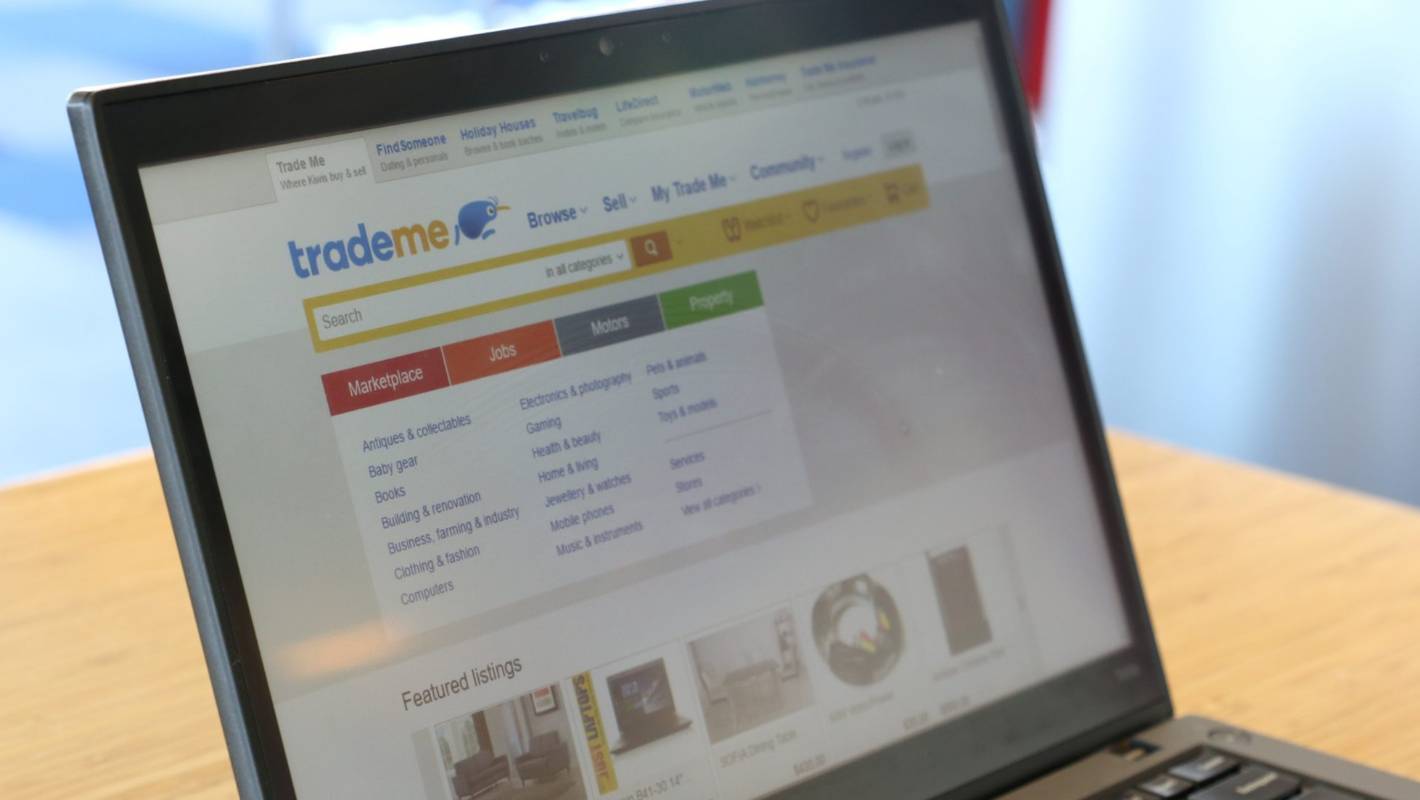
    Online marketplace Trade Me has seen its shares independently valued at between $5.93 to $6.39 per share, below the standing offer of $6.45 per share made by Titan to acquire the business in December 2018. Titan, which is owned by private equity fund Apax Partners, proposed to acquire 100 per cent of Trade Me shares by way of a scheme of arrangement. With the valuation, the offer will potentially pay shareholders a premium.

    The independent valuation was carried out by adviser Grant Samuel & Associates Limited, which was appointed by Trade Me to assess the merits of the offer by Titan.

    Shareholders are expected to vote on the matter on 3 April 2019, online or in-person in Wellington, with Trade Me recommending that shareholders vote in favour of the scheme.

    Though at least 75 per cent of shareholders need to vote in favour of the scheme, it must also be approved by the High Court of New Zealand, as well as the Overseas Investment Office.

    Should the vote go through, and all necessary conditions are satisfied, the scheme is expected to be implemented on or around the 8 May 2019.

    The marketplace turned 20 earlier this week, with chief executive John Macdonald noting he is “humbled that [1.8 million] Kiwis still visit us everyday.”

    “This is a big moment for us… our platform has given thousands of Kiwi entrepreneurs an opportunity to make their own business and reach an audience they’d never have found without us,” Macdonald said.

    “Many a garage across the country was converted into a new online business and a number of those have grown into substantial stores which still sell with us today.”

    Macdonald had initially intended to step down after 15 years at the business in December 2018, though agreed he would stay on until past the end of 2018 in order to help facilitate the takeover.