Author: Mei Ling Tan

  • AirAsia Considers Prospects for Heavy Maintenance Facility

    AirAsia Considers Prospects for Heavy Maintenance Facility

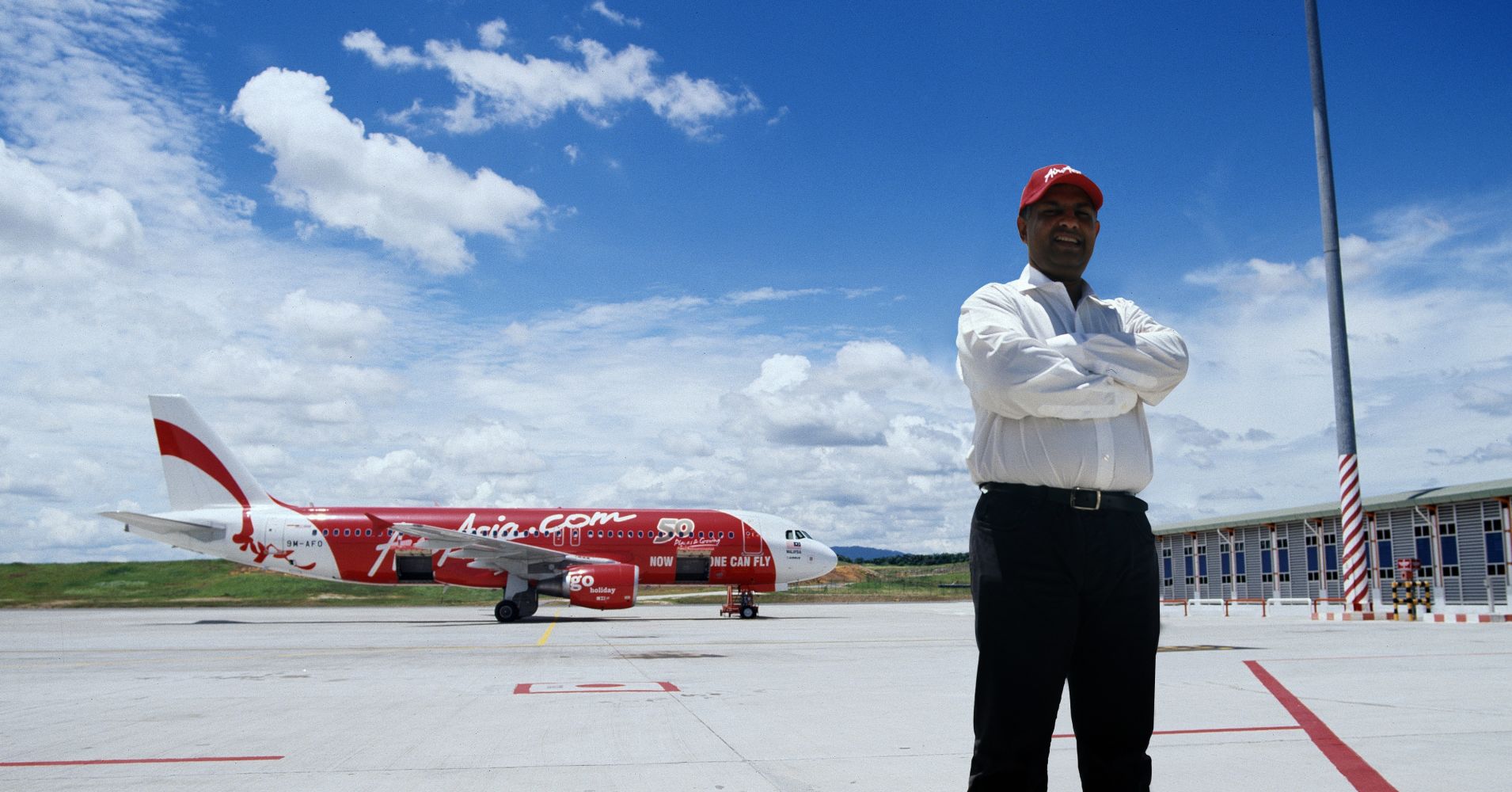
    AirAsia is assessing whether to set up its own heavy maintenance operation to accommodate its fleet growth plans, and if so, where it would be located. While the LCC is yet to make a decision, it wants to handle some of its own base maintenance needs in the future, AirAsia head of group aircraft engineering Nantha Kumar said during the Aviation Week MRO Southeast Asia conference Mar. 6.

    AirAsia currently outsources all of its heavy maintenance to a range of providers such as Sepang Aircraft Engineering (SAE). Kumar stressed that AirAsia will continue to work with these providers, as the carrier will have an increasing MRO requirement that can be addressed with both insourced and outsourced work. It is still too early to say how the additional work would be divided between existing suppliers and AirAsia, Kumar said.

    There is no specific timeline for deciding about the heavy maintenance facility, although the group’s senior leadership envisages beginning operations within two years of making a decision, Kumar said. AirAsia will review whether “it makes business sense for us to invest” in an MRO facility.

    Any such operation would handle work for AirAsia and its various overseas affiliates, as well as widebody operator AirAsia X. The scope would potentially include airframe work up to C-checks, wheels and brakes and composite repair, but not engine work or components. While AirAsia would primarily be focused on its own fleet, there may be opportunities for third-party work in the long term, Kumar said.

    The new maintenance facility would likely start with one hangar, and at least 2-3 lines, Kumar said. The carrier would select one location, which could be in Thailand or Malaysia. AirAsia would consider establishing a partnership or joint venture with an existing MRO provider.

    AirAsia is interested in becoming one of the MRO providers in a new aerospace development in U-Tapao, Thailand, and group CEO Tony Fernandes in 2018 said AirAsia wanted to open a facility there. However, there is still much uncertainty about how the Thai government selection process will work and what benefits will be offered.

    This will be one of the factors in determining the timing of AirAsia’s own decisions about whether to proceed with heavy maintenance and where it will be located, Kumar said. Once more details about U-Tapao are known, AirAsia will be able to conduct a review and determine if the business case makes sense.

    If the carrier decides to establish an MRO base in Malaysia instead, it would be located either in Kuala Lumpur or in another part of the country. AirAsia’s main hub is at Kuala Lumpur International Airport, and major MRO provider SAE is also based there. However, various Malaysian state governments have been engaging with AirAsia to try to secure the MRO facility for their airports.
  • AirAsia buys Irish leasing units; Citilink Indonesia bid rejected

    AirAsia buys Irish leasing units; Citilink Indonesia bid rejected

    Asia Aviation Capital Ltd (AACL), the aircraft leasing unit of AirAsia Group Bhd, has acquired four newly incorporated companies in Ireland. AirAsia said in a stock exchange filing that AACL — its indirect wholly-owned subsidiary — had acquired the entire issued and paid-up share capital of Merah Aviation Asset Holding Two Ltd, Merah Aviation Asset Holding Three Ltd, Merah Aviation Asset Holding Four Ltd, and Merah Aviation Asset Holding Five Ltd.

    AirAsia said the four Merah Aviation companies were incorporated under the laws of Ireland on Wednesday for the purpose of owning, leasing and/or financing of aircraft. Each of Merah Aviation has issued and paid-up share capital of US$1 (RM4.09).

    In a separate matter, the Jakarta Post reported yesterday that AirAsia Indonesia’s proposal to acquire low-cost carrier (LCC) Citilink Indonesia had been rejected by Garuda Indonesia, quoting Garuda president director Ari Askhara.

    Citilink is a subsidiary of Garuda, according to the Jakarta Post report that is based on a report.  Ari was quoted as claiming that “Citilink is doing better than AirAsia, even under Garuda’s new management”.

    He said there are no internal talks within Garuda and no order from shareholders to sell Citilink. He also said Garuda has not received an official proposal from AirAsia Indonesia to buy Citilink.

    Though he conceded that talks had taken place between Garuda and AirAsia, he gave assurance that they were about possible cooperation, not acquisition.

    The report came after AirAsia Indonesia president director Dendy Kurniawan said on Monday the company was interested in acquiring Citilink because of the similarities between the two LCCs.

    “Both are LCCs. We are strong in international routes, while they (Citilink) are strong domestically. We have also a similar rating of pilots and cabin crew members.

    “We are interested. If Citilink’s shareholders welcome our offer, we will thank God. But if not, it is no problem,” Dendy said, adding that both LCCs operate Airbus aircraft.

  • LVMH plans London hotel-retail project

    LVMH plans London hotel-retail project

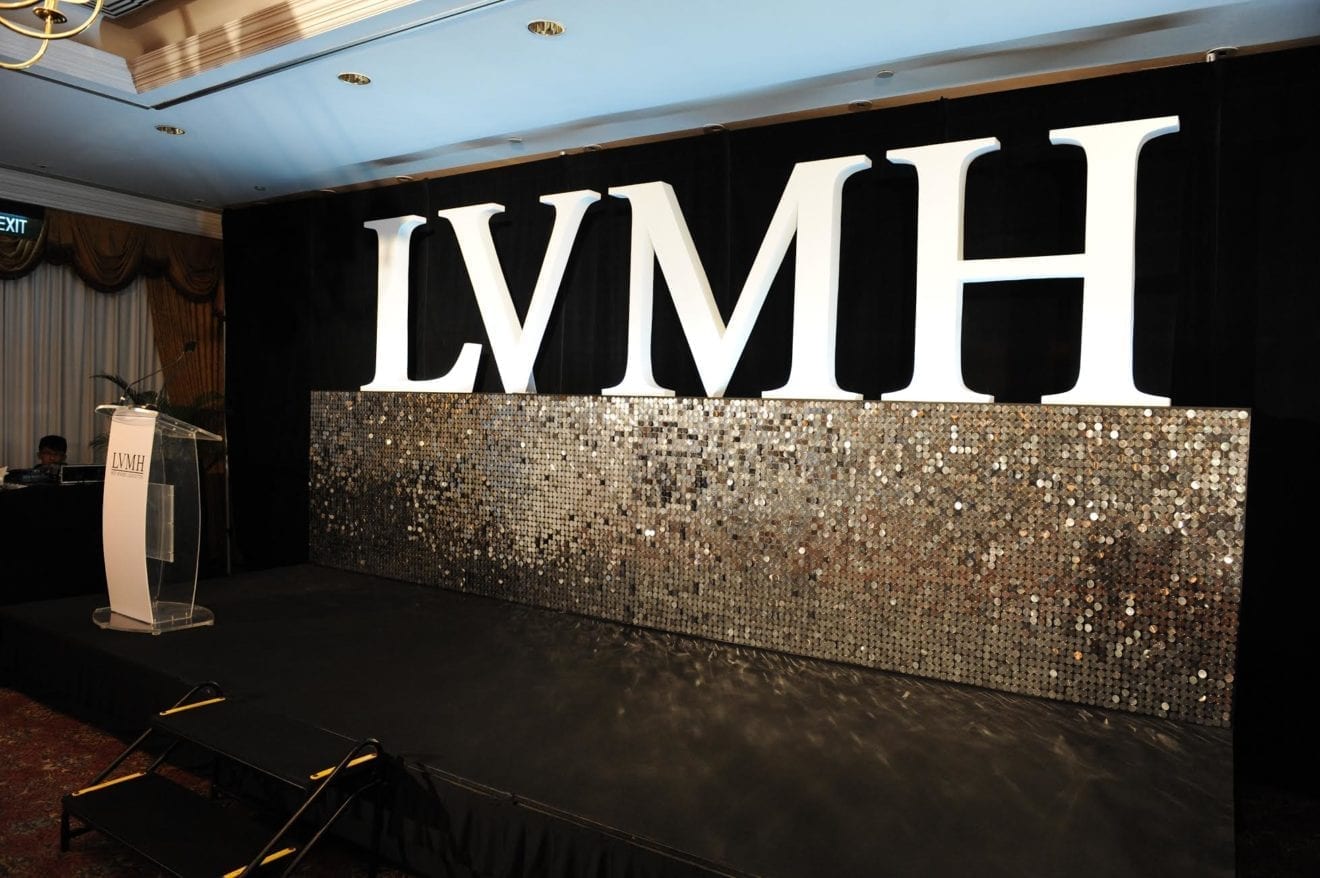
    Luxury retailer LVMH is harbouring plans to develop a corner of London’s Grafton Street, according to a report on Business of Fashion.

    The development, made in partnership with privately owned property developer O&H, will reportedly include a Cheval Blanc hotel, a restaurant, a spa and a rumoured flagship Celine boutique. The projects are expected to be complete by the third quarter of 2022.

    The news follows the group’s acquisition of luxury hospitality group Belmont at the end of last year, at which time the company said it saw growth potential in the luxury sector coming not only from goods, but also high-end experiences.

    LVMH already operates a number of locations in the Grafton Street vicinity, including stores by Louis Vuitton, Loro Piana, Christian Dior and Rimowa nearby.

  • Best Mart 360 launches loyalty app for customers

    Best Mart 360 launches loyalty app for customers

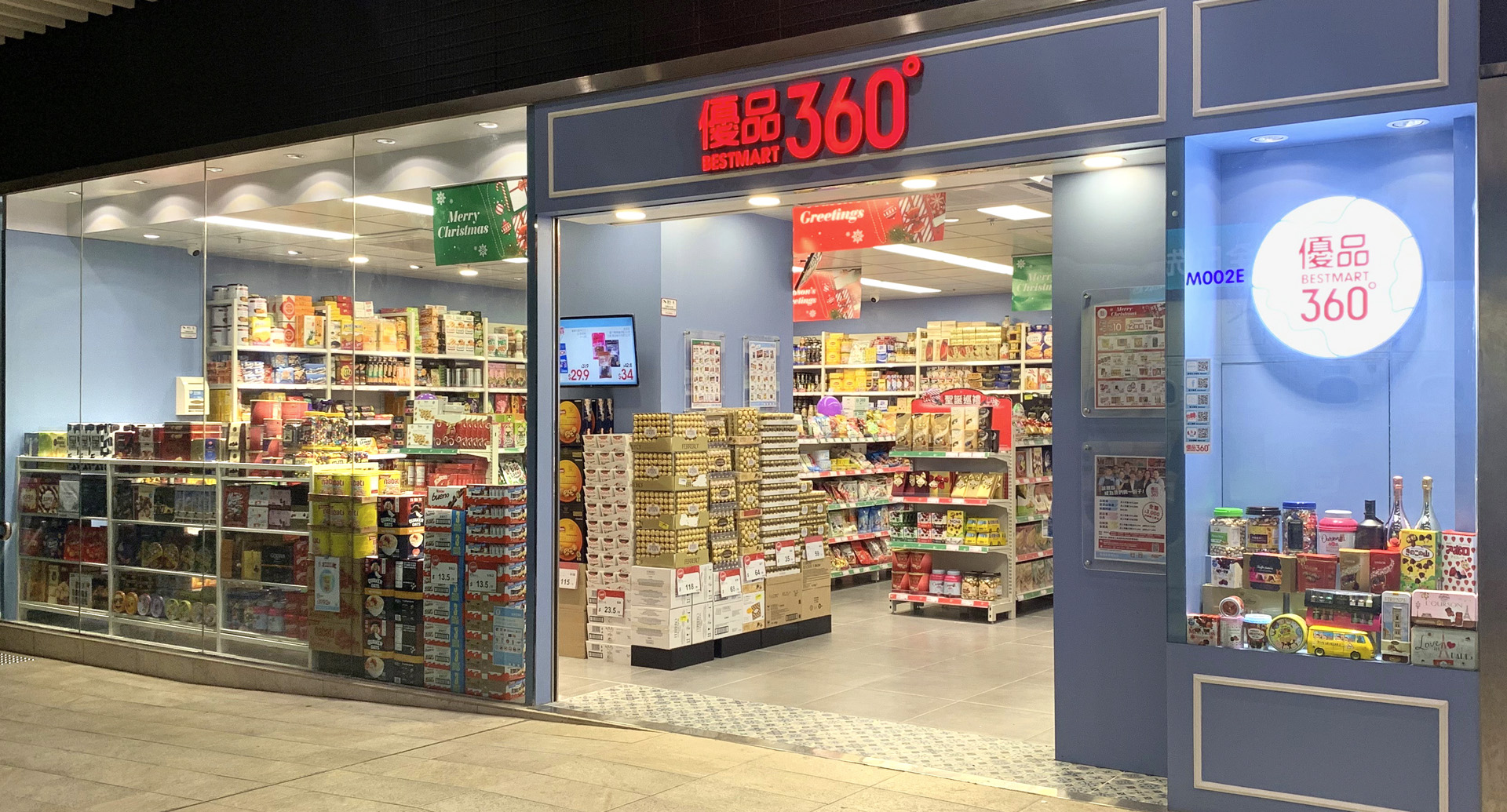
    “Leisure-food retailer” Best Mart 360 Holdings has launched a member mobile app.

    The new app is offering a range of promotions, member privileges and a reward points scheme, and enables members to view the group’s latest product information anytime and anywhere.

    The group, which operates 88 retail stores in 18 districts in Hong Kong, established its membership scheme in April 2015 in order to promote consumer loyalty, stimulate sales at retail stores and further expand its customer base. As of December, the group had more than 1 million members.

    “We intend to further expand our member base by offering additional member benefits and enhance our communication channels with our members,” said Best Mart 360’s CEO Hui Chi Kwan.

    “We believe that by expanding our member’s coverage, we are in a favorable position to secure recurring business and maintain sustainable growth of our business. Our membership scheme also allows us to collect purchasing information and data of our frequent customers for surveying and analysing customers’ purchasing preferences, needs and habits that are significant for enriching our product portfolio, determining our pricing strategy for individual products and providing better customer services.”

    The new app aims to enhance members’ consumer experience by providing information on latest promotional offers, selective products, the retail shop network, member privileges and reward points record, as well as accumulating e-coupons for future purchases.

  • Muji sues Singaporean retailer Luiga

    Muji sues Singaporean retailer Luiga

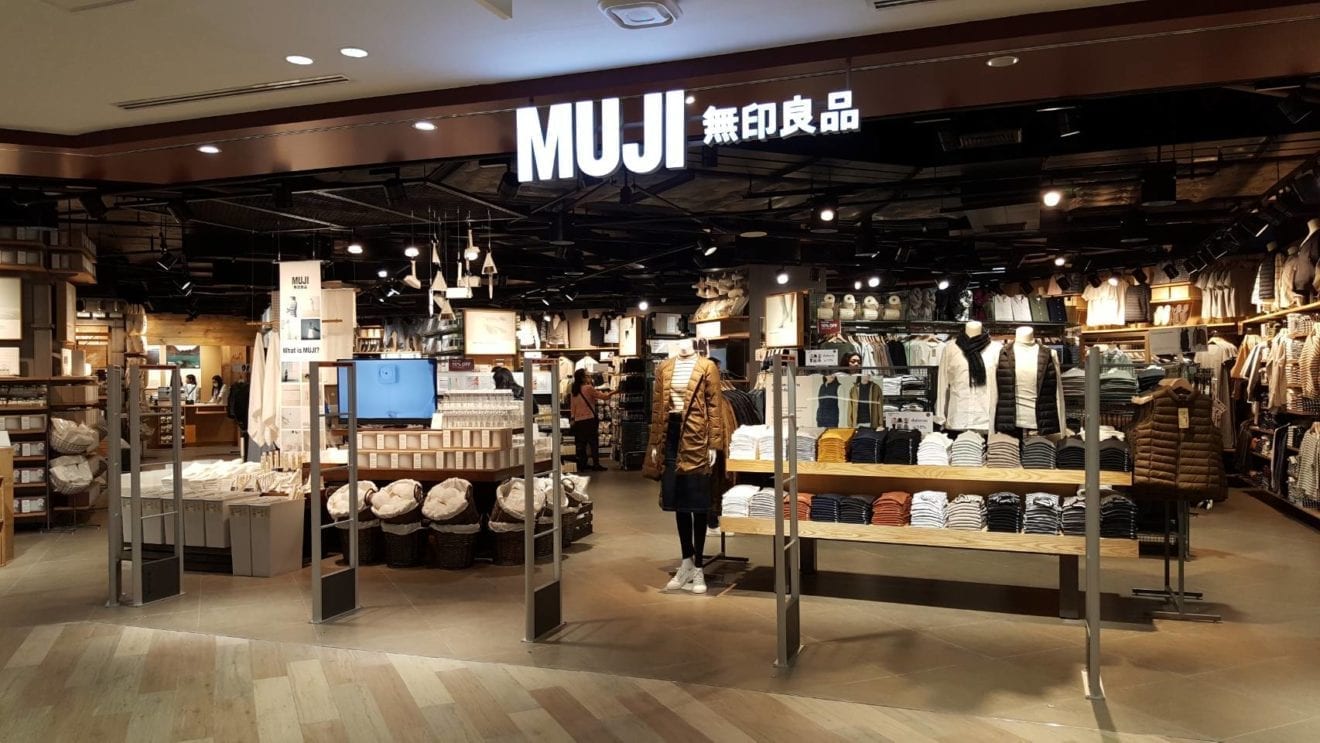
    Muji parent Ryohin Keikaku has filed a lawsuit against Singaporean retailer Iuiga alleging trademark infringement. During an interview Muji president Satoru Matsuzaki said the lawsuit was filed against Iuiga in Singapore courts in late January for “trademark infringement and passing-off under Singapore law”.

    The Japanese retail giant is seeking a court order to stop the use of the Muji trademark in Iuiga’s statements, as well as compensation for damages and losses.

    According to the report, the Singapore firm has used statements such as “Muji same manufacturer” and “direct from Muji manufacturer” on its e-commerce website and in its physical store.

    “We requested Iuiga to disclose information on their manufacturing factories to verify their statements. However, we did not receive any response,” a Muji spokesperson said.

    The Japanese firm added that its manufacturing contractors have denied manufacturing or supplying products to Iuiga.

    Iuiga’s chief growth officer Jaslyn Chan said the company has “done nothing wrong”, adding that the information on its website is factually accurate and its “manufacturing processes are legal”.

    She added that Iuiga works with “original design manufacturers”, and that there “is no direct ownership of the product by any single brand entity, allowing the original design manufacturers to produce for more than one brand”.

  • Promising signs of change at Myer

    Promising signs of change at Myer

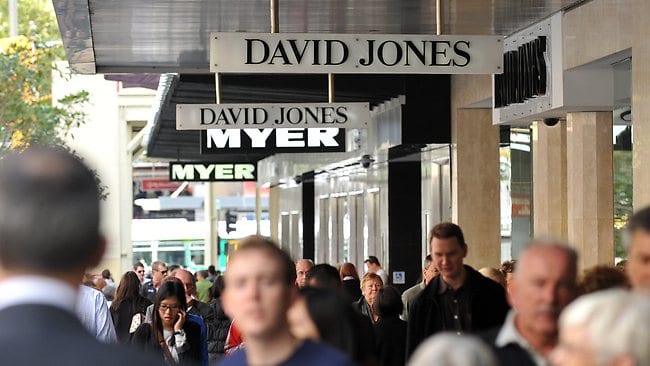
    Myer’s move to reduce discounting and cut operating costs, while focusing on online sales and exclusive brands, had a positive impact on earnings in the first half of FY19, driving a 3.1 per cent increase in NPAT and 99bps improvement in gross margin. But some remain sceptical that these changes will be enough to drive long-term growth.

    “Despite a better-than-expected result [in the half], the long-term outlook for Myer remains challenging,” Bryan Raymond, Citi analyst for retail and gaming, said in a report released to investors on Wednesday evening.

    Further cuts to the cost of doing business – which Myer achieved primarily through ‘rostering efficiencies’, essentially fewer staff hours, in the first half – could negatively impact like-for-like sales going forward, Raymond said.

    The reduction in discounting could also hamper like-for-like sales growth, especially as the timing of state and federal elections this year is expected to dampen consumer sentiment.

    In a call to investors on Wednesday, Myer CEO John King said the retailer had removed four weeks of discounting from its calendar during the first half and plans to do the same in the second half, which he acknowledged would result in a “lumpy” topline for the year. But he said this was necessary to return the business to profitable growth.

    While the reduction in discounting has led to an improvement of 99bps in Myer’s gross profit margin for the half, Raymond warned the uptick could ease, if Myer’s rival David Jones starts discounting to clear excess stock. Worryingly, Raymond noted that David Jones’ inventory per sqm has increased 26 per cent over the past two years.

    At the same time, however, many of the ‘Customer First’ changes King outlined on Wednesday were implemented just five months ago, and their full impact won’t be measured or felt for some time.

    For instance, King said the company is in the process of moving online order fulfilment from back-of-house in department stores to a centralised distribution centre, which he said would allow the retailer to increase the range of items it sells online, improve order fulfilment speed and increase its selling area in stores. This project is not expected to be completed until next year.

    Another significant change that is still in progress is the reduction of physical floor space across the network. This will see Myer hand back entire floors in some stores to landlords, and shrink certain categories and expand others. King on Wednesday said the shape of the business will change as it reduces its physical selling area and rapidly expands a central online business.

    King expects to have more information about which stores will be downsized or rationalised in September.

  • Vietnam to establish National Innovation Centre

    Vietnam to establish National Innovation Centre

    The Vietnamese government will tomorrow formally launch a project to establish a National Innovation Centre in Hanoi to help lay the groundwork for Vietnam to capitalize on the Industry 4.0 era.

    The project is set to break ground later this year and could be ready for operation by next year. It will be developed over a three year period.

    The NIC aims to lure 40 large technology companies, as well as 150 startups and SMEs and 15 venture investment funds, the Ministry of Information and Communication announced.

    It will initially focus on priority areas including network security, digital content and smart manufacturing and smart city technologies.

    The draft plan for the project stipulates the construction on a 23 hectare area of Hoa Lac Hi-Tech park, and calls for total investment of 1.9 trillion dong ($81.7 million). The project forms part of the

    The NIC is a part of the Ministry of Planning and Investment’s Vietnam Innovation Network initiative, and if the project is successful, the government plans to establish more such centers across Vietnam.

  • KFC China opens tribute to Lei Feng

    KFC China opens tribute to Lei Feng

    KFC China has held a promotion honouring Communist Lei Feng. The “Lei Feng Spirit” promotion was first launched in the legendary young soldier’s home province of Hunan on the national holiday dedicated to his memory. The figure of Lei Feng has been considered an inspiration to the Chinese people since he was first held up as a figurative icon of the communist movement by leader chairman Mao Zedong.

    KFC China is celebrating “the Lei Feng spirit in its over 250 outlets in the province and encouraging its staff to learn from the role model,” according to local news outlet Xinhua.

    KFC’s operator Yum China has also opened a 27,000sqft innovation centre in downtown Shanghai. The integrated R&D facility is designed to generate new ideas and concepts and enable the rapid roll out of localised and innovative products.

    The centre features a test kitchen, a sensory test area, as well as a suite of labs covering quality assurance, equipment and restaurant technology testing, packaging innovation, new store model prototypes, and content production.

    “The establishment of the Innovation Centre is testament to our commitment and vision to become the world’s most innovative pioneer in the restaurant industry,” said Yum China CEO Joey Wat.

    “Through creating an integrated hub, we look forward to continuing to explore innovative ways to drive growth, deliver value, and enhance every aspect of the customer experience.”

  • MarketingPulse draws the world’s best marketers to Hong Kong

    MarketingPulse draws the world’s best marketers to Hong Kong

    Some of the world’s most inspiring marketing professionals will gather in Hong Kong later this month. MarketingPulse is an integrated branding and marketing conference for global marketers, brands, advertising agencies, media, enterprises and innovation professionals to gather and share the latest marketing trends, exchange best marketing practices and explore new collaborations in Asia.

    From defining new marketing strategies to reviewing events that connect and catalyse, MarketingPulse is not only a conference, but an inspiring annual rendezvous to explore new frontiers in marketing.
    The event will kickstart with a session journeying into a new era of branding, where leading chief marketing officers share tricks and tips on how they keep ahead of the pack with innovative campaigns embracing global trends, and reveal how future marketers should story tell and enhance brand experiences.

    Jonathan Mildenhall, one of the speakers in this session, previously held roles as chief marketing officer at Airbnb and VP of global advertising strategy and creative excellence at the Coca-Cola Company. Mildenhall joined Airbnb in June 2014 and made it his mission to help Airbnb transform the industry, converting a disruptive property-rental platform into a global superbrand.

    Just as he did at Airbnb, through TwentyFirstCenturyBrand, Mildenhall is partnering with some of Silicon Valley’s most influential founders and CEOs in order to drive transformational growth through purpose-driven marketing and world-class excellence in global brand stewardship.

    Michelle Cordeiro Grant, another speaker in the session, is the Founder and CEO of Lively. She has spent her career creating brands and products for some of the world’s largest retailers including Federated, VF Corporation, Limited Brands/ Victoria’s Secret and Thrillist Media Group.

    Grant is passionate about the entire process of creating and developing amazing brands and products – from concept to customer. Working with Victoria’s Secret inspired her to create a completely new experience for the lingerie category— a concept she calls Leisuree — and so Lively was born. Grant believes that “customer conversations should be the heart of your market and help you build a cohesive brand and community”.

    MarketingPulse will be held on March 20 at the Hong Kong Convention and Exhibition Centre.

  • Indosat Ooredoo picks Nokia for IP/MPLS upgrade

    Indosat Ooredoo picks Nokia for IP/MPLS upgrade

    Indosat Ooredoo has contracted Nokia to upgrade the Indonesian operator’s IP/MPLS network to meet fast-growing demand for fixed and mobile broadband services.

    Indosat Ooredoo is deploying a 100GbE IP/MPLS network as part of a three-year network transformation program.

    Nokia will provide a solution that includes its Nokia IP Anyhaul for Indosat’s mobile transport network, paving the way for its upgrade to 5G. The network will also carry services including metro Ethernet for consumer broadband and enterprise data services.

    The first year of the network upgrade project will concentrate on Jakarta, Jabodetabek and the rest of Java.

    “Indosat Ooredoo started an ambitious three-year program to transform our network to achieve the best customer experience, which will provide video-grade 4G coverage to more than 90% of Indonesia’s population,” Indosat Ooredoo CTIO Dejan Kastelic said.

    “The IP/MPLS network upgrade that we are undertaking with Nokia is aimed at providing a solid foundation for the network transformation, particularly in the most densely populated area of the country.”

    He said upgrading the company’s existing IP/MPLS network with a new Nokia network processor will help the operator both meet the growth in subscriber demand, while keeping capex costs down by extending the life of existing assets.

  • Celcom Axiata enters partnership with ZEE5

    Celcom Axiata enters partnership with ZEE5

    Malaysia’s Celcom Axiata has formed a partnership with Indian video content provider ZEE5 and telco API ecosystem provider Apigate to offer access to the ZEE5 content portfolio to its subscribers.

    Under the three-way agreement, Celcom will use Apigate’s Direct Carrier Billing API to provide customers with a secure payment mode to subscribe to ZEE5’s portfolio.

    ZEE5, a subsidiary of Zee Entertainment Enterprises, offers around 100,000 hours of Indian movies, TV shows, news and original content across 11 Indian languages and English.

    ZEE International CEO Amit Goenka said securing partnerships like the one with Celcom is a key component of the company’s aggressive global rollout plan for the next fiscal year.

    “Malaysia is a high focus market for us, given its huge affinity for Indian and South Asian content and growing appetite for online video content,” he said.

    “We will soon be launching content in international languages too including Malay, and we are extremely glad to partner with a key local operator like Celcom to jointly grow the opportunity in this market.”

  • Public safety applications among early use of 5G sUAVs

    Public safety applications among early use of 5G sUAVs

    Public safety agencies in big markets have started to deploy mobile broadband communication networks to replace their existing narrowband technology, such as FirstNet in the United States and the Emergency Services Network in the United Kingdom.

    The transition to 5G New Radio will unlock a myriad of civil use cases for small Unmanned Aerial Vehicles (sUAVs), said ABI Research.

    As compared to a few years ago, sUAVs have been widely deployed in various public safety applications. This includes asset surveillance and monitoring, traffic management, crowd surveillance, and control, as well as search and rescue.

    However, all these applications are performed using remote control and within visual line of sight. Existing communication technologies, such as LTE, Wi-Fi, Bluetooth, and unlicensed spectrum, all have their limitations and restrictions.

    “The biggest strengths of 5G are high throughput and low latency,” said Lian Jye Su, a principal analyst at ABI Research. “The high throughput enables the seamless transmission of high-resolution images and videos that are critical for search and rescue missions. Low latency, on the other hand, allows sUAVs to be controlled by a centralized command and control in beyond visual line of sight (BVLOS) flight. Path and route information, sensor information, geospatial, and telemetry data can be exchanged with the command and control almost instantaneously.”

    With the increasing number of sUAVs sharing the airspace, public safety agencies will need UAV Traffic Management (UTM) system to control and manage national airspace. Each sUAV that is connected to the network will have a unique identifier which allows tracking and tracing across all kinds of terrains and environments. This will help public safety agencies track down rogue sUAVs and preserve the safety and security of the airspace.

    In addition, 5G also enhances existing geo-positioning technology. Currently, satellite communications such as GPS and GLONASS are used for sUAV tracking, but satellite signals face a canyoning effect in dense urban landscapes and are subjected to interruption by buildings and natural landscapes. In indoor environments, sUAVs rely on optical flow and ultrasonic sensors for positioning and navigation, but this system is limited to the hardware available on the sUAVs. Cellular technology can augment satellite by using a radio fingerprinting technique, which matches cellular signal measurements against a central calibrated database and does not require an extra device or upgrade to the public safety network.

    “The mission critical nature of public safety use cases demands a high level of reliability, scalability, and redundancy. Despite still being in the early stage of deployment, 5G has strong potential to solve the pain-points of public safety use cases. The telecommunications industry will start to roll out 5G equipment and devices in 2019 and it is just a matter of time before we start to see 5G sUAVs being deployed by public safety agencies,” concluded Su.

  • Smartwatches to dominate eSIM adoption in China

    Smartwatches to dominate eSIM adoption in China

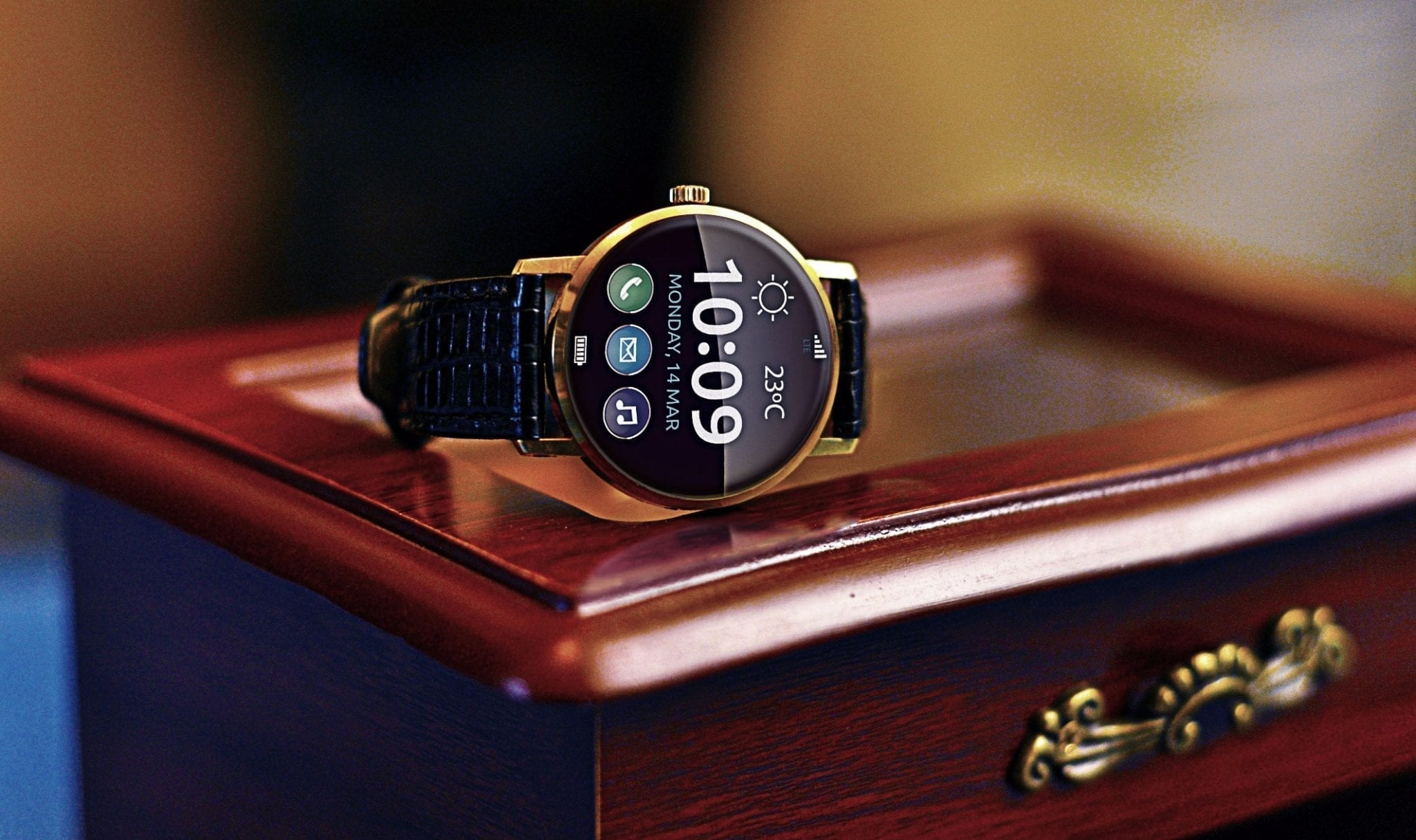
    A new joint report by GSMA and Telecommunication Terminal Industry Forum Association (TAF) titled “eSIM in China: the road ahead” suggests that smartwatches, not smartphones, will dominate the eSIM market in China.

    The report acknowledged that eSIM smartwatches still account for a small percentage of total smartwatch ownership but hold hope that this is likely to increase in the future. To drive adoption, Chinese operators are allowing consumers to use their smartwatches as secondary devices with one mobile subscription.

    For now, Chinese phone manufacturers are not formally adopting eSIM technology for devices targeted for the China market. This is because the transition will require appropriate regulation and new manufacturing, logistical and supply chain processes. Globally, over fifty mobile operators already support eSIM functionality in smartphones.

    “In China and around the world, the huge adoption of eSIM technologies has been underpinned by the GSMA’s common and interoperable specification that is reducing fragmentation and delivering a consistent consumer experience,” GSMA CTO Alex Sinclair said.

    “From consumer electronics to automotive we are seeing a diverse array of products hitting the market utilizing the benefits of connectivity and bringing consumers choice.”

    Smartwatches not smartphones

    “China has a unique mobile market, both in terms of size and revenue growth and leadership in mobile developments and tech innovation has reached unprecedented levels. China is increasingly demonstrating its technological innovation and is emerging as a leading global market to test and implement new technologies,” said Xie Yi, Chairman of TAF.

    “Promoting the steady development of eSIM in China will help support developments in both the consumer and industrial markets. Based on the premise of national conditions, TAF has been committed to all parties in the joint industrial chain and cooperation with the GSMA, to make the best efforts to this end,” Xie added.

    The GSMA-TAF report highlights industry-wide collaboration in driving eSIM developments in China involving operators, government and regulatory bodies. China Mobile, China Telecom and China Unicom are all developing eSIM solutions and have launched cellular M2M and IoT eSIM platforms. The Chinese eSIM market is still in an early phase of development in which some proprietary solutions coexist with GSMA specifications. However, it is anticipated that there will be a transitional period as the market matures before it settles on the GSMA specification.

    Regulation as driver

    The report highlights efforts by China to set a favorable regulatory framework for eSIM deployments. These include streamlining procedures and setting clear, unified rules on eSIM requirements for consumer and industrial devices, credentials management, designation of root certificate issuing and security and cross-border interoperability – all important to accelerating the deployment of eSIM technology and its market adoption.

    The report also recommends that the government should facilitate trials of eSIM services, particularly in the nascent industrial IoT to promote an open eSIM ecosystem.

    Early adopters of eSIM

    To date over 90 mobile industry players are supporting the GSMA’s specifications for Remote SIM Provisioning of consumer devices around the world. All are aligned behind a single, defacto approach avoiding industry fragmentation and interoperability issues, driving global developments and allowing consumer choice.

    Devices to come eSIM capable include tablets, laptops, notebooks and smartphones. The automotive industry is also at the forefront of eSIM deployments and built-in connectivity is also now a specific requirement in Europe following the European Emergency Call (eCall) initiative.

  • Alipay Hong Kong promotes Smart Mobility to enable Boundless Living

    Alipay Hong Kong promotes Smart Mobility to enable Boundless Living

    As a fast emerging TechFin brand, AlipayHK has led and driven the adoption of the e-wallet in application in Hong Kong. Since the formation of Alipay Payment Services (HK) Limited (“APSHK”), the joint venture between CK Hutchison Holdings Limited (“CK Hutchison”) and Ant Financial Services Group (“Ant Financial”) in March 2018, the company’s flagship product AlipayHK has extended its coverage to 50,000 merchants and more than two million users. This year AlipayHK will focus on widening the e-wallets adoption across public transportation providers and expand its cross-border payment services by strengthening collaboration among merchants. Its overarching goal is for people in Hong Kong to enjoy the benefits of smart mobility and the convenience that comes with using its e-wallet.

    AlipayHK revealed the e-wallet’s new features, EasyGo, at the Smart Mobility, Boundless Living exhibition which marked the first anniversary of the company. Guests were amazed by the speed and convenience of using EasyGo to pass through tickets gates and AlipayHK for cross-border payments. By simply scanning a QR code users could also enjoy special currency exchange rates and the additional perk of a HK$20 Guangdong-Hong Kong- Macao Greater Bay Area discount on cross-border purchases during the promotion period.

    Special guests who officiated the ceremony included: Mr. Canning Fok, Group Co-Managing Director of CK Hutchison and Chairman of APSHK, Mr. Eric Jing, Chairman and CEO of Ant Financial, Mr. Howard Lee, Deputy Chief Executive of Hong Kong Monetary Authority and Ms. Jennifer Tan, CEO of APSHK.

    Smart Mobility expands local coverage and goes global

    Smart Mobility is an important initiative of AlipayHK to drive the development of Smart Cities. As part of this, AlipayHK is widening the adoption of smart mobility solutions to a range of public transport providers. For example, in January it launched EasyGo on a minibus line and AlipayHK will now be extending this service to other minibus routes and transportation providers.

    Smart Travel is another major initiative for AlipayHK as part of its strategy to offer Hong Kong people a premium consumption experience when they travel overseas. Last month, AlipayHK launched its innovative connection service across the Greater Bay Area which covered popular shopping destinations, as well as essential services such as medical and education and provided a more convenient experience for people living in and traveling to the Greater Bay Area. When travelling to Japan, a popular destination for Hong Kong travelers, AlipayHK users can now use their e-wallets in the Daimaru Tenjin store in Fukuoka and the service will soon expand to the whole country. AlipayHK aims increase the coverage of this service to other retailers around the world so Hong Kong people can enjoy the convenience they experience from their e-wallets at home, and also when they travel overseas.

    Mr. Canning Fok said, “It is encouraging to see such a growth in the number of AlipayHK users in only a year. AlipayHK was the first e-wallet to become an official partner of the MTR Corporation and this disrupted the traditional payment methods for public transportation. As the Greater Bay Area develops, AlipayHK is poised to capture the opportunities from cross-border payment services among the nine cities within its cluster with the aim extending our coverage to the whole country. I hope the continuous development of AlipayHK will bring more innovative retail experiences to users as we broaden its application and user base across the globe.” Mr. Eric Jing said, “Hong Kong is a key market for Alipay’s globalization. We will continue to support AlipayHK by bringing the best products and technology know-how to Hong Kong, in order to create unique value for users and merchants. In the future, we will also connect e-wallets from other regions around the world with merchants in Hong Kong, enabling them to benefit from mobile payment.”

    Ms. Jennifer Tan said, “As an e-wallet provider in Hong Kong, AlipayHK always aims to pioneer positive change for Hong Kong citizens in order to make their lives easier. We would like to thank people in Hong Kong for their support. Without it, we would not have achieved such an impressive growth in users and merchants. We will continue to further develop solutions for public transportation service and cross-border payment to enable smart mobility and living.”

  • Vietjet Prepares for Take-off with Super Promotional Tickets  in Conjunction with International Women’s Day

    Vietjet Prepares for Take-off with Super Promotional Tickets in Conjunction with International Women’s Day

    Jetsetters certainly have something exciting to look forward to. With just a few days left till International Women’s Day, Vietjet is offering a whopping 2.4 million super-saving tickets priced from MYR0. Tickets can be purchased at https://www.vietjetair.com/ from 6 to 8 March, 2019.

    The promotional tickets are applicable during golden hours from 1.00pm – 3.00pm on all of Vietjet and Thai Vietjet’s domestic routes, as well as international routes connecting Vietnam to Malaysia (Kuala Lumpur), South Korea (Busan and Daegu), Taiwan (Kaohsiung, Taipei, Taichung and Tainan), Singapore, Thailand (Bangkok, Phuket and Chiang Mai), Myanmar (Yangon) and Cambodia (Siem Reap).

    To top it off, for flights linking Hanoi / Ho Chi Minh City – Osaka (Japan); Hanoi – Tokyo; and Ho Chi Minh City / Phu Quoc – Hong Kong (China), the special promotional tickets will be available at all times during the three golden day sale period. The flight period is from 7 May – 31 December 2019 (**).

    With a network comprising 39 domestic routes and 66 international routes, Vietjet operates safe flights with a technical reliability rate of 99.64% — the highest rate in the Asia Pacific region. As a fully-fledged member of International Air Transport Association (IATA), Vietjet has obtained the IATA Operational Safety Audit (IOSA) certificate and has been awarded a 7-star ranking, the world’s highest rate for safety, by AirlineRatings.