Author: Mei Ling Tan

  • Cheese tea bakery cafe Nayuki launches debut store in Singapore

    Cheese tea bakery cafe Nayuki launches debut store in Singapore

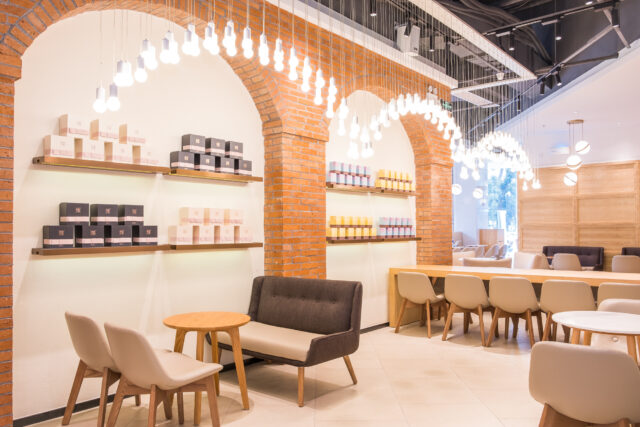
    Chinese tea bakery Cheese Tea Bakery Nayuki has launched its first overseas store at VivoCity. The popular brand, credited as a forerunner in pairing fruit teas with soft European-style bread items, is offering a one-for-one promotion to celebrate the opening. A wave of similar businesses has emerged within China and throughout the region following the brand’s business model.

    Cheese Tea Bakery Nayuki is entering the Singaporean market under a joint venture agreement with local bakery franchise BreadTalk Group.

  • Indonesia’s Go-Jek Starts Trial Launch in Singapore, Challenges Grab

    Indonesia’s Go-Jek Starts Trial Launch in Singapore, Challenges Grab

    Indonesian ride-hailing firm Go-Jek kicked off a trial launch in parts of Singapore on Thursday and plans to roll out an array of services through its app in early 2019, challenging dominant player Grab in the small city-state. Both Go-Jek and Grab are raising billions of dollars and investing aggressively in the race to corner a bigger share of Southeast Asia, as more of the region’s 640 million consumers go online and use smartphones to shop, commute and make payments.

    Go-Jek, backed by the likes of Tencent Holdings, Alphabet Inc’s Google and Singapore state investor Temasek Holdings, is initially launching ride-hailing service in parts of Singapore after forming a partnership with DBS Group Holdings, the region’s biggest bank.

    “As this is a new product, we will obviously give promotions, but at the end of the day, it shouldn’t only be pricing that differentiates our services,” Go-Jek’s president, Andre Soelistyo said on Thursday.

    Grab, backed by Japan’s SoftBank and Chinese ride-hailing firm Didi Chuxing, bought Uber Technologies’ loss-making Southeast Asian business this year, marking the first big consolidation in the region.

    Following this, Singapore’s anti-trust watchdog slapped Grab and Uber with fines and imposed measures to open up the local market to competitors after concluding that their merger had driven up prices.

    Go-Jek’s executives declined to give any details on how many drivers it had signed up or a target for market share in Singapore but said payment services would be launched later.

    Started in 2011 in Jakarta, Go-Jek has evolved from a ride-hailing service to a one-stop app through which its customers can make online payments and order everything from food, groceries to massages.

  • 4FINGERS takes full ownership of Mex Out

    4FINGERS takes full ownership of Mex Out

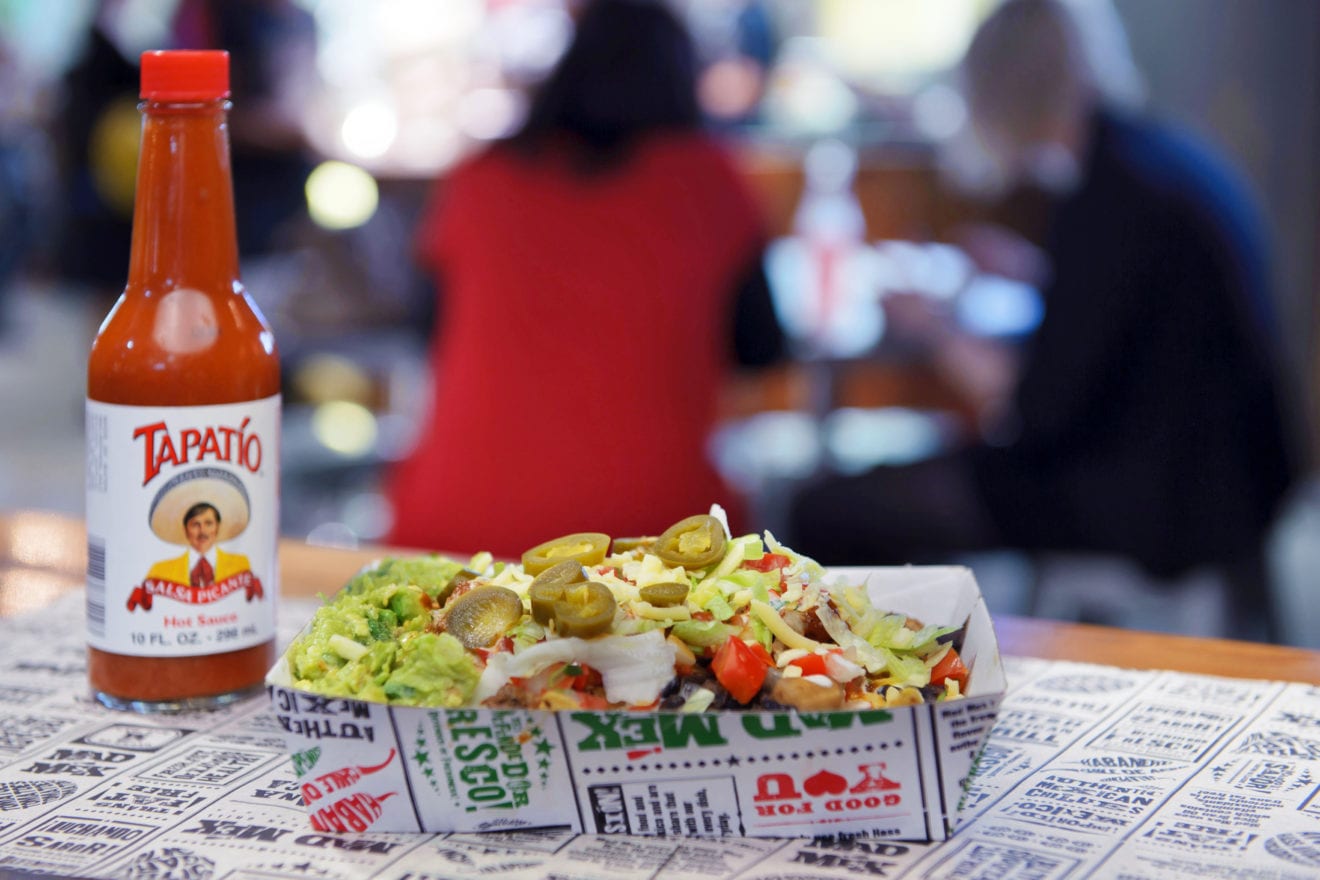
    4FINGERS Group, the group behind innovative fast-casual dining brand 4FINGERS,  announced its acquisition of Mex Out, one of Singapore’s leading Mexican food concepts. This acquisition is part of the group’s plan to accelerate Mad Mex’s roll out in Singapore, following its recent acquisition of a 50% stake in the leading Australian Mexican quick-service restaurant (QSR) brand.

    4FINGERS Group intends to re-brand the four Mex Out outlets into Mad Mex establishments from the first quarter of 2019, making Mad Mex one of the largest Mexican food and beverage concepts in Singapore by revenue.

    Until then, Mex Out will continue regular operations.

    This buyout continues the Group’s push into the growing fresh and healthy segment in the F&B industry and its commitment to bring Mad Mex to Southeast Asia.

    “We are excited to be able to so quickly establish Mad Mex’s presence in Singapore, and are entering an exciting new phase. With Mad Mex’s strong brand and proven track record, we are very confident of its growth in the region,” said Vijay Sethu, Director of 4FINGERS.

    This acquisition also enables the Group to further capitalise on menu innovation, shared services and other economies of scale.

    4FINGERS continues to grow their flagship brand, and with the current focus on growth outside of Singapore, the brand looks to close the year with 14 4FINGERS outlets in Malaysia.

    The brand is also continuing to spread its wings beyond Asia, with their maiden U.S. outlet set to open in Los Angeles in 2019, as well as three new outlets in Australia.

  • Ted Baker CEO and founder Ray Kelvin to take leave of absence

    Ted Baker CEO and founder Ray Kelvin to take leave of absence

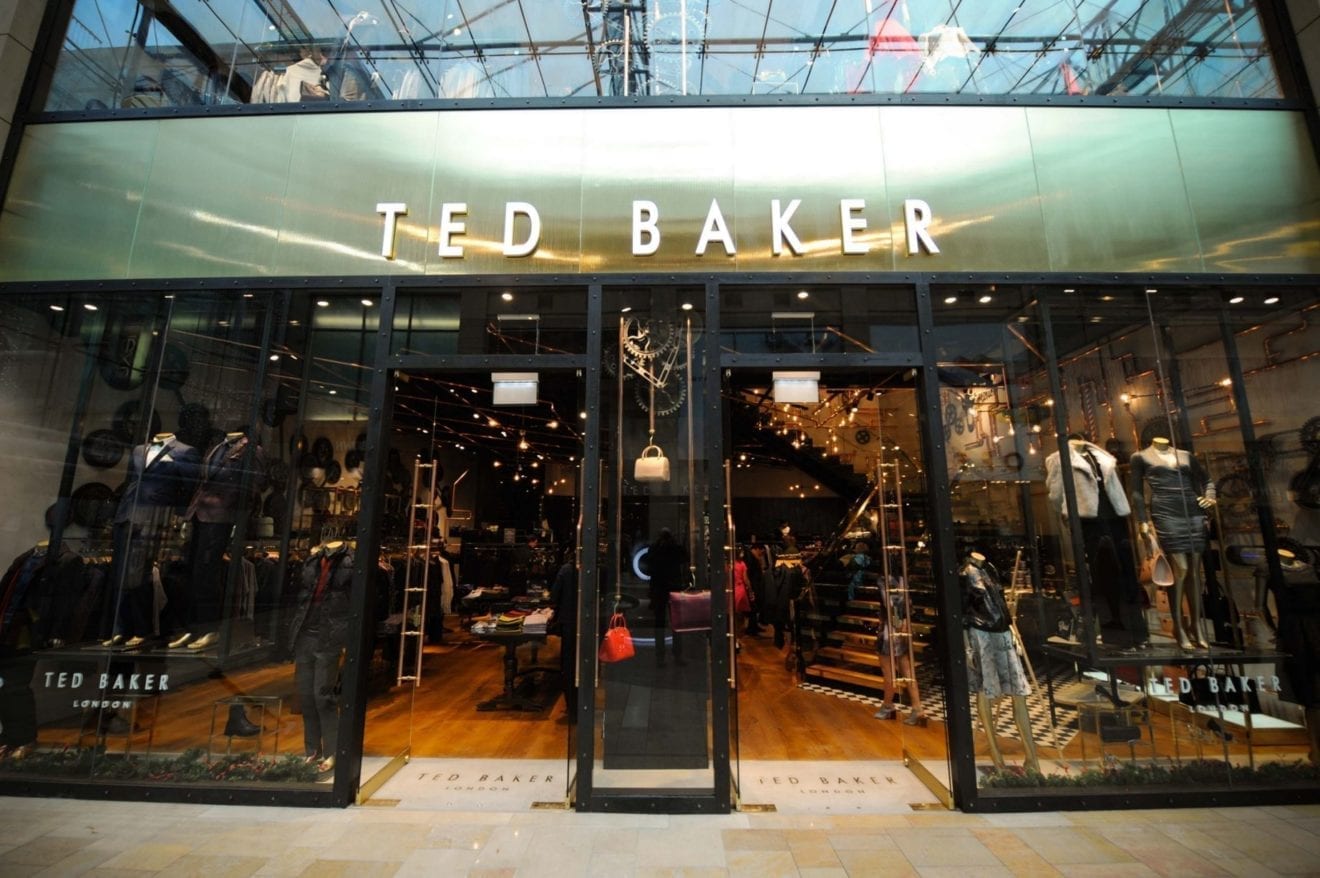
    Ted Baker chief executive and founder Ray Kelvin has taken a voluntary leave of absence after “further serious allegations” around his conduct were brought to light. These allegations were brought to the attention of an independent committee of non-executive directors created to investigate harassment claims made by multiple anonymous staff members that Kelvin had expected them to hug him and sit on his lap when he would visit stores.

    The committee appointed Herbert Smith Freehills LLP to conduct an independent external investigation into the claims.

    Kelvin agreed it would be best for the business, and the people who work in it, if he were to take a voluntary leave of absence for the duration of the investigation.

    Chief operating officer Lindsay Page has been appointed acting chief executive with immediate effect.

    Ted Baker non-executive chairman David Bernstein noted the business remains in a strong position to deliver on its strategy, despite the negative media reports.

    The investigation stems from a petition created on website Organise, through which multiple Ted Baker employees made workplace harassment claims about the founder.

    “Together our pressure exposed what was happening at the highest level. Now, over 100 anonymised reports of harassment are sat with Ted Baker’s board,” Organise said in a blog post about the matter.

    Kelvin said that he grew up with such practices, and that it was “good old-fashioned stuff”.

  • Apple assembler Foxconn considering iPhone factory in Vietnam

    Apple assembler Foxconn considering iPhone factory in Vietnam

    Apple’s biggest iPhone assembler Foxconn is considering setting up a factory in Vietnam to mitigate any impact of the ongoing trade war. The report from Vietnamese state media comes after several executives interviewed last week singled out Vietnam and neighboring Thailand as preferred destinations should they need to shelter operations from the trade war, braving hurdles such a lack of skilled labor and inadequate infrastructure.

    Foxconn Group and the Hanoi People’s Committee are working together to open an iPhone manufacturing facility in Vietnam to negate the impacts of the U.S.-China trade war.

    Vu Tien Loc, head of the Vietnam Chamber of Commerce and Industry, raised the matter with Prime Minister Nguyen Xuan Phuc at a meeting on Nov. 22.

    “We are discussing the possibility of this with Foxconn,” Loc said, without elaborating. Hanoi People’s Committee Chairman Nguyen Duc Chung declined to comment.

    Taiwan’s Foxconn, formally Hon Hai Precision Industry Co Ltd said it “follows a strict company policy of not commenting on any matters related to current or potential customers, or any of their products”.

    In trade talks on Saturday, U.S. President Donald Trump and Chinese President Xi Jinping agreed not to introduce any tariffs for 90 days as negotiations continue.

  • ‘The store of the future’ by Tommy Hilfiger opens in Amsterdam

    ‘The store of the future’ by Tommy Hilfiger opens in Amsterdam

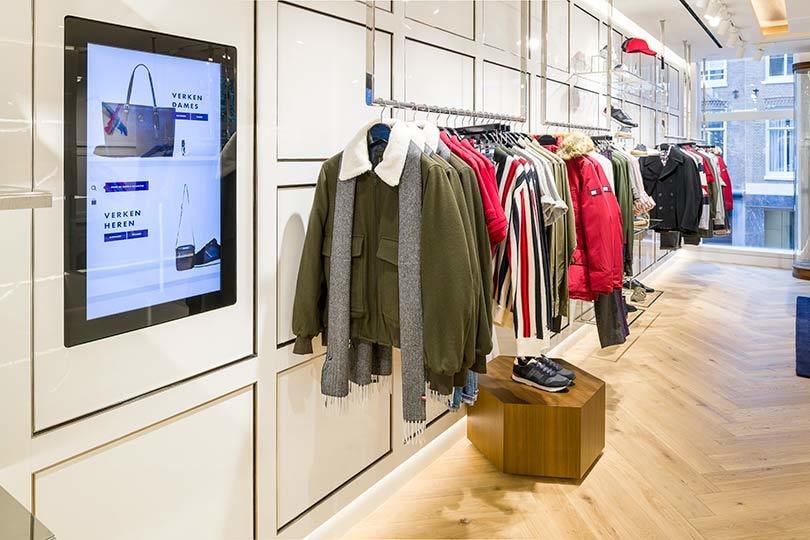
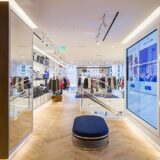
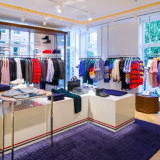
    A new generation Tommy Hilfiger store of the future has opened in Amsterdam. The store emerges from the firm’s evolving omnichannel strategy and features floor-to-ceiling interactive mirrors, personalised embroidery stations and a cafe with digital screens built into the tables. The more than 300sqm interior has been described in a CPP Luxury report as boasting “modern finishes and a bright, airy aesthetic, taking cue from the nautical lifestyle – one of Tommy Hilfiger’s long standing sources of inspiration.

    Tommy Hilfiger CEO Daniel Grieder said: “You can’t just expect shoppers to come into the store when you do nothing, you have to excite them. You have to give customers a reason to come into the store.”

    View the gallery below (7 images) :

    The Tommy Hilfiger store of the future features large monitor screens which serve as “digital endless aisles” that allow customers to browse the brand’s complete online catalogue, facilitating home-delivered or store-delivered orders. Customers can also identify items from different looks featured online.

    Store manager Mark commented: “It’s about bridging that gap between online and offline, and making the shopping experience as easy as possible … People still want to be able to feel the material and see the products in person. That’s always important, so where we can we always want to encourage customers to come into the store.

    “For example with suits, we’ll offer an appointment for the customer to come in and try it on. We’ll make sure the dressing room is prepared for them with fitting shoes and a shirt. So for us it’s really about taking that extra step and building on the customer relationship.”

  • Bukalapak Joins Hands With Tanamduit to Sell Mutual Funds Online

    Bukalapak Joins Hands With Tanamduit to Sell Mutual Funds Online

    E-commerce platform Bukalapak has partnered with online investment platform Tanamduit to introduce mutual fund products to first-time retail investors. The partnership will see local asset management firms Bahana TCW Investment Management, Batavia Prosperindo Asset Management and Sucorinvest Asset Management offer five new investment products, ranging from equity to fixed-income funds, on Bukalapak’s mutual funds platform BukaReksa.

    At its launch in January 2017, BukaReksa only featured money market fund products offered by CIMB Principal Asset Management and Mandiri Manajemen Investasi.

    But to capture a larger market, Bukalapak joined hands with finance marketplace Bareksa in December 2017, adding four more asset management firms, Kresna Asset Management, Syailendra Capital, Ciptadana Asset Management and BNP Paribas Investment Partners, to the platform

    BukaReksa now features nine asset management firms offering 21 investment products, compared with Bareksa, which has 31 asset management firms offering 160 investment products.

    “We hope our partnership with Tanamduit can boost financial literacy and investment in the country,” said Destya Danang Pradityo, head of payment and financial services at Bukalapak.

    Through the BukaReksa platform, customers can invest from as little as Rp 100,000 to Rp 1.5 million ($7-$104) in mutual funds.

    Destya said BukaReksa has at least 120,000 registered customers, with around half of them active investors from across the archipelago.

    “We believe online investment will become part of our lifestyles. Our collaboration with Bukalapak forms part of our mission to educate people on the benefits of investing,” said Muhammad Hanif, business development director at Tanamduit.

    With rapid technological development and the growth in online transactions, e-commerce players see opportunities to provide various services, including financial and investment products. This has seen the emergence of fintech startups offering mutual fund investment has been a trend over the past three years.

    Aside from Bukalapak, other online marketplaces also joined hands with Bareksa, such as Tokopedia, which in April this year launched Tokopedia Reksadana, offering mutual funds through local asset management firm Syailendra Capital.

    Another fintech startup, Invisee, has also been offering mutual fund products online in partnership with various asset management firms since last year.

    According to Halim Haryono, deputy director of investment supervision and development at the Financial Services Authority (OJK), the number of people investing in mutual funds increased 16.25 percent year-on-year to about 930,000 by October this year, due to the rise of online mutual fund marketplaces.

    Only about 400,000 people invested in mutual funds in 2016, Halim said.

  • Shanghai Tang sold to Chinese Lunar Capital fund

    Shanghai Tang sold to Chinese Lunar Capital fund

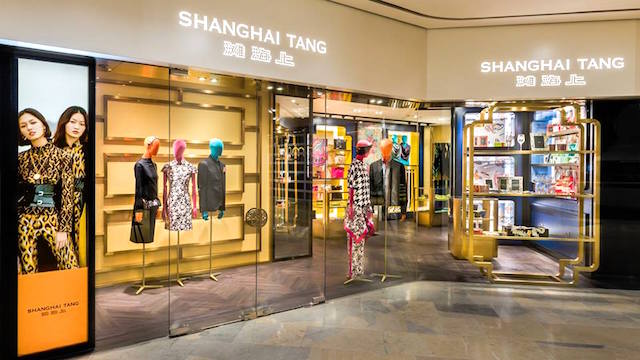
    Chinese luxury fashion label Shanghai Tang has been acquired by Chinese investment fund Lunar Capital. The new owner specialises in growing mid-sized Chinese firms, already holding a range of clothing brands. Their acquisition signals a new direction for the brand, which has just opened a flagship store on JD’s luxury platform TopLife, the brand’s first domestic online retail space. Shanghai Tang’s creative director Massimiliano Giornetti will be resigning following the handover.

    The rapid turnover just one year after its acquisition by Italian clothing firm A. Moda, Alessandro Bastagli, and Hong Kong private equity firm Cassia Investments follows disagreements between the buyers. The brand was purchased last year from Swiss luxury goods firm Richemont Group, one of the brand’s original investors and owners since 2008.

    Shanghai Tang is thought to be China’s first contemporary luxury brand, and pulled in estimated sales of US$45.57 million this year.

  • Cavalli appoints new General Manager Asia Pacific & China

    Cavalli appoints new General Manager Asia Pacific & China

    Founded in the Seventies, when fashion designer and entrepreneur Roberto Cavalli launched the brand, the label has recently seen a rapid growth in the region. Effective from 1st December Ivan Perra reports directly to the CEO regarding the region. Prior to this new role, Ivan Perra was Business Development Director APAC leading both wholesale and retail expansion in the region.

    Ivan has spent 12 years in the region.  He started his career in Retail for Kartell opening and managing the first 2 stores in HK in 2006; to later move to Lanificio F.lli Cerruti dal 1881 as Regional Sales Manager (APAC and North Asia) with focus on B2B and MtM markets.

    After 6 years in Cerruti Ivan took over a new challenge as Area Manager of Cote&Ciel (Parisian premium accessory brand) starting retail and wholesale development for the brand in Asia that now counts more than 10 mono-brand boutiques among Hong Kong, Macau, Thailand, Japan and China.

    Before joining Roberto Cavalli Ivan spent 3 years in charge of Business Development for the French Maison Kenzo (LVMH group) opening over 70 mono-brand stores in the region and in charge of over 120 POS.

    Ivan takes up this new role with a series of brand activations in the pipeline to strengthen the brand positioning in the region.


  • The Body Shop Malaysia franchisee plans IPO

    The Body Shop Malaysia franchisee plans IPO

    Rampai-Niaga, The Body Shop Malaysia franchisee, is planning an IPO that could raise RM200 million (US$48 million). The company is considering submitting a listing application to the local securities regulator shortly, targeting a presence on Bursa Malaysia by the second quarter of next year at the earliest, according to a source close to the firm. As yet, the company has refrained from commenting on the proposal.

    The company’s website says Rampai-Niaga is the sole franchisee for The Body Shop Malaysia. It opened the beauty products brand’s first outlet in the country in 1984.

  • Vietnam eyes $10,000 per capita income by 2035

    Vietnam eyes $10,000 per capita income by 2035

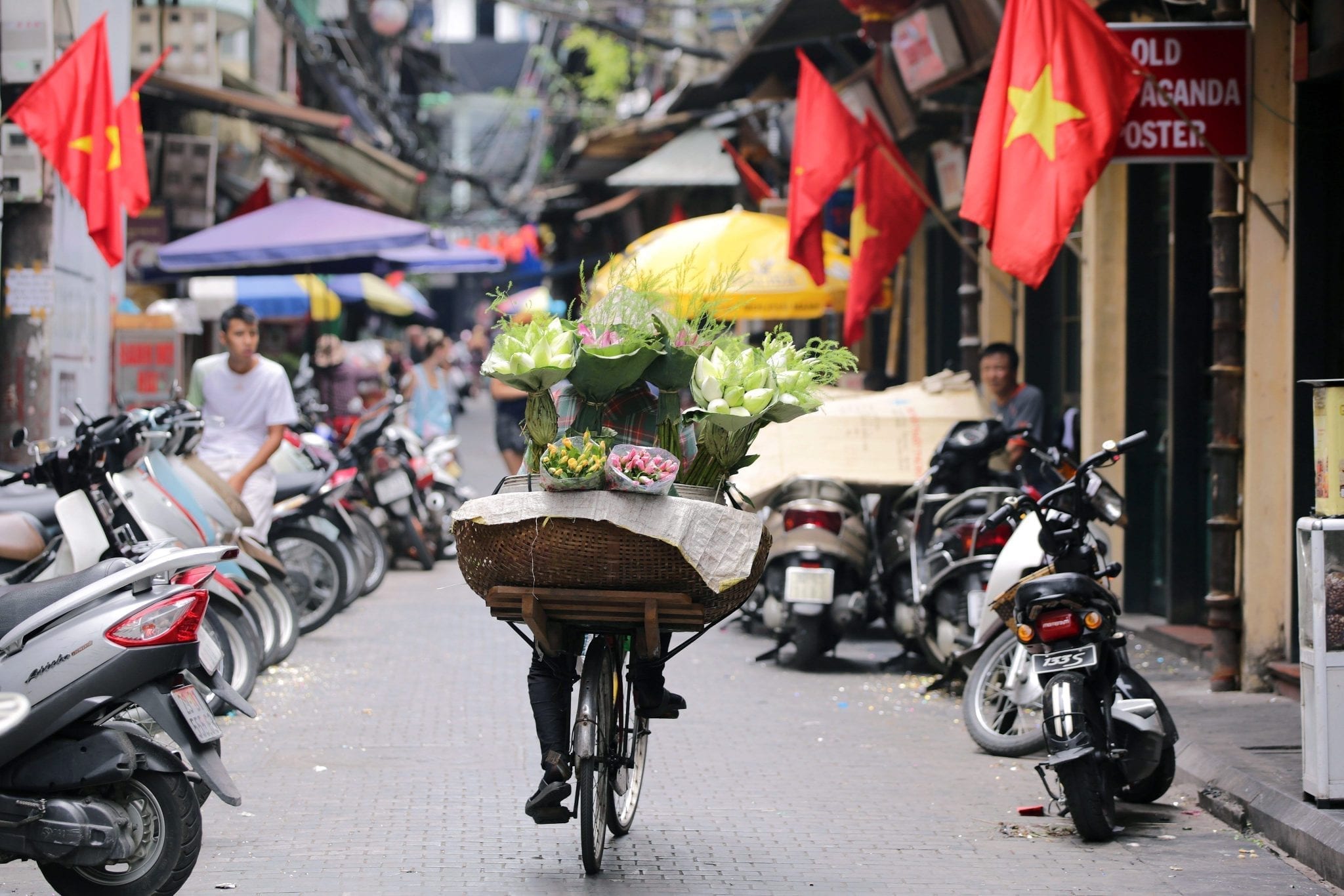
    Vietnam has set target of increasing GDP per capita to $6,500 in 2030, and $10,000, or four times the current value, in 2035. The GDP in those years would then be $670 billion and $1.05 trillion, according to an economic policy framework for the period up to 2035 recently issued by the Ministry of Planning and Investment. This will make Vietnam an upper middle-income country.

    Vietnam has also targeted to reduce its poverty rate to 1 percent and increasing the middle-class rate to 50 percent by 2035.

    The middle and affluent class now is categorized as those earning $714 a month or more, according to the Boston Consulting Group.

    According to the document, encouraging the continued development of the private sector and developing human resources and innovations taking advantage of the Fourth Industrial Revolution would be two of the driving forces for economic growth.

    The country hopes to have two million private businesses that contribute 50 percent of its GDP by 2020 and 60-65 percent by 2030.

    The reforms to achieve these goals will focus on modernizing the economy and developing the private sector, building innovation capacity, improving economic efficiency of urbanization, and building modern institutions and efficient governance.

    Vietnam also aims to ensure its development is environmentally sustainable and equitable, promote social inclusion and enhance its adaptability to climate change.

    Minister of Planning and Investment Nguyen Chi Dung said strong reforms are needed to continue developing and not fall behind the times.

    Speaking to Vietnam’s development partners at a forum on reform and development Wednesday, Prime Minister Nguyen Xuan Phuc said: “We have the aspiration to become a prosperous economy, but we are fully aware that the road will be uneven with many challenges. Those are the challenges from both within the economy and the impacts caused by fluctuations in the global economy.”

    To address these issues he pledged his government would soon speed up administrative reform and establish an economic system that enables all economic entities to have the right to participate in making development plans and policies.

    “Vietnam will focus on building its soft and digital infrastructure to convert the economy into a digital one, reform its recruitment mechanism and focus on training human resources to make use of the fourth industrial revolution as a driving force for growth.”

    According to World Bank Group statistics, Vietnam’s GDP per capita in 2017 is $2,343. The figure for Singapore is $57,714, Malaysia ($9,945), Thailand ($6,594), the Philippines ($2,989) and Myanmar ($1,298).

    Minister Dung estimated that Vietnam’s GDP would grow by 6.57 percent on average in the 2016-2018 period, meeting the National’s Assembly target of 6.5-6.7 percent growth.

    In the first nine months this year, Vietnam’s GDP grew by 6.98 percent, the highest nine-month growth rate since 2011. The economy grew by 6.81 percent last year, the highest rate in a decade.

  • Shinsegae International Opens Select Shop for S. Korean Designer

    Shinsegae International Opens Select Shop for S. Korean Designer

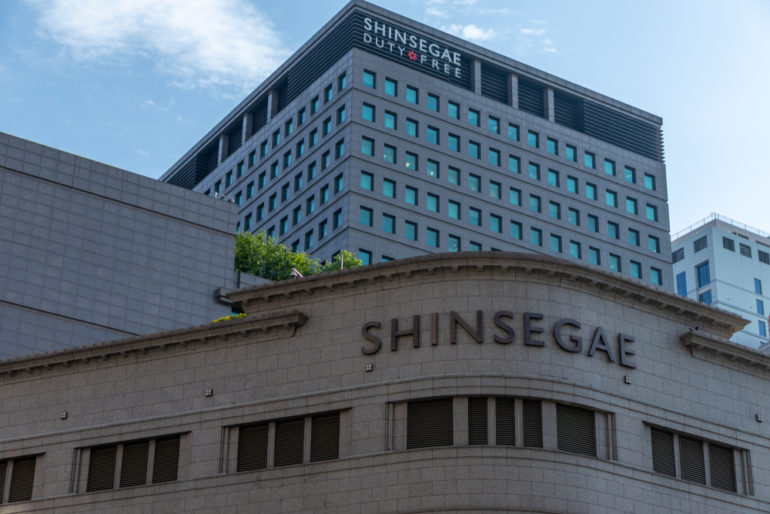
    South Korean retailer Shinsegae International aims to promote South Korean designer brands through a new online store. The company says ‘Select Shop’ will specialise in South Korean designer brands, on its S.I.Village online shopping portal. Select Shop accommodates 30 designer brands for clothing, bags, and footwear.

    “Select Shop will serve as a new channel for South Korean designers as well as for young and sensational new brands, which will also boost the competitiveness of our online shopping mall,” said a Shinsegae International spokesperson.

    Shinsegae International said S.I.Village’s high-end reputation is what encouraged many of the designers to join Select Shop.

    To mark the grand opening, Select Shop will provide discounts of 5 to 20 per cent on all member products and will give away movie tickets to the first 300 customers to make a purchase on Select Shop.

    The website will also be the exclusive distributor for 99 T-shirts designed in collaboration with 99%IS by Bajowoo.

  • Safilo appoints new executive to head e-commerce

    Safilo appoints new executive to head e-commerce

    Eyewear firm Safilo has appointed Andrea Bulgarelli to the newly created role of digital transformation director, as the Dutch-owned Italian company sets its sights on renovating its e-commerce infrastructure by 2020. An e-commerce fashion veteran, Bulgarelli comes from fellow Italian firm Benetton, which he joined in 2015 as group digital business director.

    Prior to his two year stint at Benetton, Bulgarelli was pivotal in the creation of e-commerce sites at luxury fashion Max Mara from 2007 to 2015, serving as the group global digital and e-commerce director for eight years. He came to Max Mara as operations and innovation director, after two year’s experience in sales.

    He is a graduate in telecommunications engineering and has an MBA in business administration.

    In his new role at Safilo, Bulgarelli will oversee the management of all consumer-facing touchpoints including merchandising planning, direct e-commerce, digital marketing, content production and CRM – all functions that he performed, among others, at Benetton.

    His appointment underpins Safilo’s direct-to-consumer strategy currently being executed, within its industrial plan for 2020.

    “Digital initiatives are at the heart of our growth and development strategy […] thanks to Andrea Bulgarelli’s leadership, we will finally be able to accelerate our e-commerce activities and our digital transformation,” explained Safilo CEO Angelo Trocchia.

    However, Safilo’s most recent financials were far from rosy. On November 3, the group reported third-quarter revenues of €221.5 million, down 9% at current exchange rates compared to the same period in 2017.

    The situation was similar over the first nine months of the year, with revenue down 9.7% to €713.7 million, compared to €790.5 million in 2017.

    Founded in 1934 by Guglielmo Tabacchi in Pieve di Cador, Safilo Group today designs, produces and distributes prescription frames, sunglasses, sports eyewear and helmets under its own five house brands and 32 licensed brands including Dior, Fendi, Givenchy, Moschinoand Tommy Hilfiger and is owned by Hal Holdings since 2008, the Dutch investment firm which holds 37.23% of the company.


  • World’s first Nerf experience centre coming to Marina Square in 2019

    World’s first Nerf experience centre coming to Marina Square in 2019

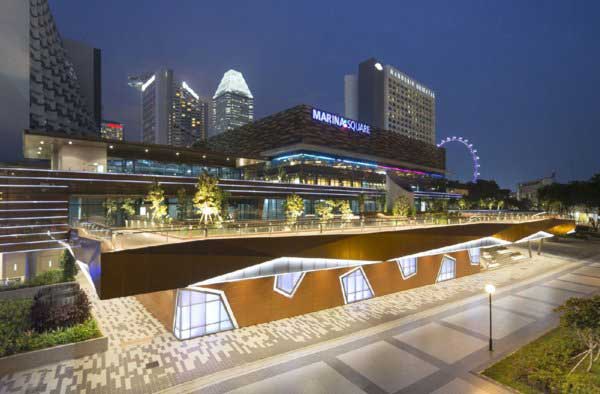
    Shopping mall Marina Square has been chosen as the venue for the world’s first Nerf family entertainment centre. The Nerf Experience Singapore will open in the second half of next year, following a licensing agreement between Kingsmen Creatives subsidiary Nax Singapore and the Nerf brand’s parent Hasbro who will co-conceptualise, create, build and operate multiple Nerf experiences across Asia Pacific. Nerf is a collection of toys, mostly foam-firing plastic guns.

    Plans are underway to translate the Nerf brand values into a vast play experience occupying an 18,000sqft space on the ground level of Marina Square. Nerf Experience Singapore will feature multiple activity zones that promote active play and teamwork.

    CEO of Marina Square Lim Hock San said “Marina Square is positioned as a family mall in the city. The injection of the Nerf experiences fits our overall positioning and strategy to provide more activity-based experiences for the whole family. We believe the concept will be a great draw for both locals and tourists, creating much life and energy in the Marina Centre precinct.”

    Group CEO of Kingsmen Andrew Cheng said Nerf Experience Singapore is designed to be a year-round family destination and Marina Square is an excellent launchpad for the attraction.

    “Our goal is to create a brand of unique participative experiences that guests of any age can enjoy and will want to return to. With families constantly on the lookout for things to do together, we are confident that our offering of adrenaline-filled fun, coupled with enriching experiences will be a hit.”

  • Alan Liis the new president of CBRE China

    Alan Liis the new president of CBRE China

    CBRE, the worldwide commercial real estate services and investment firm, recently announced the appointment of Alan Li as President, CBRE China, effective immediately. Alan will be responsible for CBRE’s advisory services across business lines in China, including Advisory and Transaction Services, Capital Markets, Asset Services, and Valuation and Advisory Services.

    Based in Shanghai, Alan will report to Ben Duncan, President of North Asia.

    To the newly created role, Alan brings approximately 18 years of professional experience in the China commercial real estate industry.

    He joined CBRE in 2015 and since this time has served as Managing Director of Capital Markets for Greater China.

    “The future of our brand in China will increasingly rely on our ability to further localize our business and solution offering to clients.” said Duncan.

    Alan is a member of Royal Institution of Chartered Surveyors (RICS) and a registered real estate broker. He is also a member of All-China Youth Federation and the standing committee of Shanghai Youth Federation, and Vice President of Shanghai Foreign-Invested Enterprises Youth Talent Association. He holds an MBA from Fudan University.