Author: Mei Ling Tan

  • Indonesia AirAsia X to cease scheduled operations in January

    Indonesia AirAsia X to cease scheduled operations in January

    Indonesia AirAsia X< will cease scheduled operations in January 2019 and operate as a non-scheduled commercial airline thereafter. The carrier’s only scheduled operation – a seven-times weekly service between Denpasar and Tokyo Narita using an A330 – will be suspended in January, the AirAsia X Group disclosed in its third quarter results.

    “With the challenging operational environment in Indonesia, primarily due to the series of natural disasters that occurred in proximity to Bali, the company is underway to evaluate the available options for our Indonesian associate to ensure sustainability of the company with the last schedule flight from Bali to Narita will end in January 2019,” says AirAsia X group CEO Nadda Buranasiri.

    AirAsia X Indonesia will operate on a non-scheduled commercial airline basis.” IAAX posted a net loss of $1.53 million in the third quarter of the year, compared to a profit of $2.15 million a year ago. It attributed the poor performance to a 34% jump in costs, driven by the rise in fuel prices.

    During the period, it saw a 32% drop in the number of passengers carried, while load factor held steady at 80%. Average base fare climbed 21% to $146.The airline, which has struggled for some time now, also disclosed that it terminated its Jakarta-Tokyo Narita service in October. Last month, sister carrier Indonesia AirAsia said it will take over the routes and slots that IAAX had been using to operate a trio of Airbus A320s. IAAX was operating short-haul services to Denpasar, Jakarta and Surabaya.

    IAAX with two A330-300s. 2005-built PK-XRA is owned and managed by Aviator Capital, while PK-XRC, also built in 2005, is owned by KDAC 2017-1 ABS Portfolio and managed by Deucalion Aviation Funds.

  • Zara confirms it is taking part in Black Friday, with huge discount

    Zara confirms it is taking part in Black Friday, with huge discount

    High street giant Zara has finally confirmed it will be taking part in this year’s Black Friday event. The retailer has remained very tight-lipped about its plans for the shopping event which officially takes place tomorrow, and has even opted against advertising its plans in its windows.

    Speculation has been high as to whether the retailer would be taking part this year- following last year, which marked the first time Zara has been involved in the discount event.

    But it has finally released details of the money its customers could save tomorrow.

    Zara will be offering shopper 20% off selected departments for Black Friday.

    Last year, there was a variety of products which the discount could be used on, including coats, shoes, tops and more.

    Fans have been eagerly waiting for Zara’s Black Friday announcement. On Twitter @amarjhot said: “Still waiting on Zara to drop a Black Friday sale? … no? Ok.”

    @CharlyOConnor said: “I need to place a Zara order but I’m holding out for the Black Friday sale – this is going to end up being a disaster I bet.”

    And, @_JAEopardizes said: “Zara need to hurry up and put their Black Friday sale up.”

  • Five Guys and Shake Shack go head to head in Central HK

    Five Guys and Shake Shack go head to head in Central HK

    American burger franchises Five Guys and Shake Shack have opened new stores in Hong Kong this week. Launching on Johnston Road in Wan Chai this week, in premises formerly home to Tommy Bahama, Five Guys is known for its made-to-order beef burgers, creamy shakes and thick-cut Cajun fries.

    The move is part of an aggressive global expansion plan for the US fast-food chain. Founded in 1986 in Virginia, Five Guys first expanded outside the US in 2003 and now has almost 1500 outlets worldwide, in the US, Canada, UK, Europe and the Middle East.

    The company says it has another 1500 outlets under development as the brand has built “a cult-like following around the world”.

    New York’s Shake Shack opened at the Pacific Place Admiralty yesterday to queues of more than 200 fans and local residents. The first 200 people in line were awarded Shake Shack tote bags in celebration of the launch. It’s the chain’s second store, the first located at IFC mall.

    Shake Shack is a modern day “roadside” burger stand known for its Angus beef burgers, chicken sandwiches and flat-top Vienna beef dogs. The franchise also serves craft beer and wine. It was brought to Hong Kong by Maxim’s Group.

    Shake Shack originally opened in 2004 in Madison Square Park, and has since expanded to more than 180 locations in the US and more than 70 international locations.

  • Urban Outfitters China plans to expand

    Urban Outfitters China plans to expand

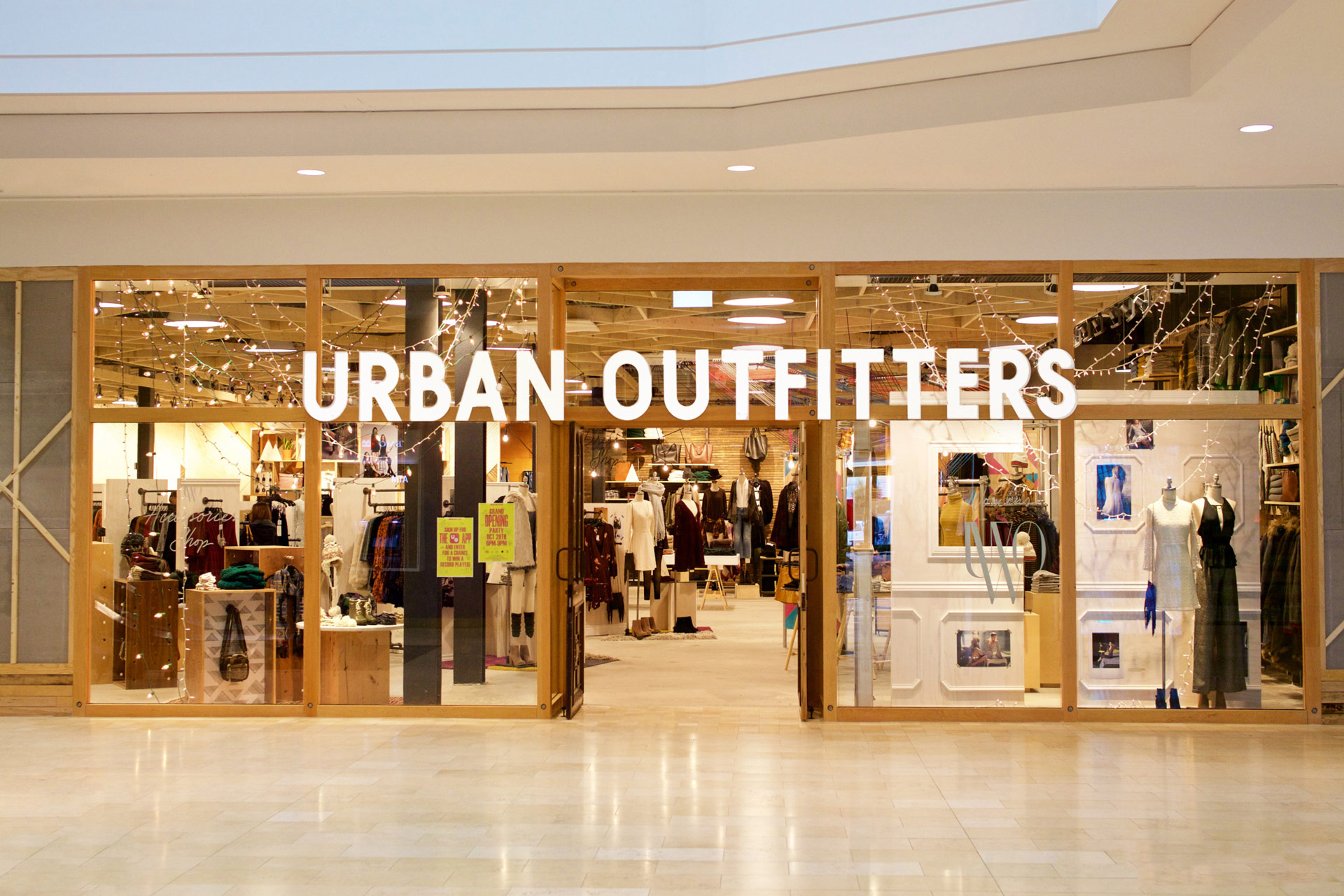
    US retailer Urban Outfitters has announced global expansion plans which involve a broadened commitment to China. According to a statement from the brand’s CEO Richard Hayne, Urban Outfitters China will be housing inventory while the company opens new locations in Europe and the Middle East, as well as taking on new distribution partners.

    The brand’s parent firm Urbn recently posted third quarter net sales of US$973.5 million, a 9 per cent increase over the same period last year.

    Urban Outfitters enjoyed strong sales while participating in the singles day shopping spree on e-tail platform Tmall.

    “We plan to establish a larger presence [in China] by mid-next year. To do this we will switch to the much larger Tmall Classic platform, hold inventory in-country and fulfill orders through a third-party service provider in China. In addition, we plan to sign leases for several stores to open in calendar year 2020,” said Hayne.

    Urbn will be expanding its network of 61 stores in Europe to 100 within three years, and will operate more than 10 stores in the Middle East by 2020.

  • Electric vehicles, new tech focus of NAP 2019 in Malaysia

    Electric vehicles, new tech focus of NAP 2019 in Malaysia

    The National Automotive Policy (NAP) 2019 will be unveiled in the first quarter of next year, and will place emphasis on electric vehicles and new technologies, according to Deputy International Trade and Industry Minister Dr Ong Kian Ming.

    “The main focus then (NAP 2014) was on energy efficient vehicles (EEVs) and now we are moving much more towards electric vehicles and new technologies,” he said after delivering his keynote address at Kuala Lumpur International Automotive Conference 2018 today.

    “But we have to discuss with the relevant stakeholders first and make sure that we fine-tune the details, so that the needs of the whole industry are taken care of,” he added.

    Ong said his ministry together with some key companies in the automotive sector, are currently reviewing the policy, which was first introduced in 2006 to transform the domestic automotive industry.

    Furthermore, he said the revised policy, which will also include the development of the third national car project, will overlook the entire automotive ecosystem, encompassing four key pillars of connected mobility, Industrial Revolution 4.0, new generation vehicles and artificial intelligence.

    “When we talk about the third national car, we need to look at it at a holistic perspective. So let’s not just focus on the third national car project, which is an important component of the NAP review, but also look at the entire ecosystem. This ecosystem needs to be further enhanced and developed to take into consideration of new trends, such as the newly launched Industry 4.0.

    “With the new technologies coming in, including the possibility of self-driving cars, more rapid advancement in electric vehicles and necessary ecosystems such as batteries and charging stations, it is timely to review this particular sector,” he noted.

    To date, Ong said, the ministry has received over 20 proposals on the third national car project, from various sub-sectors, comprising small to large companies in the automotive sector, which include some “big players”.

    He noted that the ministry has developed a matrix to analyse and evaluate these proposals, in order to make a fair, transparent and comprehensive choice.

    “One of the deciding factors would be the financial sustainability of the project as the government will not be funding this third national car project as noted in Budget 2019,” Ong added.

    Meanwhile, the Malaysian Automotive Association (MAA) president Datuk Aishah Ahmad said in conjunction with the event that the association is hopeful that the government would continue to focus on the components emphasised in NAP 2014, including the EEV initiative.

    “Future technology is good, but we would also like them to continue to emphasis on EEV that has helped the industry. We would also like to see long-term policies rather than short-term (policies) and more consultations with the industry,” she added.

    Themed “Beyond Mobility: Moving Sustainably”, the two-day conference, which is organised by the Asian Strategy and Leadership Institute (Asli) and MAA, aims to bring together industry experts and leading players to share views concerning the automotive industry and ecosystem roadmap beyond 2025.

  • Nykaa.com to bring Laneige to India

    Nykaa.com to bring Laneige to India

    Nykaa.com, India’s leading beauty retailer has launched Korean Beauty brand Laneige, exclusively in India. Laneige maximizes the potential of water to deliver the right solution to each skin concern with carefully selected, optimum natural ingredients. The brand has been showing great results with its simple yet innovative skincare and makeup solutions.

    With over 20 years of research, Laneige’s Water Science has developed optimum water to address skin concerns like hydration, pore refining, anti-aging, or complexion-correcting. Their signature Hydro Ionized Mineral Water offers quicker and deeper absorption for better overall moisturization while Mint Water reduces excessive sebum while offering greater pore care.

    “Observing the growing trend of Korean beauty brands across the world, Nykaa began introducing Korean brands to our portfolio last year. These brands have been a huge success with the Indian audience with their innovative ingredients and cutting-edge science. With Laneige’s signature water science based products we offer our customers a new facet in their beauty regime,” says Falguni Nayar, CEO Nykaa.

    Laneige’s best-selling products like Water Sleeping Mask, Lip and Eye Sleeping Mask, Water Bank Hydro Essence and White Dew Ampoule Essence are now available for women in India exclusively on nykaa.com and at select Nykaa Luxe stores in Delhi, Ahmedabad, Indore, Hyderabad, and Bangalore.

  • One new store a week for Ralph Lauren China

    One new store a week for Ralph Lauren China

    Ralph Lauren CEO Patrice Louvet has promised to open a store a week in China. Speaking at The New York Times Luxury Conference in Hong Kong last week, Louvet said stores “are crucial for projecting the company as aspirational” which is why Ralph Lauren China is committed to expanding its network despite widespread concerns over an economic slowdown.

    “We concluded that we are in the dream business,” Louvet told the conference. “So to some extent, we think we are closer to a company like Disney than we are to other apparel brands … we don’t believe we are just selling stuff, we are selling a dream, a lifestyle, we are offering worlds that customers can be a part of.

    “[So] for us to provide those experiences, we need both the digital world and the brick-and-mortar world.”

    That is part of the philosophy behind the launch of the Ralph cafe, the brand’s first coffee shop, which opened recently in Hong Kong.

    In the latest quarter, Ralph Lauren’s sales in Greater China rose more than 20 per cent, with the mainland growth rate double that.

    Ralph Lauren is targeting $500 million in revenue from Greater China within five years.

  • Bursa slips on Wall Street, oil price slump

    Bursa slips on Wall Street, oil price slump

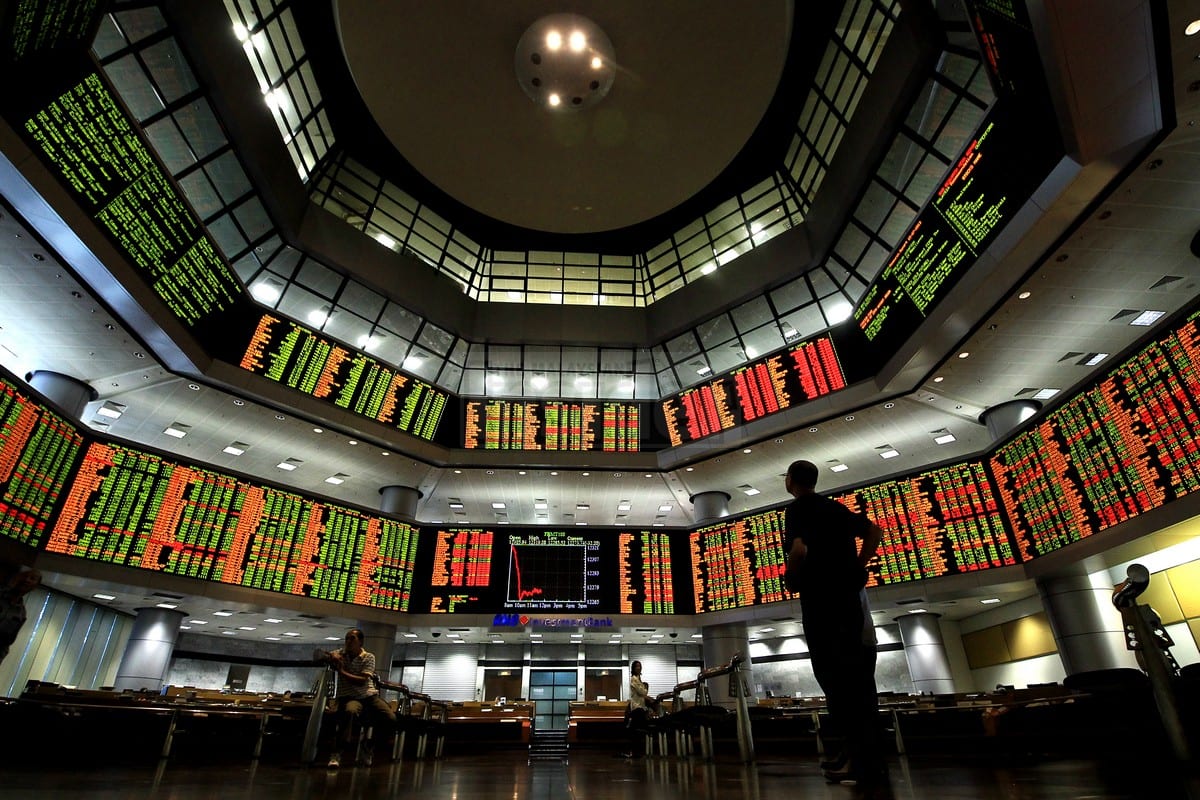
    Bursa Malaysia was not spared the fallout from this week’s rout on Wall Street and the slump in crude oil prices, with the FBM KLCI sliding 15.34 points to close at 1,695.37 points today. Most sectoral indices on the local bourse ended in the red today, save those for construction, healthcare, utilities and the ACE Market, and the FBM Fledgling Index.

    The selloff on Wall Street has been led by technology stocks, and the New York stock market’s gains for 2018 have been wiped out with the latest plunge on Tuesday.

    The Dow Jones Industrial Average and the S&P 500 ended at their weakest since late October on Tuesday, diving 553 points or 2.2 % and 49 points or 1.8 % respectively. The technology-heavy Nasdaq declined 117 points or 1.7 %, the lowest it has hit in seven months.

    Energy stocks also took a beating after crude oil prices slumped 6.6%.

    Rakuten Trade Sdn Bhd head of research Kenny Yee said that the performance of the local bourse is attributable to developments on Wall Street and the decline in crude oil prices – which will be used as the “relevant excuse” by investors to take profits given the recent climb in stock prices.

    Asked if the selling will persist, he said this will depend on Wall Street’s performance.

    Yee projects the FBM KLCI to trade around the 1,680 level, which he said is a well-supported position.

    He noted that selling could also be induced by the expected dip in third quarter corporate earnings, in which further downgrades on corporate earnings growth are expected.

    “We were deep into the tech bubble and now it is bursting. The bubble is not totally without fundamentals but prices rose too much over a long period of time. For the US, it is only starting and for Malaysia the oil price drop marked our peak. We were just trying to recover before the bursting of this bubble hit us,” explained Inter-Pacific Securities Sdn Bhd head of research Pong Teng Siew.

    “There is no cover currently. All asset classes are being hit. Bonds, stocks, commodities, properties, cryptocurrencies … all are being hit. Even gold is going nowhere,” he said.

    Asked if this will continue, Pong noted that the market does look like continuing its bearish streak in all asset classes as the tide of liquidity is flowing out at the moment.

    Sapura Energy was the most active counter on Bursa Malaysia yesterday, surging 4.17% to 37.5 sen with 87.49 million shares traded.

    Malaysian Pacific Industries was the top loser, falling 4.08% to RM11.74 on volume of 480,600 shares.

  • 7Fresh to open store in Shanghai

    7Fresh to open store in Shanghai

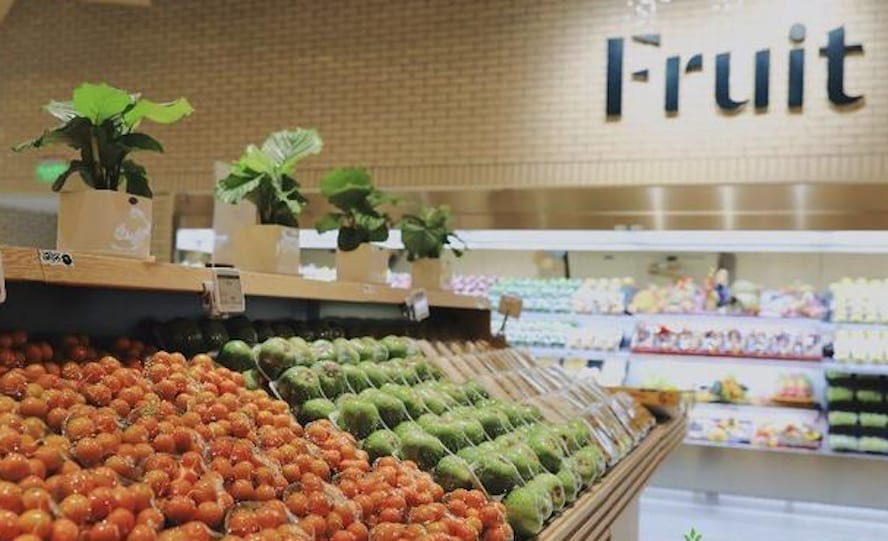
    E-commerce giant JD’s offline retail store 7Fresh is set to launch at Shangbin Plaza in Shanghai’s Hongkou District. The move is regarded as a step towards expansion nationwide beyond the firm’s home base in Beijing, as well as an attempt to follow recent trends to diversify from online-only business models. The high spending power of Shanghai residents was key in determining the store’s location.

    JD expects to be operating 1000 outlets with three to five years, using insights learnt from trading online to tailor product ranges popular locally. It will be taking on rival Alibaba’s Hema Market, which has already grown to more than 100 outlets.

    JD’s senior VP Wang Xiaosong said: “JD’s online fresh food business provides an advantage in terms of merchandise selection when we’re expanding into offline retail.”

    Shangbin Plaza is due to open early next year.

  • Bath & Body Works to open third store in India

    Bath & Body Works to open third store in India

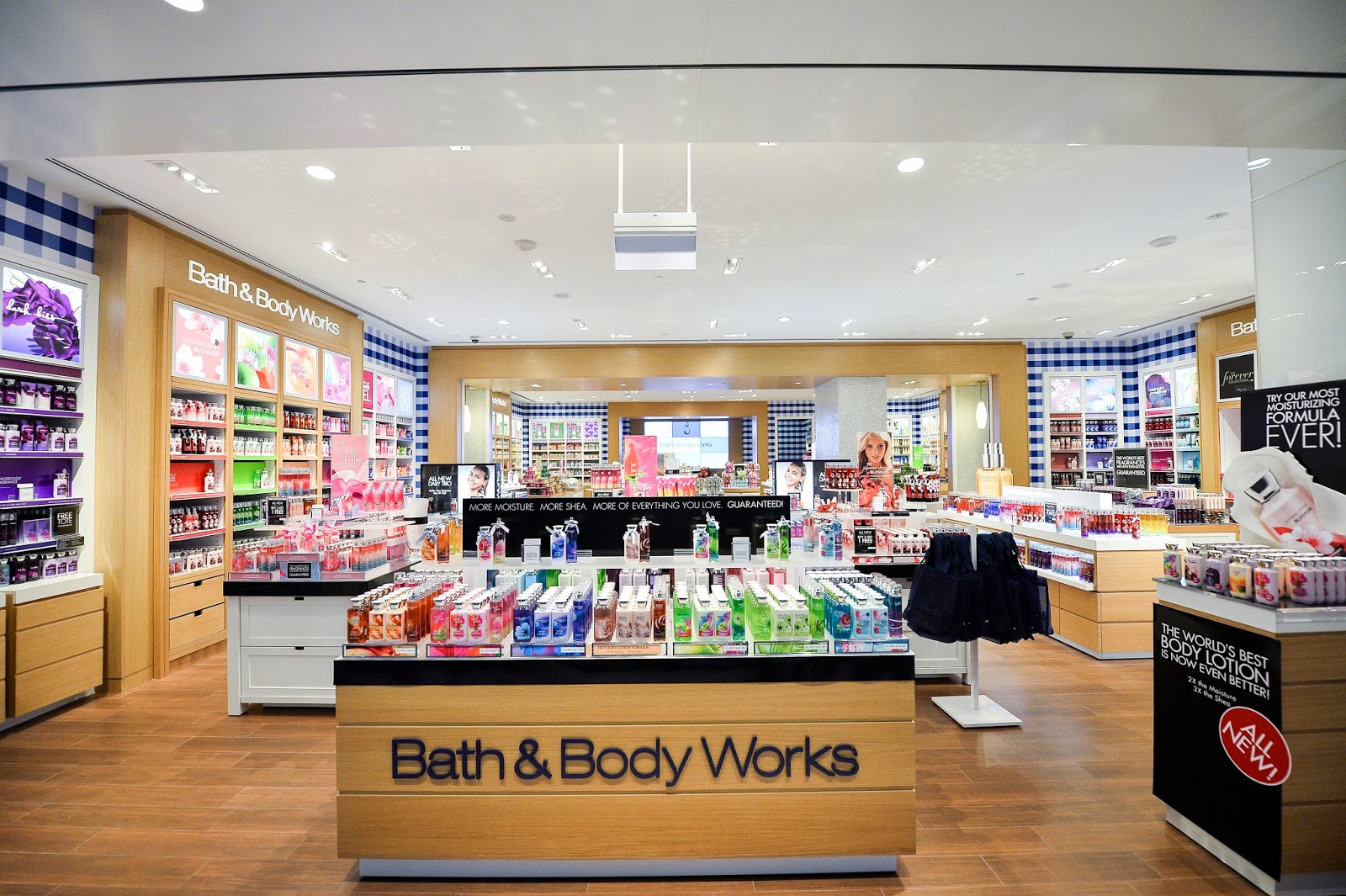
    Bath & Body Works, one of the world’s leading specialty retailers of fragrant products for the body, hands, and home for more than 20 years, is launching its third store at Ambience Mall, Gurugram on November 25. Earlier this year the brand launched in India with two stores in New Delhi at Select Citywalk and DLF Mall of India.

    In keeping with international formats, the Bath & Body Works stores in India showcase latest trends as well as the newest, freshest fragrances for body, hand, and home.

    From light-hearted and flirty scents to sophisticated and exotic fragrances, the Bath & Body Works store at Gurugram will be all about fun with world-class fragrances, with a special launch offers.

    Having established itself as one of the best and most sought after Personal Essentials and Home Fragrance brands, the Bath & Body Works store in Gurugram will be spread over approx. 1,200 sq.ft that will allow customers to enjoy an extensive array of fragrances: Body Crèmes, Shower Gels, Body Lotion, Bath Frizzies, Fragrances Mists, Hand Creams, Hand Washes, Hand Sanitizers, Candles and Gift Sets.

  • Online hiring in Malaysia fell 8% in Q3

    Online hiring in Malaysia fell 8% in Q3

    Online hiring activity in Malaysia fell by 8% in the third quarter, falling behind the performance from one year ago by 14%, according to the third quarterly Monster Employment Index (MEI) report. It said online recruitment in the country could not sustain the strong performance of the previous quarter, continuing a negative trajectory.

    The report highlighted that Malaysia has still not recovered its economic position, despite a stronger performance in the previous quarter.

    This Southeast Asia Q3 Online Recruitment Trends Report by Monster.com examines the hiring trends and performance of online recruitment, and offers a comprehensive overview of major industries across Malaysia, Singapore, the Philippines.

    It said top three job roles among occupations hiring freelancers online in Malaysia are sales & business development (16%), marketing & communications (8%), software, hardware, telcom (5%).

    Among occupations, hospitality and travel recorded the strongest quarterly growth with 2%, while engineering and real estate soared 13% in a quarterly comparison.

    The IT, telecom/internet service provider (ISP) and business process outsourcing (BPO)/IT enabled services (ITES) sector exhibited the strongest performance among industries throughout July, August and September in a year-on-year comparison, while the logistics and BFSI industries registered the weakest performance for the same period.

    While general online hiring has been slowing in Malaysia in the third quarter, the IT, telecom/ISP and BPO/ITES sector recorded a 5% growth in the three-month period.

    With Penang becoming an increasingly attractive hub for tech companies in Malaysia, the IT, telecom/ISP and BPO/ITES sector resumes the path that was set in the second quarter. In a year-on-year comparison, the sector even registered double-digit growth with 11%, 11% and 12% respectively – indicating a resilient industry despite political concerns.

    This edition of the quarterly MEI took a closer look at the freelance economy and its online hiring demand across industries in Southeast Asia. With job scopes continuing to shift due to technological innovations, it is up to human resources leaders to define the way freelancers, part-timers and full- time staff collaborate and share their workload.

  • Xiaomi Opens Over 500 Stores in Rural India

    Xiaomi Opens Over 500 Stores in Rural India

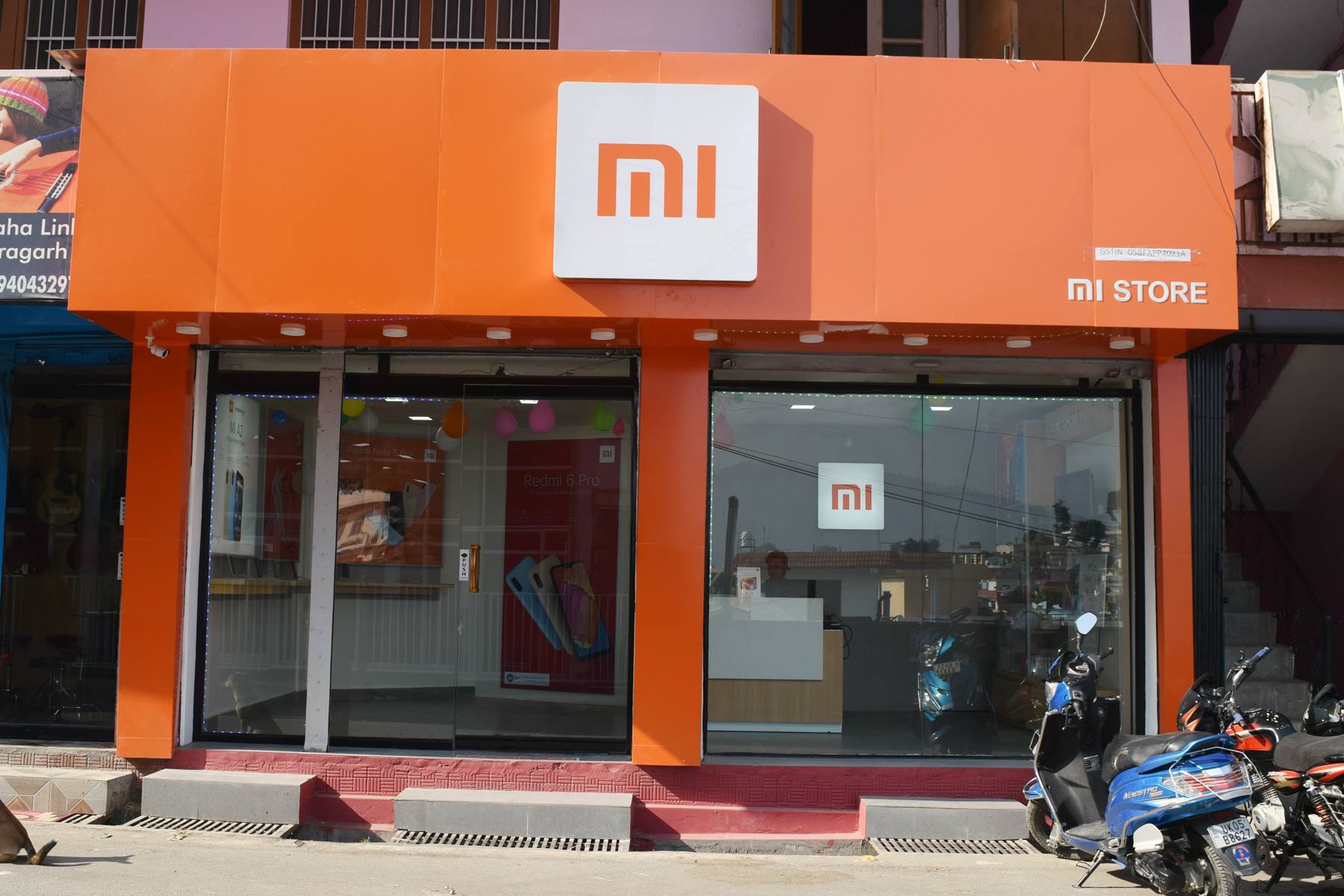
    Xiaomi India says it opened 500 retail stores in one day in India late last month. The Chinese electronics retailer has bannered the network Mi Stores – smaller, compact versions of the Mi Home stores, developed for mainly rural parts of India.

    “The company created a Guinness record for opening the maximum number of stores in one single day,” said Manu Kumar Jain, VP of Xiaomi Global and MD of Xiaomi India.


    “Xiaomi plans to open 5000 Mi Stores by the end of next year. This new business will forever change rural retail in India.”

    As well as the Mi Home stores, the company is continuing to roll out its larger flagships, the fourth of which opened in Bengaluru in September.

    Xiaomi India has been growing rapidly since it launched online, initially focusing on mobile phones. Since then it has expanded into other home electronics and is now moving into other retail categories such as luggage and apparel.

  • Vietnam leads Southeast Asia in digital economy development

    Vietnam leads Southeast Asia in digital economy development

    Vietnam’s internet economy is the largest relative to GDP in terms of gross merchandise volume in Southeast Asia this year. A study by Google and Temasek, a Singaporean holding company owned by the Government of Singapore, said gross merchandise volume (GMV) traded over the Internet in Vietnam was 4 percent of GDP. The study encompasses ride-hailing, e-commerce, online travel and online media.

    In second place was Singapore with 3.2 percent, according to the study which covered Indonesia, Malaysia, the Philippines, Singapore, Thailand, and Vietnam. Indonesia’s digital economy had the fastest absolute growth and looks set to reach $100 billion in 2025.

    In the last few years online businesses have been booming in Vietnam, with last year the digital economy growing by more than 25 percent, a rate that can be sustained for the next two or three years, according to the Vietnam E-Commerce Association.

    It said online sales are set to hit $10 billion by 2020, accounting for 5 percent of total retail sales.

    A Financial Times report last April cited Bain, a U.S.-based global management consulting firm, as estimating that Southeast Asia had 200 million digital consumers, or people who bought goods or services online, out of an adult population of 405 million. Vietnam, with a population of 93.7 million, accounted for 35 million.

    Vietnam’s youthful population is among the keenest users of mobile devices in the region, while the country’s consumers spend more time online than most of their neighbors, several studies have found.

    Research firm Nikkei estimated Vietnamese spend nearly 25 hours online per week, on a par with or just behind Singapore and the Philippines.

    In the ride-hailing sector, many players are expanding investments. Vietnam recently saw new entrants such as local firm FastGo, GoViet, a subsidiary of Indonesia’s Go-Jek, and Aber.

    Current market leader Grab has expanded to offer GrabFood and GrabCar Business, the latter targeting the corporate sector.

    But experts say Vietnam and many other countries in the world face a slew of challenges in the digital economy such as upgrading the skills of the workforce and adapting to rapidly changing technologies.

  • IKEA announces new retail direction globally; to hire aggressively in India

    IKEA announces new retail direction globally; to hire aggressively in India

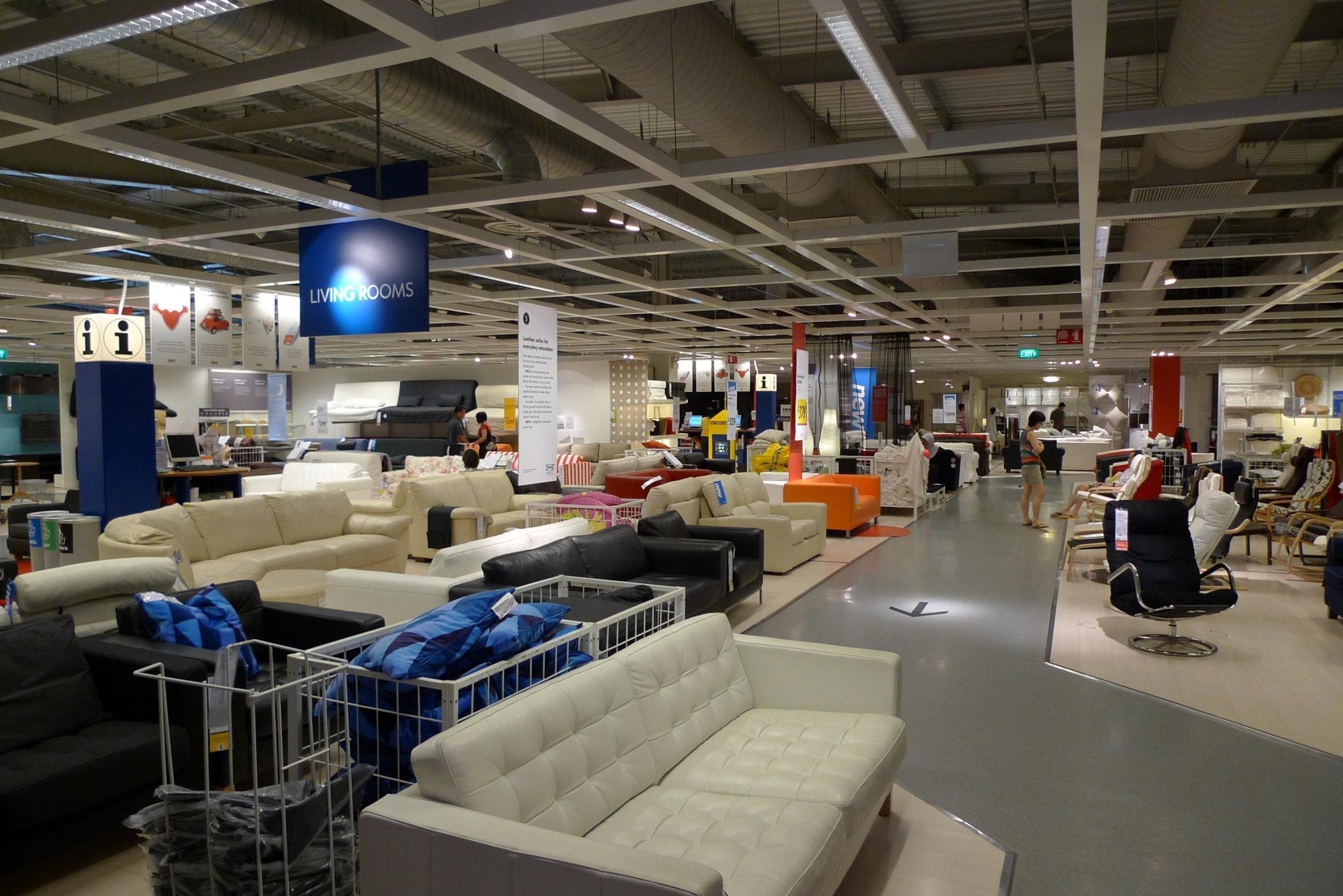
    Ingka Group (Ingka Holding B.V and its controlled entities) is accelerating its transformation, stepping up investments in new and existing IKEA stores and fulfilment centres, developing city centre formats and focusing on its e-commerce platform, to better meet the needs of its customers and be more convenient and affordable to many more people.

    Building on many years of solid growth and as part of a transformation, Ingka Group is assessing all parts of the organisation and is simplifying to enable a greater focus on adding value to its customers. As a result, in the coming 2 years 11,500 new jobs will be created globally, through opening around 30 new IKEA touchpoints, investments in its fulfilment network and in digital capabilities. At the same time 7,500 jobs may become redundant globally, out of the current 160,000 jobs, mainly focusing on global functions and offices in 30 markets.

    Jesper Brodin, Chief Executive Officer, Ingka Group says: “We continue to grow and perform strongly. At the same time, we recognise that the retail landscape is transforming at a scale and pace we’ve never seen before. As customer behaviours change rapidly, we are investing and developing our business to meet their needs in better and newer ways. We will put greater emphasis on making our existing stores even better and taking the opportunity to renew and reinvent our business in a way that is inspired by our history, culture and values. Together these elements guide our work and build our inclusive, open and honest culture, and we’re going to support our co-workers in the best possible way throughout this change.”

    To support the biggest transformation in the history of the Ingka Group, IKEA India has already adopted its expansion approach. Through its expansion in India, it will create many more direct and indirect jobs. The number of co-workers is expected to grow from the current strength of 1,500 co-workers to over 15,000 co-workers in the future, out of which 50 percent will be women. Besides jobs in the stores and new city centres, the company will also create a lot of new roles in areas such as digital, data analytics, diversified fulfilment networks and personalisation. Certain existing roles will change and the company confirmed that all its co-workers will get to explore new opportunities in the new organisation. 3,000 new jobs are expected to be created in the next two years in line with its growth plans and transformation.

    Peter Betzel, Chief Executive Officer, IKEA India says, “We are in an exciting time at IKEA India. We have recently embarked on our retail journey here and have the unique opportunity to implement our new retail direction from the beginning itself. The India organisation will align with the new global structure and competencies to build a future ready organisation in terms of skill sets. IKEA India will hire many more people, both in terms of direct and indirect employment, and as we start our digitisation journey, we will add many more co-workers with different skill sets, while also creating avenues for our existing co-workers to grow in many new roles.”

    IKEA India, part of the Ingka group and one of its most recent retail markets is as one of its most important long term markets. It is on track to invest Euros 1.5 billion and aims to be present in many Indian cities in the coming years. Mumbai will be the first megacity in India to offer the full in India including city centre formats, large stores and a strong digital offering next year. IKEA intends to reach 200 million Indians in the coming three years through different channels. Globally in Ingka’s top 30 mega city strategies, three Indian cities – Mumbai, Bangalore and Delhi are included which reinforces IKEA’s belief in the potential of India.

    In August 2018, it opened its first India store in Hyderabad and will enter Mumbai next with online and stores.

    IKEA has been present in India with IKEA Purchasing and IKEA Foundation businesses. The purchasing organisation has been sourcing from India for close to 35 years for its global stores. Currently it has 55+ suppliers with 45,000 direct employees and 400,000 people in the extended supply chain. The long term goal is to maximise local sourcing to increase affordability and also tap into the many sustainable raw material India has to offer to create more sustainable products in its range. It also works with 1500 women artisans through two social entrepreneurs, one of who is based in Karnataka.

    IKEA Foundation, its philanthropic arm has been working with the communities for 18 years. It has partnered with public and private organisations for the DISHA skill development program to empower one million marginalised Indian women to join the retail workforce. The IKEA Hyderabad store that recently opened has employed around 100 women from this program.

  • Oriental Watch sales slide, but profit rises

    Oriental Watch sales slide, but profit rises

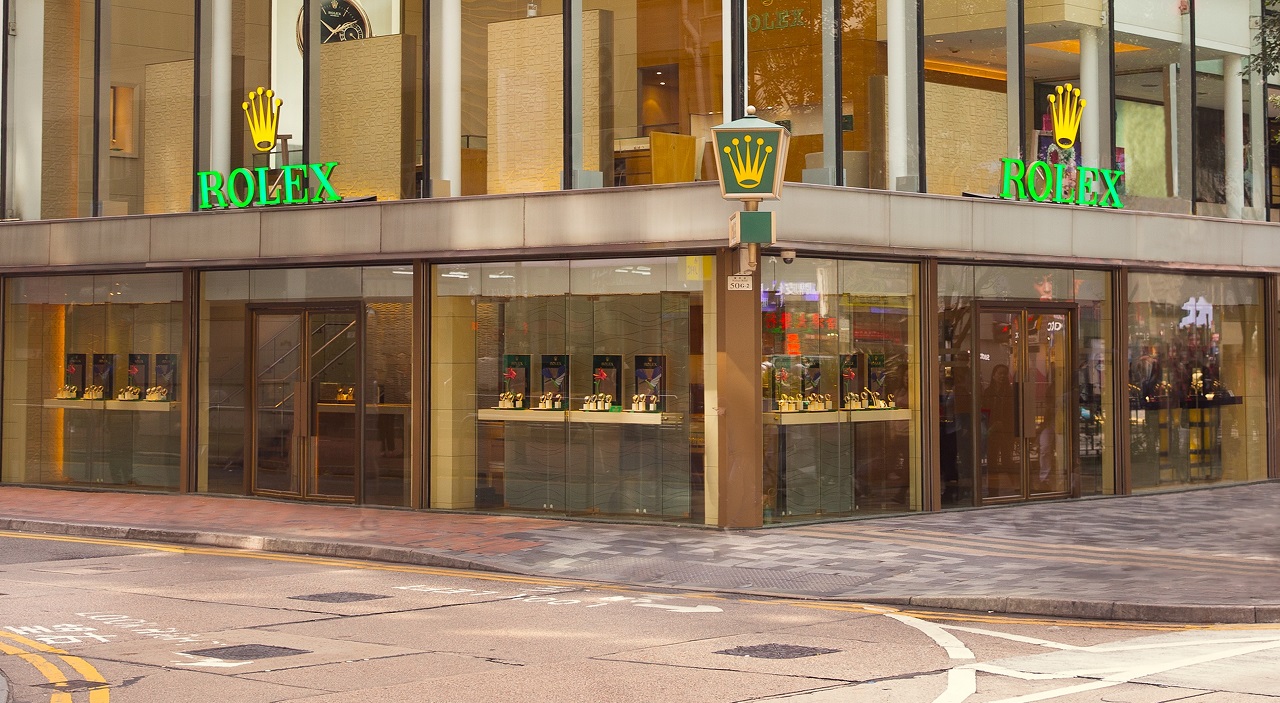
    Oriental Watch Holdings sold fewer watches in the six months to September, but at a higher margin, boosting profit by 39 per cent. Group turnover decreased by 21.7 per cent to HK$1.181 billion compared with $1.508 billion during the same period last year.

    Gross profit increased by 13.4 per cent to $288 million while gross profit margin increased to 24.4 per cent. Oriental Watch says rent negotiations contributed to lower overheads, helping profit attributable to shareholders rise 39.1 per cent to $64 million.

    As at September 30, the group operated 62 retail stores in Greater China: 11 in Hong Kong, one in Macau, three in Taiwan and 47 in Mainland China.