Author: Mei Ling Tan

  • Foreign flows into Asian bonds turn positive, Malaysia leads

    Foreign flows into Asian bonds turn positive, Malaysia leads

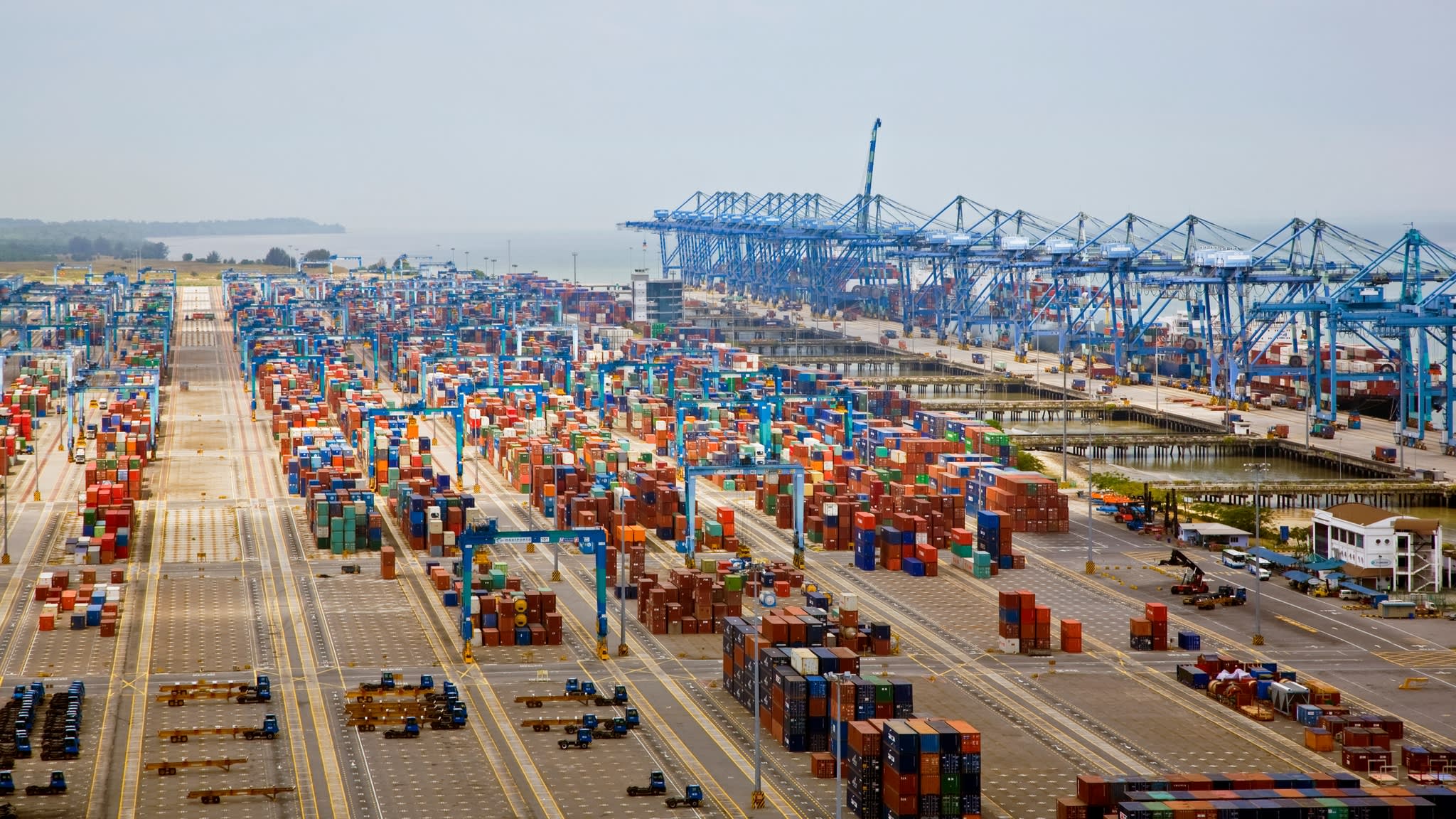
    Foreign flows into Asian bonds turned positive in October, in stark contrast to the sharp outflows faced by equity markets due to slowing earnings and concerns over trade. Data from central banks and bond market associations showed overseas investors bought a net US$2.24 billion (RM9.4 billion) in Malaysian, Thai, Indonesian, South Korean and Indian bonds in the last month. That compared with net outflows of US$2.46 billion in September.

    Malaysia’s bond market led the region with inflows of US$1.8 billion in October, the highest in 2018. At the end of last month, foreign ownership of Malaysian government securities rose to 40.7% from 39.5% in September, the data showed.

    Thailand and Indonesian bond markets also attracted foreign money of US$1.07 billion and US$886 million, respectively.

    “Thailand’s large current account surplus and growth recovery have boosted the perception of Thai debt as a relative safe haven in the region,” said Khoon Goh, Singapore-based head of Asia research for ANZ Banking Group in a note.

  • Coupang Korea to sack $2 billion funding

    Coupang Korea to sack $2 billion funding

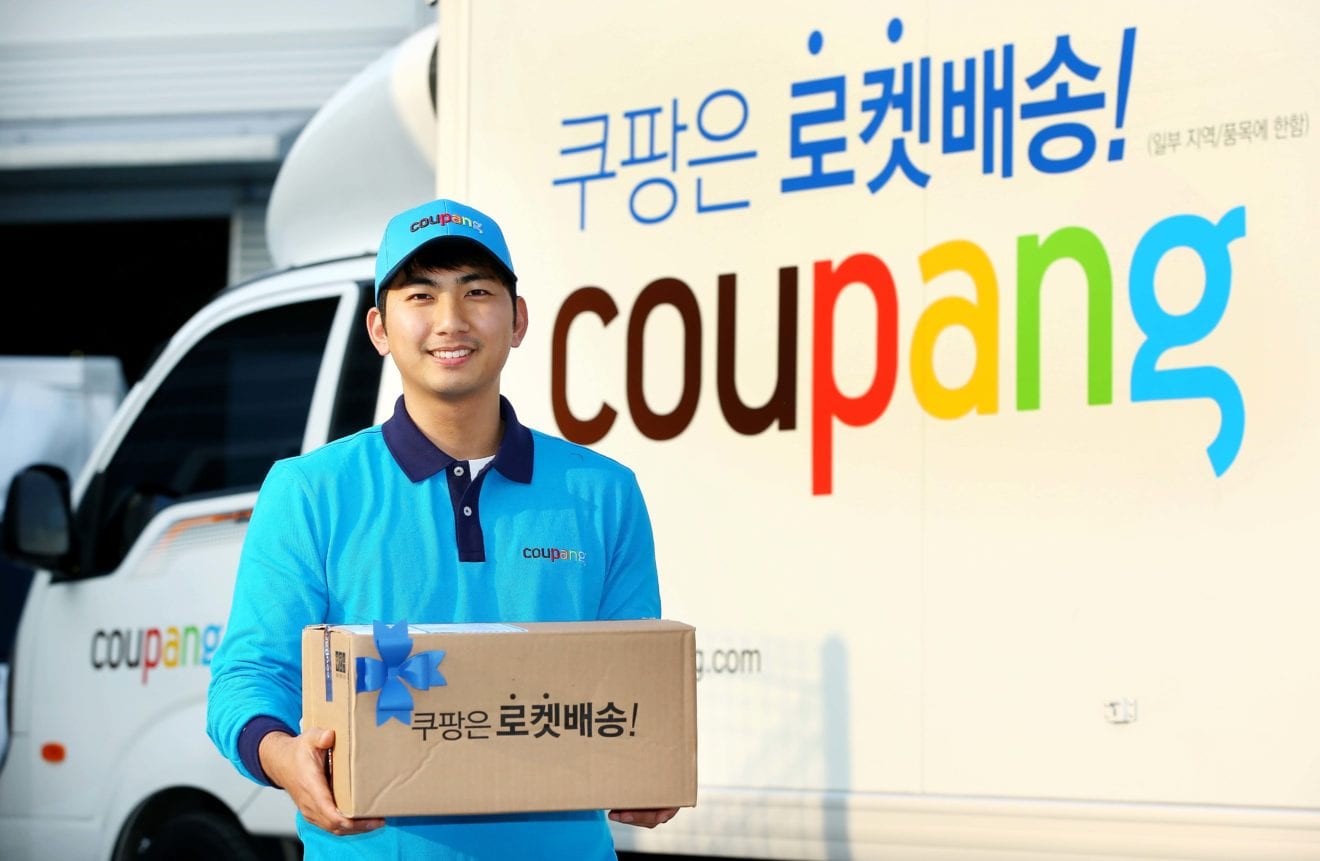
    South Korea’s Coupan, the fast-growing e-commerce firm, will receive an investment of US$2 billion from the SoftBank Vision Fund. The funding follows SoftBank Group’s initial investment of $1 billion in June 2015. The new round of capital will enable Coupang to continue investing in consumer-first technologies.

    Lydia Jett, partner at SoftBank Investment Advisers and a Coupang board member, said the company Coupang wants to have “a revolutionary technology platform and uncompromising focus on customer delight”.

    “We believe the company is well-positioned to lead the Korean e-commerce market, with significant platform opportunities ahead given its data, payments and logistics advantage.”

    With revenue more than doubling in the last two years and approaching $5 billion this year, Coupang is Korea’s largest online retailer with more than 120 million items for sale and 4 million available for guaranteed one-day delivery.

    Millions of customers buy from Coupang more than 50 times per year, and one in every two Koreans has downloaded Coupang’s mobile application.

    Coupang CEO Bom Kim said: “At Coupang, we are obsessed with making customers’ lives easier.

    We’re excited to continue our partnership with SoftBank. We are confident this investment will allow us to leverage the platforms we have created in logistics, payments, and data to make e-commerce and other innovations even more indispensable to our customers.”

  • Uno Chicago Bar & Grill to opens stores in India

    Uno Chicago Bar & Grill to opens stores in India

    Ambuja Neotia Group’s hospitality vertical has recently introduced globally recognized American casual dining chain, Uno Chicago Bar & Grill in India through franchise route. The first outlet has opened at Gardens Galleria Mall, Noida.

    Harshavardhan Neotia, Chairman of the Ambuja Neotia Group says, “We feel that the Indian consumer is a well-travelled consumer who has an acquired taste to world cuisine. The Indian market is yet untapped with immense potential and it is an exciting time to enter India.”

    “As an authentic American Bar & Grill concept, the brand is positioned to be a smart casual dining restaurant in India, where people can enjoy a truly American cuisine paired with crafted drinks and entertainment with live performances. Anchored by vibrant culinary heritage, strong craft culture in food and beverages and deeply mindful of wellness, Uno is bringing Deep Dish and New Americana to India. As an ‘Eat-ertainment’ driven casual dining space, it is inclusive and welcoming for all generations – millennial, the young-at-heart and kid. The restaurants will operate as a family style full service restaurant,” he adds.

    Each restaurant in India, which will spread across 2,500-3,000 square feet with the interiors same as of any other Uno Pizzeria & Grill restaurant in the US, will be opened with an approximate capex of Rs 4-5 crore.

    “This year, the brand is opening outlets in region of NCR, Kolkata and Bengaluru. The group has signed a franchise agreement with the food chain to open about 70 outlets across the country over the next seven years spreading across Tier I and II cities,” states Neotia.

    The brand is planning to open 12-15 outlets in the next 3 years with estimated investments upwards of Rs 60 crore.

    Tracing Brands’ History

    Uno Chicago Bar & Grill’s entry in India also coincides with its 75 years of successful global operations. Globally, the brand is recognized for its fun and welcoming Chicago inspired environment. The dining experience is relaxed, casual and family friendly as the brand places great emphasis on hospitality and service. The brand is synonymous with pizza but the menu extends to pastas, grills, salads, burgers, sandwiches and special curated menus. The chain also gives special emphasis to bar and alcohol offerings.

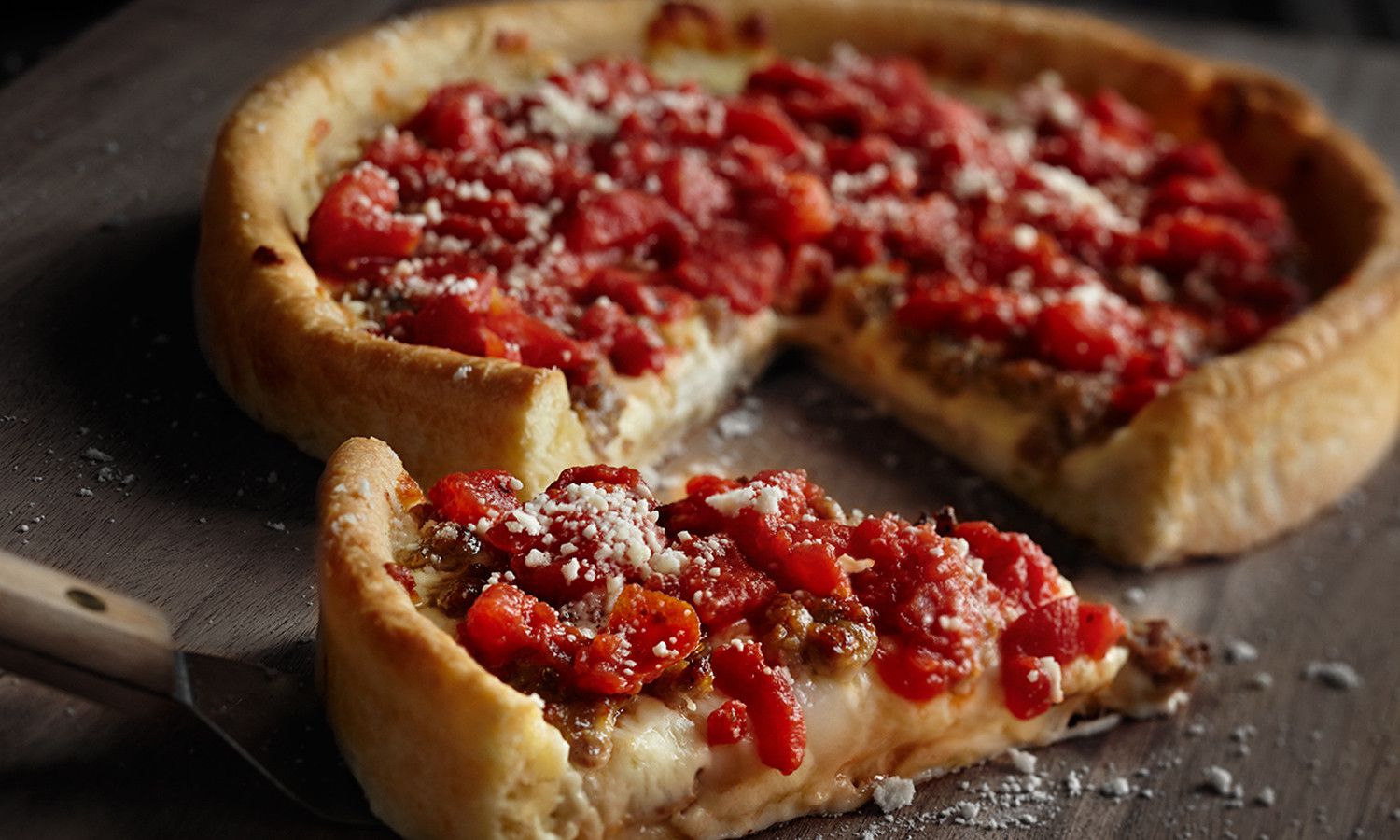
    Famous for inventing Deep Dish Pizza in 1943, Uno’s mission is to deliver big, bold flavors, rich, rewarding experiences and unbelievably delicious pizza and a range of other delectable menu creations.

    According to Neotia, “The UNO story began in Chicago in 1943 when Ike Sewell developed deep-dish pizza and opened a new type of restaurant at the corner of Ohio and Wabash. It was here that Ike served a pizza unlike any that had been served before. He figured that if some of Italy’s old, authentic recipes with impressive quantities of the finest meats, fresh cheeses, ripe vegetables and flavourful spices is combined with pizza, it could become a hearty meal. That was the start of an American tradition – the Chicago Deep Dish Pizza. Today, 75 years later, UNO continues to be undisputed creators of original Deep Dish Pizza, bringing its legacy to India.”

    The Boston, Massachusetts-based brand has 110 company-owned and franchised restaurants located in 21 states of the US. Apart from this, the brand has international presence through franchise outlets in the District of Columbia, the United Arab Emirates, Honduras and Saudi Arabia.
  • UOB: Malaysia’s GDP to grow at 4.8% for 2018, 2019

    UOB: Malaysia’s GDP to grow at 4.8% for 2018, 2019

    Malaysia’s gross domestic product (GDP) growth is expected to remain stable and expand at 4.8% for the full year of 2018 and 2019. UOB Malaysia’s senior economist, Julia Goh said the 2019 forecast has been revised from the 5% projection made earlier, to 4.8% after taking into account the potential impacts from the US-China trade tensions.

    Goh noted that while Malaysia’s economy is not immune to external headwinds such as the trade tensions between the two economic giants, rising US interest rates and commodity prices—Malaysia could certainly find support from its robust domestic private consumption and investment.

    The ringgit is expected to stand at RM4.22 against the Greenback next year on the back of external factors such as the strength of the dollar, crude oil prices and the direction of the renminbi.

    Inflation rate for 2018 is expected to be 1.2% and 2% in 2019.

    “I think it is actually slightly lower than the government’s official forecast. I think the main support for inflation is we are seeing resilient spending even with the reintroduction of the Sales and Service Tax, we did not see any significant effect on the consumer price index,” she said.

    Key risk for inflation I think (will be) in the second quarter of next year where the government announced that they want to float oil prices,” she added.

  • Hong Kong’s Most Under-the-Radar Billionaire: Calvin Lo

    Hong Kong’s Most Under-the-Radar Billionaire: Calvin Lo

    While Jack Ma and Li Ka Shing can’t avoid the spotlight, other fantastically rich people do manage to slip under the general public’s radar, often because they built their wealth through privately held companies and keeping it off public records. Take how the extra-secretive Lo family in Hong Kong keep a low profile.

    The largest independent life insurance broker, R.E. Lee International, is still 100% privately owned by the Lo family. Unlike Ma, who must disclose his Alibaba stock holdings in public filings, Los’ under no such obligation.

    The media-shy billionaire Calvin Lo. [source: Apple Daily Hong Kong]

    Calvin Lo, the heir of the family, is the CEO of R.E. Lee International, a life insurance brokerage providing estate planning and business succession services for ultra high net-worth individuals and businesses. It’s estimated that his group places $1 billion of premiums annually. Under Lo, the company formed R.E. Lee Capital providing wealth management and advisory services with a few billion dollars under management. He is also a successful investor whose massive, far-reaching business has its fingers in industries as diverse as pulp and paper, real estate and wineries.

    Forbes estimates Lo’s personal net worth to be $1.7 billion, making him one of the wealthiest people in Asia, yet he chooses to lead a private life and has never appeared on any wealth ranking. This can be pretty common. A desire for security and a life free from the pestering of luxury retail companies and philanthropic organizations are motivations for keeping extreme wealth under wraps.

    Despite managing to stay virtually unnoticed by the rest of the world, even media-shy billionaires will occasionally surface in the public eye. It was only when the Hong Kong media uncovered Lo’s visit to Champagne, France, earlier this year that the world start noticing him. It turns out that Lo is Asia’s biggest purchaser and collector of champagne, and his most recent transaction was forking out $230 million for his champagne collection.

    Led by his bodyguard, Lo made an appearance at the VIP area of a French winery. [source: Oriental Daily]

    Other than being in the ultra exclusive billionaire club, Lo and Ma does share something else in common: they both keep a residence in Hong Kong’s most prestigious address. Every city has that neighborhood, an address that signifies wealth. New York City has Fifth Avenue, London has Kensington, and Miami has South Beach. Hong Kong has The Peak, a neighborhood that has been synonymous with prestige, luxury, and exclusivity since the colonial era. It’s the kind of neighborhood that consistently breaks records for the most expensive real estate in the world. Lo’s mansion is estimated to be worth $70 million, not a small amount by any stretch of the imagination.

    Privacy and security are definitely important when you’re this rich and successful.  Unlike entertainment celebrities, billionaires like Lo simply like to keep a low profile and are not recognised in public except by people who either are familiar with their industry or who know them personally.

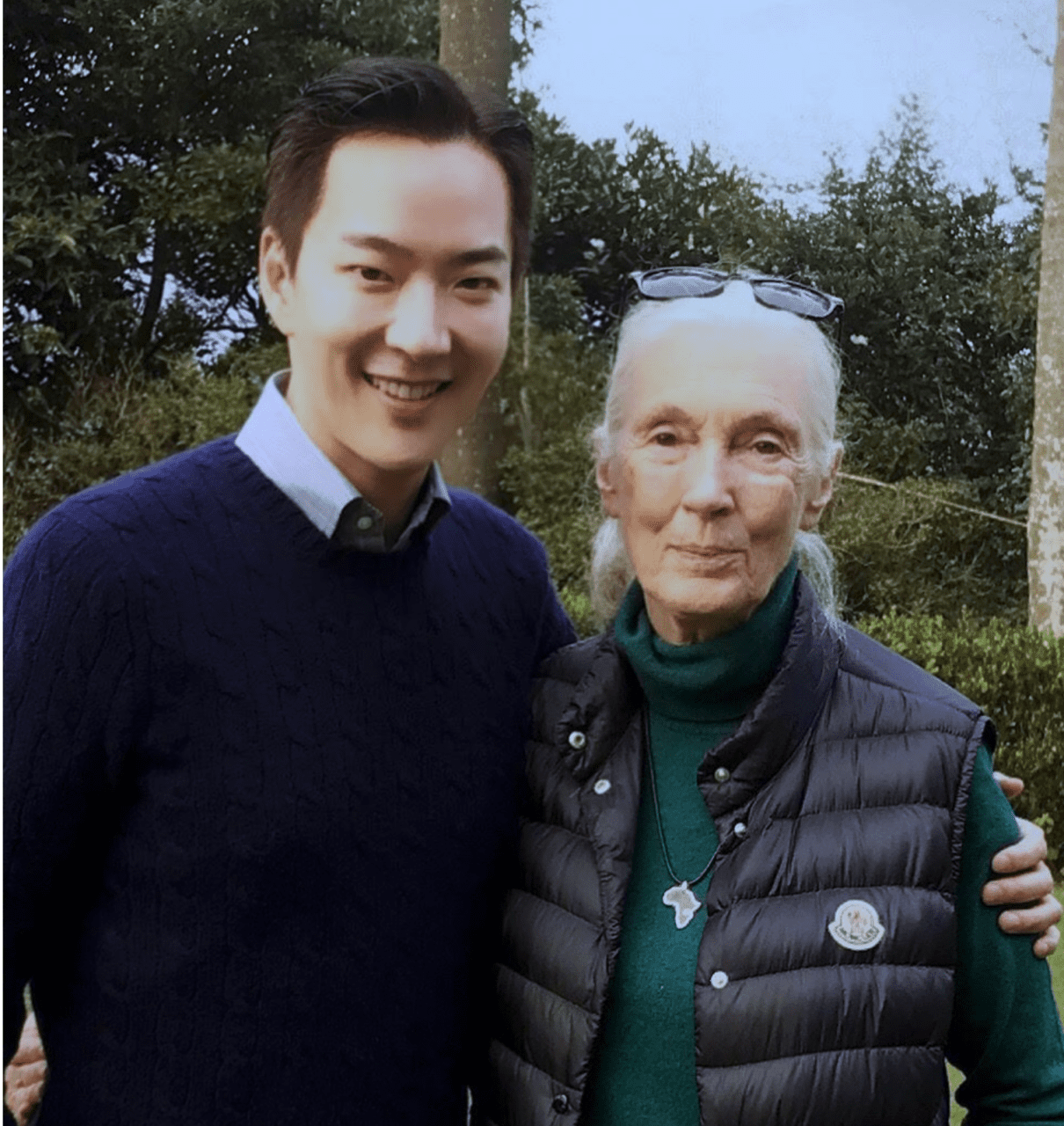
    While not brokering deals or buying up chateaus, Lo spends his time with the world renowned primatologist Dr. Jane Goodall to promote the wellbeing of animals, the community and environment. Public filings show that Lo sits on the Jane Goodall Institute board.

    Lo have been good friends with Dr. Jane Goodall since 2004 and supports her cause passionately. [source: Apple Daily Hong Kong]

    Lo’s determination to preserve his privacy while simultaneously emblazoning the NGO he supports with his name (and money) is just one of the many contradictions that make this hidden billionaire fascinating.

    Lo is a hypercar collector and owns the rare Pagani Huayra BC. Pictured here in Vancouver. [source: Ming Pao Hong Kong]

    This article originally appeared on www.entrepreneur.com/article/322745

  • AlipayHK Appointed QR Code Payment Solution Vendor of MTR

    AlipayHK Appointed QR Code Payment Solution Vendor of MTR

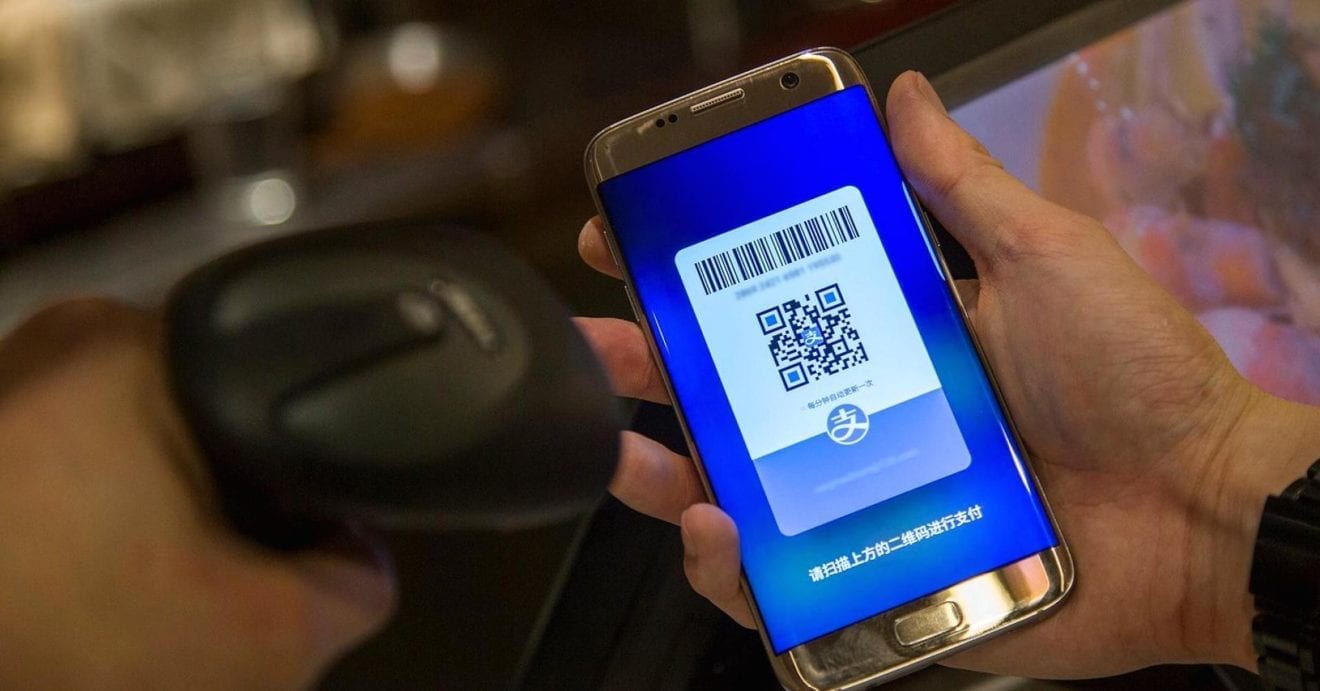
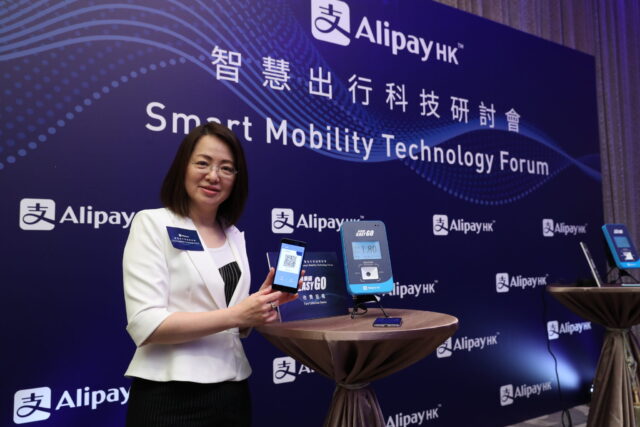
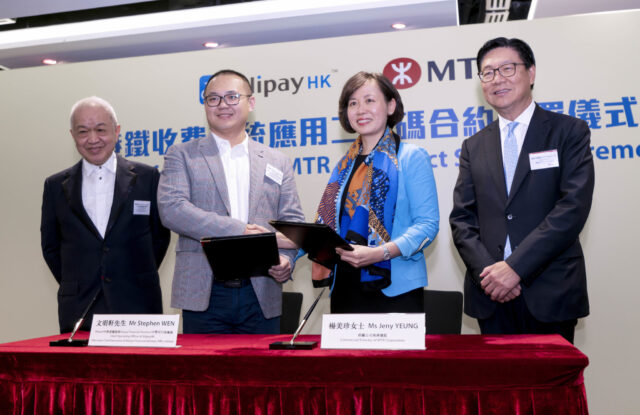
    AlipayHK users will be able to take the MTR by simply tapping their mobile phones at ticket gates at MTR stations starting from mid 2020 as the mobile payment service provider stood out from the many bidding participants and was appointed the QR Code payment solution vendor of MTR on Thursday last week.

    The QR Code solution provided by AlipayHK allows passengers to scan a code in under 0.4 seconds at ticket gates. Furthermore, the QR Code solution will support dual offline solution, so even if internet service is poor or lacking, transactions can be completed to ensure smooth journeys. The plan is to launch the QR Code payment system across  91 MTR stations in 2020. Citizens throughout Hong Kong will be able to enjoy Smart Mobility when commuting on MTR.

    AlipayHK focuses on fulfilling Hong Kong citizens’ needs in shopping, dining, living, and commuting. After its launch into the taxi industry and of the EasyGo technology,, it makes history by hitting another milestone. As Hong Kong people’s number one choice of transport, MTR caters roughly 5.8 million passengers trips every work day. In light of the high volume of passengers, MTR will introduce QR Code as an additional method of payment for passengers.

    Jennifer Tan, CEO of Alipay Payment Service (HK) Limited (APSHK) expressed: “After our collaboration with minibus operators, AlipayHK is thrilled to have won the bid in being MTR’s QR Code payment system provider. Not only is this a recognition in AlipayHK’s technological stability, we feel confident QR Code transit technology will be successfully expanded into more aspects. Commuting via QR Code is the trend for the future. Aside from gradually merging with Hong Kong’s public transports, we will also be exploring smart mobility in outbound travels by entering the most popular travel destinations of Hong Kong people, driving smart mobility across Hong Kong.”

  • Deliveroo Unveils New Tools to Help Restaurants Grow

    Deliveroo Unveils New Tools to Help Restaurants Grow

    Deliveroo today announced the Hong Kong launch of two new tools for its restaurant partners – Restaurant Home, an online portal which will provide data and insights on how restaurants’ delivery services perform, and Marketer, a key part of Restaurant Home, which will enable restaurants to upload and tailor promotions.

    Restaurants that partner with Deliveroo on average see their revenue increase by up to 30% and the company anticipates that the newly launched tools will see these figures increase even further.

    Brian Lo, General Manager of Deliveroo Hong Kong, said, “Innovation is in our blood and we are always on the lookout for new ways to support our riders, our partner restaurants, and the hungry people who depend on Deliveroo for a great meal delivered fast. The new tools now available in the Deliveroo arsenal will help our restaurant partners to improve their offerings and drive new efficiencies and profits, in turn benefitting our riders and end customers.”

    Restaurant Home

    Through Restaurant Home, Deliveroo will offer the following data insights:

    Delivered orders, to increase delivered orders

    • Shows the total number of delivered orders and the percentage change over a time period

    Prep time, to speed up delivery times

    • Shows the average time between order acceptance and rider pickup
    • Shows the percentage change in prep time over a time period as well as competitors’ average prep time in a local area

    Order ratings, to improve overall service

    • Shows a line graph of the average customer order rating per day over a time period, as well as how this compares to competitors in a local area

    Nick Lo, owner of Hong Kong restaurant So Far So Good (蘇花餐室), said, “Restaurant Home is another example of Deliveroo’s constant innovation. I’m excited to engage with this tool more, using the data analytics and insights provided to optimise my menu and my business.”

    Marketer

    Part of Restaurant Home, this function allows restaurants to set up their own marketing offers to consumers on the Deliveroo app. Restaurants are asking for more control of their businesses and Deliveroo has listened to this, offering insights gleaned from Restaurant Home to help restaurants tailor different promotions to customers.

    Ms Thi Hang, owner of Bun Cha Vietnamese, said, “The new Restaurant Home tool from Deliveroo gives me real time updates on key business metrics – I’m always logged in. I’m now also able to put up my own discounts, so I have more control over my ability to attract new customers and my visibility on the app.”

    Wider support to restaurants

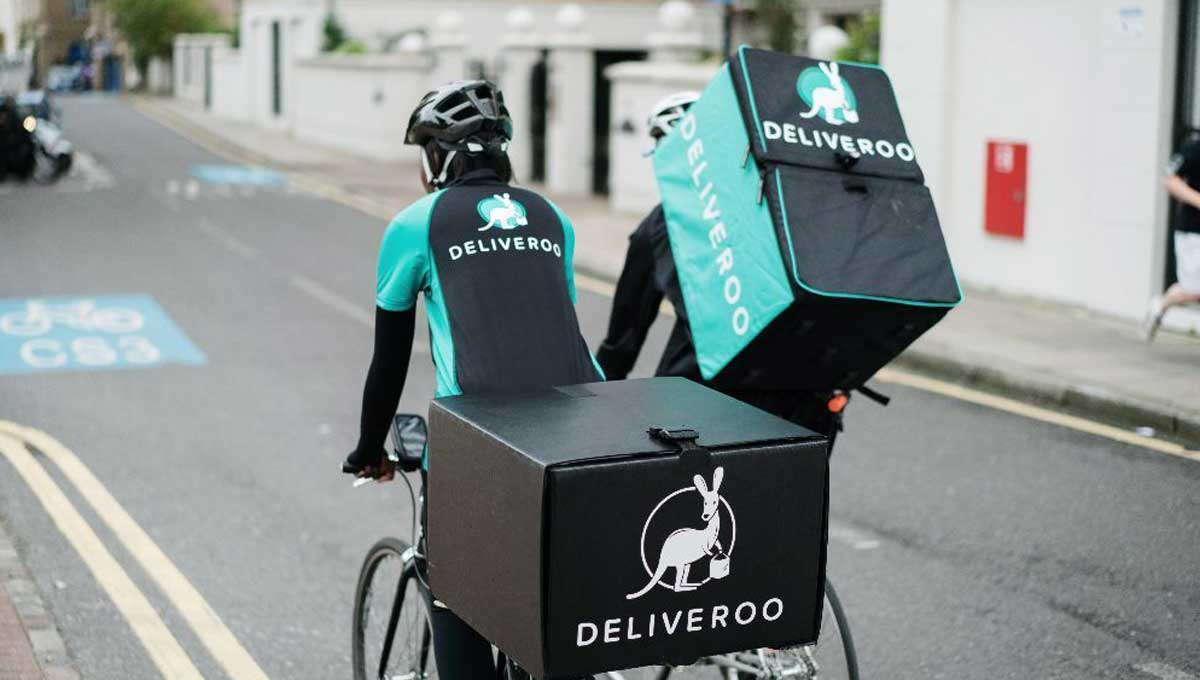
    Restaurant Home and Marketer are the latest in a long line of measures Deliveroo offers restaurants to support their businesses. Working with 3,500 restaurants in Hong Kong via a team of more than 2,000 riders, Deliveroo is now serving delicious and convenient meals to people in 16 out of 18 of the city’s districts. In the past 6 months, Deliveroo has a 20% growth in riders and an 18% growth in the business as a whole.

    • Deliveroo helps restaurants create ‘Virtual Brands’ to diversify their offerings. Creating virtual restaurants allows existing restaurants to increase revenue by offering new or complementary cuisines from their current kitchen, but under new branding. A virtual brand appears as a separate restaurant with a new identity on Deliveroo.
    • Deliveroo offers ‘Editions’ delivery-only kitchens. Restaurants are able to expand without needing a physical presence in the area, enabling them to reach new customers. Deliveroo provides unique data and insights that allow them to tailor concepts and menu items to the area’s needs and preferences, leading to increases in sales of up to 400% in some cases.
    • Deliveroo stays on top of the trends so that restaurants understand where consumer demands are and where they’re headed next. For example, Deliveroo recently found that the most popular cuisine categories in Hong Kong are local Hong Kong food, Shanghainese, Vietnamese and Italian.
    • Wider support: Deliveroo is available to support restaurants with insights and direction on marketing and social media; menu design; photography; tailored customer acquisition and retention strategies.
    • Partnership opportunities, for example Deliveroo for Business offers a hotel room service so that hospitality groups can provide even more comfort and convenience to their guests.
  • CapitaLand Singapore launched annual My Schoolbag programme

    CapitaLand Singapore launched annual My Schoolbag programme

    This season of giving, CapitaLand is rallying its employees, tenants and shoppers to give back to the community through a series of charity events and fundraisers across its Singapore properties. Through these events, CapitaLand targets to contribute up to S$166,000 towards various charity organisations to build an inclusive and caring society.

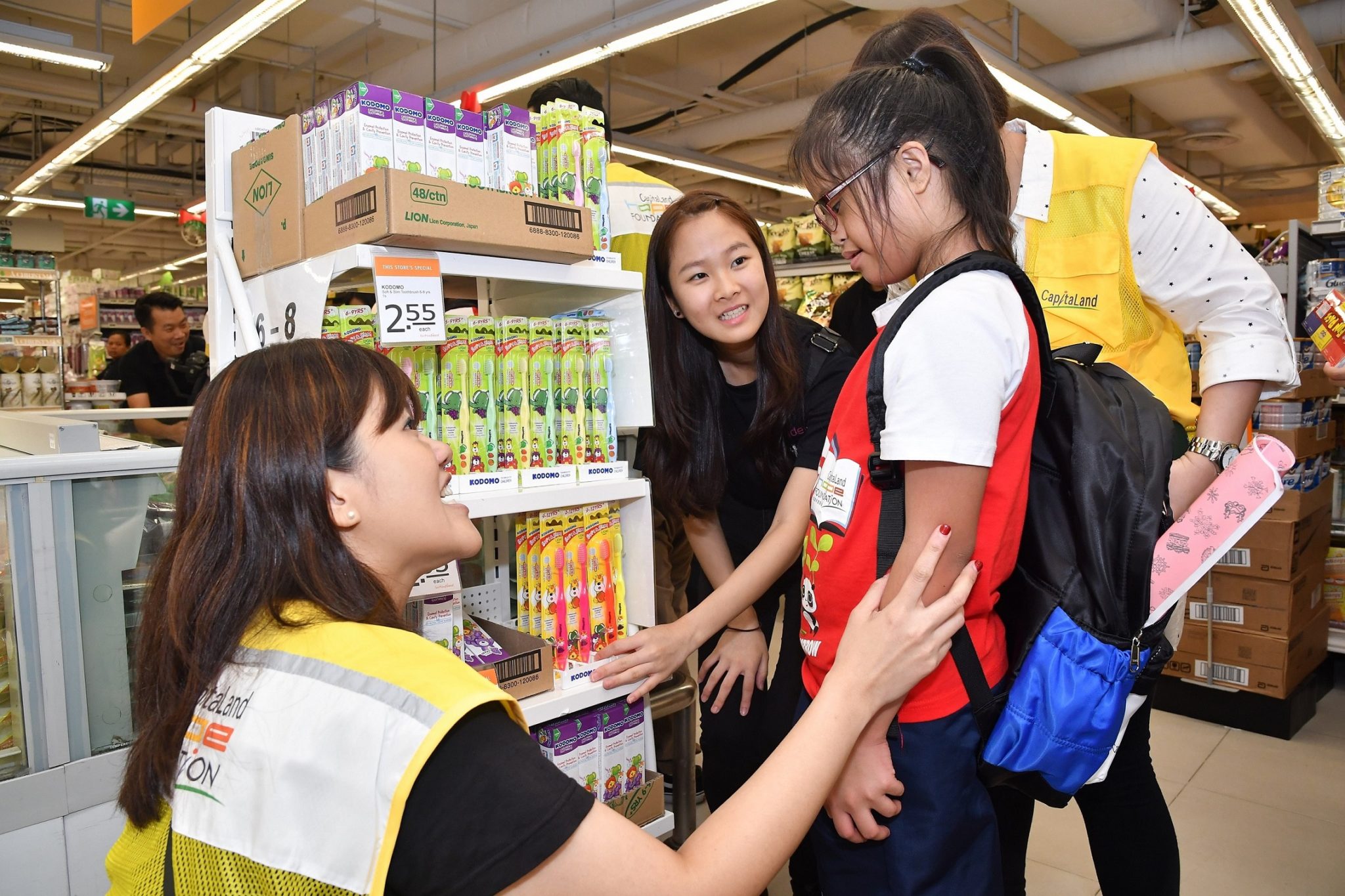
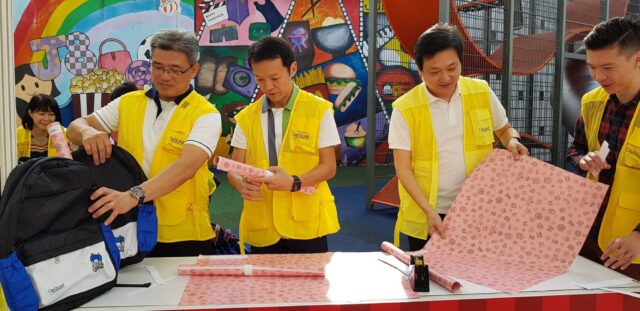
    Taking place at Junction 8 was CapitaLand’s annual My Schoolbag programme supported by CapitaLand Hope Foundation (CHF), the philanthropic arm of CapitaLand. Each of the 183 children beneficiaries – including students from the Movement for the Intellectually Disabled of Singapore (MINDS) and the Association for Persons with Special Needs (APSN) – received a new school bag, as well as school and daily necessities worth S$150. Accompanied by over 170 CapitaLand staff volunteers, the young beneficiaries went through a simulated shopping experience while picking up tips about prudent spending. Through an educational skit, they also learnt the importance of saving for the future, reducing food waste and leading a healthy lifestyle.

    The children beneficiaries at Junction 8 this morning were among the first in Singapore to get their hands on CapitaLand’s popular year-end gift wrappers. This year’s design features carnival-inspired motifs drawn by Mr Jovan Neo, a 19-year-old special needs artist from The Art Faculty, a platform that promotes the abilities of people with autism and related challenges. The design of the gift wrappers resonates with the carnival-themed décor that CapitaLand malls across Singapore are decked out to mark the festive season. Shoppers can redeem the special edition gift wrappers at participating CapitaLand malls from 16 November 2018.

    Mr Tan Seng Chai, Group Chief People Officer of CapitaLand Group and Executive Director for CapitaLand Hope Foundation, said: “From developing inclusive and accessible buildings to our philanthropic activities, CapitaLand firmly believes in fostering an inclusive community through our actions. We leverage our real estate network and tap on the strong spirit of volunteerism within CapitaLand to build a more caring Singapore. For the second consecutive year, our staff volunteers will interact and guide special needs students. This year, we are engaging beneficiaries from MINDS and APSN in CapitaLand’s My Schoolbag programme, which supports the educational needs of the underprivileged children in our shared communities. We are also supporting The Art Faculty and showcasing the talent of special needs artist Jovan Neo through our malls’ gift wrappers.”

    Mr Wilson Tan, CEO of CapitaLand Retail, said: “We are delighted to leverage CapitaLand’s unique advantage as Singapore’s largest mall operator in galvanising our employees, tenants, and shoppers to do good. CapitaLand’s centrally-located and well-connected malls are magnets for crowds and are especially popular with shoppers during the festive season. They are thus well-positioned to amplify the fundraising initiatives of charity organisations. This season of giving, CapitaLand Retail is pleased to work with CHF and partners to support and promote a variety of meaningful causes across our malls. Through these efforts, we hope to provide a meaningful retail experience for our shoppers and to do our part in fostering a more caring, compassionate and inclusive society in Singapore.”

    Examples of giving activities at CapitaLand properties include CapitaLand Giving Marketplace at Raffles City Singapore on 27 November, where charities and social enterprises are offered space to promote their merchandise and volunteer opportunities to the public. For every transaction at the CapitaLand Giving Marketplace, CHF will donate S$6 to the participating charities. Over at Plaza Singapura, shoppers can donate any amount they wish for the giftwrapping service provided by volunteers from Blossom World Society from 12 December to 23 December. At Bedok Mall, shoppers take home one mini plant for every S$10 contribution, which will be matched dollar-for-dollar by CHF, to benefit MINDS and Very Special Arts (VSA) Singapore.

  • DHL plugs in to Shopify Singapore to enable simpler worldwide shipping

    DHL plugs in to Shopify Singapore to enable simpler worldwide shipping

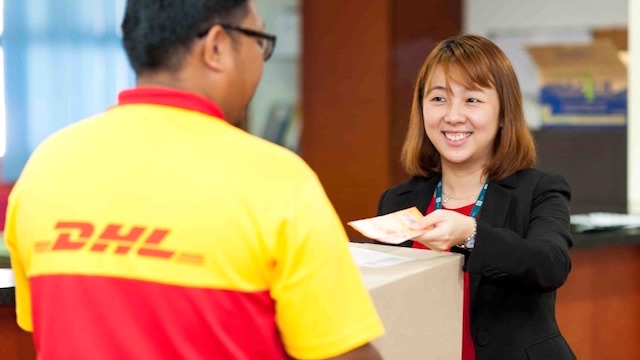
    DHL eCommerce, a division of the world’s leading logistics company, Deutsche Post DHL Group, is working with Shopify, a leading e-commerce platform, to enable Singapore-based merchants to easily ship to their customers worldwide through a seamless plugin on a single platform. All new Singapore-based businesses built with Shopify will also enjoy special promotions for cross border shipping with DHL. Currently over 60% of Singapore-based merchants sell and ship their products internationally through the Shopify platform, and with the cross-border e-commerce opportunity continuing to grow, the DHL eCommerce plugin will make it even easier for merchants to ship their goods internationally.

    “Cross border e-commerce continues to grow exponentially and this is apparent from the borderless buying behavior of online shoppers. 70% of online buyers made a purchase from a foreign site in 2017, up 6% from the year before and this trend is expected to continue.  To deliver to buyers across borders, sellers need simple and seamless shipping solutions to manage their orders and deliver to their customers worldwide. By building tools for global shippers on Shopify, we’re making it easy to satisfy this exact requirement,” said Senthil Kumar, Managing Director, DHL eCommerce Singapore.

    Integrating different online systems can be complex, especially for sellers who sell online across multiple sales channels. By hosting their e-commerce stores on platforms such as Shopify, sellers have access to a wide array of plugins to connect the dots from click to delivery.

    Improved visibility in delivery helps to greatly enhance the entire customer experience. With DHL eCommerce shipping plugin available on Shopify, shippers can easily ship internationally by processing shipments on a single platform, from printing labels to generating tracking reference codes to enable shipment visibility for their customers — virtually automating the shipping process.

    “Shopify understands the dynamics of e-commerce, where requirements of sellers and buyers are evolving faster than ever. To ensure our merchants are keeping pace, we are working with DHL, a key driver of the global e-commerce ecosystem. The DHL eCommerce plugin, combined with the special rates for new Shopify merchants, will help retailers and brands on our platform ship with ease so they can devote more time to selling,” said Arun Verma, Country Manager, Shopify Singapore.

    DHL eCommerce is part of Deutsche Post DHL Group and, along with its sister divisions DHL Express, DHL Supply Chain and DHL Global Forwarding, DHL has been operating in Singapore since 1970, offering end-to-end solutions for the e-commerce sector.

  • Visa and GARMIN launch GARMIN Pay in Thailand

    Visa and GARMIN launch GARMIN Pay in Thailand

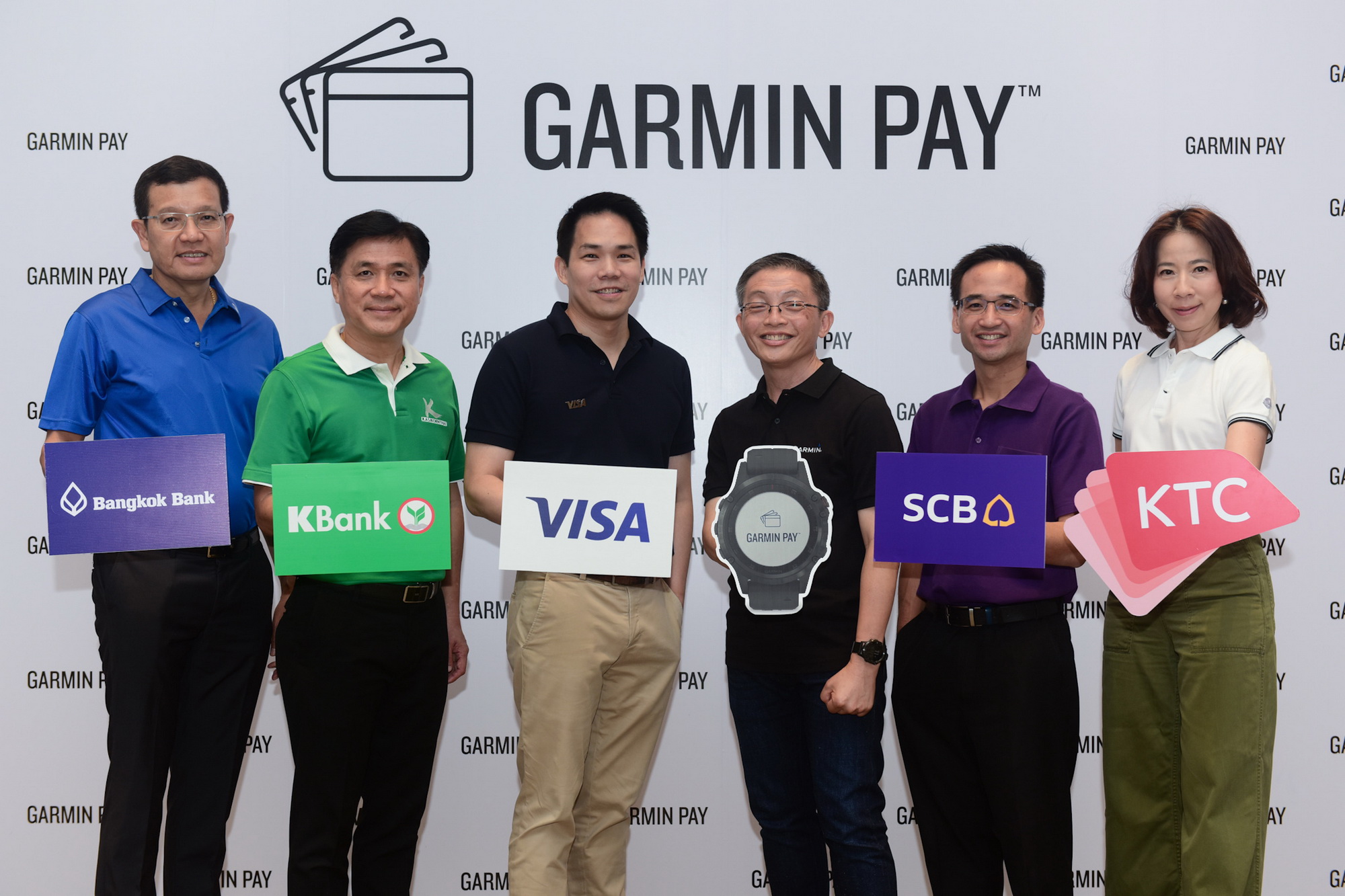
    Visa, the world’s leader in digital payments and GARMIN, in partnership with leading financial institutions, announced the launch of GARMIN Pay, a new contactless payment feature on GARMIN smartwatches. Starting 15 November, customers of Kasikornbank, Krungthai Card and Siam Commercial Bank can add their Visa credit or debit card to their GARMIN smartwatches, while Bangkok Bank is in line to launch by first quarter 2019.  The feature offers a new cashless experience, where purchases can be made seamlessly at growing contactless-accepted merchant locations. The emergence of payment innovation and technology mark yet another milestone helping to transform Thailand into a less-cash society.

    Mr. Suripong Tantiyanon, Visa Country Manager for Thailand said: “Visa is pleased to support the launch of Garmin Pay, bringing Visa contactless payments to Garmin smartwatches in Thailand.  Visa believes payments wearables are the future of fast, simple and secure payments, for people who lead an active lifestyle. According to Visa’s “sweaty money” survey, 57 percent of people who bring cash or a payment.

    card along on their workouts are stashing it somewhere uncomfortable and inconvenient. Garmin Pay will be a welcome solution for anyone looking for an effortless way to pay while on the go.  This launch is another milestone in Visa’s commitment to continue providing payment innovations and experiences across a wide range of form factors to consumers in Thailand.”

    Mr. Krairop Luang U-Thai, General Manager of GIS, the authorized distributor of GARMIN products in Thailand said: “GARMIN Pay is the latest feature on the GARMIN smartwatch.  Select the credit card you want to connect to the watch and create the GARMIN Pay Wallet by filling in the card information on the GARMIN Connect application along with your passcode. All customers then have to do is place their wrist near a card reader that supports contactless payments to purchase goods and services.  GARMIN Pay uses tokenization offered by the global payment networks to secure users’ information. The tokenized data is saved in an isolated safety chip which is in device, so to keep sensitive data from malware or virus. In addition to Thailand, GARMIN Pay is also currently available in 22 countries around the world.”.

    GARMIN Pay is available on vivoactive 3 series, forerunner 645 series, fenix 5 plus series. Check back for future additions and more information about GARMIN Pay, visit Garmin.co.th/Garmin-Pay


  • Farfetch poised to top $1 Billion in gross merchandise value

    Farfetch poised to top $1 Billion in gross merchandise value

    Online luxury group Farfetch said gross merchandise value through its site surged 53% in the third quarter to $310 million, resulting in revenues for the British company to total $132.32 million. The London-based marketplace upgraded its outlook for future growth saying it expects value merchandise revenues to be higher than the company’s previous estimates in the fourth quarter.

    For the three months to September 30, adjusted earnings before income, taxes, depreciation and amortisation registered a $32.3 million loss, meaning the company is yet to hit profitability.

    At the same time, the company reported 1.2 million active customers in the third quarter, up 42 percent.

    Average spending per order fell to $585, from $605 a year earlier, said the company, on the back of a stronger dollar and a free-shipping promotion.

    The results follow Farfetch’s IPO in September, which saw shares soar above $30 in the days after its debut, a more than 50% gain on the initial offer price.

    Farfetch has proven a popular choice for global luxury brands and retailers, as more and more houses continue to sign on to sell through the site.

    Most recently, new additions include Moschino, Victoria Beckham and Tory Burch, as well as streetwear offerings such as Stadium Goods, which sits inside the hub devoted to sneakers.

    Farfetch has also started selling jewellery and added its first department store to its portfolio, Harvey Nichols.

    Looking ahead, Farfetch raised its outlook for fourth-quarter sales on its marketplace, to be between $435 million and $445 million.

    Currently, Farfetch’s marketplace offers luxury products from over 1,000 vendors across 48 countries.

  • GAP sales report slumps in Q3

    GAP sales report slumps in Q3

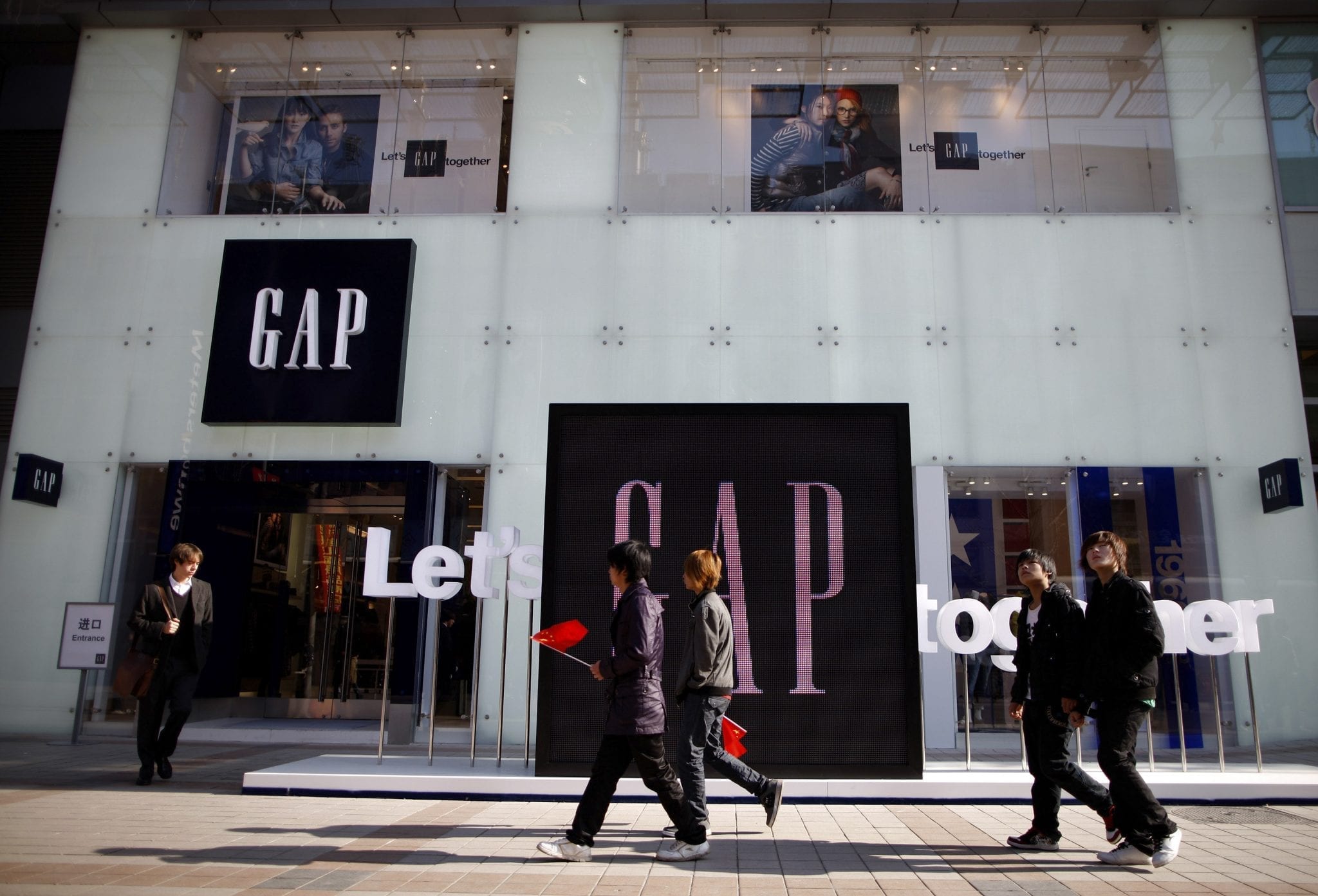
    Gap brand sales fell 7 per cent globally in the last quarter as the US apparel retailer fails to re-engage consumers.

    However Gap Inc increased its overall sales by 6.5 per cent to US$4.09 billion on the back of solid growth in its Old Navy business and a modest 2 per cent improvement of the more upmarket Banana Republic banner. Net income rose to $266 million, up $37 million year on year.

    “Old Navy is doing all of the heavy lifting while the Gap brand languishes,” observed retail analyst Neil Saunders, MD of GlobalData Retail.

    “When it comes to Gap the numbers are particularly bad. Despite protestations from management that improvements to the range and inventory are coming through, we do not buy the story of recovery. Gap’s brand image is still lacklustre and it is not bringing anything new or exciting to the market. Products are still samey and boring and they are still being discounted because Gap is unable to sell them at full price.”

    Saunders said the sales results testify to the deep-seated problems at the Gap brand – especially when they are delivered against the backdrop of a robust consumer economy in which people are spending more on clothing than they have done for many years.

    “Our consumer data still shows that shoppers see Gap as bland and increasingly irrelevant in the apparel space. This is not healthy and it underlines the fact that Gap still has an enormous amount of work to do before it can even start down the road to recovery.”

    In contrast, Old Navy’s fashion edits and the brand’s ability to put out well-curated collections are attracting the attention and spend of family shoppers.

    “The strong economy is giving consumers a little more money to spend and we believe that Old Navy is benefitting from this as consumers buy more treats for themselves and their families. The strength of Old Navy’s brand is evidenced by the fact that all categories and channels have benefitted from growth.”

    Gap Inc will end the year with a net gain of about 70 new stores, including outlets in Canada and Mexico, where the brand continues to perform well.

    Banana Republic turns a corner

    Meanwhile, Banana Republic achieved a 9.2 per cent uplift in US sales due to store openings and a 2 per cent increase in comp sales.

    “The work to re-engineer the brand is paying off,” said Saunders. “Fall and winter collections were stronger than they have been for many years and there is now more cohesion between marketing and assortments. While the recovery remains in its early phases, Banana Republic is moving in the right direction.”

    Overall, said Saunders, despite poor Gap brand sales figures, the business is in a reasonable state. “However, the ongoing issues at the Gap brand are raining on what would otherwise be a sunny parade.”

  • BigBasket India eyes 40 pc revenue from private labels next fiscal

    BigBasket India eyes 40 pc revenue from private labels next fiscal

    Chinese retail giant Alibaba-backed online grocery player BigBasket that aims to be a billion-dollar company by the next fiscal year, is expecting 40 percent of its projected revenue to come in from its private labels, a top company official has said.

    “Private labels are around 34 per cent of our business now and we plan to scale this to 40 per cent in about a year. The incremental 6 percentage points of revenue will come from non-fruits and vegetables and non-staples,” Hari Menon, Co-founder and Chief Executive, BigBasket said.

    According to a report: The company aims to clock Rs 3,500 crore in sales this fiscal year, up from Rs 2,000 crore last year.

    He added that the Bengaluru-based company will add a lot of categories to the private labels vertical.

    BigBasket that aims to raise up to US$ 200 million over the next few months, said, the FMCG sales overall (food and non-food) contributes over 50 percent of its business, 30 percent from staples (including 14.5 percent from private labels) and 18 percent from fruits and vegetables.

    It is going to launch beauty as a category in the next few days, with imported products as well, Menon said.

    The company has a presence in 25 cities and plans to launch its operations in Kochi soon.

    “Having gone deeper into the existing consumer base already, which has been our growth driver, we are now planning to get into the upper middle class and middle class segments,” he further said.

    BigBasket, founded in December 2011, claims 10 million subscribers and close to 1 lakh orders per day. The company expects to break even in the 10 large cities by next June.

    BigBasket last month acquired Pune-based RainCan and the Bengaluru-based Morning Cart to deliver milk to 20,000 customers. It has already launched this service in seven cities and expects to roll out to other three cities among the top 10 metros.

    Menon expects the milk delivery business to clock Rs 1,000-crore by next year and plans to grow this business as it will give access to many homes.

    He further said that the company will look at scaling up the fresh meat segment and increase its contribution to 5-6 percent from 1-1.5 percent at present.

    BigBasket has 30 warehouses now and will touch 45 by next year.

  • Korea’s convenience stores to use mobile payments more

    Korea’s convenience stores to use mobile payments more

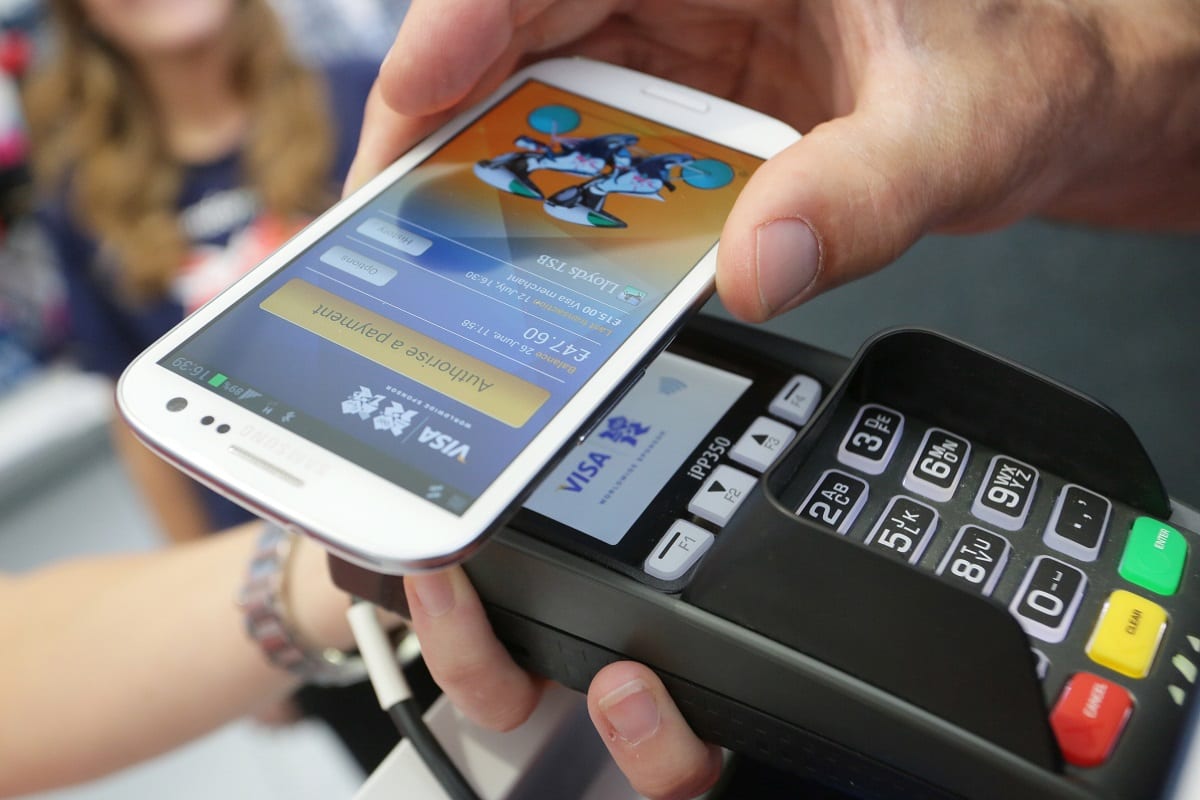
    Mobile payments at South Korean convenience stores have more than doubled this year thanks to the greater use of smartphones and the expansion of mobile settlement services. South Korea’s top convenience store chain CU said the number of so-called easy mobile payments at its outlets soared 121.5 per cent year on year in the first 10 months.

    Convenience chain operators in Asia’s fourth-largest economy adopted the easy mobile payment system in 2011, but the service only started to take off last year.

    The percentage of mobile payments out of total settlements at convenience stores expanded to 3.5 per cent this year, compared with 1.9 per cent last year and just 1 per cent in 2015.

    “The number remains in the single-digit range, but the easy mobile-settlement system has been growing at an exponential pace,” a CU spokesperson said.

    Currently, CU allows customers to use Samsung Electronics’ Samsung Pay and 19 other payment tools at its stores.

    Samsung Pay accounted for 85.5 per cent of CU’s mobile settlements during the January-October period, followed by Kakaopay with 4 per cent and LG Pay with 2.8 per cent.

    Industry sources said retailers in South Korea have been ramping up efforts to develop their own mobile payment platforms as more tech-savvy consumers turn to their smartphones to make mobile payments at South Korean convenience stores.

    Some seven in 10 South Koreans are known to own a smartphone, the fourth-highest smartphone penetration rate in the world.

  • Vietnam’s new oil refineries to quadruple capacity by 2023

    Vietnam’s new oil refineries to quadruple capacity by 2023

    Vietnam’s total oil refining capacity will nearly quadruple by 2023 as two new refineries go on stream, market data provider Fitch Solutions reports. The Dung Quat refinery in the central province of Quang Ngai operated by the state-owned PetroVietnam’s subsidiary Binh Son Refinery Limited (BSR) remains the sole facility now, with a crude oil processing capacity of 148,000 barrels per day (b/d).

    Dung Quat will soon be joined by Nghi Son refinery in the central Thanh Hoa Province. Nghi Son is currently testing at full capacity and is scheduled to start commercial operations this month.

    The $9 billion Nghi Son project is owned by the Nghi Son Refinery and Petrochemical LLC (NSRP), a joint venture between PetroVietnam, Kuwait Petroleum, Japan’s Idemitsu Kosan and Mitsui Chemical. It will have a designed capacity of 200,000 b/d of crude oil.

    Meanwhile, the long-delayed construction of the Long Son refining and petrochemical complex in the southern province of Ba Ria-Vung Tau resumed in February this year, putting it on track to go on stream by the first half of 2023.

    Licensed in 2008 and initially slated to begin operations in 2014, Long Son hit a roadblock due to site clearance issues and disagreements over the development strategy between the project partners.

    This caused Qatar Petroleum to withdraw from the project in 2015. Thailand’s Siam Cement Group (SCG) increased its stake to 71 percent after it bought the 25 percent stake owned by Qatar Petroleum, while PetroVietnam held the remaining 29 percent.

    In May this year SCG agreed to acquire PetroVietnam’s 29 percent. The refinery is expected to cost $5-6 billion. Once completed it will be able to process 200,000 b/d of crude oil and produce 1.6 million tons of olefins annually.

    “The two new refineries would increase competition in the domestic fuel market, which could require refiners to upgrade, cut costs and move up the value chain to win market share,” Fitch Solutions said in a report released Monday.

    This also spells an end to Dung Quat’s status as the country’s sole refiner, which it has enjoyed since 2010.

    New oil refineries to quadruple Vietnam capacity 2023

    Competition from Nghi Son will be stiff as the government has granted a host of incentives to successfully commission its second standalone refinery, including tax concessions, tariff exemption on crude imports from primary feedstock provider Kuwait and an offtake guarantee from PetroVietnam for the first 15 years of operation.

    The Quang Ngai provincial government in early November sought the same incentives for the Dung Quat refinery to ensure “fair competition”.

    BSR is also planning to invest $1.8 billion over the next three years to expand Dung Quat’s capacity by 23,000 b/d and upgrade the quality of its fuels to Euro 5 from the current Euro 2.

    Fitch Solutions said the upgrade would enable Dung Quat to process higher-sulphur crudes, helping reduce its dependence on Vietnamese light, sweet crudes, mostly from the Bach Ho field, which is depleting and thus becoming more expensive.

    Besides the competition between themselves, the refineries also face significant pressure from imports, mostly from South Korea and Southeast Asian countries, which are of higher quality and priced competitively due to free trade agreements, the report noted.

    “Competition is likely to peak in 2024, when tariffs on fuel imports from ASEAN and South Korea are scheduled to be cut to zero. Concerns about mounting competition have also led both Dung Quat and Nghi Son to consider exports to countries like Laos, Cambodia and Indonesia.

    “Vietnam’s improving self-sufficiency in refined fuels would reduce its need for imports, reorienting trade flows from some of its major fuel suppliers to alternative markets.”

    While insufficient to entirely meet domestic demand, this nevertheless would weigh on the market positions of Singapore, Malaysia, South Korea, Thailand and China, which account for nearly 95 percent of Vietnam’s fuel imports, according to Fitch Solutions.

    Malaysia and Thailand have the highest exposure to Vietnam’s fuel market — 11 percent and 16 percent of imports.

    Major international fuel suppliers are also likely to find room for growth in the Vietnamese market increasingly hard to come by as their quality advantage over locally produced fuels dissipates with the ongoing upgrades, the firm added.