Author: Mei Ling Tan

  • What is Black Friday like in the Philippines?

    What is Black Friday like in the Philippines?

    After Singles’ Day, the annual Black Friday shopping frenzy is back. A decades-old tradition celebrated every year the day after Thanksgiving, Black Friday marks the unofficial start of the Christmas shopping season in America.

    Together with its more recent online counterpart Cyber Monday, the sales have become a major global event over the past few years as online shopping has brought the bargains to the rest of the world.

    So what is exactly Black Friday like in emerging developing countries like the Philippines? What are Filipinos consumers’ expectations?

    Large discounts expected
    Customers will not waste the opportunity to save money on shopping.

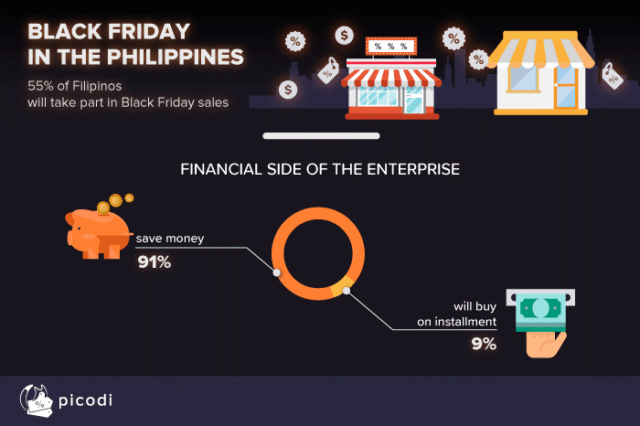
    55% of Filipinos admitted that they’re going to take part in the upcoming Black Friday sales and 91% of shoppers save money prior to Black Friday just to shop on this day.

    Let’s remember that Black Friday sales are usually associated with electronics and housewares which are the best-selling products.

    The remaining 9% declared that they are going to buy on installments.

    38% of consumers are planning to buy 2-3 products, and 36% are going to go on a shopping spree and buy more than 5 items.

    What’s more, 59% of buyers already have an idea what’s going to end up in their baskets. This can be due to the infinite number of guides to what is worth buying and how to find the biggest discounts.

    Black Friday symbolically opens the season of pre-Christmas sales. That is why it is a great opportunity for those who start searching for gifts in advance.

    38% of consumers will take advantage of Black Friday exactly for this purpose—to buy Christmas gifts.

    However, in the Philippines Black Friday is also an occasion to get a present for yourself as it is the intention of 67% of consumers.

    What does an average shopper looks like?
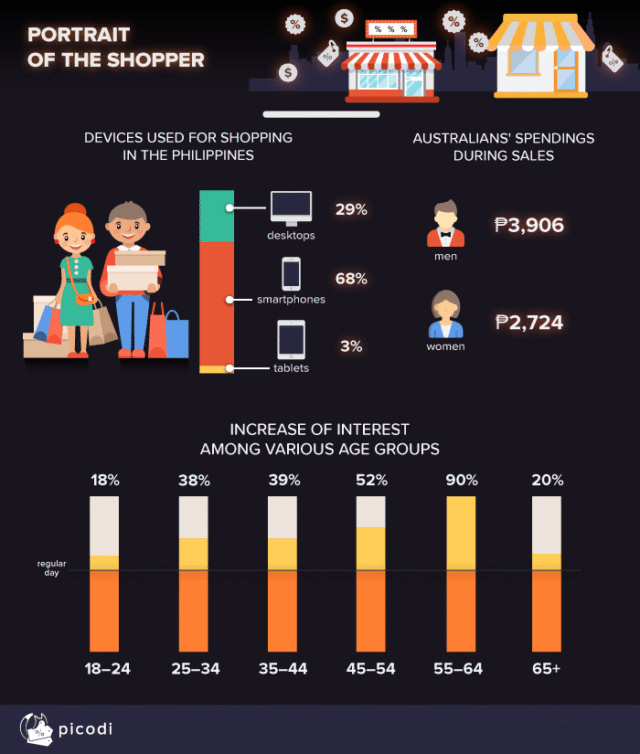
    Spending differences vary by sex. Indeed, an average man will spend more money on sales than an average woman: 3906 PHP and 2724 PHP respectively.

    When it comes to age the biggest interest for Black Friday discounts was among people aged 55-64 and 45-54.

    Statistics also say that mobile devices dominated desktops with 68% of consumers shopping on their mobile phones and 29% on desktops.
  • Tiens Group reveals global expansion plan

    Tiens Group reveals global expansion plan

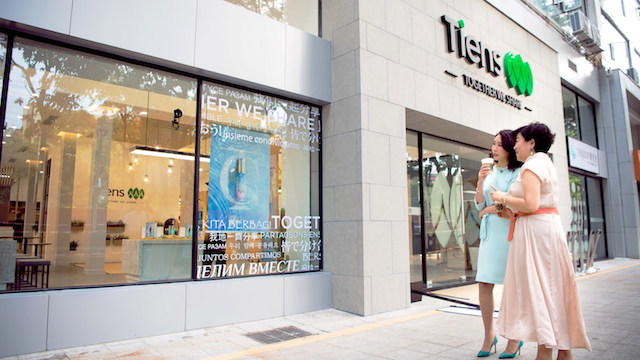
    Chinese healthcare company Tiens Group is eyeing global expansion following the success of its high-tech Shenzhen flagship store which opened in August. According to the firm, the launch was made as a step towards global expansion, featuring a combination of technology-enhanced online and offline consumer experiences such as touch-screen computers and live product demonstrations.

    The brand now plans to establish 110 branches worldwide as part of its broader strategy to create a healthcare system integrating physical retail, e-commerce, Traditional Chinese Medicine and medical facilities, as well as educational, tourism, accommodation and lifestyle experiences.

    Board member and e-commerce GM Chelsea Li said experience marketing is at the cutting edge of business development trends. “We aim to bring our customers an intuitive experience of meticulous care, attentiveness, and beauty.”

    Tiens’ new e-wallet app PointsWin is positioned to play a core role in the firm’s strategy, connecting the business’s blockchain-based customer network. Consumers can currently use the app to make purchases and earn rewards at any business bearing the Tiens banner.

    Tiens Group chairman Li Jinyuan said: “We have always approached development by considering the world from a global perspective. These [target locations] are especially the regions involved in China’s One Belt One Road initiative.”

    The flagship is located in the Tiens International Health Industrial Park in Luohu, Shenzhen.

  • Star at Xiaomi’s store opening in NZ

    Star at Xiaomi’s store opening in NZ

    The electric scooter craze has well and truly hit New Zealand. Within just hours of Chinese electronics giant Xiaomi, or “Mi” as many know it as, opening the doors to its first New Zealand store, the retailer sold more than $250,000 worth of electric scooters.

    In just seven hours it had clocked $257,750 in sales from the e-scooters, which are similar to the popular rentable Lime-branded ones sweeping Auckland and Christchurch.

    About 200 of the scooters priced at $599 were sold online in 30 minutes yesterday, causing the retailer’s website to crash.

    Meanwhile, at Sylvia Park in Mount Wellington, where Mi opened its store, about 1500 people queued – from one side of the mall to the other – waiting in line for a glimpse of the scooter.

    More than 400 Mi electric scooters were sold in-store.

    The scooters are said to now be sold out.

    The Mi e-scooter is popular overseas.

    Mi New Zealand spokesman Eric Chang said he believed the popularity of rentable electric scooters had driven significant demand and interest in consumers wanting their own.

    The scooters have a range of 29km and can travel up to 25km/h.

    Lime scooters were introduced to Auckland and Christchurch streets last month and have proven popular and been in the headlines since.

    Some riders have left a trail of mayhem, and injury claims from electric scooter-induced injuries have soared.

    Between October 14 and 31 there were 69 electric scooter claims lodged with ACC.

    Overseas there have been bans of the scooters and one recorded death. As of today, there has been a global recall of models made by Chinese manufacturer Okai.

    A spokeswoman for Lime said the company was working with the US Consumer Product Safety Commission and other international agencies following reports the scooters made by Okai could break apart while in use.

    Lime said it did not anticipate any disruptions to its service after the recall.

    Lime currently operates in a string of cities across the world, offering e-scooters and bikes for hire, including in Switzerland, Germany, France, Poland, Czech Republic, Spain, Portugal, Mexico, Canada, Austria and United States.

  • Emart’s No Brand to open first overseas store

    Emart’s No Brand to open first overseas store

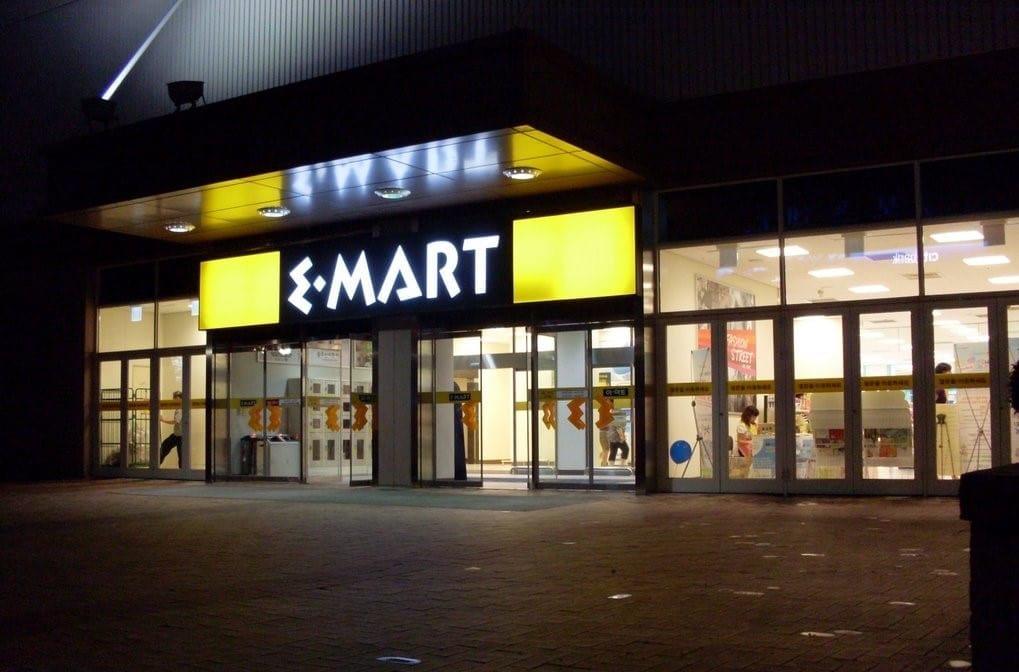
    Emart is taking its No Brand line to the Philippines, the first overseas expansion for the label. The chain announced Monday that it signed a franchise agreement with Robinsons Retail, the No. 2 retail company in the Philippines, to roll out No Brand and Scentence in the country. Both are Emart in-house lines.

    “Under the deal, 50 No Brand and 50 Scentence stores will be established in main shopping malls and department stores at the Philippines by 2020,” Emart said in a statement.

    Robinsons will be in charge of store operations, while Emart will be paid a licensing fee and profit from the export of products to the stores.

    No Brand is an Emart label that sells daily necessities and some food items. Around 70 percent of No Brand goods are manufactured by local small enterprises. Although it was started as an in-house line, No Brand has been so successful that stand-alone stores have been opened.

    Emart has established stores overseas, but this is the first time No Brand has been taken abroad. With partner Robinsons, the local retailer plans to co-develop No Brand products for the Philippine market and possibly export them for sale at Emart stores in Vietnam and Mongolia.

    For Scentence, Emart’s in-house beauty brand, the Philippine project is the brand’s second overseas move. It opened in Saudi Arabia in July. Emart says it plans to develop Scentence beauty products that fit well with the climate of the Philippines.

    No Brand and Scentence are both part of Shinsegae Vice President Chung Yong-jin’s strategy to develop “specialized stores” that focus on a particular product category instead of selling a little of everything as is done in discount chains.

    The discount chain market is saturated in Korea and is facing mounting regulations.

    “The deal to launch No Brand and Scentence in the Philippines is meaningful to us in that it diversifies our global portfolio for specialized stores,” said Lee Joo-ho, who heads Emart’s global business.

  • Vietnam’s biggest airport start building in 2020

    Vietnam’s biggest airport start building in 2020

    Work on Vietnam’s biggest airport would start in 2020 and it will become operational in 2025, the Airports Corporation of Vietnam (ACV) says. ACV, which manages and operates civil airports in the country, also says that it will complete business appraisals and feasibility reports for submission to the National Assembly for approval in October 2019.

    Transport Minister Nguyen Van The had told legislators at a meeting late last month that the government was likely to approve land acquisition plans for the project this month, and release funds for it immediately after.

    Situated 40 kilometers east of Ho Chi Minh City, the Long Thanh International Airport is expected to take up overflow from the largest existing airport in the country, the Tan Son Nhat International Airport.

    Tan Son Nhat now receives 32 million passengers a year, far beyond its designed capacity of 25 million.

    The Long Thanh Airport, to be built in three phases over three decades, was recently listed by CNN Travel as one of the world’s 16 most exciting airport projects.

    The first phase is scheduled for completion in 2025 when it will be able to handle 25 million passengers annually. The next two phases will be built in 2030-2035 and from 2040-2050.

    The new airport would have an annual capacity of 100 million passengers and five million tons of cargo when completed.

    The first phase is estimated to cost VND114 trillion ($4.87 billion), and will be raised from public funds, a bond issue and private sources.

    Experts have warned that the cost of the airport could double every five years.

    ACV announced that in its 2019 plan, the company will spend more than VND10 trillion ($432.71 billion) on upgrading and expanding several airports, including Cat Bi in northern Hai Phong City, Vinh in central Nghe An Province, Phu Cat in southern Can Tho City, and Noi Bai in Hanoi.

    Most of these upgrades are expected to be completed by the third quarter of 2019.

    According to a recent announcement by ACV, by the end of October, the total amount of passengers going through airports this year was estimated at 87 million, by 12 percent over the same period in 2017.

    This year, the number of international passengers rose by 23 percent, while the figure for domestic customers increased by 7 percent.

  • Crocs opens its 100th store in India at VR Mall Chennai

    Crocs opens its 100th store in India at VR Mall Chennai

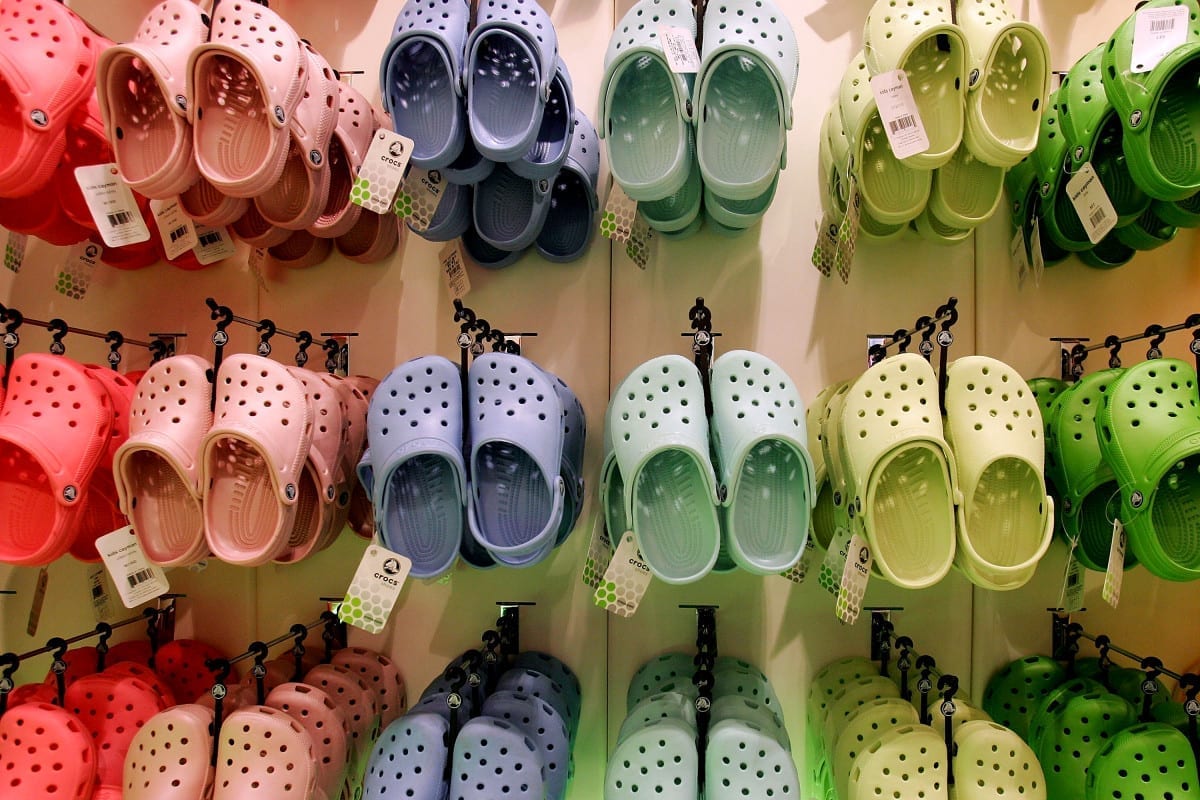
    The new store, which spreads across 625 sq. ft., is Crocs’ third store in the city and 5th in the state of Tamil Nadu. Boasting a premium location at VR Mall, the hub for luxury and international brands in Chennai, the store promises to strengthen the reach of the iconic brand in the state capital.

    Since the opening of its first store in India in 2008, Crocs has successfully carved a distinct positioning for the brand amongst the Indian consumers akin to its global positioning and is growing at a robust pace with presence across 50 cities in India.

    Crocs, which is known globally for its iconic Clogs, is turning towards India to fuel its next phase of growth. India is currently the 6th biggest market for Crocs globally with a high double-digit growth year on year.

    Metro Shoes, the national franchise partner of Crocs India, will be operating this 100th store located in Chennai. The partnership with Metro Shoes began in 2014 which has helped the iconic footwear brand in expanding its reach to over 50 cities through its EBO operations.

    Speaking on occasion, Deepak Chhabra, CEO & MD, Crocs India, said, “We are excited on reaching the century mark in India. India is one of the rare markets where even after opening 100 stores we still feel under-penetrated. Our absolute focus for the next phase of geographical expansion will continue to be on top 6 metro cities across the country along with state capitals. Exclusive brand stores are a very significant part of our growth strategy. In addition to aggressively growing our EBOs, we will be strengthening our presence in Tier-II cities via MBOs and Kiosks. Further, e-commerce will remain an integral part of our distribution strategy and help us reach out to consumers where our brick and mortar presence is limited. Region-wise South India, due to its demographics and very high brand recall, contributes the highest amongst all regions in the country and will remain an integral part of our India growth strategy.”

    Commenting on the occasion, Rafique Abdul Malik, Chairman & MD, Metro Shoes, said, “We would like to congratulate Crocs India on the launch of their 100th store and are confident that this is just one of many more milestones to follow. Metro Shoes is glad to partner with a brand which despite being just 16 years old has an iconic status with probably the highest brand-recall across the globe. India as a nation has a high affinity for open shoes and sandals owing to the climatic conditions, making Crocs highly relevant in this market.”

    With its unique brand awareness and break-through product innovations, Crocs is progressing towards becoming India’s top non-athletic casual footwear brand. Other than its EBOs, Crocs asserts its strong presence in MBO channels through which its overall offline reach extends to more than 150 cities via 1,500 + points-of-sale. Additionally, it caters to 20,000+ pin codes translating to 400 cities via its e-commerce presence.

    Over the past 16 years, Crocs has sold more than 350 million pairs of shoes worldwide. Crocs as a brand will continue to focus on clogs and sandals, along with new product innovations and extensions of the current product line. This year, Crocs India launched LiteRide™, Drew Barrymore ♥ Crocs Collection, Crocband™ Platform Collection, and Luxe Lined Collection. Last year internationally, the brand has associated with designers like Balenciaga and Christopher Kane bringing in some exciting trends to the runway which further elevated the appeal of the iconic clog in fashion space.

  • Shilla Travel Retail Hong Kong appoints new MD

    Shilla Travel Retail Hong Kong appoints new MD

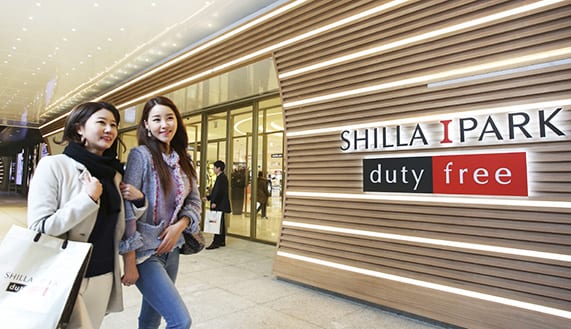
    The Shilla Duty Free has appointed a new MD of its Hong Kong operations. Changha Shin takes over the helm of Shilla Travel Retail Hong Kong this week after the surprise departure of Alice Woo. Woo built the business up after becoming its first employee last year when the Korean-owned travel retail company secured major duty-free concessions at Hong Kong International Airport.

    Prior to working with Shilla, Woo spent 22 years in travel retail in Asia, Hawaii and North America, with companies including DFS Group and Nuance Watson.

    Her replacement Shin was previously the merchandising director of Shilla Travel Retail Hong Kong. In a short statement, Shilla said Shin has a wealth of knowledge across various product categories with 14 years of experience. He started in HR with Shilla Group and has “deep knowledge” of Shilla Group and its partners.

    “The Shilla Duty Free is proud to promote from within and support the development of its staff.”

    Woo will leave her position this week with the change referred to being due to “internal circumstances”. It is unclear if she will remain with the company in another role.

  • Duty-free sales may hit all-time record this year

    Duty-free sales may hit all-time record this year

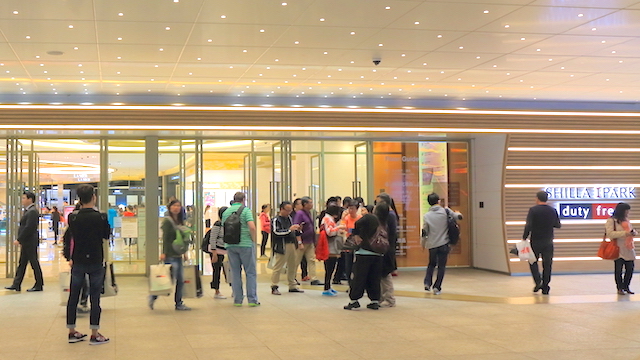
    Korea’s duty-free sales are likely to set a new annual record this year despite Chinese group tour traffic not having fully recovered.  According to the Korea Duty Free Shops Association, duty-free store operators made $1.44 billion in October, a 28.6 percent increase year on year. This takes Korea’s total duty-free revenue between January and October to $14.3 billion, surpassing 2017’s full-year revenue of $12.8 billion.

    “The local duty-free market was 14 trillion won [$12.4 billion] in size last year – some forecast this year will reach a new all-time record of 18 trillion won,” said a source at one of Korea’s largest duty-free store operators.

    The growth is meaningful considering that Chinese group tours are not fully back in the market.

    Industry watchers and analysts attribute the increase in duty-free sales this year to “daigongs,” or individual Chinese merchants that purchase Korean goods and resell them at home.

    Before Chinese group tours were banned in March 2017 after Korea’s deployment of the U.S. Terminal High-Altitude Area Defense antimissile system, they were a major source of revenue for local duty-free stores. As traveling to Korea for Chinese became more difficult, the reselling business began to grow.

    “Revenues are going up this year but we’re still waiting for group tours to come back,” said another source at one of top three duty-free companies.

    Sales increases are generally good news, but industry watchers warn that operating profits will not grow as fast as revenues. Attracting daigongs entails high marketing costs. New duty-free outlets opened in Seoul this year, which means competition to pull in daigongs may become more intense.

    Signs suggest restrictions on group tours from China are easing. Some online tour agencies have started marketing group tour packages to Korea on their websites. Last week, China’s largest online tour agency Ctrip posted Korean tour products on its website, but erased them the same day.

  • Jollibee’s 250th store opened in North America

    Jollibee’s 250th store opened in North America

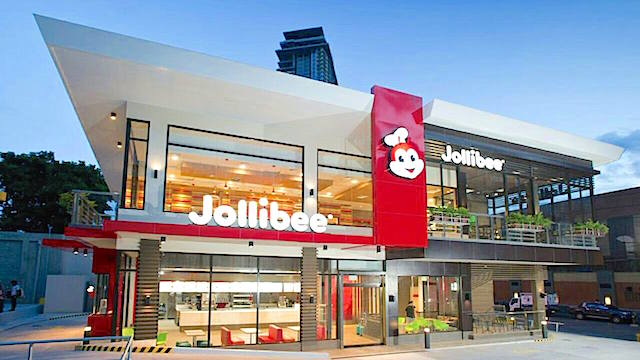
    Philippines fast food operator Jollibee is planning to hit 150 locations in the US within five years, up from its current 37. The company’s CEO Ernesto Tanmantiong said: “The fried chicken market in the US is quite huge. This is just the first leg of our journey, to be one of the major players in the fried chicken market.”

    The company has also announced plans to open 100 additional stores in Canada, part of its strategy to become on of the world’s top five quick-service restaurants.

    Jollibee operates 4300 stores in 20 countries, and has a portfolio of 14 brands.

  • Korean cosmetics firms suffer losses in Q3

    Korean cosmetics firms suffer losses in Q3

    Korea’s mid-sized cosmetics companies suffered losses in the third quarter of this year as they struggled to reorganize their business structures in the face of tough competition at home, industry sources said Sunday. Able C&C, which operates budget cosmetics brand Missha, swung into the red in the July-September period, posting a net loss of 9.4 billion won ($8.3 million), it said.

    Its sales dropped 12.1 percent to 73.1 billion won and operating income swung to a loss of 13.2 billion won. The company said fierce competition in the country’s cosmetics industry, combined with its heavy investment in research and development of new products, led to the poor earnings results.

    Tonymoly reported a net loss of 3.5 billion won, with 800 million won in operating losses on a consolidated basis during the cited period, according to the company.

    Korea’s mid-sized beauty firms’ profitability deteriorated following a diplomatic row between Seoul and Beijing last year, which led to a sharp drop in the number of tourists coming to Korea. Industry watchers said the expansion of online and duty-free channels has hurt the mid-sized companies, which rely heavily on offline stores. Last month, Skinfood was placed under a Seoul court’s receivership after the company said that it is having temporary difficulty securing liquidity due to excessive debt.

    “We are making efforts to improve our profitability and strengthen our online business,” an official from Nature Republic said.

    Nature Republic reduced the number of its stores to 680 by the first half of this year from 770 in 2015. The company reported 58.8 billion won in sales and 300 million won in operating income in the third quarter of this year.

  • Shake Shack opens in Pacific Place HK

    Shake Shack opens in Pacific Place HK

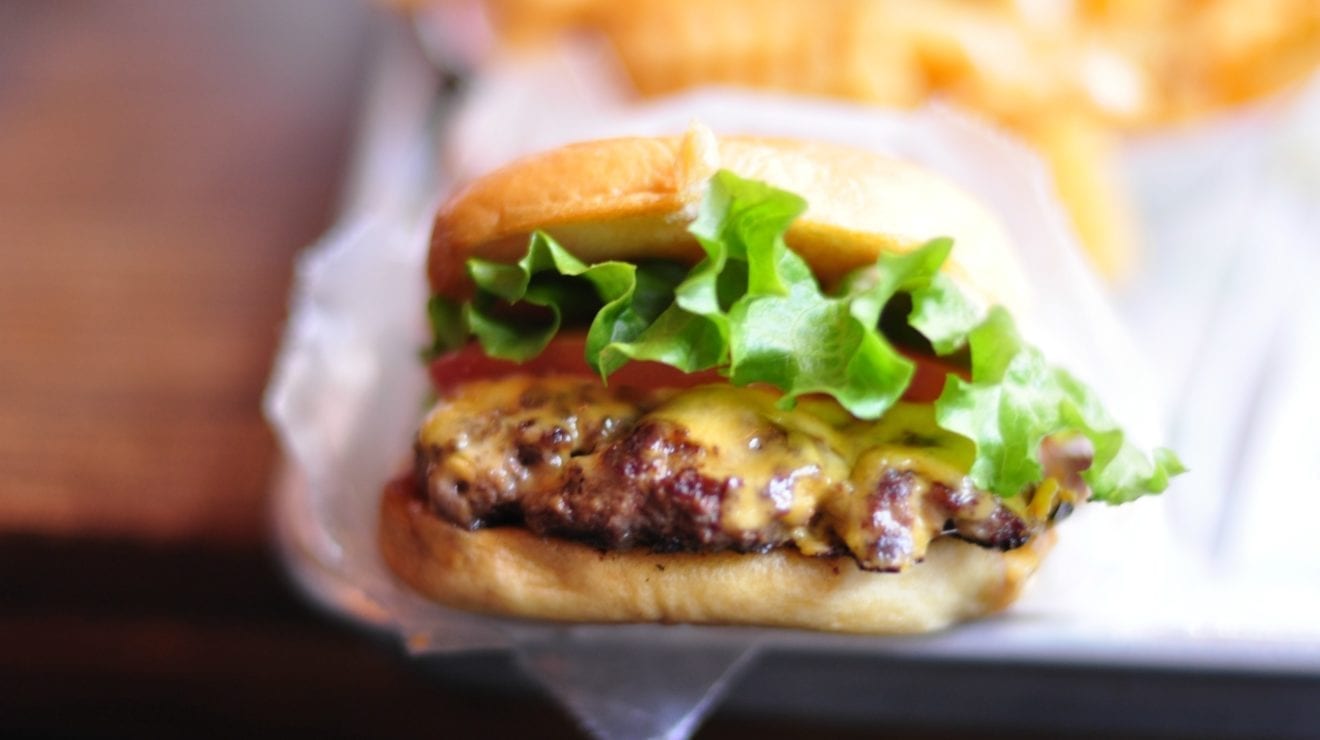
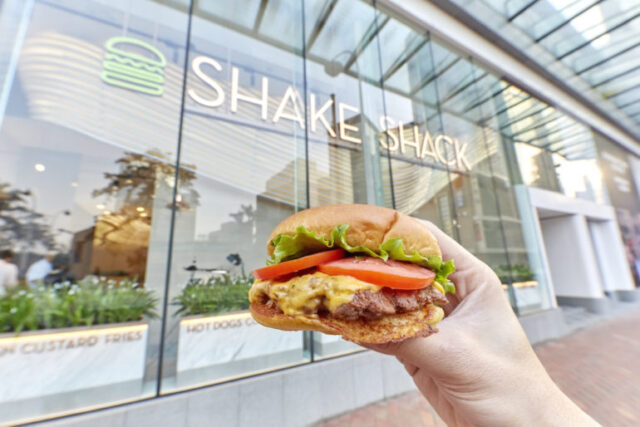
    Located at Pacific Place, the new branch will give out 200 Shake Shack tote bags on a first-come-first-serve basis. In addition to the Shack classics and the Hong Kong exclusive milk tea shake, the new store will introduce a selection of local menu items, including a new series of “concrete” (custard desserts) – matcha golden bell, open sesame and queensway crunch.

    Shake Shack will launch three holiday shakes – Christmas cookie, chocolate peppermint, and Hazelnut – to celebrate the festive season. All of which are topped with whipped cream and decorated with colourful sprinkles.

    The holiday shakes will be available for a limited time at both Pacific Place and ifc mall.

    Echoing with Shake Shack’s mission to Stand For Something Good®, the Pacific Place store will donate 5% of sales from its matcha golden bell concrete to the i-dArt programme of Tung Wah Group of Hospitals, a non-profit organisation that promotes social inclusion by encouraging people with differing abilities to participate in art.

    Shake Shack is ramping up its effort on global expansion.

    In a statement, Randy Garutti, CEO of Shake Shack, said the company entered into licensing agreements to open more than 50 stores in the Philippines, Mexico and Singapore over the next decade.

    The company expects to open its first stores in Singapore and Mexico in 2019.

  • Unilever Vietnam owes over $25mln in back taxes: state audit

    Unilever Vietnam owes over $25mln in back taxes: state audit

    The state auditing agency says Unilever Vietnam should pay over $25 million in back taxes for the 2009- 2013 period. Speaking at a National Assembly session on the draft bill on Tax Administration, State Auditor General Ho Duc Phoc pointed to the Holland-backed personal care products maker Unilever Vietnam as an example of taxes overlooked by the authorities.

    Phoc submitted an audit report that says Unilever Vietnam had under-declared its tax dues. The company took the case to the Prime Minister and the National Assembly’s Budget and Finance Committee. After re-examination, the State Audit concluded that the company had under-declared its tax dues by VND584 billion ($25 million).

    The auditor general said the company had accepted this figure, but requested that it is not charged for late payment.

    “Whether the company is fined will be decided by the General Department of Taxation, not us,” Phoc said.

    However, tax department officials as well as Unilever Vietnam representatives said that the company had not accepted the above figure despite the parties having discussed the issue many times.

    “The determination of the amount of tax arrears arising from errors in calculating the preferential tax rate that applies to Unilever Vietnam for its expansion activities in 2009-2013 is not related to transfer pricing,” said a representative of the General Department of Taxation.

    Representatives of the HCMC Taxation Department also confirmed that the decision to collect this sum from Unilever Vietnam has been made, but has not been accepted by the company.

    Unilever Vietnam denies having under-declared any tax obligation. Tran Vu Hoai, the company’s vice president of Sustainable Development and Public Relations, said the outstanding tax issue in question is “due to the differences in the stipulations of the Investment Tax Law and the Corporate Income Tax Law for the period before 2014.”

    “Such differences in the stipulations of the relevant laws have led to different interpretations, causing difficulties for businesses and relevant agencies in the implementation of the laws,” Hoai said.

    The crux of this issue lies in the differences that existed in terms of investment incentives between “new projects” and “expanded investment projects” between 2009 and 2013.

    Then, “expanded investment projects” were only entitled to a three-year corporate income tax (CIT) exemption, and a 50 percent CIT reduction in the five following years. Meanwhile, “new projects” could enjoy a preferential CIT rate of 15 percent for 12 years, three-year tax exemption, and a 50 percent reduction over the next seven years.

    Tax men and companies are divided over the definition of “new project” and “expanded investment project” as they apply to tax incentives.

    Unilever Vietnam has petitioned the Government, the Ministry of Finance and State Audit to find a satisfactory solution in compliance with Vietnamese laws and international regulations.

    Unilever Vietnam is not the only company that’s faced this problem. Suntory Pepsico Vietnam Beverage, GE, Piaggio Vietnam and Yamaha Motors have reportedly fought similar battles.

    Hoai said the matter is being handled by the Ministry of Planning and Investment, in collaboration with the Ministry of Finance and other agencies.

    In September, Prime Minister Nguyen Xuan Phuc assigned the Ministry of Planning and Investment the task of coordinating and working with the Ministry of Finance to resolve such issues for enterprises, in the spirit of ensuring non-retroactivity of the law.

  • L Brands loss revealed, Victoria’s Secret faces challenge

    L Brands loss revealed, Victoria’s Secret faces challenge

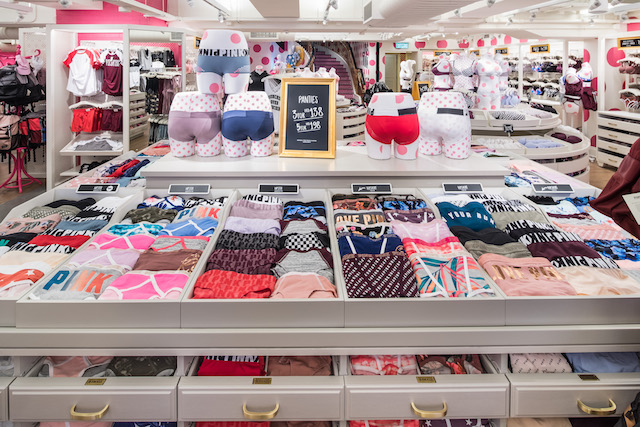
    Lingerie brand Victoria’s Secret needs to reinvent itself, says retail analyst Neil Saunders, commenting in the wake of a US$42.8 million loss by its parent L Brands. “The brand is simply not connecting and resonating with consumers in the way that it once did. Its overt sexuality, its focus on airbrushed glamour, and its dark-and-moody stores are completely out of step with the mood of most modern consumers,” said Saunders, MD of GlobalData Retail.

    “However, this is not a new phenomenon, Victoria’s Secret has been out of kilter for a long period of time – and has seemingly done very little to bring itself back into line.”

    Sales at Victoria’s Secret have fallen in seven out of the last eight quarters, mainly due to its weak diffusion brand Pink, launched in 2002 and aimed at college-aged women.

    “In Pink, fashion errors in loungewear have driven a recent deceleration in performance,” the company admitted in its earnings statement.

    L Brands’ third-quarter results showed an increase in same-store sales of 4 per cent across the group, to $2.77 billion, but Victoria’s Secret store sales fell by 2 per cent.

    The top line was boosted by L Brands’ Bath & Body Works brand. But one-off costs from the closure of Henri Bendel, impairments at Victoria’s Secret and ongoing losses in the La Senza business drove the net loss.

    Saunders described the Victoria’s Secret performance as disappointing, “not only with the sales numbers but by the inertia within the business”.

    He said much of the brand’s failure to change came down to embedded attitudes within management.

    “The recent insensitive comments about transsexuals from chief marketing officer, Ed Razek, in a Vogue interview characterise the problems. Not only are such remarks bad for the brand’s image, but it also earned a sharp public rebuke from the CEO of more incisive rival ThirdLove which has been stealing share from Victoria’s Secret for some time.

    “In theory, the departure of Jan Singer as CEO should help herald in changes someone coming in will have fresh ideas about reviving the fortunes of Victoria’s Secret.”

    L Brands has appointed John Mehas from lifestyle brand Tory Burch as the new CEO of Victoria’s Secret. He will take up the role early next year.

    Pink CEO Denise Landman retired after the release of the L Brands half-year results and she was replaced on October 1 by former Bath & Body Works president for merchandising and product development, Amy Hauk.

    “Our new leaders are coming in with a fresh perspective and looking at everything … our marketing, brand positioning, internal talent, real estate portfolio and cost structure,” said CEO Leslie Wexner.

    Saunders said Bath & Body Works was a stark contrast to the core brand.

    “The company’s wholesome brand image and its focus on small indulgences are paying real dividends – especially in a consumer economy where shoppers have more money to treat themselves. Its strong range development which means assortments are constantly changing encourages regular visits to online and stores. It also means that the company is good at jumping on trends like aromatherapy-based scents and the ongoing popularity of candles. Second, good marketing and promotions help to drive volumes through the business,” said Saunders.

    “Both of these things stem from the fact that the BBW team is much more attuned to the market and consumer trends than is the case at Victoria’s Secret. Indeed, the cultures at the two divisions could not be more different, and we believe that Victoria’s Secret should take a leaf out of its sister brand’s playbook as it looks to reinvent itself.”

  • Benz shows new C-Class sedan and it’s diesel

    Benz shows new C-Class sedan and it’s diesel

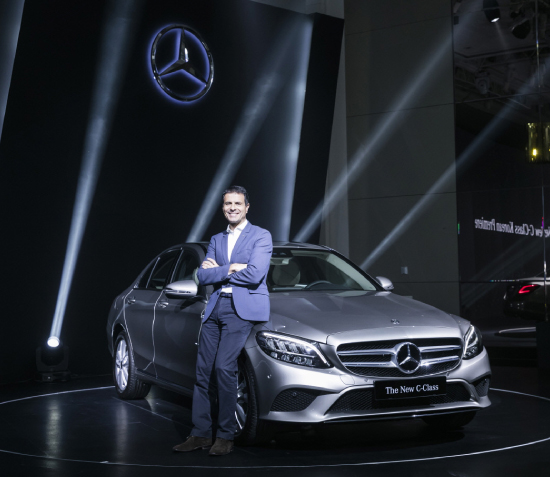
    Mercedes-Benz Korea is still committed to diesel despite a global shift to eco-friendly engines, such as hybrid or electric units. The Korean section of the German premium carmaker premiered a partially revamped model of its flagship C-Class sedan in Incheon on Friday, equipped with a diesel engine.

    The C-Class sedan is one of Mercedes’ biggest models, having sold 9.5 million units worldwide since its introduction in 1982. Korea is the seventh largest market for the C-Class.

    Although not a fully revamped version, some 6,500 parts, including engine parts, have been upgraded, the company said.

    On Friday, Mercedes-Benz Korea showed a C 220d model with a four-cylinder OM 654 diesel engine, an interesting approach considering the industry’s shift to zero emissions.

    “This diesel engine’s CO2 emissions are 15 percent less than the petrol engine [with the same 2.0-liter capacity],” said Jochen Betsch, head of advanced engineering diesel at Daimler, who gave an extensive presentation on the upgraded diesel engine at a press event Friday in Incheon.

    Even while shedding 16 percent of its weight, the new engine added 24 horsepower to generate a maximum of 194 horsepower and torque of 40.8 kg.m.

    “It gets quite obvious that Daimler has strong commitment for diesel,” Betsch said.

    Dimitris Psillakis, CEO of Mercedes-Benz Korea, said a version with a gasoline engine will launch in the first half of next year, followed by a plug-in hybrid engine.

    “A diesel engine has its strong points with performance and even CO2 emissions,” Psillakis said. “It is important to offer all the options out there to our customers.”

    The press event Friday included an extensive presentation on the upgraded diesel engine, a move that many saw as a reference to rival BMW diesel models that experienced a spate of fires in Korea last summer. Psillakis, however, denied such speculation, saying the “customers have the right to know about the improved features of the new diesel engine.”

    The new C-Class’ official fuel efficiency wasn’t disclosed.

    Its price starts at 55.2 million won ($48.9 thousand).

  • The ThickShake Factory eyes 1,000 plus outlets across India

    The ThickShake Factory eyes 1,000 plus outlets across India

    The ThickShake Factory, a premium thick shake brand that recently completed a century of being operational with more than 100 outlets in India, is planning to expand its footprint in Telangana, Tamil Nadu, Andhra Pradesh, Karnataka, Gujarat, Maharashtra and many more states in the coming few months.

    According to a ANI report: The brand, which brings the concept of running a cold dessert beverage quick service business (QSB) for the first time in the country, has won a number of accolades in the recent past, including ‘The Times Nightlife – Best Beverages, 2015 & 2018’, ‘Coca-Cola Golden Spoon Awards 2018’, ‘IMAGES, Most Admired Startup of the Year’, Best Shakes Parlour Award at ‘Indian Restaurant Awards 2018’, ‘Best Business Growth in F&B’, ‘Best Beverages Swiggy Award 2018’, ‘Franchisor of the Year Award, Franchise India 2016’, and many more.

    The ThickShake Factory serves over 50 types of shakes with more than 40 topping/ mix-ins. It is famous for their ‘Shape your Shake’ feature where customers can choose what they want from the variety of toppings. The brand brings the best flavours in the form of not just ThickShakes, but a complete range of cold coffee varieties, slushies, chocolate and fruit-flavoured drinks.

    The ThickShake Factory has had an excellent journey and has only moved forward since the opening of its first outlet in 2013 with winning ‘Franchisor of the Year’ award twice, one in 2016 and the other in 2018 along with many other awards.

    The company has the vision to have over 1,000 outlets pan-India, along with a strong global presence and has created more than 300 jobs so far, mostly at the bottom of the pyramid and the lesser privileged sections of the society. Recognised as one of the fastest growing QSR chains in India, the company’s current business model is such that the outlets which are currently operational, most of them are franchise-operated and some are company operated.

    “With each day passing, we at The ThickShake Factory are only going ahead as there is no looking behind. We started with our first outlet in 2013 in Hyderabad and have come a long way from there with more than 100 outlets already. Our main focus is to provide the customers with the thickest and most delicious shakes and hence that’s the only thing in our menu. With over 50 types of shakes on the menu, we have something for everyone to suit their palate. We are excited to serve the tastiest and thickest ice cream based shakes in more cities across India,” M. Yeshwanth Nag, Founder of The ThickShake Factory said.

    The founders, M. Yeshwanth Nag and Ashwin Mocherla, were inspired by the global trend of growing appetite for sweet savouries and therefore brought the most appealing range of tastiest ‘Thick’ Shakes to India. The brand never ceases to impress with their heavenly ‘ThickShakes’ through its wide range of offerings.