Author: Mei Ling Tan

  • Uber Eats India, CCD partner for virtual restaurant network

    Uber Eats India, CCD partner for virtual restaurant network

    Food delivery app Uber Eats in partnership with Cafe Coffee Day (CCD) on Friday launched a network of virtual restaurants that will offer more choices of ‘delivery-only’ restaurant brands. The first restaurant brand under this partnership is scheduled to launch in mid-November on Uber Eats app, the company said in a statement.

    “We are thrilled to partner with CCD – the pioneers of cafe culture in India,” said Jason Droege, Vice President of UberEverything, Uber Technologies.

    “Using experience and lessons learnt in the virtual restaurant space from our global operations, we hope to provide our Indian restaurant partners greater growth opportunities,” Droege added.

    Uber Eats is currently present in 37 cities in India while CCD has a network of 1,742 cafes across 246 cities in India.

  • Puma global sales grow on more stores number

    Puma global sales grow on more stores number

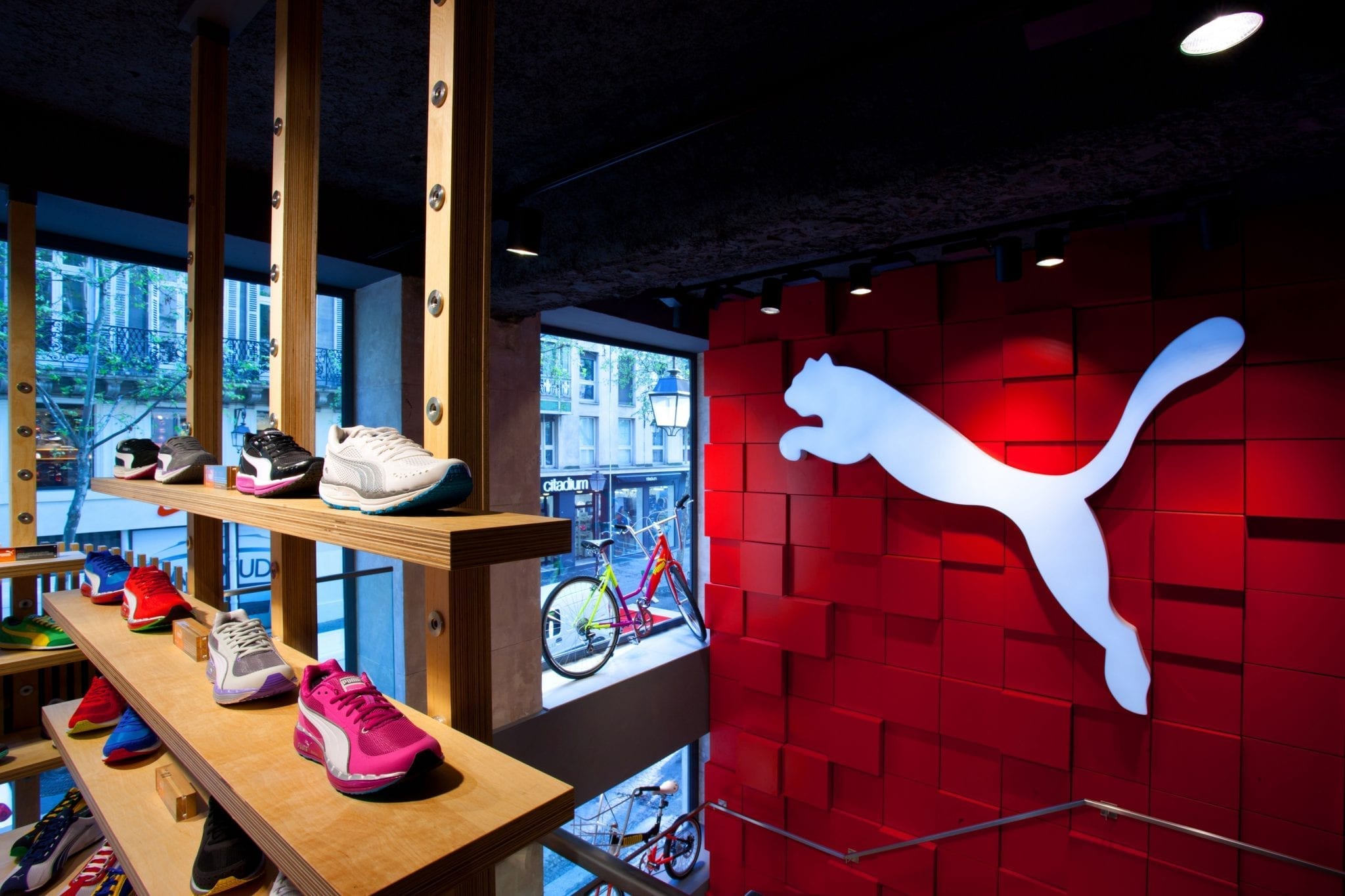
    Puma worldwide sales increased by 17 per cent on a constant currency basis in the first nine months of this year as the sportswear label achieved growth in every region. Asia and the Americas drove sales, with both markets achieving double-digit growth year-on-year.

    Sales for the period reached €3.422 billion, with gross profit margin by by 150 basis points to 48.8 per cent. Operating profit rose 40 per cent from €215 million to €300 million and net earnings from €134 million last year to €176 million.

    CEO Bjorn Gulden said Puma was still witnessing large shifts in product trends and consumer demand, “but feel we have reacted fast enough to continue our growth”.

    The company’s move to expand its own-operated store network is paying off, with sales up 22..5 per cent year to date, increasing the share of the company’s overall sales to 22.5 per cent. The company said additional stores, improving same-store sales and e-commerce all contributed to the increase.

  • Incheon to get on-arrival duty-free store in May

    Incheon to get on-arrival duty-free store in May

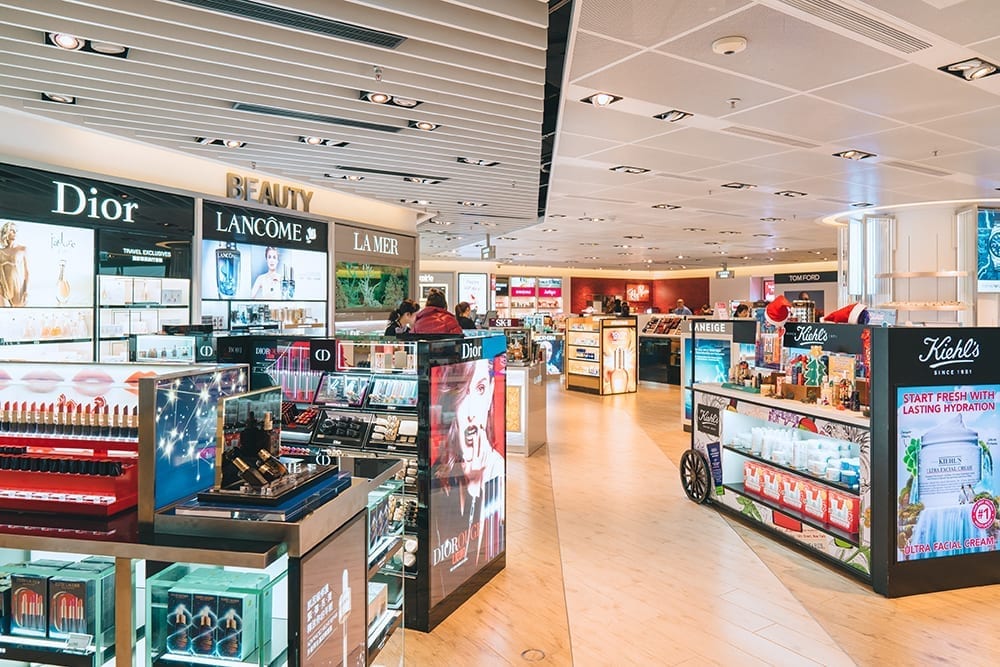
    The Incheon International Airport Corporation is planning to open Korea’s first on-arrival duty-free store in May next year. The airport operator announced on Sunday that it has commissioned a study to look into how it can optimize the duty-free service, which will be concluded by the end of the year.

    The study will focus on deciding the location and size of the shops in order to maximize customer experience by reducing congestion.

    Additionally, the research will consider the possibility of setting the rent for the duty-free shops based on revenue instead of unilaterally applying a fixed rate.

    In order to ease the burden on interior costs, Incheon airport will be responsible for basic interior constructions, while duty-free operators will only have to provide the finishing touches.

    This is because only SMEs will be allowed to bid for the slots.

    The Incheon airport said it will start taking bids for the duty-free shops in February and finalize candidates by April. It added that it will have a larger ratio of Korean companies controlling the arrival duty-free shops compared to departure stores. However, as the government earlier announced, the arrival duty-free shops will not sell cigarettes or products that are controlled by customs quarantine regulations such as fruit and meat products.

    The airport said it will work with the government to finalize plans to return some of the profits that it makes from renting the spaces to duty-free operators in March.

    Incheon airport Terminals 1 and 2 have units available for duty-free shops targeting customers arriving in Seoul. On the first floor of Terminal 1 there are two 190 square-meter (2,045 square feet) areas. On the first floor of Terminal 2 there is a 326 square-meter space. Currently these areas are not in use.

    The Ministry of Finance and Economy in late September announced plans to open the country’s first duty-free store available to returning travelers in May next year. The ministry was responding to an order from President Moon Jae-in to review the possibility of an on-arrival duty-free shop during a meeting he had with Blue House senior officials and secretaries in August.

    The purpose was to make travel less inconvenient for Korean tourists who were purchasing goods while departing Incheon and carrying them throughout their trip.

  • Starbucks Coffee Korea boosts cashless store ranks

    Starbucks Coffee Korea boosts cashless store ranks

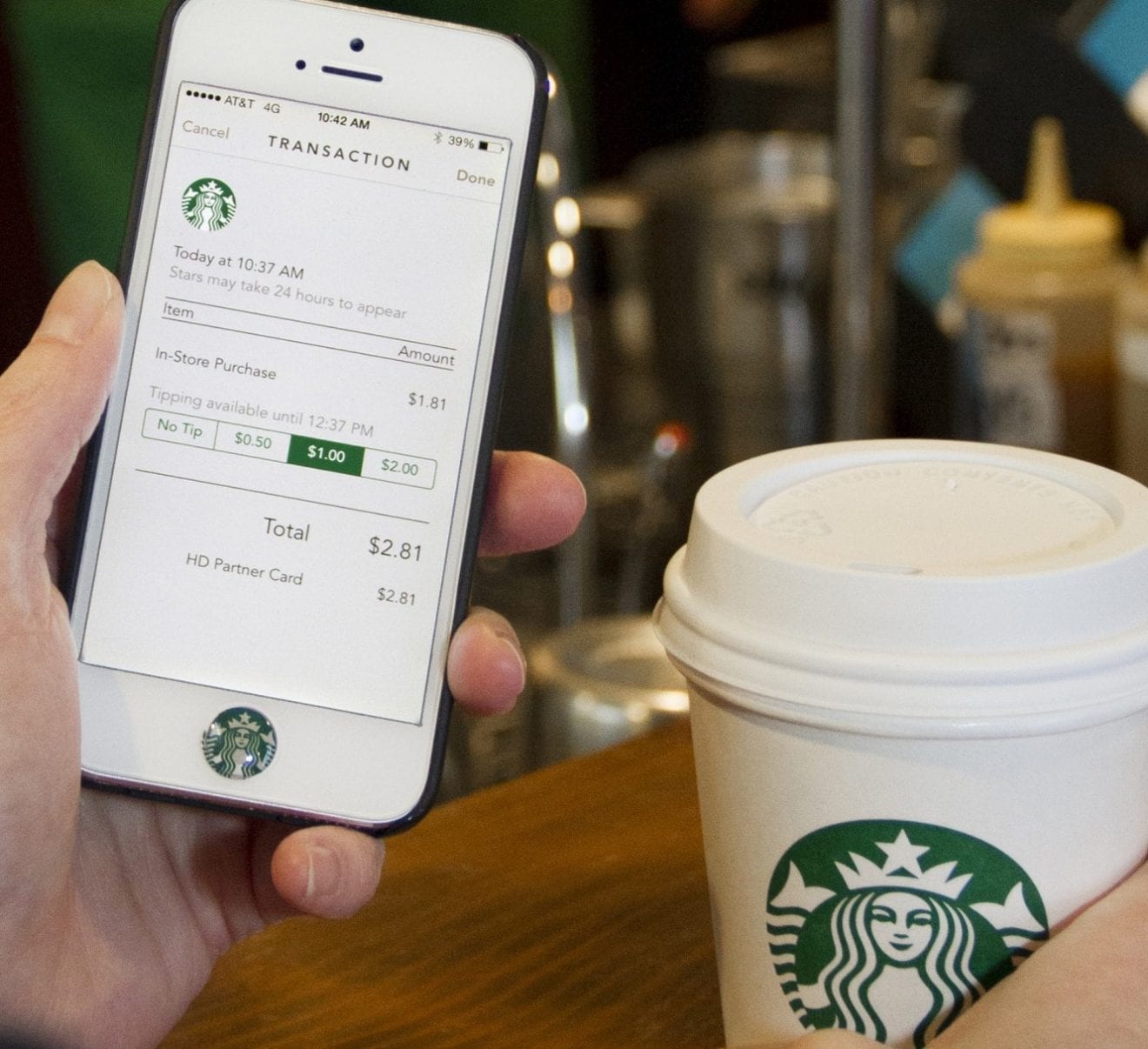
    Starbucks Coffee Korea is adding 300 more ‘cashless shops’ in addition to the 103 stores currently in operation, starting on Monday. Cashless stores require customers use a means of payment other than cash. The company noted that adding 300 more cashless stores would amount to one-third of the 1200 Starbucks shops in South Korea.

    “Instead of cash, customers will be asked to use credit cards, Starbucks cards, mobile transactions and other means of payment,” a company representative added.

    Over the past three months, Starbucks reduced the ratio of cash transactions at its stores from 3.4 per cent to 0.2 per cent on average. The average number of cash transactions per store dropped from 19 to 1.1 per day.

    “Cashless stores can better focus on customer satisfaction since employees don’t have to spend time going to the bank to balance cash,” Starbucks Coffee Korea said.

  • LG Electronics starts venture to make in-cabin electronics

    LG Electronics starts venture to make in-cabin electronics

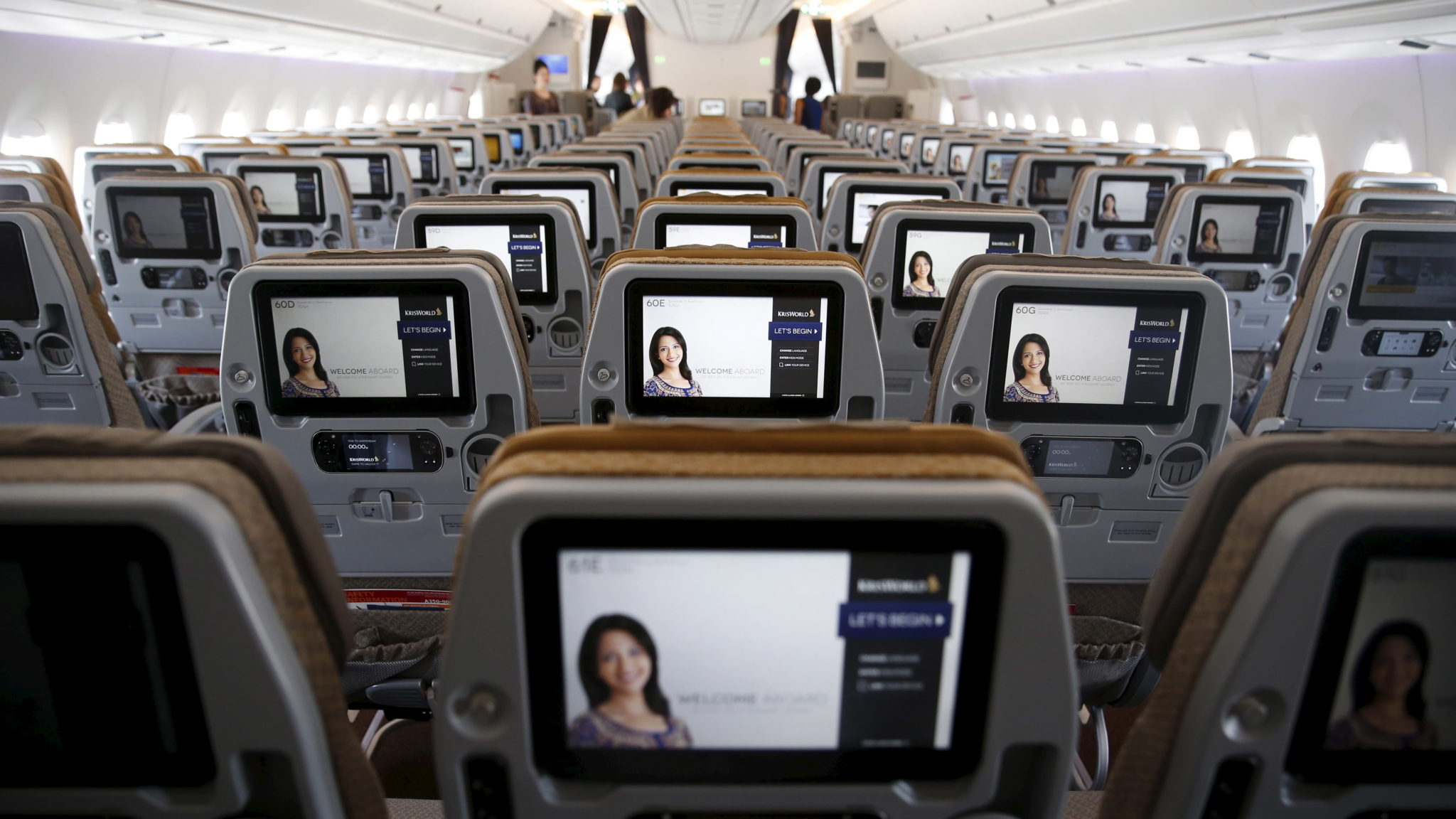
    LG Electronics said Thursday it will establish a joint venture with Germany’s Lufthansa Technik, which will be devoted to developing in-cabin electronics systems. The new venture, whose name has not yet been decided, will focus on developing in-cabin solutions utilizing LG Electronics’ technologies, including its OLED displays.

    Lufthansa Technik is a subsidiary of Deutsche Lufthansa AG, Germany’s largest air carrier.

    The new company will kick off in the first half of 2019, and will be based in Hamburg, Germany. LG did not reveal detailed conditions of the agreement, including the size of the deal.

  • Grab: becoming a taxi company a step back from Industry 4.0

    Grab: becoming a taxi company a step back from Industry 4.0

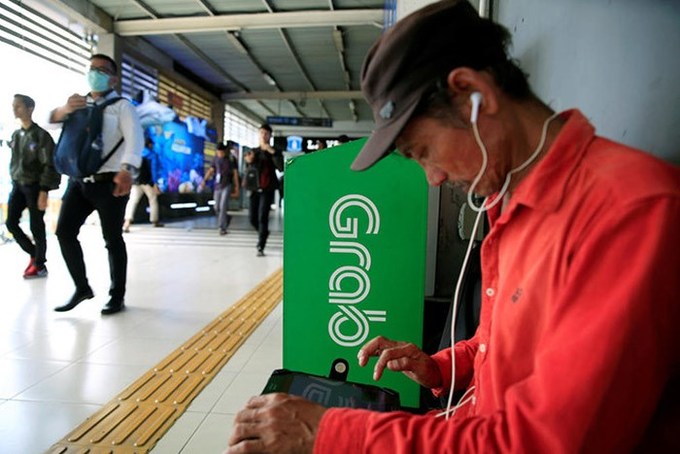
    Ride-hailing firm Grab says giving in to traditional taxi companies’ demands is akin to bowing before “angry workers threatening to smash machinery.” Grab has written to Prime Minister Nguyen Xuan Phuc expressing concern over the latest draft of a decree prepared by the Ministry of Transport under which transport firms offering services with under 9-seater cars should be registered as taxi firms before they can apply ride-hailing technologies.

    This means that Grab and other ride-hailing firms would have to register their services again as taxi businesses and comply with corresponding legal responsibilities regarding their operating licenses, drivers’ profiles and tax duties.

    “The regulation not only goes against the policy and guidelines of the Government on the application of science and technology, and on reform of administrative procedures, but also completely denies the clear benefits achieved by the pilot scheme for ride-hailing services,” the company said.

    It said that the pilot scheme has sped up development of the transportation market, helped state agencies find effective management solutions using technology, and inspired the advance of Industry 4.0 in Vietnam.

    The company is providing an essential service to 20 percent of Vietnam’s population every day, providing work for 175,000 drivers and has contributed VND270 billion ($11.5 million) to the state exchequer in taxes in the first 9 months of this year.

    It said many taxi companies have “awakened” to the revolution and are currently cooperating very well with it, as well as other ride-haling firms.

    However, there remain “traditional taxi businesses who fear innovation, losing market dominance, and competition,” the company said.

    Bad precedent

    Grab said that this (treating ride-hailing firms as taxi firms) would set a bad precedent for the whole legal system and send discouraging signals to the start-up environment in Vietnam.

    “We have to emphasize that the approval of this draft, to appease the subjective will of some traditional taxi companies, would be to oppose the benefits and advances so important to society and the economy. This will be a step backwards from Industry 4.0, to bow before ‘angry workers threatening to smash machinery,” wrote Lim Yen Hock, CEO of Grab Co. Ltd.

    On Wednesday, a standing working group of the Government announced the results of the review of the draft submitted by the Ministry of Transport, saying that based on road traffic law, transport vehicles using ride-hailing technology like Grab or Uber are in essence taxis.

    These vehicles have to be subject to regulations as taxis, and cannot be classified as ‘electronic contract-based vehicles’ to circumvent the law, evade tax, avoid costs and receive incentives that do not apply to traditional taxis, the working group said.

    The debate over Grab’s status as transportation company is not new in Vietnam.

    Vietnam’s top taxi company Vinasun has sued Grab for $1.84 million in losses, citing “unhealthy competition.”

    The ride-hailing market in Vietnam has seen new entrants after the departure of Uber, which sold its Southeast Asia operations to Grab. The newcomers include Fastgo and GoViet, the last mentioned being an affiliate of Indonesia’s Gojek.

    Current market dominator Grab has expanded its services to include GrabFood, a food delivery service, and GrabCar Business, targeting the corporate sector.

    These moves pose further challenges for long-standing taxi firms like Mai Linh, Taxi Group and Vinasun.
  • Calm water for Singapore’s CapitaLand Mall Trust quarter

    Calm water for Singapore’s CapitaLand Mall Trust quarter

    CapitaLand Mall Trust Management (CMTML), the manager of CapitaLand Mall Trust (CMT), says CMT has achieved a distributable income of S$103.5 million (US$75 million) for the quarter to September 30. That marks an increase of 4.9 per cent over the $98.7 million for the same period last year.

    Year to date, distributable income was $302.5 million, an increase of 3.3 per cent.

    CMTML CEO Tony Tan says the portfolio continued to deliver stable returns during the quarter, despite uncertain market conditions. Occupancy was 98.5 per cent, “well above the market occupancy level of 92.7 per cent”, he said.

    Asset enhancement initiatives to uplift the customer experience at Tampines Mall and Westgate are on track to complete in the fourth quarter of this year.

    During the third quarter, CMT’s gross revenue and net property income rose by 0.7 per cent and 1.1 per cent respectively year-on-year. Gross revenue was higher from Junction 8, IMM Building, Plaza Singapura, Bedok Mall and Tampines Mall, partially offset by lower gross revenue from Sembawang Shopping Centre, which was sold in June, and lower occupancy and rental rates contracted on new and renewed leases from JCube and Bukit Panjang Plaza.

  • E-commerce platform JD introduces reusable packaging

    E-commerce platform JD introduces reusable packaging

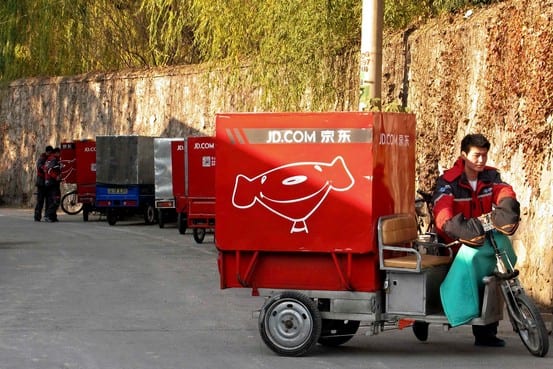
    E-commerce platform JD has launched a reusable packaging initiative to promote sustainable consumption. The new program offers JD’s customers the option of ordering reusable packaging for their small and medium-sized parcels, returning the green boxes to delivery personnel after receiving their order. The firm estimates the program can save RMB32.5 million (US$4.68 million) per year if 10 per cent of orders use the new packaging.

    Customers who choose the packaging are rewarded with JD’s “Jingdou” loyalty points, which can be exchanged for products on JD.

    The service, which kicked off in Beijing, Shanghai, Guangzhou and Shenzhen, will expand to Chengdu and five other cities by the end of this month, and will cover 20 cities by the end of the year.

    JD Logistics’ head of planning and development Bing Fu said: “JD.com is always exploring ways to reduce e-commerce waste through green logistics. By using this green packaging, and taking part in our other innovative recycling programs, JD’s customers can enjoy the convenience of e-commerce while knowing that their purchases have involved minimal carbon emissions.”

    By deploying green boxes, JD expects to reduce the number of boxes used throughout the supply chain by 10 billion by 2020. The company has also set the target for 80 per cent of packaging materials to be recyclable; over 50 per cent of plastic packages to be replaced by biodegradable material; and 100 per cent of logistics packaging to be composed of recyclable or reusable materials.

    Meanwhile, JD introduced a fleet of hydrogen energy delivery trucks to greater Shanghai earlier this year, marking the first significant commercial deployment of hydrogen-powered vehicles for logistics in China as well as the latest expansion of JD’s goal to make the ‘last mile’ of the distribution process carbon-free. In early June, the company unveiled a fleet of 50 solar-powered delivery vehicles in Beijing.

  • Vietnam’s VinFast in deal with PV Oil for electric car charging stations

    Vietnam’s VinFast in deal with PV Oil for electric car charging stations

    VinFast on Thursday signed a memorandum of understanding with PetroVietnam Oil Corp. to build charging stations for its electric cars and scooters.

    The company, a unit of Vietnam’s largest conglomerate Vingroup JSC, is building a $3.5-billion scooter and automobile complex in northern Vietnam, with its first production electric scooters slated to hit the streets late this year.

    Thursday’s agreement will pave the way for VinFast to deploy charging stations at 20,000 of PV Oil’s existing service stations in Vietnam by 2020, VinGroup said in a statement.

    This is part of VinFast’s plan to launch between 30,000 and 50,000 charging stations nationwide by 2020, it said.

    VinFast customers will be able to charge their vehicles or change their batteries at these stations, it added.

    VinFast Chief Executive Officer Jim Deluca said in an interview earlier this month that the firm would produce 250,000 electric scooters a year alongside 250,000 cars, in an ambitious production target that is set to eventually increase to 1 million units each a year.

    The company has started on the development of a battery electric vehicle with Germany’s EDAG Engineering.

    Vingroup, which has a market value of about $13.2 billion, also has businesses in property, hospitality, entertainment, retail, healthcare, education, agriculture and smart phone production.

  • Shell Malaysia Launches 24-Hour Unmanned Petrol Mart

    Shell Malaysia Launches 24-Hour Unmanned Petrol Mart

    Shell Malaysia has opened its first unmanned Select convenience store. Located at Shell Tezz Enterprise on Jalan Tun Razak, the store trades 24-seven and is powered by technology from BingoBox. Customers can select goods from the shelves and place them on the store counter which automatically calculates the price. Payments can be made by debit or credit cards, or by BingoBox’s mobile app.

    BingoBox is based in China and has launched in Malaysia through a joint venture with local company Scientific Retail.

    “Using BingoBox Retail Technology, we can provide customers with a seamless shopping experience when they are at Shell at any time of the day,” said CEO of Scientific Retail, Ng Seong Ping.

    Shell Malaysia MD Shairan Huzani Husain said the technology will improve customer service.

    “Our Shell site employees now have more time to attend to customers’ needs, thus ensuring they are able to leave our station a little happier,” he said.

  • SE Asia Stocks: Most lose ground, Vietnam dives to three-month low

    SE Asia Stocks: Most lose ground, Vietnam dives to three-month low

    Most Southeast Asian stock markets slumped on Thursday, following a tech rout on Wall Street that saw the year’s gains being wiped out. Disappointing forecasts from chipmakers beat down the tech sector, sending investors scurrying to the safety of sovereign bonds, pushing Wall Street to its worst single-day fall since 2011.

    A concoction of other negative factors like Saudi Arabia’s diplomatic tensions, fears of slowing global growth and the Brexit stalemate spooked investors, with MSCI’s broadest index of Asia-Pacific shares outside Japan dropping about 2 percent.

    Vietnamese stocks dived as much as 4 percent to an over three-month low and were on track for a sixth straight day in the red.

    Financial and real-estate stocks bore the brunt of the beating, with lender Joint Stock Commercial Bank for Foreign Trade of Vietnam (Vietcombank) losing 2.7 percent and conglomerate Vingroup JSC shedding 2.3 percent.

    Philippine shares fell 2.3 percent, dragged by banking and industrial stocks, pushing the index’s loss this week to 2.6 percent.

    “About 45 minutes into trading, net foreign selling has already reached over 100 million pesos. After last night’s bloody session on Wall Street, as expected foreigners are stepping up selling of Philippine shares, while local investors are staying on the sidelines,” said Fio Dejesus, a research analyst at RCBC Securities.

    Banking giant BDO Unibank Inc shed 3.6 percent and industrial conglomerate SM Investments Corp fell 2.7 percent.

    “It’s a flight to safety, they’re entering into lower risk assets like govt treasuries because the risk-off sentiment has hit emerging markets really hard,” he added.

    Singapore stocks saw the same dismal sentiment, giving up the previous day’s short-lived gains to take weekly losses to over 2 percent.

    Casino and gaming operator Genting Singapore Ltd fell 3.3 percent and investor Yangzijiang Shipbuilding (Holdings) Ltd lost 1.7 percent.

    Malaysian shares followed the same trajectory, shedding 0.8 percent, on track to post their sixth straight session of losses.

    Plantation and industrial heavyweight Sime Darby Berhad lost 5.9 percent and oil and gas services provider Dialog Group Berhad fell 3.9 percent.

    After the previous session’s sharp losses on energy stocks, the Thai index extended losses and were poised for a six-day run of losses.

    All sectors traded in the red, with oil and gas refiner PTT PCL losing 1 percent and lender Siam Commercial Bank PCL lost 2.2 percent.

    Indonesian shares appeared to escape the worst, trading slightly higher as gains in financial stocks offset losses in other sectors.

    Lender PT Bank Central Asia Tbk gained 0.8 percent while sector heavyweight and auto truck manufacturer PT Astra International Tbk lost 0.3 percent.

  • Yonghui, Parknshop and Tencent to jointly establish JV

    Yonghui, Parknshop and Tencent to jointly establish JV

    Tencent has teamed up with ParknShop and Yonghui Superstores to create a new combined grocery chain ParknShop Yonghui. The joint venture, valued at US$170 million, aims to help Shanghai-listed Yonghui expand its business outside of the southern province of Guangdong, as well as consolidating Yonghui and ParknShop’s businesses in the province.

    Yonghui gains half of the joint venture with $89.6 million while ParknShop will hold a 40 per cent stake with cash and equity contributions amounting to $72 million, and Tencent will pay $18 million yuan for a 10 per cent stake.

    Tencent spent $750 million to buy a 5 per cent stake in Yonghui last December, with ambitions to shake up the bricks-and-mortar shopping market and compete with rival Alibaba Group.

    Yonghui operates more than 830 supermarkets in 24 provinces, 21 of them in Guangdong.

    ParknShop, a member of the AS Watson Group, has more than 50 shops in the southern province.
    This is the first time companies within the group have formed a joint venture with mainland Chinese firms.

  • Hyundai Motor net profit plummets 67%

    Hyundai Motor net profit plummets 67%

    Hyundai Motor’s operating profit plummeted 76 percent on-year in the third quarter as a recall in the U.S. and sluggish growth in major markets hurt the automaker’s bottom line. Korea’s No. 1 carmaker by sales announced Thursday that it posted 289 billion won in operating profit in the July-Sept. period.

    Its net profit was 306 billion won, down 67.4 percent on-year.

    “To fortify quality control, Hyundai Motor rolled out a recall related to airbags and engines which resulted in a 500 billion won one-time cost realized in the Q3 report,” said a Hyundai Motor official.

    Operating costs totaled 3.4 trillion won in the third quarter, according to the carmaker, which is 8.6 percent more than during the same period last year.

    Despite good sales in Europe and emerging markets like Brazil and Russia, low demand in the U.S. and China dragged down overall sales. It sold 1.12 million units globally in the third quarter, 0.5 percent less than during the same period last year.

    The domestic market got a bost from the new Santa Fe SUV, but a decreased number of operating days at dealerships resulted in Hyundai Motor selling just 171,443 units, a 1.4 percent drop compared to last year. Chinese sales dropped by 3.7 percent on-year, selling 181,000 units. Sales in the U.S. dropped by 4.1 percent on-year to 302,000 units.

    Hyundai Motor expects profitability to improve in the fourth quarter and going into next year with the launch of new SUV models and a reduction in costs.

    “In the fourth quarter, the new Santa Fe SUV and an upgraded Tucson SUV will launch in the U.S.,” said a Hyundai Motor official.

    “The implementation of a new platform starting next year will help reduce costs and raise efficiency as well.”

    Hyundai Motor shares fell by 5.98 percent to 110,000 won on Thursday as of press time.

  • JD.com starts marketing overseas properties to its buyers

    JD.com starts marketing overseas properties to its buyers

    Users of the service may find houses for lease with terms and prices verified as accurate.

    Other new partners include US Century 21 Real Estate and Beijing property search engine Zhuge. More than 1.7 million apartments in 100+ Chinese cities are already listed on the platform.

  • Vietnam’s Ha Long casino continues to lose staff on poor business performance

    Vietnam’s Ha Long casino continues to lose staff on poor business performance

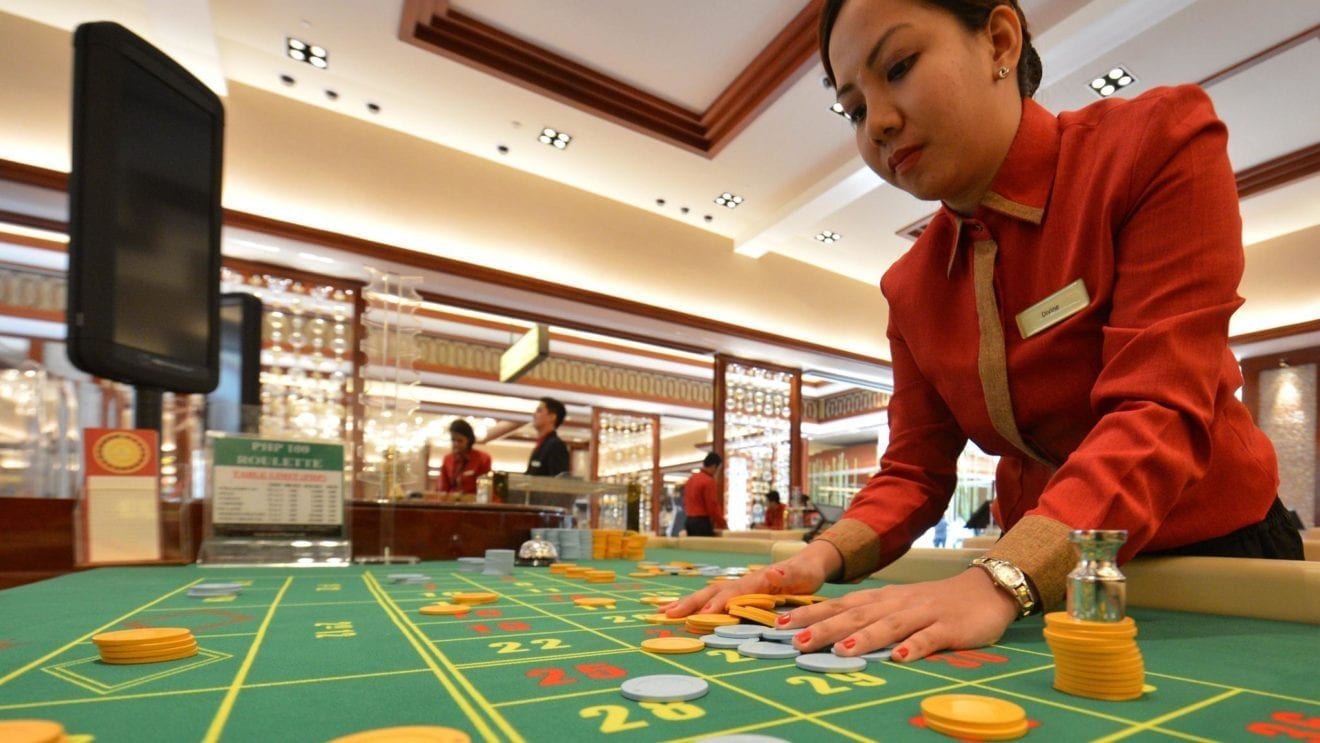
    Ha Long’s only casino continues to lose employees due to a number of reasons, including its persistent losses. Hoang Gia Joint Stock Corporation (RIC) in Ha Long, Vietnam’s resort city, which runs the Casino Gaming Club, said the number of employees has fallen by 275 now compared to the beginning of the year.

    It has less than 1,200 employees remaining. Last year 514 had quit.

    The main reasons, the company admitted, are the casino’s poor business and competitors’ talent attraction policies.

    Revenues increased by 23 percent in the first nine months of this year to VND187 billion ($8 million), but it lost VND14 billion ($597,555).

    Another problem for the casino is the sluggish progress of transport infrastructure works in the region, such as Van Don airport and the Ha Noi – Ha Long Highway, which prevents more foreign tourists, mainly from China, Japan and South Korea, from coming here.

    The company targets revenue and profit after tax this year of $15.9 million and $1.5 million. Casino operations are expected to account for around 63 percent of the revenue with the rest generated by hotels and villas the company owns.

    The owner of the company is Khai Tiep International Investment Limited, registered in the Cayman Islands.