Author: Mei Ling Tan

  • Vietnamese entrepreneur makes glasses with wooden frames

    Vietnamese entrepreneur makes glasses with wooden frames

    Long, 23, was frustrated that he was not able to get a pair of glasses that were comfortable, of good quality, long lasting and somewhat unique. These are qualities people generally want in personal wear, especially one that adorns their face for most of the day, but Long was finding that such expectations were not easy to meet.

    No readymade glass in the market fit him.

    Then, as luck would have it, Long happened to meet Tran Hien, a man with an unusual business and passion.

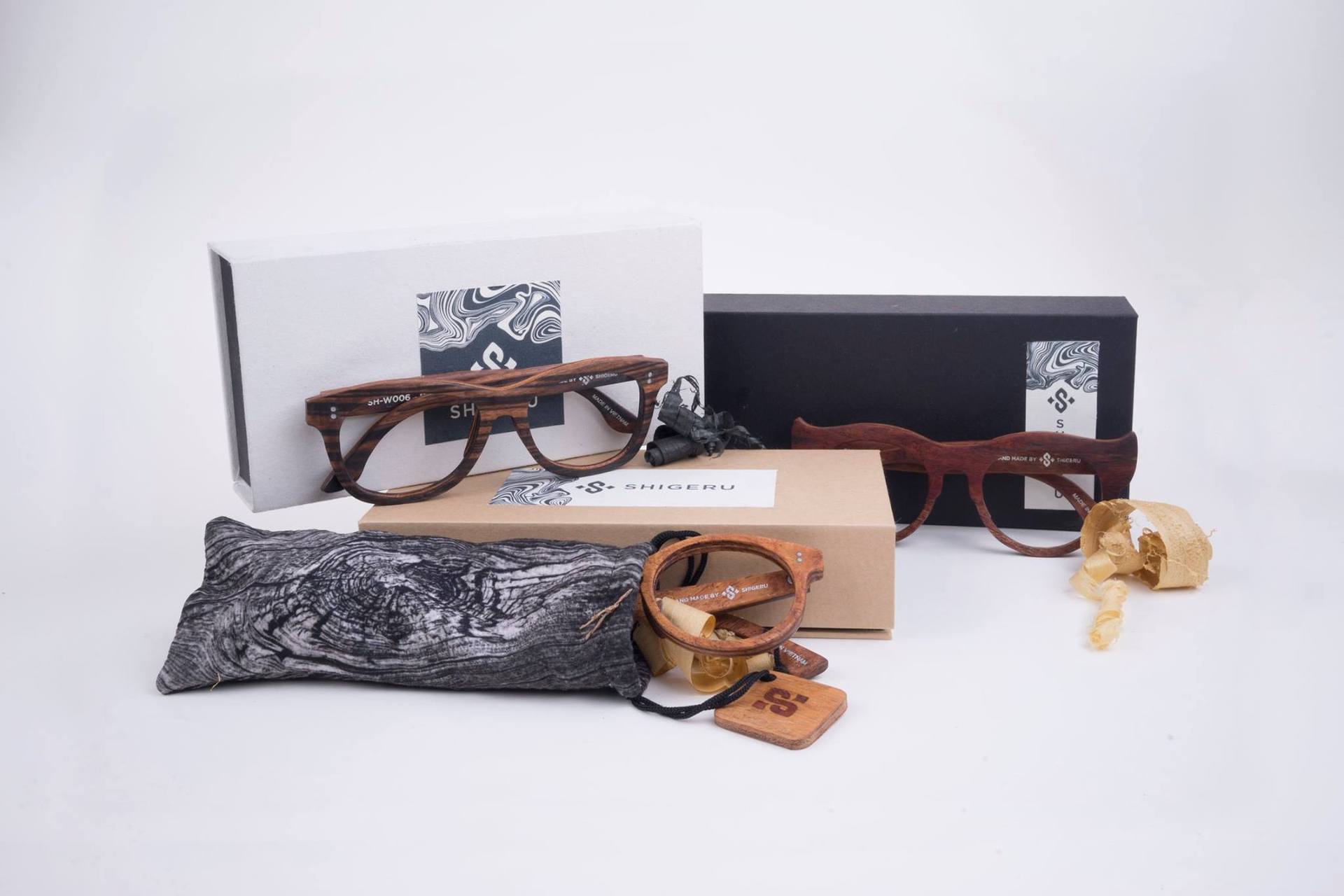
    Hien, whose business is called Shigeru Eyewear, makes spectacles with wooden frames, something that people might assume has gone completely out of fashion.

    Very soon after the meeting, the young customer happily accepted to pay VND1 million ($43) and wait 7-10 days for a pair of custom-made glasses.

    Long, like many other customers who go to Hien, wanted to get involved in the design process and was prepared to wait for the desired outcome.

    Every detail on the frame is carefully custom-made by Hien. On average, the process takes him around 4 hours.

    “Most of my products are handmade. Sometimes, I’m a bit shy shaking hands with people because of my calluses,” said Hien.

    The Japanese connection

    In 2012, Tran Hien graduated with a Graphic Design degree from the HCMC-based Van Lang University, specializing in branding. Through a friend’s introduction, he started working as a designer for a Japanese glasses maker called Shigeru.

    Hien was the first man in Vietnam to get this job, Shigeru told him.

    At first, Hien refused to accept a job where he had to actually make things himself. But Shigeru told him: “If you don’t try your hand at the job, you won’t be able to design something others can make.”

    After working at the production house under the guidance of the Japanese teacher and mentor, Hien not only gained more knowledge about glass-making, but also learned a lot more about an ideal attitude to life.

    “One time after lunch, the staff scraped off the burnt rice at the bottom of the cooker and threw it away. Shigeru saw it and told us, next time, don’t waste food like that, just break the pieces and share them with everyone,” Hien recalled.

    Shigeru’s company made glass frames, mostly in plastic, but also wood and bamboo sometimes, for export to Japan. He also wanted to open a store in Vietnam. But fate had other plans.

    Hien had been with Shigeru – someone who was more of a teacher than a boss – for around one year when tragedy struck. The production house got burned down, Shigeru went bankrupt and had to return to Japan.

    After his mentor left, Hien moved to Hanoi to find new opportunities.

    With zero business experience, he accepted a desk job with a real estate company in Hanoi. After several months of working as a graphic designer in the marketing department, he gained new insights into sales and marketing – something that not many designers care about.

    However, the sophisticated, carefully crafted glasses that Shigeru’s company used to make had left a deep impression on Hien, so after a while, he started to tinker with making glasses again.

    This time, his ambition was to create unique, wooden frames. It would be his niche product.

    Hien liked wood, its texture, colours and the natural patterns it carried. And even better, the longer it was used, the shinier it would get, something that cannot be said of other materials. His main focus was to create something unique, Hien said.

    It was very difficult to get this project off the ground, though.

    “I tried everywhere but no one wanted to cut wood as thin as I wanted, because it requires a lot of effort with little pay,” Hien said.

    After many attempts, one person who shared Hien’s determination to create made-in-Vietnam glasses (instead of Chinese ones dominating the market) accepted to work with him.

    It was still not easy. Many of his first customers had to wait for a long time because Hien was occupied with office work. On top of that, some of the products were not durable. Once, he was very embarrassed when a newly delivered pair of glasses broke as soon as the customer tried it on.

    Some people advised him that brand name, Shigeru, was difficult to market since it was not easy enough to read and remember. However, Hien wanted to commemorate the spirit of his teacher, who’d gladly consented to the student using his name.

    For the whole of 2017, when Shigeru Eyewear was founded, just 20 pairs of glasses were sold.

    The big plunge

    This year, Hien decided to quit his office job, which paid him VND15 million ($640) per month, and devote all his time and effort for his company.

    He studied days and nights, trying to find a way to increase the durability of his wooden frames, but that knowledge was nowhere to be found in Vietnam. Despite being “scientifically illiterate,” after months of perseverance, he finally discovered secrets to creating products that could survive even after  being thrown against the wall or dropped from up high.

    Hien’s current schedule involves meeting up with his clients to get their measurements and discuss their wants. After that, he works on the design, the production process, as well as building company’s image and increasing brand recognition.

    Each pair of glasses is customized to fit its owner

    His company sells dozens of customized pairs of glasses per month now.

    “Sometimes, design inspirations come from the customers themselves. For example, there was one customer who sells traditional clothes and wanted the glasses’ arms to be modeled like a tree branch, I found the idea very interesting and asked to keep the concept as a model for my catalog,” Hien said.

    So far he has been taking wood pieces from furniture companies, aiming particularly at ebony, Siamese rosewood, and Asian rosewood.

    But he’s very keen on being eco-friendly. He said that he was looking for an NGO or other organisations involved in reforestation that he can contribute to. He said that for every glass frame that he sells, he will use part of the proceeds to help reforestation efforts. He is also considering buying seeds and planting trees on his own, Hien said.

    Hien believes the ” For each tree you’ve taken, you have to give back as much to the forest.”

    Expansion plans

    Hien said that he is also looking for someone who can share his passion and can work on the business side of the company.

    Apart from keeping the core as an artistic line, Shigeru Eyewear aims to produce standard glasses that are of high-quality and made with local materials – something that is still missing in the Vietnamese market.

    He is also looking to start making and selling frames with other materials like palm wood and bamboo.

    Currently, glass frames made from wood are still something very new to customers, so he wants more people to have rare pairs of glasses with “Made in Vietnam” etched on them.

    Furthermore, like his beloved Japanese teacher, he hopes to find more people with whom he can share the knowledge he’s accumulated through the years.

    For now, from a time when the company only had a few hundred thousand dong (a dozen of US dollars) to buy materials, and all of the earnings were invested in buying better quality wood and tools, Hien can confidently say he can make a living with the brand.

    “I will spend the rest of my life for my “Made in Vietnam” glasses.”
  • Why did Dyson pick S’pore for electric car?

    Why did Dyson pick S’pore for electric car?

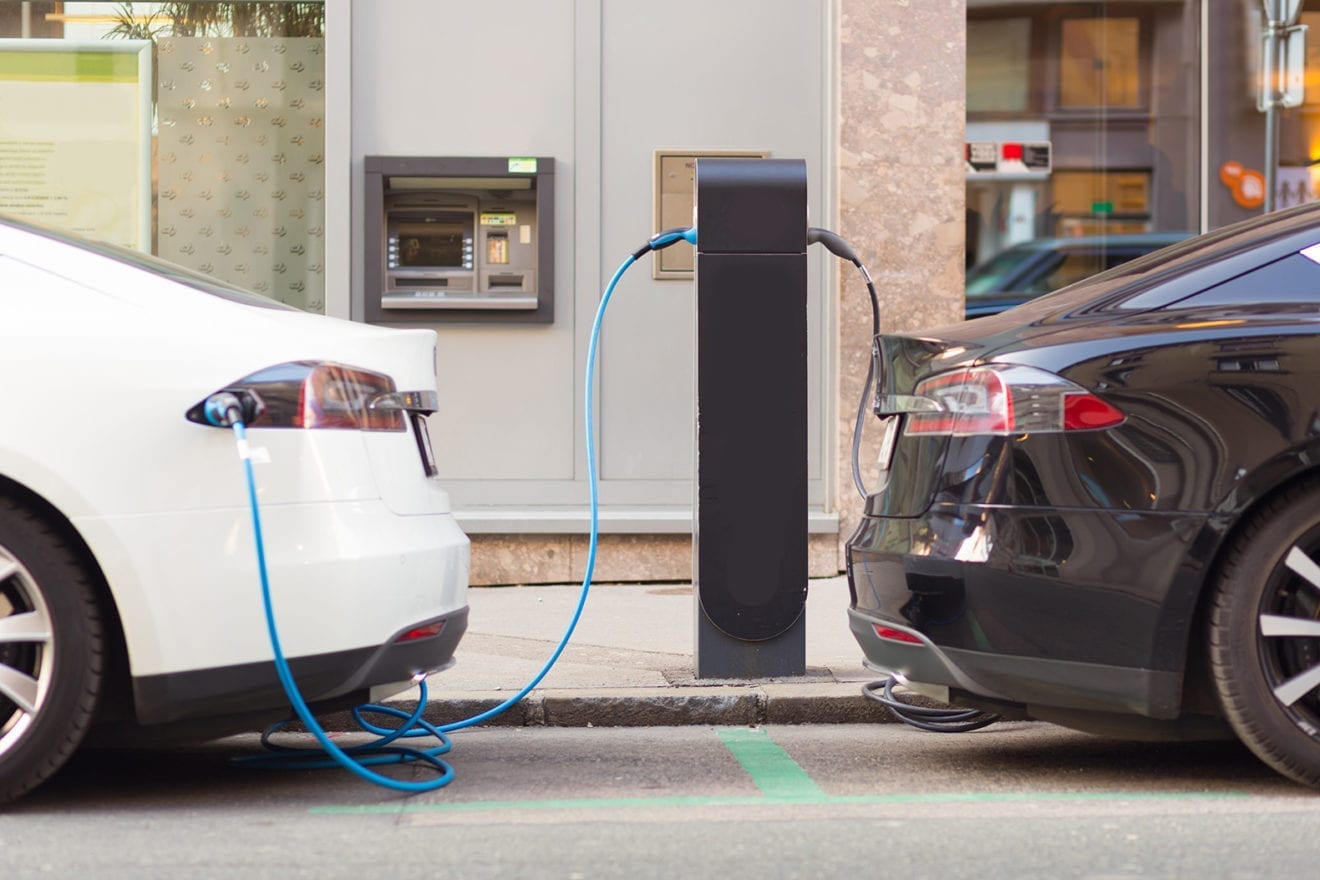
    When James Dyson, the billionaire British inventor of the bagless vacuum cleaner, unveiled a plan to build an electric car plant in Singapore, it raised a few eyebrows.

    Not only does the land-starved city state have some of the highest average salaries in the world, but it has been nearly 40 years since Ford closed its factory in Singapore, effectively ending car production there.

    “It is a bit of a surprise because of the cost base and no other car manufacturing plant being here,” said Shantanu Majumdar, a regional director at consultancy JD Power.

    Dyson said on Tuesday the decision was based on supply chains, access to markets and the availability of expertise, which offset the cost factor.

    But what other factors could have influenced the decision?

    Why not head straight to the biggest electric vehicle market in the world, China, like rival Tesla?

    Here’s a look at some of the less obvious pros and cons:

    1. High Costs vs Generous Incentives
    Compared with other global cities, Singapore has some of the highest average salaries in the world after tax, according to studies by Deutsche Bank. Land available for industrial use is scarce and expensive, and it ranks highly in general cost-of-living indexes.

    But aside from its skilled engineers and scientists, for a high-tech firm like Dyson, Singapore offers generous incentive schemes. Some schemes include tax breaks for five years, which can be extended, and grants that can cover up to 30% of the cost of projects to improve business efficiency.
    Singapore declined to comment on whether Dyson benefited from any such schemes.

    To shore up productivity in its manufacturing sector, which makes up less than quarter of its output, Singapore has focused efforts on attracting high-end manufacturers and those who adopt automated production processes.

    2. Small Market vs China Gateway
    Dyson may have decided to make electric cars in Singapore, but few are likely to be driven here or anywhere in Southeast Asia for that matter.

    The number of privately owned electric vehicles in Singapore is in single digits, and Tesla CEO Elon Musk has criticised Singapore for not being supportive of electric vehicles.

    Singapore is one of the world’s most expensive places to own a car because the government strictly controls the vehicle population by charging owners a variable rate for the right to own and use a vehicle for a limited number of years.

    In Southeast Asia, only 142 electric vehicles are forecast to be sold this year, data from consultant LMC Automotive shows. By contrast, sales in China are forecast to almost reach 700,000 vehicles this year, more than double the combined sales from the United States and Europe.

    But with one of the world’s busiest ports on its doorstep, Dyson can roll a car off the production line in Singapore and within the hour it can be on its way to China or other sizeable electric vehicle markets like South Korea or Japan.

    Dyson products – which include bladeless fans, air purifiers and hair dryers – are becoming a premium brand in China and other Asian markets. Asia accounted for over 70% of its growth last year, the firm said.

    3. Familiarity vs New Frontier
    Dyson’s history with Singapore probably also played a role. It already employs 1,100 people in Singapore, making 21 million digital electric motors a year. It also has manufacturing hubs in Malaysia – connected to Singapore via two road bridges – and the Philippines.

    “This is obviously a surprise but since Singapore is at the heart of Southeast Asia, Dyson would be best placed to source many components from neighbouring countries and, locally, assemble and manufacture the high-tech car here,” said a corporate banker who deals with multinational firms in the region.

  • Louis Vuitton New Delhi flagship store to go bigger

    Louis Vuitton New Delhi flagship store to go bigger

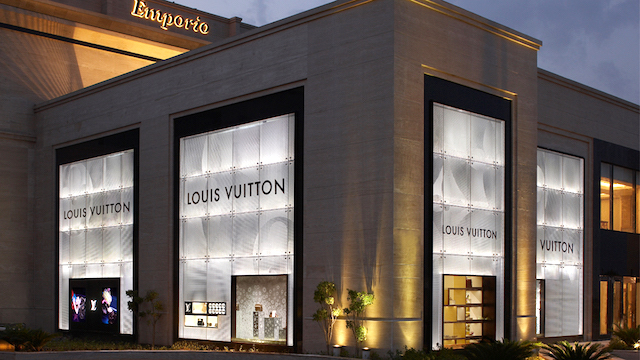
    The Louis Vuitton New Delhi flagship store is being expanded. The French luxury house, which has been present in India for 15 years, is expanding its DLF Emporio Mall outlet to another floor, and will for the first time house men’s and women’s ready-to-wear collections.

    The store’s decor uses both vintage pieces from Paris and furniture items especially created for the store, as well as Jaipur and Nepalese carpets.

    Interior designs were developed by creative teams based in France and Hong Kong. The first floor of the store is entitled “L’Appartement”, mimicking a luxury apartment with accessories and other higher-end products.

  • Fila opens its flagship heritage store in Pune India

    Fila opens its flagship heritage store in Pune India

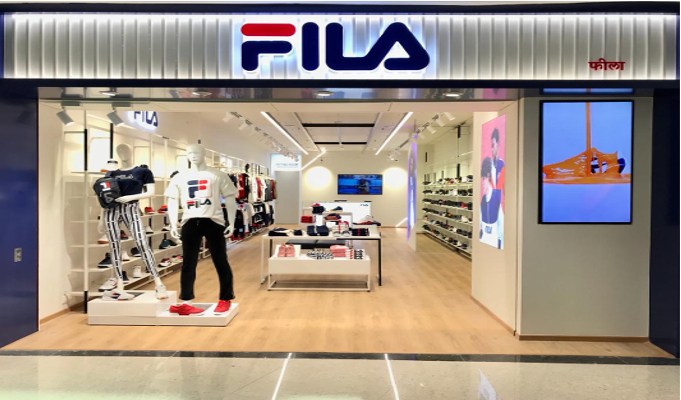
    After the success of Fila India’s flagship heritage store in Mumbai, Fila has just launched its new heritage store in Pune. Sneaking its way into the affluent neighborhood of Viman Nagar at the bustling Phoenix Market City mall Pune, the store is a 1,068 sq. ft. mecca for sneakerheads and sports fashion enthusiasts alike.

    The bold, oversized, backlit logo is configured to reveal the store’s exteriors from afar. Also reflecting its classic-meets-contemporary vibe with iconic red, white and blue colour palette, the muted store interiors serve as the ideal backdrop to showcase a show-stopping and vibrant Fila Heritage autumn/winter 2018 collection. Global campaign images are displayed around the store as a visual treat to the eyes.

    Talking about the store launch, Rohan Batra, MD of Cravatex Brands Ltd. said, “Quick on the heels of our flagship heritage store launch in Mumbai, we are excited to launch our second store in the young, vibrant city of Pune. With a dominantly cosmopolitan and fashionable student community, Pune seemed like the perfect pit stop on the road to taking on the sports fashion segment in India.”

  • Bank Negara to extend observation period for net stable funding ratio by a year to 2020

    Bank Negara to extend observation period for net stable funding ratio by a year to 2020

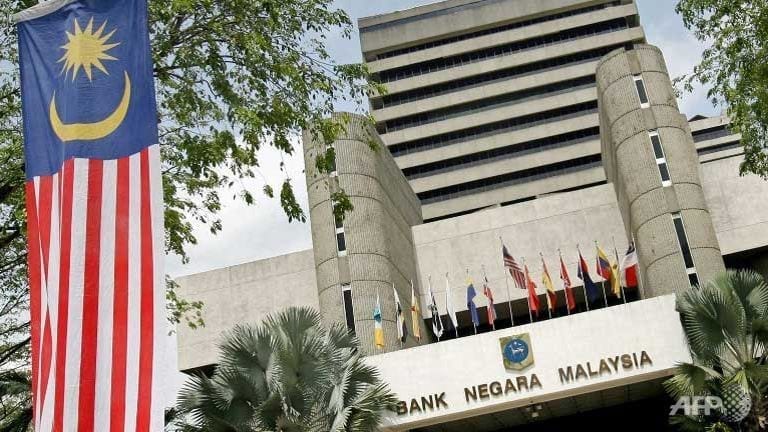
    Bank Negara Malaysia (BNM) is looking to extend the observation period for the net stable funding ratio (NSFR) in Malaysia for a year to 2020. NSFR is a liquidity standard which comes under the Basel III international regulatory reforms. It refers to requirements for banks to have in place a certain percentage of stable sources of funding, such as commercial papers that have more than a year’s maturity and retail deposits, to support their asset portfolios in the longer term.

    The initial deadline proposed by the Basel committee for the NSFR standard of above 100% was Jan 1, 2018. It was then deferred to Jan 1, 2019.

    Speaking at BNM’s Financial Stability Conference, governor Datuk Nor Shamsiah Mohd Yunus said the extension takes into account the intention to conduct further on-site assessments to validate the maturity and robustness of the liquidity and funding practices of banks, and uneven progress in implementation at the global level.

    “The bank remains committed to implementing the NSFR requirements as part of overall liquidity standards applicable to licensed banks in Malaysia.”

    She added that currently all banks maintain adequate liquidity buffers against short-term liquidity stress, and the vast majority of banks already report NSFR levels above the minimum 100% based on observation data.

    On another note, Nor Shamsiah said the challenge now is when a crisis is going to strike and how it will spread.

    In navigating an uncertain future, she suggested four strategic priorities for financial stability authorities.

    First, authorities need to remain vigilant as emerging economies face mounting pressures that continue to see more volatile capital flows. Second, authorities must continue to develop and deepen their understanding of risk transmission.

    Third, authorities must have a broad policy toolkit for responding to financial stability risks. Fourth, authorities need to increase policy agility as every crisis or financial stability issue is different, and each requires a different policy response.

  • Vietnam footwear industry to be benefited from trade war

    Vietnam footwear industry to be benefited from trade war

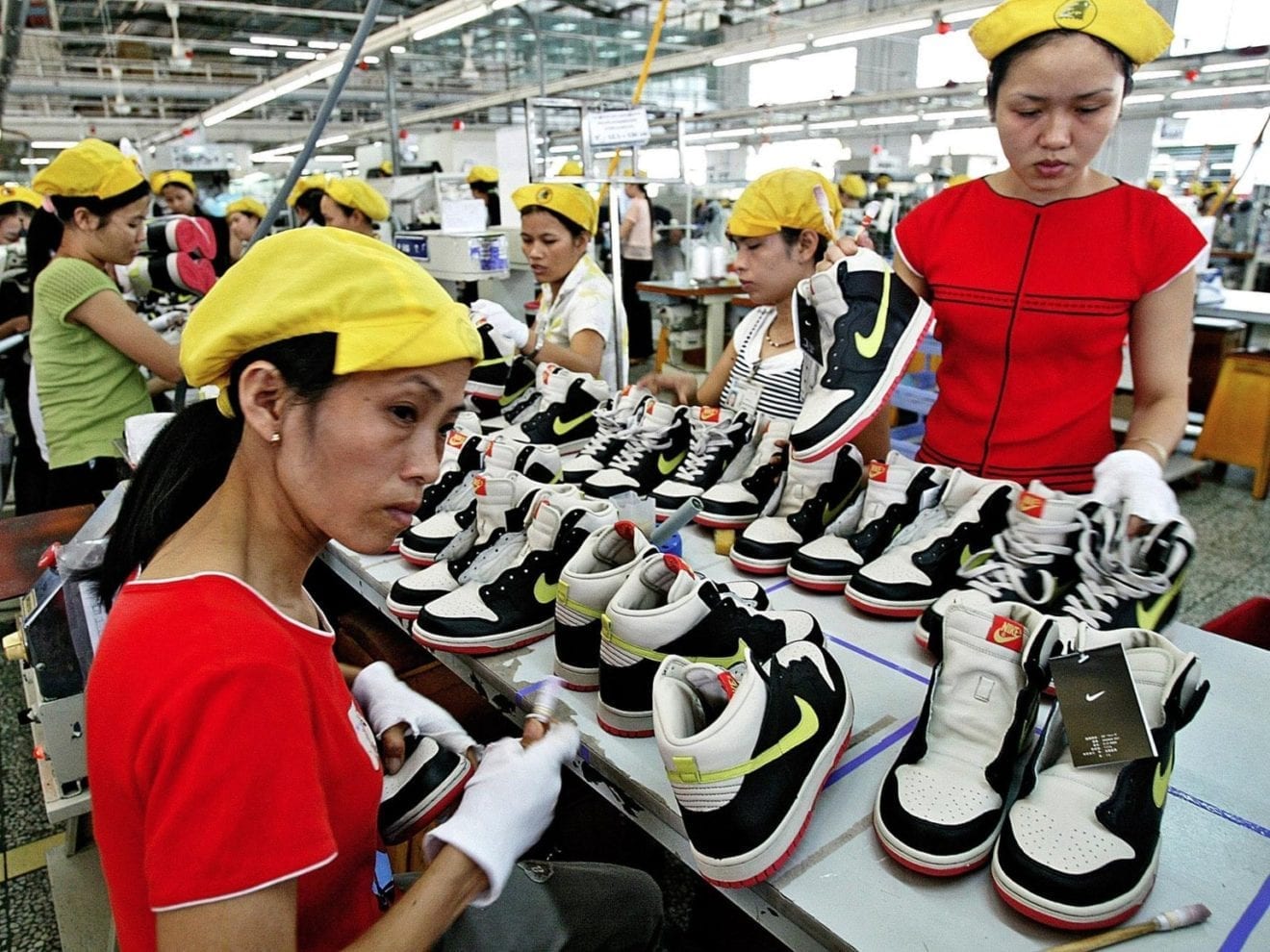
    Vietnamese footwear exporters seem to be benefiting from the ongoing trade war between the U.S. and China. According to customs statistics, Vietnam’s footwear exports in the first nine months of this year were worth $11.74 billion, a 10.2 percent year-on-year increase. Its exports to China in the period have risen by 28.5 percent, to Japan by 14.7 percent, and to the U.S. by 13.5 percent.

    Vietnam is the second biggest exporter of footwear to the U.S. behind China, shipping 404 million pairs of shoes last year.

    The upward trend is likely to continue, too, as rising wages in China increase the cost of goods produced there and the country is thus directing more of its manufacturing resources toward higher-priced goods like electronics, according to the global footwear news outlet Footwearnews.

    Foreign companies are moving to other countries like Vietnam to cut cost.

    Adidas CEO Kasper Rorsted said last May that his company is shifting sourcing of footwear from China to Vietnam.

    Vietnam has in fact overtaken China as its top supplier, with Vietnamese factories producing 44 percent of its shoes by volume last year and Chinese manufacturers supplying 19 percent, according to Adidas.

    This would help shield the company from potential tariffs or supply chain disruptions if President Donald Trump’s trade war with China continues to escalate, a fact its competitors also seem to be taking notice of.

    Vietnam may see export orders surging as footwear importers shun China to avoid high U.S. tariffs and choose the Southeast Asian nation instead, local media quoted Diep Thanh Kiet, vice chairman of the Vietnam Leather, Footwear and Handbag Association (Lefaso), as saying.

    “Vietnam’s leather and footwear export can reach $19.5 billion or slightly higher this year depending on the situation,” he said. Vietnam’s footwear exports were worth $14.65 billion last year.

  • Vietnam to cut dependancy on crude oil

    Vietnam to cut dependancy on crude oil

    A prime ministerial advisory body has said the state budget is overly dependent on crude oil, an unsustainable income source. The National Financial Supervisory Commission (NFSC) recently said crude oil is not a sustainable income source, both in the short and long term.

    In the short term, crude oil revenue can be affected by global oil prices and mining output; and the state budget has been significantly impacted by such fluctuations over the years, the NFSC noted.

    In the long run, this source of income is also unsustainable as national reserves are limited, it added.

    Earlier, Deputy Prime Minister Vuong Dinh Hue had said at a meeting of the legislative National Assembly that Vietnam needs to stop relying on crude oil and focus on tourism to ensure its economic growth.

    “It is better to welcome one million tourists than trying to find one million tons of crude oil because tourism is more eco-friendly and safe for the economy,” he’d said.

    Vietnam’s September crude oil exports totaled 375,000 tons, down 21.1 percent year-on-year, according to the General Statistics Office. This brought crude oil exports in the first nine months of this year to 2.97 million tons, down 45.2 percent from a year earlier.

    From early this year to September 15, accumulated budget revenue is estimated to be at VND898.3 trillion ($39.06 billion), of which VND43.5 trillion ($1.89 billion) or about 5 percent comes from crude oil, according to the General Statistics Office.

    Vietnam’s domestic crude oil production reached its peak in 2004 with an output of more than 20 million tons, but has declined to an estimated 14.2 million tons in 2017.

    It is forecast that around 11 million tons will be produced in 2018. Crude oil exports have contributed 0.25 percent to the country’s GDP in recent years.

  • Fair to screen startup hosted by LG

    Fair to screen startup hosted by LG

    Technology-related subsidiaries of LG hosted a fair on Monday in which 20 local start-ups presented their cutting-edge developments in areas such as autopilot technologies, artificial intelligence and big data. The small firms are seeking partnerships with and support from the fourth-largest conglomerate in Korea.

    LG picked the start-ups jointly with the Korea International Trade Association (KITA), hoping to revitalize local start-up ecosystem.

    The conglomerate is providing a venue for the fledgling firms to mingle with their larger counterparts and find new business opportunities.

    LG subsidiaries participating in the event include LG Electronics, LG Display, LG Innotek, LG Chem, LG U+ and LG CNS.

    Executives and researchers from those companies as well as KITA CEO Kim Young-ju paid a visit to the start-up fair, which took place at the LG Science Park in Magok, western Seoul, and had a closer look at technologies and services featured.

    Funnel, for instance, has developed a voice-recognition system that automatically collects information from television broadcasts. The resulting database can be used for artificial-intelligence smart speakers and voice-command chat bots.

    Venta VR owns a technology that is able to tape high-resolution 3D videos and calibrate the video images afterwards in a way that enhances the level of immersion and minimizes visual fatigue.

    LG will offer some of the participating start-ups office and research space inside the LG Science Park as well as technology-related consulting and funds.

    Companies under the LG umbrella have been increasing support for start-ups.

    LG Electronics is backing four start-ups that are in the web operating system business, whereas LG CNS and LG Display have been running their own programs.

    LG-led tech fairs aimed at locating and supporting promising local start-ups have been held in the United States, Germany, Israel and Russia.

    With a German start-up discovered during a tech fair in Europe, LG developed a linear compressor technology for refrigerators.

    LG says it will apply the cooperation system it developed overseas to Korean start-ups and smaller companies.

    “Future cooperation with start-ups will propel their global outreach,” said an executive at the LG Science Park.

  • Malaysia to have first Victoria’s Secret Lingerie Store

    Malaysia to have first Victoria’s Secret Lingerie Store

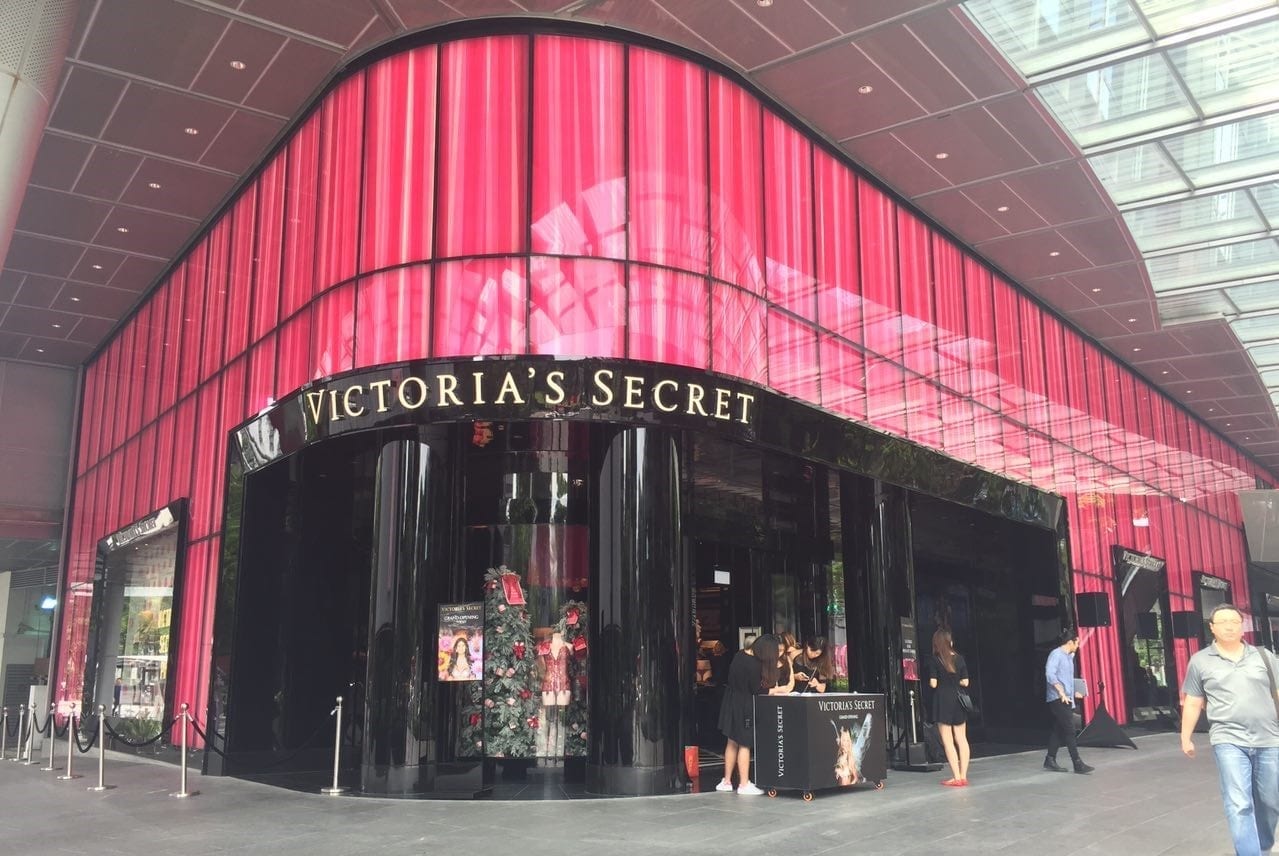
    The first full-range Victoria’s Secret Malaysia store has opened. Located in Mid Valley Megamall, the boutique has been launched by the US brand’s regional partner Valiram Group, which is also behind Victoria’s Secret stores in Macau, Bali and Singapore, (but not Hong Kong and Mainland China). It is reportedly planning more stores in Jakarta, Bangkok and Melbourne, Australia.

    The Kuala Lumpur store takes up 8233sqft, and has dedicated space for diffusion lines Pink and Victoria Sport, as well as the beauty products and perfume ranges stocked in earlier Victoria’s Secret stores in Malaysia.

    Many celebrities attended a formal opening earlier this month and social media key influencers including Joi Lynn have been photographed at the store.

  • Tod’s is not for sale

    Tod’s is not for sale

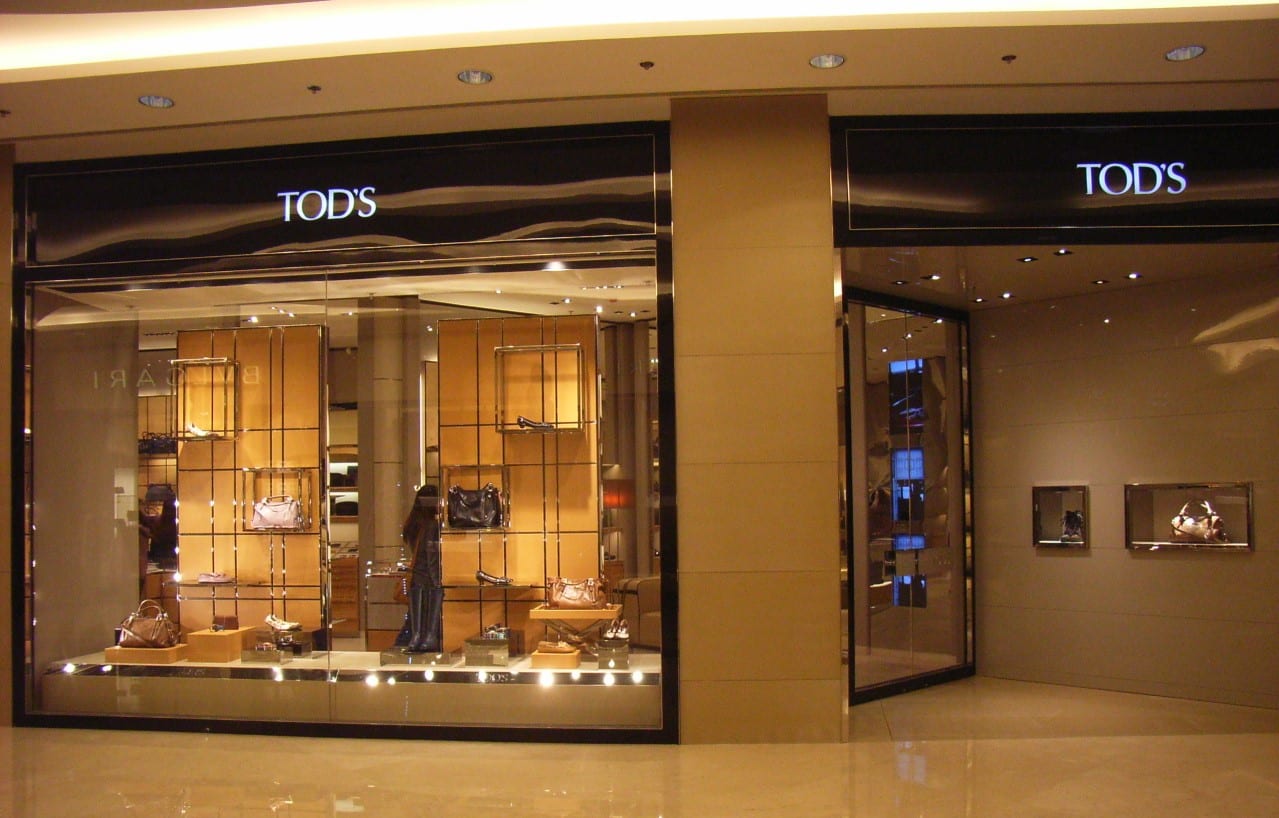
    Speaking at the 2018 Milano Fashion Global Summit, Tod’s Chairman and CEO Diego Della Valle denied rumours surrounding a possible sale of the Tod’s group, reports WWD. The report quoted Della Valle saying: “This rumor is a “recurring” one, but “if we really had to do an operation, it would be to buy, not to sell. “We are preparing the company for the next 10 years, when we will surely be attentive to new consumers, but carefully avoiding going overboard in chasing trends. We must not lose sight of who we are,” he added.

    Speculations followed after an Italian newspaper reported on Monday that Della Valle’s reorganization of the family’s holding companies may be an indication to a future sale of the group.

    The Della Valle family currently owns majority 60 percent of the Tod’s group through two separate holding companies – the Di.Vi. Finanziaria vehicle and the Diego Della Valle & C.

    For the first six months, Tod’s reported a 2.8 percent decline in its net profit to 33.7 million euros, while sales decreased 1.3 percent to 477 million euros compared to 483 million euros in the first half of the previous year but increased 1.8 percent at constant exchange.

  • JD start to have parcel delivery in logistic division

    JD start to have parcel delivery in logistic division

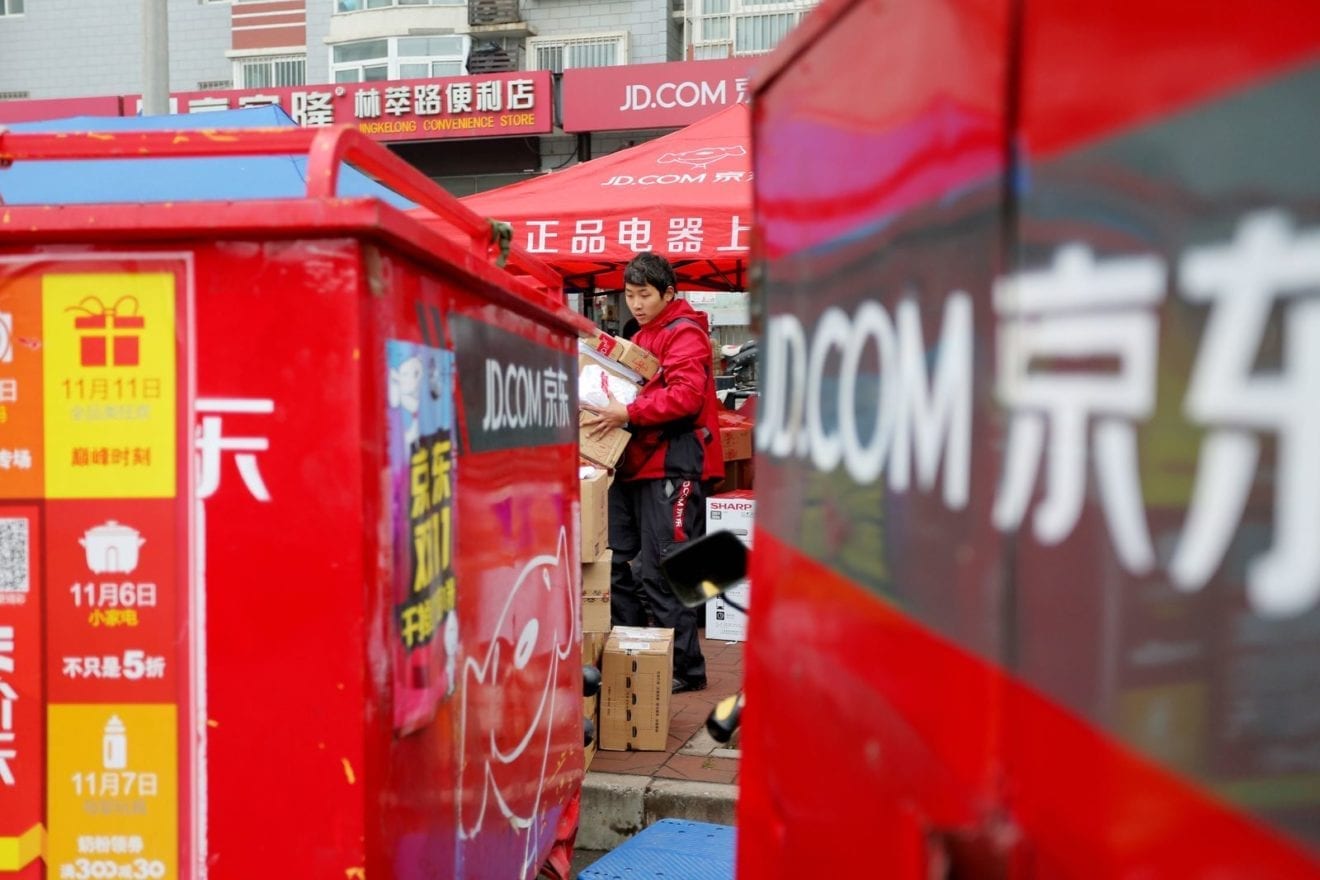
    Chinese e-commerce company JD is opening its logistics network up to consumers to send parcels around the country, marking the first entry by an e-commerce company into the parcel delivery business. The new JD parcel delivery service announced enables users of the company’s app in Beijing, Shanghai and Guangzhou to send items intra-city and throughout Mainland China, using the same fast and reliable delivery service JD offers with online purchases. The company, which will expand the program to include high-value items like luxury products and high-end consumer electronics, as well as more diverse options based on delivery timing, aims to eventually make residential and business deliveries for shippers from anywhere to anywhere within Mainland China in the future.

    JD is the only large-scale e-commerce company in the world to operate a nationwide in-house logistics network, down to the last mile. The company says its network, powered by its proprietary supply chain management technology, is able to deliver more than 90 per cent of orders same- or next-day, and reaches 99 per cent of China’s population.

    The new JD parcel delivery service includes a range of competitively priced options, including same-day delivery between different cities; same-day intra-city delivery; standard next-day or two-day delivery and next-day delivery between cities.

    “Depending on the delivery option chosen, packages may be sent by high-speed rail or air,” the company said in a statement. “Individual shippers can use the same JD app they use for shopping to schedule a pickup by one of JD’s full-time logistics staff, and have a parcel delivered thousands of miles away at the speed they choose. They will even be able to select JD’s luxury ‘white glove’ delivery service if they want to make the delivery extra special.”

    Zhenhui Wang, CEO of JD Logistics says the JD parcel delivery service marks the next step in leveraging the nationwide logistics network that JD has built over the past decade, to expand the range of services offered to its customers.

    “JD is known throughout China for the fastest and most reliable delivery, and we are confident that users will appreciate the convenience of this new service.”

    The program has already begun user trials with multiple ways for customers to request pickups. In addition to the JD app, shippers can request pickups on a JD Delivery mini program in WeChat, China’s largest social network operated by JD’s partner Tencent, and a JD “Delivery Team” WeChat account.

    JD unveiled the parcel delivery service at its 2018 Global Smart Supply Chain Summit held in Beijing today. Other initiatives announced at the summit – part of JD’s Global Smart Supply Chain Network Strategy – include JD’s smart warehouse management system initiative, an expansion of the company’s green initiatives, and the formation of a new energy union with 20 industry partners.

  • New Look to no longer selling in China

    New Look to no longer selling in China

    Embattled UK fashion retailer New Look is to quite China, closing some 130 remaining stores. The move follows a strategic review of the China business announced back in June, when the company put the brakes on an ambitious 450-store rollout plan after opening just 148.

    New Look has appointed property specialist CBRE to find new tenants for the 130 remaining stores in the country.

    In March, South African-owned New Look signed a Company Voluntary Arrangement with its creditors and landlords in the UK allowing 60 stores there to be closed. Chairman Alistair McGeorge at the time cast doubt on the future of the China plans announced by former CEO Anders Kristiansen.

    New Look’s China exit comes two months after rival chain Topshop terminated a franchise agreement with local partner Shangpin “by mutual agreement”.

  • CIMB chairman appointed new chairman

    CIMB chairman appointed new chairman

    CIMB Group Holdings Bhd has received Bank Negara Malaysia’s approval for the appointment of Datuk Mohd Nasir Ahmad as the group chairman. He will succeed Datuk Seri Nazir Razak, who is stepping down earlier.

    On Sept 24, Nazir announced his intention to retire from his position as the group chairman and all other positions within the CIMB group of companies by year-end.

    Nazir had served CIMB for 29 years since 1989, including as group CEO for 15 years and as group chairman since 2014. Under his leadership, CIMB grew from a fledgling corporate finance franchise into a top Malaysian investment bank, and was later transformed into a leading universal bank in Asean.

    Meanwhile, Mohd Nasir has been a member of the group’s board of directors (BOD) since 2015, and its senior independent director since April 2016.

    As part of this appointment, he will relinquish his positions as senior independent director and chairman of the audit committee. However, he will remain as a member of the group BOD’s audit committee, risk committee and group nomination & remuneration committee.

    Mohd Nasir is a chartered accountant by training and a fellow of the Association of Chartered Certified Accountants (ACCA), UK. He is also a council member of the ACCA Global Council. He has 39 years of corporate experience through companies such as Tenaga Nasional Bhd, including in CEO positions at Syarikat Permodalan Kebangsaan Bhd and Perbadanan Usahawan Nasional Bhd. He is the group chairman of Media Prima Bhd, as well as an independent director of CIMB Bank Bhd, SIRIM Bhd and Sistem Televisyen Malaysia Bhd.

    “I am delighted that following the Sept 24 announcement of my intention to retire, the board has been able to appoint my successor quickly from within the group board, and someone capable of taking over immediately. I am, therefore, relinquishing all my positions in the CIMB group with effect from today. Naturally, I will make myself available to assist the new chairman in any way to ensure a smooth transition,” Nazir said in a statement on Mohd Nasir’s appointment.

    CIMB group’s BOD and chairperson of group nomination & remuneration committee Teoh Su Yin said Mohd Nasir’s substantial corporate experience in various capacities and leadership roles, coupled with his three-year directorship on the CIMB group board, will provide valuable guidance and continuity during this time of transition and CIMB’s continued evolution.

    “The board looks forward to his stewardship as the group shapes its next mid-term growth strategy. The board would also like to record its appreciation to Nazir under whose tenure CIMB grew and became a leading Asean financial institution, and we wish him all the very best for the future.”

    CIMB group CEO Tengku Zafrul Aziz said the group looks forward to being guided by Mohd Nasir as it starts executing its next mid-term growth plan in 2019, which will focus on, among others, the people, customers, digital and sustainability.

  • Vietnam’s authority no longer certain about 2020 GDP target

    Vietnam’s authority no longer certain about 2020 GDP target

    Vietnam’s GDP per capita is set to increase this year, but its 2020 target of $3,200-3,500 looks distant. Minister of Planning and Investment Nguyen Chi Dung said at a National Assembly meeting Monday that if Vietnam’s GDP increases by 6.7 percent this year, per capita GDP will reach $2,540, up $155, or 6.1 percent year-on-year, and 1.21 times that of 2015.

    However, the number is still far away from the country’s target of $3,200-3,500 by 2020, he conceded.

    According to World Bank Group statistics, Vietnam’s GDP per capita in 2017 is $2,343. The figure for Singapore is $57,714, Malaysia ($9,945), Thailand ($6,594), the Philippines ($2,989) and Myanmar ($1,298).

    Minister Dung estimated that Vietnam’s GDP would grow by 6.57 percent on average in the 2016-2018 period, meeting the National’s Assembly target of 6.5-6.7 percent growth.

    However, he expressed concerns about the increasing number of businesses that stopped operations in the first nine months of this year.

    While 96,610 new businesses opened, 73,100 closed, up 48 percent year-on-year.

    These figures worried government officials at the meeting. Vu Hong Thanh, Chairman of the National Assembly’s Economic Committee, said that the goal of having one million businesses by 2020 will be “difficult to achieve.”

    Last year Vietnam had over 560,000 active businesses, up 11 percent year-on-year, according to the General Statistics Office.

    But in another meeting last week, Deputy Prime Minster Vuong Dinh Hue said that the goal “is full of challenges, but achievable.”

    Hue said that how strong these businesses are and how much they can contribute to the economy is more important.

    “The government aims to practically improve the business environment by not imposing more conditions,” he said.

    In the first nine months this year, Vietnam’s GDP grew by 6.98 percent, the highest nine-month growth rate since 2011. The economy grew by 6.81 percent last year, the highest rate in a decade.

  • SK Group continues to focus on social value

    SK Group continues to focus on social value

    SK Group is reevaluating its business models in a bid to ensure that all of its affiliates create social value along with economic value. SK Chairman Chey Tae-won and the heads of all SK affiliates discussed ways to renew their business models so that doing business leads to increasing benefits for the public as well as SK shareholders and employees during a three-day meeting on Jeju Island that ended Friday.

    “Creating social value is a way to earn strong trust from our customers and society,” Chey said. “By social value, I mean increasing the benefits of all stakeholders in our business including our customers, shareholders and employees.”

    Chey then ordered the chief executives to think over whether there was any part of their business that they are tricked into believing is sustainable.

    “Rethinking business models that you believe are sustainable is the beginning of a deep change that we are trying to accomplish,” the chairman added.

    SK has been making small steps into realizing Chey’s vision from earlier this year. The group’s oil refining arm SK Energy opened up the idle space at its gas stations so a logistics start-up can move in and use the space as storage.

    However, many other SK affiliates still need to come up with ideas to create social value.

    To renew business models, the CEOs agreed that sharing data and resources between SK affiliates is crucial. The heads also said that all members of SK should be a part of the movement for the vision to materialize.

    The chief executives first decided to improve human resources management policies and the research and development system. Details of the discussion weren’t revealed, but Chey ordered the chief executives to rethink the work environment for employees and to bolster R&D capabilities.

    As SK has businesses in a range of industries, the group is also thinking about business convergence among affiliates.