Author: Mei Ling Tan

  • 18 hours queue for Jollibee London opening

    18 hours queue for Jollibee London opening

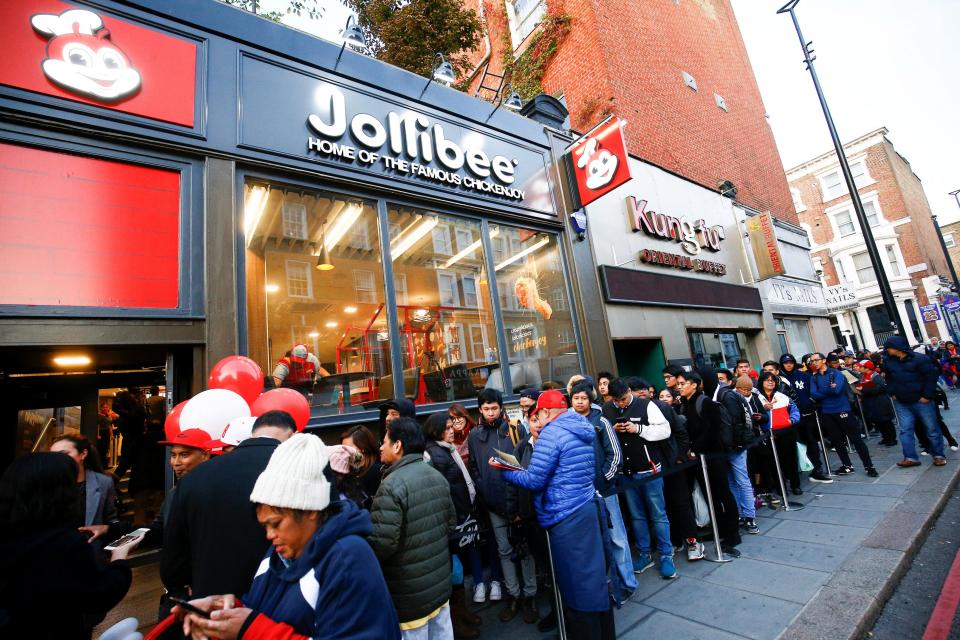
    Jollibee opened its first fast-food restaurant in London on Sunday, drawing queues of expat Filipinos who braved the autumn chill overnight to be among the first locally to savour Chicken Joy and burgers. According to mainstream news media, “thousands” of Filipinos visited the Jollibee London restaurant, located in Earl’s Court.

    Ernesto Tanmantiong, CEO of Jollibee Foods, said at a press briefing on the site that the crowds at the London store demonstrated the depth of customer loyalty to the brand which was helping the company reach its ambition of expanding all over the globe. He wants Jollibee to one day become the world’s largest fast-food operator.

    “Today, we are at number 11 or 12, depending on [our] stock price. To achieve that dream, we will require an aggressive expansion coming from strong organic growth and strategic acquisitions.”

    Jollibee plans to open 50 stores across Europe during the next five years, with Spain and Italy the priority markets after the UK, where it would target large cities.

    “We believe we can be successful in the UK because of two factors,” added Dennis Flores, head of international business in Europe, Middle East, Asia and Australia. “We know our flagship product is Chicken Joy and the UK is the largest fried chicken [market] in Europe.”

  • Vietnamese taxi firm to get support in lawsuit against Grab

    Vietnamese taxi firm to get support in lawsuit against Grab

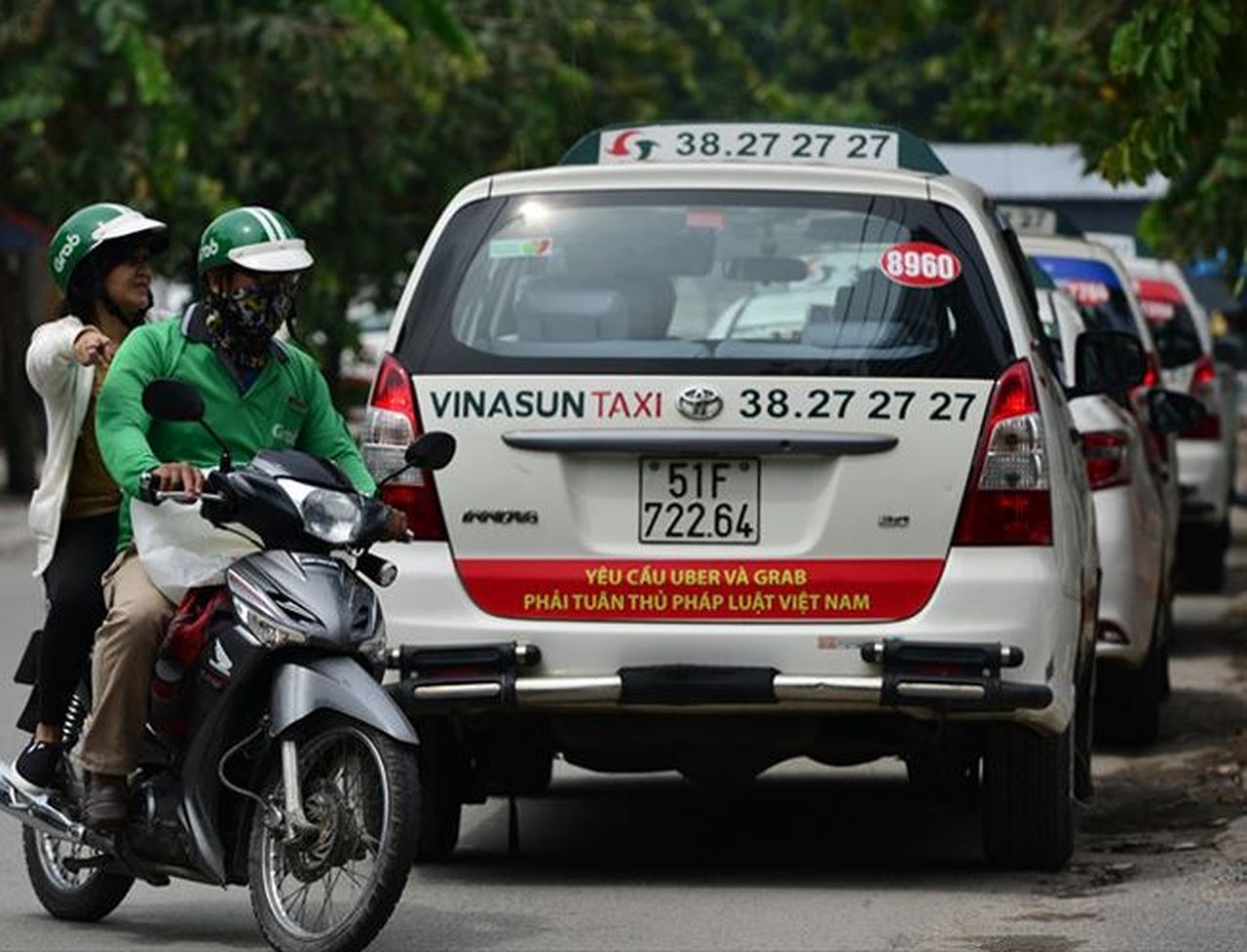
    Prosecutors have argued in a trial in HCMC that Grab must pay Vinasun compensation for losses it caused through “unhealthy competition.” At a hearing Tuesday the city People’s Procuracy rejected ride-hailing firm Grab’s argument that the court had no jurisdiction over the case, saying it does since it is a commercial dispute.

    Prosecutors also asked the judges to deny Grab’s request to summon representatives of Vietnam’s Ministry of Transport, other companies participating in the ministry’s pilot scheme for ride-hailing services and the company responsible for estimating Vinasun’s losses.

    As for Grab’s claim it is a tech firm and not a taxi company, they said since the firm directly assigns drivers, sets fares, sets regulations for drivers, and offers promotions, there is enough reason to dismiss this too.

    “Vinasun’s demand for compensation for reduced profits is well founded since Grab was dishonest in its business declaration and ran promotions in contravention of regulations, causing over 70 percent of Vinasun’s customers to switch to Grab due to lower fares.”

    Vinasun’s after-tax profit was nearly VND320 billion ($13.7 million) in 2015 and VND295 billion ($12.63 million) in 2016, but dropped to VND53 billion ($2.27 million) in the first half of 2017, by which time over 8,000 drivers had quit and hundreds of cars had stopped running due to a lack of drivers.

    Prosecutors asked the court to accept Vinasun’s petition for compensation of VND42 billion (nearly $1.8 million) in one payment.

    Grab continued to insist the case did not come under the court’s jurisdiction and that it is a tech firm.

    Dismissing the claim it had caused losses to Vinasun, Grab cited market research purporting Vinasun has been losing customers due to other reasons such as driver’s attitude, long waiting time and declining car quality.

    Vinasun filed the suit against Grab at the HCMC People’s Court in June last year accusing the Malaysia-based firm of abusing the Ministry of Transport’s pilot scheme and committing violations.

    Claiming Grab’s illegal activities had caused damages to it, Vinasun claimed to have suffered losses of nearly VND76 billion ($3.25 million) in 2016 and the first half of 2017, of which nearly VND42 billion (nearly $1.8 million) was caused by Grab.

    The trial began last February, but was first adjourned a month later due to the need for more evidence and again last month when Grab protested against the evaluation of Vinasun’s losses and refused to attend.

    The court is scheduled to hand down its verdict next Monday.

  • Clarks Shoes new store design showcased in Singapore store

    Clarks Shoes new store design showcased in Singapore store

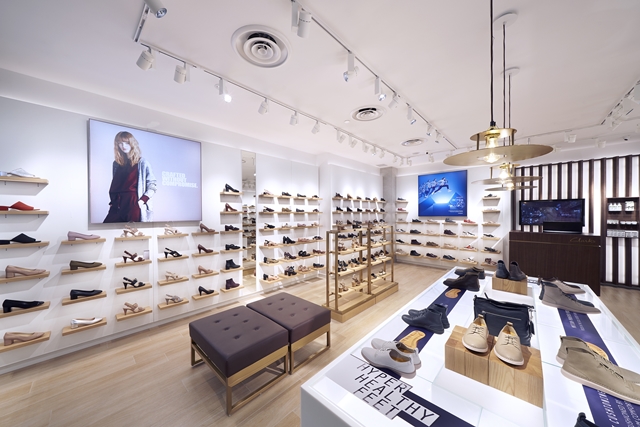
    Singapore’s first Clarks Pure concept store opened its doors today, described as “a classic, understated and uncluttered retail space which reflects the brand’s history and modern spirit”. The new Clarks Singapore store is located in the Ion Orchard shopping centre. It is the first Pure store to be opened by the footwear brand in Southeast Asia and follows successful launches in Manchester and Glasgow, in the UK.

    Guillaume Nagy, president SEA & Oceania, at Clarks, said the store is designed to breath a new personality into the brand. It will be rolled out in other Southeast Asian markets during coming months.

    “We want to offer this elevated brand experience with the Pure store design,” said Nagy. “Singapore has an incredibly dynamic retail environment and we know the extension of Pure to Ion Orchard will be well received by existing and potential consumers. It is the first retail initial initiative of many to be implemented in the city state, turning Singapore into our flagship market and a centre of excellence for the region”

    Nagy said the focus of the store design was to make the shoe the star and to tell immersive stories that resonate with consumers.

    “Pure helps us achieve both in a way that is authentic to Clarks.”

    The new Clarks Singapore store features classic leather buttonback seats on birch floors and soothing neutral colours. It uses natural materials such as oak and timber to build on the themes of simplicity and honesty.

    Light boxes and opal resin podiums create a gallery-like display space for the collections. Brand and campaign imagery are displayed within the store for enhanced storytelling, while large-scale lightboxes draw consumers in and communicate key brand messages.

    The concept was designed by Stiff & Trevillion, whose spokesperson said Pure was chosen as the concept because it links to honesty.

    “Clarks uses honest design and materials in its shoes and we wanted the store design to reflect that through the use of natural materials and truthful lighting.”

  • SKT, Deutsche Telekom sign co-investment agreement

    SKT, Deutsche Telekom sign co-investment agreement

    SK Telecom and Germany’s Deutsche Telekom have signed a strategic cross-investment partnership aimed at strengthening their competitiveness in 5G.

    Under the agreement, SK Telecom will invest in MobiledgeX, a Deutsche Telekom subsidiary focused on edge computing technology.

    Deutsche Telekom will reciprocate by investing the same amount in ID Quantique, an SK Telecom strategic partner in quantum cryptography communication technology.

    The operators have made the cross-investment in a bid to ensure they are in a position to offer specilized 5G services in the upcoming 5G era, supporting the expected development of intelligent services such as connected vehicles, smart factories and wearable devices.

    As part of the collaboration, SK Telecom and Deutsche Telekom are evaluating applying quantum cryptography communications technologies on their respective 5G trial networks.

    The companies are also reviewing using mobile edge computing technologies to reduce data transfer time, for applications such as enabling authorities to conduct on-site monitoring of disaster-affected areas or responding more quickly to traffic accidents.

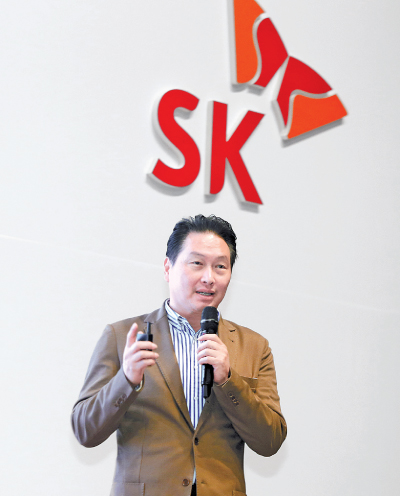
    The collaboration will also cover initiatives in new business areas such as artificial and virtual reality. SK Telecom is pleased to enter into a cross-investment agreement with Deutsche Telekom as it will serve as a valuable opportunity for us to further solidify our 5G leadership in the global market and drive new growth,” SK Telecom president and CEO Park Jung-ho said.

  • Construction begins on PEACE cable

    Construction begins on PEACE cable

    Huawei Marine Networks and the 12,000 kilometer PEACE Cable system have hit a new milestone. The project has now entered into the cable and material manufacturing stage, staying on schedule for an RFS date in the first quarter of 2020.

    PEACE stands for Pakistan & East Africa Connecting Europe, which tells you pretty succinctly the route they will be taking. With one end in Pakistan and the other in southern France, it will come ashore in Djibouti and Egypt along the way with an extension south to Somalia, Kenya, and the Sechelles.

    Further plans suggest extending that branch further down to South Africa.  The landing parties on either end will be Pakistan’s Cybernet and Djibouti Telecom, and the agreements for destinations in between are expected to follow in the next few weeks.

    The build promises the lowest latency route between Europe and China, although the materials I have don’t say exactly how they plan to do that – a terrestrial leg through Pakistan and western China perhaps?

    When complete, the PEACE cable promises 16Tbps per fiber pair. An earlier announcement suggested 5 fiber pairs for a total of 60Tbps, though I don’t know if plans have evolved since then.

  • Bankrupt US retail giant Sears owes Vietnamese firm $4 million

    Bankrupt US retail giant Sears owes Vietnamese firm $4 million

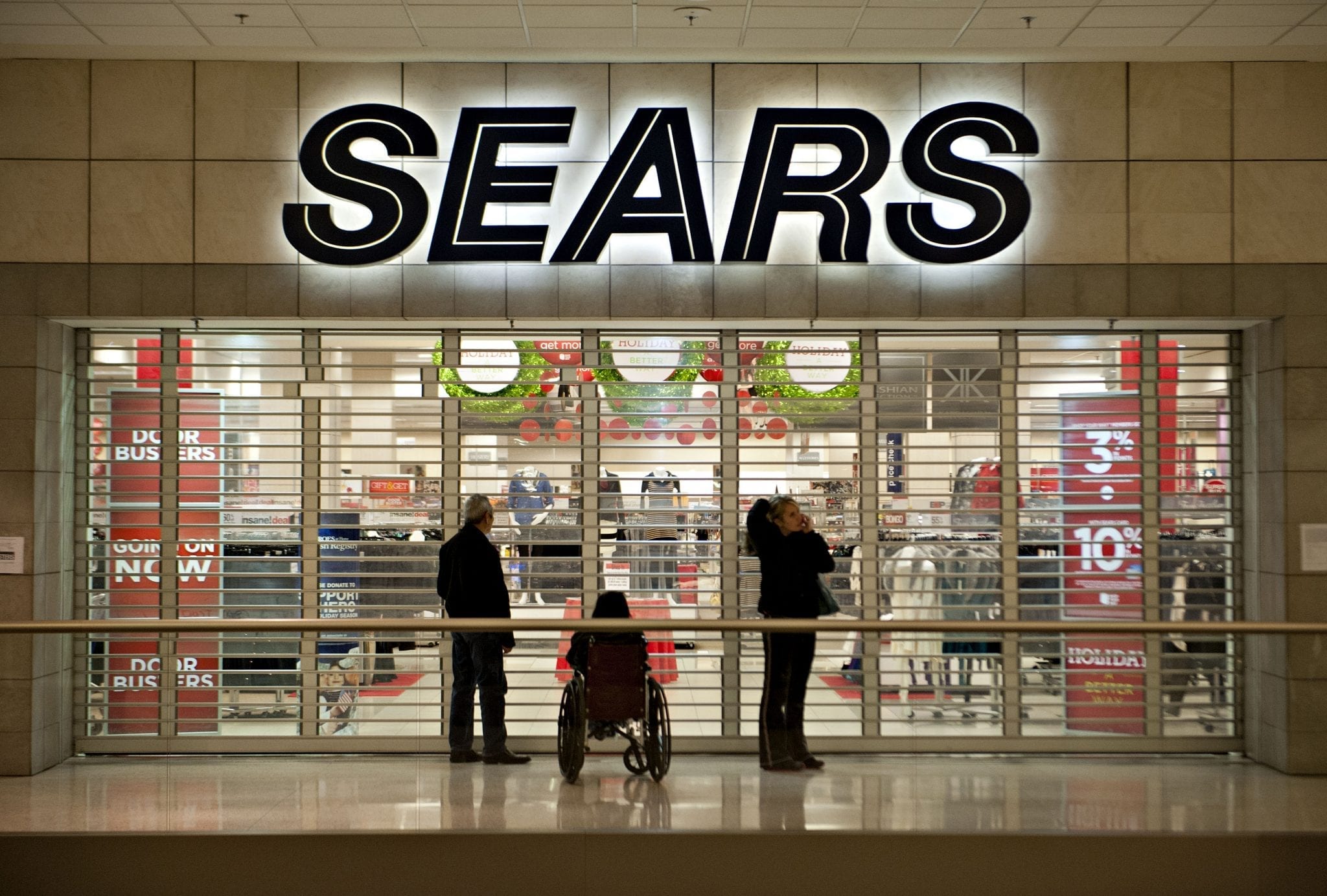
    Sears, a U.S. retail titan that has filed for bankruptcy, owes a Vietnamese textile company upwards of $4 million. Sears Holdings filed for bankruptcy on October 15 after failing to make a $134 million debt payment tranche. Its subsidiaries, Sears, Roebuck and Kmart are partners of Vietnamese textile firm Thanh Cong, contributing about 7 percent to the textile firm’s revenue every year.

    Last year, Sears contributed VND220 billion ($9.38 million) to Thanh Cong’s revenues of VND3.2 trillion ($136.5 million). Sears remaining debt to Thanh Cong is VND95 billion ($4 million), or 3 percent of the textile firm’s total assets, according to Vietnamese company’s  third quarter report.

    Thanh Cong CEO Lee Eun Hong said that his company was seeking to participate in the process and retrieve its money.

    The hearing is scheduled for November 15.

    Thanh Cong Textiles, established in 1967, has reported accumulated revenues of VND2.82 trillion ($120.3 million) in the first nine months of this year, up 15 percent year-on-year.

    Exports account for 88 percent of the firm’s revenue.

    The bankruptcy filing by Sears follows a decade of revenue declines, hundreds of store closures, and years of deals by billionaire Eddie Lampert in an attempt to turn around the company he acquired in 2005 for $11 billion.

  • Kakao’s blockchain gets 9 development partners

    Kakao’s blockchain gets 9 development partners

    Nine companies have agreed to develop apps for Kakao’s new Klaytn blockchain system. The public platform was developed by Ground X, Kakao’s blockchain subsidiary. It was offered on Oct. 8 on a test basis, or testnet. Kakao, Korea’s largest messenger app company, announced the introduction on Monday.

    The companies building the apps are from a wide range of industries from gaming to health care. They are planning to use Klaytn for the development and operation of dApps, or decentralized applications.

    Service operators are attracted to dApps because of their decentralized nature, transparency and ability to incentivize users through in-app rewards.

    Wemade Tree, a subsidiary of game developer Wemade Entertainment, is one of the Klatyn partners. Wemade said it wants to use blockchain because it allows for smooth and speedy operations. Wemade’s games, including its popular Legend of Mir massively multiplayer online role-playing games (Mmorpg) series, have over 200 million accumulated users.

    Piction Network, which helps web comic and novel creators retain ownership over their works while making them available for users, has also partnered with Klaytn. Piction Network plans to provide its Klaytn-powered network to webtoon platform Battle Comics, which currently has over a million active users.

    A blockchain-based food data project called Hint Chain, operated by Vital Hint, has also announced a plan to utilize Klaytn. Vital Hint first gained popularity for providing recipe recommendations through apps like Foodiest. Hint Chain goes one step further and analyzes individual tastes and eating habits. Hint Chain plans to use Klaytn to help consumers manage their eating and purchasing habits, and make this information available to restaurants, convenience stores, supermarkets and hospitals.

    Other notable industry partners include Nabu Studio, a sports simulation game developer, Airbloc, a data marketplace for businesses interested in gathering personal information for research and advertising, and Humanscape, a data marketplace specifically dealing with health information related to rare and incurable illnesses.

    Cosmochain, another partner, is a beauty information platform that incentivizes users to provide feedback on cosmetics products.

    VETTA is a crowdfunding platform for games selected by GTR, a game accelerator. Rayon connects borrowers and lenders.

    “It’s important to prove the value and utility of blockchain in order for the technology to commercialize,” said Han Jae-sun, chief executive of Ground X. “We will soon gradually begin presenting high-quality services that we worked on together with partners.”

    After the selected partners complete a test run, Klaytn plans to launch in the first quarter of 2019. Until the official release, Klaytn will continue forming new partnerships with qualified companies.

    “Service providers and developers interested in using Klaytn’s testnet can still register on the official Klaytn homepage,” said a Kakao spokesperson.

  • Lotte pledges 50 trillion won investment

    Lotte pledges 50 trillion won investment

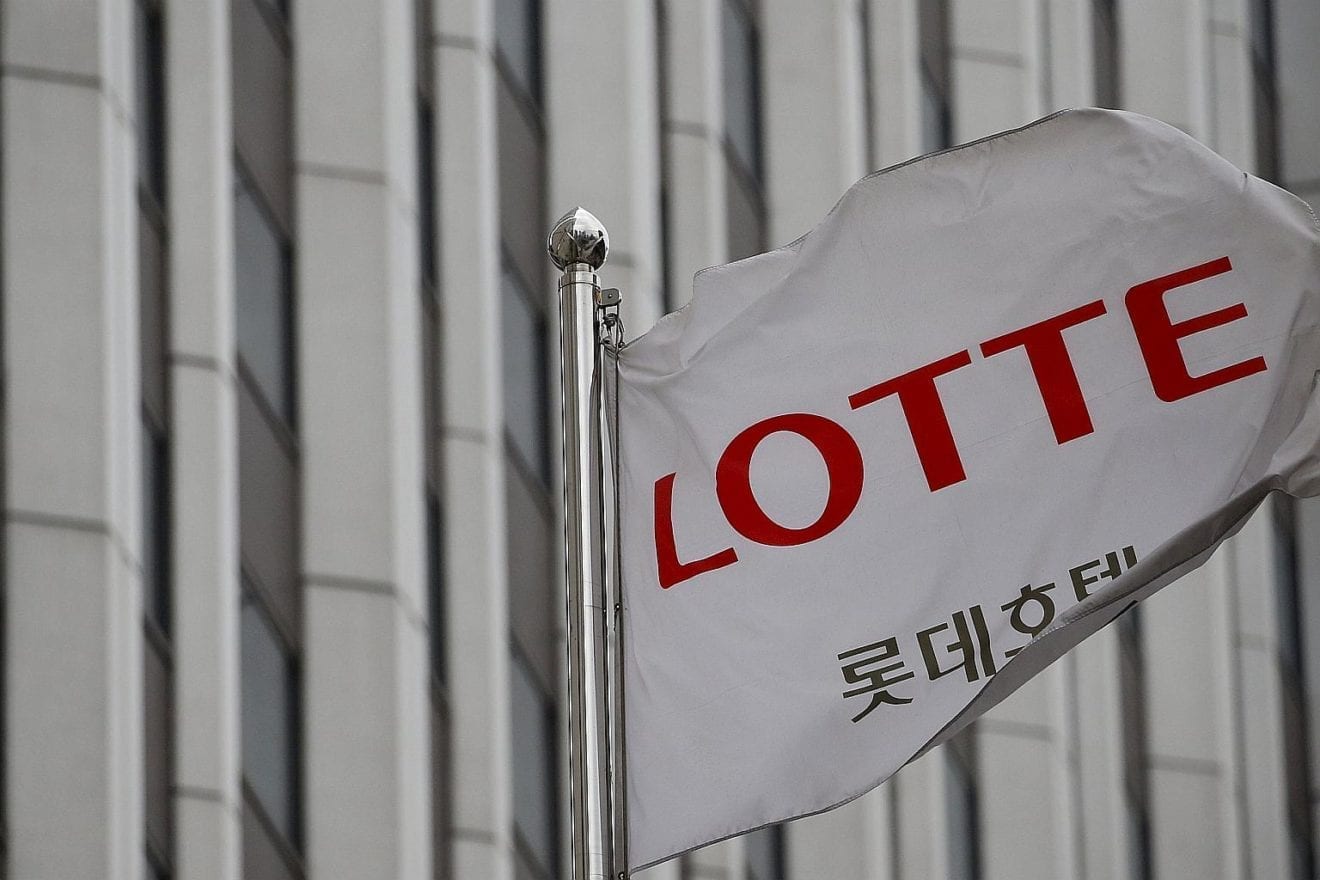
    Lotte Group announced Tuesday a major investment plan to spend 50 trillion won ($43.9 billion) and hire 70,000 workers over the next five years. “The plan comes in order to normalize management activities, obtain a competitive edge for future growth and contribute to vitalizing the local economy,” Lotte said in a statement.

    The announcement comes on the heels of similar plans announced by other conglomerates like LG, Shinsegae and Samsung. Lotte couldn’t join that wave because Chairman Shin Dong-bin was sentenced to 30 months in prison last February for bribing former President Park Geun-hye. On Oct. 5, the Seoul High Court replaced the prison sentence with four years of probation, and Shin returned to work three days later.

    Lotte announced an investment plan of 40 trillion won in 2016. But most of the investments couldn’t be executed after the group was badly affected by the deployment of a U.S. antimissile system in Korea in 2017 on a golf course formerly owned by the group and a Chinese boycott against Lotte that followed. Shin’s imprisonment earlier this year also got in the way.

    Execution of the 50-trillion-won plan will start next year. A 12 trillion won budget is planned for 2019, a record for the conglomerate.

    The two sectors that will receive the greatest attention are chemicals and retail. Some 40 percent of the investments will be in chemicals and 25 percent in retail. Lotte grew to its current size thanks to food and retail, but in recent years, the company has been active in developing the chemical business.

    For chemicals, investments will focus on expanding local and overseas manufacturing facilities. The group currently has factories in three locations in Korea, which Lotte said will be expanded.

    Investments in overseas facilities will also be made to expand the company’s businesses abroad. Lotte Chemical has a $4-billion project in Indonesia that was put on hold when Shin was jailed. A source at Lotte said, with Shin back in the saddle, resuming the project won’t take long.

    The main goal for investments in retail is improving the infrastructure for e-commerce. Lotte said in a statement it plans to establish logistics and computing infrastructure to offer a more convenient experience for shoppers online and off.

    Tech development and enhancing the level of digitalization is a long-term goal across the conglomerate’s affiliates. For example, Lotte wants to apply tech to its food business: Artificial intelligence technology is underway to be used for trend analysis and to suggest new products.

    Indonesia and Vietnam will be two foreign markets Lotte’s affiliates will focus on. The company once had a huge footprint in China, but Beijing unofficially retaliated against Lotte after the deployment of the antimissile system in Korea. The company added in the statement that it would continue discovering new markets.

    The goal for new jobs in 2019 is 13,000, which is 10 percent higher than what Lotte plans to hire this year. Many hires will be in the e-commerce sector.

  • Positive trend for South Korean duty free sales

    Positive trend for South Korean duty free sales

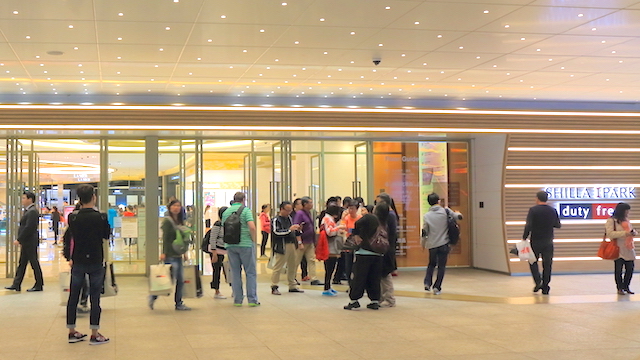
    South Korean duty free sales in the first nine months of 2018 have exceeded total sales for 2017. Sales hit an all-time high of US$12.9 billion between January and September, according to Korea Duty Free Shops Association. That figure exceeds the US$12.8 billion recorded for full year 2017.

    The performance comes despite a significant fall in the number of Chinese tourists to South Korea since the THAAD dispute erupted in early 2017, with a number of restrictions imposed by the Chinese government including a ban on group tours.

    As reported, the latest Korea Tourism Organization (KTO) figures showed that Chinese arrivals were up just +6.5 percent year-on-year (to 3,059,075) in the first eight months of 2018, reflecting a very tough first quarter before Korean-Chinese relations improved as the THAAD dispute eased.

    In the first eight months of 2016 – long before the THAAD crisis began– some 5,608,046 Chinese arrived in South Korea. That figure is +83% higher than the 2018 performance over the same timeframe, highlighting the scale of the drop in Chinese tourist numbers.

    A key factor driving sales is the daigou phenomenon.

    Daigou (also known as ‘shuttle traders’ in South Korea) buy goods abroad (predominantly cosmetics but also a wide range of accessories and other premium and luxury goods, as well as commodity items such as milk powder) and resell them (often through well-organised networks) on the Mainland.

    As reported though, a Chinese government crackdown on returning daigou shoppers after the Golden Week holiday (1-7 October) has raised serious questions about the future of a sector that has buoyed Asia Pacific travel retail in recent times.

    Many South Korean retailers expect China to continue to ease economic and travel restrictions, including a full lifting of the ban on group tours in the near future.

    The return of group tours would be a significant boost – and could mean the pendulum swings back from individual shuttle traders to large group tours and traditional FIT business in terms of being the key driver of duty free sales.

  • HTC Opens Flagship Vive Store in China

    HTC Opens Flagship Vive Store in China

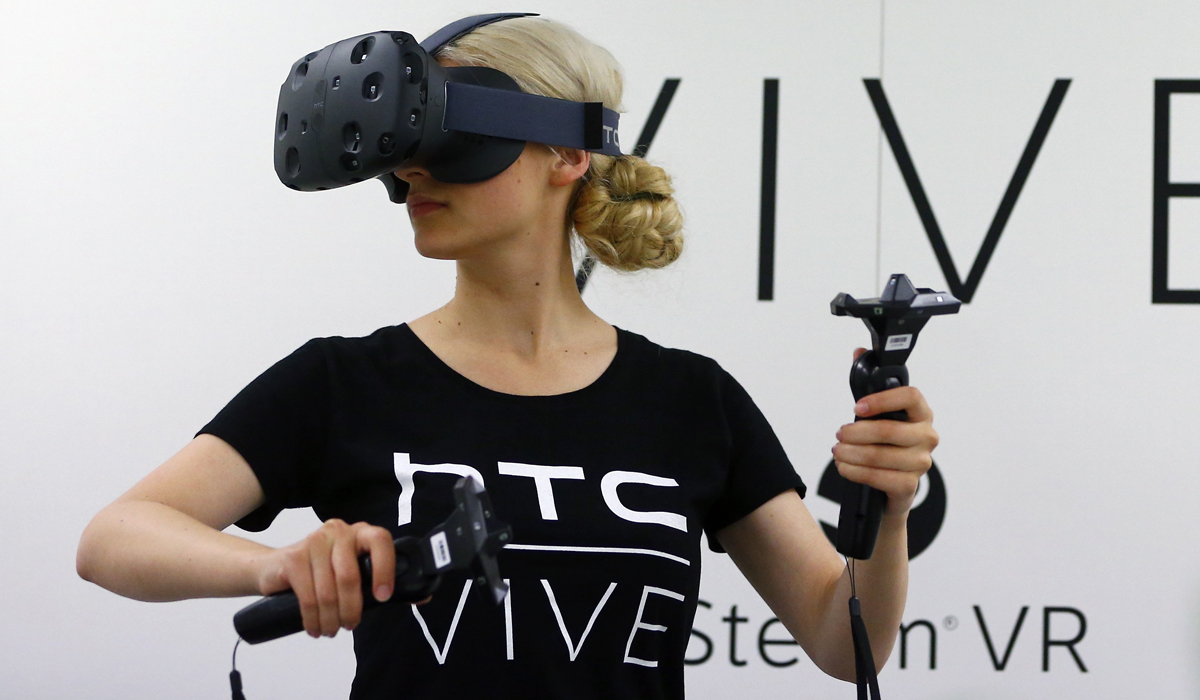
    Taiwanese smartphone maker HTC has opened the doors of its first global flagship store for its Vive VR headset. The Shenzhen store will offer consumers the chance to experience VR technology in a relaxed in-store environment. The brand wants consumers to build a better understanding of how VR works, the content available, and how it can enhance their lives – through entertainment and practical applications.

    HTC launched its first Vive headset three years ago and is now a predominant player in the Chinese VR market, claiming 82 per cent market share at one point last year.

    It is now partnering with video game maker Ubisoft Entertainment, Warner Brothers and the McLaren Formula 1 team to participate in the China Digital Entertainment Expo and Conference, nicknamed ChinaJoy, where it will have a VR gaming carnival.

    HTC has long been running at a loss as sales of its handsets fall in the highly competitive smartphone market and it sees VR technology as an opportunity to return to profitability.

  • Hamleys no longer under ownership of China’s C.banner

    Hamleys no longer under ownership of China’s C.banner

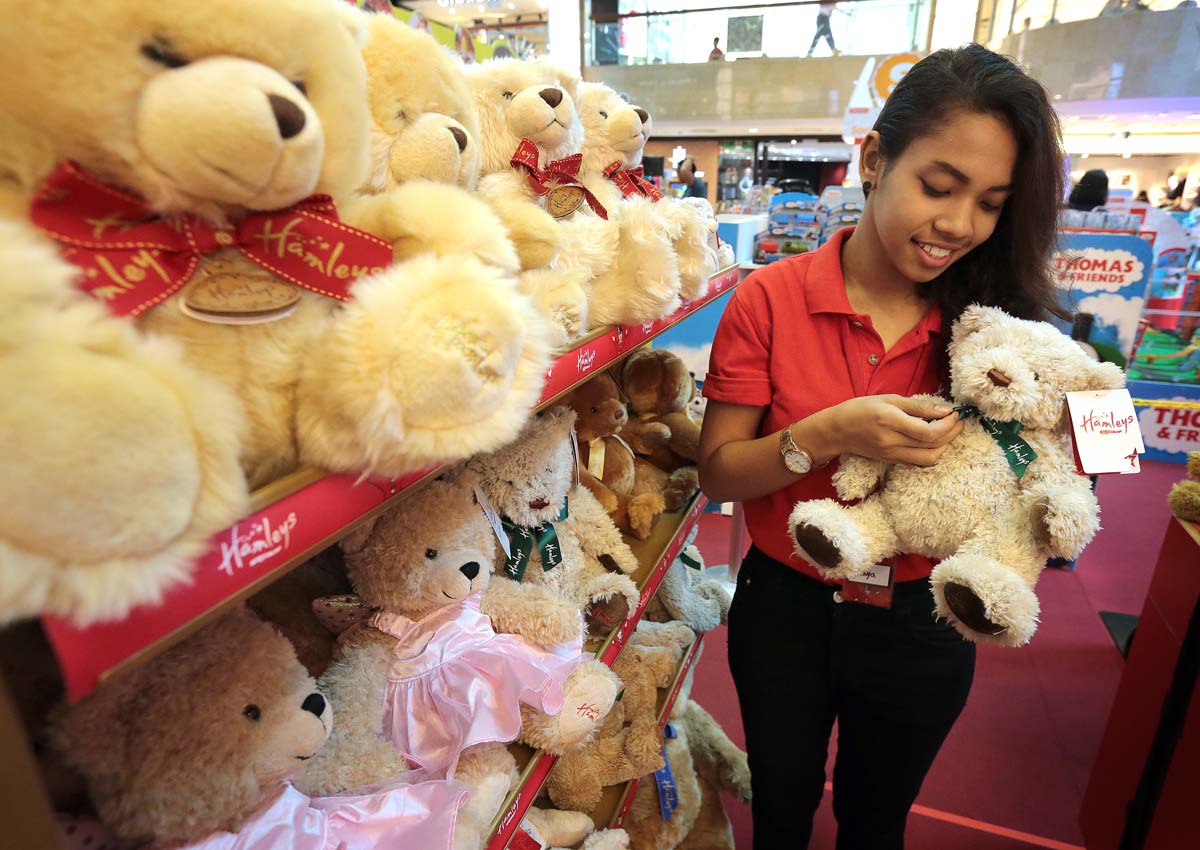
    Toy retailer Hamleys looks likely to be sold by Chinese owner C.banner International. The company has launched a strategic review of options for Hamleys’ future after receiving several expressions of interest from would-be buyers. C.banner International has owned Hamley’s for just three years, but the Chinese company has suffered a massive decline in its share price leading to an aborted bid for UK department store House of Fraser.

    At the time the Hong Kong-listed company planned a share issue to raise funds to acquire House of Fraser, it expected to receive between HK$2.40 and $3 per share. In August, when it dropped the plan, its shares were trading at 71 cents and today they are trading at just 56 cents each.

    The prospective bidders have not been named and talks are at a preliminary stage. C.banner has appointed Vermillion Partners to oversee discussions.

    In the year to December 31, Hamley’s recorded a loss of £12 million, a heavy reversal from a profit the previous year of £2.6 million. Sales fell 2.5 per cent to £66.3 million.

    But the company said it was on track to return to profitability and during the first eight months of this year it achieved 2.7 per cent like-for-like sales growth.

  • Hobbs launches in Hong Kong soon

    Hobbs launches in Hong Kong soon

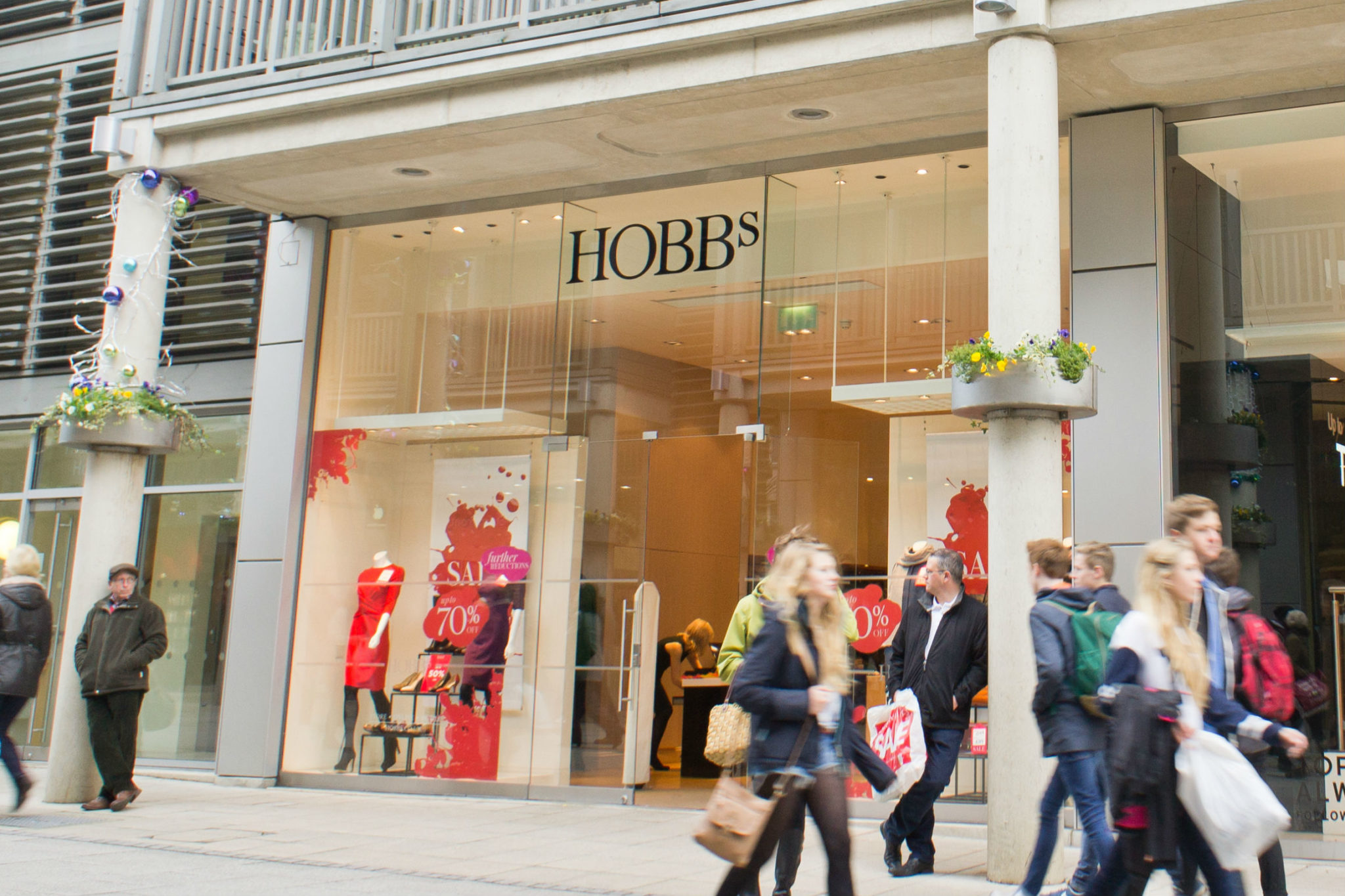
    Hobbs will open its first store in Hong Kong in December, inside IFC mall. The UK womens fashion label has set a rapid expansion program this year, with the Hong Kong store marking its seventh new international market. Founded in London in 1981, initially specialising in shoes before expanding into the clothing and accessories, it has expanded across the UK, US and Germany and sells online.

    This year it has already opened points of sale in Kuwait, Japan, Beijing, Singapore, Belgium and South Africa.

    Hobbs CEO Meg Lustman said in an interview the company has partnered with a local company to establish a joint venture for the Hong Kong business, someone “who has great relationships with the landlords”.

    Hobbs is a sister brand of Whistles, which opened a store in IFC mall in April. The two brands, along with Phase Eight, are owned by the UK subsidiary of South African retail company The Foschini Group.
    Lustman said Whistles was doing well in Hong Kong and she is confident Hobbs will follow suit.

    “We can see our customer exists out there. When we’ve visited over the years, we’ve seen how many women are dressed for professional work. This is supported by demand from customers on our website.”

  • FastGo drives into provincial markets in Vietnam

    Vietnamese ride-hailing app FastGo has expanded its services to provinces in Vietnam like Dong Nai and Binh Duong, provinces neighboring HCMC. FastGo aims to cater to high travel demand within the southern provinces and for commutes between the provinces and Ho Chi Minh City

    Nguyen Huu Tuat, general director of FastGo Vietnam, said that Bien Hoa City in Dong Nai and Binh Duong were two municipalities next to HCM City with large traffic flows and number of commuters.

    The introduction of the app in these localities will make it more convenient for customers to travel, as well as reduce wasteful ‘empty miles’ for local cabs, he added.

    Currently, FastGo has about 1,000 drivers operating in these two cities.

    The company plans to expand its presence into Ha Long City in the north and Nha Trang City in the center early next month. By the end of the year, it will also introduce food delivery and “On Demand Shopping” services.

    Launched in June 2018, FastGo now operates in Hanoi, Ho Chi Minh City and Da Nang with more than 30,000 drivers. It has already completed “over one million kilometres of service.”

    At the end of August, the company received funding from VinaCapital, and is planning to mobilize up to $50 million for a second expansion phase that will target Indonesia and Myanmar.

    FastGo has three core services: Fast Car – a four-wheel drive app for private contractors wanting to make additional income; Fast Taxi – a service linked with existing taxi companies who can receive orders on the app; and Fast Luxury – a semi-luxury car service.

    FastGo last month said it has 15,000 taxi and motorbike partner drivers in Hanoi and Ho Chi Minh City, but they are still not a common sight on the streets, unlike the ubiquitous red and green uniforms of Go-Viet and Grab drivers.

    Tuat said he wants FastGo to become one of Southeast Asia’s top 3 ride-hailing apps in the future.

    A report quoted the company as saying it hopes to make its service available in 20 cities in Vietnam and five other Southeast Asian markets, including the Philippines, Cambodia and Thailand, by the end of next year.

    FastGo Vietnam Joint Stock Company was established in April 2018 with its headquarters in Hanoi. The company belongs to a wide network of services provided by Nexttech – a leading tech firm in Vietnam.

  • Aber ride-hailing service hits the road in Hanoi

    Aber ride-hailing service hits the road in Hanoi

    Aber, the second Vietnamese ride-hailing service, launched its Hanoi operations Friday, four months after making its HCMC debut. The ride-hailing market has seen new entrants after Uber’s departure, including Vietnamese firm FastGo, GoViet – a subsidiary of Indonesia’s Go-Jek, and the latest Aber. Aber estimates it will attract 5,000 taxi drivers and 5,000-10,000 motorbike drivers in Hanoi this year.

    In HCMC, the company is working with 7,000 drivers serving  more than 60,000 customers. Aber general director Huynh Le Phu Phong said the company was not afraid of major competitors such as Grab because it offers a wide variety of transport services.

    The firm will offer similar rates as other competitors, but give better benefits to its drivers, he said.

    “We do not force drivers to only work for Aber. They can also work for other companies to increase their income and improve their lives,” Phong said.

    In its latest update, Aber has added new features including a navigation system and accurate positioning to each alley, village, district and province in Vietnam.

    Vietnamese engineers designed the software.

    Next year, the company will focus on expanding its services, including Aber Express for delivery services, Aber Track for freight services, Aber Business for companies and Aber Travel for travel services, Phong said.

    Aber focuses on serving individual customers to help them save money, as well as drivers, when their vehicles are vacant, he added

    Instead of having to drop off items at the post office or delivery centers, drivers will come and pick things up right at the customer’s house.

    Current market dominator Grab has expanded its service to include GrabFood and GrabCar Business, the latter targeting the corporate sector. These moves pose further challenges for local long-standing taxi firms like Mai Linh, Taxi Group and Vinasun.

  • Chow Tai Fook sales rises

    Chow Tai Fook sales rises

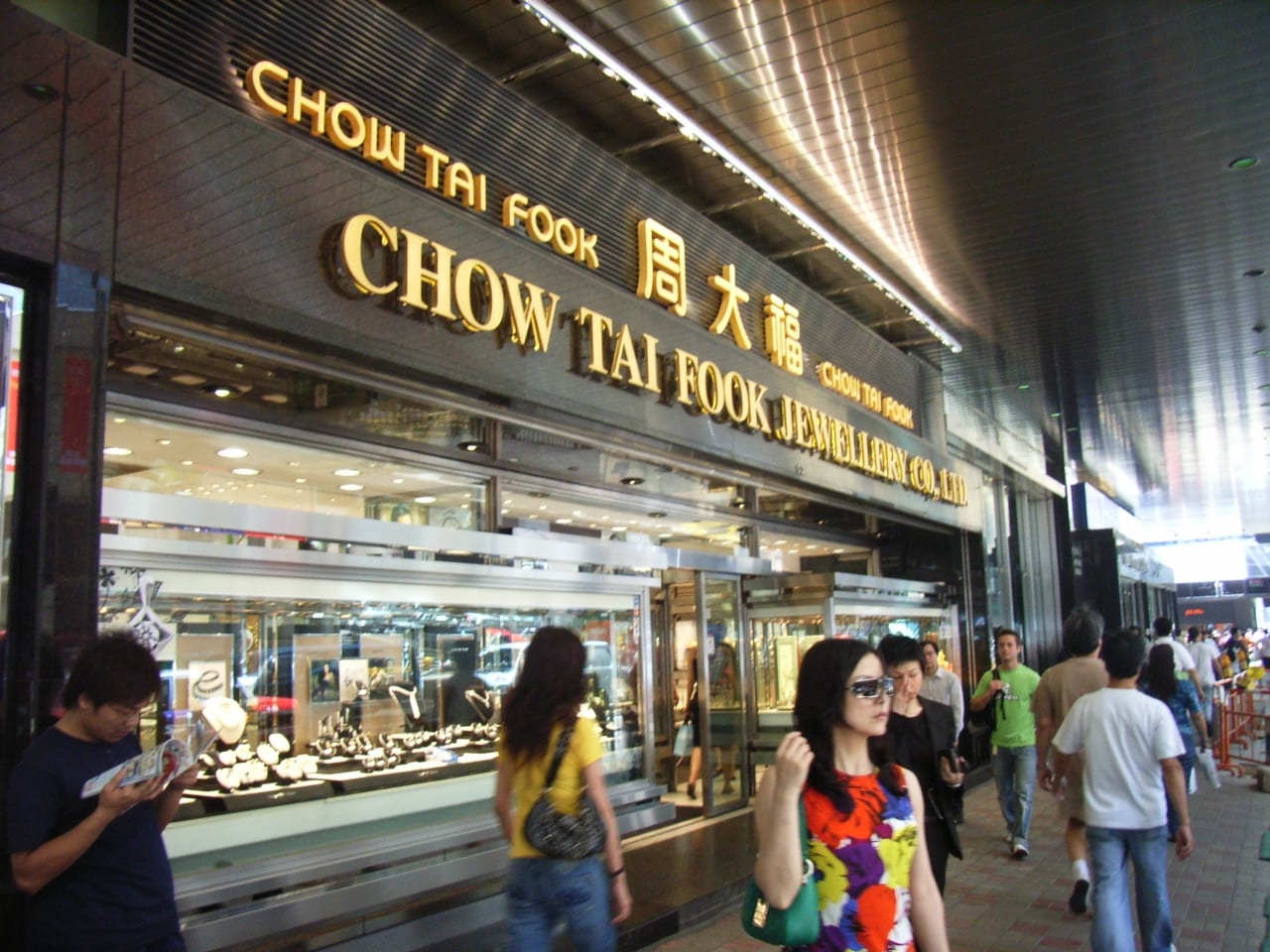
    Chow Tai Fook sales soared 25 per cent in Hong Kong and Macau in the September quarter.  On the mainland, sales rose by a solid 15 per cent. Same-store sales rose 23 per cent in Hong Kong and Macau and by 6 per cent on the mainland, according to a stock exchange filing by the company.

    But same-store volume growth told a different story: down 2 per cent in Hong Kong and Macau and up 1 per cent on the mainland, reflecting weaker gold prices which correspondingly drove more customers into stores.

    Chow Tai Fook’s sales of gold products grew by 41 per cent in Hong Kong and Macau and by 11 per cent in Mainland China

    Chairman, Dr Henry Kar-Shun, described the Hong Kong and Macau market growth as “impressive” during the quarter, “benefitting from buoyant consumer spending and resilient mainland visitation”.

    He said the same-store sales performance of gold products in both markets was driven by the increase in weight per piece sold. The company’s same-store average sale value on the mainland was HK$4000 compared to $3600 in the preceding quarter, while in Hong Kong and Macau, it rose from $7100 to $8500.

    The average international gold price declined by 5 per cent year on year during the quarter to September 30.

    Chow Tai Fook opened a net 162 points of sale in Mainland China during the quarter, which

    included 158 new Chow Tai Fook Jewellery spaces, three SoInLove spaces and one Chow Tai Fook T Mark space.

    In Hong Kong, Macau and other markets, the group opened one Hearts On Fire space and closed two CTF Watch stores in Hong Kong, and opened one Chow Tai Fook Jewellery space in South Korea. As at September 30 the company had 2822 points of sale globally.