Author: Mei Ling Tan

  • Cashmaster Launches QR-Connect in Asia Pacific

    Cashmaster Launches QR-Connect in Asia Pacific

    Cashmaster Asia announced the Introduction of Cashmaster QR-Connect, a QR code application providing enhanced software functionality for its Cashmaster One range of count-by-weight cash counting devices that offers an innovative, simple solution to integrating with back office or POS systems.

    When installed, count data is presented as a QR code on the display of the Cashmaster One device that can be scanned by a standard POS scanner or the camera of a mobile/tablet device. The count data is instantly transferred to the POS or other system. The QR code avoids the need for USB or ethernet cable connectivity between the POS and the Cashmaster Cash counter – effectively providing wireless transfer of the cash count (including vouchers/coupons in addition to notes and coins) as well as other information for process traceability, such as cashier ID and till ID.

    In a connected world, a deeper level of integration and seamless transfer of data to the POS is a growing requirement for Cashmaster’s clients. Its customers are looking to remove multiple levels of manual processing of data across their businesses in order to: reduce opportunities for errors; speed up the processing of data; give more real-time information that businesses can use to make better, faster decisions; and provide greater accuracy and accountability to their enterprises. Integration can be seen also as a key component in a loss prevention strategy.

    No matter the level of operation, these solutions provide data in a format that can be easily digested by cash management and analytics programs for big, medium or small companies. As competition increases, the rewards of deploying Cashmaster One and Cashmaster QRConnect can show directly in bottom line improvements.

    Gordon McKie, Group CEO of Cashmaster, commented, “Companies are under intense pressure to maximise income and improve efficiencies, while at the same time motivating staff. It’s a complex dynamic that Cashmaster understands; it has also been a powerful imperative for us in designing the intuitive technology for cash management that helps clients achieve those goals.

    “Solutions can be tailored to customers’ specific needs, from simple off-the-shelf tools requiring minimal customer resources to implement, to working with customers’ IT teams in providing more complex solutions. With a proven quick return on the initial investment to boot.”

  • Deliveroo To Give Free Insurance to Riders in HK

    Deliveroo To Give Free Insurance to Riders in HK

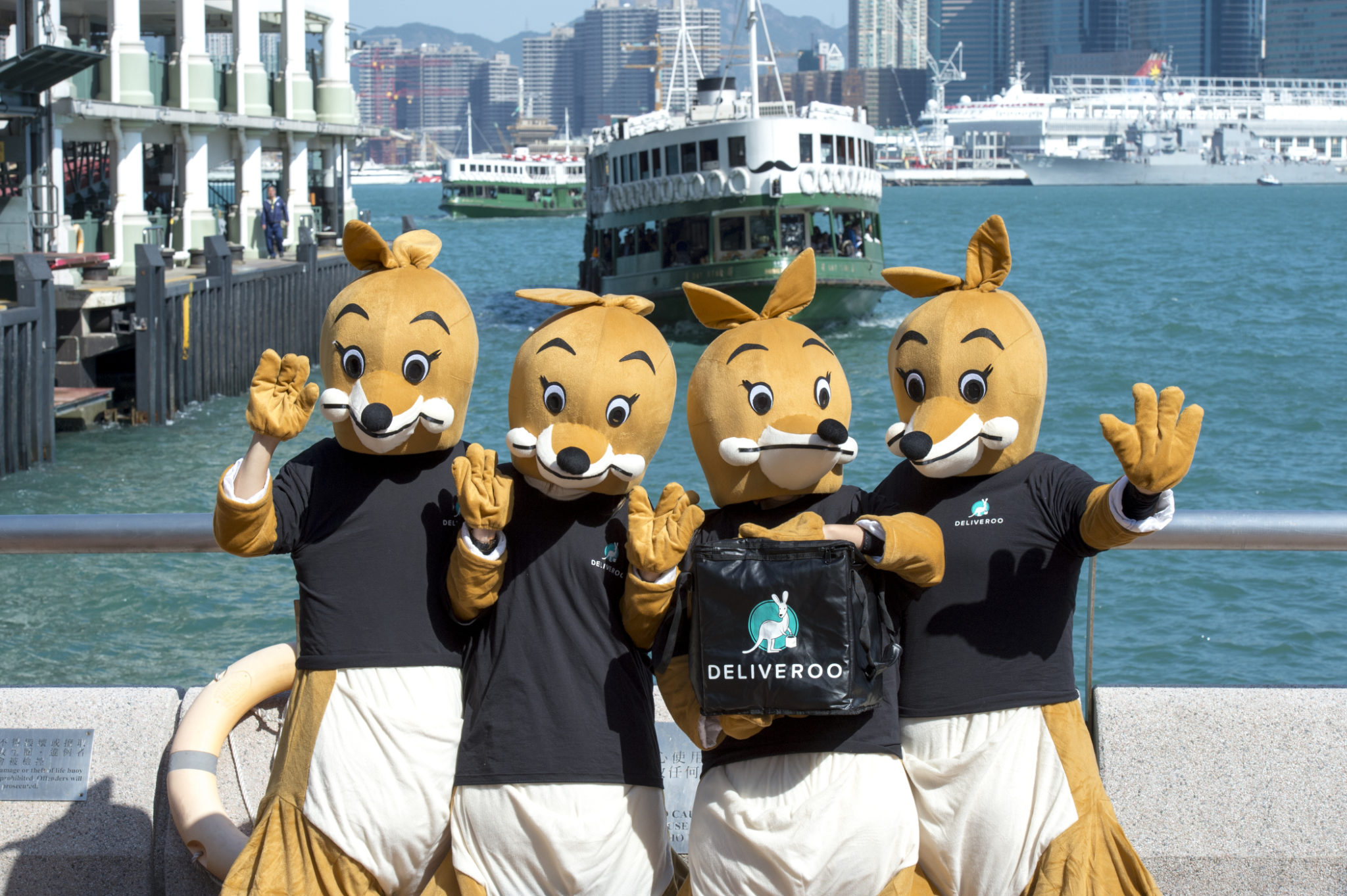
    Deliveroo announced a completely free, first-of-its-kind insurance package for all on-demand self-employed Deliveroo riders in Hong Kong and worldwide. Starting from October, Deliveroo riders will be able to claim costs if unable to work as a result of an on-the-job injury. This move makes Deliveroo a leader in providing on-demand riders with the flexible work they value and the security they deserve.

    Deliveroo has worked with leading global insurers to tailor policies which meet the needs of riders. In Hong Kong, all Deliveroo riders will be automatically enrolled onto a personal injury policy from leading insurance provider Marsh; whether on bicycles, scooters or making deliveries by foot. This will apply to all riders whilst they are online and logged in to the Deliveroo app, including up to one hour after logging off.

    The accident and injury cover is wide ranging, with measures including:

    • HK$77,000 for accidental medical expenses
    • HK$385 for each night in hospital
    • Up to HK$3,850 per week for temporary incapacity
    • Loss of sight, hearing, speech or limbs due to accidents are covered
    • HK$346,500 for accidental death/permanent disablement

    Brian Lo, General Manager Deliveroo Hong Kong, said: “Riders are at the heart of our business and this new industry-leading insurance package is hugely important for all those who ride with Deliveroo. Riders deserve security while they’re out on the road. We want to make sure that riders are protected in case anything goes wrong while they are working, and that’s why we are so delighted to be announcing this important package. Deliveroo riders are heroes and we want to give something back. We are growing quickly and hope more and more people will choose to work with us.”

    Qasim Khan, a rider with Deliveroo, said, “As a rider who loves working at Deliveroo, I am always worried about my safety when I’m out and about to do deliveries. The accident and injury insurance gives riders a peace mind. We will feel more safe when we are working on road. Most importantly, our families will also feel safe about us being part of this company!”


    The move to offer free insurance to riders comes as Deliveroo reveals the company’s rapid growth in Hong Kong over the first half of 2018. Deliveroo’s total number of riders in Hong Kong is 2,000, which has more than doubled in six months. The business expects this to grow to 2,800 by the end of 2018. Deliveroo has also significantly increased its number of partnering restaurants by nearly 50% in six months, to 3,500. Restaurants which use Deliveroo see their revenue boosted by up to 25% and dinner orders by 20%, in the past quarter, enabling more opportunities for business development and new hires.

    With further expansion set to continue in the months ahead, Deliveroo is now looking for more riders and walkers to join the company and enjoy its well-paid, secure, flexible work that can be combined with other responsibilities such as studying. The free and automatic insurance coverage will be starting in October. Current riders and walkers who successfully refer someone new to Deliveroo in Hong Kong will receive up to HK$2,500.

  • Funan set to open Singapore’s first O&O shopping mall ahead of schedule in 2Q 2019

    Funan set to open Singapore’s first O&O shopping mall ahead of schedule in 2Q 2019

    Funan is racing ahead to open Singapore’s first online-andoffline (O&O) shopping mall integrating online, offline, data and logistics aimed at empowering retailers’ omnichannel strategy and transforming the customer experience. The retail as well as its office components are now slated to open in 2Q 2019, instead of the earlier announced 3Q 2019. The opening of lyf Funan Singapore, a coliving serviced residence component within Funan, managed by The Ascott Limited, has also been brought forward from 2020 to 4Q 2019.

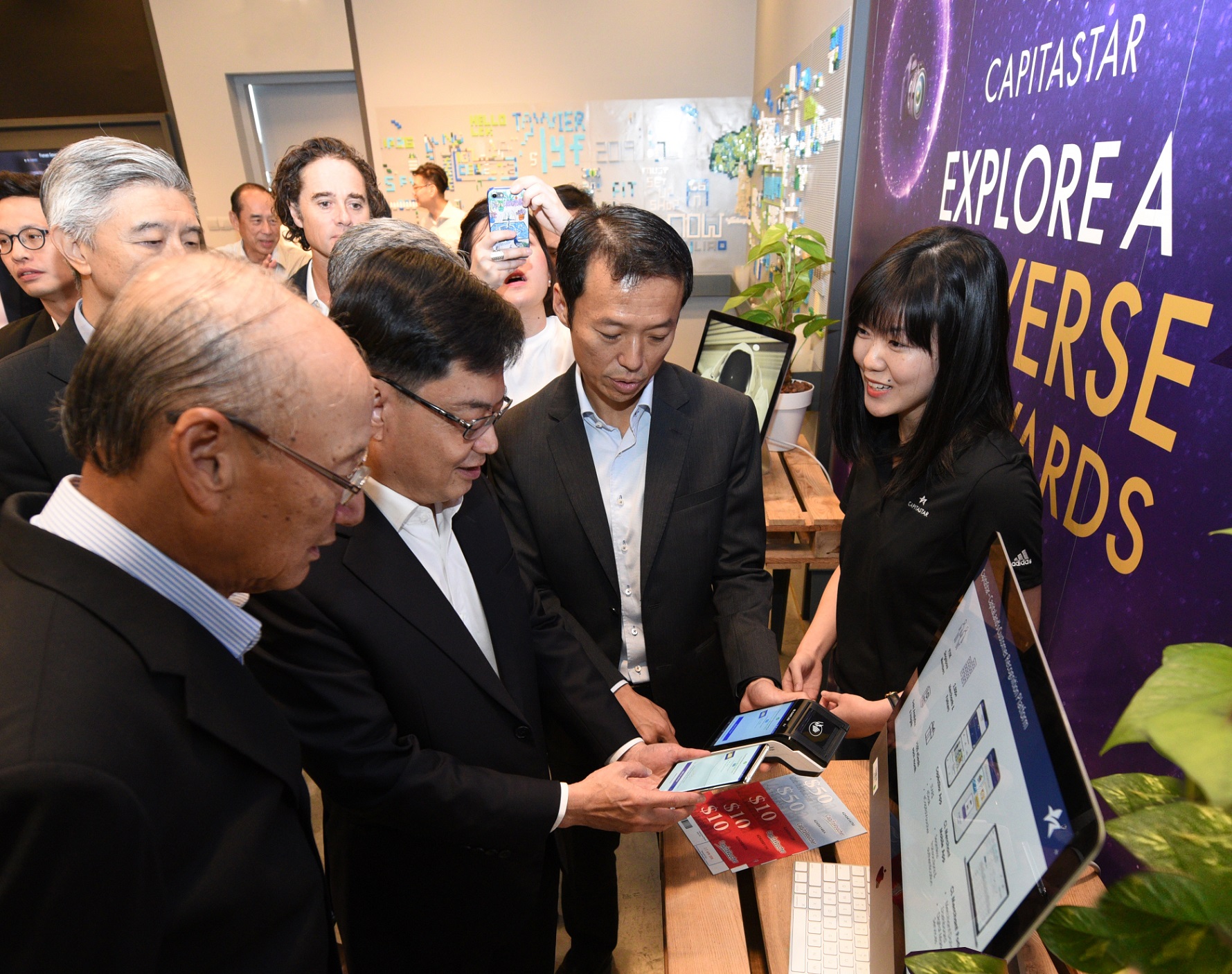
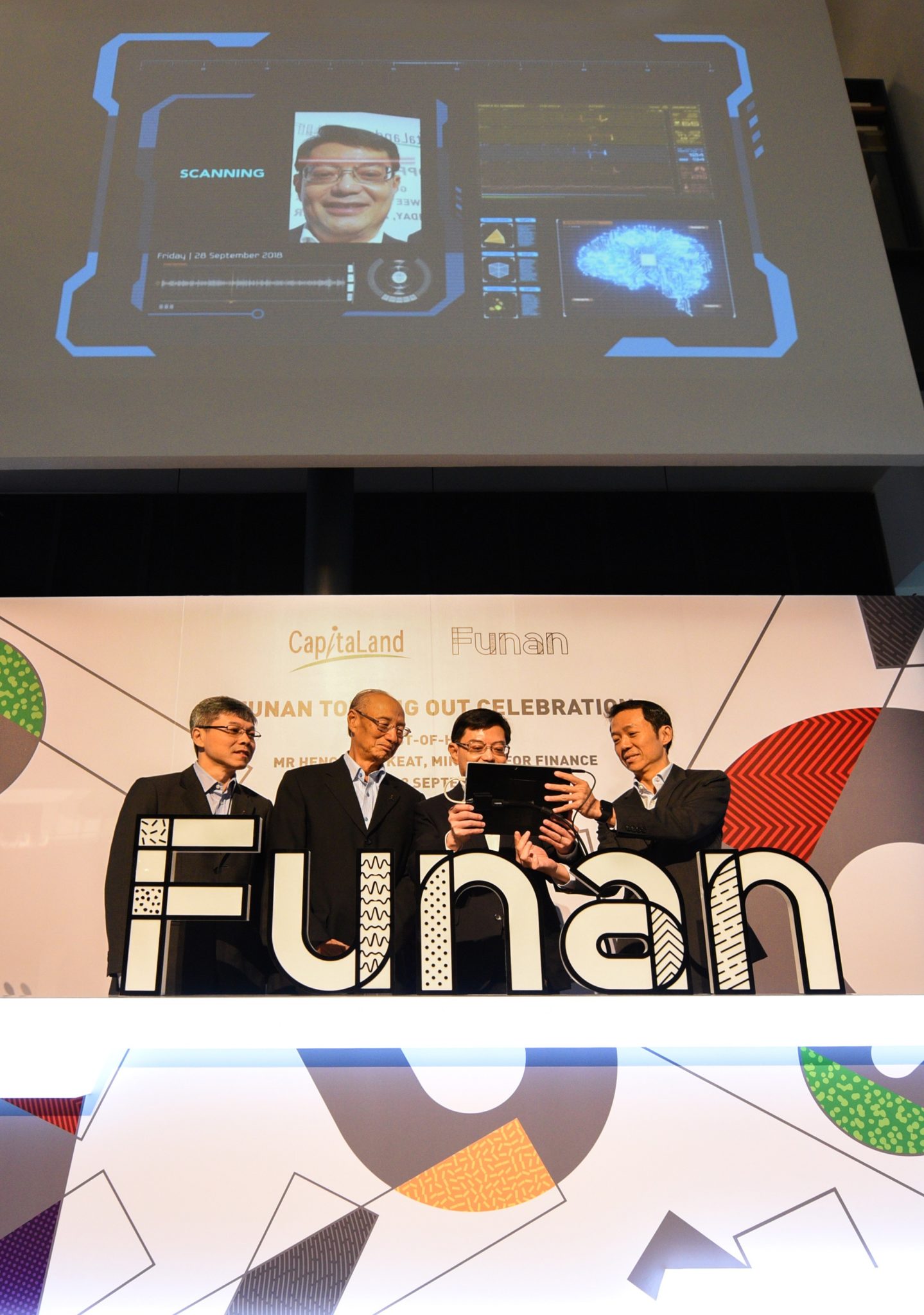
    Owned by CapitaLand Mall Trust and managed by CapitaLand Retail, Funan celebrated its structural completion ahead of schedule. The topping out ceremony held at Funan Showsuite was officiated by Guest of Honour Mr Heng Swee Keat, Singapore’s Minister for Finance. From groundbreaking to structural completion, Funan took about 19 months. To date, 72% of the overall construction has already been completed.

    Mr Lee Chee Koon, President & Group CEO of CapitaLand Group, said: “To succeed in tomorrow’s economy, all players must find a way for the physical and digital realms to coexist. While the current market share of online sales is small, its pace of growth will only speed up as tomorrow’s consumers enter the market. Brick-and-mortar businesses must thus go beyond passively selling products and services, to generating quality retail experiences and emotional connections that are ‘on-brand’ with consumers. Against this backdrop, CapitaLand is committed to help our current and future tenants stay ahead of the curve. We have conceived Funan to embrace new opportunities, with a focus on gathering and building a young and vibrant community by integrating an experiential mall with dynamic coworking and coliving spaces. This starts with top quality building design and space planning, complemented by the right mix of tenants and partners who can breathe life into the building. A digital layer of techenabled customer experience further enriches Funan’s offerings.”

    Mr Lee added: “As Singapore’s largest mall owner and manager, CapitaLand knows that past success is no guarantee of future success. We are taking a close examination of our retail portfolio, in Singapore and abroad, to identify areas for reinvention. The location and catchment of Funan make it the ideal test bed for an O&O mall, where tomorrow’s consumers can shop, sweat, work, bond, live and play. Funan demonstrates CapitaLand’s commitment to reinvention, to always retain our market leadership. As ecommerce becomes a reality, CapitaLand will continue to ensure that the real estate we develop is conducive and complementary to tomorrow’s consumers and economy.”

    Mr Tony Tan, CEO of CapitaLand Mall Trust Management Limited, said: “Including leases signed and in advanced negotiations, the leasing for Funan’s retail and office components has already reached 70% and 60% respectively. Such early commitment of a strong slate of partners from diverse fields, many of whom CapitaLand is working with for the first time, marks a very encouraging start for Funan’s mandate to inspire innovation and create a unique lifestyle proposition for digitally savvy customers in an experience economy. What is even more heartening is that many of these partners have committed to push the boundaries by experimenting with new-to-market experiences at Funan. The significant interest in Funan points to the continued market demand for centrally-located and well-designed retail spaces that enjoy inherent shopper traffic as part of a quality integrated development.”

    At the topping out event, Minister Heng Swee Keat was given a preview of a range of digital innovations coming up at Funan. These include a smart interactive directory that uses facial recognition to provide shoppers with customised recommendations, video analytics that studies shopper traffic and crowd density and an all-in-one app for Ascott’s lyf coliving serviced residence – the first app by a serviced residence company that will allow social networking and room booking; and will also serve as a mobile key. CapitaLand also showcased its groupwide innovations as part of its digitalisation strategy, including a merchant dashboard that enables retailers to tap consumer insights generated by CapitaLand’s CapitaStar loyalty programme and eCapitaVoucher, the digital version of CapitaVoucher – Singapore’s most popular shopping mall voucher – launching this November.

    Funan’s innovation journey has scored several “firsts” in Singapore. These include the first to deploy automated guided vehicles to provide shoppers with a hands-free shopping experience and the first to utilise a robotic arm for its twenty-four-hour drive-through click-and-collect service. As part of Funan’s tech-enabled user experience, building users can also expect conveniences such as app-based booking of facilities within the development, video-based smart carparking facilities and facial recognition turnstiles at its office towers.

    Adopting smart construction technologies

    Despite challenges such as a tight site with limited access, time savings are achieved through innovation in construction methods, and the choice of building materials and equipment to avoid redundancies and inefficiencies in Funan’s construction process. These include applying Virtual Design and Construction at the onset, and adopting a top-down construction method, which allows for the building’s basement and superstructure to be built concurrently. Precast concrete structural building components are also used to further reduce the construction time.

    In addition, the construction of the underpass connecting Funan and City Hall MRT station will deploy the Rectangular Tunnel Boring Machine as it saves time and manpower, and minimises traffic disruption. The underpass is targeted for completion in 2021.

    Upcoming experiential offerings at Funan

    As Singapore’s first commercial development to allow cycling through the building at Level 1, Funan will bring to life cycling amenities and end-of-trip facilities such as cafés and shower facilities. English premium folding bike brand Brompton Bicycle has chosen Funan to be the location of its first flagship store in Singapore. Cycling enthusiasts can take the bikes out for a spin along the cycling lane within Funan before deciding on their purchase.

    Strengthening the tech cluster that already comprises local consumer electronic goods stalwarts Newstead Technologies, AddOn Systems and T K Foto, well-established homegrown gaming store GamePro will be hosting eSports tournaments in a dedicated eSports zone at Funan. Aspiring chefs can whip out their best dishes at a new concept by ABC Cooking Studio, which allows members to conduct their own classes and collaborate with others. On Level 7, diners can look forward to a farm-to-table dining experience by Spa Esprit Group. Edible Garden City will be operating Funan’s rooftop urban farm, with plans to host workshops for the community.

    Ark Futsal has committed to operate the only futsal court in the CBD at Funan, complementing the offerings from Climb Central, the largest rock-climbing facility in the CBD. These new names will synergise with and complement the previously announced tenants including Golden Village cineplex, Kopitiam foodcourt, W!ld Rice theatre and flagship of Carrie K. and Keepers.

  • Tmall and L’Oréal China Deepen Partnership

    Tmall and L’Oréal China Deepen Partnership

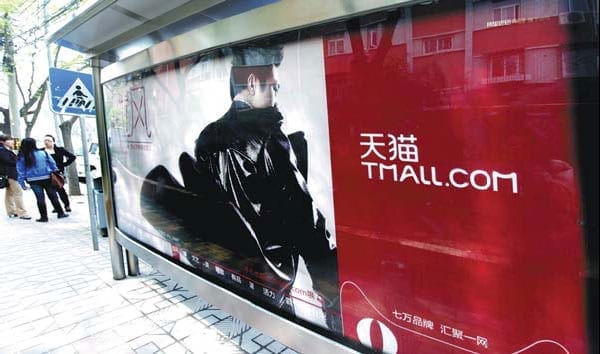
    Alibaba Group’s Tmall, and L’Oréal China said today they’ll work closely together to find new ways for the beauty group to tap into the Chinese market, leveraging data-driven consumer analytics and a new value chain that better connects consumers, products and channels.

    Tmall Innovation Center (TMIC), the retail innovation arm of Tmall, will work closely with L’Oréal China to catalyze the consumer-to-business (C2B) approach, based on insights and trends generated from the 600 million-plus customer base across Alibaba’s marketplaces.

    “We have been very happy to ride the wave of the digital transformation together with Alibaba Group’s Tmall. As the number-one beauty company in the China market, L’Oréal China will continue to deepen collaboration with innovation partners locally to unleash the value of data insights and create value for our consumers,” said Stéphane Rinderknech, CEO of L’Oréal China. “With our ‘Beauty for All’ mission and consumer centric strategy, our ultimate goal is to bring personalized products, services and experiences to each and every Chinese consumer.”

    The partnership’s first initiative will focus on China’s male-grooming industry. According to a white paper co-developed by TMIC and L’Oréal China Consumer Intelligence Team, online sales of men’s grooming products have increased by more than 50% in each of the past two years. In the past year, 62% of the male consumer pool between the ages of 15 and 50 said they used male-specific facial skincare products, showing a massive addressable market for male grooming products.

    “With Tmall’s unparalleled customer insight, we are committed to helping L’Oréal China offer its customers best-in-class personalized product experiences. Tmall has transformed product development in every area, from product innovation and brand building to consumer assets and channel management. We help brands discover new demand and markets as well as offer completely new customer experiences,” said Jet Jing, President of Tmall.

    TMIC and L’Oréal China precisely identify five profile groups of customers with specific preferences, such as those who go for men-only personal care products; those who need a full range of products and those only seeking face, hair and basic products.

    Based on the findings of the white paper, L’Oréal China and Tmall will co-host a consumer-oriented marketing campaign, “Super U Carnival,” both online and offline from September 25-30. Male consumers will be able to discover suitable grooming products with the help of data insights. At a pop-up store in Hangzhou, five immersive show rooms are tailored to customers’ unique styles and preferences.

    L’Oreal China is one of the international groups that has benefited from these consumer insights generated by TMIC. Established in April 2017, TMIC’s mission is to

    help brands explore new ways to tap into the Chinese market by using precise market analysis, real-time consumer insights and test models. Including L’Oreal China, TMIC has already collaborated with 62 companies.

    Earlier this week, L’Oréal China launched House99 flagship store on Tmall, together with David Beckham, the founder of House99. A full range of high-end male grooming products, including skin and body care, hair and shaving products, are now available on House 99’s Tmall store.

  • DHL Express Australia extends partnership with Surf Life Saving Australia

    DHL Express Australia extends partnership with Surf Life Saving Australia

    DHL Express remains committed to deliver safer beaches, by extending its partnership with Surf Life Saving Australia for another three years, till 2021. This year marks 15 years of continued support from DHL Express for Surf Life Saving Australia (SLSA). Since 2003, DHL Express has featured prominently on the uniforms of more than 42,000 surf lifesavers each patrolling season, alongside the iconic red and yellow flags that guide beach-goers to safe swimming zones.

    Gary Edstein, CEO and Senior Vice President at DHL Express Oceania said, “At DHL Express we are incredibly passionate about connecting people and improving lives – and we are proud to support Surf Life Saving Australia in doing exactly that for many years to come.”

    Graham Ford AM, President, Surf Life Saving Australia said, “On behalf of Surf Life Saving Australia I would like to thank DHL Express for their ongoing commitment and enthusiasm to the movement. As an organisation, we aim to form partnerships that echo our own values and vision for the future and indeed DHL Express do this, bringing to life the shared values of speed, passion and a can do attitude.”

    Since the establishment of the partnership there have been 2.2 million Surf Life Saving members, performing more than 14.4 million preventive actions and 180,000 rescues. In addition to surf lifesaving services, SLSA works to educate children and the greater community on coastal safety awareness.

    “From the beginning, our partnership has been built on a strong foundation of shared core values that make our missions a success. Surf lifesavers around Australia display the four key attributes our own DHL employees uphold – passion, speed, pride in getting things right first time and a can-do spirit. This, combined with Surf Life Saving’s advocacy for cultural diversity, collaboration and empowerment make a winning formula for success,” Edstein concluded.

  • Some of Amazon’s brand-new Mercedes delivery vans are facing mechanical failures

    Some of Amazon’s brand-new Mercedes delivery vans are facing mechanical failures

    Mercedes-Benz has identified a power-steering problem plaguing its highly touted Sprinter vans. The cause of the problem is a fluid leak that can make it difficult to turn the wheel of the vehicle, a Mercedes-Benz spokeswoman, Catherine Gebhardt. It has affected Amazon, which recently became Daimler AG’s biggest buyer of Mercedes-Benz Sprinter vans with an order of 20,000 vehicles — up from a previous order of 5,000 — for its growing last-mile-delivery program. The program enables courier companies to lease the vans, which are emblazoned with the Prime logo, for Amazon package deliveries.

    One Amazon delivery service provider has encountered the power-steering problem in about a quarter of the 40 Mercedes-Benz vans that the company received at a delivery station in early September, according to an employee of the company, who asked to remain anonymous. This person said Mercedes-Benz had since repaired the affected vehicles.

    Mercedes-Benz notified Amazon’s delivery service partners of the issue on September 18 and asked them to schedule an on-site inspection of the power-steering system with their local Mercedes-Benz dealer, Gebhardt said.

    “This is being done as a proactive measure to minimize downtime,” she said, adding that the vehicles can still be driven safely in the event of a leak.

    “If there is a leak in the power-steering system, the power assist (especially at a standstill) may be greatly reduced,” Gebhardt said. “When driving at slow speeds it will require some additional steering effort, but again, the van can still be controlled.”

    It’s likely that other Mercedes-Benz Sprinter customers in addition to Amazon have been affected by the issue. Mercedes-Benz declined to comment on other customers and on how many vehicles have been impaired by the power-steering issue overall.

    Amazon announced its bulk order of the Prime-branded vans at a joint press conference with Mercedes-Benz in September celebrating the opening of the automaker’s new factory in North Charleston, South Carolina, which specializes in making Sprinter vans.

    The vans can be leased to Amazon’s existing delivery service partners, some of which have worked for Amazon since 2015, as well as partners that have been recruited through the new program.

  • Tesla’s Supercharger network is the Footprint for the hydrogen era

    Tesla’s Supercharger network is the Footprint for the hydrogen era

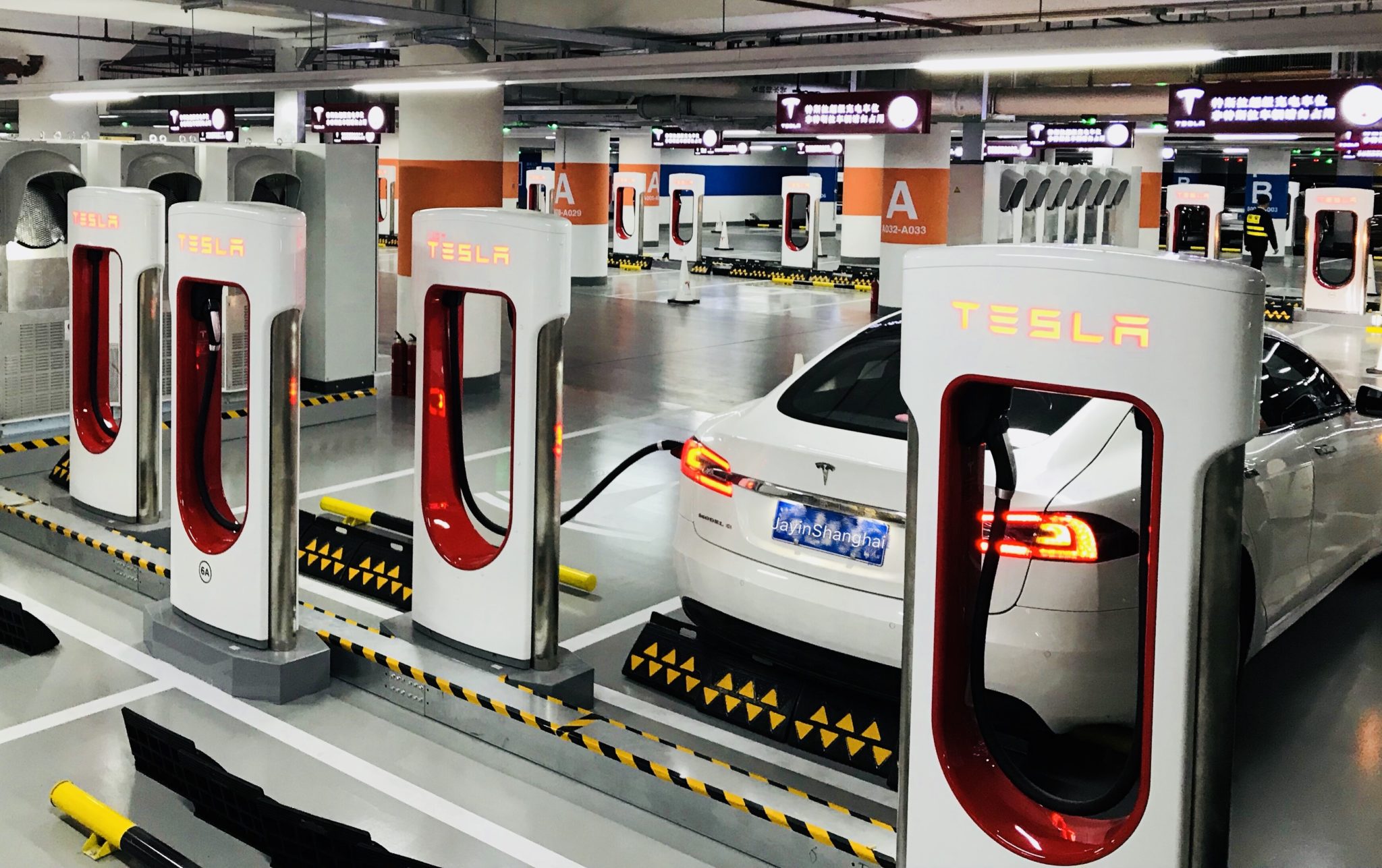
    Elon Musk has taken his share of hits in the media for his Twitter rants and behavior that is just plain weird for a CEO. We don’t know how Tesla Inc. is going to fare now that competition from Jaguar, Audi and Mercedes is here or soon will be. If Tesla doesn’t make it because of mismanagement and misbehavior by Musk, and if the company goes down in flames like DeLorean, Bricklin and Tucker, there is at least one Musk legacy that is undeniably brilliant: Tesla’s nationwide network of Supercharger charging stations. Tesla’s Supercharger network, I think, is the template for automakers gearing up to launch fuel cell vehicles. Toyota, Honda, Hyundai and General Motors are on the cutting edge of fuel cell technology, with some vehicles already available for lease and new, more efficient fuel cell stacks — the component that creates electricity from gaseous hydrogen — on the way.

    Musk answered the chicken-and-egg question with electric vehicles by investing more than $1 billion in a nationwide charging network specifically for Tesla cars. He short-circuited drivers’ biggest fear of owning an EV: range anxiety.

    That same strategy will be necessary for fuel cell vehicles to have wide appeal. Fuel cells, you’ll recall, are EVs. But instead of storing electricity in a battery pack that weighs hundreds of pounds, electricity is produced from gaseous hydrogen stored on the vehicle under high pressure. A hydrogen fuel cell vehicle can be refilled in minutes, just like a gasoline- or diesel-powered vehicle — and the short time to refill the hydrogen tank is one of the key advantages fuel cell vehicles have over battery-powered EVs.

    California leads the nation in the number of fuel cell filling stations, many built by FirstElement Fuel Inc., a company headed by auto industry veteran Joel Ewanick. He agrees a Tesla-like nationwide network of hydrogen fueling stations could help reduce the time it will take for fuel cell vehicles to become economically viable to manufacture.

    “All the car companies are trying to find a path to [production of] 30,000 cars. That’s where you start to see real efficiencies in your production, parts and suppliers. Anything below that, it’s a challenge to make these cars at a reasonable price. We are getting to that tipping point in 2020 and 2021,” Ewanick said.

    Beijing city authority has allotted 11 more roads in Fangshan district for the testing of autonomous vehicles to push the speedy development of self-driving technology.

    But he also recognizes that automakers want to build cars, not the fueling infrastructure. And yet they may have no choice if they want to sell hydrogen fuel cell vehicles nationwide. Toyota and Honda have chipped in more than $20 million so far, helping FirstElement build 19 of 31 planned hydrogen fuel stations in California.

    Ewanick says costs are coming down — from between $2.2 million and $2.5 million per station — while the number of vehicles each station can handle is increasing. He sees the company eventually expanding beyond California, perhaps by building a hydrogen fuel filling station “bridge” across the country.

    “We don’t need the network that we have with gasoline stations,” he said. “We just need to make sure they (hydrogen filling stations) are in convenient locations to serve our customers.”

    The federal government under the Trump administration likely isn’t going to do much to help create a nationwide hydrogen fuel network, so it may be a project for automakers and refiners such as Shell — which is installing hydrogen pumps at some California stations — and GM.

    GM should take the lead here by creating an entity that brings together suppliers of hydrogen fueling equipment, companies such as FirstElement that build the stations, refiners that produce hydrogen and other car companies to fund and quickly roll out hydrogen stations in every major market.

    GM and Honda have reduced the size and cost of the fuel cell stack, and the electronics are proven. Hydrogen fuel cars will be part of the mix. The question now is what will automakers be willing to do to seed the technology and overcome customers’ doubt and fear over range. For that answer, all they need to do is look at Tesla’s Supercharger network. That’s how you introduce alternative fuel vehicles in a market.

    “As I have heard my entire career, automakers make cars and they don’t do infrastructure,” said Ewanick. “They don’t want to be in the business of building gas stations and roads and bridges. Their job is make cars and do a really good job of that.”

    If that doesn’t change, fuel cells might just remain in the tiniest of niches.

  • Go-Jek launches fuel delivery service

    Go-Jek launches fuel delivery service

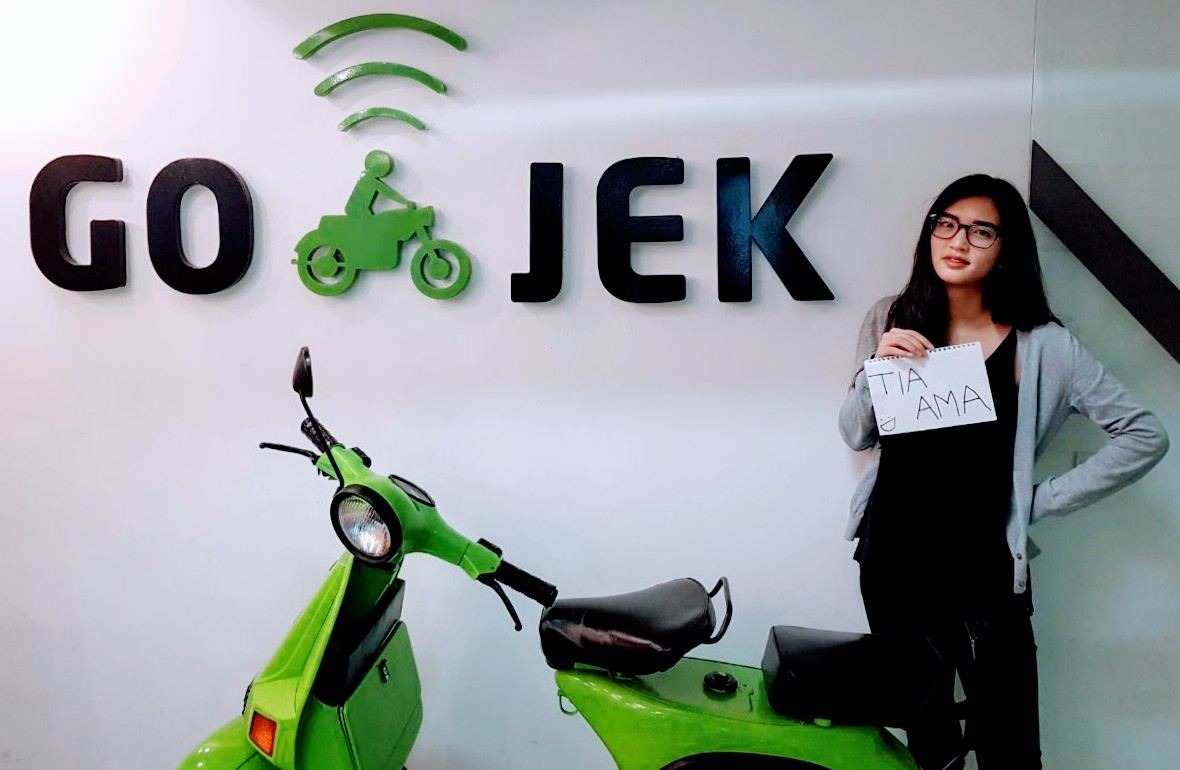
    Go-Jek, in partnership with Indonesia’s oil major Pertamina, has launched an on-demand fuel-delivery service. Called Go-Pertamina, it brings fuel to users from the nearest Pertamina gas station. The service is available in South and Central Jakarta from 8 a.m. to 8 p.m. daily. It does not serve orders on toll roads, basements, or other enclosed areas. Given that Go-Jek has a large network of drivers who need to top up their fuel regularly, they could become some of Go-Pertamina’s biggest users.

    Go-Pertamina is part of the Indonesian ride-hailer’s Go-Life app, which offers on-demand massages, cleaning, haircare, and more. Go-Jek also recently launched a daily deals marketplace.

    Go-Jek has been expanding regionally. It has launched in Thailand and Vietnam and is set to launch in Singapore within a month. Its expansion into the Philippines, however, has hit a regulatory snag.

    It has raised about US$2.1 billion from investors, even as Grab has claimed to have outpaced Go-Jek in Indonesia’s ride-hailing market.

  • 40 travel agents join Garuda Indonesia Travel Fair 2018

    40 travel agents join Garuda Indonesia Travel Fair 2018

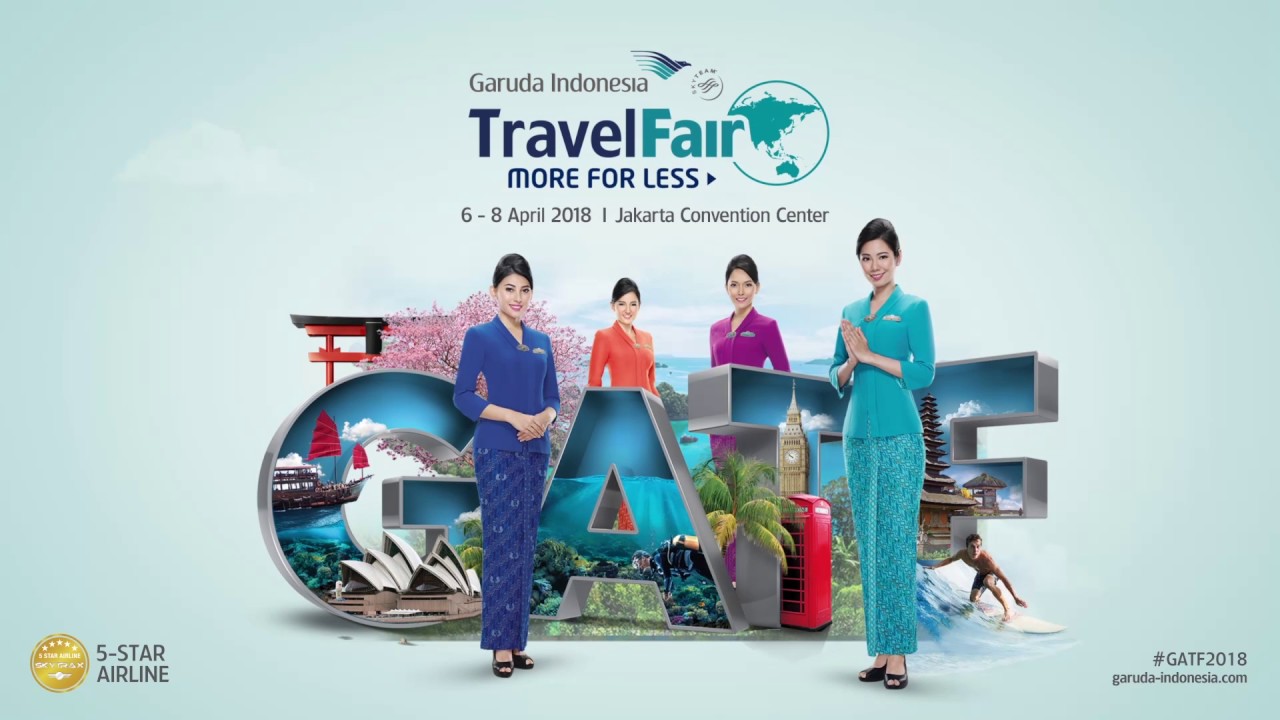
    More than 40 travel agencies, including five pilgrimage agencies, are joining the second phase of the Garuda Indonesia Travel Fair (GATF) 2018. The event, held by the flag carrier in partnership with Bank Mandiri, is held at the Jakarta Convention Center (JCC) in Senayan, South Jakarta, from Friday to Sunday. Various travel packages are offered by the agencies, including for the umrah as well as for cruise and winter vacations. Garuda Indonesia promises competitive prices for international as well as domestic routes. The South Korean capital city of Seoul, for instance, can be visited with round trip fares starting at Rp 2.7 million (US$177), while a return ticket to Raja Ampat in West Papua can be bought for Rp 2.1 million.

    Other programs available throughout the biannual event are Happy Hour, which offers up to 80 percent discounts from 10 a.m. to 2 p.m. and from 4 p.m. to 8 p.m., Best Deal with up to 50 percent discounts, an additional 1,000 miles for GarudaMiles customers and 30 percent discounts on prepaid baggage.

    Pikri Ilham Kurniansyah, Garuda Indonesia’s commercial director, speaks at the opening ceremony of the second phase of the Garuda Indonesia Travel Fair (GATF) 2018 at the Jakarta Convention Center (JCC) in Senayan, South Jakarta, on Friday.

    Having joined the GATF in 2017, Bank Mandiri also presents numerous special offers, including a 50 percent discount with fiestapoin, zero percent installments for up to 12 months using their credit card and up to Rp 2 million cashback using their credit or debit cards.

    One of the visitors, Citra, 27, from Bekasi, West Java, praised the variety of travel agencies there. “It’s worth it [coming to the travel fair], especially if you’re on a budget,” said Citra, who plans to fly to Labuan Bajo in East Nusa Tenggara. “The place is also comfortable.”

    The GATF has been held in 30 cities since last September. It targets total transactions of Rp 448 billion, including Rp 218 billion in Jakarta.

    Collaborating with the Tourism Ministry, Garuda Indonesia has also conducted the Wonderful Indonesia – Garuda Indonesia Travel Fair (WI-GATF) abroad to lure foreign travelers to Indonesia.

    Pikri Ilham Kurniansyah, the airline’s commercial director, said its WI-GATF event in Shanghai, which ended in early September, had generated 8.5 million yuan ($1.3 million) in sales, and the airline was focusing on the WI-GATF this year by adding Singapore and Australia as forthcoming venues.

  • Qnect rebrands to Get and raises $2.5m

    Qnect rebrands to Get and raises $2.5m

    Singapore-based campus social marketplace Get has closed a US$2.5 million funding round led by Vertex Ventures, the VC arm of Singapore sovereign wealth fund Temasek. Existing angel investor Click Ventures also joined in. Get will use the funds to further develop its product, build teams in the city-state, Hong Kong, and Australia, as well as expand to other markets. Launched in 2017, the app facilitates payments for stuff like merchandise, memberships, and events by university clubs and societies. More than 400 organizations with 220,000 members use Get across its three markets.

    The app has undergone a rebranding exercise – it was previously known as Qnect. The name change brings the startup “closer to its mission of helping students get their hands on the things they want,” says 23-year-old co-founder and CEO Daniel Liang.

    “Often, the things they want are heavily inspired and dictated by the actions of their peers, which is why the social aspect underpinning this platform is so important,” he adds.

    Vertex Ventures’ managing partner Joo Hock Chua believes Get’s social element is the missing gap in the online marketplace space.

    He says: “The younger [consumers] are inherently social, and Get is one of the few services that leverage this insight as the basis for a payments platform. This generation wants to buy what their friends are buying, and being able to provide that level of transparency on a scalable digital platform is incredibly powerful.”

  • New crypto-exchange lets you convert Singapore, Malaysia, Indonesia currencies

    New crypto-exchange lets you convert Singapore, Malaysia, Indonesia currencies

    Singapore-based fiat-crypto exchange EurekaPro, led by a team consisting of Junus Eu, Douglas Gan and Lau Kin-Wai, today announced its entry into the Southeast Asian blockchain market. EurekaPro offers Asian-wide fiat-to-cryptocurrency support, allowing holders of the Singapore dollar, Malaysian ringgit, Indonesian rupiah, and other Asian fiat currencies to transact on the EurekaPro exchange.

    EurekaPro has already launched an open public beta, in which over 8,000 users have signed up in its first week.

    Eu, the exchange’s CEO, was previously the investment manager of zVentures, the venture capital arm of US- and Singapore-based gaming hardware and software firm Razer. Before that, she was an investment manager at VC firm Jafco Asia.

    On the other hand, Gan and Lau co-founded iFashion, a holding firm that invests in various fashion ecommerce sites. Gan also started beauty services marketplace Vanitee and subscription ecommerce business Vanity Trove. Lau set up FatFish Internet Group, a startup accelerator.

  • Online printing startup Gogoprint raises $7.7m to prepare new markets

    Online printing startup Gogoprint raises $7.7m to prepare new markets

    Gogoprint, a startup that’s modernizing the printing industry, has raised US$7.7 million in series A funding to fuel its expansion into new markets like Australia, New Zealand, and South Korea in the next 12 months.

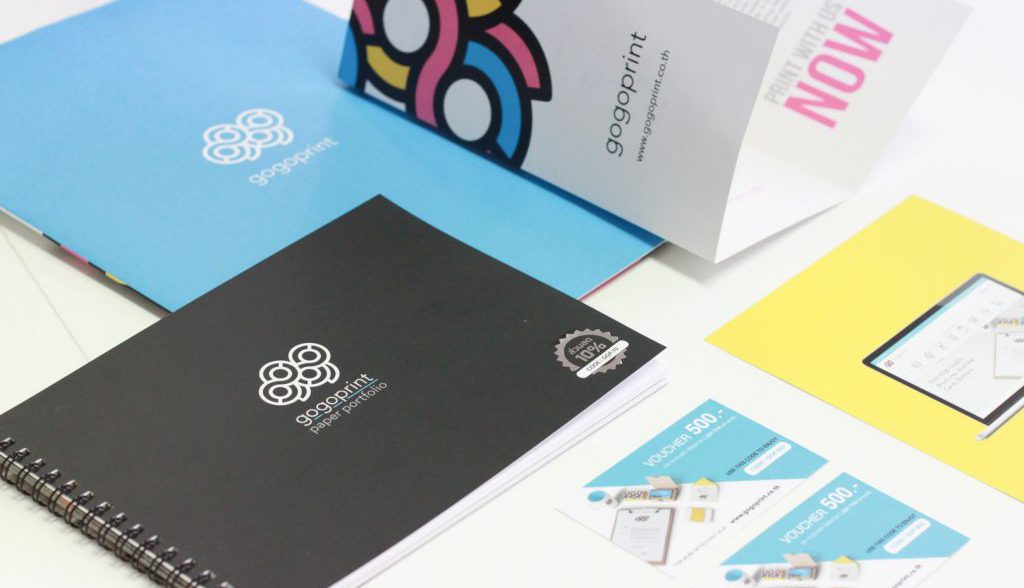
    Gogoprint is an online service for printing things like business cards, flyers, and leaflets. It uses algorithms that take into account parameters such as paper type, quantity, and delivery, and then aggregates those orders into a “print-run” or a batch of prints.

    This enables printers to make the most out of one printing sheet. Because each sheet carries fixed costs, maximizing it helps reduce prices and turnaround time for customers. It also allows printers to take in small orders from budget-conscious firms, instead of only focusing on large volume orders.

    Printers that partner with the company are able to tap new customers, helping offset the cost of any unused capacity.

    Gogoprint is active in four countries: Thailand, where it started, as well as Singapore, Malaysia, and Indonesia. In Indonesia, it faces competition from another online printing startup, Prinzio.

    To date, Gogoprint has experienced a 200 percent year-on-year growth in customer base, attracting more than 45,000 customers with over 250 million products printed. Its clients include Honda, Lazada, Lion Air, Yamaha, Singapore’s Nanyang Technological University, and Booking.com.

    Retail News reached out to the company for more financial details, but it declined to disclose figures.

    The series A round was led by its existing backer OPG (Online Printing Group), an investor and partner of Brazil-based Printi.

  • AirAsia to push discounted airfares via digital platforms

    AirAsia to push discounted airfares via digital platforms

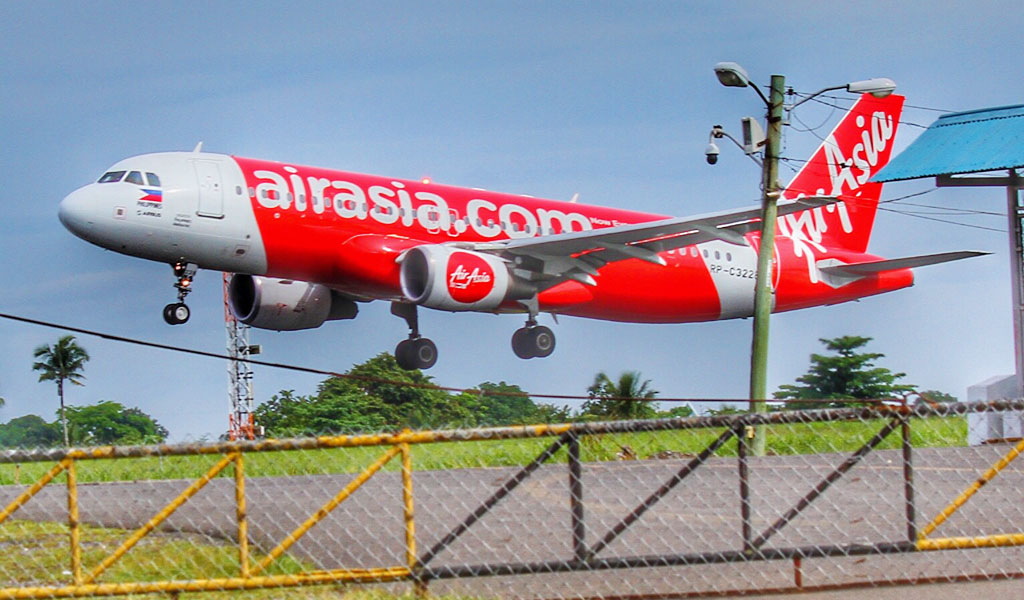
    In line with the upcoming year end holidays and early 2019 travels, AirAsia is offering up to 70% off on all its destinations until 28 October 2018. These include Changsha, Tokyo, Kolkata, Bali, Phuket, Siem Reap, Yangon, Manila, Singapore and Kota Kinabalu, among others. In a statement, AirAsia group marketing head Amanda Woo said the move to offer discounted airfares is based on understanding the different travel and route behaviours of its consumers. For this campaign, AirAsia is focused on a combination of content marketing and digital platforms. It also looked into offline platforms for certain key regions, Woo said.

    “In line with our company direction of going digital, our marketing strategy relies heavily on data and digital analytics as part of the deciding factors on the channels we use,” she added.

    Besides encouraging more travels during the period, Woo said the airline also hopes to boost more member sign-ups so consumers can enjoy more exclusive deals.

    “The year end is always an exciting time and we can think of no better way to welcome the holiday season than to offer more discounts on our already low fares,” Woo said. AirAsia BIG members will enjoy more perks including instant discounts when booking directly via the website and mobile app.

  • Malaysia’s TM hires four new board members

    Malaysia’s TM hires four new board members

    Telekom Malaysia (TM) has appointed four new directors to the company’s board, following the resignation of David Benello as an independent non-executive director. The new directors are Dato’ Asri Hamidin @ Hamidon, Dato’ Mohd Naim Daruwish, Hisham Zainal Mokhtar and Saheran Suhendran. Asri Hamidin is appointed as a non-independence non-executive director representing the special shareholder, Minister of Finance (Inc) on the board. Mohd Naim has been made a non-independent non-executive director representing the interests of the Employees Provident Fund (EPF) which is a major shareholder of the Malaysian incumbent.

    Asri is currently the deputy secretary general (investment) at the Ministry of Finance, while Mohd Naim is currently the deputy chief executive (operations) of EPF. Hisham and Saheran were appointed as the independent non-executive directors. Hisham is currently a director in the group MD’s office at Malaysian Industrial Development Finance Bhd, while Saheran is currently a consultant at Messrs Chua Associates.

    All the board appointment took effect on October 3.

    TM also announced that Farid Basir has joined the telco as its new chief human capital officer (CHCO). Farid, taking over the position previously covered by Suhaimi Sulong as the acting CHCO since early this year, assumed his new role on October 1.

    Prior to his appointment, Farid was the CHCO at Bank Rakyat for almost three years.

    Cisco names Herman Lam as MD for HK & Macau

    Cisco has appointed Herman Lam as managing director for Hong Kong and Macau.

    The company has also announced that Barbara Chiu, vice president of Hong Kong, Macau and Taiwan, will retire by end of October.

    Cisco said Lam brings to the table over 25 years of experience in IT industry combined with a wealth of leadership and management experience gained with leading technology firms.

    Prior to joining Cisco, Lam’s previous stints include CEO of Hong Kong Cyberport Management Company, and general manager of Microsoft Hong Kong.

    Commenting on the appointment, Cisco Greater China chief executive officer Hera Siu said Lam’s “unique blend of experience and knowledge, complemented by extraordinary vision and operational expertise within large organizations,” will bring valuable insights to the company.

    “I also want to thank Barbara, who has had an immeasurable impact on Cisco’s success and express my utmost appreciation for her devotion and leadership during the past 12 years,” Siu noted.

    21Vianet appoints Wing-Dar Ker as DYXnet Group’s CEO

    Chinese carrier-neutral network service provider DYXnet Group has announced that Wing-Dar Ker has been appointed as the company’s new CEO.

    He takes over the position from company founder and CEO Lap Man, who will continue to serve the group as adviser.

    The appointment was made by 21Vianet Group, parent company of DYXnet Group and one of China’s carriers and cloud-neutral internet data center service providers.

    Wing is also president of Shanghai Blue Cloud Technologies Co Ltd, 21Vianet Group’s other wholly-owned subsidiary.

    The move is aimed at facilitating greater collaboration between DYXnet Group and Blue Cloud, while exploring and capitalizing on synergies, 21Vianet said.

  • BMW Luxury Lounge Showcases Future Products

    BMW Luxury Lounge Showcases Future Products

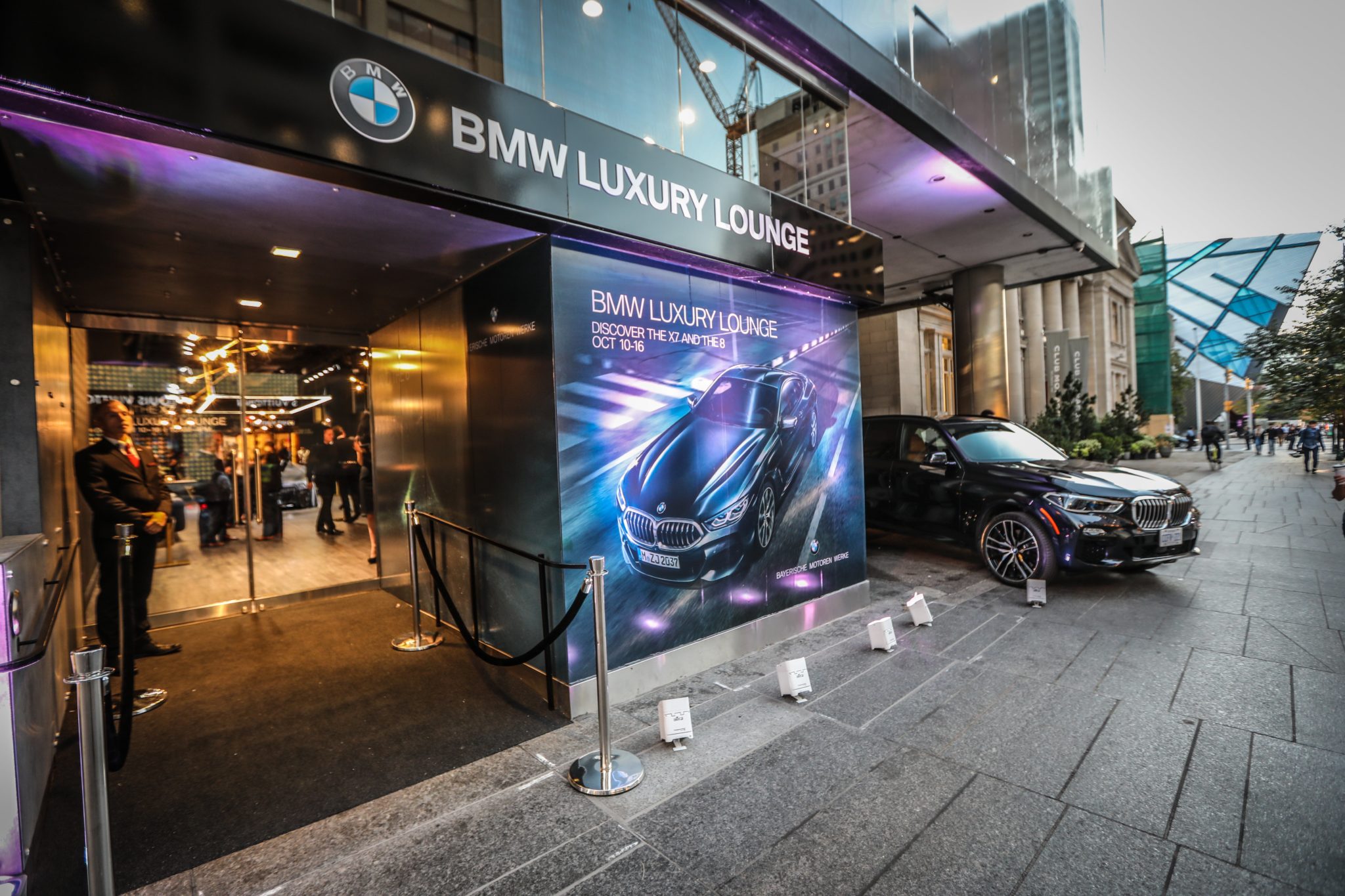
    In the midst of a product offensive that will see many new and refreshed models join its lineup in the coming months, BMW recently staged a limited-run brand experience in Toronto’s Yorkville neighbourhood to showcase two forthcoming models. The display, which has a pop-up feel to it, is known as the BMW Luxury Lounge, a venue open to the public during the day and invite-only events in the evening. As its name would suggest, the point is to generate interest in the brand and get attendees excited for a slew of new BMWs on deck.

    The site of the Luxury Lounge – Bloor St. W. near Avenue Rd. – is fertile ground not only for luxury automotive manufacturers but makers of other luxury goods as well, which is why BMW is partnering with Hugo Boss, Montblanc and Roche Bobois. These brands, along with Samsung Canada and art gallery LUMAS Canada have also contributed to furnishing the space which, with its black and glass walls, wood grain floors and leather sofa, has the feel of modern, minimalist luxury.

    “We’ve taken on this initiative because we believe customers’ expectations of luxury are evolving,” said Sebastian Beuchel, director, BMW brand management, said in a statement. “This beautifully designed space is a showcase for our interpretation of modern, contemporary luxury.”

    Last October, BMW hosted a similar limited engagement exhibit known as the Luxury Excellence Pavilion on Bay St. in the heart of Toronto’s financial district that not only showcased the Munich-based carmaker’s wares, but also those of other several other luxury brands. The feature attraction was the BMW X7 iPerformance, a concept vehicle first shown about a month earlier at the 2017 Frankfurt Motor Show.

    Fast forward a year, and it’s time for the Luxury Lounge, a similar exhibit but with some noteworthy differences.

    Whereas the Luxury Excellence Pavilion ran for almost two weeks (Oct. 16-29), the Luxury Lounge was around for just six days (Oct. 10-16) and there were no test drives from the BMW fleet available.

    In its place are two main attractions that represent the future of BMW and are bound to cause a bit of a stir.

    First up is a vehicle that can’t be discussed in detail but was available for viewing so long as visitors surrendered their mobile phones before entering the curtained-off backroom where it was being shown. A strict no-photo policy was in effect.

    I’m talking about the full-size, three-row 2019 X7 SUV, a vehicle BMW and its dealers are very excited about. The production X7 will make its world premiere at the Los Angeles Auto Show next month and will go on sale early next year. The one being shown in Toronto was an uncamouflaged pre-production copy. Getting it to Toronto took some doing, but its presence made a visit to the Luxury Lounge even more worthwhile.

    Now, in accordance with the wishes of BMW Canada’s communications team, I’ll move along… to the 8-Series coupe which is returning to the lineup after a 20-year hiatus. I have clearance to talk about this one freely.

    Centred in the middle of the Luxury Lounge floor plan was a Dravit (metallic) grey 2019 850i xDrive, trimmed in factory option carbon fibre accents (roof, mirror caps, lip spoiler, rear diffuser, etc.) and optional M Performance 20-inch wheels finished in a metallic gold tint.

    Conceived as a flagship model, the 8 Series is a design and technology carrier and, as such, has features that will eventually spread across the BMW family.

    On this front, a few things stand out. The first thing that caught my eye are the new LED headlights the 8 Series is wearing, which feature standard high beam LaserLight technology (to comply with North American laws they’ll only work at speeds above 60 km/h) along with a more angular shape with two separate elements that still look like BMW headlights when viewed from a distance. Clever.

    Other new design elements include a revised kidney grille that is attached at the centre, a callback to the grilles of 1970s-era BMWs. Also, a BMW rep told me that customized paintwork will be offered on the 8 Series though the company’s Individual program. While they can’t guarantee they’ll be able to match every paint chip or swatch a customer has, BMW aims to make the 8 Series available in more exciting colours than those offered on a traditional list of set finishes.

    Inside, the cabin receives some noteworthy advances headlined by the company’s all-new Operating system 7.0 software, which powers the infotainment and instrument cluster screens. My eye was also drawn to the available glass crystal shift knob and iDrive controller.

    Finally, I’d be remiss if I didn’t mention the powertrain. The 8 is being offered with an overhauled variant of BMW’s 4.4-litre twin-turbocharged V8, which packs 523 horsepower and 553 lb-ft. of torque that is mated to a standard 8-speed automatic and xDrive AWD system.

    Fast? You bet. BMW has the 8 Series’ 0-100 km/h time pegged at 3.7 seconds.

    The best part for consumers and interested auto journalists alike is the wait for the 8 Series arrival won’t last much longer. Customer orders begin on December 8, with deliveries likely to begin in the new year. Pricing info hasn’t been released but will be announced closer to on-sale.

    As for the X7, look for more info when it’s revealed during the media preview days at the Los Angeles Auto Show on Nov. 28-29.