Author: Mei Ling Tan

  • DHL Global Forwarding puts Japan’s FIA races into top gear

    DHL Global Forwarding puts Japan’s FIA races into top gear

     DHL Global Forwarding, the leading international provider of air, sea and road freight services, will provide end-to-end multimodal freight support for the back-to-back Fédération Internationale de l’Automobile (FIA) World Endurance Championship (WEC) and the WTCR — FIA World Touring Car Cup (WTCR) Race in Japan. As the official logistics partner of the global championship races for the seventh year, DHL Global Forwarding will deliver racing cars, spares and equipment via air, ocean and land freight to the WEC’s Fuji International Speedway and WTCR’s Suzuka Circuit.

    To support the races, DHL Global Forwarding will manage all transportation, customs clearance, and ground handling for 36 racecars, spares, and ancillary equipment — including everything from specialized tires to high-performance engine blocks. Prior to the WEC race at Mount Fuji, DHL will ship the cargos via a combination of ocean and air freight from the United Kingdom and Germany to the Port of Tokyo, before delivering the cars and other equipment to the race circuits via road. In the lead-up to the WTCR’s race, a second set of vehicles will arrive via ocean freight direct from their previous race in Wuhan, China.

    “It is our honor to be partnering with the FIA once again for both the World Endurance Championship as well as the WTCR Race of Japan,” said Charles Kaufmann, President/Representative Director — Japan K.K, and CEO, North Asia South Pacific, DHL Global Forwarding. “As with all of the motorsports events we support around the world, our goal remains the same: deliver the race’s critical ingredients with speed and agility, while also ensuring the utmost safety and regulatory compliance of these precious cargos. Given the relatively tight scheduling between each championship’s events, we’ve also optimized our delivery patterns to ensure the cars move swiftly from their prior engagements to Japan before continuing on their global tours.”

    DHL Global Forwarding’s rapid shipments and expertise in automotive handling will play a major role in ensuring the cars move from circuit to circuit according to the FIA’s precise schedule. Immediately after each race, DHL’s teams will load all goods, transport them from circuit to port, and clear customs within 72 hours, before conveying the cars to their next outings in Shanghai (WEC) and Macau (WTCR).

    The FIA WEC, also known as 6 Hours of Fuji, will be held from 12-14 October 2018 at the foothills of Mount Fuji. The three-day event will see the likes of world-renowned racers like Fernando Alonso, Bruno Senna, Jenson Button and Oliver Webb race to the finish line during an endurance competition that lasts six hours, stretching over a 4.5-kilometer loop with 16 spectacular twists and turns.

    Meanwhile, the WTCR Race of Japan will be held over the weekend of 26-28 October 2018, consisting of three races totaling 42 laps and 168 kilometers. At the Suzuka Circuit, home to the Formula 1 Japanese Grand Prix since 1987, drivers will be tested on their skills thanks to a unique figure-of-eight layout and variety of corners.


  • AirAsia offers up to 70% discount on Almost All Flights

    AirAsia offers up to 70% discount on Almost All Flights

    AirAsia has come up with a new offer to woo flyers in this festive season. AirAsia is offering up to 70% off on all its destinations. AirAsia’s latest offer started on 15 October and will continue till 28 October 2018, the carrier has mentioned on its website. This offer is valid for immediate travel until 30 June 2019. Bookings for this offer can be made on airasia.com or through the AirAsia mobile app.

    Air passengers can book tickets to over 130 destinations across the airline’s network under the new offer. There are some extra perks for AirAsia Big members, such as instant discounts on bookings through the mobile app.

    In order to enjoy the benefits of the discount, passengers are required to book their flight tickets in advance. The discount is applicable on the base fare of the flight ticket and is available only on select fare classes, during non-peak periods, the airline says.

    AirAsia, a low-cost air carrier, will introduce flight services from Visakhapatnam to Bangkok four times a week from 8 December 2018, with a one-way promotional fare of Rs 2,999. Passengers can book tickets up to 21 October to avail the offer.

    AirAsia Group operates scheduled domestic and international flights to more than 165 destinations spanning 25 countries.

    AirAsia is a joint venture between Tata Sons Ltd and low-cost Malaysian airline AirAsia Berhad

  • Docomo invests in semiconductor startup QD Laser

    Docomo invests in semiconductor startup QD Laser

    Japanese mobile giant NTT Docomo, through its subsidiary NTT Docomo Ventures, has invested in QD Laser for an undisclosed amount.

    QD Laser – which was founded in 2006 as an offshoot of Fujitsu Ltd with funding from Mitsui Ventures – develops and manufactures semiconductor lasers, retinal scanning laser eyewear, and other products based on quantum dot laser technology.

    By leveraging its nanocrystal technology, the Kanagawa-based firm achieved mass production of quantum dot lasers capable of operating stably even at high temperature.

    In 2018, QD Laser applied its technology to incorporate a compact laser projector with extremely small output into a spectacle-type device, and commercialized what was claimed to be the world’s first retinal scanning laser eyewear that directly projects an image onto the user’s retina for image display.

    The technology for projecting a direct image onto the retina using a laser does not require the user to focus their eyes to see an image, so it is expected to improve the quality of life of patients with ametropia or corneal opacity and weak-sighted individuals.

    The technology can also be applied for realizing natural-looking augmented reality (AR) that people with normal vision can experience.

    Docomo said it has high expectations for potentials of the retinal scanning laser eyewear developed by QD Laser for resolving various social issues and contribute to creating new services through AR.

  • SKT, Samsung complete 5G NSA call

    SKT, Samsung complete 5G NSA call

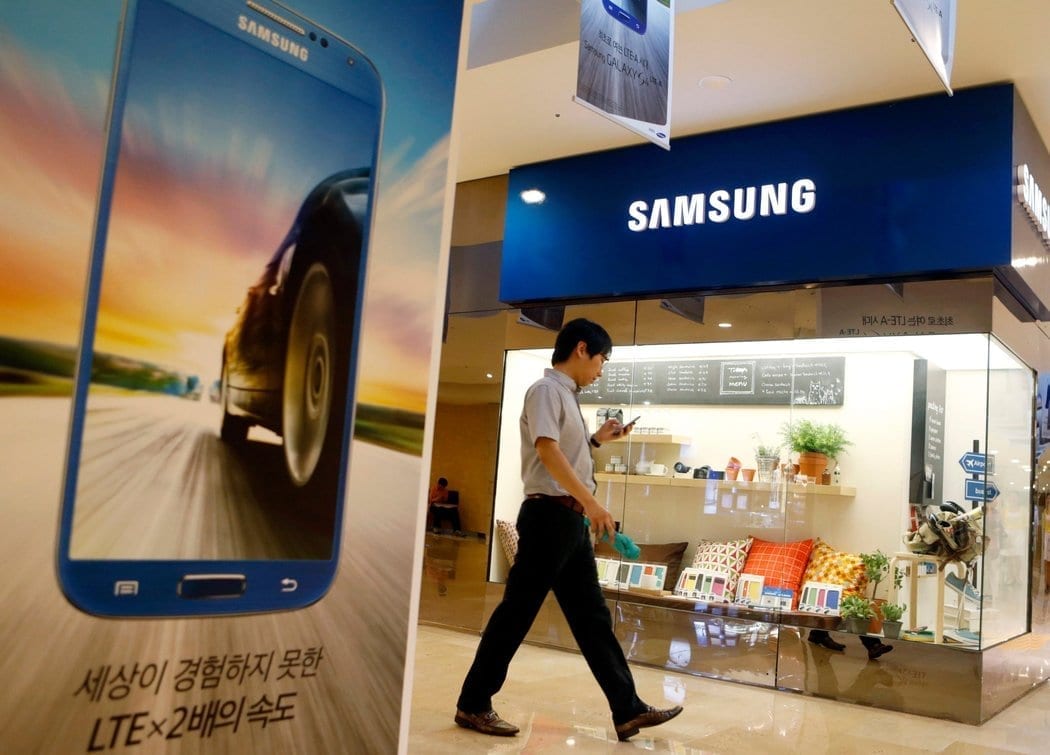
    SK Telecom and Samsung Electronics have completed a 5G call using 3GPP non-standalone new radio standards and commercial 5G new radio equipment. The trial at SK Telecom’s 5G testbed at its Bundang office building used end-to-end solutions jointly developed by the two South Korean companies. It utilized 100MHz of 3.5-GHz 5G spectrum and 5G NR, LTE radio and 5G non-standalone core infrastructure.

    The 5G non-standalone new radio architecture has been designed to allow 5G to be supported by legacy LTE infrastructure, allowing mobile devices to be connected to both 4G and 5G for data traffic, and to use the 4G network for non-data traffic  such as exchanging signals for mobility controls.

    This configuration is expected to be one of the promising 5G architectures for initial deployments.

    Sasmsung announced last month that it has secured a contract to deliver 5G equipment including core and RAN technologies for SK Telecom’s 5G deployments, which will commence later this year.

    The companies have been collaborating on 5G development since 2014, and jointly completed the first successful interworking of LTE and 5G new radio utilizing both 3.5-GHz and 28-GHz spectrum during a trial last year.

  • Porsche to price Taycan electric sports car between Cayenne, Panamera

    Porsche to price Taycan electric sports car between Cayenne, Panamera

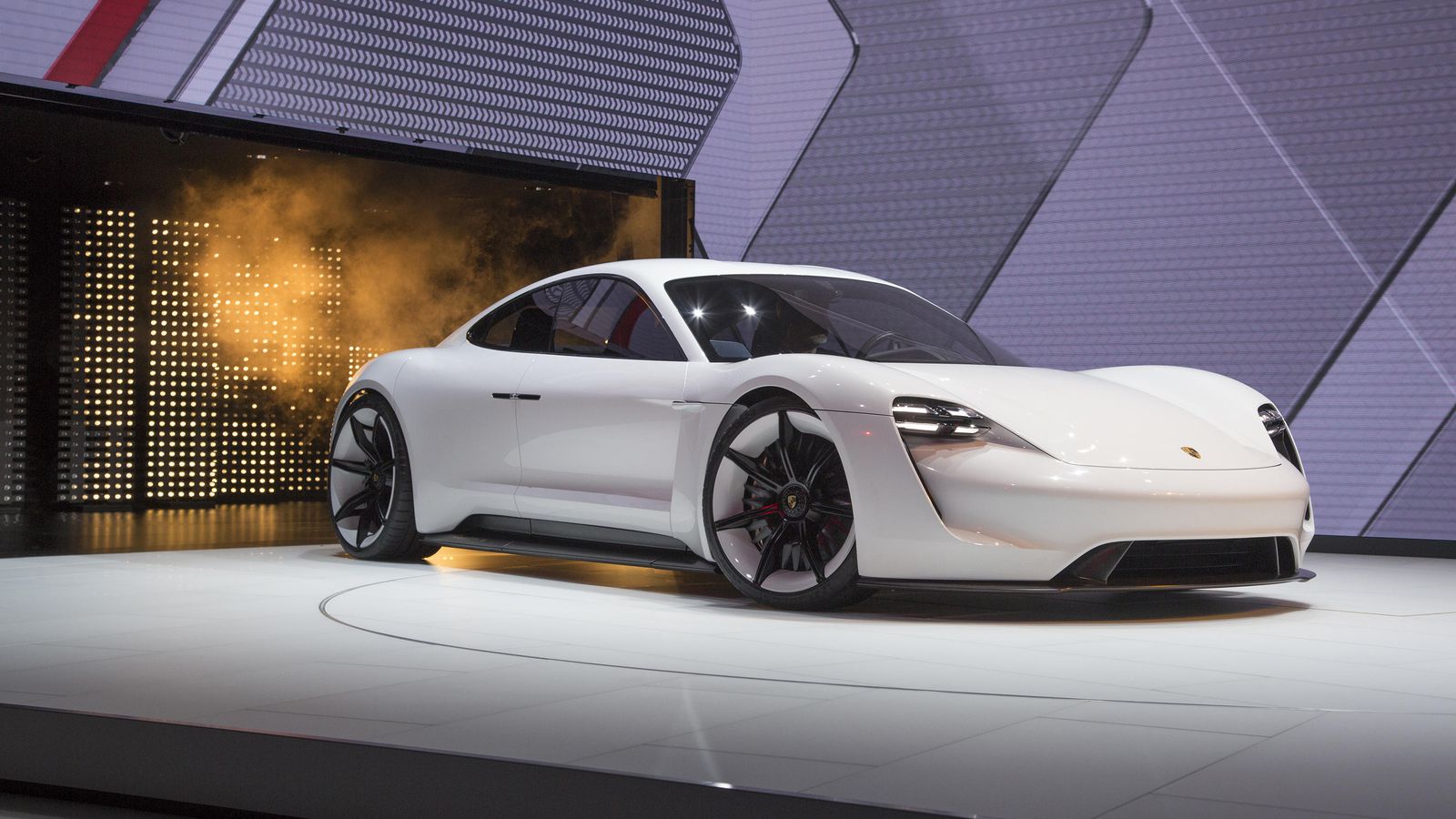
    Porsche will position the Taycan below the brand’s Panamera sedan when the electric four-door sports car reaches markets next year, with a likely starting price above 80,000 euros (about $92,500).

    “We’re expecting a price somewhere between a Cayenne and a Panamera,” said Robert Meier, the complete vehicle model line director for the Taycan.

    Including taxes, that would place the vehicle between 74,828 euros and 90,655 euros for its base version of the car in Germany.

    However, Porsche Chief Financial Officer Lutz Meschke told reporters that he wants to offer higher-performance versions that could be priced as much as 200,000 euros, such as a Taycan Turbo S.

    The Taycan’s two permanently excited synchronous electric motors, supplied by Italy’s Magneti Marelli, will produce more than 600 hp and accelerate the vehicle from 0 to 100 kph (62 mph) in less than 3.5 seconds. The Taycan aims to be the fastest series production electric car around Germany’s Nordschleife racetrack, with a lap time of less than 8 minutes.

    “Asynchronous e-motors are clearly more affordable, but they have one very important disadvantage: You can only overload the motor once when you want high dynamic acceleration before it quickly reaches its limits the second or third time,” Meier said. “That’s fine for most electric cars but not for a high-performance Porsche.”

    The 800-volt lithium-ion battery, built by Draexlmaier Group outside Stuttgart, is composed of “pouch” cells sourced from LG Chem of Korea in a specific power-to-energy ratio that balances the needs of range with those of performance.

    Together, the roughly 400 battery cells have a gravimetric energy density equivalent to 270 watt-hours per kilogram, roughly comparable to the latest technology on the market today.

    The Taycan will be able to drive more than 500 km (310 miles) miles on a single charge under the New European Driving Cycle. Once drained, the battery needs only about 4 minutes to add a further 100 km in range when using a 350-kW fast-charging station. By comparison, Porsche estimates a Tesla requires two and a half times that duration. Porsche expects it will build 20,000 units of the Taycan a year on two shifts, but production boss Albrecht Reimold said a third shift could be added if more capacity is needed.

  • KYMCO, Twenty Two Motors Join Hands To Make Electric Scooters

    KYMCO, Twenty Two Motors Join Hands To Make Electric Scooters

    Electric scooter manufacturer Twenty Two Motors has joined hands with KYMCO, a Taiwanese scooter manufacturer and leading two-wheeler and powersports global brand, to form a new venture to manufacture, market and sell electric two-wheelers in India. Although no details about the partnership have been announced, a joint statement by the two companies state that both brands will share knowledge, technology and expertise to create “premium electric mobility architectures” in the country. The statement adds that Twenty Two Motors and KYMCO are “all set to revolutionise the two-wheeler sector in India by establishing a favourable ecosystem for EVs”

    “Twenty-Two Motors was founded with the sole aim to change the commutation landscape in India by providing powerful smart vehicles to generation next. Electric mobility is the future of the world – a near future, not distant. We envisioned facilitating Indian customers with smart EV vehicles and a proper infrastructure with charging stations and efficient battery and our partnership with KYMCO is the next step in this direction. This unique partnership will prove to be a revolution for fundamentals of Indian auto sector which no one expected so far as we shall be creating a complete new ecosystem for premium EV mobility in India,” said Parveen Kharb, CEO and Co-Founder, Twenty Two Motors.

    Under the new partnership, called Twenty Two KYMCO, the two companies will strive to make electric mobility a practical reality for everyone. KYMCO will introduce its unique battery swapping solutions, called Ionex and Ionex Commercial in India. The Ionex smart battery weighs only 5 kg and is designed to be user friendly in every application. The ecosystem offers various charging solutions including standard charging, fast charging, battery swaps, or any combination. The Ionex Commercial further provides a range of customisable electric scooters along with engineering services to convert existing fleets of two-wheelers to work with the Ionex Commercial platform.

    “KYMCO is on a social mission to change the modern transportation and India is one of most important markets from that point of view. We found a natural partner in Twenty Two Motors as we have synergies in terms of vision, technological innovation and outlook. Together we aim to change the landscape of urban mobility in India. ”

    “While Ionex enables consumers to go electric without compromise, businesses and governments need to have reliable solutions for charging stations, removable batteries and related IT support systems before they opt for EVs. And therefore, Ionex Commercial is here to provide a total package to empower and enable all businesses and governments to adopt premium electric mobility”, said Allen Ko, Chairman, KYMCO.

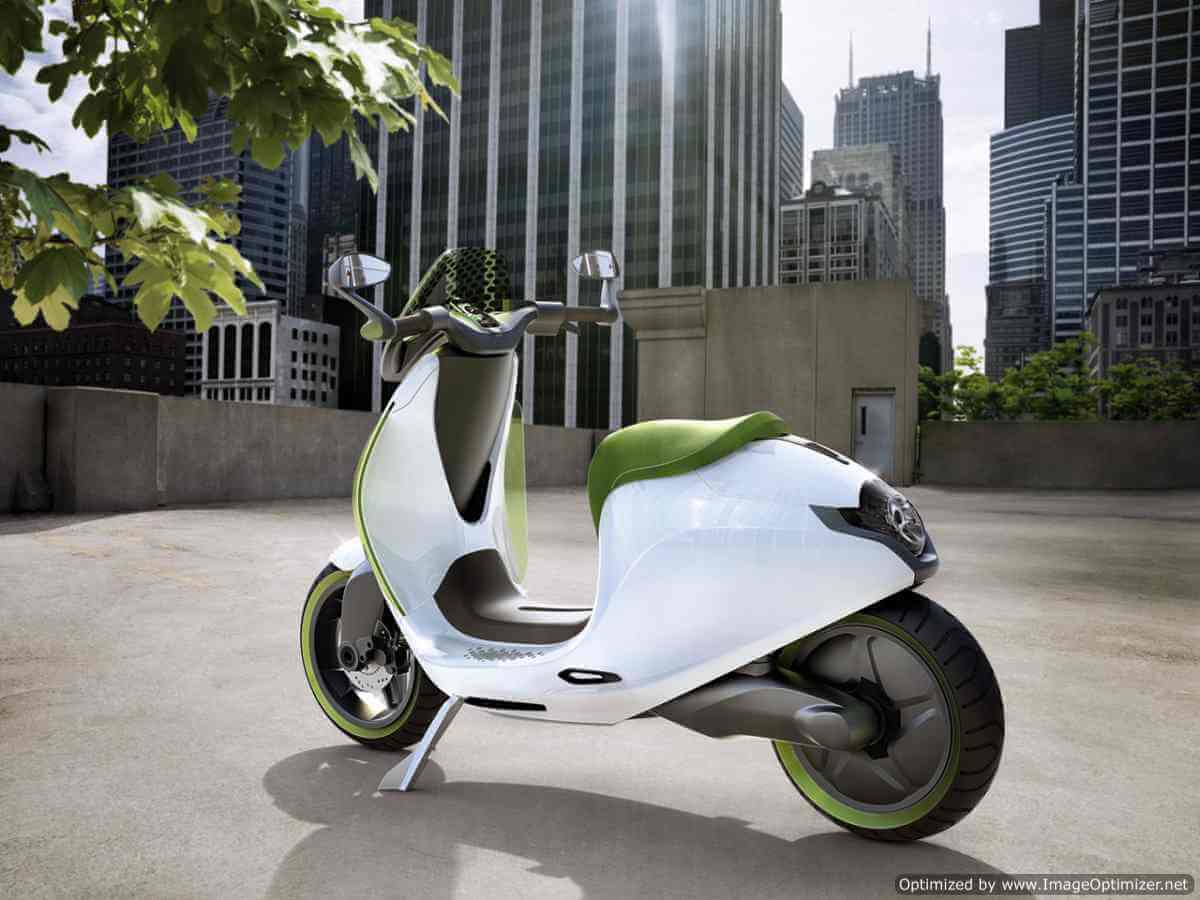
    The Flow, the first smart electric scooter developed by Twenty Two Motors, will be equipped with the advanced Ionex technology developed by KYMCO. The new removable Ionex battery will be lighter in weight, easy to swap, waterproof and can be fully charged in less than an hour. The Flow was launched at the Auto Expo 2018 at a price of ₹ 74,740 (ex-showroom Delhi). In addition to the Ionex battery, the updated Flow will also have a fixed reserve battery on board which is kept constantly charged by the removable battery. Riders can use the scooter for 20 km when the Ionex battery is removed for charging. The updated Flow and other models from Twenty Two Motors KYMCO will be available at Twenty Two KYMCO Experience stores in New Delhi, followed by Gurgaon, Jaipur, Hyderabad, Pune and Bengaluru.

  • Royal Enfield Interceptor 650 and Continental GT 650 India Launching

    Royal Enfield Interceptor 650 and Continental GT 650 India Launching

    Carandbike has learnt that Royal Enfield will be launching the Continental GT 650 and the Interceptor 650 in India sometime on the 13th , 14th or the 15th of November, 2018. Most probably, the company will club the launch of the 650 Twins with its annual event, the ‘Royal Enfield Rider Mania’. The Royal Enfield 650 twins have been in coming for the longest time now and we have already ridden them in California and were quite impressed by what the bikes offer as an overall package. The bikes were first officially showcased at last year’s EICMA show and Royal Enfield has taken its time to launch the motorcycles in India. The company wants the two motorcycles to be flawless in each and every manner and hence, the delay in the launch.

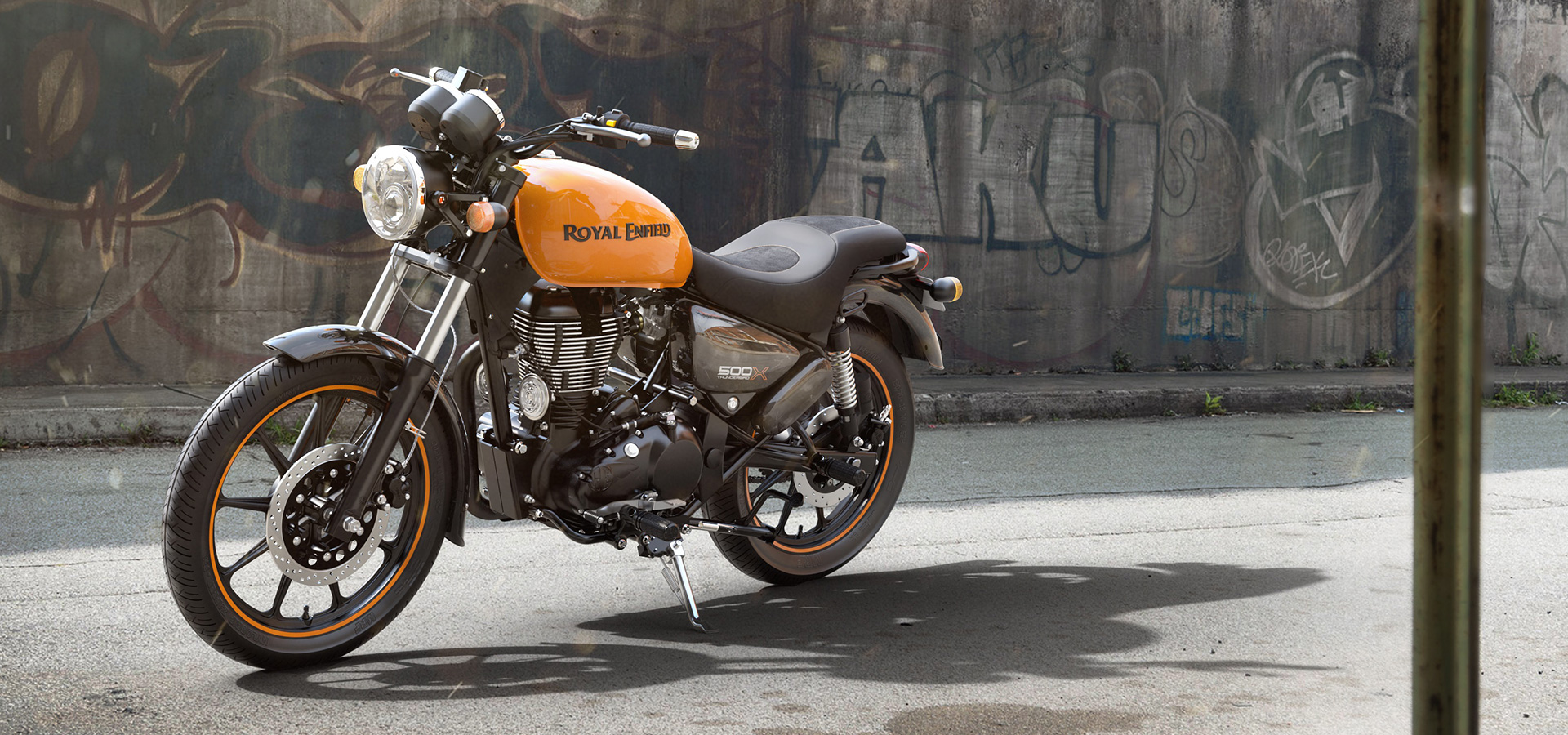
    The Royal Enfield 650 Twins could be best described as modern classic motorcycles. They are the most powerful motorcycles from Royal Enfield till date. Both the Interceptor 650 and the Continental GT 650 share the same engine, chassis, 18-inch wheels and brakes, but motorcycle wears a completely different character and personality. There is no liquid-cooling, ride-by-wire or electronics apart from the dual-channel ABS which is standard. This is probably because it will help Royal Enfield to price the Interceptor 650 and the Continental GT 650 competitively.

    Both motorcycles will be available in three variants, which are standard, custom and chrome. We expect all variants of the motorcycles to be launched in India and we are kind of looking forward to ride the ‘Chrome’ variant especially. We expect the prices of the 650 Twins to start at ₹ 3 lakh mark. Royal Enfield said that the prices will be disruptive. The intent of the interceptor 650 is to be a natural upgrade to the 350s and the 500s and therefore, it will be a motorcycle meant for high volumes and if we read it right, Royal Enfield believes the same and we could see the Interceptor being priced even below ₹ 3 lakh. At that price point, it will be going up against the single-cylinder performance naked motorcycles such as the KTM 390 Duke and the BMW G 310 R. We will update you as soon as we have confirmation on the final date.

  • Small Cell Forum puts orchestration, SON on roadmap

    Small Cell Forum puts orchestration, SON on roadmap

    The work program for the Small Cell Forum for the coming year covers “every aspect of densification,” including policy improvements for siting and spectrum, 5G-enabling technologies and the next iteration of its enterprise action plan, according to SCF. One of the work items focuses on the edge computing landscape, which the forum describes as an excellent example of an area where a common framework will be essential to avoid fragmentation—but one where every operator will deploy differently to support different use cases.

    Indeed, the pushing of intelligence, processing and cloud services to the edge of the network is making the small cell into a “gold mine” by adding many more services to the connectivity, according to SCF. Technologies like ETSI’s Multi-access Edge Computing or the OpenFog initiative, which is now the basis of an IEEE standard, are ways to distribute cloud services widely and bring them close to the users, supported along with radios on small cells equipped with processors or in separate miniservers. The distributed topology reduces latency and backhaul costs and improves responsiveness and QoS for users, the forum notes.

    The forum has been bringing operators, vendors and other stakeholders together as part of “Densification Summits” that it has held in the US, China and India over the past 12 months, discussing how to map clear and cost-effective migration paths to dense, software-driven and automated 5G networks. As such, the forum says it has been able to gather a range of requirements from industry and enterprise as to what future networks should enable.

    Another important task for the forum is developing a full road map for orchestration and SON. “Unsurprisingly, on the eve of commercial 5G, many of the issues which operators highlighted relate to that new standard—for instance, how it will interwork with WiFi, and what a 5G small cell for massive IoT applications should look like,” the SCF stated. “And some of the Forum’s most important 4G technologies will be revisited to plot a 5G migration, including the nFAPI interface for virtualized small cell networks.”

    According to the forum, one of the most important foundations of the new work program is the Enterprise, which is based on a year of in-depth discussions within SCF’s Enterprise Advisory Council. It identifies requirements that are common to all sectors and can be addressed by a unified small cell platform, while also drilling down on the specific variations within individual markets such as hospitality, healthcare and commercial property.

    SCF says it has been increasingly engaged with spectrum regulators and national and municipal authorities to help them understand the benefits of densification and how it can be accelerated by the right rules. Activities in 2018-19 will take this work further, to remove more of the barriers that challenge at-scale deployment.

    Last month, the FCC voted to approve rules aimed at speeding up the deployment of small cells and other 5G network equipment by regulating in part the fees and timelines cities and states can impose on wireless network operators and other wireless players.

    US outdoor small cell antenna shipments increased 84% in 2017, according to a report from EJL Wireless Research. The firm is forecasting that US outdoor small cell antenna shipments will increase by 75% in 2018 due to increasing demand from all four US national mobile operators as well as neutral host operators.

  • Kodiaq GT SUV to be Skoda’s flagship in China

    Kodiaq GT SUV to be Skoda’s flagship in China

    Skoda has said its new, coupe-styled Kodiaq GT SUV will become its flagship model in China. The midsize SUV, shown in pictures for the first time, will increase Skoda’s SUV range in China to four when it goes on sale later this year. The new model reshapes the design of the Kodiaq seven-seat SUV to give it more of a coupe profile to the rear and make it look more sporty and dynamic, the brand said.

    The new model reshapes the design of the Kodiaq seven-seat SUV to give it more of a coupe profile to the rear of the car. Skoda said the Kodiaq GT will be its flagship model.

    “It will be a key driver of the brand’s image,” Skoda said in a statement.

    China is Skoda’s biggest market, accounting for about a quarter of the brand’s global sales, the Czech automaker says. This year Skoda launched the China-only Kamiq small SUV to sit below the Karoq. The Kamiq sits on the low-cost PQ platform and is priced to rival Chinese offerings outside the country’s biggest cities.

    Skoda has said it wants to double its Chinese sales to 600,000 a year by 2020, largely through its SUV launches. A fifth SUV is to be added in 2019, CEO Bernhard Maier said in March without providing details.

    Skoda’s vehicle sales in China rose 2.5 percent last year to 325,009, according to company data. That puts that country ahead of the automaker’s No. 2 market of Germany at 173,300 and the Czech Republic in third at 95,000.

    Skoda has said the Kodiaq GT would not be sold in Europe. “I would love to do so,” Maier said in March, “but we do not have any production capacity.”

    Technology available in the Kodiaq GT includes the VW Group’s Virtual Cockpit with its customizable digital dials, as well as wifi connection, adaptive cruise control, and blind spot detection.

    The car will be sold with a 2.0-liter turbo gasoline engine with either 186 hp or 220 hp. The higher power model comes with all-wheel drive and a seven-speed dual-clutch transmission as standard.

    The Kodiaq GT will be revealed at the Guangzhou auto show next month.

  • Nokia, STC to deploy LTE air-to-ground trial network

    Nokia, STC to deploy LTE air-to-ground trial network

    Nokia and Saudi Telecom Company subsidiary STC Business have teamed up to launch a pilot LTE-based air-to-ground network in Saudi Arabia. The agreement was signed at GITEX Technology Week 2018, and follows a successful trial of Nokia’s LTE-based air to ground solution on a flight from Riyadh to Jeddah in Saudi Arabia. Under the agreement, Nokia and STC will jointly work to build a commercial strategy for providing customers with in-flight connectivity, as well as on the network managed services and rollout of air-to-ground services across the STC Group.

    During the trial, Nokia provided a dedicated end-to-end network, including an air to ground RAN, core infrastructure and applications, while Nokia’s technology partner for aviation equipment Thales provided the onboard equipment.

    “The air-to-ground technology will enable STC to provide new and revolutionary services for their customers and add new revenue streams,” Nokia MEA head of end-to-end sales solutioning Mohamed Abdelrehim said.

    “With high-speed and low-latency broadband, airline passengers will be able to communicate with their loved ones or for business without any disruption because of air travel. Also, the airline crew will be able to improve operational efficiency because of better real-time communication between the flight crew and ground staff.”

  • Satcom Direct to distribute Intelsat’s FlexExec service

    Satcom Direct to distribute Intelsat’s FlexExec service

    Satellite operator Intelsat has teamed up with business aviation connectivity provider Satcom Direct to provide in-flight broadband connectivity to business jets globally. Satcom Direct has become the first solution partner and master distributor for Inmarsat’s FlexExec service for the business aviation sector. The company will add FlexExec to its new SD Xperience portfolio.

    Under the agreement, Inmarsat will provide Satcom Direct with immediate access to Intelsat’s Ku-band satellite fleet including its high throughput satellites.

    FlexExec is designed to differentiate from the competition by not sharing capacity with commercial aviation or customer broadband customers to provide business jet owners with guaranteed provide seamless, on-demand connectivity.

    “We are delighted that Satcom Direct has chosen FlexExec to be a part of their SD Xperience platform,” Intelsat VP and GM for mobility Mark Rasmussen said.

    “The global footprint, resiliency, redundancy and flexibility of FlexExec’s seamless Ku-band platform will ensure that passengers can easily extend fast, high quality broadband connectivity from their office into the skies.”

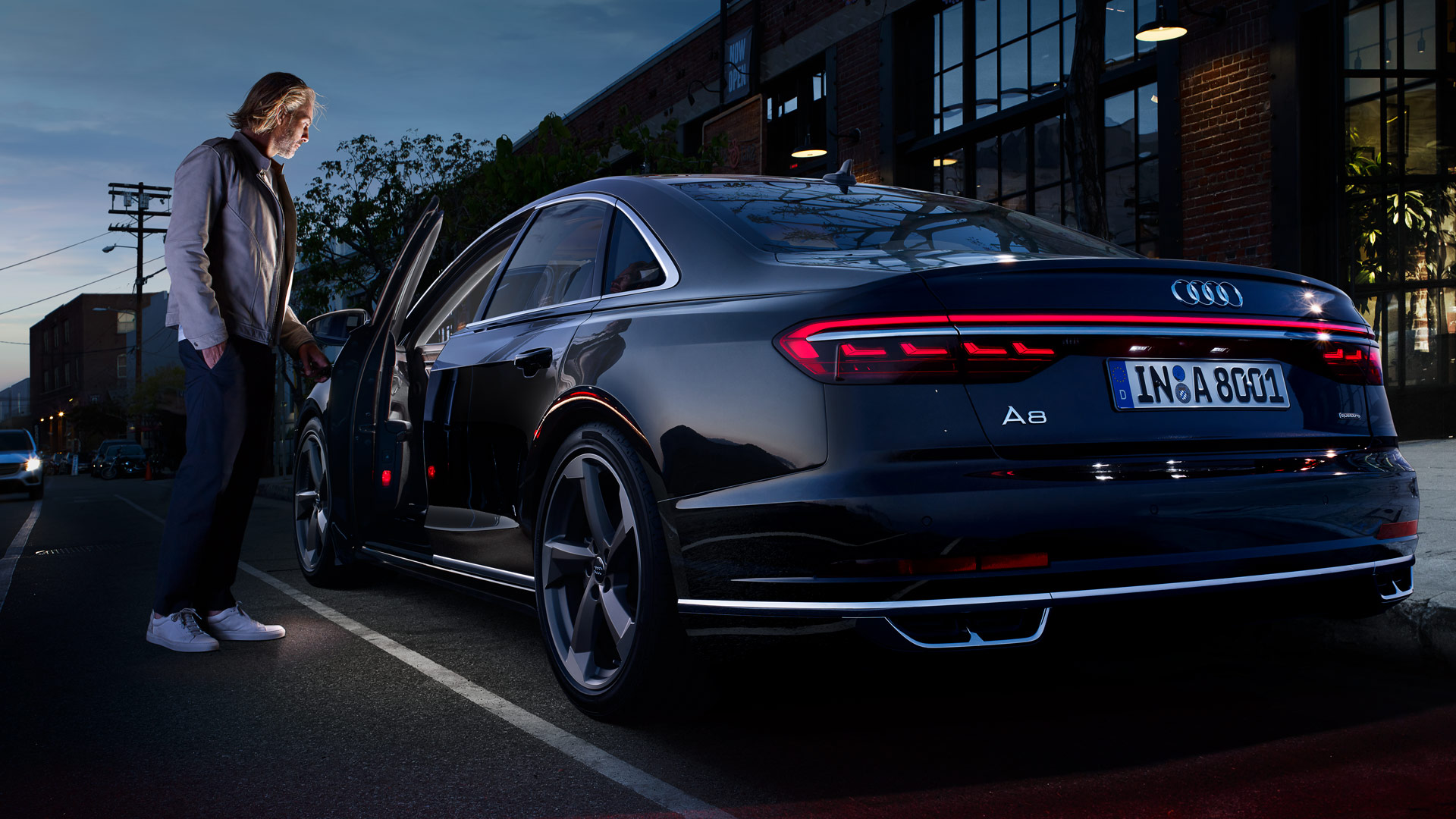
  • Audi To Pay 800 Million Euros Fine Over Dieselgate Scandal

    Audi To Pay 800 Million Euros Fine Over Dieselgate Scandal

    Volkswagen said on Tuesday that its subsidiary Audi would not contest an 800-million-euro (USD 927 million) fine issued by German prosecutors over “deviations from regulatory requirements” in diesel engines.
    “Audi AG has accepted the fine” investigators levied for “deviations from regulatory requirements in certain V6 and V8 diesel aggregates and diesel vehicles”, the group said in a statement, adding that “the fine will directly affectVolkswagen AG’s financial earnings” for 2018
  • KTM 125 Duke Bookings Open In India

    KTM 125 Duke Bookings Open In India

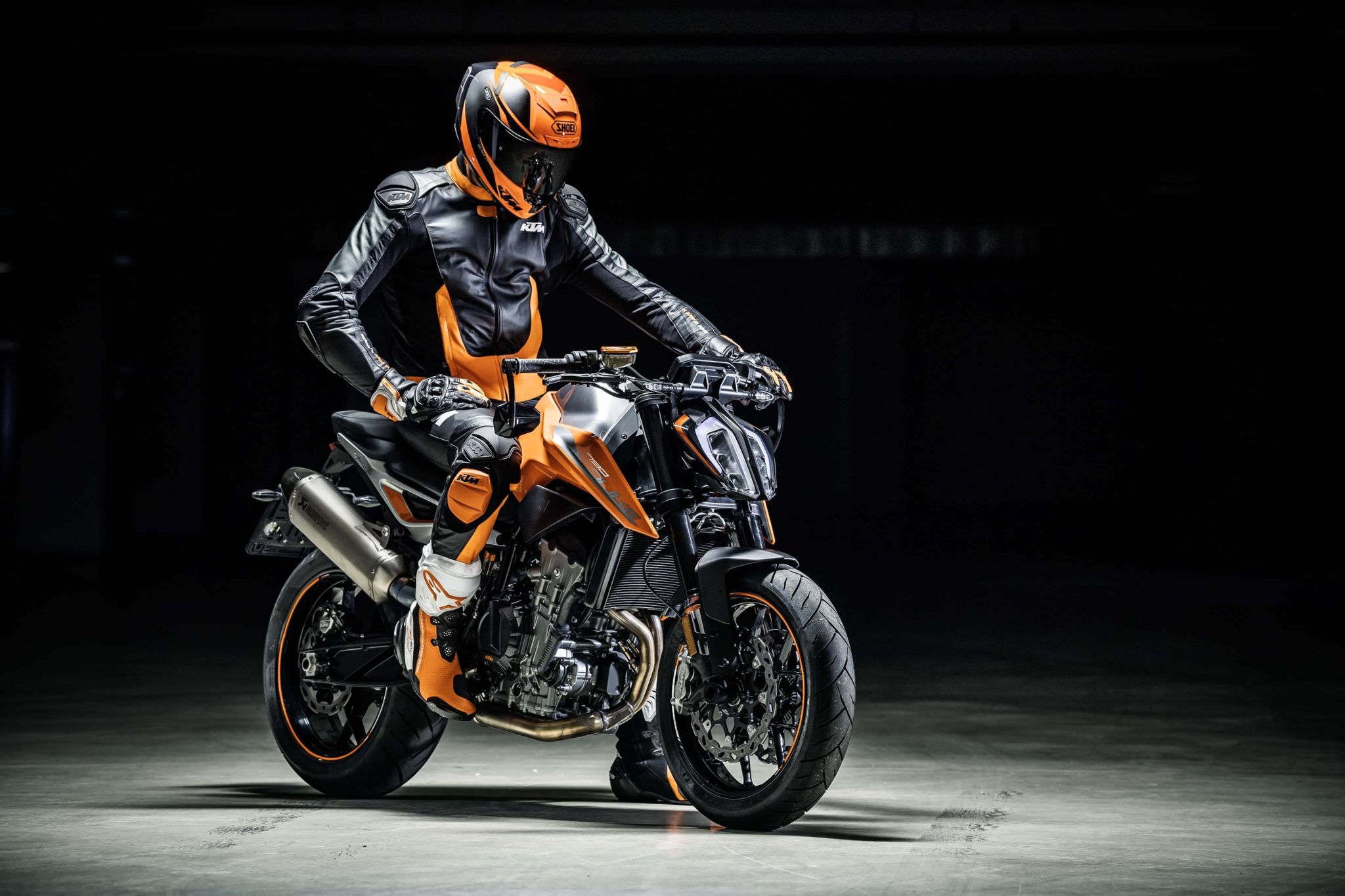
    In a surprising move, KTM India is likely to introduce the 125 Duke in India by the end of the year in the country. KTM dealerships in Mumbai and Pune have confirmed to carandbike that they are accepting bookings for the new entry-level street-fighter at a token amount of ₹ 1000. While the launch date has not been officially announced yet, reports suggest the launch is likely to happen by December 2018. Deliveries will commence soon after the launch. This will be the updated KTM 125 Duke that was revealed at the end of 2016 and shares its styling with the KTM 250 Duke. The naked motorcycle will also be the most expensive 125 cc offering to go on sale in the country.

    Power on the KTM 125 Duke will come from the 124.7 cc single-cylinder, liquid-cooled engine tuned for 15 bhp and 12 Nm of peak torque. The motor is paired with a 6-speed gearbox. The bike comes with USD forks up front and a monoshock suspension setup at the rear, while braking performance comes from a 300 mm front and 230 mm disc at the rear.

    Internationally, the 125 Duke is offered with ABS as standard, which could be skipped on the India-spec model since it is not mandatory for motorcycles below 125 ccc. Moreover, the bike will get a price advantage with the absence of ABS. The bike is likely to get CBS (Combined Braking System) instead, which is a lot cheaper in comparison. The TFT screen that is offered on the KTM 390 Duke is also likely to be given a miss to keep costs in check.

    It is to be noted that the KTM 125 Duke was always intended to be an export-only offering ever since KTM commenced operations in India. While the motorcycle benefits from the same cycle parts as its older siblings, it also emerges as a more expensive offering compared to other “premium” 125 cc motorcycles. In Europe, the 125 Duke is largely targeted at A1 license holders with the government restrictions in place, making it a good-looking, fun-to-ride 125 cc bike for young buyers.

    In India, the 125 cc segment is seen largely as a commuter segment for anyone looking for more power without compromising on efficiency. The KTM 125 Duke clearly does not belong to that segment, but could just be a lucrative choice for those looking at a fun-to-ride urban runabout. In terms of competition, the 125 Duke will compete against the Yamaha YZF-R15 V3, Yamaha FZ 25, Bajaj Pulsar NS 200 and the likes. So, yes, prices are likely to be around ₹ 1.50 lakh (on-road), which will make it about ₹ 20,000-30,000 cheaper than the KTM 200 Duke.

  • BMW, Northvolt, Umicore team up on battery recycling

    BMW, Northvolt, Umicore team up on battery recycling

    BMW will team up with Northvolt, which is building Europe’s largest battery factory in Sweden, and Belgium’s Umicore to develop a process for electric car batteries to be recycled, the automaker said in a statement. BMW had a funding investment of undisclosed size in the venture, the Swedish startup, which plans to build a factory in Sweden to produce 32 gigawatt hours (GWh) of battery capacity a year by 2023, said on Monday.

    The partnership could indicate that BMW will source batteries from Northvolt, giving investors confidence to fund the project that is expected to raise debt and equity next year.

    The project aims to create a “closed life cycle loop” for battery cells, which will be manufactured using a recyclable design and used in electric vehicles, then possibly as stationary storage devices before finally being recycled and reused.

  • Renault-Brilliance count on e-vans

    Renault-Brilliance count on e-vans

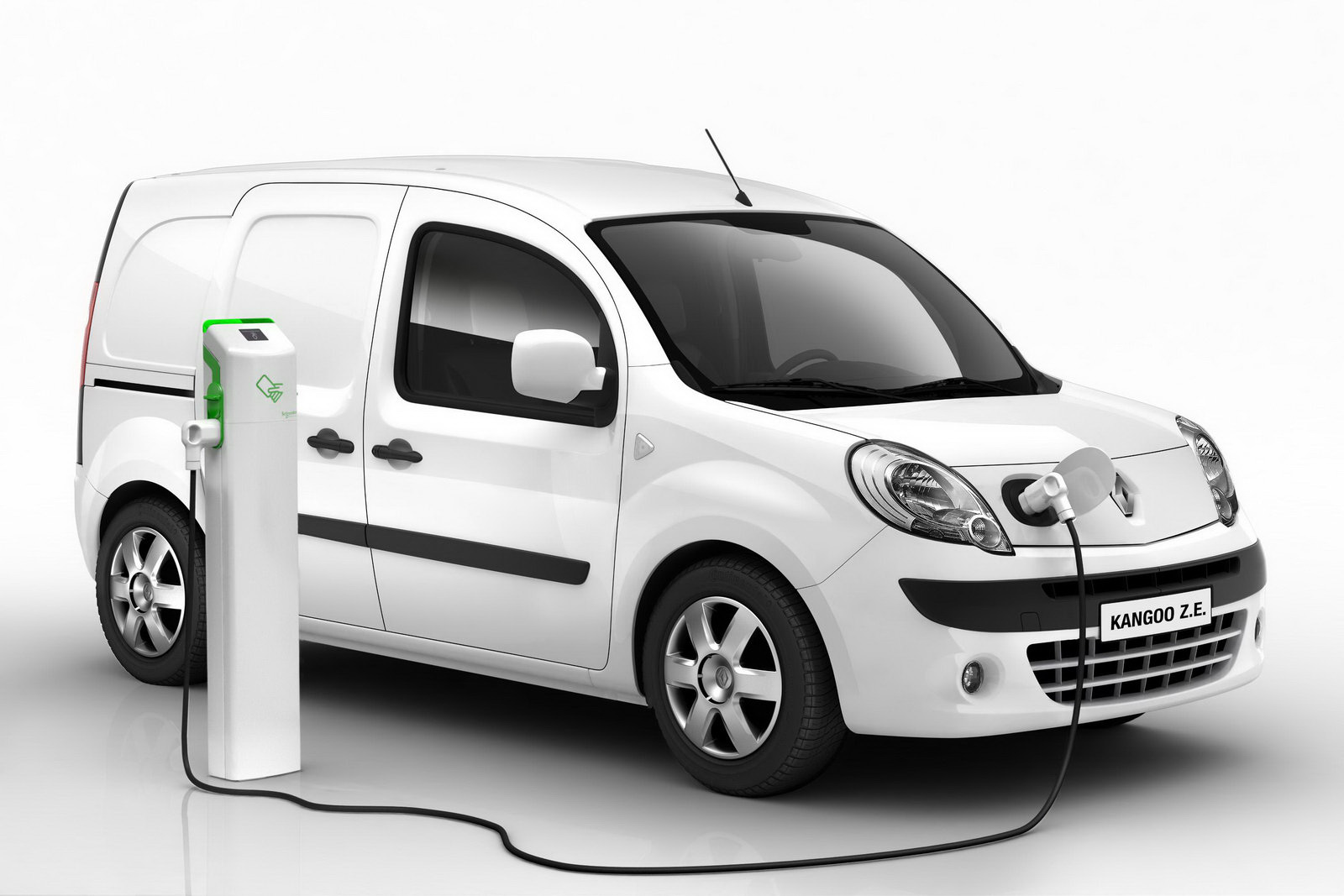
    Renault and Chinese partner Brilliance plan to launch three electric delivery vans in two years, seeking to capitalize on robust growth in China’s commercial vehicle market and city center driving curbs on vehicles with combustion engines. The battery-powered vans will be part of a seven-model product offensive announced on Tuesday for the Renault-Brilliance joint venture that was created last December.

    The first two electric vans are to be introduced as commercial and passenger versions under Brilliance’s Jinbei brand. The first will be a full-electric update of Jinbei’s F50 model. A battery-powered Renault vehicle will follow in 2020.

    “Now with the expertise of Renault in electrified technology we will get it into the zero-emissions (zones) for last-mile deliveries,” Ashwani Gupta, commercial vehicles chief for the Renault-Nissan-Mitsubishi alliance, told reporters on a call.

    The overall Chinese auto market shrank for the third consecutive month in September, recording its biggest year-on-year decline in seven years.

    But Renault’s Gupta expects commercial vehicle sales growth to stay resilient, with an 11 percent expansion to 3.2 million vehicles this year and a further 8 percent to 9 percent in 2019.