Author: Mei Ling Tan

  • Taubman Sells Shares of Three Asian Shopping Centers

    Taubman Sells Shares of Three Asian Shopping Centers

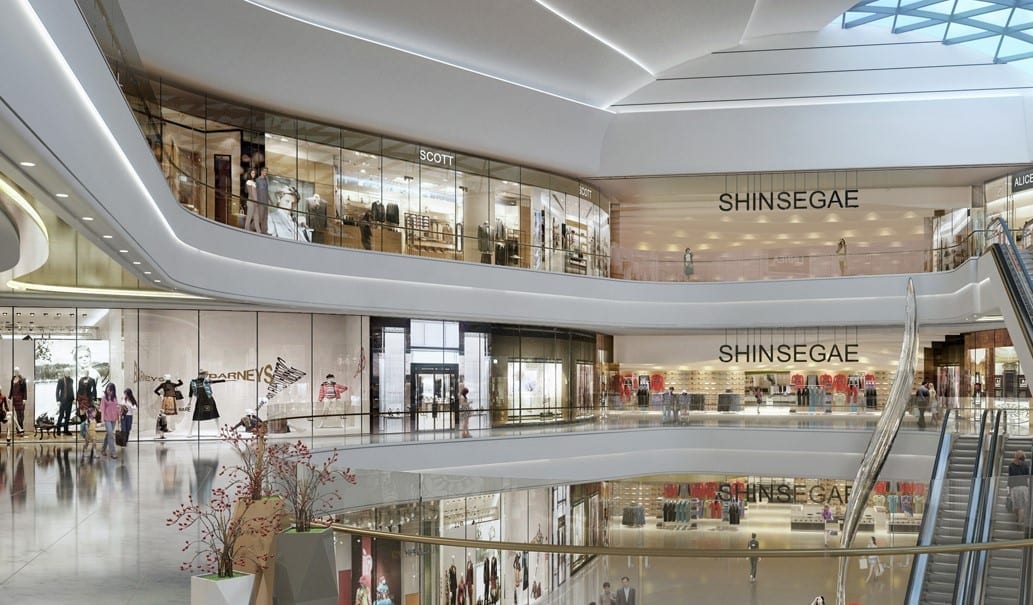
    US retail property specialist Taubman Centers is to sell a 50 per cent stake in three of its shopping centres in China and Korea to funds managed by private equity company Blackstone Group. The deal, worth US$480-million, is expected to be settled later this year and will net Taubman about $315 million according to financial news reports. The company will maintain a share of up to 25 per cent in each property.

    Post settlement, Taubman will be contracted for the ongoing management of the centres.

    The centres are South Korea’s Starfield Hanam, and China’s CityOn Xi’an and CityOn Zhengzhou.

    Taubman manages a 26 regional, super-regional and outlet shopping centres in the US and Asia, and has another property under development. CEO Robert S Taubman said the sale was part of a strategy of recycling capital for growth.

  • Furniture maker in Vietnam to meet younger customer taste

    Furniture maker in Vietnam to meet younger customer taste

    Furniture manufacturers are striving to meet the changing tastes of young people, who have begun to value eco-friendliness and aesthetics. Nguyen Chanh Phuong, vice president and general secretary of the Ho Chi Minh City Fine Arts and Wood Processing Association (HAWA), said the furniture segment for small urban houses is abuzz in Vietnam, with its main customers being young adults born between 1980 and 2000.

    Unlike the previous generation, who preferred simple but durable furniture that could last 100 years, young people prefer to buy comprehensive interior packages based on their own aesthetic views, he explained.

    They see furniture as things that serve their needs and not assets to be passed down, and so products only need to last about 10 years, he said, pointing out this was why furniture makers like IKEA have been so successful.

    “There is a lot of opportunity arising from this group of customers alone. I estimate they only account for 15 percent in terms of number of buyers but account for 30-40 percent of spending.”

    Industry insiders said the market is seeing rapid growth in raw materials production, design and manufacture of furniture, and one can now find all types of international “fashionable” wood varieties from Germany, the U.S., France, Japan, Canada, and New Zealand.

    Vietnam’s furniture market was worth $4 billion in 2018, and is expected to grow to $5-7 billion by 2025, according to the Handicraft And Wood Industry Association of HCMC.

    Nguyen Quoc Khanh, HAWA chairman, said not only is the scale growing but also Vietnamese are increasingly demanding higher quality products.

    “I think ‘strong and durable’ is not the Vietnamese style; it was a need at a difficult time. Life is much better now, so people are allowed to express themselves.

    “The only regret is that the market has not yet created the necessary ecosystem for the business of interior design. That is, furniture manufacturers have not been able to work with designers and real estate companies to completely meet users’ needs.”

    Foreign home interior brands and designers are present in force and dominating the increasingly affluent market.

    According to the Vietnam Chamber of Commerce and Industry (VCCI), some 80 percent of luxury woodwork and interior decoration items is imported from Europe, with local players accounting for the rest.

  • Suning develops omnichannel smart retail through Wanda department stores

    Suning develops omnichannel smart retail through Wanda department stores

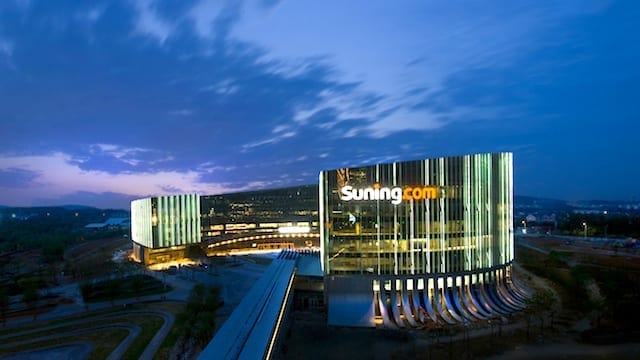
    Suning.com, the Fortune Global 500 retailer owned by Suning Holdings Group, one of the largest commercial enterprises in China, recently announced the establishment of its Department Store Group. It will focus on professional operations of fashion department store business to strengthen its full-scenarios development in online-and-offline smart retail and improve the shoppers’ experience.

    The Company will also acquire nationwide all Wanda Department Stores, belonging to Wanda Group, the large Chinese commercial real estate developer, to expand its bricks-and-mortar retail portfolios and facilitate the all-categories merchandise supply chain to satisfy more local consumers and boost Chinese retail market profits.

    As the leading omni-channel smart retailer in China, Suning.com has always been committed to building a full-scenarios retail ecosystem both online and offline to create diversified shopping experiences visible and ready to serve consumers anytime and anywhere. The establishment of the new group with acquisition of Wanda Department Store is expected to further reinforce Suning.com’s offline advantages, improving its overall retail network resources and increasing the business potential of the Company to develop new business opportunities of all-categories merchandise operation, especially of fashion, lifestyle products and fast-moving consumer goods.

    The 37 Wanda Department Stores are located in first- and second-tier cities in China, with more than 4 million registered customers. Through the deal, Suning.com will also bring its powerful technology capabilities such as data learning, artificial intelligence, IoT to accelerate the digitization of operation management for traditional department stores to increase the overall service experience and profitability of the industry.

    Zhang Jindong, Chairman of Suning Holdings Group said: “The prosperity of the physical retail industry must not only rely on the traditional model and experience. It needs to embrace innovative technology and market concepts to continuously create quality and customized services for consumers.”

    Suning and Wanda has built a strategic cooperation since 2015 and strengthened the partnership in 2018 with the former’s acquisition of a tiny stake in the latter’s commercial management subsidiary.

  • Alibaba’s Ant Financial buys WorldFirst for $700m

    Alibaba’s Ant Financial buys WorldFirst for $700m

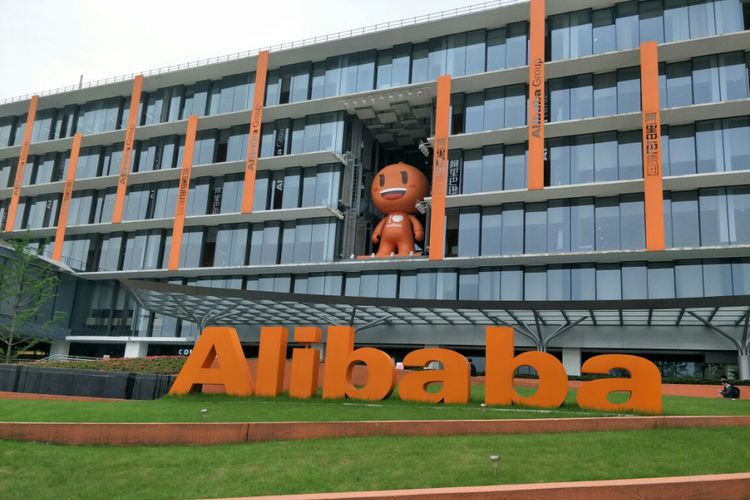
    Alibaba subsidiary Ant Financial says it plans to buy UK-headquartered money-transfer company WorldFirst. And in separate news, the Chinese e-commerce behemoth is in discussions over investing in the Metro China wholesale retail business.

    The WorldFirst deal will allow Ant Financial to gain market share in Europe’s fintech and payments industries and will give it an established retail network of currency-exchange stores covering cities including Sydney, Australia; London and Amsterdam, as well as throughout Asia. It has 600 employees in seven international offices and claims to have exchanged more than US$67 billion for 130,000 customers since its launch in 2004.

    The company also had outlets in the US but has reportedly closed these to avoid potential regulatory hurdles with the sale to a Chinese-owned business.

    Ant Financial last year unsuccessfully tried to acquire US-based money-transfer company MoneyGram, largely due to opposition from US lawmakers.

    Metro move

    Meanwhile, Alibaba is in talks to buy a share of German wholesaler Metro AG’s Chinese business.

    Neither company has confirmed or denied the talks are underway and they are at an early stage and may break down.

    Metro China operates 95 stores and struggled to achieve profitability in the market until recently. Metro sales in Asia rose 7 per cent to US$1.17 billion in the December quarter.  Most of the Metro China stores are in tier 1 cities, including Beijing and Shanghai.

    Metro is holding talks with other parties as well ahead of an official sale process.

    Olaf Koch, Metro’s CEO, confirmed this week that the company was considering potential partnerships with Chinese companies. Metro and Alibaba have already cooperated online.

    “We are growing continually and we are profitable [in China],” Koch said at the time Metro released its first-quarter results.

  • Deliveroo celebrates the Chinese New Year with elderly people

    Deliveroo celebrates the Chinese New Year with elderly people

    To give back to the Hong Kong community in celebration of the Lunar New Year, Deliveroo collaborated with St. James’ Settlement and restaurant partner LAO ER by Crystal Jade to host a special afternoon event yesterday for elderly people living alone. There are increasing numbers of stay-alone seniors in Hong Kong, who don’t always have the opportunity to enjoy multi-generational gatherings at the New Year.

    Around 50 elderly people joined yesterday’s event on Monday 11 February, which was held at the Central and Western District Elderly Community Centre in Sheung Wan.

    A hot, delicious, free Chinese meal from LAO ER by Crystal Jade was served for everyone to enjoy together. The meal was prepared at Deliveroo’s first Food Market in Sai Ying Pun and delivered hot and fresh to the Centre by two Deliveroo riders.

    Deliveroo is also making a donation of HK$2,000 to the Central and Western District Elderly Community Centre of St. James’ Settlement, to help fund the gifts of the day and make the elderly delighted.

    Brian Lo, General Manager of Deliveroo Hong Kong, said, “With more and more of Hong Kong’s elderly population living on their own, we are proud to support community initiatives bringing happiness and togetherness to stay-alone seniors. Yesterday’s event was a fantastic chance for the elderly to bond with others over a delicious meal, in celebration of the Lunar New Year. The delectable festive Chinese party foods served in the event like fried noodles, dumplings and garlic-tossed cucumber represents just a small selection of the wide range of cuisine available from Deliveroo. Moving forward, Deliveroo remains dedicated to finding even more new and creative ways to give back to all kinds of people in Hong Kong.”

    The event fell on the seventh day of the first Lunar Month, also known as “Renri”. This is an occasion traditionally celebrated in Chinese culture as the birthday of all humans. On this day, it’s customary for people to gather together, show gratitude and ask for blessings.

    Alison Yung, Senior Manager (Continuing Care) of St. James’ Settlement, added, “Serving Hong Kong for 70 years, St. James’ Settlement has observed the rising number of elderly-only households. Having a reunion lunch on Renri is a beloved Chinese New Year tradition, and we have been delighted to work hand-in-hand with Deliveroo to provide a joyful afternoon meal for everyone to celebrate together. In the future, we look forward to more opportunities for fruitful collaboration with community actors like Deliveroo.”

    An active promoter of social responsibility, Deliveroo is committed to progressive initiatives that benefit employees, customers and the Hong Kong community at large.

    In December, for example, Deliveroo offered 100 free meals to domestic workers staying in Hong Kong over the holidays, in recognition of their valuable role for families.

  • Huawei confident of 5G role in Vietnam

    Huawei confident of 5G role in Vietnam

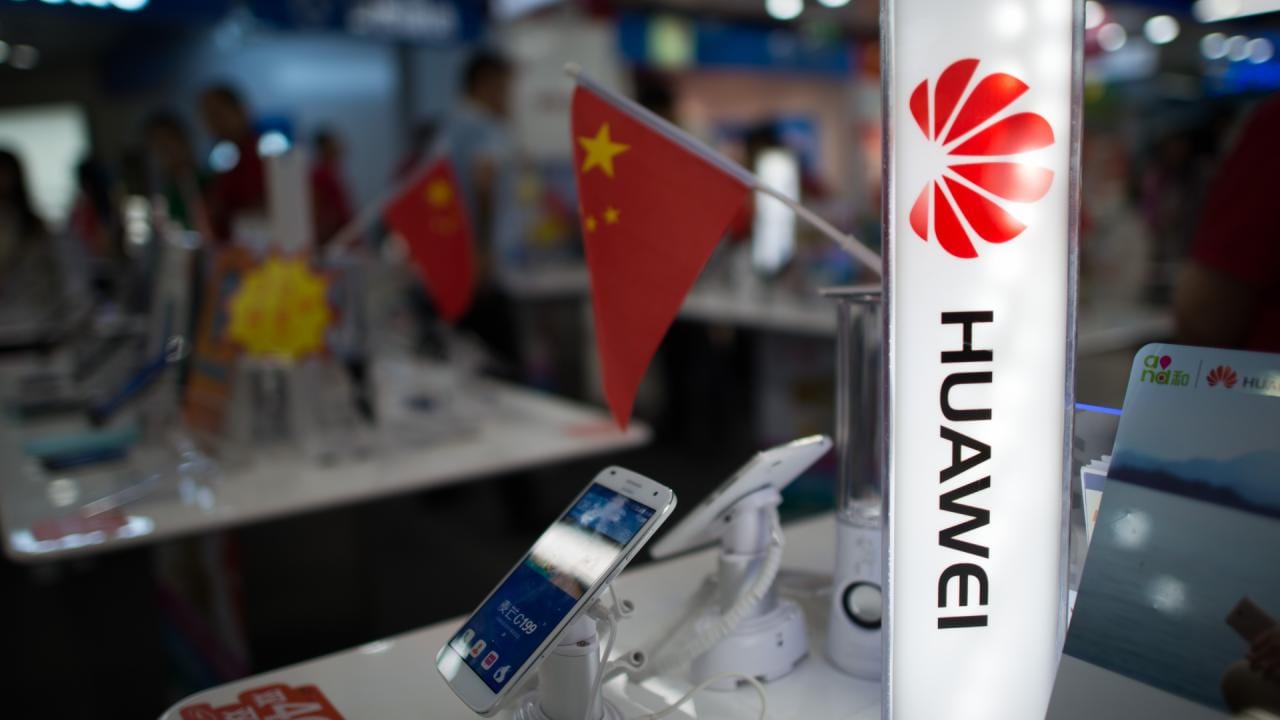
    Huawei Technologies says it has a good chance to be a supplier of 5G equipment to Vietnamese service providers. Fine Fan, CEO of Huawei Vietnam, said that the Chinese company is in talks with Vietnamese partners on conducting 5G trials later this year. “We are confident of expanding in Vietnam,” Fan said, adding that Vietnamese Minister of Information and Communications Nguyen Manh Hung “is open to every provider.”

    Fan said that Huawei cannot be beaten on quality or cost in Vietnam. “Huawei will provide better technology and solutions, along with financial support to local operators to deploy 5G.”

    Huawei’s expression of confidence comes as major mobile carriers in Vietnam have previously announced plans to develop 5G networks using equipment from other suppliers, including Ericsson, Nokia and Samsung Electronics.

    Viettel, the country’s largest telecommunications company, became the first firm to receive permission to trial 5G services last month.

    The company has earmarked $40 million for the development of its own 5G chipset, but was also considering using technology from Ericsson and Nokia, its president and CEO Le Dang Dung said.

    Last November, Minister Hung said at a conference that Vietnam should test 5G in 2019 and ensure nationwide coverage by 2020.

    “Vietnam should be one of the first to launch the network, at least in Hanoi and HCMC,” Hung said. The country had been one of the last in Southeast Asia to roll out 4G services.

    Huawei has been the largest provider of 2G and 3G network equipment in Vietnam, though the company lost its lead when 4G arrived, CEO Fan said.

    Vietnam’s telecom market was estimated at more than $16 billion in 2016, with the three state-owned providers, Viettel, MobiFone, and VNPT, accounting for 95 percent of the market.

    5G is said to offer speeds 100 times faster than 4G, primarily used for smartphones and other similar devices. 5G is also expected to support new applications like remote medical procedures and autonomous driving.

  • Skechers passes store milestone

    Skechers passes store milestone

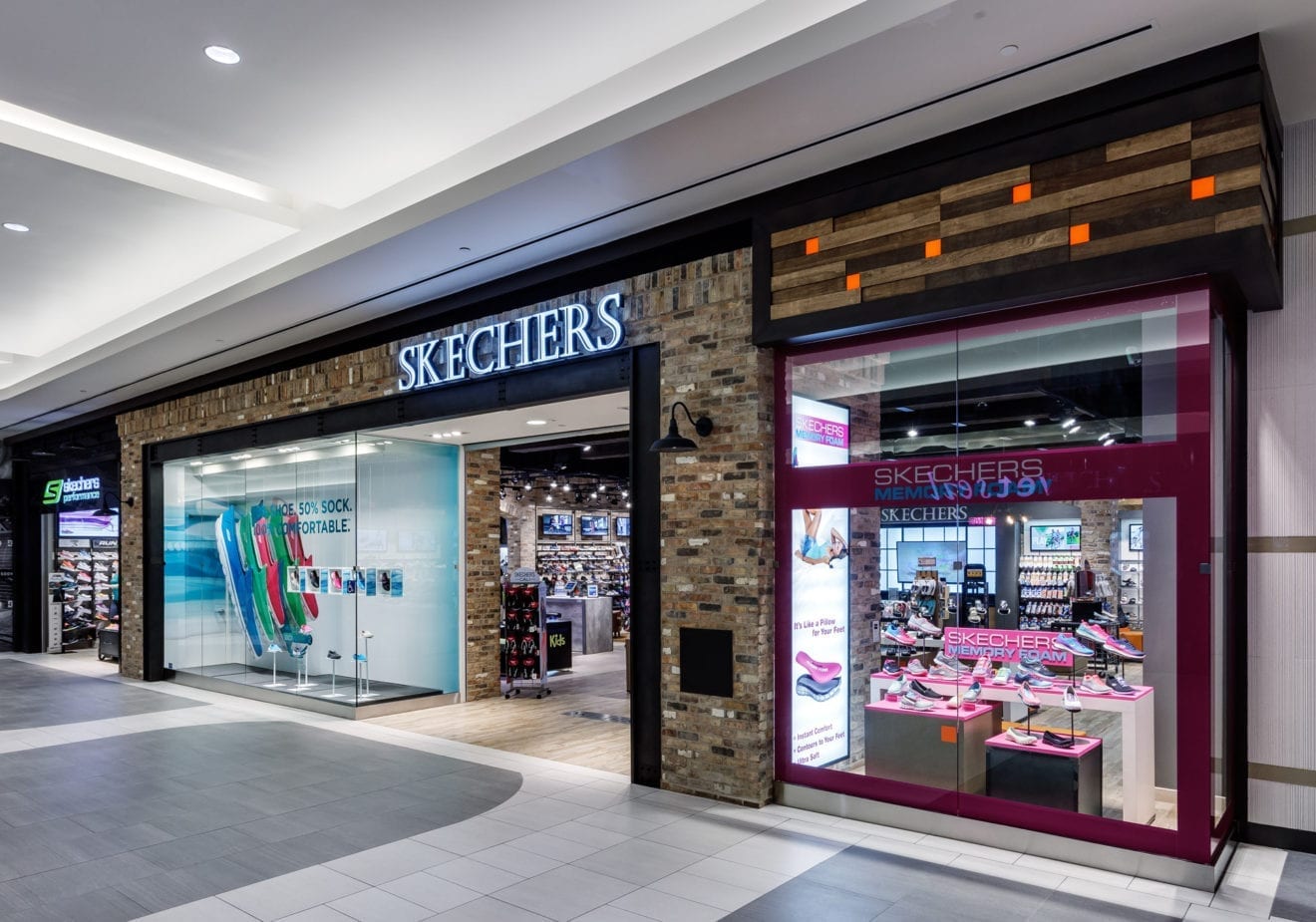
    Skechers China has opened a new superstore in Shenyang, the footwear brand’s 3000th globally. The footwear brand’s largest store yet covers more than 32,000sqft, showcasing a diverse range of footwear, apparel and accessories styles for men, women and children. It features shops-in-shops for different categories and a Skechers Kids entertainment zone.

    US-headquartered Skechers says it is continuing to expand its retail, sales and logistic infrastructure and is improving its customer experience with new-generation point-of-sale technologies.

    “We sell in more than 170 countries through our extensive network of distributors and joint ventures, and we have many more opportunities to build our retail store business even further and expand our global presence for years to come,” said Michael Greenberg, president of Skechers.

    China has the largest number of Skechers retail stores at 941, followed by the US at 472, and India at 222.

    To date, there are 690 company-owned stores worldwide, including two opened in the US in the first quarter. The company plans to open another 70 to 80 company-owned stores and another 500 third-party owned stores this year.

  • The Macallan releases the first annual limited edition

    The Macallan releases the first annual limited edition

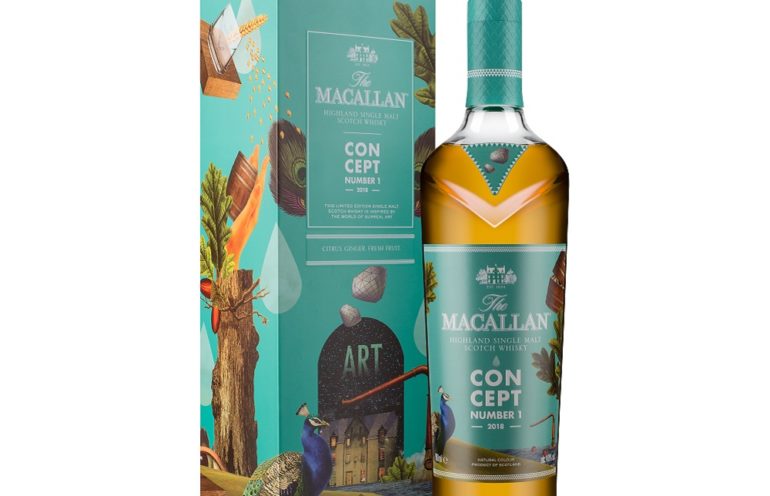
    The first in an annual, limited edition series, The Macallan Concept Number 1 was inspired by the whimsical world of surreal art, and celebrates world’s visionaries by daring to disrupt the whiskey making process. Following its Asia debut on 1st January 2019 in Singapore’s Changi International Airport, The Macallan Concept Number 1 will be made available in Hong Kong Hong Kong International Airport starting from 1st February 2019. Bringing together imagination and idealism to create a fantastical, sensorial world of whisky where anything and everything is possible, the label and packaging of The Macallan Concept Number 1 features a surrealistic interpretation of The Macallan’s Six Pillars -– the spiritual home, curiously small stills, the finest cut, exceptional oak casks, natural colour and peerless spirit.

    Created from whiskies matured first in sherry-seasoned oak casks and subsequently for an equal amount of time in ex-bourbon casks, The Macallan Concept Number 1 is a whisky crafted to explore maturation more imaginatively. Displaying characteristic notes of citrus fruits and ginger, it is a spirit that combines an unwavering passion for whisky with an unfailing mastery driven by bold and brave choices.

    Commenting on the uniqueness of this series, Macallan Master Distiller, Nick Savage says, “The Macallan Concept Number 1 is whisky reimagined, offering a compelling new sensory experience that rewards with every sip. The innovative process developed to produce this remarkable single malt pays tribute to the visionaries of the surreal art world and reflects our continuous search for excellence.”

    Adding further, Igor Boyadjian, Edrington Global Travel Retail Director, emphasises, “We’re proud to unveil the first release in The Macallan’s latest innovative travel retail-exclusive product range. By “breaking the norm”, The Macallan Concept Number 1 reinforces our commitment to offering exciting products to travellers and we’re confident this fresh innovation will prove attractive to travellers and collectors alike.”

    The Macallan Concept Number 1 is now available exclusively in Hong Kong, via duty free stores in Hong Kong International Airport, and in selected airports throughout Asia Pacific from February 2019 onwards.

  • Dollar eases as trade deal prospects bolster risk, sterling gains

    Dollar eases as trade deal prospects bolster risk, sterling gains

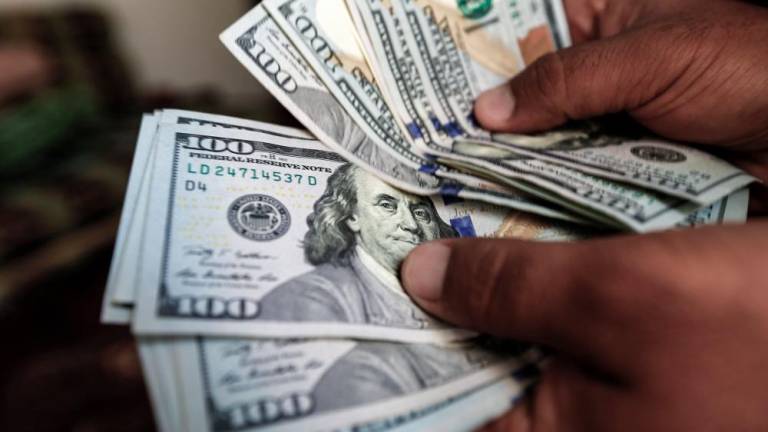
    The dollar was marginally weaker on Monday, as increasing expectations of a U.S.-Sino trade deal led investors to shift away from the safety of the greenback into riskier assets. Both the United States and China reported progress in five days of negotiations in Beijing last week, although the White House said much work remains to be done to force changes in Chinese trade behaviour.

    Negotiations will continue next week in Washington as investors hope for an end to the trade war between the world’s two largest economies.

    “Trade is the big focus for the markets…with talks shifting from Beijing to Washington, we could get more news flow,” said Michael McCarthy, chief markets strategist at CMC Markets.

    “I expect the euro to remain under pressure this week while dollar/yen could also fall if we see risk-aversion based on negative trade news flow.”

    In Asia, the yen was marginally higher versus the greenback at 110.53.

    The Aussie gained 0.1 percent to $0.7144, after gaining 0.48 percent on Friday on hopes of a trade breakthrough between the United States and China. The kiwi dollar also gained around 0.1 percent on the dollar to $0.6868.

    U.S.-China trade tensions have kept markets highly volatile since last year.

    U.S. duties on $200 billion worth of Chinese imports are set to rise from 10 percent to 25 percent if no deal is reached by March 1 to address U.S. demands that China curb forced technology transfers and better enforce intellectual property rights.

    The dollar index, a gauge of its value versus six major peers was marginally lower at 96.85. The index has gained 1.4 percent so far this month despite weaker-than-expected U.S. data as well as a cautious Federal Reserve which is widely expected to keep rates steady this year due to a slowdown in growth and muted inflation.

    The dollar index has gained mainly because of the euro , which has around 58 percent weightage in the index.

    The single currency was flat at $1.1292 in early Asian trade and has had two straight weeks of losses. Traders are betting on a weaker euro in the coming months as they expect the European Central Bank to keep its monetary policy accommodative due to low growth in the common area, tepid inflation and political uncertainties.

    On Friday, Benoit Coeure, a member of the European Central Bank’s executive board, said a new round of cheap multi-year loans to banks was possible. Coeure added that the euro zone’s recent economic slowdown is more pronounced than earlier expected, suggesting the path of inflation will also be more shallow.

    The ECB will next meet on March 7 and policymakers are widely expected to slash growth and inflation projections as the euro zone is suffering its biggest slowdown in half a decade.

    Elsewhere, sterling was up by 0.1 percent to $1.2903, building on its gains from Friday.

    The pound rallied 0.6 percent on Friday, helped by reports of some hedge fund buying, a conciliatory tone on Brexit from the Irish foreign minister and stronger-than-expected British retail sales data.

  • BA&SH expects to quadruple sales in Greater China

    BA&SH expects to quadruple sales in Greater China

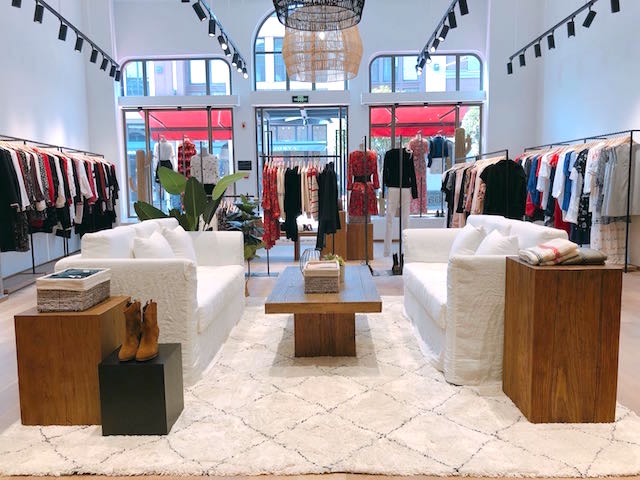
    Affordable luxury brand BA&SH has marked the second anniversary of its launch in Asia by revealing plans to quadruple its sales in the region within two years and introduce a new store concept. Last year the company opened seven stores in Mainland China, three in Hong Kong and two in Macau, taking its Greater China footprint to 20 points of sale.

    “We are thrilled about Hong Kong hitting the podium already and convinced China has the potential to drive the brand’s growth in a near future,” says Isolde Andouard, BA&SH’s CEO for Apac.

    “Asian market accounts for 6 per cent of our global sales as of today and we are targeting to reach 17 per cent by 2020. We forecast to multiply our turnover fourfold within the next two years,” she said.

    Stores in Hong Kong and Mainland China achieved profitability after just three months of operation, allowing the brand to build a regional store pool contributing significantly to global results.

    BA&SH unveiled a new store concept in the US last September, located in New York City’s Nolita neighbourhood, a store designed around themes of friendship and customer experience.

    “We chose New York to test the water with this new concept as this retailtainment experience must be combined with a heavy digital approach and US is clearly ahead of time on this,” says the company’s global CEO Pierre Arnaud Grenade.

    “As the US and Asia are our two strongest focuses for the time being, Hong Kong will definitely be the second city to inaugurate this model.”

    Sustained investments from LVMH-sponsored L Catterton have been supporting BA&SH’s strong growth over the past years and a strong emphasis on Greater China was seen as critical to the brand’s globalisation.

    Hong Kong stores, the first of which opened almost two years ago, now rank within BA&SH’s top five worldwide in turnover. Andouard says that proves the BA&SH concept is a great fit for Asia, with the Hong Kong stores recording average like-for-like sales growth of more than 40 per cent year on year. Some stores in Greater China doubled their sales year on year.

    BA&SH has focused on opening boutiques in premium locations and already counts most of the city’s major retail property owners among their landlords – including Swire, Sun Hung Kai, Sands, Wharf, China Resources and Value Retail.

    “We didn’t bet on such a warm welcome from the local operators, because BA&SH is quite a new concept to Asia,” says Laura Marquant, strategy & development director Apac. “Yet we see the market is becoming more mature and is looking for the freshness BA&SH is offering.”

    E-commerce focus

    Meanwhile, on the strength of the Greater China success, BA&SH has expanded its reach online through Alibaba, opening a flagship on Tmall last June, less than a year after the brand launched in Mainland China.

    “As far as digital is concerned, New Retail and omnichannel are more than ever on the table, and the redesign of the brand’s Hong Kong website with new features and tools are the next steps to come,” says Andouard.

  • Malaysia’s Malindo Air adjusts checked baggage allowance for economy class

    Malaysia’s Malindo Air adjusts checked baggage allowance for economy class

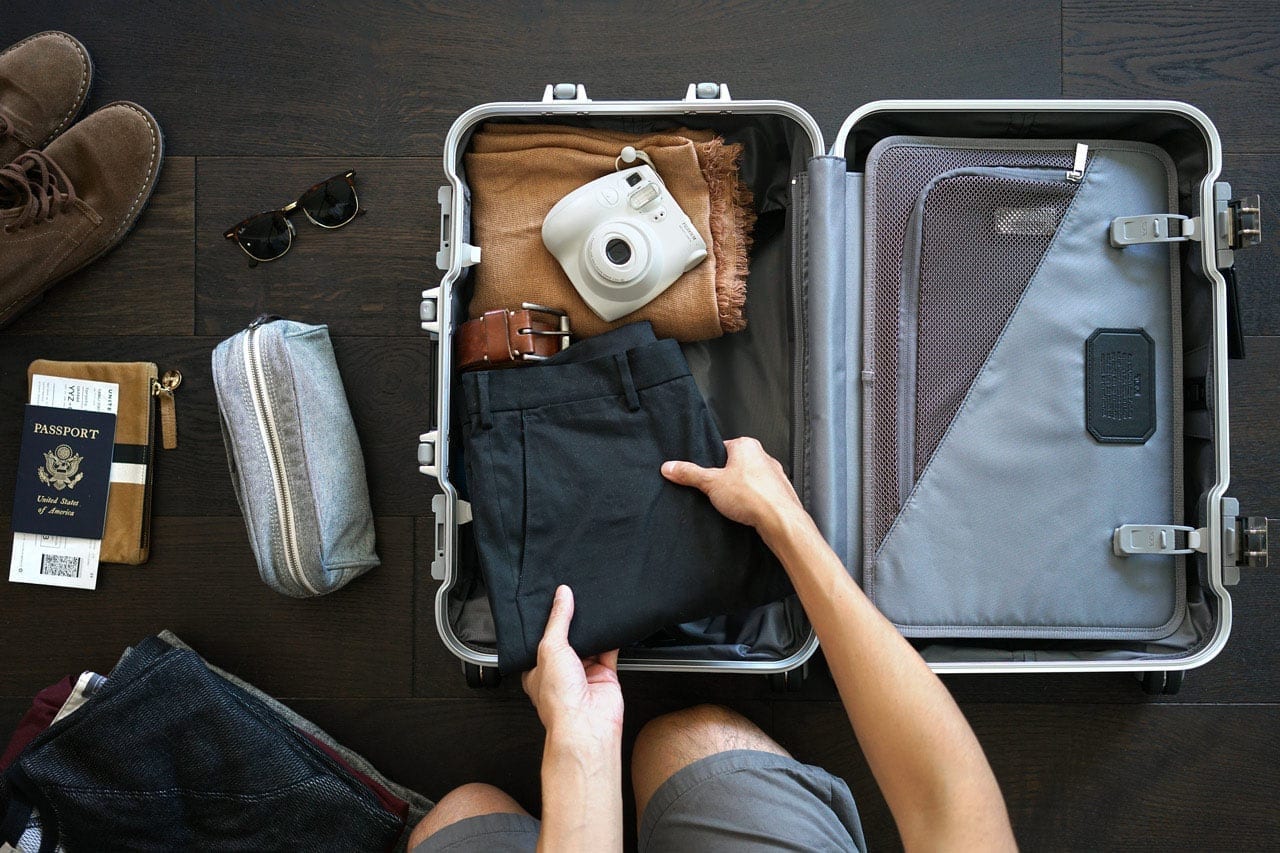
    Malindo Air has adjusted the checked baggage allowance for its economy class passengers under the Value and Flexi fare options effective last friday. The baggage allowance for Value fare option is now 15kg, and 30kg for Flexi fare option, from 25kg previously for both fare options. The baggage allowance for business class and its ATR flights remain as 40kg and 15kg respectively.

    Malindo Air CEO Chandran Rama Muthy said the business rationale to the adjustment is to keep up with the industry changes and passengers’ demand.

    “This option allows passengers who are cost-sensitive to enjoy more competitive airfare with services that fit their needs. We want to keep our products relevant to the market and bring better flying experience to our passengers,” he said in a statement.

    The airline will honour passengers who have made a booking before Feb 15, 2019 and flying on or after Feb 15, 2019 to enjoy the original baggage allowance upon booking, as reflected on their flight itinerary.

    Passengers may top up additional baggage allowance during the booking process, through “Manage My Booking”, Malindo Air ticketing offices, customer care centre and the airline’s preferred travel agents.

  • Lifestyle deploys new retail technologies

    Lifestyle deploys new retail technologies

    A part of Dubai-based retail and hospitality conglomerate Landmark Group, Lifestyle has been enhancing its Omnichannel experience for its customers at a very fast pace in the recent years. With 75 stores at present, Lifestyle is now also available online through www.lifestylestores.com where customers can shop from the convenience of their home.

    Offering men’s, women’s and kids’ apparel, footwear, handbags, fashion accessories, beauty products and much more, all under the same roof, the fashion retailer has added features such as ‘Self-Checkout Kiosk’, ‘Mobile POS’, Fitting Room Assistance’, etc., to augment its in-store experience.

    “Lifestyle has always endeavored to provide its customers the best-in-class shopping experience. With technological advancements, the shopping experience has evolved and we, as a progressive retailer, have embraced many of these technological advancements to further enhance the shopping experience we off er our customers,” says Vasanth Kumar, Managing Director, Lifestyle International.

    New Tech-Advancements

    Lifestyle has introduced ‘Self- Checkout Kiosk’ in a few key stores, a facility that allows customers to bill their merchandise and complete the payment transaction in a few simple steps on their own with no or very little intervention from the staff thereby greatly solving the long queue by enabling quicker checkouts. Another initiative to further ease checkouts is the ‘Mobile POS’, which was introduced for billing products such as watches, fragrances or cosmetics.

    Using insights from customer shopping behavior, the retailer has also launched ‘Fitting Room Assistance’ program that allows for size retrieval with the help of technology where the store assistants are alerted on the size and style required in the fitting room. “This initiative has helped in enhancing our conversions and is now being scaled up across key stores,” Kumar says.

    “Several of our initiatives are technological solutions to real customer problems which we discovered through our interaction with customers as well as staff . Using this feedback, we have created simple yet impactful solutions leveraging technology. These have led to positive impact on our overall customer experience and helped increase engagement with the brand,” he further adds.

    At the same time, with features like ‘Click & Collect’ and ‘In-store Endless Aisle’, Lifestyle is offering a true Omnichannel experience to its customers. An Omnichannel initiative, ‘Click & Collect’ allows customers to order online and collect merchandise from a Lifestyle store of their choice. ‘In-store Endless Aisle’ helps customers find missing in-store sizes on the e-commerce channel. Also, the retailer has introduced visual search and enabled voice-based search for its mobile applications which has helped in creating a more personalised and convenient shopping experience. Lifestyle has also implemented the ‘Put-to-Light’ system for effective storing and distribution at its warehouses. It has enabled single view of inventory for its e-commerce portal, www.lifestylestores.com, making the entire inventory across all warehouses accessible to the online customers thereby enhancing the merchandise availability and online conversion.

    “We are continuously evolving our stores with new technologies. To fully enable our customers to enjoy these new introductions, it is important for our sales personnel to understand, communicate and comfortably operate all new innovations. Before implementing any new technology or introducing product innovation, our entire store team goes through an extensive knowledge session, which enables them to understand the product/technology being introduced,” says Kumar.

    Lifestyle regularly tracks consumer satisfaction through NPS (Net Promoter Score) in store, by the virtue of offering, staff interactions, store ambience and consistently deliver an overall delightful shopping experience thereby winning customer trust and loyalty.
  • Wholesale apparel portal Joor eyes Asia as its gets $16 million

    Wholesale apparel portal Joor eyes Asia as its gets $16 million

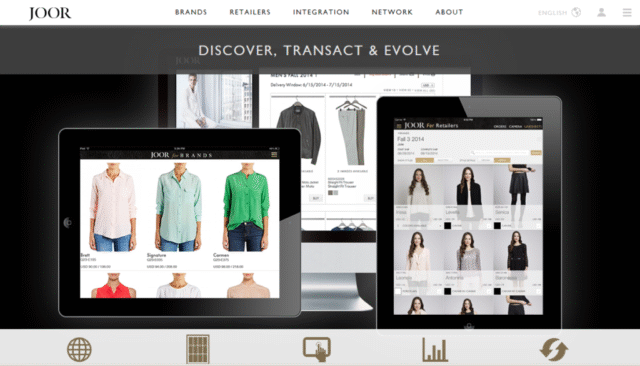
    US wholesale platform and data exchange Joor has raised US$16 million in Series C funding. The financing round was led by Itouchu, one of Japan’s leading conglomerates with participation from existing investors Canaan Partners and Battery Ventures. Joor has now raised $36 million since its launch and the new cash will fund ongoing product innovation for both brands and retailers, as well as expansion into Asia.

    Through the partnership with Itouchu, Joor will be able to access more than 150 US and European brands, and accelerate the entry of new overseas brands into Japan.

    “Joor’s dominance in North America and Europe makes it the natural choice for expansion into the Japanese market. We are excited to continue supporting their strategic growth,” said Yoshihiro Fukushima, executive officer of Itochu.

    “At Joor, our focus from day one has been the simplification of the wholesale process for brands and retailers,” said Kristin Savilia, CEO of Joor. “Our mission is to bring the industry together with one platform. The team at Itouchu supports this mission and we are excited to have its expertise and support to enable Joor to expand into Asia, furthering its global dominance.”

    Joor connects 8600 brands within 53 categories and 200,000 retailers in 144 countries into one wholesale platform.

    Luxury companies including Kering, LVMH, Richemont, Balenciaga, Alexander McQueen, Saint Laurent and Marc Jacobs have moved their wholesale business exclusively to the platform.

  • KITA opens office in Dubai to assist Korean start-ups

    KITA opens office in Dubai to assist Korean start-ups

    The Korea International Trade Association (KITA) said Tuesday it has set up an office in Dubai to help local start-ups advance into the Middle Eastern market. Under an agreement with Dubai Future Foundation, the Korea Office will be set up at Emirates Towers in one of the key cities of the United Arab Emirates (UAE). The office will provide working space for local start-ups and assist entrepreneurs in establishing their businesses in the burgeoning Middle Eastern market, KITA said.

    “It will be a great opportunity for local start-ups as Dubai institutions are pushing forward various projects under the support and attention of the prince of Dubai,” Kim Ki-hyeon, a KITA official, said.

    Dubai Future Foundation was set up with an aim to shape the future of the strategic sectors in cooperation with the government and private sectors.

  • Vietnamese women up makeup spending

    Vietnamese women up makeup spending

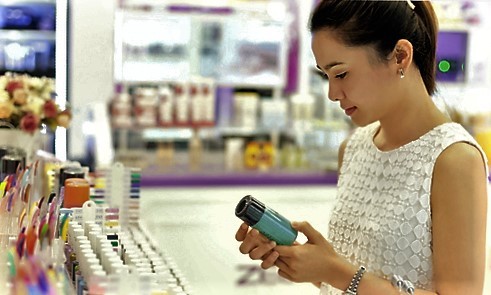
    More Vietnamese women are wearing makeup and spending more on makeup products, a new survey finds. The survey finds that Vietnamese women spend an average of VND300,000 ($13) on makeup products a month, with those with higher incomes spending even more. This number marks an increase of 5.4 percent from VND284,000 ($12.2) in 2016, says market research firm Q&Me, which carried out the survey.

    Women with higher incomes spend more on makeup products, the survey found. Those with an income of over VND20 million ($865) spend VND442,000 ($19) per month on average, while those with less than VND10 million ($433) spend just VND215,000 ($9).

    Over half, 51 percent, of the respondents said they apply makeup at least once a week, and 30 percent said they do so every day.

    The ratio of those who do not use makeup decreased from 24 percent in 2016 to just 14 percent this year.

    Women with higher incomes make up more often, the survey found. Forty-two percent of those who make more than VND20 million ($865) a month make up every day, while only 24 percent of those who make less than VND10 million ($433) per month do so every day.

    The most popular occasion to wear makeup is for a party, 87 percent of respondents said, followed by hanging out with friends (61 percent) and dating (52 percent).

    Skincare is the most used makeup product, with 73 percent of respondents saying they use it at least once a week.

    Lipstick is the most popular makeup item, carried by 88 percent of respondents whenever they go out of their homes.

    The time taken to make up has increased in recent years, the survey found. The ratio of respondents who make up in 10 minutes or less dropped from 51 percent in 2016 to 33 percent this year, while the percentage of those who take 11-30 minutes increased from 48 percent to 62 percent.

    Online shopping is the most popular way to buy makeup products, with 57 percent of respondents choosing this option, of whom 39 percent said they shop online every month.

    The main reason they shop online is convenience, 44 percent of respondents said, followed by better quality (43 percent) and good price (40 percent).

    The most frequent online shoppers of makeup products are women aged 23-29 with monthly incomes of over VND20 million ($865).

    Shopee as the most popular online shopping service, with 59 percent of respondents saying they have used it before, followed by Lazada (43 percent) and Facebook (40 percent).

    The survey polled 500 women aged 16-39 in Hanoi, Ho Chi Minh City and other localities.